Review

A Guide to Non-Alcoholic Fatty Liver Disease in Childhood and Adolescence
1
Faculty of Life Sciences and Medicine, King’s College London, Strand, London WC2R 2LS, UK
2
Institute for Liver and Digestive Health, University College London, Rowland Hill Street, London NW3 2PF, UK
3
Department of Gastroenterology and Hepatology, Guy’s and St Thomas’ Hospital, NHS Foundation Trust, Westminster Bridge Rd., London SE1 7EH, UK
*
Authors to whom correspondence should be addressed.
Int. J. Mol. Sci. 2016, 17(6), 947; https://doi.org/10.3390/ijms17060947
Submission received: 17 May 2016 / Revised: 6 June 2016 / Accepted: 7 June 2016 / Published: 15 June 2016
(This article belongs to the Special Issue Non-Alcoholic Fatty Liver Disease Research 2016)

Abstract

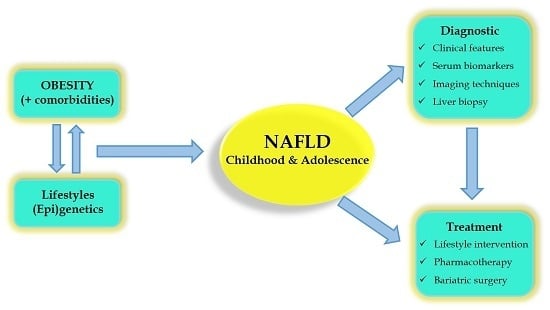
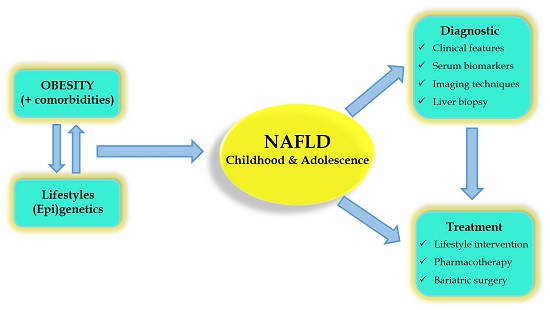
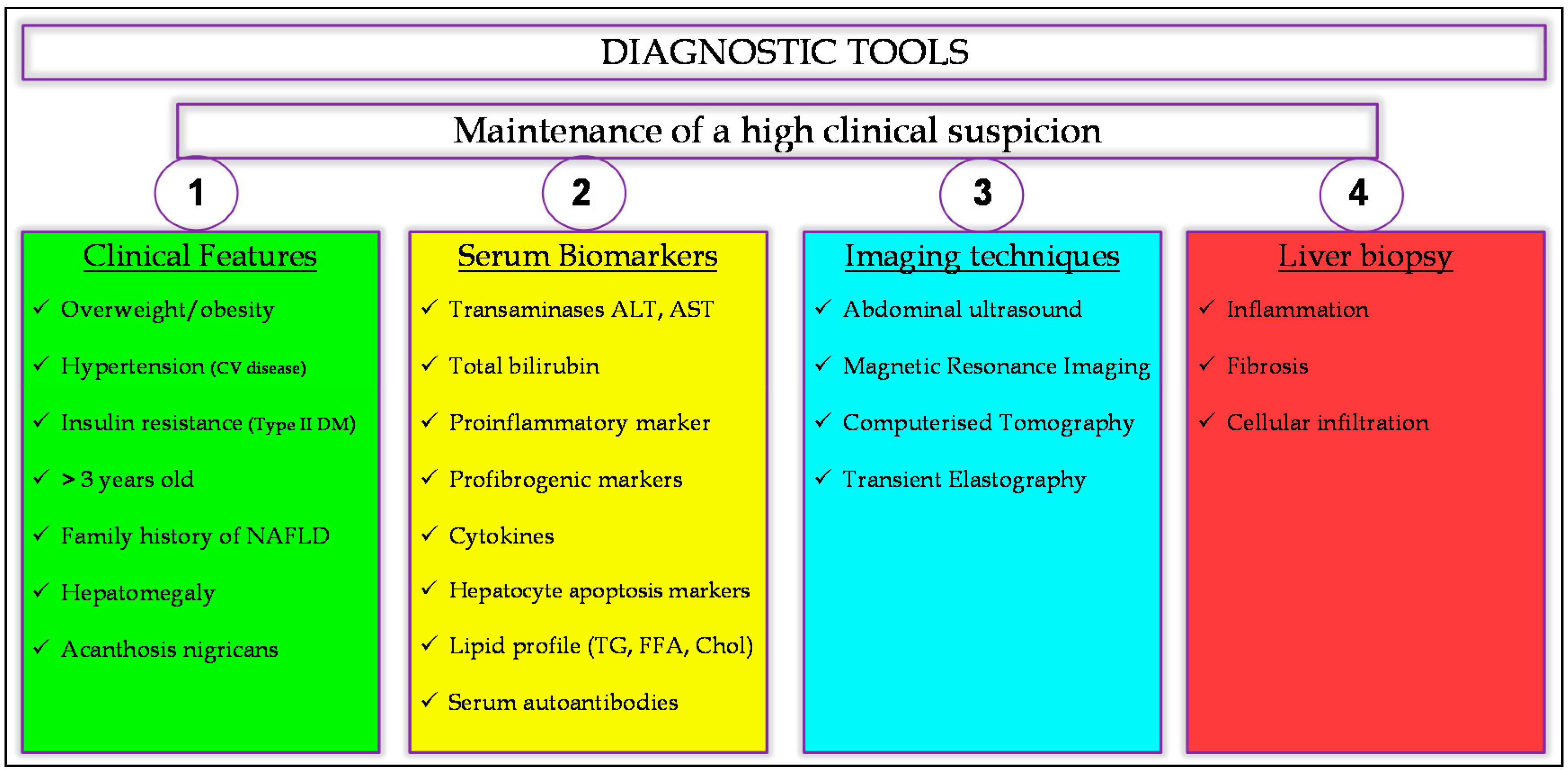
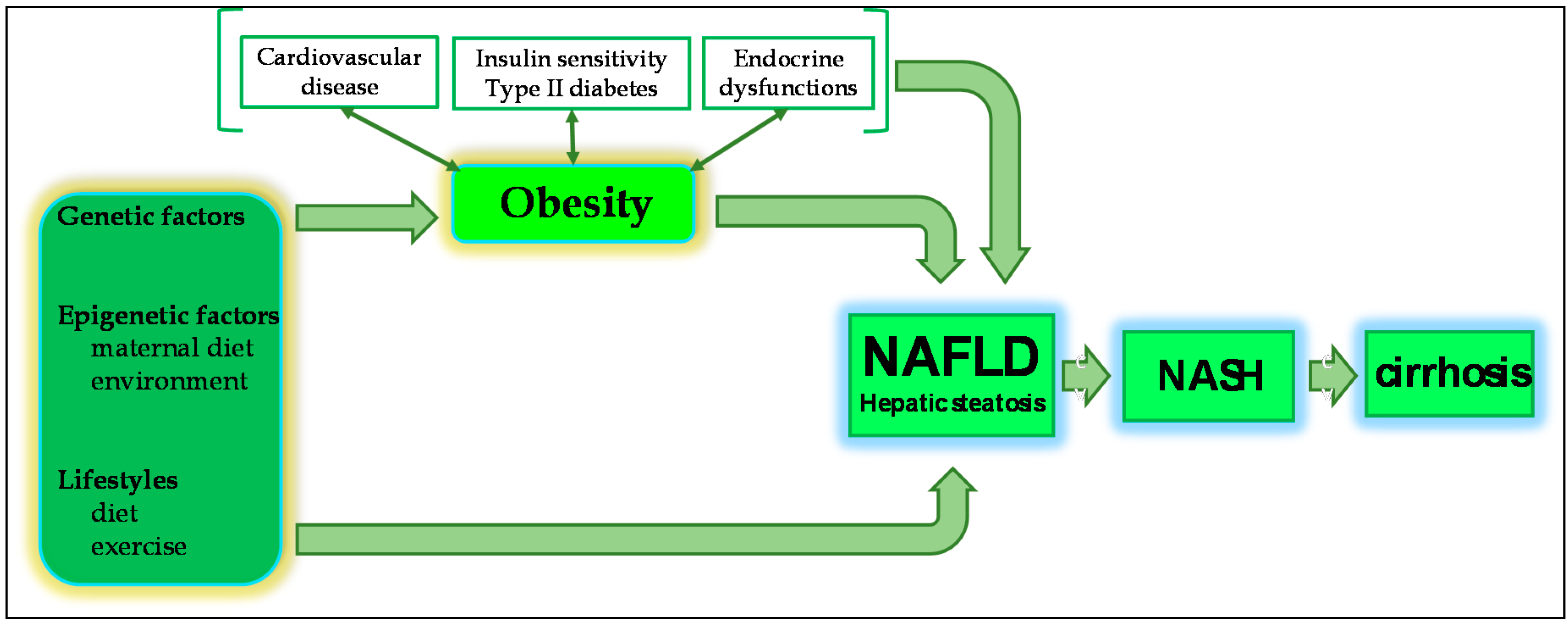
Non-Alcoholic Fatty Liver Disease (NAFLD) is now the most prevalent form of chronic liver disease, affecting 10%–20% of the general paediatric population. Within the next 10 years it is expected to become the leading cause of liver pathology, liver failure and indication for liver transplantation in childhood and adolescence in the Western world. While our understanding of the pathophysiological mechanisms underlying this disease remains limited, it is thought to be the hepatic manifestation of more widespread metabolic dysfunction and is strongly associated with a number of metabolic risk factors, including insulin resistance, dyslipidaemia, cardiovascular disease and, most significantly, obesity. Despite this, ”paediatric” NAFLD remains under-studied, under-recognised and, potentially, undermanaged. This article will explore and evaluate our current understanding of NAFLD in childhood and adolescence and how it differs from adult NAFLD, in terms of its epidemiology, pathophysiology, natural history, diagnosis and clinical management. Given the current absence of definitive radiological and histopathological diagnostic tests, maintenance of a high clinical suspicion by all members of the multidisciplinary team in primary and specialist care settings remains the most potent of diagnostic tools, enabling early diagnosis and appropriate therapeutic intervention.
Keywords: NAFLD; steatosis; obesity; children; adolescent NAFLD; steatosis; obesity; children; adolescent
Graphical Abstract