Next Article in Journal
Optimization of Laccase from Ganoderma lucidum Decolorizing Remazol Brilliant Blue R and Glac1 as Main Laccase-Contributing Gene
Previous Article in Journal
Bicyclo [6.3.0] Undecane Sesquiterpenoids: Structures, Biological Activities, and Syntheses
Review

Guanidine-Containing Polyhydroxyl Macrolides: Chemistry, Biology, and Structure-Activity Relationship

1
College of Bioscience and Bioengineering, Jiangxi Agricultural University, Nanchang 330045, China
2
School of Life Sciences, Sun Yat-sen University, 135 Xingang Road, Guangzhou 510275, China
*
Author to whom correspondence should be addressed.
Academic Editor: Jesus Simal-Gandara
Molecules 2019, 24(21), 3913; https://doi.org/10.3390/molecules24213913

Received: 7 October 2019 / Revised: 26 October 2019 / Accepted: 29 October 2019 / Published: 30 October 2019
(This article belongs to the Section Natural Products Chemistry)
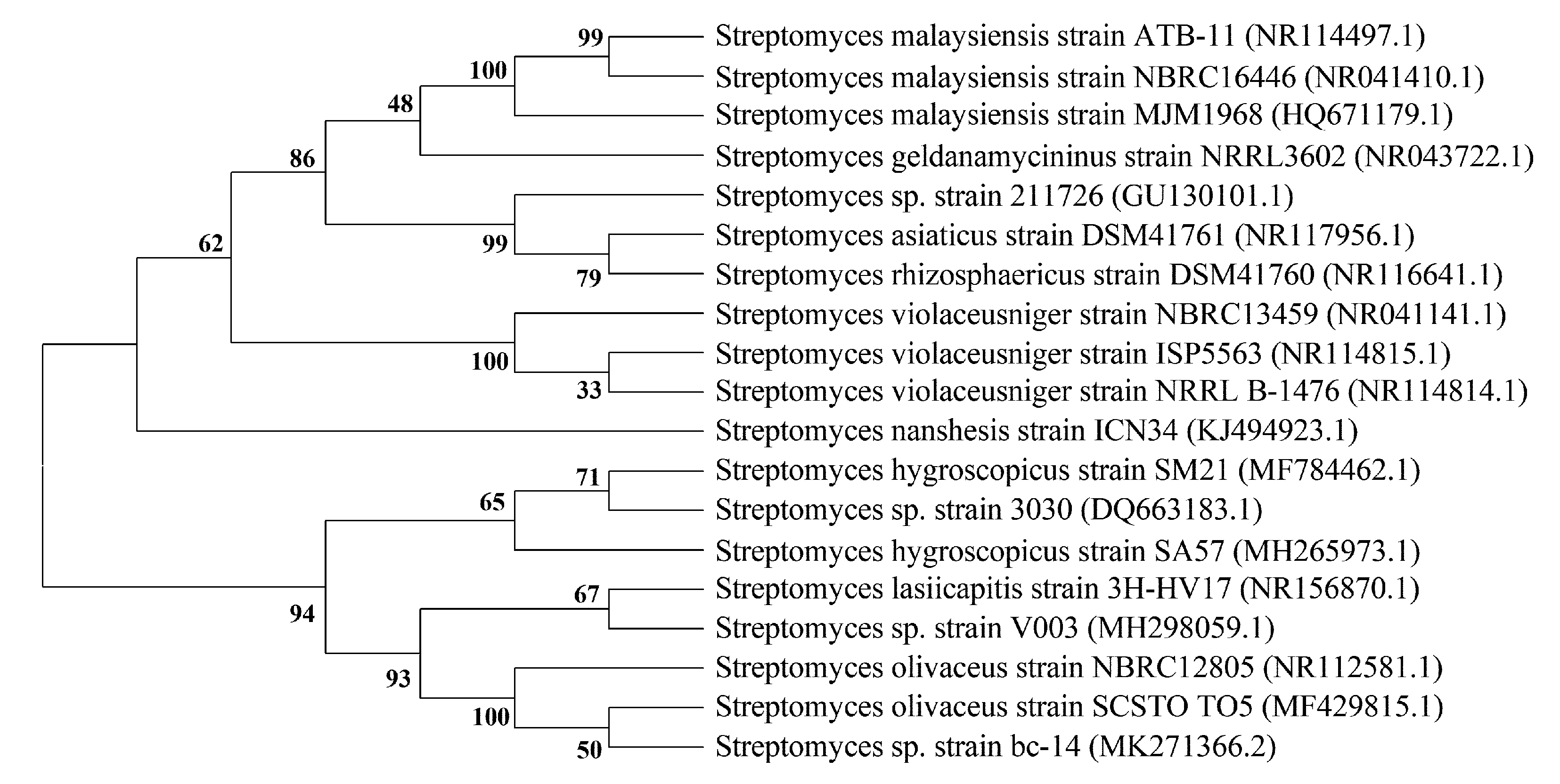
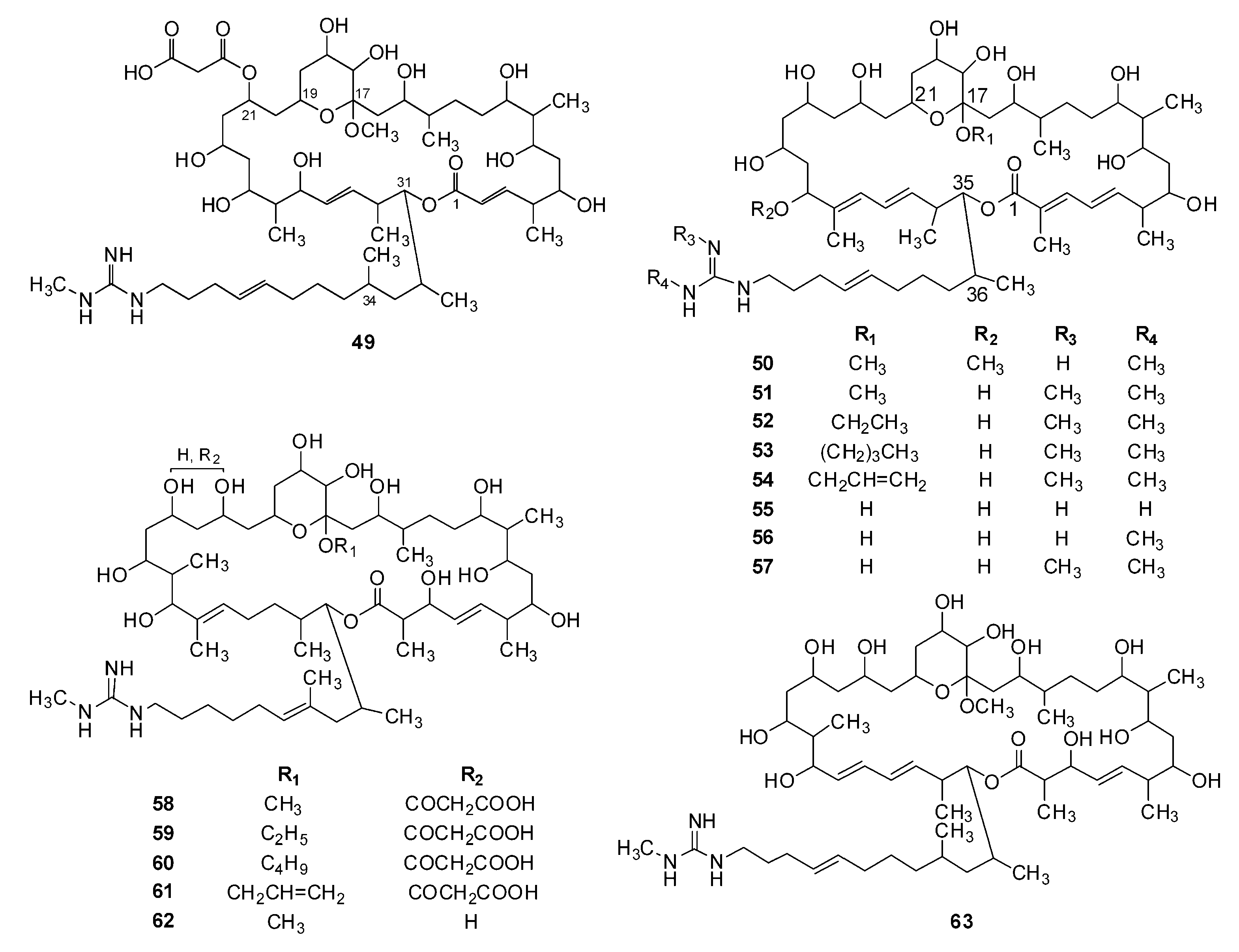
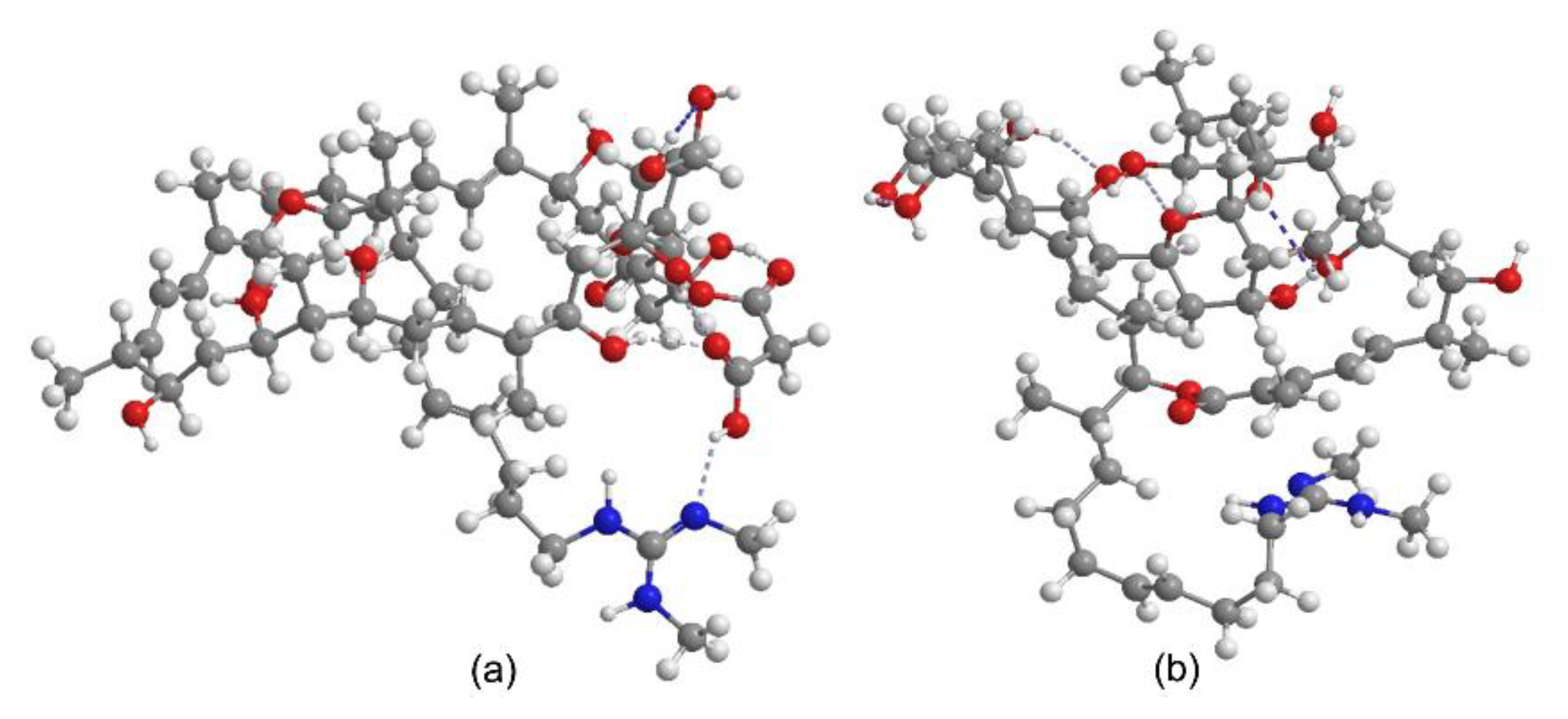
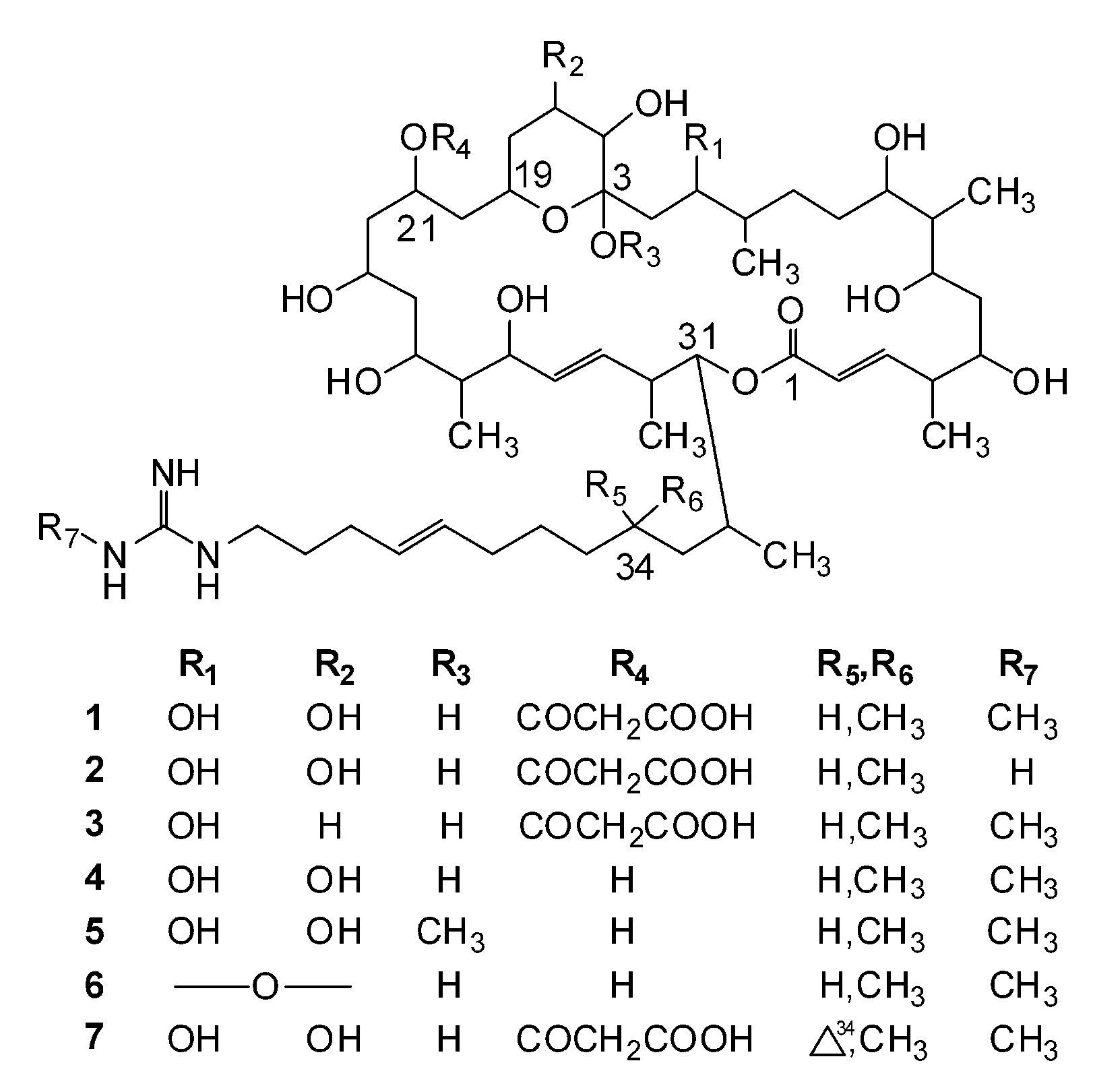
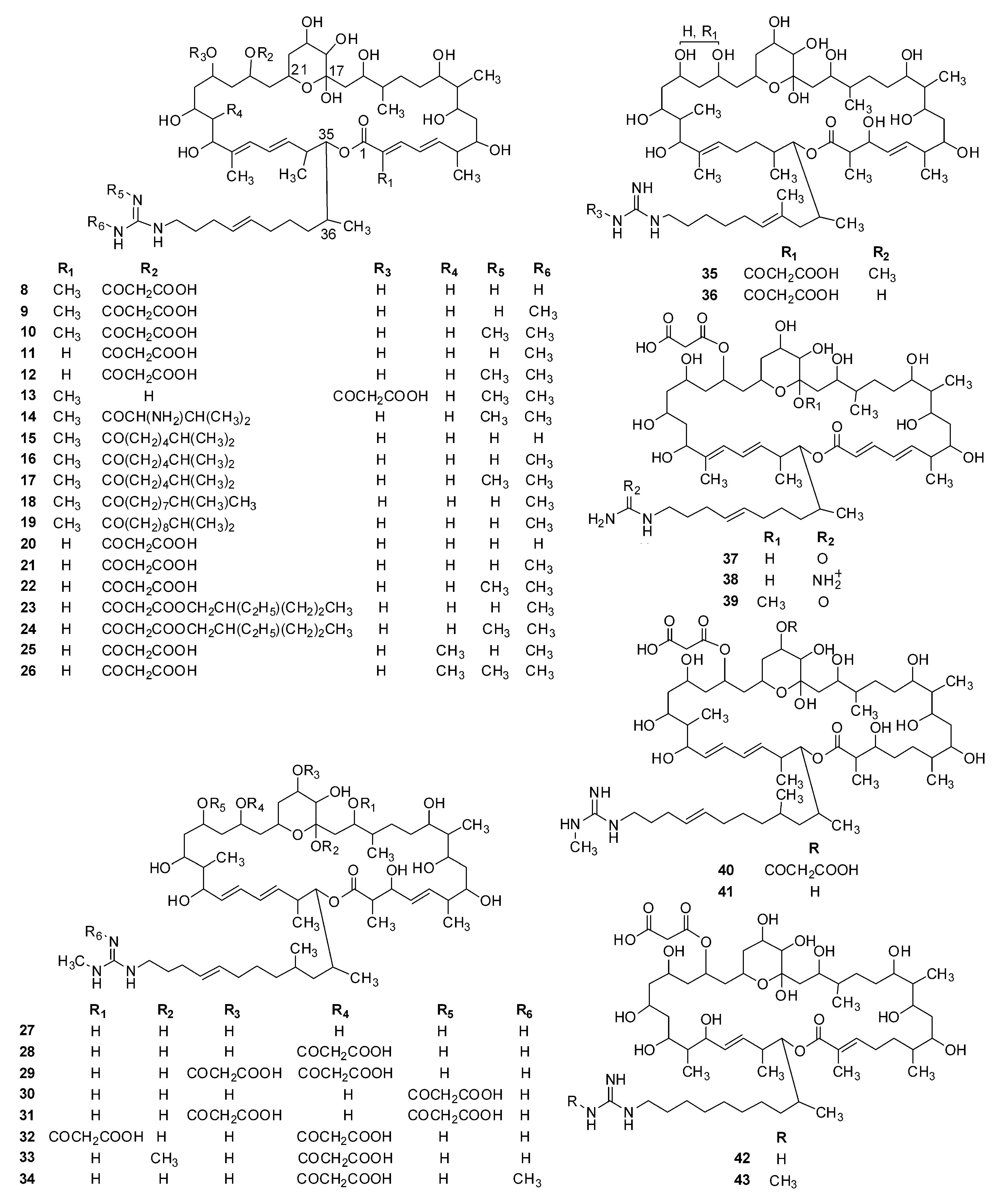
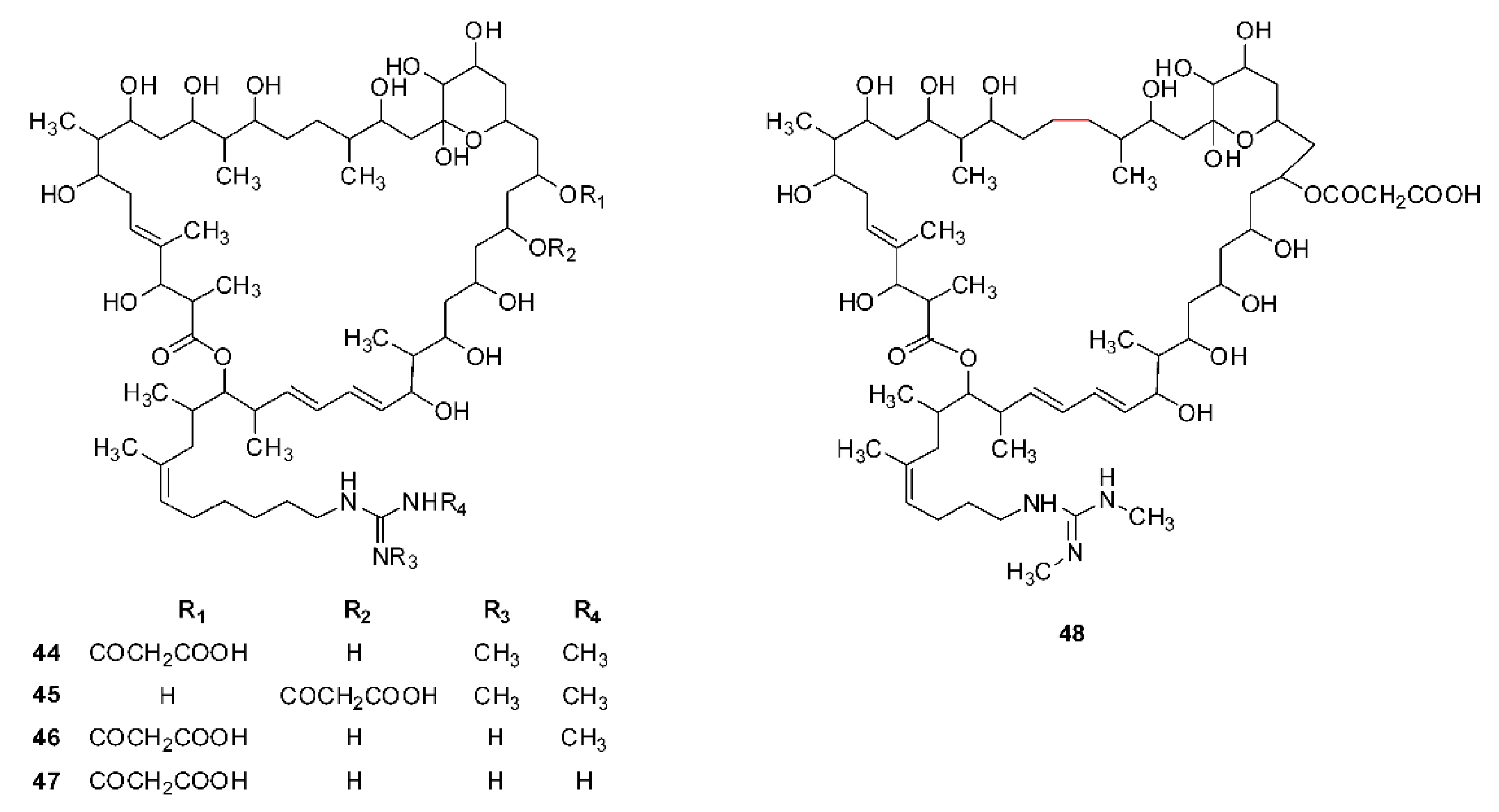
Antimicrobial resistance has been seriously threatening human health, and discovering new antimicrobial agents from the natural resource is still an important pathway among various strategies to prevent resistance. Guanidine-containing polyhydroxyl macrolides, containing a polyhydroxyl lactone ring and a guanidyl side chain, can be produced by many actinomycetes and have been proved to possess many bioactivities, especially broad-spectrum antibacterial and antifungal activities. To explore the potential of these compounds to be developed into new antimicrobial agents, a review on their structural diversities, spectroscopic characterizations, bioactivities, acute toxicities, antimicrobial mechanisms, and the structure-activity relationship was first performed based on the summaries and analyses of related publications from 1959 to 2019. A total of 63 guanidine-containing polyhydroxyl macrolides were reported, including 46 prototype compounds isolated from 33 marine and terrestrial actinomycetes and 17 structural derivatives. Combining with their antimicrobial mechanisms, structure-activity relationship analyses indicated that the terminal guanidine group and lactone ring of these compounds are vital for their antibacterial and antifungal activities. Further, based on their bioactivities and toxicity analyses, the discovery of guanidyl side-chain targeting to lipoteichoic acid of Staphylococcus aureus indicated that these compounds have a great potency to be developed into antimicrobial and anti-inflammatory drugs. View Full-Text
Keywords: guanidine; macrolide; bioactivity; antimicrobial; antibacterial; antifungal; structural diversity; structure-activity relationship; toxicity; azalomycin F guanidine; macrolide; bioactivity; antimicrobial; antibacterial; antifungal; structural diversity; structure-activity relationship; toxicity; azalomycin F
Show Figures

Figure 1

MDPI and ACS Style

Song, X.; Yuan, G.; Li, P.; Cao, S. Guanidine-Containing Polyhydroxyl Macrolides: Chemistry, Biology, and Structure-Activity Relationship. Molecules 2019, 24, 3913. https://doi.org/10.3390/molecules24213913
AMA Style

Song X, Yuan G, Li P, Cao S. Guanidine-Containing Polyhydroxyl Macrolides: Chemistry, Biology, and Structure-Activity Relationship. Molecules. 2019; 24(21):3913. https://doi.org/10.3390/molecules24213913
Chicago/Turabian Style

Song, Xiaoyuan, Ganjun Yuan, Peibo Li, and Sheng Cao. 2019. "Guanidine-Containing Polyhydroxyl Macrolides: Chemistry, Biology, and Structure-Activity Relationship" Molecules 24, no. 21: 3913. https://doi.org/10.3390/molecules24213913
Find Other Styles
Note that from the first issue of 2016, MDPI journals use article numbers instead of page numbers. See further details here.

Article Access Map by Country/Region

1
Back to TopTop