Journal Description
Société Internationale d’Urologie Journal
(SIUJ) is an international, peer-reviewed, open access journal that covers all aspects of urology and related fields, published bimonthly online. It is the official journal of the International Society of Urology (SIU).
- Open Access— free for readers and authors (diamond open access), with article processing charges (APC) paid by the Société Internationale d’Urologie.
- Rapid Publication: manuscripts are peer-reviewed and a first decision is provided to authors approximately 39.9 days after submission; acceptance to publication is undertaken in 50.3 days (median values for papers published in this journal in the first half of 2025).
- Recognition of Reviewers: APC discount vouchers, optional signed peer review, and reviewer names published annually in the journal.
subject
Imprint Information
Open Access
ISSN: 2563-6499
Latest Articles
Work–Life Integration, Professional Stress, and Gender Disparities in the Urological Workforce: Findings from a Worldwide Cross-Sectional Study
Soc. Int. Urol. J. 2025, 6(6), 74; https://doi.org/10.3390/siuj6060074 - 18 Dec 2025
Abstract
►
Show Figures
Background/Objectives: Physician burnout and mental health issues are widespread, with over 50% experiencing burnout and nearly 25% suffering from depression, trends that have worsened since 2018. High-demand specialties like urology face additional stressors, including increasing workloads and technological changes. Gender disparities further exacerbate
[...] Read more.
Background/Objectives: Physician burnout and mental health issues are widespread, with over 50% experiencing burnout and nearly 25% suffering from depression, trends that have worsened since 2018. High-demand specialties like urology face additional stressors, including increasing workloads and technological changes. Gender disparities further exacerbate these challenges, with female urologists reporting higher burnout and work–life balance struggles. To evaluate perceptions of work–life balance, career satisfaction, and workplace experiences among urologists worldwide, and to provide potential strategies to improve physician well-being, promote gender equity, and support the sustainability of urology. Methods: A web-based, cross-sectional survey was conducted from March to June 2025, involving urologists, residents, and fellows globally. The 30-item questionnaire covered demographics, working conditions, work–life balance, and gender-related workplace issues. Data were analyzed using descriptive statistics stratified by gender, age, role, and region. Results: We received replies from 390 doctors in urology. Work-related stress was reported by 87.4% (340). A total of 17.7% (69) felt their career progression to be fully compatible with their personal life, while 42.3% (165) perceived a significant imbalance. Female urologists experienced higher perceptions of inequality in career and work–life opportunities. Over 50% expressed willingness to reduce workload for family reasons, highlighting systemic barriers. Burnout was most prevalent among younger urologists (<50 years), with persistent gender disparities across regions. Conclusions: Work–life imbalance and burnout remain major concerns for urologists globally, especially among female and early-career physicians. Addressing these issues requires institutional policies promoting flexibility, gender equity, and targeted support. Further research is needed to develop effective interventions to sustain a resilient urological workforce.
Full article
Open AccessArticle
Cystolitholapaxy Without Transurethral Resection of the Prostate: Clinical Outcomes and Predictors of Subsequent Resection
by
Jeremy Cheng, Arjun Guduguntla, Arveen Kalapara, Jeremy Grummet and Gideon Blecher
Soc. Int. Urol. J. 2025, 6(6), 73; https://doi.org/10.3390/siuj6060073 - 18 Dec 2025
Abstract
Background/Objectives: Limited data exist on the outcomes of men with bladder stones undergoing cystolitholapaxy alone versus cystolitholapaxy with concurrent transurethral resection of the prostate (TURP). Additionally, factors associated with the need for subsequent TURP in these patients are not well defined. This study
[...] Read more.
Background/Objectives: Limited data exist on the outcomes of men with bladder stones undergoing cystolitholapaxy alone versus cystolitholapaxy with concurrent transurethral resection of the prostate (TURP). Additionally, factors associated with the need for subsequent TURP in these patients are not well defined. This study aimed to compare the clinical outcomes in men undergoing cystolitholapaxy alone with those undergoing concurrent cystolitholapaxy with TURP, and determine what factors were associated with the need for subsequent TURP. Methods: A retrospective review was conducted of men undergoing cystolitholapaxy at a single Australian hospital between 2014 and 2021. Patients were grouped into cystolitholapaxy alone (Group A) and cystolitholapaxy with concurrent TURP (Group B). Clinical outcomes compared included rates of acute urinary retention (AUR), urinary tract infection (UTI), and subsequent TURP. Prostate volume (PV), stone size, and the presence of intravesical prostatic protrusion (IPP) were evaluated as potential predictors of subsequent TURP in Group A. Results: Fifty men were included in the final analysis, with a median follow-up of 50 months (interquartile range [IQR] 24–81). Baseline characteristics did not differ significantly between groups. There was no statistically significant difference in the rates of AUR (11% vs. 13%) or UTI (22% vs. 30%) between Group A and Group B, respectively. However, 41% of Group A underwent subsequent TURP, compared to 9% in Group B (p = 0.0112). Within Group A, those requiring subsequent TURP had a significantly greater PV (65 vs. 34 cc, p = 0.0059), larger stone size (3.5 vs. 2.0 cm, p = 0.0175), and a higher prevalence of IPP (82% vs. 6%, p < 0.001). Conclusions: Cystolitholapaxy alone is a viable initial treatment for bladder stones, with comparable clinical outcomes to concurrent TURP. PV, stone size, and IPP may help identify patients likely to require future TURP, enabling more tailored treatment and potential reduction in TURP-related morbidity.
Full article
Open AccessArticle
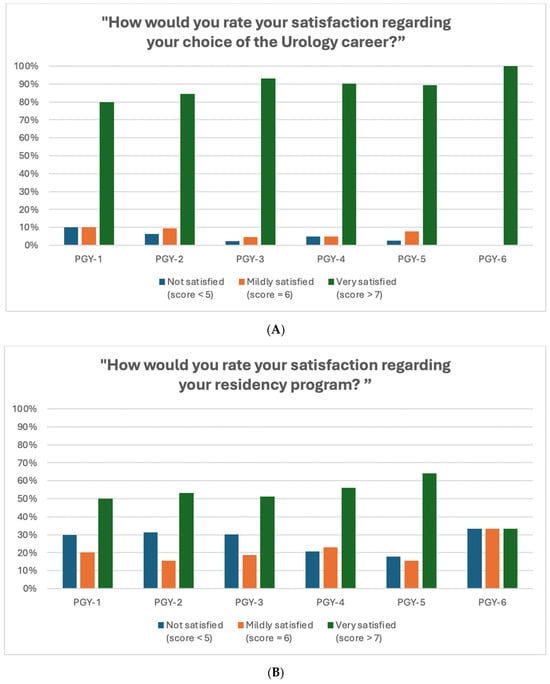
Strengthening Reconstructive Urology with an Aim for Capacity-Building in a Low-Middle-Income Country: A Multi-Institutional Global Surgery Collaboration Initial Report
by
Michael E. Chua, R. Christopher Doiron, Kurt McCammon, Ellen C. Chong, Marie Carmela Lapitan, Joel Patrick Aldana, Diosdado Limjoco, Josefino Castillo, Dennis Serrano and Manuel See IV
Soc. Int. Urol. J. 2025, 6(6), 72; https://doi.org/10.3390/siuj6060072 - 18 Dec 2025
Abstract
►▼
Show Figures
Background/Objectives: Reconstructive urology is critically underrepresented in global surgery initiatives, despite its essential role in managing congenital and acquired urogenital conditions. In response, a multinational Global Surgery Collaborative was launched in 2022 by a faculty from the University of Toronto, aiming to enhance
[...] Read more.
Background/Objectives: Reconstructive urology is critically underrepresented in global surgery initiatives, despite its essential role in managing congenital and acquired urogenital conditions. In response, a multinational Global Surgery Collaborative was launched in 2022 by a faculty from the University of Toronto, aiming to enhance reconstructive urology capacity in the Philippines, among other low- to low-middle-income countries through longitudinal mentorship and skills transfer. This report presents early experience from 2022 to 2024. Methods: This collaboration delivered annual in-person surgical missions from 2022 to 2024 at two major Philippine healthcare institutions. Training focused on pediatric and adult reconstructive urologic procedures. Local mentees participated in structured preoperative planning, intraoperative teaching, and postoperative debriefing. We conducted a prospective service evaluation comprising a prospective registry of consecutive cases and paired pre/post trainee surveys. Data were collected on patient demographics and surgical metrics. Primary clinical endpoints included operative time, length of stay, and complications (Clavien–Dindo), with standardized follow-up windows. Mentee educational outcomes were assessed through pre- and post-training trainee-reported (Likert) measures, evaluating comfort and technical understanding. Statistical analysis used the Wilcoxon signed-rank test to assess changes. Results: Over three years, 33 surgical cases were performed with 45 surgical resident mentees (Post-graduate year (PGY)4–PGY6) engaged. The median patient age was 23 (inter-quartile range [IQR] 12.5–41.5) years, with 33.3% pediatric and 84.8% of cases classified as major. The complication rate was 15.1%, with only one major event (3%). Across 45 mentees, comfort increased from a median 4.0 (IQR 2.5–5.0) to 7.0 (5.5–8.0) and technique understanding from 5.0 (4.0–6.5) to 9.0 (8.0–10.0), with large Wilcoxon effects (r = 0.877 and r = 0.875; both p < 0.001). Year-by-year analyses showed the same pattern with large effects. Conclusions: In this early three-year experience (33 cases, 84.8% major), this multi-institutional collaboration longitudinal mentorship model was feasible and safe, and was associated with significant trainee-reported improvements in comfort and technical understanding. This demonstrates a replicable model for global surgery in reconstructive urology, successfully enhancing surgical skills and fostering sustainable capacity in low- and middle-income countries (LMIC) settings.
Full article
Figure A1
Open AccessEditorial
The Latest Chapter for the Société Internationale d’Urologie Journal
by
Henry H. Woo
Soc. Int. Urol. J. 2025, 6(6), 71; https://doi.org/10.3390/siuj6060071 - 17 Dec 2025
Abstract
I am grateful to the Société Internationale d’Urologie (SIU) Board of Directors for the opportunity to serve as the new Editor-in-Chief of the Société Internationale d’Urologie Journal (SIUJ), following a rigorous and competitive appointment process [...]
Full article
Open AccessArticle
Medium- to Long-Term Outcomes Following Robotic-Assisted Simple Prostatectomy
by
Cecile T. Pham, Allen Guo, Jordan E. Cohen, Patrick J. Treacy, Wenjie Zhong, Kayvan Haghighi, Matthew W. Winter and Scott Leslie
Soc. Int. Urol. J. 2025, 6(6), 70; https://doi.org/10.3390/siuj6060070 - 15 Dec 2025
Abstract
Background/Objectives: Robotic-assisted simple prostatectomy (RASP) is an increasingly popular surgical approach for prostate enucleation. The aim of this study is to evaluate the incidence of perioperative and delayed complications following RASP and the medium- to long-term urinary function outcomes. Methods: This
[...] Read more.
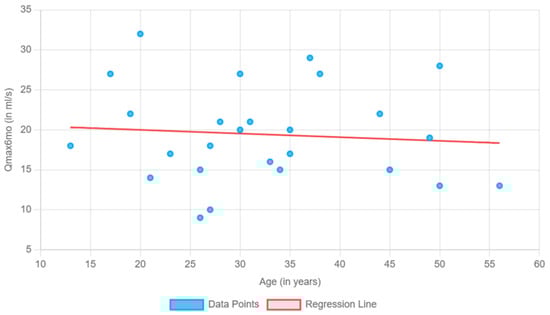
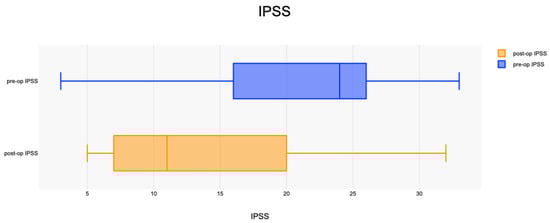
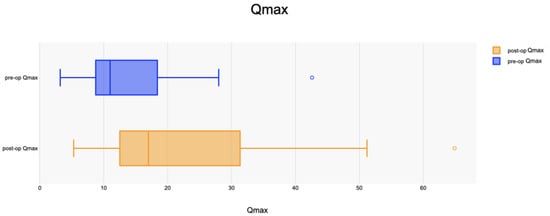
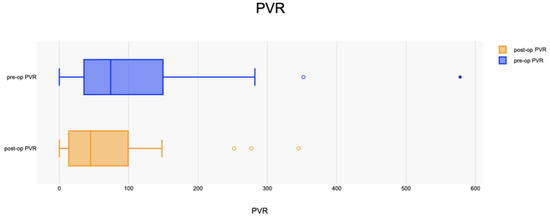
Background/Objectives: Robotic-assisted simple prostatectomy (RASP) is an increasingly popular surgical approach for prostate enucleation. The aim of this study is to evaluate the incidence of perioperative and delayed complications following RASP and the medium- to long-term urinary function outcomes. Methods: This is a multi-centre retrospective chart analysis of patients who underwent RASP between October 2016 and October 2022. Surgery was performed using a transvesical approach with a DaVinci Xi system. Patients were reviewed pre- and postoperatively at six weeks and annually thereafter. Patient characteristics, perioperative outcomes, pre- and postoperative uroflowmetry and post-void residual (PVR) measurement were assessed. Results: A total of 50 patients with mean preoperative prostate volume of 180.3 ± 48.1 underwent RASP. The mean operative time was 140.7 ± 28.7 min and hospital length of stay was 5.2 ± 2.9 days. The mean intraoperative blood loss was 247.4 ± 153.7 mL and no patients required transfusion. The mean follow-up period was 37.2 ± 18.3 months. No patients developed stress urinary incontinence. Two patients developed delayed bladder neck contracture at 44 and 63 months. There was a significant improvement in peak urinary flow rate (Qmax) (preop Qmax 10.7 mL/s vs. postop Qmax 24.2 mL/s, p < 0.05) and PVR (preop PVR 366.5 mL vs. postop PVR 42.2 mL, p < 0.05). All patients were weaned off medical therapy for benign prostatic enlargement (BPE) and no patients had recurrent lower urinary tract symptoms requiring re-operation. Conclusions: RASP is a safe and effective enucleation technique for large prostates >100 mL with excellent long-term durability of urinary function outcomes beyond 36 months.
Full article
Open AccessSystematic Review
Early vs. Delayed Repair in Urethral Injuries: A Systematic Review
by
Kuncoro Adi and Bacilius A. Priyosantoso
Soc. Int. Urol. J. 2025, 6(6), 69; https://doi.org/10.3390/siuj6060069 - 15 Dec 2025
Abstract
►▼
Show Figures
Background/Objectives: The optimal timing for definitive repair of urethral injuries, early versus delayed, remains a subject of ongoing debate. While delayed repair has traditionally been favored to allow resolution of local tissue trauma, emerging evidence suggests that early intervention may offer comparable
[...] Read more.
Background/Objectives: The optimal timing for definitive repair of urethral injuries, early versus delayed, remains a subject of ongoing debate. While delayed repair has traditionally been favored to allow resolution of local tissue trauma, emerging evidence suggests that early intervention may offer comparable or superior outcomes without increased risk of complications. This systematic review compares outcomes between early and delayed urethral repair across various patient populations and injury types. Methods: A systematic search of PubMed, Embase, and Scopus (through June 2025) was conducted in accordance with Preferred Reporting Items for Systematic Reviews and Meta-Analyses (PRISMA) guidelines. Comparative studies evaluating early (within initial hospitalization or ≤1 month) versus delayed (>1–3 months post-injury) urethral repair were included. Primary outcomes were urethral stricture formation, erectile dysfunction (ED), and urinary incontinence (UI). Risk of bias was assessed using a modified Newcastle-Ottawa Scale. Results: Of 125 records screened, four retrospective cohort studies met inclusion criteria, encompassing 343 patients with anterior and posterior urethral injuries across pediatric and adult populations. Three studies found no significant difference in stricture, ED, or UI rates between early and delayed repair. One study (Chen et al., 2024) reported higher complication rates in the delayed group (stricture: 47% vs. 22%; ED: 37% vs. 3%; UI: 27% vs. 11%). Across the limited and heterogeneous studies available, no clear superiority was demonstrated between early and delayed urethral repair in terms of long-term stricture and functional outcomes. Conclusions: In carefully selected stable patients, early repair does not increase the risk of complications and may reduce catheterization time. When performed by experienced surgeons, early intervention does not increase stricture, ED, or UI risk, and may improve overall morbidity. Patient selection remains critical, but routine deferral of urethroplasty for several months should be reconsidered.
Full article
Figure 1
Open AccessReview
SIU-ICUD: Clinical Application of Liquid and Tissue-Based Biomarkers in Prostate Cancer
by
Tamás Fazekas, Pawel Rajwa, Renu S. Eapen and Derya Tilki
Soc. Int. Urol. J. 2025, 6(6), 68; https://doi.org/10.3390/siuj6060068 - 10 Dec 2025
Abstract
Several liquid-, and tissue-based markers are available to guide primary diagnosis-, active surveillance-, and treatment-related decision-making for patients with prostate cancer. Most of these tests can improve the balance of harms and benefits associated with early detection, and aid patient selection for treatment
[...] Read more.
Several liquid-, and tissue-based markers are available to guide primary diagnosis-, active surveillance-, and treatment-related decision-making for patients with prostate cancer. Most of these tests can improve the balance of harms and benefits associated with early detection, and aid patient selection for treatment intensification. However, the costs of these tests can make their integration in routine clinical practice challenging. To date, prostate-specific antigen (PSA) is still one of the most well-known and widely utilized tumor markers worldwide, with a unique facility ranging from the diagnosis to the treatment-related follow-up of patients with prostate cancer. Future research efforts are needed to integrate biomarkers and novel imaging techniques, such as prostate magnetic resonance imaging, in the decision-making pathways. Despite the growing body of knowledge and evidence, considerable challenges remain in optimizing risk-stratification, improving patient selection and cost-efficacy in different prostate cancer (PCa)-related settings.
Full article
Open AccessConference Report
Abstracts of the 45th Congress of the Société Internationale d’Urologie
by
Société Internationale d’Urologie
Soc. Int. Urol. J. 2025, 6(5), 67; https://doi.org/10.3390/siuj6050067 - 21 Oct 2025
Abstract
The SIU wishes to extend its gratitude to the urologists who contributed their time to review abstract submissions for the 45th SIU Congress:Refaat Abusamra, Libya;Sanjai Addla, India;Kinju Adhikari, India;Neeraj Agarwal, United States;Madhu Agrawal, India;Sachin Agrawal, United Kingdom;Thomas Ahlering, United States;Shusuke Akamatsu, Japan;Peter
[...] Read more.
The SIU wishes to extend its gratitude to the urologists who contributed their time to review abstract submissions for the 45th SIU Congress:Refaat Abusamra, Libya;Sanjai Addla, India;Kinju Adhikari, India;Neeraj Agarwal, United States;Madhu Agrawal, India;Sachin Agrawal, United Kingdom;Thomas Ahlering, United States;Shusuke Akamatsu, Japan;Peter Albers, Germany;Salah Albuheissi, United Kingdom;Naif Alhathal, Saudi Arabia;Bedeir Ali-El-Dein, Egypt;Murtadha Almusafer, Iraq;Anastasios Anastasiadis, Greece;Mohamed Arafa, Qatar;Amandeep Arora, India;Zeeshan Aslam, United Kingdom;Hammad Ather, Pakistan;Widi Atmoko, Indonesia;Melanie Aubé-Peterkin, QC;Riccardo Autorino, United States;Ben Ayres, United Kingdom;Puskal Kumar Bagchi, India;Ganesh Bakshi, India;Mevlana Derya Balbay, Turkey;Neil Barber, United Kingdom;John Barry, United States;Jens Bedke, Germany;Elisa Berdondini, Italy;Gajanan Bhat, India;Amit Bhattu, United States;Naeem Bhojani, Canada;N I Bhuiyan, Bangladesh;Marta Bizic, Serbia;Damien Bolton, Australia;Vincenzo Borgna, Chile;Muhammad Bulbul, Lebanon;Gian Maria Busetto, Italy;Ana Gabriela Caballero Garcia, Mexico;Adam Calaway, United States;Amparo Camacho, United States;Kevin Campbell, United States;Francesco Capelan, Switzerland;Manuel Castanheira de Oliveira, Portugal;Christine Joy Castillo, Philippines;David Castro-Diaz, Spain;Arun Chawla, India;Manohar ChikkaMoga Siddaiah, India;Archil Chkhotua, Georgia;Sung Yong Cho, Korea, Rep [...]
Full article
Open AccessArticle
Long-Term Patient-Reported Outcomes of Hyperbaric Oxygen Therapy for Haematuria Due to Radiation Cystitis Secondary to External Beam Radiotherapy for Pelvic Malignancy
by
Thomas Milton, Darcy Noll, Peter Stapleton, Henry Shaw, Joseph Hewitt, Marcus Kha, Troy Pudney, Hien Le, Adrian Winsor and Rajinder Singh-Rai
Soc. Int. Urol. J. 2025, 6(5), 66; https://doi.org/10.3390/siuj6050066 - 21 Oct 2025
Abstract
►▼
Show Figures
Background/Objectives: To determine long-term patient-reported outcomes for patients undergoing hyperbaric oxygen therapy (HBO2) following external beam radiotherapy. Methods: A retrospective cohort study of all consecutive patients who underwent HBO2 for radiation cystitis in South Australia from September 2017 to March 2023
[...] Read more.
Background/Objectives: To determine long-term patient-reported outcomes for patients undergoing hyperbaric oxygen therapy (HBO2) following external beam radiotherapy. Methods: A retrospective cohort study of all consecutive patients who underwent HBO2 for radiation cystitis in South Australia from September 2017 to March 2023 was performed. Patient-reported symptom severity, anxiety, healthcare use and transfusion requirements pre- and post-treatment were collected through telephone interview. Readmission data and procedural data was collected through both telephone interview and a state-wide electronic medical record. Jamovi was used to perform paired sample t-tests for statistical analysis. Results: There were 89 patients who underwent HBO2 for radiation cystitis with 54 completing the questionnaire. There were 85% of patients alive at the time of follow-up, with 61% of the total cohort and 74% of survivors completing the questionnaire. For those completing the questionnaire, 96% were male with all of them having prostate cancer. Median age was 74 (interquartile range [IQR] 69–78). The mean reduction in patients’ perceived symptom severity after HBO2 on a scale out of 10 was 7.9 to 2 with a difference of 5.9 (95% confidence interval [CI] 5.1–6.7, p < 0.001) and the mean reduction in perceived anxiety was 6.9 to 2.1 with a difference of 4.7 (95% CI 3.6–5.8 p < 0.001). Patients reported a reduction in family doctor visits from 2.7 to 0.76 with a mean reduction of 2 (95% CI 0.8 to 3.2, p = 0.003), emergency department presentations from 3.3 to 0.57 with a mean reduction of 2.7 (95% CI 1.4–4.1, p ≤ 0.001) and blood transfusions from 0.67 to 0.31 with a mean reduction of 0.34 (95% CI −0.44 to 1.1, p = 0.017). Ongoing haematuria was reported in 21 of the 54 patients (39%). Further treatment was required for 20 patients (25%). No patients reported any severe or ongoing adverse effects from HBO2 via the questionnaire. Conclusions: HBO2 is a safe option for recurrent haematuria due to radiation cystitis with high patient satisfaction and reduction in patient-perceived symptom severity, anxiety and healthcare utilisation. Level of evidence: 4.
Full article
Figure 1
Open AccessSystematic Review
Spontaneous Stone Passage Rates of Ureteric Stones After Stenting for Acute Renal Colic: A Systematic Review
by
Sean Lim, Patrick Gordon, Daryl Thompson, Damien Bolton, Oneel Patel and Joseph Ischia
Soc. Int. Urol. J. 2025, 6(5), 65; https://doi.org/10.3390/siuj6050065 - 21 Oct 2025
Abstract
►▼
Show Figures
Background/Objectives: Renal colic poses a significant burden on patients and healthcare systems. Negative ureteroscopy in the setting of stented patients is reported at up to 14%, resulting in unnecessary surgeries and inefficiencies. While ureteral stents have demonstrated efficacy in relieving obstruction, their exact
[...] Read more.
Background/Objectives: Renal colic poses a significant burden on patients and healthcare systems. Negative ureteroscopy in the setting of stented patients is reported at up to 14%, resulting in unnecessary surgeries and inefficiencies. While ureteral stents have demonstrated efficacy in relieving obstruction, their exact effect on spontaneous stone passage (SSP) is unclear. Hence, a systematic evaluation of the literature was performed to identify the impact of ureteral stents on spontaneous stone passage rates. Methods: A systematic search was conducted in MEDLINE, Embase, and PubMed (January 1989–February 2025) to identify studies investigating indwelling ureteric stents and SSP. Two independent reviewers screened the abstracts and full texts, with a third resolving conflicts. Quality assessment was conducted using The Risk Of Bias In Non-randomized Studies—of Interventions (ROBINS-I) and Cochrane Risk of Bias 2 (RoB-2) tools. Results: A total of 2437 patients in 14 studies investigating SSP in stented patients were included. One included study was a randomised controlled trial, but the rest were observational (n = 13). Three studies compared stented and control groups, whereas 11 studies only investigated patients with stents. Mean/median overall stone sizes ranged from 4.7 to 7.8 mm in diameter. Overall, SSP rates with stents varied significantly, ranging from 1.7 to 42.3%, in the setting of variable stone size, location, duration of follow-up, and method of stone passage detection. When comparing stented and non-stented patients, two studies demonstrated impaired SSP rates in stented patients (13.9% vs. 26.8% and 14% vs. 20%), but only one of these differences was statistically significant. Three studies comparing patients with retrograde ureteral stents and nephrostomies found increased SSP rates in nephrostomy cohorts (p < 0.001). Conclusions: Stone passage rates with stents vary widely due to heterogeneity in study design, patient characteristics, and follow-up. Some studies suggest that stents may impair passage; however, evidence remains inconclusive due to the limited availability of high-quality comparative data. This study underscores the need for larger prospective trials to clarify the actual impact of stenting on stone passage.
Full article

Graphical abstract
Open AccessInteresting Images
Nutcracker Syndrome as an Uncommon Cause of Isolated Hematuria in Adults
by
Oleksandr Boiko, Soledad Larburu and David Lecumberri
Soc. Int. Urol. J. 2025, 6(5), 64; https://doi.org/10.3390/siuj6050064 - 21 Oct 2025
Abstract
►▼
Show Figures
Compression of the left renal vein between the abdominal aorta and superior mesenteric artery, known as nutcracker syndrome, can present with subtle, nonspecific symptoms that often delay diagnosis, posing a clinical challenge in daily urology practice and necessitating targeted imaging for accurate identification.
[...] Read more.
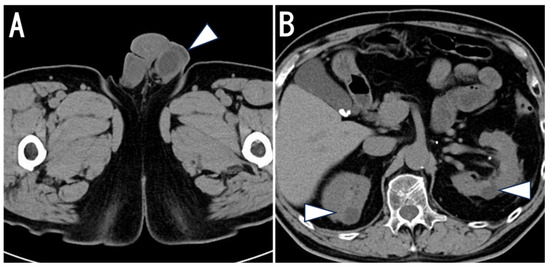
Compression of the left renal vein between the abdominal aorta and superior mesenteric artery, known as nutcracker syndrome, can present with subtle, nonspecific symptoms that often delay diagnosis, posing a clinical challenge in daily urology practice and necessitating targeted imaging for accurate identification. We report the case of a 39-year-old patient who presented with isolated hematuria and long-standing pelvic pain and was ultimately diagnosed with nutcracker syndrome. Following the failure of endovascular therapy, the patient underwent renal autotransplantation, resulting in complete resolution of symptoms at follow-up.
Full article

Figure 1
Open AccessArticle
Effectiveness of Transurethral Bulkamid Injections as an Adjunct to the AdVance XP Sling for Male Patients with Post-Prostatectomy Incontinence
by
Sophie Plagakis, Joshua Makary, Thomas King, Vincent Tse and Lewis Chan
Soc. Int. Urol. J. 2025, 6(5), 63; https://doi.org/10.3390/siuj6050063 - 21 Oct 2025
Abstract
►▼
Show Figures
Background/Objectives: Bulkamid® (Axonics, Irvine, CA, USA) is a non-particulate polyacrylamide hydrogel used in the treatment of urinary incontinence. While its effectiveness is well-documented in female stress urinary incontinence (SUI), there is limited data on its role in male stress urinary incontinence, particularly
[...] Read more.
Background/Objectives: Bulkamid® (Axonics, Irvine, CA, USA) is a non-particulate polyacrylamide hydrogel used in the treatment of urinary incontinence. While its effectiveness is well-documented in female stress urinary incontinence (SUI), there is limited data on its role in male stress urinary incontinence, particularly post-prostatectomy incontinence (PPI). This study evaluates the efficacy of Bulkamid as a primary or adjunctive treatment for male PPI. Methods: A retrospective chart review was conducted on male patients who developed PPI and underwent Bulkamid injections between 2016 and 2021. Data collected included pre- and post-procedure pad usage, the volume of Bulkamid injected, prior and subsequent incontinence treatments, and patient-reported satisfaction. Bulkamid was injected transurethrally in four quadrants near the vesicourethral anastomosis using a rigid cystoscope. Results: Twenty-one men with a history of radical prostatectomy (six open and fifteen robotic), including four who received adjuvant radiotherapy, were included. Fifteen underwent Bulkamid injection as a primary treatment, with five (33%) requiring repeat injections due to initial improvement. Eight (54%) subsequently underwent an AdVance XP® sling placement, while two (13%) required no further treatment. Six patients received Bulkamid as an adjunct to prior incontinence surgery, with 80% of post-sling patients reporting improved continence. Bulkamid was less effective in men with detrusor overactivity or prior radiation. Conclusions: Bulkamid demonstrated a higher success rate as an adjunct to the AdVance XP sling, with 80% of men experiencing improved continence. As a primary treatment for PPI, success was modest, with only 33% achieving improvement, often requiring repeat injections or conversion to a sling. Bulkamid presents a low-risk option for select male PPI patients, particularly those with prior sling placement, but durability and long-term effectiveness remain concerns.
Full article

Figure 1
Open AccessArticle
Renal Decompression for Malignant Ureteric Obstruction: A Tertiary Hospital Cohort Analysis
by
Alex Buckby, Rowan David and Arman Kahokehr
Soc. Int. Urol. J. 2025, 6(5), 62; https://doi.org/10.3390/siuj6050062 - 21 Oct 2025
Abstract
►▼
Show Figures
Background/Objectives: Malignant ureteric obstruction is an increasingly common problem; however, its treatment remains challenging due to associated poor survival and quality of life outcomes. There is a lack of consensus on how to best manage these patients. We provide a description of
[...] Read more.
Background/Objectives: Malignant ureteric obstruction is an increasingly common problem; however, its treatment remains challenging due to associated poor survival and quality of life outcomes. There is a lack of consensus on how to best manage these patients. We provide a description of the survival outcomes, renal function outcomes, complications, and prognostic factors associated with the treatment of malignant ureteric obstruction in a cohort of patients at our tertiary Urology unit. Methods: A retrospective review of prospectively identified patients treated for malignant ureteric obstruction at our tertiary Urology unit was performed. Obstruction was relieved with either retrograde insertion of a ureteric stent or percutaneous nephrostomy between the 1st of January 2018, and 31st of December 2023. Renal function, complications, and survival data were recorded. Subgroup analysis and survival analysis were performed to determine prognostic factors. Results: Eighty-four patients underwent treatment for malignant ureteric obstruction with a median survival of 197 days (3–1549 days). A total of 51% percent of patients had a stent-related complication requiring hospitalisation, resulting in a total of 966 additional days in hospital. A total of 78% of patients had improved renal function at 12 months. Factors associated with worse survival included emergency treatment of malignant ureteric obstruction, having no further oncological treatment, receiving no oncological-specific treatment for malignancy, bilateral obstruction, female gender, and poor Primary site, Laterality, serum Creatinine level, and Treatment for primary site (PLaCT) prognosis group (p =< 0.01). Conclusions: Patients with malignant ureteric obstruction have a poor prognosis despite intervention. Treatment is often futile and associated with a significant burden of complications related to ureteric stents and percutaneous nephrostomies.
Full article

Figure 1
Open AccessInteresting Images
When Bladder Cancer Treatment Strikes Back: Mycotic Aneurysms After Intravesical BCG Therapy
by
Sarah Blackwell, Kevin Yinkit Zhuo, Andrew Jensen and Balasubramanian Indrajit
Soc. Int. Urol. J. 2025, 6(5), 61; https://doi.org/10.3390/siuj6050061 - 20 Oct 2025
Abstract
►▼
Show Figures
Intravesical Bacillus Calmette-Guerin (BCG) remains the gold standard adjuvant therapy for intermediate and high-risk non-muscle invasive bladder cancer (NMIBC) [...]
Full article

Figure 1
Open AccessArticle
The Impact of Patient Navigators on Overactive Bladder Care: Real-World Practice Patterns from a US National Database
by
Ekene Enemchukwu, Jennifer Miles-Thomas, Nitya Abraham, Diane K. Newman, Marc Schwartz, Kimberly Becker Ifantides, Mariana Nelson and Raveen Syan
Soc. Int. Urol. J. 2025, 6(5), 60; https://doi.org/10.3390/siuj6050060 - 20 Oct 2025
Abstract
►▼
Show Figures
Background/Objectives: We here describe the impact of navigated care on utilization patterns of pharmacologic and minimally invasive overactive bladder therapies. Methods: This retrospective observational cohort study used electronic medical record data from the Precision Point Specialty Analytics Portal in the United States. Eligible
[...] Read more.
Background/Objectives: We here describe the impact of navigated care on utilization patterns of pharmacologic and minimally invasive overactive bladder therapies. Methods: This retrospective observational cohort study used electronic medical record data from the Precision Point Specialty Analytics Portal in the United States. Eligible patients were adults (≥18 years) newly diagnosed and treated for non-neurogenic overactive bladder (1 January 2015 to 31 December 2019). Categorical endpoints were analyzed by chi-square test or Fisher exact test. Of 170,000 eligible patients, 8982 (≈5%) were randomly selected and stratified by navigation status (navigated: 1150 [12.8%]; non-navigated: 7832 [87.2%]). Results: Overall, 60.0% of patients were female, 69.9% were White, and 42.7% had Medicare coverage. Navigated care was more common among women, Black patients, and those covered by Medicaid/Medicare. Initial pharmacologic treatment rates were similar between navigated and non-navigated groups (anticholinergic: 57.0% vs. 57.4%; beta-3 agonist: 43.0% vs. 42.6%). Greater percentages of navigated versus non-navigated patients received minimally invasive therapy (23.8% vs. 10.8%, respectively; p < 0.0001). Discontinuation rates were lower for navigated versus non-navigated patients undergoing pharmacologic treatment (62.5% vs. 71.3%; p < 0.0001). Conclusions: Patient navigation for overactive bladder may help increase access to minimally invasive therapies and may be a tool to address treatment disparities.
Full article

Graphical abstract
Open AccessArticle
The Clinical Integration of ChatGPT Through an Augmented Patient Encounter in a Real-World Urological Cohort: A Feasibility Study
by
Shane Qin, Emre Alpay, Bodie Chislett, Joseph Ischia, Luke Gibson, Damien Bolton and Dixon T. S. Woon
Soc. Int. Urol. J. 2025, 6(5), 59; https://doi.org/10.3390/siuj6050059 - 20 Oct 2025
Abstract
►▼
Show Figures
Background/Objectives: To evaluate the viability of using ChatGPT in a real clinical environment for patient education during informed consent for flexible cystoscopy, assessing its practicality, patient perceptions, and clinician evaluations within a urological cohort. Methods: A prospective feasibility study was conducted at a
[...] Read more.
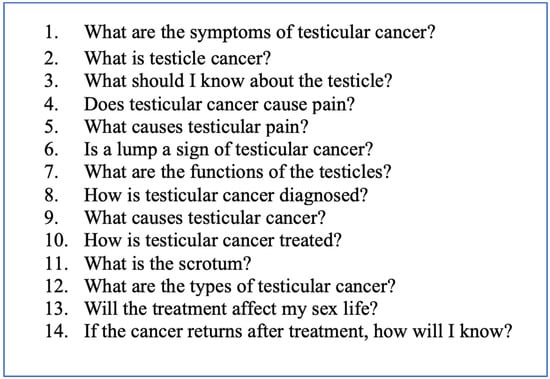
Background/Objectives: To evaluate the viability of using ChatGPT in a real clinical environment for patient education during informed consent for flexible cystoscopy, assessing its practicality, patient perceptions, and clinician evaluations within a urological cohort. Methods: A prospective feasibility study was conducted at a single institution involving patients with haematuria who attended an in-person clinic review with access to ChatGPT-4o mini. Using predetermined prompts regarding haematuria, we evaluated the accuracy, consistency, and suitability of the ChatGPT information. Responses were appraised for errors, omission of key information, and suitability for patient education. The functionality, usability, and quality of ChatGPT for patient education were assessed by three urologists using the Patient Education Materials Assessment Tool (PEMAT) and DISCERN tools. Readability was assessed using the Flesch–Kincaid tests. Further clinician questionnaires evaluated ChatGPT’s accuracy, reproducibility, and integration potential. Results: Ten patients were recruited, but one patient was excluded because he refused to use ChatGPT due to language barriers. All patients found ChatGPT to be useful, but most believed it could not entirely replace the doctor, especially for obtaining informed consent. There were no significant errors. The mean PEMAT score for understandability was 77.8%, and actionability was 63.8%. The mean DISCERN score was 57.7, corresponding to a ‘good’ quality score. The Flesch Reading Ease score was 30.2, with the writing level comparable to US grade level 13. Conclusions: ChatGPT offers valuable support for patient education, delivering accurate and comprehensive information. However, challenges with readability, contextual understanding, and actionability highlight the need for development and careful integration. Generative artificial intelligence (AI) should augment, not replace, clinician–patient interactions, emphasising ethical considerations and patient trust. This study provides a basis for further exploration of AI’s role in healthcare.
Full article

Figure 1
Open AccessComment
Navigating the Future of Robotic Urological Surgery: The Hinotori System Joins the Expanding Armamentarium. Comment on Ong et al. Early Clinical Outcomes of the Novel Hinotori Robotic System in Urological Surgery—A Review of Existing Literature. Soc. Int. Urol. J. 2025, 6, 56
by
Kevin Lu, Yung-Shun Juan and Wen-Jeng Wu
Soc. Int. Urol. J. 2025, 6(4), 58; https://doi.org/10.3390/siuj6040058 - 21 Aug 2025
Abstract
Over the past two decades, robotic-assisted surgery has revolutionized the field of urology, offering remarkable advancements in surgical precision, reduced perioperative morbidity, and enhanced postoperative recovery [...]
Full article
Open AccessEditorial
Pathways for Innovation in Urology
by
Peter C. Black
Soc. Int. Urol. J. 2025, 6(4), 57; https://doi.org/10.3390/siuj6040057 - 20 Aug 2025
Abstract
The pages of this month’s Société Internationale d’Urologie Journal (SIUJ) feature important contributions addressing the clinical implementation of innovation and technology in Urology [...]
Full article
Open AccessReview
Early Clinical Outcomes of the Novel Hinotori Robotic System in Urological Surgery—A Review of Existing Literature
by
Simone Meiqi Ong, Hong Min Peng, Wei Zheng So and Ho Yee Tiong
Soc. Int. Urol. J. 2025, 6(4), 56; https://doi.org/10.3390/siuj6040056 - 19 Aug 2025
Abstract
►▼
Show Figures
Robotic-assisted surgery has gradually established its role in uro-oncological cases that demand a high level of precision, optimising surgeon ergonomics and decreasing fatigue whilst maintaining optimal clinical outcomes. With the novel Hinotori surgical robot (Medicaroid Corporation (Kobe, Hyogo, Japan)) launched in Japan back
[...] Read more.
Robotic-assisted surgery has gradually established its role in uro-oncological cases that demand a high level of precision, optimising surgeon ergonomics and decreasing fatigue whilst maintaining optimal clinical outcomes. With the novel Hinotori surgical robot (Medicaroid Corporation (Kobe, Hyogo, Japan)) launched in Japan back in 2019, it has now demonstrated its use case across various clinical series of different surgeries. We sought to narratively synthesise the initial feasibility of the Hinotori robotic system in urology. A systematic, comprehensive literature search was conducted across various databases from September 2024 to October 2024. Relevant keywords within the scope of this study were generated for a more accurate search. After exclusion and removal of duplicates, a total of nine articles were included for review. Among the included studies, one study reported data solely on radical prostatectomy for prostate cancer, two studies reported on robotic-assisted nephroureterectomy for renal tumours, two studies reported on partial nephrectomy performed for renal masses, two studies reported on radical nephrectomy carried out for renal malignancies and one study reported on robotic-assisted adrenalectomy for adrenal cancer. Lastly, one study collectively reported on outcomes pertaining to partial nephrectomy, partial nephrectomy, vesicourethral anastomosis and pelvic lymph node dissection in a porcine model, as well as partial nephrectomy, radical prostatectomy and pelvic lymph node dissection in cadavers. The current literature supports its non-inferiority to the well-established Da Vinci system, with no major drawbacks or concerns identified when comparing parameters such as intraoperative time, estimated blood loss (EBL), perioperative events (transfusions, conversion to open surgery), length of hospital stay and major postoperative complications. Future studies involving larger cohorts and more complex surgical cases are essential to further evaluate the efficacy and safety of the Hinotori system. The new Hinotori robotic system offers unique three-dimensional features as a non-inferior robotic platform alternative that has proven clinically safe thus far in its use. Larger scale studies and randomised trials are eagerly awaited to assess and validate more holistically its clinical utility.
Full article

Figure 1
Open AccessArticle
The “Footprint” Sign in Voiding Cystourethrography Indicates Poor Renal Function in Vesicoureteral Reflux: Is It a Pop-Off Mechanism?
by
Hooman Kamran, Negar Mohammadi Ganjaroudi, Nooshin Tafazoli, Mehrzad Mehdizadeh and Abdol-Mohammad Kajbafzadeh
Soc. Int. Urol. J. 2025, 6(4), 55; https://doi.org/10.3390/siuj6040055 - 19 Aug 2025
Abstract
►▼
Show Figures
Background/Objectives: To assess the “footprint” sign in voiding cystourethrogram (VCUG) for its diagnostic and prognostic significance in indicating a “pop-off” mechanism that may reduce pressure on the contralateral kidney. Methods: A retrospective analysis included patients with a “footprint” sign or high-grade vesicoureteral reflux
[...] Read more.
Background/Objectives: To assess the “footprint” sign in voiding cystourethrogram (VCUG) for its diagnostic and prognostic significance in indicating a “pop-off” mechanism that may reduce pressure on the contralateral kidney. Methods: A retrospective analysis included patients with a “footprint” sign or high-grade vesicoureteral reflux (VUR) in VCUG. They were categorized into two groups: those with (Group A) and those without (Group B) the “footprint” sign. Results: Among 55 patients (median age 18 months), 18 exhibited the “footprint” sign. Group A had predominantly male patients. Bilateral VUR was less common in Group A (38.9%) compared to Group B (51.4%), though not statistically significant (p-value: 0.385). The “footprint” sign was predominantly associated with the left side (77.8% in Group A). The median differential renal function (DRF) was significantly lower in kidneys with the “footprint” sign (11.5%) compared to those without (44.5%, p-value < 0.001). All patients with a DRF under 20% exhibited the “footprint” sign. Conclusions: The “footprint” sign correlates with poor renal function, suggesting a potential pop-off mechanism protecting the contralateral kidney. Management should prioritize the contralateral kidney with normal function. The “footprint” sign alone in VCUG may suffice to indicate compromised renal function, negating the need for further ipsilateral kidney assessment.
Full article

Figure 1
Highly Accessed Articles
Latest Books
E-Mail Alert
News
Topics