



Proteomics in Reproduction Research
A special issue of Proteomes (ISSN 2227-7382).
Deadline for manuscript submissions: closed (30 November 2022) | Viewed by 825
Special Issue Editors

2. Department of Histology and Embryology, Poznan University of Medical Sciences, 60-701 Poznan, Poland
3. Prestage Department of Poultry Sciences, North Carolina State University, Raleigh, NC 27695, USA
4. Department of Veterinary Surgery, Institute of Veterinary Medicine, Nicolaus Copernicus University in Torun, 87-100 Torun, Poland
5. Department of Obstetrics and Gynaecology, University Hospital and Masaryk University, 601 77 Brno, Czech Republic
Interests: biology and biotechnology of stem cells; human and animal ovarian granulosa and cumulus oophorus cells; luminal epithelial endometrial cells; oviductal epithelial cells; HUVECs; Wharton’s jelly; human cytotrophoblast cells; dental pulp cells; gingival cells and human oral mucosa; human vascular endothelium; human cardiac stem cells (cardiomyoblasts)
Special Issues, Collections and Topics in MDPI journals

Special Issue Information
Dear Colleagues,
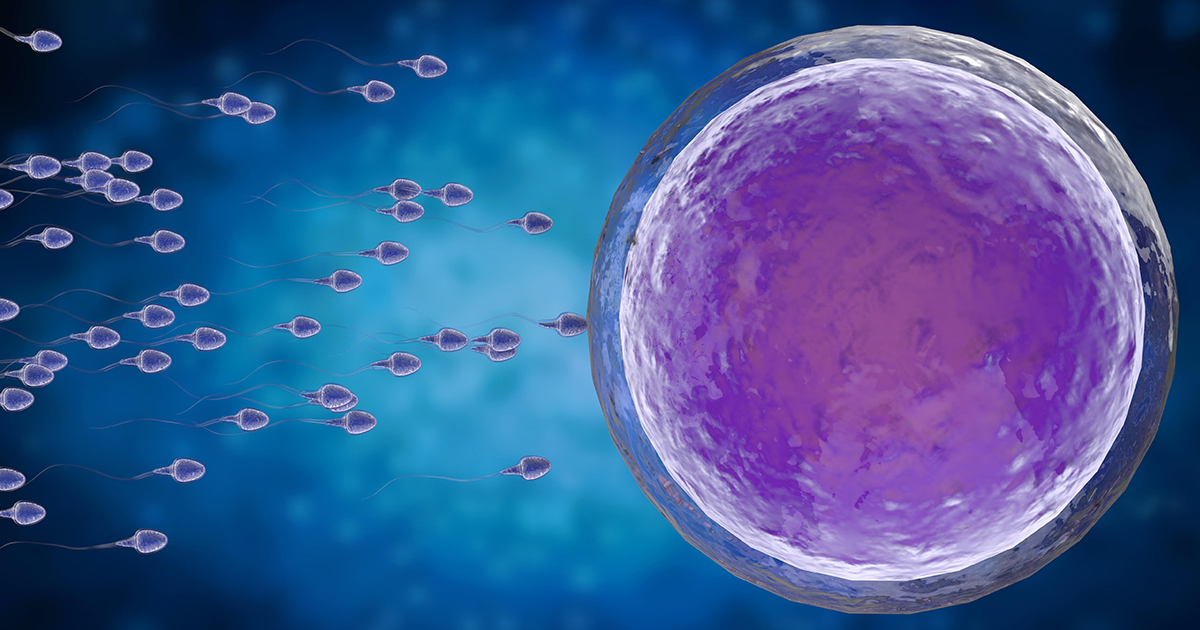
Proteomics is a very complex field of science that studies a wide variety of proteins present in the cells of individual organisms. Individual proteins subjected to constantly acting environmental factors undergo different expressions depending on the location, phase of the cell cycle, and interaction with other cells. From the point of view of reproductive biology, it seems important to catalog proteins, as well as to select markers involved in the processes related to oocyte maturation, fertilization (both under physiological and in vitro conditions), or implantation of the embryo in the uterus.
Recent studies have emphasized the need to analyze the expression of proteins located within the reproductive system. Moreover, it has been suggested that within the reproductive system, there is a pool of stem cells capable of differentiating into other types of cells, including cancer cells. In addition, understanding the mechanism of interactions between individual proteins would help to elucidate the causes of infertility while ensuring the development of infertility treatment diagnostics for both animals and humans. The identification of individual proteins could also increase the efficiency of oocyte in vitro maturation.
This Special Issue of the journal Proteomes focuses on “Proteomics in Reproduction Research” and welcomes both original research articles and review papers that deal with proteins involved in the processes related to oocyte maturation, fertilization, or embryo implantation in the uterus, as well as cell interaction and communication during folliculogenesis.
Prof. Dr. Bartosz Kempisty
Dr. Wiesława Kranc
Guest Editors
Manuscript Submission Information
Manuscripts should be submitted online at www.mdpi.com by registering and logging in to this website. Once you are registered, click here to go to the submission form. Manuscripts can be submitted until the deadline. All submissions that pass pre-check are peer-reviewed. Accepted papers will be published continuously in the journal (as soon as accepted) and will be listed together on the special issue website. Research articles, review articles as well as short communications are invited. For planned papers, a title and short abstract (about 250 words) can be sent to the Editorial Office for assessment.
Submitted manuscripts should not have been published previously, nor be under consideration for publication elsewhere (except conference proceedings papers). All manuscripts are thoroughly refereed through a single-blind peer-review process. A guide for authors and other relevant information for submission of manuscripts is available on the Instructions for Authors page. Proteomes is an international peer-reviewed open access quarterly journal published by MDPI.
Please visit the Instructions for Authors page before submitting a manuscript. The Article Processing Charge (APC) for publication in this open access journal is 1800 CHF (Swiss Francs). Submitted papers should be well formatted and use good English. Authors may use MDPI's English editing service prior to publication or during author revisions.
Keywords
- Oocyte–granulosa cell interaction
- Aquaporins interaction
- Connexins interaction
- Mass spectrometry
- Quantitative proteomics
- Protein–protein interaction
- In vitro fertilization
- Post-translational modifications
Benefits of Publishing in a Special Issue
- Ease of navigation: Grouping papers by topic helps scholars navigate broad scope journals more efficiently.
- Greater discoverability: Special Issues support the reach and impact of scientific research. Articles in Special Issues are more discoverable and cited more frequently.
- Expansion of research network: Special Issues facilitate connections among authors, fostering scientific collaborations.
- External promotion: Articles in Special Issues are often promoted through the journal's social media, increasing their visibility.
- Reprint: MDPI Books provides the opportunity to republish successful Special Issues in book format, both online and in print.
Further information on MDPI's Special Issue policies can be found here.
