nanomaterials-logo

Journal Browser

Journal Browser

Green Catalysis in Nanomaterials—Photocatalysis and Electrocatalysis

A topical collection in Nanomaterials (ISSN 2079-4991). This collection belongs to the section "Energy and Catalysis".

Viewed by 808

Editors


E-Mail Website
Collection Editor
College of Flexible Electronics, Nanjing University of Posts and Telecommunications, Nanjing, China
Interests: 2D energy materials for hydrogen evolution
Special Issues, Collections and Topics in MDPI journals

E-Mail Website
Collection Editor
College of Environment and Resources, Xiangtan University, Xiangtan 411105, China
Interests: heavy metal removal; wastewater treatment; resource recovery
Special Issues, Collections and Topics in MDPI journals

Topical Collection Information

Dear Colleagues,

Energy shortage and environmental pollution have become two serious problems in the process of sustainable development. Developing green catalysis in nanomaterials with distinctive properties is an effective method for relieving the environmental pressure. This Topical Collection aims to cover the following topics: (1) development of new methods for the synthesis of functional inorganic and inorganic–organic nanomaterials with novel structures; (2) development of advanced novel functional materials such as low-dimensional hybrid and/or multi-junction assemblies for utilizing renewable energy resources, energy conversion, and hydrogen and green fuel production; and (3) catalytic remediation of pollutants in wastewater using advanced oxidation processes (e.g., photocatalysis, photo-electrocatalysis, sonocatalysis, and electrocatalysis) and heterogeneous catalysis strategies.

This Topical Collection of Nanomaterials aims to present the current state of the art regarding green catalysis in nanomaterials (photocatalysis and electrocatalysis). We invite relevant contributions from leading groups in this field with the aim of providing a balanced view of the current state of the art in this discipline.

We look forwrad to your contributions.

Prof. Dr. Longlu Wang
Prof. Dr. Chengbin Liu
Collection Editors

Manuscript Submission Information

Manuscripts should be submitted online at www.mdpi.com by registering and logging in to this website. Once you are registered, click here to go to the submission form. Manuscripts can be submitted until the deadline. All submissions that pass pre-check are peer-reviewed. Accepted papers will be published continuously in the journal (as soon as accepted) and will be listed together on the collection website. Research articles, review articles as well as short communications are invited. For planned papers, a title and short abstract (about 250 words) can be sent to the Editorial Office for assessment.
Submitted manuscripts should not have been published previously, nor be under consideration for publication elsewhere (except conference proceedings papers). All manuscripts are thoroughly refereed through a single-blind peer-review process. A guide for authors and other relevant information for submission of manuscripts is available on the Instructions for Authors page. Nanomaterials is an international peer-reviewed open access semimonthly journal published by MDPI.

Please visit the Instructions for Authors page before submitting a manuscript. The Article Processing Charge (APC) for publication in this open access journal is 2400 CHF (Swiss Francs). Submitted papers should be well formatted and use good English. Authors may use MDPI's English editing service prior to publication or during author revisions.

Keywords

  • nanomaterials
  • photocatalysis
  • electrocatalysis
  • energy conversion
  • advanced oxidation processes

Related Special Issue

Published Papers (1 paper)

2025

32 pages, 10206 KB  
Article
Construction and Performance Characterization of BiTmFeSbO7/BiTmO3 Heterojunction Photocatalyst and the Photocatalytic Degradation of Sulfathiazole Under Visible Light Irradiation
by Jingfei Luan, Xiqi Gou, Ye Yao, Liang Hao and Minghe Ma
Nanomaterials 2025, 15(23), 1756; https://doi.org/10.3390/nano15231756 - 23 Nov 2025
Viewed by 395
Abstract
In this study, a novel photocatalytic nanomaterial BiTmFeSbO7 was successfully synthesized for the first time by using the solvothermal method. On account of the effective Z-scheme mechanism, the BiTmFeSbO7/BiTmO3 heterojunction photocatalyst (BTBTHP) could effectively separate the photoinduced electrons and [...] Read more.
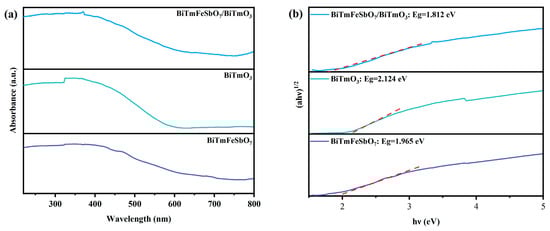
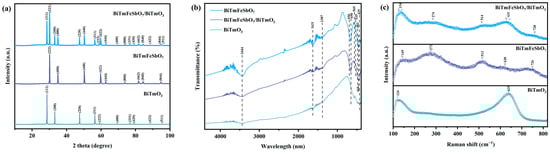
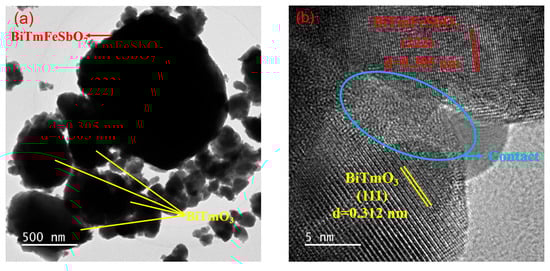
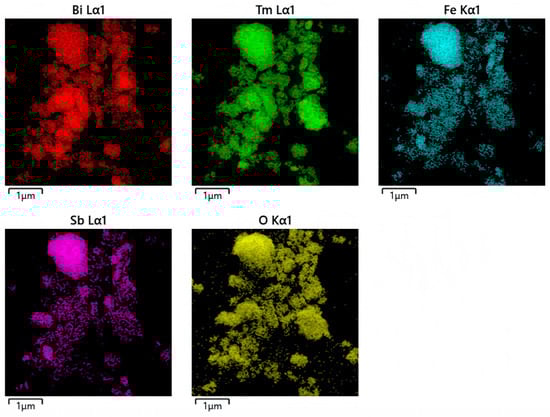
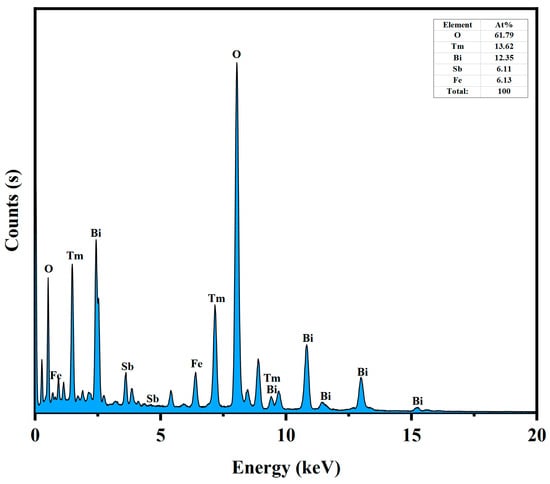
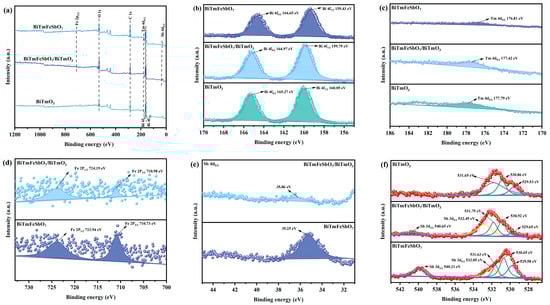
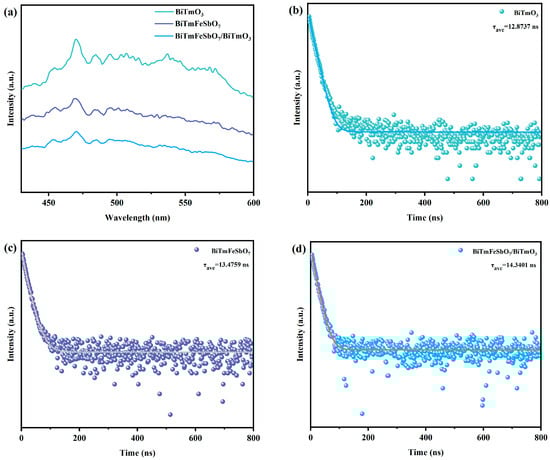
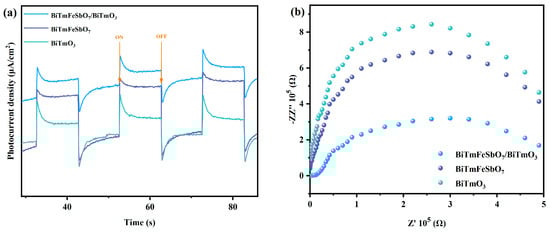
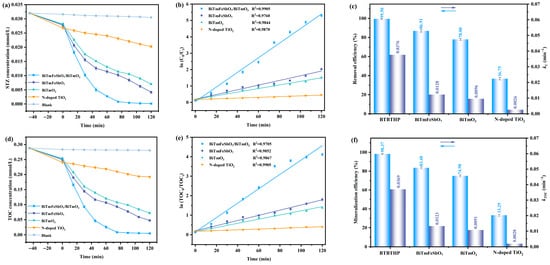
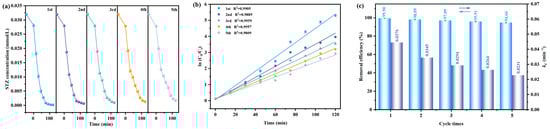
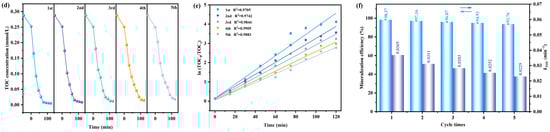
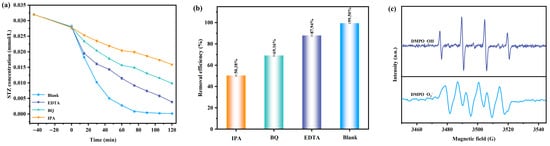
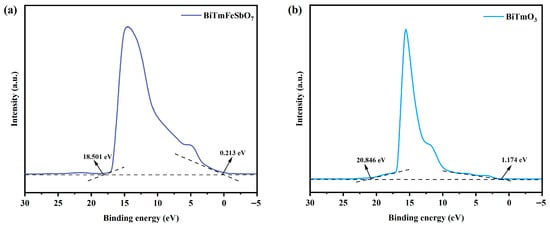
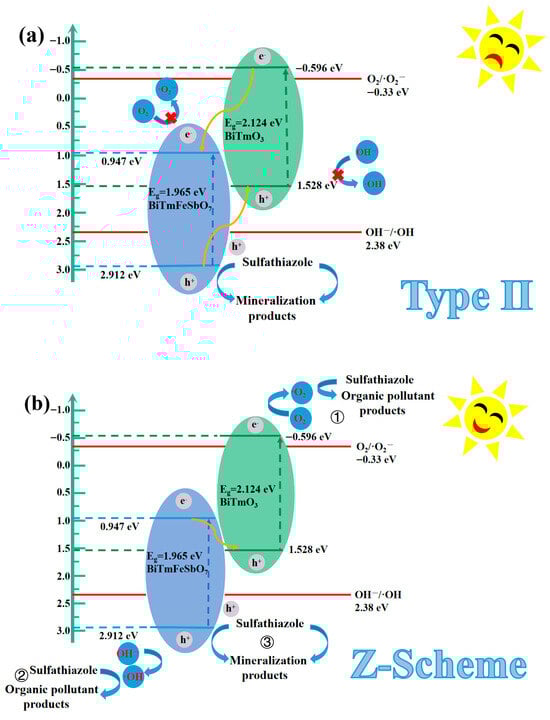
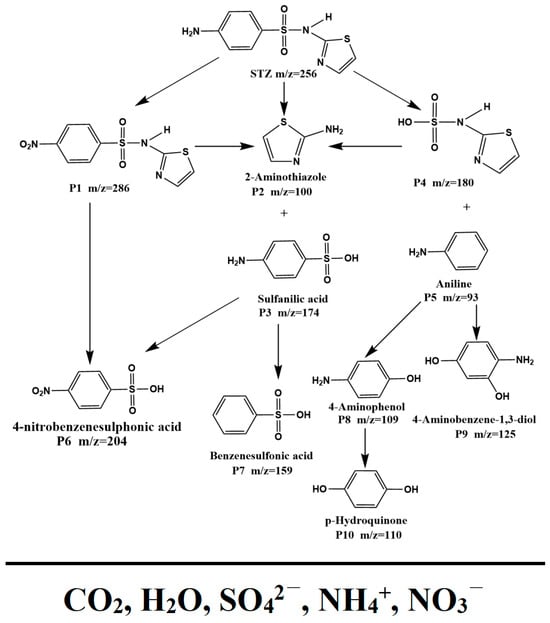
In this study, a novel photocatalytic nanomaterial BiTmFeSbO7 was successfully synthesized for the first time by using the solvothermal method. On account of the effective Z-scheme mechanism, the BiTmFeSbO7/BiTmO3 heterojunction photocatalyst (BTBTHP) could effectively separate the photoinduced electrons and the photoinduced holes, concurrently, the high oxidation potential and reduction potential of the BiTmFeSbO7 and the BiTmO3 were retained. Additionally, a Z-scheme BTBTHP was synthesized by using an ultrasound-assisted solvothermal approach. As a result, the BTBTHP exhibited excellent photocatalytic performance during the degradation process of the sulfathiazole (STZ). The morphological features, composition distribution, photochemistry properties and photoelectric properties of the prepared samples were investigated by using the comprehensive characterization techniques. Under the condition of visible light irradiation, the BTBTHP demonstrated an excellent removal efficiency of 99.50% for degrading the STZ. Contrastive analysis results indicated that the removal efficiency of the STZ by using the BTBTHP was substantially higher than that by using the BiTmFeSbO7, the BiTmO3, and the N-doped TiO2. The removal rate of the STZ by using the BTBTHP was 1.14 times that by using the BiTmFeSbO7, 1.28 times that by using the BiTmO3, and 2.71 times that by using the N-doped TiO2. Moreover, the stability and the reusability of the BTBTHP were verified through five successive photocatalytic cyclic degradation experiments, indicating that the BTBTHP owned potential for the practical application. The active species which was produced by the BTBTHP were identified as hydroxyl radicals (•OH), superoxide anions (•O2), and photoinduced holes (h+) by capturing radicals experiments and electron paramagnetic resonance testing experiments. Therefore, the degradation mechanism and the pathway of the STZ could be more comprehensively elucidated. In summary, this study lays a solid foundation for the development and further research of high efficient Z-scheme heterojunction photocatalysts and offers novel insights into sustainable remediation strategies for the STZ pollution. Full article
Show Figures

Figure 1

Back to TopTop