
Anti-Parasite Drug Discovery

Editor


E-Mail Website
Collection Editor
Académie Nationale de Pharmacie, 75006 Paris, France
Interests: parasitology; antiparasite chemotherapy; mechanism of action of antiparasite drugs; drug resistance; leishmaniasis
Special Issues, Collections and Topics in MDPI journals

Topical Collection Information

Dear Colleagues,

I would like to announce an opportunity for you to publish a paper in this Special Issue, entitled “Anti-parasite drug discovery”, published in the new MDPI journal Drugs and Drug Candidates.

This Topical Collection has been launched to provide a forum for the dissemination of the latest studies in this field, including all approaches based on drug design, chemical synthesis, the biological evaluation of new compounds, and their development through the pipeline of drug candidates.

The identification and development of more specific drugs that are less toxic than those presently used in both medical and veterinary clinics are clearly needed for the chemotherapy of parasitic diseases. Such a challenge involves complementary approaches where chemistry is the basis of drug innovation.

In a OneHealth context that implies respect for the environment, virtuous approaches must be considered, including green chemistry through a reduction in the use of toxic solvents, and the reduction in the number of synthesis steps through new synthesis pathways, in order to reduce the cost of anti-parasite drug production (these drugs being mainly used in developing countries).

I hope that you will consider submitting a manuscript for publication in this Topical Collection, which has no deadline, as the accepted manuscripts will be published as they are received.

Prof. Dr. Philippe Loiseau
Collection Editor

Manuscript Submission Information

Manuscripts should be submitted online at www.mdpi.com by registering and logging in to this website. Once you are registered, click here to go to the submission form. Manuscripts can be submitted until the deadline. All submissions that pass pre-check are peer-reviewed. Accepted papers will be published continuously in the journal (as soon as accepted) and will be listed together on the collection website. Research articles, review articles as well as short communications are invited. For planned papers, a title and short abstract (about 250 words) can be sent to the Editorial Office for assessment.

Submitted manuscripts should not have been published previously, nor be under consideration for publication elsewhere (except conference proceedings papers). All manuscripts are thoroughly refereed through a single-blind peer-review process. A guide for authors and other relevant information for submission of manuscripts is available on the Instructions for Authors page. Drugs and Drug Candidates is an international peer-reviewed open access quarterly journal published by MDPI.

Please visit the Instructions for Authors page before submitting a manuscript. The Article Processing Charge (APC) for publication in this open access journal is 1000 CHF (Swiss Francs). Submitted papers should be well formatted and use good English. Authors may use MDPI's English editing service prior to publication or during author revisions.

Keywords

  • anti-parasite agents
  • drugs
  • drug candidates
  • medicinal chemistry
  • anti-parasite evaluation
  • in vitro and in vivo models
  • pharmacokinetics
  • metabolism
  • toxicity

Published Papers (12 papers)

2025

Jump to: 2024, 2023, 2022

17 pages, 3648 KB  
Article
Molecular Hybridization of Naphthoquinones as Selective Inhibitors of Shikimate Kinase: A Promising Strategy Against Mycobacterium tuberculosis
by Beatriz C. T. de Oliveira, Dandara de Paula Candido, Acácio S. de Souza, Iva S. de Jesus, Fernando de C. da Silva, Leonardo Bruno P. F. Barreto, Samyra A. da Silveira, Yrneh Y. P. Palacios, Francisco das C. de Souza, Maria Cristina S. Lourenço, Carlos Mauricio R. Sant’Anna, Vitor F. Ferreira and Alcione S. de Carvalho
Drugs Drug Candidates 2025, 4(4), 59; https://doi.org/10.3390/ddc4040059 - 18 Dec 2025
Viewed by 84
Abstract
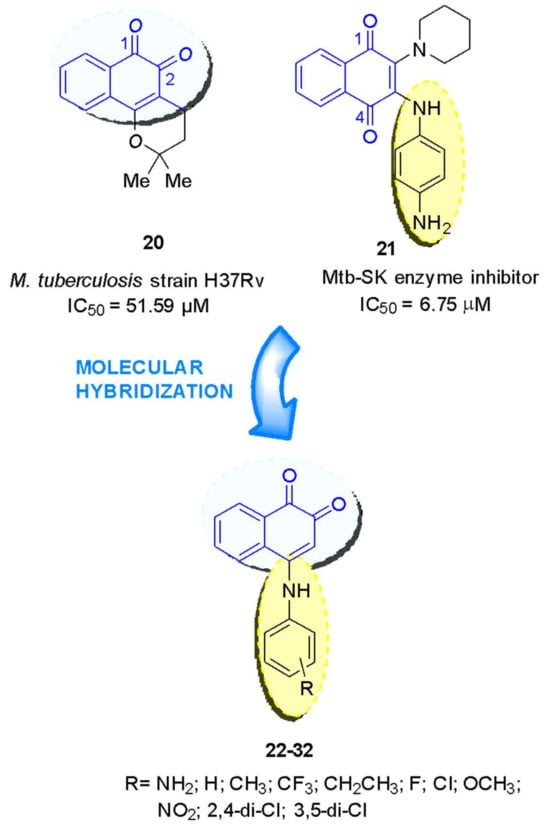
Background: Tuberculosis (TB) remains a critical global health concern, exacerbated by the emergence of multidrug-resistant and extensively drug-resistant strains of Mycobacterium tuberculosis. In the search for novel therapeutic agents, naphthoquinones have garnered interest due to their diverse mechanisms of action and potent [...] Read more.
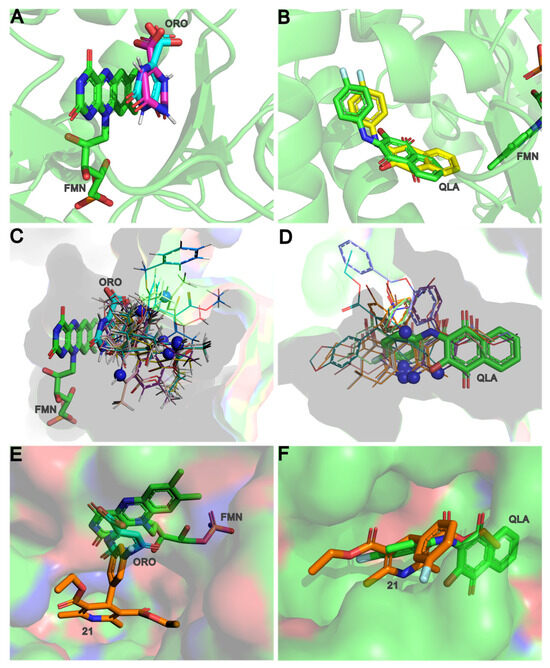
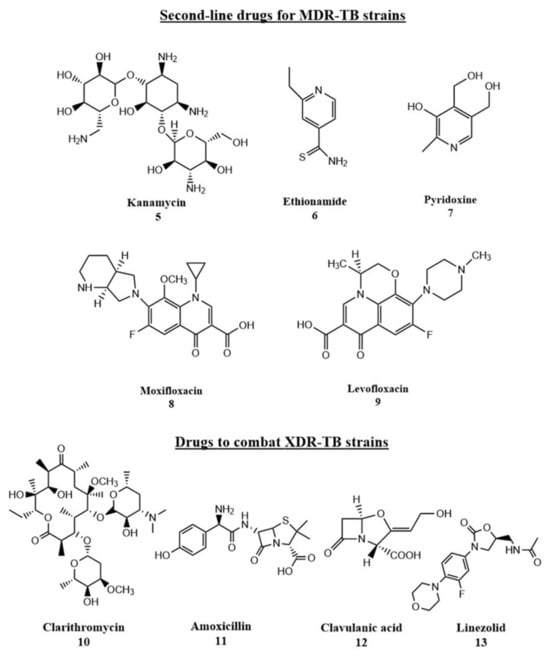
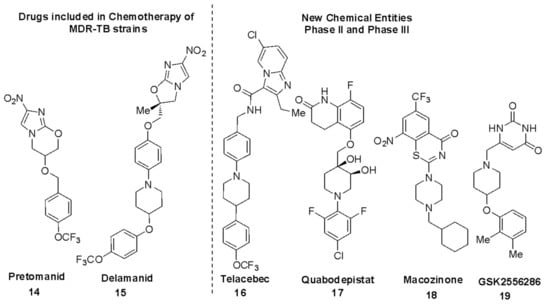
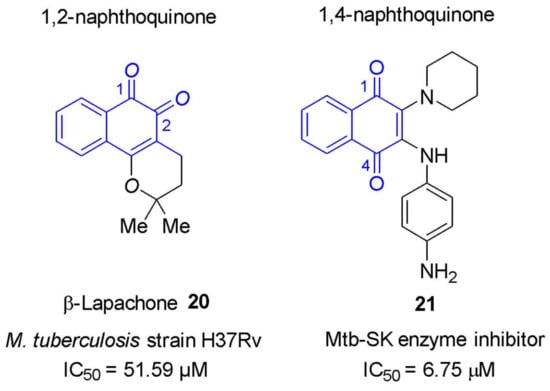
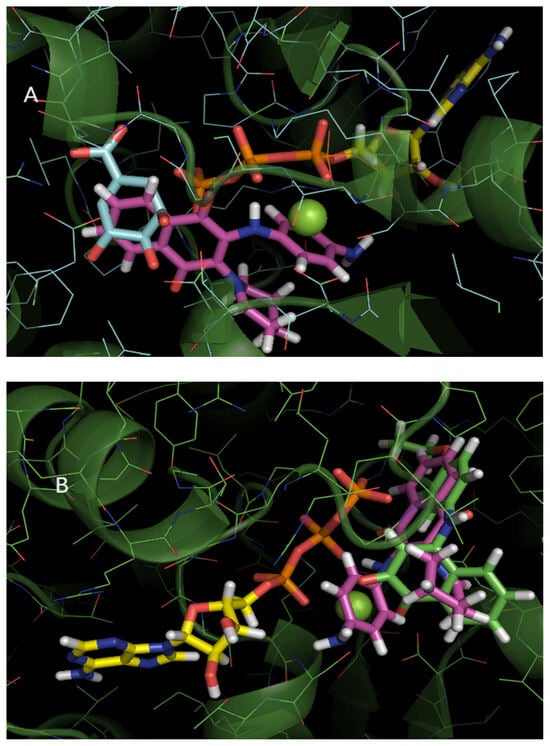
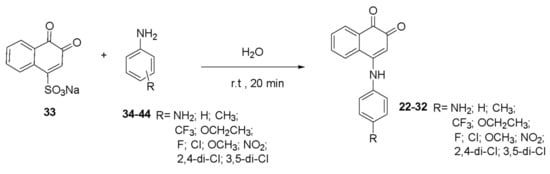
Background: Tuberculosis (TB) remains a critical global health concern, exacerbated by the emergence of multidrug-resistant and extensively drug-resistant strains of Mycobacterium tuberculosis. In the search for novel therapeutic agents, naphthoquinones have garnered interest due to their diverse mechanisms of action and potent antimycobacterial activity. In this study, we report the design, synthesis, and biological evaluation of a novel series of eleven naphthoquinone-based derivatives (compounds 2232), developed through a molecular hybridization strategy targeting shikimate kinase (Mtb-SK) an essential enzyme present exclusively in M. tuberculosis. Methods: The compounds were synthesized via a straightforward and efficient synthetic route, and preliminary screening identified five molecules with significant anti-TB activity. Notably, compound 26, 4-(4-ethoxyphenyl) amino) Naphthalene-1,2-dione, exhibited a minimum inhibitory concentration (MIC) of 21.33 µM, comparable to ethambutol and substantially more potent than pyrazinamide. Results: Molecular docking studies indicated that all active compounds interact favorably within the shikimate binding pocket of Mtb-SK, following the proposed mechanism of action. Additionally, ongoing cytotoxicity assays in HepG2 cells aim to assess the selectivity of these derivatives. Conclusions: These findings support the potential of this new class of naphthoquinones as promising scaffolds for the development of anti-TB agents, contributing to the growing body of research focused on new chemotherapeutic options against tuberculosis. Full article
Show Figures

Figure 1
14 pages, 1982 KB  
Article
Repositioning Imipramine for Antiparasitic Effects Against Giardia lamblia
by Xareni Zinereth Herrera-Valero, Sendar Daniel Nery-Flores, Filiberto Gutiérrez-Gutiérrez, Lizeth Guadalupe Campos-Múzquiz, Sandra Cecilia Esparza-González, Raúl Rodríguez-Herrera and Lissethe Palomo-Ligas
Drugs Drug Candidates 2025, 4(4), 56; https://doi.org/10.3390/ddc4040056 - 16 Dec 2025
Viewed by 171
Abstract
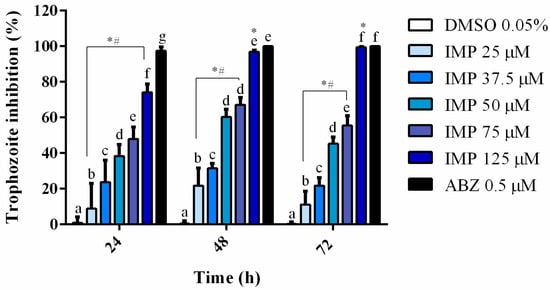
Background/Objectives: Giardia lamblia is an intestinal protozoan responsible for giardiasis, a globally prevalent parasitic disease. Current therapeutic options, including nitroimidazoles and benzimidazoles, have increasing treatment failures due to resistance, adverse reactions, and patient non-compliance. Drug repositioning offers a cost-effective strategy for identifying [...] Read more.
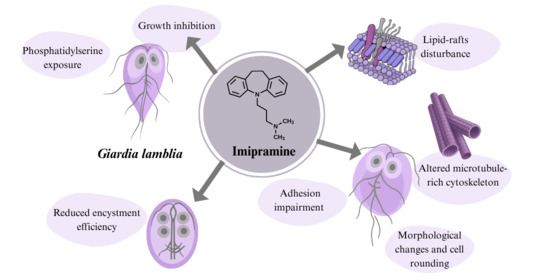
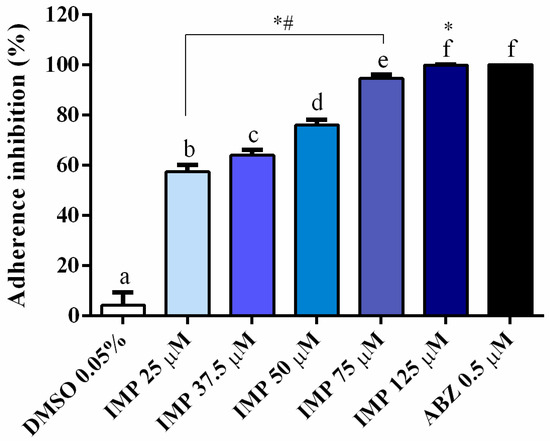
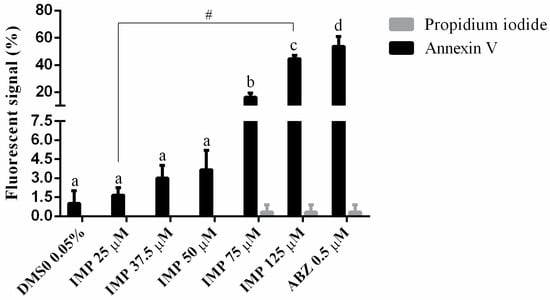
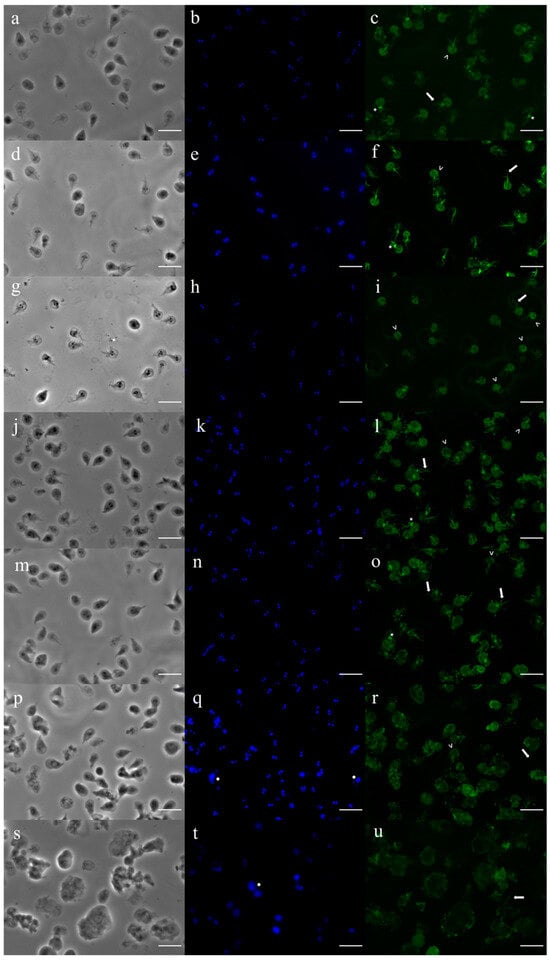
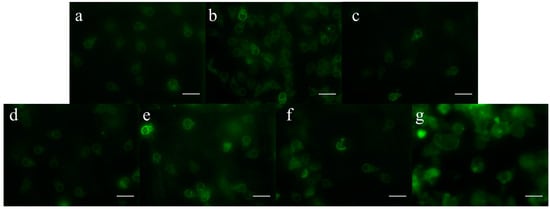
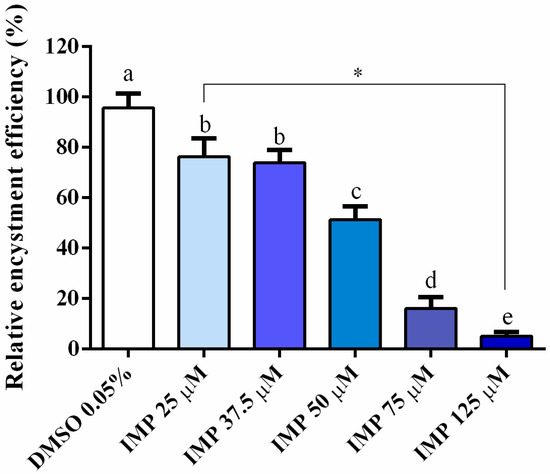
Background/Objectives: Giardia lamblia is an intestinal protozoan responsible for giardiasis, a globally prevalent parasitic disease. Current therapeutic options, including nitroimidazoles and benzimidazoles, have increasing treatment failures due to resistance, adverse reactions, and patient non-compliance. Drug repositioning offers a cost-effective strategy for identifying new antigiardial agents. This study aimed to evaluate the in vitro antiparasitic effects and possible mechanisms of action of the tricyclic antidepressant imipramine against G. lamblia trophozoites. Methods: Trophozoites were exposed to increasing concentrations of imipramine (25–125 µM). Growth inhibition and adhesion capacity were quantified using cell counts. Apoptosis- or necrosis-like death was evaluated through Annexin V/PI staining. The expression and distribution of α-tubulin and lipid rafts were analyzed by immunofluorescence microscopy. Finally, the effect of the drug on encystment efficiency was assessed in vitro. Results: Imipramine inhibited G. lamblia trophozoite growth in a concentration-dependent manner, with an IC50 of 42.31 µM at 48 h. The drug significantly reduced adhesion capacity (>90% at 125 µM) and induced apoptosis-like cell death, as evidenced by Annexin V positivity. Immunofluorescence revealed disruption of α-tubulin distribution and lipid raft organization, accompanied by morphological rounding. Moreover, encystment efficiency decreased in a concentration-dependent mode, suggesting interference in the differentiation process. Conclusions: This investigation describes, for the first time, the antigiardial potential of imipramine, which alters cytoskeletal organization, membrane microdomains, and differentiation pathways, ultimately leading to apoptosis-like cell death. These findings position this compound as a promising lead structure and support further exploration of tricyclic antidepressants as scaffolds for the development and optimization of new antiparasitic agents, as well as future studies on their molecular targets and in vivo efficacy. Full article
Show Figures

Graphical abstract

17 pages, 5021 KB  
Article
Thalidomide-Based PROTACs: A Viable Strategy Against Trypanosomatids?
by Romina Manarin, Gianfranco Frattini, Victoria L. Alonso, Victoria Boselli, Giselle R. Bedogni, Elvio Rodríguez Araya, Diego M. Moreno and Esteban Serra
Drugs Drug Candidates 2025, 4(4), 55; https://doi.org/10.3390/ddc4040055 - 10 Dec 2025
Viewed by 180
Abstract
Background: In recent years, compounds known as Proteolysis Targeted Chimeras (PROTACs) have revitalized the field of bioactive molecule design. These compounds promote proteolysis of therapeutic targets by recruiting them to ubiquitin ligases. One of the most commonly used classes of compounds in the [...] Read more.
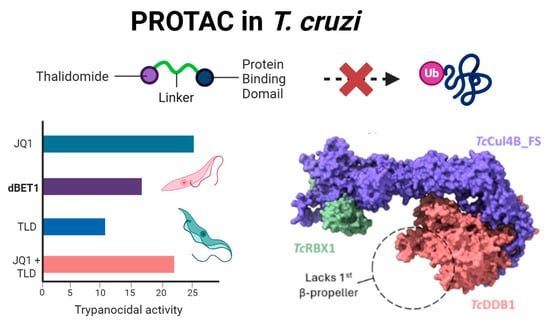
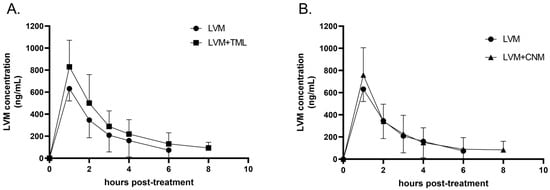
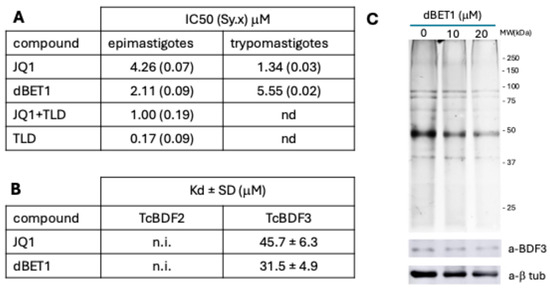
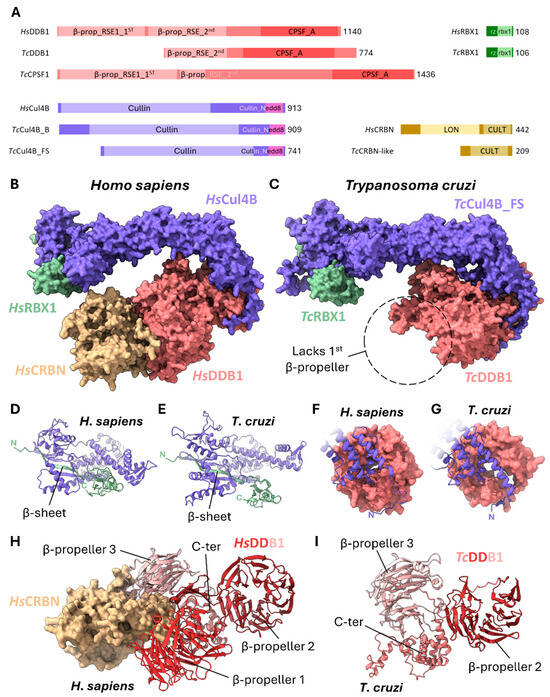
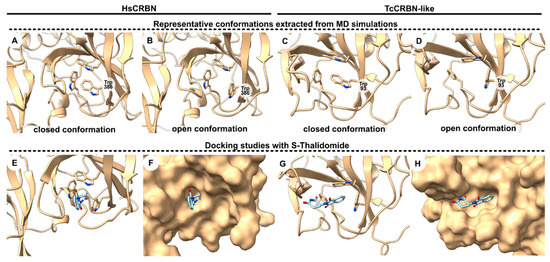
Background: In recent years, compounds known as Proteolysis Targeted Chimeras (PROTACs) have revitalized the field of bioactive molecule design. These compounds promote proteolysis of therapeutic targets by recruiting them to ubiquitin ligases. One of the most commonly used classes of compounds in the synthesis of PROTACs are immunomodulatory imides (IMiDs), such as thalidomide (TLD), which interact with the E3 ligase CRL4CRBN via the CULT domain of the cereblon protein (CRBN). This domain has been identified in proteins across various phylogenetic groups, including trypanosomatids, leading to the hypothesis that IMiD-derived PROTACs should be active in these organisms. Methods: The trypanocidal activity of the PROTAC dBET1 and its separated components (JQ1 and TLD) were assayed using a T. cruzi strain expressing β-glalactosidase. Potential CRL4-E3L complexes from humans and trypanosomatids were assembled in silico with MultimerMapper. The IMiD-binding site of HsCRBN and its trypanosomatid homologs were analyzed using molecular dynamics and docking simulations. Results: We demonstrate that the compound dBET1 does not function as a PROTAC in Trypanosoma cruzi. In silico structural analysis of CRL4-E3L complex orthologs revealed that the trypanosomal CULT-containing protein is not part of such a complex. Molecular dynamics simulations showed that the pocket of this CULT domain is smaller than that of mammalian CRBN and cannot accommodate IMiDs within. Conclusions: We underscore the importance of functional and structural validation in drug discovery, particularly when extrapolating mechanisms between evolutionarily distant species. While PROTACs hold promise in human therapeutics, our work advocates for re-evaluating the rationale behind thalidomide-based PROTACs in trypanosomatid research. Full article
Show Figures

Graphical abstract

32 pages, 1147 KB  
Article
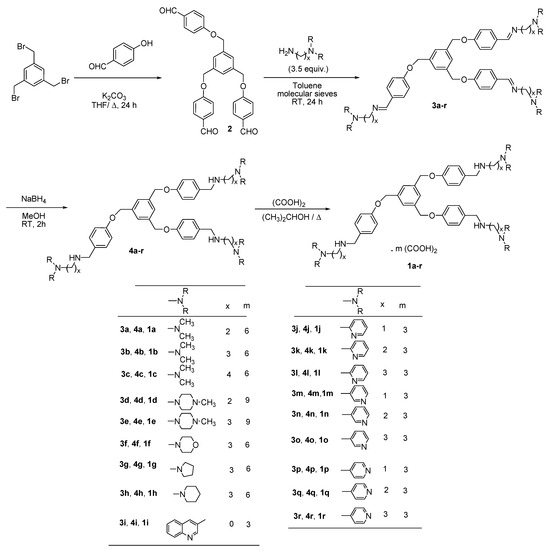
Synthesis of New 1,3-bis[(4-(Substituted-Aminomethyl)Phenyl)methyl]benzene and 1,3-bis[(4-(Substituted-Aminomethyl)Phenoxy)methyl]benzene Derivatives, Designed as Novel Potential G-Quadruplex Antimalarial Ligands
by Sandra Albenque-Rubio, Jean Guillon, Patrice Agnamey, Céline Damiani, Solène Savrimoutou, Luisa Ronga, Marie Hanot, Tshering Zangmo, Noël Pinaud, Stéphane Moreau, Jean-Louis Mergny, Mathieu Marchivie, Serge Moukha, Fabienne Estela, Pascale Dozolme, Anita Cohen and Pascal Sonnet
Drugs Drug Candidates 2025, 4(3), 39; https://doi.org/10.3390/ddc4030039 - 22 Aug 2025
Viewed by 1387
Abstract
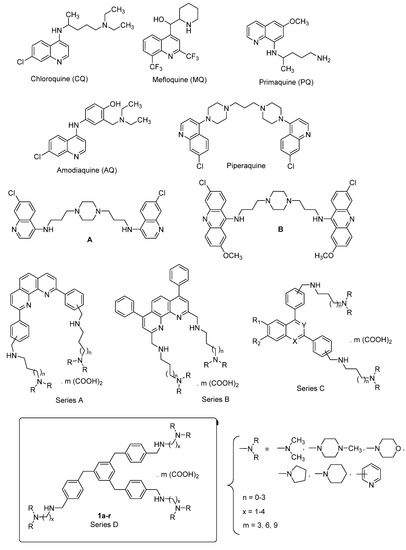
Background: Based on our previously reported series of novel 1,3,5-tris[(4-(substituted-aminomethyl)phenyl)methyl]benzene and 1,3,5-tris[(4-(substituted-aminomethyl)phenoxy)methyl]benzene derivatives, we have now designed, synthesized, and tested a new series of novel restricted and simplified structural analogues of these compounds against Plasmodium falciparum in vitro; [...] Read more.
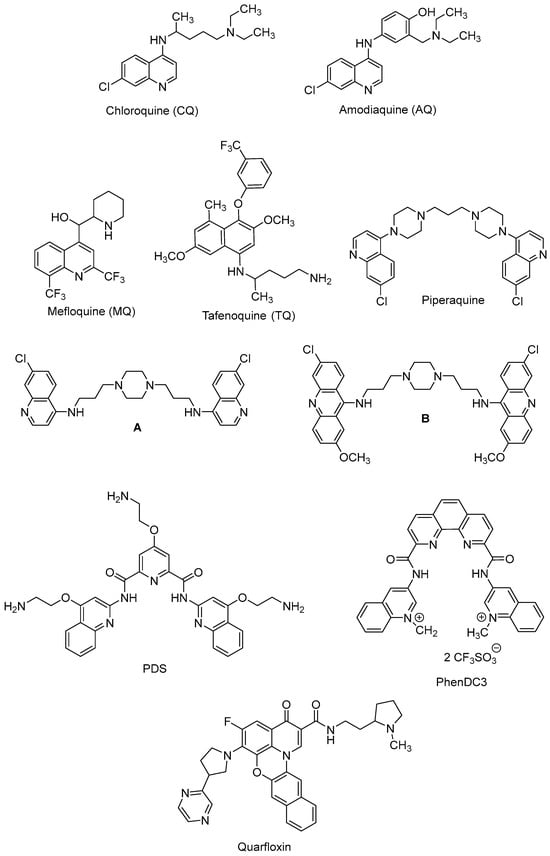
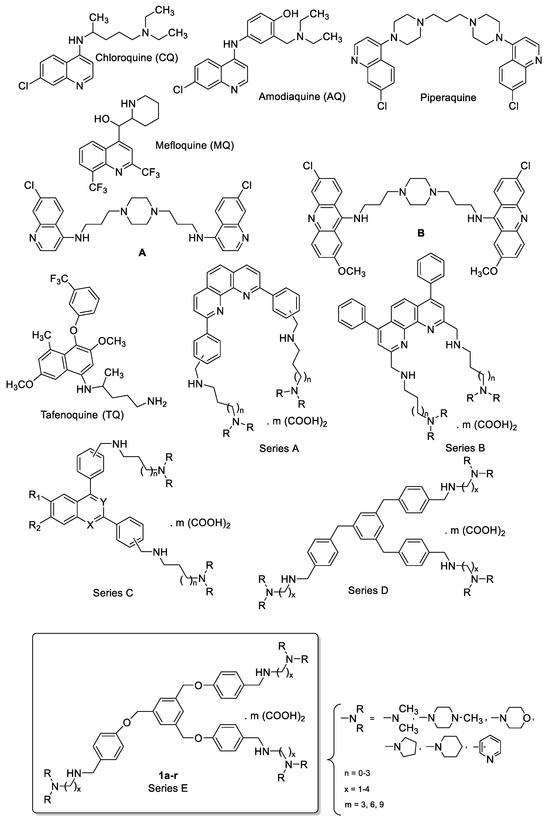
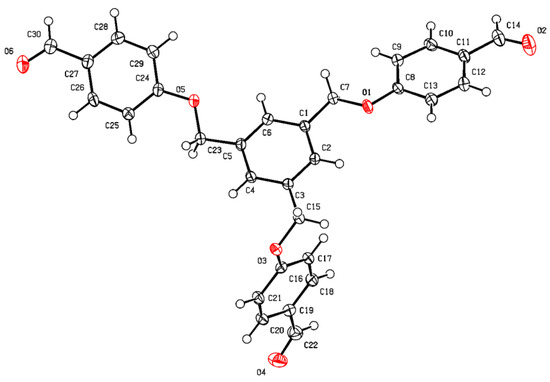
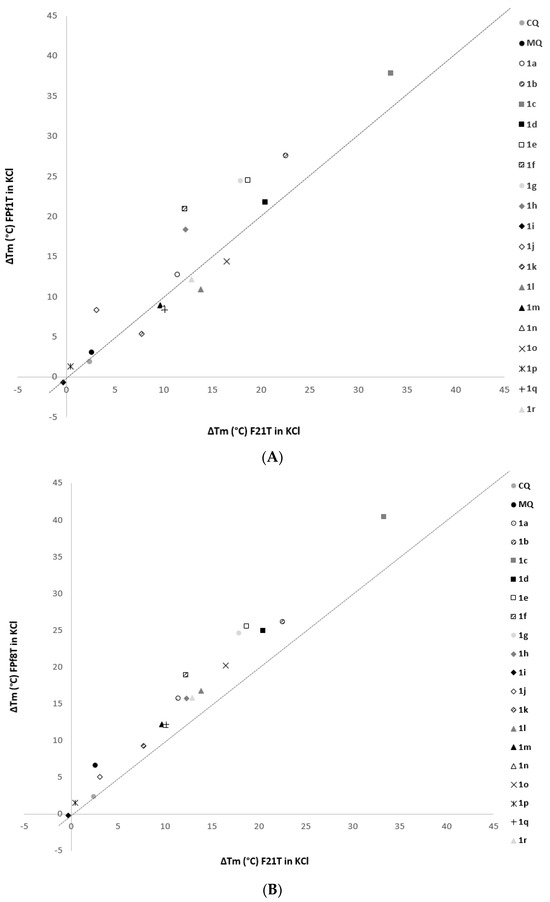
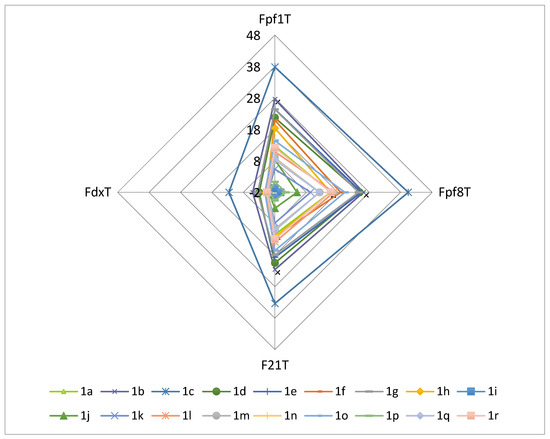
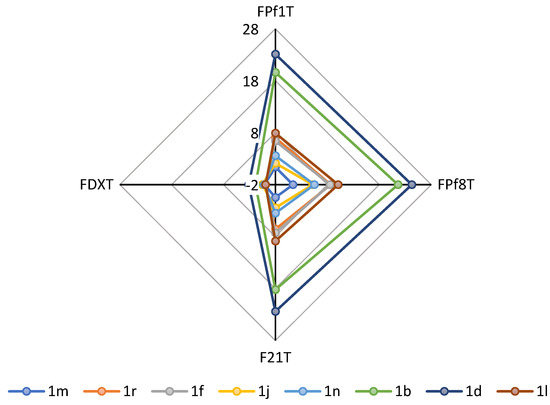
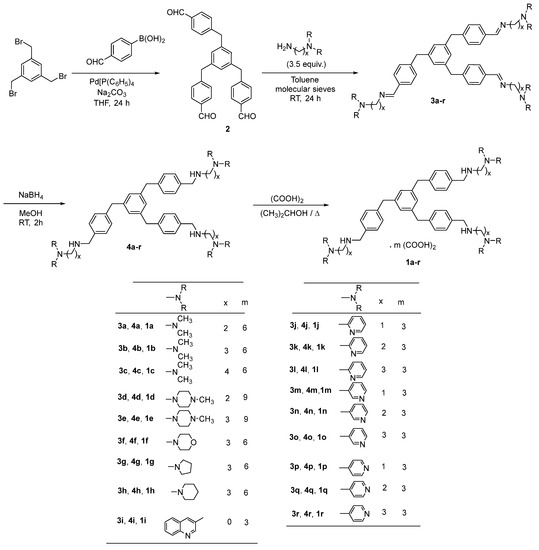
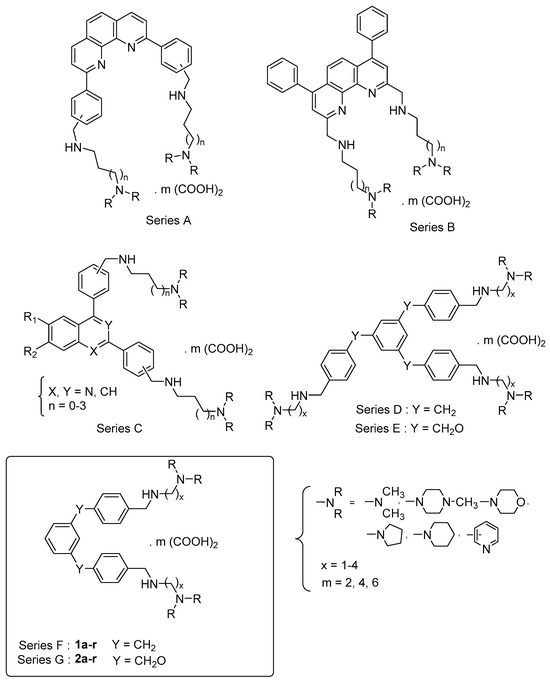
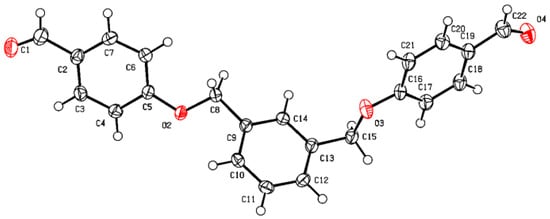
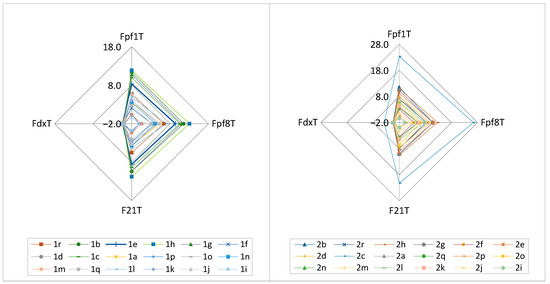
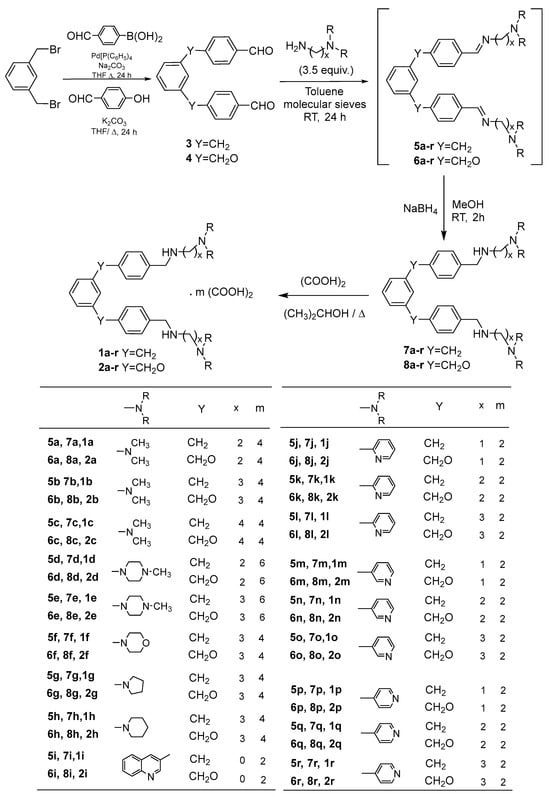
Background: Based on our previously reported series of novel 1,3,5-tris[(4-(substituted-aminomethyl)phenyl)methyl]benzene and 1,3,5-tris[(4-(substituted-aminomethyl)phenoxy)methyl]benzene derivatives, we have now designed, synthesized, and tested a new series of novel restricted and simplified structural analogues of these compounds against Plasmodium falciparum in vitro; i.e., the 1,3-bis[(4-(substituted-aminomethyl)phenyl)methyl]benzene and 1,3-bis[(4-(substituted-aminomethyl)phenoxy)methyl]benzene compounds. Methods & Results: The pharmacological results revealed significant antimalarial activity, with IC50 values in the submicromolar to micromolar range. Additionally, the in vitro cytotoxicity of these new nitrogen-containing polyphenyl- or -phenoxymethylbenzene compounds was evaluated on human HepG2 cells. The compound 1f, the 1,3-bis[(4-(3-(morpholin-1-yl)propyl)aminomethyl)phenoxy)methyl]benzene derivative, emerged as one of the most potent and promising antimalarial candidates, demonstrating a cytotoxicity/antiprotozoal activity ratio of 594 against the chloroquine-sensitive Plasmodium falciparum 3D7 strain. Additionally, the 1,3-bis[((substituted aminomethyl)phenyl)methyl]benzene compound 1j and the 1,3-bis[((substituted aminomethyl)phenoxy)methyl]benzenes 2p and 2q also showed strong antimalarial potential, with selectivity indexes (SI) of over 303, 280, and 217, respectively, against the 3D7 strain, which has mefloquine-reduced sensitivity. Furthermore, the 1,3-bis[(4-(pyridin-2-ylethylaminomethyl)phenyl)methyl]benzene 2k was identified as the most noteworthy antimalarial compound, exhibiting a selectivity index (SI) that was superior to 178 against the chloroquine-resistant Plasmodium falciparum W2 strain. It has previously been suggested that the telomeres of P. falciparum may serve as potential targets for these polyaromatic compounds; thus, we assessed the ability of our novel derivatives to stabilize parasitic telomeric G-quadruplexes using a FRET melting assay. Conclusions: However, regarding the stabilization of the protozoan G-quadruplex, it was noted that the few substituted derivatives, which showed interesting stabilization profiles, were not necessarily the most effective antimalarial compounds against both Plasmodium strains. Moreover, these new compounds did not show promising stabilizing effects on the different G4 sequences. Therefore, no correlation arises between their antimalarial activity and the selectivity of their binding to G-quadruplexes. Full article
Show Figures

Figure 1
16 pages, 970 KB  
Article
Resistance to Antileishmanial Drug Candidates: A Flowchart for an Early Phenotypic Evaluation of Risk
by Nalia Mekarnia, Sandrine Cojean and Philippe M. Loiseau
Drugs Drug Candidates 2025, 4(3), 38; https://doi.org/10.3390/ddc4030038 - 9 Aug 2025
Viewed by 843
Abstract
Background: Drug development for leishmaniases treatment follows a very selective process in order to propose drug candidates that possess all the qualities that meet the strict specifications of the pharmaceutical industry. Drug resistance is a limiting factor that can impact the lifespan of [...] Read more.
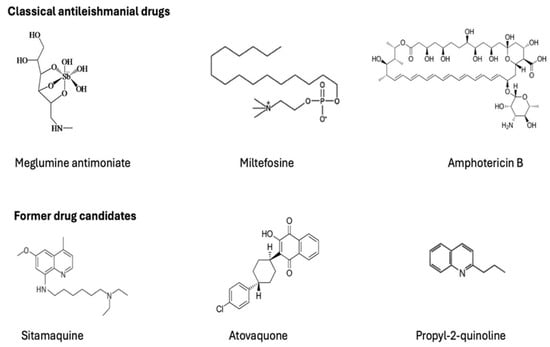
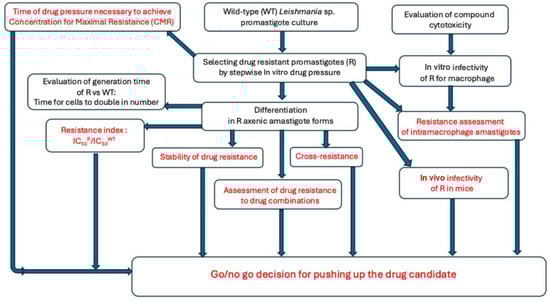
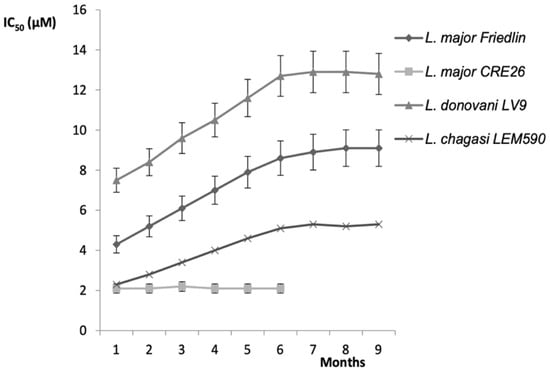
Background: Drug development for leishmaniases treatment follows a very selective process in order to propose drug candidates that possess all the qualities that meet the strict specifications of the pharmaceutical industry. Drug resistance is a limiting factor that can impact the lifespan of a marketed drug. It is now essential that the risk of drug resistance be evaluated at the early stage of in vitro studies to discard a lead compound that could quickly generate drug resistance once available on the market. Objectives: This article aims to estimate the risk of drug resistance emergence for a promising drug candidate at the in vitro early stage of drug development. Methods: A sequential method is proposed to study some of the phenotypic characteristics and parameters of resistant parasites such as time to achieve maximal resistance during stepwise drug pressure, resistance amplitude, stability, fitness, and infectivity both in vitro and in vivo. Results: Some examples with drugs in clinical use and former drug candidates are given. Conclusions: This method providing an evaluation of the risk of drug resistance from an in vitro model of Leishmania donovani be extrapolated to other Leishmania species. Full article
Show Figures

Figure 1
2024

Jump to: 2025, 2023, 2022

23 pages, 1593 KB  
Article
Design, Synthesis, and In Vitro Antimalarial Evaluation of New 1,3,5-Tris[(4-(Substituted-Aminomethyl)Phenoxy)Methyl]Benzenes
by Sandra Albenque-Rubio, Jean Guillon, Patrice Agnamey, Céline Damiani, Solène Savrimoutou, Romain Mustière, Noël Pinaud, Stéphane Moreau, Jean-Louis Mergny, Luisa Ronga, Ioannis Kanavos, Mathieu Marchivie, Serge Moukha, Pascale Dozolme, Pascal Sonnet and Anita Cohen
Drugs Drug Candidates 2024, 3(3), 615-637; https://doi.org/10.3390/ddc3030035 - 13 Sep 2024
Cited by 3 | Viewed by 2182
Abstract
By taking into account our previously described series of 1,3,5-tris[(4-(substituted-aminomethyl)phenyl)methyl]benzene compounds, we have now designed, prepared, and evaluated in vitro against Plasmodium falciparum a novel series of structural analogues of these molecules, i.e., the 1,3,5-tris[(4-(substituted-aminomethyl)phenoxy)methyl]benzene derivatives. The pharmacological data [...] Read more.
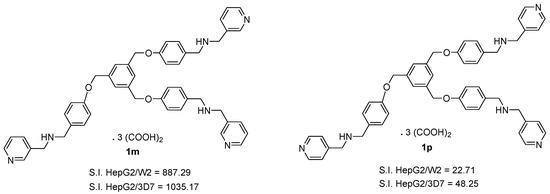
By taking into account our previously described series of 1,3,5-tris[(4-(substituted-aminomethyl)phenyl)methyl]benzene compounds, we have now designed, prepared, and evaluated in vitro against Plasmodium falciparum a novel series of structural analogues of these molecules, i.e., the 1,3,5-tris[(4-(substituted-aminomethyl)phenoxy)methyl]benzene derivatives. The pharmacological data showed antimalarial activity with IC50 values in the sub and μM range. The in vitro cytotoxicity of these new nitrogen polyphenoxymethylbenzene compounds was also evaluated on human HepG2 cells. The 1,3,5-tris[(4-(substituted-aminomethyl)phenoxy)methyl]benzene derivative 1m was found as one of the most potent and promising antimalarial candidates with favorable cytotoxic to antiprotozoal properties in the P. falciparum strains W2 and 3D7. In conclusion, this 1,3,5-tris[(4-(pyridin-3-ylmethylaminomethyl)phenoxyl)methyl]benzene 1m (IC50 = 0.07 μM on W2, 0.06 μM on 3D7, and 62.11 μM on HepG2) was identified as the most promising antimalarial derivative with selectivity indexes (SI) of 887.29 on the W2 P. falciparum chloroquine-resistant strain, and of 1035.17 on the chloroquine-sensitive and mefloquine decreased sensitivity strain 3D7. It has been previously described that the telomeres of P. falciparum could represent potential targets for these types of polyaromatic compounds; therefore, the capacity of our novel derivatives to stabilize the parasitic telomeric G-quadruplexes was assessed using a FRET melting assay. However, with regard to the stabilization of the protozoal G-quadruplex, we observed that the best substituted derivatives 1, which exhibited some interesting stabilization profiles, were not the most active antimalarial compounds against the two Plasmodium strains. Thus, there were no correlations between their antimalarial activities and selectivities of their respective binding to G-quadruplexes. Full article
Show Figures

Figure 1
32 pages, 1867 KB  
Review
Opportunities and Difficulties in the Repurposing of HDAC Inhibitors as Antiparasitic Agents
by Tapas Kumar Mohapatra, Reena Rani Nayak, Ankit Ganeshpurkar, Prashant Tiwari and Dileep Kumar
Drugs Drug Candidates 2024, 3(1), 70-101; https://doi.org/10.3390/ddc3010006 - 18 Jan 2024
Cited by 5 | Viewed by 3345
Abstract
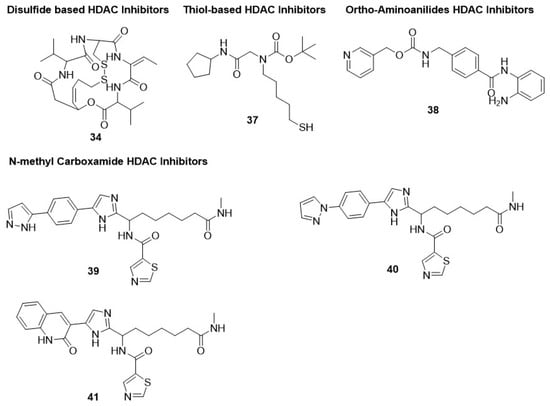
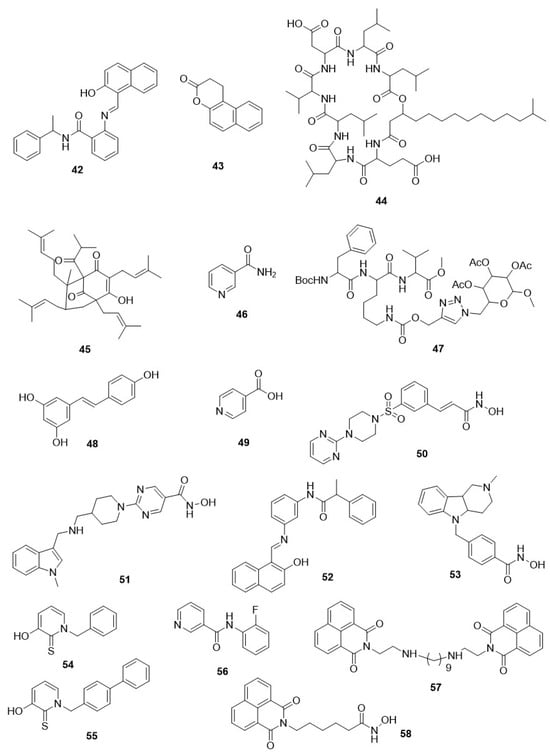
Ongoing therapy for human parasite infections has a few known drugs but with serious side effects and the problem of drug resistance, impelling us to discover novel drug candidates with newer mechanisms of action. Universally, this has boosted the research in the design [...] Read more.
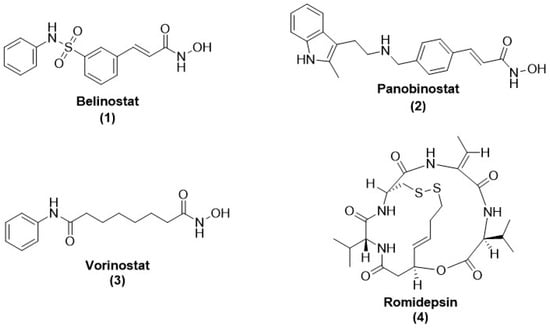
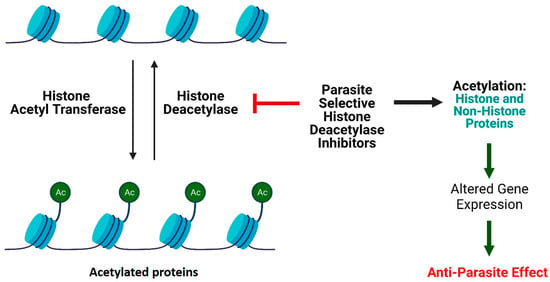
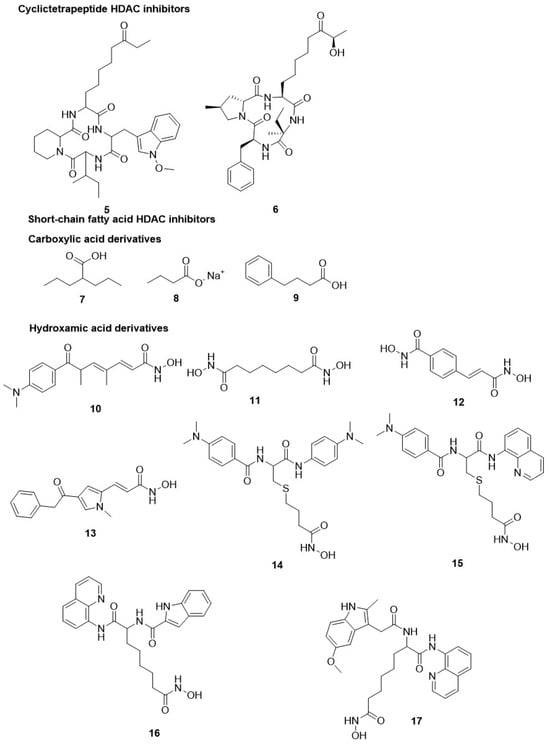
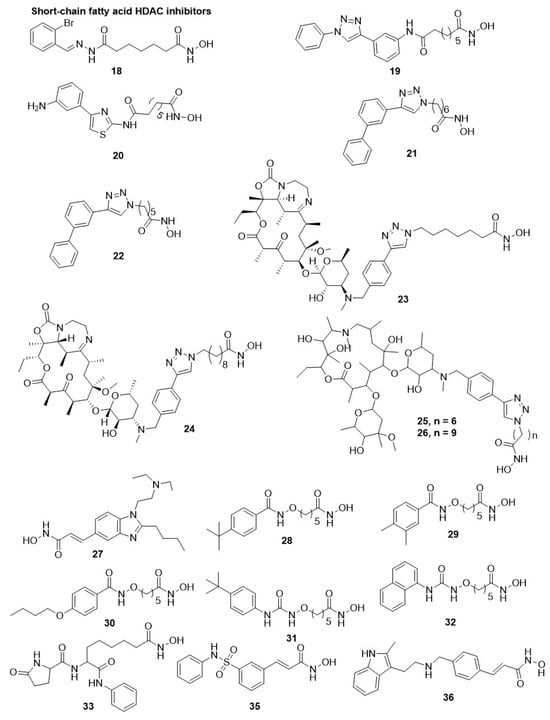
Ongoing therapy for human parasite infections has a few known drugs but with serious side effects and the problem of drug resistance, impelling us to discover novel drug candidates with newer mechanisms of action. Universally, this has boosted the research in the design and development of novel medicinal agents as antiparasitic drugs with a novel mode of action. Histone deacetylase inhibitors (HDACis) are used in a vast variety of diseases due to their anti-inflammatory properties. Drug repurposing strategies have already approved HDACis as cancer therapeutics and are now under investigation for many parasitic infections. Along with the expression of the gene, histone deacetylase (HDAC) enzymes also act as a slice of great multi-subunit complexes, targeting many non-histones, changing systemic and cellular levels signaling, and producing different cell-based specified effects. Zinc (Zn2+)- and nicotinamide adenine dinucleotide (NAD+)-dependent HDACs of parasites play pivotal roles in the alteration of gene expression of parasites. Some of them are already known to be responsible for the survival of several parasites under odd circumstances; thus, targeting them for therapeutic interventions will be novel for potential antiparasitic targets. This point of view outlines the knowledge of both class-I and class-II HDACis and sirtuin inhibitors that emerged to be the key players in the treatment of human parasitic disorders like Leishmaniasis, Schistosomiasis, Malaria, Trypanosomiasis, and Toxoplasmosis. This review also focuses on repurposing opportunities and challenges in HDAC inhibitors that are preceded by their clinical development as potent new antiparasitic drugs. Full article
Show Figures

Figure 1
2023

Jump to: 2025, 2024, 2022

11 pages, 1466 KB  
Article
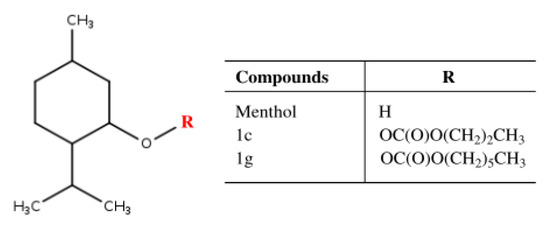
Preformulation Studies of Novel Menthol Prodrugs with Antiparasitic Activity: Chemical Stability, In Silico, and In Vitro Permeability Assays
by Camila M. Clemente, Renée Onnainty, Nadina Usseglio, Gladys E. Granero and Soledad Ravetti
Drugs Drug Candidates 2023, 2(3), 770-780; https://doi.org/10.3390/ddc2030038 - 19 Sep 2023
Cited by 5 | Viewed by 3274
Abstract
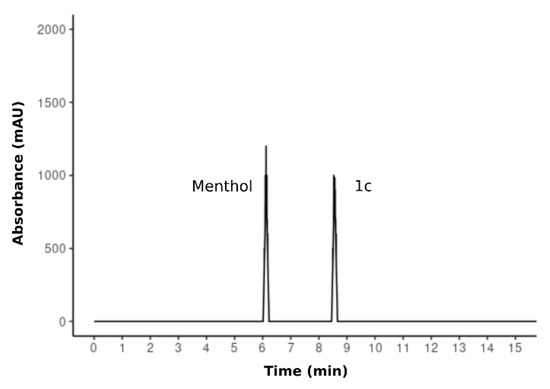
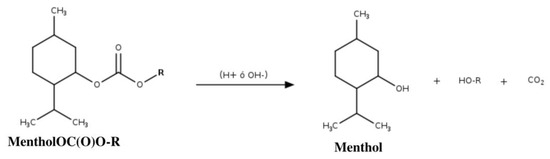
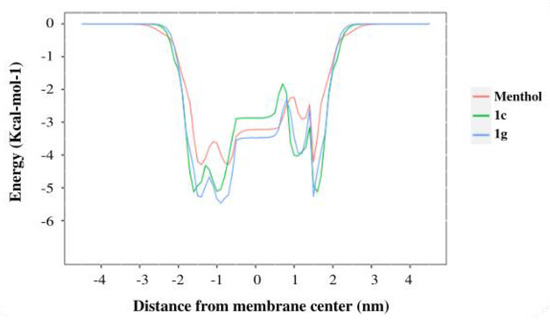
Based on the demonstrated and reported trypanocidal, leishmanicidal, and antiplasmodial activities of two menthol prodrugs, it was decided to proceed with preformulation studies, which are of key relevance in the drug discovery process. The aim of this study is to examine the stability [...] Read more.
Based on the demonstrated and reported trypanocidal, leishmanicidal, and antiplasmodial activities of two menthol prodrugs, it was decided to proceed with preformulation studies, which are of key relevance in the drug discovery process. The aim of this study is to examine the stability and permeability of two new menthol prodrugs with antiparasitic activity. To determine the stability of menthol and its prodrugs, the corresponding studies were carried out in buffered solutions at pH values of 1.2, 5.8, and 7.4 at 37 °C. In silico permeability studies were performed using the free PerMM software and then in vitro permeability studies were performed using a biomimetic artificial membrane (BAM). Permeability studies conducted in silico predicted that both menthol and its prodrugs would pass through biological membranes via flip-flop movement. This prediction was subsequently confirmed by in vitro BAM permeability studies, where it was observed that the menthol prodrugs (1c and 1g) exhibited the highest Papp (apparent permeability) value compared to the parent compound. The study reveals that menthol prodrugs exhibit stability at a pH of 5.8 and possess sufficient in vitro permeability values as preformulation parameters. Full article
Show Figures

Figure 1
20 pages, 1057 KB  
Article
Synthesis and Antimalarial Evaluation of New 1,3,5-tris[(4-(Substituted-aminomethyl)phenyl)methyl]benzene Derivatives: A Novel Alternative Antiparasitic Scaffold
by Sandra Albenque-Rubio, Jean Guillon, Anita Cohen, Patrice Agnamey, Solène Savrimoutou, Stéphane Moreau, Jean-Louis Mergny, Luisa Ronga, Ioannis Kanavos, Serge Moukha, Pascale Dozolme and Pascal Sonnet
Drugs Drug Candidates 2023, 2(3), 653-672; https://doi.org/10.3390/ddc2030033 - 8 Aug 2023
Cited by 4 | Viewed by 2849
Abstract
A series of new 1,3,5-tris[(4-(substituted-aminomethyl)phenyl)methyl]benzene compounds were designed, synthesized, and evaluated in vitro against two parasites (Plasmodium falciparum and Leishmania donovani). The biological results showed antimalarial activity with IC50 values in the sub and μM range. The in [...] Read more.
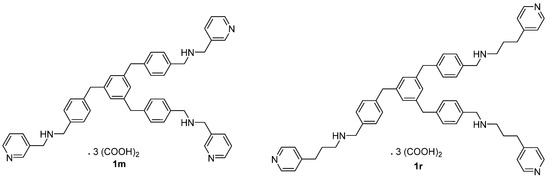
A series of new 1,3,5-tris[(4-(substituted-aminomethyl)phenyl)methyl]benzene compounds were designed, synthesized, and evaluated in vitro against two parasites (Plasmodium falciparum and Leishmania donovani). The biological results showed antimalarial activity with IC50 values in the sub and μM range. The in vitro cytotoxicity of these new aza polyaromatic derivatives was also evaluated on human HepG2 cells. The 1,3,5-tris[(4-(substituted-aminomethyl)phenyl)methyl]benzene 1m was found as one of the most potent and promising antimalarial candidates with a ratio of cytotoxic to antiprotozoal activities of 83.67 against the P. falciparum CQ-sensitive strain 3D7. In addition, derivative 1r was also identified as the most interesting antimalarial compound with a selectivity index (SI) of 17.28 on the W2 P. falciparum CQ-resistant strain. It was previously described that the telomeres of P. falciparum could be considered as potential targets of these kinds of aza heterocycles; thus, the ability of these new derivatives to stabilize the parasitic telomeric G-quadruplexes was measured through a FRET melting assay. Full article
Show Figures

Figure 1
29 pages, 2809 KB  
Review
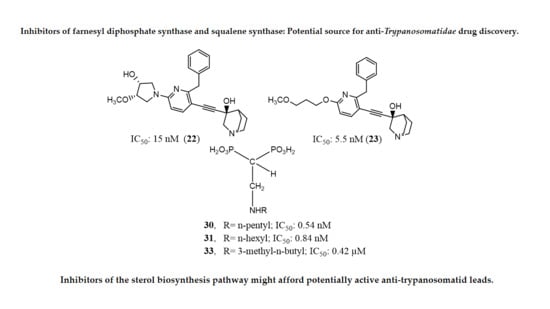
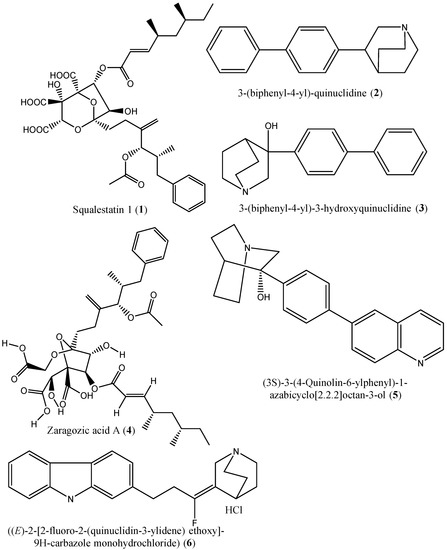
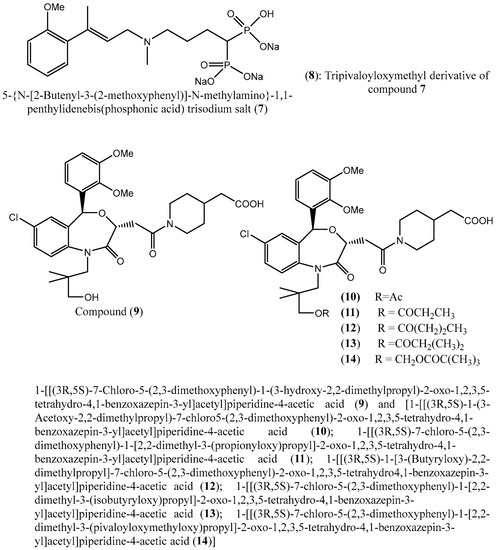
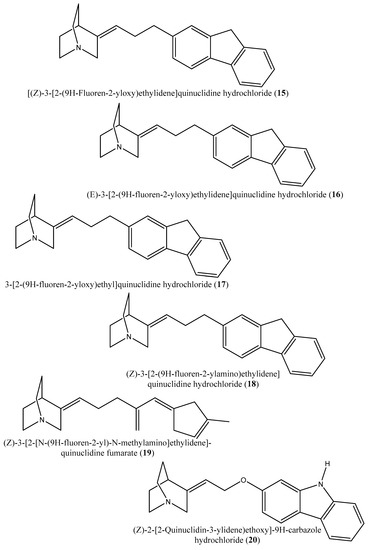
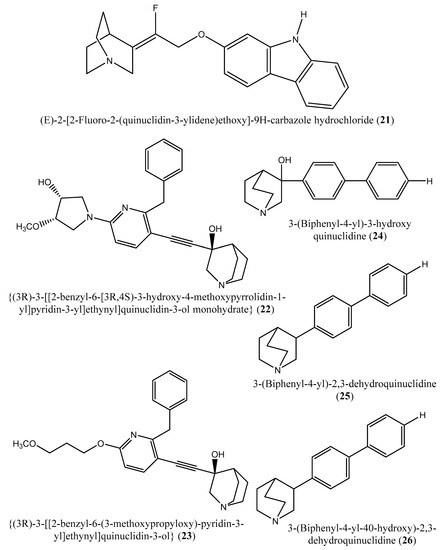
Inhibitors of Farnesyl Diphosphate Synthase and Squalene Synthase: Potential Source for Anti-Trypanosomatidae Drug Discovery
by Boniface Pone Kamdem and Fabrice Fekam Boyom
Drugs Drug Candidates 2023, 2(3), 624-652; https://doi.org/10.3390/ddc2030032 - 4 Aug 2023
Cited by 2 | Viewed by 3254
Abstract
Trypanosomatids are mainly responsible for leishmaniasis, sleeping sickness, and Chagas disease, which are the most challenging among the neglected tropical diseases due to the problem of drug resistance. Although problems of target deconvolution and polypharmacology are encountered, a target-based approach is a rational [...] Read more.
Trypanosomatids are mainly responsible for leishmaniasis, sleeping sickness, and Chagas disease, which are the most challenging among the neglected tropical diseases due to the problem of drug resistance. Although problems of target deconvolution and polypharmacology are encountered, a target-based approach is a rational method for screening drug candidates targeting a biomolecule that causes infections. The present study aims to summarize the latest information regarding potential inhibitors of squalene synthase and farnesyl phosphate synthase with anti-Trypanosomatidae activity. The information was obtained by referencing textbooks and major scientific databases from their inception until April 2023. Based on in vitro experiments, more than seventy compounds were reported to inhibit squalene synthase and farnesyl diphosphate synthase. Among these compounds, more than 30 were found to be active in vitro against Trypanosomatidae, inferring that these compounds can be used as scaffolds to develop new drugs against trypanosomatid-related infections. Overall, natural and synthetic products can inhibit enzymes that are crucial for the survival and virulence of trypanosomatids. Moreover, in vitro experiments have confirmed the activity of more than half of these inhibitors using cell-based assays. Nevertheless, additional studies on the cytotoxicity, pharmacokinetics, and lead optimization of potent anti-Trypanosomatid compounds should be investigated. Full article
Show Figures

Graphical abstract

9 pages, 614 KB  
Article
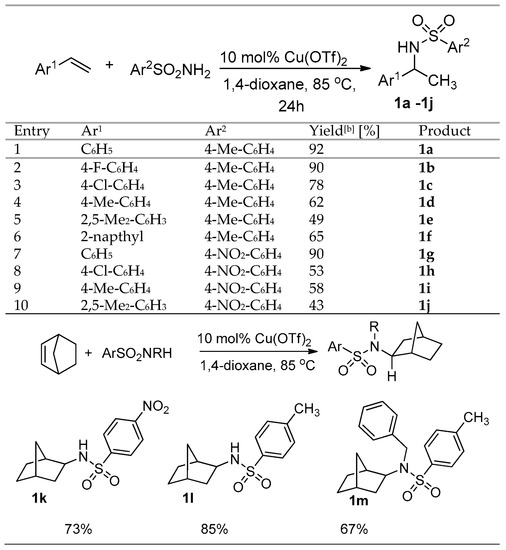
In Vitro Evaluation of Arylsulfonamide Derivatives against Trypanosoma cruzi
by Policarpo Ademar Sales Junior, Silvane Maria Fonseca Murta and Jason Guy Taylor
Drugs Drug Candidates 2023, 2(2), 477-485; https://doi.org/10.3390/ddc2020024 - 8 Jun 2023
Viewed by 1959
Abstract
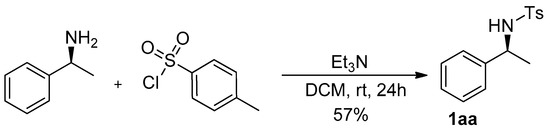
Chagas disease is caused by the parasite protozoan Trypanosoma cruzi (T. cruzi) and affects millions of people in over 21 countries in around the world. The main forms of treatment of this disease, benznidazole and nifurtimox, present low cure rates in [...] Read more.
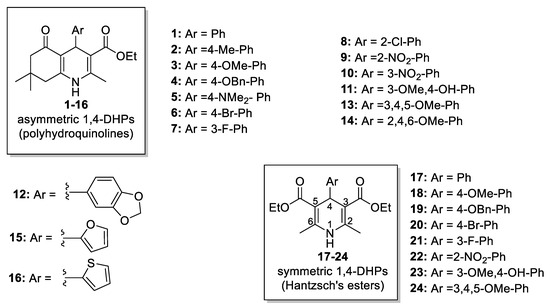
Chagas disease is caused by the parasite protozoan Trypanosoma cruzi (T. cruzi) and affects millions of people in over 21 countries in around the world. The main forms of treatment of this disease, benznidazole and nifurtimox, present low cure rates in the chronic phase and often have serious side effects. Herein, we describe the evaluation of the trypanocidal activity of arylsulfonamides. The arylsulfonamides were evaluated in vitro against the amastigote and trypomastigote forms of the parasite. An enantiomerically pure example of arylsulfonamide was also tested. The initial results suggest that the arylsulfonamides evaluated act as DNA binding agents. A moderate activity was monitored against the intracellular forms of T. cruzi, with the best compound exhibiting an IC50 value at 22 μM and a selectivity index of 120. However, the level of activity was not favorable for progressing towards in vivo studies for Chagas disease. Full article
Show Figures

Figure 1
2022

Jump to: 2025, 2024, 2023

13 pages, 1254 KB  
Article
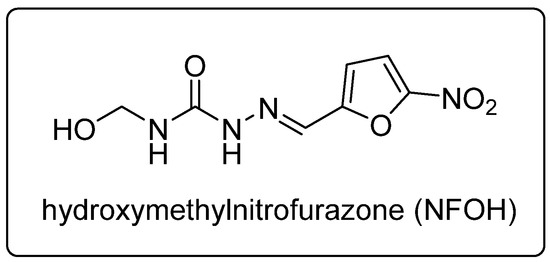
Synthesis, Characterization, and Activity of Hydroxymethylnitrofurazone Nanocrystals against Trypanosoma cruzi and Leishmania spp.
by Cauê Benito Scarim, Aline de Souza, Débora Soares Souza Marins, Elda Gonçalves dos Santos, Lívia de Figueiredo Diniz Castro, Ivo Santana Caldas, Patrícia Ferreira Espuri, Marcos José Marques, Elizabeth Igne Ferreira, Nadia Araci Bou-Chacra and Chung Man Chin
Drugs Drug Candidates 2022, 1(1), 43-55; https://doi.org/10.3390/ddc1010005 - 13 Dec 2022
Cited by 1 | Viewed by 2707
Abstract
Hydroxymethylnitrofurazone (NFOH) is a prodrug of nitrofurazone devoid of mutagenic toxicity, with in vitro and in vivo activity against Trypanosoma cruzi (T. cruzi) and in vitro activity against Leishmania. In this study, we aimed to increase the solubility of [...] Read more.
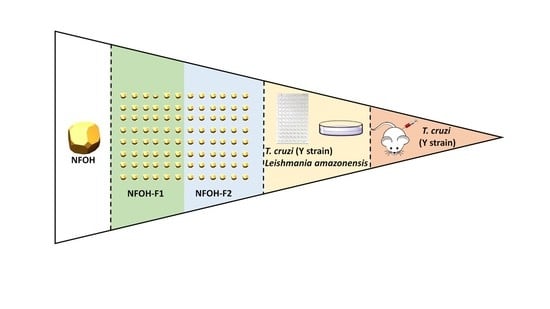
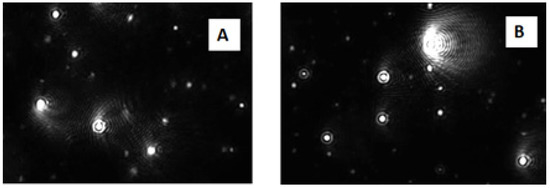
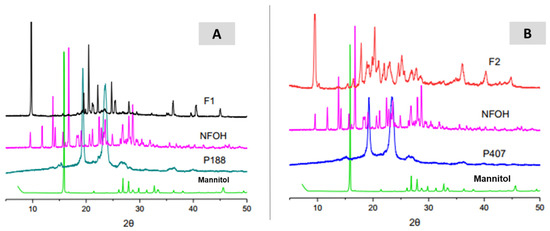
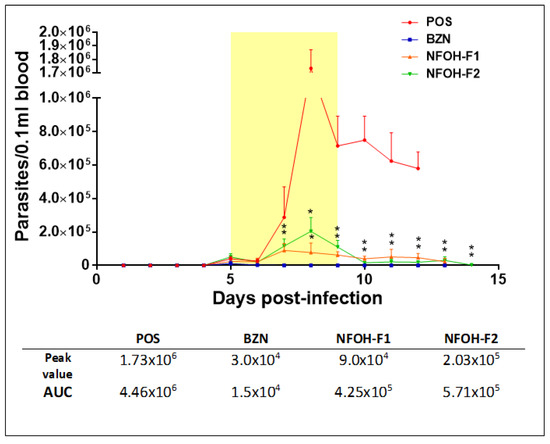
Hydroxymethylnitrofurazone (NFOH) is a prodrug of nitrofurazone devoid of mutagenic toxicity, with in vitro and in vivo activity against Trypanosoma cruzi (T. cruzi) and in vitro activity against Leishmania. In this study, we aimed to increase the solubility of NFOH to improve its efficacy against T. cruzi (Chagas disease) and Leishmania species (Leishmaniasis) highly. Two formulations of NFOH nanocrystals (NFOH-F1 and NFOH-F2) were prepared and characterized by determining their particle sizes, size distribution, morphologies, crystal properties, and anti-trypanosomatid activities. Furthermore, cytotoxicity assays were performed. The results showed that the optimized particle size of 108.2 ± 0.8 nm (NFOH-F1) and 132.4 ± 2.3 nm (NFOH-F2) increased the saturation solubility and dissolution rate of the nanocrystals. These formulations exhibited moderate anti-Leishmania effects (Leishmania amazonensis) in vitro and potent in vitro activity against T. cruzi parasites (Y strain). Moreover, both formulations could reduce parasitemia (around 89–95% during the parasitemic peak) in a short animal model trial (Y strain from T. cruzi). These results suggested that the increased water solubility of the NFOH nanocrystals improved their activity against Chagas disease in both in vitro and in vivo assays. Full article
Show Figures

Graphical abstract

Back to TopTop