2. Methodology
Swarooprani [
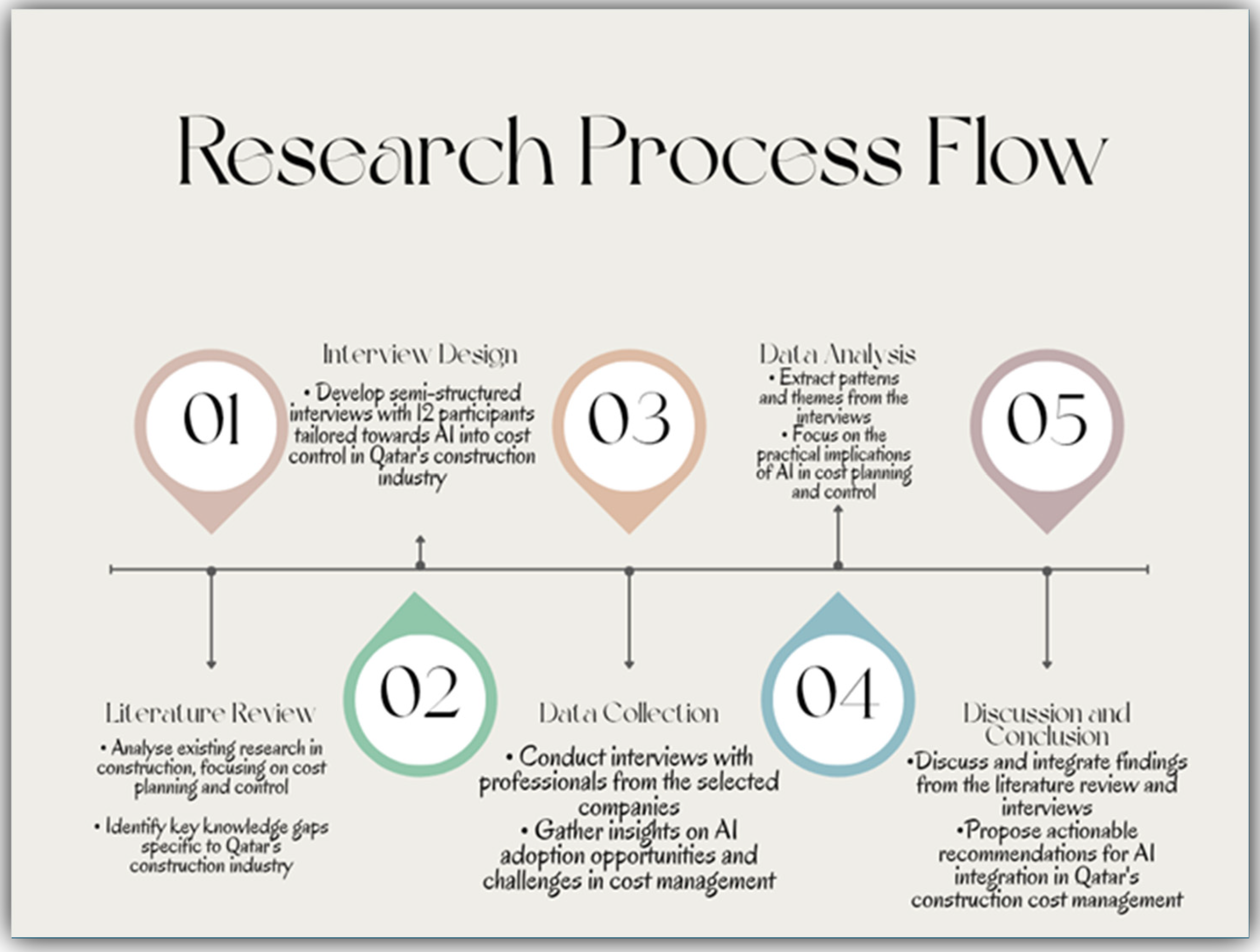
49] defined a methodology as the theoretical and methodical examination of the methods that guide your research with research methods being the tools that were used to gather the corresponding data. The methodology adopted for this study reflects a qualitative research design intended to capture both the contextual insights and the lived experiences of practitioners engaging with cost planning and control in Qatar’s construction industry through semi-structured interviews alongside thematic analysis of the interviews supported by NVivo. The overarching purpose of this study is to explore the opportunities and challenges associated with integrating AI into established cost management practices. The literature review is treated primarily as a scoping exercise, designed to establish the baseline knowledge that underpins further exploration through the interviews conducted. The overall research process adopted in this study is illustrated in
Figure 3.
The initial stage of this study involved a structured review of existing research on the intersection of AI, ML, and construction cost management. The review was undertaken to clarify what opportunities and challenges had already been identified in academic and professional discourse, and to ensure that the interview questions were framed in a way that was both relevant and theoretically informed. Searches were carried out across high-quality academic databases, and the results were screened for relevance to the themes of AI adoption in construction, cost management practices, and the Qatari context. A purposive and systematic review was conducted and the resulting body of literature provided critical insights into potential benefits such as predictive modelling and efficiency gains, as well as obstacles such as resistance to technological change and high implementation costs. These themes became an essential foundation for the next stage of the research design.
The core of the methodology lies in semi-structured interviews. Twelve participants were recruited from mid to senior-level roles in contracting and consultancy firms operating in Qatar’s construction industry. These individuals were selected because of their direct involvement in cost planning and control processes and their capacity to reflect on how AI could reshape these practices. A limitation in this research was the lack of information technology and AI experts that could provide their inputs to enhance the research. The industry has not adapted yet to the changing construction industry as it is in its infant stage. The twelve participants chosen were selected based on their years of experience, selecting those that have had a deeply rooted experience within the industry and to avoid over-saturation of information and/or unnecessary inputs. Purposive sampling ensured that participants had substantial knowledge and experience relevant to the study objectives, and recruitment continued until data saturation was reached, meaning that successive interviews were no longer yielding new insights. All participants gave informed consent, with assurances of confidentiality and anonymity. Participants were provided with information sheets outlining the scope and purpose of the study and signed consent forms prior to the interviews.
Table 1 presents the profile of the twelve interview participants, including their company, designation, main responsibilities, and years of experience.
To arrive to a well-rounded conclusion of the methods AI can improve cost planning in Qatar’s construction industry, the interview questions were as follows:
[Q1] What have been the most significant challenges your company has faced in cost planning/control/management, and how were these challenges addressed?
[Q2] What opportunities do you see for leveraging technology to improve cost planning/control/management in construction projects?
[Q3] How do you envision the future of cost planning/control/management in the construction industry? What role do you think technology will play?
[Q4] How has your company integrated technology into its cost planning/control/management processes, if at all, and in your experience, how has this technology affected the accuracy and efficiency of management in your projects?
[Q5] What recommendations would you give to other companies looking to enhance their cost management processes?
[Q6] What are your thoughts on AI Driven cost forecasting where AI algorithms can examine huge complex datasets faster and more precisely than traditional methods?
Semi-structured interviews were chosen for their ability to balance structure and flexibility. They provided a consistent framework across participants, ensuring that core themes such as opportunities, challenges, and organisational readiness were covered, while also allowing the pursuit of emergent lines of discussion that enriched the data. This method was particularly well-suited to an exploratory study of this kind, as it enabled participants to articulate their experiences and perspectives in their own words. The open-ended format facilitated the capture of contextual and tacit knowledge, including how professionals defined key terms, how they perceived the readiness of their organisations to utilise AI, and how they weighed both the risks and potential benefits of adoption. Their perspectives provided a rich foundation for understanding the current landscape and challenges of cost management within the industry, informing the literature review and subsequent opportunities, challenges, and discussions presented in this study.
The interviews typically lasted around one hour and were conducted in a setting that encouraged open and honest discussion. Most interviews were carried out face-to-face, with a small number conducted through Microsoft Teams. All were audio-recorded with consent, and supplementary field notes were taken to capture non-verbal cues, contextual details, and immediate reflections that might not be evident in transcripts. The combination of recorded data and field notes ensured both accuracy and depth in the subsequent analysis.
Transcription of the interviews was completed using TurboScribe and then carefully refined to ensure accuracy and capture nuances such as pauses and emphases. Each transcript was anonymised through the assignment of pseudonyms, and all identifying information was removed to protect confidentiality. Data management protocols were strictly followed, with transcripts stored on a password-protected system accessible only to the researcher. This stage of data preparation was critical for ensuring both ethical compliance and methodological rigour.
Once the transcripts were finalised, they were imported into NVivo for systematic coding and analysis. The process began with repeated readings of transcripts to familiarise with the material and to develop an intuitive understanding of the narratives being shared. Initial codes were generated deductively, informed by the literature review and research objectives, as well as inductively, allowing new themes to emerge directly from participants’ accounts.
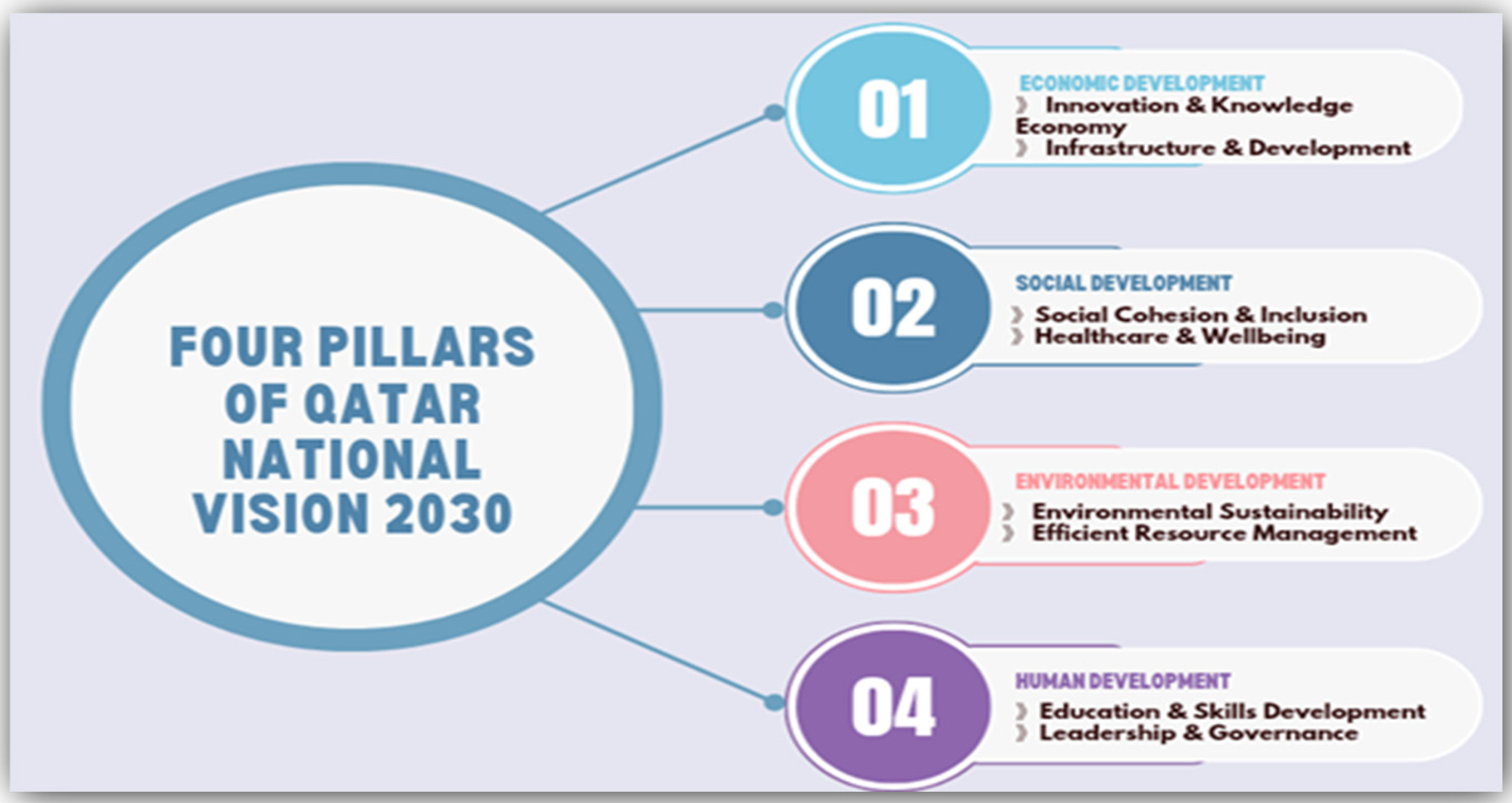
The coding process was iterative and reflexive. As coding progressed, categories were refined, merged, or separated to reflect the complexity of the data. Emerging themes included anticipated efficiencies from AI, improvements in cost forecasting, concerns about data availability, organisational inertia, cultural resistance to technological change, and the alignment of AI initiatives with Qatar’s Vision 2030 development strategies. NVivo allowed cross-reference of codes, compared responses across participants, and visualised the relationships between themes, thereby producing a richer and more structured interpretation of the findings.
Thematic analysis was not only a technical exercise but also an interpretive one. Reflexive practices were used to acknowledge how their own backgrounds and assumptions might shape the analysis. This reflexivity was documented through analytic memos, which recorded decisions, potential biases, and interpretive shifts over the course of the analysis.
Validation strategies were incorporated to enhance the reliability and trustworthiness of the findings. Interview analysis results were compared with insights from the literature review to identify areas of convergence or divergence between theory and practice. In addition, participants were given the opportunity to review their transcripts or summaries of their responses, a process known as member checking [
50] which helped ensure accuracy and allowed for clarification of ambiguous statements. These validation steps added robustness to the thematic interpretations and mitigated the subjectivity inherent in qualitative research.
The methodology adopted for this study provides a rigorous and transparent foundation for addressing the research objectives. The analysis, facilitated by NVivo and grounded in thematic methods, produced a structured account of the opportunities and challenges surrounding AI integration. Importantly, the methodological emphasis on interviews and interview analysis ensures that the study is not only theoretically grounded but also empirically enriched.
3. Results
3.1. Opportunity 1: Minimising Human Errors Through Advanced AI Technologies
The integration of AI into the construction industry presents project managers with a unique opportunity to significantly reduce human errors on-site. Design errors, often resulting from human oversight, frequently lead to project delays, reworks, and cost overruns. The labour-intensive nature of traditional decision-making, reliant on vast amounts of data, often results in prolonged project timelines and delayed decisions, which contribute to increased costs. Methods such as a square footage and unit cost analysis are often error-prone due to the reliance on human judgement. This will often lead to inconsistencies, especially if the client’s requirements change. Therefore, AI being integrated into cost modelling practices, especially with a reliable learning model to derive decision-making capabilities from, is a crucial step in mitigating inefficiencies. This can be inferred from a statement made by a cost control manager from the first company with over fifteen years of experience in the field.
“The highest form of accuracy is when we have a fully integrated system with proper validation and verification mechanisms in place.”
The interviewee emphasised a need for a seamless digital ecosystem where AI, data modelling tools, data sources, and decision-making interfaces all operate as a single and cohesive unit. This would minimise manual data handling, effectively reducing the risk of human errors. A foundational problem with AI integration is the reliability of validation and verification tools, as the data input and output need to be trustworthy, accurate, and rigorously checked by professionals to ensure non-replication of previously made errors. However, with proper validation tools being integrated, human errors are significantly limited only to those who have to ensure that the AI system is running its modelling accurately, such as the AI overseer. An AI system’s approach to tackling a task will be through a series of well-defined tasks without the interference of preference, choice, emotion, or any other feeling that can hold a human worker back. Another cost control manager working at the first company had the following to say,
“If you take out emotions or health out of this equation, make it an AI, it would take a more objective, more methodical approach than a rash decision influenced by other outside parties.”
They argued that AI removes the emotional and health-related dynamics that can lead to inconsistent and illogical decisions. By eliminating human factors such as mood, fatigue, or stress, the system can construct consistent and evidence-based decision proposals. This is a common perception of AI about completing tasks effectively. It is believed that humans may be subject to bias, but AI is a neutral tool that only operates on the data it is given and while humans may make rash decisions due to a variety of factors, AI will only operate through data-driven insights. AI systems bring forth the possibility of augmenting human judgment, rather than eliminating it. A construction manager suggested,
“Use AI, it can process data very fast, faster than the human brain, and as I said, in many aspects of the construction industry, it can help and improve drastically the efficiency of everything, especially in cost control and planning.”
This interviewee praised AI’s computational superiority as compared to the human brain’s processing capabilities. It is a skill that is incredibly relevant in cost-planning, which involves handling large and complex datasets. It is implied in the quote that human limitations in cost planning can often lead to errors, inefficiencies, and delays in planning and control. They stated “in many aspects of the construction industry”, an acknowledgement of AI’s capability to support cross-functional efficiency but discard cost planning and control as the only high-impact area in which AI can improve upon. In hindsight, human errors can be equivalently reduced when compared to the complexity of the adopted AI systems. AI can perform an exemplary job with minimal hurdles if humans do it with errors. This was, finally, further verified by a principal quantity surveyor who mentioned,
“Where there are inefficiencies, it’s the human factor all the time. Either in the transcribing, in the copying, pasting… in creating a link from one spreadsheet to the other, you can easily link to the wrong cell or not capture everything in your totals.”
3.2. Challenge 1: Cultural Resistance to Technology
Cultural resistance to technology remains one of the most significant barriers to fully leveraging AI in cost planning and control, particularly in regions with deeply rooted traditional practices, such as Qatar. A key executive in this study rightly stated,
“There’s certain amounts of inertia within companies, certain amounts of inertia within people, certain amounts of inertia within me; everybody’s the same, and it’s difficult to make that first step to do something slightly different.”
In a rapidly advancing digital landscape, local stakeholders often show reluctance to adopt new technologies. This reluctance is not just institutional but personal. This is visible in legacy systems where the “tried and tested” methods are preferred over unproven, but promising technologies. A shift in mindsets in approaching cost management was proposed by the cost control head in the first company. He stated,
“It is imperative to note that we have to update our way of thinking to be cash flow driven. This requires a culture change.”
This statement further implies that the current way of thinking, which is perhaps based on outdated project management techniques or a rigid budget-first thinking, is completely parallel to the AI-enabled dynamic methods of cost control. This is simply about habits and organisational culture that have been instilled in people, giving them the fear to risk a new venture, regardless of the potential benefits it may carry. Many stakeholders are still reliant on the static budget-control techniques, while AI would provide an ever-changing and real-time automated monitoring system where every dollar would be accounted for and any changes that impact the timeline and costs would be effectively recorded.
Many workers fear job displacement as automated tasks encroach upon their roles. Resistance is the result of a lack of awareness and education on the benefits that automated systems can provide to cost control processes. A commercial manager highlighted,
“However, people are beginning to recognise the tradition here is the engineers don’t like the project management consultants. They’re authoritarian. When we talk to them, they’re condescending in a sense. Contractors don’t take management seriously. They are just into cash flows.”
There is a historical disconnect between the engineers and the project management consultants. AI systems in cost planning are often introduced by the consultants and if the engineers are already sceptical or resistant to consultants, they are more likely to resist the AI tools that may be suggested. Engineers may completely disregard the new AI advancements due to the simple distrust they have in the people who bring them in. Contractors may see AI introduction as a threat to the way they work. The lack of communication between different roles creates a strong resistance to the implementation of technology that can ultimately benefit the workspace as a whole.
For project managers, accurately predicting outcomes within deadlines is crucial, and there is a tendency to avoid unnecessary changes, particularly when traditional methods seem more predictable. Qatar’s National Vision 2030 heavily relies on the introduction of these new technologies and resistance poses a significant barrier to achieving this goal. If awareness and digital literacy fail to improve at a progressive pace, the nation risks falling short of its innovative objectives. By introducing educational programmes such as workshops and showing tangible proof of results, the unease centred around emerging technologies can be softened, turning scepticism into support.
3.3. Opportunity 2: AI-Driven Job Evolution and Skill Development
AI technologies, such as predictive analytics, ML, and automation, offer significant potential for construction professionals in Qatar to forecast cost fluctuations, optimise budgets, and enhance project management efficiency. The ability to incorporate AI tools into traditional cost management practices will be a key competency for professionals moving forward. Practically, this could involve training professionals in AI-powered software, understanding the way algorithms produce and interpret data, or validating the results AI may produce. A commercial manager explored this opportunity with a critical remark,
“Start by upskilling your workforce to understand what data actually is, understand what the fundamentals are.”
In essence, the commercial manager provided an invaluable piece of insight as to how AI integration can ultimately benefit corporations. In the context of AI models, comprehending data is not simply about how well an individual can read numbers, but more about developing a mindset that can turn that data into a leverage for effective decision-making. Employees become invaluable once they attain data literacy as a core skill. Aside from decision-making, data literacy aids employees in understanding how an AI system works. This includes, but is not limited to ML principles, predictive capabilities, and automation. Each of these traits will allow an employee to engage in meaningful conversations with each other across all departments. As a final point, developing a continuous learning mindset will effectively aid a corporation in maintaining relevance as well as staying up to date with a rapidly evolving AI landscape.
Contrary to widespread concerns, the fear that AI will lead to widespread unemployment is largely unfounded. Rather than viewing AI as a threat, it should be embraced as a powerful tool to be fully utilised, enabling professionals to focus on higher-value and more strategic tasks. This fear can be avoided by promoting continuous learning inside an institutional workplace. This is mentioned by a commercial manager who brought up the following statement,
“Be ingenious, be innovative, talk to people, challenge yourself, and collaborate. You learn more by talking to people.”
His advice to be ingenious and innovative highlights a certain aspect of processing that humans will always surpass AI systems, such as creativity, problem-solving, and adaptability. These core aspects provide a driving motivation to constantly update a worker’s skillset, as they will always remain relevant due to the ability to put into practice interpersonal skills and learn where AI cannot on its own. This was further explored by a cost control head who mentioned,
“… you have to have transparency between departments. You have to have good relations with the departments, cohesive teamwork.”
Human employees will inevitably take up the work that AI cannot easily replicate. This includes aspects of teamwork that are highly dependent on human nature, such as critical thinking, strategic collaboration, and decision-making under intense pressure. By being capable of interaction, they can approach the data brought forward by AI creatively while also maintaining transparent relationships across other departments, a skill that requires understanding and emotional intelligence, both of which are skills AI cannot replicate. While AI can provide immeasurably useful data, it has no capacity to make the final call.
With the demand for AI systems continuously increasing, there is a need for upskilling. Traditional expertise in construction and cost control must be accompanied by digital literacy and data analysis to bridge the gap. Experts who manage to make use of both construction knowledge and digital literacy are better positioned to thrive in a competitive industry.
3.4. Challenge 2: Competency and Data Skills Gap
As automation becomes more prevalent, the demand for advanced skills intensifies. With regard to AI and its challenge in implementation, a commercial manager in this study stated,
“We simply don’t have enough talent with the necessary data skills.”
This indicated a lack of individuals who are well-equipped to deal with the introduction of AI models. While the new technology undoubtedly changes the construction landscape through cost prediction, scheduling optimisation, and risk analysis, there is a need for experts who are capable of working with cost information and translating it into strategic decisions. Workers must adapt to this evolving landscape and acquire the digital competencies necessary to remain competitive in an increasingly automated world. Quantity surveyors, cost planners, and project managers are now expected to be up to date with the latest advancements in technology and comfortable with the newest analytics software and decision-support tools. A principal quantity surveyor voiced their insights on the matter,
“Architects are not doing their job properly, full stop. The service which is required of architects is a one-stop service, meaning all design and the production of a Bill of Quantities is under one agreement.”
They described a growing tension between the increasing expectation for architects to deliver fully integrated services as compared to their current capabilities and training. It is explicitly mentioned that architects are incapable of completing their evolving responsibilities. Modern AI tools for cost planning are heavily reliant on accurate data, quantities, and BIM models. Therefore, if architects are not able to provide the level of detail required by the system, the AI tools cannot operate effectively.
Currently, architects discard the process of cost estimation to another individual when, in reality their service must include the design, the materials required, and the costs to be incurred accurately. They should also be capable of structuring and exporting data in ways that make it easy to assimilate into an AI model. This presents a significant barrier to the integration of AI into cost planning, as AI requires connected workflows to be considered effective and efficient. It is not solely about architects but encompasses any profession that can and will benefit from the implementation of AI into cost planning practices. The fragmented roles that then occur make AI integration nearly impossible. This profession is not prepared to deliver the kind of data-rich work that modern construction demands and must evolve its education and standards or risk being side-lined by other AI-driven actors. A construction manager criticised the current state of affairs regarding engineers,
“These engineers that just roam on site, just shouting at people, this is not an engineer. For me, the engineer needs to review drawings, issue a cost report, do a look-ahead schedule, and know how to identify.”
A significant challenge is that these new skills typically require higher levels of education, which many individuals may not have access to. Employers are facing difficulties in finding qualified workers who can manage the complex tasks and responsibilities associated with extensive automation. A majority of individuals do not have the capabilities to properly manage a construction site, let alone an automation system that requires a complex approach if they are to make the most of it. There are tasks and responsibilities that an engineer is known to be capable of completing successfully. They claim to have adopted an authoritative approach to managing a project, which is not in alignment with the actual work they are supposed to be completing. This mindset presents a definitive knowledge barrier that prevents the proper adoption of AI into the nation’s construction industry. The commercial manager’s statement highlighted a significant bottleneck in the adoption of AI in line with Qatar’s National Vision 2030. These tools are only as effective and capable as the individuals who can handle and interpret them.
Companies need to invest in the education of their workforce to keep them up-to-date and competitive enough to be able to handle AI systems effectively. By bridging the gap in knowledge, projects will see an increase in productivity and a decrease in cost overruns. This indicated a significant issue with the current practitioners: there is a lack of knowledge about the core principles of construction and technology. Without this knowledge, it is difficult for institutions to make informed decisions regarding the implementation of AI. If the knowledge of the basic task to be done is not there, it cannot be expected of a few to accept advanced technologies such as AI systems. The manager’s statement is a direct call-out to the current mindset carried by some engineers that requires an immediate change if any advancements are to be undertaken.
3.5. Opportunity 3: Utilising ML for Cost Anomaly Detection
ML utilises insights from historical datasets to generate predictive cost estimations based on past trends. Experts can train the AI system to identify “normal” financial trends based on past project cost data to quickly identify any anomalies. A commercial manager mentioned,
“Say someone makes a small change within the model, and it’ll automatically reflect the cost and forecast, because everything will be tied together, and everything will be driven through logic algorithms.”
With the integration of ML, real-time insights can be made in business operations. Cost anomaly detection becomes incredibly efficient and reliable. With real-time and automated insights, any changes made in pricing, material cost, or labour rates are immediately reflected across the entire system. This will inevitably allow businesses to have continuous feedback loops that aid businesses having dynamic forecasts that continuously evolve. These ML algorithms can be trained to detect certain outliers or anomalies in cost data, such as the raw material price surging due to disruptions in the business’ supply chain. In addition, the system may be able to provide and suggest revised strategies to help mitigate the sudden shift and control costs. Such opportunities allow business decisions to be made immediately rather than waiting for monthly reports, therefore mitigating losses and allowing strategic changes on a whim. The director of quantity surveying services answered,
“There are inefficiencies, of course, and it’s always keeping on top of cost data.”
These inefficiencies are often brought into view due to manual data entries, data silos, or delayed reporting. With the introduction of ML into cost planning, the real-time monitoring enables a manager to immediately identify when there is a deviation from the typical patterns, essentially allowing them to be immediately flagged “on top of cost data.” This is the inherent benefit of automation over manual effort and as it learns over time, it becomes more adept at recognising small and large changes in real-time. By learning from past anomalies, it becomes significantly easier for it to learn, as long as the data is accurate. More data translates to more opportunities for learning.
The logic algorithms operate purely on data patterns, ensuring accurate and unbiased cost assessments. Large volumes of data cannot be easily processed by the average individual. ML allows systems to sift through extensive data quickly and accurately, reducing the chance of human errors without any decrease in performance. Beyond managing historical data, ML algorithms are also capable of identifying future trends, enabling predictive analysis. One example is the Support Vector Machine (SVM), a supervised ML algorithm used to classify tasks within a hyperplane.
Traditionally, detecting irregularities or overspending required manual inspection of complex financial records, which made the process prone to error and oversight. By contrast, AI systems powered by ML—including models such as SVM—can continuously learn from historical data, identify hidden patterns, and detect deviations that humans might miss. By selecting the appropriate ML models, project managers can build confidence in the accuracy of their information, make better-informed decisions on project timelines, and reduce the risk of cost overruns. A cost control head added,
“Use AI eventually as long as you have a big database to train it on, reflecting the company’s principles of course.”
They indicated two key requirements for AI integration. ML algorithms, especially those that detect anomalies, require clean, structured, and comprehensive datasets to thrive on. To accurately predict future trends, it requires historical and contextual metadata. This sums up the first requirement, which would be data readiness. The second requirement would be the ethical alignment with the company’s principles. It would need to operate in a way that allows the company’s finance department to verify the AI’s anomaly detections and avoid bias. ML provides the opportunity to have the company remain ahead of any problems that may arise during the cost-planning phase. As long as there is sufficient and reliable data to train the AI on, ML can be the key to achieving a high level of efficiency in cost management. Automation is an obvious benefit, but ML is meant as a means to support human decision-making processes with extensive data-driven insights.
3.6. Challenge 3: Transparency and Trust Issues with AI
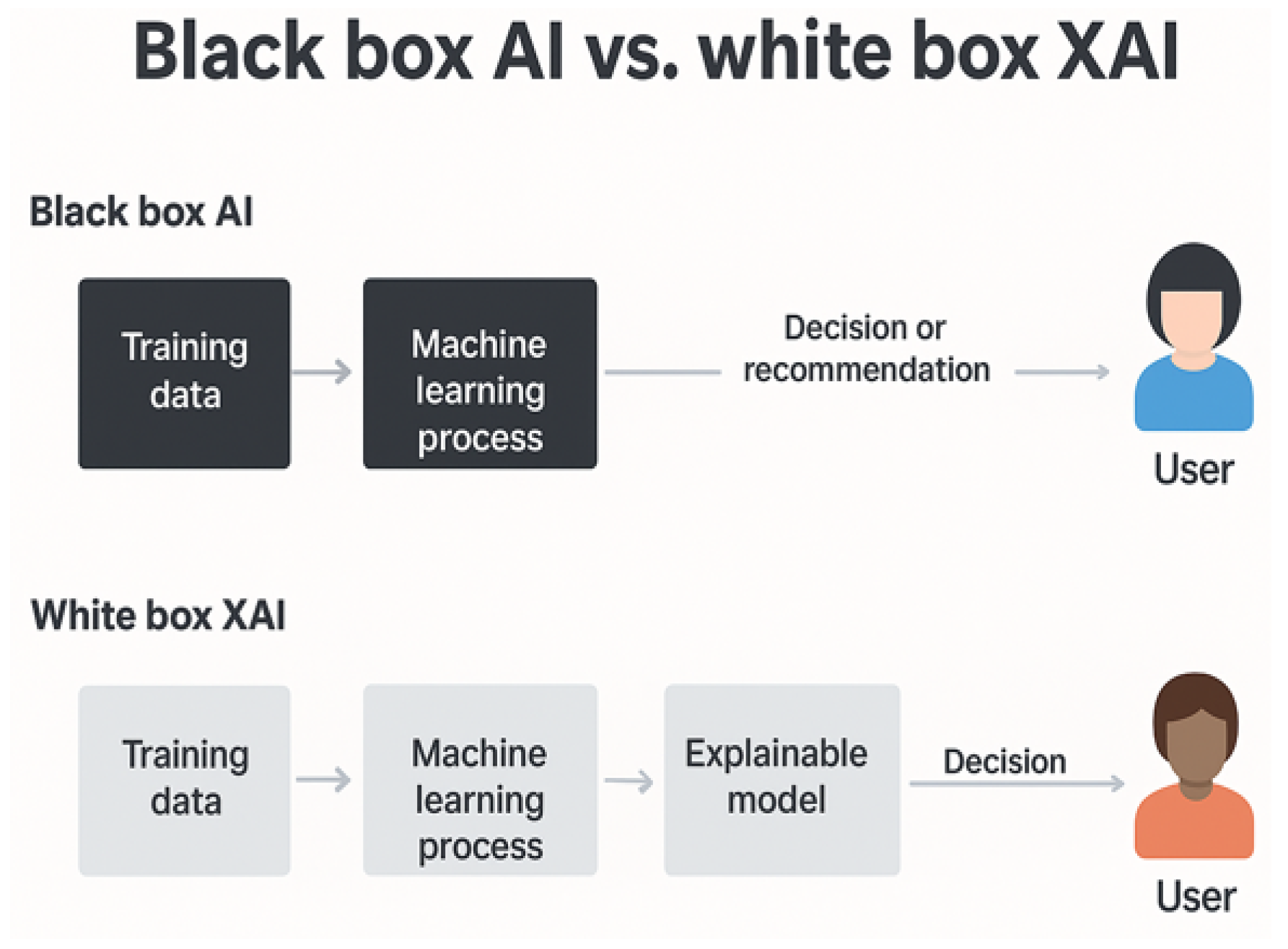
The seamless integration of AI into the industry is often hindered by its “black box” nature. The “black box” problem refers to the challenge of understanding how AI and ML models process data and arrive at conclusions, as they rely on complex algorithms that are not easily interpretable by humans. This opacity can lead to a lack of trust in AI systems. For project managers, clarity and trust are essential in making informed decisions. With the introduction of AI, it becomes necessary to provide transparent explanations of how the system reaches its conclusions, which is where Explainable AI (XAI) comes into play. A lead quantity surveyor in this study voiced their apprehension, stating,
“When I think about AI, I’m not fully comfortable with it. I wouldn’t be able to see the route; how did it get to where it’s currently at with the data analysis.”
This quantity surveyor likely primarily values reasoning and logic over results with no explanation. Any result that an AI system is capable of producing should be accompanied by a step-by-step thinking process that users can directly see and comprehend. This is especially important to scientific, academic, or data-driven industry professions where the accuracy of data can significantly affect the outcome of an entire project. All this implies that the trust individuals have in AI is only conditional on the grounds of explainability. Trust in AI systems is built upon models that map the route they take to arrive at a specific conclusion of which is the criteria that defines XAI. This inevitably builds a certain reliance on AI systems as they are now capable of being accurately validated. XAI allows managers to trace why specific data points are flagged as anomalies, ensuring that the insights generated are interpretable, actionable, and trusted by stakeholders. For example, XAI can decipher that a sudden rise in steel prices accompanied by delivery delays has been the cause of the increase in structural material costs. This transparency fosters efficient decision-making and effective cost control.
Another area that might affect trust in AI systems is the human operators who handle them. A commercial manager mentioned,
“Based on what I’ve seen, based on my background, the data skills are just not there.”
In hindsight, the commercial manager highlighted a significant gap in data literacy within the industry that served to critically undermine trust in AI systems. Without this knowledge, it is easy for negative perception and bias to be fuelled as the decision-makers may struggle to understand how the AI systems operate, how they derive their results, and how to interpret and make use of them. This is not just simply a technical challenge, but a cultural and human challenge ingrained in the way people work in the sector. This distinction between explainable AI and black box AI is illustrated in
Figure 4.
Transparency, which encompasses the accountability of AI systems, is a critical concept but one that involves multiple layers. AI systems are susceptible to breaches, which further exacerbates the distrust businesses or individuals have in their integration. The commercial manager indicated a level of discomfort with AI systems that does not seem to be rooted in the technology itself but rather in the way that it operates. Danzig, alongside
Figure 4, showcased that the difference between XAI and regular machine learning is in that XAI provides the opportunity for the end-user to understand how a certain conclusion was reached [
51]. For AI systems to be considered transparent and trustworthy, there must be a comprehensive understanding of how the algorithms function and produce results. Without such clarity, it remains difficult to fully trust AI’s decision-making processes.
3.7. Opportunity 4: Automated Cost Control Management
AI has significantly simplified cost planning and estimation in construction. With the introduction of generative AI, automating cost processes has been incredibly simplified and has made time for other tasks to be handled by reducing human involvement. Additionally, AI plays a pivotal role in managing the vast amounts of unstructured data generated throughout construction projects. AI also optimises supply chain management by addressing issues such as inventory control, logistics, and risk monitoring. The integration of the Internet of Things (IoT) with AI enables real-time risk assessment, quality control, and safety monitoring, ensuring that products meet required standards. These advancements contribute to the reduction in idle time, storage costs, and any inefficient decisions that lead to a rise in costs. These technologies help project managers stay aligned with timelines, avoid cost overruns, and ensure efficient task completion through the optimal allocation of manpower and resources. This was evidenced by a cost manager who had the following to say,
“That can be automated as well; it generates all the requirements regarding how manpower should be mobilised, demobilised, and material requirements on site.”
In line with this, it becomes easier to coordinate with clients and investors on financial performance. Automation is capable of reducing the uncertainty of a project around its budgeting by providing accurate and backed-up decisions. Additionally, a fully integrated system that can handle and optimise all tasks greatly increases the flow and efficiency of all cost-related matters that are undertaken. By automating various processes, time can be saved, costs can be controlled, and labour-intensive tasks can be set aside.
A principal quantity surveyor commended the benefit of a fully integrated automated system by stating,
“I feel that we can work more efficiently by having the integrated software suite that allows you to do cost management all the way through, contract sum, all your variations, all your payments, your cash flow forecasts.”
Automating cost control processes grants a project manager a tool that can aid in accurately forecasting how and when resources should be allocated. Resources include manpower, equipment and machinery scheduling, and just-in-time delivery of all materials. The cost manager further went on and noted,
“When you talk about cost control management, we talk about matching our expense plan with the planning schedule that has been placed in… This means you’ll know exactly how to spend the project’s funds throughout its duration to meet material needs effectively.”
Financial and operational plans can be synced in real-time, which leads to dynamic cost projections, avoiding inefficient resource allocation. This is different from the traditional method, which would have budgeting and scheduling managed in parallel but disconnected ways. Overall, the implementation of automation into cost control would greatly improve financial discipline amongst projects that require an extensive amount of time to be completed. Qatar is a nation that is aiming to deliver world-class infrastructure by 2030 and as such, the majority of its projects are long-term and require highly strategic planning and innovation. By investing in AI, dynamic reforecasting due to changing project needs is possible. Predicting risk allows project managers to adjust funding allocation in areas that are known to be unstable, such as areas that require outsourcing and are out of their direct control. A senior cost estimation engineer stated,
“For example, if we miss detailed drawings during the cost estimation process, the quantity listed in the BoQs might not be accurate, which impacts the cost estimation.”
The engineer suggested that human error can often lead to ineffective cost estimates. All resources listed in the BoQs must be recorded in exact quantities to ensure that there is no overspending that may occur. The budgeting process would benefit from an automation process that analyses a certain construction model and reports the necessary equipment records. This would allow accurate cost estimates with a small margin of error. The cost and risk manager from the same consultancy added,
“The shortfalls that we have inside our system is the hardness of linking total actual cost per BoQ item, which is a very complicated thing in our system because if you want to at the end game to know how much is the total cost for a BoQ item, it will be a bit hard for you to get it because there are so many groupings.”
The participant highlighted a fundamental issue in the current, or traditional, cost control mechanisms. It is inherently difficult to link the actual costs to the BoQ items. The mention of “many groups” indicates a flaw. Manual categorisation or poor databases are capable of obscuring the real-time visibility of costs at minuscule levels. Legacy systems are incredibly outdated, and companies need to adapt quickly to remain competitive. The lack of automation, linkage, and transparency in legacy systems increases the risk of budget overruns, therefore reducing decision-making efficiency. The complexity in manual groupings is a critical factor that can make or break a project in a fast-paced construction environment. AI models are capable of automatically classifying, tagging, and reconciling the actual costs with the BoQ items. They may act as the adhesive that links different data sources together and smooth the cost structures automatically, effectively reducing the burden of completing the grouping manually.
3.8. Challenge 4: Financial Barriers to AI Cost Control Solutions
The integration of AI into cost management brings several challenges, one of the most prominent being the limited financial resources of smaller firms to incorporate AI into their cost planning processes. This is especially true in industries like construction, where AI adoption is still in its early stages. Interview participants cited this barrier as a leading cause as to why AI systems have not been implemented in day-to-day construction or project management activities. Each of them did note that AI will require upkeep. There will constantly be a growing need for AI maintenance upgrades, security inspections, and consistent validation for model accuracy. A construction manager in charge of managing the costs trickled into this topic. Financing has been the key demotivator to installing state-of-the-art AI systems to automate cost control. The construction manager stated,
“It’s just a matter of contractors who are not financially stable, and all of them just struggling, and I don’t know how they’re going to implement the technology anytime soon.”
This “financial stability” more than likely pertains to a certain risk aversion and financial stress instead of simply financial insecurity. They are not willing to pay more just to see it all go to waste. Therefore, a lack of risk leads to a lack of innovation. Regardless of whether the technology is there or not, financial situations will ultimately dictate whether the system will be implemented or not. Large businesses may afford AI, whilst smaller SMEs may be left behind as they work on project-based budgets or tight cash flows. Without proper support methods such as subsidies, AI may be seen more as a luxury rather than a leverage.
Discrepancies in cost planning often lead to significant cost overruns. The issue arises from tracking primarily, which is then translated to errors in planning, ultimately execution. Before these issues are sorted, there will be a cost in implementing AI models that may not be able to properly correct them. Therefore, the contractors may find it redundant to introduce automated systems before their manual processes are perfected. Contractor B reverted to their manual processes as funding for advanced technology was insufficient. A shift of this manner often results in a widely dispersed cost planning process without a clear structure, therefore leading to cost inefficiencies and overruns.
3.9. Opportunity 5: Improved Resource Allocation Efficiency
AI offers project managers the ability to effectively oversee their teams and optimise resource management through technologies like Global Positioning Systems (GPS). These systems, known as AI-Assisted Dispatch Systems, enhance the efficiency of project planning and execution. An industry expert in resource allocation noted,
“If you have things automated when allocating resources accurately, that would be great. For example, if you implement an RFIT system, you can assign the commodities that your team will be working on using GPS.”
The cost manager emphasised the importance of automation in resource allocation. Manual processes are significantly error-prone and likely very inefficient. Traditional approaches often consist of static spreadsheets and manual estimation, often making it unreliable. Of which, these are often unreliable due to their inability to adapt to a dynamic construction environment. Resource allocation becomes increasingly difficult when input is handled by humans rather than by automated systems. The cost manager stated that the need for automation is to counteract inaccuracies in cost management, enabling better real-time situational awareness. This simply means an improvement in precision, a reduction in delays, and a proper alignment of supply and demand. AI can identify objects using Radio Frequency Identification (RFID) tags, which, when integrated with GPS, improve security, inventory management, and access control. GPS-based tracking allows project managers to accurately oversee the assets, liabilities, and costs in real-time. This combination enables better prevention of theft, more accurate inventory tracking, and the management of restricted areas. Just-in-time delivery of materials is achieved through implementing RFID, therefore reducing storage costs and ensuring that only what is needed is used to avoid wastage. This was further implied by a senior cost estimator who stated,
“With AI, these processes will be much more efficient. This, of course, saves time but also really reduces the risk of human error.”
Such systems significantly reduce the risk of cost overruns by accurately allocating resources based on actual time spent, ensuring that no resources are wasted throughout the project. This efficiency not only enhances project timelines but also contributes to cost control and overall project success.
3.10. Challenge 5: Data Integrity Issues with Resource Allocation Modelling
In order for the processed data to produce relevant and effective results, the AI systems must have validated, standardised, and reliable data to work on. While these systems are designed to be efficient and accurate, they can produce redundant or biased outputs if the input data is flawed or skewed. Multiple industry experts had the same viewpoint on data integrity,
“Garbage in, garbage out.”
This presents a significant challenge for AI developers, who must prioritise algorithmic accountability and adhere to strict data governance frameworks. Effective data governance is crucial to ensuring that AI systems not only produce reliable and unbiased results but also facilitate the proper allocation of resources in a fair and transparent manner. Data modelled for proper decision-making must be accurate, reliable, and unbiased. Simply putting in inadequate data that AI must learn from will lead to similarly inadequate results that can compromise the entire project if left unattended. The cycle will only grow more rampant as time progresses and AI has formed a base foundation that is weak and prone to error. For example, a cost control head emphasised,
“If the historical data is a mess, then your model will be a mess.”
The prevalent problem with AI at its current stage is that it is reliant on human input, which is prone to errors. Regardless of how sophisticated a system is, if the data input is faulty in resource allocation, the end result will simply be a mess that cannot be used for any cost estimation. In summary, the model’s accuracy is heavily tied to the accuracy of the historical data it is trained on. The AI system needs to adapt to the business rules and the previous data collected for it to be able to predict future outcomes with the highest margin of accuracy it can achieve. This sentiment was echoed by a principal quantity surveyor who claimed,
“AI is a lot to do with, if you put rubbish in, you get rubbish out, so you define what your AI system will look at, and how you define that, is you put the parameters of information that it would look at.”
This point emphasised the importance of teaching AI based on accurate data to avoid the issue of inaccurate and unreliable outputs. Their insights correlated and supported what had been suggested by the previous cost control managers. Simply, if the AI system is consistently being monitored and evaluated on its reliability, you will ensure a smooth, cost-effective, and efficient way forward. The cost control head mentioned,
“… for you to start modelling you will need to reflect business rules, then train the AI on the historical data. If the historical data is a mess, your model will be a mess.”
A majority of interview participants made clear that a prevalent error of AI’s reliability is heavily dependent on the data it is provided to learn and develop from. These data integrity issues create a gap that can only be made worse if not noticed and rectified early enough. The control head implied that ensuring clean data is a non-negotiable aspect; data verification and validation should be of utmost priority when AI is integrated into cost control practices. If the data is bad, AI cannot fix it and will only amplify the flaws.
3.11. Opportunity 6: Optimised Estimation and Tendering Through AI Analytics
In the construction industry, responding to tenders and Requests for Proposals (RfPs) can be a complex and time-consuming process. These documents often require inputs from multiple stakeholders, detailed cost estimations, extensive project planning, compliance checks, and thorough documentation. A well-prepared proposal is critical, as it must be accurately priced to maximise the potential benefits of the project. Responding to RfPs relies on analysing the drawings, specs, and anticipated market trends to accurately predict costs. This is normally done with expert judgment, historical data, and spreadsheets, but the introduction of AI can make a significant impact.
Accurate pricing was mentioned as a very critical factor that contributes to the success of a project by a construction manager. He emphasised that,
“Many projects lose…not only because of productivity…but you priced the job wrong.”
This insight shifts the focus from operational performance (safety, delays, or productivity) to the often overlooked yet crucial planning phase. Pricing during tender submissions is a factor that project success hinges on. The initial price estimation must be accurate due to the fact that miscalculations can severely undermine a project before it has even begun. Long-term projects may have small errors compounded over time, which would undoubtedly affect cash flow margins, profit margins, and stakeholder confidence. As it is already, accurately estimating the cost at the early stage to provide an accurate tendering price is hard enough. Introducing AI into the tendering process would allow for real-time updates of the construction field and result in less time spent on the pricing along with an accurate estimation. This is further implied by an operations director who said,
“There are significant challenges in aligning the cost allocated at the tendering stage with the actual material usage.”
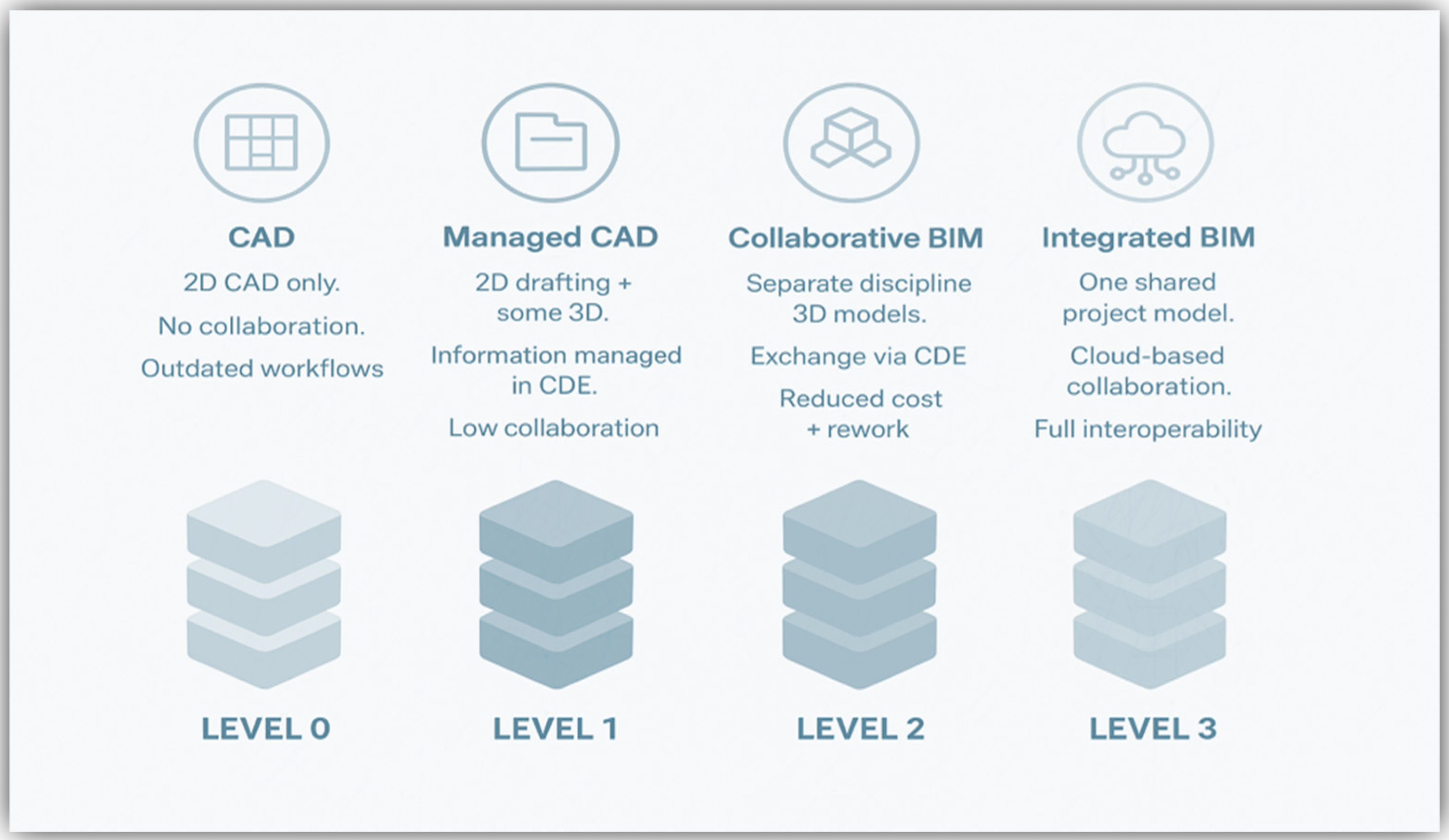
BIM has recently become a key tool in improving the reliability of these estimates. AI will only make data analysis seamless, easier to navigate, and provide accurate estimations. These advancements allow for more accurate and efficient project management, enhancing both cost control and time management. With AI being integrated into BIM, it will be possible to analyse major datasets and past projects to accurately construct reliable cost estimates and tender proposals.
3.12. Challenge 6: Lack of Standardised Data for Accurate AI Predictions
The construction industry currently faces a significant challenge in accessing the up-to-date and comprehensive data necessary for AI systems to make well-informed decisions. For AI to be effective, the data it is trained on must be standardised. A lack of standardised data is a key limitation for AI systems, as it hinders the training and testing of algorithms, leading to unreliable or inaccurate outputs. A commercial manager mentioned,
“Obviously, not having standards really exacerbates that problem.”
The problem that is being referred to by the manager is how the absence of standardisation leads to an increase in errors and inefficiencies. Without standardisation, data becomes incredibly difficult to integrate, compare, or even validate. Directly correlating to “garbage in, garbage out”, poor data standards correlate to an increase in duplicate entries, incompatible formats, and incomplete records. So, all in all, if the data input cannot accurately be validated, the resultant information becomes meaningless. Accurate AI models rely on uniform, clean, and structured data sets. It is essential to understand the existing workflows and how data is being collected, stored, and used. Without a certain set of prerequisites to follow, an AI system is only set up for failure due to the difference in data inputs. Comparison becomes incredibly unreliable due to the inconsistency in data labelling and inputs. The commercial manager delved further into his point by adding,
“Look into standardisation before you even look at the current processes, what are they, map out what is actually being done.”
Without standardised data, AI systems may struggle to deliver accurate insights or recommendations, limiting their effectiveness in decision-making processes. Clear standards ensure transparency, auditability, and protect against bias. Keeping data that is not uniform breeds room for errors and fallacies in cost planning and control. AI thrives on clean, well-structured data. In Qatar’s cost planning landscape, data often exists in silos. Without a standardised form of categorising data or mapping inputs, AI cannot accurately compare or predict cost trends. Fragmented systems create immense hidden costs in AI-related projects. The manager emphasised the importance of standardising first, then strategising. It is not a hurdle, but rather a launchpad that can transform cost planning. A construction manager critically mentioned,
“It’s good to have a building information model software so that you have a 3D model of your scope that is linked to the Primavera P6 that can show when you have started the activity.”
They essentially highlighted the integral use of BIM software models to ensure accurate estimations of data without the risk of errors along with the timelines that can further aid a manager in improving project efficiency and accuracy. The construction manager added that standardisation is not only limited to spreadsheets but should be extended to 3D models and schedules. A standardised BIM model linked with the Primavera P6 ensures consistent naming and timing, creating a structured mapping that results in each component in the BIM model correlating to the corresponding activity in the P6. By implementing a rigid standardisation process in cost planning, a manager can ensure accurate, governable, and predictive transformation of their systems through AI. In simpler terms, a commercial manager said in agreement, highlighting the need for standardisation in maximising data usefulness.
“Create standards and get the most out of your data.”
3.13. Opportunity 7: Time-Saving Quantity Take-Offs Using AI Automation
Quantity Take-off (QTO) is the process of obtaining quantity measurements from construction plans and providing a list of materials needed to complete a project [
52]. Current QTOs are manual, repetitive, and labour-intensive. This manual effort is directly linked to inefficiencies in time management. Artificial intelligence is a clear alternative that will hasten and streamline the QTO processes. There is an increasing demand for tools that can calculate, detect elements, and read drawings without the need for manual input. The interview participants who mentioned this regarded it as a necessary aspect of introducing AI into construction services. A senior estimator remarked,
“If QTO can be automated, it would save so much time quantifying.”
This statement highlights one of the most immediate benefits of AI integration: increased efficiency. By automating routine tasks such as measuring areas, counting components, and identifying materials from digital drawings, AI can allow professionals to shift their focus from the mundane and repetitive assignments to higher-level tasks such as strategic planning.
AI is capable of employing methods such as image recognition and ML to interpret construction drawings. By identifying patterns, shapes, and symbols based on the drawing’s legend, an AI system can accurately recognise items that are similar in appearance, which therefore means an accurate analysis of quantity data. By linking the measurements to cost estimations, manual input will no longer be needed and the risk of miscalculations will be significantly reduced.
Aside from time savings, automated QTOs reduce pressure by supporting better decision-making regardless of a tight deadline. When estimators are able to generate accurate material lists, they are better equipped to adjust plans, negotiate with suppliers, and refine budgets. A cost control manager from Contractor A stated,
“When you talk about cost control management, we talk about matching our expense plan with the planning schedule that has been placed in. That can be automated as well.”
By automating quantity take-offs alongside estimated costs and the set plans, significant time can be saved through having prior knowledge of the necessary requirements. Once that has been matched, it becomes a lot more efficient when maintaining an appropriate cost control plan, regardless of any changes that may occur during the planning or the working period. This applies to complex projects with frequent design changes. Consistent outputs by AI contribute to reliable forecasts, which are essential in avoiding project delays and minimising risk.
3.14. Challenge 7: Dependence on Human Oversight for AI Validations
Human supervision will always be essential for AI to function effectively. Two commercial managers had their impressions on human-AI handshakes, with one mentioning,
“You still need the human mind to process what it gives you to suit what you need it for.”
This viewpoint effectively highlights the adaptiveness of human cognitive abilities, such as the interpretation of information, especially when tailoring AI outputs to specific project requirements. Despite concerns about AI replacing human roles, the need for human oversight remains crucial, as AI systems can be prone to errors and biases. This inherent gap between human and AI capabilities underscores the necessity for validating AI outputs. While the other manager added,
“You will need somebody to overlook AI. There’s always the human element; it has to be there.”
The manager essentially stated that AI will have a definite need for human oversight, not just for interpretation, but as a safeguard against ethical oversights and errors made by the AI. These two managers both have differing views on AI output with the first one viewing AI as a tool to effectively collaborate with whilst the other viewed it as a responsibility to oversee and administer proper governance over AI processes. However, both are keen on the idea that while AI is necessary, it should not be without human judgment and must not replace it.
Given these limitations, it is challenging for humans to trust AI-generated results entirely. Supervision is required to assess how data is handled and processed, ensuring that the AI’s decision-making aligns with the desired outcomes. This need for transparency is one of the reasons why AI adoption in the construction industry remains low. XAI provides the necessary clarity, allowing humans to trust AI outputs while maintaining control over the decision-making process.
4. Discussion
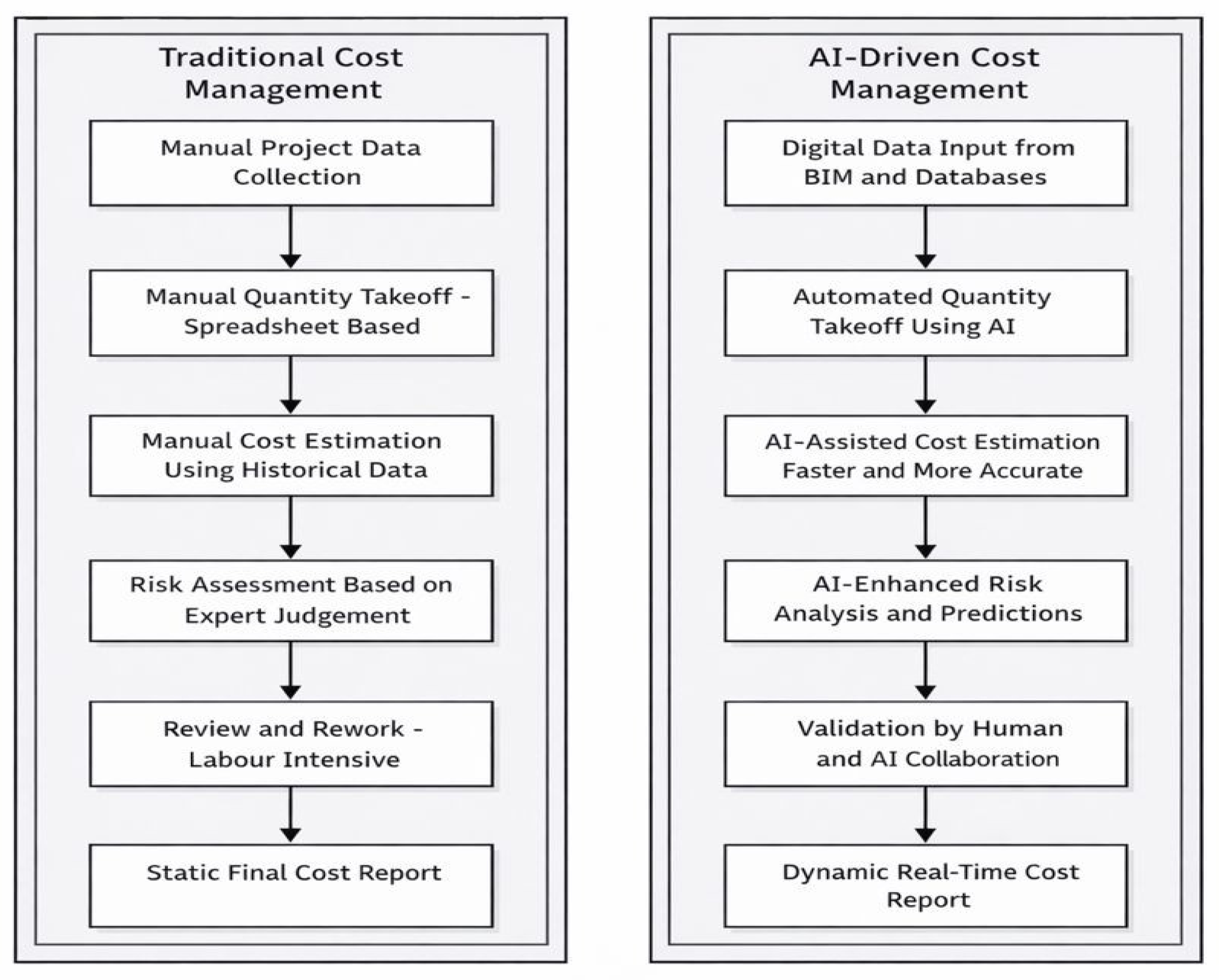
The twelve expert interviews conducted revealed seven opportunities and seven challenges in integrating AI to enhance cost management in Qatar’s construction industry. To summarise these insights,
Figure 5 compares traditional and AI-driven wokflows. The diagram displays how AI streamlines tasks such as QTO, cost estimation, and risk analysis. In contrasts, the traditional workflow remains labour-intensive, spreadsheet-dependent, and iterative. Traditional cost management models make use of static spreadsheets, systems such as CAD, and square foot estimations. They are risky by nature and costly, which highlights the need for AI systems to be able to grow and adapt [
53].
Figure 5 above displays the processes of traditional cost estimation versus AI-driven cost-estimation. The latter holds the highest potential for cost-effective and time-saving cost-estimation processes [
54]. Risk analysis, for example, is done through human intervention in the traditional method. On the other hand, the AI-driven estimation process requires human intervention on validating the results. The result is a reduced amount of work on specialists, leaving time for other tasks to be completed. The Qatari construction industry remains mainly traditionally based, which points to the potential for growth and improved efficiency. Modern methods of cost-estimation, especially those including AI, keep the documentation processes, scheduling, budgeting, and QTOs all automated. AI holds substantial potential to transform cost planning and control within Qatar’s construction industry. These technologies enhance safety by reducing the need for human presence in hazardous environments, ultimately accelerating project completion. With it being defined as “programmes that learn from their experience as effectively as humans do”, AI is designed to be as capable of growth through experience just as humans are capable of [
55]. However, there is still an element of irreplaceability humans bring to the conceptual table. While AI excels in calculations and analysis, it cannot match the creativity, vision, and ethical considerations that humans bring to decision-making [
56]. It is estimated that 40% of natural resource depletion and 25% of all global waste can be attributed to the construction industry [
57,
58]. With the need for trust, efficiency, and control in the construction industry, humans are at the forefront with their expertise needed to accurately check the results that AI produces. As construction projects continue to increase in scale, technical sophistication, and stakeholder expectations, maintaining effective cost-control becomes increasingly critical. Between 2000 and 2013, Qatari projects dealt with a 54% cost-overrun while maintenance projects had 50% [
20]. Comparing the existing literature to the interview analysis, a consultancy in this study made it clear that their stance on AI integration was that a human must always be there to supervise to ensure the AI is running autonomously and correctly. Their commercial manager stated, “
You still need the human mind to process what it gives you to suit what you need it for.” This statement was backed by the two commercial managers in the seventh challenge. As stated in opportunity one (1), the introduction of AI into construction management presents reduces the risk of human error in cost estimation, however, challenge seven (7) mentions that human oversight is necessary in managing AI systems. This is a contradiction which derives from AI systems being imperfect. Trust is a critical factor in implementing AI systems in Qatar, but industry experts are hesitant to go all-in due to this element. Despite that, the increase in efficiency that AI provides is undeniable and as the sector faces growing demands for efficiency, cost accuracy, and project optimisation, AI provides valuable tools that can address these challenges.
By integrating AI technologies such as predictive analytics and ML into concepts such as BIM, the industry can significantly enhance its ability to forecast costs, optimise budgets, and streamline project management processes. ML enables the automatic adaptation to new data patterns, making it a critical application of AI in today’s rapidly evolving industrial landscape [
58]. The integration of 4D and 5D elements into BIM enables project managers to better plan, schedule, and estimate costs with greater precision [
59]. It is the field of this study that details how to achieve the designs of computer programmes and algorithms that are capable of cognitive skills, rationality, analysis and are capable of reaching decisions which are normally stated to be human skills [
44,
60,
61]. These advancements have the potential to directly support Qatar’s Vision 2030, which emphasises the importance of technological innovation, sustainable development, and efficient use of resources across all sectors, including construction. By leveraging AI, project managers can accurately pinpoint incidents and track resources, aiding in the strategic geographical and logistical decisions related to resource allocation [
62]. A contractor mentioned, “
The highest form of accuracy is when we have a fully integrated system with proper validation and verification mechanisms in place.” This statement simply highlighted that proper protocols to oversee AI systems need to be established to ensure accuracy. One system that handles all related aspects of cost-control would be more efficient than multiple systems running their own work. That would lead to more errors, whereas one system would update all necessary inputs or data throughout the entire system rather than in a single department. This is further supported by statements from two different contractors who said, “
One software is better, optimised and simple.” Along with another who displayed a little disappointment with the current systems in place, “
Lack of a unified system that covers all these functions.” In essence, a single system that harboured all aspects related to cash flows and cost management would greatly improve workplace productivity.
One of the key benefits of AI in cost planning and control is its ability to generate more accurate cost estimates. AI-driven tools like BIM, especially when integrated with 4D and 5D capabilities, enable project managers to not only plan and schedule but also accurately estimate costs based on real-time data and historical trends [
59]. By automating repetitive tasks such as cost estimation and generating insights from vast datasets, AI reduces the likelihood of human errors, a point stated by a cost control manager in the first opportunity, which is often a major factor in cost overruns and project delays. This section of the results. By mimicking human-like text generation and making context-based decisions based on user input, generative AI has revolutionised the BoQ process, reducing the level of human interaction required [
12,
63]. As one cost manager stated, it would greatly reduce inefficiencies if AI was employed to automate cost control practices. By automating these processes, safety is improved, and the reduction in human involvement further mitigates the potential for errors [
64,
65]. Successful integration of AI into construction practices will reduce cost overruns to incredibly insignificant levels. This is only made possible by a self-teaching AI system that is capable of continuously learning without the need for human supervision; however, a human eye and opinion are a necessity in validating AI’s output as emphasised by other consultancies.
A study by Roberts et al. [
66] emphasises that data integrity extends beyond just ensuring the quality and accuracy of data; it also encompasses ethical considerations such as security, accessibility, and privacy. In line with this, research by Olaniyi et al. [
67] underscores the paradoxical nature of AI systems. Stakeholders require systems that can clearly explain how decisions are made, which is where Explainable AI becomes vital [
68]. Through expert decisions to ensure that the path the program is taking is the right path that produces the best results, increasing efficiency in resource allocation is made possible. Human validation provides the opportunity to verify that the AI has made the right decision and further improve calibration that determines when the AI “knows” it has produced an accurate result. A contractor added to this point by mentioning, “
It needs to be reviewed. I think whatever the AI has to be reviewed by a human to see if our output is correct or not.” This highlighted the fundamental need for a manager to understand how the AI arrived at its conclusion to ensure certainty [
69]. Planned projects have certain factors that can severely hinder or improve progress. As humans are more prone to errors, AI can provide a guideline that can be followed by a project manager, but the work ethic is then tied to AI’s human counterparts to ensure the processes flow smoothly. This ability to provide reliable, data-driven estimates can enhance decision-making and ensure that projects remain within budget, thereby improving the overall cost control process in Qatar’s construction industry.
Budgeting, information management, and project planning have the highest rate of professionals stating AI’s integration can improve processes [
70]. Automation can help management process and allocate new information easier, allowing dynamic itemised collection of data, which in turn leads to improved cost management and project planning. Furthermore, AI can optimise resource allocation by using technologies such as AI-assisted dispatch systems. These systems leverage GPS and RFID technologies to track resources in real time, preventing theft, improving inventory management, and ensuring the efficient deployment of labour and materials. In addition, AI-powered quantity take-offs have aided managers in tackling challenges such as cost and schedule [
71]. As generative AI continues to evolve, it will further enhance the ability of quantity surveyors, cost estimators, construction managers, and contractors to improve project cost efficiency and overall performance [
72]. Resource usage and location can be monitored in real-time by combining these two emerging technologies. Normally, there would be no way to monitor the resources without the need of human work to be able to identify quantity, pricing, etc. Interviewees mentioned that including an RFID system would make resource allocation much easier and simpler. “
If you have things automated when allocating resources accurately, that would be great, like if you implement an RFIT, you assign the commodity that these people will be working on with a GPS.”, implored a cost and risk manager. For managers, this translates to higher productivity and reduced operational costs. This level of control allows project managers to reduce resource wastage, which can significantly impact both cost and timeline. In a rapidly developing nation like Qatar, where large-scale infrastructure projects are ongoing as part of the nation’s ambitious growth plans, AI’s capacity to minimise inefficiencies could prove crucial to meeting tight deadlines and budgets.
Despite these benefits, several barriers to AI adoption remain. Smaller firms in Qatar may struggle with the high financial investment required to integrate AI systems effectively, including ongoing maintenance and workforce training. The high capital required to properly integrate AI, along with the ongoing maintenance and workforce training needed to support such systems, poses a significant barrier for many organisations [
73]. The construction manager in the fourth challenge mentioned that most contractors are unable to financially invest in a system that has not been proven to be effective and risk finances that have been stored. They said “…all of them just struggling…” indicating the lack of funding to properly invest in AI-systems without risking major losses. Financial restrictions lead to a slower adoption of AI into construction practices due to the relatively higher barrier to entry they bring. Interviewees stated cost as a primary barrier to integrating AI with the long-term savings not worth the short-term financial burden. This statement correlated to another finding that mentioned initial investment costs being high alongside technical limitations, especially without financial incentives and support programmes remain barriers that hinder the adoption of IoT, AI, and Blockchain into construction practices [
74,
75]. Many organisations also doubt their technical capabilities to implement and manage AI systems independently. Many of these technologies, such as BIM, require extensive data and infrastructure to implement [
76]. The construction industry itself is inherently risky, and managers may be hesitant to introduce additional uncertainty by adopting new technologies. On top of that, the high initial investment that is needed for training & infrastructure puts a strain on small to medium-sized enterprises, which discourages them from adopting AI solutions. Regardless, the introduction of AI into the industry is expected to drive the development of new skill sets, as identified through Gioia’s qualitative research techniques: data analysis, digital literacy, complex problem-solving, decision-making, and continuous learning [
77]. As AI usages in areas such as simulation, expert systems, FL, and visualisation are becoming more widespread as advances in technology are made, they become essential in achieving low resource wastage, improving processes, and increasing workflow productivity by managing and visualising wastes [
75,
78,
79].
Additionally, the lack of standardised data across the industry presents another significant challenge. Given the dynamic and ever-changing nature of construction sites, AI systems must be adaptive, continuously evolving to meet the specific demands of each project and its timeline and they must do so accurately. A study on “algorithmic transparency” identified seven key areas to address: data, goals, compliance, influence, usage, outcomes, and, notably, algorithms themselves [
80]. AI systems rely heavily on high-quality, standardised data to train algorithms effectively [
81]. AI system administrators must be able to understand the definition of standardised data before implementing the systems to ensure accuracy in all data that is input. Inconsistent or inaccurate data can lead to suboptimal AI outputs, which could undermine its potential benefits [
82]. Another study concluded that reliable cost and time estimates are essential for the success of any project [
83]. Inaccurate estimates can have significant economic and financial consequences, potentially jeopardising the entire project [
84].
A contractor stated, “The other thing is that we are still up to this moment depending on human inputs for the data, which has a very big human error and it does not allocate properly each resource cost where it should be allocated.”
This quote draws attention to a critical weakness: the reliance on manual input. This method of data logging often introduces faults and errors in cost reporting, which can be a significant hindrance to accurate budgeting and accountability. If these inputs are false, that would only mean the subsequent data logs will inherently be false as well; a cycle of errors & inefficiency is in place. As stated above, RFID tags and data capture systems would provide a method to validate any input automatically, detect anomalies, and allocate resources accurately through AI-powered systems. Addressing these issues through the development of industry-wide data standards and providing financial support for AI adoption could help overcome these barriers and unlock the full potential of AI in cost management. By systematically organising and analysing this data, AI can provide actionable insights that enhance various aspects of project management, including planning, design, safety protocols, quality assurance, scheduling, and cost control [
85].
Another challenge is the need for transparency in AI decision-making. While AI is capable of performing highly analytical tasks, its “black box” nature often raises concerns about trust and accountability. Additionally, the distrust centred around AI & blockchain can prove to be challenging to overcome [
86]. Project managers and stakeholders may hesitate to fully trust AI-generated decisions without clear explanations of how these conclusions are reached. The introduction of XAI is crucial in this regard, as it provides transparency. In Qatar’s construction industry, where decisions have far-reaching economic and safety implications, ensuring that AI systems are interpretable and accountable is critical for gaining stakeholder trust and fostering wider adoption. The problem is not with the accuracy of AI but understanding the logic behind its reasoning and determining whether it is valid or not. This is accompanied by a need for better user interfaces and explainable models to remove the aura of mystery around AI systems.
By overcoming the barriers to adoption, particularly those related to data standardisation, financial investment, and transparency, AI can revolutionise cost management in the sector.