Article

Structural Insights into the Redox Potential of Curcumin Derivatives in Litopenaeus vannamei

by
Damião Sampaio de Sousa
1,2,
João Miguel Lopes de Melo Lima
3,
Carminda Sandra Brito Salmito-Vanderley
2 and
Emmanuel Silva Marinho
1,2,*
1
Postgraduate Program in Natural Sciences, State University of Ceará, Fortaleza 60714-903, CE, Brazil
2
Postgraduate Program in Veterinary Sciences, State University of Ceará, Fortaleza 60714-903, CE, Brazil
3
Faculty of Veterinary Medicine, State University of Ceará, Fortaleza 60714-903, CE, Brazil
*
Author to whom correspondence should be addressed.
Drugs Drug Candidates 2026, 5(2), 24; https://doi.org/10.3390/ddc5020024
Submission received: 28 January 2026 / Revised: 13 March 2026 / Accepted: 17 March 2026 / Published: 7 April 2026

Abstract

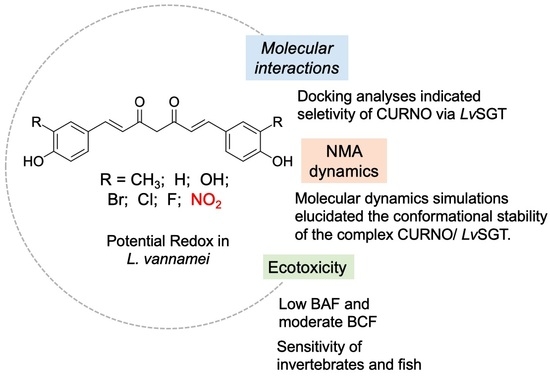
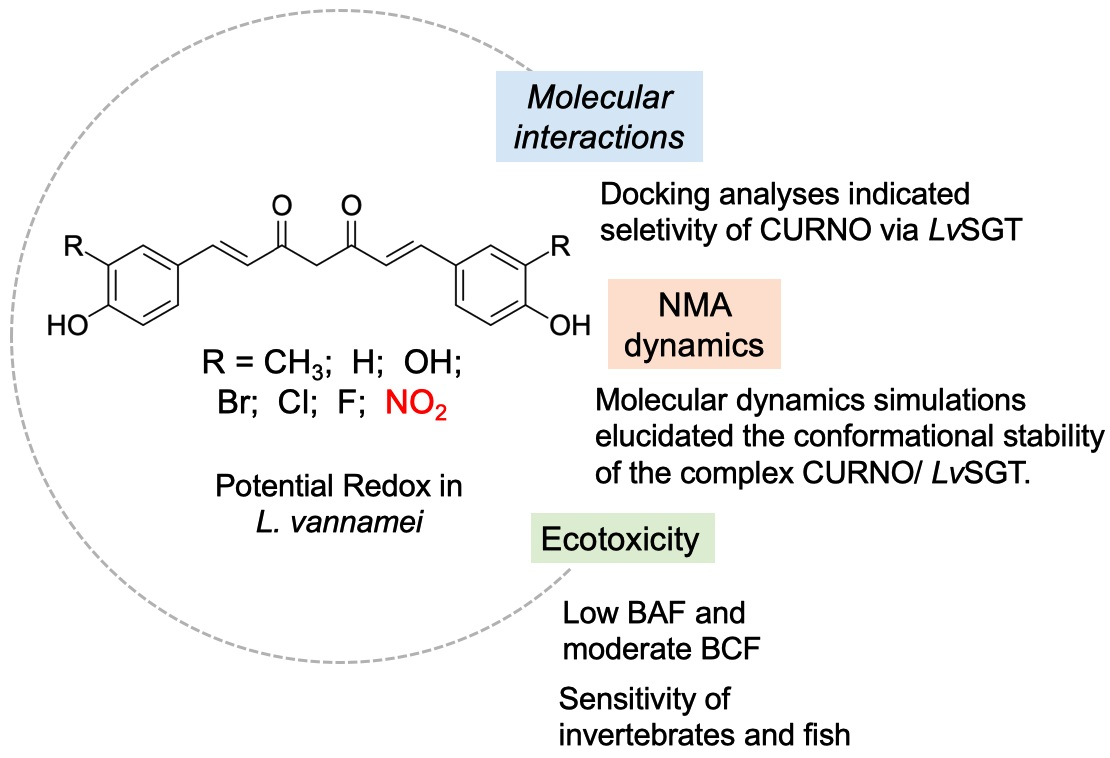
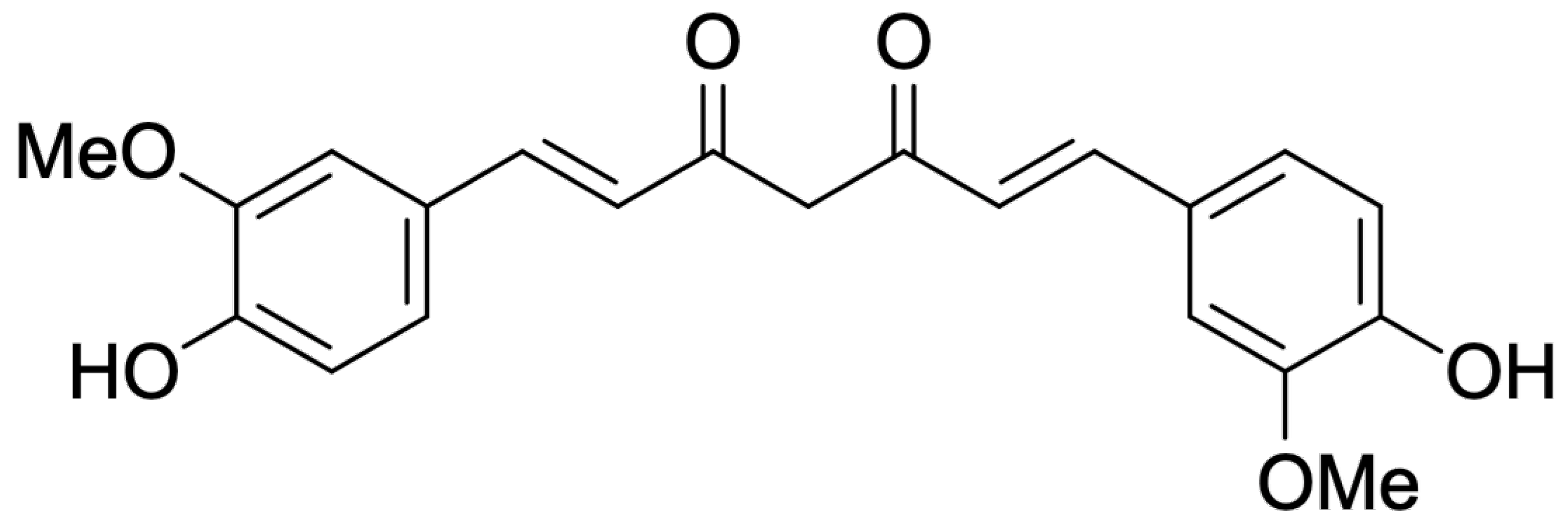
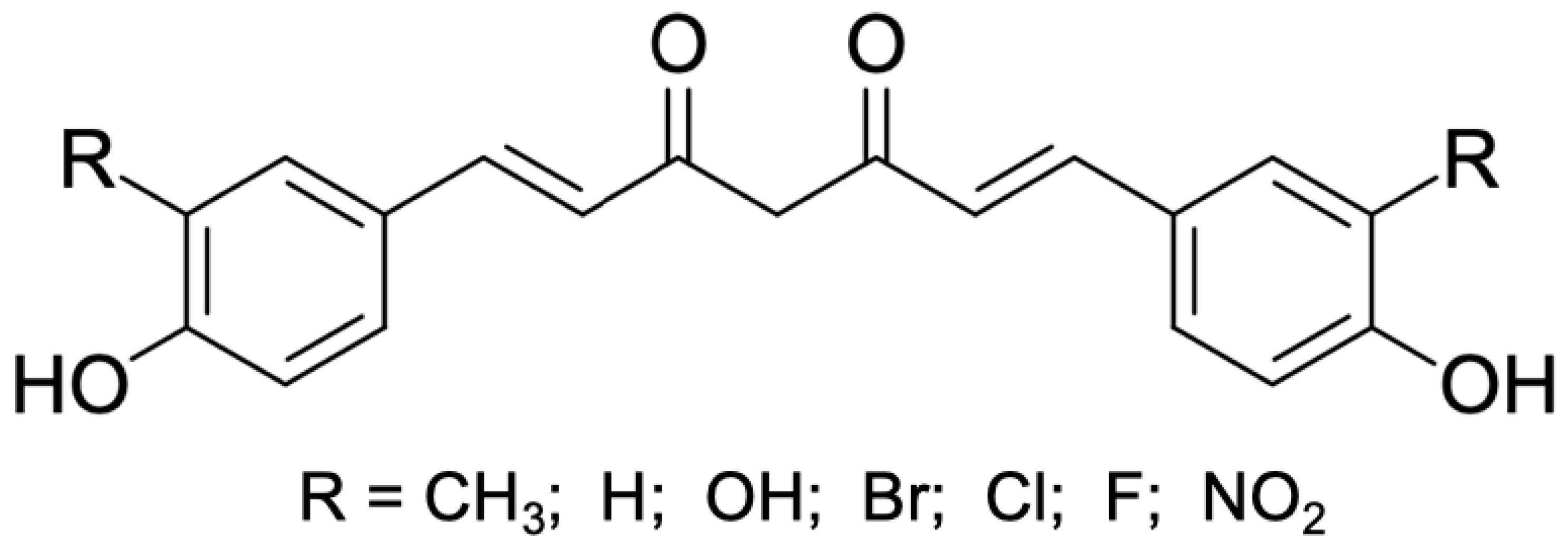
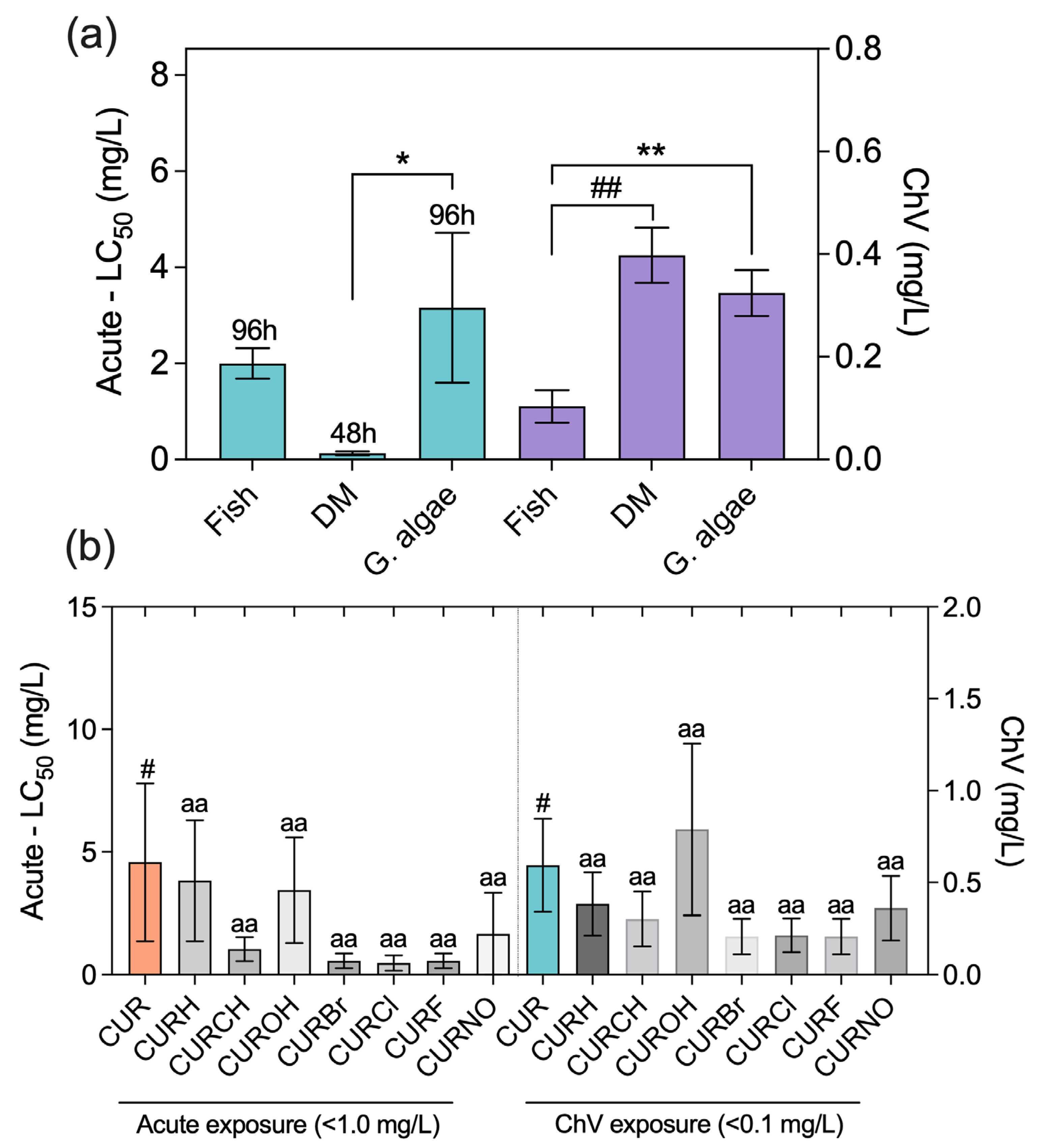
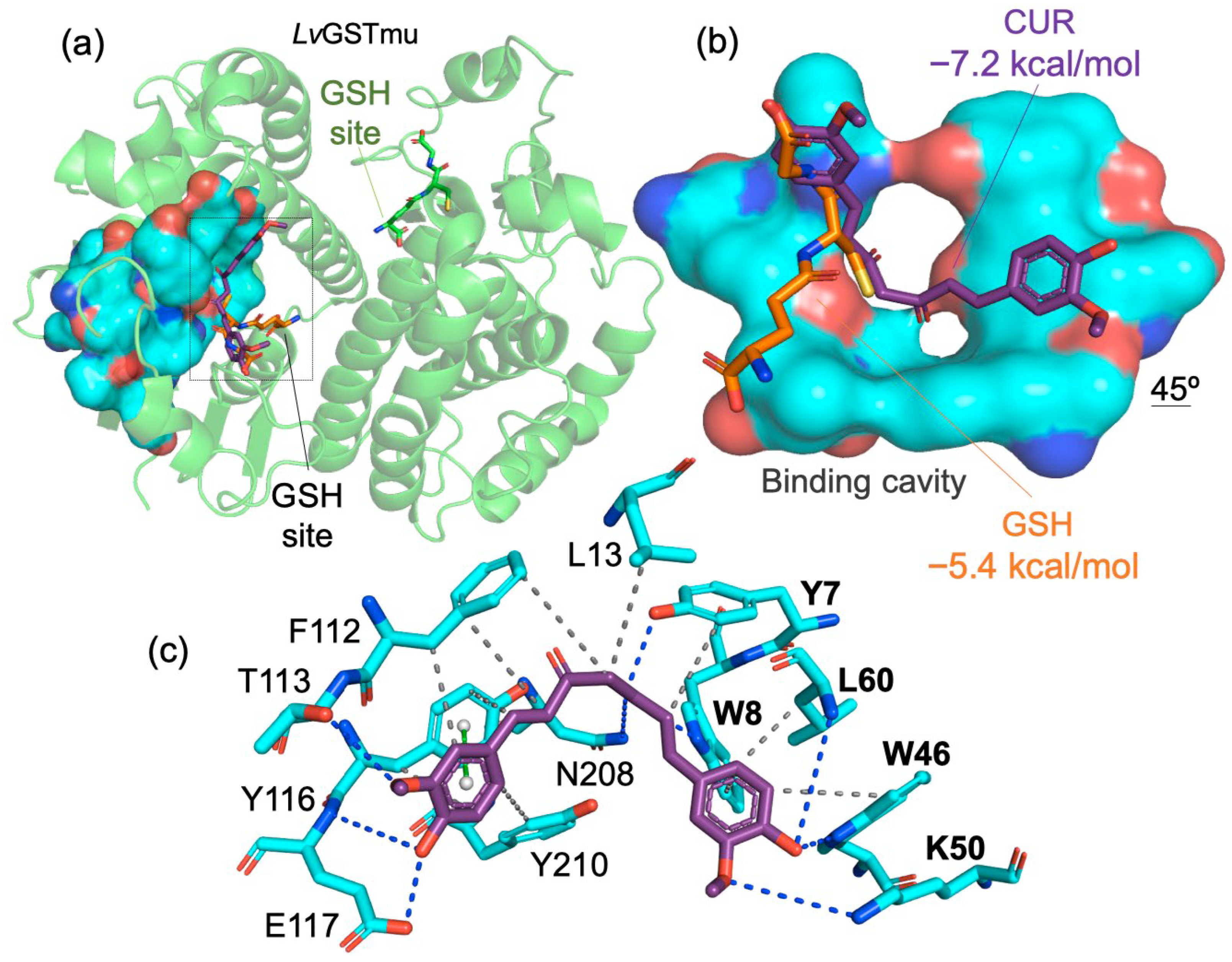
Background/Objectives: Curcumin derivatives have attracted interest due to their redox-modulating properties and potential applications in aquatic organisms, yet their molecular interactions and environmental safety remain insufficiently characterized. This study aimed to evaluate the redox-related molecular behavior and ecotoxicological profile of curcumin derivatives, with emphasis on their interaction with glutathione S-transferase from L. vannamei. Methods: Molecular docking and molecular dynamics simulations were performed to assess binding stability and interaction patterns between the derivatives and LvGSTmu. In parallel, computational predictions were used to estimate environmental persistence, bioaccumulation (BCF/BAF), and acute and chronic aquatic toxicity across multiple trophic levels. Results: Docking and dynamics analyses indicated stable ligand–protein interactions, particularly for CURNO, which showed favorable binding behavior without destabilizing the protein structure. Ecotoxicological predictions suggested low bioaccumulation potential and limited persistence for most derivatives, with CURH and CURNO showing higher sediment persistence. Toxicity responses varied by organism and exposure time but did not differ significantly among derivatives relative to curcumin. Conclusions: The derivatives retained redox-related molecular features while presenting an overall acceptable predicted environmental profile. CURNO emerged as a promising candidate, although its environmental behavior supports the need for further monitoring and experimental validation.
Keywords: antioxidant; computational insight; Curcuma longa antioxidant; computational insight; Curcuma longa
Graphical Abstract