1. Introduction
Fischer–Tropsch synthesis, the hydrogenation of carbon oxides to produce hydrocarbons, is considered an important green technology in modern science. These hydrocarbons can then be used as synthetic fuels. The most suitable catalysts for this synthesis are Co and Fe. Co initiates synthesis via one pathway, Fe via another, and by using double complex salts (DCSs), we aim to achieve synergy between the active phases. We have previously shown that the thermolysis product [Co(NH
3)
6][Fe(CN)
6] exhibits promising catalytic properties in argon [
1] and hydrogen [
2]. However, studies on the pretreatment of DCS prior to thermolysis are currently rare. One of the goals of this work is to fill this gap.
The result of the thermal decomposition of [Co(NH
3)
6][Fe(CN)
6] is an intermetallic compound of the composition Co
0.5Fe
0.5. The intermetallic compound differs from the solid solution CoFe by its strict stoichiometry and properties that are different from those of the solid solution, for example, increased hardness [
3].
It should be noted that the solid calcination product, in addition to Co
0.5Fe
0.5, also contains X-ray amorphous carbon. FeCo alloys of various origins are actively studied due to their promising magnetic properties. Let us consider some methods for producing such alloys. In the study [
4], polyhedral FeCo alloys were obtained using hydrothermal synthesis. Treatment was carried out at a temperature of 160 °C, with a maximum duration of 15 h. Toxic N
2H
4∙H
2O was used in the study. The alloys exhibited excellent electromagnetic absorption performances over the X-band and the entire Ku-band. The grain sizes of the FeCo alloys were 1–2 mm. In the work [
5], Fe-Co alloy nanoparticles were also obtained using hydrothermal synthesis. Unsafe ammonium fluoride was used. This is a very long, multi-step synthesis. It is noteworthy that the lattice parameter α in the article [
5] and in this work are almost the same—about 2.86 Å. To obtain FeCo alloy parts, the authors of [
6] used electrical field-activated sintering technology combined with micro-forming as a new rapid powder-sintering/forming method. The grain sizes of the FeCo alloys were in a range of 5–6 µm. A Co-Fe alloy was prepared through an extended soft chemical solution process [
7]. A mixture of Co(acac)
2, Fe(acac)
3, and additional reagents was processed by rotary evaporation, drying, and calcination in a nitrogen gas atmosphere. The grain size was 35.8 and 47.7 nm, depending on the decomposition temperature. Using the polyvinyl pyrrolidone-assisted liquid-phase reduction method, it is possible to obtain Co
7Fe
3 in the form of nanospheres [
8]. Using organometallic precursors such as HFeCo
3(CO)
12 and its mixtures with other carbonyls, it is also possible to produce iron–cobalt intermetallics. Depending on the composition of the starting mixture and the processing temperature, particle sizes ranging from 0.2 to 200 μm can be obtained [
9]. FeCo colloidal magnetic nanoalloys in the range of 11.5–37.2 nm were synthesized by the surfactant-assisted ball-milling method. The processing time ranged from 20 to 45 h [
10]. The authors of [
11] used a similar technique; they used the same surfactant and 30 h treatment in a planetary-ball mill system. The resulting suspension was sonicated, then settled, and separated using a magnet. The resulting nanoscale FeCo alloy was obtained by vacuum-drying. By applying all the methods listed above, an alloy or intermetallic compound, CoFe, was obtained. The article [
12] is very close to our work (obtaining the intermetallic compound Co
0.5Fe
0.5 with a large amount of X-ray amorphous carbon). It discusses a two-step hydrothermal/annealing synthesis approach using CoFe alloy nanoparticles on nitrogen-doped ultrathin carbon nanosheets. The intricate architecture, featuring interlayer gaps and mesoporous channels within the ultrathin carbon layers, establishes an optimal network for efficient mass transfer. Furthermore, the significant interfacial interaction between alloy nanoparticles and carbon shells enables the optimization of the electronic structure.
Thus, it is clear that there are numerous methods for producing the CoFe alloy or intermetallic compound. By varying the synthesis method, it is possible to obtain a compound with the properties required for each specific research objective. However, virtually every approach has its own limitations. For example, the need for complex equipment, toxic reagents, or lengthy synthesis procedures. Therefore, developing an improved method for producing the CoFe intermetallic compound is a pressing issue.
The study of DCSs is a rapidly developing area of general chemistry and materials science. DCSs can have interesting structures [
13]; magnetic properties [
14,
15]; biological activity, especially DCSs with urea [
16,
17]; mixed-valence species [
18]; metal-to-metal charge transfer [
19]; and other interesting and useful properties [
20,
21,
22]. Despite the virtually unlimited number of complex compounds that have already been discovered or may be synthesized in the future, the number of DCSs is significantly limited. The limitations are caused by the low stability of some initial complex compounds, which limits the possibilities of synthesizing DCSs. Many monocomplexes are poorly stable in protic solvents, and the use of aprotic analogs significantly increases the synthesis cost and reduces the environmental friendliness of the laboratory procedures. Furthermore, for large-scale implementation, relatively simple syntheses with quantitative yields are required. All of the above impose certain limitations on DCSs, which can be considered as precursors for functional materials with potential industrial applications.
Thermal decomposition (thermolysis) of complex compounds is actively used to obtain functional materials [
23]. Thermolysis is relatively simple and inexpensive in terms of instrumentation, allowing for a wide range of solid decomposition products to be obtained without significantly altering or complicating the setup. For example, by varying the experimental gas atmosphere within a single experimental setup, it is possible to obtain simple and complex oxides (thermolysis in air) and mixtures of metals and intermetallics with virtually no carbon admixture (thermal destruction in a hydrogen stream), or with a large amount of X-ray amorphous carbon when calcined in an inert atmosphere [
24].
Existing research on solid products of DCS thermolysis can be divided into several directions. The first one is demonstrated by Domonov et al.: the group investigated metal–carbon composites (MCCs). MCCs were obtained by calcining the DCS in an argon flow at temperatures of 600–900 °C, while alternative methods of obtaining products with similar properties require synthesis conditions at 1500–2000 °C [
25,
26]. Acid treatment (HCl) of these products increases the specific surface area to 470 m
2/g with a residual content of total metals of 10–20%. Varying the temperature of DCS thermolysis allows obtaining products with different specific surface areas (S
sp). Various DCS precursors, even with the same complexing metals, make it possible to obtain MCCs with different morphologies (
Table 1) [
27].
Table 1 shows the data after acid treatment with 6 M HCl of the thermolysis products of DCS.
The second direction considers that not only is the synthesis of new, previously unexplored DCSs important, but also the development of new methods for processing the salts. Therefore, the group of authors in [
28,
29,
30] examined the autoclave decomposition of DCS containing platinum and one 3D metal. In subcritical water (190 °C; 1.25 MPa; pH 8–9), black powders are formed from the DCS: [Co(NH
3)
5Cl][PtCl
4], [Ni(NH
3)
6][PtCl
4] and [Cr(NH
3)
5Cl][PtCl
4]. The complex compounds undergo almost complete conversion into solid products if the ratio of platinum and one of the transition metals is equimolar, which is ensured by the stoichiometry of the binary complex. Scanning electron microscopy (SEM), electron probe X-ray microanalysis, and X-ray diffraction (XRD) phase analysis demonstrated that the products of chemical transformation of the DCS in subcritical water consist of particles of oxide and hydroxide forms of transition metals (Co
3O
4, Ni(OH)
2, or CrOOH, respectively). Spherical particles of metallic platinum up to 100 nm in size are reduced on the surface of the oxide or hydroxides.
Transformations of platinum and 3D-metal complexes in subcritical water in the presence of a metal carrier result in particles depositing predominantly on the substrate surface. The particles form a heterogeneous catalyst consisting of a carrier and a catalytically active platinum phase and an oxide form of the transition metal: Pt/Ni(OH)
2, Pt/Co
3O
4, Pt/CrOOH. Catalysts based on crushed stainless steel chips or nichrome “metal rubber” block material demonstrate activity and stability in the complete oxidation of hydrocarbons (n-hexane and propane) [
28,
29,
30].
The third direction of DCS pyrolysis is the development of methods for various pretreatments of the precursor. One example of this direction is the work [
31]. Using [Co(NH
3)
6][Fe(CN)
6] as an example, this article demonstrates the effect of plasma discharge of varying power and exposure time on the physicochemical properties of DCS and its thermolysis products. Under the following exposure conditions (maximum conditions are given)—three cycles of 15 min each at 25 W and one cycle of 15 min at 100 W—it is not possible to achieve a homogeneous structure of the resulting powder. During processing with two cycles of 10 min each at 100 W, a homogeneous black powder is formed, which is why this mode is considered to be optimal for this DCS. A single-phase spinel with a CoFe
2O
4 structure forms during pyrolysis of DCS, previously subjected to plasma treatment at 1000 °C for 1 h, in air. The crystallite sizes of the obtained spinel are 40 nm, with a lattice constant of 8.38 Å [
31].
MCA (mechanochemical activation) is a promising method for modifying the properties of materials by mechanical action, leading to structural changes at the molecular level [
32,
33]. MCA has the advantage of allowing both component mixing and solid-phase reactions to occur simultaneously, directly in the grinding drum. In addition to intensifying solid-phase synthesis processes, MCA is also used to intensify sintering processes [
34] and change catalytic properties [
35,
36,
37,
38]. MCA’s effectiveness is due to both the acceleration of mass transfer and the accumulation of excess energy in solids due to various structural disturbances, such as point defects, dislocations, changes in bond lengths, etc., which increase the reactivity of the reagents [
39,
40,
41]. The works [
42,
43] consider mechanocatalysis, i.e., catalytic reactions under the simultaneous effect of mechanical loading. Mechanochemical catalysis increased the selectivity of catalysts. A promising method for carrying out mechanochemical reactions at high pressures (10 MPa) of hydrogen, oxygen, or ammonia was developed. Studies of mechanochemical transformations in Fe-X systems (X = C, B, Al, Si, Ge, Sn, Cr) are illustrated in the works [
44,
45].
The work [
46] is devoted to ensuring enhanced performance of bimetallic Co-based catalysts and their activity in the deposition of carbon nanofibers. Most studies of carbon nanofiber catalysis use coprecipitation to create alloys, but recent work has demonstrated the suitability of mechanical alloying using ball milling to reduce costs and enhance catalytic activity. This work established the unique ability of mechanochemical alloying to control the microstructure to produce bimetallic composites that retain individual metallic phases, which enhances catalytic activity. The preparation of catalysts using mechanochemical approaches, as well as their applications, is discussed in reviews [
47,
48,
49,
50].
This paper attempts to combine the advantages of DCS and MCA. MCA of complex compounds (not DCS) has been discussed in review papers [
51,
52,
53]. By analogy with the mechanical processing of some solid oxide compounds, the following parameters of mechanical processing were selected: mechanical processing time—1–10 min; centrifugal factor—40 g (50 Hz); ratio of grinding media/object being ground = 20:1 [
54,
55,
56,
57]. When using these MCA parameters for the centrifugal-planetary mill AGO-2, the required efficiency of mechanical processing is ensured, which is necessary for intensifying the reaction and improving the physicochemical characteristics.
The study is devoted to the investigation of the influence of mechanical activation using the example of the DCS [Co(NH
3)
6][Fe(CN)
6]. This complex can find wide application in catalysis, electronics, and medicine due to its physicochemical properties [
13,
58,
59,
60].
The article [
1] examines the catalytic activity of the thermolysis product of [Co(NH
3)
6][Fe(CN)
6] in argon at 650 °C for 1 h in the hydrogenation of CO
2, a greenhouse gas. It is shown that at 230 °C, the selectivity for converting CO
2 to CH
4 reaches 68% for the sample without activation. The selectivity of the same sample after activation in a flow of H
2 reaches 78% for C
5+ saturated hydrocarbons. For the same catalyst, but during CO hydrogenation, conversion is observed to be 93%, and the selectivity for C
1–C
4 hydrocarbons is 61% [
2].
The aim of this work is to study MCA’s effect on the physicochemical properties of [Co(NH3)6][Fe(CN)6] DCS and the products of its thermolysis.
2. Materials and Methods
All experiments were performed at least three times; the data presented in this article are averaged.
The starting binary compound [Co(NH
3)
6][Fe(CN)
6] (hereinafter referred to as DCS) was obtained in quantitative yield by mixing aqueous solutions of cationic and anionic complexes. Chemicals [Co(NH
3)
6]Cl
3 and K
3[Fe(CN)
6] (Vecton Ltd., Saint Petersburg, Russia) were used. Powder XRD, IR spectroscopy, and elemental analysis for DCS are the same as described in [
1].
After merging the cationic [Co(NH3)6]Cl3 and anionic K3[Fe(CN)6] complexes, the target [Co(NH3)6][Fe(CN)6] DCS precipitates, while KCl remains in the mother liquor. The DCS is filtered off under vacuum, and the wet residue is washed with ice-cold water until the silver nitrate reacts negatively with the chloride ions. The DCS is then washed with ethanol.
MCA was carried out in a laboratory centrifugal-planetary mill AGO-2 (NPO NOVIC, Novosibirsk, Russia, 2013) in an air atmosphere using steel drums and balls with a diameter of 8 mm for 5 min at a centrifugal factor of 40 g. The ball-to-load ratio was 20:1. To ensure macrohomogeneity of the powders, the mill was turned off every 60 s of MCA and the contents of the drums were mixed with a metal spatula [
61]. Before the MCA, lining was carried out with a smaller amount of composition.
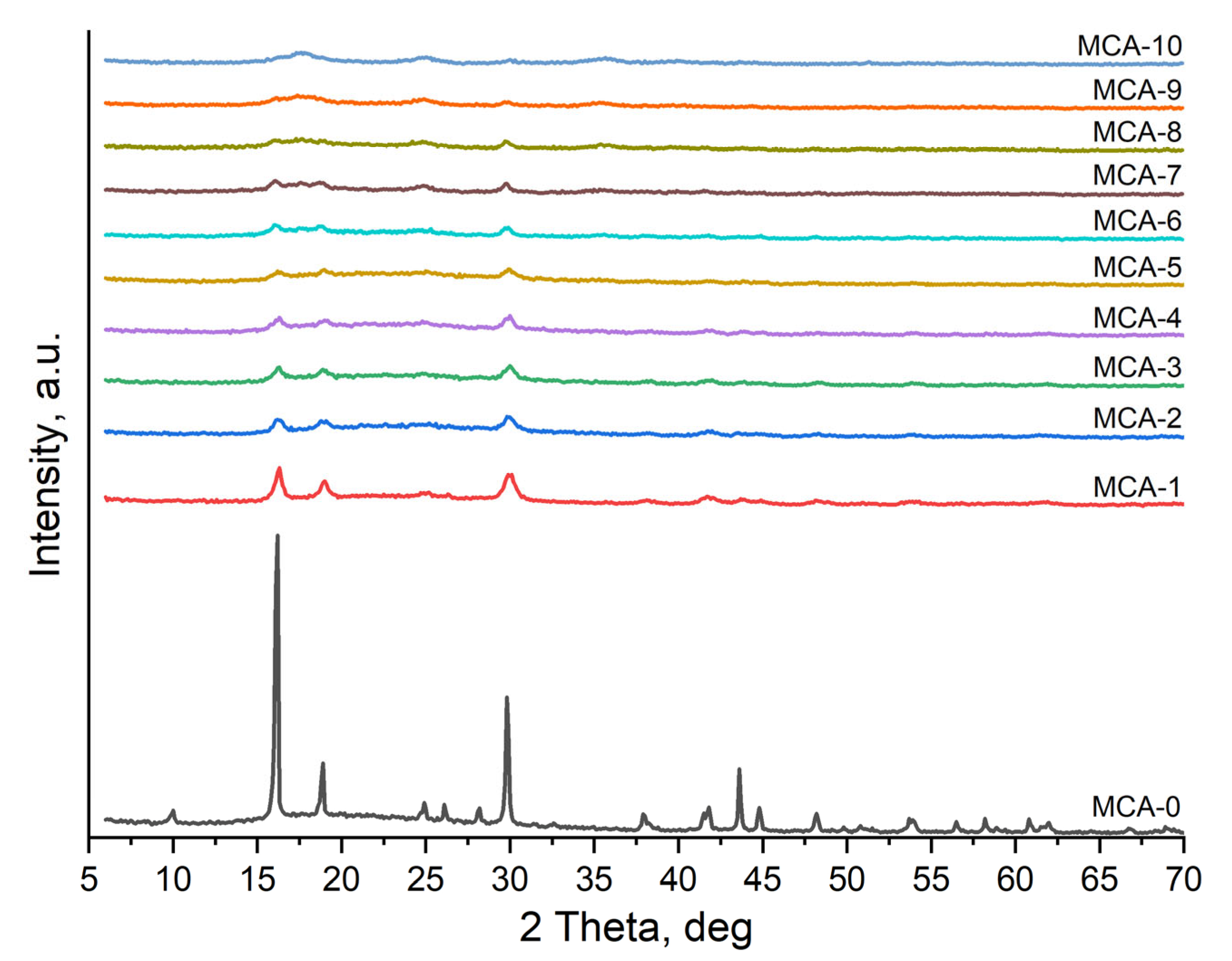
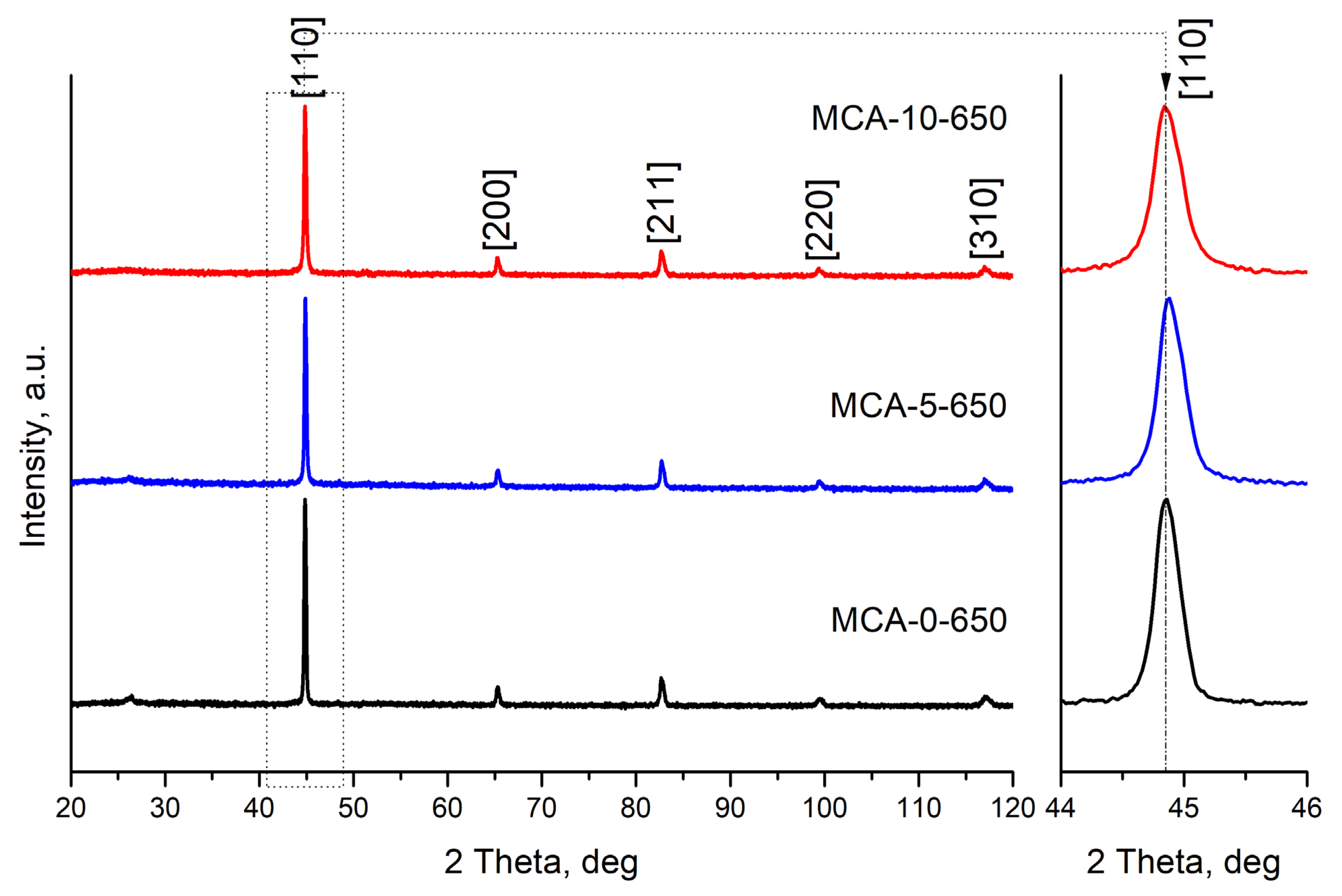
XRD was carried out at room temperature in the 2θ range of 5–70° using a powder diffractometer XRD 6000 (Shimadzu, Kyoto, Japan, 2008) with a Cu-Kα source (λ = 1.5418 Å) and a graphite monochromator. XRD patterns of products calcined in argon at 200–650 °C were obtained on a powder diffractometer MiniFlex 600 (RIGAKU, Tokyo, Japan, 2021) with a Cu-Kα source (λ = 1.5418 Å) and a graphite monochromator in the 2θ range 2–140°. The crystal lattice parameters were refined using the Rietveld refinement and the fundamental parameters method. The method error was generally 5%. The decoding was performed using a database JCPDS-ICDD PDF 4+ (International Center for Diffraction Data, Philadelphia, PA, USA, 2020).
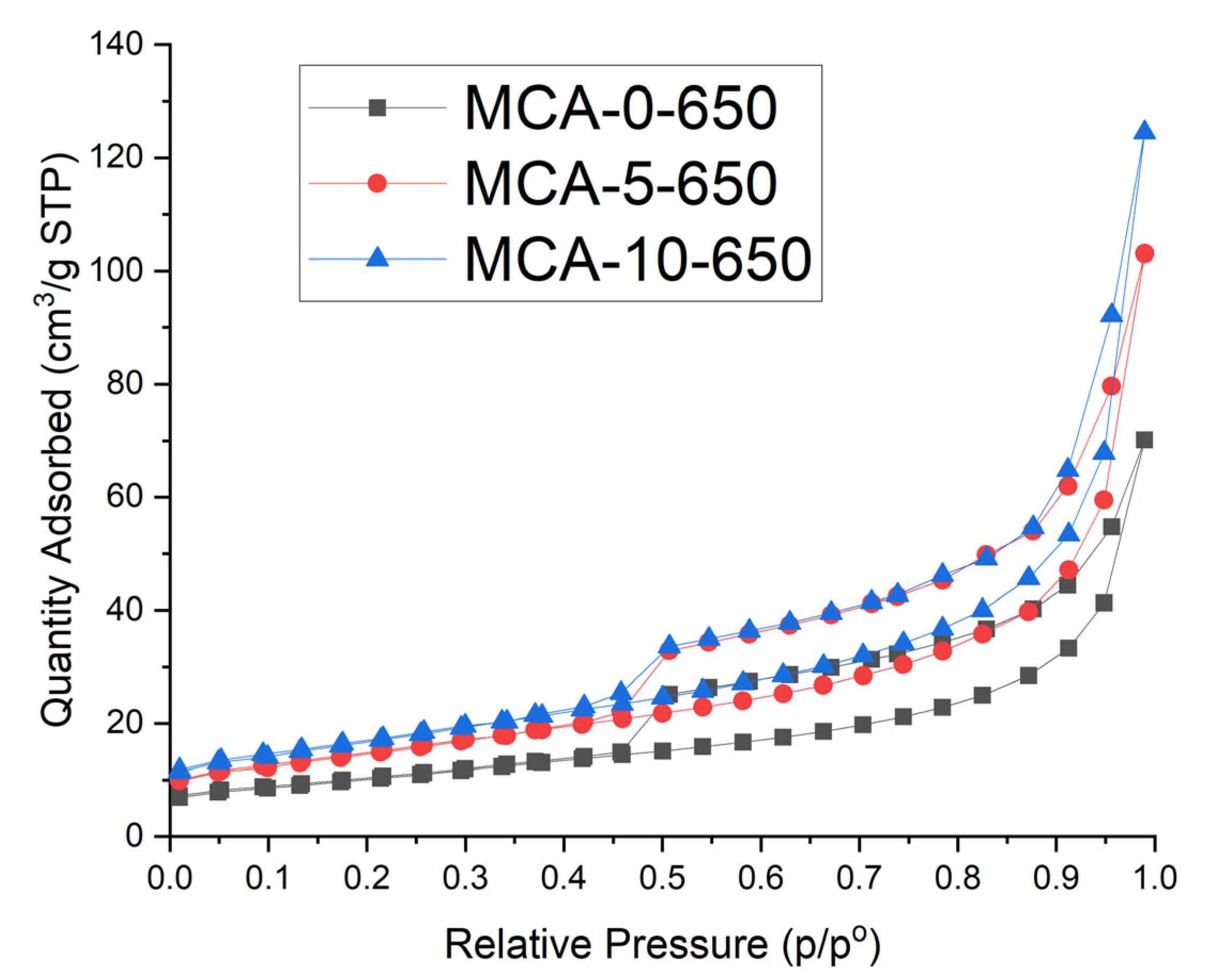
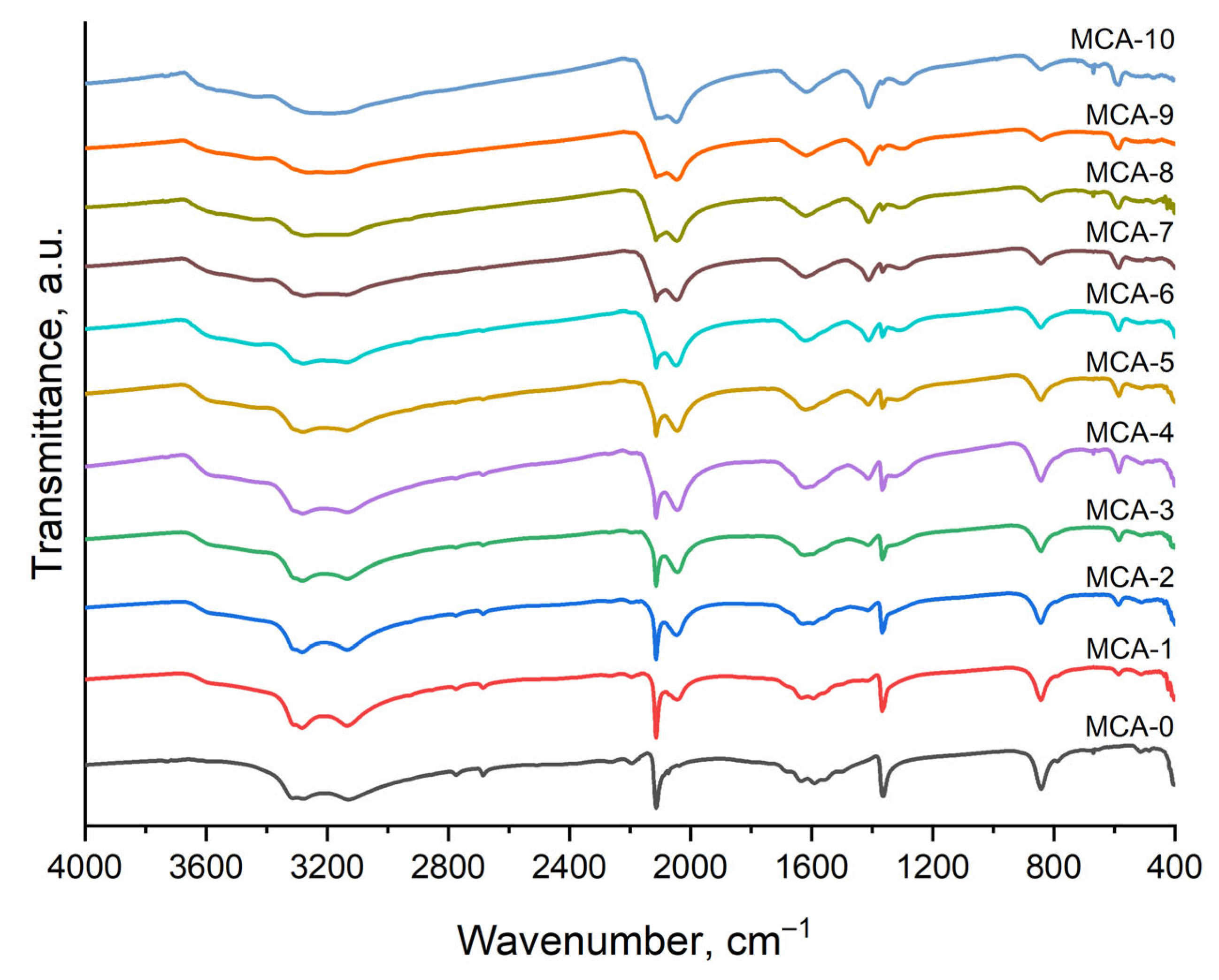
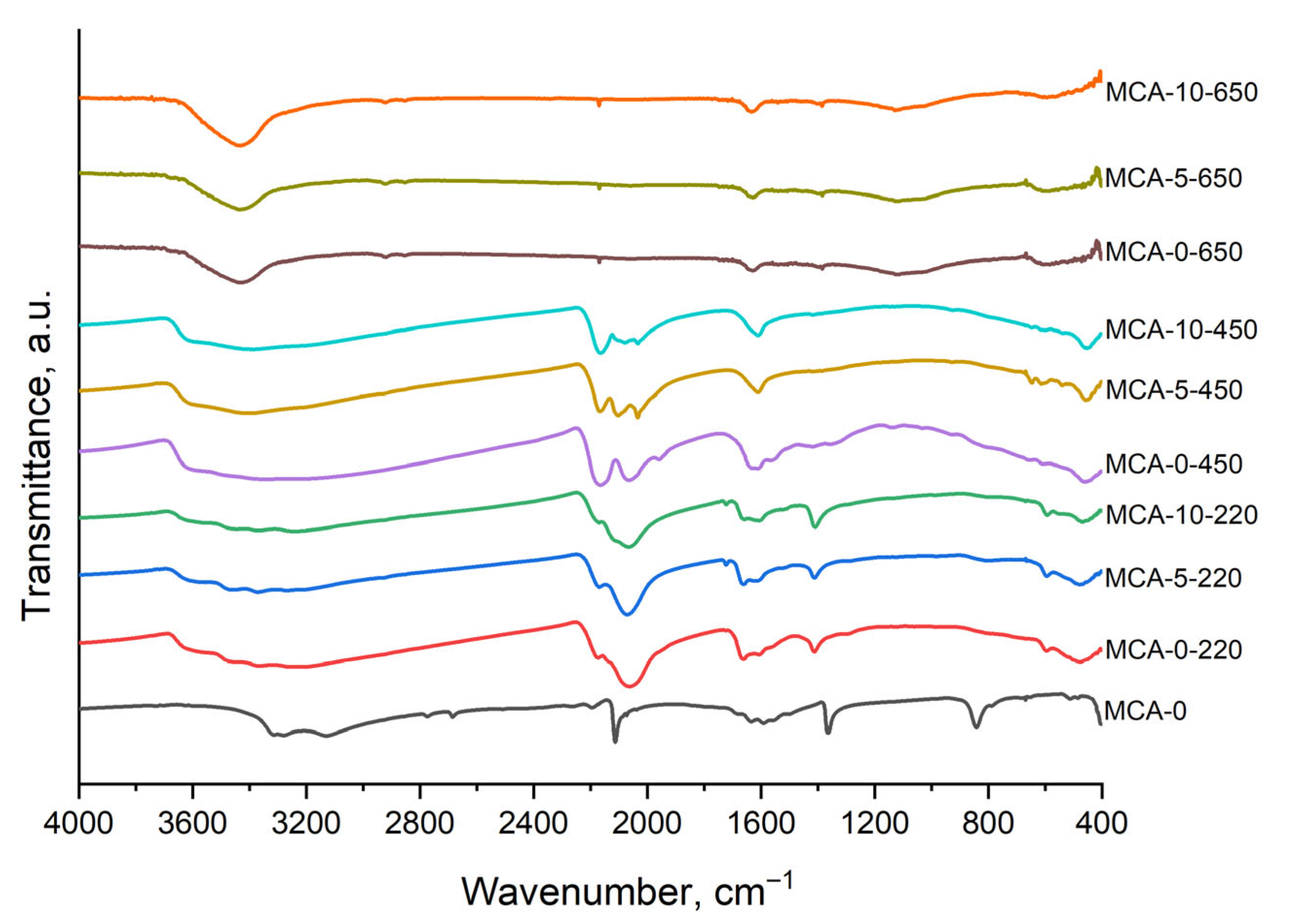
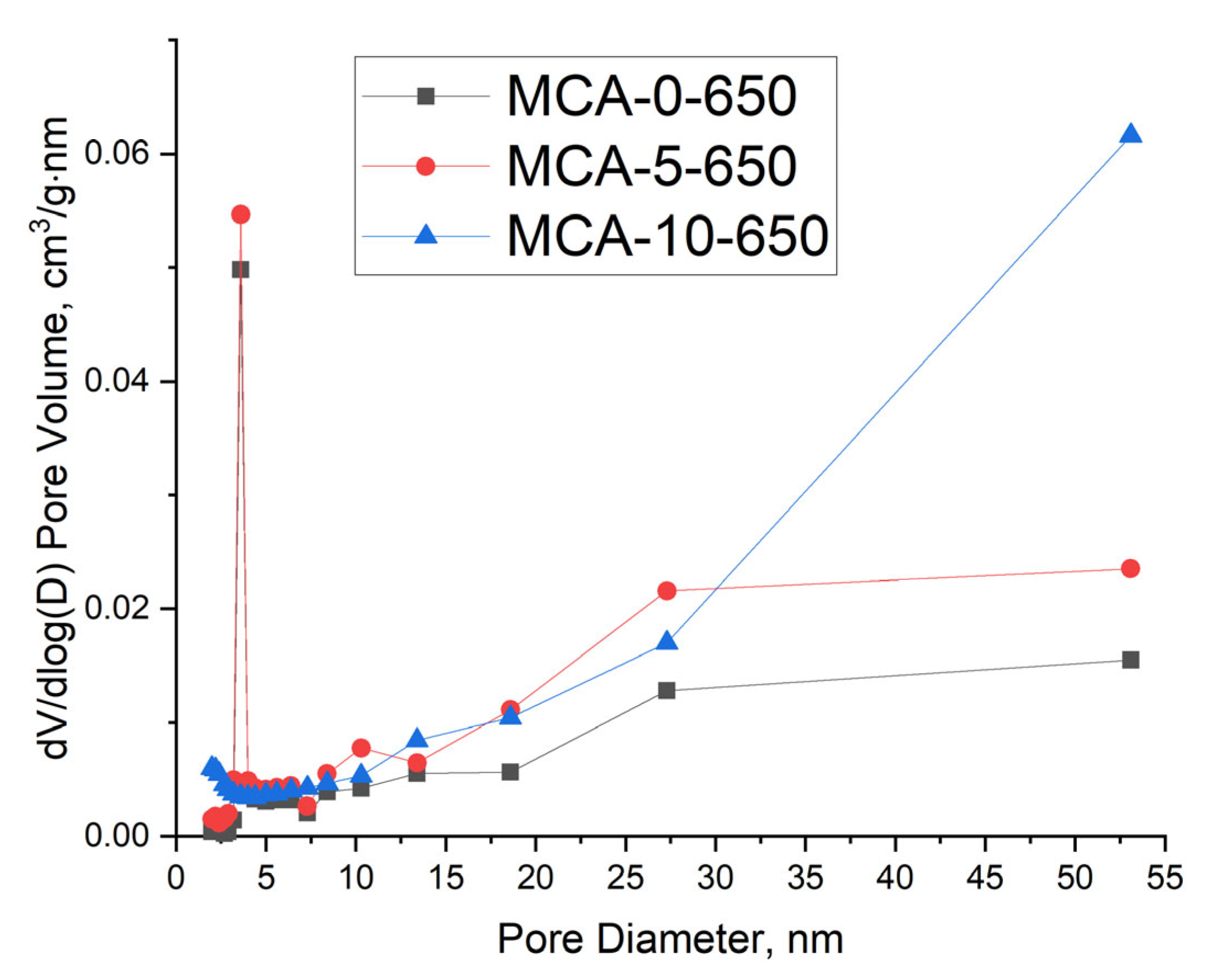
Infrared (IR) spectra were recorded on a spectrometer Nicolet 6700 FT-IR (Thermo Fisher Scientific Inc., Hillsboro, OR, USA, 2010) in KBr tablets, with a recording interval of 400–4000 cm−1, 16 skans, resolution 4. The carbon content of the samples was determined using an ELTRA CS–2000 analyzer (Alpha Resources, LLC, Stevensville, MI, USA, 2004). The porous structure of the samples was determined by the method of low-temperature nitrogen sorption on the Tristar 3020 instrument (Norcross, GA, USA, 2009). The measurement error was 5%.
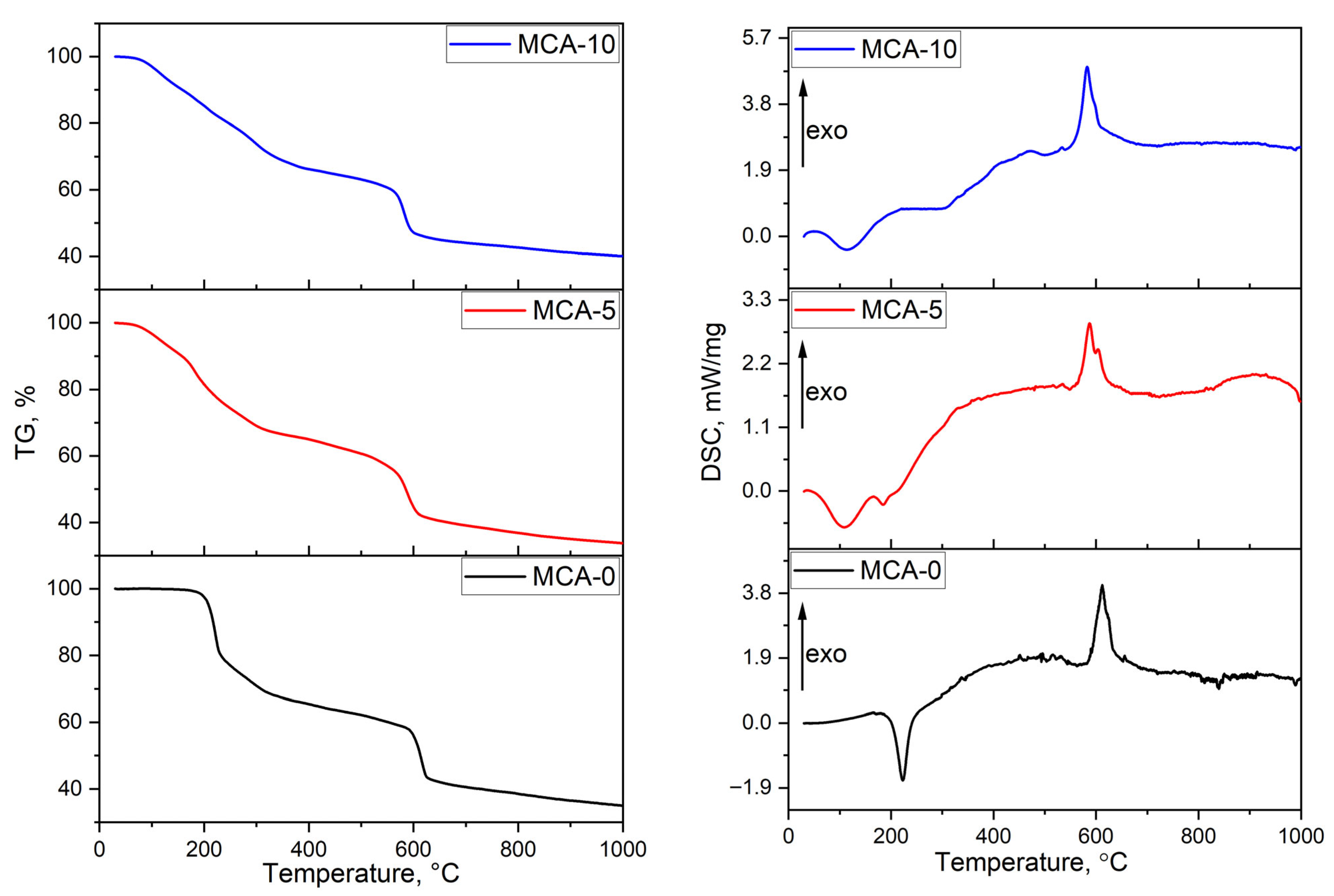
Synchronous thermal analysis (STA) was carried out on a STA 409 PCLuxx (NETZSCH-Gerätebau GmbH, Selb, Germany, 2009) in an argon flow (protective gas, 20 mL/min; gas flow into the heating chamber, 50 mL/min) at a heating rate of 10 °C/min in the range of 30–1000 °C in Al2O3 crucibles with lids, with a sample weight of 15 mg. STA in our case included obtaining simultaneous results with thermogravimetry (TG) and differential scanning calorimetry (DSC) analyses.
Thermolysis at 220, 450, and 650 °C was carried out under isothermal conditions in a tubular furnace Nabertherm RT 50-250/11 (Nabertherm GmbH, Lilienthal, Germany, 2013) in an argon flow of 15 L/min with a heating rate of 10 °C/min in a quartz bed with a sample weight of ~0.5 g. Argon of 99.99% purity was used with additional purification of oxygen impurities by passing through a manganese suspension and drying from traces of water by passing through concentrated H2SO4. Thermolysis time was 1 h.
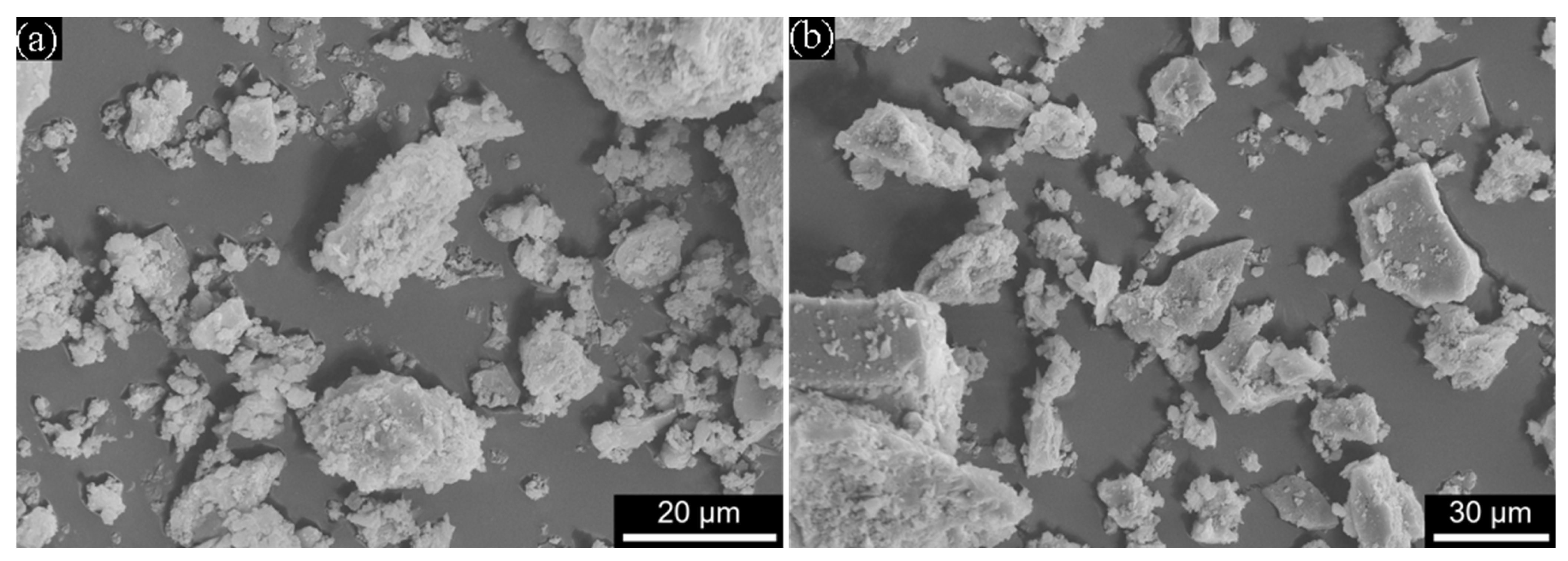
A scanning electron microscope, SEM LEO 420 (Carl Zeiss, Oberkochen, Germany, 1998), was also used in some cases.
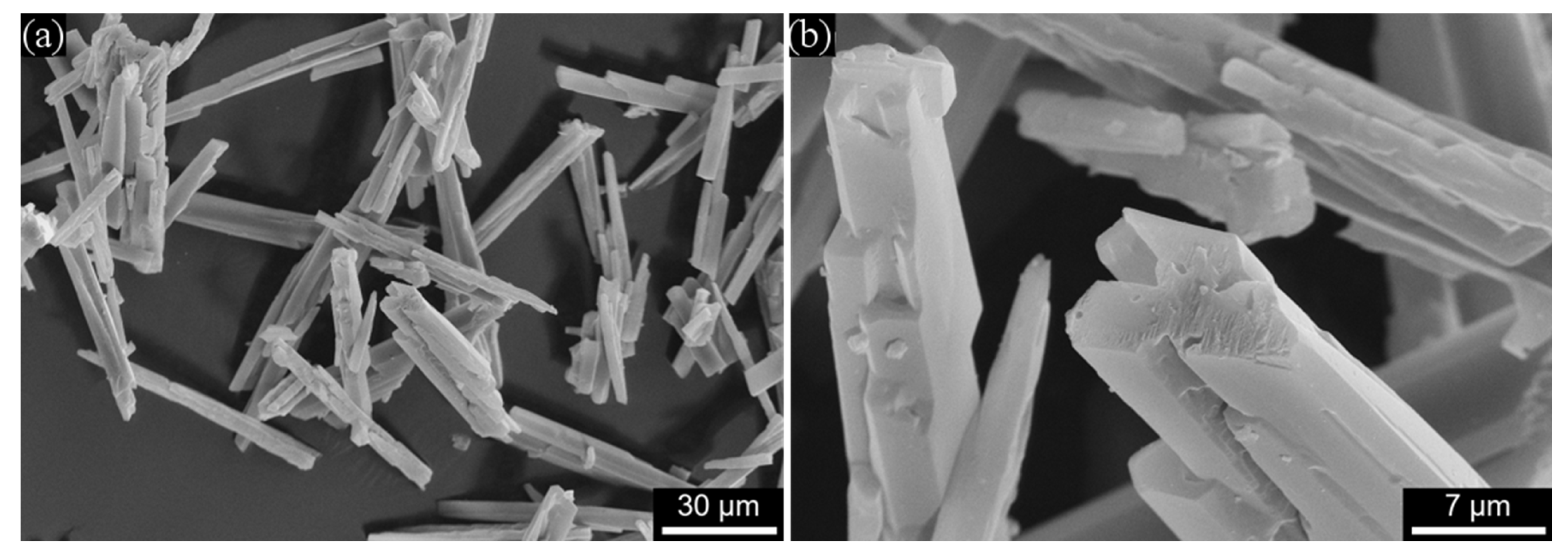
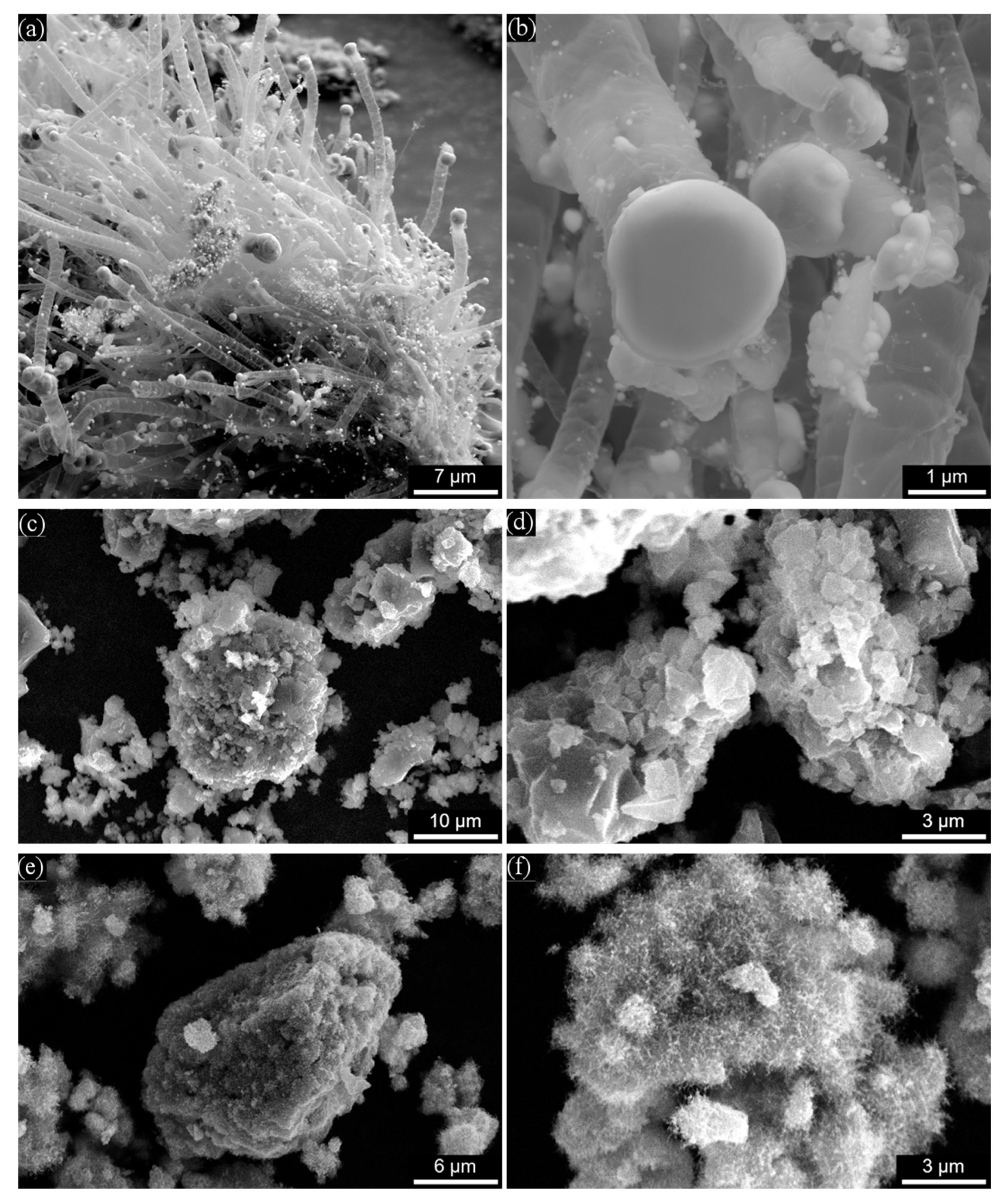
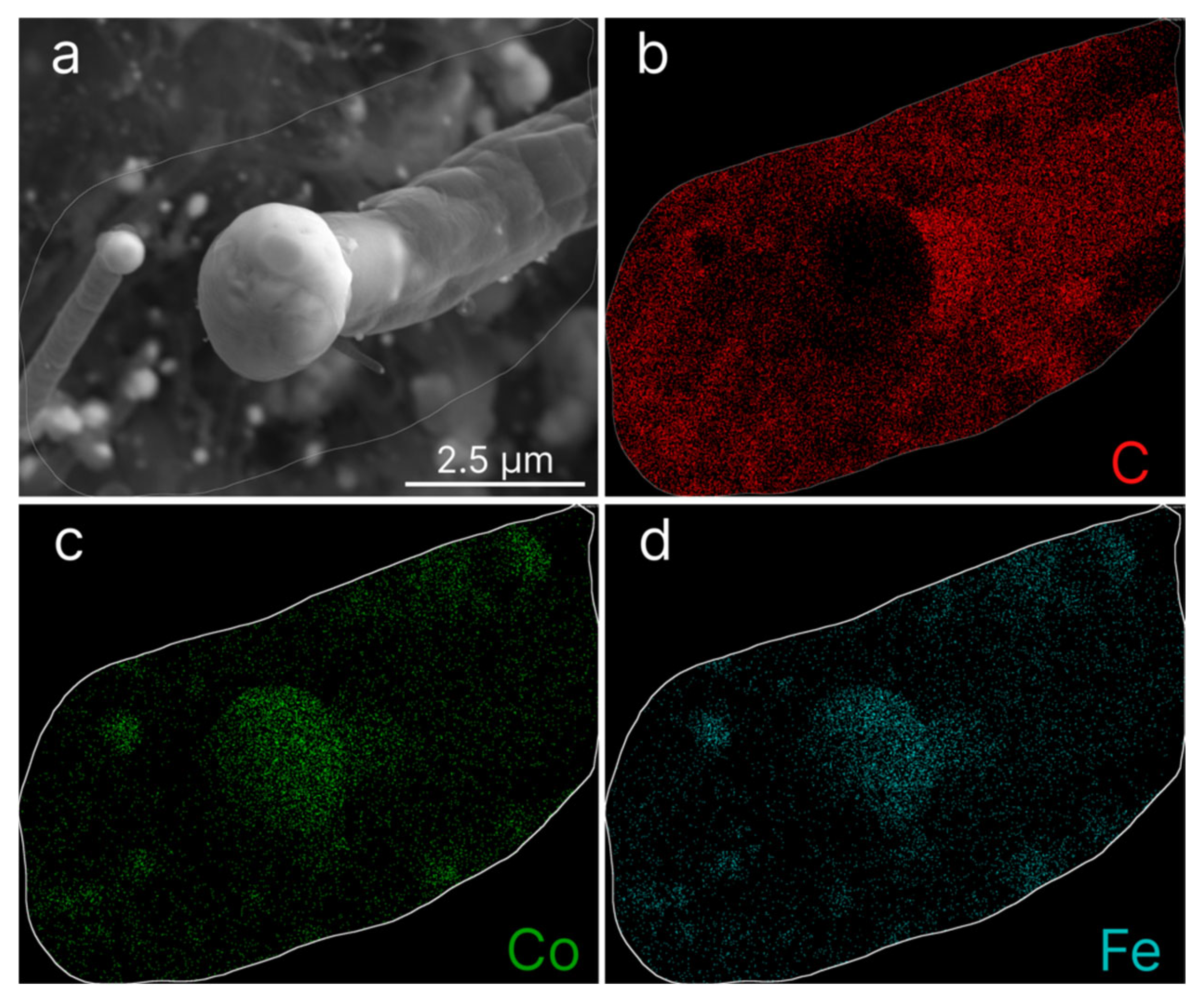
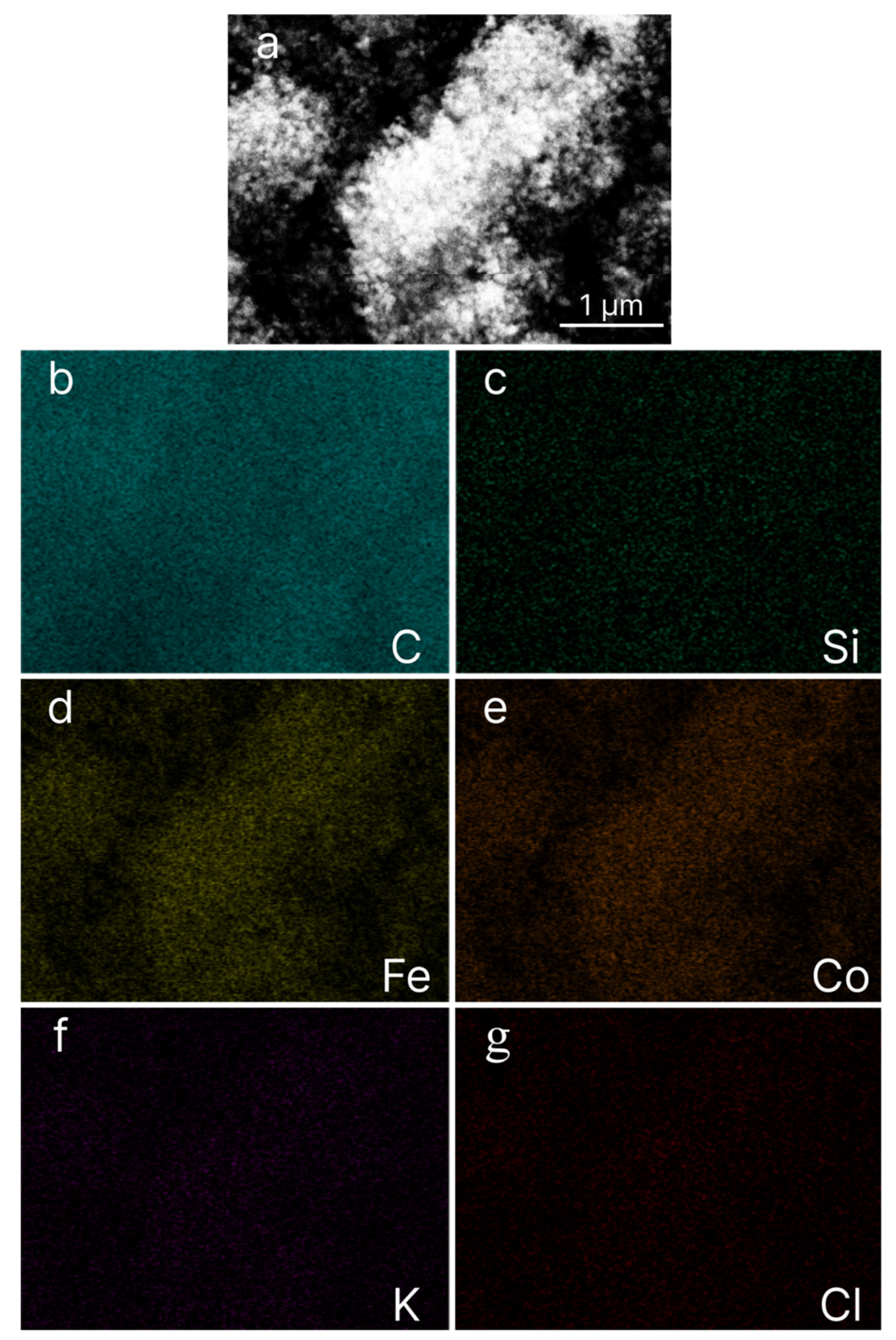
Scanning electron microscopy (SEM) and energy-dispersive X-ray spectroscopy (EDX) images were taken using a Tescan Amber GMH (Brno, Czech Republic, 2021) scanning electron microscope. Images were obtained using an Everhart–Thornley SE detector at ×3000–300,000 magnification and at an accelerating voltage of 1 kV. EDX spectra and elemental maps were recorded using an Ultim MAX EDS detector with a 100 mm2 active area (Oxford Instruments, Abingdon, UK, 2021) and at an accelerating voltage of 20 kV using AZtec 5.0 SP1 software.
CHN elemental analysis was performed on a EuroVector EA3000 (Pavia, Italy, 2008) elemental analyzer at a temperature of up to 1000 °C.




 ,
,