1. Introduction
Modern construction imposes increasingly stringent requirements on the quality, serviceability, and durability of reinforced concrete structures, such as piles, which are a common solution for foundation systems of various buildings and infrastructure [
1]. One of the key factors determining the service life of reinforced concrete piles in aggressive environments is their water absorption. Increased porosity and capillary permeability of the concrete matrix facilitate moisture ingress, leading to a reduction in mechanical strength, leaching of cement paste components, and accelerated corrosion of reinforcing steel.
To mitigate these negative effects, there has been growing interest in recent years in the development and application of modified concrete compositions with hydrophobic properties [
2]. The integration of modern chemical admixtures, nanomodifiers, and technological treatments (such as vacuum processing and heat curing) enables the formation of a dense, water-repellent concrete structure, reducing both capillary and hygroscopic water absorption without compromising strength performance [
3,
4,
5].
The relevance of this research lies in the need to improve the durability of reinforced concrete piles under conditions of periodic wetting, freezing, and exposure to aggressive groundwater [
1,
6,
7]. In the context of a construction market focused on resource efficiency and structural reliability, the development of effective methods for modifying concrete mixes to impart hydrophobic properties has become a priority in the field of construction materials technology.
In contrast to previous studies that primarily examine hydrophobic admixtures in conventional cement systems, the present research introduces a combined modification strategy that integrates an organosilicon hydrophobic agent with recycled basalt mineral fibers obtained from waste basalt insulation materials. These fibers differ from commercial basalt fibers in morphology and chemical stability and represent an underexplored secondary raw material with significant potential for sustainable concrete production. Furthermore, the proposed modification is investigated in structural concrete intended for reinforced concrete piles, a material class in which hydrophobic technologies have been scarcely evaluated. The study also incorporates a steam-curing regime at 80 °C, reflecting industrial manufacturing conditions and enabling assessment of how hydrophobic agents and recycled fibers behave under accelerated hydration. This combination of recycled fiber reinforcement, hydrophobic modification, and steam-cured pile-grade concrete constitutes a novel research direction that has not been comprehensively analyzed in the existing literature.
The combined incorporation of an organosilicon hydrophobic admixture and recycled basalt mineral fibers derived from insulation waste will simultaneously (i) reduce capillary water absorption, (ii) refine the pore structure of the cement matrix, and (iii) maintain or enhance mechanical strength in steam-cured pile-grade concrete compared with the use of a hydrophobic agent alone.
The aim of this study is to develop and scientifically substantiate an effective composition of modified concrete with enhanced hydrophobic properties that ensures reduced water absorption and increased durability of reinforced concrete piles under various service conditions.
Reducing water absorption and permeability in concrete has traditionally been achieved by decreasing the quantity and size of pores within the cement paste. This is commonly done by lowering the water-to-cement (W/C) ratio using high-performance superplasticizers, which reduce excess mixing water and the resulting porosity during curing. Additionally, active mineral additives—such as silica fume, fly ash, and metakaolin—are employed to fill micropores and densify the cement matrix through pozzolanic reactions. The incorporation of fine fillers also contributes to increased matrix density. These strategies effectively reduce the capillary suction capacity of concrete.
However, even in an optimally dense structure, it is difficult to completely eliminate water ingress if the surface energy of the pores remains high—that is, if the material remains hydrophilic [
8,
9]. Moreover, technological treatments such as vacuum processing or steam curing can further reduce open porosity but do not impart intrinsic water-repellent (hydrophobic) properties to the material. Therefore, structural densification alone is insufficient to ensure long-term hydrophobicity of concrete.
An alternative approach to reducing concrete’s water absorption is the use of specialized hydrophobic admixtures introduced directly into the mix [
10,
11]. These admixtures impart water-repellent properties to concrete by forming a hydrophobic layer on the pore walls or by sealing pores with water-insoluble compounds [
12,
13]. Hydrophobic admixtures are conventionally classified as either organic or inorganic.
Organic compounds—such as organosilicon materials (siloxanes, silanes, silicone emulsions), as well as hydrophobic fatty acids and their salts—interact effectively with the cement matrix, creating a hydrophobic coating on the capillary surfaces that reduces water wetting [
14,
15]. However, many organic admixtures are sensitive to the alkaline environment of fresh concrete and may undergo partial degradation or leaching. Therefore, it is essential to select alkali-resistant formulations and determine optimal dosages.
Inorganic hydrophobizing agents—such as complex silicon-containing additives, modified aluminosilicates, and nanostructured compositions—exhibit high thermal and chemical stability [
8,
16]. These substances can also participate in additional crystallization reactions within the cement paste, thereby densifying the matrix while simultaneously reducing its permeability. As a result, inorganic admixtures combine both densification and hydrophobization effects, although they are often more expensive.
In parallel with advances in hydrophobic modification technologies, recent research has paid considerable attention to the reuse of industrial mineral fibers, particularly those obtained from recycled basalt insulation waste. Such fibers are formed during the mechanical processing of discarded basalt thermal insulation and possess high tensile strength, thermal stability, and chemical resistance. When incorporated into cementitious composites, recycled basalt fibers can improve crack resistance, restrain shrinkage-induced microcracks, and contribute to a more stable pore structure. These characteristics make mineral fibers derived from basalt insulation waste a promising ecological reinforcement component, enabling both resource-efficient utilization of industrial residues and improved material performance.
A critical examination of the current literature reveals several unresolved issues. The combined effect of hydrophobic admixtures and recycled basalt mineral fibers on the moisture resistance, capillary activity, and long-term durability of concrete has not been thoroughly evaluated, and the influence of these recycled fibers on the pore structure of hydrophobic concrete, including their impact on sorptivity, permeability, and freeze–thaw stability, remains insufficiently studied. Moreover, existing research provides almost no microstructural analysis of such systems, including the chemical interaction of hydrophobic agents with cement hydration products and the resulting modifications of the pore network, especially when mineral fibers are incorporated into the matrix. In addition, there is a noticeable lack of studies specifically focused on reinforced concrete piles, even though their service life depends on moisture resistance and effective protection of reinforcement in aggressive subsurface environments, while most available works address coatings, surface treatments, or small-scale mortar composites rather than structural concrete intended for pile applications. These gaps indicate that the synergy between hydrophobic agents and recycled basalt insulation fibers has not yet been comprehensively explored, although such an integrated approach may offer significant advantages for improving the long-term durability of reinforced concrete piles [
1].
One of the most promising directions is the use of multifunctional hydrophobic admixtures that combine water-repellent effects with the ability to interact with cement hydration products [
17]. These admixtures can simultaneously reduce the number of capillary pores and lower their wettability, while also enhancing the strength and durability of concrete due to an additional cementing effect.
Nevertheless, each approach—whether structural densification or the introduction of hydrophobic agents—has its limitations. Excessive reduction in the water-to-cement ratio without maintaining adequate workability complicates concrete placement, while overdosing hydrophobic admixtures may adversely affect cement hydration and mechanical strength. Furthermore, compatibility between hydrophobizing agents and other concrete components—as well as with manufacturing technologies such as vibro-compaction and steam curing—remains a critical concern.
Given these limitations, there is a clear need for a comprehensive approach to concrete mix modification that ensures significant reduction in water absorption without compromising strength. This approach should place particular emphasis on the careful selection of mix components—from the type of cement and mineral additives to the optimal dosage of the hydrophobic agent—tailored to the specific production conditions of reinforced concrete piles.
Currently, there is a sustained interest in the application of hydrophobic technologies in concrete and cement-based materials, particularly under conditions of aggressive moisture exposure, fluctuating climates, and the presence of corrosive agents. The development of hydrophobic concrete compositions is aimed at enhancing water repellency, reducing capillary suction, and, consequently, improving the overall durability of construction materials [
18].
Modern research increasingly emphasizes integral modification of concrete, whereby hydrophobic properties are developed not only through surface treatments but also by incorporating active components directly into the concrete mix [
19]. For example, the study explores methods for achieving a superhydrophobic concrete surface that provides self-cleaning properties and long-term moisture resistance, even under extended service conditions [
20].
Several researchers have systematized approaches to modifying cement-based composites. These include chemical coatings, the use of templated structures, and the incorporation of nanoparticles. It has been confirmed that internal admixtures—particularly those containing nanostructured components—offer more stable and durable effects compared to external coatings [
21,
22].
The particular interest is the impact of hydrophobic admixtures on the long-term durability of concrete. The study demonstrated that properly selected hydrophobic compositions can protect concrete from water ingress and aggressive agents for many years, reducing internal moisture content and minimizing the formation of microcracks [
23,
24]. Similar conclusions are presented in other studies, which reports a significant reduction in water absorption and permeability following the incorporation of nanoscale hydrophobizing agents [
25,
26].
As part of research into the secondary use of materials it has been established that hydrophobic treatments can also enhance the performance characteristics of concrete made with recycled aggregates. This opens up new possibilities for sustainable construction and broadens the application scope of hydrophobic technologies [
25,
27].
From a practical standpoint, some review summarizes the mechanisms underlying hydrophobic effects, the substances employed (e.g., siloxane- and organosilicon-based compounds), and the methods of their incorporation into concrete mixtures [
16,
28]. A critical factor discussed is the interaction of hydrophobic agents with the pore system of concrete, which determines both their efficiency and long-term effectiveness.
Thus, modern approaches to hydrophobic modification of concrete establish a strong scientific and practical foundation for the widespread implementation of such solutions in infrastructure and civil engineering projects—especially under conditions of high humidity, freeze–thaw cycles, and aggressive environments. Numerous scientific publications indexed in Scopus and ScienceDirect confirm the effectiveness and promise of hydrophobic systems as a means to enhance the durability of concrete and reinforced concrete structures.
2. Materials and Methods
Achieving hydrophobic and superhydrophobic properties in cement-based materials typically involves three main strategies: surface coating, internal mixing, and templating. Surface coating applies a water-repellent layer, which improves resistance but can be prone to damage. Internal mixing integrates hydrophobic agents throughout the material, offering resilience even if the surface wears, though it might impact mechanical strength. Templating creates micro- or nano-structures that mimic natural hydrophobic surfaces, like lotus leaves, trapping air to achieve superhydrophobicity.
In this study, the internal mixing method was selected to impart hydrophobic properties to cement-based materials. This approach involves incorporating hydrophobic agents directly into the cement mix during the preparation phase, ensuring a uniform distribution throughout the material.
For the experimental study, laboratory concrete samples were prepared with varying contents of a hydrophobic admixture. Sulfate-resistant Portland cement (strength class ≥ 42.5) was used as the binder, and multi-fractional quartz sand was used as the fine aggregate, with a total mass of 1350 g per 450 g of cement. In all mixtures, the water-to-cement ratio (W/C) was maintained at 0.3. The binder used in this study was a sulfate-resistant Portland cement CEM I 42.5 SR, commercially supplied by Heidelberg Materials Kazakhstan and widely used in construction practice in Astana, Kazakhstan. According to manufacturer specifications and standard technical documentation, the cement is characterized by a typical oxide composition (wt.%) of approximately 60–65% CaO, 19–22% SiO2, 4–6% Al2O3, 2–4% Fe2O3, 1–3% MgO, with a sulfate content (SO3) in the range of 2–3%. The clinker phase composition, estimated using Bogue calculations, consists predominantly of tricalcium silicate (C3S, 50–60%), dicalcium silicate (C2S, 15–25%), tricalcium aluminate (C3A, ≤3% for sulfate resistance), and tetracalcium aluminoferrite (C4AF, 8–12%). These mineralogical characteristics play a key role in governing hydration kinetics, strength development, and durability of the cementitious system.
To ensure the required workability at a low W/C ratio, a polycarboxylate-based superplasticizer was added. The dosage was determined experimentally to achieve a flowability equivalent to consistency class P5. The hydrophobic admixture, based on an organosilicon compound, was introduced into the mix in the form of a water-based emulsion at dosages of 0%, 0.2%, 0.4%, and 0.6% by cement mass.
To ensure reproducibility, the characteristics of the organosilicon hydrophobic admixture used in this study are specified in greater detail. The admixture is a water-based silane–siloxane emulsion containing 20–25% active organosilicon compounds, with a density of approximately 1.00–1.05 g/cm3, pH in the range of 7–8, and viscosity below 30 mPa·s. According to the manufacturer’s technical data sheet, the emulsion consists of methylsiloxane oligomers stabilized with non-ionic surfactants, which form hydrophobic films on pore surfaces through hydrolysis and condensation reactions in an alkaline cement environment. The admixture is stable under steam-curing temperatures up to 90 °C and is compatible with polycarboxylate superplasticizers.
The concrete mix compositions for each series are shown in
Table 1.
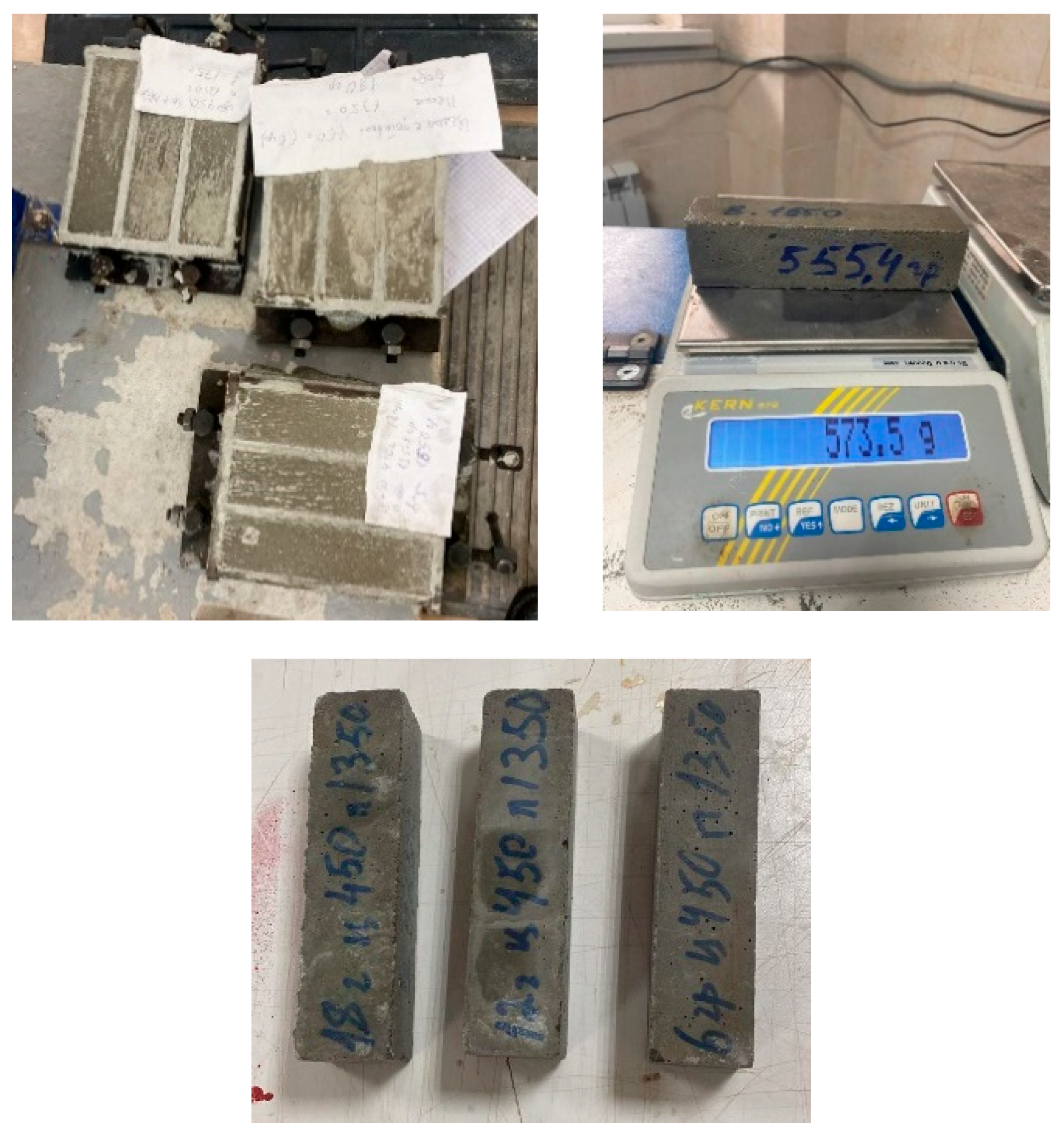
Control specimens were molded from the prepared concrete mixes for testing purposes. To determine compressive strength, cubes measuring 100 × 100 × 100 mm
3 were cast for each mix series. Flexural strength was measured using prismatic specimens with a cross-section of 40 × 40 mm
2 and a length of 160 mm (
Figure 1). The specimens were cast in steel molds and compacted using a vibrating table. After an initial 24 h curing period at room temperature, the specimens underwent steam curing to simulate plant conditions. The steam treatment was carried out in a chamber at approximately 80 °C for 6 h, followed by slow cooling, which ensured the development of early-age strength. After curing, the specimens were stored in a moist curing chamber (temperature ≈ 20 °C, relative humidity > 95%) until testing at the age of 28 days. To ensure methodological transparency, all testing procedures were carried out in accordance with the relevant standards. Compressive strength was determined following relevant standards [
29,
30]. Flexural strength was measured following standardized procedures [
31,
32]. Water absorption and water impermeability tests were conducted in accordance with established testing methods [
33,
34]. These references have been added to allow for full reproducibility of the experimental program.
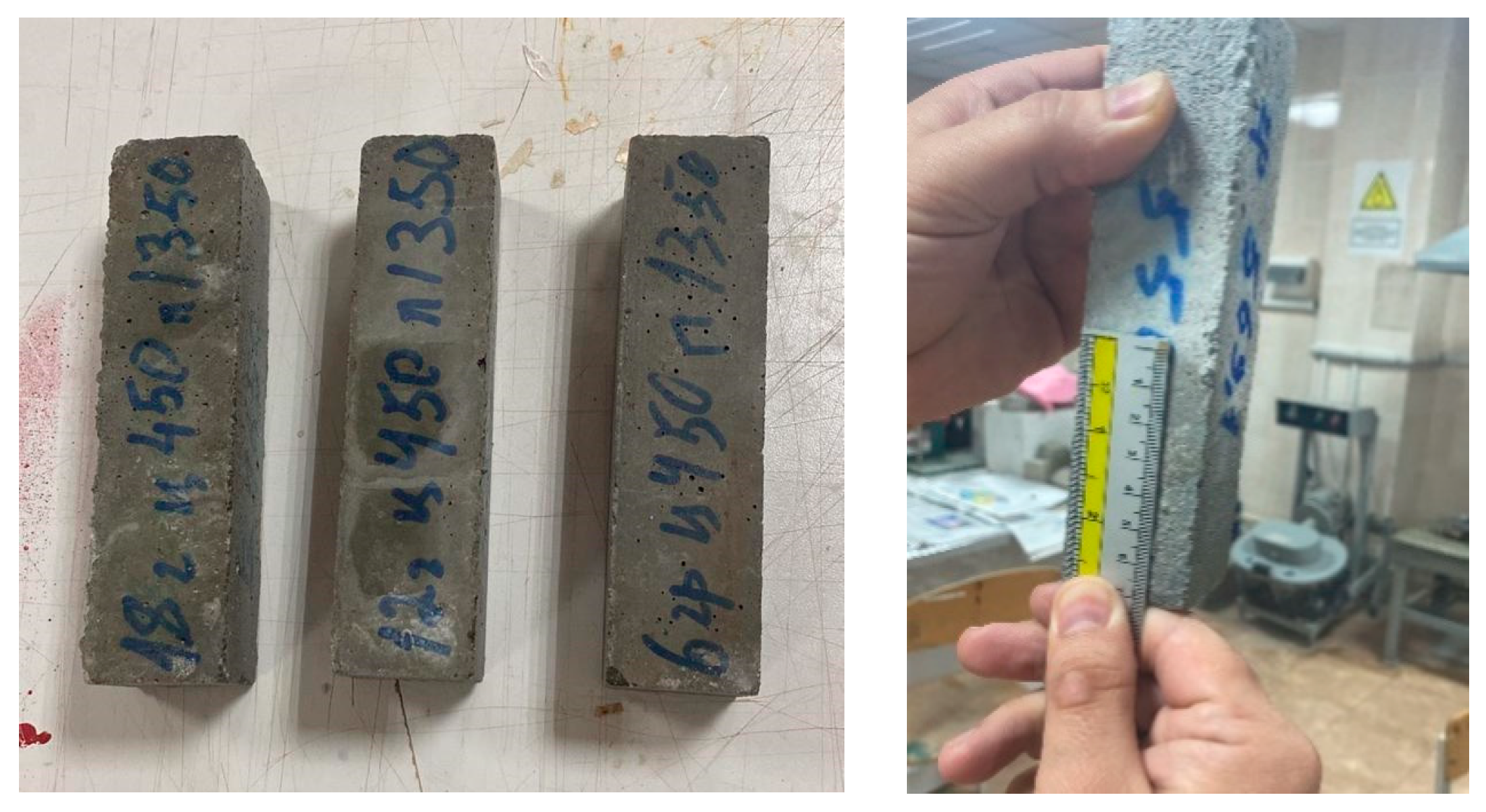
Compressive strength was determined according to the standard method—by crushing cubes on a hydraulic press, with the average value calculated in MPa (
Figure 2). Flexural strength was determined by three-point bending of prismatic samples (three samples per series, and the result was averaged). Water absorption was determined by mass: the samples, dried to a constant weight, were saturated with water for 48 h, after which the increase in mass was calculated as a percentage. Water impermeability was assessed using the normative “wet spot” method, determining the maximum water pressure at which no moisture passes through the sample. The result was expressed as a grade for water impermeability, W (e.g., W4, W6, W8, etc., where the number corresponds to the maximum pressure of 0.1 MPa). For each series, the grade for the water impermeability of the experimental samples was determined.
4. Discussion
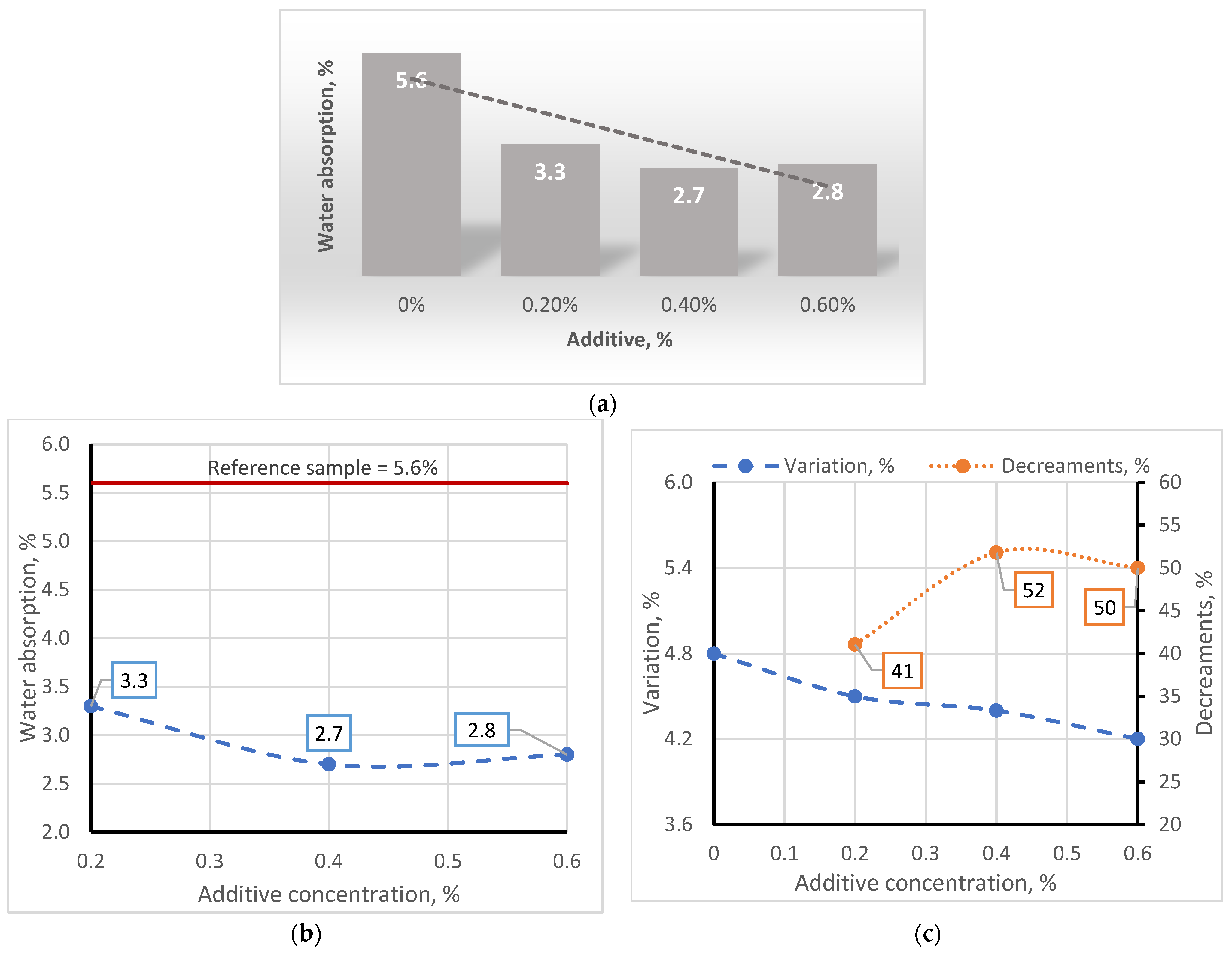
The results obtained in this study clearly show that adding a small amount of a hydrophobic additive based on organosilicon compounds significantly improves the waterproofing properties of concrete without compromising its mechanical characteristics. The observed decrease in water absorption from 5.6% to approximately 2.7% and the simultaneous increase in water resistance from W4 to W10 confirm the formation of a stable hydrophobic barrier in the cement matrix. This improvement can be explained by the dual mechanism of action of the additive—both physical blocking of capillary pores and chemical modification of the pore surface by adsorption of hydrophobic compounds. There is research which reports that silane- and stearic acid-based water-repellent agents effectively reduce water permeability by changing the surface energy of the pores while maintaining the overall integrity of the matrix [
35].
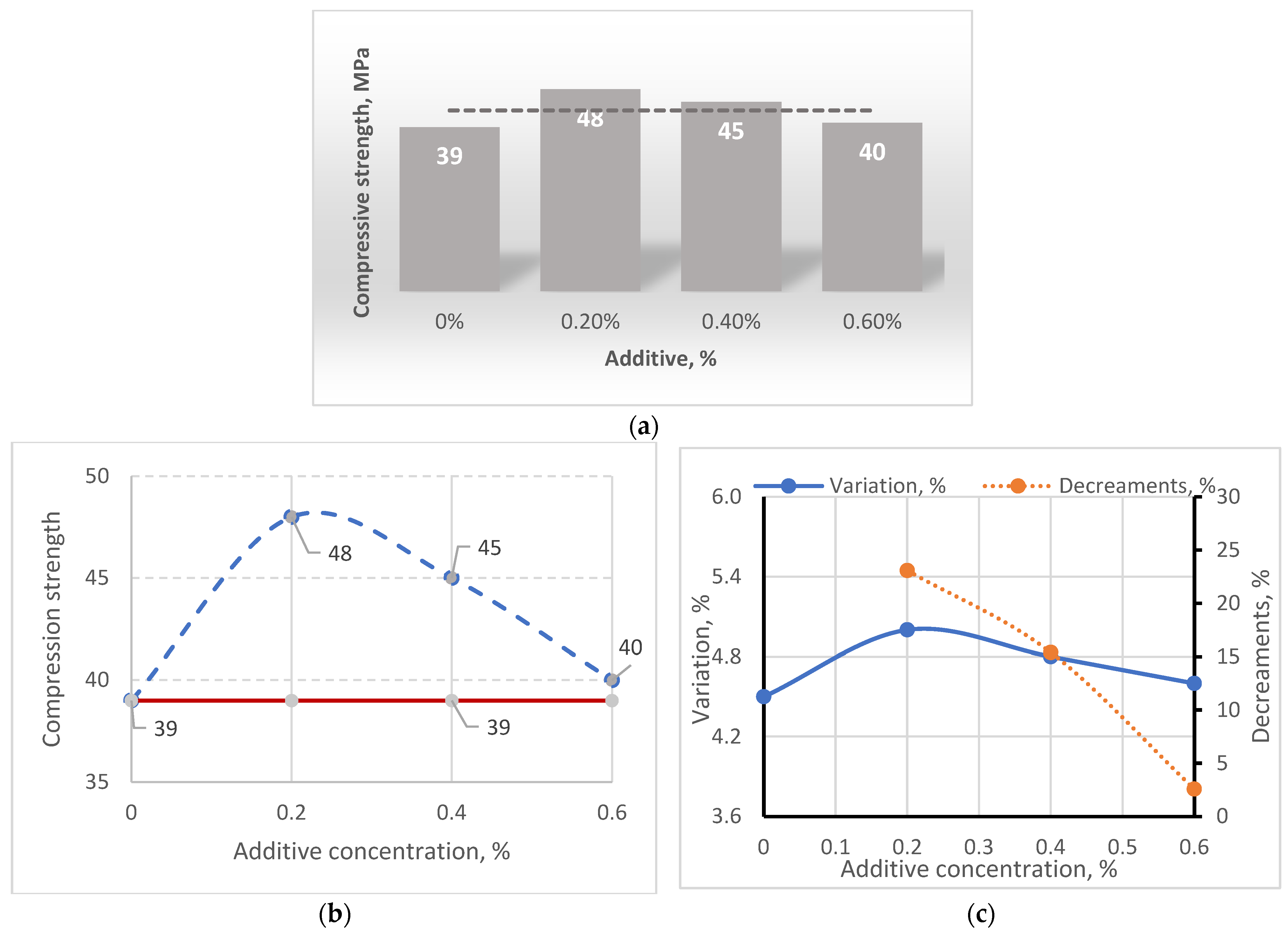
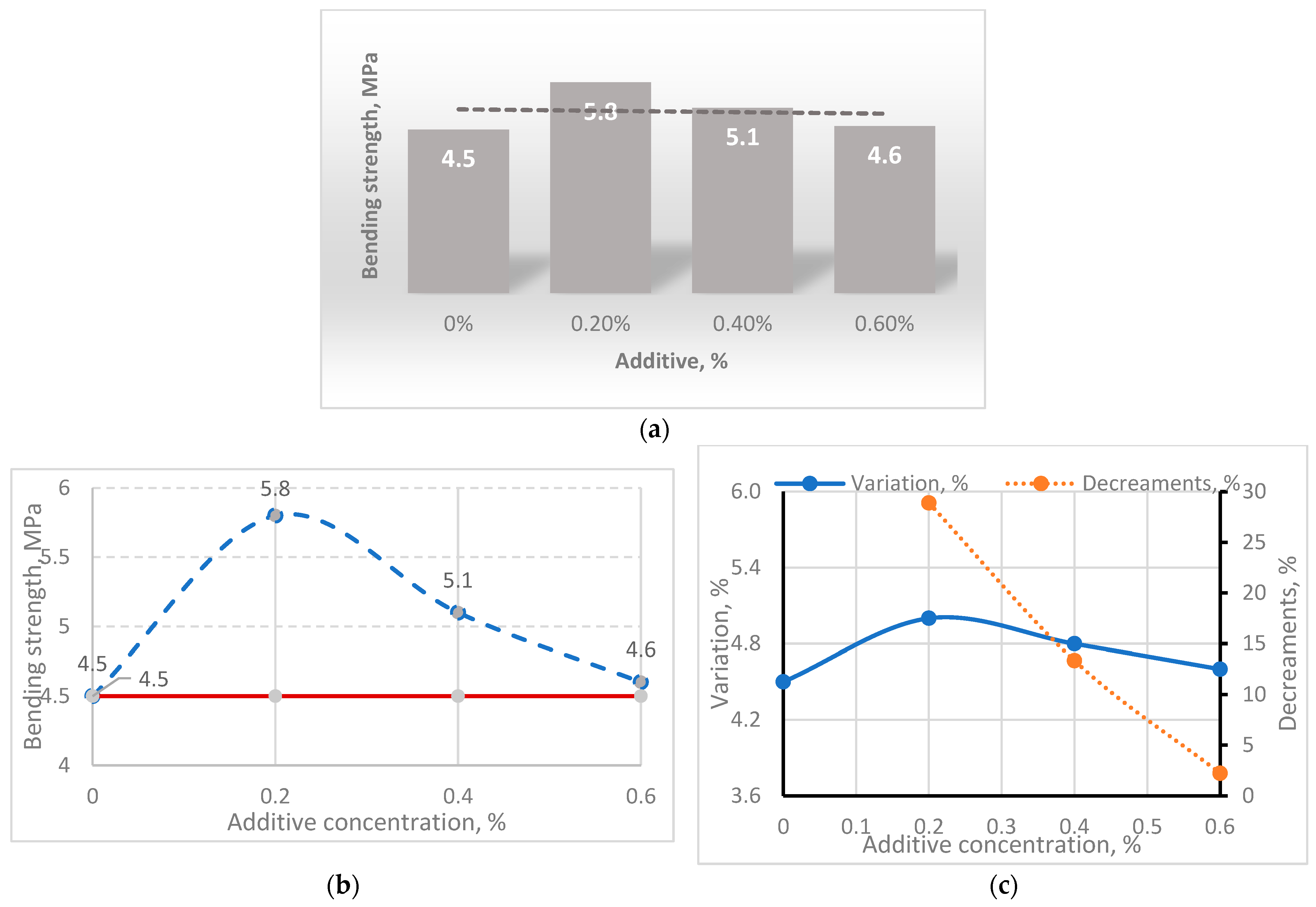
The enhancement in compressive and flexural strength at the optimal dosage (0.2% by cement mass) indicates that the hydrophobic admixture not only limits capillary water ingress but also contributes to microstructural densification. This phenomenon aligns with the findings of related research, who demonstrated that composite hydrophobic agents can act as secondary cementitious materials, filling microvoids and promoting additional hydration products that strengthen the interfacial transition zone.
At higher dosages (≥0.4%), however, the decrease in strength observed in this work may result from incomplete cement hydration or weak interfacial bonding due to the excessive accumulation of hydrophobic films. Therefore, the dosage of the hydrophobizing admixture must be optimized to balance its beneficial and adverse effects.
The optimal dosage range (0.2–0.4%) established in this study provides a practical guideline for industrial applications, balancing the desired hydrophobicity and mechanical integrity. The obtained compressive strength of 45–48 MPa and water impermeability grade W10 exceed the minimum durability requirements specified for piles subjected to groundwater exposure in cold regions.
The macroscopic improvements observed in this study can be explained by chemical and microstructural processes occurring within the cement matrix in the presence of the hydrophobic admixture. Organosilicon compounds interact with hydration products through adsorption and polycondensation reactions. During hydration, silanol groups of the additive are adsorbed on the surfaces of calcium hydroxide and C–S–H phases, where they undergo condensation to form stable siloxane linkages. These linkages create thin, water-insoluble films on pore walls and significantly reduce their surface energy, thereby limiting wetting and decreasing capillary suction.
In addition, the admixture alters the pore structure of the cement paste. The polymerization of organosilicon molecules within the pore network leads to the partial blocking of fine capillary pores and a reduction in their connectivity. This results in a microstructure characterized by a higher proportion of closed and poorly connected pores, which reduces sorptivity and permeability. The interaction of hydrophobic agents with calcium hydroxide also contributes to chemical stabilization, as the partial consumption of Ca(OH)2 reduces the susceptibility of the matrix to leaching and carbonation. The formation of additional silica-rich phases further densifies the C–S–H gel and strengthens the matrix.
The observed increases in compressive and flexural strength are consistent with these microstructural modifications. By limiting microcracking associated with moisture transport and shrinkage, and by stabilizing the pore walls, the hydrophobic admixture enhances the structural cohesion of the cement paste. Consequently, the improved water resistance and strength can be attributed to the combined effects of surface-energy reduction, pore-network modification, and stabilization of hydration products.
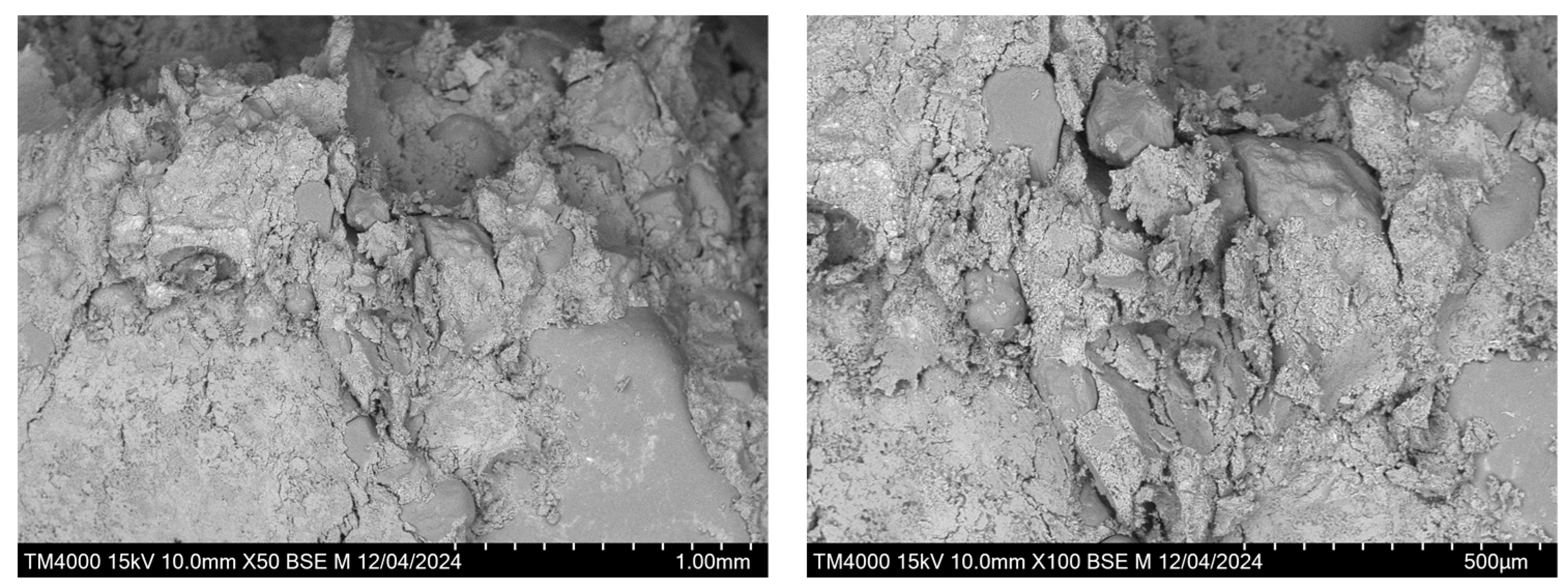
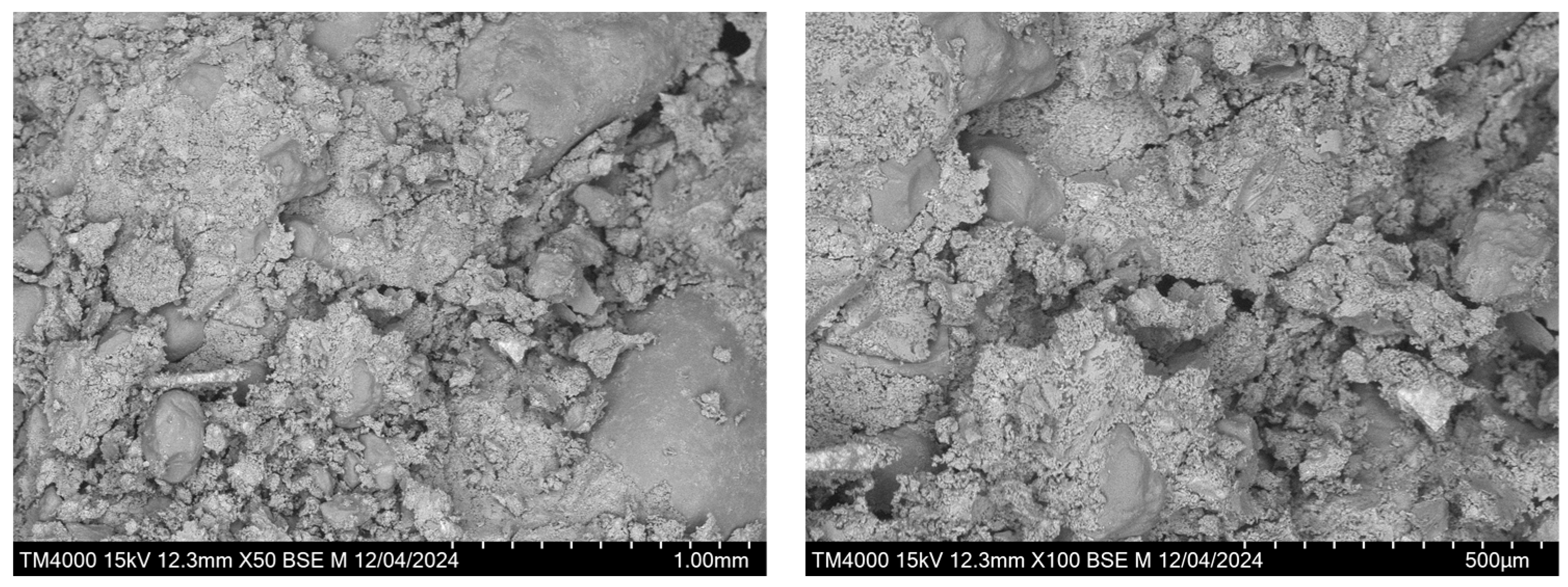
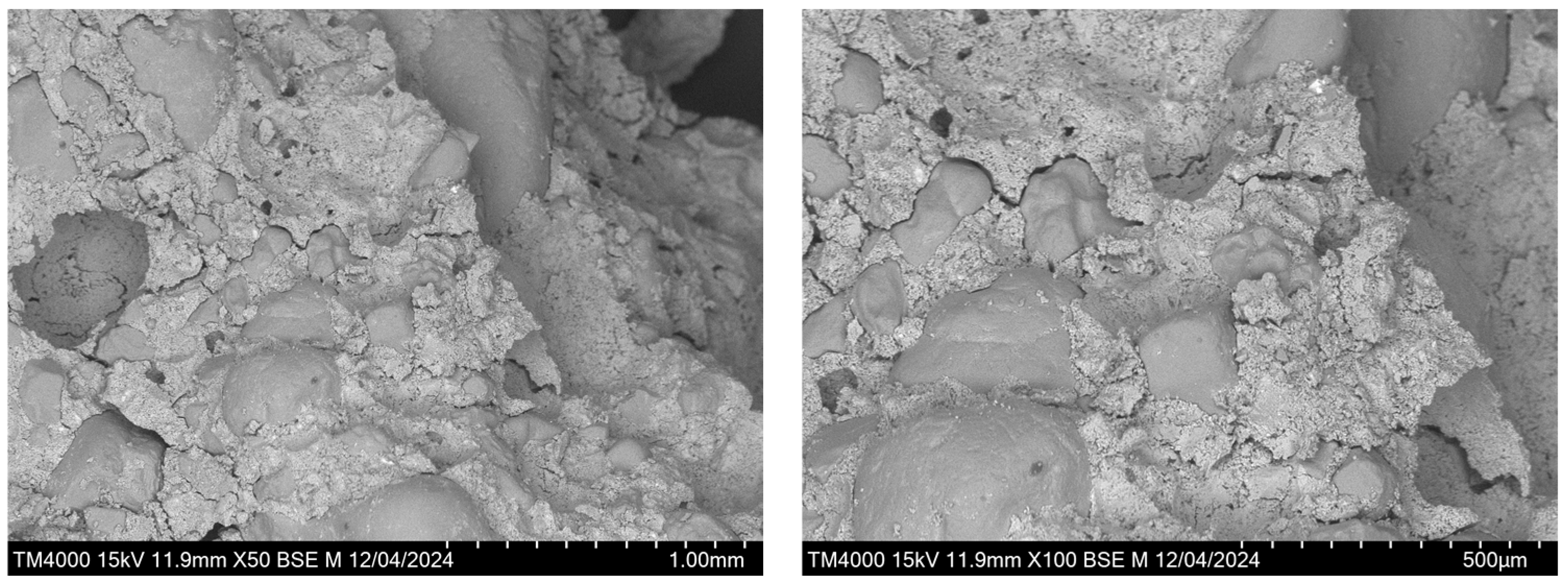
Future research should focus on evaluating the long-term performance of the developed hydrophobic concrete under cyclic wetting–drying, freeze–thaw exposure, and chloride penetration tests. It is also important to investigate the compatibility of different hydrophobic agents with supplementary cementitious materials such as fly ash, metakaolin, and silica fume, which may further enhance the synergy between densification and water repellency. Although the present study provides clear evidence of the beneficial effects of the hydrophobic admixture and recycled basalt fibers, it is limited by the use of a single cement type, one fixed water-to-cement ratio, and a restricted range of admixture dosages. These controlled conditions were selected to isolate the effect of the combined modification system under parameters representative of precast pile production. Nevertheless, future research should broaden the experimental program by incorporating different cement types, varying W/C ratios, and expanding the dosage range of the hydrophobic and fiber additives in order to establish more generalizable relationships and improve the applicability of the findings to a wider class of concretes. Additionally, advanced microstructural analyses using SEM, XRD, and contact-angle measurements can clarify the mechanism of hydrophobic film formation and its stability over time.