
Review

Native Protein Template Assisted Synthesis of Non-Native Metal-Sulfur Clusters
by
Biplab K. Maiti
1,* and
José J. G. Moura
2
1
Department of Chemistry, School of Sciences, Cluster University of Jammu, Canal Road, Jammu 180001, India
2
LAQV, REQUIMTE, Department of Chemistry, NOVA School of Sciences and Technology (FCT NOVA), 2829-516 Caparica, Portugal
*
Author to whom correspondence should be addressed.
BioChem 2022, 2(3), 182-197; https://doi.org/10.3390/biochem2030013

Submission received: 21 March 2022 / Revised: 8 June 2022 / Accepted: 30 June 2022 / Published: 1 August 2022
(This article belongs to the Special Issue Selected Papers from XXI SPB National Congress of Biochemistry 2021)

Abstract

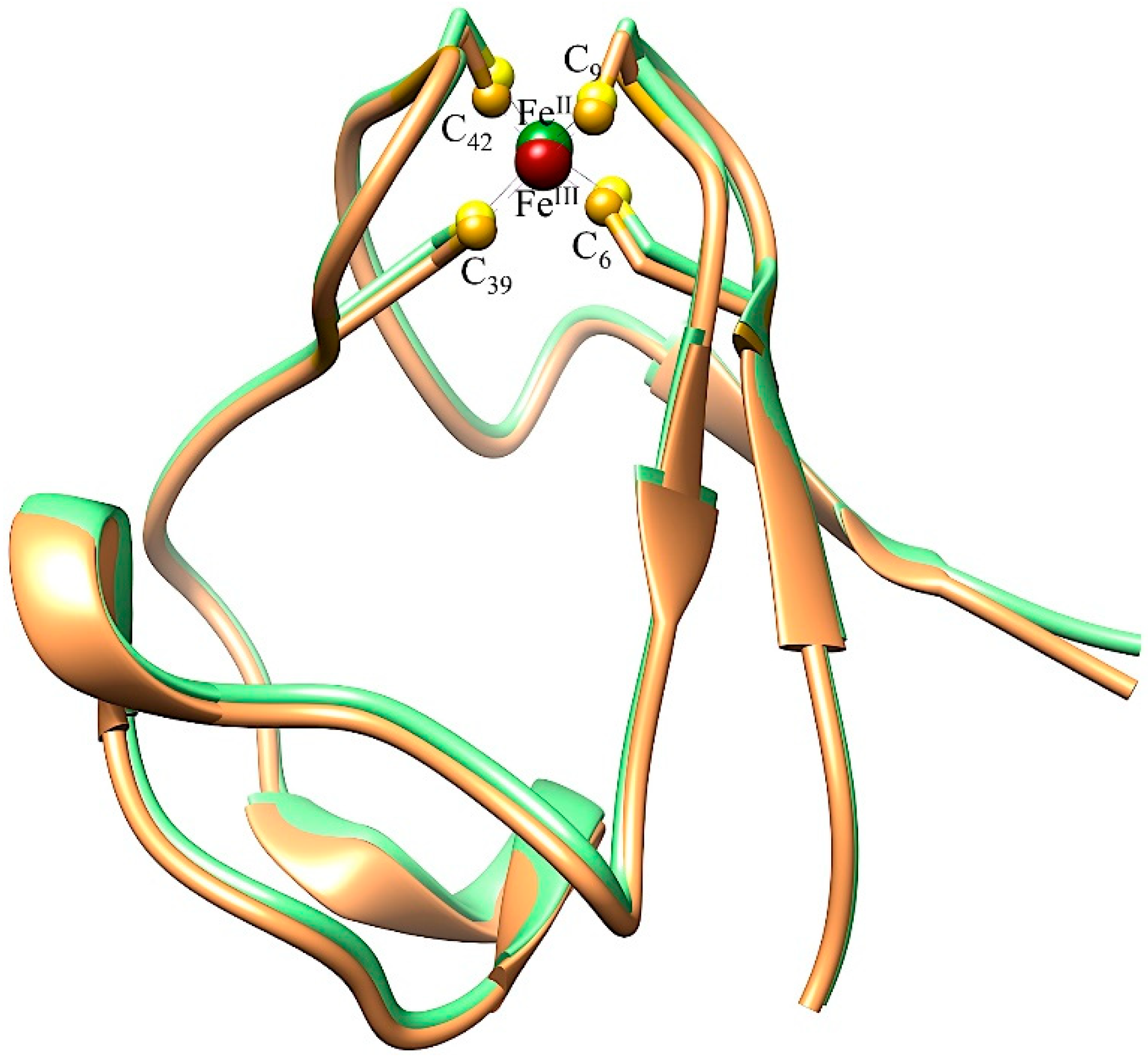
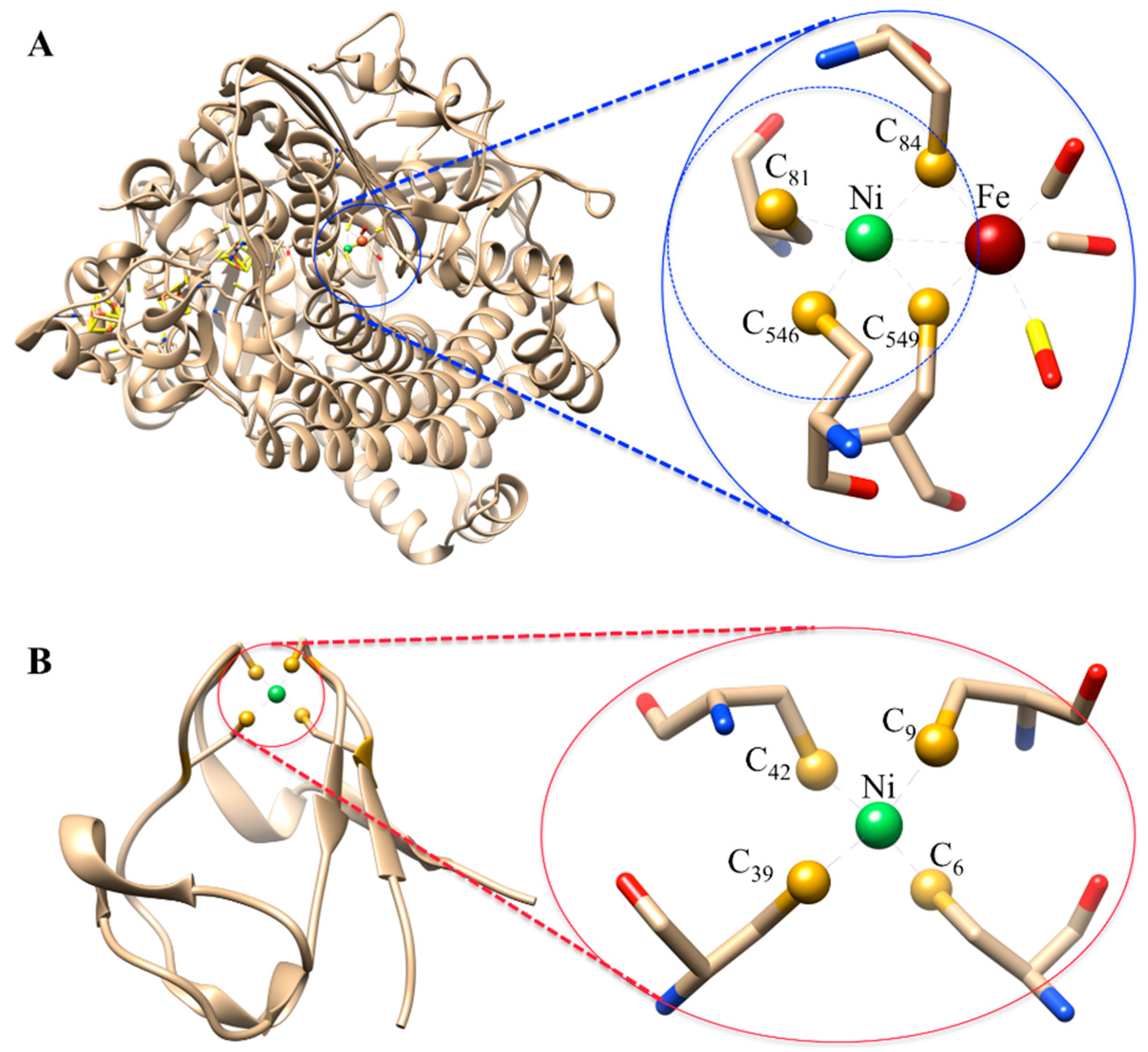
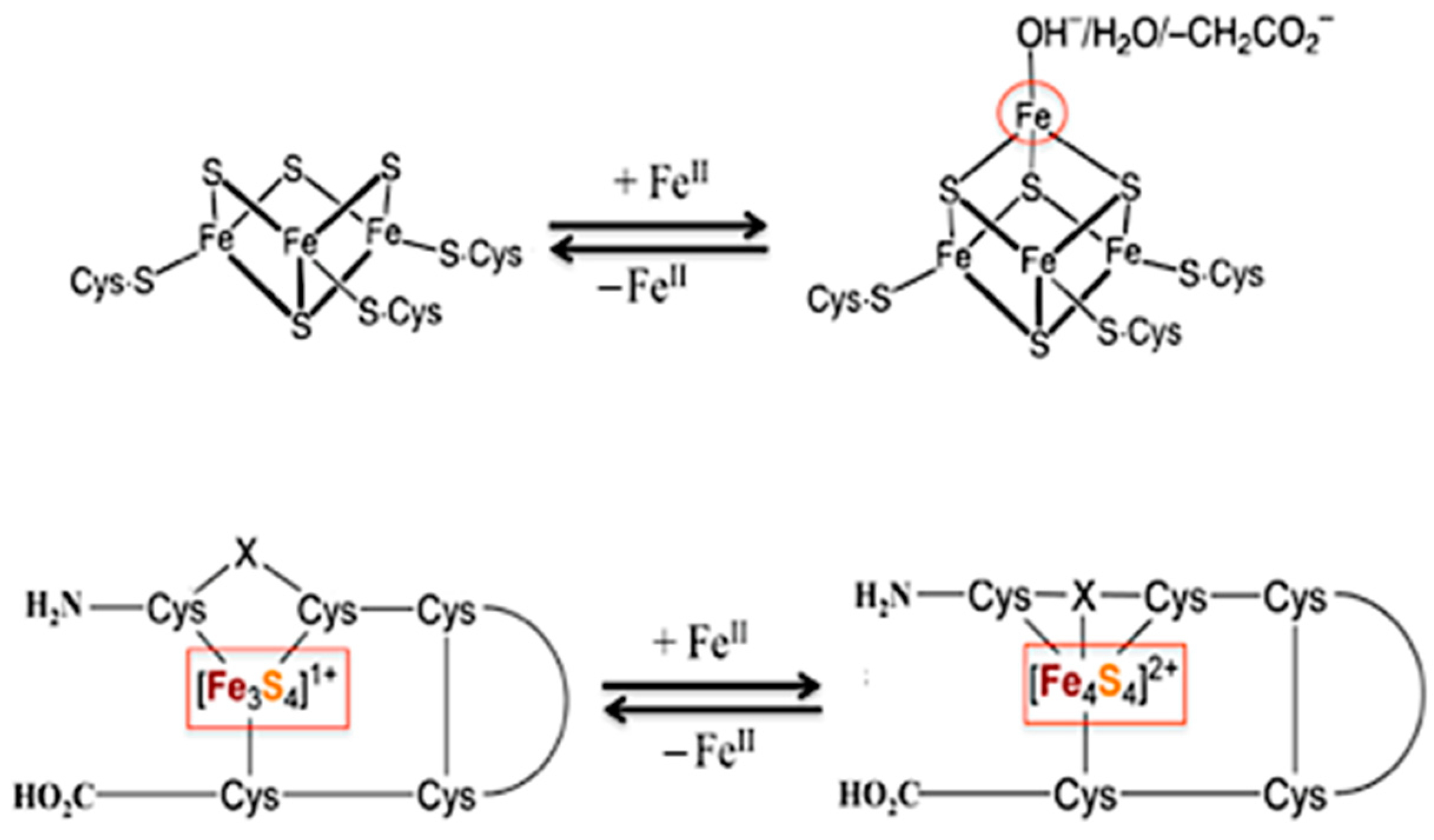
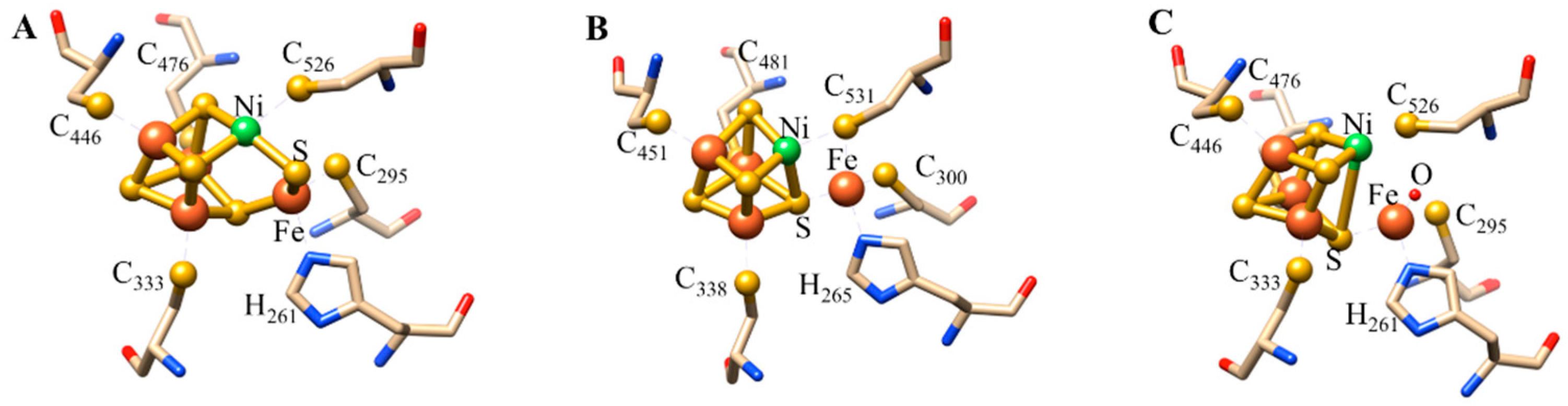
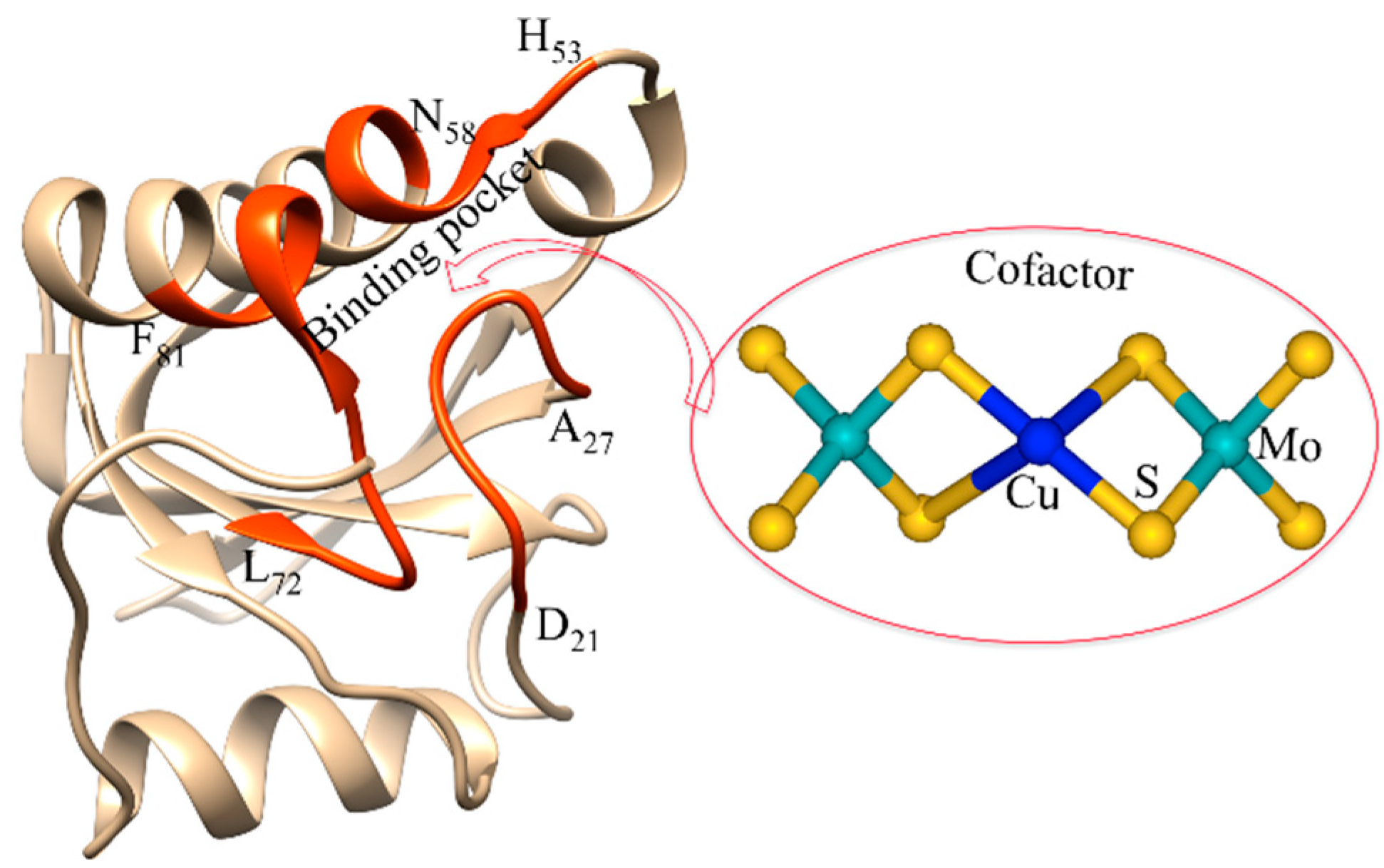
Metalloenzymes are the most proficient nature catalysts that are responsible for diverse biochemical transformations introducing excellent selectivity and performing at high rates, using intricate mutual relationships between metal ions and proteins. Inspired by nature, chemists started using naturally occurring proteins as templates to harbor non-native metal catalysts for the sustainable synthesis of molecules for pharmaceutical, biotechnological and industrial purposes. Therefore, metalloenzymes are the relevant targets for the design of artificial biocatalysts. The search and development of new scaffolds capable of hosting metals with high levels of selectivity could significantly expand the scope of bio-catalysis. To meet this challenge, herein, three native scaffolds: [1Fe-4Cys] (rubredoxin), [3Fe-4S] (ferredoxin), and [S2MoS2CuS2MoS2]-ORP (orange protein) protein scaffolds are case studies describing templates for the synthesis of non-native monomeric to mixed metal–sulfur clusters, which mimic native Ni containing metalloenzymes including [Ni-Fe] Hydrogenase and [Ni-Fe] CO Dehydrogenase. The non-native metal-substituted metalloproteins are not only useful for catalysis but also as spectroscopic probes.
Keywords: designed metalloproteins; models of [Ni-Fe]-hydrogenase and [Ni-Fe]-CODH; orange-protein and spectroscopic probes designed metalloproteins; models of [Ni-Fe]-hydrogenase and [Ni-Fe]-CODH; orange-protein and spectroscopic probes