

Next Article in Journal
Event-Driven and Structural Dynamics of Media Framing in Platform Politics: A Time-Series Analysis of South Korean News Coverage of TikTok (2020–2024)
Next Article in Special Issue
A Qualitative Study of the Experiences of Palestinian Journalists in the United States During the Ongoing Gaza Genocide
Previous Article in Journal
‘What the Hell Can Journalism Even Do?’: Metajournalistic Discourse Through Podcast Performance
Previous Article in Special Issue
A Systematic Review of the Literature on the Mental Health of Journalists Reporting on War, Conflict and Terrorism: Gaps and Recommendations for Future Studies
 
 
Due to scheduled maintenance work on our servers, there may be short service disruptions on this website between 11:00 and 12:00 CEST on March 28th.
Systematic Review

Emotional Well-Being in Journalists: Conceptualization, Experiences, and Strategies in the Literature (2010–2025)


by
Susana Herrera Damas
1 and
José M. Valero-Pastor
2,*
1
Department of Communication Studies, Universidad Carlos III de Madrid, 28903 Getafe, Spain
2
Department of Social and Human Sciences, Universidad Miguel Hernández, 03202 Elche, Spain
*
Author to whom correspondence should be addressed.
Journal. Media 2026, 7(1), 21; https://doi.org/10.3390/journalmedia7010021

Submission received: 19 November 2025 / Revised: 15 December 2025 / Accepted: 21 January 2026 / Published: 28 January 2026
(This article belongs to the Special Issue Mental Health in the Headlines)

Abstract

This systematic review examines how emotional well-being in journalism has been de-fined, experienced, and supported between 2010 and 2025. It draws on 15 peer-reviewed empirical studies identified in Web of Science and Scopus and evaluated using PRISMA 2020 and the MMAT. The review addresses three main gaps in the field: unclear definitions, limited synthesis of risk and protective factors, and scarce assessment of support interventions. Across studies, emotional distress emerges from structural pressures, such as overwork, trauma exposure, online harassment, job precarity, and the erosion of collegial networks. These pressures, rather than inherent traits of journalistic work, shape vulnerability. Protective factors include social support, editorial autonomy, professional experience, purpose-driven motivation, and practices like mindfulness or digital disconnection. Yet their impact is often limited by weak organizational infrastructures. Vulnerability is higher among women, freelancers, and early career journalists, although intersectional analyses remain rare. Sectoral and organizational responses—peer networks, resilience programs, trauma-informed training, and emerging digital safety policies—show promise but remain fragmented. The review concludes that emotional well-being should be framed as an ethical and structural responsibility within journalism, and that sustainable progress requires systemic measures that foster psychological safety and professional dignity.

1. Introduction

Emotional well-being has become an increasingly important theme in journalism studies. Although early research focused primarily on trauma among war correspondents (Feinstein et al., 2002), recent scholarship has broadened the lens to include overall well-being, resilience, and even happiness in journalistic practice (Deuze, 2023; Bélair-Gagnon et al., 2024). This shift reflects changing working conditions. Digital acceleration, precarious employment, and the COVID-19 crisis have intensified emotional demands on journalists, prompting a surge of research since 2020 (Morales Rodríguez & Morales Rodríguez, 2025).
Studies have consistently documented the emotional strains of newswork. Repeated exposure to human suffering—whether in conflict, disasters, or public health crises—produces anxiety, emotional numbness, and fear (Feinstein et al., 2002; Osmann et al., 2021). Chronic workload pressures, real-time audience metrics, and eroding work–life boundaries contribute to burnout, fatigue, and reduced job satisfaction (Koivula et al., 2023; Löhmann & Hanusch, 2024). Job precarity and unstable contracts undermine morale (Hoak, 2021; Adjin-Tettey & Braimah, 2023), while online harassment disproportionately affects women and minority journalists, generating fear, self-censorship, and diminished professional efficacy (Ivask et al., 2023; Jastramskis et al., 2023).
Yet emotional well-being is shaped not only by stressors but also by cultural and organizational dynamics. Journalism’s long-standing “thick skin” ethos discourages vulnerability, leading many journalists to hide distress or avoid seeking support (Šimunjak & Menke, 2023; Holton et al., 2021). Formal mental health provisions remain limited (Bélair-Gagnon et al., 2024), though emerging initiatives—peer support networks, resilience workshops, and trauma-aware training—show promise (Pearson et al., 2019; Dubberley, 2020). Emotional well-being has also gained traction in journalism education, where trauma literacy and self-care are increasingly recognized as essential competencies (Ogunyemi & Price, 2023).
At the same time, the literature still shows important conceptual gaps. “Emotional well-being” is rarely defined explicitly, with authors using overlapping terms—psychological, mental, or occupational well-being—without clarifying their scope (Hoak, 2021; Pasti & Ramaprasad, 2016). Research often lacks theoretical grounding, relying on descriptive accounts of stressors and coping practices rather than established models (Bélair-Gagnon et al., 2024; Šimunjak & Menke, 2023). Although a few studies successfully employ theory, such as Organizational Support Theory (Hoak, 2021) or journalistic safety frameworks (Adjin-Tettey & Braimah, 2023), these remain exceptions. Positive dimensions—resilience, job satisfaction, purpose, or fulfillment—are also underexamined compared with problems, such as PTSD or burnout (Deuze, 2023; Wahl-Jorgensen, 2024).
A second major gap concerns the lack of systematic classification of the risk and protective factors shaping journalists’ emotional well-being. Although many studies describe stressors, such as trauma exposure, workload, or job instability, few provide comprehensive frameworks showing how these elements interact or vary across contexts. This limits both theoretical development and practical application. Relatedly, research has insufficiently examined how emotional well-being differs by sex, age, employment status, or national setting; recent studies address these dimensions, but evidence remains fragmented.
A third major gap involves the limited evaluation of interventions and support strategies. Although the literature has begun to document coping practices and recommends measures to improve well-being, empirical evidence on what actually works remains scarce. Most studies rely on cross-sectional or qualitative designs, offering snapshots of problems and self-reported coping rather than testing outcomes over time (Wahl-Jorgensen, 2024). Few longitudinal or experimental studies exist: one exception is a mindfulness-based intervention that reduced stress and improved emotional regulation at three-month follow-up (Coo & Salanova, 2018; in Morales Rodríguez & Morales Rodríguez, 2025), and another long-term project tracked changes in well-being among local news entrepreneurs (Wahl-Jorgensen, 2024). Overall, however, research rarely assesses long-term recovery or burnout trajectories (Morales Rodríguez & Morales Rodríguez, 2025).
Likewise, many frequently cited “best practices”—peer support networks, right-to-disconnect policies, and compassionate leadership—have not been rigorously tested in journalism. Existing initiatives, such as respecting days off, limiting after-hours communication, mindfulness workshops, trauma-awareness training, or de-briefings, remain isolated and unevenly implemented (Perreault & Tham, 2023; Adjin-Tettey & Braimah, 2023; Osmann et al., 2021).
This conceptual fragmentation underscores the need for a more coherent frame-work, which Specific Objective 1 (SO1) addresses by examining how emotional well-being is conceptualized and experienced in journalism. At this point, the research questions we want to answer are as follows:
  • RQ1: What theoretical frameworks and dimensions characterize emotional well-being in reviewed studies?
  • RQ2: How do journalists describe their emotional experiences and well-being states?
  • RQ3: What tensions exist between professional demands and mental health maintenance?
To address the lack of systematic classification of the risk and protective factors, Specific Objective 2 (SO2) identifies the factors influencing emotional well-being across diverse contexts and populations. To this end, we will attempt to answer the following questions:
  • RQ4: What risk factors contribute to emotional distress among journalists?
  • RQ5: What protective factors support psychological well-being?
  • RQ6: How do personal, professional, and contextual characteristics moderate well-being outcomes?
The persistent gap between scholarly recommendations and actual evaluation or uptake motivates Specific Objective 3 (SO3), which describes and assesses individual and organizational strategies that promote journalist well-being. In this case, we aim to answer the following questions:
  • RQ7: What personal self-care strategies do journalists employ?
  • RQ8: What organizational measures support employee well-being?
  • RQ9: What evidence-based recommendations emerge for improving emotional well-being in journalism?
At this juncture, a systematic review is necessary for two reasons. First, the acceleration of studies after COVID-19 has produced a fragmented body of evidence that has not yet been integrated into a coherent account of emotional well-being in journalism. Second, current debates require a consolidated framework capable of distinguishing conceptual foundations, classifying risk and protective factors, and evaluating which support interventions show promise. This review therefore provides the synthesis required to move the field beyond descriptive accounts toward cumulative, evidence-informed understanding.

2. Materials and Methods

A systematic review is a rigorous, transparent, and reproducible method for identifying, evaluating, and synthesizing the scientific literature on clearly defined research questions. Unlike narrative reviews, it follows a planned strategy that reduces bias and ensures traceability, enabling a structured mapping of empirical contributions, methodological trends, gaps, and future research opportunities (Petticrew & Roberts, 2006; Gough et al., 2012). To guarantee rigor, this review follows the PRISMA 2020 guidelines (Page et al., 2021), an internationally recognized standard for documenting each stage of the process, particularly valuable in diverse social science contexts. The full protocol was registered on the Open Science Framework on 11 November 2025 (Cfr. Appendix A).

2.1. Literature Search Strategy

The search strategy was conducted on 17 April 2025 (last accessed 11 December 2025) in two major bibliographic databases—Web of Science and Scopus. In Web of Science, 48 records were retrieved after applying filters for document type, peer review, language, and publication date. The search was run in the WoS Core Collection using a combination of terms related to emotional well-being and journalistic practice:
TS=(
(journalist* OR “media worker*” OR “news professional*” OR “press worker*” OR reporter* OR “communication professional*”)
AND
(“mental health” OR “psychological wellbeing” OR wellbeing OR well-being OR “emotional wellbeing”)
NOT TS=(
(“media coverage” OR “media exposure” OR “media use” OR “news consumption” OR “social media use” OR “media effects”)
It is important to clarify that we excluded search terms related to media coverage or audience exposure because the focus of this review is not how emotional well-being is represented in the media, but how it is experienced by journalists themselves across identifiable risk and protective factors. Studies examining journalists’ well-being in the context of covering traumatic events would still be captured by our current search strategy, as their object of analysis is the journalists’ emotional health rather than the media content they produce.
In Scopus, after applying an advanced search equation with Boolean operators and multiple filters, a total of 30 records were identified. The formula used was as follows:
TITLE-ABS-KEY ((journalist* OR “media worker*” OR “news professional*” OR “press worker*”) AND (“mental health” OR “psychological wellbeing” OR wellbeing OR “well-being” OR “emotional wellbeing”)) AND (LIMIT-TO (DOCTYPE, “ar”)) AND (LIMIT-TO (PUBSTAGE, “final”)) AND (LIMIT-TO (EXACTKEYWORD, “Journalism”)) AND (LIMIT-TO (SRCTYPE, “j”)) AND (LIMIT-TO (LANGUAGE, “English”) OR LIMIT-TO (LANGUAGE, “Spanish”)) AND (LIMIT-TO (OA, “all”)) AND (LIMIT-TO (PUBYEAR, 2016, 2018, 2020, 2021, 2022, 2023, 2024, 2025)).
Restricting the search to English and Spanish language publications was necessary to ensure accurate screening, interpretation, and quality appraisal, given that these are the languages in which the reviewers possess full professional competence. Moreover, English and Spanish constitute two of the dominant scholarly languages in journalism studies, capturing the vast majority of peer-reviewed research indexed in WoS and Scopus.

2.2. Inclusion and Exclusion Criteria

The review includes peer-reviewed empirical studies published between 2010 and 2025 that examine journalists’ emotional well-being from psychosocial, occupational, or affective perspectives. It excluded non-empirical work, non-indexed publications, and studies focusing on isolated symptoms unrelated to well-being in journalistic practice (Table 1).

2.3. Selection of Studies

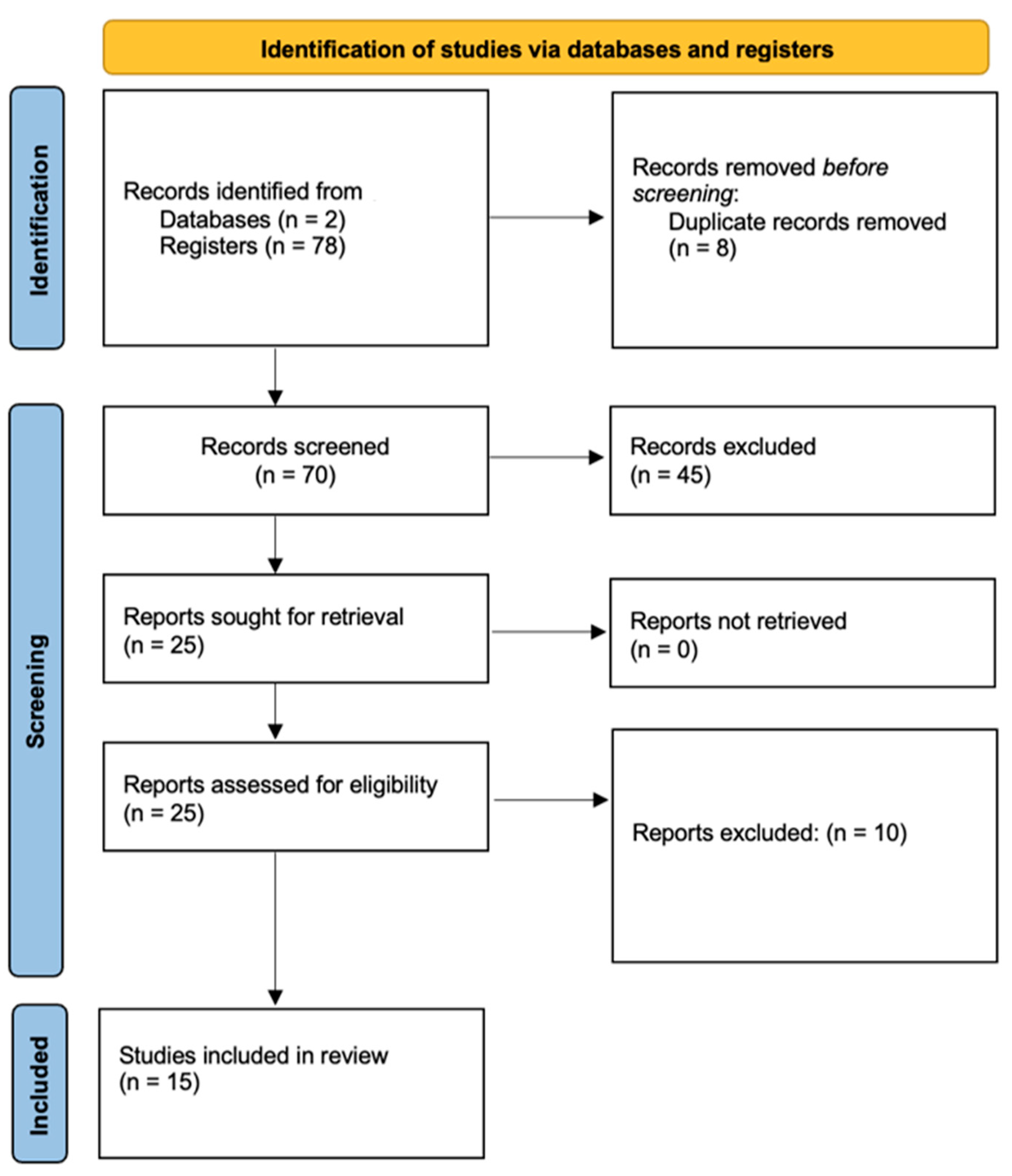
The search across Web of Science and Scopus yielded 78 records. After removing 8 duplicates, 70 references were screened. To minimize selection bias, both authors (2) independently screened all records in Rayyan using blinded mode—first at the title/abstract level and then at the full-text level—yielding an inter-reviewer discrepancy of around 10%, a level that aligns with recent benchmarks of substantial agreement reported for Cohen’s kappa (mean κ ≈ 0.82 for title/abstract and κ ≈ 0.77 for full-text screening; Hanegraaf et al., 2024). Inter-reviewer discrepancies were resolved through structured discussion until consensus was reached.
Although the broader field of journalism and mental health contains a substantial body of scholarship, the number of eligible studies decreased sharply once the full set of inclusion criteria was applied. In particular, the requirement that articles be fully open access, peer-reviewed, empirical, indexed in WoS or Scopus, published between 2010 and 2025, and—crucially—focused explicitly on emotional well-being proved highly selective. Many otherwise relevant publications were excluded because they addressed mental health more generally, mentioned emotional well-being only tangentially, lacked methodological transparency, or were not openly accessible. Consequently, 45 studies were excluded in Phase 1 for not meeting the inclusion criteria, and a further 10 were removed in Phase 2 because, despite referencing emotional well-being, they did not analyze it as the central unit of inquiry. Ultimately, 15 studies met all criteria and were included in the review, as detailed in Table 2:
The full screening and selection process is illustrated in Figure 1.

2.4. Data Extraction

For each of the 15 articles, data were extracted using a structured Excel template covering 23 variables grouped into five blocks: (1) eight descriptive variables (e.g., title, authors, journal, year, country/region, DOI, and professional context); (2) three methodological variables (approach, data collection techniques, and sample characteristics); (3) five variables on the conceptualization of emotional well-being (SO1), including definitions, theoretical frameworks, analyzed dimensions, reported emotional experiences, and tensions between professional demands and mental health; (4) three variables on risk and protective factors and group differences (SO2); and (5) four variables on individual, organizational, and sectoral well-being strategies and related recommendations (SO3).
Before proceeding with the entire dump, we tested and adjusted the template with two texts to reduce ambiguities. To facilitate the location of information, we used NotebookLM, although we manually verified all information from the original texts to ensure accuracy and consistency between the original texts and our records.
In addition, we applied internal control, traceability, and intra-rater consistency verification strategies. First, we kept a record of decisions to document the interpretive criteria and resolutions adopted (Nowell et al., 2017). In addition, we conducted a validation self-audit, which consisted of independently reviewing 25% of the articles after two weeks (Thomas & Harden, 2008). We also rechecked all numerical values against the full text until we achieved complete correspondence between the source and the recorded data, in accordance with the recommendations for single-person reviews (Lincoln & Guba, 1985).

2.5. Assessment of the Methodological Quality of the Analyzed Studies

The methodological quality of the 15 included studies was assessed using the Mixed Methods Appraisal Tool (MMAT), a widely used framework for evaluating qualitative, quantitative, and mixed-methods research (Pluye et al., 2009; Hong et al., 2018). The most recent version, published in 2018, includes two general criteria and five approach-specific criteria. It was initially developed for health studies, but today it has become a benchmark for systematic reviews in disciplines such as education, psychology, communication, and social sciences (Hong et al., 2018).
Overall, the nine qualitative studies included in our review showed strong methodological foundations, though a few presented partial inconsistencies between design, analysis, and the evidentiary basis. The five descriptive quantitative studies displayed greater variability in terms of methodological quality; while research questions and measures were generally appropriate, several had weak sampling strategies, limited representativeness, or insufficient treatment of non-response bias, affecting reliability and generalizability. The single mixed-methods study met most standards but showed only partial alignment between its qualitative and quantitative components. Full details of the appraisal are provided in Appendix B.

2.6. Data Analysis

A systematic inductive-deductive thematic analysis was conducted following Braun and Clarke (2006) and Fereday and Muir-Cochrane (2006). First, open coding generated preliminary categories by identifying recurrent ideas and patterns across studies (Guest et al., 2012). These categories were then refined through axial and selective coding to form coherent thematic hierarchies (Castleberry & Nolen, 2018). Coding decisions were cross-checked to ensure validity, and thematic saturation was confirmed (Nowell et al., 2017). Finally, the synthesized material was integrated into higher-order themes that combined conceptual, methodological, and contextual insights, in line with qualitative systematic review standards (Thomas & Harden, 2008). Below is an illustrative graphic example of this process (Table 3).

3. Results

3.1. Descriptive and Methodological Characteristics

Across the 15 studies published between 2010 and 2025, most research is recent—eleven studies appeared from 2023 onward—reflecting a surge of interest possibly linked to COVID-19 and rising attention to mental health in journalism (Morales Rodríguez & Morales Rodríguez, 2025). Geographically, work is concentrated in Western Europe (especially the United Kingdom, Germany, Finland, and Norway) and North America, with more limited representation from Africa (Ghana), Eastern Europe (Lithuania and Estonia), international comparative studies, such as the one conducted in the BRICS countries (Pasti & Ramaprasad, 2016), or between Australia and the United States (Bossio et al., 2024). No research focusing on the Middle East was identified, which limits the generalizability of findings to non-Western contexts (Adjin-Tettey & Braimah, 2023).
Methodologically, qualitative designs dominate (9 of 15), relying on semi-structured interviews, focus groups, and short ethnographies. This qualitative predominance responds to the need to understand complex phenomena in their experiential dimension and in their context. Five studies employ quantitative surveys using validated psychometric scales (e.g., GAD-7 and PCL-5) to measure symptoms (Osmann et al., 2021; Hoak, 2021; Idås & Backholm, 2023; Jastramskis et al., 2023; Löhmann & Hanusch, 2024), and one adopts a mixed-methods approach (Adjin-Tettey & Braimah, 2023), combining surveys and open-ended questions. The remaining study (Morales Rodríguez & Morales Rodríguez, 2025) conducted a systematic review.
Sample sizes vary widely—from small qualitative samples of 18 (Ivask et al., 2023) or 21 participants (Bossio et al., 2024), to surveys exceeding 2000 respondents (Idås & Backholm, 2023). Participant profiles also varied, with some studies examining journalists in general and others focusing on specific subgroups, such as local reporters, entrepreneurs, editors, conflict correspondents, or trainees (see all the methodological details in Appendix C).
Almost all studies use cross-sectional designs, which is pointed out as one of the main methodological limitations, as it limits insight into temporal dynamics or emotional recovery over time. Exceptions include a longitudinal project tracking United Kingdom local news entrepreneurs with fifty-seven interviews between 2020 and 2021, ten in 2022, and seven final interviews in 2023 (Wahl-Jorgensen, 2024). Also, two studies referenced in the review (Morales Rodríguez & Morales Rodríguez, 2025) used intervention-based work, including a three-month follow-up (Coo & Salanova, 2018), and a study that employed an action research methodology conducted continuously over several quarters.
Interdisciplinarity also appears, although to a lesser extent. While most studies are published in communication and journalism journals, some draw on clinical psychology, epidemiology, or organizational research. For instance, a BMJ Open article applies epidemiological frameworks to measure stress and anxiety among journalists covering COVID-19 (Osmann et al., 2021), and the systematic review includes work that blends Buddhist principles with journalistic practice, such as “Conscious Journalism” and the “Pooh Way.”
Theoretical grounding, however, is generally limited. Most studies do not explicitly define emotional well-being, revealing conceptual blind spots in the field. Only a few rely on established frameworks. Examples include Hoak (2021), who uses Organizational Support Theory (Eisenberger et al., 1986) to examine links between institutional support and stress; Adjin-Tettey and Braimah (2023), who draw on Slavtcheva-Petkova et al.’s (2023) journalistic safety model to situate well-being within wider safety considerations; and Löhmann and Hanusch (2024), who apply the Coping Model of User Adaptation to interpret emotional reactions to audience analytics.

3.2. Journalists’ Definitions, Experiences, and Tensions in Relation to Emotional Well-Being

A key finding of this review is the lack of an agreed definition of “emotional well-being” in journalism. None of the studies offers a formal theoretical delimitation, and authors instead use related terms—such as psychological well-being, mental health, or workplace well-being—without specifying their components (Hoak, 2021; Pasti & Ramaprasad, 2016). This conceptual ambiguity reveals a major theoretical gap, even though some individual studies (Šimunjak & Menke, 2023; Löhmann & Hanusch, 2024; Morales Rodríguez & Morales Rodríguez, 2025) do measure or conceptualize dimensions of journalists’ well-being, such as emotional, cognitive, or social/organizational support.
Despite this gap, studies empirically address multiple dimensions of emotional well-being that can be grouped into two broad categories:
Across nearly all studies, negative indicators of well-being—such as chronic stress, burnout, and anxiety—are far more prominent than positive ones. Hoak (2021) frames “prolonged stress” as an almost inherent feature of the profession, while Morales Rodríguez and Morales Rodríguez (2025) repeatedly identify emotional exhaustion and anxiety as common signs of psychological strain. By contrast, positive dimensions, such as fulfillment, purpose, or pride, appear less systematically examined, even though recent scholarship signals a shift from a narrow focus on trauma toward a broader interest in well-being and happiness (Deuze, 2023; Bélair-Gagnon et al., 2024).
Qualitative testimonies underscore the emotional intensity and ambivalence of journalistic work. Many journalists feel passion and pride yet simultaneously face persistent psychological pressure. This duality is evident in contexts of traumatic reporting, entrepreneurial journalism, or fast-paced newsrooms. For instance, Estonian journalists describe both adrenaline and anxiety during hostile coverage (Ivask et al., 2023), and entrepreneurial journalists express pride in their projects despite high financial and workload stress (Wahl-Jorgensen, 2024).
A recurrent theme is the management of emotions in demanding situations. Journalists frequently report repressing fear, sadness, or anger to preserve a façade of objectivity, generating emotional dissonance akin to the classic “emotional labor” concept. Ivask et al. (2023) illustrate this tension through a journalist who asks, “When can I get angry?”, capturing the clash between authentic emotion and professional norms.
Multiple studies highlight contradictions between journalism’s demands and mental health protection. A key example is the entrenched “thick skin” culture: a professional ideal that prizes stoicism, discourages vulnerability, and frames seeking help as weakness. This is understood as loyalty to the profession, outlet, and organization, but, in practice, places constant pressure on individuals to carry the emotional burden themselves. This legacy of “macho” newsroom culture, documented by Šimunjak and Menke (2023) in the UK, fosters an expectation of enduring stress “in silence,” reinforcing stigma and delaying support-seeking.
Another common tension concerns self-care under heavy workloads. Long hours, irregular schedules, and digital multitasking hinder disconnection and undermine coping strategies (Perreault & Tham, 2023). During the 2020 lockdowns, journalists assumed multiple roles to cover the crisis, which intensified stress and eroded resilience (Hoak, 2021). Moreover, digital immediacy and metrics add a layer of perpetual performance anxiety. Löhmann and Hanusch (2024) report that about four in ten journalists feel additional pressure from analytics, with low metrics damaging their confidence and making them feel constantly monitored. Real-time traffic data can provoke alternating moments of euphoria and anxiety, further destabilizing emotional well-being.

3.3. Stressors, Protectors, and Differences in Perceptions

Within the sample, journalists’ emotional well-being is shaped by a wide range of interacting stressors and protective factors. The literature agrees that emotional distress emerges not from a single cause but from the cumulative effects of work, organizational, and contextual pressures. Among the most recurrent stressors, work overload stands out: long hours, tight deadlines, and unpaid overtime produce sustained psychological exhaustion (Perreault & Tham, 2023). These pressures intensify in the digital environment, where 24/7 production cycles and constant immediacy generate a sense of urgency and make disconnection difficult. Koivula et al. (2023) argue that job casualization and institutional logics intensify journalists’ workloads, forcing constant learning while limiting quality journalism and undermining emotional well-being and job satisfaction.
Loss of social support is also significant. Remote work removed informal interactions that traditionally served as emotional buffers, leaving many journalists feeling lonely, disconnected, and demoralized (Hoak, 2021). This emotional isolation is further intensified when newsroom leaders offer little support: institutional support is a determining factor. In the UK, Šimunjak and Menke (2023) show that a culture of emotional concealment and the lack of recognition of burnout discourage journalists from seeking help, an institutional neglect that deepens distress. One journalist noted that showing emotion could mark someone as a “bad journalist.” Similarly, supervisory micromanagement, constant availability expectations, and blame also undermine trust and agency, and thus well-being (Perreault & Tham, 2023).
Harassment and hostility—particularly online—have grown as an additional stressor. Women journalists face disproportionate levels of sexualized abuse and coordinated online attacks, which damage self-esteem, provoke anxiety, and sometimes lead to self-censorship and choosing to limit their public exposure (Adjin-Tettey & Braimah, 2023; Ivask et al., 2023).
Job insecurity further compounds emotional strain. Low salaries, unstable contracts, and fear of dismissal directly affect concentration and performance. During the COVID-19 crisis, pay cuts and layoffs heightened stress and eroded resilience (Hoak, 2021). In Ghana, chronic precariousness led some journalists to cope through resignation and emotional avoidance (Adjin-Tettey & Braimah, 2023). A strong tension also arises between vocation and precariousness, as professional commitment often entails personal and financial sacrifices that ultimately harm well-being.
Repeated exposure to traumatic events is another well-documented risk. Covering violence, disasters, or crises can trigger symptoms of PTSD, anxiety, and emotional desensitization, especially among journalists without trauma management training (Idås & Backholm, 2023). During COVID-19, reporters witnessing widespread suffering reported numbness, fear, and exhaustion (Osmann et al., 2021). The results relating to all risk factors can be seen in the following table (Table 4).
Several protective factors help mitigate the emotional repercussions of these stressors. Social support—whether from colleagues, supervisors, or family—consistently appears as the most cited factor for reducing anxiety. Perceived organizational support reduced overload and uncertainty during lockdowns (Hoak, 2021), and peer camaraderie and trust foster belonging and emotional validation by allowing individuals to share difficult experiences (Šimunjak & Menke, 2023; Wahl-Jorgensen, 2024). Perceived supervisor support also predicts lower overall stress levels (Hoak, 2021).
Autonomy likewise protects well-being: having control over schedules, assignments, or editorial decisions increases job satisfaction and reduces burnout. This explains why entrepreneurial journalists, despite financial pressure, value the independence and purpose behind their projects (Wahl-Jorgensen, 2024).
Professional experience also provides coping resources, such as emotional distancing or task prioritization and rationalization (Šimunjak & Menke, 2023), while resilience, trauma training, and mindfulness programs in media outlets reinforce adaptive capacity (Osmann et al., 2021; Morales Rodríguez & Morales Rodríguez, 2025).
A sense of purpose or passion for journalism further helps reframe adversity and sustain motivation. Wahl-Jorgensen (2024) shows how journalists who lead community projects find in their work a source of personal satisfaction that balances external tensions. The impact of protective factors in promoting emotional well-being can be seen in the following table (Table 5).
The review also identifies important subgroup differences. Women experience higher levels of harassment and more intense emotional symptoms, including greater anxiety and PTSD (Hoak, 2021; Backholm & Idås, 2024; Osmann et al., 2021). Freelancers and precariously employed journalists report greater vulnerability due to the lack of structural protections, such as health insurance or paid leave (Adjin-Tettey & Braimah, 2023). These disparities point to the need for tailored interventions and highlight unequal access to support resources that should inform future organizational and union policies.
National and organizational cultures also shape well-being perceptions. The review identifies German newsrooms as more open to emotional dialog, in contrast with the concealment of psychological distress observed in UK settings (Šimunjak & Menke, 2023). These cultural patterns intersect with differences across media environments. Journalists in digital settings—subject to continuous production and constant connectivity—struggle more to set boundaries and disconnect (Šimunjak, 2025), whereas those in print may experience more stable rhythms, although digital convergence has reduced these distances. Also, younger journalists seem more willing to discuss mental health, while older editors often feel pressured to hide vulnerability, reinforcing silencing dynamics (Šimunjak & Menke, 2023).

3.4. Individual, Organizational, and Sectoral Strategies for Emotional Well-Being

The review identifies a wide range of responses to the psychosocial risks affecting journalism, operating at individual, organizational, and sectoral levels. Although individual strategies predominate, responses are also emerging within newsrooms and, to a lesser extent, through professional associations and policy initiatives.
At the individual level, journalists rely primarily on their own psychological resources—resilience, emotional intelligence, self-efficacy, and emotional literacy—which they often develop independently in the absence of institutional guidance. Seeking emotional support from trusted peers, family, or therapists emerges as one of the most common strategies for releasing tension and validating experiences (Osmann et al., 2021). Many professionals also adopt physical self-care routines, such as exercise, sleep hygiene, or stricter boundaries around working time, which help restore balance and prevent burnout (Wahl-Jorgensen, 2024; Morales Rodríguez & Morales Rodríguez, 2025).
In recent years, mindfulness practices—including controlled breathing, brief meditation, and reflective writing—have gained traction as tools for emotional regulation before and after demanding assignments (Morales Rodríguez & Morales Rodríguez, 2025). Informal mechanisms, such as dark humor shared among colleagues, also function as coping strategies that allow distressing experiences to be processed without pathologizing them (Ivask et al., 2023).
Digital distancing has become another key protective behavior, particularly in remote-work contexts where ubiquity and expectations of constant availability hinder work–life balance. Actions such as silencing notifications, avoiding after-hours emails, or disabling work-related apps during rest periods help journalists create psychological distance from an “always on” digital culture (Šimunjak, 2025). Some adopt additional tactics—blocking abusive users, disabling comments, or even using separate devices or SIM cards for work—to regain a sense of control over their exposure to online hostility and constant connectivity (Bossio et al., 2024).
However, not all journalists manage to sustain these practices. In threatening contexts, some resort to maladaptive strategies, such as avoidance or self-censorship. Notably, 26.2% of Lithuanian journalists reported self-censoring in the previous five years to protect themselves (Jastramskis et al., 2023). Long working hours, economic precarity, and organizational pressures often erode the feasibility of self-care, underscoring that individual strategies, while valuable, are insufficient in the absence of structural support.
At the organizational level, several studies document emerging initiatives from newsrooms that acknowledge the emotional impact of journalistic work. The most frequently mentioned is the provision of psychological counseling or access to employee assistance programs, which can include debriefing or therapeutic sessions after traumatic events to mitigate the chronicity of stress and prevent more serious conditions (Osmann et al., 2021; Adjin-Tettey & Braimah, 2023).
Training in resilience and trauma management—directed not only at reporters but also at editors and managers—is repeatedly recommended to help identify early signs of overload and cultivate a culture of emotional care (Šimunjak & Menke, 2023; Wahl-Jorgensen, 2024). Some outlets have also experimented with mindfulness workshops and psychological first-aid sessions. In parallel, policies promoting work-life balance—such as respecting days off, flexible schedules, and digital disconnection—have been positively received by journalists, who report feeling more in control and more supported (Perreault & Tham, 2023).
Nonetheless, formal organizational support remains uneven and limited (Holton et al., 2021; Adjin-Tettey & Braimah, 2023; Šimunjak & Menke, 2023; Ivask et al. 2023; Jastramskis et al., 2023), especially in digital-first environments (Bossio et al., 2024). Many companies still prioritize physical safety over emotional health, and good practices rely on individual supervisors rather than institutionalized policies (Šimunjak & Menke, 2023). Some noteworthy exceptions exist. Examples include mentoring programs for early career journalists and, in Australia, the appointment of a “social media well-being advisor,” responsible for assessing digital risks and removing reporters’ identifiers from high-risk stories (Bossio et al., 2024).
These efforts illustrate the potential of structural interventions but also their fragility, as they can disappear with newsroom restructuring (Šimunjak & Menke, 2023). In parallel, a cultural shift is viewed as equally important. Fostering open environments where journalists can discuss emotions, seek help, and set boundaries support well-being, while cultures marked by silence, pressure, or trivialization of distress heighten vulnerability (Šimunjak & Menke, 2023; Löhmann & Hanusch, 2024).
At the sectoral level, coordinated responses remain incipient but show signs of expansion. Some countries, such as France and Ireland, have enacted right-to-disconnect laws that indirectly support journalists’ mental health (Šimunjak, 2025). Unions and professional associations are also beginning to integrate emotional well-being into their agendas through protocols, workshops, and awareness campaigns (Adjin-Tettey & Braimah, 2023). Beyond formal mechanisms, journalists themselves have created informal peer-support networks—often via private Slack channels or closed online forums—which transcend organizational boundaries and function as spaces for solidarity and sharing coping strategies. Other inter-organizational collaborations are also emerging, such as partnerships between a major news organization in Australia and national e-safety authorities, offering training for managers on digital allyship and online protection (Bossio et al., 2024).
However, institutional involvement remains limited, and the entrenched “thick skin” ethos continues to be a pervasive cultural barrier across countries (Ivask et al., 2023). Some scholars argue that emotional well-being should be integrated into journalistic ethics frameworks, advocating approaches such as compassionate or solutions-based journalism to reduce emotional burnout and foster a healthier relationship with the profession (Valadares, 2023; Morales Rodríguez & Morales Rodríguez, 2025).
Bossio et al. (2024) argue that news organizations should build on these initiatives by formally fostering a culture of “collective care,” restructuring work processes to reduce avoidable stressors and ensuring preparation when stressful assignments are inevitable. They also encourage journalists to push for change through collective action; for instance, senior reporters can model healthy boundaries, such as discouraging contact on days off, to counter the prevailing “always on” ethos (Bossio et al., 2024).

4. Discussion and Conclusions

This systematic review synthesizes and critically evaluates the literature on emotional well-being in journalism between 2010 and 2025, addressing the three gaps identified in the introduction: the conceptual vagueness surrounding emotional well-being, the fragmented evidence on risk and protective factors, and the absence of an integrated framework connecting individual, organizational, and structural interventions. Taken together, the 15 studies reviewed depict a profession facing escalating psychological demands amid technological transformation, labor precarity, and shifting newsroom cultures.
In relation to SO1, a key finding is the consistent lack of a robust and context-sensitive definition of “emotional well-being” in journalism. Although many studies examine related constructs—burnout, stress, job satisfaction, or fulfillment—few adopt explicit theoretical models. This conceptual imprecision echoes journalism’s traditional resistance to emotional introspection. Classic psychological frameworks, such as Ryff’s (1989) eudaimonic model or Diener’s (1984) hedonic perspective, remain largely absent, despite calls to adapt them to journalistic contexts (Osmann et al., 2021; Valadares, 2023). As a result, emotional well-being continues to function more as an implied rather than a theorized construct, limiting comparability across studies and obscuring positive dimensions such as pride or purpose.
As for SO2, this review maps out the psychosocial risk and protective factors identified across national and institutional contexts. The literature points to structural determinants of distress: work overload, exposure to traumatic events, harassment, job insecurity, and the absence of organizational support mechanisms. These findings echo earlier research in high-risk journalism (Backholm & Idås, 2024; Šimunjak & Menke, 2023), while highlighting their cumulative impacts, particularly during crisis contexts such as COVID-19.
The review also corroborates clear inequalities: women experience higher levels of harassment and anxiety (Hoak, 2021; Osmann et al., 2021), freelancers report greater vulnerability due to the lack of structural protections (Adjin-Tettey & Braimah, 2023), and journalists working in conflict zones or authoritarian settings face amplified threats. Yet intersectional analyses remain rare, limiting understanding of how these factors interact to shape emotional risk.
Protective factors—autonomy, social support, professional experience, and self-care practices—are acknowledged but remain dependent on individual initiative rather than institutional provision. Journalists who benefit from supportive colleagues, flexible schedules, or mindfulness report lower burnout (Morales Rodríguez & Morales Rodríguez, 2025), but such resources are neither universal nor systematically embedded. This reinforces the concern that emotional well-being remains constructed as a personal responsibility rather than an organizational or sectoral goal.
With regard to SO3, this review certifies the limited institutionalization of emotional well-being. Journalists are often forced to rely on their own “psychological capital” or informal peer networks rather than formal structures (Šimunjak & Menke, 2023; Bossio et al., 2024), a deficiency highlighted by quantitative findings where nearly a quarter (22.5%) of journalists received no organizational support during the COVID crisis (Hoak, 2021) and satisfaction with counseling provisions scored consistently low averages (1.8 out of 3) (Adjin-Tettey & Braimah, 2023).
Although more media organizations recognize mental health relevance, few have adopted coherent or preventive policies. Organizational responses are often fragmented, reactive, or short-term, and journalists remain largely responsible for managing their own emotional strain in environments that normalize hyper-productivity and stigmatize vulnerability (Obermaier et al., 2023). Consequently, the discursive shift toward care has not been matched by structural reforms integrating well-being into ethics, training, or policy. The discourse on care has grown, particularly in the post-COVID-19 context (Hoak, 2021; Šimunjak & Menke, 2023), but few signs of sustained meaningful, long-term cultural or structural change have followed.
At the sectoral level, as said, efforts remain embryonic and often symbolic, as evidenced by the fact that newsroom safety cultures are described as “emergent rather than established” cultures of care (Bossio et al., 2024; Ivask et al., 2023) and institutional responses are often criticized as reactive “box-ticking” exercises (Šimunjak & Menke, 2023) or temporary measures, such as insurance restricted only to election periods (Adjin-Tettey & Braimah, 2023). Legal frameworks such as the “right to disconnect”, as well as union-led awareness initiatives, reflect growing acknowledgment yet show limited coordination, uneven implementation, and weak enforcement (Šimunjak, 2025; Adjin-Tettey & Braimah, 2023). Empirical evaluations of these measures are also scarce, and few studies analyze their effects across media sectors, work arrangements, or regulatory contexts.
Some developments suggest emerging forms of peer-led collective support, as Bossio et al. (2024) document. These practices signal a shift from isolated individual responses to early forms of inter-organizational solidarity. However, such initiatives remain limited in scope and require broader institutional uptake to counter entrenched norms of hyperconnectivity and stoicism. As Wahl-Jorgensen (2024) argues, lasting change demands a shift from individual, reactive practices to a structural and preventive approach that recognizes emotional well-being as a professional right.
The review is constrained by methodological narrowness, given the dominance of cross-sectional and self-reported designs, for example, Osmann et al.’s (2021) survey of 73 journalists, which explicitly notes that causality cannot be inferred, or Backholm and Idås’s (2024) study, which warns that direct comparisons over time “should be done with caution”. Similarly, in qualitative studies with small samples (e.g., Bossio et al., 2024, n = 21; Koivula et al., 2023, n = 30) we acknowledge that findings cannot be generalized or used to establish causal relationships, as the empirical basis relies on subjective perceptions that are vulnerable to social desirability bias. No studies resort, for instance, to psychophysiological measures or observational methods, nor do they evaluate long-term organizational interventions. This reduces both the reliability and applicability of findings.
This review also faces several contextual constraints. First, the evidence base is temporally compressed: eleven of the fifteen included studies were published between 2023 and 2025, limiting the possibility of identifying longer-term trends in how emotional well-being has been conceptualized or supported in journalism. Second, all included studies were published in English or Spanish, which means that relevant scholarship in other languages may not have been captured. Geographically, research remains concentrated in Western Europe and North America, creating blind spots regarding emotional well-being in the Global South, where journalists often face distinct risks related to violence, informality, or censorship. These linguistic and geographical patterns reflect broader epistemic imbalances within the field. Finally, publication bias cannot be excluded, as studies reporting neutral or positive well-being outcomes may be less likely to appear in indexed journals. Together, these limitations suggest that the available evidence may overrepresent contemporary, Western, and problem-focused accounts of journalists’ emotional well-being. Despite these limitations, the consistency of patterns across diverse studies strengthens the validity of the review’s conclusions and provides a robust foundation from which future research can refine conceptual definitions, expand geographical and linguistic coverage, and systematically evaluate interventions that support journalists’ emotional well-being.
In this regard, it would be advisable for future research to incorporate greater methodological diversity, including longitudinal designs and mixed methods, in order to capture the temporal dynamics that the current empirical base is not yet able to reveal. Addressing the linguistic and geographical imbalances identified in this review is essential: intersectional and transnational perspectives are urgently needed to understand how emotional well-being varies across sex, class, employment status, ethnicity, and geopolitical contexts, particularly in the Global South. More systematic evaluation of organizational initiatives—such as resilience training, peer-support schemes, and right-to-disconnect policies—remains a priority, as their effectiveness is still underexamined. Strengthening theoretical engagement will also be crucial to move beyond descriptive accounts and toward a coherent, cumulative framework for studying emotional well-being in journalism.
A future conceptual model of emotional well-being in journalism should adopt a multilevel structure that reflects the interaction between individual, organizational, and structural determinants, while incorporating the exposure processes and emotional outcomes highlighted in the broader literature. At the individual level, the model should integrate psychological resources—resilience, emotional regulation, digital boundary-setting, and vocational “passion”—together with the type and phase of exposure to traumatic or distressing material, which shape the onset of secondary traumatic stress or burnout. At the organizational level, key elements include leadership quality, symbolic capital, peer cohesion, editorial autonomy, and the availability of structured protocols. These factors consistently moderate how job demands translate into emotional outcomes, particularly under conditions of intense or repeated exposure. At the structural level, sectoral precarity and professional norms that stigmatize emotional expression act as macro-conditions that constrain both organizational support and individual coping capacity. Taken together, the evidence suggests the foundations for a dynamic, integrative model in which emotional well-being results from the alignment between the following: (1) exposure variables, (2) emotional outcomes, (3) individual resources, (4) relational and organizational supports, and (5) structural risks and enablers.
From a more applied perspective, the findings carry important implications at multiple levels. For journalists, they highlight the need to normalize help-seeking, establish clearer digital boundaries, and cultivate peer-support networks as everyday practices of emotional sustainability. For news organizations, the evidence emphasizes that emotional well-being must be treated as a structural and ethical responsibility, requiring proactive measures, such as trauma-informed leadership, accessible psychological support, and workload policies that reduce chronic strain. At the sector level, coordinated action is needed to strengthen protections for freelancers and promote industry-wide guidelines that embed mental health into professional norms. These findings also suggest that journalism education must integrate emotional literacy, trauma awareness, and evidence-based self-care practices into core curricula, ensuring that future journalists are equipped not only with professional skills but also with the psychological competencies needed to navigate the structural, digital, and interpersonal pressures of contemporary newswork.

Author Contributions

Conceptualization, S.H.D. and J.M.V.-P.; methodology, S.H.D.; software, S.H.D.; validation, S.H.D. and J.M.V.-P.; formal analysis, S.H.D. and J.M.V.-P.; investigation, S.H.D.; resources, S.H.D.; data curation, S.H.D. and J.M.V.-P.; writing—original draft preparation, S.H.D.; writing—review and editing, J.M.V.-P.; visualization, J.M.V.-P.; supervision, S.H.D. and J.M.V.-P.; project administration, S.H.D. and J.M.V.-P.; funding acquisition, S.H.D. and J.M.V.-P. All authors have read and agreed to the published version of the manuscript.

Funding

This ARTICLE is part of the R&D&I project PID2022-138078OB-I00, funded by MICIU/AEI/10.13039/501100011033 and by FEDER, EU.

Institutional Review Board Statement

Not applicable.

Informed Consent Statement

Not applicable.

Data Availability Statement

The original data presented in the study are openly available in OSF and FigShare in the URL included in Appendix A, Appendix B and Appendix C.

Conflicts of Interest

The authors declare no conflict of interest.

Appendix A

Protocol used for this systematic review: https://osf.io/tkynj (accessed on 20 January 2026).

Appendix B

Bias analysis with the MMAT: https://doi.org/10.6084/m9.figshare.30587195 (accessed on 20 January 2026).

Appendix C

Methodological details of the studies: https://doi.org/10.6084/m9.figshare.30865763 (accessed on 20 January 2026).

References

  1. Adjin-Tettey, T. D., & Braimah, S. (2023). Assessing safety of journalism practice in Ghana: Key stakeholders’ perspectives. Cogent Social Sciences, 9(1), 2225836. [Google Scholar] [CrossRef]
  2. Backholm, K., & Idås, T. (2024). Journalists and the coronavirus. How changes in work environment affected psychological health during the pandemic. Journalism Practice, 18(6), 1560–1576. [Google Scholar] [CrossRef]
  3. Bélair-Gagnon, V., Holton, A. E., Deuze, M., & Mellado, C. (2024). Happiness in journalism. Routledge. [Google Scholar]
  4. Bossio, D., Bélair-Gagnon, V., Holton, A., & Molyneux, L. (2024). From individual disconnection to collective practices for journalists’ wellbeing. Media and Communication, 12, 8628. [Google Scholar] [CrossRef]
  5. Braun, V., & Clarke, V. (2006). Using thematic analysis in psychology. Qualitative Research in Psychology, 3(2), 77–101. [Google Scholar] [CrossRef]
  6. Castleberry, A., & Nolen, A. (2018). Thematic analysis of qualitative research data: Is it as easy as it sounds? Currents in Pharmacy Teaching and Learning, 10(6), 807–815. [Google Scholar] [CrossRef]
  7. Coo, C., & Salanova, M. (2018). Mindfulness can make you happy-and-productive: A mindfulness controlled trial and its effects on happiness, work engagement and performance. Journal of Happiness Studies, 19, 1691–1711. [Google Scholar] [CrossRef]
  8. Deuze, M. (2023). Considering mental health and well-being in media work. Australian Journalism Review, 45(1), 15–26. [Google Scholar] [CrossRef]
  9. Diener, E. (1984). Subjective well-being. Psychological Bulletin, 95(3), 542–575. [Google Scholar] [CrossRef]
  10. Dubberley, S. (2020). Finally recognizing secondary trauma as a primary issue. Columbia Journalism Review. Available online: https://www.cjr.org/analysis/finally-recognizing-secondary-trauma-as-a-primary-issue.php (accessed on 19 November 2025).
  11. Eisenberger, R., Huntington, R., Hutchison, S., & Sowa, D. (1986). Perceived organizational support. Journal of Applied Psychology, 71(3), 500–507. [Google Scholar] [CrossRef]
  12. Feinstein, A., Owen, J., & Blair, N. (2002). A hazardous profession: War, journalists, and psychopathology. American Journal of Psychiatry, 159(9), 1570–1575. [Google Scholar] [CrossRef] [PubMed]
  13. Fereday, J., & Muir-Cochrane, E. (2006). Demonstrating rigor using thematic analysis: A hybrid approach of inductive and deductive coding and theme development. International Journal of Qualitative Methods, 5(1), 80–92. [Google Scholar] [CrossRef]
  14. Gough, D., Oliver, S., & Thomas, J. (2012). An introduction to systematic reviews. SAGE. [Google Scholar]
  15. Guest, G., MacQueen, K. M., & Namey, E. E. (2012). Applied thematic analysis. SAGE. [Google Scholar]
  16. Hanegraaf, P. L. H., Wondimu, A., Mosselman, J. J., Numans, M. E., de Vries, M., & Goossens, L. M. A. (2024). Inter-reviewer reliability of human literature reviewing and implications for the introduction of machine-assisted systematic reviews: A mixed-methods review. BMJ Open, 14, 3. [Google Scholar] [CrossRef]
  17. Hoak, G. (2021). Covering COVID: Journalists’ stress and perceived organizational support while reporting on the pandemic. Journalism & Mass Communication Quarterly, 98(3), 854–874. [Google Scholar] [CrossRef]
  18. Holton, A. E., Bélair-Gagnon, V., & Royal, C. (2021). The human side of (news) engagement emotion, platform and individual agency. Digital Journalism, 9(8), 1184–1189. [Google Scholar] [CrossRef]
  19. Hong, Q. N., Pluye, P., Fàbregues, S., Bartlett, G., Boardman, F., Cargo, M., Dagenais, P., Gagnon, M.-P., Griffiths, F., Nicolau, B., O’Cathain, A., Rousseau, M. C., & Vedel, I. (2018). Mixed methods appraisal tool (MMAT), version 2018 user guide. McGill University Department of Family Medicine. Available online: http://mixedmethodsappraisaltoolpublic.pbworks.com/w/file/fetch/127916259/MMAT_2018_criteria-manual_2018-08-01_ENG.pdf (accessed on 19 November 2025).
  20. Idås, T., & Backholm, K. (2023). Anniversary reactions among journalists covering terror: Stress reactions and well-being 10 years after the terror in Norway. European Journal of Psychotraumatology, 14(2), 2220632. [Google Scholar] [CrossRef] [PubMed]
  21. Ivask, S., Waschková Císařová, L., & Lon, A. (2023). “When can I get angry?” Journalists’ coping strategies and emotional management in hostile situations. Journalism, 25(10), 2099–2116. [Google Scholar] [CrossRef]
  22. Jastramskis, D., Plepytė-Davidavičienė, G., & Gečienė-Janulionė, I. (2023). Professional threats and self-censorship in Lithuanian journalism. Filosofija Sociologija, 34(4), 422–431. [Google Scholar] [CrossRef]
  23. Koivula, M., Saari, T., & Villi, M. (2023). “I love learning new things”: An institutional logics perspective on learning in professional journalism. Journalism, 25(4), 881–899. [Google Scholar] [CrossRef]
  24. Lincoln, Y. S., & Guba, E. G. (1985). Naturalistic inquiry. SAGE. [Google Scholar]
  25. Löhmann, K., & Hanusch, F. (2024). Emotional dimensions of the adoption of audience analytics: Results from a survey of Austrian journalists. Journalism Practice, 20(1), 38–57. [Google Scholar] [CrossRef]
  26. Morales Rodríguez, A. M., & Morales Rodríguez, F. M. (2025). Revisión sistemática: Beneficios e impacto del mindfulness en el contexto del periodismo. European Public & Social Innovation Review, 10, 1–22. [Google Scholar] [CrossRef]
  27. Nowell, L. S., Norris, J. M., White, D. E., & Moules, N. J. (2017). Thematic analysis: Striving to meet the trustworthiness criteria. International Journal of Qualitative Methods, 16, 1–13. [Google Scholar] [CrossRef]
  28. Obermaier, M., Wiedicke, A., Steindl, N., & Hanitzsch, T. (2023). Reporting trauma: Conflict journalists’ exposure to potentially traumatizing events, short- and long-term consequences, and coping behavior. Journalism Studies, 24(11), 1398–1417. [Google Scholar] [CrossRef]
  29. Ogunyemi, O., & Price, L. T. (2023). Exploring the attitudes of journalism educators to teach trauma-informed literacy: An analysis of a global survey. Journalism & Mass Communication Educator, 78(2), 214–232. [Google Scholar] [CrossRef]
  30. Osmann, J., Selva, M., & Feinstein, A. (2021). How have journalists been affected psychologically by their coverage of the COVID-19 pandemic? A descriptive study of two international news organisations. BMJ Open, 11(8), e045675. [Google Scholar] [CrossRef]
  31. Page, M. J., Mckenzie, J. E., Bossuyt, P. M., Boutron, I., Hoffmann, T., Mulrow, C. D., Shamseer, L., Tetzlaff, J. M., Akl, E. A., Brennan, S. E., Chou, R., Glanville, J., Grimshaw, J. M., Hróbjartsson, A., Lalu, M. M., Li, T., Loder, E. W., Mayo-Wilson, E., Mcdonald, S., & Moher, D. (2021). The PRISMA 2020 statement: An updated guideline for reporting systematic reviews. British Medical Journal, 372(1), 71. [Google Scholar] [CrossRef]
  32. Pasti, S., & Ramaprasad, J. (2016). Digitalization and journalists in the BRICS countries. Brazilian Journalism Research, 12(1), 12–33. [Google Scholar] [CrossRef]
  33. Pearson, M., McMahon, C., O’Donovan, A., & O’Shannessy, D. (2019). Building journalists’ resilience through mindfulness strategies. Journalism, 22(7), 1647–1664. [Google Scholar] [CrossRef]
  34. Perreault, G. P., & Tham, S. M. (2023). Effective leadership in journalism: Field theory in how journalists evaluate newsroom leadership. Journalism, 25(11), 2283–2300. [Google Scholar] [CrossRef]
  35. Petticrew, M., & Roberts, H. (2006). Systematic reviews in the social sciences: A practical guide. Blackwell Publishing. [Google Scholar]
  36. Pluye, P., Gagnon, M. P., Griffiths, F., & Johnson-Lafleur, J. (2009). A scoring system for appraising mixed methods research, and concomitantly appraising qualitative, quantitative and mixed methods primary studies in mixed studies reviews. International Journal of Nursing Studies, 46(4), 529–546. [Google Scholar] [CrossRef]
  37. Ryff, C. D. (1989). Happiness is everything, or is it? Explorations on the meaning of psychological well-being. Journal of Personality and Social Psychology, 57(6), 1069–1081. [Google Scholar] [CrossRef]
  38. Slavtcheva-Petkova, V., Ramaprasad, J., Springer, N., Hughes, S., Hanitzsch, T., Hamada, B., Abit Hoxha, A., & Steindl, N. (2023). Conceptualizing journalists’ safety around the globe. Digital Journalism, 11(7), 1211–1229. [Google Scholar] [CrossRef]
  39. Šimunjak, M. (2025). “You have to do that for your own sanity”: Digital disconnection as journalists’ coping and preventive strategy in managing work and well-being. Digital Journalism, 13(2), 328–347. [Google Scholar] [CrossRef]
  40. Šimunjak, M., & Menke, M. (2023). Workplace well-being and support systems in journalism: Comparative analysis of Germany and the United Kingdom. Journalism, 24(11), 2474–2492. [Google Scholar] [CrossRef]
  41. Thomas, J., & Harden, A. (2008). Methods for the thematic synthesis of qualitative research in systematic reviews. BMC Medical Research Methodology, 8, 45. [Google Scholar] [CrossRef] [PubMed]
  42. Valadares, G. (2023). ¿Está todo bien? Guía sobre salud mental para periodistas. Redes Cordiais. Available online: https://bit.ly/3XNGGcc (accessed on 19 November 2025).
  43. Wahl-Jorgensen, K. (2024). Survival in the passion economy: Mental health and well-being of local journalism entrepreneurs. Digital Journalism, 1–18. [Google Scholar] [CrossRef]
Figure 1. PRISMA 2020 flow diagram.
Journalmedia 07 00021 g001
Table 1. Criteria.
Table 1. Criteria.
VariableInclusion CriteriaExclusion Criteria
Type of publicationEmpirical or systematic reviews.Editorials, commentaries, reports, blogs, dissertations, or doctoral theses.
Peer-reviewedPeer-reviewed.Non-peer-reviewed.
LanguageEnglish or Spanish.Other languages.
Time rangeBetween 2010 and 2025.Before 2010.
SourceIndexed in WoS and Scopus.Not indexed in WoS or Scopus.
Study groupJournalists, reporters, communicators, or media workers.Other professionals.
FocusWell-being in journalism from psychosocial, occupational, or affective prisms.Symptoms related to mental health without an explicit connection to well-being in a broader sense.
Thematic areaRisk/protective factors, dimensions of well-being, or strategies for its promotion.Mental health coverage in the media or effects of media consumption on viewers’ mental well-being.
Level of analysisIndividual, organizational, or sectoral coping strategies for emotional care.Do not include any type of strategy or response linked to emotional well-being.
Table 2. Studies analyzed.
TitleAuthorsYear JournalCountry or Region
Assessing safety of journalism practice in Ghana: Key stakeholders’ perspectivesTheodora Dame Adjin-Tettey and Sulemana Braimah2023Cogent Social SciencesGhana
Covering COVID: Journalists’ Stress and Perceived Organizational Support While Reporting on the PandemicGretchen Hoak2021Journalism & Mass Communication QuarterlyUnited States
Digitalization and journalists in the BRICS countriesSvetlana Pasti and Jyotika Ramaprasad2016Brazilian Journalism ResearchBrazil, Russia, India, China, and South Africa
Effective leadership in journalism: Field theory in how journalists evaluate newsroom leadershipGregory P Perreault and Samuel M Tham2023JournalismUnited States
Emotional Dimensions of the Adoption of Audience Analytics: Results from a Survey of Austrian JournalistsKim Löhmann and Folker Hanusch2024Journalism PracticeAustria
“I love learning new things”: An institutional logics perspective on learning in professional journalismMinna Koivula, Tiina Saari and Mikko Villi2023JournalismFinland
Journalists and the Coronavirus. How Changes in Work Environment Affected Psychological Health During the PandemicKlas Backholm and Trond Idås2024Journalism PracticeFinland and Norway
Professional Threats and Self-Censorship in Lithuanian JournalismDeimantas Jastramskis, Giedrė Plepytė-Davidavičienė Ingrida Gečienė-Janulionė2023Filosofija. SociologijaLithuania
Revisión sistemática: Beneficios e impacto del mindfulness en el contexto del periodismoAna Morales Rodríguez and Francisco Morales Rodríguez2025European Public & Social Innovation ReviewSpain
Survival in the Passion Economy: Mental Health and Well-Being of Local Journalism EntrepreneursKarin Wahl-Jorgensen2024Digital JournalismUnited Kingdom
“When can I get angry?” Journalists’ coping strategies and emotional management in hostile situationsSigne Ivask, Lenka Waschková Císařová and Angelina Lon2023JournalismEstonia
Workplace well-being and support systems in journalism: Comparative analysis of Germany and the United KingdomMaja Šimunjak and Manuel Menke2022JournalismGermany and the United Kingdom.
“You Have to Do That for Your Own Sanity”: Digital Disconnection as Journalists’ Coping and Preventive Strategy in Managing Work and Well-BeingMaja Šimunjak2025Digital JournalismUnited Kingdom
How have journalists been affected psychologically by their coverage of the COVID-19 pandemic? A descriptive study of two international news organisationsJonas Osmann, Meera Selva and Anthony Feinstein2021BMJ OpenEurope and North America
Table 3. Example of the coding process.
Open Coding (Initial Codes)Axial Coding (Grouped Categories)Selective Coding (Integrated Sub-Themes)Final Theme
“high levels of stress due to the nature of the job” (Hoak, 2021)Job-related stressorsStructural and occupational pressuresStructural and digital pressures undermining emotional well-being
“precarious employment… layoffs, pay cuts and unstable contracts” (Hoak, 2021)Precarity and instabilityEconomic insecurity as emotional burdenJob insecurity
“hostility and intimidation from the public” (Adjin-Tettey & Braimah, 2023)Public hostilityEmotional strain from external aggressionHarassment and hostility
“threats and attacks undermine journalists’ confidence” (Adjin-Tettey & Braimah, 2023)Violence and harassmentFear-based responses and diminished safetyHarassment and hostility
“inadequate organisational support during dangerous assignments” (Adjin-Tettey & Braimah, 2023)Lack of institutional protectionOrganizational gaps that exacerbate distressLoss of social support
Table 4. Summary of risk factors.
Risk FactorStudiesKey Findings Regarding Impact on Well-Being
Work OverloadBackholm and Idås (2024)Negative remote work experiences (overtime and blurred boundaries between work and private life)
Morales Rodríguez and Morales Rodríguez (2025)Constant pressure, deadlines, and high workload
Pasti and Ramaprasad (2016)Irregular work hours as a cause of distress
Hoak (2021)Increased workload and longer hours during the pandemic; technology blurred boundaries
Osmann et al. (2021)Longer hours and higher demand for stories linked to high rates of anxiety and depression
Šimunjak and Menke (2023)Tight deadlines, long hours, and multi-platform production
Wahl-Jorgensen (2024)Local entrepreneurs face exhaustion from sacrifices in work–life balance
Šimunjak (2025)Constant connectivity and information overload
Koivula et al. (2023)Work intensification prevents solidifying new skills
Bossio et al. (2024)The “always on” culture leads to anxiety
Loss of Social SupportBackholm and Idås (2024)Lack of workplace social support consistently predicted higher psychological distress
Hoak (2021)Isolation and lack of interaction were key stressors. Supervisor and peer support correlated negatively with overall stress (more support = less stress)
Šimunjak and Menke (2023)Lack of formal support systems and “thick skin” culture prevent help-seeking
Wahl-Jorgensen (2024)Solo entrepreneurs report professional loneliness and isolation as a significant challenge
Perreault and Tham (2023)Lack of connection and communication with supervisors leads to feelings of being undervalued
Bossio et al. (2024)Absence of intra-organizational support forces journalists to seek informal or external networks
Harassment and HostilityJastramskis et al. (2023)79.8% experienced security incidents. Significant correlation between frequency of threats and stress
Adjin-Tettey and Braimah (2023)Verbal abuse was the most common infraction (27.3%). Police and state actors identified as perpetrators, generating fear
Šimunjak and Menke (2023)Dealing with abusive online audiences is intense emotional labor
Šimunjak (2025)Social media abuse is a key stressor
Ivask et al. (2023)Daily hostility causes insomnia and fear. Leads to self-censorship or developing a “thick skin”
Job InsecurityPasti and Ramaprasad (2016)Market job insecurity and low wages are universal factors of distress and discomfort
Hoak (2021)Fear of job loss and financial insecurity were top stressors during the pandemic
Löhmann and Hanusch (2024)Use of audience metrics for performance evaluation negatively correlates with job satisfaction
Wahl-Jorgensen (2024)Financial precarity is a central source of anxiety
Koivula et al. (2023)“Labor market logic” creates a constant need to learn new skills to remain employable
Trauma ExposureBackholm and Idås (2024)Risk of virus exposure during work predicted higher psychological distress in two of the three datasets
Morales Rodríguez and Morales Rodríguez (2025)80–100% of journalists are exposed to traumatic events, provoking PTSD and compassion fatigue
Osmann et al. (2021)Journalists assigned to cover the COVID-19 crisis directly showed higher levels of anxiety and stress
Table 5. Summary of all protective factors.
Protective FactorStudies Citing ItKey Findings Regarding Impact on Well-Being
Social SupportBackholm and Idås (2024)Support from leaders and colleagues; negative predictive effect on psychological distress
Hoak (2021)Perceived peer and supervisor support were negatively correlated with overall stress
Löhmann and Hanusch (2024)Job satisfaction is higher when journalists receive help interpreting analytics or received training
Adjin-Tettey and Braimah (2023)Seeking support from colleagues and civil society organizations as a strategy against safety threats
Osmann et al. (2021)Journalists who received counseling offered by their organization reported fewer symptoms of anxiety, depression, and overall distress
Šimunjak and Menke (2023)Social support (verbal processing/venting with is effective for managing emotional labor
Šimunjak (2025)Organizational support, such as time off after busy periods, as a protective measure against burnout
Perreault and Tham (2023)Journalists valued leaders who were communicative. Verbal affirmation and supervisors encouraging time off were key to reducing strain
Bossio et al. (2024)“Collective” disconnection (sharing strategies, informal mentoring, and digital allyship) helps mitigate the lack of formal organizational support
Ivask et al. (2023)“Pragmatically conformist” journalists use problem-focused coping by discussing risks and hostility to reduce the risk of harmful consequences
AutonomyLöhmann and Hanusch (2024)Positive correlation between job satisfaction and degree of autonomy (increases motivation)
Pasti and Ramaprasad (2016)Autonomy and flexibility in time schedules explicitly cited as primary sources of well-being
Wahl-Jorgensen (2024)Autonomy as a major source of happiness and enjoyment, counterbalancing financial precarity
Šimunjak (2025)The ability to autonomously employ disconnection strategies (e.g., turning off notifications and deleting apps) to safeguard well-being
Perreault and Tham (2023)Trust and autonomy granted by supervisors (e.g., freedom to set one’s own schedule) as key themes of effective, stress-reducing leadership
Bossio et al. (2024)Disconnection strategies provide journalists with autonomy over the connections they must manage, helping to mitigate burnout
Professional ExperienceHoak (2021)Less experienced journalists reported significantly higher levels of stress than their more experienced counterparts during the pandemic
Jastramskis et al. (2023)Older journalists experienced significantly less demeaning speech and questioning of morality than younger colleagues (online usage patterns)
Šimunjak and Menke (2023)“Thick skin” is viewed as psychological capital developed over time (often without formal guidance)
Koivula et al. (2023)Older journalists were more reserved, protecting themselves from the constant upskilling demands
Ivask et al. (2023)“Thick-skinned” journalists (older) used emotion-focused coping to remain unbothered by hostility (though this can be maladaptive)
Sense of Purpose/PassionMorales Rodríguez and Morales Rodríguez (2025)Mindfulness helps journalists manage professional values and emotions, strengthening resilience and reinforcing their moral compass/purpose
Pasti and Ramaprasad (2016)Creating high-quality work, creative self-realization, and social responsibility determine job satisfaction
Wahl-Jorgensen (2024)“Meaningful work” and community embeddedness as benefits to mental health, justifying sacrifices
Koivula et al. (2023)Professional logic (watchdog role and serving society) to negotiate the stress of demands; passion for learning as a driver for some
Disclaimer/Publisher’s Note: The statements, opinions and data contained in all publications are solely those of the individual author(s) and contributor(s) and not of MDPI and/or the editor(s). MDPI and/or the editor(s) disclaim responsibility for any injury to people or property resulting from any ideas, methods, instructions or products referred to in the content.