
Proceeding Paper

Computational Evaluation of Philippine Vitex negundo Phytochemicals as Potential Inhibitors of Rhinovirus 3C Protease: Molecular Docking, Pharmacokinetic Analysis, and ADMET Studies †

by
Francis Ceniza
1,
Harll Fawwenn Hayes Paderanga
1,
Sheena Alexa Yacapin
1 and
Nesteve John Agosto
1,2,*
1
Department of Chemistry, University of Science and Technology of Southern Philippines, Cagayan de Oro City 9000, Philippines
2
Center for Natural Products Research, University of Science and Technology of Southern Philippines, Cagayan de Oro City 9000, Philippines
*
Author to whom correspondence should be addressed.
†
Presented at the 6th International Electronic Conference on Applied Sciences (ASEC2025), 9–11 December 2025; Available online: https://ASEC2025.sciforum.net/.
Eng. Proc. 2026, 124(1), 90; https://doi.org/10.3390/engproc2026124090
Published: 25 March 2026
(This article belongs to the Proceedings of The 6th International Electronic Conference on Applied Sciences)

Abstract

Human rhinoviruses (HRVs) are the primary cause of the common cold, a highly contagious upper respiratory tract infection characterized by nasal congestion, sneezing, and sore throat. HRV replication depends on its 3C protease (HRV-3Cpro), a key enzyme that cleaves the viral polyprotein into functional proteins essential for viral maturation. Currently, no FDA-approved inhibitors specifically target HRV-3Cpro. While rupintrivir, a synthetic inhibitor, advanced to clinical trials, it ultimately failed due to limited efficacy. This study investigated the potential of Vitex negundo (or lagundi)—a medicinal plant traditionally used in the Philippines for treating colds and respiratory ailments—as a source of natural HRV-3Cpro inhibitors through in silico molecular docking and pharmacokinetic (ADMET) evaluation. Fifteen phytochemicals were screened, with five compounds exhibiting strong binding affinities exceeding that of the reference inhibitor rupintrivir (−6.1 kcal/mol): agnuside (−6.9 kcal/mol), luteolin 7-O-glucoside (−6.7 kcal/mol), 2′-p-hydroxybenzoyl mussaenosidic acid (−6.5 kcal/mol), 6′-(p-hydroxybenzoyl) mussaenosidic acid (−6.5 kcal/mol), and luteolin (−6.2 kcal/mol). Among these, luteolin emerged as a particularly promising lead compound, forming stable hydrogen bonding and hydrophobic interactions with HRV-3Cpro. Luteolin also demonstrates a favorable ADMET and safety profile, predicted to be non-mutagenic and non-hepatotoxic. These findings position luteolin as a potential plant-based HRV-3Cpro inhibitor, warranting further in vitro and in vivo studies to validate its antiviral efficacy and pharmacokinetic properties.

1. Introduction

Viruses are well-established causative agents of respiratory infections, with human rhinoviruses (HRVs), members of the Picornaviridae family, accounting for the majority of common cold cases worldwide [1,2]. HRVs are the predominant infectious agents responsible for upper respiratory tract infections across all age groups and are increasingly linked to severe respiratory infections, particularly among children, older adults, and immunocompromised individuals [3,4,5]. Although HRV infections are generally self-limiting, their high transmissibility and frequency result in significant socio-economic and public health burdens [6].
The replication of HRVs relies on the viral 3C protease (HRV-3Cpro), a highly conserved enzyme responsible for the proteolytic cleavage of the viral polyprotein into functional units essential for viral maturation and replication [1]. Beyond its catalytic role, HRV-3Cpro also facilitates immune evasion by interfering with host antiviral signaling pathways [3,7]. These critical functions make HRV-3Cpro a key determinant of viral pathogenicity and an attractive molecular target for the development of antiviral therapies.
To date, there are currently no FDA-approved antiviral drugs specifically targeting HRV or other picornavirus infections [1,8]. Management of the common cold, therefore, remains largely supportive and symptom-based. Treatment focuses on relieving cough, fever, headache, nasal congestion, rhinorrhea, muscle aches, and sore throat rather than eliminating the causative virus [2,6]. Over-the-counter (OTC) medications such as non-steroidal anti-inflammatory drugs (NSAIDs) and analgesics, including ibuprofen and paracetamol, and decongestants like phenylephrine, are commonly used to alleviate symptoms but do not address the underlying viral infection. Moreover, prolonged or inappropriate use of these medications may lead to adverse effects such as skin rashes, gastrointestinal irritation, and hepatotoxicity [9].
Several antiviral candidates targeting HRV-3Cpro have been explored, including rupintrivir, a synthetic protease inhibitor developed by Pfizer. Rupintrivir demonstrated potent inhibition of HRV replication in experimental settings by binding to and inhibiting HRV-3Cpro; however, it failed to show sufficient clinical efficacy in naturally acquired infections, leading to the discontinuation of its development [1,10]. Thus, due to this limitation, the identification of novel compounds capable of effectively treating HRV infection remains warranted.
Medicinal plants have emerged as promising sources of novel antiviral agents. This is largely due to their rich content of phytochemicals, including bioactive compounds synthesized by plants for metabolic and defensive functions. These compounds have attracted increasing scientific interest as potential antiviral agents due to their diverse medicinal properties, relatively low toxicity, and minimal tendency to cause resistance. Numerous studies have demonstrated that phytochemicals can inhibit viral replication and transcription by interfering with viral protein synthesis, enzyme function, or other stages of the viral life cycle [11,12]. These findings support further research into plant-derived compounds for developing antiviral therapeutics.
Vitex negundo L., locally known in the Philippines as lagundi, is an officially endorsed herbal medicine approved by the Philippine Department of Health (DOH) for its proven therapeutic value. It has long been utilized in traditional medicine and is now widely recognized in evidence-based practice for the management of respiratory conditions, particularly coughs, colds, asthma, and other inflammatory airway disorders. In fact, standardized extracts of lagundi leaves are incorporated into several OTC formulations, typically in the form of tablets or syrups, for the relief of respiratory symptoms [13].
Several phytochemicals, including iridoids, phenolics, terpenoids, and flavonoids, have been identified in Philippine V. negundo leaves [14,15,16]. However, their potential antiviral activity against HRV-3Cpro has not been studied to date. To address this gap, we employed computer-aided drug discovery (CADD) approaches in this study to evaluate fifteen selected V. negundo phytochemicals as potential HRV-3Cpro inhibitors. Molecular docking and ADMET analyses were conducted to predict binding interactions, inhibitory potential, and pharmacokinetic profiles, with the aim of identifying promising plant-derived antiviral candidates.

2. Materials and Methods

2.1. Preparation of Target Protein

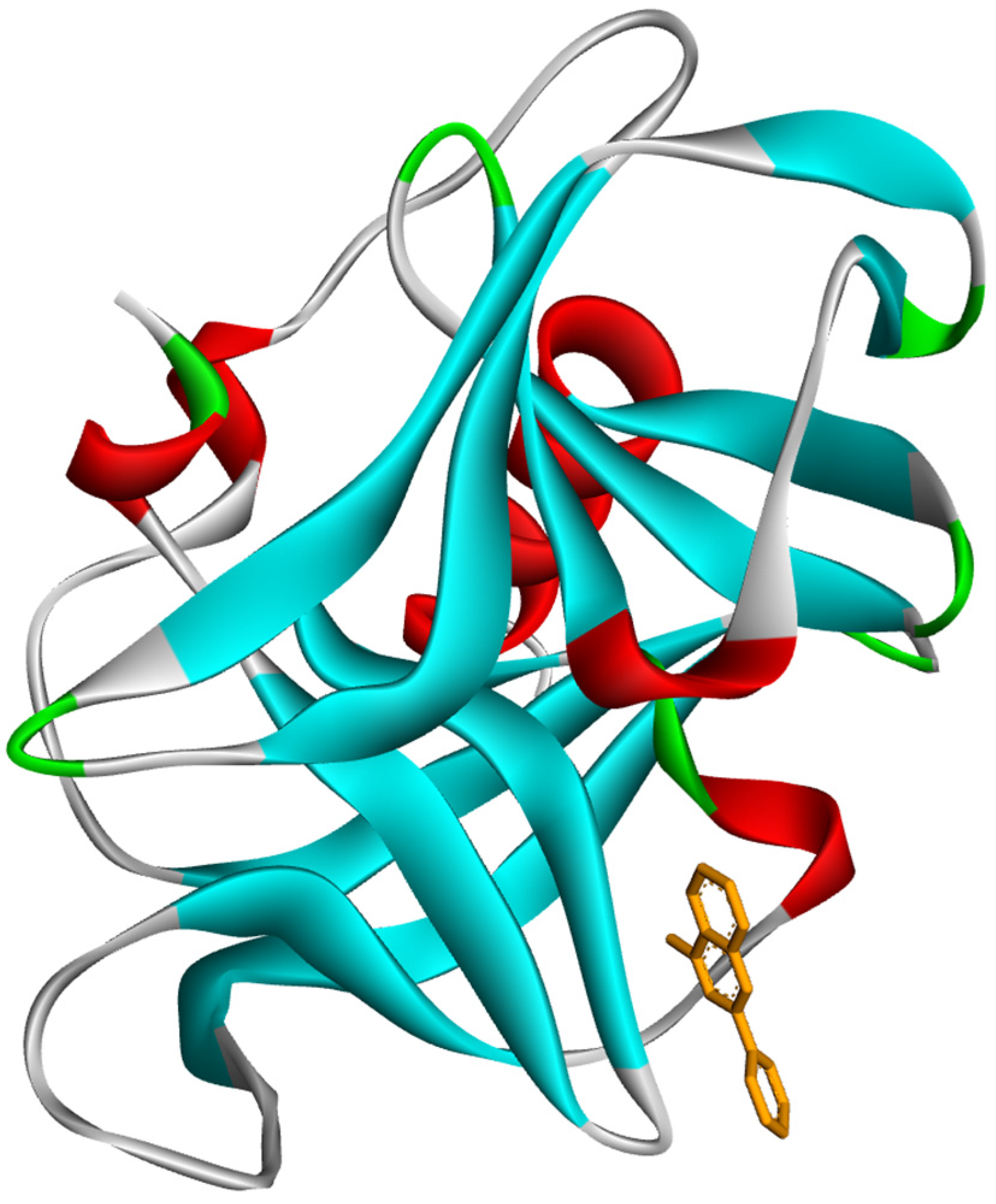
The three-dimensional crystal structure of human rhinovirus 3C protease (HRV-3Cpro) (PDB ID: 2XYA) in complex with the co-crystallized ligand 2-phenylquinolin-4-ol (Figure 1) was downloaded in PDB file format from the Research Collaboratory for Structural Bioinformatics Protein Data Bank (PDB) (https://www.rcsb.org, accessed on 7 May 2025). The structure has a resolution of 2.40 Å [8]. The protein structure was prepared using Discovery Studio Visualizer (DSV) software, version 21.1.0.20298. All bound substances, including the co-crystallized ligand and water molecules, were removed from the structure. AutoDockTools software, version 1.5.6, was then used to further prepare the protein by adding polar hydrogens and Kollman charges [17,18]. Finally, the protein was saved in PDBQT format.

2.2. Preparation of Ligands

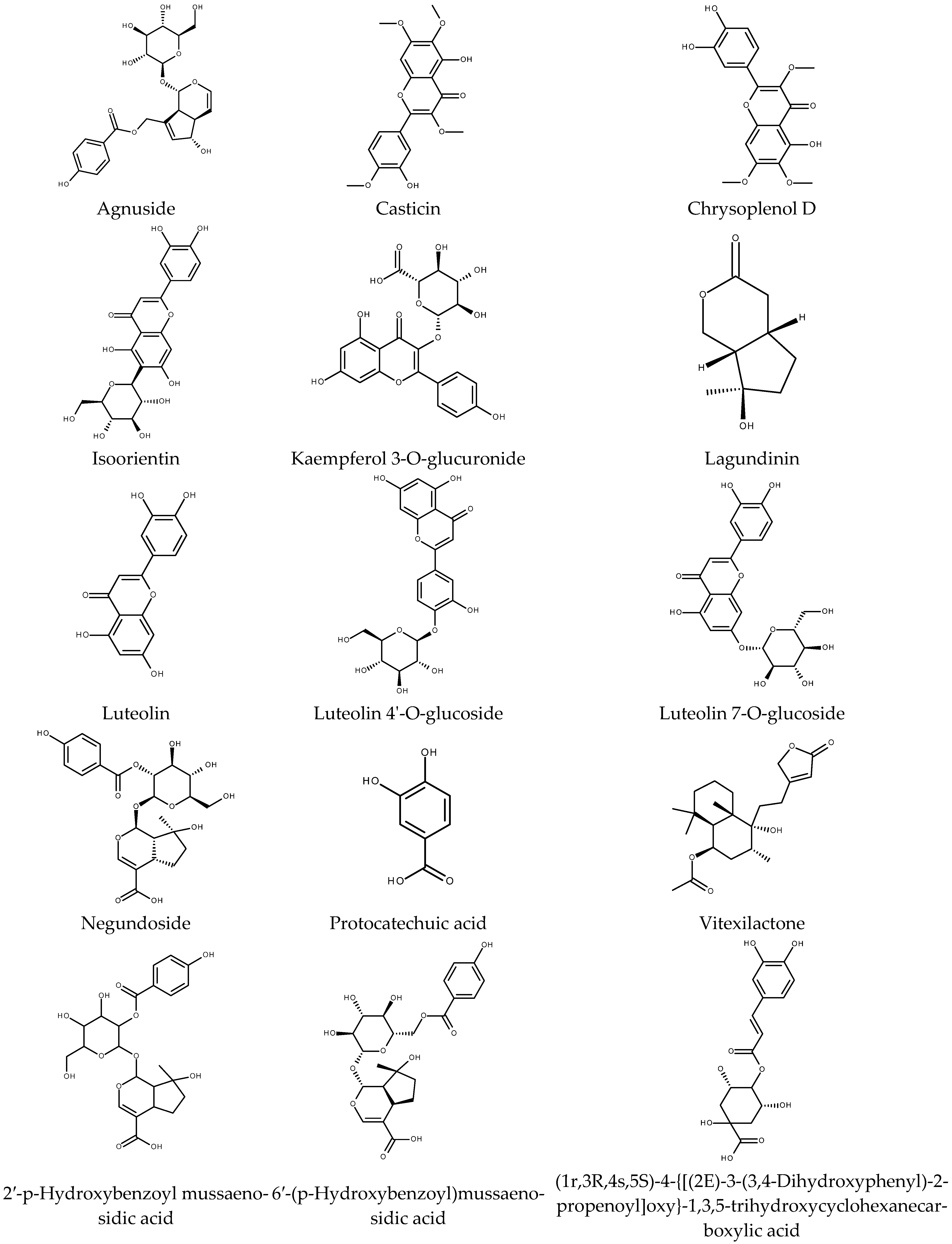
A ligand library consisting of 15 phytochemicals (Figure 2) previously identified and isolated from Vitex negundo leaves was compiled based on phytochemical composition studies conducted in the Philippines [14,15,16]. When available, their 3D structures in SDF format were downloaded from the PubChem database (https://pubchem.ncbi.nlm.nih.gov, accessed on 7 May 2025); otherwise, their 2D counterparts were used, with compounds not yet added to the database manually drawn instead using BIOVIA Draw 2021, version 21.1. All the structures were then converted to PDB format using DSV. The structures were then optimized using Avogadro software, version 1.2.0, applying the universal force field (UFF) and steepest descent algorithm [19,20]. The ligands were further prepared using AutoDockTools, with the torsional degrees of freedom (TORSDOF) kept at default values [18]. Finally, the ligands were saved in PDBQT format.

2.3. Molecular Docking

AutoDock Vina software, version 1.1.2, was used for the rigid protein–flexible ligand molecular docking simulations [21]. The search space was confined to a grid box encompassing the binding site of the co-crystallized ligand, 2-phenylquinolin-4-ol. The grid box (size: x = 14, y = 20, z = 20; spacing: 1 Å) was centered on the co-crystallized ligand’s coordinates (x = 8.811, y = 28.742, z = 20.990) [8]. Docking simulations for each ligand were performed in triplicate to ensure reproducibility. The resulting binding affinity values of the 15 V. negundo phytochemical ligands were recorded and compared with those of the reference HRV-3Cpro inhibitor, rupintrivir. For the top five ligands, ligand efficiency (LE) values were calculated using the formula: LE = −ΔG/NHA. Here, ΔG is the mean binding affinity, and NHA is the number of heavy atoms in each ligand. Protein–ligand interactions were subsequently visualized and analyzed using Discovery Studio Visualizer.

2.4. Drug-Likeness and ADMET Predictions

The drug-likeness and pharmacokinetic properties of the top V. negundo ligands were predicted from their SMILES strings, including absorption, distribution, metabolism, excretion, and toxicity (ADMET). These predictions were carried out using the web-based in silico tools SwissADME (http://www.swissadme.ch, accessed on 8 May 2025) and pkCSM (https://biosig.lab.uq.edu.au/pkcsm/prediction, accessed on 8 May 2025) [22,23].

3. Results

3.1. Validation of Docking Protocol

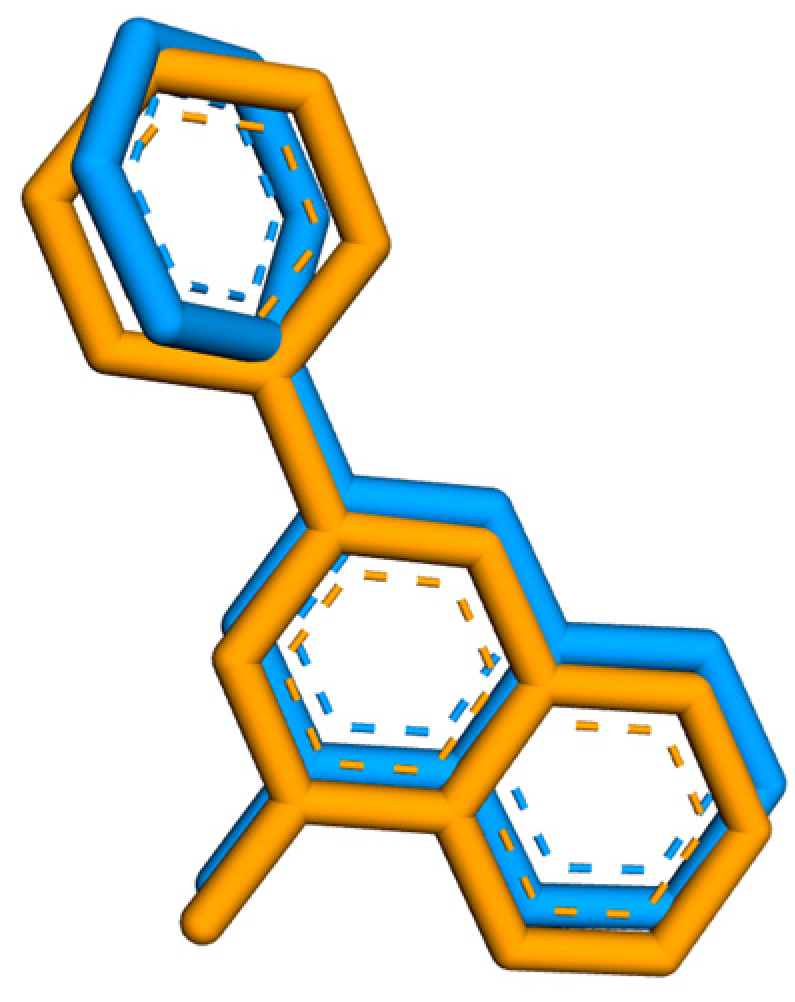
Docking validation is an important step in molecular docking studies, as re-docking the co-crystallized ligand ensures that the docking protocol can accurately reproduce the experimental binding conformation prior to reliable screening of a ligand library [24]. AutoDock Vina’s accuracy was evaluated by re-docking 2-phenylquinolin-4-ol into the active site of human rhinovirus 3C protease (HRV-3Cpro) and comparing its orientation with the co-crystallized structure using root-mean-square deviation (RMSD). The RMSD value obtained for the superimposed structures (Figure 3) was 0.5781 Å, which is below the accepted threshold of 2.0 Å [18,25]. This confirms the reliability and validity of AutoDock Vina for docking the selected phytochemicals into the active site of HRV-3Cpro.

3.2. Molecular Docking Results

In this study, molecular docking was employed to evaluate the binding affinities of fifteen Philippine Vitex negundo phytochemicals against HRV-3Cpro. Table 1 summarizes the predicted binding affinities, which ranged from −4.5 to −6.9 kcal/mol. The reference HRV-3Cpro inhibitor, rupintrivir, exhibited a binding affinity of −6.1 kcal/mol. The top five phytochemicals, agnuside (−6.9 kcal/mol), luteolin 7-O-glucoside (−6.7 kcal/mol), 2′-p-hydroxybenzoyl mussaenosidic acid (−6.5 kcal/mol), 6′-(p-hydroxybenzoyl)mussaenosidic acid (−6.5 kcal/mol), and luteolin (−6.2 kcal/mol) showed more favorable (more negative) binding affinities than rupintrivir. Ligand efficiency (LE) values of these top five ligands are presented in Table 2, with luteolin exhibiting the highest LE of 0.30 kcal/mol per heavy atom, agnuside and luteolin 7-O-glucoside both exhibiting 0.21, 2′-p-hydroxybenzoyl mussaenosidic acid and 6′-(p-hydroxybenzoyl)mussaenosidic acid each exhibiting 0.19, and rupintrivir displaying an LE of 0.14. Consequently, further analyses and interaction studies were focused on these top five ligands.

3.3. Protein–Ligand Interactions of the Top Ligands

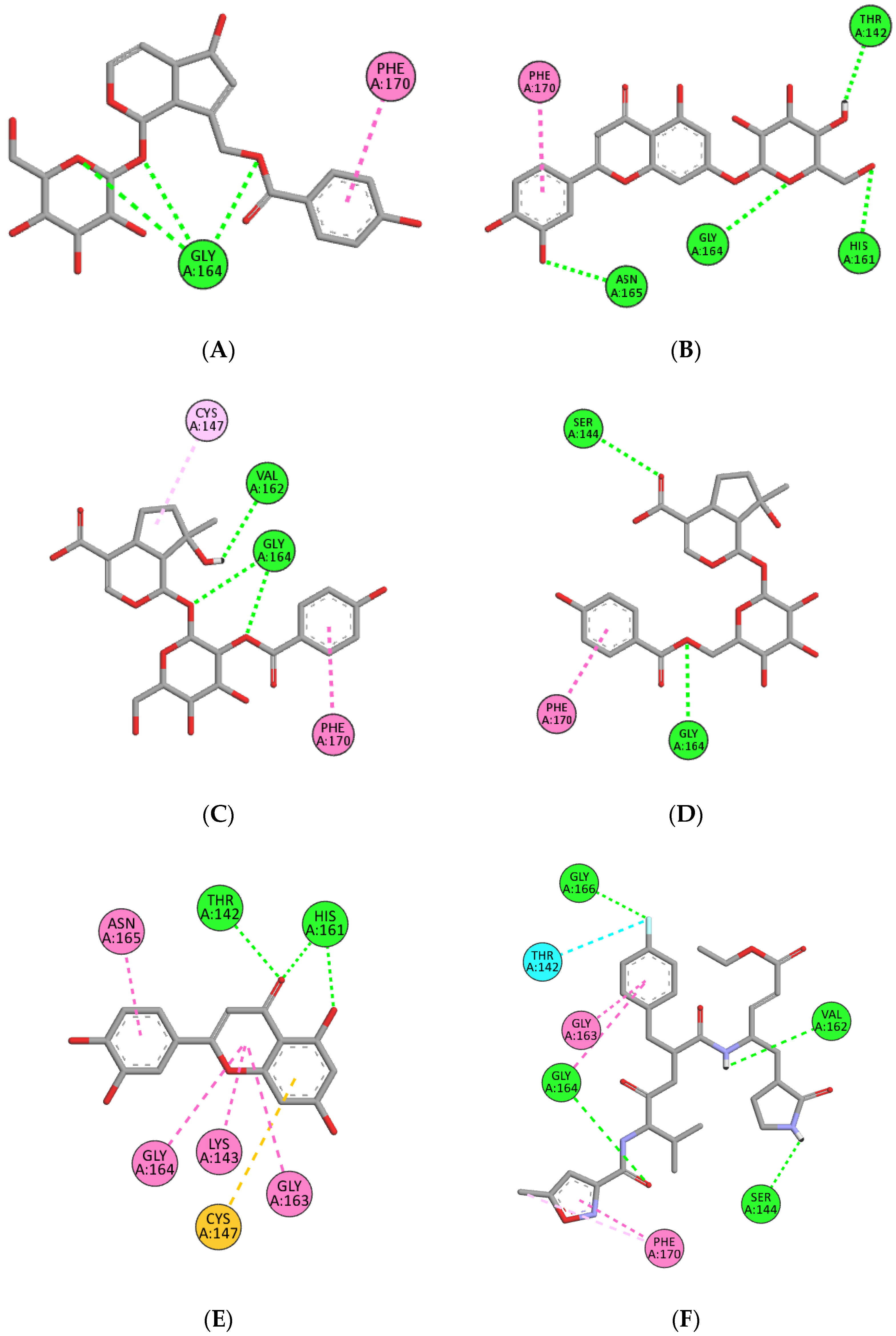
Figure 4 illustrates the two-dimensional protein–ligand interaction profiles of the top five V. negundo phytochemicals and the reference inhibitor, rupintrivir, within the active site of HRV-3Cpro. The key intermolecular interactions formed by each ligand with HRV-3Cpro are systematically summarized in Table 3, where they are categorized into hydrogen bonds and hydrophobic interactions. Among the top five phytochemicals, Gly 164 and Phe 170 were consistently identified as key interacting amino acid residues in the majority of protein–ligand complexes. Gly 164 primarily participated in hydrogen bond formation, while Phe 170 was predominantly involved in hydrophobic interactions. These residues were also present in the binding interactions of the reference inhibitor, rupintrivir.

3.4. Drug-Likeness and ADMET Profiles of the Top Ligands

Table 4 presents the predicted physicochemical properties, drug-likeness parameters, and ADMET profiles of the top five phytochemicals, with rupintrivir included for comparison. Four of the phytochemicals (agnuside, luteolin 7-O-glucoside, 2′-p-hydroxybenzoyl mussaenosidic acid, and 6′-(p-hydroxybenzoyl)mussaenosidic acid) exhibited two violations of Lipinski’s rule of five, primarily due to the number of hydrogen bond donors and acceptors. Rupintrivir also showed two violations, attributed to its molecular weight and number of hydrogen bond acceptors. Luteolin was the only phytochemical to fully comply with Lipinski’s rule, highlighting its favorable drug-likeness profile relative to the others.
Additionally, most ligands, including rupintrivir, were predicted to have low gastrointestinal absorption, whereas luteolin was the only compound with high GI absorption and a bioavailability score of 0.55. All ligands were predicted to be non-permeant to the blood–brain barrier. Luteolin was also predicted as a non-substrate of P-glycoprotein, positioning it as a standout among the top five phytochemicals. Regarding cytochrome P450 inhibition, luteolin was predicted to inhibit CYP3A4, CYP1A2, and CYP2D6, but not CYP2C19 or CYP2C9. The predicted total clearance values for the phytochemicals ranged from 3.006 to 6.592 mL/min/kg, with luteolin showing a lower clearance (3.126 mL/min/kg) than rupintrivir (7.603 mL/min/kg). In terms of toxicity, luteolin, along with the other phytochemicals, showed no mutagenicity, and hepatotoxicity was not predicted for luteolin, whereas rupintrivir exhibited predicted hepatotoxic potential.

4. Discussion

Molecular docking is an in silico technique used to predict the binding orientation and affinity of small molecules to a target protein. This technique was employed in this study to evaluate the potential interactions of Vitex negundo phytochemicals with human rhinovirus 3C protease (HRV-3Cpro). Notably, three iridoids (a class of monoterpenoids) and two flavonoids—namely, agnuside, 2′-p-hydroxybenzoyl mussaenosidic acid, 6′-(p-hydroxybenzoyl) mussaenosidic acid, luteolin 7-O-glucoside, and luteolin—exhibited stronger binding affinities than the reference inhibitor rupintrivir, suggesting a potentially stronger interaction with, and inhibitory effect on, the viral protease. These observed binding affinities of the top five V. negundo phytochemicals align with the plant’s established use in respiratory health, supporting its traditional and evidence-based applications for coughs, colds, and airway inflammation [13]. These results also provide in silico evidence supporting natural products as potential anti-rhinovirus agents, alongside previously reported computational findings [26,27].
Ligand efficiency (LE) provides a complementary perspective by assessing the binding affinity of a ligand relative to its molecular size. A threshold value of LE ≥ 0.3 kcal/mol per heavy atom is generally considered indicative of efficient binding [28]. Among the top five ligands, only luteolin achieved an LE of 0.30 kcal/mol per heavy atom, surpassing the efficiency of the reference inhibitor rupintrivir (0.14) and demonstrating its ability to form strong binding interactions while optimally utilizing its molecular structure.
The predominance of hydrogen bonding and hydrophobic interactions among the top phytochemical ligands suggests that both polar and nonpolar forces contribute to the formation of stable complexes with HRV-3Cpro [29]. Key amino acid residues Gly 164 and Phe 170 were consistently involved across most ligand interactions, indicating that these compounds engage a similar region of the HRV-3Cpro active site. Agnuside, which exhibited the strongest binding affinity among the top ligands—even surpassing rupintrivir—interacted only with Gly 164 and Phe 170. In contrast, luteolin displayed a unique interaction profile, forming additional contacts with Lys 143, Gly 163, and Cys 147, distinguishing it from the other phytochemicals and suggesting a broader engagement within the binding site. This observation highlights that the number and nature of intermolecular interactions do not always correlate directly with binding strength; rather, a ligand’s efficacy depends largely on the complementarity of its shape and size to the enzyme’s active site, which can inherently enhance binding affinity [30].
In the early stages of drug development, Lipinski’s Rule of Five serves as a widely accepted guideline for evaluating the drug-likeness and potential oral bioavailability of compounds. According to this rule, an orally active compound should generally not violate more than one of the following criteria: fewer than 5 hydrogen bond donors (HBD), fewer than 10 hydrogen bond acceptors (HBA), a molecular weight (MW) under 500 g/mol, and an octanol–water partition coefficient (MlogP) below 5 [31]. Among the top phytochemicals, luteolin was the only compound to fully comply with these criteria, suggesting a higher likelihood of favorable oral bioavailability. Its non-substrate profile for P-glycoprotein indicates that it may avoid active cellular efflux, enhancing systemic retention [32], while its non-permeant profile for the blood–brain barrier, combined with predicted non-mutagenicity and non-hepatotoxicity, highlights a favorable safety profile.
Luteolin was predicted to inhibit CYP3A4, CYP1A2, and CYP2D6, while not affecting CYP2C19 or CYP2C9. These CYP450 enzymes are essential for drug metabolism, and such inhibition indicates that luteolin may interact with the metabolism of other co-administered drugs, which is important to consider in drug development. Nevertheless, these interactions do not diminish its value as a lead compound; rather, they provide useful insights into its metabolic profile. Taken together, luteolin’s full compliance with Lipinski’s rule and favorable ADMET characteristics position it as a particularly promising lead compound for further investigation as a plant-derived antiviral agent.
Despite the promising in silico findings, this study has certain limitations. Molecular docking provides static predictions of binding affinity and orientation but does not account for the dynamic flexibility of proteins and ligands under physiological conditions. We therefore recommend that future investigations use molecular dynamics simulations to provide a more accurate assessment of the stability and conformational behavior of the phytochemical–HRV-3Cpro complexes over time, including luteolin, which has emerged as a particularly promising lead compound. Moreover, while the ADMET predictions offer preliminary insight into pharmacokinetics and safety, experimental validation is necessary. Subsequent in vitro studies should evaluate the antiviral efficacy of luteolin and the other top phytochemicals against HRV replication, and in vivo studies could assess their pharmacokinetic profiles, toxicity, and therapeutic potential in relevant models. Integrating these computational and experimental approaches would strengthen the translational potential of V. negundo phytochemicals, particularly luteolin, as plant-based HRV-3Cpro inhibitors.

5. Conclusions

This study reports for the first time that Philippine Vitex negundo phytochemicals, with a particular focus on luteolin, exhibit strong and stable hydrogen bonding and hydrophobic interactions with HRV-3Cpro, surpassing the reference inhibitor rupintrivir. Importantly, luteolin complies with Lipinski’s Rule of Five, shows good bioavailability, and demonstrates a favorable ADMET and safety profile. These properties position luteolin as a particularly promising lead compound, warranting future in vitro and in vivo studies to validate its antiviral efficacy and pharmacokinetic potential for the development of plant-based HRV-3Cpro inhibitors.

Author Contributions

Conceptualization, N.J.A.; methodology, N.J.A., F.C. and H.F.H.P.; software, H.F.H.P.; formal analysis, N.J.A.; investigation, F.C., H.F.H.P. and S.A.Y.; writing—original draft, N.J.A., F.C., H.F.H.P. and S.A.Y.; writing—review and editing, N.J.A. and F.C.; visualization, N.J.A., H.F.H.P. and S.A.Y.; supervision, N.J.A. All authors have read and agreed to the published version of the manuscript.

Funding

This research received no external funding.

Institutional Review Board Statement

Not applicable.

Informed Consent Statement

Not applicable.

Data Availability Statement

The authors confirm that the data supporting the findings of this study are available within the article.

Conflicts of Interest

The authors declare no conflicts of interest.

References

  1. De Palma, A.M.; Vliegen, I.; De Clercq, E.; Neyts, J. Selective Inhibitors of Picornavirus Replication. Med. Res. Rev. 2008, 28, 823–884. [Google Scholar] [CrossRef] [Scilit]
  2. Simasek, M.; Blandino, D.A. Treatment of the Common Cold. Am. Fam. Physician 2007, 75, 515–520. [Google Scholar]
  3. Yuan, S.; Fan, K.; Chen, Z.; Sun, Y.; Hou, H.; Zhu, L. Structure of the HRV-C 3C-Rupintrivir Complex Provides New Insights for Inhibitor Design. Virol. Sin. 2020, 35, 445–454. [Google Scholar] [CrossRef] [Scilit] [PubMed]
  4. Ison, M.G.; Lee, N. Noninfluenza Respiratory Viruses. In Infectious Diseases, 4th ed.; Cohen, J., Powderly, W.G., Opal, S.M., Eds.; Elsevier: Shanghai, China, 2017; Volume 2, pp. 1472–1482.e5. [Google Scholar] [CrossRef] [Scilit]
  5. Jacobs, S.E.; Lamson, D.M.; St George, K.; Walsh, T.J. Human Rhinoviruses. Clin. Microbiol. Rev. 2013, 26, 135–162. [Google Scholar] [CrossRef] [Scilit]
  6. Morelli, T.; Freeman, A.; Staples, K.J.; Wilkinson, T.M.A. Hidden in Plain Sight: The Impact of Human Rhinovirus Infection in Adults. Respir. Res. 2025, 26, 120. [Google Scholar] [CrossRef] [Scilit] [PubMed]
  7. Sun, D.; Chen, S.; Cheng, A.; Wang, M. Roles of the Picornaviral 3C Proteinase in the Viral Life Cycle and Host Cells. Viruses 2016, 8, 82. [Google Scholar] [CrossRef] [Scilit] [PubMed]
  8. Baxter, A.; Chambers, M.; Edfeldt, F.; Edman, K.; Freeman, A.; Johansson, C.; King, S.; Morley, A.; Petersen, J.; Rawlins, P.; et al. Non-Covalent Inhibitors of Rhinovirus 3C Protease. Bioorg. Med. Chem. Lett. 2010, 21, 777–780. [Google Scholar] [CrossRef] [Scilit]
  9. Yadneshwar, K.; Sujata, K. Adverse Drug Reactions to Ibuprofen: A Case Report. Int. J. Basic Clin. Pharmacol. 2016, 5, 215–219. [Google Scholar] [CrossRef] [Scilit]
  10. Nainwal, N. Treatment of Respiratory Viral Infections through Inhalation Therapeutics: Challenges and Opportunities. Pulm. Pharmacol. Ther. 2022, 77, 102170. [Google Scholar] [CrossRef] [Scilit]
  11. Ghildiyal, R.; Prakash, V.; Chaudhary, V.K.; Gupta, V.; Gabrani, R. Phytochemicals as Antiviral Agents: Recent Updates. In Plant-Derived Bioactives, 1st ed.; Swamy, M.K., Ed.; Springer: Singapore, 2020; pp. 279–295. [Google Scholar] [CrossRef] [Scilit]
  12. Behl, T.; Rocchetti, G.; Chadha, S.; Zengin, G.; Bungau, S.; Kumar, A.; Mehta, V.; Uddin, M.S.; Khullar, G.; Setia, D.; et al. Phytochemicals from Plant Foods as Potential Source of Antiviral Agents: An Overview. Pharmaceuticals 2021, 14, 381. [Google Scholar] [CrossRef] [Scilit]
  13. Philippine Council for Health Research and Development. Available online: https://www.pchrd.dost.gov.ph/heartnovation/lagundi-anti-cough-and-anti-asthma-medicine/ (accessed on 7 May 2025).
  14. Dayrit, F.M.; Lapid, M.R.J.; Cagampang, J.V.; Lagurin, L.G. Phytochemical Studies on the Leaves of Vitex negundo L. (“Lagundi”), I. Investigation of the Bronchial Relaxing Constituents. Philipp. J. Sci. 1987, 116, 403–410. [Google Scholar]
  15. Lagurin, L.G.; Dayrit, F.M. Phytochemical Studies on the Pharmacologically Active Compounds of Vitex negundo L. Trans. Natl. Acad. Sci. Technol. Philipp. 1994, 16, 182–183. [Google Scholar]
  16. Rasonabe, Z.M.P.; Tiausas, C.G.; Cruz, J.D.; Areza, F. Chemical Composition, Anti-Inflammatory, and Analgesic Activities of Extracts and Fractions of Vitex negundo. J. Pharm. Res. Int. 2022, 34, 1–14. [Google Scholar] [CrossRef] [Scilit]
  17. Morris, G.M.; Huey, R.; Lindstrom, W.; Sanner, M.F.; Belew, R.K.; Goodsell, D.S.; Olson, A.J. AutoDock4 and AutoDockTools4: Automated Docking with Selective Receptor Flexibility. J. Comput. Chem. 2009, 30, 2785–2791. [Google Scholar] [CrossRef] [Scilit] [PubMed]
  18. Agosto, N.J.B. In Silico Molecular Docking and ADMET Prediction of Ginkgo biloba Biflavonoids as Dual Inhibitors of Human HMG-CoA Reductase and α-Amylase. J. Serb. Chem. Soc. 2024, 90, 415–429. [Google Scholar] [CrossRef] [Scilit]
  19. Hanwell, M.D.; Curtis, D.E.; Lonie, D.C.; Vandermeersch, T.; Zurek, E.; Hutchison, G.R. Avogadro: An Advanced Semantic Chemical Editor, Visualization, and Analysis Platform. J. Cheminform. 2012, 4, 17. [Google Scholar] [CrossRef] [Scilit] [PubMed]
  20. Agosto, N.J.; Alambatin, P.B.; Bacalso, J.; Cabisada, J.; Carating, B.D. The Evaluation of Citrus bergamia Phytochemicals as Potential Cholesterol-Lowering Agents against HMG-CoA Reductase: An In Silico Molecular Docking Study. Biol. Life Sci. Forum 2024, 35, 7. [Google Scholar] [CrossRef] [Scilit]
  21. Trott, O.; Olson, A.J. AutoDock Vina: Improving the Speed and Accuracy of Docking with a New Scoring Function, Efficient Optimization, and Multithreading. J. Comput. Chem. 2009, 31, 455–461. [Google Scholar] [CrossRef] [Scilit]
  22. Daina, A.; Michielin, O.; Zoete, V. SwissADME: A Free Web Tool to Evaluate Pharmacokinetics, Drug-Likeness and Medicinal Chemistry Friendliness of Small Molecules. Sci. Rep. 2017, 7, 42717. [Google Scholar] [CrossRef] [Scilit] [PubMed]
  23. Pires, D.E.V.; Blundell, T.L.; Ascher, D.B. pkCSM: Predicting Small-Molecule Pharmacokinetic and Toxicity Properties Using Graph-Based Signatures. J. Med. Chem. 2015, 58, 4066–4072. [Google Scholar] [CrossRef] [Scilit]
  24. Martis, E.A.F.; Téletchéa, S. Ten Quick Tips to Perform Meaningful and Reproducible Molecular Docking Calculations. PLoS Comput. Biol. 2025, 21, e1013030. [Google Scholar] [CrossRef] [Scilit]
  25. Ramírez, D.; Caballero, J. Is It Reliable to Take the Molecular Docking Top Scoring Position as the Best Solution without Considering Available Structural Data? Molecules 2018, 23, 1038. [Google Scholar] [CrossRef] [Scilit] [PubMed]
  26. Tsilimingkra, N.T.; Papaneophytou, C. Phytochemicals: Promising Inhibitors of Human Rhinovirus Type 14 3C Protease as a Strategy to Fight the Common Cold. Curr. Top. Med. Chem. 2024, 24, 1343–1358. [Google Scholar] [CrossRef] [Scilit] [PubMed]
  27. Essaadi, H.; Aherkou, M.; Hakmi, M.; Kandoussi, I.; Eljaoudi, R.; Belyamani, L.; Ibrahimi, A.; Hafidi, N.E. Screening of Propolis Compounds Reveals Potential Inhibitors of Rhinovirus 3C Protease: A Computational Study. J. Mol. Graph. Model. 2025, 140, 109121. [Google Scholar] [CrossRef] [Scilit]
  28. Schultes, S.; De Graaf, C.; Haaksma, E.E.J.; De Esch, I.J.P.; Leurs, R.; Krämer, O. Ligand Efficiency as a Guide in Fragment Hit Selection and Optimization. Drug Discov. Today Technol. 2010, 7, e157–e162. [Google Scholar] [CrossRef] [Scilit]
  29. Zhang, S.; Zong, K.; Ruan, J.; Liu, X.; Zhao, X.; Zhang, Y.; Hu, C.; Li, X. Discovery of Non-Covalent Rhinovirus 3Cpro Inhibitors by Molecular Docking, in Vitro Assays, Molecular Dynamics Simulations and DFT Analyses. Front. Pharmacol. 2025, 16, 1560571. [Google Scholar] [CrossRef] [Scilit]
  30. Davis, O.A.; Cheung, K.-M.J.; Brennan, A.; Lloyd, M.G.; Rodrigues, M.J.; Pierrat, O.A.; Collie, G.W.; Bihan, Y.-V.L.; Huckvale, R.; Harnden, A.C.; et al. Optimizing Shape Complementarity Enables the Discovery of Potent Tricyclic BCL6 Inhibitors. J. Med. Chem. 2022, 65, 8169–8190. [Google Scholar] [CrossRef] [Scilit]
  31. Lipinski, C.A.; Lombardo, F.; Dominy, B.W.; Feeney, P.J. Experimental and Computational Approaches to Estimate Solubility and Permeability in Drug Discovery and Development Settings. Adv. Drug Deliv. Rev. 2001, 46, 3–26. [Google Scholar] [CrossRef] [Scilit] [PubMed]
  32. Li, D.; Chen, L.; Li, Y.; Tian, S.; Sun, H.; Hou, T. Development of In Silico Prediction Models for P-Glycoprotein Substrates. Mol. Pharm. 2014, 11, 716–726. [Google Scholar] [CrossRef] [Scilit]
Figure 1. 3D crystal structure of HRV-3Cpro (PDB ID: 2XYA) co-crystallized with 2-phenylquinolin-4-ol (orange).
Engproc 124 00090 g001
Figure 2. 2D structures of the fifteen V. negundo phytochemicals.
Engproc 124 00090 g002
Figure 3. Superimposed 3D structures of the co-crystallized (orange) and docked (blue) orientations of 2-phenylquinolin-4-ol.
Engproc 124 00090 g003
Figure 4. Protein–ligand interactions of the top 4 V. negundo ligands and the reference inhibitor with HRV-3Cpro. (A) Agnuside; (B) Luteolin 7-O-glucoside; (C) 2′-p-Hydroxybenzoyl mussaenosidic acid; (D) 6′-(p-Hydroxybenzoyl)mussaenosidic acid; (E) Luteolin; (F) Rupintrivir.
Engproc 124 00090 g004
Table 1. Binding affinities of the 15 V. negundo phytochemicals against HRV-3Cpro.
LigandsPubChem CIDPhytochemical ClassBinding Affinity (kcal/mol)
Agnuside442416Iridoid−6.9 ± 0.0
Casticin5315263Flavonoid−5.5 ± 0.0
Chrysoplenol D5280699Flavonoid−5.9 ± 0.1
Isoorientin114776Flavonoid−5.9 ± 0.0
Kaempferol 3-O-glucuronide5318759Flavonoid−5.6 ± 0.1
Lagundinin-Iridoid−4.5 ± 0.0
Luteolin5280445Flavonoid−6.2 ± 0.0
Luteolin 4′-O-glucoside5319116Flavonoid−5.8 ± 0.1
Luteolin 7-O-glucoside5280637Flavonoid−6.7 ± 0.0
Negundoside9935561Iridoid−5.7 ± 0.1
Protocatechuic acid72Phenolic−4.7 ± 0.1
Vitexilactone21636178Terpenoid−5.0 ± 0.0
2′-p-Hydroxybenzoyl mussaenosidic acid73298898Iridoid−6.5 ± 0.1
6′-(p-Hydroxybenzoyl)mussaenosidic acid133554308Iridoid−6.5 ± 0.0
(1r,3R,4s,5S)-4-{[(2E)-3-(3,4-Dihydroxyphenyl)-2-propenoyl]oxy}-1,3,5-trihydroxycyclohexanecarboxylic acid5315600Phenolic−5.6 ± 0.1
Rupintrivir *6440352-−6.1 ± 0.1
* Reference inhibitor. Values are means ± SD (n = 3).
Table 2. Ligand efficiency values of the top 5 ligands against HRV-3Cpro.
LigandsLigand Efficiency (LE) †
Agnuside0.21
Luteolin0.30
Luteolin 7-O-glucoside0.21
2′-p-Hydroxybenzoyl mussaenosidic acid0.19
6′-(p-Hydroxybenzoyl)mussaenosidic acid0.19
Rupintrivir *0.14
* Reference inhibitor. † In kcal/mol per heavy atom.
Table 3. Summary of the types of interactions formed between the top five ligands and HRV-3Cpro.
LigandsInteracting Amino Acid Residues
Hydrogen BondsHydrophobic InteractionsOther Interactions
AgnusideGly 164Phe 170None
Luteolin 7-O-glucosideThr 142, His 161, Gly 164, Asn 165Phe 170None
2′-p-Hydroxybenzoyl mussaenosidic acidGly 164, Val 162Cys 147, Phe 170None
6′-(p-Hydroxybenzoyl)mussaenosidic acidGly 164, Ser 144Phe 170None
LuteolinThr 142, His 161Lys 143, Gly 163, Gly 164, Asn 165, Cys 147
Rupintrivir *Gly 164, Gly 166, Ser 144, Val 162Gly 163, Phe 170Thr 142
* Reference inhibitor.
Table 4. Physicochemical properties, drug-likeness, and ADMET characteristics of the top five ligands.
Property(A)(B)(C)(D)(E)(F)
Molecular Weight (g/mol)466.44448.38496.46496.46286.24598.66
MLogP−1.20−2.10−0.93−0.93−0.031.51
No. of H-Bond Acceptors1111121269
No. of H-Bond Donors676643
No. of Violations to Lipinski’s Rule222202
Bioavailability Score0.170.170.110.110.550.17
GI AbsorptionLowLowLowLowHighLow
BBB PermeantNoNoNoNoNoNo
P-gp SubstrateNoYesYesNoNoYes
CYP3A4 InhibitorNoNoNoNoYesYes
CYP1A2 InhibitorNoNoNoNoYesNo
CYP2C19 InhibitorNoNoNoNoNoNo
CYP2C9 InhibitorNoNoNoNoNoNo
CYP2D6 InhibitorNoNoNoNoYesNo
Total Clearance (mL/min/kg)6.0813.0066.5925.4203.1267.603
MutagenicityNoNoNoNoNoNo
HepatotoxicityNoNoNoNoNoYes
(A) Agnuside; (B) Luteolin 7-O-glucoside; (C) 2′-p-Hydroxybenzoyl mussaenosidic acid; (D) 6′-(p-Hydroxybenzoyl)mussaenosidic acid; (E) Luteolin; (F) Rupintrivir.
Disclaimer/Publisher’s Note: The statements, opinions and data contained in all publications are solely those of the individual author(s) and contributor(s) and not of MDPI and/or the editor(s). MDPI and/or the editor(s) disclaim responsibility for any injury to people or property resulting from any ideas, methods, instructions or products referred to in the content.