


Abstract
Robot-assisted rehabilitation has demonstrated significant efficacy in improving motor function among patients with physical and neurological impairments. The development of effective rehabilitation robots requires careful integration of mechanical design and control systems to ensure safe, compliant, and intention-oriented human–robot interaction while delivering appropriate therapeutic assistance and feedback. Parallel robot manipulators have increasingly gained attention in rehabilitation applications due to their superior precision, structural stiffness, and high load capacity compared to their serial counterparts. This paper presents a scoping review of control strategies specifically implemented in parallel rehabilitation robots between 2015 and 2025. The control strategies include position control, force control, compliance control, adaptive control, intelligent control, and hybrid control. Our analysis showed a progressive shift from traditional position-based control toward more sophisticated adaptive and intelligent strategies that better accommodate patient-specific needs and therapeutic requirements.
1. Introduction
The rising incidence of musculoskeletal and neurological injuries, such as stroke and spinal cord injury, has significantly increased demand for physical therapy aimed at regaining function and mobility. Physical therapy is a labor-intensive process, placing high emotional and physical demands on therapists. At the same time, demographic shifts toward an older population add further pressure on the therapists [1]. Yet, the shortage of physical therapists is expected to persist, with higher demand and insufficient qualified therapists [2].
In response, the interest in designing and developing robotic devices for rehabilitation has increased. Globally, the current value of the rehabilitation robot (RR) market is around USD 493 M, with a projected compound annual growth rate (CAGR) of 15–18%, depending on the reports [3,4]. This trend is also reflected in the literature, showing a steady upward trajectory in the number of publications on RR [5,6,7].
Numerous studies and meta-analyses have reported that robot-assisted therapy can promote neurorehabilitation and help patients regain muscle strength and joint mobility [8,9]. Compared with conventional therapy, robot-assisted rehabilitation offers more consistent, intensive, repeatable movement training while providing real-time quantitative feedback on the patient’s performance [10,11,12,13]. RRs have been designed to target multiple levels of limbs needed, namely the upper limb, lower limb, and trunk. Structurally, they can be divided into two broad categories, serial and parallel manipulators, each of which has its own advantages and drawbacks. In recent years, parallel robot manipulators (PRM) have attracted growing interest in other fields, such as machine operation and architectural modeling [14,15]. PRMs have received more attention than serial robot manipulators (SRM) due to their advantages, including greater stiffness, higher accuracy, greater speed, larger payloads, and compactness compared to their counterparts [7,16].
A key challenge of PRMs lies in their architectural complexity. The mechanical constraints and coupling effects between the kinematic chains make their kinematic and dynamic analyses highly nonlinear and, therefore, more difficult to solve than those of SRMs. Consequently, control strategies developed for SRMs cannot be directly applied to PRMs [16,17].
Compared to other fields of robotics, designing effective control schemes for RR involves overcoming unique challenges: patient-specific functional capabilities, functional goals, dynamic uncertainties in the human–robot system, and rigorous safety standards [5]. To address these, numerous control strategies have been developed, spanning from traditional position control schemes to modern impedance/admittance, adaptive, and intelligent control strategies.
Over the past few years, numerous literature reviews have analyzed mechanical design, performance, clinical outcomes, and control strategies for RR. Abarca et al. [16] analyzed parallel robots in rehabilitation, assistance, and humanoid applications for neck, shoulder, wrist, hip, and ankle joints. While this review focused on parallel rehabilitation robots (PRR), it also emphasized mechanical design, workspace assessment, performance methods, and material selections, with only a brief touch on control strategies. Another review on PRMs in rehabilitation by Huamanchahua et al. [18] provided a general overview of the use of parallel robots in rehabilitation and assistance and showed the state of this technology. This study mainly focused on sensor types, degrees of freedom, controller types, actuators, and their state of development, but did not explain the control strategies applied for PRMs in depth. The work by Kalsoom et al. [19] reviewed the state-of-the-art of RR devices but only focused on ankle RRs, including those with serial structures. At the time this paper was written, there was no known literature review that solely focused on analyzing control strategies for PRMs across different levels for rehabilitation training in the last decade.
The objective of this study is to gather and present research on control strategies developed for PRRs, with emphasis on establishing a taxonomy and identifying emerging trends in control selection and implementation from 2015 to 2025. Control strategies to be discussed include position control, force control, compliance control, adaptive control, intelligent (AI/ML) control, and hybrid control. The main objective of this paper is to provide readers with a better understanding of the state-of-the-art control strategies developed particularly for parallel manipulators employed in robot-assisted rehabilitation. The paper is organized as follows: Section 2 describes the search strategy and results, including inclusion and exclusion criteria. Section 3 provides a brief overview of the various types of existing rehabilitation PRMs. Section 4 presents a detailed analysis of the above control strategies, followed by discussion in Section 5 and conclusions in Section 6.
2. Search Strategy
This section discusses the literature search for the paper, which includes the search strategy, inclusion and exclusion criteria, and search results.
2.1. Search Strategy
The selection process was conducted using a multi-stage process inspired by a simplified PRISMA (Preferred Reporting Items for Systematic Reviews and Meta-Analyses) framework to ensure transparency, systematic classification, and reproducibility of the process [20]. The review combined the analysis of studies identified from previously published review papers with a comprehensive search of major online databases.
The database search was performed using Google Scholar, Web of Science, Scopus, and IEEE Xplore, covering publications from January 2015 to September 2025. Relevant keywords and Boolean search strings were used, including: “parallel,” “rehabilitation,” “robot,” “control schemes,” “adaptive control,” “compliance control,” and “intelligent control,” (“parallel robot” OR “parallel mechanism”) AND rehabilitation AND (“control scheme” OR “control strategy”); (rehabilitation OR “robot-assisted”) AND (impedance OR admittance OR compliance) AND parallel; rehabilitation AND robot AND (“adaptive control” OR “hybrid control” OR “intelligent control”). For Google Scholar, only the first 100 most relevant results were screened to ensure manageability while maintaining comprehensive coverage.
In addition to the database search, relevant studies identified from three previously published review papers on rehabilitation robots and their control strategies [5,14,17] were used as a supplementary source for identifying studies and were subsequently subjected to the same screening and eligibility criteria as those retrieved from the database search.
2.2. Inclusion Criteria
Research articles were included for detailed analysis in this paper if they met all the following criteria:
- The article considered parallel structures or hybrid serial-parallel structures.
- The primary application in the article was robot-assisted rehabilitation, i.e., physical therapeutic recovery from neurological or physical injury.
- The article discussed the implementation, modeling, and evaluation of a control strategy.
2.3. Exclusion Criteria
Research articles were excluded based on the following criteria to maintain focus on the research objective of the paper:
- Articles that were not published between 2015–2025.
- Articles that did not consider parallel manipulators, rehabilitation applications, or control schemes.
- Articles that were purely focused on assistive devices and humanoid robots, e.g., prosthetics or assistive exoskeletons designed for daily tasks rather than therapeutic recovery.
- Articles that considered non-parallel manipulators, e.g., purely serial robots and humanoid robots.
- Articles that were exclusively on mechanical design, optimization, or kinematics analysis without substantial discussion of control strategies.
- Review articles, book chapters, and commentaries without original empirical data.
2.4. Data Extraction and Screening Results
The literature search was completed on 30 September 2025, yielding a total of 1830 articles combined from all sources. After removing duplicates, book chapters, and non-English language, 642 articles remained for preliminary screening. To enhance efficiency and consistency, Anara AI, an AI-powered research assistant, was used to assist in the next phase of screening. This tool automatically evaluates abstracts and keywords against the inclusion and exclusion criteria, flagging studies that closely match the scope of this review. Following this automated relevance filtering and manual verification, 99 articles were selected for full-text screening and detailed analysis. Each selected paper was then read thoroughly and categorized according to the year of publication, target types joint/limb, and control strategies implemented. Figure 1 illustrates the PRISMA flow diagram of the overall search strategy and selection process used.
Figure 1.
PRISMA flow diagram of the search and selection process using online databases and published reviews [5,7,16].
3. Parallel Robots in Robot-Assisted Rehabilitation
The structural advantages of PRMs lie in their featured design of having multiple kinematic chains linking a fixed platform and a movable platform, offering rigidity, great stability, and resistance to deformation [15]. While this paper focuses on control strategies for PRMs, this section briefly addresses the ongoing development in their mechanical design in the literature, as mechanical configuration could directly influence the implementation of control schemes.
Each joint of the human body has unique motion characteristics and different rehabilitation needs and goals from patients. PRMs vary in structure depending on their kinematic chain, which can consist of revolution (R), prismatic (P), universal (U), and spherical (S) type joints. A combination of these joints allows for the creation of customized designs and a wide variety of configurations, enabling the robots to perform movements like translations, rotations, inclinations, or a combination thereof [16]. Parallel mechanisms have an architectural advantage in rehabilitation because, unlike exoskeleton-based systems, they do not require precise alignment between individual actuators and the patient’s anatomical joint axes. By operating at the end effector or task level, parallel mechanisms avoid complex anthropomorphic coupling, thereby simplifying mechanical design, improving robustness, and enhancing adaptability across users with varying limb geometries. Beyond traditional platform-type PRMs, i.e., adopting the Stewart Platform structure, other types have been developed, including cable-driven parallel robots, parallel exoskeletons, and serial–parallel hybrid robots. Representative examples of the above configurations are presented in Figure 2. The general relationship between mechanical design and control strategies is that greater mechanical stability and force efficiency permit simpler control schemes, while designs favoring a larger workspace demand more robust control, in another study [21].
Figure 2.
Types of PRMs in rehabilitation. (a) 3-RRS ankle parallel manipulator [22]; (b) 2-UPS/RRR parallel robot [23]; (c) PLANarm2 [24]; (d) 3-PRS parallel robot [25]; (e) FC-WREI exoskeleton [26]; (f) Portable parallel ankle exoskeleton [27]; (g) Parallel mechanism exoskeleton [28]; (h) ASPIRE [29]; (i) 2-S′PS′ rigid-flexible hybrid robot [30]; (j) 3SPS/S parallel ankle manipulator [31]; (k) 6-DOF wearable exoskeleton [32]; (l) Overconstrained 3-RRR spherical parallel manipulator [33]; (m) 6-DOF parallel cable-driven platform [34].
3.1. Platform-Type Parallel Robot Manipulators
Platform-type PRMs consist of a fixed base and a movable platform connected by multiple kinematic chains in parallel, forming a closed-loop structure. The parallel kinematic chains activated by actuators move the movable platform with respect to the fixed base. These manipulators usually have an attachment point to interact with patients through a distal point, like a hand or foot. Representative PRMs developed for rehabilitation include the 3-PRS parallel manipulator for ankle rehabilitation [22] and the PLANarm2 robot with 3-PRS kinematic chains for the upper limb [24].
3.2. Cable-Driven Parallel Robot Manipulators
A cable-driven parallel robot (CDPR) manipulator is a PRM whose actuation is performed by cables, i.e., tension elements rather than rigid links, connecting a fixed frame to a moving platform. Motion of the moving platform with respect to the fixed frame is carried out by winches adjusting cable lengths while maintaining positive cable tension. Advantages of CDPRs include low moving mass, inherent compliance, large workspace, and low cost, although their rigidity is generally lower than that of rigid-link robots. Figure 2e is a 6-DOF CDPR for upper-limb rehabilitation, which uses seven cables routed through spherical-guide-wheel cable-guiding mechanisms [34].
3.3. Exoskeletons
Exoskeletons are external structures that closely follow the patient’s anatomy and allow training of each individual joint involved in movement. These mechanisms use parallel chains to interface with human joints, leveraging parallel mechanism properties in a wearable form. Exoskeletons can form in multiple parallel mechanisms, such as FC-WREI for the wrist [26] and the portable exoskeleton for the ankle as seen in Figure 2f [27].
3.4. Hybrid Series-Parallel Robots
A hybrid series-parallel robot (HSPR) manipulator is a combination of SRM and PRM to leverage large workspace of the serial component and the high stiffness and precision of the parallel component. Such a hybrid combination enables the robot to achieve kinematic functions similar to those of the human limb with greater flexibility. Notable HSPRs include the hybrid series-parallel robots with the H-bot mechanism for gait training and balance [35] and the 9-DOF series-parallel hybrid motion platforms [36].
4. Evaluation of Employed Control Strategies
Control strategies for robot-assisted rehabilitation prioritize patient safety while providing precise, adaptive movement assistance tailored to individual functional capabilities. Strategy selection depends on the patient’s recovery phase, muscle strength, and rehabilitation goals. This section examines key control approaches used in PRRs, with recent application examples.
4.1. Position Control
Position control remains the most popular control strategy in PRR for its simplicity, reliability, and ease of implementation. The strategy operates in a feedback loop that drives the robot’s actuator to follow a planned trajectory by continuously minimizing the error between the desired position and the actual measured position. This approach is commonly adopted for passive training in the early stages of rehabilitation, when the primary goal is intensive repetitive motion while keeping the muscular effort low. Figure 3 illustrates a joint-space motion control scheme for passive training rehabilitation.
Figure 3.
Joint-space motion control scheme for PRMs.
As shown in the figure, the desired training motion specified by the therapist is transformed into a set of desired Cartesian variables expressed in Vector by a trajectory planner. Vector is then transformed to Vector composed of desired joint variables by the manipulator inverse kinematics. The actual joint variables expressed by Vector q(t) are measured by the joint sensors, and then the measured actual joint variables are subtracted from the desired joint variables contained in Vector to produce the joint variable errors expressed by Vector . The joint variables errors are then sent to a controller, which could be a Proportional (P) controller, a Proportional-Derivative (PD) controller, or a Proportional-Derivative-Integral (PID) controller. The controller gains in this case could be set at certain fixed values using standard control techniques, including linearization and pole placement, to stabilize the closed-loop control system. The actuators are then driven by the controller outputs so that the joint variable errors are minimized and ultimately converge to zero. We observe that the above control strategy controls the joint variables directly, as its name implies.
The convenience of the availability of actuators with built-in PID controllers has allowed researchers to design and test more new rehabilitation robots. The majority of selected studies that chose position control were for prototype testing and experimental validation. Ennaiem et al. [37] used Dynamixel MX-106T servomotors with built-in PID position control to develop a planar CDPR for upper-limb rehabilitation. They implemented a simplified PID plus feed-forward scheme that achieved good trajectory-tracking performance on the benchmark “8” trajectory. Similarly, Koszulinski et al. [38] also took advantage of the same motor’s built-in capabilities to develop another CDPR for head-neck joint training. However, the authors also noted that using internal motor controllers limits the ability to compensate for uncertainties because the gains cannot be customized or tuned.
Several studies have reported improved position control for PRRs in different ways. Zou et al. [22] implemented cascade control to improve trajectory tracking to meet the precision needs of early-stage rehabilitation. This approach incorporated a double closed-loop structure, where an outer proportional controller for position generates the reference signal for an inner PI velocity controller. By managing both position error and motor speed dynamically, the researchers were able to improve the disturbance rejection capability while keeping the simplicity of linear feedback control. Zhang et al. [39] showed that the effective compliance of a parallel mechanism could be changed from a “stiff” to a “soft” assistive response simply by adjusting PID controller gains to achieve either critically damped or underdamped trajectory tracking. This gain-tuning strategy allows the same position control architecture to adapt to different therapy stages: providing firm guidance during early rehabilitation when patients have minimal control, then transitioning to softer assistance as they regain voluntary movement capability. The ability to tune mechanical compliance through software parameters removes the need for complex variable-stiffness actuators while improving patient comfort.
Real-time trajectory adaptation also allows position control to respond dynamically to patient intent without abandoning the fundamental position-tracking framework. Escarabajal et al. [21] integrated dynamic movement primitives (DMPs) into the position control loop, creating a phase-dependent nonlinear system that allows controlled trajectory execution with the ability to stop the exercise mid-movement without losing kinematic control. This “phase stopping” capability ensures patient safety by allowing an immediate pause when discomfort or fatigue occurs, while the DMP framework naturally resumes motion from the stopped position. To further enhance patient-centered interaction, Wang et al. [40] added EMG signal decoding to the framework. The patient’s muscle electrical activity was mapped and translated into proportional motor commands. As a result, the position control loop provided assistive force according to the patient’s measured intention.
Given the many novel implementation approaches that have been proposed, position control has evolved beyond simple set-point tracking to accommodate more diverse rehabilitation training tasks. Additional studies dealing with position control for PRMs in rehabilitation are listed in Table 1.
Table 1.
Position control of PRMs for rehabilitation.
4.2. Force/Torque Control
Traditional force/torque control is primarily employed for simple guided movement training in early-stage rehabilitation and for resistance training exercises, where the exerted force is controlled. The ability to adapt the applied force based on patient muscle strength and performance in real-time is essential for effective and safe training. With integrated sensors, force/torque control enables the system to guide the patient’s limb along a desired trajectory while remaining compliant with their voluntary movement and adjusting force/torque output accordingly. The sensors also provide therapists with quantitative insights into the patient’s strength and motor control that are otherwise difficult to obtain with conventional therapy, enabling objective recovery progress tracking.
Figure 4 illustrates a general force/position control scheme for a rehabilitation PRM.
Figure 4.
General force/torque control scheme for PRMs.
As Figure 4 shows, the desired assistance or resistance forces are specified by Vector which is then compared with the actual force being applied by the patient, measured by a force/torque sensor, expressed as Vector , to obtain the force error . This error signal is then fed to a controller, which in turn calculates the required actuating signals to minimize the force error vector . and sends them to the actuators. The actuators generate the required motion of the manipulator to achieve the desired forces/torques applied to the patient with minimum force errors. The interaction force between the robot and patient is continuously regulated using this feedback loop until the force error converges to zero, ensuring compliant and safe physical interaction.
Several studies have implemented force/torque control in their rehabilitation systems, but instead of the classic continuous feedback, more advanced methods to improve safety and personalization of the interaction were proposed. Some notable frameworks that were proposed to improve force/torque control are described as follows.
Pisla et al. [29] replaced an open trajectory-execution loop with a closed-loop programmable logic controller (PLC) to enhance safety for the ASPIRE shoulder robot. The PLC-based control allowed continuously reads motor-derived torque and comparison to a preset safety limit. If the measured torque exceeds the limit, the system automatically switches from “Normal Run” to a “Correction Run” (emergency stop, reverse motion, or pause). This proposed control operates only on motor encoder data, without adding external sensors.
Instead of switching between passive and active modes, Li et al. [23] proposed an intention-based active training mode for an ankle RR using torque threshold detection across its rotational DOF. When the patient’s torque exceeds experimentally determined baseline forces, the robot provides assistive movement in the detected direction at a preset speed. This approach simplifies intent detection by eliminating complex impedance or electromyography (EMG) processing, improving clinical practicality while encouraging active participation consistent with patient-driven motor learning principles. The shift to motion intention detection, also demonstrated by Choi et al. [60] and Sammarchi et al. [61], reflects a broader movement toward patient-driven interactions that have been shown to improve motor-learning outcomes.
Fang et al. [28] addressed the long-standing challenge of applying model-based torque control to parallel-actuated rehabilitation exoskeletons. A conversion algorithm that simplifies parallel exoskeleton dynamics to an equivalent serial model was proposed, enabling computed torque control for a 6-DOF modular upper limb rehabilitation exoskeleton. This approach, previously incompatible with parallel actuators, overcomes low precision and stiffness limitations of serial structures. By combining the conversion algorithm with joint position decoupling and inverse dynamics, the controller generates precise actuator torques for accurate trajectory tracking, achieving minimal position tracking errors in simulations. Additional studies dealing with force/torque control of PRMs for rehabilitation are listed in Table 2.
Table 2.
Force/torque control of PRMs for rehabilitation.
4.3. Compliance Control
Compliance control broadly refers to the robot’s ability to manage its interaction with the environment by controlling the dynamic relationship between the patient’s applied force and the manipulator’s motion. Unlike classic position or force control, which often treat forces exerted by patients as disturbances to be rejected, compliance control allows patients to influence the robot’s behavior by incorporating these forces into the control loop. This behavior of the robot is primarily achieved through impedance or admittance control. Impedance control defines how the robot resists external forces, while admittance control defines how the robot moves in response to them. Each produces different control outcomes suited to different rehabilitation goals.
Compliance strategies enhance interaction safety and comfort and enable different therapy modes for different stages of recovery. The dynamic coupling between force and motion is modeled using a virtual mass-spring-damper equation as
where is the external force; , , are the desired inertia, damping, and stiffness matrices, respectively; and is the desired position trajectory. By tuning these parameters, therapists can tailor the robot’s behavior to fit different treatment goals.
4.3.1. Admittance Control
Admittance control is a position-based approach that translates measured interaction forces into motion commands. The system takes force as input and produces motion as output, feeding these commands to a lower-level position controller. This allows patients to control their own movement and effort level. A block diagram of a simple admittance control is illustrated in Figure 5.
Figure 5.
General admittance control scheme for PRMs.
As Figure 5 shows, admittance control is implemented in a two-layer cascade architecture. The desired force/torque vector is first compared with the force being exerted by the patient, measured by a force/torque sensor and expressed as , to obtain the force error vector . Vector is then passed through a virtual admittance mass-spring-damper model to compute the desired position vector , which is then transformed to its corresponding desired joint vector by the manipulator’s inverse kinematics. The actual joint vector is measured by joint sensors, and the measured joint vector is compared with the desired joint vector to produce the joint error vector . The joint variables errors are then sent to a controller, which drives the actuators so that the joint variable errors are minimized and ultimately converge to zero.
This strategy was used as a flexible framework that can be adapted to suit the diverse rehabilitation goals by modifying its parameters. For example, Huo et al. [68] implemented admittance control on a 3-DOF parallel robot to support patients through all three stages of recovery using this same framework. In the early stage, admittance control acts mainly as a safety feature during assisted training. If a patient cannot reach the full range of motion, the robot provides an elastic assistive force to help them complete the movement. When the patient drifts off the intended path, the robot applies gentle corrective forces to guide them back, making the training both safer and more effective. As patients start regaining muscle strength in the middle stage, the robot’s stiffness is reduced to zero so it moves freely with the patient’s effort. This provides natural resistance and encourages patients to actively participate in their own movement. In the late stage, when patients are ready for strength training, the controller increases the resistance significantly. The virtual spring pulls the limb back to its starting position when the patient stops pushing, creating a more challenging workout.
Pulloquinga et al. [69] were the first to address the singularity configuration challenge in parallel RRs during active training. When patients control their own movement, the risk is high that they could unintentionally drive the robot into singular configurations that cause uncontrolled motion and loss of end-effector control. The authors proposed a real-time Type II singularity avoidance algorithm that modifies the reference trajectory based on the actual robot pose measured by a 3D vision tracking system. This approach avoids the inaccurate forward kinematics that occur near singularities and enables safe patient-active interaction with minimal trajectory deviation, without requiring workspace optimization or mechanical limits.
Additional studies dealing with admittance control of PRMs for rehabilitation are tabulated in Table 3.
Table 3.
Admittance control of PRMs for rehabilitation.
4.3.2. Impedance Control
Impedance control is a force-based strategy that regulates the robot’s mechanical response to motion inputs. Mirroring admittance, impedance control takes displacement as input and generates corresponding force/torque as output. As shown in Figure 6, impedance control is also implemented in a two-layer cascade architecture. In the outer impedance loop, the actual joint position vector of the end-effector is measured by joint sensors and transformed to the actual Cartesian variable vector by the manipulator forward kinematics. They then pass through a virtual impedance model to produce the desired force vector . The measured actual contact force vector F(t) is compared with the desired contact force vector to produce the force error vector which is then transformed into joint force error by the Jacobian transpose. The joint force error is fed to the controller, which in turn drives the actuators so that the desired force is achieved.
Figure 6.
Impedance control of PRMs for rehabilitation.
By adjusting these forces according to position feedback, the PRM continuously adapts to the patient’s movements. When properly tuned, impedance control enables the manipulator to monitor where the patient is trying to move and then adjust how much it pushes back or assists, much like how a therapist might provide just enough resistance during an exercise.
This flexibility is crucial for safety. If a patient has a spasm or suddenly loses muscle control, the robot can yield rather than forcing the limb along a rigid path, reducing the risk of secondary injury. Recent studies have emphasized developing more robust lower-level control to handle the complexities of different actuation systems and varying robot configurations. Goyal et al. [72] proposed an impedance controller for a 3-DOF wrist rehabilitation robot using four biomimetic muscle actuators. These artificial muscles mimic biological muscle behavior but introduce nonlinear dynamics that make standard control approaches less effective. The proposed control scheme employed a Koopman operator-based autodidactic stiffness estimator that learned each subject’s active wrist stiffness in real time, enabling the controller to adapt assistance according to the participant’s effort and joint stiffness.
Ghannadi et al. [73] addressed a different but equally important challenge by examining how impedance parameters should change based on where the robot is positioned in its workspace. The authors proposed configuration-dependent optimal impedance control (OIC) employing a linear quadratic regulator to compute configuration-dependent impedance gains that continuously map operational-space dynamics to joint-space torques. This approach recognized that optimal performance cannot be achieved with constant impedance gains, and the controller recalculated optimal parameters as the robot moved through different configurations. The OIC achieved improved stability and adaptability across passive, assistive, and resistive rehabilitation modes compared to fixed-gain controllers.
These studies show a shift toward impedance controllers that adapt not just to patient behavior but also to the physical characteristics of the robot itself, whether that means compensating for nonlinear actuators or adjusting for geometric configuration changes. Additional studies that have implemented and optimized impedance control can be found in Table 4.
Table 4.
Parallel robot manipulators for rehabilitation with impedance control.
4.4. Adaptive Control
In RRs, providing the right amount of assistance is essential to keep patients actively engaged and to promote neural recovery. Excessive assistance can lead to “slacking”, a phenomenon where patients rely passively on the robot instead of activating their own muscles [79]. Adaptive control addresses this issue by continuously adjusting the assistance level in real time according to the patient’s performance, maintaining active participation throughout training. This attempts to keep human-in-the-loop optimization.
Across the literature, several key themes consistently emerge in the implementation of adaptive control of PRMs for rehabilitation. It is frequently described as a solution for managing uncertainty and complexity inherent in RRs. PRMs face challenges such as nonlinear actuator dynamics, complex kinematic coupling, patient-specific biomechanical differences, and time-varying human factors like fatigue and spasticity. Adaptive control enables the system to adjust assistive force simultaneously with the patient’s performance while compensating for modeling errors and external disturbances to ensure stability and safety.
Model-based approaches were considered for adaptive control of PRMs. In particular, model reference adaptive control (MRAC) gained substantial popularity among control researchers due to its simplicity in implementation and effectiveness. MRAC is a control technique that can make the closed-loop feedback control system of a PRM behave like a desired reference model even though the system dynamics and the working environment change over time. An MRAC system achieves the above objective by continuously adjusting the gains of the PID controllers based on the error between the reference model output and the system output. An MRAC scheme using a PD controller for PRM is illustrated in Figure 7. As the figure shows, the measured actual joint variables q(t) is obtained from the joint sensors and subtracted from the desired joint variables to generate the joint variable errors . On the input side, a task space trajectory generator produces the desired Cartesian variables according to the task to be completed. Then the PRM inverse kinematics converts the desired Cartesian variables to the desired joint variables . The MRAC adaptation law block takes the joint variable errors and its derivative and generates gain-adjusting actions based on the adaptation law, constantly adjusting the gains P and D of the PD controller in real time accordingly. The adaptation law of the MRAC scheme is derived based on a specified reference model that is designed to satisfy the control requirements of the system. We see an obvious advantage of this adaptive control scheme is that it has the ability to monitor changes in manipulator dynamics and the working environment through the joint variable errors and their derivatives and to constantly adjusting the gains of the PD controller so that the closed-loop system follows the specified reference model very closely. In addition, the real time implementation of the MRAC adaptation law does not require the dynamics of the PRM and its working environment; as a result, it is very computationally efficient, making it very suitable for real-time applications.
Figure 7.
PD-Adaptive control of PRMs for rehabilitation.
The common approach of adaptive controls toward the trade-off between patient safety and active engagement through AAN and virtual tunnel–based control frameworks, in which robotic assistance is provided only when patient performance falls below predefined safety or task-related thresholds. Patient safety is primarily ensured by maintaining compliant HRI through impedance or admittance control laws, together with the enforcement of strict bounds on adaptive gains, interaction forces, and joint limits. Common approaches include the use of passivity-based constraints, barrier Lyapunov functions, and restricted sliding-mode or adaptive controllers to prevent instability and excessive force generation during online adaptation. Active engagement is promoted by gradually reducing assistance as voluntary effort, motor output, or tracking accuracy improves. This is commonly achieved using performance-related metrics such as active joint torque, tracking error, or measured interaction forces. In addition, supervisory mechanisms, including force caps, therapist-defined motion boundaries, and real-time stability monitoring, are employed to balance responsiveness with safety. Together, these mechanisms enable adaptive controllers to remain responsive to patient intent while intervening only when necessary to ensure safety and therapeutic effectiveness.
An MRAC scheme proposed by Aljuboury et al. [80], enabled the robot to track a predefined stable reference model even when patient reactions or system parameters were uncertain. An adaptive backstepping sliding-mode controller (ABS-SMC), proposed by Ai et al. [81], provided layered robustness by stabilizing subsystems against nonlinearities and disturbances. Meanwhile, Shi et al. [82] used Radial Basis Function neural networks (RBFNNs) to estimate and compensate for unmodeled dynamics or external forces in real time. Adaptive control also forms the foundation of the Assist-as-Needed (AAN), a clinically driven approach that promotes active patient involvement. Instead of delivering constant support, AAN adjusts assistance in proportion to the patient’s effort, encouraging voluntary engagement and preventing over-reliance on the robot. This is typically achieved through compliance adaptation, where the robot modifies its virtual stiffness and damping to match the patient’s current capability. For example, a hierarchical compliance controller developed by Liu et al. [83], adapted both joint stiffness and task-space impedance simultaneously. It adjusted joint-space stiffness via nominal pressure and task-space admittance, using active torque estimates and movement errors to adapt assistance while preserving coordinated motion. Similarly, Luo et al. [84] proposed a greedy AAN (GAAN) controller that employed Gaussian RBF networks to learn a patient’s maximum force and a greedy update to reduce assistance as performance rose, forming a feedback loop that adjusted support to foster motor learning and sustained engagement.
Beyond model-based approaches, novel adaptive control strategies were proposed to enable assistant level adaptability without requiring an explicit model of the system. This was particularly valuable for systems with strong nonlinearities such as pneumatic muscle actuators (PMAs). Techniques like iterative learning control (ILC) and iterative feedback tuning (IFT) allowed the system to improve performance using operational data, learning from previous trials without requiring an explicit mathematical model. For example, data-driven adaptive iterative learning control (DDAILC) developed by Qian et al. [85] updated its control law using only input–output data from earlier movements, while normalized iterative feedback tuning (NIFT) developed by Meng et al. [86] optimized PID gains through repeated experiments. These data-driven techniques enabled personalized, experience-based training, adapting to each patient’s behavior and improving performance through repetition. More recent work explored AI-based adaptive control to further enhance personalization and responsiveness. Fuzzy neural networks (FNNs), proposed by Gao et al. [87], integrated fuzzy logic and neural learning to process biofeedback signals such as surface EMG, enabling self-learning adaptation to individual users. Similarly, Yang et al. [88] developed an adaptive controller with a fuzzy tuner for a CDPR, dynamically adjusting control parameters based on position error and its rate of change to improve tracking performance under uncertain human–robot dynamics. More about AI/ML-based control will be discussed in the next section. Additional studies dealing with adaptive control are tabulated in Table 5.
Table 5.
Adaptive control of PRMs for rehabilitation.
Major challenges in adaptive control for PRMs are modeling uncertainty and external disturbances. Developing accurate kinematic, dynamic, and disturbance models is inherently difficult due to closed-chain geometry, actuation redundancy, and the frequent use of soft or pneumatic actuators, which introduce strong nonlinearities. Even small modeling errors can generate antagonistic actuator forces and compromise system stability. This difficulty is compounded by the human limb, which acts as a dynamic and intentional disturbance. Adaptive controllers must distinguish between true model uncertainty and voluntary patient input; failure to do so may lead to instability or patient dependence (“slacking”). Noise from sensors, drift, and soft-tissue deformation also make adaptive control sensitive to imperfect disturbance observers and noisy measurements. These effects can slow adaptation, cause parameter drift, or induce transient overshoot. The presence of singularities, redundancy, and actuator constraints in PRMs complicates stability guarantees, while rehabilitation applications demand strictly bounded adaptive gains to prevent abrupt or oscillatory behavior. Designing adaptive laws that remain responsive yet are provably stable remains a central challenge.
4.5. Intelligent Control
Intelligent control represents an emerging generation of control strategies that integrate conventional feedback laws with artificial intelligence methods such as neural networks, fuzzy logic, genetic algorithms, and adaptive learning algorithms. These approaches manage modeling uncertainties, nonlinear dynamics, and variable patient conditions while ensuring stability and safety. Unlike traditional position and force control, intelligent control enables the robot to sense, learn, and adapt to the patient’s natural movement patterns, similar to how the human body continuously adjusts to its environment.
Escarabajal et al. [25] proposed a learning-based framework combining learning from demonstration (LfD), DMPs, and ILC. The therapist first demonstrates the target motion, allowing the robot to learn the desired trajectory and interaction forces. The system then reproduces and refines these movements, adjusting based on sensed forces during operation. Through repeated sessions, the robot reduces the patient’s exerted effort and gradually restores the range of motion. DMP phase-stopping allows soft, safe halts during disturbances, demonstrating adaptive control that responds to patient-specific variations. Chen et al. [101] implemented intelligent control in a cable-driven waist RR using a hierarchical structure. A PID controller managed motion tracking at the low level, while a fuzzy logic controller adjusted PID gains in response to cable tension variations. The fuzzy controller used rule-based reasoning to adapt control parameters for improved stability and comfort. An additional support vector machine (SVM) monitored sensor data to identify abnormal conditions and initiate safety stops, demonstrating the integration of rule-based adaptation and data-driven fault detection. For wrist rehabilitation, Goyal et al. [102] introduced a Koopman-operator-based approach to address nonlinear interaction dynamics. The Koopman operator transforms the nonlinear system into a linear representation in higher-dimensional space, enabling a model predictive controller (MPC) to optimize trajectories in real time. This achieved high tracking accuracy despite actuator hysteresis and represents one of the earliest applications of Koopman-based predictive control in compliant parallel robots for rehabilitation.
Salem et al. [103] applied intelligent control to lower-limb rehabilitation by replacing traditional forward kinematic models with a neural network trained to predict patient motion patterns from sensor data. The network mapped input motor signals to spatial positions using Kinect motion captures, achieving sub-millimeter trajectory accuracy. This demonstrated how data-driven models can substitute analytical kinematic equations to deliver flexible, adaptive control. Escarabajal et al. [104] developed an imitation-learning framework for self-paced, passive lower-limb rehabilitation using reversible dynamic movement primitives (RDMPs) and Gaussian mixture regression (GMR). The system learned expected force thresholds from the patient’s healthy limb and used these to guide the impaired limb. When the measured force exceeded the learned threshold, the RDMP phase variable reversed automatically, allowing the trajectory to move backward to a safe position. This allowed the robot to modulate movement pace and direction in response to real-time forces, ensuring comfort and safety without external intervention.
These studies demonstrate how intelligent control is reshaping RR. The field is moving from fixed, preprogrammed schemes toward adaptive, learning-based controllers that incorporate reasoning, prediction, and data-driven adaptation. Through AI techniques, these systems deliver rehabilitation exercises that are safer, more responsive, and better tailored to individual patient needs. Additional studies that explored intelligent control methods for PRMs are listed in Table 6.
Table 6.
Intelligent control of PRMs for rehabilitation.
4.6. Hybrid Control
Hybrid control refers to a class of control frameworks that combine the complementary strengths of multiple control schemes to compensate for the limitations of each when implemented independently, thereby enabling safer and more intuitive rehabilitation training. Using hybrid force–position control as an illustrative example, pure position control enforces rigid trajectories and may lead to excessive interaction forces, whereas pure force control often sacrifices motion accuracy. In hybrid force–position control, the task space is partitioned into subspaces governed by position and force control, respectively. This separation allows the robot to achieve precise motion in selected directions while maintaining compliance and flexibility in others.
This strategy is commonly implemented for guidance-based training in ankle and gait rehabilitation, where the robot guides the patient’s limb along a desired trajectory and applies corrective forces when deviations occur. By enabling simultaneous regulation of motion in constrained directions and force in compliant directions, hybrid control allows parallel rehabilitation robots to support a wider range of therapeutic exercises and accommodate varying levels of patient functional capability.
Despite these advantages, hybrid control faces challenges similar to those of other advanced control strategies during implementation. Accurate kinematic and dynamic modeling remains difficult due to the closed-chain structure of parallel mechanisms, which are highly sensitive to modeling uncertainties, actuator constraints, and singular configurations. Reliable force sensing and calibration are also critical, as sensor noise, drift, and misalignment can compromise interaction stability and transparency. Although hybrid control has improved interaction safety compared with solely position control, guaranteeing bounded forces and closed-loop stability in the presence of unpredictable patient behavior remains an open research challenge.
A block diagram of hybrid position-force control, adapted from Asada’s framework [106], for PRMs is illustrated in Figure 8. As the figure shows, the control scheme consists of two control loops: the upper position control loop and the lower force control loop. In the position control loop, a trajectory planner produces the desired Cartesian variables from the desired training motion specified by the patient’s trainer. Then the manipulator’s inverse kinematics transforms the desired Cartesian variables into desired joint variables . The measured actual joint variables are compared with the desired joint variables to produce the joint variable errors , which are then fed to the position controller to produce actuating position control signals. Similarly, to the position control loop, in the force control loop, the measured actual contact force is compared with the desired contact force to produce the force error , which then drives the force controller to produce actuating force control signals. The position control signals and the force control signals are combined to produce control actions to the actuators so that the desired position and force are achieved with minimal errors. Furthermore, selection matrices can be used in the loops to select which DOF is position-controlled and which is force-controlled.
Figure 8.
Hybrid force-position control of PRMs for rehabilitation.
Liu et al. [107] developed a hierarchical force–position control framework for a 3-DOF ankle RR actuated by pneumatic muscles and cables. The control architecture consisted of two primary loops: a position loop employing an adaptive backstepping sliding-mode controller for trajectory tracking and a force loop optimizing joint torques through Karush–Kuhn–Tucker (KKT) conditions. An analytic–iterative solution ensured that all muscle tensions remained positive, maintaining cable safety and continuous operation. This hierarchical design delivered trajectory-tracking performance comparable to pure position control while guaranteeing safe, stable tension distribution across all actuators.
Zhang et al. [108] proposed a cascade hybrid controller for a pneumatic-muscle-driven parallel ankle robot. The outer loop uses foot-plate orientation feedback to track the task-space trajectory, while the inner loop uses measured muscle forces to enforce joint-space force control and keep all muscles in tension. An analytic-iterative optimization distributes the required torque among the four actuators, minimizing total force and expanding the workspace with lower energy consumption. This layered scheme, combined with a movement-intention-directed trajectory-adaptation algorithm, provides smooth, adaptive motion that naturally follows the user’s intent.
A trajectory-tracking hybrid controller was developed by Xie et al. [109] for a lower-limb parallel robot by combining feedforward and feedback control within a joint-space coordination scheme. The feedforward component compensated for pneumatic-muscle hysteresis using a modified sigmoid generalized Prandtl–Ishlinskii (MSGPI) model, while a feedback PID loop corrected residual errors. A human-like reference trajectory was generated using Fourier series and mapped through inverse kinematics, resulting in natural movement coordination. With hysteresis compensation, the system was able to achieve high precision while maintaining low position and angular errors.
A fuzzy-logic-based adaptive admittance control for a 2-DOF redundantly actuated parallel ankle robot was developed by AYAS et al. [110] This hybrid framework integrated admittance, adaptive, and intelligent control elements to personalize assistance and resistance according to the patient’s ability. A fuzzy logic regulator dynamically adjusted admittance gains based on patient-measured forces and therapist-defined support levels, while an inner position loop tracked the reference trajectory. The fuzzy membership boundaries were optimized using the Cuckoo Search Algorithm, which yielded roughly a 50% reduction in steady-state tracking error compared with an optimally tuned PID controller.
Asl et al. [111] proposed a hybrid adaptive–neural controller that merged an online-trained multilayer neural network with an adaptive robust term. The neural network learned unmodeled dynamics in real time, while the robust term ensured system stability. An auxiliary dynamics block generated bounded cable-tension commands to prevent actuator saturation and maintain positive tension. This approach represented the first adaptive neural-network controller for cable-driven parallel robots that simultaneously guaranteed stability, bounded inputs, and safe tension control during rehabilitation tasks.
Pulloquinga et al. [112] implemented a vision-based hybrid controller for a parallel knee RR to address Type II singularities, which can cause a loss of control authority. Their design combined an inner algebraic closed-loop position controller with an outer loop that used real-time 3D pose data from an OptiTrack tracking system. The outer loop computed geometric indices to identify limbs contributing to the singular configuration and adaptively modified their reference commands, guiding the robot safely out of the unstable region without disrupting trajectory continuity. This “singularity-releaser” mechanism marked the first use of real-time vision feedback for singularity-safe hybrid control in RR. Other variations in hybrid control that have been introduced to address specific challenges in RRs, are listed in Table 7.
Table 7.
Hybrid force/position control of PRMs for rehabilitation.
5. Discussion
5.1. Trend in Publication
The number of publications serves as a strong indicator of research momentum and reflects the collective commitment of the community toward advancing control strategies for PRMs for rehabilitation. As shown in Figure 9, the data reveal peak publication years in 2017 and 2023, each yielding 14 publications, followed closely by 2021 and 2022. Although there has been a slight decline in the most recent years, the publication in 2025 remains approximately 30% higher than in 2015, suggesting a sustained and maturing interest in the field. This steady growth demonstrates the continued recognition and interest in control strategies for PRMs.
Figure 9.
Publications addressing control strategies for PRMs from 2015 to 2025.
5.2. Trend in Research
Analysis of the temporal distribution of control algorithms in robotic-assisted rehabilitation reveals a gradual shift toward high-level control strategies, particularly compliance and adaptive strategies, as illustrated in Figure 10. Within compliance control, the impedance strategy was more popular. The predominance of position control implementations in early prototype validation studies suggests that the mechanical design of PRMs has reached sufficient maturity. This technological advancement enables researchers to focus on implementing control strategies that more effectively address the nuanced requirements of rehabilitation therapy.
Figure 10.
Distribution of control strategies implemented from 2015 to 2025.
5.3. Trend in Control Strategies
Control strategies in RR must be carefully tailored to accommodate specific clinical applications, individual patient functional capabilities, and therapeutic objectives. Figure 11 presents a comprehensive statistical analysis of control strategy distribution across the 2015–2025 period. Position control and adaptive control emerge as the predominant approaches, accounting for 34 and 22 publications, respectively. This distribution pattern reflects position control’s accessibility and straightforward implementation, making it ideal for rapid design validation. Meanwhile, adaptive control’s popularity stems from its ability to deliver assist-as-needed paradigms that mirror traditional therapeutic approaches while maintaining lower computational complexity than AI/ML-based strategies.
Figure 11.
Distribution of control strategies implemented between 2015–2025.
5.4. Trend in Application
Table 8 presents the distribution of rehabilitation applications across different anatomical regions. Lower limb applications dominate the research landscape, comprising over 60% of all studies, with ankle rehabilitation representing the largest subcategory within this domain. This concentration likely reflects both the prevalence of lower limb mobility impairments and the technical feasibility of implementing parallel mechanisms for these applications.
Table 8.
Distribution and percentage of rehabilitation robots by application.
5.5. Trend in Manipulator Types
The selection of appropriate mechanical architecture is crucial for delivering effective rehabilitation therapy, with design choices influenced by target limb anatomy and functional requirements. Table 9 illustrates the distribution of parallel manipulator configurations employed in rehabilitation applications. Parallel platform robots emerge as the predominant design choice, likely due to their well-established kinematic and dynamic models developed through decades of research. This extensive theoretical foundation makes parallel platforms particularly suitable for control algorithm validation and performance benchmarking.
Table 9.
Distribution of parallel manipulator types in rehabilitation applications.
5.6. Current Challenges and Future Prospects
The development of control strategies for PRMs in rehabilitation applications has advanced significantly over the past ten years. However, several persistent challenges continue to limit their translation into clinical settings. These challenges span across mechanical design, control implementation, and ethical considerations. Recurring challenges and promising future directions across the reviewed studies include:
5.6.1. Mechanical and Design Limitations
Contemporary PRMs encounter fundamental design constraints that hinder widespread clinical adoption:
- Cost and Complexity: Advanced rehabilitation systems remain prohibitively expensive and mechanically complex, featuring cumbersome configurations that restrict deployment in clinical settings. These limitations particularly impact home-based rehabilitation programs and prevent implementation in resource-constrained healthcare environments.
- Safety-Stiffness Trade-offs: Rigid actuation systems pose inherent risks of secondary injury to patients with compromised musculoskeletal integrity. Although compliant actuators, such as pneumatic muscle actuators (PMAs) enhance safety, they demonstrate reduced torque capacity at maximum contraction, limiting their effectiveness in strength-building exercises.
- Kinematic Alignment: The intentional lack of direct joint-to-joint alignment between the device and anatomical joint axes. Unlike exoskeletons, which require precise anthropomorphic coupling, parallel mechanisms operate at the end-effector or platform level, prioritizing mechanical simplicity, robustness, and ease of use. This architectural choice, while advantageous in practice, shifts kinematic compatibility to the control strategy. The mismatches between robot-induced motion and anatomical joint behavior may introduce coupled or non-physiological motions if not properly addressed, potentially affecting comfort, particularly for joints with complex kinematics, such as the ankle or shoulder. Thus, kinematic misalignment should be viewed as an inherent design trade-off rather than a limitation. Compliance-based, impedance, and adaptive control strategies play a critical role in mitigating these effects and ensuring safe, functional rehabilitation across diverse users.
- Cable System Inaccuracies: Cable-driven architectures experience positioning errors arising from cable elongation under load and potential interference within the workspace, compromising trajectory tracking accuracy.
- Human–Robot Interface Limitations: Current coupling mechanisms demonstrate insufficient adaptability to accommodate anatomical variations across patient populations, thereby constraining system versatility and therapeutic applicability.
5.6.2. Control and Modeling Challenges
Control system design and dynamic modeling present equally significant barriers to technological advancement:
- Dynamic Modeling Precision: Accurate dynamic modeling remains elusive due to the inherent complexity of parallel/hybrid mechanisms, nonlinear characteristics of compliant actuators (particularly hysteresis in PMAs), and time-varying dynamics of human limb biomechanics during rehabilitation.
- Singularity Management: The presence of kinematic singularities within the operational workspace of parallel robots creates critical safety concerns, as these configurations can result in loss of controllability. This risk intensifies when implementing compliance control algorithms such as admittance control, where force amplification near singularities may occur unexpectedly.
- Assistance Optimization: Conventional control approaches, including standard PID and fixed-gain impedance controllers, lack the capability to modulate assistance based on instantaneous patient performance or evolving functional capacity. This static assistance paradigm may inadvertently foster patient dependence and reduce active participation in therapy.
- Human–Robot Interaction Control: Managing physical human–robot interaction systems with ambiguous or dynamic leader-follower relationships remains an unresolved challenge, necessitating sophisticated control architectures.
- Physiological signal Integration: While physiological signal-based control (e.g., EMG, EEG) offers potential for patient-initiated movements, these physiological signals exhibit high environmental sensitivity and require complex sensor configurations. Current pattern recognition algorithms lack the precision necessary for reliable motion inference in clinical settings.
5.6.3. Clinical Translation and Future Directions
Future research must address these limitations through innovative mechanical designs, intelligent control algorithms, and comprehensive clinical validation:
- Clinical Validation Requirements: Establishing therapeutic efficacy demands extensive randomized controlled trials with substantial patient cohorts and appropriate control groups. Long-term studies must demonstrate the comparative effectiveness of robotic interventions against conventional therapy across diverse pathological conditions.
- Tele-rehabilitation Infrastructure: Integration of advanced visualization with robotic middleware platforms will facilitate remote monitoring and teleoperation capabilities. This infrastructure expansion will improve access to specialized rehabilitation services while standardizing therapeutic protocols.
- Enhanced Assessment Metrics: Development of comprehensive evaluation frameworks incorporating multimodal physiological signals and kinetic data will enable precise quantification of patient progression, motor learning trajectories, and engagement levels throughout rehabilitation.
- Ethical Considerations in Intelligent Control: The integration of AI/ML-based control strategies into rehabilitation robots introduces ethical challenges that extend beyond technical performance. Unlike deterministic controllers with transparent behavior, learning-based approaches often lack interpretability, which complicates clinical validation, regulatory approval, and responsibility attribution. Within the scope of the studies reviewed, ethical considerations were largely not explicitly addressed, with only one work briefly discussing safety and human subject protection. The potential risks associated with misprediction and poor generalization underscore the need for future work on rigorous validation and ethical oversight [101].
The limited attention to ethics in the included literature reveals an important gap. AI/ML-based controllers may exhibit unpredictable behavior outside their training conditions, raise questions of accountability when autonomous adaptation leads to faults, and introduce bias if trained on non-representative patient data. Additionally, the black-box nature of neural network decisions may reduce clinician trust or encourage over-reliance on automated systems. Addressing these concerns will require greater emphasis on explain ability, safety verification, and human-in-the-loop optimization to ensure that intelligent control strategies can be safely and responsibly translated into clinical practice.
- Advancing Technologies: Continued developments in enabling technologies are expected to be closely linked to advancements in robotic control strategies. In particular, progress in sensing systems. In particular, progress in sensing systems such as high-resolution force/torque sensors, wearable inertial measurement units (IMUs), and soft tactile sensors is likely to significantly improve the estimation of HRI and muscle capability. More accurate and reliable sensing will enable controllers to better infer patient intent and adapt assistance in a safer and more patient-specific manner. Concurrently, ongoing improvements in embedded computing hardware and real-time control platforms are anticipated to play a critical role in supporting the increasing computational demands of advanced adaptive and AI/ML-based control strategies. High-frequency, low-latency processing capabilities will be essential for implementing learning-based controllers, real-time optimization, and online adaptation without compromising system stability or responsiveness.As these technologies continue to mature and become more affordable, they are expected to facilitate the broader translation of advanced control strategies from laboratory environments to clinical and home-based rehabilitation settings. Future research should therefore consider the co-development of control algorithms and enabling hardware to fully leverage these technological advances while maintaining safety, reliability, and clinical usability.
6. Conclusions
Control strategy development for PRMs for rehabilitation has advanced significantly in the last ten years. This process has been made possible with the advancement in sensing technologies, actuation systems, and high-level controls. This paper presents a scoping review of control strategies for parallel rehabilitation robots spanning 2015 to 2025. By organizing the diverse literature into a systematic taxonomy, we identified key trends in control selection and implementation, providing a structured framework for researchers and practitioners. Position control remains the most popular control strategy implemented for PRMs due to its simplicity and convenience for prototype evaluations; yet, it does not explicitly account for nonlinear dynamics and requires precise tuning. Force control enables real-time feedback but can be prone to instability without proper implementation, while compliance control provides safer interaction through impedance/admittance strategies but relies heavily on precise sensors. Adaptive control allows the interaction to be dynamically adapted in real-time based on patient performance and keeps the patient actively engaged during training; however, the complexity in implementation also increases. Intelligent control, with AI/ML algorithms, is starting to emerge in rehabilitation robotics to deliver more personalized training but is challenged by high computational costs and ethical concerns. Hybrid control allows for combining the benefits of multiple strategies but is complex to implement, especially given the current state of PRRs. Despite these technological advances, many challenges remain in mechanical design and control architecture development to accommodate diverse rehabilitation requirements and applications while maintaining patient safety during the interaction. Clinical validation studies with larger patient sample sizes are also needed to further investigate and understand the effectiveness of these control strategies in robot-assisted rehabilitation.
Author Contributions
Conceptualization, H.T.T.N. and C.C.N.; methodology, T.T.C.D.; software, T.T.N.; validation, H.T.T.N. and T.T.C.D.; formal analysis, H.T.T.N.; investigation, H.T.T.N.; resources, T.T.C.D. and T.T.N.; data curation, T.T.C.D.; writing—original draft preparation, H.T.T.N.; writing—review and editing, H.T.T.N. and C.C.N.; visualization, C.C.N.; supervision, C.C.N.; project administration, C.C.N. All authors have read and agreed to the published version of the manuscript.
Funding
This research received no external funding.
Institutional Review Board Statement
Not applicable.
Informed Consent Statement
Not applicable.
Data Availability Statement
All data was presented in this paper.
Acknowledgments
During the preparation of this manuscript/study, the author(s) used AnaraAI for the purposes of summarize and categorize the studies during the data extraction and screening process. The models used were GPT OSS and Gemini 2.5 Pro. The authors have reviewed and edited the output and take full responsibility for the content of this publication.
Conflicts of Interest
The authors declare no conflicts of interest.
References
- World Health Organization. World Report on Ageing and Health. 2015. Available online: https://www.who.int/publications/i/item/9789241565042 (accessed on 8 October 2025).
- Zarek, P.; Ruttinger, C.; Armstrong, D.; Chakrabarti, R.; Hess, D.R.; Manal, T.J.; Dall, T.M. Current and Projected Future Supply and Demand for Physical Therapists From 2022 to 2037: A New Approach Using Microsimulation. Phys. Ther. 2025, 105, pzaf014. [Google Scholar] [CrossRef] [Scilit]
- Research and Markets. Rehabilitation Robots Market Report by Type, Patient Type, End User, and Region 2025–2033. 2025. Available online: https://www.researchandmarkets.com/report/rehabilitation-robot?utm_source=GNE&utm_medium=PressRelease&utm_code=j9ql3z&utm_campaign=2016838+-+Rehabilitation+Robots+Market+Analysis+Report+2025-2030%2c+Featuring+Profiles+of+Tyromotion%2c+Hocoma%2c+Rex+Bionics%2c+Kinova%2c+Rehab-Robotics%2c+ReWalk+Robotics%2c+Ekso+Bionics%2c+Cyberdyne+and+Bionik+Laboratories&utm_exec=carimspi (accessed on 8 October 2025).
- S&S Insider. Rehabilitation Robots Market Size, Share & Segmentation by Type (Therapy Robots, Exoskeletons) by Extremity (Upper Body, Lower Body), by End User (Hospitals & Clinics, Senior Care Facilities, Homecare Settings) and Global Forecast 2024–2032. 2025. Available online: https://www.snsinsider.com/reports/rehabilitation-robots-market-5484 (accessed on 8 October 2025).
- Rad, O.L.; Brisan, C. Control Algorithms in Robot-Assisted Rehabilitation: A Systematic Review. Appl. Sci. 2025, 15, 9184. [Google Scholar] [CrossRef] [Scilit]
- Antonov, A. Parallel-Serial Robotic Manipulators: A Review of Architectures, Applications, and Methods of Design and Analysis. Preprint 2024. [Google Scholar] [CrossRef] [Scilit]
- Dong, M.; Zhou, Y.; Li, J.; Rong, X.; Fan, W.; Zhou, X.; Kong, Y. State of the Art in Parallel Ankle Rehabilitation Robot: A Systematic Review. J. Neuroeng. Rehabil. 2021, 18, 52. [Google Scholar] [CrossRef] [Scilit]
- Amirbekova, M.; Kispayeva, T.; Adomaviciene, A.; Eszhanova, L.; Bolshakova, I.; Ospanova, Z. Systematic Review and Meta-Analysis of Effectiveness of Robotic Therapy in the Recovery of Motor Functions after Stroke. Front. Hum. Neurosci. 2025, 19, 1622661. [Google Scholar] [CrossRef] [Scilit] [PubMed]
- Kiyono, K.; Tanabe, S.; Hirano, S.; Ii, T.; Nakagawa, Y.; Tan, K.; Saitoh, E.; Otaka, Y. Effectiveness of Robotic Devices for Medical Rehabilitation: An Umbrella Review. J. Clin. Med. 2024, 13, 6616. [Google Scholar] [CrossRef] [Scilit]
- Lum, P.S.; Burgar, C.G.; Shor, P.C.; Majmundar, M.; Van der Loos, M. Robot-Assisted Movement Training Compared with Conventional Therapy Techniques for the Rehabilitation of Upper-Limb Motor Function after Stroke. Arch. Phys. Med. Rehabil. 2002, 83, 952–959. [Google Scholar] [CrossRef] [Scilit] [PubMed]
- Chuchnowska, I.; Mikulska, J.; Burkacki, M.; Chmura, M.; Chrzan, M.; Kalinowski, J.; Suchoń, S.; Ples, M.; Sobiech, M.; Szaflik, P.; et al. Comparative Analysis of Passive Movement During Robot-Assisted and Therapist-Led Rehabilitation Exercises. Sensors 2025, 25, 5334. [Google Scholar] [CrossRef] [Scilit]
- Yu, F.; Liu, Y.; Wu, Z.; Tan, M.; Yu, J. Adaptive gait training of a lower limb rehabilitation robot based on human–robot interaction force measurement. Cyborg Bionic Syst. 2024, 5, 0115. [Google Scholar] [CrossRef] [Scilit]
- Pei, G.; Hu, M.; Ouyang, J.; Jin, Z.; Wang, K.; Meng, D.; Wang, Y.; Chen, K.; Wang, L.; Cao, L.-Z.; et al. Enhancing Attention Network Spatiotemporal Dynamics for Motor Rehabilitation in Parkinson’s Disease. Cyborg Bionic Syst. 2025, 6, 0293. [Google Scholar] [CrossRef] [Scilit] [PubMed]
- Bellakehal, S.; Andreff, N.; Mezouar, Y.; Tadjine, M. Vision/Force Control of Parallel Robots. Mech. Mach. Theory 2011, 46, 1376–1395. [Google Scholar] [CrossRef] [Scilit]
- Liu, G.; Lou, Y.; Li, Z. Singularities of parallel manipulators: A geometric treatment. IEEE Trans. Robot. Autom. 2003, 19, 579–594. [Google Scholar]
- Abarca, V.E.; Elias, D.A. A Review of Parallel Robots: Rehabilitation, Assistance, and Humanoid Applications for Neck, Shoulder, Wrist, Hip, and Ankle Joints. Robotics 2023, 12, 131. [Google Scholar] [CrossRef] [Scilit]
- Ratiu, M.; Anton, D.M. A Brief Overview of Parallel Robots and Parallel Kinematic Machines. IOP Conf. Ser. Mater. Sci. Eng. 2020, 898, 012007. [Google Scholar] [CrossRef] [Scilit]
- Huamanchahua, D.; Tadeo-Gabriel, A.; Chávez-Raraz, R.; Serrano-Guzmán, K. Parallel Robots in Rehabilitation and Assistance: A Systematic Review. In Proceedings of the 2021 IEEE 12th Annual Ubiquitous Computing, Electronics & Mobile Communication Conference (UEMCON), New York, NY, USA, 1–4 December 2021; pp. 0692–0698. Available online: https://ieeexplore.ieee.org/document/9666501 (accessed on 9 September 2025).
- Kalsoom, A.; Shah, M.F.; Farooq, M.U. Advancements in State-of-the-Art Ankle Rehabilitation Robotic Devices: A Review of Design, Actuation and Control Strategies. Machines 2025, 13, 429. [Google Scholar] [CrossRef] [Scilit]
- PRISMA Statement. Available online: https://www.prisma-statement.org (accessed on 29 December 2025).
- Todor, A.; Banyai, D.V.; Brisan, C.; Banyai, A.D. Aspects concerning parallel robots used in rehabilitation. Bioengineering 2025, 12, 1224. [Google Scholar] [CrossRef] [Scilit]
- Zou, Y.; Zhang, A.; Zhang, Q.; Zhang, B.; Wu, X.; Qin, T. Design and Experimental Research of 3-RRS Parallel Ankle Rehabilitation Robot. Micromachines 2022, 13, 950. [Google Scholar] [CrossRef] [Scilit] [PubMed]
- Li, J.; Fan, W.; Dong, M.; Rong, X. Research on Control Strategies for Ankle Rehabilitation Using Parallel Mechanism. Cogn. Comput. Syst. 2020, 2, 105–111. [Google Scholar] [CrossRef] [Scilit]
- Yamine, J.; Prini, A.; Nicora, M.L.; Dinon, T.; Giberti, H.; Malosio, M. A Planar Parallel Device for Neurorehabilitation. Robotics 2020, 9, 104. [Google Scholar] [CrossRef] [Scilit]
- Escarabajal, R.J.; Abu-Dakka, F.J.; Pulloquinga, J.L.; Mata, V.; Vallés, M.; Valera, Á. Development of Lower-Limb Rehabilitation Exercises Using 3-PRS Parallel Robot and Dynamic Movement Primitives. Multidiscip. J. Educ. Soc. Technol. Sci. 2020, 7, 30. [Google Scholar] [CrossRef] [Scilit]
- Lee, J.; Kim, H.; Yang, W. Development of Wrist Interface Based on Fully Actuated Coaxial Spherical Parallel Mechanism for Force Interaction. Sensors 2021, 21, 8073. [Google Scholar] [CrossRef] [Scilit] [PubMed]
- Nursultan, Z.; Marco, C.; Balbayev, G. A Portable Robotic System for Ankle Joint Rehabilitation. Electronics 2023, 12, 4271. [Google Scholar] [CrossRef] [Scilit]
- Fang, Q.; Li, G.; Xu, T.; Zhao, J.; Cai, H.; Zhu, Y. A Simplified Inverse Dynamics Modelling Method for a Novel Rehabilitation Exoskeleton with Parallel Joints and Its Application to Trajectory Tracking. Math. Probl. Eng. 2019, 2019, 4602035. [Google Scholar] [CrossRef] [Scilit]
- Pisla, D.; Tarnita, D.; Tucan, P.; Tohanean, N.; Vaida, C.; Geonea, I.D.; Bogdan, G.; Abrudan, C.; Carbone, G.; Plitea, N. A Parallel Robot with Torque Monitoring for Brachial Monoparesis Rehabilitation Tasks. Appl. Sci. 2021, 11, 9932. [Google Scholar] [CrossRef] [Scilit]
- Wang, C.; Wang, L.; Wang, T.; Li, H.; Du, W.; Meng, F.; Zhang, W. Research on an Ankle Joint Auxiliary Rehabilitation Robot with a Rigid-Flexible Hybrid Drive Based on a 2-S′PS′ Mechanism. Appl. Bionics Biomech. 2019, 2019, 1–20. [Google Scholar] [CrossRef] [Scilit]
- Xu, Z.; Zhang, H.; Qiu, J. Simulation on Control System of the Parallel Ankle Rehabilitation Mechanism Driven by Pneumatic Artificial Muscles. J. Phys. Conf. Ser. 2022, 2383, 012096. [Google Scholar] [CrossRef] [Scilit]
- Kitano, Y.; Tanzawa, T.; Yokota, K. Development of Wearable Rehabilitation Device Using Parallel Link Mechanism: Rehabilitation of Compound Motion Combining Palmar/Dorsi Flexion and Radial/Ulnar Deviation. ROBOMECH J. 2018, 5, 13. [Google Scholar] [CrossRef] [Scilit]
- Ahmadi, N.A.; Eigoli, A.K.; Taghvaeipour, A. Adaptive Backstepping Controller Based on a Novel Framework for Dynamic Solution of an Ankle Rehabilitation Spherical Parallel Robot. Robotica 2024, 42, 1568–1596. [Google Scholar] [CrossRef] [Scilit]
- Zou, Y.; Pan, K.; Wang, M.; Lai, X.; Lan, T.; Zhou, Z.; Li, C. Accurate Kinematic and Stiffness Analysis of Parallel Cable-Driven Upper Limb Rehabilitation Robot with Spherical Guide Wheel Cable-Guiding Mechanism. Robotica 2025, 43, 793–815. [Google Scholar] [CrossRef] [Scilit]
- Shi, M.; Hao, L.; Zhou, Z.; Liu, S.; Han, J.; Yu, N. A Novel Serial-Parallel Hybrid Robot for Rehabilitation Training of Gait and Balance. In Proceedings of the 2023 9th International Conference on Electrical Engineering, Control and Robotics (EECR), Wuhan, China, 24–26 February 2023; pp. 5–10. Available online: https://ieeexplore.ieee.org/document/10150211 (accessed on 20 October 2025).
- Wu, J.; Liu, Y.; Zhao, J.; Jia, Z. Research on a New Rehabilitation Robot for Balance Disorders. IEEE Trans. Neural Syst. Rehabil. Eng. 2023, 31, 3927–3936. [Google Scholar] [CrossRef] [Scilit]
- Ennaiem, F.; Chaker, A.; Laribi, M.A.; Sandoval, J.; Bennour, S.; Mlika, A.; Romdhane, L.; Zeghloul, S. Task-Based Design Approach: Development of a Planar Cable-Driven Parallel Robot for Upper Limb Rehabilitation. Appl. Sci. 2021, 11, 5635. [Google Scholar] [CrossRef] [Scilit]
- Koszulinski, A.; Ennaiem, F.; Sandoval, J.; Romdhane, L.; Laribi, M.A. Optimal Design and Experimental Validation of a Cable-Driven Parallel Robot for Movement Training of the Head–Neck Joint. Robotics 2023, 12, 18. [Google Scholar] [CrossRef] [Scilit]
- Zhang, S.; Zhang, Y.; Lyu, J.; Agrawal, S.K. From Structural Design to Dynamics Modeling: Control-Oriented Development of a 3-RRR Parallel Ankle Rehabilitation Robot. arXiv 2025, arXiv:2505.13762. [Google Scholar] [CrossRef] [Scilit]
- Wang, Y.; Xu, Q. Design and Testing of a Soft Parallel Robot Based on Pneumatic Artificial Muscles for Wrist Rehabilitation. Sci. Rep. 2021, 11, 1273. [Google Scholar] [CrossRef] [Scilit]
- Blanco, A.; Gómez, F.A.; Olivares, V.H.; Abundez, A.; Colín, J. Design and Development of a Parallel Robot Based on an XY Table for Ankle Rehabilitation. Int. J. Autom. Control. 2015, 9, 89. [Google Scholar] [CrossRef] [Scilit]
- Ruiz-Hidalgo, N.C.; Blanco-Ortega, A.; Abúndez-Pliego, A.; Colín-Ocampo, J.; Arias-Montiel, M. Design and Control of a Novel 3-DOF Parallel Robot. In Proceedings of the 2016 International Conference on Mechatronics, Electronics and Automotive Engineering (ICMEAE), Cuernavaca, Mexico, 22–25 November 2016; pp. 66–71. Available online: https://ieeexplore.ieee.org/abstract/document/7796033 (accessed on 20 October 2025).
- Du, Y.; Li, R.; Li, D.; Bai, S. An Ankle Rehabilitation Robot Based on 3-RRS Spherical Parallel Mechanism. Adv. Mech. Eng. 2017, 9, 168781401771811. [Google Scholar] [CrossRef] [Scilit]
- Zhang, M.; Cao, J.; Zhu, G.; Miao, Q.; Zeng, X.; Xie, S.Q. Reconfigurable Workspace and Torque Capacity of a Compliant Ankle Rehabilitation Robot (CARR). Robot. Auton. Syst. 2017, 98, 213–221. [Google Scholar] [CrossRef] [Scilit]
- Zhu, G.; Zeng, X.; Zhang, M.; Xie, S.; Meng, W.; Huang, X.; Xu, Q. Robot-Assisted Ankle Rehabilitation for the Treatment of Drop Foot: A Case Study. In Proceedings of the 2016 12th IEEE/ASME International Conference on Mechatronic and Embedded Systems and Applications (MESA), Auckland, New Zealand, 29–31 August 2016; pp. 1–5. Available online: https://ieeexplore.ieee.org/document/7587130 (accessed on 20 October 2025).
- Rastegarpanah, A.; Rakhodaei, H.; Saadat, M.; Rastegarpanah, M.; Marturi, N.; Borboni, A.; Loureiro, R.C. Path-Planning of a Hybrid Parallel Robot Using Stiffness and Workspace for Foot Rehabilitation. Adv. Mech. Eng. 2018, 10, 1687814017754159. [Google Scholar] [CrossRef] [Scilit]
- Zhang, H.; Agrawal, S.K. An Active Neck Brace Controlled by a Joystick to Assist Head Motion. IEEE Robot. Autom. Lett. 2018, 3, 37–43. [Google Scholar] [CrossRef]
- Azcaray, H.; Blanco, A.; García, C.; Adam, M.; Reyes, J.; Guerrero, G.; Guzmán, C. Robust GPI Control of a New Parallel Rehabilitation Robot of Lower Extremities. Int. J. Control Autom. Syst. 2018, 16, 2384–2392. [Google Scholar] [CrossRef] [Scilit]
- Tucan, P.; Gherman, B.; Major, K.; Vaida, C.; Major, Z.; Plitea, N.; Carbone, G.; Pisla, D. Fuzzy Logic-Based Risk Assessment of a Parallel Robot for Elbow and Wrist Rehabilitation. Int. J. Environ. Res. Public Health 2020, 17, 654. [Google Scholar] [CrossRef] [Scilit]
- Zuo, S.; Li, J.; Dong, M.; Zhou, X.; Fan, W.; Kong, Y. Design and Performance Evaluation of a Novel Wearable Parallel Mechanism for Ankle Rehabilitation. Front. Neurorobotics 2020, 14, 9. [Google Scholar] [CrossRef] [Scilit]
- Bo, A.P.L.; Casas, L.; Cucho-Padin, G.; Hayashibe, M.; Elias, D. Control Strategies for Gait Tele-Rehabilitation System Based on Parallel Robotics. Appl. Sci. 2021, 11, 11095. [Google Scholar] [CrossRef] [Scilit]
- Zhang, B.; Shang, W.; Cong, S.; Li, Z. Coordinated Dynamic Control in the Task Space for Redundantly Actuated Cable-Driven Parallel Robots. IEEE/ASME Trans. Mechatron. 2021, 26, 2396–2407. [Google Scholar] [CrossRef] [Scilit]
- Pulloquinga, J.L.; Mata, V.; Valera, Á.; Zamora-Ortiz, P.; Díaz-Rodríguez, M.; Zambrano, I. Experimental Analysis of Type II Singularities and Assembly Change Points in a 3UPS+RPU Parallel Robot. Mech. Mach. Theory 2021, 158, 104242. [Google Scholar] [CrossRef] [Scilit]
- Liu, Y.; Lu, W.; Wu, H.; Xia, Y.; Hu, B.; Zeng, D. Performance Analysis and Trajectory Planning of Multi-Locomotion Mode Ankle Rehabilitation Robot. Robot. Auton. Syst. 2022, 157, 104246. [Google Scholar] [CrossRef] [Scilit]
- Li, S.; Wang, Z.; Pang, Z.; Gao, M.; Duan, Z. Design and Analysis of a Hemispherical Parallel Mechanism for Forearm–Wrist Rehabilitation. Appl. Bionics Biomech. 2023, 2023, 5722499. [Google Scholar] [CrossRef] [Scilit]
- Doroftei, I.; Cazacu, C.-M.; Alaci, S. Design and Experimental Testing of an Ankle Rehabilitation Robot. Actuators 2023, 12, 238. [Google Scholar] [CrossRef] [Scilit]
- Zermane, A.; Guiatni, M.; Alouane, M.A.; Alloun, F.; Tair, M. Optimal Mechatronics Design and Control of a 3-PRS Robotic Platform for Vertigo Diagnosis. In Proceedings of the 2023 International Conference on Control, Automation and Diagnosis (ICCAD), Rome, Italy, 10–12 May 2023; pp. 1–7. Available online: https://ieeexplore.ieee.org/document/10152397 (accessed on 20 October 2025).
- Ghrairi, K.; Lamine, H.; Bennour, S.; Chaker, A. Camera-Based Control System of a Planar Cable-Driven Parallel Robot Intended for Functional Rehabilitation. Robotica 2025, 43, 596–615. [Google Scholar] [CrossRef] [Scilit]
- Pisla, D.; Nadas, I.; Tucan, P.; Albert, S.; Carbone, G.; Antal, T.; Banica, A.; Gherman, B. Development of a Control System and Functional Validation of a Parallel Robot for Lower Limb Rehabilitation. Actuators 2021, 10, 277. [Google Scholar] [CrossRef] [Scilit]
- Choi, H.; Park, Y.J.; Seo, K.; Lee, J.; Lee, S.; Shim, Y. A Multifunctional Ankle Exoskeleton for Mobility Enhancement of Gait-Impaired Individuals and Seniors. IEEE Robot. Autom. Lett. 2018, 3, 411–418. [Google Scholar] [CrossRef] [Scilit]
- Sammarchi, E. Dynamic Modelling and Simulation of a Cable-Driven Parallel Robot for Rehabilitation Applications. Master’s thesis, Alma Mater Studiorum—Universita Di Bologna, Bologna, Italy, 2017. [Google Scholar]
- Agarwal, P.; Fox, J.; Yun, Y.; O’Malley, M.K.; Deshpande, A.D. An Index Finger Exoskeleton with Series Elastic Actuation for Rehabilitation: Design, Control and Performance Characterization. Int. J. Robot. Res. 2015, 34, 1747–1772. [Google Scholar] [CrossRef] [Scilit]
- Tanaka, Y.; Yun, S.-N.; Tanaka, Y. Development of Synchronized Control System through a Pneumatic Parallel Mechanism and Its 3D CG Model. J. Mech. Sci. Technol. 2016, 30, 397–403. [Google Scholar] [CrossRef] [Scilit]
- Zou, Y.; Wang, N.; Wang, X.; Ma, H.; Liu, K. Design and Experimental Research of Movable Cable-Driven Lower Limb Rehabilitation Robot. IEEE Access 2019, 7, 2315–2326. [Google Scholar] [CrossRef] [Scilit]
- Wang, X.; Guo, S.; Niu, L.; Liu, D.-X.; Chen, G. Cable-Conduit-Driven Parallel Hip Exoskeleton and Its Implementation in Rehabilitation Training. In Proceedings of the 2022 IEEE International Conference on Robotics and Biomimetics (ROBIO), Jinghong, China, 5–9 December 2022; pp. 241–246. Available online: https://ieeexplore.ieee.org/document/10011900 (accessed on 9 October 2025).
- Wang, X.; Guo, S.; Qu, B.; Bai, S. Design and Experimental Verification of a Hip Exoskeleton Based on Human–Machine Dynamics for Walking Assistance. IEEE Trans. Hum. -Mach. Syst. 2023, 53, 85–97. [Google Scholar] [CrossRef] [Scilit]
- Tijjani, I.; Kumar, R.; Boukheddimi, M.; Trampler, M.; Kumar, S.; Kirchner, F. Sitting, Standing and Walking Control of the Series-Parallel Hybrid Recupera-Reha Exoskeleton. In Proceedings of the 2024 IEEE-RAS 23rd International Conference on Humanoid Robots (Humanoids), Nancy, France, 22–24 November 2024; pp. 113–120. Available online: https://ieeexplore.ieee.org/document/10769892 (accessed on 12 November 2025).
- Huo, Y.; Khan, M.N.; Shao, Z.F.; Pan, Y. Development of a Novel Cable-Driven Parallel Robot for Full-Cycle Ankle Rehabilitation. Mechatronics 2024, 101, 103210. [Google Scholar] [CrossRef] [Scilit]
- Pulloquinga, J.L.; Escarabajal, R.J.; Vallés, M.; Díaz-Rodríguez, M.; Mata, V.; Valera, Á. Admittance Controller Complemented with Real-Time Singularity Avoidance for Rehabilitation Parallel Robots. Mechatronics 2023, 94, 103017. [Google Scholar] [CrossRef] [Scilit]
- Dong, M.; Fan, W.; Li, J.; Zhou, X.; Rong, X.; Kong, Y.; Zhou, Y. A New Ankle Robotic System Enabling Whole-Stage Compliance Rehabilitation Training. IEEE/ASME Trans. Mechatron. 2021, 26, 1490–1500. [Google Scholar] [CrossRef] [Scilit]
- Zhang, L.; Yu, Z.; Su, P.; Li, J.; Ge, R. Design of a Parallel Wrist Rehabilitation Robot and Analysis of Physiological Effect on Training. IEEE/ASME Trans. Mechatron. 2024, 29, 3401–3414. [Google Scholar] [CrossRef] [Scilit]
- Goyal, T.; Hussain, S.; Martinez-Marroquin, E.; Brown, N.A.T.; Jamwal, P.K. Impedance Control of a Wrist Rehabilitation Robot Based on Autodidact Stiffness Learning. IEEE Trans. Med. Robot. Bionics 2022, 4, 796–806. [Google Scholar] [CrossRef] [Scilit]
- Ghannadi, B.; Razavian, R.S.; McPhee, J. Configuration-Dependent Optimal Impedance Control of an Upper Extremity Stroke Rehabilitation Manipulandum. Front. Robot. AI 2018, 5, 124. [Google Scholar] [CrossRef] [Scilit]
- Erdogan, A.; Celebi, B.; Satici, A.C.; Patoglu, V. AssistOn-Ankle: A Reconfigurable Ankle Exoskeleton with Series-Elastic Actuation. Auton. Robot. 2017, 41, 743–758. [Google Scholar] [CrossRef] [Scilit]
- Jamwal, P.K.; Hussain, S.; Ghayesh, M.H.; Rogozina, S.V. Impedance Control of an Intrinsically Compliant Parallel Ankle Rehabilitation Robot. IEEE Trans. Ind. Electron. 2016, 63, 3638–3647. [Google Scholar] [CrossRef] [Scilit]
- Hsieh, H.-C.; Chen, D.-F.; Chien, L.; Lan, C.-C. Design of a Parallel Actuated Exoskeleton for Adaptive and Safe Robotic Shoulder Rehabilitation. IEEE/ASME Trans. Mechatron. 2017, 22, 2034–2045. [Google Scholar] [CrossRef] [Scilit]
- Oyman, E.L.; Korkut, M.Y.; Yilmaz, C.; Bayraktaroglu, Z.Y.; Arslan, M.S. Design and Control of a Cable-Driven Rehabilitation Robot for Upper and Lower Limbs. Robotica 2022, 40, 1–37. [Google Scholar] [CrossRef] [Scilit]
- Tan, Z.; Zhang, Y.; Yuan, J.; Song, X.; Zhang, J.; Wen, G.; Hu, X.; Yin, H. Modified Dynamic Movement Primitive-Based Closed Ankle Reduction Technique Learning and Variable Impedance Control for a Redundant Parallel Bone-Setting Robot. Machines 2025, 13, 145. [Google Scholar] [CrossRef] [Scilit]
- Wang, C.; Peng, L.; Hou, Z.-G. A Control Framework for Adaptation of Training Task and Robotic Assistance for Promoting Motor Learning With an Upper Limb Rehabilitation Robot. IEEE Trans. Syst. Man. Cybern. Syst. 2022, 52, 7737–7747. [Google Scholar] [CrossRef] [Scilit]
- Aljuboury, A.S.; Hameed, A.H.; Ajel, A.R.; Humaidi, A.J.; Alkhayyat, A.; Mhdawi, A.K.A. Robust Adaptive Control of Knee Exoskeleton-Assistant System Based on Nonlinear Disturbance Observer. Actuators 2022, 11, 78. [Google Scholar] [CrossRef] [Scilit]
- Ai, Q.; Zhu, C.; Zuo, J.; Meng, W.; Liu, Q.; Xie, S.; Yang, M. Disturbance-Estimated Adaptive Backstepping Sliding Mode Control of a Pneumatic Muscles-Driven Ankle Rehabilitation Robot. Sensors 2017, 18, 66. [Google Scholar] [CrossRef] [Scilit] [PubMed]
- Shi, D.; Zhang, W.; Wang, L.; Zhang, W.; Feng, Y.; Ding, X. Joint-Angle Adaptive Coordination Control of a Serial-Parallel Lower Limb Rehabilitation Exoskeleton. IEEE Trans. Med. Robot. Bionics 2022, 4, 775–784. [Google Scholar] [CrossRef] [Scilit]
- Liu, Q.; Liu, A.; Meng, W.; Ai, Q.; Xie, S.Q. Hierarchical Compliance Control of a Soft Ankle Rehabilitation Robot Actuated by Pneumatic Muscles. Front. Neurorobotics 2017, 11, 64. [Google Scholar] [CrossRef] [Scilit] [PubMed]
- Luo, L.; Peng, L.; Wang, C.; Hou, Z.-G. A Greedy Assist-as-Needed Controller for Upper Limb Rehabilitation. IEEE Trans. Neural Netw. Learn. Syst. 2019, 30, 3433–3443. [Google Scholar] [CrossRef] [Scilit]
- Qian, K.; Li, Z.; Zhang, Z.; Li, G.; Xie, S.Q. Data-Driven Adaptive Iterative Learning Control of a Compliant Rehabilitation Robot for Repetitive Ankle Training. IEEE Robot. Autom. Lett. 2023, 8, 656–663. [Google Scholar] [CrossRef] [Scilit]
- Meng, W.; Xie, S.Q.; Liu, Q.; Lu, C.Z.; Ai, Q. Robust Iterative Feedback Tuning Control of a Compliant Rehabilitation Robot for Repetitive Ankle Training. IEEE/ASME Trans. Mechatron. 2017, 22, 173–184. [Google Scholar] [CrossRef] [Scilit]
- Gao, F.; Wang, L.; Lin, T. Intelligent Wearable Rehabilitation Robot Control System Based on Mobile Communication Network. Comput. Commun. 2020, 153, 286–293. [Google Scholar] [CrossRef] [Scilit]
- Yang, J.; Su, H.; Li, Z.; Ao, D.; Song, R. Adaptive Control with a Fuzzy Tuner for Cable-Based Rehabilitation Robot. Int. J. Control Autom. Syst. 2016, 14, 865–875. [Google Scholar] [CrossRef] [Scilit]
- Pehlivan, A.U.; Sergi, F.; OMalley, M.K. A Subject-Adaptive Controller for Wrist Robotic Rehabilitation. IEEE/ASME Trans. Mechatron. 2015, 20, 1338–1350. [Google Scholar] [CrossRef] [Scilit]
- Aggogeri, F.; Pellegrini, N.; Adamini, R. Functional Design in Rehabilitation: Modular Mechanisms for Ankle Complex. Appl. Bionics Biomech. 2016, 2016, 9707801. [Google Scholar] [CrossRef] [Scilit]
- Peng, L.; Hou, Z.-G.; Peng, L.; Luo, L.; Wang, W. Robot Assisted Rehabilitation of the Arm after Stroke: Prototype Design and Clinical Evaluation. Sci. China Inf. Sci. 2017, 60, 073201. [Google Scholar] [CrossRef] [Scilit]
- Asl, H.J.; Yoon, J. Robust Trajectory Tracking Control of Cable-Driven Parallel Robots. Nonlinear Dyn. 2017, 89, 2769–2784. [Google Scholar] [CrossRef] [Scilit]
- Akgun, G.; Cetin, A.E.; Kaplanoglu, E. Exoskeleton Design and Adaptive Compliance Control for Hand Rehabilitation. Trans. Inst. Meas. Control 2020, 42, 493–502. [Google Scholar] [CrossRef] [Scilit]
- Lozano, A.; Ballesteros, M.; Cruz-Ortiz, D.; Chairez, I. Active Neck Orthosis for Musculoskeletal Cervical Disorders Rehabilitation Using a Parallel Mini-Robotic Device. Control Eng. Pract. 2022, 128, 105312. [Google Scholar] [CrossRef] [Scilit]
- Escarabajal, R.J.; Pulloquinga, J.L.; Mata, V.; Valera, Á.; Díaz-Rodríguez, M. Model-Based Control of a 4-DOF Rehabilitation Parallel Robot with Online Identification of the Gravitational Term. Sensors 2023, 23, 2790. [Google Scholar] [CrossRef] [Scilit]
- Goyal, T.; Hussain, S.; Martinez-Marroquin, E.; Brown, N.A.T.; Jamwal, P.K. Stiffness-Observer-Based Adaptive Control of an Intrinsically Compliant Parallel Wrist Rehabilitation Robot. IEEE Trans. Hum. Mach. Syst. 2023, 53, 65–74. [Google Scholar] [CrossRef] [Scilit]
- Khan, N.A.; Goyal, T.; Hussain, F.; Jamwal, P.K.; Hussain, S. Transformer-Based Approach for Predicting Transactive Energy in Neurorehabilitation. IEEE Trans. Neural Syst. Rehabil. Eng. 2025, 33, 46–57. [Google Scholar] [CrossRef] [Scilit]
- Lu, Y.; Li, P.; Huang, A.; Wang, X.; Shen, Y. Event-Triggered Adaptive Dynamic Programming for Cable-Driven Parallel Rehabilitation System with Uncertainties. Int. J. Control 2025, 98, 1793–1807. [Google Scholar] [CrossRef] [Scilit]
- Ma, N.; Cheneler, D.; He, G.; Yuan, J.; Bian, G.-B. Coordinated Adaptive Impedance Control of Redundantly Actuated Parallel Manipulators. IEEE Trans. Hum. Mach. Syst. 2025, 55, 323–332. [Google Scholar] [CrossRef] [Scilit]
- Pérez-Ibarra, J.C.; Siqueira, A.A.G.; Krebs, H.I. Assist-as-Needed Ankle Rehabilitation Based on Adaptive Impedance Control. In Proceedings of the 2015 IEEE International Conference on Rehabilitation Robotics (ICORR), Singapore, 11–14 August 2015; pp. 723–728. Available online: https://ieeexplore.ieee.org/document/7281287 (accessed on 8 October 2025).
- Chen, Q.; Zi, B.; Sun, Z.; Li, Y.; Xu, Q. Design and Development of a New Cable-Driven Parallel Robot for Waist Rehabilitation. IEEE/ASME Trans. Mechatron. 2019, 24, 1497–1507. [Google Scholar] [CrossRef] [Scilit]
- Goyal, T.; Hussain, S.; Martinez-Marroquin, E.; Brown, N.A.T.; Jamwal, P.K. Learning Koopman Embedding Subspaces for System Identification and Optimal Control of a Wrist Rehabilitation Robot. IEEE Trans. Ind. Electron. 2023, 70, 7092–7101. [Google Scholar] [CrossRef] [Scilit]
- Salem, A.S.; Khalaf, A.A.; Fouda, A.K.; Ammar, H.H.; Shalaby, R. Rehabilitation of the Lower Limb Motor Skills for Patients Using Cable-Driven Robot. In Proceedings of Eighth International Congress on Information and Communication Technology; Yang, X.-S., Sherratt, R.S., Dey, N., Joshi, A., Eds.; Springer Nature: Singapore, 2024; Volume 695, pp. 49–60. ISBN 9789819930425. [Google Scholar] [CrossRef] [Scilit]
- Escarabajal, R.J.; Pulloquinga, J.L.; Zamora-Ortiz, P.; Valera, Á.; Mata, V.; Vallés, M. Imitation Learning-Based System for the Execution of Self-Paced Robotic-Assisted Passive Rehabilitation Exercises. IEEE Robot. Autom. Lett. 2023, 8, 4283–4290. [Google Scholar] [CrossRef] [Scilit]
- Zhang, L.; Li, J.; Cui, Y.; Dong, M.; Fang, B.; Zhang, P. Design and Performance Analysis of a Parallel Wrist Rehabilitation Robot (PWRR). Robot. Auton. Syst. 2020, 125, 103390. [Google Scholar] [CrossRef] [Scilit]
- Chapter 9.Pdf. Introduction to Robotics. Mechanical Engineering. Available online: https://ocw.mit.edu/courses/2-12-introduction-to-robotics-fall-2005/resources/chapter9/ (accessed on 30 October 2025).
- Liu, Q.; Zuo, J.; Zhu, C.; Meng, W.; Ai, Q.; Xie, S.Q. Design and Hierarchical Force-Position Control of Redundant Pneumatic Muscles-Cable-Driven Ankle Rehabilitation Robot. IEEE Robot. Autom. Lett. 2022, 7, 502–509. [Google Scholar] [CrossRef] [Scilit]
- Zhang, M.; McDaid, A.; Veale, A.J.; Peng, Y.; Xie, S.Q. Adaptive Trajectory Tracking Control of a Parallel Ankle Rehabilitation Robot With Joint-Space Force Distribution. IEEE Access 2019, 7, 85812–85820. [Google Scholar] [CrossRef] [Scilit]
- Xie, S.; Ren, G.; Xiong, J.; Lu, Y. A Trajectory Tracking Control of a Robot Actuated With Pneumatic Artificial Muscles Based on Hysteresis Compensation. IEEE Access 2020, 8, 80964–80977. [Google Scholar] [CrossRef] [Scilit]
- AYAS, M.S.; Altas, I.H. Fuzzy Logic Based Adaptive Admittance Control of a Redundantly Actuated Ankle Rehabilitation Robot. Control Eng. Pract. 2017, 59, 44–54. [Google Scholar] [CrossRef] [Scilit]
- Asl, H.J.; Janabi-Sharifi, F. Adaptive Neural Network Control of Cable-Driven Parallel Robots with Input Saturation. Eng. Appl. Artif. Intell. 2017, 65, 252–260. [Google Scholar] [CrossRef] [Scilit]
- Pulloquinga, J.L.; Escarabajal, R.J.; Ferrándiz, J.; Vallés, M.; Mata, V.; Urízar, M. Vision-Based Hybrid Controller to Release a 4-DOF Parallel Robot from a Type II Singularity. Sensors 2021, 21, 4080. [Google Scholar] [CrossRef] [Scilit] [PubMed]
- Vallés, M.; Cazalilla, J.; Valera, Á.; Mata, V.; Page, Á.; Díaz-Rodríguez, M. A 3-PRS Parallel Manipulator for Ankle Rehabilitation: Towards a Low-Cost Robotic Rehabilitation. Robotica 2017, 35, 1939–1957. [Google Scholar] [CrossRef] [Scilit]
- Azar, W.A.; Akbarimajd, A.; Parvari, E. Intelligent Control Method of a 6-DOF Parallel Robot Used for Rehabilitation Treatment in Lower Limbs. Automatika 2016, 57, 466–476. [Google Scholar] [CrossRef]
- Zhang, M.; Xie, S.Q.; Li, X.; Zhu, G.; Meng, W.; Huang, X.; Veale, A.J. Adaptive Patient-Cooperative Control of a Compliant Ankle Rehabilitation Robot (CARR) With Enhanced Training Safety. IEEE Trans. Ind. Electron. 2018, 65, 1398–1407. [Google Scholar] [CrossRef] [Scilit]
- Bian, H.; Chen, Z.; Wang, H.; Zhao, T. Mechanical Design of EFW Exo II: A Hybrid Exoskeleton for Elbow-Forearm-Wrist Rehabilitation. In Proceedings of the 2017 International Conference on Rehabilitation Robotics (ICORR), London, UK, 17–20 July 2017; pp. 689–694. Available online: https://ieeexplore.ieee.org/document/8009328 (accessed on 20 October 2025).
- Xiong, H.; Ma, T.; Zhang, L.; Diao, X. Comparison of End-to-End and Hybrid Deep Reinforcement Learning Strategies for Controlling Cable-Driven Parallel Robots. Neurocomputing 2020, 377, 73–84. [Google Scholar] [CrossRef] [Scilit]
- Li, X.; Yang, Q.; Song, R. Performance-Based Hybrid Control of a Cable-Driven Upper-Limb Rehabilitation Robot. IEEE Trans. Biomed. Eng. 2021, 68, 1351–1359. [Google Scholar] [CrossRef] [Scilit] [PubMed]
- Dong, H.; Feng, Y.; Qiu, C.; Chen, I.-M. Construction of Interaction Parallel Manipulator: Towards Rehabilitation Massage. IEEE/ASME Trans. Mechatron. 2023, 28, 372–384. [Google Scholar] [CrossRef] [Scilit]
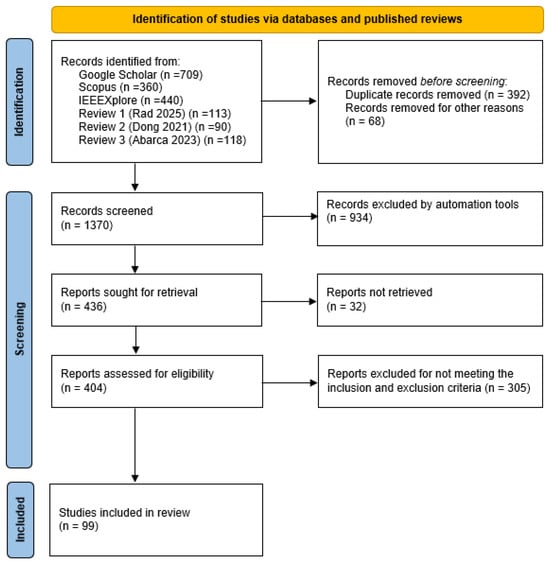
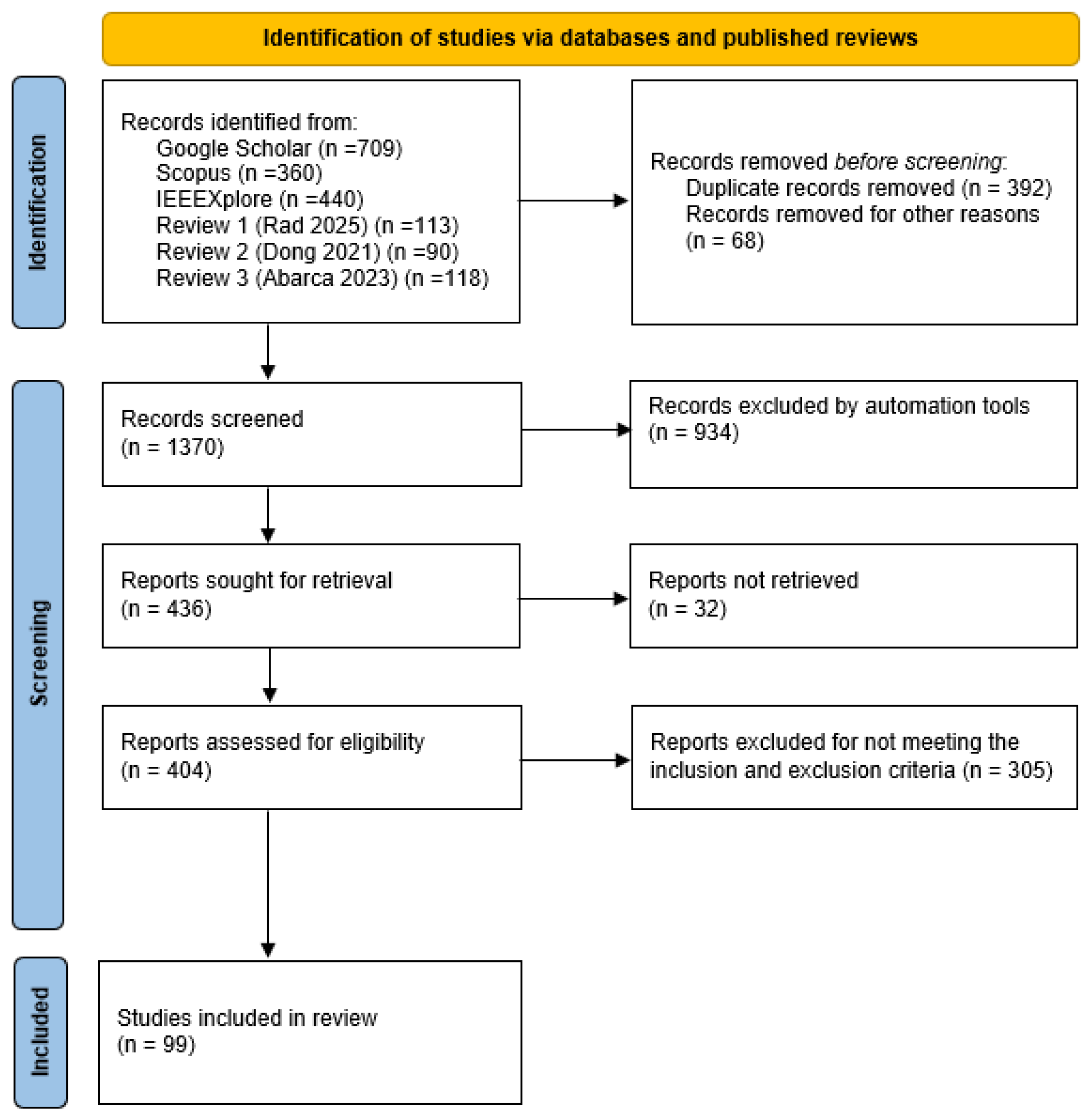
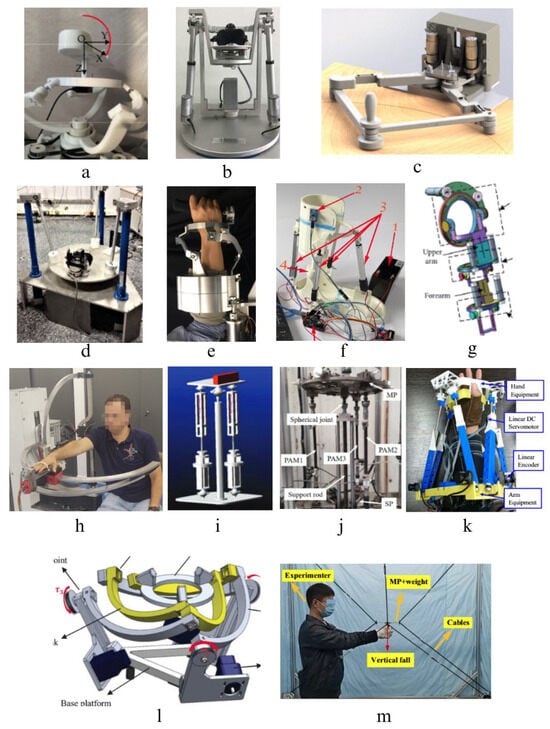
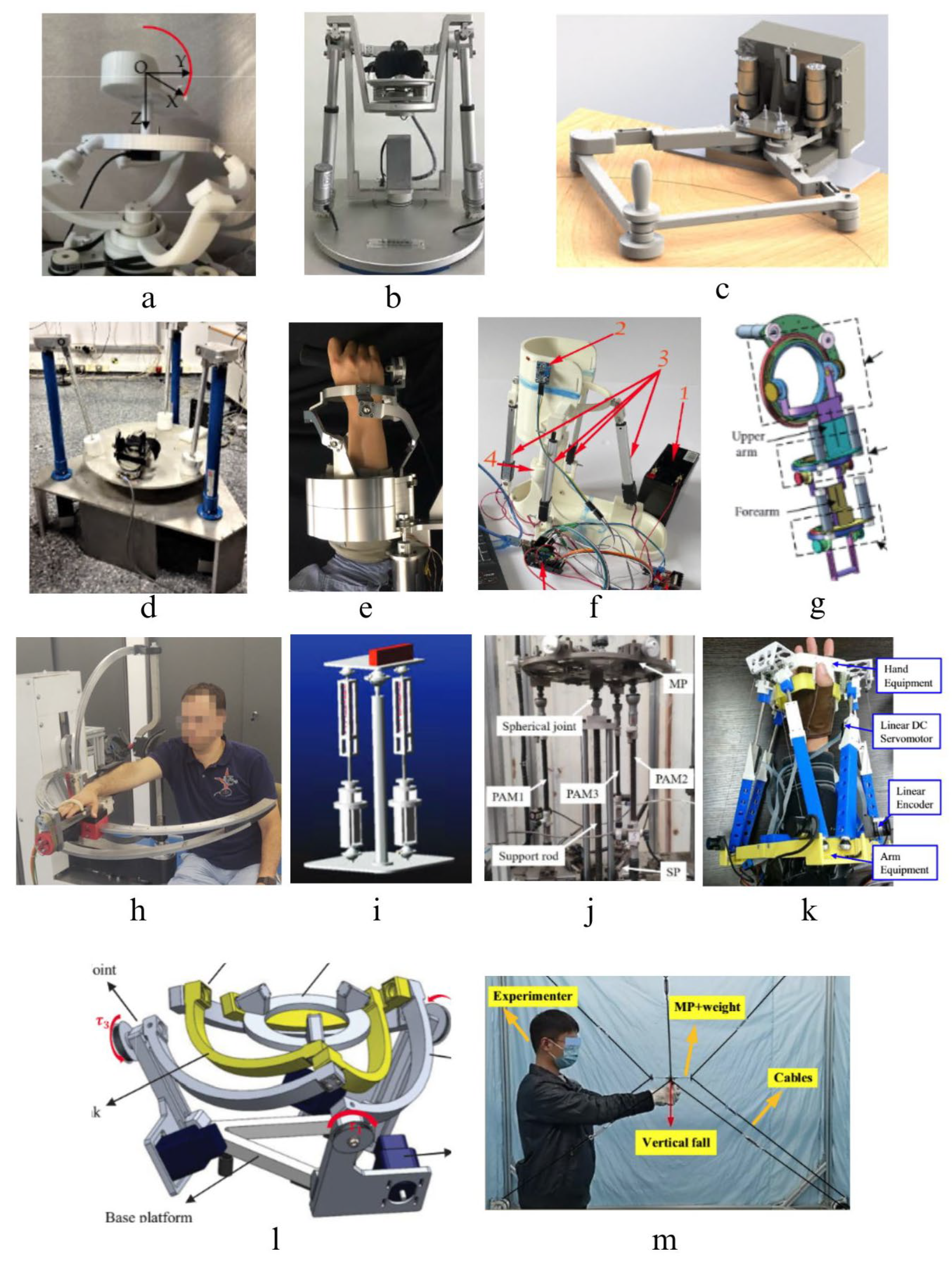
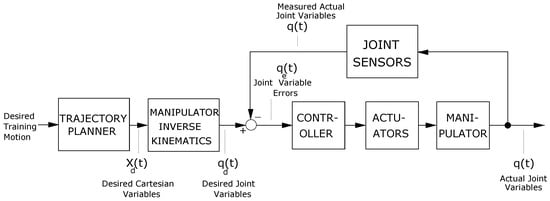
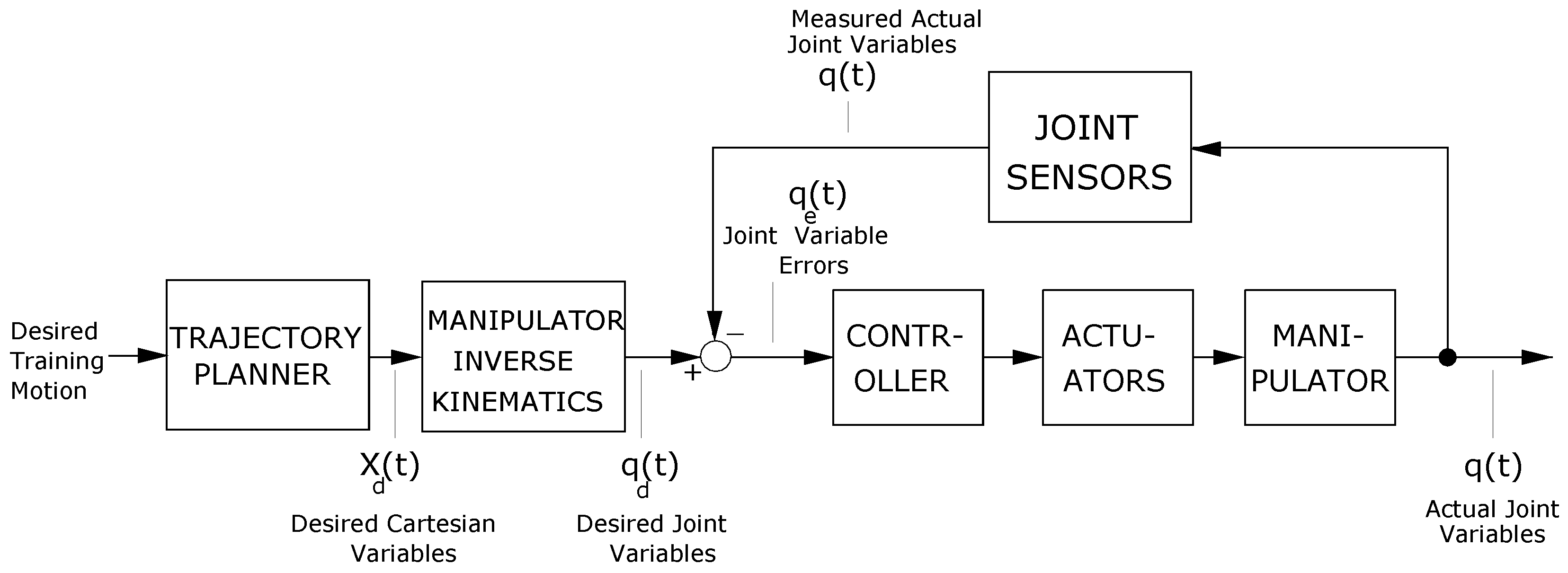
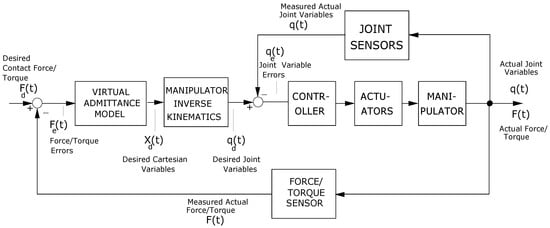
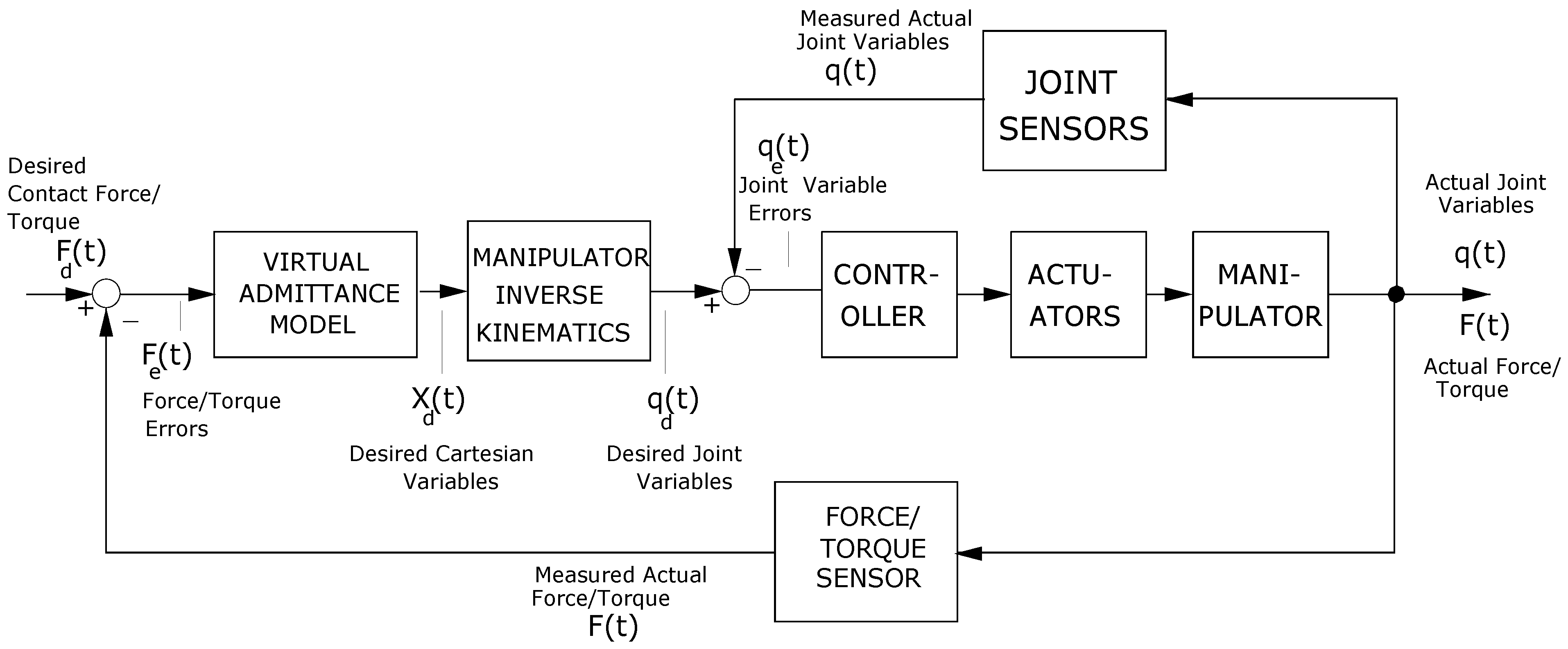
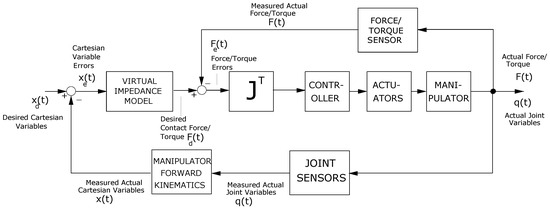
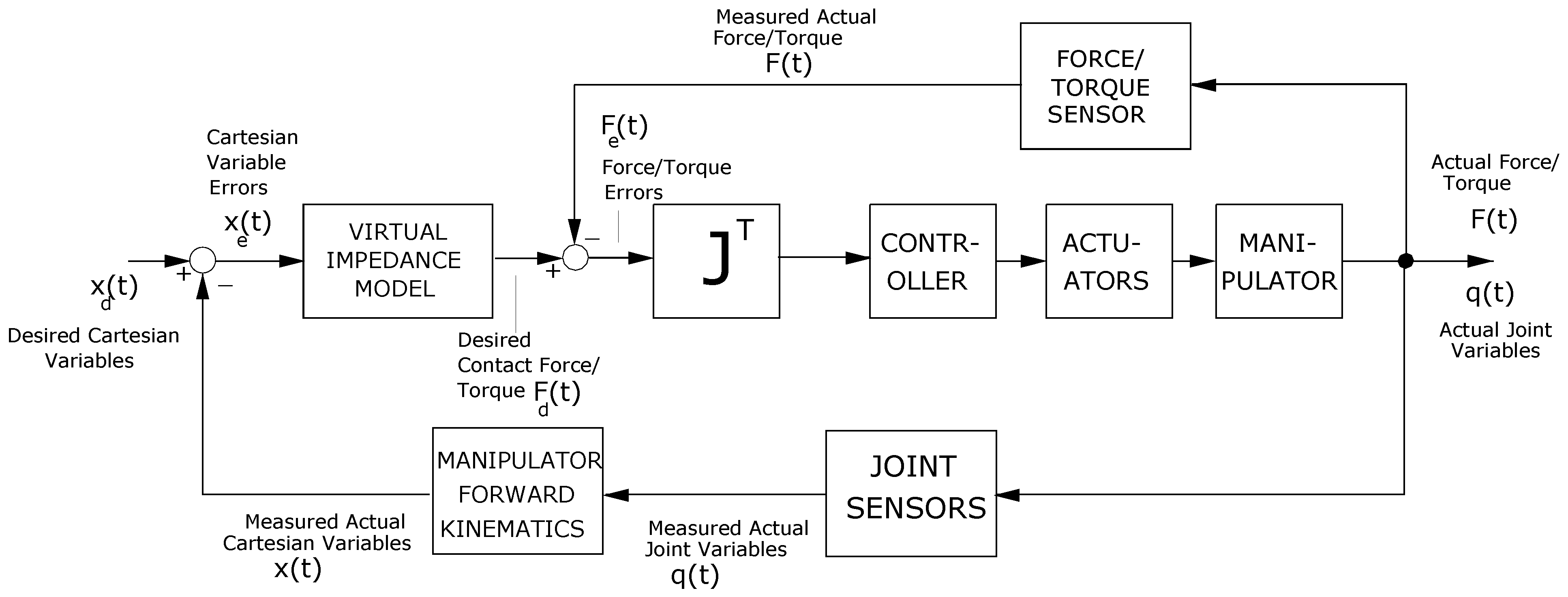
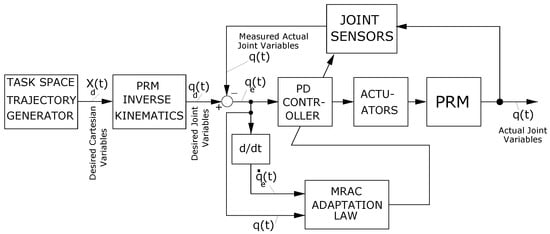
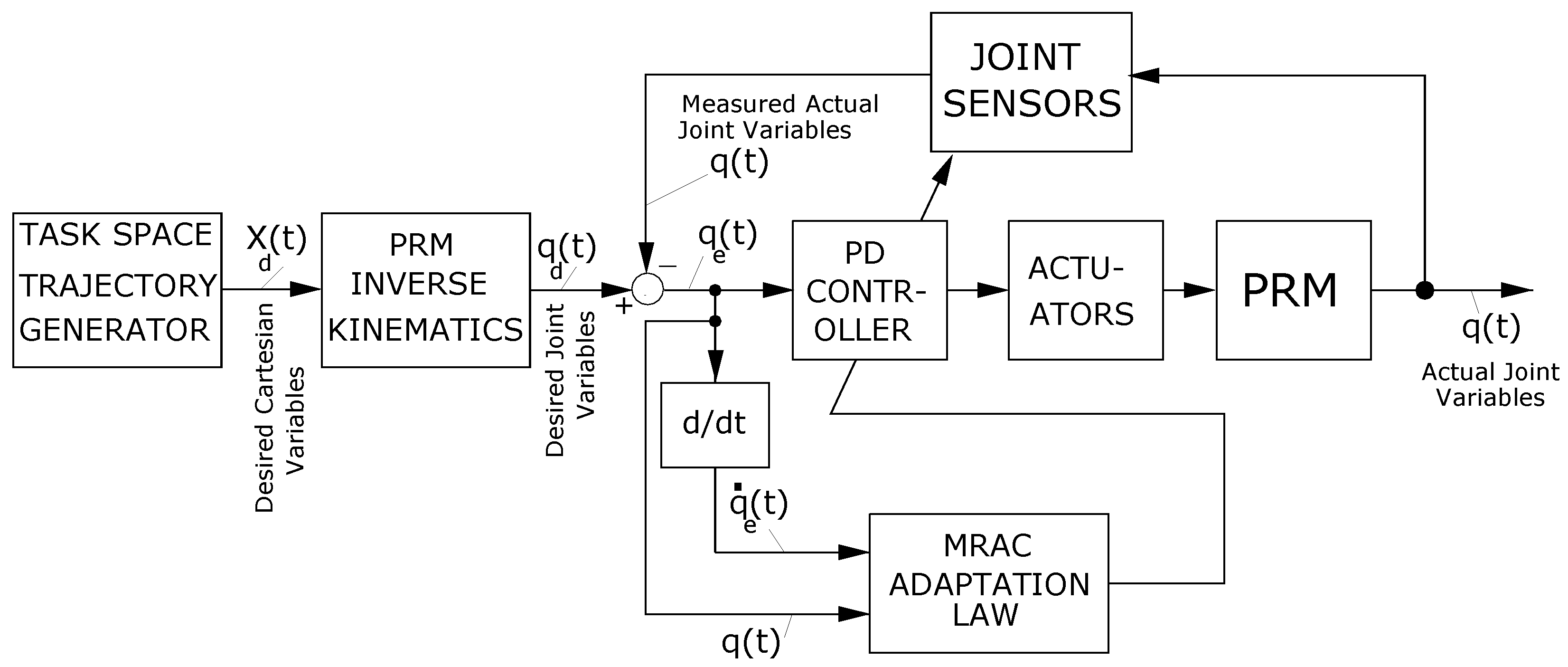
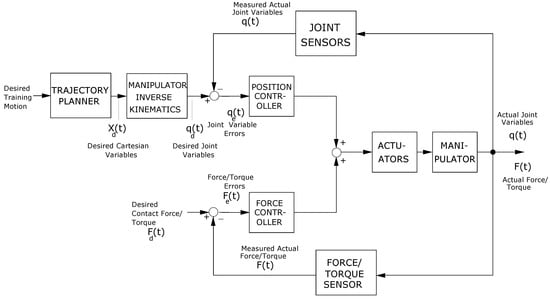
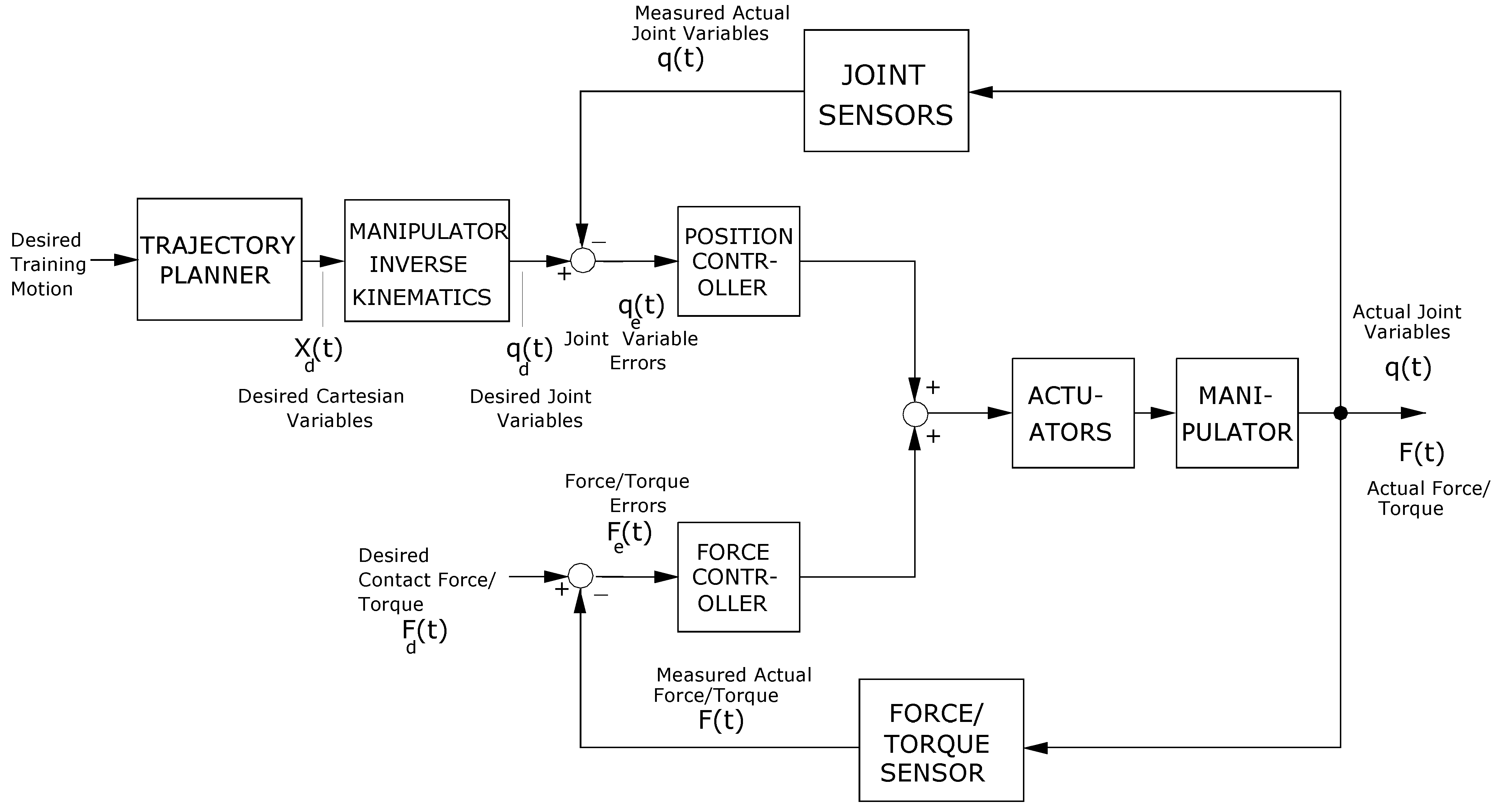
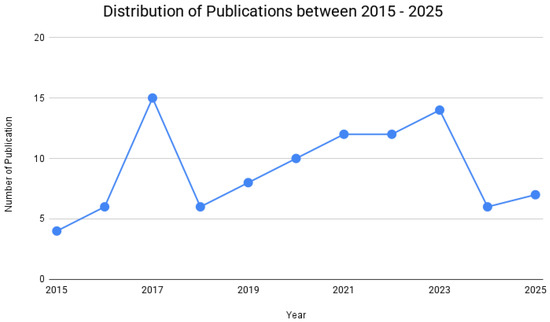
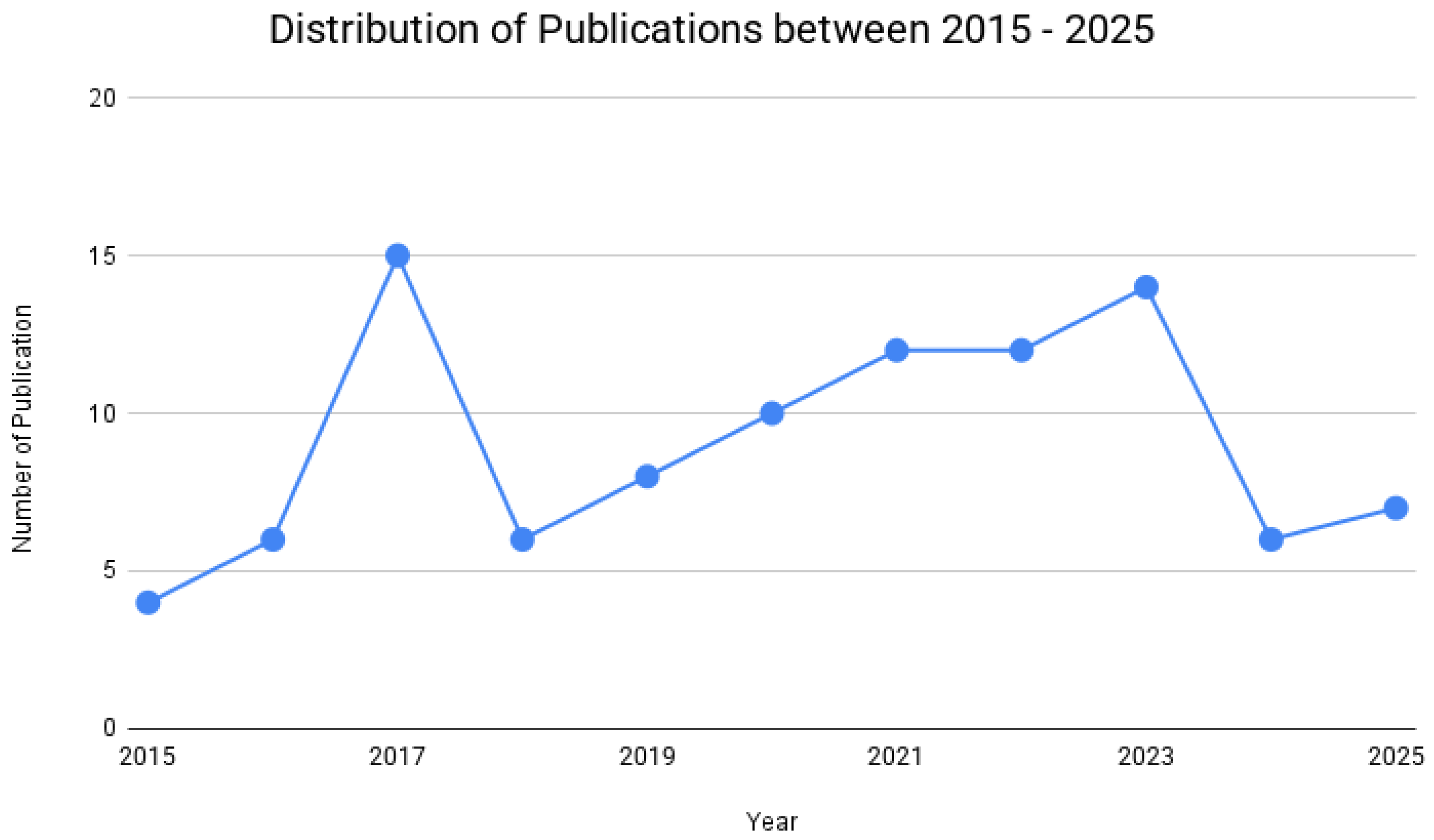
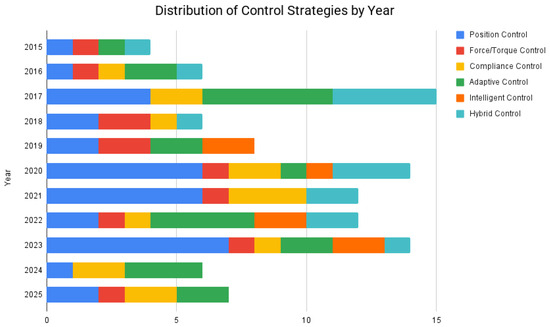
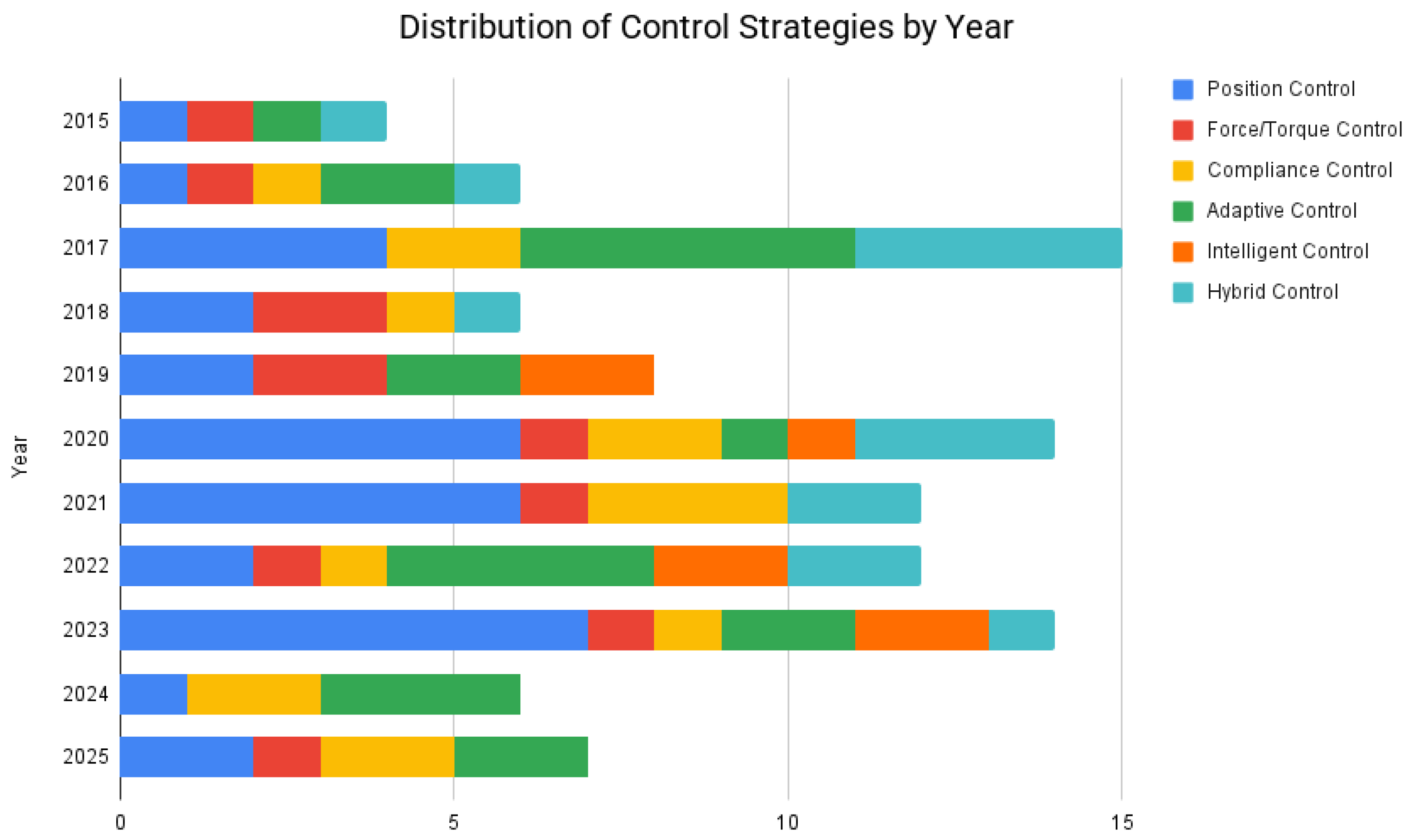
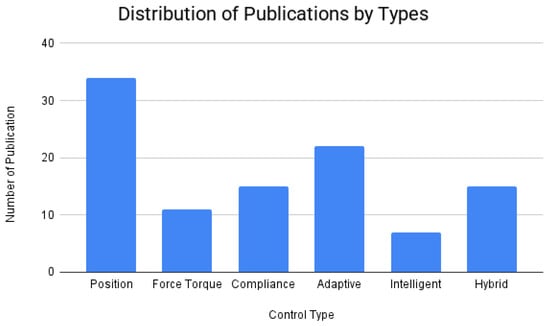
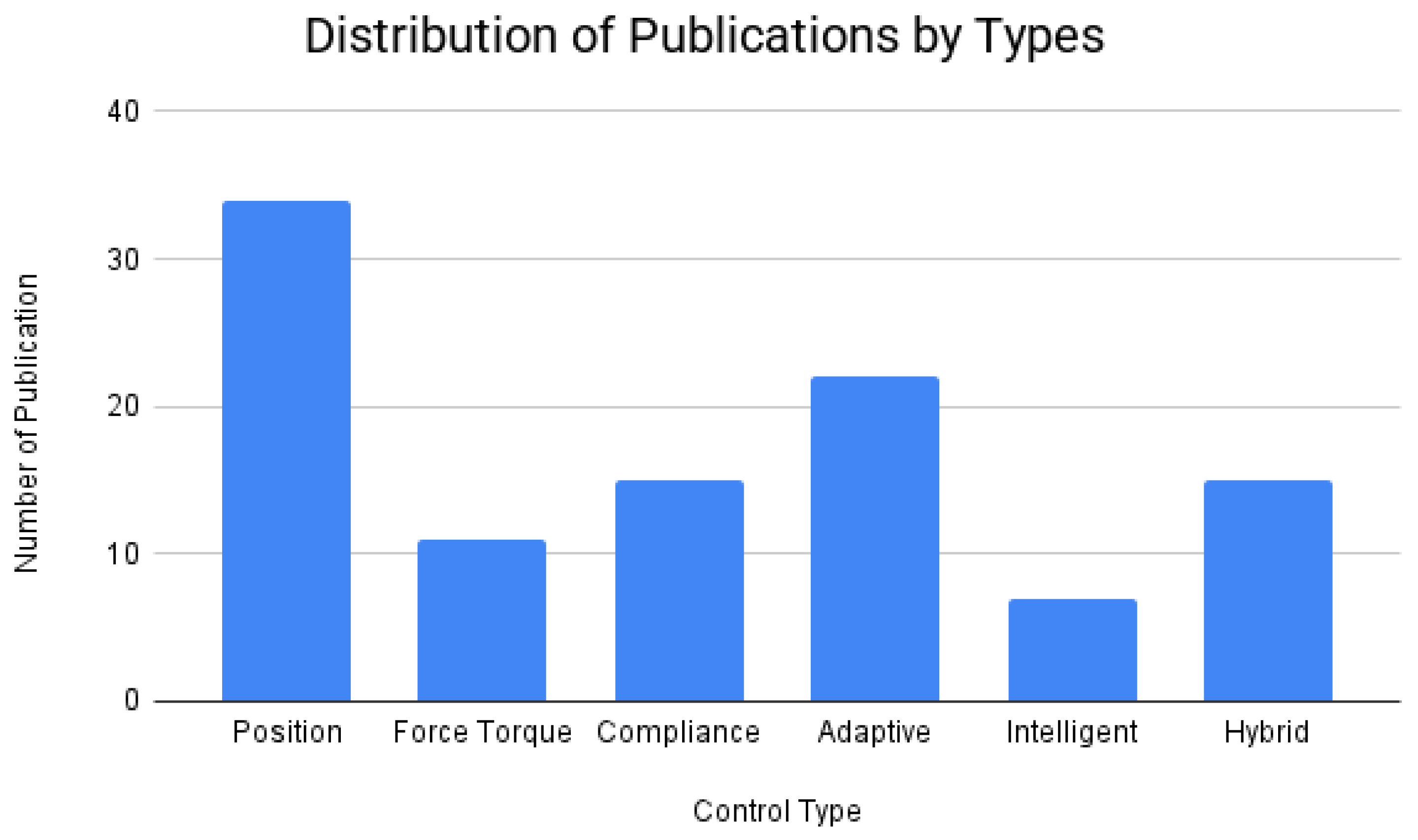

Disclaimer/Publisher’s Note: The statements, opinions and data contained in all publications are solely those of the individual author(s) and contributor(s) and not of MDPI and/or the editor(s). MDPI and/or the editor(s) disclaim responsibility for any injury to people or property resulting from any ideas, methods, instructions or products referred to in the content. |
© 2026 by the authors. Licensee MDPI, Basel, Switzerland. This article is an open access article distributed under the terms and conditions of the Creative Commons Attribution (CC BY) license.