1. Introduction
Facial asymmetry is a frequent finding in oral and maxillofacial surgery, arising from congenital, developmental, traumatic, or pathological causes [
1,
2]. While minor discrepancies are often tolerated, more evident asymmetries may cause significant esthetic and psychosocial concerns [
3]. Orthognathic surgery is the gold standard for correcting skeletal discrepancies [
4,
5], but in cases where occlusion is stable and the deformity is limited to the mandibular contour, segmental contouring techniques may provide excellent esthetic outcomes with reduced morbidity [
6,
7].
The Wing osteotomy, described by Triaca et al. [
8,
9], provides a method to remodel the mandibular basal border without altering occlusion. With the evolution of virtual surgical planning (VSP) and patient-specific instrumentation, precision and reproducibility in mandibular contour surgery have increased substantially [
10,
11], consistent with previous studies highlighting CAD/CAM and digital workflows in facial asymmetry correction [
12,
13,
14,
15].
Although classically performed bilaterally, unilateral Wing osteotomies are extremely rare and typically described only in contexts involving distraction osteogenesis or correction of pathological asymmetry [
12,
13]. Reports of isolated unilateral Wing osteotomies for esthetic contour correction in patients with stable occlusion are virtually absent in the literature.
The present case demonstrates how a unilateral Wing osteotomy, supported by VSP and patient-specific guides, can serve as a conservative, low-morbidity alternative to bimaxillary orthognathic surgery with genioplasty in carefully selected patients.
2. Patient Information
A 24-year-old woman presented with dissatisfaction regarding left-sided mandibular contour asymmetry. She had no systemic comorbidities or history of trauma or surgery. Occlusion was stable, presenting a Class I relationship, and orthodontic treatment had been ongoing for one year.
3. Clinical Findings
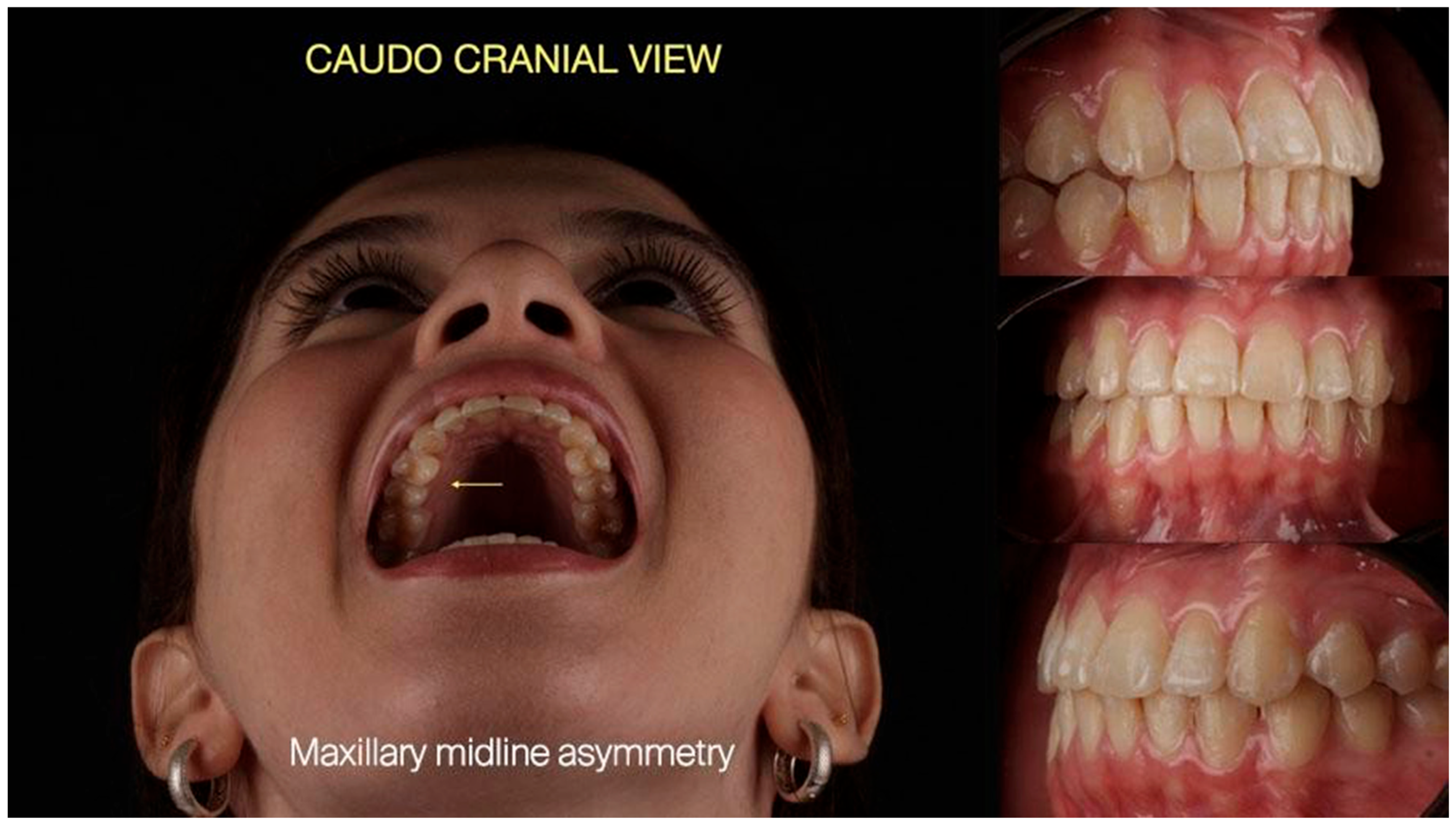
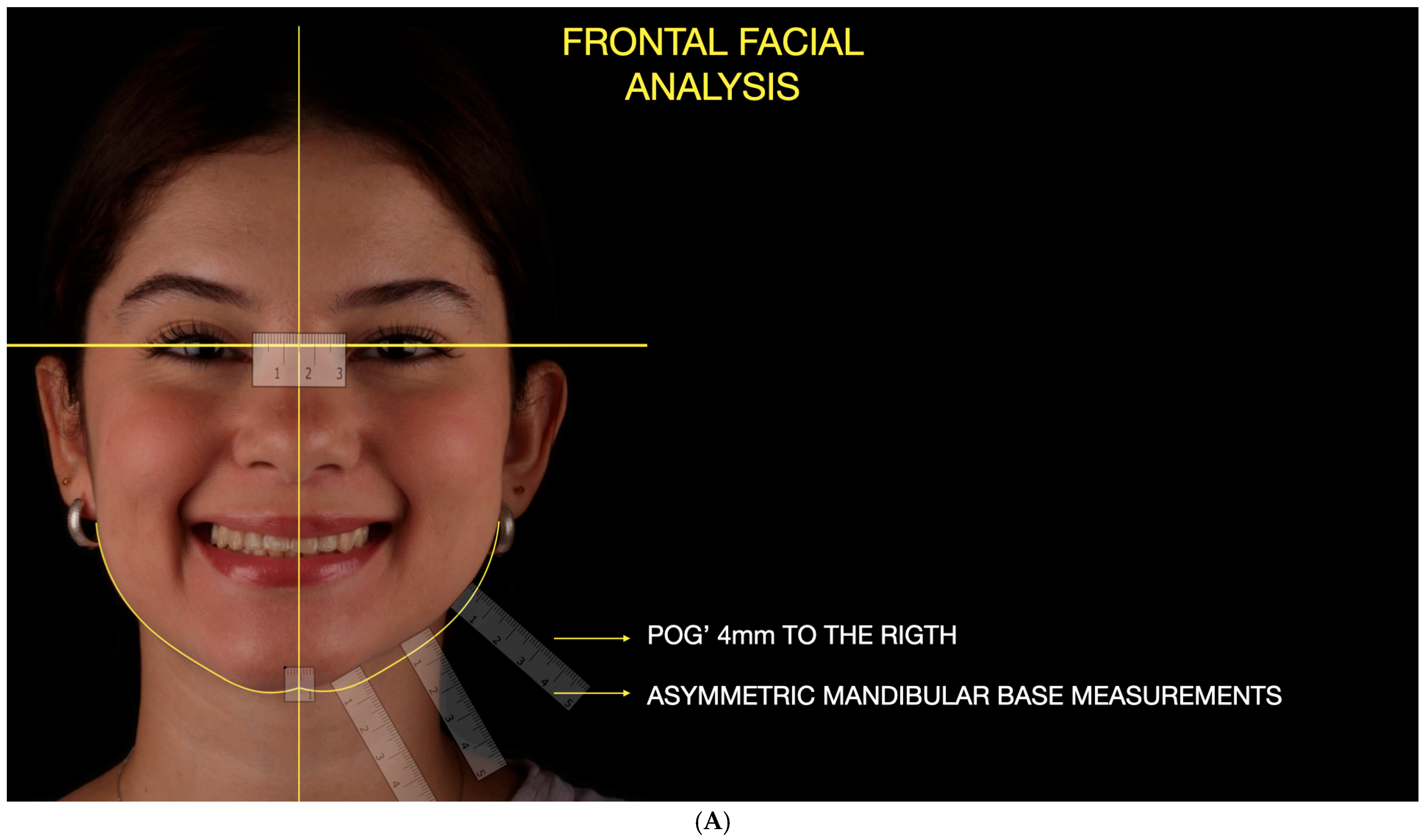
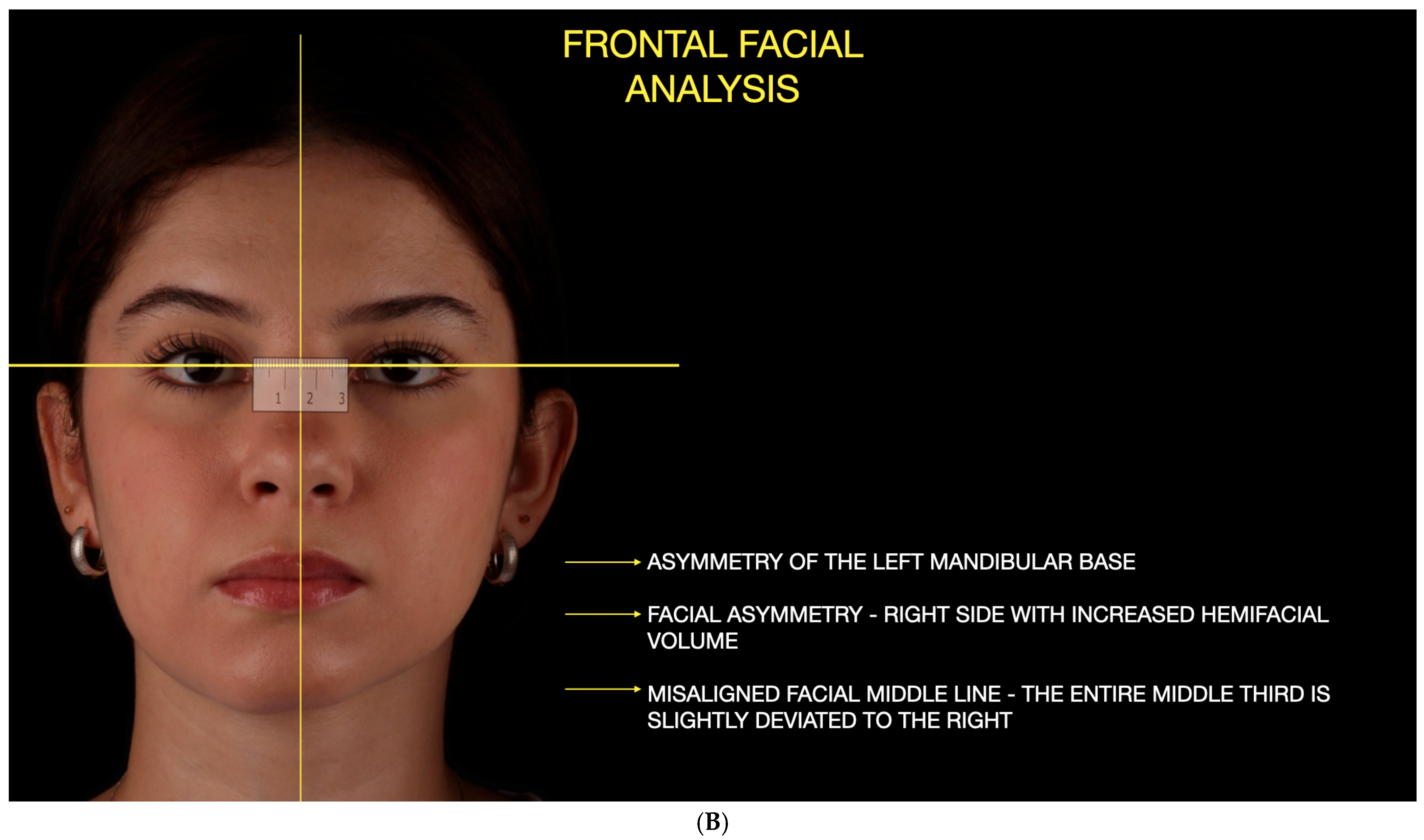
Physical examination revealed hypoplasia of the left mandibular basal border and mild deviation of the mandibular midline to the right. Facial asymmetry was confined to the lower facial third. Temporomandibular joint function was normal, with preserved range of motion, and occlusion was stable without compensatory dental changes (
Figure 1;
Figure 2A,B).
4. Diagnostic Assessment
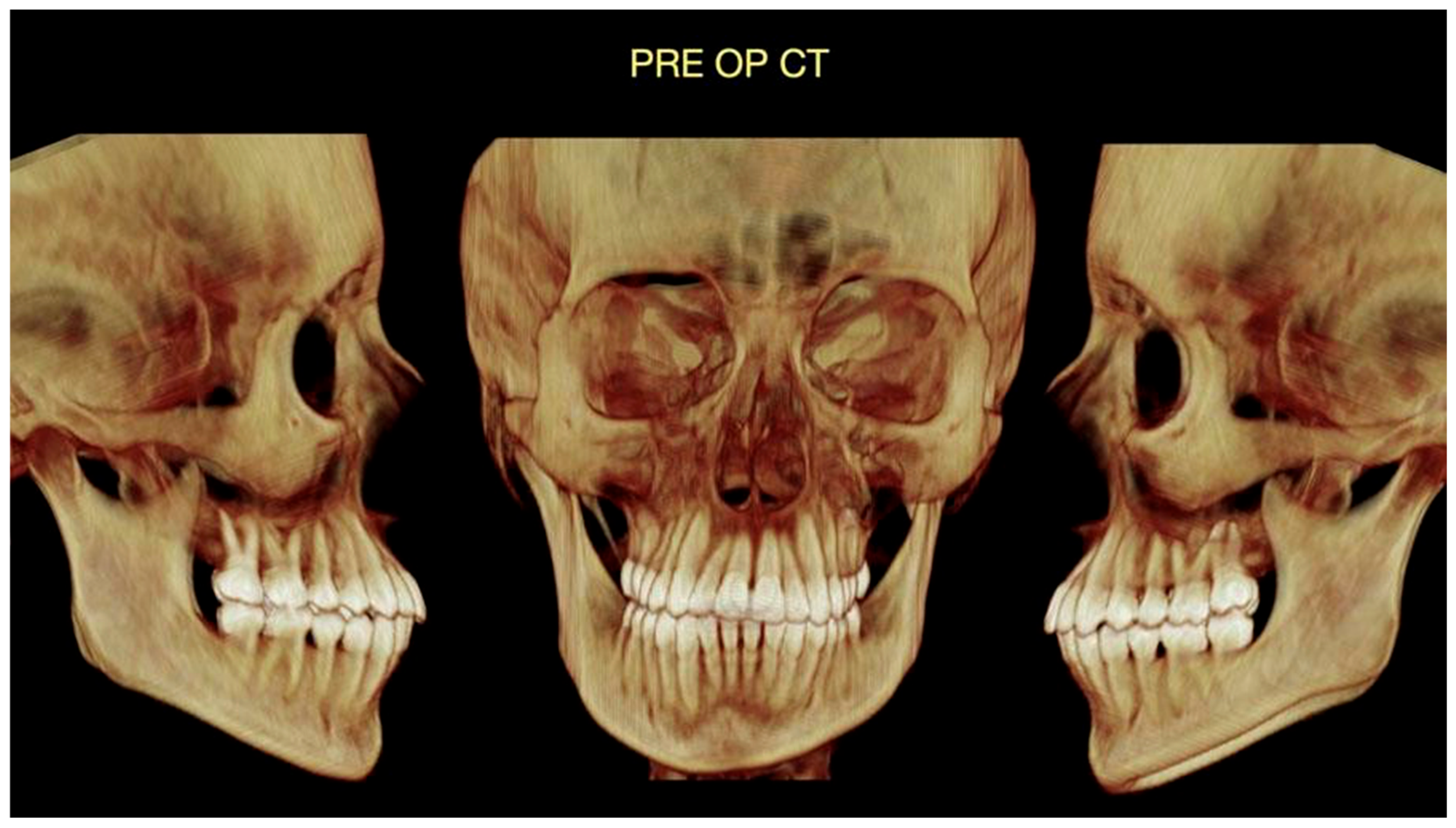
Cone-beam computed tomography demonstrated reduced vertical height of the left mandibular basal border with symmetry of the maxillary and occlusal planes. These findings supported a diagnosis of purely morphological contour asymmetry without skeletal malocclusion (
Figure 3).
Virtual surgical planning was performed using Dolphin Imaging 11.9 and Materialise Mimics
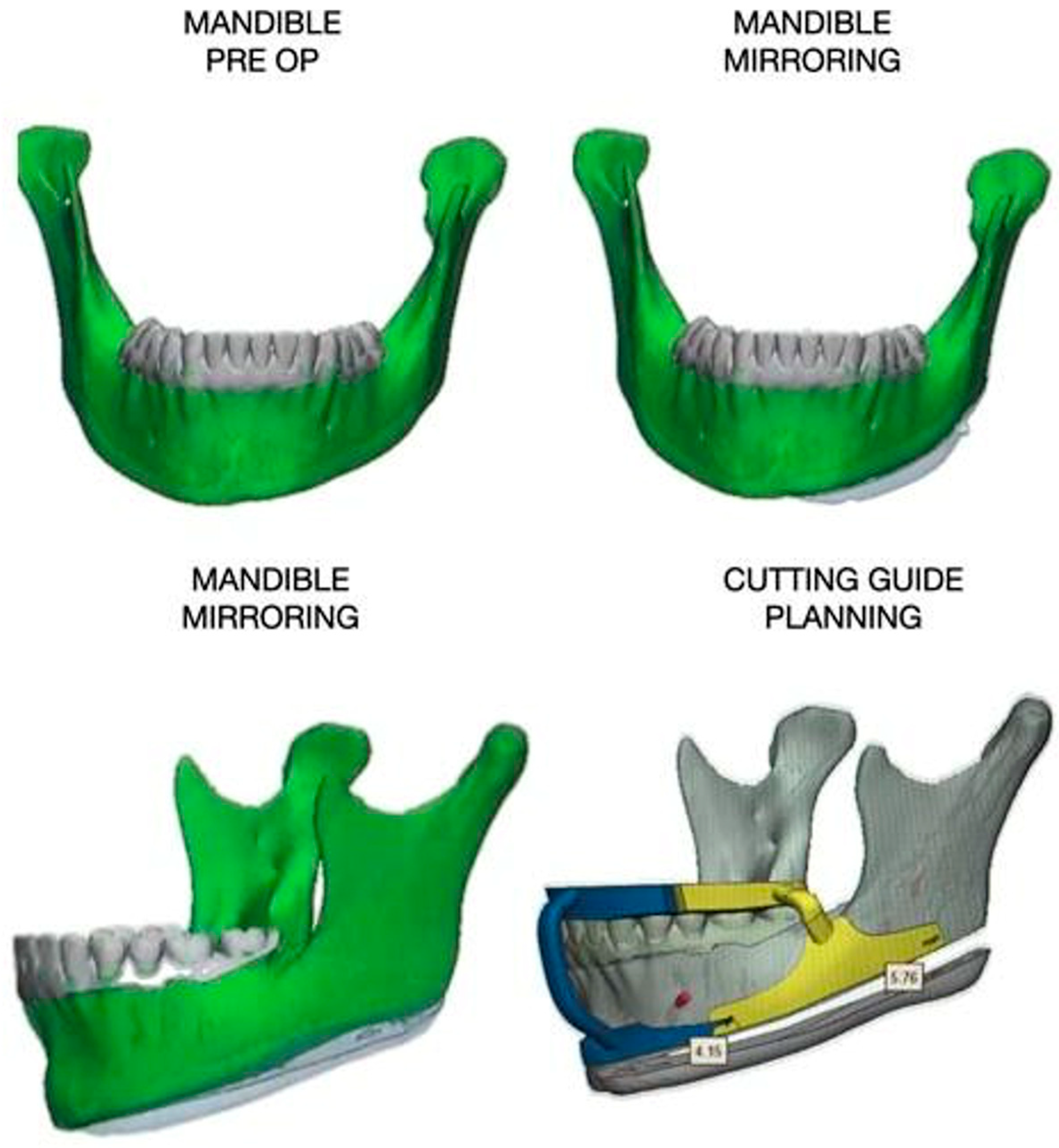
® software 24.0. Contralateral mirroring was used to define the target mandibular contour. A stereolithographic model and a patient-specific cutting guide were fabricated to assist with precise intraoperative execution (
Figure 4).
5. Virtual Surgical Planning and Patient-Specific Instrumentation
Virtual surgical planning (VSP) was performed using cone-beam computed tomography data to assess mandibular anatomy, asymmetry, and bone thickness in the region of the planned osteotomy. Three-dimensional reconstruction allowed precise evaluation of the mandibular basal border and confirmed adequate bone thickness for safe execution of a unilateral Wing osteotomy (
Figure 4).
Contralateral mirroring of the unaffected mandibular side was used to define the target contour and vertical projection of the basilar segment. This mirrored anatomy served as the reference for determining the osteotomy trajectory, the amount of inferior repositioning, and the final contour objective.
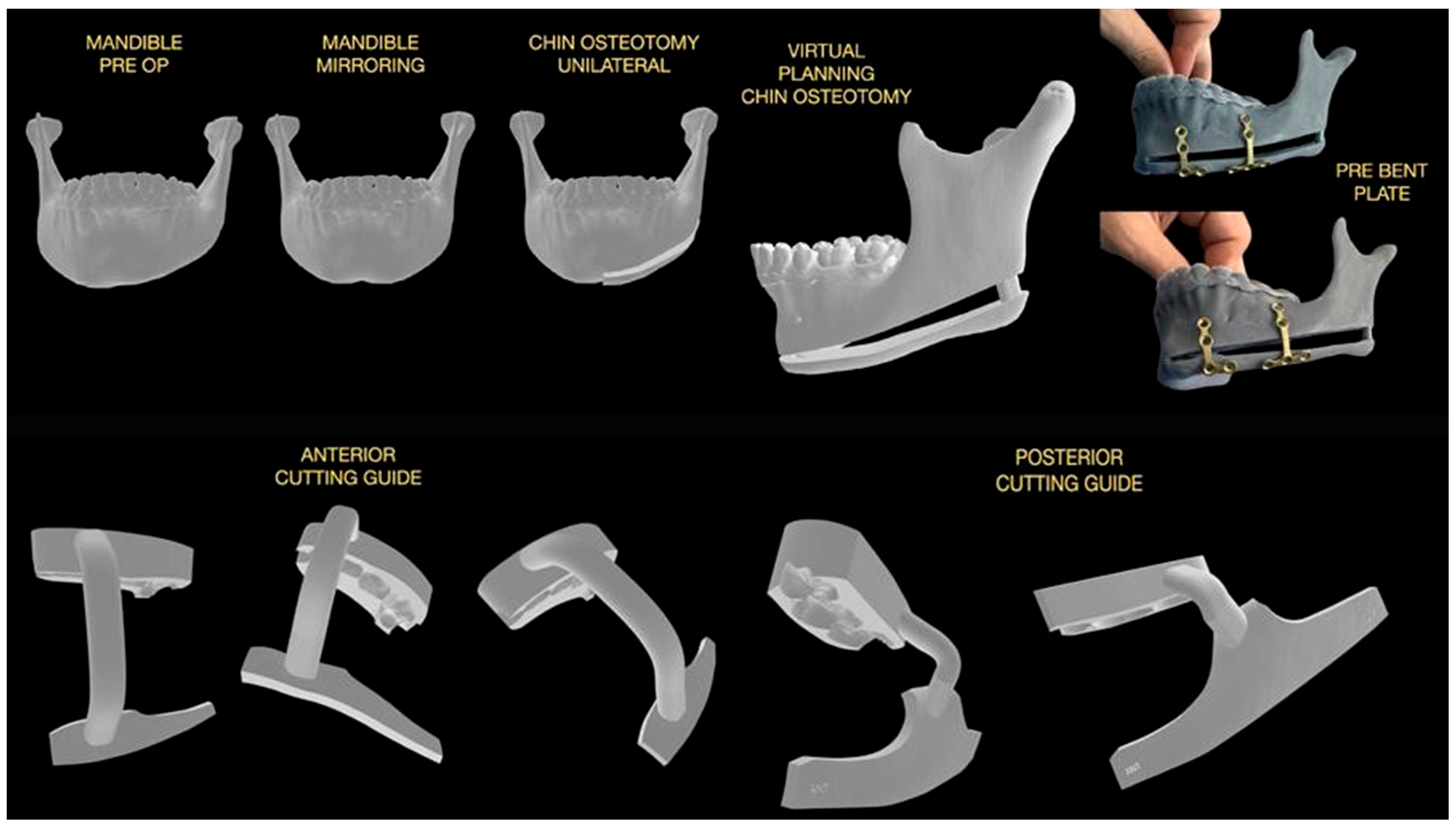
Based on the virtual plan, a stereolithographic biomodel was fabricated to allow preoperative adaptation of fixation plates. In parallel, a patient-specific cutting guide was designed with combined bone and occlusal support to ensure accurate intraoperative positioning. The guide geometry incorporated controlled-depth cutting slots corresponding to the planned osteotomy line, translating the virtual plan into a reproducible intraoperative workflow (
Figure 5).
6. Surgical Technique (Step-by-Step Operative Workflow)
6.1. Incision and Flap Design
An intraoral vestibular incision was performed extending from the canine–premolar region to the molar area on the affected side. Subperiosteal dissection was carried out in the buccal plane, preserving periosteal attachments along the inferior mandibular border to maintain soft tissue support and vascularity.
6.2. Tunnelized Exposure
Subperiosteal dissection was intentionally limited to the planned osteotomy line to minimize soft-tissue trauma and preserve periosteal attachments. After identification of the subperiosteal plane, a single, controlled posterior sweeping movement was performed using a Molt periosteal elevator No. 9 to reach the posterior region of the mandibular ramus.
The posterior tunnel was initiated near the antegonial notch, which reduces the required dissection distance and facilitates controlled detachment of the pterygomasseteric sling, known for its firm muscular adherence. Once this region was accessed, a delicate Obwegeser progenism retractor was inserted and seated along the curvature of the posterior border of the mandibular ramus.
A critical technical aspect of the tunnelized approach is that limited exposure allows the retractor to remain securely engaged within a stable subperiosteal plane, mechanically locked by surrounding muscular tension. This provides consistent retraction and visualization while maintaining a confined working corridor, which contributes directly to the precision and safety of the osteotomy.
In contrast, slightly wider subperiosteal dissection was intentionally performed in the antegonial notch and mandibular body region to allow accurate seating and adaptation of the patient-specific cutting guide.
6.3. Mental Nerve Identification and Protection
The mental nerve was identified early at its emergence from the mental foramen. Limited blunt dissection was performed to allow passive mobilization sufficient to increase flap elasticity, without nerve skeletonization.
An important protective factor in this technique is the segmented design of the patient-specific cutting guide, which permits its use in stages rather than continuous placement. This staged use allows the guide to serve primarily for initial osteotomy marking, avoiding prolonged intraoperative presence and eliminating the need for extended surgical access.
Throughout the procedure, retraction was intermittently released to minimize traction on the mental nerve. Postoperative neurosensory evaluation was performed clinically using light-touch and pin-prick testing in the mental nerve distribution.
6.4. Cutting Guide Positioning and Verification
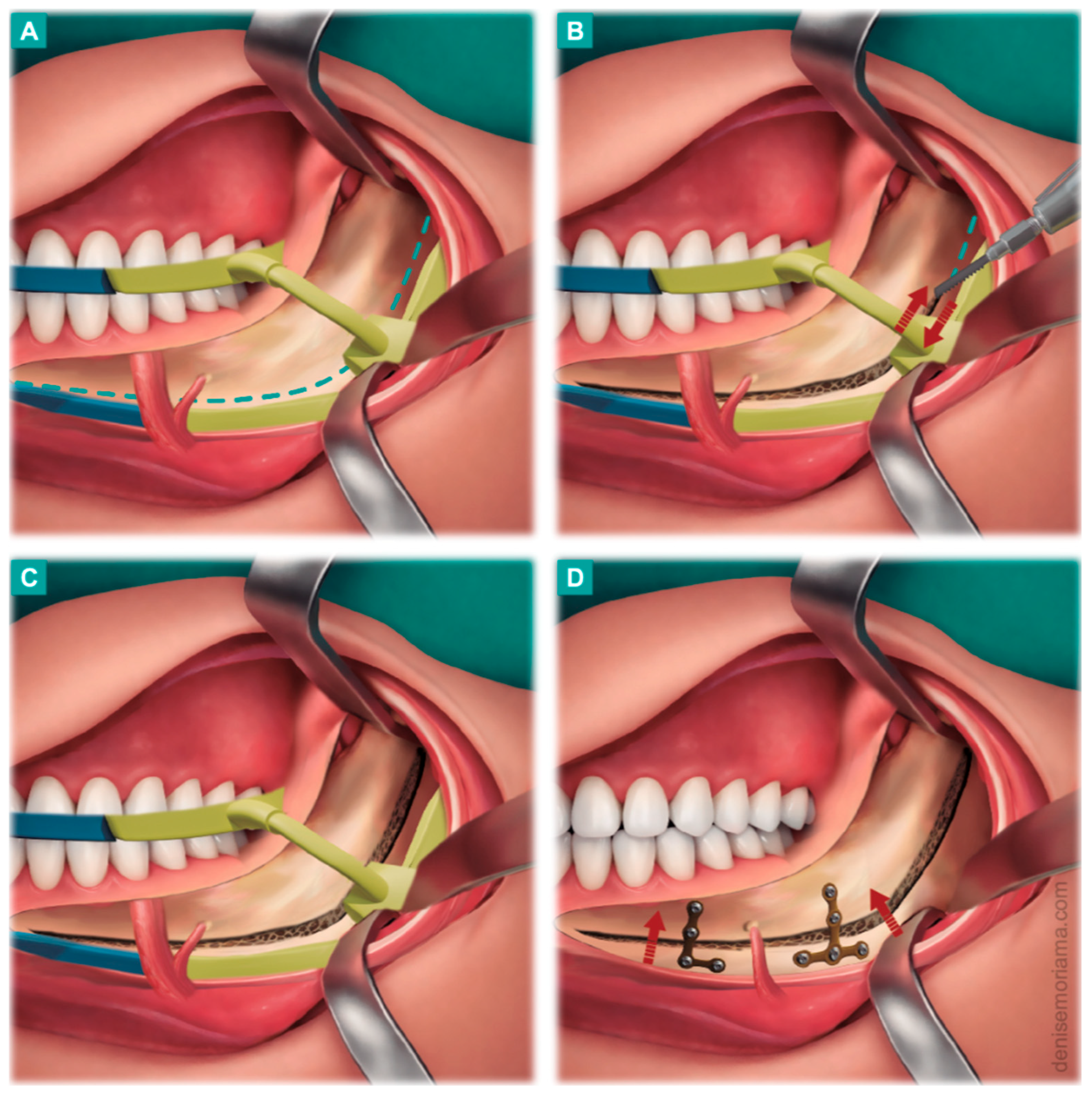
The patient-specific cutting guide was designed as a bone-supported guide with additional occlusal support. Proper seating was confirmed intraoperatively when simultaneous occlusal engagement and intimate contact along the entire bony surface of the guide were achieved. This combined bone–occlusal fit ensured accurate three-dimensional positioning of the guide relative to the planned osteotomy trajectory (
Figure 6).
An additional technical advantage of this guide design was the ability to maintain the patient in stable occlusion during guide placement and osteotomy execution. Due to an edentulous area in the maxillary arch, the guide permitted occlusal engagement with the mouth in a closed position, which increased buccal soft-tissue elasticity and facilitated retraction within the tunnelized approach.
During osteotomy execution, maintenance of occlusion allowed adequate exposure using only a single retractor, which simultaneously served to retract the mucosa and define the tunnel corridor. This minimized the need for additional retractors or extended exposure, contributing to reduced soft-tissue trauma while preserving surgical precision.
6.5. Osteotomy Execution
The reciprocating saw was introduced to a controlled depth of 9 mm, which was defined as a safety limit to prevent injury to lingual soft tissues. Preoperative virtual planning demonstrated an average mandibular bone thickness of approximately 9.5 mm in the osteotomy region, allowing controlled bicortical cutting while maintaining a protective margin.
Initial osteotomy marking was performed using a 702 bur, following the trajectory defined by the patient-specific cutting guide. Once the osteotomy path was clearly established, the bur was replaced with a reciprocating saw to complete the cut. Whenever possible, the saw was allowed to advance through both cortical plates in a single, continuous movement to achieve a clean osteotomy line and minimize trauma to adjacent musculature and bleeding.
After completion of the osteotomy, a Lucas Bayonet Gouge Chisel (0.4 × 20 cm; ANVISA registration: 80310620016; Rhosse® Instrumentos, Rio Claro, São Paulo, Brazil) was gently introduced along the entire osteotomy line to confirm continuity and release any residual bony interferences, facilitating controlled mobilization of the basilar fragment.
During the final phase of mobilization, after confirming the absence of resistance, a Smith cavity spreader (ANVISA registration: 80310620016; Rhosse® Instrumentos, Brazil) was used to achieve gradual and symmetric separation of the basilar segment.
Prior to completing full mobilization of the segment, pre-bent fixation plates were positioned and secured to enhance accuracy and control of the final repositioning.
6.6. Fixation Strategy and Plate Positioning
Fixation plates were pre-bent using a stereolithographic biomodel generated during virtual surgical planning. Plate adaptation was guided by the planned position of the cutting guide and by stable dental landmarks.
Because the plates were pre-contoured, precise adaptation to the mandibular basal border was achieved through passive seating. Initial fixation was performed while the basilar segment was not yet fully mobilized, which facilitated accurate positioning and enhanced stability.
The anterior L-shaped plate was fixed using two 2.0 × 9 mm screws, while the posterior T-shaped plate was secured with three 2.0 × 9 mm screws. Following plate fixation, final separation and repositioning of the basilar segment were completed, allowing controlled movement into the planned final position.
6.7. Graft Placement and Soft-Tissue Closure
Bio-Oss® Collagen (Geistlich® Pharma, Wolhusen, Switzerland) was selected due to its dimensional stability and ease of handling. The graft was placed in direct contact with the bony surfaces of the osteotomy gap with minimal manipulation, serving primarily as an osteoconductive scaffold.
No barrier membrane was used. The periosteum was repositioned to fully cover the grafted area, providing natural containment. After irrigation and confirmation of hemostasis, layered soft-tissue closure was performed.
6.8. Therapeutic Rationale
Because the deformity was limited to the mandibular contour and occlusion was stable, bimaxillary orthognathic surgery was deemed excessive, carrying unnecessary morbidity for a non-functional concern. A unilateral Wing osteotomy offered a minimally invasive approach aligned with the patient’s aesthetic goals while preserving dental relationships and neuromuscular integrity.
7. Follow-Up and Outcomes
The patient has been followed for 12 months postoperatively. Occlusion remained unchanged throughout the entire follow-up period, with stable dental relationships and preserved masticatory function. Because no occlusal modification was performed, functional rehabilitation was simplified and did not require dietary restrictions related to occlusal stability.
A soft diet was recommended during the first 7 postoperative days, primarily to protect intraoral sutures, facilitate oral hygiene, and prevent food debris accumulation in the surgical area. After the first postoperative week, the patient progressively resumed a normal diet without restrictions. No limitations in mandibular movement or masticatory efficiency were observed after the early postoperative period [
16].
No signs of infection, wound dehiscence, or hardware-related complications were observed during follow-up.
Transient neurosensory disturbance in the distribution of the inferior alveolar nerve was noted postoperatively. Using a subjective numeric rating scale from 0 (normal sensation) to 10 (complete paresthesia), the patient reported an initial score of 8 during the first four postoperative weeks, a finding considered compatible with postoperative edema and surgical manipulation.
A postoperative low-level laser therapy (LLLT) protocol was initiated 5 days after surgery and continued for a total of 8 weeks. Laser therapy was performed using a diode laser device (Therapy XT
®, DMC Equipamentos, São Carlos, Brazil). Infrared laser irradiation was applied both intraorally and extraorally along the mandibular course of the inferior alveolar and mental nerves [
17,
18,
19].
The protocol consisted of 6 to 8 application points per session, distributed in the mental foramen region, along the mandibular body, and in areas corresponding to the patient’s reported sensory alteration. Each point received an energy dose of approximately 4–6 J, consistent with commonly reported protocols for peripheral nerve recovery in oral and maxillofacial surgery. Sessions were performed twice weekly during the first 6 postoperative weeks, followed by once-weekly sessions during weeks 7 and 8.
By the eighth postoperative week, the paresthesia score had decreased to 3, with residual altered sensation limited to small, well-defined areas, mainly near the labial commissure and the inferior region of the pogonion. At the 12-month follow-up, the patient reported minimal residual paresthesia (1/10), perceived only during very light tactile stimuli, such as contact with hair, without interference in daily activities or quality of life.
Postoperative discomfort and functional limitation were mainly related to transient restriction of facial mimic movements during the first 4 to 6 weeks. This was managed with physiotherapy and mechanical stimulation of the affected area to prevent fibrosis and restore soft-tissue mobility. Progressive improvement was observed, resulting in the restoration of natural facial expressions.
Kinesiology taping was applied during the first 7 postoperative days, and controlled cryotherapy using a hilotherapy system (Hilotherm®, Allgau, Germany) was employed during the first 5 postoperative days to assist in edema control and improve patient comfort.
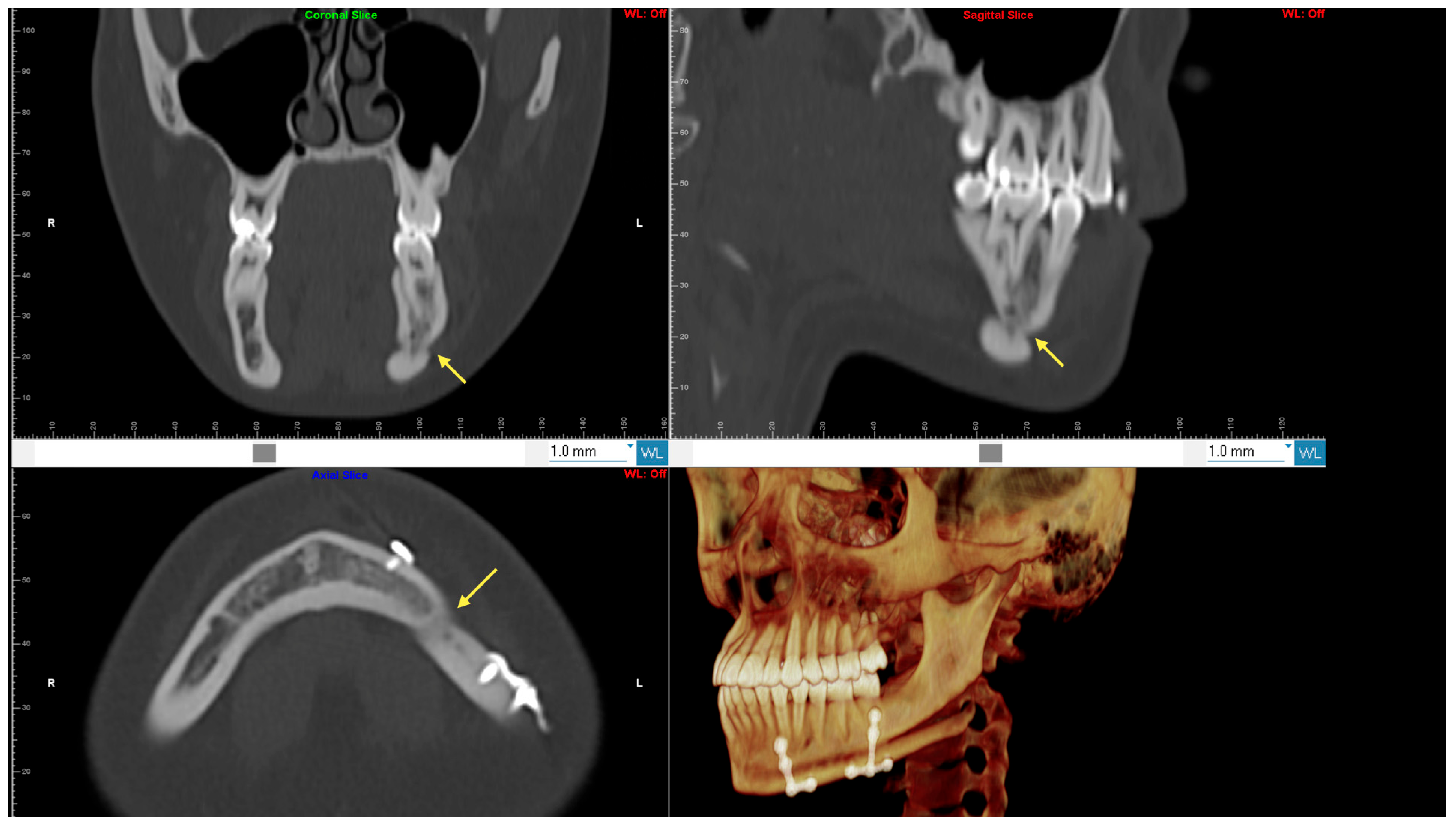
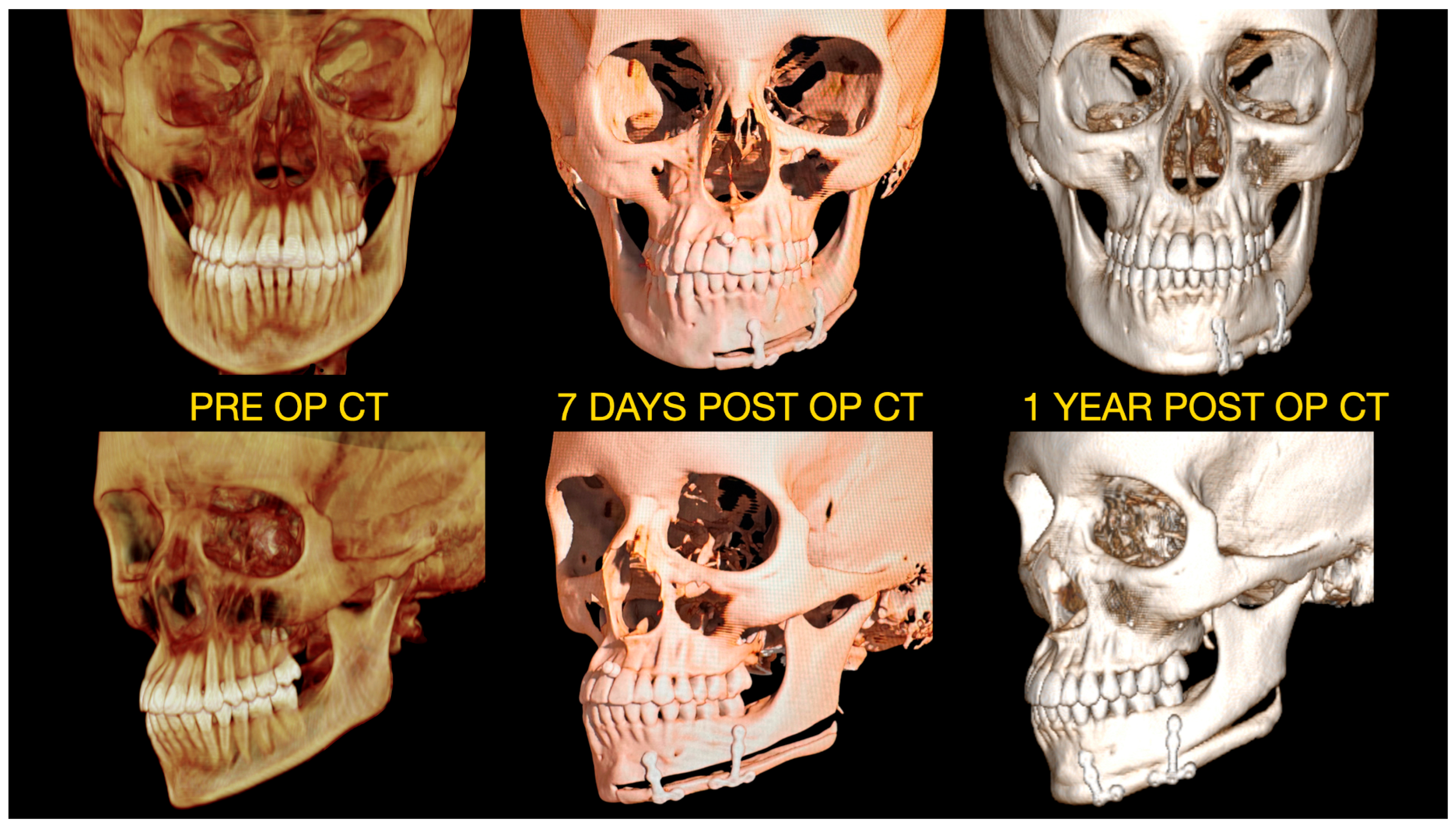
Radiographic evaluation at 12 months confirmed bone formation within the osteotomy gap and long-term stability of the repositioned basilar segment (
Figure 7;
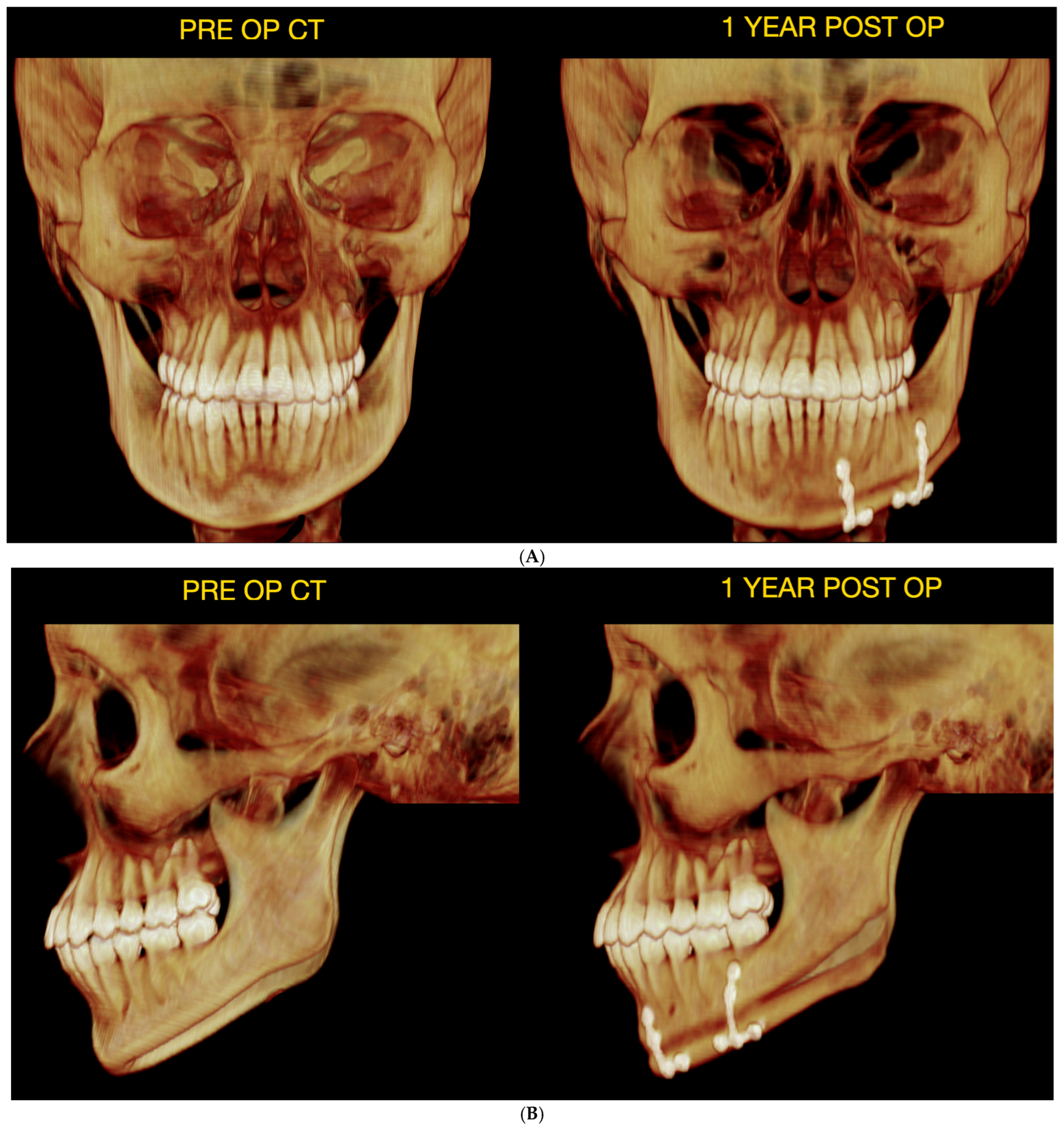
Figure 8). Comparative CBCT analysis between preoperative and postoperative images demonstrated restoration of mandibular basal contour and maintenance of the achieved correction over time (
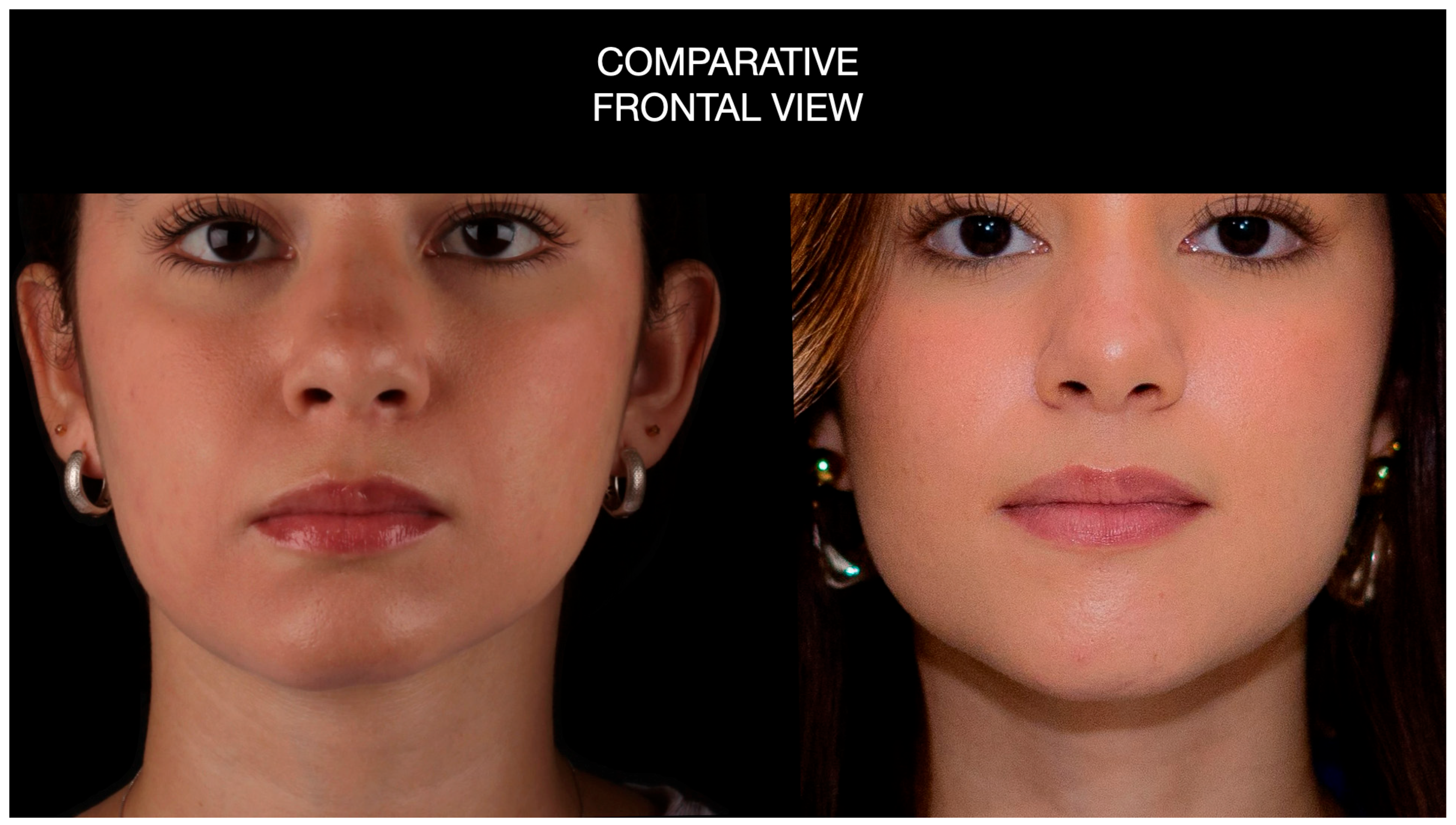
Figure 9A,B). Clinical evaluation at 12 months corroborated the radiographic findings, demonstrating improved mandibular contour and lower facial symmetry without functional impairment (
Figure 10).
8. Discussion
This case demonstrates the potential of unilateral Wing osteotomy as a conservative solution for mandibular contour asymmetry in patients with stable occlusion. While orthognathic surgery remains essential for the correction of significant skeletal deformities [
4,
5], it may represent overtreatment when the discrepancy is limited to the mandibular basal contour. In such scenarios, segmental contouring approaches can provide targeted esthetic correction with substantially lower morbidity [
6,
7]. Triaca et al. [
8,
9] demonstrated that basilar border osteotomy effectively balances the lower face without altering occlusion, supporting its application in contour-focused corrections.
Virtual surgical planning and patient-specific instrumentation were fundamental to the precision and safety of the present procedure. VSP enhances accuracy, reduces intraoperative variability, and improves reproducibility, even in resource-limited clinical settings [
10,
11]. These advantages are further supported by previous studies describing CAD/CAM workflows and three-dimensional analytical approaches for facial asymmetry assessment and correction [
14,
15,
16]. In the present case, contralateral mirroring, biomodel-guided plate adaptation, and patient-specific cutting guides enabled a tunnelized approach while preserving neurosensory structures and sculpting the intended mandibular contour with millimetric precision.
Unilateral Wing osteotomies are rarely reported in the literature. Most available publications describe bilateral applications aimed at vertical augmentation or symmetric contour remodeling of the lower face [
8,
9]. The few unilateral reports that exist are typically associated with distraction osteogenesis or correction of pathological asymmetry, such as hemi-Wing distraction techniques described by Muñoz et al. [
12] or modified applications in condylar hyperplasia. Recent discussions in the literature [
13] further underscore that unilateral contour-focused Wing osteotomies remain scarcely documented. As summarized in
Table 1, reports of isolated unilateral Wing osteotomies without distraction and without occlusal modification remain exceedingly rare. In this context, there remains a distinct gap regarding isolated unilateral Wing procedures performed exclusively for contour correction while preserving occlusion.
The postoperative course observed in this case supports the integration of contour-focused mandibular procedures into enhanced recovery or fast-track surgical pathways. Early control of edema through controlled cryotherapy, combined with minimal access surgery, preservation of occlusion, and early functional rehabilitation, contributed to accelerated recovery and improved patient comfort. These principles are consistent with Enhanced Recovery After Surgery (ERAS) concepts, which emphasize reduction in surgical trauma, optimization of perioperative care, and early return to function as determinants of improved postoperative outcomes [
20,
21]. Furthermore, radiographic evaluation at 12 months demonstrated bone consolidation within the osteotomy gap and maintenance of the achieved mandibular contour, confirming long-term stability of the repositioned basilar segment when guided by virtual planning and rigid fixation (
Figure 8;
Figure 9).
To our knowledge, this is one of the few published cases describing a unilateral Wing osteotomy performed without distraction, without modifying occlusion, and executed with full digital planning. This reinforces the clinical value of the technique as a minimally invasive, nerve-sparing approach for lower-face asymmetry.
9. Conclusions
A unilateral Wing osteotomy guided by virtual surgical planning enabled precise correction of mandibular contour asymmetry with preservation of occlusion and minimal morbidity. This rare application broadens the versatility of the Wing technique and supports its consideration as a conservative alternative to more extensive orthognathic interventions in carefully selected patients.
Author Contributions
Conceptualization, G.P.L., R.C.G., B.P. and J.S.; methodology, L.B.; software, H.F. and M.B.; validation, R.C.G. and B.P.; formal analysis, H.J.C.L. and G.C.; investigation, G.Z.S.; resources, J.S.; data curation, G.P.L.; writing—original draft preparation, G.P.L., R.C.G. and B.P.; writing—review and editing, G.P.L., R.C.G. and B.P.; visualization, G.P.L., R.C.G. and B.P.; supervision, R.C.G.; project administration, B.P.; funding acquisition, G.P.L. All authors have read and agreed to the published version of the manuscript.
Funding
This research received no external funding.
Institutional Review Board Statement
The study was conducted in accordance with the Declaration of Helsinki, and approved by the Research Ethics Committee of the Instituto Superior de Ciências da Saúde Carlos Chagas, Rio de Janeiro, Brazil (CAAE: 95176525.7.0000.0251; approval number: 8.160.409; approval date: 9 February 2026).
Informed Consent Statement
Written informed consent was obtained from the patient for participation in the study and for publication of clinical data and images.
Data Availability Statement
The data presented in this study are available on request from the corresponding author.
Conflicts of Interest
The authors declare no conflict of interest.
References
- Coopman, R.; Politis, C.; Verstraete, L.; Shaheen, E.; Grymonprez, E. Mandibular wing osteotomy: Technical modification. Br. J. Oral Maxillofac. Surg. 2017, 55, 635–636. [Google Scholar] [CrossRef] [PubMed]
- Severt, T.R.; Proffit, W.R. The prevalence of facial asymmetry in the dentofacial deformities population at the University of North Carolina. Int. J. Adult Orthod. Orthognath. Surg. 1997, 12, 171–176. [Google Scholar]
- Swaddle, J.P.; Cuthill, I.C. Asymmetry and human facial attractiveness: Symmetry may not always be beautiful. Proc. Biol. Sci. 1995, 261, 111–116. [Google Scholar] [CrossRef] [PubMed]
- Posnick, J.C. Orthognathic Surgery: Principles and Practice; Elsevier: St. Louis, MO, USA, 2014. [Google Scholar]
- Proffit, W.R.; Fields, H.W.; Sarver, D.M. Contemporary Orthodontics, 6th ed.; Elsevier: St. Louis, MO, USA, 2019. [Google Scholar]
- Barros, H.L.M.; Demétrio, S.M.; Barbosa, S.M.; Rêgo, M.V.N.N.D.; Marlière, D.A.A. Chin wing osteotomy for improving mandible projection and contour in patients with normal occlusion: Case reports. J. Maxillofac. Oral Surg. 2022, 21, 521–529. [Google Scholar] [CrossRef] [PubMed]
- Lopez, P.E.; Guerrero, C.A.; Mujica, E.V. Mandibular basal osteotomy: New designs and fixation techniques. J. Oral Maxillofac. Surg. 2011, 69, 786–797. [Google Scholar] [CrossRef] [PubMed]
- Triaca, A.; Brusco, D.; Guijarro-Martínez, R. Chin wing osteotomy for the correction of hyper-divergent skeletal class III deformity: Technical modification. Br. J. Oral Maxillofac. Surg. 2015, 53, 775–777. [Google Scholar] [CrossRef] [PubMed]
- Triaca, A.; Brusco, D.; Minoretti, R. Chin wing osteotomy for correction of mandibular asymmetry: A case report. Br. J. Oral Maxillofac. Surg. 2010, 48, 182–184. [Google Scholar] [CrossRef] [PubMed]
- Hsu, S.S.; Gateno, J.; Bell, R.B.; Hirsch, D.L.; Markiewicz, M.R.; Teichgraeber, J.F. Accuracy of a computer-aided surgical simulation protocol for orthognathic surgery: A prospective multicenter study. J. Oral Maxillofac. Surg. 2013, 71, 128–142. [Google Scholar] [CrossRef] [PubMed]
- Pouzoulet, P.; Cheynet, F.; Guyot, L.; Foletti, J.M.; Chossegros, C.; Cresseaux, P. Chin wing: Technical note. J. Stomatol. Oral Maxillofac. Surg. 2018, 119, 315–318. [Google Scholar] [CrossRef] [PubMed]
- Muñoz, R.; Diaz, A.; Golaszewski, J. Modified basal osteotomy combined with osteogenic distraction (Hemi-Wing distraction) for correction of facial asymmetry: A new technique. Ann. Maxillofac. Surg. 2014, 4, 186–188. [Google Scholar] [CrossRef] [PubMed]
- Arcas, A.; Pozuelo, L.; Martínez, I.; Yurrita, Á.; Rovira-Lastra, B.; Ayuso, R. Advantages of using custom guides and plates in mandibular chin wing osteotomies: A 3-case series. Ann. Dent. Oral Maxillofac. Surg. 2022, 8, 100317. [Google Scholar] [CrossRef]
- Lutz, J.C.; Schouman, T.; Meyer, C.; Savoldelli, C.; Louvrier, A. Chin wing osteotomy using customised guide and implants: An improvement for a safer and swifter procedure: Technical note. Br. J. Oral. Maxillofac. Surg. 2021, 59, 129–131. [Google Scholar] [CrossRef] [PubMed]
- Berridge, N.; Heliotis, M. New technique to improve lower facial contour using a three-dimensional, custom-made, positional stent. Br. J. Oral Maxillofac. Surg. 2016, 54, 1044–1045. [Google Scholar] [CrossRef] [PubMed]
- Steinbacher, D.M. Three-dimensional analysis and surgical planning in craniomaxillofacial surgery. Craniomaxillofac. Trauma Reconstr. 2015, 73, S40–S56. [Google Scholar] [CrossRef] [PubMed]
- Bittencourt, M.A.; Paranhos, L.R.; Martins-Filho, P.R. Low-level laser therapy for treatment of neurosensory disorders after orthognathic surgery: A systematic review of randomized clinical trials. Med. Oral Patol. Oral Cirugia Bucal 2017, 22, e780–e787. [Google Scholar] [CrossRef] [PubMed]
- Mansouri, V.; Arjmand, B.; Rezaei Tavirani, M.; Razzaghi, M.; Rostami-Nejad, M.; Hamdieh, M. Evaluation of Efficacy of Low-Level Laser Therapy. J. Lasers Med Sci. 2020, 11, 369–380. [Google Scholar] [CrossRef] [PubMed]
- Miloro, M.; Criddle, T.R. Does Low-Level Laser Therapy Affect Recovery of Lingual and Inferior Alveolar Nerve Injuries? J. Oral Maxillofac. Surg. 2018, 76, 2669–2675. [Google Scholar] [CrossRef] [PubMed]
- Kehlet, H. Fast-track surgery-an update on physiological care principles to enhance recovery. Langenbecks Arch. Surg. 2011, 396, 585–590. [Google Scholar] [CrossRef] [PubMed]
- Ljungqvist, O.; Scott, M.; Fearon, K.C. Enhanced Recovery After Surgery: A Review. JAMA Surg. 2017, 152, 292–298. [Google Scholar] [CrossRef] [PubMed]
Figure 1.
Preoperative caudo-cranial facial view and intraoral occlusal view demonstrating a stable Class I occlusal relationship and absence of occlusal cant, supporting the indication for a contour-focused mandibular correction without occlusal modification. Arrow (Transversal view class I).
Figure 1.
Preoperative caudo-cranial facial view and intraoral occlusal view demonstrating a stable Class I occlusal relationship and absence of occlusal cant, supporting the indication for a contour-focused mandibular correction without occlusal modification. Arrow (Transversal view class I).
Figure 2.
(A) Frontal facial view highlighting asymmetry confined to the lower third of the face, with preserved midface proportions and stable occlusion. (B). Frontal facial view demonstrating lower facial asymmetry related to a deficiency of the mandibular basal contour on the affected side.
Figure 2.
(A) Frontal facial view highlighting asymmetry confined to the lower third of the face, with preserved midface proportions and stable occlusion. (B). Frontal facial view demonstrating lower facial asymmetry related to a deficiency of the mandibular basal contour on the affected side.
Figure 3.
Preoperative CBCT images demonstrating reduced vertical height and contour deficiency of the mandibular basal border on the affected side, with preserved symmetry of the maxillary and occlusal planes.
Figure 3.
Preoperative CBCT images demonstrating reduced vertical height and contour deficiency of the mandibular basal border on the affected side, with preserved symmetry of the maxillary and occlusal planes.
Figure 4.
Preoperative three-dimensional assessment of mandibular asymmetry using cone-beam computed tomography, followed by contralateral mirroring to define the target basal contour. Virtual surgical planning illustrates the planned osteotomy line and the design of patient-specific cutting guides used to translate the digital plan into the intraoperative workflow.
Figure 4.
Preoperative three-dimensional assessment of mandibular asymmetry using cone-beam computed tomography, followed by contralateral mirroring to define the target basal contour. Virtual surgical planning illustrates the planned osteotomy line and the design of patient-specific cutting guides used to translate the digital plan into the intraoperative workflow.
Figure 5.
Patient-specific cutting guides fabricated based on virtual surgical planning, featuring combined bone and occlusal support to ensure accurate three-dimensional positioning. The guides were designed for sequential use, allowing controlled osteotomy marking through a tunnelized intraoral approach while minimizing soft-tissue stretching and surgical access.
Figure 5.
Patient-specific cutting guides fabricated based on virtual surgical planning, featuring combined bone and occlusal support to ensure accurate three-dimensional positioning. The guides were designed for sequential use, allowing controlled osteotomy marking through a tunnelized intraoral approach while minimizing soft-tissue stretching and surgical access.
Figure 6.
Schematic illustration of the stepwise intraoral execution of the unilateral Wing osteotomy. (A) Tunnelized subperiosteal exposure through an intraoral approach, with periosteal detachment intentionally restricted to the planned osteotomy line. The posterior cutting guide is first positioned through the tunnel, allowing osteotomy execution while preserving the tunnelized soft tissues and minimizing surgical access. (B) Removal of the posterior guide and subsequent insertion of the anterior cutting guide, performed sequentially to avoid excessive traction or stretching of the soft tissues. In clinical practice, the tunnelized access measured approximately 3.5 cm; however, in the schematic illustration, the soft-tissue envelope is intentionally depicted as smaller to allow clear visualization of the guide contours and facilitate reader understanding. (C) Execution of the osteotomy along the mandibular basal border using a controlled-depth reciprocating saw, with maintenance of the tunnelized soft-tissue corridor, followed by confirmation of osteotomy continuity and initial mobilization of the basilar segment. (D) Final mobilization and fixation of the basilar segment with pre-bent plates, restoring mandibular basal contour according to the virtual surgical plan.
Figure 6.
Schematic illustration of the stepwise intraoral execution of the unilateral Wing osteotomy. (A) Tunnelized subperiosteal exposure through an intraoral approach, with periosteal detachment intentionally restricted to the planned osteotomy line. The posterior cutting guide is first positioned through the tunnel, allowing osteotomy execution while preserving the tunnelized soft tissues and minimizing surgical access. (B) Removal of the posterior guide and subsequent insertion of the anterior cutting guide, performed sequentially to avoid excessive traction or stretching of the soft tissues. In clinical practice, the tunnelized access measured approximately 3.5 cm; however, in the schematic illustration, the soft-tissue envelope is intentionally depicted as smaller to allow clear visualization of the guide contours and facilitate reader understanding. (C) Execution of the osteotomy along the mandibular basal border using a controlled-depth reciprocating saw, with maintenance of the tunnelized soft-tissue corridor, followed by confirmation of osteotomy continuity and initial mobilization of the basilar segment. (D) Final mobilization and fixation of the basilar segment with pre-bent plates, restoring mandibular basal contour according to the virtual surgical plan.

Figure 7.
Cone-beam computed tomography obtained at 12 months postoperatively demonstrating bone bridge formation and callus maturation within the osteotomy gap, indicating effective bone healing and consolidation after unilateral Wing osteotomy (Arrow showing bone consolidation).
Figure 7.
Cone-beam computed tomography obtained at 12 months postoperatively demonstrating bone bridge formation and callus maturation within the osteotomy gap, indicating effective bone healing and consolidation after unilateral Wing osteotomy (Arrow showing bone consolidation).
Figure 8.
Sequential cone-beam computed tomography images at three time points: preoperative (T0), early postoperative at 7 days (T1), and late postoperative at 12 months (T2). Images demonstrate the planned inferior repositioning of the basilar segment, early postoperative stability, and long-term bone consolidation within the osteotomy gap.
Figure 8.
Sequential cone-beam computed tomography images at three time points: preoperative (T0), early postoperative at 7 days (T1), and late postoperative at 12 months (T2). Images demonstrate the planned inferior repositioning of the basilar segment, early postoperative stability, and long-term bone consolidation within the osteotomy gap.
Figure 9.
Comparative cone-beam computed tomography images obtained preoperatively (T0) and at 12 months postoperatively (T2). (A) Frontal view demonstrating restoration of mandibular basal contour and improved facial symmetry. (B) Lateral view demonstrating balanced vertical projection of both mandibular bodies and angles, confirming correction of the contour asymmetry.
Figure 9.
Comparative cone-beam computed tomography images obtained preoperatively (T0) and at 12 months postoperatively (T2). (A) Frontal view demonstrating restoration of mandibular basal contour and improved facial symmetry. (B) Lateral view demonstrating balanced vertical projection of both mandibular bodies and angles, confirming correction of the contour asymmetry.
Figure 10.
Frontal clinical photographs obtained preoperatively and at 12 months postoperatively, demonstrating improved mandibular contour and lower facial symmetry following unilateral Wing osteotomy.
Figure 10.
Frontal clinical photographs obtained preoperatively and at 12 months postoperatively, demonstrating improved mandibular contour and lower facial symmetry following unilateral Wing osteotomy.
Table 1.
Summary of relevant literature on Wing osteotomy and its unilateral variations.
Table 1.
Summary of relevant literature on Wing osteotomy and its unilateral variations.
| Author (Year) | Laterality | Technique/
Modification | Primary Indication | Occlusal Change | Use of Digital Planning/
Guides | Bone Manipulation/
Grafting | Key Notes |
|---|
| Triaca et al. (2010) [9] | Bilateral | Wing osteotomy | Vertical lower-face deficiency | No | No | Inferior repositioning of mandibular base | Focus on vertical augmentation |
| Muñoz et al. (2014) [12] | Unilateral | Hemi-Wing with distraction osteogenesis | Facial asymmetry | No | No | Gradual bone distraction | Pathology-related asymmetry |
| Triaca et al. (2015) [8] | Bilateral | Original Wing osteotomy | Mandibular asymmetry | No | No | Basilar repositioning | First description of the technique |
| Lutz (2021) [14] | Bilateral | Modified Wing osteotomy | Mandibular asymmetry | No | No | Basal contour remodeling | Contour correction without occlusal change |
| Arcas (2022) [13] | Bilateral | Chin-wing osteotomy (review) | Aesthetic lower-face correction | No | Not specified | Variable | Narrative review of indications and techniques |
| This Paper | Unilateral | Wing osteotomy without distraction | Contour-focused mandibular asymmetry | No | Yes (VSP + cutting guide) | Immediate repositioning with xenograft | Stable occlusion, minimally invasive approach |
| Disclaimer/Publisher’s Note: The statements, opinions and data contained in all publications are solely those of the individual author(s) and contributor(s) and not of MDPI and/or the editor(s). MDPI and/or the editor(s) disclaim responsibility for any injury to people or property resulting from any ideas, methods, instructions or products referred to in the content. |



 ,
,