


Abstract
COVID-19 supply-chain disruptions clearly illustrated deficiencies in central coordination. Meaningful improvement in the central coordination of supply-chains will require transparency into resource stocks and flows. The latest technology, like 5G, blockchain and IoT, are primed to provide this transparency for collaboration during crises. This will improve agility and service, reduce inventory and enable reverse logistics benefits. Furthermore, transparent global networks can allow a more inclusive and equitable distribution of critical supply, yielding quicker resolution during crises. However, many challenges exist that suggest further delay in the adoption of a holistic and transparent digitalized supply chain. This paper explores the most recent pandemic with attention to the limiting factors at all levels of emergent global crisis response.
1. Introduction
Operations management utilizes strong central coordination to directly and indirectly execute necessary processes to accomplish organizational objectives. This central coordination relies on timely data access across organizational supply-chains. These are irrefutable principles in modern organizations, proven in operations research and practiced in operations management. Organizations extend their data visibility up and down supply chains, benefiting various stakeholders. What supply chain disruptions during the COVID-19 pandemic illustrated is that data visibility between various supply chains remains extremely limited. This lack of transparency continues to constrain timely, efficient central coordination in a crisis.
As relevant central coordinators lack real-time visibility into global supply chains, they are unable to tap available resources quickly. Existing stockpiles and production capacity are at risk of languishing, while various stakeholders compete for any known supply. The sub-optimized nature of organizational supply chains is to the detriment of the public. If the total available supply of raw materials and inventories, combined with total production and distribution capacities, were mapped in real-time, central coordinators with stakeholder agreed permission could rapidly commit, deploy, allocate, and re-deploy during crises. Instead, central coordinators are left with opaque visibility and response lags, due to the de-coupled nature of each organization’s data.
This paper argues that crises reveal structural weaknesses in supply chains, especially where transparency, coordination, and incentives are misaligned across public and private actors. Using pandemic-era PPE as the primary motivating case, we synthesize research on digitalization tools (e.g., IoT, cloud platforms, blockchain, analytics, and 5G-enabled data sharing) and explain why adoption barriers are often institutional rather than purely technical. The objective is not to propose a single “best” technology, but to clarify the conditions under which digital tools can support resilient, accountable, and equitable crisis response.
The step-change the authors call for in this paper is the seamless, automated, and secure integration of various supply chains, to finally allow interorganizational visibility to existing global supply, capacity, and capability. Latest technologies are sufficiently proven, mature, and robust, to allow confidence in their application. These system investments can be further leveraged through application of AI for modeling, optimizing, and stress testing global supply chains. Current technology implementations remain at the organizational level, at best with upstream and downstream data links, far short of potential sector-wide visibility.
2. Methodological Approach
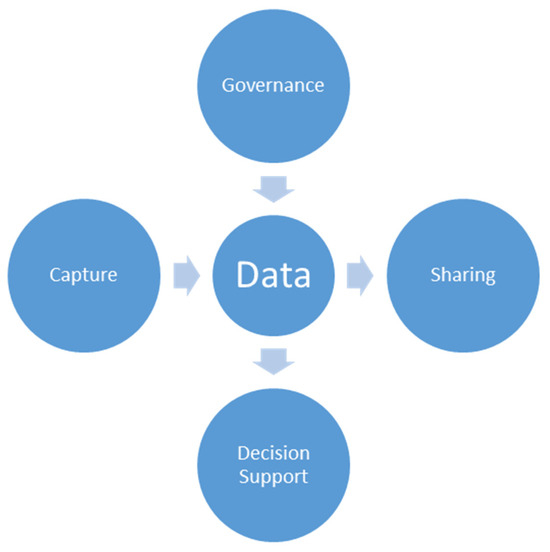
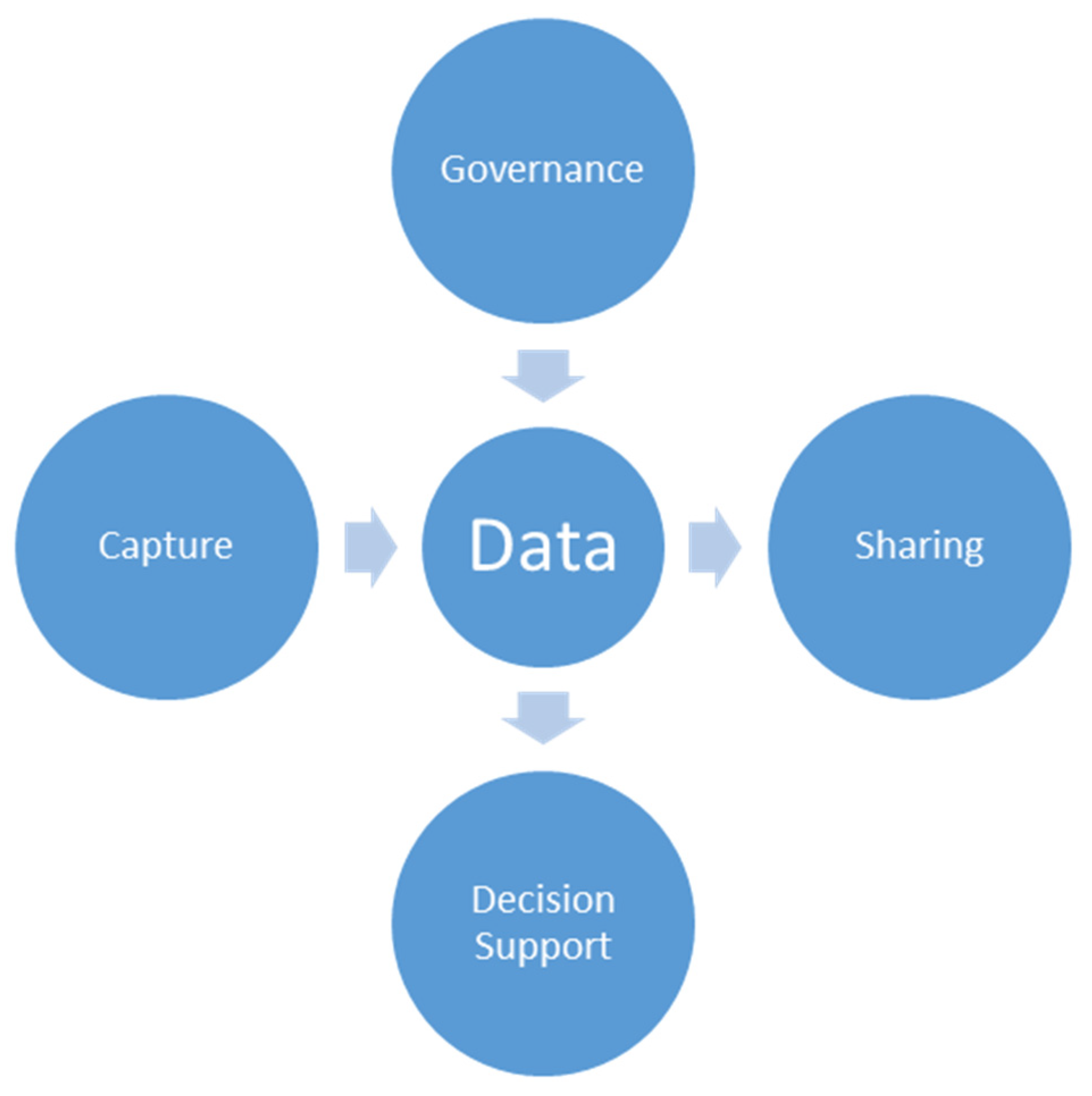
This article uses a structured narrative review and conceptual synthesis. We identified peer-reviewed studies and high-credibility reports on (i) pandemic-era PPE and medical supply-chains, (ii) supply chain visibility and risk management, and (iii) digitalization mechanisms relevant to crisis response (e.g., IoT sensing, cloud data sharing, analytics/AI forecasting, blockchain provenance, and 5G-enabled connectivity). Sources were selected for direct relevance to transparency, coordination, and institutional constraints rather than for any single technology’s performance claims. We then coded findings into recurring barrier categories (data opacity, interoperability, governance and incentives, adoption costs, regulatory constraints) and mapped those barriers to digital capabilities to derive the framework summarized as depicted in the below Figure 1 and Table 1. The aim is explanatory, to clarify mechanisms and adoption conditions, not to estimate causal effects. Additional frequency tables, distribution and network figures, and example IBM SPSS Modeler Version 18.2.2 settings used as provided in the Supplementary Materials.
Figure 1.
From crisis signals to coordinated allocation: data capture, sharing, governance, and decision support.
Table 1.
Crisis supply-chain digitalization barriers and enabling capabilities.
3. Literature Review
In spite of the academic and practical relevance, the authors’ literature review suggests this proposed step-change in interorganizational supply-chains offers a novel innovation to a topic of contemporary concern. While the authors’ work links explicitly to the actual, relevant, managerial challenges of operations during this pandemic, the integration of data-secured supply chain transparency also improves upon the practice of operations management in general. The following literature review synthesizes the ongoing technology adoption and evidence-based operational adaptation, inherent in real-time COVID-19 pandemic response, with the foundational scholarly literature appropriately grounded in theory. The authors advance the ongoing conversation and offer novel and interesting insights which are likely to motivate future research that will substantially change operations management theory and practice.
The authors surveyed the current literature in relevant areas, such as humanitarian supply-chains, disaster-relief supply-chain management, and logistics operations for epidemic control, to identify gaps in current practices and the academic literature and to suggest opportunities for future research and innovation. Specifically, the authors were interested in new paths of business transformation enabled though adoption of digital technologies, big-data analytics, and innovations in the design of supply chain networks and governance mechanisms. There are key lessons to be learned from any large-scale disruption in supply chains, including optimal terms for selecting and managing supplier and customer relationships, designing global supply networks, and adopting latest innovative digital technologies and big-data analytics. This paper draws from the contemporary literature to contribute managerial insights and guidelines for practitioners to improve responsiveness, resilience, and restoration of supply chains.
Vulnerabilities to foreign interests revealed by COVID-19 are of particular concern for supply chain and operations managers. Before this pandemic, China produced approximately half the world’s face masks. As the infection migrated from Wuhan throughout Hubei Province, and then on to other countries, the Chinese government and its dependent firms acted in their own interest by seizing inventories of goods and manufacturing capacity for N95 masks and other critical items [1]. Chinese exports for personal protective equipment (PPE) came to a halt; as a result, US businesses, along with global captive markets could not supply their customers, including government and healthcare sectors. These disruptions included both outsourced production and US companies with manufacturing facilities in China. While China avoided trade restrictions on PPE, the priority was domestic production for the home market. Products set-aside for global export were subject to traditional brokers and agents with entrenched trade relationships based in guanxi, limiting open-market competition and reducing the available stock for all other trade partners. To satisfy the lack of global demand, unregulated producers supplied sub-standard and spuriously labeled products, taking advantage of the captive market; yet Chinese production could still not achieve the necessary volume of PPE production while adhering to the quality standards required. The delay and outright opportunism created by desperation for epidemic prevention necessitated the pursuit of many local or domestic solutions, including the providence of masks and PPE by virtue of the Defense Production Act (DPA) in the United States, as well as instances of near shoring and adaptive industry where companies realigned their operations to make necessary products at the cost of other manufactured goods; as in the case of automakers and fashion brands converting production to masks and ventilators.
The cascading effect of those immediate market constraints in China then created a ripple effect of similar actions by nations concerned at an outflow of their own critical PPE and medical supplies. According to a report from the Financial Times (2020), the reshoring argument was given impetus by the big shortage in the first few months of the pandemic in medical equipment and particularly PPE. Countries with manufacturers slammed on export controls to ensure their products were kept at home. “There was not even solidarity within the EU, supposedly a seamless single market and trading bloc. Germany put export bans on face masks to COVID-hit Italy, and member states such as France even tried to snaffle kits that happened to be passing through the country” [2].
Firms naturally seek to manage risk, especially following idiosyncratic shocks like COVID-19. Companies will reassess their global exposure to offshore production, their decreased control from outsourcing, and will explore new opportunities in the medical industrial complex. As the adage goes: ‘companies do not compete, their supply chains do.’ But in an effort to mitigate the prevailing risks of this most recent pandemic, technology solutions provide the expedient controls necessary to reduce the impact of the spreading infection on industry and economy, mediating the lack of transparency in existing supply chains. Big data, residing on cloud platforms, captured via IoT, and securely communicated via blockchain, can all be brought together for real-time visualization of firms’ global supply chains. IoT reduces latency of inventory status and condition monitoring; blockchain supports provenance/attestation across non-trusting parties when governance requires auditability.
The authors find indications that companies that have higher levels of adoption of digital technologies are better positioned to respond to supply-chain uncertainty and are more resilient to supply-chain disruptions. When armed with appropriate digital technologies, 3-to-5PL’s have adapted to new digital demands [3] and open-source communities have overcome adverse conditions to provide essential supplies for healthcare workers [4]. Other supply chains used IoT and digitalization to recover consumer food stocks [5]. A comprehensive literature review by [6] of IoT trends in research suggests primarily qualitative analysis over the past 12 years, with quantitative analysis becoming more prevalent in recent years. Some companies have successfully exploited existing industrial internet platforms to procure medical supplies from global sources to meet demand. There is also evidence of growing collaboration between government, non-profit, and for-profit organizations to expedite critical medical supplies, such as PPE.
Between 2008 and 2018, global trade in PPE and medical devices has more than doubled in value [7]. The driver was a large increase in demand, resulting from a rapidly aging population in both rich- and middle-income countries, increased expenditure on healthcare in the developing world, and low tariffs that resulted in a plentiful supply of low-priced and high-quality goods. According to data from the US Department of Health and Human Services, 95% of surgical masks and 70% of respirators are produced overseas [8]. While the market share for PPE is globally distributed (North America 33%, Asia and the Pacific 28%, Europe 22%, Latin America 11%, Middle East and Africa 6%), the production heavily concentrates in Asian countries with masks largely in China and gloves largely in Indonesia, Malaysia, and Thailand [9].
It is clear that we need international-level transparency to facilitate response to a global health crisis such as COVID-19. Central coordination of supply requires transparency of materials stocks and flows including locations, volumes of standardized varieties and compatible alternatives. In this paper, central coordination does not mean full nationalization or a single-firm command system. It refers to shared situational awareness and rule-based allocation mechanisms across actors who otherwise optimize locally. A recurring barrier is incentive misalignment; for example, hospitals over-forecasting to avoid shortages, firms treating capacity and inventory as proprietary, and governments reacting with export controls or ad hoc procurement that amplifies bullwhip effects. These institutional dynamics limit the effectiveness of even technically capable digital systems. Basic PPE supply-chain data, such as the production quantity in each facility, is treated as confidential and typically not disclosed to government agencies, the public, or company shareholders.
A recent study examining the past five years of financial disclosures for three major PPE manufacturers and conducting an exhaustive search of more than 1700 media reports about the PPE supply-chain published between 14 January and 26 April 2020 found no basic supply-chain data, including, for example, the exact domestic vs. foreign capacity of N95 masks [10]. Van der Laan et al. [11] offer that, “considerable bias appears to exist towards over-forecasting of consumption” continuing that “bullwhip-like effects may occur, resulting in unnecessarily high stock levels that are prone to obsolescence.” Particularly relevant to pandemic PPE, they state that, “The medical team has an incentive to overestimate demand, in particular for slow moving, intermittent demand items, to ensure that they have inventory at hand in the case of an emergency.” Very early in this pandemic, unapproved products had already supplemented approved products in critical care environments, both as handmade, reusable masks and as disposable masks packaged for limited or single use, that are being treated with hydrogen peroxide vapor to extend useful life between 30 and 50 uses [12,13]. The actual practice of decontamination is considered a last resort in lieu of supply-chain failure. The prevailing response to lack of supply-chain capability and capacity, at least in the United States, was to access any available alternatives for re-purposing and innovating substitute products of satisficing quality but immediate availability. While this trend is a notable testament to the resourcefulness inherent in times of crisis, long-term commercial supply chains failed to achieve their intended purpose, undermining public trust in both quality and availability assurance.
The responsiveness of open-source and distributed sharing to provide for the lack of supply-chain effectiveness may be one of the most notable successes of the Information Age. Designs to make shields and accessory items like mask buckles can be found in wide variety online and require only desktop 3D printers [14]; yet, there often exists no formally regulated pathway for locally manufactured PPE to enter the clinical or hospital setting, as evidenced by the introduction of 3D printed face shields into a hospital [15] as a solution of last resort. Face masks are classified by the FDA as low-risk (Level I) medical supplies, and therefore may benefit from expedited approval for use, if such a process did exist for flexible manufacturing of locally distributed medical goods.
Research on the prevention effectiveness of masks versus respirators predates the current pandemic, principally on tuberculosis and influenza. However, recent evidence suggests the benefit of superior prevention effectiveness by continuous N95 uses compared to medical mask use was questionable [16]. Even as recent as March 2020, the National Institutes of Health published evidence evaluating the cost-and-clinical effectiveness of masks for unvaccinated healthcare workers in acute or long-term settings to treat influenza [17], determining no cost effectiveness and unclear clinical effectiveness with no evidence-based guideline regarding the use of masks to prevent influenza. More studies show that surgical masks or N95 respirators were the most consistent and comprehensive supportive measures, while N95 respirators were non-inferior to simple surgical masks but more expensive, uncomfortable and irritating to skin [18]. These findings are supported by the study showing that the incremental cost to prevent a clinical respiratory illness was US $490–$1230 more with an N95 respirator strategy versus a medical mask strategy, at the same time suggesting that use of N95 respirators would still be a cost-effective intervention during a pandemic [19]. Studies reported that within 1 month, 116 P100 respirator and cartridges replaced 2088 N95 respirators per day, reducing the usage of disposable masks by 75% compared to a reuse and sterilization program [20].
As early as 28 March, 2020, Provenzano et al. supplied evidence to the effectiveness of rapid prototyping of a reusable N95-equivalent respirator at George Washington University, made utilizing 3D-printing technology and a cost per filter of $10 and a cost of about $3.00, competitive with the cost of one disposable medical mask and a potential on-site delivery capacity of 70–100 masks in a 24 h period [21]. The sustainability of a multi-use, cost-efficient product such as this, made from a renewable source such as plastics can maximally reduce the environmental impact of disposable alternatives, as 1000+ filter cartridges can be produced from a single MERV 16 air filter.
However, in much the same response as the lesser Ebola outbreak in 2013–2014, the U.S. Department of Defense (DOD) has relied on a handful of very large contractors to supply the majority of PPE, with the top 10 contractors contributing nearly 90% of all contract value, five entities controlling 80% of contract spend between 2013 and 2019, and nearly half of all 2015 dollars going to a single contractor. The surge of PPE costs in that time frame by the DOD to $40 million pales in comparison to the $634 million currently being spent on masks and N95 respirators alone [22]. The US government has not been idle in explaining the inadequate management of critical PPE. The Office of the Inspector General in 2014 issued a clear report stating the Department of Homeland Security had failed to perform a needs assessment prior to the purchase of its stockpile, of which most PPE is nearing expiration or is already expired. 84% of stored hand sanitizers were expired and 200,000 respirators were past their five-year guaranteed manufacturer’s use date [23]. Similar incidents of excess expired equipment were also noted in Canada and Australia during audits that date prior to the COVID-19 crisis [24]. Of the $750 million spent by Australia over 10 years, $250 million in stockpile goods were expired, requiring another $75 million to dispose [7]. The Centers for Disease Control and Prevention and Department of Health and Human Services estimate that a severe pandemic like the Spanish flu would require nearly 750,000 ventilators and that the US needed to develop local sources of manufacture for anti-viral medicines [25].
The existing inequality and imbalance in the supply chain hinders the improvement of predictability and accountability. Financially constrained buyers have found it difficult to access products, as well as information about the basic location, quality and quantity of products, in a market economy that prioritizes making a profit over other objectives, such as service level, lead time for delivery, or inventory level [26]. It calls for increased supply-chain visibility with central coordination, which should likely include active management of strategic stockpiles to avoid similar obsolete and/or expired supplies by promoting inventory turnover [27] at ‘lowest landed cost’ as a decades old strategy for globalization. The irreverence for soft costs including risk analysis, the misalignment of capacity and demand across multi-echelon supply chains, the risk of aggregated demands among few suppliers, complicated by the lack of demands for many products due to reluctant economic patterns caused by containment policies is an opportunity for structural evolution of existing supply chains.
A review of scholarship in humanitarian logistics, disaster-relief coordination, epidemic response operations, demand forecasting, and supply network assessment reveals that prior to the pandemic, global medical supply chains were characterized by deep structural interdependence. Production and trade in medical goods were geographically specialized. Advanced industrial economies such as the United States and Germany focused on higher-technology medical devices, while lower-cost manufacturing centers, including China and Malaysia, dominated production of less complex personal protective equipment (PPE), such as surgical masks, gloves, and gowns [28]. Country-of-origin advantages often functioned as significant competitive barriers, particularly for firms operating within localized production districts. These structural advantages made rapid entry by foreign competitors difficult, especially in short-term crisis conditions [29]. Conversely, other firms pursued offshore manufacturing strategies in emerging economies to capitalize on lower labor costs and operational efficiencies [30].
Although initially a public health emergency, the COVID-19 outbreak quickly exposed vulnerabilities within this globally distributed production system. Surging demand for ventilators and PPE strained manufacturing capacity and disrupted transportation networks, elevating medical supply logistics to a matter of national urgency. While calls for coordinated global sourcing and allocation intensified, limited supply-chain visibility and weak transparency mechanisms constrained effective response. Early disruptions in the United States illustrate this challenge. One examination of the US face mask value chain found that misalignment between federal policy priorities and the strategies of major multinational producers contributed to costly delays, suggesting that shortages of N95 respirators reflected policy breakdowns rather than pure market failure [28]. The broader economic shutdown further generated demand shocks that disrupted the availability of common goods, including food staples and household products. These shortages were frequently attributed to the rigidity of highly optimized, efficiency-driven supply chains that lacked adaptive flexibility under stress [31,32,33].
In the absence of coherent federal coordination, US states and healthcare systems were forced into competitive procurement dynamics, bidding against one another for scarce supplies. Reports indicate that hospital administrators and emergency management officials often relied on unfamiliar intermediaries or hastily assembled manufacturing sources seeking to enter the lucrative PPE market. Many of these suppliers operated outside established medical distribution channels, introducing substantial variation in pricing and quality. These conditions amplified uncertainty for local decision-makers and exposed the difficulty of mounting an effective, centrally coordinated crisis response in a fragmented supply environment [34].
The authors found a range of outcomes in response to the disruption, as some companies have performed well through supply-chain digitalization and business model innovation, while others have been devastated. Market-based solutions can provide a powerful financial incentive for firms to collaborate and share data. This data is routinely produced as a by-product of supply-chain activities in regular market performance. Blockchain and IoT technologies currently available allow de-centralized use of supply-chain data while ensuring privacy of contributing firms, nations, agencies and partners. The ability to address supply chain disconnects and bottlenecks in a near up-to-the-minute data-driven environment permits integrated supply network (ISN) stakeholders to take corrective and preventative measures in an iterative and ongoing routine of production planning, supplier and service provider performance. Key Performance Indicators (KPI’s) could be created considering global objectives such as time to market, service level (number of infections prevented, for example) and total system cost or stakeholder cost. While the potential incentive contribution from market-based solutions is attractive, the stakeholder complexity they add is not insignificant.
Collaboration across global supply-chains can improve agility and service, reduce inventory and enable reverse logistics. Though the number of papers addressing supply-chain resilience have continued to increase decade over decade, the majority of those papers address resilience characteristics specifically (plan, absorb, recover, adapt) and argue that supply-chain models generally fail to represent the entire network of supply chain flows [35].
While Ivanov et al. (2019) offer that Track and Trace (T&T) systems combine with radio-frequency identification (RFID) and mobile devices to provide current information about process execution, a critical issue is detecting disruptions and their scope in real time [36,37]. Embedding supply-chain visualization and identification technology is crucial for this step. In addition, emerging blockchain applications in supply-chains promise enhanced scale and scope of T&T systems together with creation of information pipeline systems and supply-chain finance applications [38]. The central idea is to increase visibility and efficiency based on dispersed, tamper-proof, and verifiable record-keeping in the supply chain. Applications of blockchain technology have begun to revolutionize different aspects of supply chain and operations management for development of real-time supply chain capabilities [36,39,40]. At the reactive stage, if a disruption happens, the contingency plans from the proactive stage can be deployed faster and implemented effectively if supply chain visibility were increased [36].
In reviewing early adoption of technological innovations, the authors find encouraging innovation in business models and collaboration mechanisms, that should yield relatively quick improvements in supply-chain responsiveness, resilience, and restoration. Latest technology, like 5G, IoT, and blockchain technologies are shown to aid collaboration during crises. COVID-19 has spurred accelerated application of technology for contact tracing to slow infection spread. One of the mainstream digital contact tracing (DCT) approaches is to use Bluetooth signals from smartphones to detect encounters with people reporting COVID-19 infection. This approach does not use location tracking or store users’ location data, but if someone develops COVID-19 symptoms, an alert can be sent to others that they might have infected, with minimum intervention. Contact tracing processes do not share sensitive private information, such as identity or location, and at the same time can provide a level of actionable data at the user level, via a distributed ledger model. As to preventing spread of disease due to travel between countries, Digital Health Passports (DHP) provide a proactive prevention measure as opposed to DCT, although successful adoption of DHP requires control of time between testing and travel, when a person can still be exposed to infection. In the case of digital certificates for travel, again inter-agency and international cooperation depends on regulatory agreement between nations, which points to the limitation of regulation in the adoption of a complete supply-chain approach to tracking, prevention and remedy of COVID-19 and other similar pandemics in the past 20 years, including SARS-CoV (2003), H1N1 (2009), MERS-CoV (2012), Ebola (2014), Zika (2015) and SARS-CoV-2 (2020) [41].
According to [42], supply-chain visibility is a desired capability which may reduce the negative impacts of a supply-chain disruption. Therefore, those organizations that invest in developing analytics capability are likely to also invest in visibility, because “visibility provides the raw data upon which analytics systems process and operate.” [43] A comprehensive review of existing blockchain, drone, and IoT integrated technologies and their potential can be found in [44].
A well-cited contemporary study proposes a digitalization framework of supply-chain risk management and the authors further argue that the quality of model-based decision-making support strongly depends on the data, its completeness, fullness, validity, consistency, and timely availability. These requirements on data are of a special importance in supply-chain risk management for predicting disruptions and reacting to them. Digital technology, Industry 4.0, blockchain, and real-time data analytics have a potential to achieve a new quality in decision-making support when managing severe disruptions, resilience, and the ripple effect [45].
The authors find early evidence that responsiveness, resilience, and restoration can advance an organization’s sustainable competitive advantage in the marketplace and as such, COVID-19 should be expected to significantly impact global supply-chain network design. Global networks can promote inclusive and equitable distribution of critical supply where opportunism is mitigated. Opportunism can be revealed as product, information, financial and governance based, and can manifest as misrepresentation in the delivery capabilities, warranties, product quality (product opportunism); deceptive communication to make a situation, firm or individual look good (information opportunism); to delay payment or to distort price in order to realize benefits (financial opportunism); and coercion and manipulation (governance opportunism) [46]. The risk of opportunism manifests in un-pre-qualified treatments and medicines that have permeated the anti-malarial drug market for anti-infectives. In eight African countries and a study of over 200,000 public and private sector outlets, only 24% of such products were quality-controlled therapies. Likewise, the exposure of infected patients to sub-quality products can exacerbate the resistance to anti-microbial treatments. These weaknesses in existing COVID-19 treatment policies driven by individual national demands opens the supply chain for necessary medicines and equipment to abuse. For example, in one study, 96% of all overseas purchases of prescription Xanax was deemed to be counterfeit [47].
Applications of blockchain technology promise to improve visibility among supply-chain linkages to end consumers, by allowing tracking and tracing capabilities at every value-added process along the distribution channel. Current pharmaceutical manufacturing and distribution is not ready for such a revolution [48]; however, many applications have been theorized, even at the individual user level in the form of a phone application [49]. The systemic advantages of blockchain in addressing the matter of chain of custody has proven as feasible, if not yet viable. In 2014, Maersk tracked a shipment of perishable goods from East Africa to Europe and discovered the shipment required stamps and approvals from up to 30 people, including over 200 different interactions and communications. One San Francisco firm was even able to provide evidence of a pharmaceutical blockchain solution completely compliant with the Drug Supply Chain Security Act [50].
Significant challenges remain on how to coordinate global policies while considering income inequality and varying levels of economic development. In Africa, for example, only a few countries relied on large public funds for a coronavirus response (Nigeria, Ghana, Morocco and Ghambia), and no countries initiated a payment policy, deferred tax liabilities or subsidized incomes for its citizens. In Africa, 75% of all COVID-19 relief funds were from foreign government loans and grants (primarily the World Bank and IMF), with only 25% coming from domestic sources, indicating a strong dependency on external intervention to contain pandemics in places of lower digitalization, more person-to-person transactional business, and comparatively lower economic development [51].
There is also precedent to incorporate essential pharmaceutical products for COVID-19, and its subsequent evolved strains, into the same collaborative process for WHO pre-qualification. This in turn will expedite approval and remove regulatory obstacles to the delivery of essential medicines [52]; the same process can be adapted to ventilators and PPE. Designs to make shields and accessory items like mask buckles can be found in ample supply online and require only a desktop 3D printing machine [14].
While the number of papers addressing specifically supply-chain resilience have continued to increase decade over decade, the majority of papers address resilience characteristics (plan, absorb, recover, adapt) and argue that supply-chain models generally fail to represent the entire network of supply-chain flows [34]. Optimization as a method of control has continued to increase in popularity for modeling resilience, as well as case-based approaches. However, there exists a lack of supply-chain network modeling that considers entire supply chains. Linear models are especially under-represented as the nature of linearity in modeling a network of flows lacks flexibility in adapting to interrupted flows.
Where risk management addresses the mitigation of identified risks and the active determination of both internal and external risk measures, opportunism in the supply-chain literature reveals the context of individual firm-advantage through self-interested acts and behaviors. Maglaras et al. present a conceptual model of opportunism drawing on Transaction Costs Theory, applied to the retailer’s opportunism in the food supply chain [53]. A total of 45 retailers’ questionable actions were explained, including payment delays, threats of delisting, forcing down supply prices, and demanding unexpected payments from suppliers. Suppliers were asked to explain retailers’ rationale for opportunistic behavior and the response included economic uncertainty, asymmetry of information and the supplier’s dependence on big box retailers for distribution of their products. Going forward, relevant models will need to include information flows and measures of symmetry. Market-based solutions with supplier incentive to participate in sharing of information should be considered.
When considering the relationships among brokers and agents and the foreign markets where PPE and medical supplies are manufactured, we must consider the concept of guanxi (personal connection) identified as an informal sentiment of cooperation among buyers and suppliers in representing their firms, is based on the need to strategically share information and join collaboration on forecasting, production and cooperation in problem solving. However, when adversarial or competitive relationships undermine the good guanxi, firms may cease symmetric information sharing, especially regarding financial performance. Fan and Stevenson apply social capital theory in the context of opportunism in the case study of 10 Chinese manufacturers and supplement the findings in the context of signaling theory in buyer–supplier relationships (BSRs) [54]. When considering the effects of buyer–supplier relationships, the collaborative, convergent goals of BSRs contribute to the ability to identify, anticipate and mitigate risks between firms. When deciding to adopt an interorganizational system, supply-chain opportunism depends on the relative dependence of the buyer–supplier dyad to determine the likelihood of opportunistic and cooperative behaviors after system adoption, applying the finding by Clemons and Row that this risk is the possibility of opportunistic behavior by another party to the relationship, leading to uncertainty surrounding the division of the benefits from the increased integration of decisions and operations [55,56]. We observed this exact problem in the disruption of product flows by embedded intermediaries who utilized their guanxi to ensure their own selfish means to supply the American market. In such a buyer–supplier dyad, the relationship may be either independent or interdependent; or either the buyer or the supplier maintain relative opportunistic advantage. Ex post opportunism is greatest in the buyer-power relationship where the supplier’s ability to retaliate is limited by buyer control, indicating that a dyad with symmetric dependency can achieve greater benefits from an electronic data interchange (EDI) or other interorganizational systems for sharing information.
The implementation of IoT and methods of optimal strategic decision making to support a shared digitalized supply-chain promise to improve these humanitarian and pandemic supply chains. Optimization as a method of control continues to increase in popularity for modeling supply-chains, along with case-based approaches. More comprehensive single and multiple objective models are presented with a strategic mass balancing approach in Mohammadi et al. where operational and financial objectives are considered across the supply chain echelon [57]. Badhotiya et al. present a multi-objective mixed integer programming model formulated to consider the multi-product, multi-period, and multi-site manufacturing environment, while minimizing total cost, delivery time, and backorder level between two echelons [58]; and Sun et al. present an Evolutionary Network (EN) optimization considering manufacturers at the core of a heterogenous supply chain consisting not only of up and downstream partners, but also peer nodes, with the goal of testing for cascading failures due to insufficient load, as a Synthesized Supply Chain Network (SCSN) that can test the supply chain for robustness against echelon failure [59]. These more recently developed models consider the dynamic potential of processing capacity and technology capability to support IoT and Industry 4.0 methodologies. However, the more realistic state of supply chain management is not yet so advanced in implementing these complex risk-management models. For example, a literature review on supply chain risk management by Fan and Stevenson finds 85% of papers addressed work conducted in a single country [54]. A total of 52% of papers addressed a single industry or industries, and 77% of papers evaluated for research perspective took the point of view of the buyer. In fact, only five papers in the review took the seller’s perspective. In order to ensure equity among stakeholders, the optimization of entire supply chains will need to be normative.
4. Discussion
In practice, modern operations management benefits from a robust legacy of operations research, decision sciences, and systems thinking. Scholarly research, practitioner experience, and technological evolution have co-created the highly optimized organizations that today pursue their various missions. But what remains lacking, are collaborative links between firms, industries, governments, and the full spectrum of for-profit and non-profit entities and stakeholder groups. This next evolution is fully feasible now, as latest generation technologies can facilitate data transparency, while still protecting stakeholder interests. The means are in front of us to enable quick, efficient, and effective response during crises like the COVID-19 pandemic. What is lacking is a clear vision, open standards architecture, stakeholder consensus, and appropriate incentives to participate.
R. Martin Chavez, senior director and former global head of securities, Goldman Sachs, was recently quoted saying, “I worry more about nonfinancial companies than I do about financial companies. If you looked at the pandemic, there was very little concern about the integrity and stability of banks. Think of how startling that is, right? Compare that to the financial crisis, which was all about concerns about participants in the financial ecosystem. In the current crisis, the concern has been about everybody except banks, and I would say an important reason for that is CCAR (the Federal Reserve’s Comprehensive Capital Analysis and Review, an annual assessment of the largest US banks). Should there be a CCAR equivalent for systemically important nonbanks? As we discovered in the pandemic, there is a lot of systemically important companies. It suddenly became obvious to everybody. Without Amazon or Google or our internet service provider, our problems would become even greater. And so, do we want to have some kind of framework so that we can have confidence in nonfinancial companies in a crisis?” [60] The supply-chain transparency for which the authors advocate, could provide precisely this type of risk mitigating framework during the next crisis.
The decades of experience in operations research, decision sciences, and systems thinking fully prepares organizations for this next step in collaboration. Many industries and firms have already embraced the move from MRP and ERP systems, to MRP II and CPFR. The latter—collaborative planning, forecasting, and replenishment, having been introduced over two decades ago—utilizes an open standard approach to facilitate timely, consistent intra-industry sharing of critical supply-chain data. This data transparency is crucial to an organization’s supply chain operating in a lean or agile fashion. Raw material suppliers need visibility to production schedules, producers need visibility to retail forecasts, 3PL’s need visibility to anticipate shipments. CPFR provides industry guidelines to digitalize lean operations.
Connectivity improvements for these evolutionary systems kept pace in development. Earlier generations of these systems began with legacy hardware connections, such as analog voice lines, modems, and EDI protocols. Broadband speed, capacity, and ethernet connections, combined to provide sufficiently reliable and usable internet access. This improved connectivity fostered adoption of MRP logic for national and international organizations, in the form of ERP systems. Each improvement increased operating efficiency, usually at a net reduced cost. As quality management systems were recognized and implemented, it was only logical that the benefits of ERP be extended in either direction, both upstream and downstream in the supply chain. The benefits of these developments are well documented, but competitive concerns consistently constrain collaboration and data transparency.
Confidentiality concerns around IP and competitive market data are certainly valid and understandable. It comes as no surprise that while firms will come around to sharing sensitive information with trusted supply-chain partners, they are loath to risking that same competitive information spreads too far on the internet. Instead, firms invest substantial funds in managing risk around their data, protecting themselves and their customers in siloes and behind firewalls. Unfortunately, these fully appropriate precautions stand directly in the path of a next big evolution in operations management. Fortunately, we find ourselves at a nexus of enabling technologies, useful to establishing new norms of transparency, while simultaneously protecting valid interests of participating organizations.
The continual advance of processing power and speed enables exponential increases in sophistication of algorithmic encryption. Using standard commercial protocols, with distributed ledger schemes such as blockchain, we are now able to establish rules-based access for various supply-chain stakeholders. We have the means to facilitate the necessary step-change in supply-chain visibility that would equip agreed central coordinators to manage or mitigate risks to avoid the large disruptions we have witnessed with COVID-19. And now, 5G implementations and IoT devices are rapidly being implemented with “Industry 4.0,” with this exponential increase in connectivity feeding real-time data to the cloud. 5G supports high-frequency telemetry and low-latency updates for distributed visibility when bandwidth/coverage were previously limiting. Big data in its truest sense is now a reality, with organizations collecting far more information than they are able to process. AI will add more and more value, but barring significant systemic change, these new value-adds will be intraorganizational or intra-industry, at best. The authors find no real indication in the literature that this necessary open standard system architecture is on the verge of introduction. Just as the internet relied on a set of protocols to deliver an open-source platform for data sharing, we must seek a similar digital architecture for secure sharing of real-time supply-chain data.
In order to model and empirically study robustness, resiliency, service levels, and costs during crises and preparedness, we must ensure that we are capturing the full spectrum of cradle-to-grave links. The diversity of third-party relationships must be acknowledged, including OEM manufacturers, active and passive back-up supply for each, and inter-industry cross-pollination. While much of the actual supply-chain involves private sector entities, it is crucial that government and non-profit entities are included, especially given they are typically the funding source. And of course, for each stratification, both domestic and foreign agents must be considered and included. In ‘The New (Ab)normal’, Yossi Sheffi suggests that while “blockchain will still be important 3 years from now, it’s not clear it’s ready for prime time.” He continues however that, “digital twins will become more and more important” for supply chain simulations, such as the stress testing our global transparency could facilitate [61].
The traditional domestic US supply-chain process is currently almost entirely dependent-demand driven. The private sector production and distribution on which we rely, uses Lean Operations and JIT Inventory approaches to supply products and services, as funded by government bodies and NGO organizations. There is no inherent incentive for buffer stocks of raw materials, sub-components, or back-up supply contracts, but only for fully funded finished goods. By investing in IoT devices, blockchains for secure data transfer, and cloud-based applications with latest generation IP/privacy protections, we can gain the visibility to deploy shared strategic supplies rapidly. With confidence in knowing what is available where and when, we can strategically invest in critical raw material stockpiles, sub-assemblies and components, and high priority finished goods. Furthermore, without the enhanced visibility afforded by investing in a latest generation digital backbone, the value-adds from reverse logistics of re-stocking, refurbishing, recycling, and responsible disposal are lost.
Unfortunate though it has been, the COVID-19 pandemic should serve as catalyst, to mobilize necessary investments. The pieces are here already; the technology hurdles are negligible, if at all. The internet, wireless and cellular networks, barcodes and RFID, big data and the cloud are already mature. AI, IoT, blockchain, Industry 4.0 and 5G are rapidly becoming so. Robust, secure algorithmic crypto logic is commercially available now. A timely example is TripleBlind’s implementation to assuage privacy concerns, facilitating broad adoption of contact tracing mobile applications [62]. An open standard of system architecture for this step-change in supply-chain transparency is one of the key final pieces. An early favorite is Provenance Chain’s approach using market incentives to drive broad adoption of blockchain enabled supply-chain transparency [49].
With stakeholder alignment on robust systems architecture, likely using a blockchain distributed ledger scheme, thought must be given to market incentives to encourage adoption and information sharing. One approach would be to compel participation as a condition of market entry. For example, similar to qualifying products or services for listing on the GSA Schedule, a firm desiring to sell PPE to the VA or DoD would need to provide real-time supply-chain data via blockchain. As usage grows, central coordinators (such as CDC, DHS, DoD, FEMA, etc.) would be well positioned to proactively stress-test supply chains, just as we do with banking. With critical mass in usage, exception reporting dashboards would bring attention to risks in a timely fashion. In the midst of a crisis, resources can be far more quickly and accurately deployed and re-allocated, as warranted. Commissioning reactive stockpiles of PPE after COVID-19, based on the assumption that they will be called for in a future pandemic, may in some cases be smart, but in all cases they will remain static inventories, isolated from central coordination, and subject to competing local demands.
5. Conclusions
The COVID-19 pandemic exposed recurring structural weaknesses in globally distributed supply chains. Shortages were not merely the result of insufficient production, but of limited visibility into manufacturing capacity, inventory location, and chain-of-custody assurance. When production is geographically specialized and information is fragmented across firms and jurisdictions, crisis response becomes reactive and inefficient. While outsourcing and offshoring decisions are often economically rational, driven by cost, specialization, access to markets, or technological capability, they also introduce dependencies that can amplify systemic risk when disruptions occur [63,64,65].
Strategic sourcing and long-term supplier partnerships have, for decades, been positioned as mechanisms for risk mitigation and value creation. However, COVID-19 demonstrated that these arrangements do not automatically translate into resilience at a national or global level. The distinction between outsourcing and offshoring is critical; transferring activities to external specialists differs from relocating operations abroad while retaining ownership. Both strategies introduce vulnerabilities when crisis conditions interrupt logistics, regulatory pathways, or geopolitical relationships [66]. As governments and firms reassess exposure to existential supply risks, selective insourcing and rebalancing of geographic concentration are likely responses.
At its core, supply-chain management seeks to coordinate flows of goods, information, and capital so that the right resources arrive at the right place, in the right quantities, at the right time, and at acceptable cost and quality levels [65]. Achieving this consistently requires real-time visibility across relevant network nodes. Absent such transparency, optimization at the firm level can produce fragility at the system level.
Calls for expansive public stockpiles may appear attractive following crisis disruptions, yet redundant inventories impose substantial fiscal and logistical burdens [67]. While some strategic reserves are prudent, static accumulation alone does not solve coordination failures. Firms will continue investing in internal visibility tools, and governments will likely enhance monitoring in sectors deemed critical to health and safety. The more transformative approach, however, lies in collaborative transparency across organizational boundaries.
Lean and just-in-time systems achieve efficiency through trusted data sharing among long-term partners. Extending this logic beyond dyadic relationships to sector-wide transparency would require interoperable digital infrastructure, shared standards, and aligned incentives. Blockchain-enabled ledgers, IoT-based sensing, and secure cryptographic architectures offer mechanisms to share validated supply-chain information while protecting proprietary data [68]. Such systems could support stress testing of critical supply networks in a manner analogous to financial sector oversight.
The pandemic should be understood not simply as a temporary shock, but as a diagnostic event revealing coordination gaps in complex supply ecosystems. Technological capability is no longer the primary constraint; internet infrastructure, cloud platforms, distributed ledgers, and advanced encryption protocols are mature and commercially available. What remains underdeveloped are governance frameworks, incentive alignment, and open standards architectures capable of supporting transparent interorganizational collaboration.
Establishing a real-time, secure map of global value chains, interoperable with firm-level systems, would allow authorized public administrators to identify capacity constraints, reallocate resources efficiently, and reduce opportunistic distortions during crises [68]. Without such architecture, responses will continue to rely on fragmented procurement, reactive stockpiling, and uneven distribution. The lesson from COVID-19 is not that globalization must be abandoned, but that digital transparency must evolve to match the scale and interdependence of modern supply networks.
Supplementary Materials
The following supporting information can be downloaded at: https://www.mdpi.com/article/10.3390/telecom7020033/s1. Challenges in Digitalization (online appendix) REVISED.docx.
Author Contributions
L.W.: Conceptualization, writing—original draft, writing—review and editing; A.V.: Conceptualization, writing—original draft, writing—review and editing. All authors have read and agreed to the published version of the manuscript.
Funding
This research received no external funding.
Data Availability Statement
The original contributions presented in this study are included in the article and Supplementary Materials. Further inquiries can be directed to the corresponding author.
Conflicts of Interest
The authors declare no existing or potential conflicts of interest with respect to the research, authorship, and/or publication of this article.
References
- Ranney, M.L.; Valerie Griffeth, M.P.H.; Jha, A.K. Critical Supply Shortages—The Need for Ventilators and Personal Protective Equipment during the COVID-19 Pandemic. N. Engl. J. Med. 2020, 382, e41. [Google Scholar] [CrossRef] [Scilit]
- Financial Times. Be Wary of Scapegoating ‘Just-in-Time’ Supply Chain. 2020. Available online: https://www.ft.com/content/50618a30-809f-11ea-b0fb-13524ae1056b (accessed on 27 May 2020).
- Zhuckovskaya, I.F.; Panshin, I.V.; Markhaichuk, M.M. Digitalization of Labor as a Key Factor in the Development of Logistic Activities in the Conditions of COVID-19. In Proceedings of the International Conference Digital Age: Traditions, Modernity and Innovations (ICDATMI 2020); Atlantis Press: Dordrecht, The Netherlands, 2020; pp. 284–291. [Google Scholar]
- Pearce, J.M. Distributed manufacturing of open source medical hardware for pandemics. J. Manuf. Mater. Process. 2020, 4, 49. [Google Scholar] [CrossRef] [Scilit]
- Yadav, S.; Luthra, S.; Garg, D. Internet of things (IoT) based coordination system in Agri-food supply chain: Development of an efficient framework using DEMATEL-ISM. Oper. Manag. Res. 2020, 15, 1–27. [Google Scholar] [CrossRef] [Scilit]
- Golpîra, H.; Khan, S.A.R.; Safaeipour, S. A Review of Logistics Internet-of-Things: Current Trends and Scope for Future Research. J. Ind. Inf. Integr. 2021, 22, 100194. [Google Scholar] [CrossRef] [Scilit]
- Australian National Audit Office. Auditor—Management of the National Medical Stockpile, General Report No 53 of 2013–14; Department of Health: Canberra, Australia, 2014.
- Bamber, P.; Fernandez-Stark, K.; Taglioni, D. Why Global Value Chains Remain Essential for COVID-19 Supplies. 2020. Available online: https://cepr.org/voxeu/blogs-and-reviews/why-global-value-chains-remain-essential-covid-19-supplies (accessed on 1 March 2026).
- McKenna, M. Amid Coronavirus Fears, a Mask Shortage Could Spread Globally. Wired, 4 February 2020. Available online: https://www.wired.com/story/amid-coronavirus-fears-a-mask-shortage-could-spread-globally/ (accessed on 1 March 2026).
- Asian Development Bank. Global Shortage of Personal Protective Equipment amid COVID-19: Supply Chains, Bottlenecks, and Policy Implications. Brief No. 130. 2020. Available online: https://www.adb.org/sites/default/files/publication/579121/ppe-covid-19-supply-chains-bottlenecks-policy.pdf (accessed on 1 March 2026).
- Dai, T.; Bai, G.; Anderson, G.F. PPE Supply Chain Needs Data Transparency and Stress Testing. J. Gen. Intern. Med. 2020, 35, 2748–2749. [Google Scholar] [CrossRef] [Scilit] [PubMed]
- Van der Laan, E.; Van Dalen, J.A.; Rohrmoser, M.; Simpson, R. Demand forecasting and order planning for humanitarian logistics: An empirical assessment. J. Oper. Manag. 2016, 45, 114–122. [Google Scholar] [CrossRef] [Scilit]
- Chagas, A.M.; Molloy, J.C.; Prieto-Godino, L.L.; Baden, T. Leveraging open hardware to alleviate the burden of COVID-19 on global health systems. PLoS Biol. 2020, 18, e3000730. [Google Scholar] [CrossRef] [Scilit]
- Schwartz, A.; Stiegel, M.; Greeson, N.; Vogel, A.; Thomann, W.; Brown, M.; Sempowski, G.D.; Alderman, T.S.; Condreay, J.P.; Burch, J.; et al. Decontamination and reuse of N95 respirators with hydrogen peroxide vapor to address worldwide personal protective equipment shortages during the SARS-CoV-2 (COVID-19) pandemic. Appl. Biosaf. 2020, 25, 67–70. [Google Scholar] [CrossRef] [Scilit]
- Rindfleisch, A.; Kim, M.H. Solving Global Crises via Desktop Manufacturing. J. Public Policy Mark. 2020, 40, 111–112. [Google Scholar] [CrossRef] [Scilit]
- Mostaghimi, A.; Antonini, M.-J.; Plana, D.; Anderson, P.D.; Beller, B.; Boyer, E.W.; Fannin, A.; Freake, J.; Oakley, R.; Sinha, M.S.; et al. Regulatory and Safety Considerations in Deploying a Locally Fabricated, Reusable Face Shield in a Hospital Responding to the COVID-19 Pandemic. Med 2020, 1, 139–151.e4. [Google Scholar] [CrossRef] [Scilit]
- Mukerji, S.; MacIntyre, C.R.; Newall, A.T. Review of economic evaluations of mask and respirator use for protection against respiratory infection transmission. BMC Infect. Dis. 2015, 15, 413. [Google Scholar] [CrossRef] [Scilit]
- Marchand, D.K.; Argáez, C. Masks for Prevention of Influenza Transmission in Acute and Long-Term Care Settings: A Review of Clinical Effectiveness, Cost-Effectiveness and Guidelines; Canadian Agency for Drugs and Technologies in Health: Ottawa, ON, Canada, 2020. [Google Scholar]
- Jefferson, T.; Del Mar, C.B.; Dooley, L.; Ferroni, E.; Al-Ansary, L.A.; Bawazeer, G.A.; Conly, J.M. Physical interventions to interrupt or reduce the spread of respiratory viruses. Cochrane Database Syst. Rev. 2011, 2011, CD006207. [Google Scholar]
- Chalikonda, S.; Waltenbaugh, H.; Angelilli, S.; Dumont, T.; Kvasager, C.; Sauber, T.; Servello, N.; Singh, A.; Diaz-Garcia, R. Implementation of an Elastomeric Mask Program as a Strategy to Eliminate Disposable N95 Mask Use and Resterilization: Results from a Large Academic Medical Center. J. Am. Coll. Surg. 2020, 231, 333–338. [Google Scholar] [CrossRef] [Scilit]
- Provenzano, D.; Rao, Y.J.; Mitic, K.; Obaid, S.N.; Pierce, D.; Huckenpahler, J.; Berger, J.; Goyal, S.; Loew, M.H. Rapid prototyping of reusable 3D-printed N95 equivalent respirators at the George Washington University. Preprints 2020, 2020030444. [Google Scholar] [CrossRef] [Scilit]
- US Department of Defense (DOD). DOD Approach to Personal Protective Equipment. 2020. Available online: https://www.govini.com/insights/covid-19-dod-approach-to-personal-protective-equipment (accessed on 1 March 2026).
- US Department of Homeland Security (DHS), Office of Inspector General. DHS Has not Effectively Managed Pandemic Personal Protective Equipment and Antiviral Medical Countermeasures. 2014. Available online: https://www.oig.dhs.gov/reports/2014-08/dhs-has-not-effectively-managed-pandemic-personal-protective-equipment-and (accessed on 1 March 2026).
- Laing, S.; Westervelt, E. Canada’s National Emergency Stockpile System: Time for a new long-term strategy. Can. Med. Assoc. J. 2020, 192, E810–E811. [Google Scholar] [CrossRef] [Scilit]
- US Department of Health and Human Services (DHS). See Department of Health and Human Services, Pandemic Planning Assumptions. 2005. Available online: www.pandemicflu.gov/plan/pandplan.html (accessed on 1 March 2026).
- González, A.; Jung, E. 20-1 Developing Countries Can Help Restore the WTO’s Dispute Settlement System. Peterson Institute for International Economics. 2020. Available online: https://www.piie.com/sites/default/files/documents/pb20-1.pdf (accessed on 1 March 2026).
- Handfield, R.B.; Graham, G.; Burns, L. Corona virus, tariffs, trade wars and supply chain evolutionary design. Int. J. Oper. Prod. Manag. 2020, 40, 1649–1660. [Google Scholar] [CrossRef] [Scilit]
- Gereffi, G. What does the COVID-19 pandemic teach us about global value chains? The case of medical supplies. J. Int. Bus. Policy 2020, 3, 287–301. [Google Scholar] [CrossRef] [Scilit]
- Barney, J.B. Firm Resources and Sustained Competitive Advantage. J. Manag. 1991, 17, 99–120. [Google Scholar] [CrossRef] [Scilit]
- Şen, A. The U.S. fashion industry: A supply chain review. Int. J. Prod. Econ. 2008, 114, 571–593. [Google Scholar]
- O’Leary, L. The modern supply chain is snapping. The Atlantic, 26 March 2020.
- O’Neil, S.K. How to pandemic-proof globalization: Redundancy, not re-shoring, is the key to supply-chain security. Foreign Affairs, 1 April 2020.
- Shih, W. Is It Time to Rethink Globalized Supply Chains? MIT Sloan Management Review. Available online: https://sloanreview.mit.edu/article/is-it-time-to-rethink-globalized-supply-chains/ (accessed on 19 March 2020).
- The Washington Post. Gouged Prices, Middlemen and Medical Supply Chaos: Why Governors Are so Upset with Trump. Available online: https://www.washingtonpost.com/business/2020/03/26/gouged-prices-middlemen-medical-supply-chaos-why-governors-are-so-upset-with-trump/ (accessed on 27 March 2020).
- Golan, M.S.; Jernegan, L.H.; Linkov, I. Trends and applications of resilience analytics in supply chain modeling: Systematic literature review in the context of the COVID-19 pandemic. Environ. Syst. Decis. 2020, 40, 222–243. [Google Scholar] [CrossRef] [Scilit]
- Ivanov, D.; Dolgui, A.; Das, A.; Sokolov, B. Digital supply chain twins: Managing the ripple effect, resilience, and disruption risks by data-driven optimization, simulation, and visibility. In Handbook of Ripple Effects in the Supply Chain; Springer: Cham, Switzerland, 2019; pp. 309–332. [Google Scholar]
- Bearzotti, L.A.; Salomone, E.; Chiotti, O.J. An autonomous multi-agent approach to supply chain event management. Int. J. Prod. Econ. 2012, 135, 468–478. [Google Scholar] [CrossRef] [Scilit]
- Hofmann, E.; Strewe, U.M.; Bosia, N. Supply Chain Finance and Blockchain Technology; Springer International: Cham, Switzerland, 2018. [Google Scholar]
- Kshetri, N. Blockchain’s roles in meeting key supply chain management objectives. Int. J. Inf. Manag. 2018, 39, 80–89. [Google Scholar] [CrossRef] [Scilit]
- Saberi, S.; Kouhizadeh, M.; Sarkis, J.; Shen, L. Blockchain Technology and Supply Chain Management. Int. J. Prod. Res. 2018, 57, 2117–2135. [Google Scholar]
- Angelopoulos, C.M.; Katos, V. DHP Framework: Digital Health Passports Using Blockchain-Use case on international tourism during the COVID-19 pandemic. arXiv 2020, arXiv:2005.08922. [Google Scholar]
- Jüttner, U.; Maklan, S. Supply chain resilience in the global financial crisis: An empirical study. Supply Chain Manag. Int. J. 2011, 16, 246–259. [Google Scholar] [CrossRef] [Scilit]
- Dubey, R.; Gunasekaran, A.; Childe, S.J.; Wamba, S.F.; Roubaud, D.; Foropon, C. Empirical investigation of data analytics capability and organizational flexibility as complements to supply chain resilience. Int. J. Prod. Res. 2019, 59, 110–128. [Google Scholar] [CrossRef] [Scilit]
- Chamola, V.; Hassija, V.; Gupta, V.; Guizani, M. A Comprehensive Review of the COVID-19 Pandemic and the Role of IoT, Drones, AI, Blockchain, and 5G in Managing its Impact. IEEE Access 2020, 8, 90225–90265. [Google Scholar] [CrossRef] [Scilit]
- Ivanov, D.; Dolgui, A.; Sokolov, B. The impact of digital technology and Industry 4.0 on the ripple effect and supply chain risk analytics. Int. J. Prod. Res. 2019, 57, 829–846. [Google Scholar] [CrossRef] [Scilit]
- Eyaa, S.; Sridharan, R.; Ryan, S. Categorising supply chain opportunism: A framework. In ANZAM Conference Papers2014; ANZAM: Newcastle, Australia, 2014. [Google Scholar]
- Nayyar, G.M.L.; Breman, J.G.; Mackey, T.K.; Clark, J.P.; Hajjou, M.; Littrell, M.; Herrington, J.E. Falsified and substandard drugs: Stopping the pandemic. Am. J. Trop. Med. Hyg. 2019, 100, 1058–1065. [Google Scholar] [CrossRef] [Scilit] [PubMed]
- Nørfeldt, L.; Bøtker, J.; Edinger, M.; Genina, N.; Rantanen, J. Cryptopharmaceuticals: Increasing the safety of medication by a blockchain of pharmaceutical products. J. Pharm. Sci. 2019, 108, 2838–2841. [Google Scholar] [CrossRef] [Scilit]
- The Provenance Chain Network. Available online: https://www.theprovenancechain.com/ (accessed on 12 January 2021).
- Scott, T.; Post, A.L.; Quick, J.; Rafiqi, S. Evaluating feasibility of blockchain application for DSCSA compliance. SMU Data Sci. Rev. 2018, 1, 4. [Google Scholar]
- Ozili; P.K. “COVID-19 in Africa: Socioeconomic Impact, Policy Response and Opportunities,” MPRA Paper 99617, University Library of Munich, Germany. 2020. Available online: https://ideas.repec.org/p/pra/mprapa/99617.html (accessed on 1 March 2026).
- World Health Organization. Pandemic Influenza Preparedness Framework: Partneship Contribution: Implementation of Preparedness Activities: Annual Report 2016 (No. WHO/WHE/IHM/PIP/2017.01); World Health Organization: Geneva, Switzerland, 2017. [Google Scholar]
- Maglaras, L. An assessment of the application of IT security mechanisms to industrial control systems. Int. J. Internet Technol. Secur. Trans. 2017, 7, 144–174. [Google Scholar] [CrossRef] [Scilit]
- Fan, Y.; Stevenson, M. A review of supply chain risk management: Definition, theory, and research agenda. Int. J. Phys. Distrib. Logist. Manag. 2018, 48, 205–230. [Google Scholar] [CrossRef] [Scilit]
- Clemons, E.K.; Row, M.C. Information technology and industrial cooperation: The changing economics of coordination and ownership. J. Manag. Inf. Syst. 1992, 9, 9–28. [Google Scholar] [CrossRef] [Scilit]
- Liu, J.; Ding, F.; Lall, V. Using Data Envelopment Analysis to Compare Suppliers for Supplier Selection and Performance Improvement. Supply Chain Manag. Int. J. 2000, 5, 143–150. [Google Scholar] [CrossRef] [Scilit]
- Mohammadi, A.; Abbasi, A.; Alimohammadlou, M.; Eghtesadifard, M.; Khalifeh, M. Optimal design of a multi-echelon supply chain in a system thinking framework: An integrated financial-operational approach. Comput. Ind. Eng. 2017, 114, 297–315. [Google Scholar] [CrossRef] [Scilit]
- Badhotiya, G.K.; Soni, G.; Mittal, M.L. Fuzzy multi-objective optimization for multi-site integrated production and distribution planning in two echelon supply chain. Int. J. Adv. Manuf. Technol. 2019, 102, 635–645. [Google Scholar] [CrossRef] [Scilit]
- Sun, Y.; Shao, X.; Li, X.; Guo, Y.; Nie, K. How live streaming influences purchase intentions in social commerce: An IT affordance perspective. Electron. Commer. Res. Appl. 2019, 37, 100886. [Google Scholar] [CrossRef] [Scilit]
- Sonali, B. Wall Street Visionaries Provide Chilling Views on Next Big Risk. Bloomberg Quint. Available online: https://www.fa-mag.com/news/wall-street-visionaries-provide-chilling-views-on-next-big-risk-59734.html (accessed on 1 March 2026).
- Sheffi, Y. The New (Ab) Normal: Reshaping Business and Supply Chain Strategy Beyond COVID-19; MIT CTL Media: Cambridge, MA, USA, 2020. [Google Scholar]
- TripleBlind. Available online: https://tripleblind.ai/ (accessed on 12 January 2021).
- Kraske, S.; Ruiz, E.; Wilson, Z. Supply Chain Shortages Could Get Worse Before They Get Better. KCUR. Available online: https://www.kcur.org/podcast/up-to-date/2021-10-20/supply-chain-shortages-could-get-worse-before-they-get-better (accessed on 20 October 2021).
- Wigger, L. 3 Things to Watch in Supply Chains. Bloch.umkc.edu. Available online: https://bloch.umkc.edu/posts/2020/april/3-things-to-watch-in-supply-chains.html (accessed on 17 April 2020).
- Wigger, L. Supply Chain Economics: A Fresh Lens for Holistic Analysis. J. Econ. Issues 2024, 58, 440–446. [Google Scholar] [CrossRef] [Scilit]
- Vatterott, A. Supply Chain Disruption. Bloch.umkc.edu. Available online: https://bloch.umkc.edu/posts/2020/march/supply-chain-disruption.html (accessed on 26 March 2020).
- Wigger, L. Re-Opening Pandora’s Box (Safely This Time). Bloch.umkc.edu. Available online: https://bloch.umkc.edu/posts/2020/may/re-opening-pandoras-box-safely-this-time.html (accessed on 6 May 2020).
- Hasan, A.S.M.T.; Haque, R.U.; Wigger, L.; Vatterott, A. Trusted Traceability Service: A Novel Approach to Securing Supply Chains. Electronics 2025, 14, 1985. [Google Scholar] [CrossRef] [Scilit]

Disclaimer/Publisher’s Note: The statements, opinions and data contained in all publications are solely those of the individual author(s) and contributor(s) and not of MDPI and/or the editor(s). MDPI and/or the editor(s) disclaim responsibility for any injury to people or property resulting from any ideas, methods, instructions or products referred to in the content. |
© 2026 by the authors. Licensee MDPI, Basel, Switzerland. This article is an open access article distributed under the terms and conditions of the Creative Commons Attribution (CC BY) license.