3.2. Proximate Analysis and Energy Content
Table 2 presents the results of the proximate analysis and energy content of the five collected biomass types. The results are presented as mean values with their corresponding standard deviations.
In
Table 2, the moisture content generally shows that the values are relatively low and similar for each type of biomass, with an average range from 9.39% (±1.23) to 11.64% (±0.54). Pine branches showed the highest moisture content (11.64%), while cherry leaves showed the lowest (9.39%). These levels are considered adequate for energy applications, as moisture contents below 12% favor better combustion performance and higher useful energy output. According to the scientific literature [
45], moisture contents below 12% promote higher energy efficiency, since energy losses associated with water evaporation during combustion are reduced. Previous studies on woody residues report moisture contents around 10% [
46,
47], while others report values between 12% and 16%. The values obtained in this study are similar to or lower than those reported in the literature [
48].
Finally, the significantly lower moisture levels recorded in this study are attributed to the interaction between drying efficiency and the climatic conditions of the study area. In regions characterized by periods of intense heat, biomass conditioning is accelerated, reducing its hygroscopic capacity to retain water compared to environments with higher relative humidity. According to Zhao et al. (2026) [
49], the equilibrium moisture content of biomass is intrinsically dependent on ambient temperature and humidity; therefore, a warm climate favors a mass transfer gradient that shifts the equilibrium toward lower values. At the experimental level, strict adherence to the conditioning standards described in the methodology allowed for achieving a stable and reproducible moisture content. This synergy between local climatic advantages and technical standardization explains the optimized residue compared to other reports in the literature [
50,
51].
Regarding the heating value, the differences among the biomasses are small. Huinumo and cherry leaves show the highest values, 20.73 MJ/kg (±0.02) and 20.66 MJ/kg (±0.09), respectively, indicating greater energy potential. These results are comparable to values reported for hardwoods and high-energy-density forest residues; for example, average heating values between 19.0 MJ/kg and 22.0 MJ/kg have been reported for this type of material [
52], while other studies report values ranging from 19.978 MJ/kg to 20.812 MJ/kg [
53]. In contrast, grass shows the lowest heating value, 17.28 MJ/kg (±0.06), which may be related to a higher proportion of volatile components. This is consistent with previous studies that attribute this behavior to a lower proportion of lignin and structural carbon in herbaceous biomasses [
54]. The literature reports averages between 13.7 MJ/kg and 16.1 MJ/kg [
55], while other studies report ranges from 15.924 MJ/kg to 16.790 MJ/kg [
56]. The low standard deviation observed in all samples suggests high homogeneity and reliability of the measurements.
Ash content was low in all samples (<0.15%), which favors operational and energy performance. The lowest ash fractions were found in huinumo and cherry branches (RC), both with 0.03% (±0.02), while the highest ash content was recorded in pine branches (RP), with a value of 0.14% (±0.03). This suggests a lower risk of fouling, slagging, and corrosion problems during thermochemical conversion processes in combustion technologies. These values are below the ranges commonly reported for agricultural and forest residues [
57].
Regarding volatile matter content, the biomasses showed high values, as is characteristic of lignocellulosic materials. Pine branches and cherry branches showed the highest volatile contents, 82.45% (±0.44) and 81.18% (±0.92), respectively, indicating high ignitability and rapid gas release during combustion. In contrast, huinumo showed the lowest volatile matter content, 77.56% (±1.06), which is associated with a higher fixed carbon fraction. The literature reports that hardwoods such as red oak (sapwood and heartwood) present average volatile matter contents between 81.6% and 81.8%, while yellow poplar (sapwood and heartwood) shows averages between 83.5% and 83.6% [
58]. Some tropical species report averages between 77.5% and 87.6% [
59]. Regarding volatile matter in grass residues, the literature reports average values ranging from 54.8% to 74.3% [
60], while other studies report averages of 78% [
61]. In general, the volatile matter results obtained for the five analyzed biomass samples are consistent with values reported in the literature and even exceed those corresponding to some previously documented species.
The fixed carbon content is related to the volatile matter content. Huinumo and grass showed the highest fixed carbon values, 22.43% (±1.06) and 21.74% (±0.92), respectively, indicating stable and long-lasting combustion with lower flammable gas release. In contrast, pine branches showed the lowest fixed carbon content, 17.53% (±0.44), and a higher proportion of volatile matter. The scientific literature reports average fixed carbon contents ranging from 12% to 26% for wood species used in industry [
62]. Another reported species is
Araucaria angustifolia, with an average value of 21.4% [
63]. For grass biomass, values between 30% and 32% are reported [
64].
Overall, the results show that huinumo and cherry leaves have the highest calorific value and fixed carbon content, making these biomasses attractive for energy purposes, while pine and cherry branches have a higher volatile fraction that contributes to rapid ignition. As for grass, despite its low ash content, it does not present equally favorable energy characteristics. The low statistical variability observed in most parameters supports the consistency and reliability of the results obtained.
3.3. Basic Chemical Analysis
The results of the basic chemical analysis of the biomass waste samples are presented in
Table 3, which shows the average values and their standard deviations. This analysis was performed to determine the percentage of cellulose, hemicelluloses, lignin, extractive, and ash content at 525 °C, which is essential for understanding the structural composition and energy quality of the evaluated materials.
According to
Table 3, the cellulose content ranged from 15.11% (±0.66) to 32.06% (±0.56), values that fall within the expected range for lignocellulosic residues. However, these values are lower than those reported for pure agricultural biomass (40–60% cellulose) cited in recent reviews [
65,
66], where cellulose is described as the dominant structural fraction [
67]. Woody samples, such as cherry branches (32.06%) and pine branches (29.4%), showed the highest cellulose contents, while cherry leaves (15.11%) and huinumo (18.94%) exhibited considerably lower values, reflecting the structural differences between woody and foliar tissues.
Regarding hemicelluloses content, grass showed the highest value (35.37%), clearly exceeding the values observed in tree samples (12.1–15.6%). This is similar to herbaceous residues, which are characterized by higher proportions of amorphous polysaccharides and therefore faster thermal degradation processes compared to woody materials. The literature reports hemicelluloses contents of approximately 27.80% for woody biomass [
68], with average ranges between 20.73% and 30.84% [
69], indicating that the analyzed samples are consistent with previously reported values.
Lignin content was higher in pine branches (24.03%) and cherry leaves (19.04%), indicating greater structural recalcitrance typical of woody tissues, compared to grass, which showed very low lignin content (3.72%). Lignin is directly associated with mechanical strength and resistance to thermal decomposition, playing a determining role in thermochemical processes such as pyrolysis and combustion [
70,
71]. The values obtained in this research are consistent with reported ranges in the literature: 15–25% in hardwood, 25–35% in softwood, and 15–25% in herbaceous biomass [
72].
The extractive fraction was particularly high in cherry leaves (53.2%) and huinumo (49.47%), suggesting a wide presence of compounds soluble in organic and aqueous solvents, such as resins, oils, and secondary metabolites. These compounds may significantly influence thermal degradation behavior and the composition of derived products, including bio-oil during pyrolysis [
73]. In contrast, pine and cherry branches exhibited moderate extractive contents (32–36%).
Ash content was low in all samples, particularly in woody materials (<0.6%), whereas grass showed a higher value (1.12%). This finding aligns with previous studies that associate higher mineral content with herbaceous biomass, potentially affecting thermochemical processes due to the presence of inorganic elements that influence energy yield and generate impurities during combustion or gasification [
74].
Finally, it can be mentioned that the different levels of chemical composition in the analyzed biomasses clearly influence their utilization for energy purposes or within the context of lignocellulosic biorefineries. Biomasses with high levels of cellulose and lignin (pine or cherry branches) tend to have greater energy potential in thermochemical applications, since these structural fractions (both cellulose and lignin) are associated with higher energy density, as shown in recent studies on the thermochemical conversion of lignocellulose [
75]. High hemicellulose fractions and the extractives present in grass and leaves may exhibit greater thermal reactivity, which is especially useful for processes aimed at increasing the production of biochemicals and bio-oils, or in processes where the volatilization of soluble species is enhanced, as mentioned in recent reviews on the effects of extractive fractions on pyrolysis product distribution [
76]. Although ash content is low in absolute terms, it remains a critical parameter in industrial applications, as it affects equipment lifespan, maintenance costs, and thermal efficiency, especially when exceeding recommended operational limits (<1%) [
77].
3.4. Microanalysis of Ash
The results of the ash microanalysis of the different biomass waste samples are presented in
Table 4, which shows the concentrations of major elements in parts per million (ppm). In general terms, the chemical composition of the ash highlights a clear predominance of alkaline and alkaline earth elements, typical of forest and herbaceous biomass.
From a statistical perspective, the chemical components that showed the most notable and consistent concentrations among the samples were Ca, K, and Mg, which constitute the predominant mineral fraction. In this case, Ca also reached the highest concentrations recorded within the set of analyzed samples, ranging approximately between 114,902 and 234,890 ppm. This confirms that it is the main inorganic constituent of the ash. This behavior was consistently observed across all the samples evaluated, regardless of the type of residue, suggesting low relative variability and a strong association of Ca with the plant structure of the residues.
The elemental composition of the ash observed in this study is consistent with that reported for lignocellulosic biomass used for energy purposes, particularly forest residues, agricultural residues, and natural grasses. The high proportion of calcium, potassium, and magnesium is a distinctive feature with direct implications for both combustion efficiency and potential operational issues. The elevated calcium content is especially relevant, as this element contributes to increasing ash melting temperature and may act as a stabilizing agent, reducing the tendency for slag formation. Several recent studies have indicated that Ca-rich biomasses exhibit more favorable behavior during combustion and gasification by minimizing sintering and fouling phenomena in thermal systems [
78,
79,
80].
Potassium also showed high concentrations, ranging from 44,154 ppm to 193,950 ppm, with notable variability among samples. This variability may be explained by differences in biomass type among species, different degrees of leaching prior to analysis, and the biological phenotype of the plant tissue. In this regard, the literature reports that potassium, although considered a key element from the plant’s biochemical perspective, is also a determining factor for energy utilization. A high potassium content favors the formation of low-melting alkaline compounds, increasing the likelihood of slagging, high-temperature corrosion, and deposit formation on metal surfaces. However, the presence of high levels of calcium and magnesium may partially mitigate these issues by promoting the formation of more stable silicates and phosphates, as reported in recent studies on forest biomass ash [
81,
82].
Magnesium, in turn, exhibited intermediate to high concentrations, within an approximate range of 33,442 ppm to 55,147 ppm, confirming its importance as a stable element in the inorganic fraction. Therefore, magnesium can be considered to reinforce the role of calcium in modifying the physicochemical properties of ash, contributing not only to greater thermal stability but also to reducing the formation of low-melting phases. Moreover, the Ca–Mg ratio observed in the analyzed samples is considered suitable for conventional energy applications, particularly in fixed-bed and fluidized-bed combustion systems [
83,
84].
Phosphorus (P) was another major element found in relevant proportions, reaching up to 38,669 ppm, while sodium (Na) remained within a lower range (maximum values on the order of 2873 ppm). Iron (Fe), on the other hand, varied considerably, showing an approximate range of 1044–8760 ppm, reflecting its dependence on edaphic factors and mineral contamination. Moderate concentrations of iron and manganese may be beneficial for ash reactivity due to their catalytic potential in oxidation and gasification reactions of residual carbon. Recently, it has been demonstrated that controlling Fe and Mn levels can improve ash combustion kinetics without significant undesirable effects [
85,
86].
Regarding transition elements and trace metals, moderate concentrations of manganese (Mn), aluminum (Al), barium (Ba), and zinc (Zn) were identified. Manganese contents ranged between 394 and 2404 ppm, while both aluminum and barium showed concentrations above 1500 ppm in different samples. Zinc was present in all analyzed samples, although at relatively low concentrations (≈270–636 ppm).
In contrast, potentially toxic elements such as arsenic (As), cadmium (Cd), lead (Pb), cobalt (Co), antimony (Sb), and thallium (Tl) showed null concentrations or values below the detection limit (ND) in most samples, representing a positive outcome from an environmental standpoint.
From an environmental perspective, the scarce or non-existent presence of toxic heavy metals is one of the most significant findings derived from the microanalyses. The low levels of As, Cd, Pb, and Sb considerably reduce the likelihood of pollutant emissions during combustion and significantly increase the potential for ash valorization, for example, as mineral amendments or secondary materials, provided that regulatory requirements are properly met.
The presence of phosphorus and sodium, although in moderate amounts, must also be carefully evaluated. Phosphorus may promote the formation of complex molten phases when interacting with potassium and calcium, while sodium is strongly correlated with high-temperature corrosion phenomena. These aspects suggest the potential implementation of ash management strategies such as fuel blending, biomass pretreatment, or control of operating conditions.
Finally, the results confirm that the analyzed biomasses are viable for energy applications, based on their mineral structure dominated by Ca, K, and Mg, clearly evident and easily inferred, with lower presence of Fe, Na, and P and only trace amounts of heavy metals. This behavior is consistent with that reported for agricultural and forest biomasses and reinforces their viability as an energy resource when appropriate ash management techniques and strategies to address fouling and corrosion problems in thermal systems are implemented.
3.5. Elementary Analysis
The elemental analysis performed on the five biomass samples studied is shown in
Table 5: pine branches, cherry branches, cherry leaves, grass, and huinumo. The results are presented as percentages on a dry matter basis. The elemental analysis includes carbon, hydrogen, oxygen, nitrogen, and sulfur content.
Table 5 shows that the maximum carbon content was 49.79% in huinumo, while the minimum was 42.81% in grass. Hydrogen was found within a relatively narrow range (5.70–6.36%), consistent with values reported for lignocellulosic biomass in the literature (e.g., hydrogen contents between 6 and 9% in other lignocellulosic residues) [
87]. Oxygen, calculated by difference, reached its highest value in grass (50.23%) and lowest in cherry leaves (42.49%). Nitrogen, always below 4%, was notably higher in cherry leaves (3.58%) than in the other samples. Sulfur was not detected in any of the analyzed biomass samples, which is favorable for reducing sulfur oxide emissions that are precursors to the formation of sulfuric compounds and hydrogen sulfide in the atmosphere (typical sulfur content in biomass is usually <0.05% or close to zero) [
88,
89].
From a statistical perspective, carbon content had a mean of 46.85% (±0.59), while hydrogen averaged 5.99% (±0.26). Oxygen showed greater variability (SD ≈ 3.06), reflecting intrinsic differences in the composition of the different plant matrices studied.
The elemental composition of biomass is a preliminary indicator of solid biofuel quality and energy potential, particularly in thermochemical conversion processes.
Carbon at low moisture levels is the main factor determining the energy content of solid fuels. A higher carbon content is associated with higher HHVs. The exothermic oxidation reaction of carbon enables heat release and its subsequent utilization [
90]. In this regard, the carbon content of huinumo (49.8%) and pine branches (48.3%) is associated with relatively high energy potential compared to grass (42.8%), and is similar to what has been reported for forest biomass versus herbaceous biomass [
91].
Hydrogen, although present in lower proportions than carbon, also contributes significantly to calorific value, as its oxidation produces water and releases additional energy per unit mass oxidized. The hydrogen contents found (5.7–6.4%) fall within typical ranges reported for lignocellulosic biomass in recent comparative analyses [
92].
Similarly, oxygen content is inversely related to calorific value. A higher oxygen fraction implies a greater proportion of partially oxidized compounds and therefore lower available energy potential [
93]. In the present results, samples with higher oxygen content (grass) are associated with lower theoretical HHVs. Nitrogen, although present at low levels (<4%), is relevant because during combustion at temperatures near 1000 °C with excess air, it may contribute to the formation of nitrogen oxides (NO
x), which are associated with environmental impacts and act as precursors to other pollutants [
94]. If a higher nitrogen content is present in cherry leaves, strategies should be implemented to reduce its presence and prevent NOx emissions during combustion processes.
Finally, sulfur was not detected (nd) in any of the samples, implying negligible formation of sulfur oxides (SO
x) compared to fossil fuels [
95].
Overall, the elemental composition indicates that the forest samples (Pine branches and Huinumo) exhibit a more favorable profile for direct thermal energy applications compared to grass, due to higher carbon and lower oxygen contents. Although nitrogen levels are low, they should still be considered in environmental assessments. The results obtained show trends similar to those reported in recent scientific literature regarding elemental composition, calorific value, and biomass quality.
3.6. Multi-Criteria Analysis
For this analysis, energy, proximate, and chemical composition parameters were considered, generating quantifiable indicators, as shown in
Table 6.
The weighting using maximum and minimum values defines the best- and worst-case scenarios. The maximum reference values were obtained from the scientific literature, as shown in
Table 7. A value of zero was assigned to the lower limit of all indicators, establishing it as the absolute baseline for comparison.
The multi-criteria analysis methodology applied in this study does not constitute a standalone approach; rather, it gains validity within a comparative framework in which the evaluated materials are analyzed holistically and systematically. Under these conditions, multi-criteria analysis proves useful as a robust tool for integrating and weighting multiple variables, enabling a comprehensive assessment of the energy potential of the lignocellulosic residues studied.
Six indicators directly affecting the quality and feasibility of solid biofuel production were considered: calorific value (MJ/kg), lignin content (%), extractive content (%), potassium content (ppm), volatile matter content (%), and carbon content (%). These indicators were selected due to their relevance in thermal conversion processes and their influence on combustion efficiency, thermal stability, and overall energy performance [
43].
The multicriteria evaluation was carried out using the biomass samples analyzed in the present study. The simultaneous comparison of these materials allowed the identification of significant differences in their energy potential, as well as the establishment of relative indicators for the analyzed samples.
The multicriteria analysis data are presented in
Table 8. The highest reliability, viability, and effectiveness of the analyzed lignocellulosic residues were determined from an energy perspective for the production and use of solid biofuels.
To perform a homogeneous comparison, the values in
Table 8 were normalized, resulting in a standardized scale from 0 to 10 (0 represents the least favorable scenario, and 10 the most favorable scenario). The normalized values are shown in
Table 9.
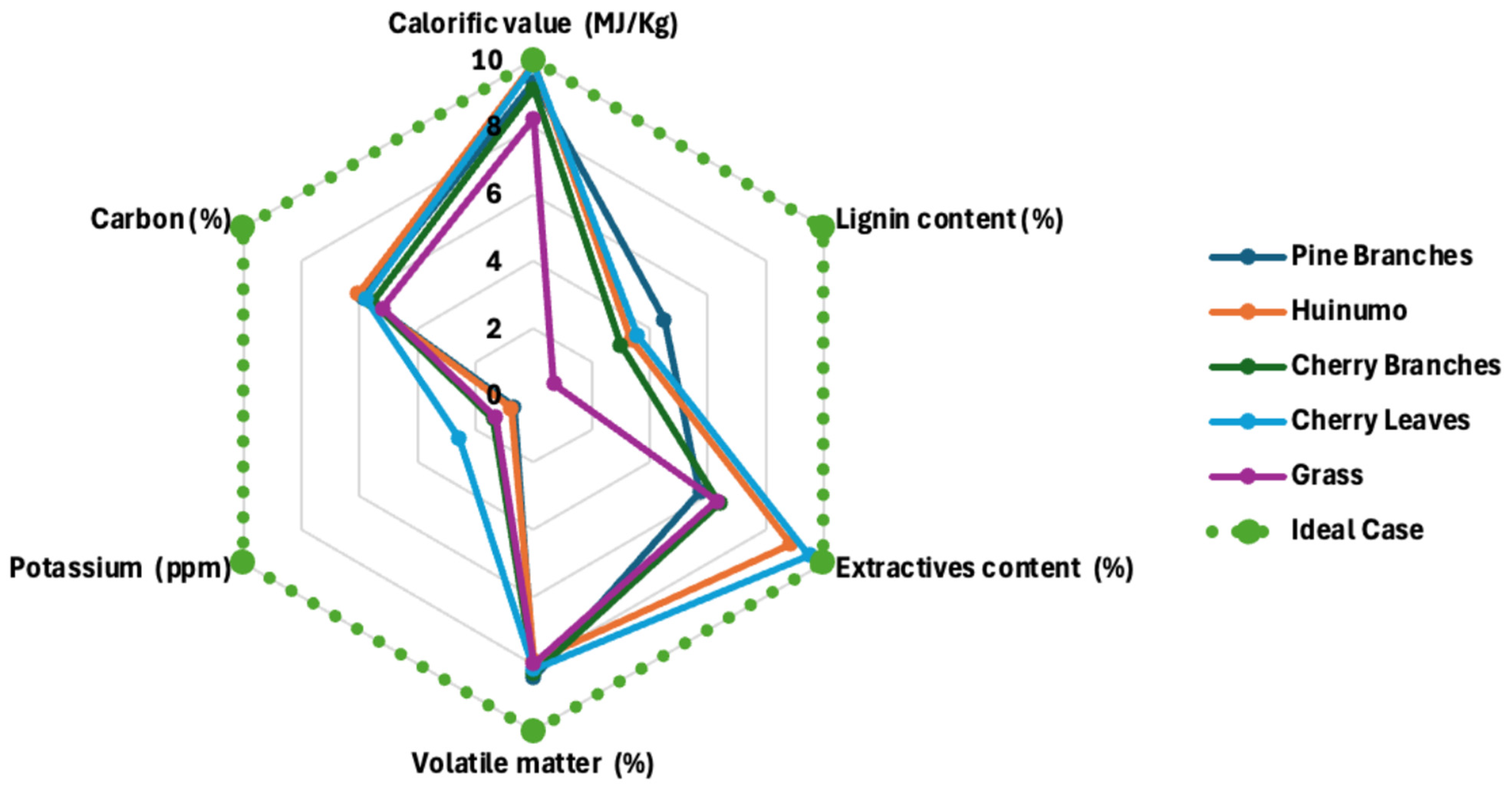
Figure 2 graphically organizes the information from the multi-criteria analysis using an amoeba diagram.
Based on the multi-criteria analysis methodology, the results presented in
Figure 2 allow for a homogeneous comparison among the different lignocellulosic residues evaluated for energy purposes and solid biofuel production. The selected indicators were physical and chemical parameters on a normalized scale from 0 to 10.
Regarding calorific value, all evaluated materials obtained high values close to the ideal case, with huinumo (=9.90) and cherry leaves (=9.87) standing out, reflecting high intrinsic energy potential. Pine branches (RP = 9.33) and cherry branches (=9.13), although showing good performance, exhibited slightly lower calorific values. As for grass (=8.26), although its value is lower, it remains competitive. This behavior confirms that, under a purely energy-based approach, most of the evaluated biomasses are viable for conversion into solid biofuels.
With respect to lignin content, a key indicator due to its contribution to calorific value and the mechanical stability of briquettes or pellets, pine branches (=4.50) showed the best relative performance, followed by cherry leaves (=3.57) and huinumo (=3.35). In contrast, grass presented the lowest value (=0.69), highlighting structural and energetic limitations that could restrict solid biofuel quality if not blended with biomass containing higher lignin content.
In terms of extractive content, greater differentiation among materials was observed. Cherry leaves exhibited the highest value (=9.51), followed by huinumo (=8.84). From an energy perspective, these results appear outstanding due to the high energy density of extractives. However, within the multi-criteria framework, this parameter must be carefully evaluated, as a high extractive content may also be associated with operational challenges during combustion, including increased generation of volatile compounds. Regarding volatile matter content, all materials showed relatively high and homogeneous values (7.91–8.41), facilitating ignition and combustion. Pine branches (=8.41) and cherry branches (=8.28) stand out slightly, which is favorable for ignition and initial combustion processes in bioenergy systems.
Considering potassium content, normalized under the same comparative criteria, low values were obtained in all cases, particularly for pine branches (=0.67) and huinumo (H = 0.77). From an energy perspective, this is important, since high potassium concentrations are generally associated with slagging, corrosion, and fouling in combustion facilities. Consequently, the low values indicate a technical advantage for solid biofuels.
Finally, carbon content showed intermediate and relatively close values among the studied materials, with huinumo (=6.05) and pine branches (=5.89) standing out. This behavior supports the consistency observed in calorific value, as carbon is one of the main determinants of biomass energy content.
The multi-criteria analysis indicates that there is no single optimal material across all indicators; however, the results allow for a comparative assessment of the strengths and weaknesses of the different biomass types. Pine branches and huinumo exhibit balanced performance in terms of calorific value, lignin, volatile matter, and potassium, and can therefore be considered technically robust alternatives for solid biofuel production. Cherry leaves present a significant proportion of extractives and high calorific value. Grass, although limited in lignin and carbon content, may be considered viable under blending or co-processing schemes.
Finally, the normalized results demonstrate the applicability of multi-criteria analysis as a decision-support tool for the energy valorization of biomass types, considering a balance between performance, chemical composition, and technical feasibility for the production of densified solid biofuels.




 ,
,