Article

Characterization of Residual Woody Biomass for the Production of Densified Solid Biofuels and Their Local Utilization


by
Mario Morales-Máximo
1,2,
Ramiro Gudiño-Macedo
3,
José Guadalupe Rutiaga-Quiñones
1,
Juan Carlos Coral-Huacuz
3,
Luis Fernando Pintor-Ibarra
1,
Luis Bernardo López-Sosa
2,* and
Víctor Manuel Ruíz-García
4,5,*
1
Facultad de Ingeniería en Tecnología de la Madera, Universidad Michoacana de Nicolás de Hidalgo, Francisco J. Mújica SN, Ciudad Universitaria, Morelia 58040, Mexico
2
Maestría en Educación Ambiental, Universidad Intercultural Indígena de Michoacán, Carretera Pátzcuaro-Huecorio Km 3, Pátzcuaro 61614, Mexico
3
Maestría en Ingeniería para la Sostenibilidad Energética, Universidad Intercultural Indígena de Michoacán, Carretera Pátzcuaro-Huecorio Km 3, Pátzcuaro 61614, Mexico
4
Instituto de Investigaciones en Ecosistemas y Sustentabilidad (IIES), Universidad Nacional Autónoma de México (UNAM), Morelia 58190, Mexico
5
Secretaría de Ciencia, Humanidades, Tecnología e Innovación (SECIHTI), Ciudad de Mexico 03940, Mexico
*
Authors to whom correspondence should be addressed.
Fuels 2026, 7(2), 23; https://doi.org/10.3390/fuels7020023
Submission received: 28 February 2026 / Revised: 24 March 2026 / Accepted: 7 April 2026 / Published: 10 April 2026
(This article belongs to the Special Issue Biofuels and Bioenergy: New Advances and Challenges)

Abstract

The energy utilization of residual woody biomass is a relevant strategy for the decentralized energy transition and local waste management in rural areas. The objective of this study was to characterize (physically, chemically, and energetically) five types of residual biomass: pine branches, huinumo (this material refers to the long, thin pine needles that, after drying and falling, form a layer on the forest floor), cherry branches and leaves, and grass waste generated in the community of San Francisco Pichátaro, Michoacán, Mexico, in order to evaluate its viability for the production of densified solid biofuels. A comprehensive analysis was conducted, including moisture content, higher heating value, proximate characterization, structural chemical analysis (using the Van Soest method), elemental CHONS analysis, ash microanalysis (by ICP-OES), and a multicriteria analysis with normalized energy and compositional indicators. The results showed that huinumo and cherry leaves were the most outstanding biomasses, presenting the highest heating values (20.7 MJ/kg) and low moisture and ash contents. Pine branches obtained the most balanced results, characterized by their equilibrium in fixed carbon and lignin, as well as their low potassium content. The multicriteria analysis showed that there is no absolute optimal biomass; however, it indicates that pine branches and huinumo are the most robust feedstocks for the production of briquettes or pellets. The results confirm the significant technical and environmental potential of local lignocellulosic residues for the production of solid biofuels and for contributing to sustainable energy solutions at the local scale.

1. Introduction

The sustainable use of residual woody biomass for the production of densified solid biofuels (pellets and briquettes) is emerging as a key strategy to diversify energy options in communities and to contribute to the mitigation of greenhouse gas (GHG) emissions [1]. There is an increasing effort to revalorize forest residues, transform energy consumption and production strategies, and reduce environmental impacts. These strategies address public policies aimed at GHG reduction, decarbonization of the energy sector, and the generation of a local circular economy. The conversion of lignocellulosic residues into densified solid biofuels integrates several dimensions, such as sustainable forest management, local energy security, and the reduction in environmental impacts associated with the extraction and use of fossil fuels [2,3].
Bioenergy from a sustainability perspective requires the evaluation of the energy potential of biomass, but also of socio-environmental impacts from the extraction and management of woody residues to their final use, including carbon footprint analysis, land-use change, and local socioeconomic benefits, among others [4]. Recent studies highlight the need for robust integrated frameworks that combine life cycle assessment, sustainability criteria, and territorial governance models in order to avoid jeopardizing biodiversity and the ecosystem goods and services provided by biomass extraction and use [5,6].
In this context, the 2030 Agenda and the Sustainable Development Goals (SDGs) provide a regulatory and policy framework that governs the sustainable use of renewable resources and the eradication of energy poverty through decentralized and clean pathways. The production of densified materials from woody residues can contribute to achieving the SDGs for affordable and clean energy (SDG 7), decent work and local economic growth (SDG 8), and climate action (SDG 13), provided that sustainability and equity criteria are incorporated into their supply chain [7].
The types of biomass that can help achieve these objectives include a wide variety of lignocellulosic materials: agricultural residues, industrial by-products, and forest residues [8,9]. Considerations regarding residual woody biomass are more limited. On the one hand, residues from sawmills, pruning, and forest management cuts present relatively homogeneous profiles compared to agricultural biomass. On the other hand, they show variability in density, resin content, lignin-to-cellulose proportion, and mineral content, which affects their energy and densification properties. In addition, regional quantifications and case studies make it possible to determine the technical availability of this resource, as well as logistical limitations for its extraction and transport, which are key aspects in the design of local value chains for densified biofuels [10,11].
There are various energy uses for biomass. The use of residual woody biomass in decentralized systems (household boilers, micro-plants, district heating) or in industrial chains (co-combustion in thermal power plants, cogeneration) will largely depend on the homogeneity and quality of the biofuel [12,13]. Recent studies [14,15] have highlighted the synergy between energy policies, incentives for waste valorization, and technological improvements in material treatment and densification to ensure competitiveness with fossil fuels.
The quality of solid biofuels involves physicochemical evaluations, such as proximate analysis, heating value, thermogravimetric analysis (TGA), ultimate analysis, determination of moisture, and ash content. These evaluations constitute the experimental basis for the implementation of optimal densification processes [16,17]. Studies combining proximate and ultimate analyses together with calorimetry and TGA show how modifications in mineral and extractive content influence combustion efficiency, deposit formation, and atmospheric emissions. The adoption of standardized characterization procedures enables comparison between studies and their stable application in industrial processes [18,19,20].
Biomass characterization makes it possible to determine the potential of biomass residues and the conversion technologies required for the production of densified solid biofuels. Minimum biofuel quality standards help optimize energy efficiency and minimize ash generation and emissions [21,22].
Likewise, the pretreatment of biomass must be taken into account, since pretreatment optimizes its effective use, although it increases costs and affects commercial viability. Therefore, it is vital to select suitable biomass types to generate competitive solid biofuels that can be made without pretreatment in order to minimize associated costs. In this regard, the profitability of the process depends on balancing the cost of pretreatment with the energy quality of the final product [23].
In Mexico, the utilization of residual biomass in rural areas faces a significant knowledge gap. Recent research has quantified the bioenergy potential by region [24] and evaluated the efficiency of direct combustion technologies [25]. However, the literature does not offer logistic models for small-scale biorefineries in geographically dispersed locations [26]. This article addresses these gaps by characterizing local residual biomass flows to propose a valorization strategy that incorporates previously ignored socio-environmental variables, with the aim of promoting rural energy sovereignty.
Pellets and briquettes are biomass-based fuels that undergo a densification process to increase energy density and facilitate handling, thereby reducing logistical costs. The quality of densified materials is determined through physical–mechanical characterization (bulk density, durability, and impact resistance), thermochemical characterization (heating value, thermal, and combustion efficiency), and environmental assessment (emissions and heavy metal content) [27]. In this regard, pellets (small compacted cylindrical particles) have been the subject of numerous studies analyzing the effect of moisture content, particle size, die temperature, and pretreatments (such as torrefaction) on key quality parameters. Comparative experimental studies confirm that standardization norms (EN; ISO) and pretreatments broaden the range of raw materials that can meet or adjust to commercial quality parameters [28].
On the other hand, briquettes (larger and denser blocks than pellets) are useful for both industrial and domestic applications. To achieve adequate compression parameters, binders are required [29], and thermal treatments influence durability, heating value, and combustion contaminants [30,31].
The objective of this research is to conduct a comprehensive analysis involving the characterization of biomass residues, their technical feasibility for conversion into densified solid biofuels, and the challenges of revalorization for use in a local rural context. The study performs a robust characterization of five types of residual forest biomass collected in a rural area, analyzing physical, chemical, and energy parameters relevant to densification processes (briquette or pellet production). An approach was conducted to establish technical feasibility criteria for transforming biomass residues into densified solid biofuels, aiming to avoid environmental impacts derived from improper disposal and to contribute to the valorization of local resources. Finally, this study provides baseline information for the design of appropriate ecotechnologies for use in rural environments.

2. Materials and Methods

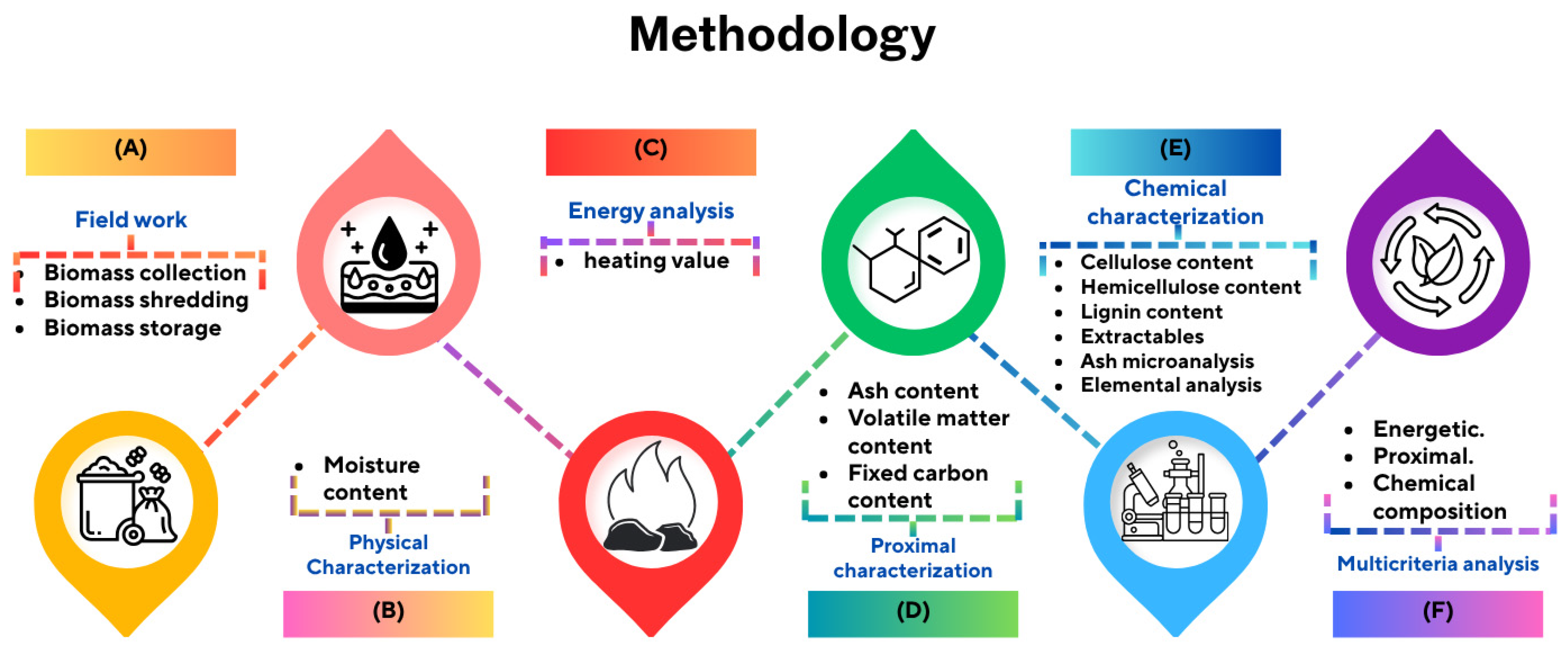
The methodological process carried out in this research can be observed in Figure 1, which is based on methodologies proposed for the production of solid biofuels [32,33].

2.1. Study Area

The study was conducted in an area of the locality of San Francisco Pichátaro, Michoacán, Mexico (19.566–101.802°). The study area covered 1.21 ha, of which only the areas with biomass residue production were quantified.
The types of biomasses collected were: pine branches (Pinus spp.), huinumo from Pinus spp., cherry branches, cherry leaves, and grass. Pruning shears and cutting bars were used for collection, along with rigid containers for gathering residues and clean plastic bags for storage. The different samples were identified using codes and labels (sampling location, biomass type, date).
For each type of biomass, 4 kg of material were collected. An open-air drying process was carried out. Once dried, the biomass samples were shredded and ground to reduce and homogenize particle size. After grinding, the biomass was sieved through a 40-mesh screen to ensure particle size distribution (flour-like form). Finally, the conditioned biomass samples were stored in airtight containers in a dry environment at room temperature to prevent moisture absorption and contamination with foreign substances.

2.2. Determination of the Moisture Content and Calorific Value of Biomass

For physical characterization, moisture content analysis was performed following the UNE-EN 14774-1 (2010) standard. An AE Adam PMB 53 moisture analyzer was used (Adam Equipment Co. Ltd., Milton Keynes, UK), and 4 g of pine meal (425 µm mesh) were placed in the analyzer. The process was performed in triplicate for each sample [34].
To determine the higher heating value (HHV), a Parr 6100 calorimeter was used (Parr Instrument Company City; Moline, IL, USA), with a titanium crucible for the samples, an ignition wire, a steel bucket containing 2 L of distilled water weighed on a platform scale, an oxygen bomb, and a hermetically sealed stainless steel container [12].

2.3. Proximate Characterization

Ash content was determined following the UNE-EN 14775 (2010) standard, and volatile matter content was determined according to the ASTM E872-82 (2013) standard [35]. For these analyses, completely dried biomass previously sieved through a 40-mesh screen was used. Fixed carbon content was determined by difference—subtracting the percentages of ash and volatile matter from 100% [36].

2.4. Chemical Characterization

Chemical composition was determined following standardized UNE-EN 14775 (2010) procedures [37]. The main polymeric components of wood (cellulose, hemicelluloses, and lignin) were determined through fiber analysis using the Van Soest gravimetric procedure with α-amylase application. Extractive content was determined by difference subtracting from 100% the percentages of cellulose, hemicelluloses, lignin, and ash, including a correction factor for ash, as indicated in the literature [35]. An ANKOM fiber analyzer (model ANKOM200, ANKOM Technology, Macedon, NY, USA) was used for polymer analysis.
Subsequently, ash microanalysis was performed using inductively coupled plasma optical emission spectrometry (ICP-OES) in a VARIAN 730-ES system (Varian Inc., Agilent Technologies, Mulgrave, Australia) [20,38].
Finally, elemental analysis consisted of determining the main biomass components: carbon (C), hydrogen (H), oxygen (O), nitrogen (N), and sulfur (S). Determinations of C, H, N, and S were performed in duplicate using a COSTECH elemental analyzer model 4010 (COSTECH International S.P.A., Milan, Italy), in accordance with UNE-CEN/TS 15104 EX [39]. Oxygen content was calculated by difference for all analyzed biomass types [36].

2.5. Multicriteria Analysis

Multicriteria analysis is a validated methodology for evaluating processes and technologies using sustainability indicators [40]. In this work, it was used for the multifactorial evaluation of lignocellulosic biomass derived from various forestry activities, comparing it with other biofuels. The evaluation was performed using the MULTIBERSO software 2022 [41], replicating methodological approaches previously reported in the scientific literature [6,42,43]. This approach requires comparison with pre-existing data and gives researchers the flexibility to propose and weight specific indicators according to the study objectives [32]. For this research, energy, proximate analysis, and chemical composition parameters were prioritized, given their fundamental relevance in the generation of solid biofuels. Thus, the methodology allows for emphasizing the criteria with the greatest technical relevance, ensuring a rigorous evaluation adapted to the object of study.

3. Results and Discussion

3.1. Identification of the Different Residual Woody Biomass Types

Table 1 shows the different biomass species and predominant residues such as Pinus spp. (pine), huinumo, cherry (branches and leaves), as well as the high presence of wild grass. These lignocellulosic residues occur recurrently and can be considered potential feedstocks for producing solid biofuels. The diversity and availability of biomass residues demonstrate an appropriate setting for the energy utilization of residual biomass generated at the study site.
The data shown in Table 1 indicate biomass generation of 55.74 kg/week, 222.96 kg/month, and 2898.48 kg/year. Although these are preliminary quantities, they represent a significant volume of biomass residues that could be used for energy purposes, particularly for the production of solid biofuels such as briquettes or pellets, which could be employed locally for cooking or heating systems.
From a territorial perspective, analysis of residue distribution within the study area reveals that approximately 79% of the total surface corresponds to green areas, which directly increases the potential for residual biomass generation [44].
The identification and prioritization of high-yield biomass areas not only allow for a more reliable estimation of available residue volumes but also help guide management strategies to maximize energy utilization. In this sense, the diagnosis carried out provides adequate support for planning sustainable biomass waste management strategies.

3.2. Proximate Analysis and Energy Content

Table 2 presents the results of the proximate analysis and energy content of the five collected biomass types. The results are presented as mean values with their corresponding standard deviations.
In Table 2, the moisture content generally shows that the values are relatively low and similar for each type of biomass, with an average range from 9.39% (±1.23) to 11.64% (±0.54). Pine branches showed the highest moisture content (11.64%), while cherry leaves showed the lowest (9.39%). These levels are considered adequate for energy applications, as moisture contents below 12% favor better combustion performance and higher useful energy output. According to the scientific literature [45], moisture contents below 12% promote higher energy efficiency, since energy losses associated with water evaporation during combustion are reduced. Previous studies on woody residues report moisture contents around 10% [46,47], while others report values between 12% and 16%. The values obtained in this study are similar to or lower than those reported in the literature [48].
Finally, the significantly lower moisture levels recorded in this study are attributed to the interaction between drying efficiency and the climatic conditions of the study area. In regions characterized by periods of intense heat, biomass conditioning is accelerated, reducing its hygroscopic capacity to retain water compared to environments with higher relative humidity. According to Zhao et al. (2026) [49], the equilibrium moisture content of biomass is intrinsically dependent on ambient temperature and humidity; therefore, a warm climate favors a mass transfer gradient that shifts the equilibrium toward lower values. At the experimental level, strict adherence to the conditioning standards described in the methodology allowed for achieving a stable and reproducible moisture content. This synergy between local climatic advantages and technical standardization explains the optimized residue compared to other reports in the literature [50,51].
Regarding the heating value, the differences among the biomasses are small. Huinumo and cherry leaves show the highest values, 20.73 MJ/kg (±0.02) and 20.66 MJ/kg (±0.09), respectively, indicating greater energy potential. These results are comparable to values reported for hardwoods and high-energy-density forest residues; for example, average heating values between 19.0 MJ/kg and 22.0 MJ/kg have been reported for this type of material [52], while other studies report values ranging from 19.978 MJ/kg to 20.812 MJ/kg [53]. In contrast, grass shows the lowest heating value, 17.28 MJ/kg (±0.06), which may be related to a higher proportion of volatile components. This is consistent with previous studies that attribute this behavior to a lower proportion of lignin and structural carbon in herbaceous biomasses [54]. The literature reports averages between 13.7 MJ/kg and 16.1 MJ/kg [55], while other studies report ranges from 15.924 MJ/kg to 16.790 MJ/kg [56]. The low standard deviation observed in all samples suggests high homogeneity and reliability of the measurements.
Ash content was low in all samples (<0.15%), which favors operational and energy performance. The lowest ash fractions were found in huinumo and cherry branches (RC), both with 0.03% (±0.02), while the highest ash content was recorded in pine branches (RP), with a value of 0.14% (±0.03). This suggests a lower risk of fouling, slagging, and corrosion problems during thermochemical conversion processes in combustion technologies. These values are below the ranges commonly reported for agricultural and forest residues [57].
Regarding volatile matter content, the biomasses showed high values, as is characteristic of lignocellulosic materials. Pine branches and cherry branches showed the highest volatile contents, 82.45% (±0.44) and 81.18% (±0.92), respectively, indicating high ignitability and rapid gas release during combustion. In contrast, huinumo showed the lowest volatile matter content, 77.56% (±1.06), which is associated with a higher fixed carbon fraction. The literature reports that hardwoods such as red oak (sapwood and heartwood) present average volatile matter contents between 81.6% and 81.8%, while yellow poplar (sapwood and heartwood) shows averages between 83.5% and 83.6% [58]. Some tropical species report averages between 77.5% and 87.6% [59]. Regarding volatile matter in grass residues, the literature reports average values ranging from 54.8% to 74.3% [60], while other studies report averages of 78% [61]. In general, the volatile matter results obtained for the five analyzed biomass samples are consistent with values reported in the literature and even exceed those corresponding to some previously documented species.
The fixed carbon content is related to the volatile matter content. Huinumo and grass showed the highest fixed carbon values, 22.43% (±1.06) and 21.74% (±0.92), respectively, indicating stable and long-lasting combustion with lower flammable gas release. In contrast, pine branches showed the lowest fixed carbon content, 17.53% (±0.44), and a higher proportion of volatile matter. The scientific literature reports average fixed carbon contents ranging from 12% to 26% for wood species used in industry [62]. Another reported species is Araucaria angustifolia, with an average value of 21.4% [63]. For grass biomass, values between 30% and 32% are reported [64].
Overall, the results show that huinumo and cherry leaves have the highest calorific value and fixed carbon content, making these biomasses attractive for energy purposes, while pine and cherry branches have a higher volatile fraction that contributes to rapid ignition. As for grass, despite its low ash content, it does not present equally favorable energy characteristics. The low statistical variability observed in most parameters supports the consistency and reliability of the results obtained.

3.3. Basic Chemical Analysis

The results of the basic chemical analysis of the biomass waste samples are presented in Table 3, which shows the average values and their standard deviations. This analysis was performed to determine the percentage of cellulose, hemicelluloses, lignin, extractive, and ash content at 525 °C, which is essential for understanding the structural composition and energy quality of the evaluated materials.
According to Table 3, the cellulose content ranged from 15.11% (±0.66) to 32.06% (±0.56), values that fall within the expected range for lignocellulosic residues. However, these values are lower than those reported for pure agricultural biomass (40–60% cellulose) cited in recent reviews [65,66], where cellulose is described as the dominant structural fraction [67]. Woody samples, such as cherry branches (32.06%) and pine branches (29.4%), showed the highest cellulose contents, while cherry leaves (15.11%) and huinumo (18.94%) exhibited considerably lower values, reflecting the structural differences between woody and foliar tissues.
Regarding hemicelluloses content, grass showed the highest value (35.37%), clearly exceeding the values observed in tree samples (12.1–15.6%). This is similar to herbaceous residues, which are characterized by higher proportions of amorphous polysaccharides and therefore faster thermal degradation processes compared to woody materials. The literature reports hemicelluloses contents of approximately 27.80% for woody biomass [68], with average ranges between 20.73% and 30.84% [69], indicating that the analyzed samples are consistent with previously reported values.
Lignin content was higher in pine branches (24.03%) and cherry leaves (19.04%), indicating greater structural recalcitrance typical of woody tissues, compared to grass, which showed very low lignin content (3.72%). Lignin is directly associated with mechanical strength and resistance to thermal decomposition, playing a determining role in thermochemical processes such as pyrolysis and combustion [70,71]. The values obtained in this research are consistent with reported ranges in the literature: 15–25% in hardwood, 25–35% in softwood, and 15–25% in herbaceous biomass [72].
The extractive fraction was particularly high in cherry leaves (53.2%) and huinumo (49.47%), suggesting a wide presence of compounds soluble in organic and aqueous solvents, such as resins, oils, and secondary metabolites. These compounds may significantly influence thermal degradation behavior and the composition of derived products, including bio-oil during pyrolysis [73]. In contrast, pine and cherry branches exhibited moderate extractive contents (32–36%).
Ash content was low in all samples, particularly in woody materials (<0.6%), whereas grass showed a higher value (1.12%). This finding aligns with previous studies that associate higher mineral content with herbaceous biomass, potentially affecting thermochemical processes due to the presence of inorganic elements that influence energy yield and generate impurities during combustion or gasification [74].
Finally, it can be mentioned that the different levels of chemical composition in the analyzed biomasses clearly influence their utilization for energy purposes or within the context of lignocellulosic biorefineries. Biomasses with high levels of cellulose and lignin (pine or cherry branches) tend to have greater energy potential in thermochemical applications, since these structural fractions (both cellulose and lignin) are associated with higher energy density, as shown in recent studies on the thermochemical conversion of lignocellulose [75]. High hemicellulose fractions and the extractives present in grass and leaves may exhibit greater thermal reactivity, which is especially useful for processes aimed at increasing the production of biochemicals and bio-oils, or in processes where the volatilization of soluble species is enhanced, as mentioned in recent reviews on the effects of extractive fractions on pyrolysis product distribution [76]. Although ash content is low in absolute terms, it remains a critical parameter in industrial applications, as it affects equipment lifespan, maintenance costs, and thermal efficiency, especially when exceeding recommended operational limits (<1%) [77].

3.4. Microanalysis of Ash

The results of the ash microanalysis of the different biomass waste samples are presented in Table 4, which shows the concentrations of major elements in parts per million (ppm). In general terms, the chemical composition of the ash highlights a clear predominance of alkaline and alkaline earth elements, typical of forest and herbaceous biomass.
From a statistical perspective, the chemical components that showed the most notable and consistent concentrations among the samples were Ca, K, and Mg, which constitute the predominant mineral fraction. In this case, Ca also reached the highest concentrations recorded within the set of analyzed samples, ranging approximately between 114,902 and 234,890 ppm. This confirms that it is the main inorganic constituent of the ash. This behavior was consistently observed across all the samples evaluated, regardless of the type of residue, suggesting low relative variability and a strong association of Ca with the plant structure of the residues.
The elemental composition of the ash observed in this study is consistent with that reported for lignocellulosic biomass used for energy purposes, particularly forest residues, agricultural residues, and natural grasses. The high proportion of calcium, potassium, and magnesium is a distinctive feature with direct implications for both combustion efficiency and potential operational issues. The elevated calcium content is especially relevant, as this element contributes to increasing ash melting temperature and may act as a stabilizing agent, reducing the tendency for slag formation. Several recent studies have indicated that Ca-rich biomasses exhibit more favorable behavior during combustion and gasification by minimizing sintering and fouling phenomena in thermal systems [78,79,80].
Potassium also showed high concentrations, ranging from 44,154 ppm to 193,950 ppm, with notable variability among samples. This variability may be explained by differences in biomass type among species, different degrees of leaching prior to analysis, and the biological phenotype of the plant tissue. In this regard, the literature reports that potassium, although considered a key element from the plant’s biochemical perspective, is also a determining factor for energy utilization. A high potassium content favors the formation of low-melting alkaline compounds, increasing the likelihood of slagging, high-temperature corrosion, and deposit formation on metal surfaces. However, the presence of high levels of calcium and magnesium may partially mitigate these issues by promoting the formation of more stable silicates and phosphates, as reported in recent studies on forest biomass ash [81,82].
Magnesium, in turn, exhibited intermediate to high concentrations, within an approximate range of 33,442 ppm to 55,147 ppm, confirming its importance as a stable element in the inorganic fraction. Therefore, magnesium can be considered to reinforce the role of calcium in modifying the physicochemical properties of ash, contributing not only to greater thermal stability but also to reducing the formation of low-melting phases. Moreover, the Ca–Mg ratio observed in the analyzed samples is considered suitable for conventional energy applications, particularly in fixed-bed and fluidized-bed combustion systems [83,84].
Phosphorus (P) was another major element found in relevant proportions, reaching up to 38,669 ppm, while sodium (Na) remained within a lower range (maximum values on the order of 2873 ppm). Iron (Fe), on the other hand, varied considerably, showing an approximate range of 1044–8760 ppm, reflecting its dependence on edaphic factors and mineral contamination. Moderate concentrations of iron and manganese may be beneficial for ash reactivity due to their catalytic potential in oxidation and gasification reactions of residual carbon. Recently, it has been demonstrated that controlling Fe and Mn levels can improve ash combustion kinetics without significant undesirable effects [85,86].
Regarding transition elements and trace metals, moderate concentrations of manganese (Mn), aluminum (Al), barium (Ba), and zinc (Zn) were identified. Manganese contents ranged between 394 and 2404 ppm, while both aluminum and barium showed concentrations above 1500 ppm in different samples. Zinc was present in all analyzed samples, although at relatively low concentrations (≈270–636 ppm).
In contrast, potentially toxic elements such as arsenic (As), cadmium (Cd), lead (Pb), cobalt (Co), antimony (Sb), and thallium (Tl) showed null concentrations or values below the detection limit (ND) in most samples, representing a positive outcome from an environmental standpoint.
From an environmental perspective, the scarce or non-existent presence of toxic heavy metals is one of the most significant findings derived from the microanalyses. The low levels of As, Cd, Pb, and Sb considerably reduce the likelihood of pollutant emissions during combustion and significantly increase the potential for ash valorization, for example, as mineral amendments or secondary materials, provided that regulatory requirements are properly met.
The presence of phosphorus and sodium, although in moderate amounts, must also be carefully evaluated. Phosphorus may promote the formation of complex molten phases when interacting with potassium and calcium, while sodium is strongly correlated with high-temperature corrosion phenomena. These aspects suggest the potential implementation of ash management strategies such as fuel blending, biomass pretreatment, or control of operating conditions.
Finally, the results confirm that the analyzed biomasses are viable for energy applications, based on their mineral structure dominated by Ca, K, and Mg, clearly evident and easily inferred, with lower presence of Fe, Na, and P and only trace amounts of heavy metals. This behavior is consistent with that reported for agricultural and forest biomasses and reinforces their viability as an energy resource when appropriate ash management techniques and strategies to address fouling and corrosion problems in thermal systems are implemented.

3.5. Elementary Analysis

The elemental analysis performed on the five biomass samples studied is shown in Table 5: pine branches, cherry branches, cherry leaves, grass, and huinumo. The results are presented as percentages on a dry matter basis. The elemental analysis includes carbon, hydrogen, oxygen, nitrogen, and sulfur content.
Table 5 shows that the maximum carbon content was 49.79% in huinumo, while the minimum was 42.81% in grass. Hydrogen was found within a relatively narrow range (5.70–6.36%), consistent with values reported for lignocellulosic biomass in the literature (e.g., hydrogen contents between 6 and 9% in other lignocellulosic residues) [87]. Oxygen, calculated by difference, reached its highest value in grass (50.23%) and lowest in cherry leaves (42.49%). Nitrogen, always below 4%, was notably higher in cherry leaves (3.58%) than in the other samples. Sulfur was not detected in any of the analyzed biomass samples, which is favorable for reducing sulfur oxide emissions that are precursors to the formation of sulfuric compounds and hydrogen sulfide in the atmosphere (typical sulfur content in biomass is usually <0.05% or close to zero) [88,89].
From a statistical perspective, carbon content had a mean of 46.85% (±0.59), while hydrogen averaged 5.99% (±0.26). Oxygen showed greater variability (SD ≈ 3.06), reflecting intrinsic differences in the composition of the different plant matrices studied.
The elemental composition of biomass is a preliminary indicator of solid biofuel quality and energy potential, particularly in thermochemical conversion processes.
Carbon at low moisture levels is the main factor determining the energy content of solid fuels. A higher carbon content is associated with higher HHVs. The exothermic oxidation reaction of carbon enables heat release and its subsequent utilization [90]. In this regard, the carbon content of huinumo (49.8%) and pine branches (48.3%) is associated with relatively high energy potential compared to grass (42.8%), and is similar to what has been reported for forest biomass versus herbaceous biomass [91].
Hydrogen, although present in lower proportions than carbon, also contributes significantly to calorific value, as its oxidation produces water and releases additional energy per unit mass oxidized. The hydrogen contents found (5.7–6.4%) fall within typical ranges reported for lignocellulosic biomass in recent comparative analyses [92].
Similarly, oxygen content is inversely related to calorific value. A higher oxygen fraction implies a greater proportion of partially oxidized compounds and therefore lower available energy potential [93]. In the present results, samples with higher oxygen content (grass) are associated with lower theoretical HHVs. Nitrogen, although present at low levels (<4%), is relevant because during combustion at temperatures near 1000 °C with excess air, it may contribute to the formation of nitrogen oxides (NOx), which are associated with environmental impacts and act as precursors to other pollutants [94]. If a higher nitrogen content is present in cherry leaves, strategies should be implemented to reduce its presence and prevent NOx emissions during combustion processes.
Finally, sulfur was not detected (nd) in any of the samples, implying negligible formation of sulfur oxides (SOx) compared to fossil fuels [95].
Overall, the elemental composition indicates that the forest samples (Pine branches and Huinumo) exhibit a more favorable profile for direct thermal energy applications compared to grass, due to higher carbon and lower oxygen contents. Although nitrogen levels are low, they should still be considered in environmental assessments. The results obtained show trends similar to those reported in recent scientific literature regarding elemental composition, calorific value, and biomass quality.

3.6. Multi-Criteria Analysis

For this analysis, energy, proximate, and chemical composition parameters were considered, generating quantifiable indicators, as shown in Table 6.
The weighting using maximum and minimum values defines the best- and worst-case scenarios. The maximum reference values were obtained from the scientific literature, as shown in Table 7. A value of zero was assigned to the lower limit of all indicators, establishing it as the absolute baseline for comparison.
The multi-criteria analysis methodology applied in this study does not constitute a standalone approach; rather, it gains validity within a comparative framework in which the evaluated materials are analyzed holistically and systematically. Under these conditions, multi-criteria analysis proves useful as a robust tool for integrating and weighting multiple variables, enabling a comprehensive assessment of the energy potential of the lignocellulosic residues studied.
Six indicators directly affecting the quality and feasibility of solid biofuel production were considered: calorific value (MJ/kg), lignin content (%), extractive content (%), potassium content (ppm), volatile matter content (%), and carbon content (%). These indicators were selected due to their relevance in thermal conversion processes and their influence on combustion efficiency, thermal stability, and overall energy performance [43].
The multicriteria evaluation was carried out using the biomass samples analyzed in the present study. The simultaneous comparison of these materials allowed the identification of significant differences in their energy potential, as well as the establishment of relative indicators for the analyzed samples.
The multicriteria analysis data are presented in Table 8. The highest reliability, viability, and effectiveness of the analyzed lignocellulosic residues were determined from an energy perspective for the production and use of solid biofuels.
To perform a homogeneous comparison, the values in Table 8 were normalized, resulting in a standardized scale from 0 to 10 (0 represents the least favorable scenario, and 10 the most favorable scenario). The normalized values are shown in Table 9.
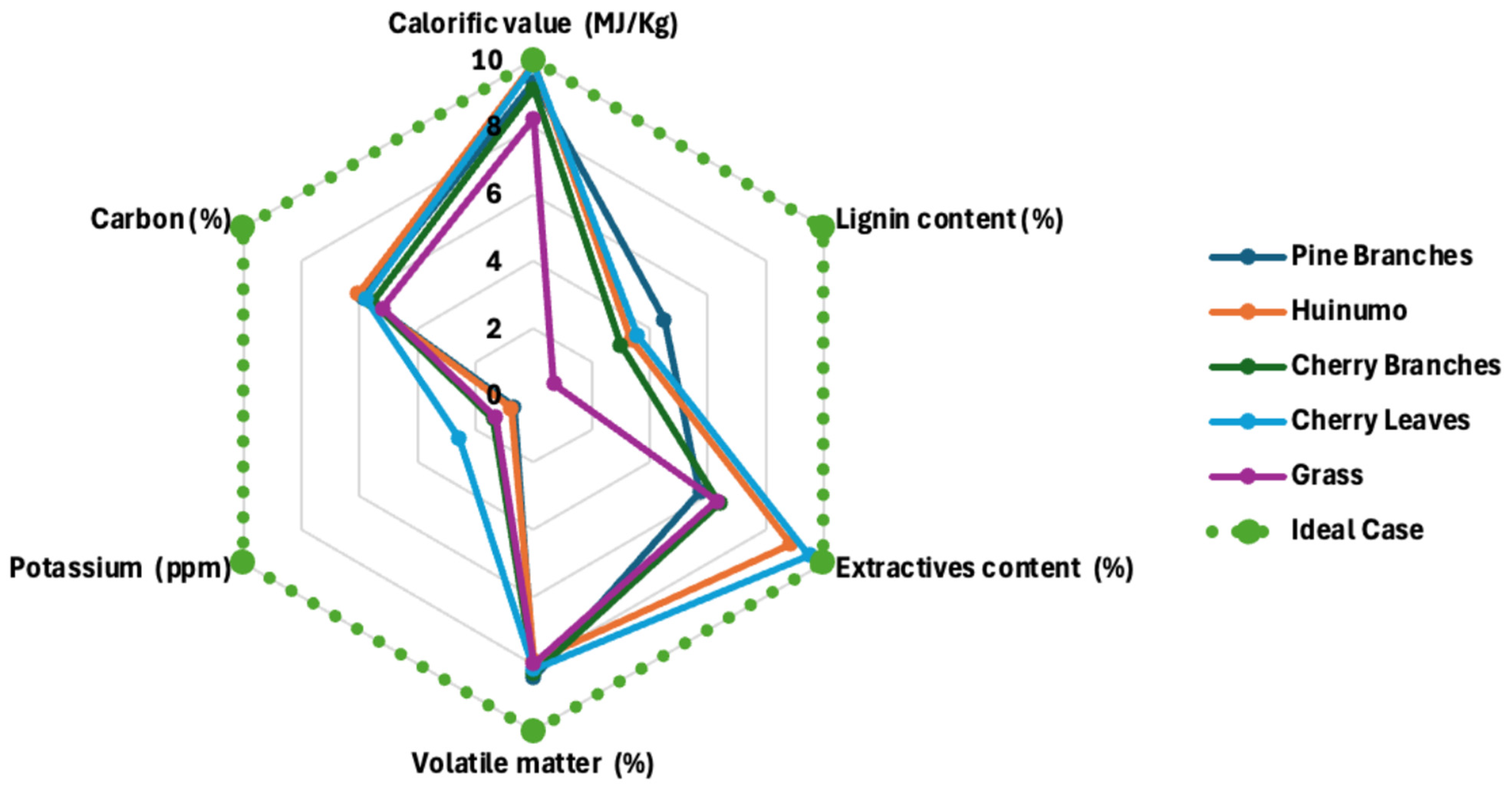
Figure 2 graphically organizes the information from the multi-criteria analysis using an amoeba diagram.
Based on the multi-criteria analysis methodology, the results presented in Figure 2 allow for a homogeneous comparison among the different lignocellulosic residues evaluated for energy purposes and solid biofuel production. The selected indicators were physical and chemical parameters on a normalized scale from 0 to 10.
Regarding calorific value, all evaluated materials obtained high values close to the ideal case, with huinumo (=9.90) and cherry leaves (=9.87) standing out, reflecting high intrinsic energy potential. Pine branches (RP = 9.33) and cherry branches (=9.13), although showing good performance, exhibited slightly lower calorific values. As for grass (=8.26), although its value is lower, it remains competitive. This behavior confirms that, under a purely energy-based approach, most of the evaluated biomasses are viable for conversion into solid biofuels.
With respect to lignin content, a key indicator due to its contribution to calorific value and the mechanical stability of briquettes or pellets, pine branches (=4.50) showed the best relative performance, followed by cherry leaves (=3.57) and huinumo (=3.35). In contrast, grass presented the lowest value (=0.69), highlighting structural and energetic limitations that could restrict solid biofuel quality if not blended with biomass containing higher lignin content.
In terms of extractive content, greater differentiation among materials was observed. Cherry leaves exhibited the highest value (=9.51), followed by huinumo (=8.84). From an energy perspective, these results appear outstanding due to the high energy density of extractives. However, within the multi-criteria framework, this parameter must be carefully evaluated, as a high extractive content may also be associated with operational challenges during combustion, including increased generation of volatile compounds. Regarding volatile matter content, all materials showed relatively high and homogeneous values (7.91–8.41), facilitating ignition and combustion. Pine branches (=8.41) and cherry branches (=8.28) stand out slightly, which is favorable for ignition and initial combustion processes in bioenergy systems.
Considering potassium content, normalized under the same comparative criteria, low values were obtained in all cases, particularly for pine branches (=0.67) and huinumo (H = 0.77). From an energy perspective, this is important, since high potassium concentrations are generally associated with slagging, corrosion, and fouling in combustion facilities. Consequently, the low values indicate a technical advantage for solid biofuels.
Finally, carbon content showed intermediate and relatively close values among the studied materials, with huinumo (=6.05) and pine branches (=5.89) standing out. This behavior supports the consistency observed in calorific value, as carbon is one of the main determinants of biomass energy content.
The multi-criteria analysis indicates that there is no single optimal material across all indicators; however, the results allow for a comparative assessment of the strengths and weaknesses of the different biomass types. Pine branches and huinumo exhibit balanced performance in terms of calorific value, lignin, volatile matter, and potassium, and can therefore be considered technically robust alternatives for solid biofuel production. Cherry leaves present a significant proportion of extractives and high calorific value. Grass, although limited in lignin and carbon content, may be considered viable under blending or co-processing schemes.
Finally, the normalized results demonstrate the applicability of multi-criteria analysis as a decision-support tool for the energy valorization of biomass types, considering a balance between performance, chemical composition, and technical feasibility for the production of densified solid biofuels.

4. Conclusions

The woody and plant biomass residues generated in the locality of San Francisco Pichátaro, Michoacán, show potential for valorization in the production of densified solid biofuels (briquettes and/or pellets), exhibiting high potential at both technical and energy levels. Based on physical, chemical, proximate, elemental, and microanalytical characterization, it has been validated that these lignocellulosic residues can be considered a feasible alternative for bioenergy generation, as well as for sustainable waste management.
The results obtained demonstrate that materials such as huinumo, pine branches, and cherry leaves possess optimal energy properties, characterized by high calorific values (19–21 MJ/kg), low moisture and ash contents, and elemental compositions dominated by carbon with low sulfur content. These characteristics are key to achieving efficient, stable combustion with reduced environmental impact. Specifically, huinumo and pine branches exhibited balanced behavior among carbon, lignin, and volatile matter contents, highlighting them as strategic feedstocks for the production of high-quality densified solid biofuels.
The basic chemical analysis revealed that the structural fractions of cellulose, hemicellulose, and lignin directly influence the thermochemical behavior of each biomass, while the high proportion of extractives (particularly in cherry leaves and huinumo) provides additional energy density, although it requires appropriate operational management during combustion. The ash microanalysis confirmed a low presence of toxic heavy metals, supporting the environmental viability of energy utilization and opening the possibility for secondary ash valorization under regulatory criteria.
The multi-criteria analysis, through the use of normalized energy, chemical, and elemental indicators, enabled a homogeneous comparison among the different residues analyzed, demonstrating that there is no absolute optimal material; however, more balanced combinations can be achieved from a technical and energy perspective. Pine branches and huinumo stand out as the most robust alternatives, while materials such as grass can be efficiently integrated through blending or co-processing schemes.
The results support the energy utilization of forest and plant residues as a tool for energy recovery, contributing to the energy transition, the circular economy, and the mitigation of environmental impacts, fostering the development of local, sustainable, and socially relevant solutions in rural territories.

Author Contributions

Conceptualization, M.M.-M.; Methodology, M.M.-M., R.G.-M., L.F.P.-I., L.B.L.-S. and V.M.R.-G.; Software, M.M.-M. and V.M.R.-G.; Validation, M.M.-M., R.G.-M., J.G.R.-Q., J.C.C.-H., L.B.L.-S. and V.M.R.-G.; Formal analysis, M.M.-M., R.G.-M., L.F.P.-I., L.B.L.-S. and V.M.R.-G.; Investigation, M.M.-M. and L.F.P.-I.; Resources, M.M.-M., R.G.-M., J.G.R.-Q., L.B.L.-S. and V.M.R.-G.; Data curation, M.M.-M., R.G.-M., J.G.R.-Q., J.C.C.-H., L.F.P.-I., L.B.L.-S. and V.M.R.-G.; Writing—original draft, M.M.-M.; Writing—review & editing, M.M.-M., J.G.R.-Q. and V.M.R.-G.; Visualization, M.M.-M., R.G.-M., J.G.R.-Q., J.C.C.-H., L.F.P.-I. and V.M.R.-G.; Supervision, M.M.-M., J.G.R.-Q., J.C.C.-H., L.F.P.-I., L.B.L.-S. and V.M.R.-G.; Project administration, M.M.-M., R.G.-M., J.G.R.-Q., J.C.C.-H., L.F.P.-I., L.B.L.-S. and V.M.R.-G.; Funding acquisition, R.G.-M., J.C.C.-H., L.F.P.-I., L.B.L.-S. and V.M.R.-G. All authors have read and agreed to the published version of the manuscript.

Funding

The author also thanks the Teacher Professional Development Program (PRODEP-2025), and the Intercultural Indigenous University of Michoacán for their support in carrying out this research, as well as the Postdoctoral Scholarship Program for Mexico, by the Secretariat of Science, Humanities, Technology and Innovation of the Government of Mexico (SECIHTI).

Data Availability Statement

The data presented in this study are available upon request to the corresponding author.

Acknowledgments

Special thanks to the Laboratorio de Innovación y Evaluación de la Bioenergía (LINEB) and the Laboratorio Nacional de Biocombustibles Sólidos (BIOENER) “Apoyo LNC-2023-40” for their support in carrying out this study. We also acknowledge the Colegio de Bachilleres, San Francisco Pichátaro Campus, Michoacán, Mexico, for its valuable contribution.

Conflicts of Interest

The authors declare no conflicts of interest.

References

  1. Morales-Máximo, M.; Rutiaga-Quiñones, J.G.; Masera, O.; Ruiz-García, V.M. Briquettes from Pinus spp. Residues: Energy Savings and Emissions Mitigation in the Rural Sector. Energies 2022, 15, 3419. [Google Scholar] [CrossRef]
  2. Mignogna, D.; Szabó, M.; Ceci, P.; Avino, P.; Mignogna, D.; Szabó, M.; Ceci, P.; Avino, P. Biomass Energy and Biofuels: Perspective, Potentials, and Challenges in the Energy Transition. Sustainability 2024, 16, 7036. [Google Scholar] [CrossRef]
  3. Kansara, S.; Rezanejad, K.; Jahanbakht, M.; Santos, D.M.F.; Kansara, S.; Rezanejad, K.; Jahanbakht, M.; Santos, D.M.F. Evaluating Techno-Economic Feasibility of Green Hydrogen Production Integrated with a Wave Energy Converter Device. Fuels 2025, 6, 92. [Google Scholar] [CrossRef]
  4. Sorooshian, S. The Sustainable Development Goals of the United Nations: A Comparative Midterm Research Review. J. Clean. Prod. 2024, 453, 142272. [Google Scholar] [CrossRef]
  5. López-Sosa, L.B.; Santibáñez-Rocha, G.A.; Morales-Máximo, M.; González-Carabes, R.; Rutiaga-Quiñones, J.G.; Bustamante, C.A.G.; Pintor-Ibarra, L.F.; Ramos, I.S.; Reyes, C.I.V.; del Carmen Rodríguez Magallón, M.; et al. Evaluation of the Energy Potential of Agro-Industrial Waste from Mangifera indica L. in Zamora, Mexico: Perspectives for the Management of Solid and Liquid Biofuels. BioEnergy Res. 2024, 17, 2127–2140. [Google Scholar] [CrossRef]
  6. Castillo-Tera, O.A.; López-Sosa, L.B.; Pintor-Ibarra, L.F.; Rutiaga-Quiñones, J.G.; Morales-Máximo, M. Evaluation of Bursera cuneata Schltdl. Wood Residues for Use as Densified Biofuels. Results Eng. 2025, 26, 104916. [Google Scholar] [CrossRef]
  7. Sever, S.D.; Tok, E.; Sellami, A.L.; Sever, S.D.; Tok, E.; Sellami, A.L. Sustainable Development Goals in a Transforming World: Understanding the Dynamics of Localization. Sustainability 2025, 17, 2763. [Google Scholar] [CrossRef]
  8. Zlateva, P.; Terziev, A.; Murzova, M.; Mileva, N.M.; Zlateva, P.; Terziev, A.; Murzova, M.; Mileva, N.M. Research on the Efficiency of Solid Biomass Fuels and Consumer Preferences in Bulgaria. Fuels 2025, 6, 17. [Google Scholar] [CrossRef]
  9. Amjith, L.; Bavanish, B. A Review on Biomass and Wind as Renewable Energy for Sustainable Environment. Chemosphere 2022, 293, 133579. [Google Scholar] [CrossRef]
  10. Nunes, L.J.R.; Casau, M.; Matias, J.C.O.; Dias, M.F.; Nunes, L.J.R.; Casau, M.; Matias, J.C.O.; Dias, M.F. Assessment of Woody Residual Biomass Generation Capacity in the Central Region of Portugal: Analysis of the Power Production Potential. Land 2022, 11, 1722. [Google Scholar] [CrossRef]
  11. Olabisi, A.S.; Balogun, A.O.; Oni, T.O.; Fakinle, B.S.; Sotoudehnia, F.; McDonald, A.G.; Ikubanni, P.P. Physicochemical Characterization of Woody Lignocellulosic Biomass and Charcoal for Bio-Energy Heat Generation. Sci. Rep. 2023, 13, 19242. [Google Scholar] [CrossRef]
  12. Ruiz-García, V.; Medina, P.; Vázquez, J.; Villanueva, D.; Ramos, S.; Masera, O. Bioenergy Devices: Energy and Emissions Performance for the Residential and Industrial Sectors in Mexico. BioEnergy Res. 2021, 15, 1764–1776. [Google Scholar] [CrossRef]
  13. Saravanan, A.; Ragini, Y.P.; Karishma, S.; Hemavathy, R.V.; Jyotsna, M. A Review on Advancing Sustainable Energy: The Role of Biomass and Bioenergy in a Circular Economy. Sustain. Futures 2025, 10, 100835. [Google Scholar] [CrossRef]
  14. Ahmed, N.; Banjare, M.K.; Singh, S.B.; Khan, A.B.; Sharma, K.N.; Behera, K. Biomass Wastes for Bioenergy-Based Applications. In Biomass Wastes for Sustainable Industrial Applications; CRC Press: Boca Raton, FL, USA, 2024; ISBN 978-1-003-46683-3. [Google Scholar]
  15. Bianchini, L.; Colantoni, A.; Venanzi, R.; Cozzolino, L.; Picchio, R. Physicochemical Properties of Forest Wood Biomass for Bioenergy Application: A Review. Forests 2025, 16, 702. [Google Scholar] [CrossRef]
  16. Papa, K.; Lavarias, J.; Denson, M.; Paragas, D.; Tanquilut, M.R.; Morico, A.; Papa, K.; Lavarias, J.; Denson, M.; Paragas, D.; et al. Characterization, Kinetic Studies, and Thermodynamic Analysis of Pili (Canarium ovatum Engl.) Nutshell for Assessing Its Biofuel Potential and Bioenergy Applications. Fuels 2025, 7, 2. [Google Scholar] [CrossRef]
  17. Uzoagba, C.E.J.; Okoroigwe, E.; Kadivar, M.; Anye, V.C.; Bello, A.; Ezealigo, U.; Odette Ngasoh, F.; Pereira, H.; Azikiwe Onwualu, P. Characterization of Wood, Leaves, Barks, and Pod Wastes from Prosopis africana Biomass for Biofuel Production. Waste Manag. Bull. 2024, 2, 172–182. [Google Scholar] [CrossRef]
  18. Pintor-Ibarra, L.F.; Alvarado-Flores, J.J.; Rutiaga-Quiñones, J.G.; Alcaraz-Vera, J.V.; Ávalos-Rodríguez, M.L.; Moreno-Anguiano, O. Chemical and Energetic Characterization of the Wood of Prosopis Laevigata: Chemical and Thermogravimetric Methods. Molecules 2024, 29, 2587. [Google Scholar] [CrossRef]
  19. Burhenne, L.; Messmer, J.; Aicher, T.; Laborie, M.-P. The Effect of the Biomass Components Lignin, Cellulose and Hemicellulose on TGA and Fixed Bed Pyrolysis. J. Anal. Appl. Pyrolysis 2013, 101, 177–184. [Google Scholar] [CrossRef]
  20. Flores, J.J.A.; Ibarra, L.F.P.; Zetina, F.D.M.; Quiñones, J.G.R.; Vera, J.V.A.; Rodríguez, M.L.Á.; Flores, J.J.A.; Ibarra, L.F.P.; Zetina, F.D.M.; Quiñones, J.G.R.; et al. Pyrolysis and Physicochemical, Thermokinetic and Thermodynamic Analyses of Ceiba aesculifolia (Kunth) Britt and Baker Waste to Evaluate Its Bioenergy Potential. Molecules 2024, 29, 4388. [Google Scholar] [CrossRef]
  21. Ruiz-Aquino, F.; Feria-Reyes, R.; Santiago-García, W.; Suárez-Mota, M.E.; Mijangos-Ricárdez, Ó.F.; Pérez-Ramos, A.E.; Rutiaga-Quiñones, J.G. Effect of Chemical Components on the Energy Properties of Wood from Two Forest Species. Results Eng. 2025, 28, 107816. [Google Scholar] [CrossRef]
  22. Morales-Máximo, M.; Ruíz-García, V.M.; Rutiaga-Quiñones, J.G.; López-Sosa, L.B. Design and Implementation of a Low-Pressure Briquetting Machine for the Use of Pinus spp. Wood Residues: An Approach to Appropriate Rural Technology. Clean Technol. 2025, 7, 22. [Google Scholar] [CrossRef]
  23. Zlateva, P.; Terziev, A.; Murzova, M.; Mileva, N.; Vassilev, M. Market Research on Waste Biomass Material for Combined Energy Production in Bulgaria: A Path Toward Enhanced Energy Efficiency. Energies 2025, 18, 4153. [Google Scholar] [CrossRef]
  24. Klingenberg, D.; Nolasco, A.M.; Júnior, A.F.D.; Candaten, L.; Cavalcante, A.K.L.; de Souza, E.C. Energy Potential of Wood Waste from a Tropical Urban Forest. Res. Soc. Dev. 2020, 9, e451997478. [Google Scholar] [CrossRef]
  25. Mendoza, P.C.M.; Ortega, A.M.; Morales, A.B. Eficiencia de combustión y emisiones de CO/NOX determinadas mediante simulaciones numéricas para una estufa eficiente de biomasa: Efecto de la relación del exceso de aire. Tend. Energ. Renov. Sustentabilidad 2023, 2, 1–2. [Google Scholar]
  26. Bermúdez, J.M.S.; Varela, G.A.Z.; Cedeño, R.E.C.; Riera, M.A. Estudio de residuos biomásicos agrícolas para la instalación de una biorrefinería de pequeña escala. Granja Rev. Cienc. Vida 2025, 42, 136–153. [Google Scholar]
  27. Silva, D.A.L.; Filleti, R.A.P.; Musule, R.; Matheus, T.T.; Freire, F.M.C.S. A Systematic Review and Life Cycle Assessment of Biomass Pellets and Briquettes Production in Latin America. Renew. Sustain. Energy Rev. 2022, 157, 112042. [Google Scholar] [CrossRef]
  28. Elniski, A.; Bujanovic, B.M.; Elniski, A.; Bujanovic, B.M. Effect of Hot Water Extraction of Lignocellulosic Biomass on Fuel Pellet Properties. Fuels 2025, 6, 74. [Google Scholar] [CrossRef]
  29. Morales-Máximo, M.; Ruíz-García, V.M.; López-Sosa, L.B.; Rutiaga-Quiñones, J.G. Exploitation of Wood Waste of Pinus spp. for Briquette Production: A Case Study in the Community of San Francisco Pichátaro, Michoacán, Mexico. Appl. Sci. 2020, 10, 2933. [Google Scholar] [CrossRef]
  30. Korol, N.; Yankovych, V.; Korol, N.; Yankovych, V. Polyvinyl Alcohol-Based Binder Systems for Biomass and Charcoal Briquettes. Fuels 2025, 6, 81. [Google Scholar] [CrossRef]
  31. de los Ángeles Álvarez-Ayala, M.; Martínez-Cinco, M.A.; Gutierrez-Antonio, C.; Ruiz-García, V.M. Producción de briquetas a partir de residuos biomásicos. Rev. Int. Contam. Ambient. 2024, 40, 41–51. [Google Scholar] [CrossRef]
  32. López-Sosa, L.B.; Morales-Máximo, M.; Rutiaga-Quiñones, J.; Aguilera-Mandujano, A. Chapter 7—Methodology for the Evaluation of the Potential of Solid Biofuels, Their Environmental Impacts, and Applications in End-Use Technologies in Developing Countries. In Biofuels and Sustainability; Zhu, D., Dar, M.A., Shahnawaz, M., Eds.; Woodhead Series in Bioenergy; Elsevier Science Ltd.: Amsterdam, The Netherlands, 2025; pp. 105–118. ISBN 978-0-443-21433-2. [Google Scholar]
  33. López Sosa, L.B.; Morales-Máximo, M.; Mandujano, A.A.; Justo, B.A.; Cárabes, R.G.; Lázaro, N.F. Methodological Proposal for the Evaluation of the Sustainability of Solid Biofuels. In Advanced Biofuels and Circular Economy: Technoeconomic, Socioeconomic, and Environmental Implications; Akhtar Usmani, R., Dar, M.A., Khan, A.A., Eds.; Springer Nature: Cham, Switzerland, 2025; pp. 411–431. ISBN 978-3-031-86934-1. [Google Scholar]
  34. UNE-EN 14774-1; Biocombustibles Sólidos. Determinación Del Contenido de Humedad. In Parte 1: Humedad Total. UNE: Madrid, Spain, 2010; p. 10.
  35. ASTM E872-82; A.I.W.C. Standard Test Method for Volatile Matter in the Analysis of Particulate Wood Fuels. ASTM: West Conshohocken, PA, USA, 2013.
  36. Rutiaga-Quiñones, J.G.; Pintor-Ibarra, L.F.; Orihuela-Equihua, R.; González-Ortega, N.; Ramírez-Ramírez, A.; Carrillo-Parra, A.; Carrillo-Ávila, N.; Navarrete-García, M.A.; Ruíz-Aquino, F.; Rangel-Mendez, J.R.; et al. Characterization of Mexican Waste Biomass Relative to Energy Generation. BioResources 2020, 15, 8529–8553. [Google Scholar] [CrossRef]
  37. UNE-EN 14775; Biocombustibles Sólidos. In Método para la Determinación del Contenido de Cenizas. Asociación Española de Normalización y Certificación, Ed. UNE: Madrid, Spain, 2010; p. 10.
  38. Bhatt, B.P.; Todaria, N.P. Fuelwood Characteristics of Some Mountain Trees and Shrubs. Biomass 1990, 21, 233–238. [Google Scholar] [CrossRef]
  39. Kan, T.; Strezov, V.; Evans, T. Effect of the Heating Rate on the Thermochemical Behavior and Biofuel Properties of Sewage Sludge Pyrolysis. Energy Fuels 2016, 30, 1564–1570. [Google Scholar] [CrossRef]
  40. Morales, C.N.; López-Sosa, L.B.; Rutiaga-Quiñones, J.G.; Corral-Huacuz, J.C.; Aguilera-Mandujano, A.; Pintor-Ibarra, L.F.; López-Miranda, A.; Delgado-Domínguez, S.N.; Rodríguez-Magallón, M.d.C.; Morales-Máximo, M. Characterization of Agricultural Residues of Zea Mays for Their Application as Solid Biofuel: Case Study in San Francisco Pichátaro, Michoacán, Mexico. Energies 2022, 15, 6870. [Google Scholar] [CrossRef]
  41. López-Sosa, L.B.; Morales-Máximo, M. Manual de Principios Sobre Vinculación, Innovación y Diseño Para El Desarrollo de Proyectos Ecotecnológicos, 1st ed.; Millán-Ramírez, A., Ed.; Universidad Intercultural Indígena de Michoacán: Pátzcuaro Michoacán, Mexico, 2022; ISBN 978-607-9386-01-6. [Google Scholar]
  42. López-Sosa, L.B.; Oseguera-Rivera, A.Y.; Morales-Máximo, M.; Corral-Huacuz, J.C.; Valdespino, J.C.L.; Rodríguez-Torres, G.M.; Rivero, M.; García, C.A.; Orozco, S. Multivariate Analysis of Materials Used in Rural Housing in Mexico Considering Sustainability Indicators: Towards Suitable House Construction. Results Eng. 2025, 25, 103744. [Google Scholar] [CrossRef]
  43. Morales-Máximo, M.; Rutiaga-Quiñones, J.G. Analysis and Utilization of Lignocellulosic Materials for the Generation of Solid Biofuels from the Purépecha Plateau in the State of Michoacán, Mexico. Results Eng. 2025, 26, 105230. [Google Scholar] [CrossRef]
  44. Toro, E.C.; Pai, N.N.; Abahonza, E.H.D. El compostaje y el manejo de los Residuos Sólidos Orgánicos para mantener un entorno saludable en la Institución Educativa Técnica Agropecuaria Ambiental Bilingüe Inda Sabaleta. Cienc. Lat. Rev. Científica Multidiscip. 2023, 7, 4188–4205. [Google Scholar] [CrossRef]
  45. McKendry, P. Energy Production from Biomass (Part 1): Overview of Biomass. Bioresour. Technol. 2002, 83, 37–46. [Google Scholar] [CrossRef]
  46. Aal, A.M.K.A.; Ibrahim, O.H.M.; Al-Farga, A.; Saeidy, E.A.E.; Aal, A.M.K.A.; Ibrahim, O.H.M.; Al-Farga, A.; Saeidy, E.A.E. Impact of Biomass Moisture Content on the Physical Properties of Briquettes Produced from Recycled Ficus Nitida Pruning Residuals. Sustainability 2023, 15, 11762. [Google Scholar] [CrossRef]
  47. Klinger, J.; Westover, T.; Saha, N.; Sibbett, C.; Williams, C.L. Thermal Properties of Native and Densified Hardwood, Softwoods, and Agricultural Residue. Biomass Bioenergy 2025, 195, 107711. [Google Scholar] [CrossRef]
  48. Saeed, A.A.H.; Harun, N.Y.; Bilad, M.R.; Afzal, M.T.; Parvez, A.M.; Roslan, F.A.S.; Rahim, S.A.; Vinayagam, V.D.; Afolabi, H.K.; Saeed, A.A.H.; et al. Moisture Content Impact on Properties of Briquette Produced from Rice Husk Waste. Sustainability 2021, 13, 3069. [Google Scholar] [CrossRef]
  49. Zhao, G.; Li, K.; Cui, F.; Yao, S.; Zhang, Y.; Sun, Z. Moisture Migration and Drying Mechanisms of Coal Slime Under Hot–Air and Steam Flash Drying. Separations 2026, 13, 88. [Google Scholar] [CrossRef]
  50. Chen, X.; Yan, H.; Ma, L.; Fang, Q.; Deng, S.; Wang, X.; Yin, C. Moisture Content Effects on Self-Heating in Stored Biomass: An Experimental Study. Energy 2023, 285, 129391. [Google Scholar] [CrossRef]
  51. Fu, Z.; Chen, J.; Zhang, Y.; Xie, F.; Lu, Y. Review on Wood Deformation and Cracking during Moisture Loss. Polymers 2023, 15, 3295. [Google Scholar] [CrossRef]
  52. Teixeira, B.M.M.; Oliveira, M.; da Silva Borges, A.D. Coniferous Biomass for Energy Valorization: A Thermo-Chemical Properties Analysis. Sustainability 2024, 16, 7622. [Google Scholar] [CrossRef]
  53. Silva Da Silva, W.D.; Santos, J.X.D.; Nisgoski, S.; Naide Acosta, T.L.; Vieira, H.C.; Souza, D.V.; Dalla Corte, A.P.; Brand, M.A.; Muñiz, G.I.B.D. Density, Chemistry and Energy Potential of Wood Waste from Five Least Explored Amazonian Species: Contribution to a Circular Bioeconomy. Wood Mater. Sci. Eng. 2025, 1–9. [Google Scholar] [CrossRef]
  54. Vassilev, S.V.; Baxter, D.; Andersen, L.K.; Vassileva, C.G. An Overview of the Chemical Composition of Biomass. Fuel 2010, 89, 913–933. [Google Scholar] [CrossRef]
  55. Ventura Ríos, J.V.R.; Santiago Ortega, M.A.; Barrera Martinez, I.D.C.; Álvarez Vázquez, P.; Carrillo López, P.; Honorato Salazar, J.A. Caracterización del pasto mombaza como materia prima para producir bioetanol. Rev. Mex. Cienc. Agríc. 2021, 12, 235–246. [Google Scholar] [CrossRef]
  56. Wyszkowska, J.; Boros-Lajszner, E.; Kucharski, J.; Wyszkowska, J.; Boros-Lajszner, E.; Kucharski, J. Calorific Value of Festuca Rubra Biomass in the Phytostabilization of Soil Contaminated with Nickel, Cobalt and Cadmium Which Disrupt the Microbiological and Biochemical Properties of Soil. Energies 2022, 15, 3445. [Google Scholar] [CrossRef]
  57. Saidur, R.; Abdelaziz, E.A.; Demirbas, A.; Hossain, M.S.; Mekhilef, S. A Review on Biomass as a Fuel for Boilers. Renew. Sustain. Energy Rev. 2011, 15, 2262–2289. [Google Scholar] [CrossRef]
  58. Sulg, M.; Konist, A.; Järvik, O. Characterization of Different Wood Species as Potential Feedstocks for Gasification. Agron. Res. 2021, 19, 276–299. [Google Scholar] [CrossRef]
  59. Hurisa, G.; Yimer, L.; Amante, M. Species Composition and Burden of Small Intestinal Parasitic Helminth in Goats and Sheep Slaughtered at Bishoftu Elfora Export Abattoir (Ethiopia). Vet. Med. Res. Rep. 2021, 12, 235–239. [Google Scholar] [CrossRef]
  60. Tan, F.; He, L.; Zhu, Q.; Wang, Y.; Hu, G.; He, M. Characterization of Different Types of Agricultural Biomass and Assessment of Their Potential for Energy Production in China. BioResources 2019, 14, 6447–6464. [Google Scholar] [CrossRef]
  61. Sobol, Ł.; Wolski, K.; Radkowski, A.; Piwowarczyk, E.; Jurkowski, M.; Bujak, H.; Dyjakon, A.; Sobol, Ł.; Wolski, K.; Radkowski, A.; et al. Determination of Energy Parameters and Their Variability between Varieties of Fodder and Turf Grasses. Sustainability 2022, 14, 11369. [Google Scholar] [CrossRef]
  62. Salcedo-Puerto, O.; Mendoza-Martinez, C.; de Paula Protásio, T.; Vakkilainen, E. Solid Biofuel Generation from Eucalyptus Wood Residues: An Experimental Comparison Study of Torrefaction, Hydrothermal, and Slow Pyrolysis. Renew. Energy 2026, 263, 125545. [Google Scholar] [CrossRef]
  63. Amaral, S.S.; de Carvalho Junior, J.A.; Costa, M.A.M.; Neto, T.G.S.; Dellani, R.; Leite, L.H.S. Comparative Study for Hardwood and Softwood Forest Biomass: Chemical Characterization, Combustion Phases and Gas and Particulate Matter Emissions. Bioresour. Technol. 2014, 164, 55–63. [Google Scholar] [CrossRef]
  64. Marino, R.; Cano, Y.; Villanueva, M.C. Scientia Agropecuaria Almacenamiento de Carbono En Pastos Naturales Altoandinos Storage of Carbon in Natural Grasses High Andean. Sci. Agropecu. 2013, 4, 313–319. [Google Scholar]
  65. Júnior, D.B.S.; Kelbert, M.; de Araújo, P.H.H.; de Andrade, C.J.; Júnior, D.B.S.; Kelbert, M.; de Araújo, P.H.H.; de Andrade, C.J. Physical Pretreatments of Lignocellulosic Biomass for Fermentable Sugar Production. Sustain. Chem. 2025, 6, 13. [Google Scholar] [CrossRef]
  66. Lara-Serrano, M.; Morales-delaRosa, S.; Campos-Martín, J.M.; Fierro, J.L.G.; Lara-Serrano, M.; Morales-delaRosa, S.; Campos-Martín, J.M.; Fierro, J.L.G. Fractionation of Lignocellulosic Biomass by Selective Precipitation from Ionic Liquid Dissolution. Appl. Sci. 2019, 9, 1862. [Google Scholar] [CrossRef]
  67. Mujtaba, M.; Fernandes Fraceto, L.; Fazeli, M.; Mukherjee, S.; Savassa, S.M.; Araujo de Medeiros, G.; do Espírito Santo Pereira, A.; Mancini, S.D.; Lipponen, J.; Vilaplana, F. Lignocellulosic Biomass from Agricultural Waste to the Circular Economy: A Review with Focus on Biofuels, Biocomposites and Bioplastics. J. Clean. Prod. 2023, 402, 136815. [Google Scholar] [CrossRef]
  68. Malinowska, E.; Torma, S.; Malinowska, E.; Torma, S. Evaluation of Organic Waste Long-Term Effects on Cellulose, Hemicellulose and Lignin Content in Energy Grass Species Grown in East-Central Poland. Energies 2024, 17, 5598. [Google Scholar] [CrossRef]
  69. Zhang, K.; Xu, Y.; Johnson, L.; Yuan, W.; Pei, Z.; Wang, D. Development of Near-Infrared Spectroscopy Models for Quantitative Determination of Cellulose and Hemicellulose Contents of Big Bluestem. Renew. Energy 2017, 109, 101–109. [Google Scholar] [CrossRef]
  70. Shen, W.; Zhang, C.; Wang, G.; Li, Y.; Zhang, X.; Cui, Y.; Hu, Z.; Shen, S.; Xu, X.; Cao, Y.; et al. Variation Pattern in the Macromolecular (Cellulose, Hemicelluloses, Lignin) Composition of Cell Walls in Pinus tabulaeformis Tree Trunks at Different Ages as Revealed Using Multiple Techniques. Int. J. Biol. Macromol. 2024, 268, 131619. [Google Scholar] [CrossRef]
  71. Tabish, A.N.; Irfan, M.; Irshad, M.; Hussain, M.A.; Zeb, H.; Jahangir, S.; Shahzad, A.; Siddiqi, M.H.; Mujtaba, M.A.; Fouad, Y.; et al. Optimization of Waste Biomass Demineralization through Response Surface Methodology and Enhancement of Thermochemical and Fusion Properties. Sci. Rep. 2024, 14, 27246. [Google Scholar] [CrossRef]
  72. Ait Benhamou, A.; Abid, L.; Calvez, I.; Cloutier, A.; Nejad, M.; Stevanovic, T.; Landry, V. Advances in Lignin Chemistry, Bonding Performance, and Formaldehyde Emission Reduction in Lignin-Based Urea-Formaldehyde Adhesives: A Review. ChemSusChem 2025, 18, e202500491. [Google Scholar] [CrossRef]
  73. Sampaio, T.Q.S.; Lima, S.B.; Pires, C.A.M. Influence of Extractives on the Composition of Bio-Oil from Biomass Pyrolysis—A Review. J. Anal. Appl. Pyrolysis 2025, 186, 106919. [Google Scholar] [CrossRef]
  74. Yao, X.; Zhao, Z.; Li, J.; Zhang, B.; Zhou, H.; Xu, K. Experimental Investigation of Physicochemical and Slagging Characteristics of Inorganic Constituents in Ash Residues from Gasification of Different Herbaceous Biomass. Energy 2020, 198, 117367. [Google Scholar] [CrossRef]
  75. Qureshi, T.; Farooq, M.; Imran, S.; Munir, M.A.; Javed, M.A.; Sohoo, I.; Sultan, M.; Rehman, A.U.; Farhan, M.; Asim, M.; et al. Structural and Thermal Investigation of Lignocellulosic Biomass Conversion for Enhancing Sustainable Imperative in Progressive Organic Refinery Paradigm for Waste-to-Energy Applications. Environ. Res. 2024, 246, 118129. [Google Scholar] [CrossRef]
  76. El-Sayed, S.A. Chemical Products Yielded from Different Pyrolysis Processes of Rice Waste Residues: A Comprehensive Review. Biomass Convers. Biorefinery 2025, 15, 20615–20655. [Google Scholar] [CrossRef]
  77. Cruz, N.C.; Silva, F.C.; Tarelho, L.A.C.; Rodrigues, S.M. Critical Review of Key Variables Affecting Potential Recycling Applications of Ash Produced at Large-Scale Biomass Combustion Plants. Resour. Conserv. Recycl. 2019, 150, 104427. [Google Scholar] [CrossRef]
  78. Vassilev, S.V.; Vassileva, C.G.; Song, Y.-C.; Li, W.-Y.; Feng, J. Ash Contents and Ash-Forming Elements of Biomass and Their Significance for Solid Biofuel Combustion. Fuel 2017, 208, 377–409. [Google Scholar] [CrossRef]
  79. Niu, Y.; Tan, H.; Hui, S. Ash-Related Issues during Biomass Combustion: Alkali-Induced Slagging, Silicate Melt-Induced Slagging (Ash Fusion), Agglomeration, Corrosion, Ash Utilization, and Related Countermeasures. Prog. Energy Combust. Sci. 2016, 52, 1–61. [Google Scholar] [CrossRef]
  80. Abioye, K.J.; Harun, N.Y.; Sufian, S.; Yusuf, M.; Jagaba, A.H.; Ekeoma, B.C.; Kamyab, H.; Sikiru, S.; Waqas, S.; Ibrahim, H. A Review of Biomass Ash Related Problems: Mechanism, Solution, and Outlook. J. Energy Inst. 2024, 112, 101490. [Google Scholar] [CrossRef]
  81. Luan, J.; Wang, Q.; Shao, D.; Cui, B.; Han, P.; He, Q. Research Progress on Influencing Factors and Control Methods of Slagging in Biomass Combustion. Front. Energy Res. 2025, 13, 1634354. [Google Scholar] [CrossRef]
  82. Liu, B.; Tian, J.; Wang, P.; Deng, Z.; Xu, X.; Zeng, Z.; Li, L. Mechanistic Insights into Alkali Metal Migration and Slagging Behavior in K-Type Biomass Ash during Thermal Conversion. Energy 2025, 329, 136800. [Google Scholar] [CrossRef]
  83. Zhang, J.; Wen, X.; Cheng, F. Preparation, Thermal Stability and Mechanical Properties of Inorganic Continuous Fibers Produced from Fly Ash and Magnesium Slag. Waste Manag. 2021, 120, 156–163. [Google Scholar] [CrossRef] [PubMed]
  84. Singh, A.K.; Masto, R.E.; Hazra, B.; Esterle, J.; Singh, P.K. Genesis and Characteristics of Coal and Biomass Ash. In Ash from Coal and Biomass Combustion; Singh, A.K., Masto, R.E., Hazra, B., Esterle, J., Singh, P.K., Eds.; Springer International Publishing: Cham, Switzerland, 2020; pp. 15–36. ISBN 978-3-030-56981-5. [Google Scholar]
  85. Schmitz, M.; Linderholm, C. Chemical Looping Combustion of Biomass in 10- and 100-kW Pilots—Analysis of Conversion and Lifetime Using a Sintered Manganese Ore. Fuel 2018, 231, 73–84. [Google Scholar] [CrossRef]
  86. Maj, I.; Niesporek, K.; Płaza, P.; Maier, J.; Łój, P. Biomass Ash: A Review of Chemical Compositions and Management Trends. Sustainability 2025, 17, 4925. [Google Scholar] [CrossRef]
  87. Fajobi, M.O.; Lasode, O.A.; Adeleke, A.A.; Ikubanni, P.P.; Balogun, A.O. Investigation of Physicochemical Characteristics of Selected Lignocellulose Biomass. Sci. Rep. 2022, 12, 2918. [Google Scholar] [CrossRef] [PubMed]
  88. Guo, Z.; Wu, J.; Zhang, Y.; Wang, F.; Guo, Y.; Chen, K.; Liu, H. Characteristics of Biomass Charcoal Briquettes and Pollutant Emission Reduction for Sulfur and Nitrogen during Combustion. Fuel 2020, 272, 117632. [Google Scholar] [CrossRef]
  89. Ren, X.; Sun, R.; Meng, X.; Vorobiev, N.; Schiemann, M.; Levendis, Y.A. Carbon, Sulfur and Nitrogen Oxide Emissions from Combustion of Pulverized Raw and Torrefied Biomass. Fuel 2017, 188, 310–323. [Google Scholar] [CrossRef]
  90. Białowiec, A.; Syguła, E. Carbon-Relative Molar Mass Is a New Parameter for Experimentation with Different Biomasses. Prediction of Higher Heating Value Case Study. Eur. J. Wood Wood Prod. 2025, 83, 115. [Google Scholar] [CrossRef]
  91. Knox, N.M.; Grunwald, S.; McDowell, M.L.; Bruland, G.L.; Myers, D.B.; Harris, W.G. Modelling Soil Carbon Fractions with Visible Near-Infrared (VNIR) and Mid-Infrared (MIR) Spectroscopy. Geoderma 2015, 239–240, 229–239. [Google Scholar] [CrossRef]
  92. Jara-Cobos, L.; Abril-González, M.; Pinos-Vélez, V. Production of Hydrogen from Lignocellulosic Biomass: A Review of Technologies. Catalysts 2023, 13, 766. [Google Scholar] [CrossRef]
  93. Komilis, D.; Evangelou, A.; Giannakis, G.; Lymperis, C. Revisiting the Elemental Composition and the Calorific Value of the Organic Fraction of Municipal Solid Wastes. Waste Manag. 2012, 32, 372–381. [Google Scholar] [CrossRef]
  94. Ozgen, S.; Cernuschi, S.; Caserini, S. An Overview of Nitrogen Oxides Emissions from Biomass Combustion for Domestic Heat Production. Renew. Sustain. Energy Rev. 2021, 135, 110113. [Google Scholar] [CrossRef]
  95. Kar, T.; Keles, S. Environmental Impacts of Biomass Combustion for Heating and Electricity Generation. J. Eng. Res. Appl. Sci. 2016, 5, 458–465. [Google Scholar]
  96. Ngangyo-Heya, M.; Foroughbahchk-Pournavab, R.; Carrillo-Parra, A.; Rutiaga-Quiñones, J.G.; Zelinski, V.; Pintor-Ibarra, L.F. Calorific Value and Chemical Composition of Five Semi-Arid Mexican Tree Species. Forests 2016, 7, 58. [Google Scholar] [CrossRef]
  97. de Muñiz, G.I.B.; Lengowski, E.C.; Nisgoski, S.; de Magalhães, W.L.E.; de Oliveira, V.T.; Hansel, F. Characterization of Pinus spp. Needles and Evaluation of Their Potential Use for Energy. CERNE 2014, 20, 245–250. [Google Scholar] [CrossRef]
  98. Alonso, N.C.; Sala, G.R.; Sanahuja, A.B.; García, A.V. Comprehensive Study of Lignocellulosic Fraction, Structural and Chemical Composition, Mineral Profile, in Vitro Antioxidant Activity, and Phenolic Profile of Papaya Crop Byproducts. Ind. Crops Prod. 2025, 224, 120395. [Google Scholar] [CrossRef]
  99. Shacha, N.; Dorji, Y.; Nepal, A.; Choden, S.; Ghally, T.B.; Dendup, K.C. Regeneration Status and Soil Nutrient Content in Burned Blue Pine Forest in Thimphu, Western Bhutan. Indones. J. Soc. Environ. Issues 2021, 2, 48–58. [Google Scholar] [CrossRef]
  100. Reis Portilho, G.; Resende de Castro, V.; de Cássia Oliveira Carneiro, A.; Cola Zanuncio, J.; José Vinha Zanuncio, A.; Gabriella Surdi, P.; Gominho, J.; de Oliveira Araújo, S. Potential of Briquette Produced with Torrefied Agroforestry Biomass to Generate Energy. Forests 2020, 11, 1272. [Google Scholar] [CrossRef]
  101. Obernberger, I.; Thek, G. The Pellet Handbook: The Production and Thermal Utilisation of Pellets; Routledge: London, UK, 2010; ISBN 978-1-84407-631-4. [Google Scholar]
Figure 1. Methodological diagram for the characterization of residual biomass.
Fuels 07 00023 g001
Figure 2. Formulation of the multi-criteria analysis.
Fuels 07 00023 g002
Table 1. Estimation of biomass residues.
Type of BiomassWeekly Amount (kg)Monthly Amount (kg)Annual Amount (kg)
Pine branches 1.45.672.8
Huinumo520260
Cherry branches 0.040.162.08
Cherry leaves1.35.267.6
Grass481922496
Total55.74222.962898.48
Note: The data in Table 1 correspond to the estimate of biomass waste from the total of 1.21 ha taken into account for this research.
Table 2. Proximate analysis and energy content of the collected biomass residue samples.
Biomass SamplesHHV (MJ/kg)Moisture Content (%)Ash Content (%)Volatile Matter (%)Fixed Carbon (%)
Pine branches19.53 (±0.10)11.64 (±0.54)0.14 (±0.03)82.45 (±0.44)17.53 (±0.44)
Huinumo20.73 (±0.02)9.84 (±0.61)0.03 (±0.06)77.56 (±1.06)22.43 (±1.06)
Cherry branches 19.11 (±0.06)9.71 (±0.23)0.03 (±0.02)81.18 (±0.92)18.81 (±0.92)
Cherry leaves20.66 (±0.09)9.39 (±1.23)0.05 (±0.01)79.88 (±0.64)20.11 (±0.64)
Grass17.28 (±0.06)9.87 (±0.19)0.07 (±0.08)78.24 (±0.92)21.74 (±0.92)
Table 3. Basic chemical analysis of biomass samples.
Biomass SamplesCellulose (%)Hemicelluloses (%)Lignin (%)Extractives (%)Ash (525 °C)
Pine branches29.40 (±0.51)14.11 (±0.78)24.03 (±0.41)32.03 (±0.60)0.42 (±0.04)
Huinumo18.94 (±0.49)13.22 (±0.59)17.90 (±0.56)49.47 (±0.56)0.48 (±0.04)
Cherry branches32.06 (±0.56)15.6 (±0.65)16.02 (±0.72)35.88 (±0.67)0.44 (±0.04)
Cherry leaves15.11 (±0.66)12.1 (±1.13)19.04 (±0.60)53.20 (±0.76)0.55 (±0.05)
Grass24.54 (±1.01)35.37 (±0.85)3.72 (±0.97)35.25 (±1.02)1.12 (±0.12)
Table 4. Microanalysis of major elements in ash (ppm).
ElementHuinumoCherry LeavesPine BranchesCherry BranchesGrass
Ag<0.0125ND2.86ND2.40
Al11,599.55780.5115,402.403152.752956.29
AsNDNDNDNDND
B124.17142.21211.98146.96137.75
Ba102.00221.84354.18477.94263.96
BeNDNDNDNDND
Ca114,902.03139,958.00185,559.00234,890.22220,561.88
CdNDND<0.05NDND
CoNDND<0.05NDND
Cr12.643.6010.092.0811.78
Cu49.38100.02157.63125.65111.61
Fe6773.191044.198760.402197.292040.82
K56,306.42193,950.0044,154.0063,825.3560,390.72
Li47.0120.4787.9324.2642.51
Mg55,147.0743,596.8033,442.8535,556.6933,040.22
Mn2404.12394.912108.371058.16517.70
MoNDNDNDND<0.05
Na2873.521357.342270.861919.122075.29
Ni5.832.8813.912.7452.85
P11,601.6938,669.8010,088.6520,852.7919,535.28
PbNDNDNDND14.00
SbNDNDNDNDND
SeNDNDNDNDND
Si1696.34838.141532.261832.791668.00
Sn149.8165.0843.6252.5384.18
Sr480.261091.17918.192151.38405.38
TlNDNDNDNDND
V12.64<0.0520.04<0.058.90
Zn290.45274.54636.20422.88302.4
Note: All units are in ppm.
Table 5. Results of elemental analysis (C, H, O, N, S) of biomass samples.
SampleCarbon (%)Hydrogen (%)Oxygen (%)Nitrogen (%)Sulfur (%)
Pine branches48.29 (±0.79)5.86 (±0.43)45.46 (±0.67)0.37 (±0.34)nd
Huinumo49.79 (±0.40)6.03 (±0.56)43.50 (±0.60)0.67 (±0.40)nd
Cherry branches45.81 (±0.53)5.89 (±0.55)46.84 (±0.55)1.45 (±0.53)nd
Cherry leaves47.55 (±0.89)6.36 (±0.52)42.49 (±0.65)3.58 (±0.45)nd
Grass 42.81 (±0.34)5.70 (±0.50)50.23 (±0.50)1.24 (±0.54)nd
Table 6. Parameters and indicators used in the multi-criteria analysis.
ParameterIndicator
EnergyCalorific value (MJ/kg)
Lignin content (%)
Extractive content (%)
ProximateVolatile matter (%)
Chemical compositionPotassium (ppm)
Carbon (%)
Table 7. Indicators and maximum and minimum values.
IndicatorMaximum Value
Calorific value (MJ/kg)20.92 [96]
Lignin content (%)53.3 [97]
Extractive content (%)55.9 [98]
Potassium (ppm)150,000 [99]
Volatile matter (%)98 [100]
Carbon (%)80.7 [101]
Table 8. Actual values of the results for each indicator of the biomass samples.
IndicatorPine BranchesHuinumoCherry BranchesCherry LeavesGrass
Actual ValueActual ValueActual ValueActual ValueActual Value
Calorific value (MJ/kg)19.5320.7319.1120.6617.28
Lignin content (%)24.0317.916.0219.043.72
Extractive content (%)32.0349.4735.8853.235.25
Volatile matter (%)82.4577.5681.1879.8878.24
Potassium (ppm)10,088.6511,601.6920,852.7938,669.819,535.28
Carbon (%)48.2949.7945.8147.5542.81
Table 9. Normalized values of the parameters of the multicriteria analysis.
IndicatorPine Branches HuinumoCherry BranchesCherry Leaves GrassIdeal Case
Calorific value (MJ/kg)9.339.909.139.878.2610
Lignin content (%)4.503.353.003.570.6910
Extractive content (%)5.728.846.419.516.3010
Volatile matter (%)8.417.918.288.157.9810
Potassium (ppm)0.670.771.392.571.3010
Carbon (%)5.876.055.575.785.2010
Disclaimer/Publisher’s Note: The statements, opinions and data contained in all publications are solely those of the individual author(s) and contributor(s) and not of MDPI and/or the editor(s). MDPI and/or the editor(s) disclaim responsibility for any injury to people or property resulting from any ideas, methods, instructions or products referred to in the content.