1. Introduction
Graphene, the first isolated two-dimensional (2D) material [
1], continues to attract great attention due to its outstanding electronic properties [
2,
3]. In graphene, the so-called Dirac points are special points in the Brillouin zone where the conduction and valence bands touch and the energy dispersion is linear. Near these points, low-energy charge carriers behave as massless Dirac fermions, which justifies the use of a Dirac-like Hamiltonian to describe their dynamics [
4,
5] and leads to ultra-high mobility and unconventional quantum transport compared to conventional semiconductors [
6,
7].
A hallmark of this relativistic behavior is the Klein paradox, where carriers tunnel almost perfectly through electrostatic barriers. This effect, while fundamental, poses challenges for confinement in graphene-based devices. Experimental studies of electron transport in graphene have demonstrated a strong dependence on the angle of incidence, particularly in the context of Klein tunneling and electrostatic scattering [
8]. Since realistic electron beams have a finite spatial extent and inherently involve a distribution of incident angles, wave-packet propagation methods provide a natural and experimentally relevant theoretical framework to capture angular dispersion, interference, and time-dependent scattering effects [
9,
10,
11]. Suppressing or controlling this robust tunneling is essential for developing functional nanodevices [
12,
13,
14].
Artificial potential landscapes (APLs) [
15] offer a practical route to modulate carrier flow. Previous studies examined wave-packet propagation under magnetic fields [
16,
17,
18] and through scattering potentials [
19,
20,
21,
22] using established approaches, including trajectory simulations [
23,
24] and time-dependent Dirac equation solvers [
25,
26,
27,
28]. APLs can generate localized electron-hole puddles [
29,
30], and while random disorder has been widely studied [
31,
32], systematic analysis of ordered polarity sequences in minimal scattering arrays remains limited. Geometry-based control of pseudospin and chirality-dependent tunneling [
33,
34] is therefore a promising direction, supported by recent advances in graphene device fabrication [
35,
36,
37]. From an applied perspective, geometry-controlled wave-packet transport in graphene is directly relevant to emerging concepts in graphene-based electron optics [
23,
24]. By tailoring the spatial arrangement of electrostatic barriers and wells, one can achieve tunable confinement, directional transmission, and selective filtering of electronic wave packets, which are key ingredients for wave-based device functionalities such as electronic collimators, filters, and rectification elements [
14,
21,
22].
In this study we numerically investigate wave-packet dynamics in monolayer graphene under three polarity-dependent APL configurations. The calculations are performed within the Dirac continuum model, and time propagation is carried out using the split operator technique [
38,
39]. We analyze how potential scatterer arrangement, size, and magnitude govern electronic transmission. Our results demonstrate that subtle spatial-polarity variations strongly influence quantum interference and backscattering, providing design principles for tunable electron transport in future graphene nanodevices.
From a device perspective, the geometry-dependent transport regimes identified here provide simple design guidelines for graphene-based nanodevices, where patterned electrostatic gates can be used to control confinement, transmission, and filtering of electronic wave packets. Such gate-defined architectures are compatible with current nanofabrication techniques and are widely employed in graphene electron-optical devices. In experimental graphene devices, localized electrostatic potential barriers can be realized using patterned top or bottom gate electrodes, gate-defined quantum structures, or local electrostatic gating achieved by scanning probe techniques. Such approaches allow the creation of spatially confined and geometry-controlled potential landscapes at the nanometer scale, consistent with the model configurations studied here.
2. System Description and Theoretical Framework
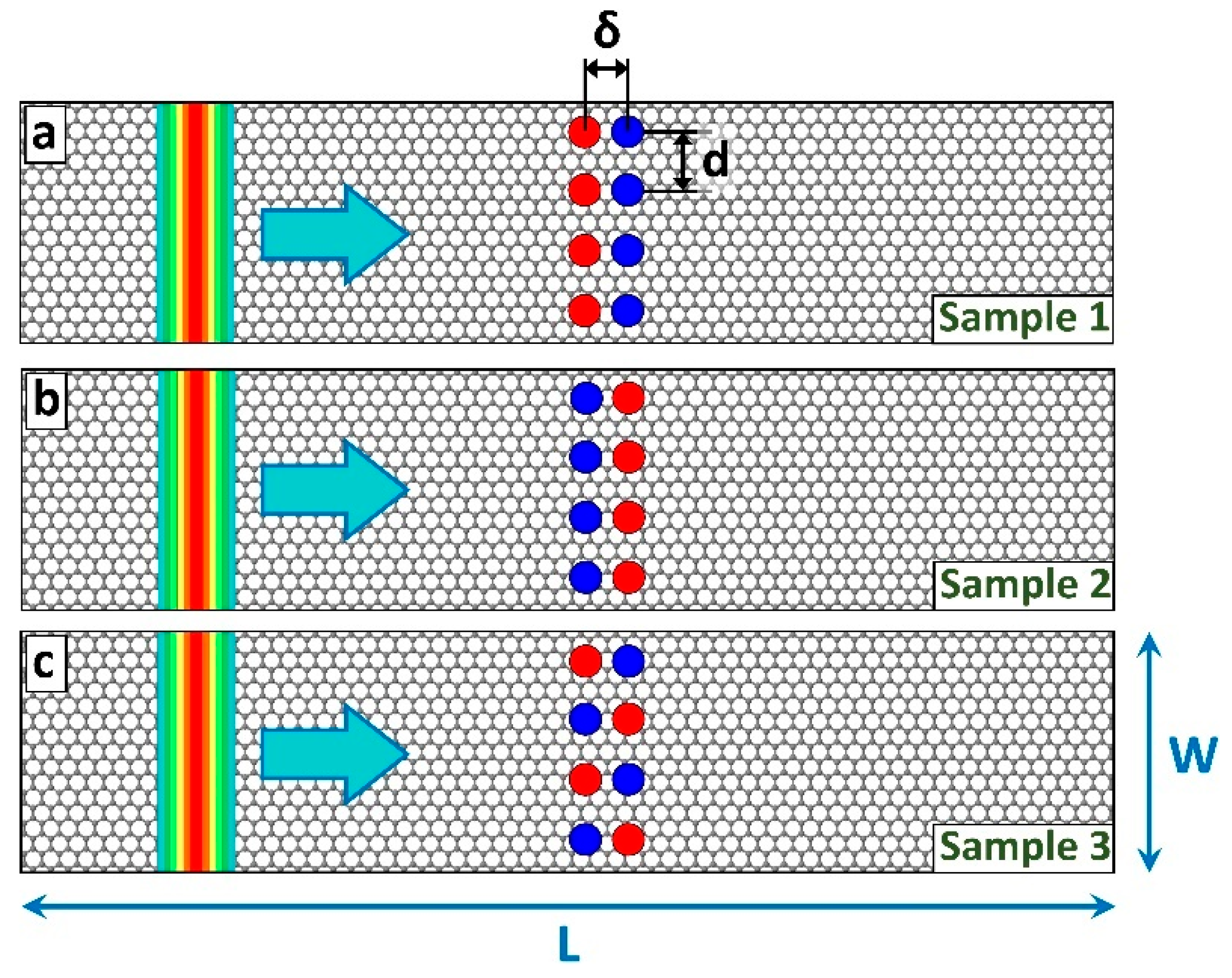
A schematic representation of the model system is shown in
Figure 1. It consists of a monolayer pristine graphene sheet with dimensions of
L = 1024 nm (length) and
W = 128 nm (width), into which circular electrostatic scatterers are embedded in two vertical lines. Three configurations are considered: (a) Sample 1 features a set of circular potential barriers and circular potential wells; (b) Sample 2 is similar to Sample 1, but with inverted potential signs, i.e., the propagating wave packet will meet first a set of circular potential wells and then a set of potential barriers; (c) Sample 3 implements potential scatterers in an asymmetric way: in the first line (top), one places a potential barrier and then a potential well (from left to right), while in the next line these potential barrier and well flip sides, so that first a potential well is placed and then a potential barriers is placed.
The center-to-center spacing between adjacent potential scatterers in the x and y directions is set to δ (in x direction) = d (in y direction) 32 nm. To investigate the influence of obstacle size on wave packet dynamics, six representative barrier and well radii, R = 5, 7, 9, 11, 13, and 15 nm, are considered. Furthermore, to examine the effect of the potential scatterers, we consider a wide range of scattering potential heights, varying the magnitude from 20 meV up to 300 meV.
The wave packet is modeled as a Gaussian wave front characterized by its energy
E and width
ax. Specifically, the initial wave packet is a Gaussian function constant in the
y-direction, with a finite width in the
x-direction, and is expressed as:
where
N is the normalization constant and
k is the wave vector, which is related to the wave packet energy
E by
k =
E/
ℏvF, where
vF is the Fermi velocity in graphene. The pseudo-spinor (1 1)
T is selected to ensure propagation along the
x-direction, with the Pauli matrices ⟨
σx⟩ = 1 and ⟨
σy⟩ = ⟨
σz⟩ = 0. All simulations in this study assumed a wave packet with an energy and width of 100 meV and 10 nm, respectively, without loss of generality: due to the linear dispersion of the system, it is rather the comparison between the potential barrier and wave packet energy, and not its energy itself, which has a significant influence on the scattering results. The chosen wave-packet energy
E = 100 meV ensures that the carrier dynamics remain within the linear dispersion regime around the Dirac points, where the Dirac continuum approximation is valid for graphene. The wave-packet width
a = 10 nm represents the spatial extent of the Gaussian envelope along the propagation direction and is much larger than the graphene lattice constant, so that the packet spans many unit cells and crystallographic lattice effects can be safely neglected.
The wave packet propagation is governed by the time-evolution operator applied to the initial wave packet:
where
H is the Hamiltonian for relativistic electrons in graphene around Dirac cone (which is a good enough approximation for considerably low energy states):
with
representing the Pauli matrices,
being the 2 × 2 identity matrix, and
V(
x,
y) denoting the scalar electrostatic potential, whose magnitude is set by
V0, with +
V0 corresponding to potential barriers and −
V0 to potential wells. The wave functions are written as pseudo-spinors
Ψ = (
ΨA ΨB)
T, where
ΨA (
ΨB) corresponds to probabilities of the electron being in sublattices
A (
B). Note that all potential landscapes considered in this study are described within a single Dirac–Weyl Hamiltonian through the scalar potential term
V(
x,
y). Samples 1–3 correspond to different parameter sets of this model, including the sign (barrier or well), spatial arrangement, and radii of the circular potentials.
In order to simplify the calculations, the split-operator technique [
38] is employed:
where terms of order
O(Δ
t3) and higher are neglected by assuming quite small time steps Δ
t and
is the reduced Planck constant. This approach enables efficient multiplication in real and reciprocal spaces, avoiding the explicit differentiation of the momentum operator by utilizing the Fourier transform and expressing
. Furthermore, the exponentials involving Pauli matrices can be exactly reformulated as matrices [
17]. Simulations were performed with a time step of Δ
t = 0.1 fs, and the probabilities of finding the electron before, inside, and after the scattering region are computed. The latter was interpreted as the transmission probability (
P) through the scattering region. To avoid numerical artifacts associated with periodic boundary conditions, we employed a sufficiently large computational grid of 1024 nm × 128 nm, while the scattering centers were confined to a smaller scattering region (42 nm × 128 nm for the scatter radius
R = 5 nm, or 62 nm × 128 nm for
R = 15 nm) around the
x = 0 axis. This ensured accurate evaluation of the transmission and reflection probabilities, by allowing one to collect data on transmission probabilities long before the wave packet reaches the edges of the computational box. As mentioned above, all simulations were conducted at a wave packet energy of
E = 100 meV. This done in order to ensure that the results remain within the range of applicability of the Dirac continuum model, i.e., around Dirac cone (low energy state).
3. Results and Discussion
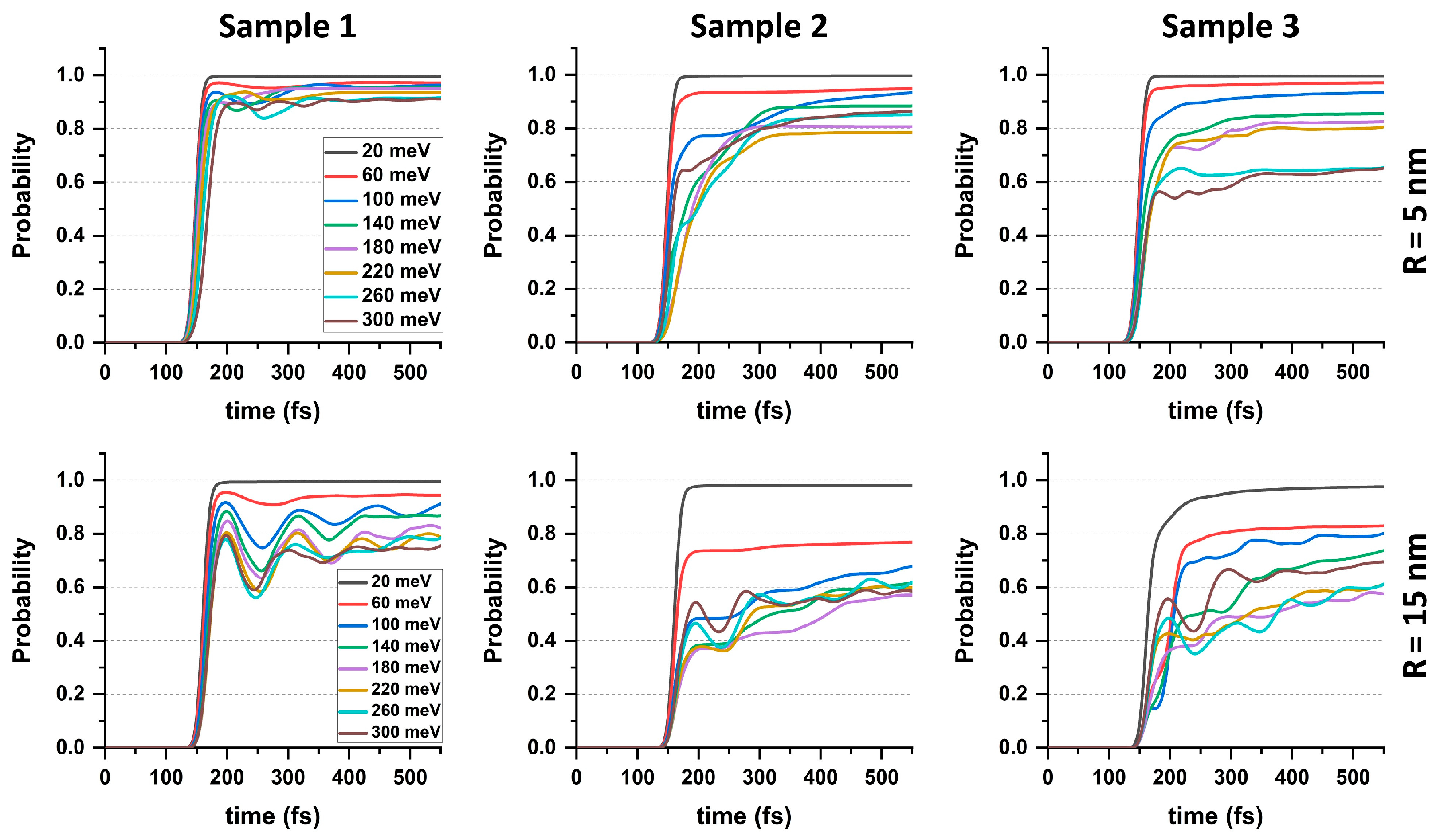
Figure 2 presents the time evolution of the transmission probability
P for the three lattice configurations (Samples 1–3) assuming two values of scatterer radii, i.e.,
R = 5 nm (smallest scatterer) and
R = 15 nm (largest scatterer). For
R = 5 nm the packet exits the scattering region rapidly and the transmission stabilizes by
t ≈ 400 fs in all samples. The Sample 1 yields the largest
P, evidencing weak scattering and minimal back-reflection; transmission remains nearly perfect (i.e., about 1.0) across the whole |
V0| range, reflecting the dominance of Klein tunneling for narrower barriers. Introducing the configurations of Samples 2 and 3 lowers the long-time transmission and slows its approach to the plateau, indicating stronger multiple scattering and partial confinement inside the potential land-scape. This behavior can be understood in terms of the angular composition of the wave packet and Klein tunneling. Near-normal incidence components are transmitted with high probability, while oblique components undergo stronger backscattering. As a result, the finite angular spread of the wave packet leads to geometry- and polarity-dependent transmission suppression, which becomes more pronounced in more complex potential arrangements. Notice that assuming a wave front as in Equation (1) is equivalent to assuming propagation normal to the region of the scatterers lattice, since, for this wave function, one has complete certainty over the momentum in the
y-direction, with
ky = 0; hence, propagation occurs perfectly in the direction indicated by the arrows in
Figure 1. Nevertheless, as soon as the wave front reaches the first circular scatterer, its incidence on the potential barrier is already non-normal: different parts of the wave front impinge on the curved surface of the circular scatterer at different angles. Consequently, only the part of the wave front that impinges in the middle of each scatterer has normal incidence and, hence, perfect Klein tunneling. Other parts of the wave front impinge on the circular scatterer surface at angles away from 0 with respect to the normal, thus being scattered in different directions, and meet other scatterers in the lattice with even more diverse angles. This situation is reminiscent of the one discussed in the context of Mie scattering through potential scatterers in graphene [
40].
Overall, Sample 3 tends to exhibit a stronger suppression of transmission over a broad range of parameters due to enhanced multiple scattering and interference effects associated with the mixed barrier/well geometry. However, this suppression is not universal for all values of |
V0|, and for certain parameter regimes the transmission in Sample 2 can be comparable to or somewhat lower than that of Sample 3, as one can see from
Figure 2.
The dependence on barrier height is also configuration-sensitive. For R = 5 nm, P decreases with increasing |V0| in Samples 1 and 3, reaching about 0.91 and 0.65 at |V0| = 300 meV, respectively. In Sample 2, P likewise drops as |V0| increases up to about 220 meV (to about 0.78), but then recovers to about 0.86 at |V0| = 300 meV. The reason for this increase in P at higher potential magnitudes is the emergence of interference-assisted, quasi-resonant transmission of Dirac carriers: as |V0| grows, the phase accumulated across successive barriers satisfies constructive-interference conditions and, for narrow scatterers, the effective barrier becomes more transparent to near-normal components of the packet, partially restoring forward transmission despite the larger potential.
When the radius is increased to
R = 15 nm, transmission drops markedly in all samples and pronounced temporal oscillations appear between about 150–400 fs. These oscillations arise from repeated internal reflections within the extended scattering region, an analogue of Fabry-Pérot resonances, and they are strongest in all Samples, where the geometry increases dwell time and enhances back-reflection. At high |
V0|, the transmission typically stabilizes between about 0.6 and 0.8; the broader footprint increases the backscattering and thereby suppresses the effectiveness of Klein tunneling. The interference pattern depends sensitively on the polarity sequence, with the mixed arrangement of Sample 3 exhibiting the lowest transmission and the most complex oscillatory behavior, under-scoring its role as an efficient geometry for transport modulation. The observed shift of the anti-resonance positions with increasing scatterer radius originates from geometry-dependent phase accumulation and interference conditions within the scattering region. As the radius (and thus the effective path length and dwell time) increases, the phase acquired by the wave packet between successive scattering events changes, thereby shifting the conditions for destructive interference that give rise to anti-resonant transmission minima. Moreover, because the wave packet contains a finite distribution of incidence angles, near-normal components benefit from Klein tunneling while oblique components undergo stronger backscattering, making the resulting transmission strongly geometry- and polarity-dependent. Whereas
Figure 2 displays representative traces for
R = 5 and 15 nm, the complete set of time-dependent transmission curves for
R = 5, 7, 9, 11, 13, and 15 nm is provided in
Figure S1 (Supplementary Materials). These data confirm the same geometry-dependent trends and show the progressive emergence of oscillations as
R increases. To facilitate interpretation, the
Supplementary Materials also include wave-packet propagation animations at |
V0| = 260 meV for
R = 5 and 15 nm, which helps to visualize the contrast between rapid, single-pass transmission and prolonged dwell with multiple internal reflections that underlie the oscillatory behavior discussed above.
Overall,
Figure 2 demonstrates that both the spatial arrangement and the size of the electro-static scatterers control the balance between transmission and confinement: small, symmetric arrays favor smooth passage, while larger and more complex lattices promote multiple scattering, transient localization, and reduced transmission. Thus, for the smallest scatterers (
R = 5 nm) the strongest confinement occurs in Sample 3, whereas for the largest scatterers (
R = 15 nm) the strongest confinement is observed in Samples 2 and 3.
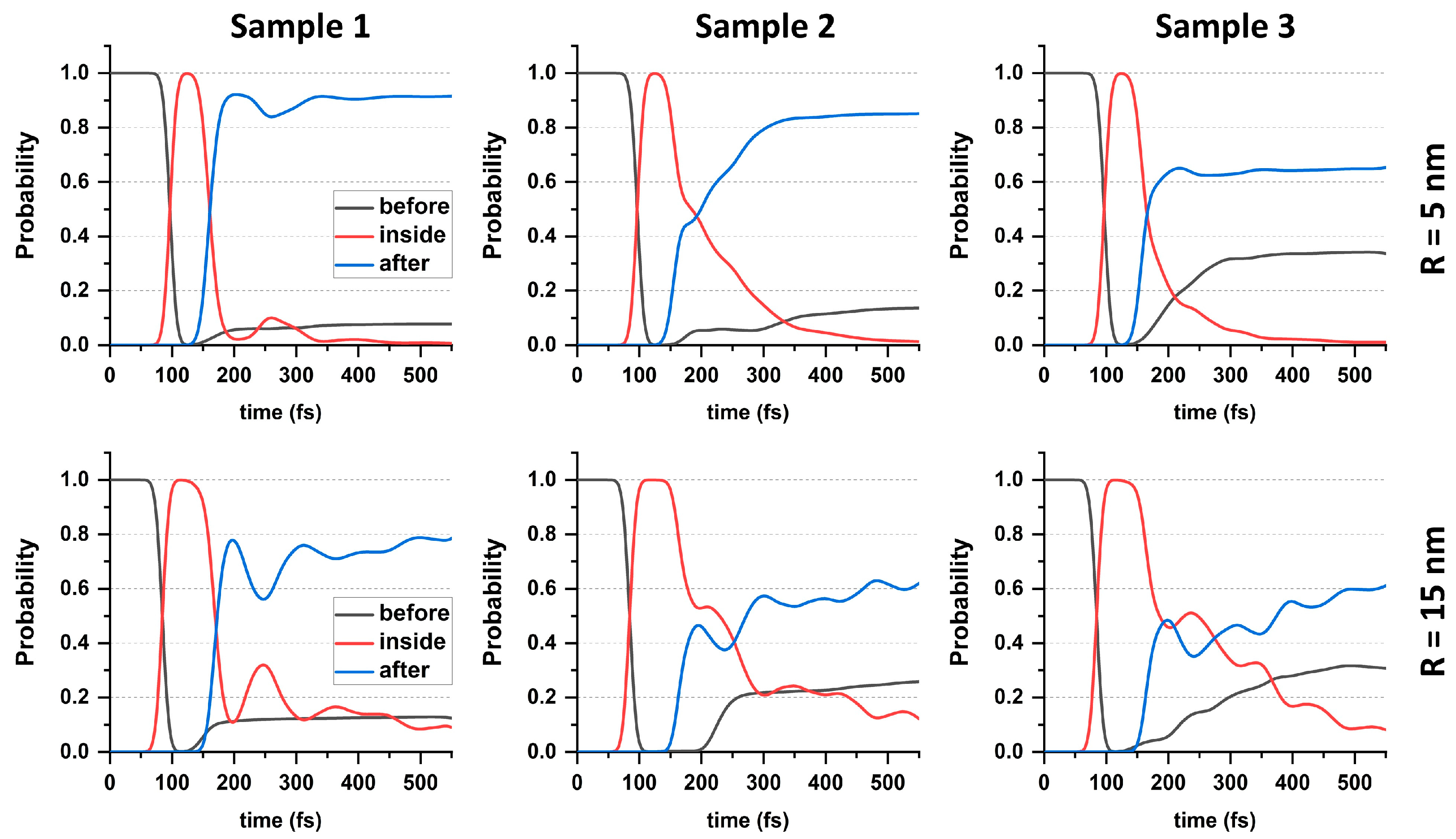
Figure 3 clarifies the origin of the oscillations observed in
Figure 2 for the large-radius case (
R = 15 nm) by showing a representative time trace obtained at a single barrier height, |
V0| = 260 meV. After the packet arrives at the scattering centers region (at
t ≈ 100 fs), the probability inside the scattering region (red curve) does not decay monotonically but exhibits a sequence of revivals. These arise from recurrent internal reflections between adjacent potential rows: each bounce partitions the packet into backward and forward components, producing secondary rises in the reflected probability (black curve) and a step-like, oscillatory growth of the transmission probability (blue curve). This behavior is a time-domain analogue of a Fabry–Pérot interferometer, where the phase accumulated along different paths alternately enhances and suppresses the forward flux. Since a larger radius increases both the scattering and the effective path length, the dwell time is longer and the interference contrast is stronger for larger scatterers, which explains why the oscillations are pronounced for
R = 15 nm but weak for
R = 5 nm.
The sample-to-sample differences follow naturally: in Samples 2 and 3 the red curve remains elevated for longer and shows multiple peaks, the blue curve rises more slowly with larger undulations, and the black curve develops secondary humps from delayed backscattering. In contrast, in Sample 1 the red probability decays more quickly and the blue probability approaches its plateau smoothly. Whereas
Figure 3 is presented for |
V0| = 260 meV, it serves as a distinct example of the geometry-induced multiple scattering and phase-coherent interference that generate the time-resolved transmission modulations seen across the
R = 15 nm panels of
Figure 2.
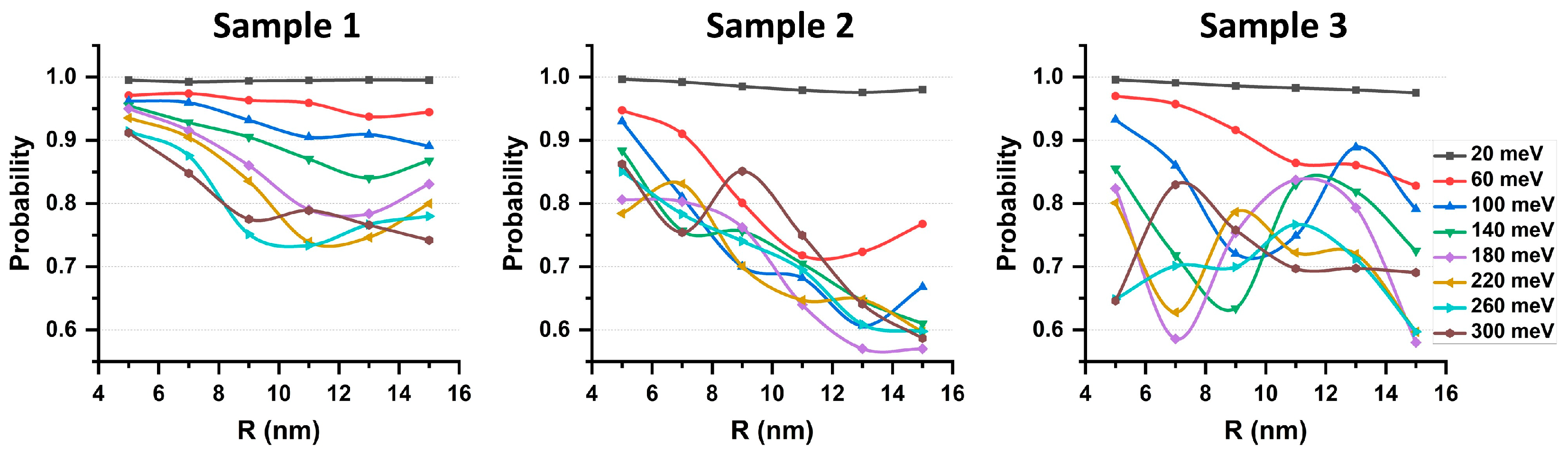
Figure 4 summarizes the saturated values of the
P as a function of scatterer radius and explains how geometry governs the crossover from nearly ballistic transport to interference-dominated backscattering. The saturated value of the transmission probability corresponds to the long-time plateau at which the transmission stabilizes and remains nearly constant, indicating that the wave packet has been fully processed by the scattering potentials and the system has reached equilibrium in terms of forward transmission, reflection, and confinement. For smaller radii and lower barrier (well) potential height (depth),
P is close to unity in all configurations, consistent with comparably weak momentum transfer and the prevalence of Klein tunneling for narrow barriers.
Although the present results are obtained from time-resolved wave-packet simulations, the predicted dynamics translate into experimentally accessible observables, such as geometry-dependent transmission probabilities and conductance modulations. These signatures can be probed using standard time-integrated transport measurements, gate-dependent conductance mapping, or scanning probe techniques, while ultrafast pump–probe and photocurrent spectroscopy provide complementary access to the underlying femtosecond dynamics.
As
R increases, the dwell time grows, and the
P becomes strongly configuration dependent. In Sample 1 the curves decrease almost monotonically with
R, indicating a progressive but relatively simple suppression of forward flux. In Sample 2, the decline is steeper and develops broad minima around
R ≈ 13–15 nm, most pronounced at higher |
V0| (≈140–300 meV); notably, at |
V0| = 180 meV the transmission reaches its lowest value
P = 0.57 at both
R = 13 and 15 nm. This indicates the accumulation of the destructive phase in successive rows and the onset of quasi-resonant backscattering. Sample 3 exhibits the most dramatic non-monotonicity, with alternating peaks and deep anti-resonant dips whose positions shift with |
V0|; specifically, at |
V0| = 180 meV the minimum transmission is
P = 0.58 occurring at
R = 7 nm and again at
R = 15 nm. This oscillatory structure mirrors the time-domain behavior seen in
Figure 2 and the partition dynamics in
Figure 3: larger radii promote repeated internal reflections and phase-coherent interference, so small changes in
R and |
V0| toggle between constructive and destructive transmission channels. Practically, these trends suggest complementary operating regimes: Sample 1 at smaller
R for high-throughput transport, Sample 2 at larger
R for broadband suppression, and Sample 3 for finely tunable filtering where targeted radii and potentials can be chosen to exploit the deepest interference-induced transmission minima.



 ,
,