Article

Understanding Pith Paper: Anatomical Characteristics and Ageing of a Challenging Cultural Heritage Support

by
Raquel Sousa
1,
Vicelina Sousa
2,*,
Susana França de Sá
3 and
Sílvia O. Sequeira
3,4,*
1
Department of Conservation and Restoration, NOVA School of Science and Technology, 2829-516 Caparica, Portugal
2
Centro de Estudos Florestais, Instituto Superior de Agronomia, Universidade de Lisboa, Tapada da Ajuda, 1349-017 Lisboa, Portugal
3
Laboratório Associado para a Química Verde (LAQV-REQUIMTE), 2829-516 Caparica, Portugal
4
Laboratório José de Figueiredo, Museus e Monumentos de Portugal, E.P.E., 1200-690 Lisboa, Portugal
*
Authors to whom correspondence should be addressed.
Heritage 2025, 8(12), 542; https://doi.org/10.3390/heritage8120542
Submission received: 16 October 2025 / Revised: 4 December 2025 / Accepted: 10 December 2025 / Published: 17 December 2025

Abstract

Produced from the parenchymatous tissue of the stem pith of Tetrapanax papyrifer, the material known as pith paper served as a distinctive support medium for Chinese export paintings during the 19th and early 20th centuries. Today, it is commonly found in collections worldwide. Due to its inherently fragile structure, conservation interventions are often necessary. However, the material’s chemical composition and deterioration mechanisms remain poorly understood, which not only complicates treatment decisions but also undermines preventive conservation efforts. This study presents a systematic investigation into the anatomical structure and ageing behaviour of pith paper using a multi-analytical approach. Optical and scanning electron microscopy revealed a preserved honeycomb-like cellular architecture composed of thin-walled, entirely of non-lignified parenchyma cells, which contributes to the material’s mechanical fragility. Artificial ageing experiments showed a significant loss of flexibility, increased yellowing, and a decline in pH with ageing time. Infrared spectroscopy identified molecular changes consistent with cellulose chain scission, with decreases in O–H and C–O–C absorptions revealing acid-hydrolysis-driven breakdown, while colourimetry pointed to the formation of chromophoric degradation products. These findings offer a foundational understanding of pith paper’s vulnerabilities and provide essential insights for the development of informed conservation and storage strategies.

1. Introduction

The material known as pith paper is a distinctive and historically significant support for artworks. Although its use dates back to the Ming Dynasty (1368–1644), it gained prominence in the 19th and early 20th centuries as a substrate for Chinese export paintings intended for Western markets—a period marked by the expansion of Sino-European relations [1]. Paintings on pith paper can now be found in major museums and private collections worldwide [1,2,3].
Often misidentified as “rice paper”, pith paper is neither derived from rice grains or straw nor produced from a suspension of cellulosic fibres like traditional paper [4,5]. Its true nature as a parenchymatous tissue from the Tetrapanax papyrifer stem pith was even misunderstood in historical texts; for instance, Sung Ying-hsing’s 1634 treatise T’ien Kung K’ai Wu inaccurately described its manufacture from macerated pith dispersed into sheets [1,6]. Historically, the pith of this plant was a valuable trade commodity for aboriginal tribes, who sold it to the Hakka people. This versatile material was consequently used as a support for paintings and widely commercialised for export, typically presented within albums [4,7,8]. It was also transformed into artificial flowers by the Minnan people before being sold to merchants [9].
The currently accepted botanical name, Tetrapanax papyrifer (Hooker) K. Koch, places the plant within the family Araliaceae and the order Apiales. First identified in 1852 by William James Hooker, then director of Kew Gardens [1,10], this perennial shrub—known in Chinese as Tōng cǎo (蓪草) or tongtuocao— is endemic to southern China and Taiwan [7,8].
The production of pith paper from Tetrapanax papyrifer was a meticulous, multi-stage process that began with the winter harvest of mature shrubs, typically around five years old. Stems of specific dimensions were cut into manageable fragments and moistened to aid in bark removal [7,10]. Skilled workers then extracted the pith by striking the stems against the ground with bamboo or wooden sticks, separating the soft inner core from the bark. These pith rods were sun-dried and stored in bamboo containers to preserve their cylindrical shape before being transported for further processing [10].
Transforming the dried pith into thin sheets required exceptional manual dexterity and precision. The slicing process, often compared to wood veneering, was so delicate that it was often performed at night “while the city slept” [1]. Craftsmen used large knives and specially designed terracotta bases with metal edges to control the thickness of each sheet. Adjustments to sheet thickness were made by modifying the height of the cutting edges, allowing for consistent and uniform results [7].
Once cut, the sheets were sorted by size and quality. The finest and largest sheets were reserved for use as painting supports, while smaller pieces were crafted into decorative items such as artificial flowers, hair ornaments, and hats [11,12]. Even the residual fragments were repurposed, finding use in traditional Chinese medicine for their diuretic properties or as stuffing material for cushions and coffins, reflecting the resourcefulness and sustainability of the craft [11].
Despite its cultural and historical significance, the pith of Tetrapanax papyrifer remains understudied from both structural and conservation perspectives. To date, few published studies have examined its microstructure, and none have addressed the mechanisms underlying its deterioration. This lack of research presents a critical gap in understanding the material’s condition, limiting the development of informed conservation strategies.
Existing descriptions characterise the pith as having a honeycomb-like architecture, composed primarily of flexible parenchyma cells. These cells range from hexagonal to nearly spherical in shape and contain large vacuoles that serve as reservoirs for water and nutrients [1,10]. Importantly, the cell walls of these parenchyma cells are non-lignified and consist mainly of cellulose, hemicelluloses, and pectins [10]. Their structural properties contribute to the material’s softness and fragility.
Pith paper is celebrated for its translucence, lightness, and tonal qualities, but its mechanical fragility poses significant challenges for its conservation and restoration. This article represents one of the first systematic studies on pith paper, examining its material characteristics and deterioration mechanisms to inform appropriate conservation approaches. Given the limited existing research on its structure, an anatomical study was conducted on both pith paper and the stem of Tetrapanax payrifer, involving cell dissociation and microscopic analysis using Scanning Electron Microscopy (SEM) and Optical Microscopy (OM). To assess the alterations occurring in pith paper during ageing, a comparison of pith paper’s initial state and after natural and artificial ageing was performed, employing a multi-analytical approach including Fourier transform infrared spectroscopy (FTIR), X-ray fluorescence spectroscopy (XRF), colourimetry, and pH measurement.

2. Materials and Methods

2.1. Tetrapanax Papyrifer Samples

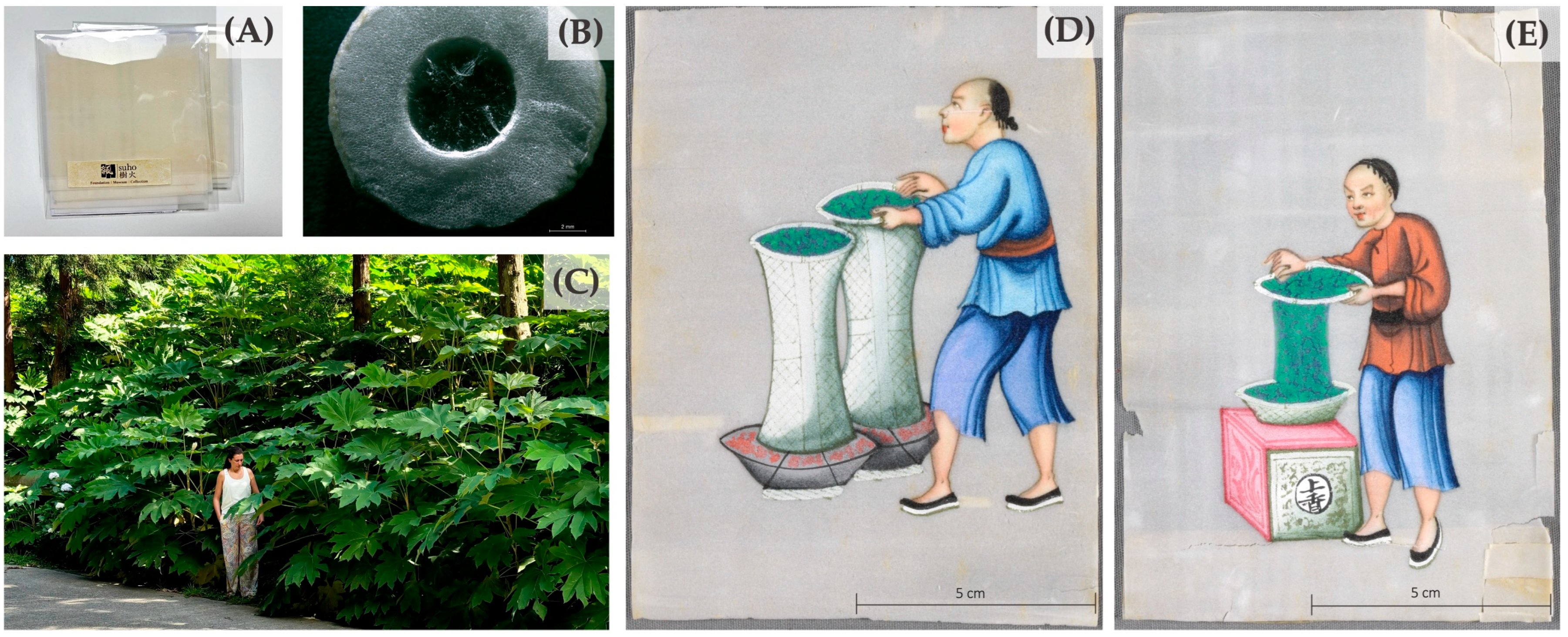
In order to represent naturally aged material, two early 20th-century pith paintings from a private collection were included in the study, hereby identified as Painting A (Figure 1D) and Painting B (Figure 1E).
For artificial ageing assays, pristine pith paper sheets were obtained from the Suho Memorial Paper Museum in Tapei, Taiwan. These commercially available sheets come in packs of six, each measuring 9 × 9 cm (Figure 1A).
To provide reference material for the raw source of pith paper, fresh stems of Tetrapanax papyrifer (approximately 2.5 m tall) were collected by the authors in 2022 on São Miguel Island, Azores (Figure 1C). It is important to note that the plant’s foliage may cause allergic reactions and respiratory irritation, requiring careful handling. The stems were dried at room temperature, and 2 cm thick stem discs were cut and subsequently used to prepare the samples for optical microscopy and SEM analysis. For comparative analysis, a stem pith sample from China with a diameter of 1.5 cm was also examined (Figure 1B).

2.2. Artificial Ageing

Artificial ageing was conducted using a Heraeus D-6450 Hanau oven (Heraeus Instruments GmbH, Hanau, Germany), model VTR 5022. Each pith paper sheet was individually placed between museum board window mats and arranged in stacks of four, separated by glass rods to allow airflow and prevent direct contact between sheets. The oven temperature was set to 80 °C and containers filled with distilled water were placed inside the chamber, ensuring a relative humidity (RH) of 73.5% ± 2.3% throughout the experiment (measured with a datalogger), approaching the conditions generally used for accelerated ageing of paper [13]. Pith paper samples were retrieved for analysis after 3, 6, and 13 days of exposure, until visual and mechanical alterations similar to the case studies were observed. Unaged samples were stored separately and used as controls. To enable a more detailed investigation of the ageing process, an extended ageing period of 26 days was included. These samples were analysed exclusively for the flexibility evaluation tests. For clarity, samples are hereafter designated according to their artificial ageing duration: t0d (unaged); t3d (3 days); t6d (6 days); t13d (13 days); and t26d (26 days).

2.3. pH Measurement

The pH of the pith paper samples was measured using a portable digital pH meter equipped with a flat-head electrode (PH CHECK F, Dostmann Electronic GmbH, Wertheim-Reicholzheim, Germany). Before measurement, each sample was moistened with a 100 µL drop of Milli-Q water and gently pressed against the flat surface of the electrode to avoid damaging the delicate structure of the pith paper. For each sample type, three individual measurements were taken, and the average pH value along with the standard deviation was calculated.

2.4. Resistance to Flexion

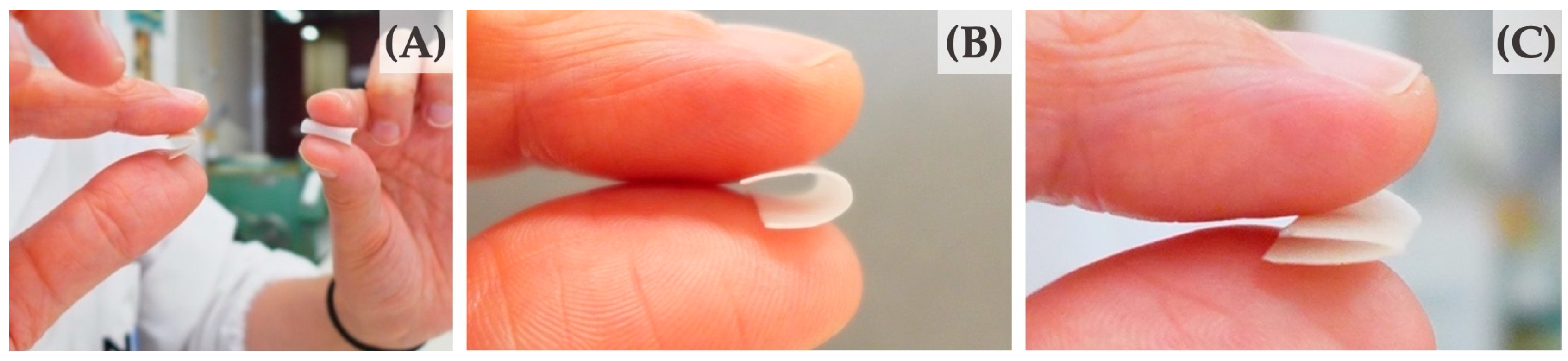
Standard mechanical resistance tests commonly applied to paper materials (e.g., ISO 5628 [14]) were considered unsuitable for pith paper due to its extreme fragility. As an alternative, a manual organoleptic test was developed to qualitatively assess mechanical behaviour. This test involved the simultaneous flexion of two samples: a reference (non-aged) sample held between the thumb and index finger of one hand, and the test sample held similarly in the other hand. Both samples, measuring 1.5 × 1.5 cm, were flexed simultaneously to compare their mechanical response. Tests were conducted on both aged and unaged samples. The observed behaviour—specifically flexibility, stiffness, and tendency to break—was recorded upon full flexion. A qualitative scale from 0 to 3 was used to classify the results: 0—No resistance to flexion (high flexibility); 1—Slight resistance to flexion (moderate flexibility); 2—Significant resistance to flexion without breakage (low flexibility); 3—Breakage upon flexion (no flexibility). Each test was performed in triplicate to ensure consistency and reproducibility.
It should be noted that we did not have access to a small gram load cell or a zero-span device, which would allow for more objective measurements. Consequently, the manual approach introduces a degree of subjectivity and potential variability, and this limitation is acknowledged as an area for improvement in future studies.

2.5. Colorimetry

Colour measurements were performed using a CM-700d spectrophotometer (Konica Minolta, Tokyo, Japan), operating with the specular component excluded (SCE) under standard illuminant D65 at a 10° observer angle. This method enabled the monitoring of colour changes induced by artificial ageing through the calculation of variations in individual colour coordinates (ΔL*, Δa*, and Δb*), as well as the total colour variation (ΔE*), using the formula Δ E = Δ L * 2 + Δ a * 2 + Δ b * 2 .
To ensure consistency and accurately capture colour variations, all measurements were conducted against a uniform white background. A polyester template was employed during the procedure to assist in the precise positioning of the spectrophotometer, to consistently locate measurement points, and to prevent any physical marking or damage to the pith paper surface.

2.6. Microscopy

Microscopical examination of commercial pith paper sheets and the stem of Tetrapanax papyrifer was carried out employing optical microscopy and scanning electron microscopy (SEM) techniques. For the microscopic observations, stem transverse sections of approximately 17 µm thickness were prepared with a sliding microtome (Leica SM 2400). The sections were dehydrated, double-stained with safranin/astra blue and mounted in Eukitt. Individual pith specimens were also macerated and stained with astra blue for observation. Slide preparation and maceration followed standard procedures described in a previous work [15]. Light microscopic observations were made using Leica DM LA (Leica Camera AG, Wetzlar, Germany) coupled to a digital camera (Leica DC320, Leica Camera AG, Wetzlar, Germany), and a subsequent image analysis system (Leica Application Suite v4 software). SEM imaging was performed with a Hitachi TM3030 Plus Tabletop microscope (Hitachi High-Tech Corporation, Tokyo, Japan), at 5 kV acceleration, 30 Pa vacuum, with a Mix observation mode, without conductive coating, at different magnifications, and images recorded in digital format.

2.7. Infrared Spectroscopy

Infrared spectra were acquired using an Agilent 4300 portable spectrometer (Agilent Technologies, Inc., Santa Clara, CA, USA), equipped with a zinc selenide (ZnSe) beam splitter, a Michelson interferometer, and a thermoelectrically cooled deuterated triglycine sulphate (DTGS) detector. Measurements were performed in Attenuated Total Reflectance (ATR) mode using a diamond crystal interface.

2.8. µ-EDXRF

Elemental analysis was conducted using a Bruker ArtTAX 800 µ-EDXRF spectrometer (Bruker Corporation, Billerica, MA, USA), featuring a molybdenum (Mo) anode and an Xflash detector with a 70 μm beam diameter. The experimental conditions were set to 40 kV, a maximum current intensity of 300 μA, and an acquisition time of 120 s under ambient air atmosphere (without helium). The silicon semiconductor detector offers a resolution of 160 eV at 5.9 keV. Spectral data were processed using the ArtTAX Ctrl acquisition software, version 4.9.5.1.

3. Results and Discussion

3.1. Anatomical Features of Tetrapanax Papyrifer Stem and Pith Paper

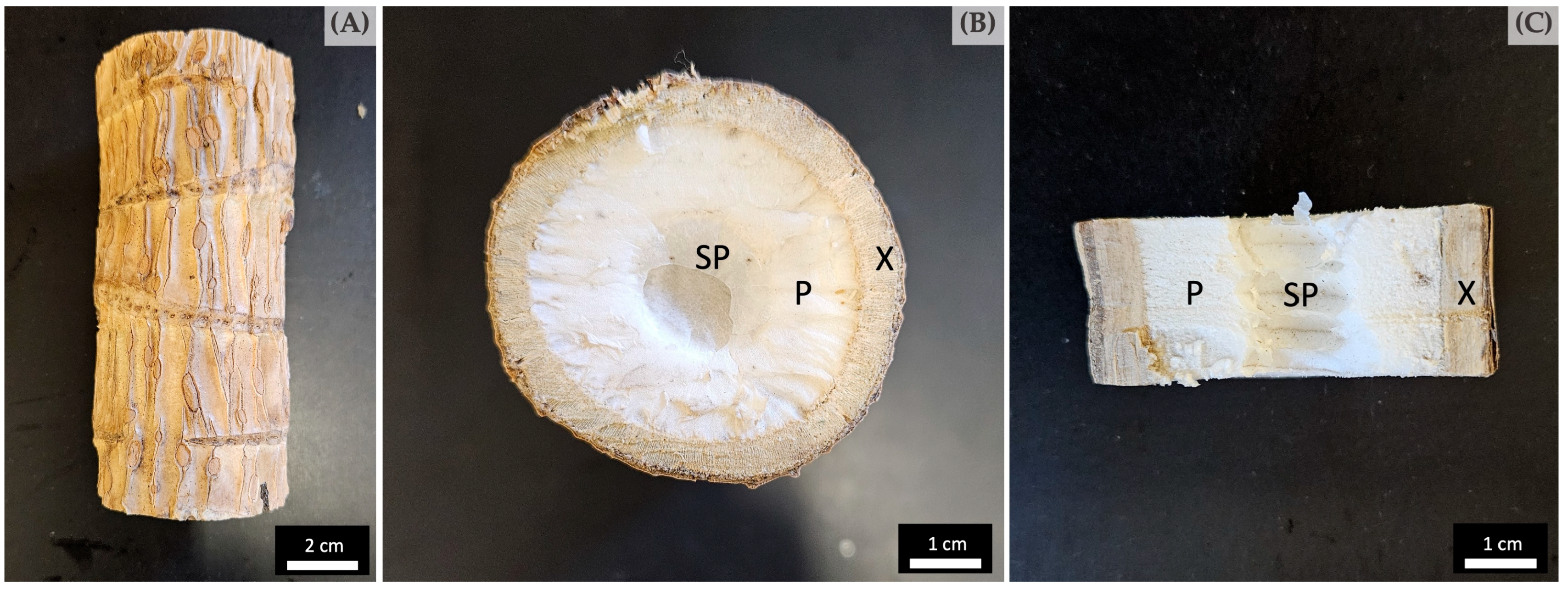
The stem of Tetrapanax papyrifer is characterised by distinct nodes and a relatively rough texture (Figure 2A). Cross-sectional analysis of the stem samples revealed an average pith thickness of 10.6 mm (43% of the transverse sectional area), a wood (xylem) thickness of 4.8 mm (34%), and a rhytidome thickness of 2.2 mm (18%) (Figure 2B,C).
Notably, Tetrapanax papyrifer retains a considerable proportion of pith, even with septate pith. This contrasts with most dicotyledons, in which the pith is largely replaced by xylem during development [16].
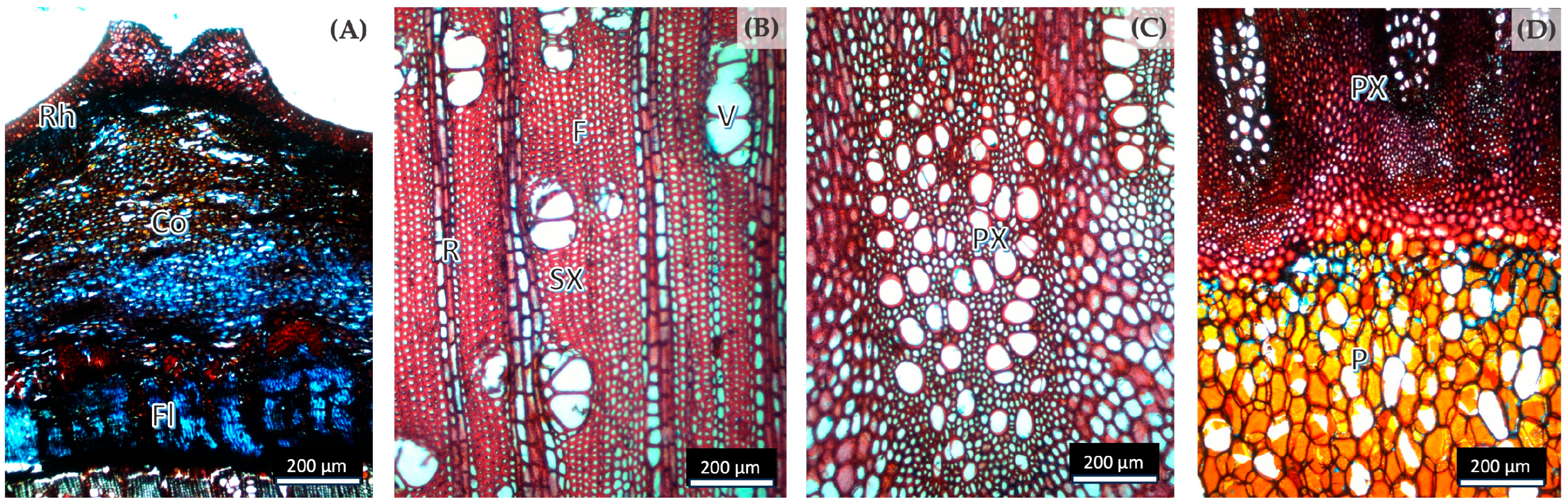
Microscopic examination of transverse stem sections enables clear differentiation of the pith and surrounding tissues, including bark, cortex, secondary phloem, primary xylem, and secondary xylem. Within the xylem, vessels, rays, and fibres are particularly prominent (Figure 3).
The pith of the Tetrapanax papyrifer stem, the part of the plant that is used to make pith paper, is entirely composed of parenchyma cells, often referred to as “pith cells” (Figure 3D). These cells can have either primary or secondary walls, depending on whether they are part of primary or secondary tissues. Their structure varies based on their essential functions, such as storing organic substances or water [17].
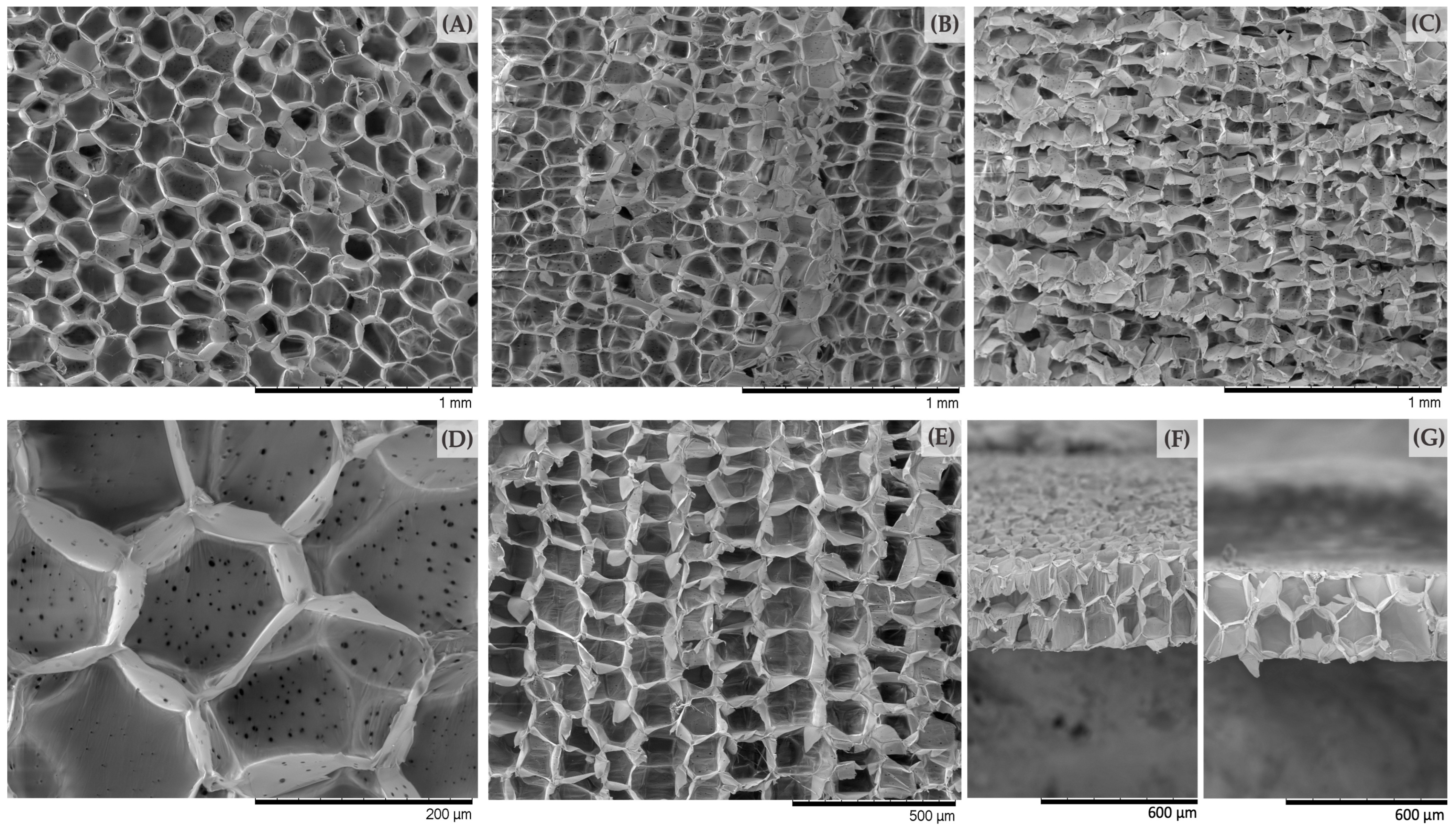
In transverse view, pith parenchyma cells exhibit a predominantly hexagonal shape (with six edges), forming a distinctive “honeycomb” structure (Figure 4A,D,G). In longitudinal sections, the cell shapes appear more rectangular and irregular (Figure 4B,C,E). Geometrically, these cells approximate an irregular 14-faced solid known as a prismatic tetrakaidecahedron (Figure 5A) [17]. These observations are consistent with the anatomical descriptions provided by Nesbitt et al. [4]. Interestingly, this cellular arrangement is similar to the parenchyma cells found in cork from the cork oak (Quercus suber Lam.), although cork cells are notably lignified and suberized [18].
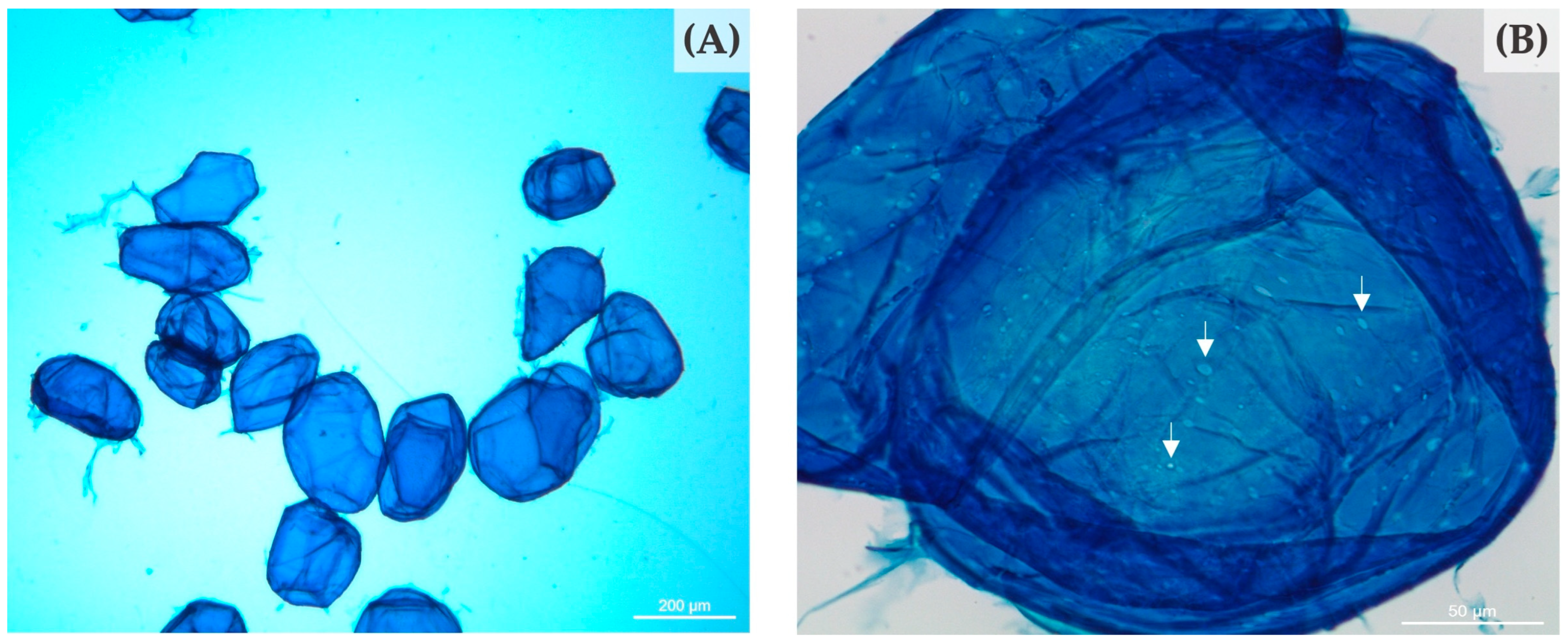
The parenchyma cells also display thin primary walls with circular to oval pits of varying sizes (Figure 4D and Figure 5B).
The homogeneous shapes, resembling the prismatic tetrakaidecahedron and the anatomical features previously described, were also observed in the dissociated parenchyma cells (Figure 5). The blue staining (Figure 5) indicates the presence of cellulose in their chemical cellular composition. These observations are consistent with FTIR results, which show a distinct cellulose band at 1155 cm−1 and, importantly, the absence of a lignin band at 1505 cm−1 [19].
In pith paper samples, which have an average thickness of 0.3 mm (Figure 4F,G), visual comparison suggests that the fundamental cellular structure of the stem’s pith is largely preserved during the cutting (unrolling) process involved in paper fabrication (Figure 4E–G). Quantitative measurements of 25 parenchyma cells from the pith stem sample revealed that, on average, the cells were 0.22 ± 0.03 mm long in the transverse section, 0.15 ± 0.02 mm in the tangential section, and 0.22 ± 0.03 mm in the radial section, and were 0.15 ± 0.02 mm, 0.09 ± 0.02 mm and 0.11 ± 0.03 mm wide, respectively. The observed absence of lignin and the notably thin cell walls are key factors contributing to the characteristic mechanical fragility of pith paper.
Despite the limited anatomical literature on Tetrapanax papyrifer pith, the work by Nesbitt et al. [4] remains a key reference. Historically, this species has been classified under different genera, including Aralia (Aralia papyrifera Hooker and A. mairei H. Léveillé) and Fatsia (Fatsia papyrifera Hooker) [20]. Indeed, Fatsia japonica is referred to as “Formosan Rice-tree” or “paper-plant” in the InsideWood Database [21], where its xylem is described as exhibiting characteristics similar to those observed here for Tetrapanax papyrifer. Although the database provides limited detail on pith anatomy, similarities in pith structure near the primary xylem and pit morphology are evident.
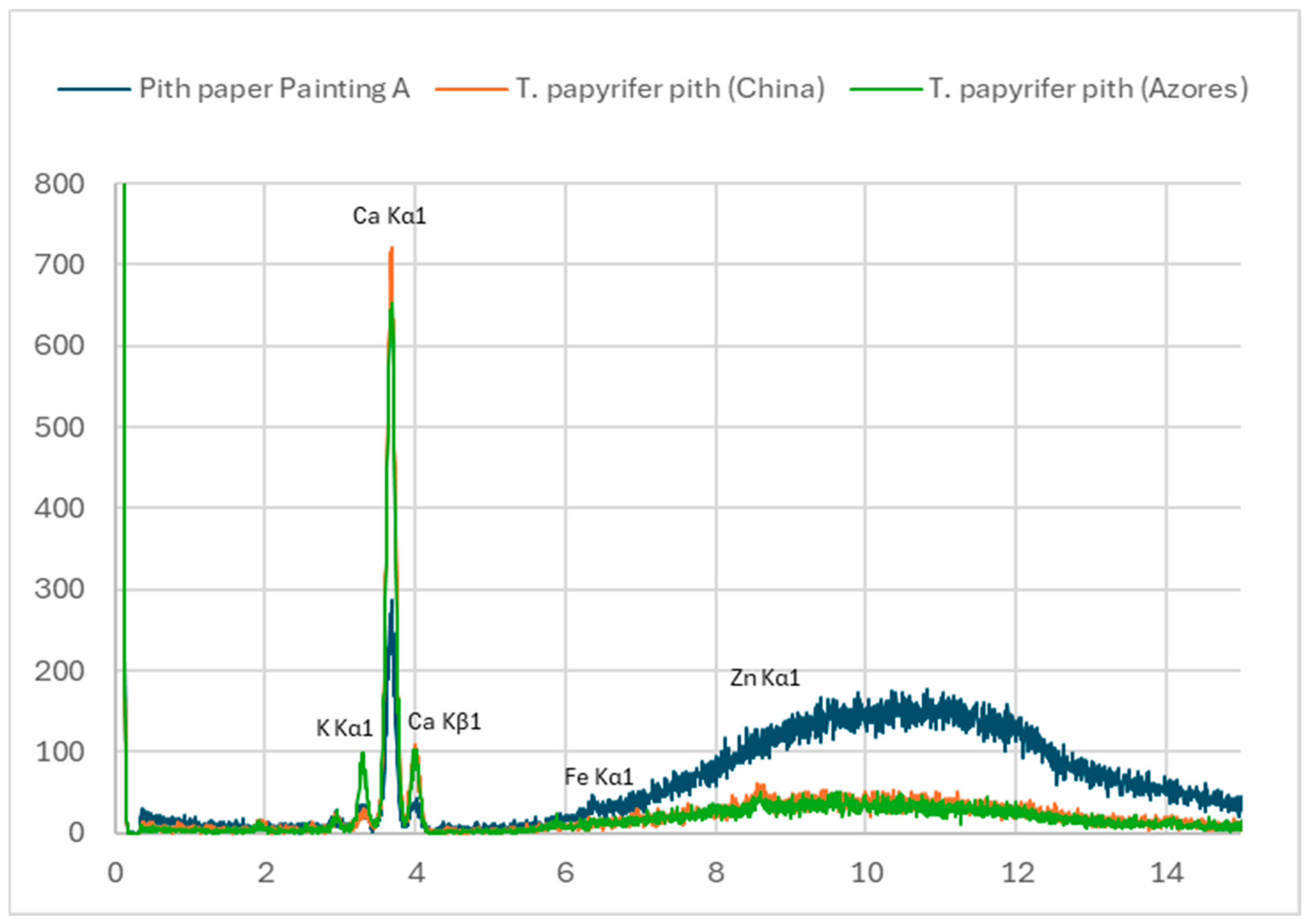
Elemental analysis of Tetrapanax papyrifer pith (Figure 6) identified the presence of calcium, potassium, and zinc—essential nutrients for plant development [22]—in stem samples collected from both China and the Azores. In contrast, pith paper from Painting A (Figure 1E) exhibited lower calcium levels and no detectable zinc. This discrepancy is likely attributable to the reduced thickness of the pith paper compared to the original stem material, resulting in lower elemental concentrations as measured by XRF. Notably, iron was detected exclusively in the pith paper sheets, which may originate from metal blades used during the cutting process. Given that iron is a strong catalyst for cellulose degradation [23], its presence on pith paper may pose a conservation risk.

3.2. Deterioration of Pith Paper

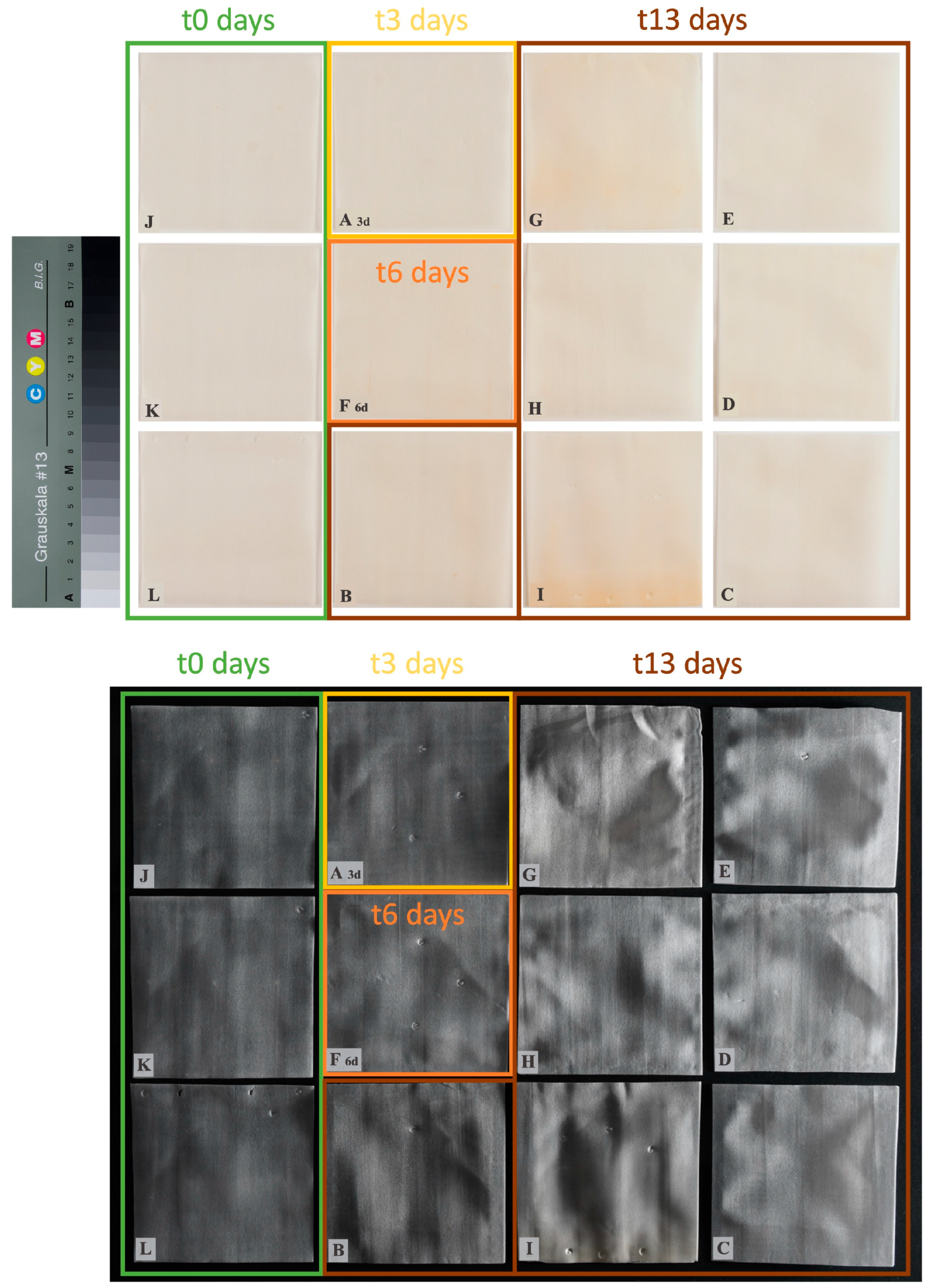
A visual assessment of pith paper samples subjected to artificial ageing revealed increased yellowing and planar deformations (Figure 7). The degradation was found to be heterogeneous, with variations observed both between samples and within individual sheets. This heterogeneity may result from the inherent variability of natural materials or from uneven drying of the sheets during manufacture. In traditional processes, pith rods were dried naturally, often exposed to sunlight for several days—a practice believed to prevent staining [10].

3.2.1. Chromatic Changes

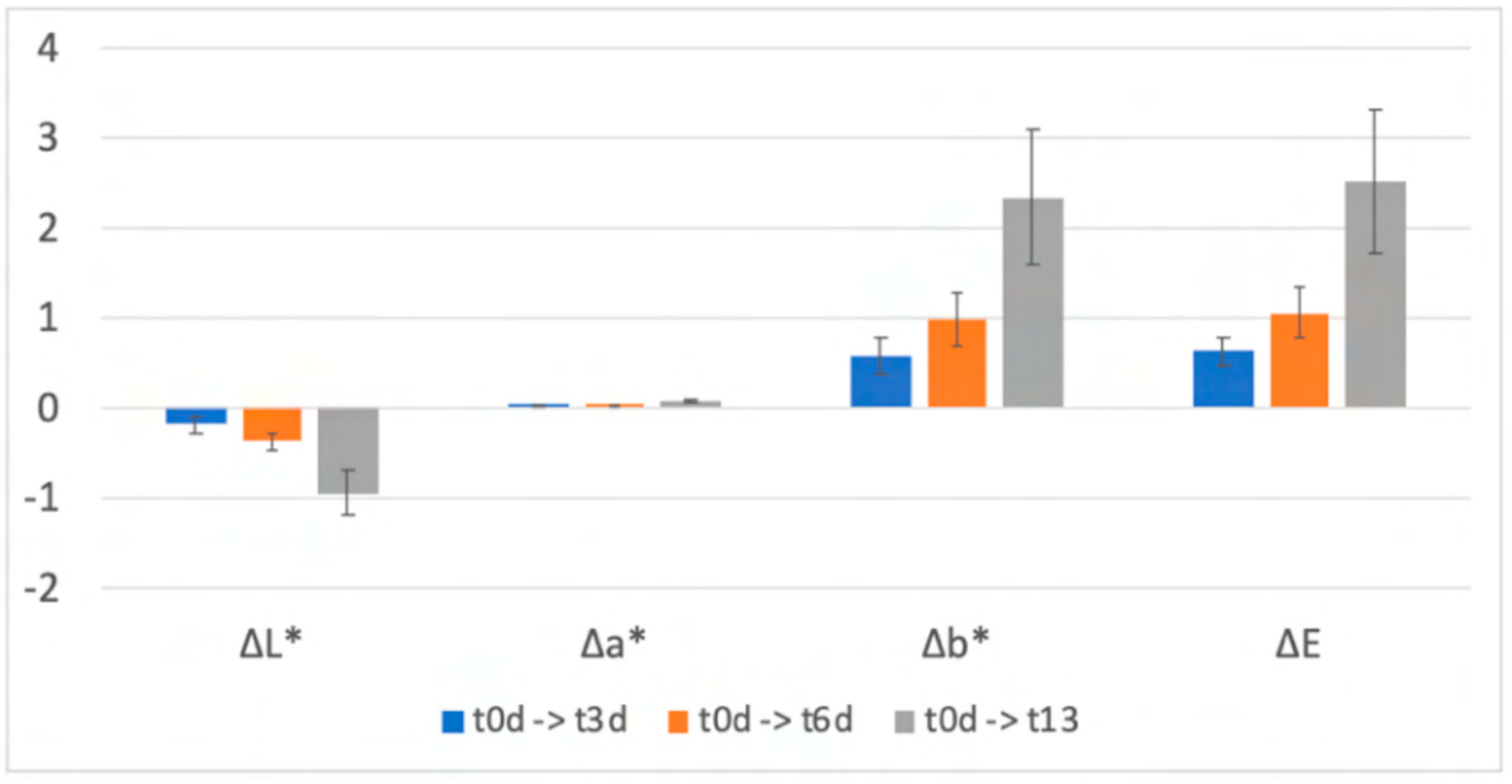
Upon artificial ageing, pith paper exhibited darkening (decrease in L*) and yellowing (increase in b*) (Figure 8). These chromatic shifts may indicate the formation of chromophore degradation products in the pith paper, mirroring observations in conventional papers subjected to high temperatures and humidity [24].

3.2.2. pH Results

The pH measurements of the pith paper samples consistently yielded values within the pH 4 range (Table 1), indicating an acidic nature. While no comparative pH data for pith paper were found in the existing literature, these results strongly suggest the occurrence of acid hydrolysis—a well-documented degradation pathway for this polymer [23]. This acidic environment contributes to the chain scission, leading to the breakdown of cellulose chains and increased material fragility.
A slight downward trend in pH values was observed with increasing ageing duration. However, this reduction reached statistical significance only when comparing pristine samples (t0d) with those aged for 13 days (t13d), indicating a gradual acidification process over time.
Interestingly, pith paper samples obtained from the studied Chinese paintings exhibited higher pH values than the pristine reference samples. This discrepancy may be attributed to differences in environmental conditions or soil chemistry that affect the growth of the original Tetrapanax papyrifer plants. Further investigation is required to confirm this hypothesis.

3.2.3. Flexibility

Unaged pith paper samples (t0d) exhibited high flexibility, allowing full folding without any signs of breakage (Figure 9, Table 2). In contrast, samples aged for 13 days (t13d) showed noticeable resistance to folding, making it more difficult to bring the opposite edges together. After 26 days of artificial ageing (t26d), the samples fractured upon folding, indicating a significant loss of mechanical integrity. These observations confirm a progressive reduction in flexibility with ageing. Specifically, the chain scission of cellulose polymers correlates with the increased brittleness and reduced mechanical resilience of the aged pith paper.

3.2.4. FTIR Results

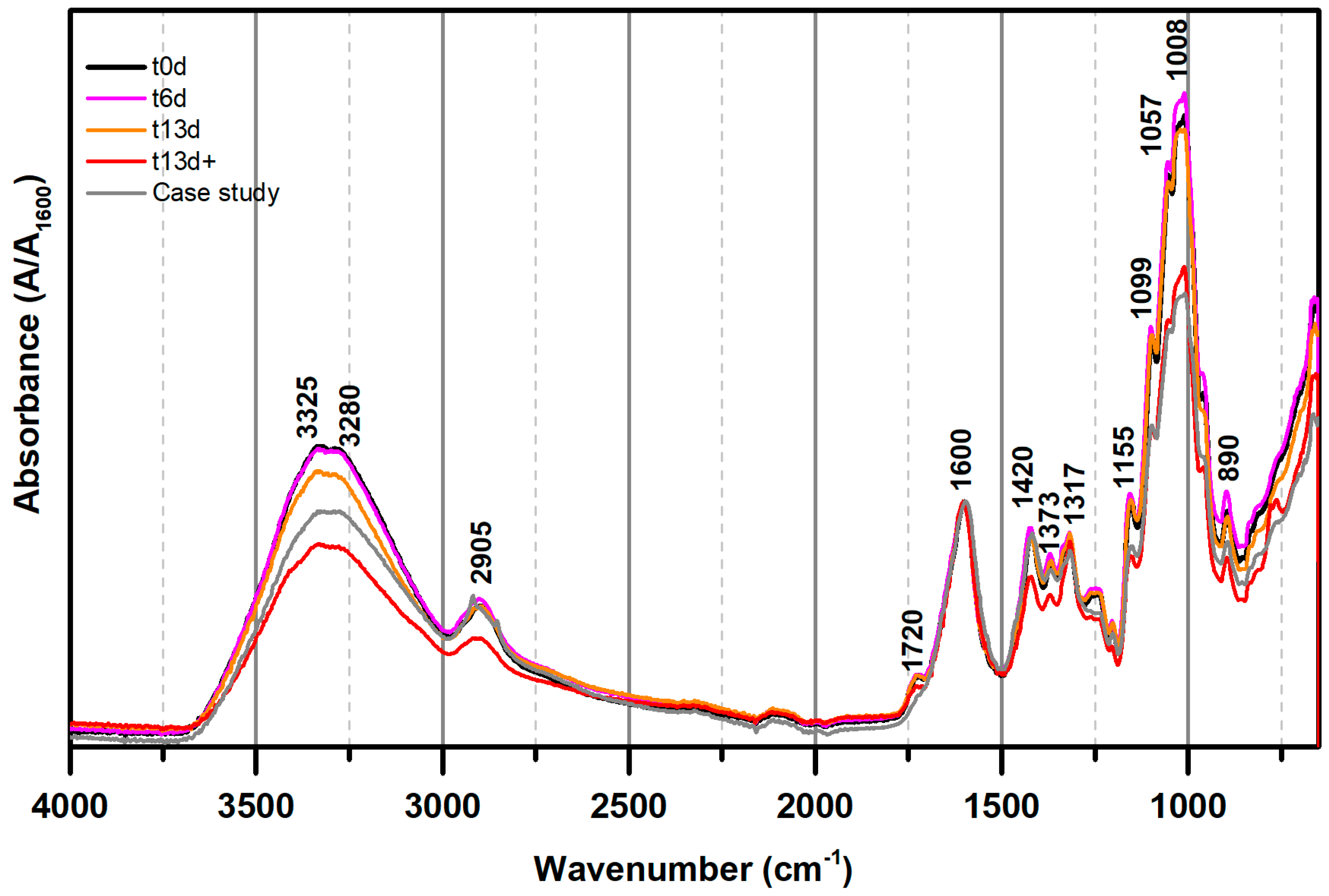
We analysed pristine and artificially aged pith paper as well as a naturally aged pith paper painting for comparison. In the spectra obtained, we can see bands typical of cellulose and hemicelluloses (Figure 10, Table 3). The spectra were normalised to the 1600 cm−1 band, which is attributed to the aromatic skeleton of cellulose, due to its stability during ageing [25].
Throughout the ageing experiment, the spectra revealed a decrease in the relative intensity of characteristic absorption bands at approximately 3325, 3280, 1155, 1099, 1057, 1008, and 890 cm−1. These changes were most pronounced in the sample aged for 13 days and in its most yellowed areas (t13d+, red spectrum). A slight decrease was also observed in the shoulder at 1720 cm−1, which was especially noticeable in the pith paper from Chinese painting B. These spectral alterations suggest the occurrence of molecular degradation mechanisms, likely involving chain scission in side groups or substituents, due to oxidative and/or hydrolytic processes promoted during the ageing conditions. Such processes may lead to the formation of volatile compounds and other degradation products, contributing to the observed decrease in band intensities. Chain scission is typically associated with increased material fragility and brittleness, consistent with the mechanical behaviour and pH decrease observed in aged samples. In relation to the possible formation of additional C=C and/or C=O chromophore groups linked to yellowing, no new IR bands appeared between 1700 and 1450 cm−1. This does not exclude their presence, as the increase in the concentration of these chromophore groups may have been below the detection limit of the method.
Notably, the molecular profile of the artificially aged reference samples approached that of the naturally aged pith paper in Chinese painting B, indicating that the artificial ageing protocol effectively simulates long-term deterioration processes.

4. Conclusions and Future Remarks

This study presents a comprehensive investigation into the material characteristics and deterioration mechanisms of pith paper—a historically significant and structurally unique support used in Chinese export paintings.
Anatomical analysis revealed that the pith of Tetrapanax papyrifer is composed entirely of large, non-lignified parenchyma cells with a distinctive prismatic tetrakaidecahedron geometry. Elemental analysis via XRF confirmed the presence of essential plant nutrients, including calcium, potassium, and zinc, in stem samples. Iron was detected exclusively in finished pith paper sheets, suggesting possible contamination from metal blades used during fabrication. Tetrapanax papyrifer’s honeycomb-like cellular structure is largely preserved during the meticulous cutting process, contributing to the material’s characteristic texture and appearance. While these structural features confer notable advantages such as flexibility and low density, they also render the material particularly susceptible to environmental degradation, mechanical stress, and biological decay. These vulnerabilities underscore the importance of tailored conservation strategies that account for the pith’s unique anatomical and chemical composition. To fully understand the characteristics of Tetrapanax papyrifer, future studies should also include the anatomical and chemical characterisation of the bark and xylem tissues, which remain largely unexplored.
Based on the observed characteristics, it is appropriate to reconsider the current terminology of “pith paper”, which may not accurately reflect the nature of the material. Given its structural and compositional differences from conventional paper, the term “pith sheets” is proposed as a more suitable alternative.
Artificial ageing experiments revealed the material’s susceptibility to degradation. A marked increase in yellowing and darkening was observed, possibly related to the formation of chromophoric degradation products. These visual changes were accompanied by a progressive loss of flexibility, with samples becoming brittle and prone to breakage after extended ageing. Molecular analysis using FTIR-ATR spectroscopy provided key insights into the degradation process, indicating cellulose chain scission as a primary mechanism. These findings were supported by consistently acidic pH values, pointing to acid hydrolysis as a major contributor to deterioration.
Overall, this multi-analytical approach deepens our understanding of the structural composition and inherent vulnerabilities of pith paper. The insights gained are critical for informing conservation and restoration strategies for historical artworks created on this delicate support. The identification of cellulose chain scission due to acid hydrolysis as a dominant degradation pathway highlights the need for strict control of environmental conditions—particularly relative humidity and pollutants—in storage and display. Moreover, recognising the material’s inherent and progressive fragility is essential for guiding decisions on mounting, framing, and transport, ensuring that all interventions respect the structural limitations of pith sheets.
Future research is needed to investigate the growth and development of Tetrapanax papyrifer and harvesting effects on long-term stability of pith paper. Additionally, future studies should examine the effects of environmental stressors—such as light exposure, humidity fluctuations, and airborne pollutants—on the degradation mechanisms of pith paper. Ultimately, the study and development of targeted conservation strategies to counteract acid hydrolysis—such as carefully controlled deacidification treatments—and to address mechanical fragility remains a priority for preserving this unique and historically significant material.


Author Contributions

Conceptualization, R.S., S.F.d.S., S.O.S. and V.S.; methodology, R.S., S.O.S., S.F.d.S. and V.S.; validation, R.S., S.O.S., S.F.d.S. and V.S.; formal analysis, S.O.S. and S.F.d.S.; investigation, R.S. and S.O.S.; resources, R.S. and S.O.S.; data curation, R.S. and S.O.S.; writing—original draft preparation, S.O.S.; writing—review and editing, R.S., S.O.S., S.F.d.S. and V.S.; visualisation, S.O.S. and V.S.; supervision, S.O.S., S.F.d.S. and V.S.; project administration, S.O.S. All authors have read and agreed to the published version of the manuscript.

Funding

This work was financed by Portuguese funds from FCT—Fundação para a Ciência e a Tecnologia, I.P., under the scope of the project UID/50006/2023 of the Associate Laboratory for Green Chemistry—LAQV REQUIMTE and the project UIDB/00239/2025 of the Forest Research Centre. Vicelina Sousa acknowledges the funding of a research contract from FCT DL 57/2016/CP1382/CT0004.

Data Availability Statement

The original contributions presented in this study are included in the article. Further inquiries can be directed to the corresponding authors.

Acknowledgments

The authors acknowledge Jian-Pai Shi (Wood Sculpture Gallery, at Chung Tai World Museum), Irene Wei and Cláudia Falcão for the generous donation of pith paper sheets and Tetrapanax papyrifer samples used in this study.

Conflicts of Interest

The authors declare no conflicts of interest. The funders had no role in the design of the study; in the collection, analyses, or interpretation of data; in the writing of the manuscript; or in the decision to publish the results.

References

  1. Clunas, C. Chinese Export Watercolours; Far Eastern Series; Victoria and Albert Museum: London, UK, 1984; ISBN 978-0-905209-61-6. [Google Scholar]
  2. Till, B.; Swart, P. Art for the Foreigner: 19th Century Chinese Export Paintings from the Collection of the Art Gallery of Greater Victoria. Art Asia Asian Arts Antiq. Mag. 2015, 45, 12. [Google Scholar]
  3. Liang, H.; Butler, L.; Kogou, S.; Burke, M.; Lee, L.; Pereira Pardo, L.; Angelova, L.; France, F.; McCarthy, B. From Lima to Canton and Beyond: Mobile and Digital Research Infrastructure for Closing the Gap Between Resource-Rich and Resource-Poor Organisations. Stud. Conserv. 2024, 69, 198–207. [Google Scholar] [CrossRef]
  4. Nesbitt, M.; Prosser, R.; Williams, I. Rice-Paper Plant—Tetrapanax papyrifer. Curtis’s Bot. Mag. 2010, 27, 71–92. [Google Scholar] [CrossRef]
  5. Conservation of Books; Bainbridge, A., Ed.; Routledge: New York, NY, USA, 2023. [Google Scholar]
  6. Hunter, D. Papermaking: The History and Technique of an Ancient Craft; Dover Publications: New York, NY, USA, 1978. [Google Scholar]
  7. Davidson, J.W. The Island of Formosa, Past and Present: History, People, Resources, and Commercial Prospects. Tea, Camphor, Sugar, Gold, Coal, Sulphur, Economical Plants, and Other Productions; Macmillan & Company: London, UK, 1903. [Google Scholar]
  8. Perdue, R.E.; Kraebel, C.J. The Rice-Paper Plant—Tetrapanax papyriferum (Hook.) Koch. Econ. Bot. 1961, 15, 165–179. [Google Scholar] [CrossRef]
  9. Kao, Y.-F.; Chen, H.-C. Study on the Paper Flower Craft and Derivative Cultural and Creative Commodities of Bionic Pith Paper: Actor-Network Theory Perspective. In 2021 3rd International Conference on Literature, Art and Human Development (ICLAHD 2021); Atlantis Press: Dordrecht, The Netherlands, 2021; pp. 210–214. [Google Scholar]
  10. Prosser, R.; Singer, B. Chinese Paintings on Pith: A Unique Painting Support. Manuscripta Orient. 2010, 16, 57–67. [Google Scholar]
  11. Fortune, R. A Residence Among the Chinese: Inland, on the Coast, and at Sea. Being a Narrative of Scenes and Adventures During a Third Visit to China, from 1853 to 1856. Including Notices of Many Natural Productions and Works of Art, the Culture of Silk, &c.; with Suggestions on the Present War; John Murray: London, UK, 1857. [Google Scholar]
  12. Krüger, A.A. “Paper” Made from Pith—A Revaluation of Rice Paper in Early Modern China & Europe. Ph.D. Thesis, Ruprecht-Karls-Universität, Heidelberg, Germany, 2019. [Google Scholar]
  13. ISO 5630/3; Paper and Board—Accelerated Ageing—Part 3: Moist Heat Treatment at 80 °C and 65% Relative Humidity. International Organization for Standardization: Geneva, Switzerland, 1986.
  14. ISO 5628; Paper and Board—Determination of Bending Stiffness. International Organization for Standardization: Geneva, Switzerland, 2019.
  15. Sousa, V.B.; Leal, S.; Quilhó, T.; Pereira, H. Characterization of Cork Oak (Quercus suber) Wood Anatomy. IAWA J. 2009, 30, 149–161. [Google Scholar] [CrossRef]
  16. Oliveira, J.N.B. Anatomia das Plantas Superiores; Edição do Autor: Azores, Portugal, 2011; ISBN 978-989-97185-0-0. [Google Scholar]
  17. Evert, R.F. Parenchyma and Collenchyma. In Esau’s Plant Anatomy; John Wiley & Sons, Ltd.: London, UK, 2006; pp. 175–190. ISBN 978-0-470-04738-5. [Google Scholar]
  18. Natividade, J.V. Subericultura; Ministério da Economia; Direccão Geral dos Serviços Florestais e Aquícolas: Lisboa, Portugal, 1950. [Google Scholar]
  19. Garside, P.; Wyeth, P. Identification of Cellulosic Fibres by FTIR Spectroscopy: Differentiation of Flax and Hemp by Polarized ATR FTIR. Stud. Conserv. 2003, 48, 269–275. [Google Scholar] [CrossRef]
  20. Mairei, A.; Léveillé, H. Fatsia papyrifera (Hooker) Miquel Ex Witte. Hooker’s J. Bot. Kew Gard. Misc. 1852, 4, 50. [Google Scholar]
  21. InsideWood Database. Available online: https://insidewood.lib.ncsu.edu/search (accessed on 6 August 2025).
  22. Pandey, N. Role of Plant Nutrients in Plant Growth and Physiology. In Plant Nutrients and Abiotic Stress Tolerance; Hasanuzzaman, M., Fujita, M., Oku, H., Nahar, K., Hawrylak-Nowak, B., Eds.; Springer: Singapore, 2018; pp. 51–93. ISBN 978-981-10-9044-8. [Google Scholar]
  23. Area, M.C.; Cheradame, H. Paper Aging and Degradation: Recent Findings and Research Methods. BioResources 2011, 6, 5307–5337. [Google Scholar] [CrossRef]
  24. Budischowsky, D.; Zwirchmayr, N.S.; Hosoya, T.; Bacher, M.; Hettegger, H.; Potthast, A.; Rosenau, T. Degradation of Cellulosic Key Chromophores by Ozone: A Mechanistic and Kinetic Study. Cellulose 2021, 28, 6051–6071. [Google Scholar] [CrossRef]
  25. Makarem, M.; Lee, C.M.; Kafle, K.; Huang, S.; Chae, I.; Yang, H.; Kubicki, J.D.; Kim, S.H. Probing Cellulose Structures with Vibrational Spectroscopy. Cellulose 2019, 26, 35–79. [Google Scholar] [CrossRef]
  26. Javier-Astete, R.; Jimenez-Davalos, J.; Zolla, G. Determination of Hemicellulose, Cellulose, Holocellulose and Lignin Content Using FTIR in Calycophyllum spruceanum (Benth.) K. Schum. and Guazuma crinita Lam. PLoS ONE 2021, 16, e0256559. [Google Scholar] [CrossRef] [PubMed]
Figure 1. Tetrapanax payrifer material: pith paper sheets (A); pith sample from China (B); plants from the Azores, from which the stem samples were collected (C); Chinese export paintings on pith paper (D,E).
Heritage 08 00542 g001
Figure 2. General appearance of the Tetrapanax papyrifer stem: externally (A), in transverse section (B), and in longitudinal section (C) with distinction of the pith (P), septate pith (SP) and xylem (X).
Heritage 08 00542 g002
Figure 3. Tetrapanax papyrifer stem transverse section under optical microscope showing the different tissues: the rhytidome (Rh), cortex (Co), and secondary phloem (Fl) (A); the secondary xylem (SX), highlighting the rays (R), fibres (F), and vessels (V) (B); the primary xylem (PX) (C,D); and the pith (P) (D).
Heritage 08 00542 g003
Figure 4. SEM images of Tetrapanax papyrifer stem pith (AD) and produced pith paper (EG), showing the hexagonal arrangement of parenchyma cells in transverse section (A), their rectangular structures in radial (B) and tangential (C) sections, a detailed view of the pits and intercellular spaces in cross-section (D), the paper surface corresponding to the tangential section (E), the paper thickness corresponding to the radial (F) and the transverse (G) sections.
Heritage 08 00542 g004
Figure 5. Parenchyma cells from the pith of Tetrapanax papyrifer stem under the optical microscope, showing relatively homogeneous shapes (A) and circular to oval pits of varying sizes (arrows) (B).
Heritage 08 00542 g005
Figure 6. XRF spectra of Tetrapanax papyrifer pith from China and Azores islands, and of pith paper from Painting A.
Heritage 08 00542 g006
Figure 7. Pith paper sheets aged for 0, 3, 6 and 13 days, under visible light on a white background (on top) and under ranking light on a black background (down).
Heritage 08 00542 g007
Figure 8. Colourimetric differences in samples artificially aged for 3, 6, and 13 days.
Heritage 08 00542 g008
Figure 9. Illustration of the procedure used to evaluate the flexibility of pith paper samples (1.5 × 1.5 cm) (A); unaged sample (B); and sample aged for 26 days (C).
Heritage 08 00542 g009
Figure 10. Infrared (FTIR-ATR) spectra of reference pith paper before (t0d) and after various days of artificial ageing (t6d, t13d) and of pith paper from Painting B. The spectrum t13d+ was collected from a sample aged for 13 days, at the most yellowed area.
Heritage 08 00542 g010
Table 1. pH results of pith paper samples. Values followed by the same letters are not significantly different by Fisher’s LSD test at α = 0.05.
SamplepH
Water (control)5.97 ± 0.12 a
t0d4.42 ± 0.17 b
t3d4.27 ± 0.06 b,c
t6d4.2 ± 0.01 b,c
t13d4.13 ± 0.19 c
Paintings4.89 ± 0.16 d
Table 2. Evaluation of the flexibility of pith paper samples after zero (t0d), 13 (t13d) and 26 (t26d) days of artificial ageing.
Sample 1Sample 2Sample 3
t0d000
t13d111
t26d333
Table 3. Assignment of infrared (FTIR-ATR) absorption bands for pith paper [19,26].
Wavenumber (cm−1)Assignment
3500–3000OH stretching
2905Symmetric CH2 and CH3 stretching
1720C=O stretching
1600Aromatic ring vibration
1420CH and OH bending
1373CH bending
1317CH2 wagging
1155C-O-C asymmetric stretching
1099C-O-C stretching
1057C-O stretching
1008C-O stretching
890C-H deformation
Disclaimer/Publisher’s Note: The statements, opinions and data contained in all publications are solely those of the individual author(s) and contributor(s) and not of MDPI and/or the editor(s). MDPI and/or the editor(s) disclaim responsibility for any injury to people or property resulting from any ideas, methods, instructions or products referred to in the content.