Article

Phosphate-Activated Fayalite-Based Geopolymer Foam

1
Institute of Mineralogy and Crystallography, Bulgarian Academy of Sciences, Acad. G. Bonchev Str., bl. 107, 1113 Sofia, Bulgaria
2
Institute for Physical Chemistry, Bulgarian Academy of Sciences, Acad. G. Bonchev Str., Bl. 11, 1113 Sofia, Bulgaria
3
Institute of Catalysis, Bulgarian Academy of Sciences, Acad. G. Bonchev Str., bl. 11, 1113 Sofia, Bulgaria
4
Department of Building Materials and Insulations, Faculty of Civil Engineering, University of Architecture, Civil Engineering and Geodesy, blvd. “Hristo Smirnenski” 1, 1046 Sofia, Bulgaria
*
Author to whom correspondence should be addressed.
Ceramics 2026, 9(7), 71; https://doi.org/10.3390/ceramics9070071

Submission received: 11 June 2026 / Revised: 10 July 2026 / Accepted: 14 July 2026 / Published: 17 July 2026
(This article belongs to the Special Issue The Production Processes and Applications of Geopolymers, 2nd Edition)

Abstract

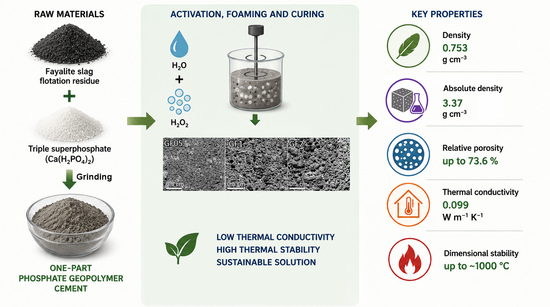
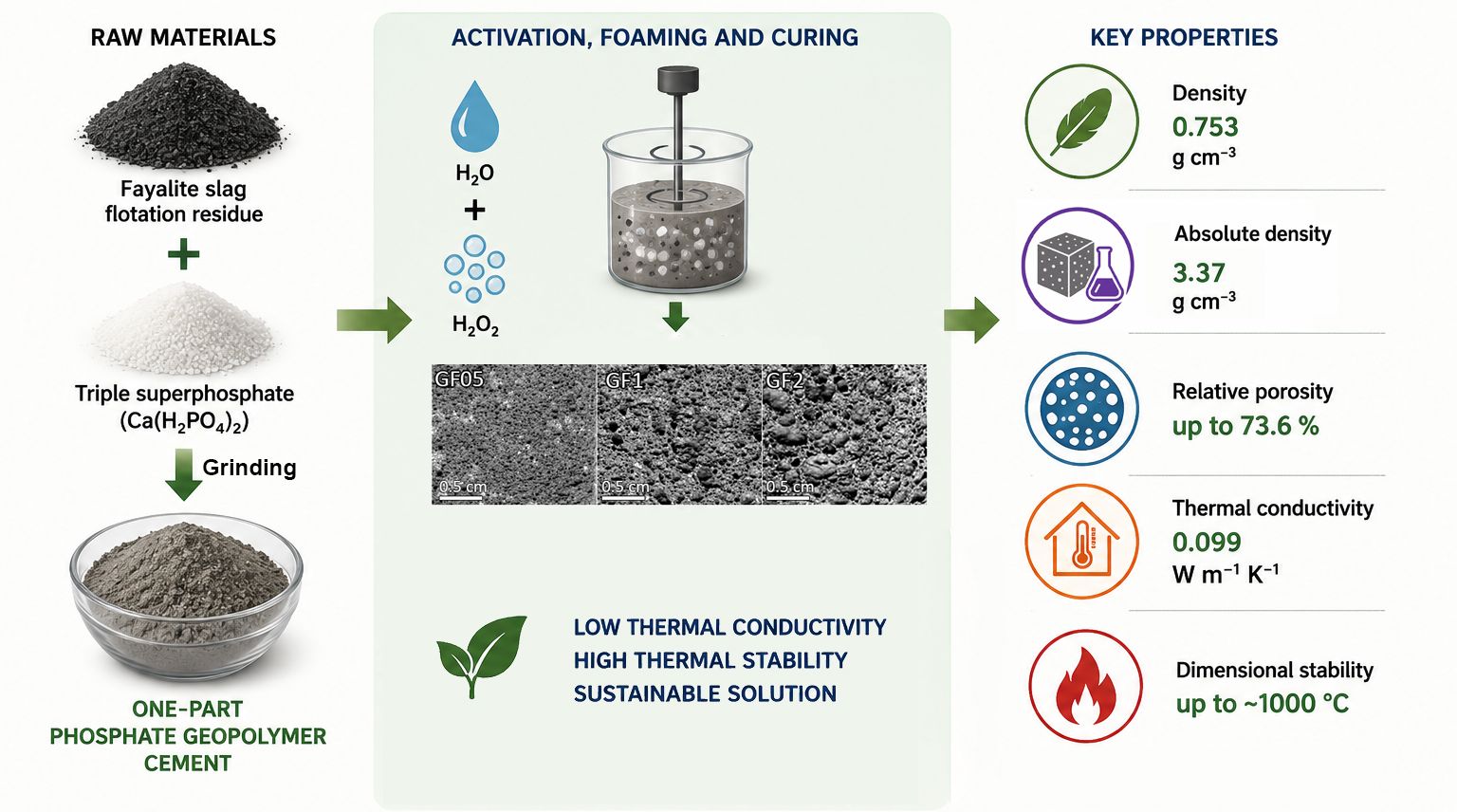
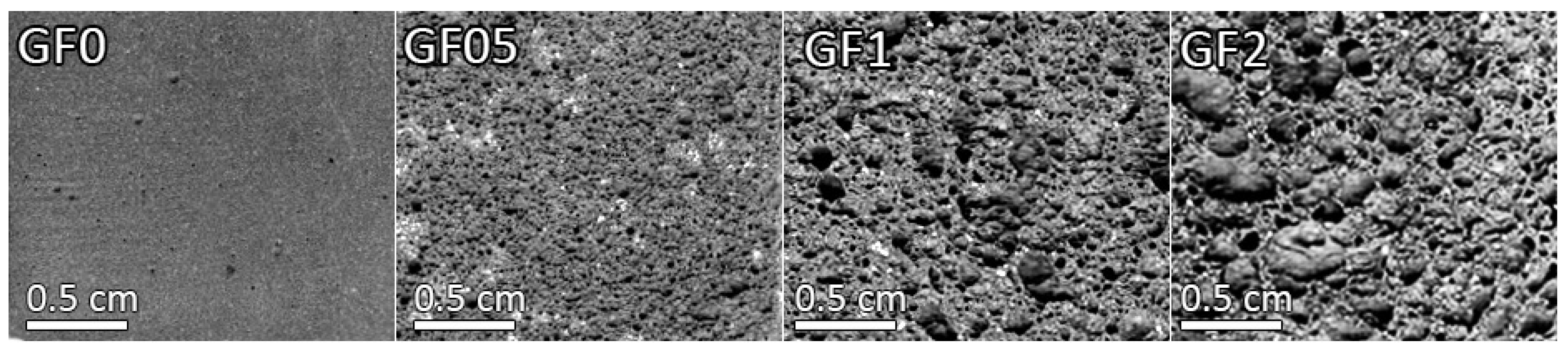
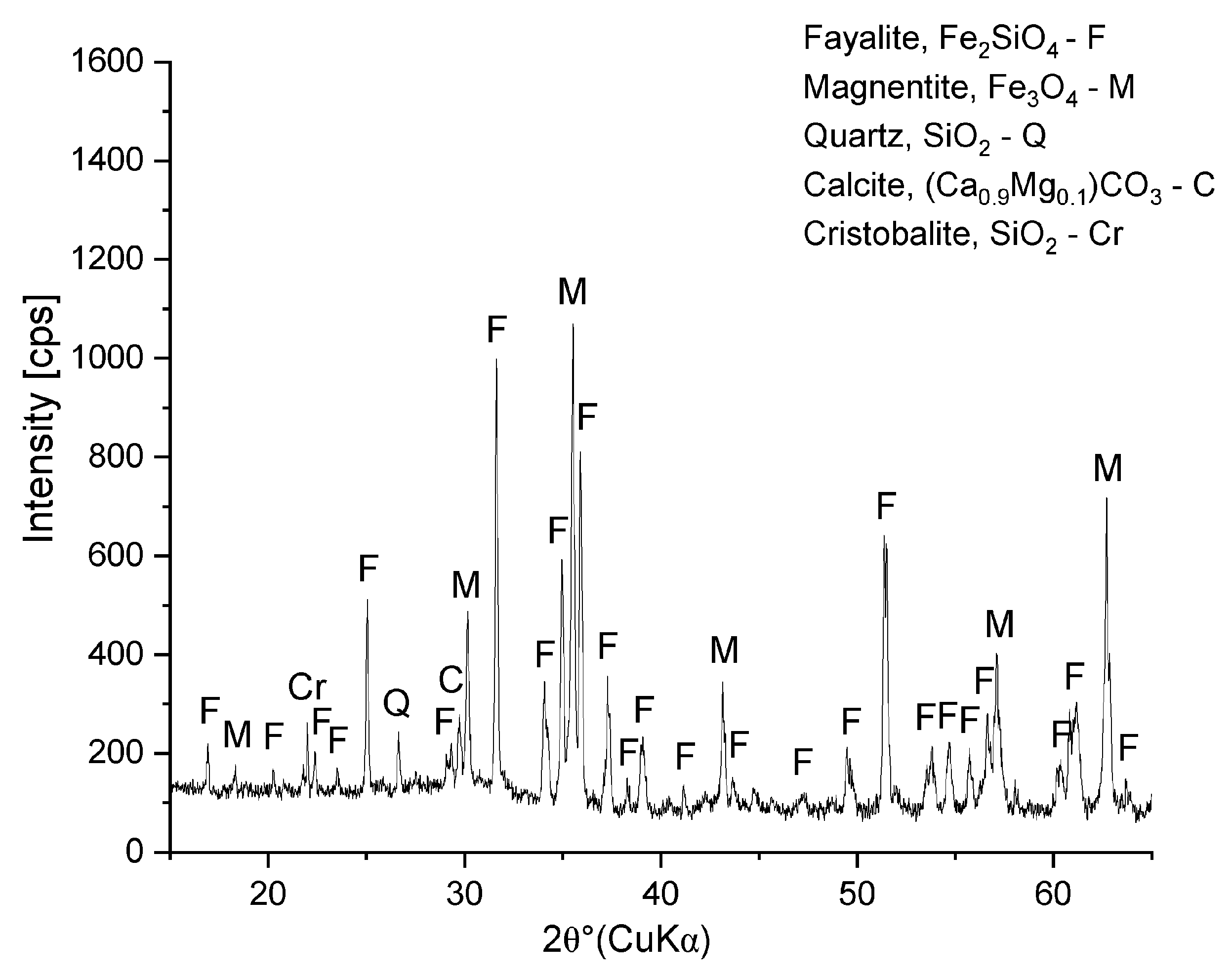
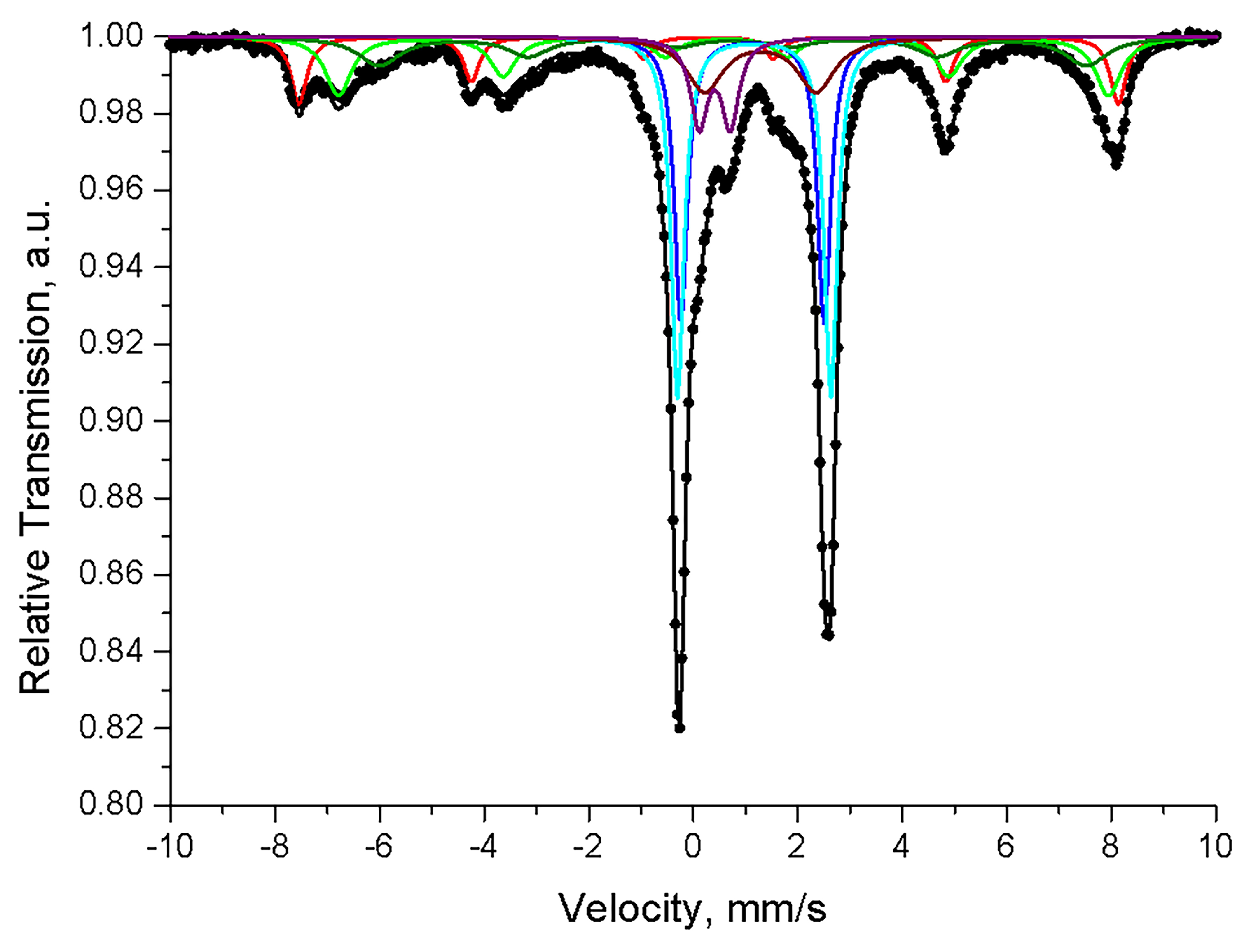
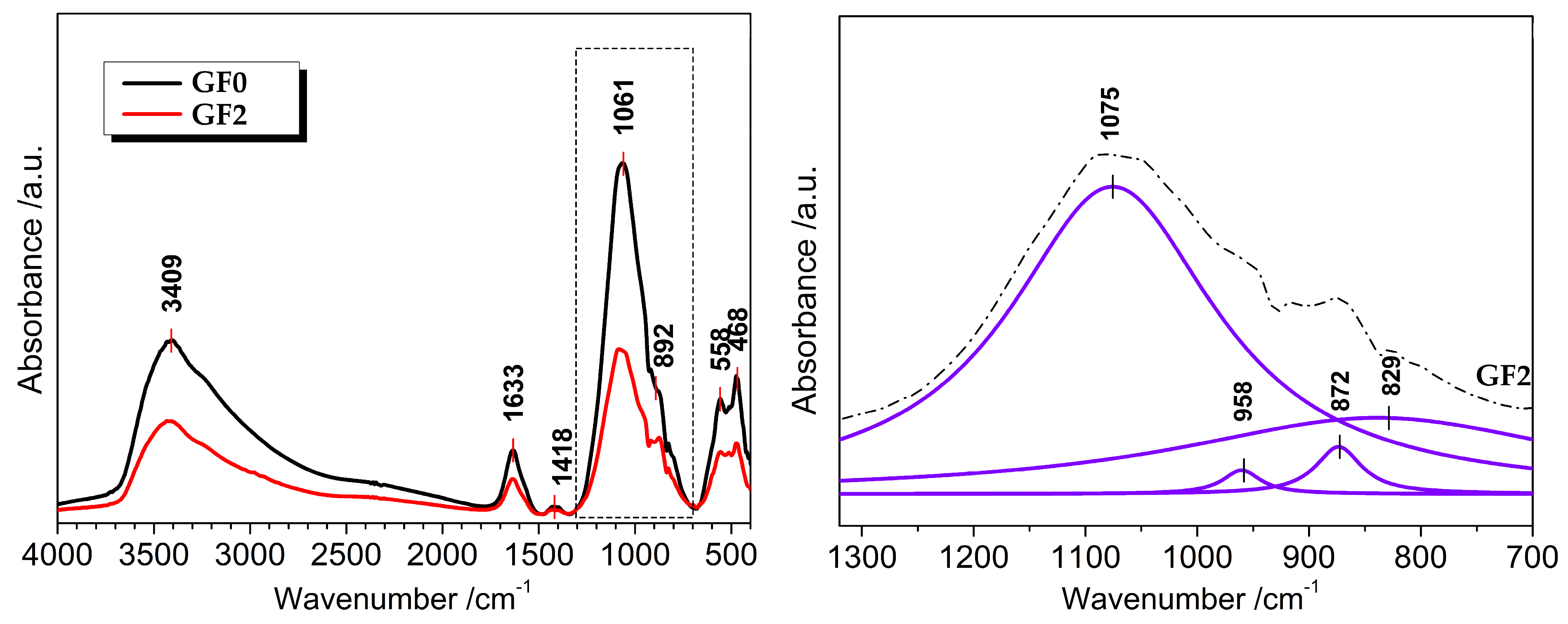
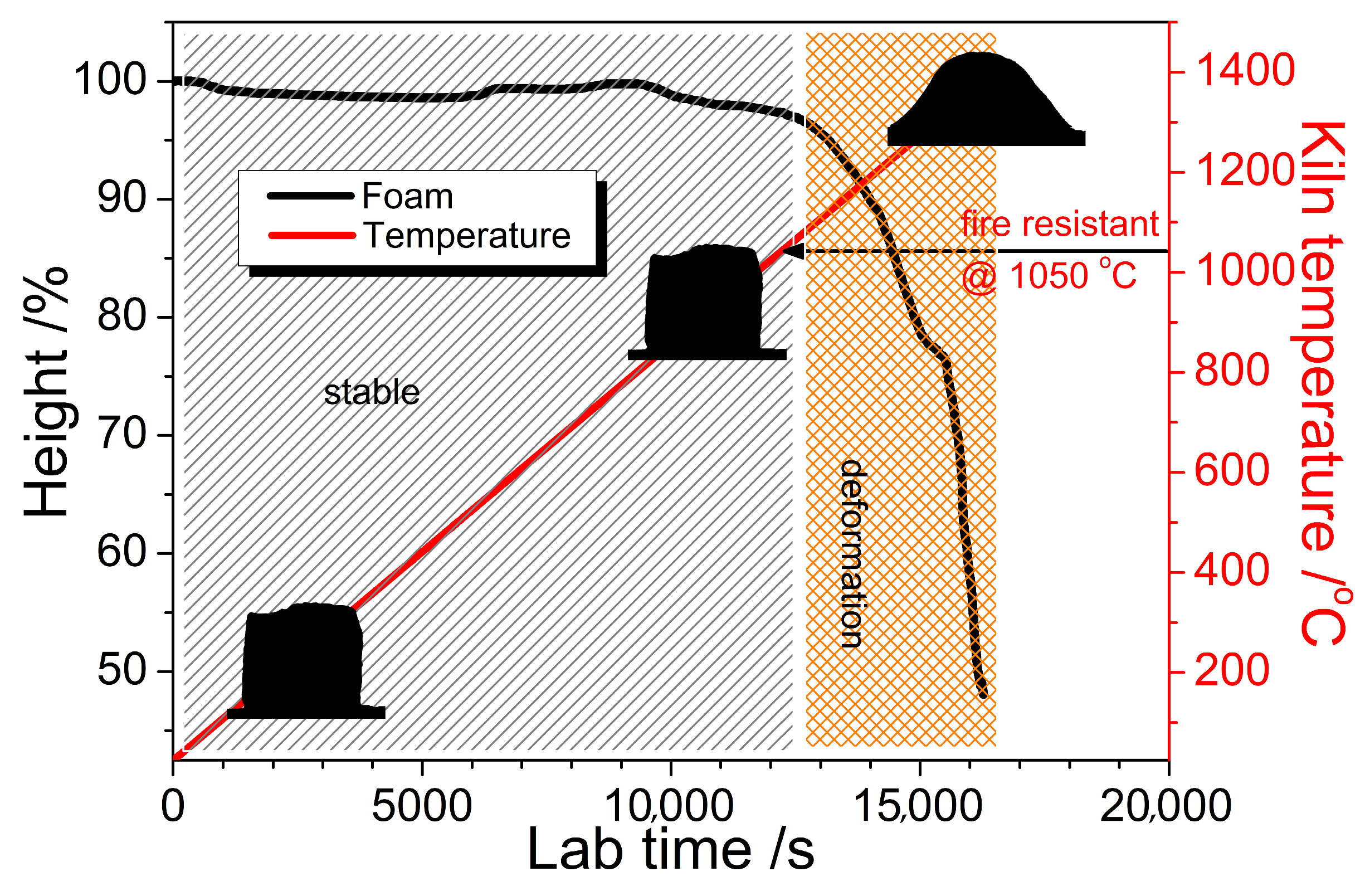
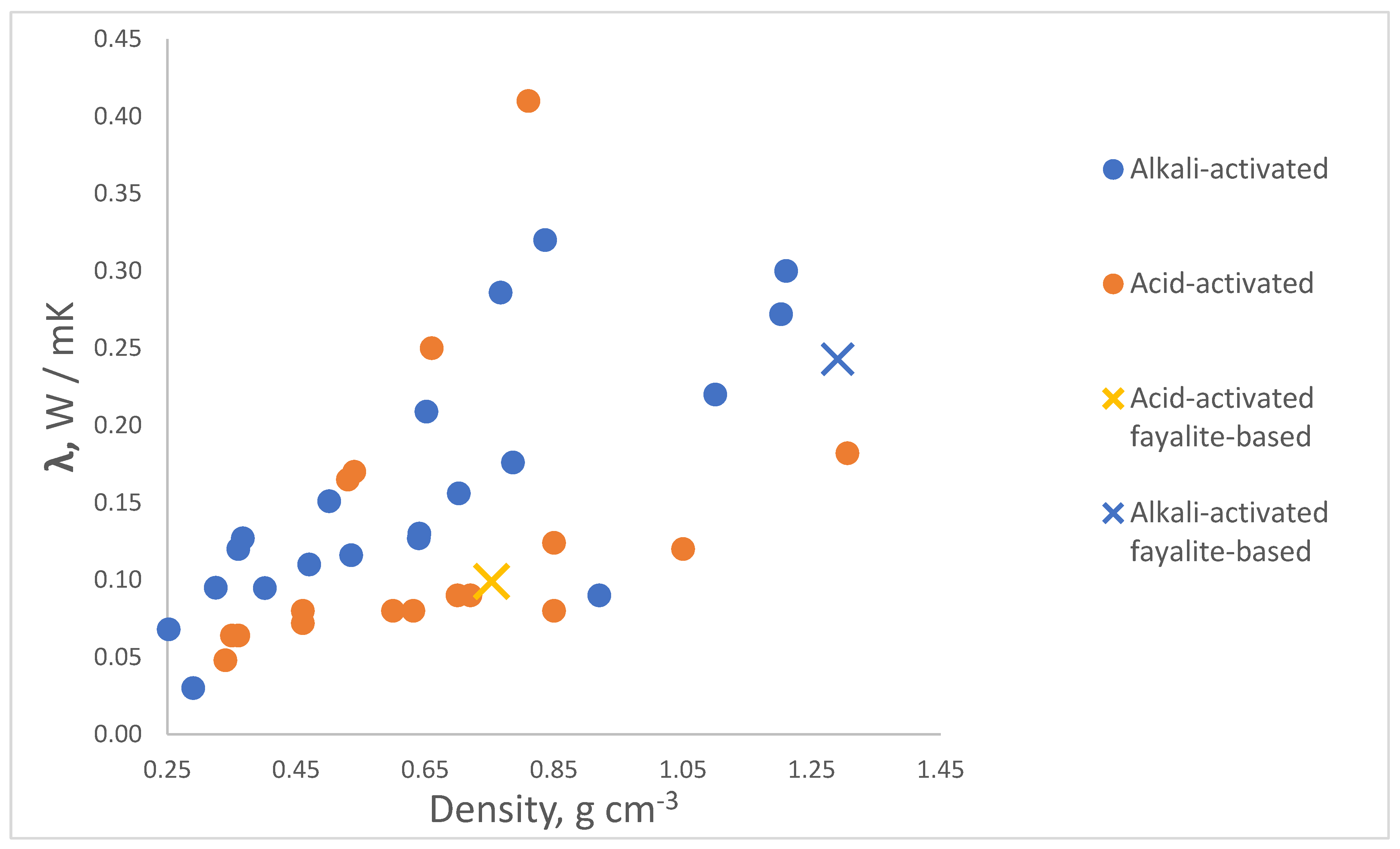
This study presents the development of a one-part phosphate-activated geopolymer foam based on fayalite flotation residue from the copper industry. The solid activator consisted of triple superphosphate, enabling a dry-mix binder that requires only water addition prior to use. Foamed materials were characterized by XRD, FTIR, Mössbauer spectroscopy, DSC-TG, hot-stage microscopy, SEM-EDX and physical and mechanical testing. The foaming of the geopolymer reduced the densities between 0.753 and 2.15 g/cm3, relative porosities up to 73.6%, and compressive strengths ranging from 1.4 to 28.8 MPa. The foamed geopolymer maintained dimensional stability up to about 1000 °C. The thermal conductivity coefficient measured on large-sized specimen blocks was 0.099 W/mK at a density of 0.753 g/cm3. These results demonstrate that fayalite slag can be effectively utilized as a precursor for sustainable geopolymer foams combining low thermal conductivity, high thermal stability, and the utilization of industrial by-products.
Keywords: phosphate geopolymer; one-part; foam; fayalite slag; iron silicate fines; thermal insulation; fire-resistant; sustainable construction materials phosphate geopolymer; one-part; foam; fayalite slag; iron silicate fines; thermal insulation; fire-resistant; sustainable construction materials
Graphical Abstract