1. Introduction
Fiber-reinforced polymer (FRP) composites have become pivotal in modern civil engineering due to their superior mechanical performance and environmental advantages over conventional steel. Characterized by high strength-to-weight ratios, exceptional corrosion resistance, design versatility, and enhanced sustainability [
1,
2], FRP materials—such as glass fiber-reinforced polymer (GFRP), carbon fiber-reinforced polymer (CFRP), and aramid fiber-reinforced polymer (AFRP)—offer a viable and eco-friendly alternative to steel, whose production is associated with high energy consumption and significant carbon emissions [
3,
4]. In FRP–concrete composite beams, shear connectors play a critical role in transferring interfacial shear stresses between the FRP profile and the concrete slab, thereby ensuring full composite action, structural integrity, and serviceability [
5,
6]. Research has shown that the arrangement of shear connectors, such as studs, significantly affects the fatigue behavior of composite beams under cyclic loading, underscoring the importance of optimized connector designs for enhanced durability [
7]. Furthermore, parametric studies on strengthening steel–concrete composite beams with carbon fiber tendons demonstrate improved shear capacity and structural efficiency, suggesting potential applications of advanced composite materials in FRP–concrete hybrid systems [
8].
Researchers have developed FRP–concrete hybrid sections, where a thin-walled FRP element is combined with a concrete slab, forming a cost-effective and structurally efficient system. These FRP–concrete composite beams effectively exploit the advantages of both materials—concrete in compression and FRP in tension—resulting in low maintenance requirements, enhanced flexural performance, ease of installation, and excellent durability in harsh environments, particularly for bridge applications [
2]. Field applications of FRP–concrete hybrid bridges have been demonstrated globally. The first was the Miyun Bridge in Beijing (1982), a structure spanning 20.7 m that was initially made of GFRP box girders, and it was later converted to an FRP–concrete hybrid beam bridge with a 100 mm concrete slab and steel bolt connectors [
9]. In Australia (2002), a 12 m bridge with rectangular GFRP beams and bonded CFRP laminates was built, followed by two U-girder hybrid bridges in Texas (2005–2007) that remain in excellent condition [
10,
11]. In Spain (2004–2007), several hybrid bridges using CFRP or GFRP/CFRP girders and concrete slabs were rapidly assembled and have shown long-term durability without maintenance issues [
12,
13]. Other examples include a cable-stayed-like pedestrian bridge and an arch bridge in China using pultruded GFRP beams, both exhibiting satisfactory stiffness and vibration comfort. Additionally, the Ryjak River Bridge in Poland, a 22 m FRP–concrete hybrid bridge, features FRP girders with a concrete slab. Its design combines carbon and glass fibers and PVC foam, enabling rapid assembly within two hours. Dynamic testing confirmed that hybrid FRP–concrete beams provide better damping and dynamic behavior than all-FRP bridges [
14,
15,
16].
Various types of shear connectors—epoxy bonding, perforated FRP ribs (PFR), composite dowels, headed suds, and bolts—are utilized in composite beams in practice [
17]. Although epoxy bonding is easy to apply without causing damage to the concrete or fiber-reinforced polymer (FRP), its shear strength is low, and its quality is uncontrollable because of voids that result from uneven application. It is also susceptible to environmental deterioration. Epoxy bonding is typically appropriate for temporary bridges [
18,
19]. PFR has the properties of high shear strength, stiffness, and ease of construction. However, PFR is more prone to shear failure at the web of perforated ribs because of the lower interlayer shear strength of FRP. PFR is commonly applied in large-span hybrid beams and slabs [
20]. Composite dowels have been developed as shear connectors in composite beams, offering uniform shear force distribution and improved fatigue resistance due to their symmetric geometry and radius connections, but they face limitations such as susceptibility to concrete shear or pry-out failures and reduced strength in cracked concrete [
21,
22,
23]. Headed studs are the most common shear connectors in composite structures, providing longitudinal shear resistance and preventing slab uplift [
24]. Their installation requires specialized welding, but welds can suffer fatigue under cyclic loads [
25,
26]. Bolts in FRP–concrete connections are prone to environmental erosion, prompting the use of stainless steel or GFRP bolts [
6]. While stainless steel offers high shear strength and ease of installation, it can cause bearing failures in GFRP bolt holes. GFRP bolts provide corrosion resistance, higher tensile strength, and better utilization of bolt capacity with minimal impact on overall performance [
27,
28,
29]. Although promising, FRP shear connector behavior is insufficiently characterized, and major gaps exist in the understanding of their behavior under different design parameters, calling for detailed parametric studies.
Research on shear connectors for FRP–concrete hybrid beams has examined epoxy bonding, PFR, and bolts, with PFR and bolts found to be more reliable than epoxy bonding [
30,
31,
32]. Extensive studies on PFR have developed calculation methods for ultimate shear strength and P-S models [
32,
33], while research on bolts has mainly focused on stainless steel. Push-out tests on three steel bolt specimens showed that higher concrete strength and larger bolt diameters increased shear capacity [
34,
35]. Twelve additional push-out tests on stainless-steel bolts in FRP–ultra-high-performance concrete (UHPC) hybrid beams revealed that the effective depth-to-diameter ratio (hef/d) governs failure modes, ranging from pry-out to FRP compression, concrete cracking, and bolt shear failure [
29]. Fourteen push-out tests demonstrated that UHPC prevents concrete compression failure and improves shear strength in specimens with high-strength steel bolts [
36]. Furthermore, six push-out tests indicated that increasing bolt diameter can raise capacity by up to 29.4% [
37]. Despite the substantial research on stainless-steel bolts, work on FRP bolt shear connectors remains limited. Tests on GFRP bolts have shown that their ultimate strength is reduced by the combined effects of bending and shear [
38], while push-out tests on two specimens with GFRP bolts revealed linear P-S curves up to the point of shear failure [
29]. Thirty push-out tests on GFRP bolts identified three failure modes—bolt shank shear, pry-out, and concrete splitting—compared to only bearing failure in stainless-steel bolts. GFRP P-S curves exhibited micro-slipping and significant-slipping phases [
27].
Due to the scarcity of data, no standard design equations are currently available for FRP bolts, leading to reliance on preliminary laboratory results and engineering judgment, which can result in conservative designs and reduced practical use. Conversely, the steel–concrete composite beam system has benefited from extensive study and established design equations for studs [
39,
40], though their suitability for FRP bolts remains unconfirmed due to material property differences. Previous investigations have identified critical knowledge gaps in the behavior of FRP shear connectors. These include the limited examination of alternative FRP types beyond GFRP (e.g., CFRP, AFRP), insufficient parametric analyses addressing bolt spacing and number in multi-bolt systems, the absence of accurate shear capacity models accounting for the anisotropic nature of FRPs, and restricted experimental data across a broad range of concrete compressive strengths.
This study undertakes a comprehensive parametric investigation of FRP shear connectors in FRP–concrete hybrid beams with the following objectives: (i) comparing the shear strength, stiffness, and slip behavior of GFRP, CFRP, AFRP, and steel bolts for corrosion-resistant and sustainable structural applications; (ii) quantifying the influence of bolt diameter, number, and spacing on shear transfer efficiency, stiffness, and failure modes; (iii) assessing the role of embedment length in preventing brittle concrete failures; and (iv) evaluating connector performance under varying concrete compressive strengths. This research seeks to develop scientifically sound, FRP-related models that strengthen design codes so that FRP–concrete hybrid systems for aggressive structural applications are assured of structural reliability, durability, and environmental sustainability.
4. Discussion
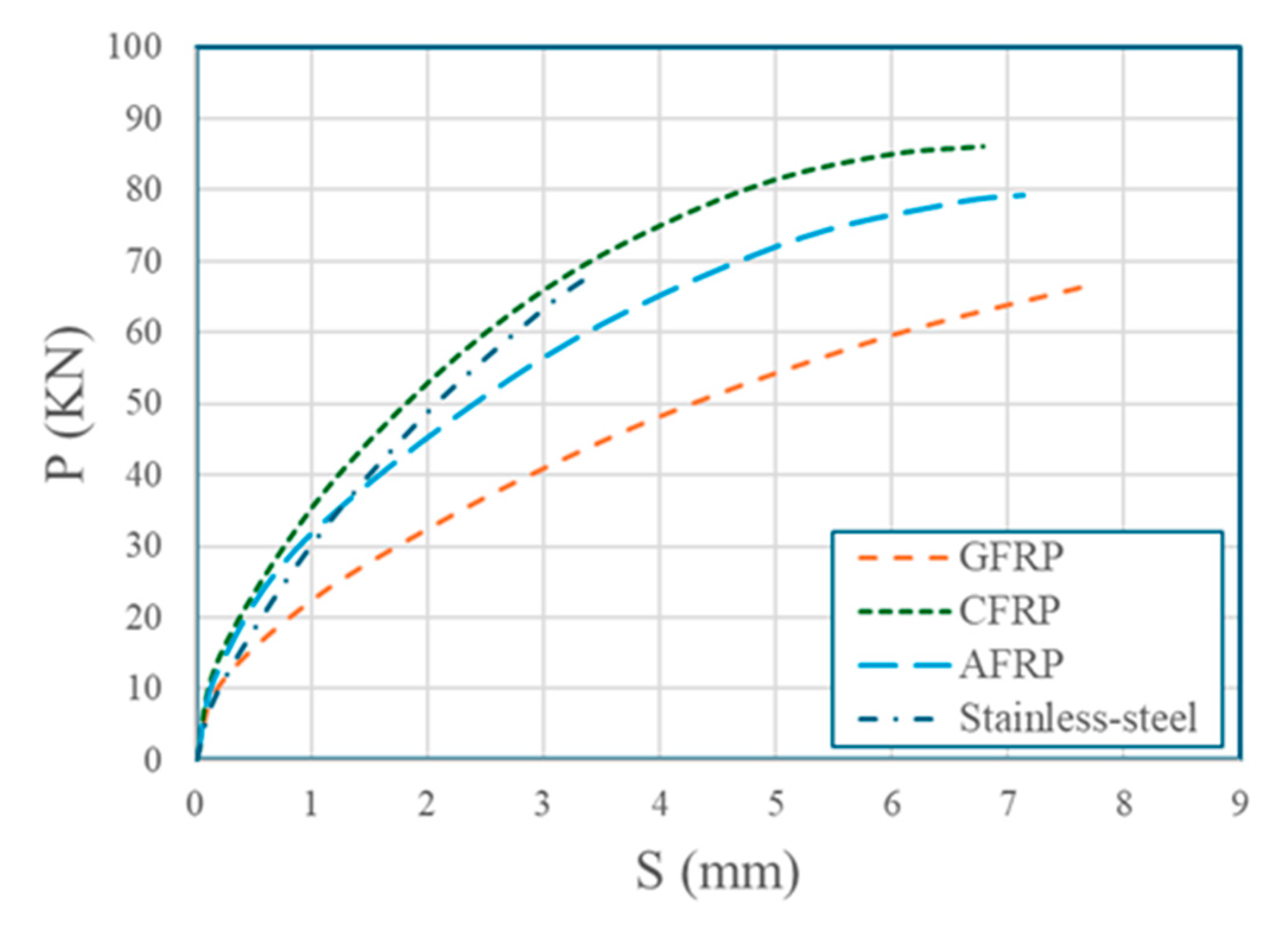
The parametric study provides critical insights into the shear behavior of FRP shear connectors in FRP–concrete hybrid beams, addressing the research gaps identified in the introduction. The superior performance of CFRP bolts, demonstrating a shear capacity 26.50% higher than that of stainless-steel bolts (
Table 9), aligns with their high longitudinal tensile strength (1600 MPa) and transverse shear strength (265 MPa). This underscores CFRP’s potential as a corrosion-resistant alternative to stainless steel, particularly in aggressive environments. AFRP bolts outperformed GFRP by 19.30%, indicating that material selection significantly influences shear performance.
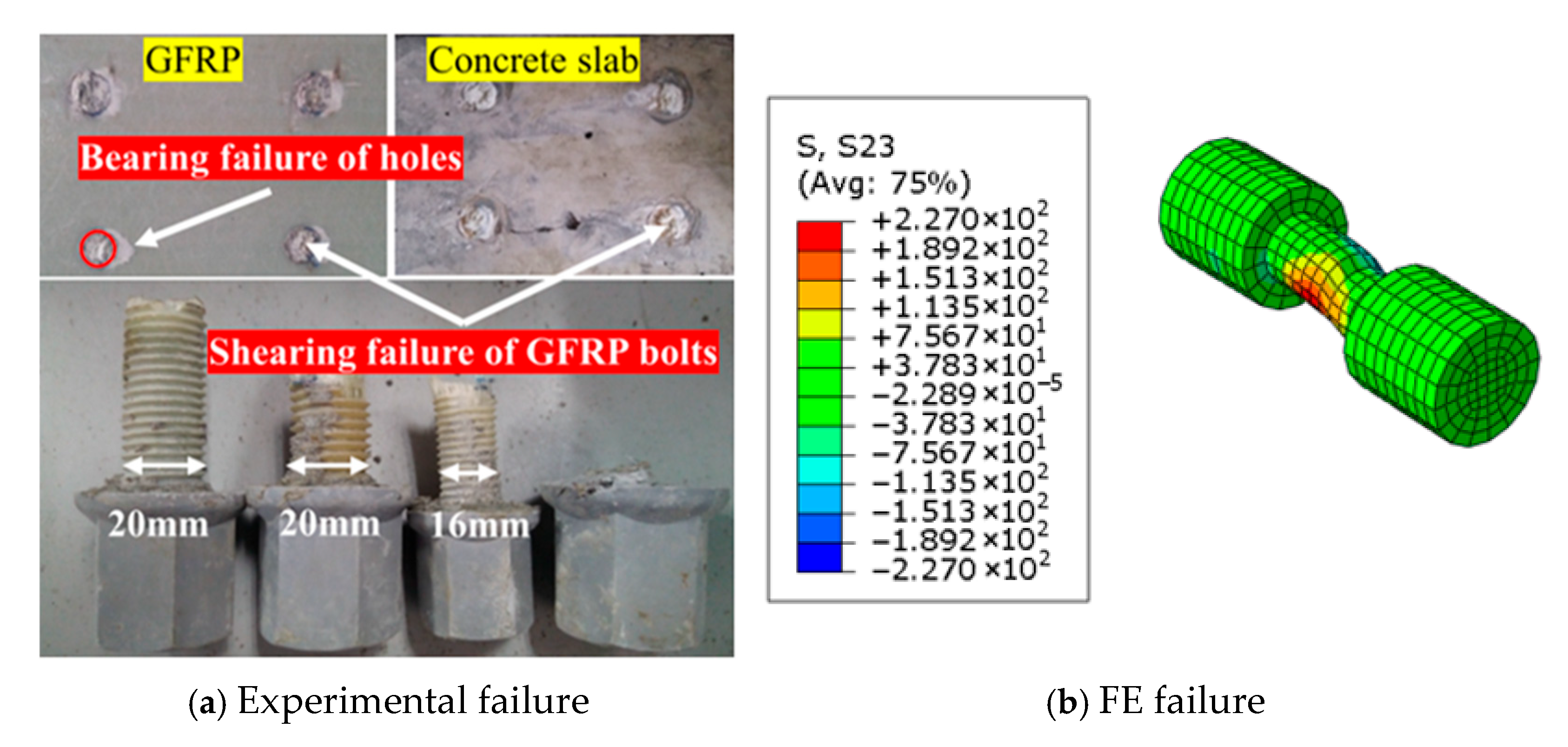
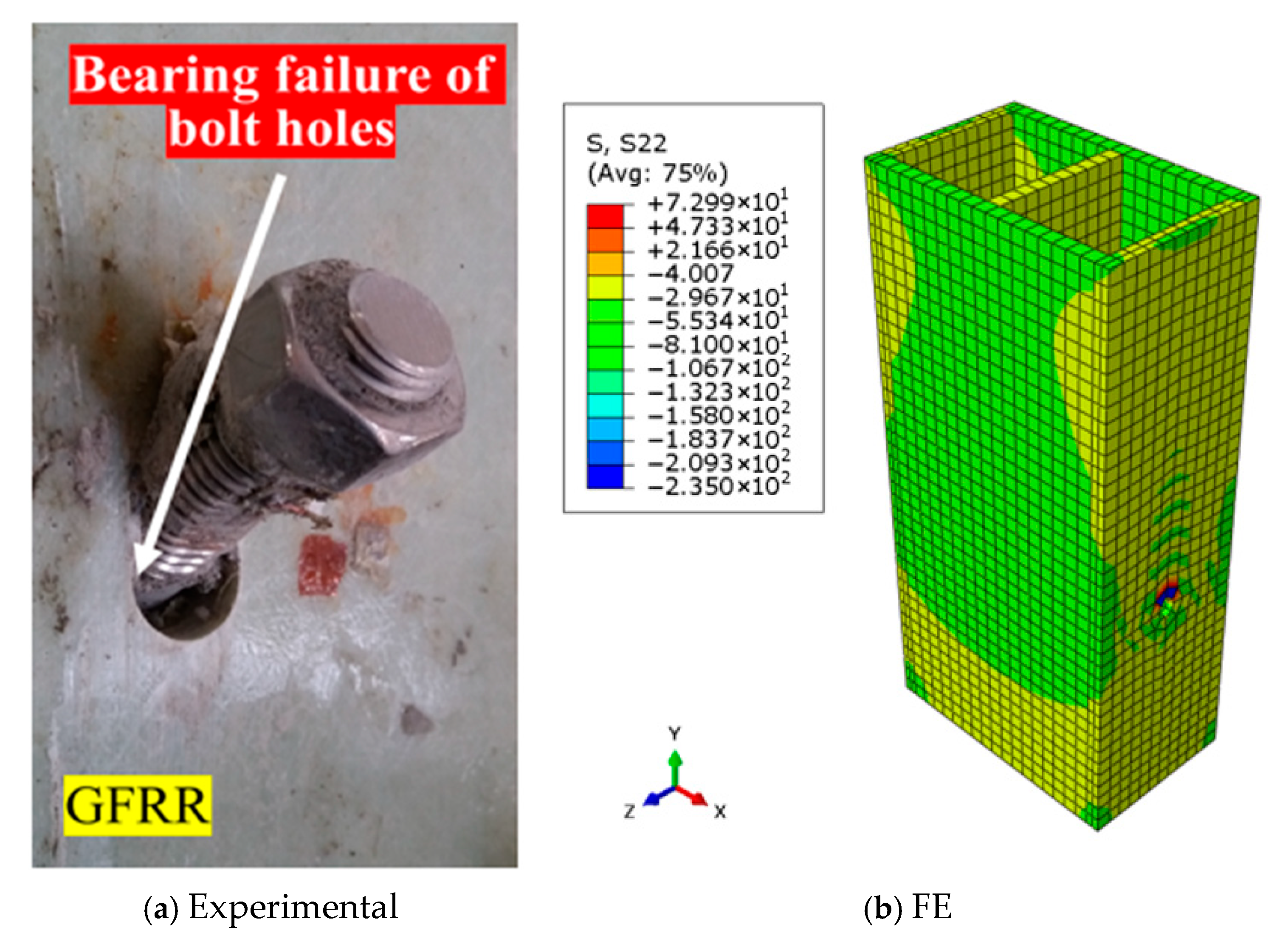
GFRP bolts failed by shear failure of bolt shanks, while stainless steel, AFRP, and CFRP bolts failed by GFRP flange bearing failure. Due to the larger shear strength of stainless steel, AFRP, and CFRP bolts, their shear resistance was greater than the compressive strength of the GFRP flange. Additionally, their elastic modulus was higher than that of the GFRP profile, and thus, the bolt hole deformed under compression, resulting in failure at the GFRP profile. Therefore, GFRP bolts are suggested on account of full utilization of the strength of bolts with a minor effect on the capacity of specimens, especially since the ultimate shear capacity of GFRP bolts was only 2.4% lower than that of stainless-steel bolts.
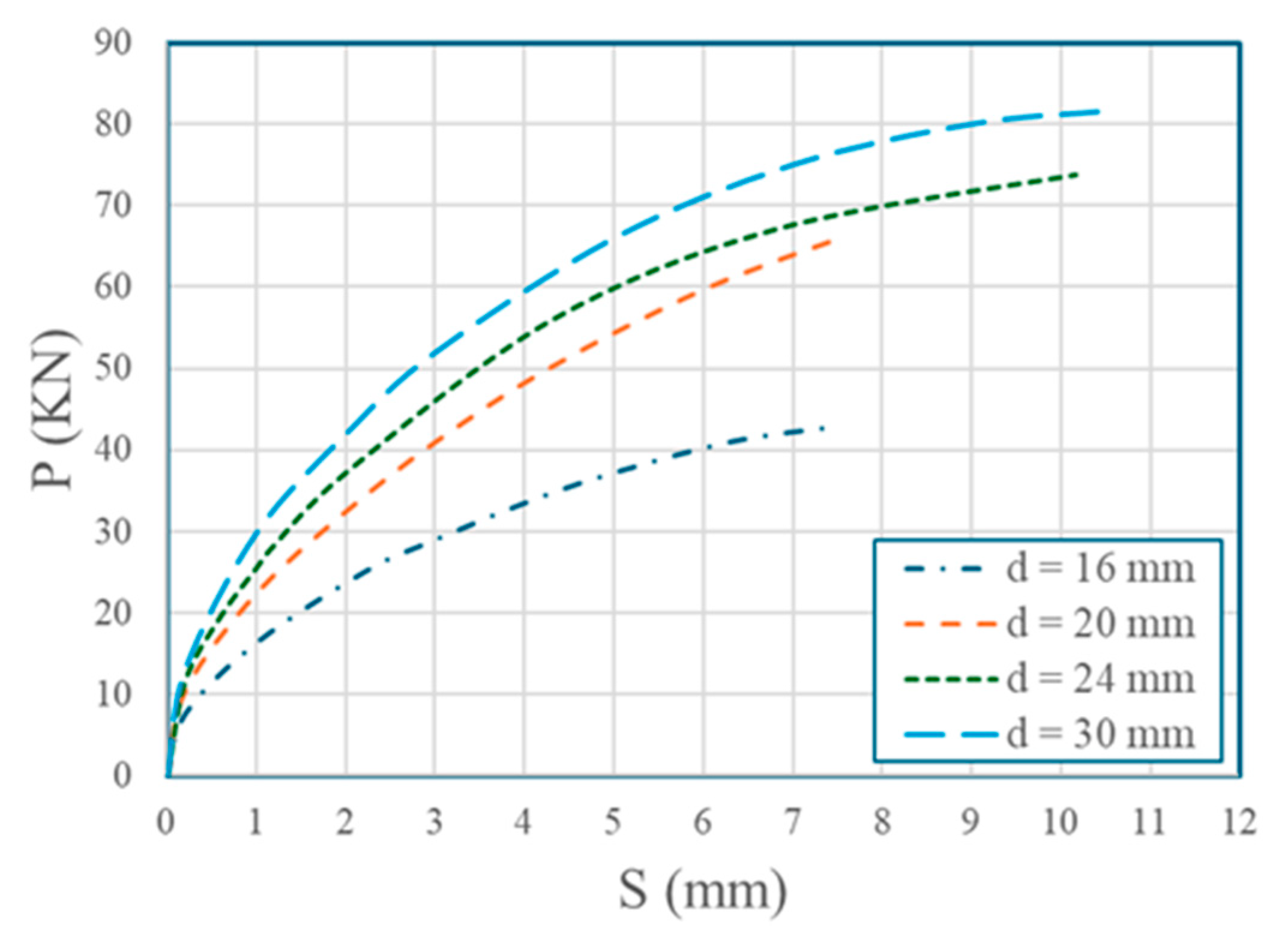
Bolt diameter significantly impacts shear capacity, with a 90.60% increase from a GFRP bolt with a diameter of 16 mm to 30 mm (
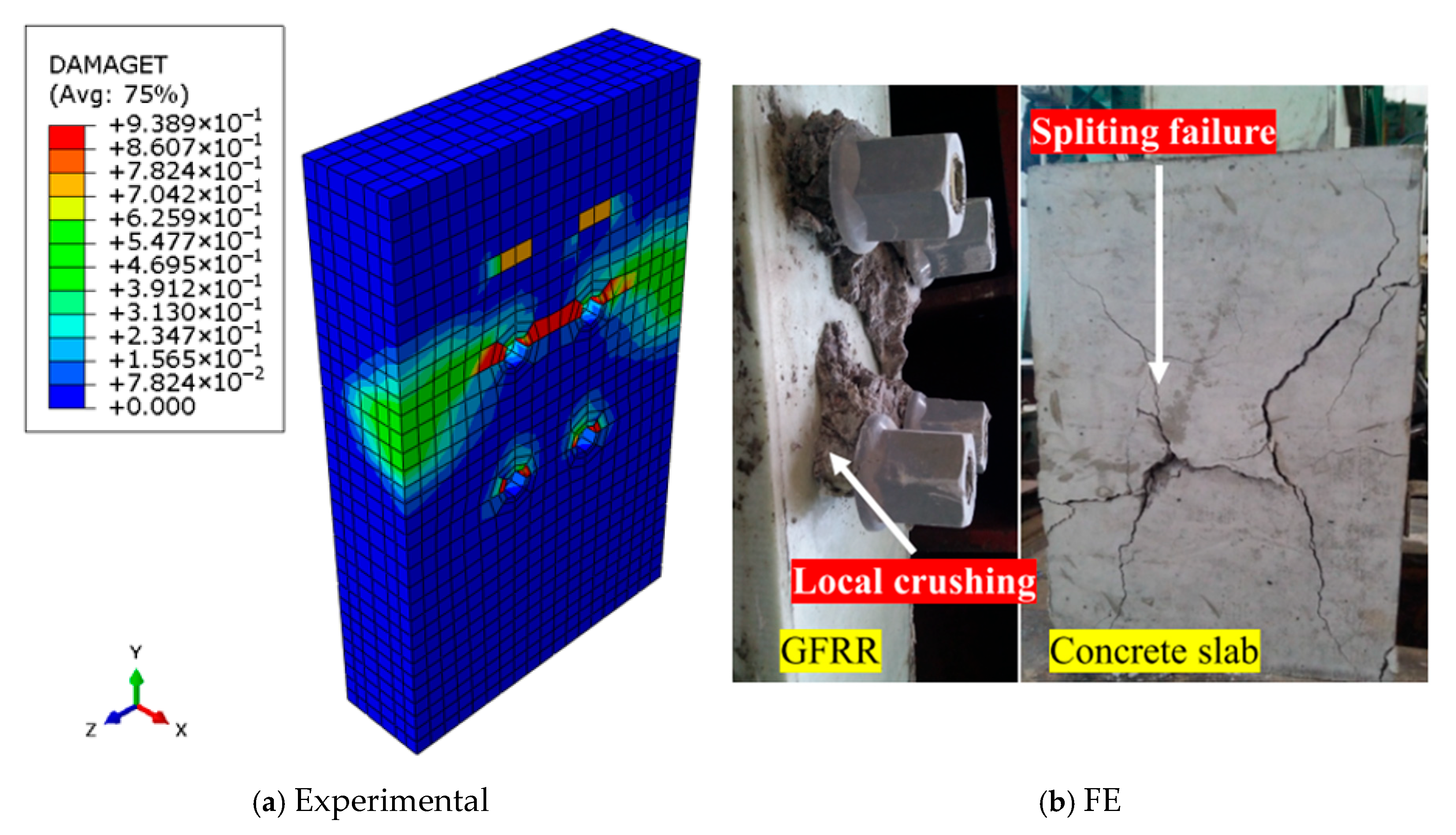
Table 10), driven by increased cross-sectional area. However, larger diameters (24 mm and 30 mm) shifted failure from bolt shank to concrete slab splitting due to exceeding the concrete’s bearing capacity, highlighting the need to balance bolt size with concrete strength. The shear stiffness of the GFRP bolt with a diameter of 30 mm was 82.32% higher than that of 16 mm. Therefore, a large diameter bolt appeared to be a preferable and advantageous option for hybrid beams.
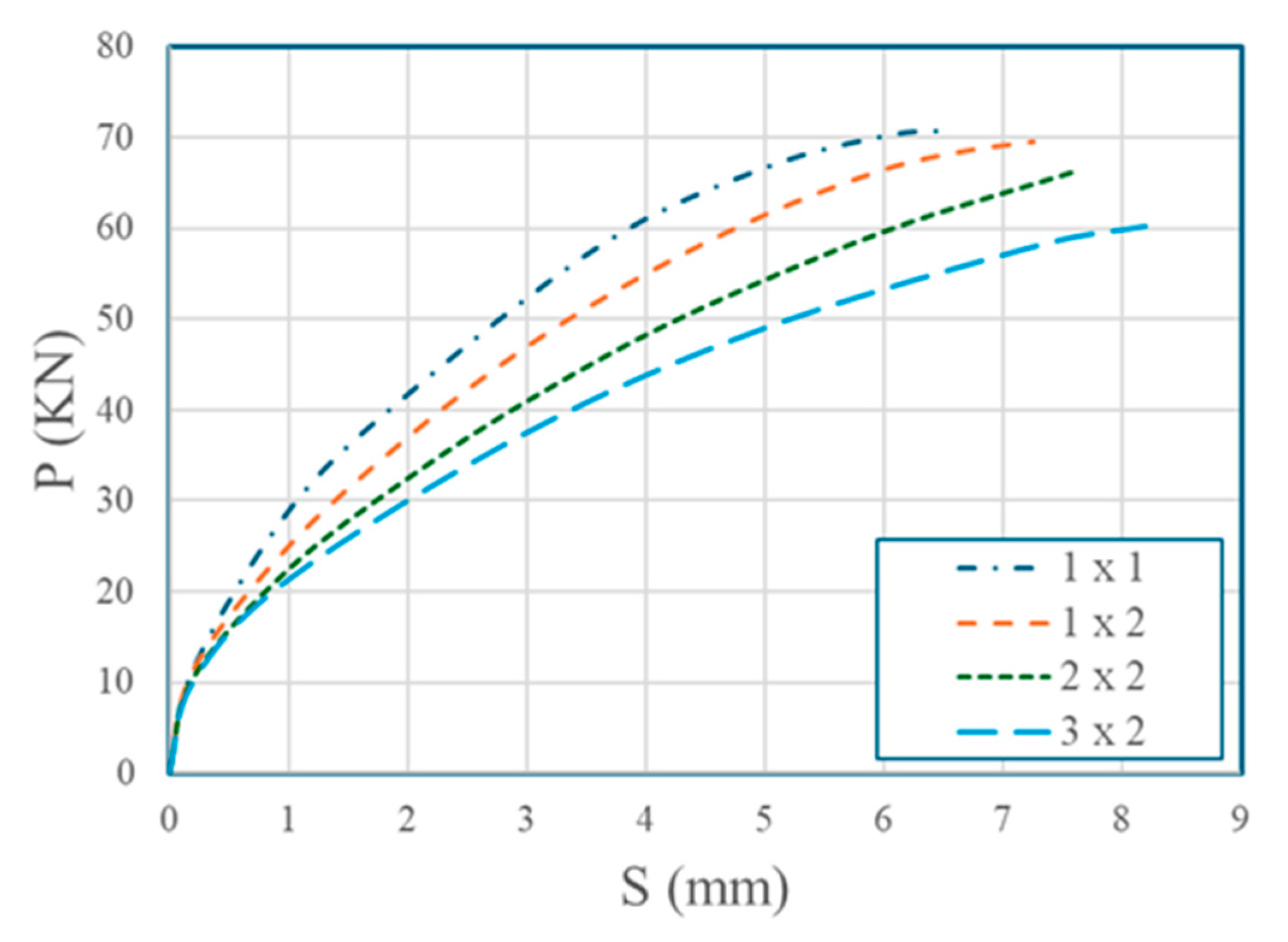
The average per-bolt shear capacity decreased by 15.00% as the number of bolts increased from the 1 × 1 to the 3 × 2 configuration (
Table 11). The cause of this effect is attributed to the arrangement of bolt shear connectors in groups, which results in non-uniform force distribution among the bolts. This reduction is attributed to the multi-bolt effect, where non-uniform load distribution causes the upper bolts to sustain higher forces and fail first, limiting the ability of the remaining bolts to effectively carry the shear load configurations (1 × 1, 2 × 1, and 2 × 2), predominantly failing by shear failure of the GFRP bolt shanks, but the 3 × 2 configuration exhibited concrete slab splitting due to it exceeding the concrete’s bearing capacity.
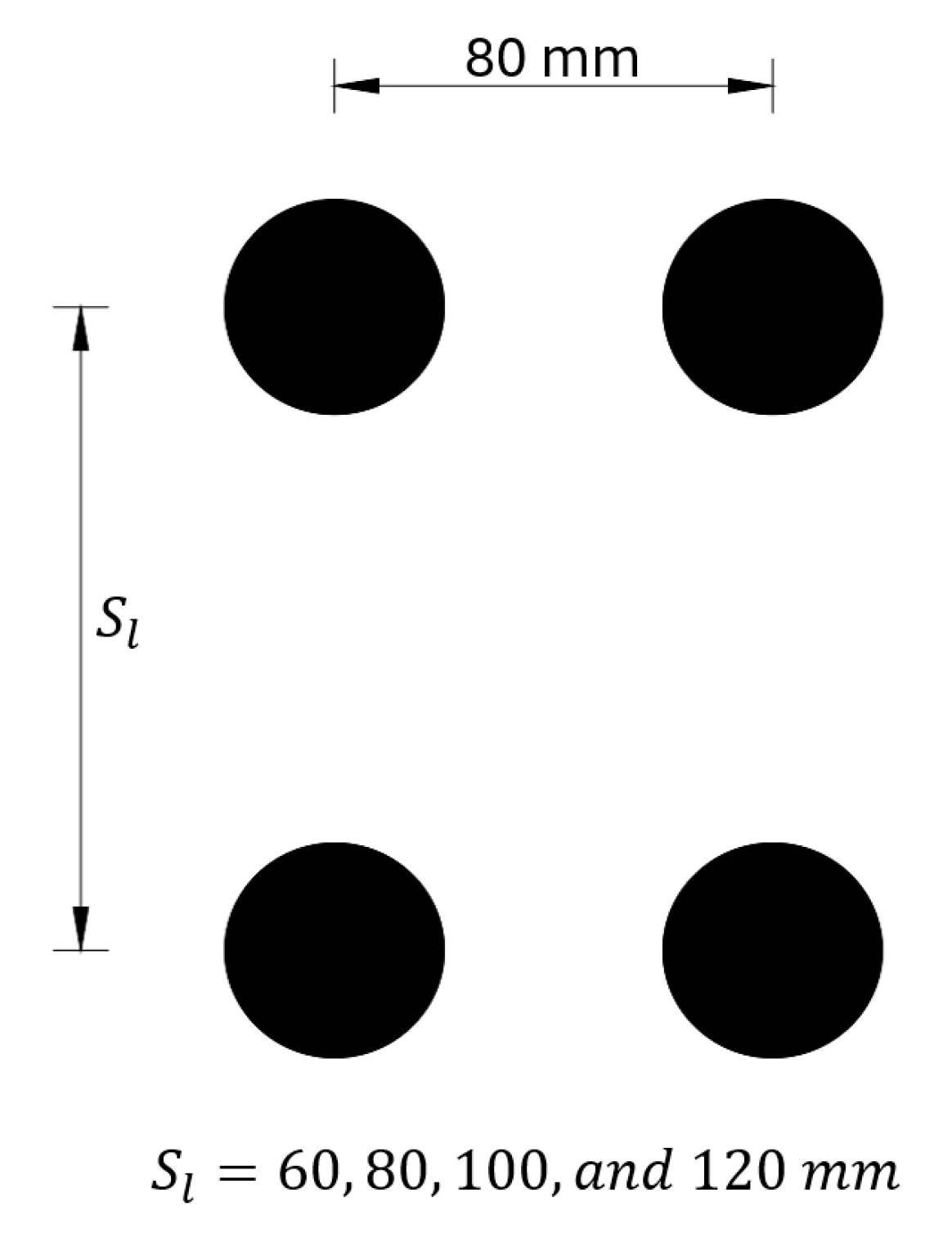
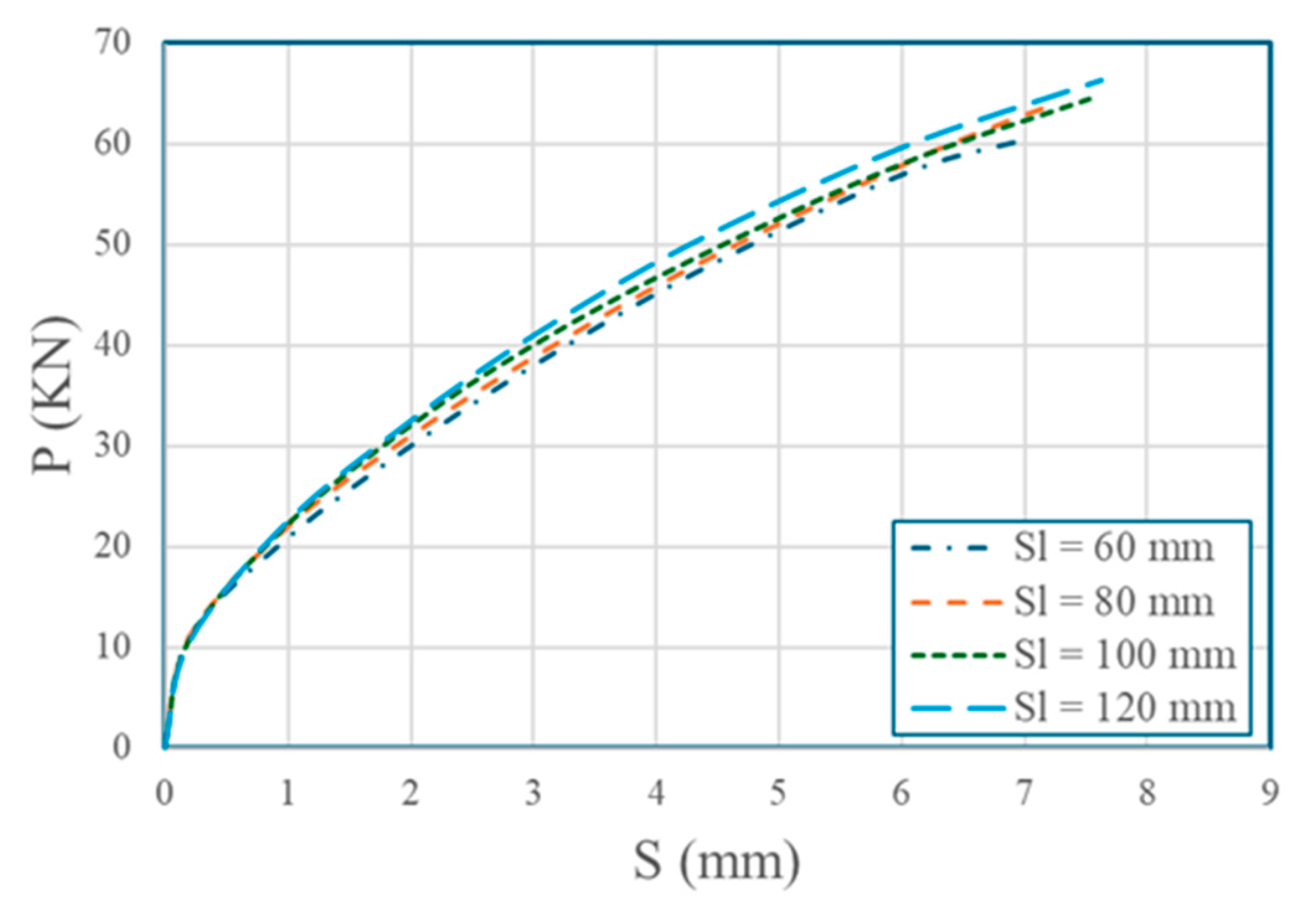
Longitudinal spacing increased per-bolt shear capacity by 9.48% from 60 mm (3d) to 120 mm (6d) (
Table 12) by reducing bolt interaction and improving load distribution, consistently resulting in bolt shank shear failure. However, in beams, larger spacings reduced the total number of bolts, decreasing overall shear resistance and the degree of shear connection (η) (
Table 13). The results suggest that a longitudinal spacing of 6d (120 mm) optimizes per-bolt shear capacity by minimizing bolt interaction, making it suitable for applications prioritizing individual bolt efficiency. However, in practical FRP–concrete hybrid beam designs, smaller spacings (e.g., 3d or 4d) may be preferred to maximize the number of bolts and achieve full composite action, as evidenced by higher η values. Designers must balance per-bolt capacity with the total shear resistance required, considering beam length and loading conditions to avoid partial composite action that could reduce structural efficiency.
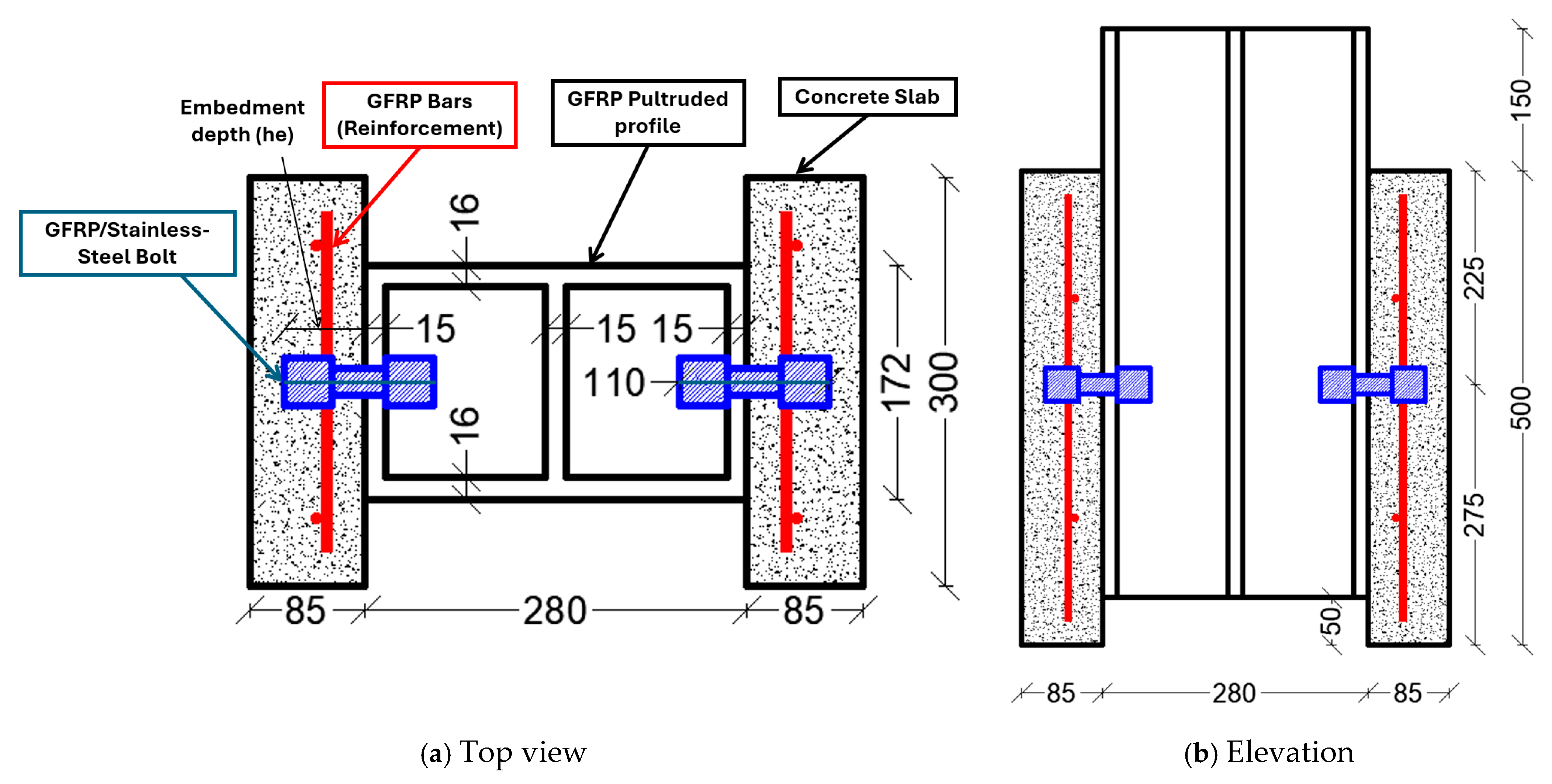
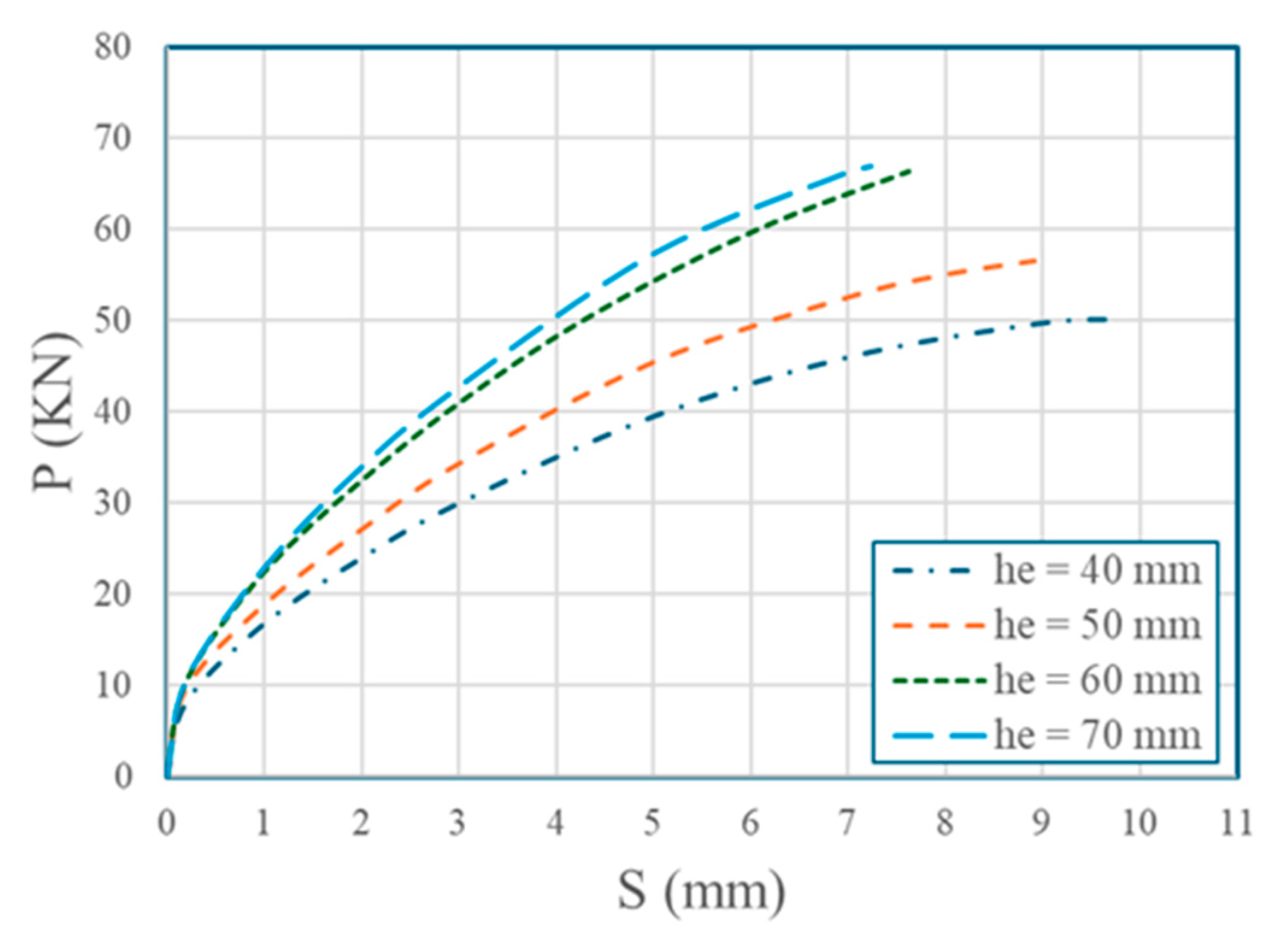
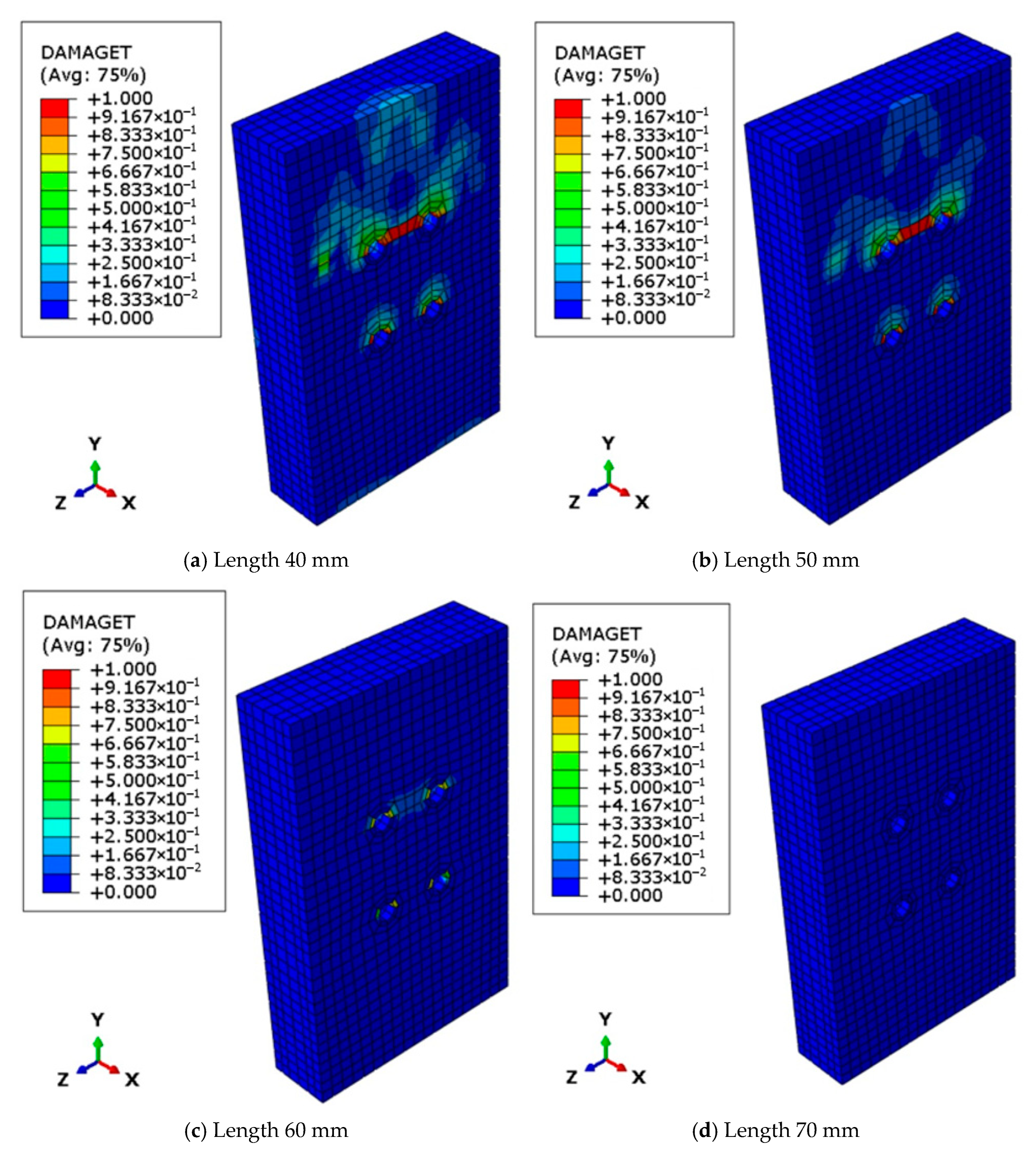
Embedment length had a significant influence on the failure modes of GFRP shear connectors in FRP–concrete hybrid beam models. At shorter embedment lengths of 40 mm and 50 mm (he/d < 3), failure was governed by bolt extraction (pry-out), which is attributed to insufficient anchorage between the GFRP bolts and the surrounding concrete. In contrast, at embedment lengths of 60 mm and 70 mm (he/d ≥ 3.0), the failure mode transitioned to bolt shank shear, indicating improved anchorage. Notably, the shear capacity increased by 33.59% when the embedment length was increased from 40 mm to 70 mm (
Table 14), highlighting the critical role of sufficient embedment in enhancing shear resistance. Based on these findings, a minimum he/d ratio of 3.0 is recommended to prevent pry-out failure and ensure effective load transfer.
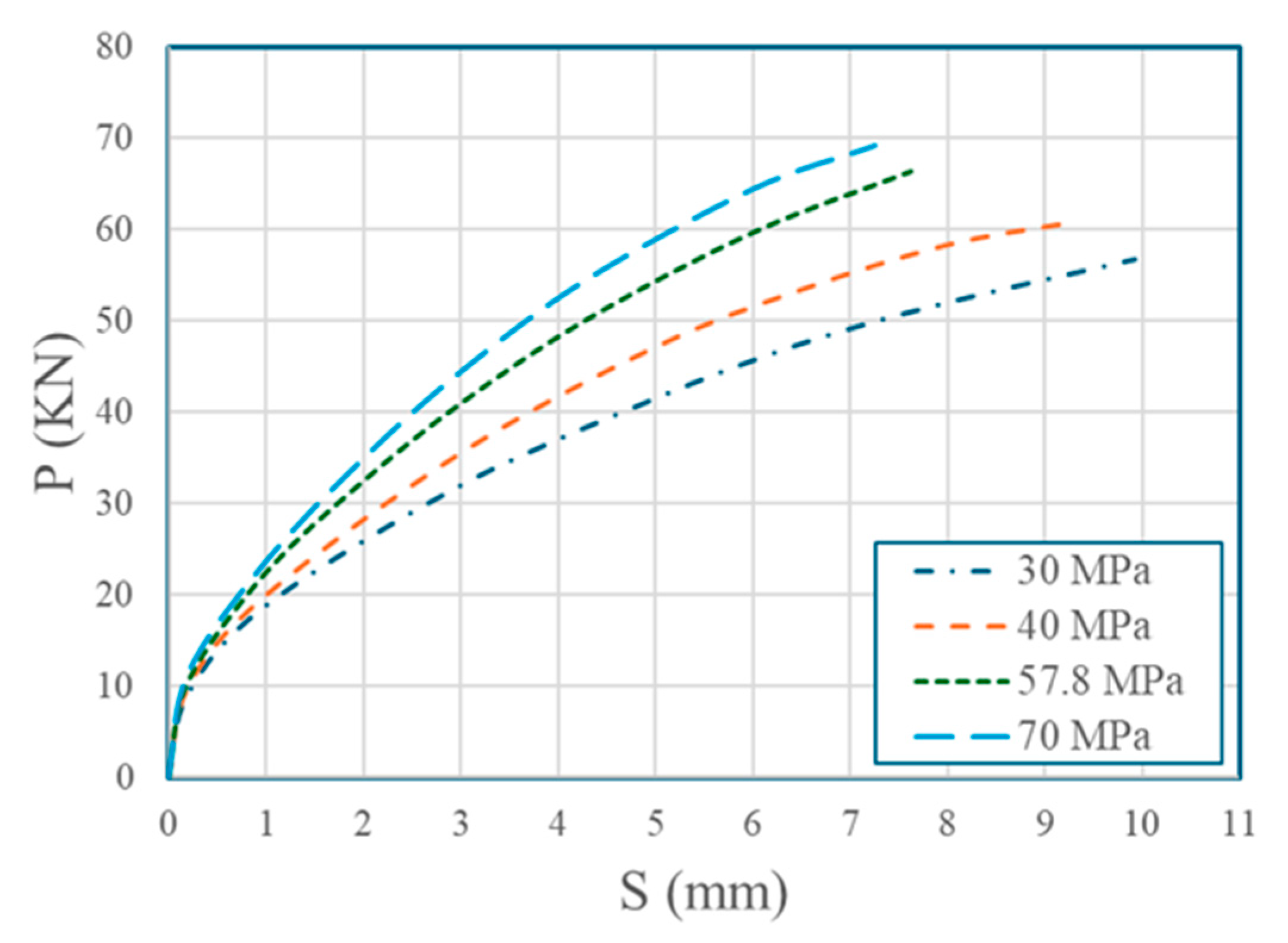
Higher concrete compressive strengths, ranging from 30 MPa to 70 MPa, increased the shear capacity of GFRP bolts by 22.07% (
Table 15). This enhancement shifted the failure mode from concrete slab splitting at 30 MPa and 40 MPa to bolt shank shear at 57.8 MPa and 70 MPa, reflecting improved concrete-bearing capacity.
5. Conclusions
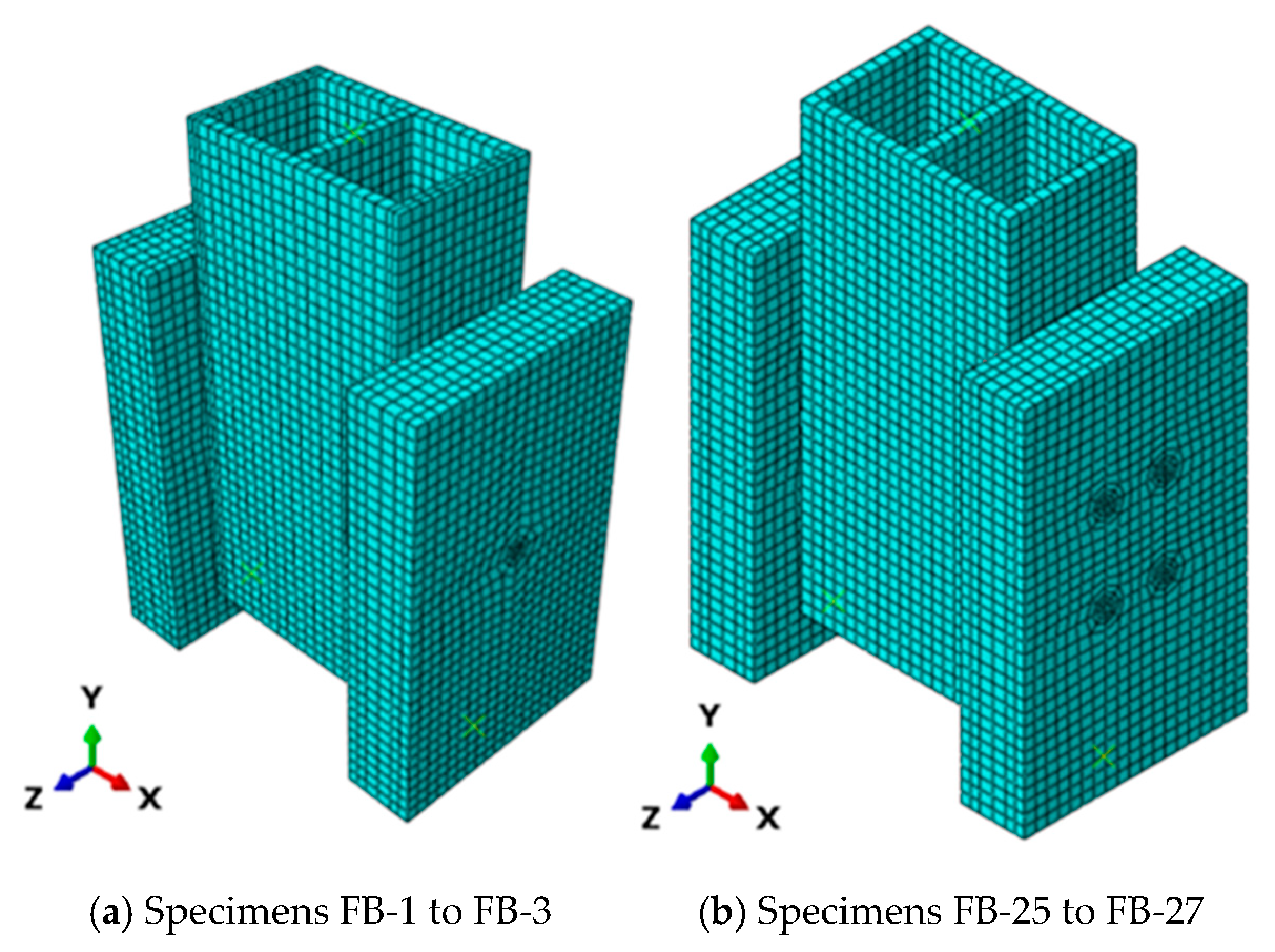
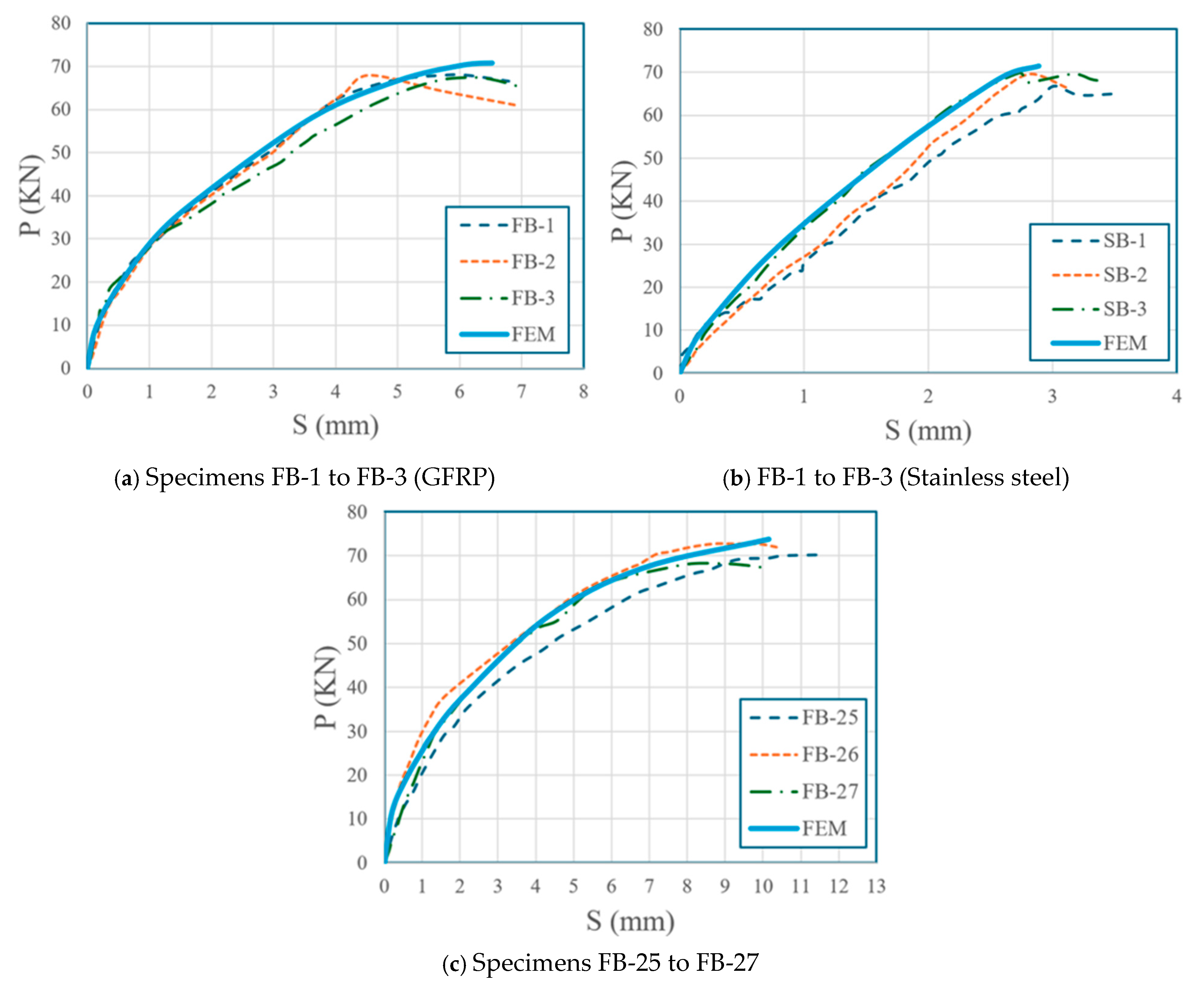
This study presented a comprehensive finite element (FE) investigation and parametric analysis of GFRP, CFRP, AFRP, and stainless-steel bolted shear connectors in FRP–concrete hybrid beams, addressing critical gaps in current understanding of shear transfer mechanisms. The validated FE model, developed in Abaqus and calibrated against experimental push-out tests, accurately reproduced load–slip curves and failure modes, with prediction errors within 6% in both elastic and plastic regimes. The model proved capable of capturing different failure mechanisms, including bolt shank shear, flange bearing failure, concrete splitting, and pry-out, thus enabling a reliable platform for extended parametric exploration. The key findings of this study can be summarized as follows:
- 1.
CFRP bolts demonstrated the highest shear capacity, exceeding stainless-steel bolts by 26.50%, followed by AFRP and GFRP bolts. GFRP bolts failed predominantly by bolt shank shear, fully utilizing their tensile capacity, whereas CFRP, AFRP, and stainless-steel bolts failed by GFRP flange bearing. This finding highlights CFRP’s potential as a superior corrosion-resistant connector material for long-term durability in aggressive environments.
- 2.
Shear capacity increased by up to 90.60% when the diameter was raised from 16 mm to 30 mm. However, larger diameters shifted the governing failure mode from bolt shank shear to concrete slab splitting, underscoring the need to balance bolt size with available concrete-bearing strength to prevent brittle concrete failures.
- 3.
Increasing the number of bolts reduced the average per-bolt shear capacity by up to 15.00% due to non-uniform force distribution in multi-bolt arrangements. This finding indicates that excessive grouping of bolts may result in premature failure of the most highly loaded connectors, limiting overall efficiency.
- 4.
Increasing longitudinal spacing from 3d to 6d improved per-bolt shear capacity by 9.48% by reducing bolt interaction. However, larger spacings reduce the total number of bolts over a given beam length and may result in partial composite action. Optimized spacing must, therefore, consider both per-bolt efficiency and the total shear demand of the system.
- 5.
Higher embedment ratios (he/d ≥ 3.0) increased shear capacity by 33.59% and shifted failure from pry-out to bolt shank shear, demonstrating the importance of adequate anchorage depth for efficient load transfer and prevention of brittle failure modes.
- 6.
Raising concrete strength from 30 MPa to 70 MPa enhanced shear capacity by 22.07% and shifted failure from concrete splitting to bolt shank shear, indicating improved concrete confinement and load-carrying capability.
It should be noted that the present results were obtained for a specific wall thickness of the pultruded GFRP profile; hence, the conclusions drawn are directly applicable only to this configuration. The wall thickness can influence the bearing stress distribution around bolt holes, stiffness, and failure mode. Thicker profiles typically enhance local bearing strength, whereas thinner ones are more prone to flange deformation and localized crushing. Future studies are recommended to include a parametric evaluation of GFRP thickness to broaden the applicability of the findings.