
Article

Mycelium-Based Laminated Composites: Investigating the Effect of Fungal Filament Growth Conditions on the Layer Adhesion


by
Alexis Boisvert
1,2,*,
Marc-Antoine Poulin
1,
Saïd Elkoun
1,2,*,
Hubert Cabana
3,
Olivier Robin
2,
Mathieu Robert
1,2 and
Félix-Antoine Bérubé-Simard
4
1
Center for Innovation in Technological Ecodesign (CITE), University of Sherbrooke, Sherbrooke, QC J1K 2R1, Canada
2
Centre de Recherche Acoustique-Signal-Humain de l’UdS (CRASH-UdS), Department of Mechanical Engineering, University of Sherbrooke, Sherbrooke, QC J1K 2R1, Canada
3
Université de Sherbrooke Water Research Group (GREAUS), Department of Civil and Building Engineering, University of Sherbrooke, Sherbrooke, QC J1K 2R1, Canada
4
CCTT Biopterre, 401, rue Poiré, La Pocatière, QC G0R 1Z0, Canada
*
Authors to whom correspondence should be addressed.
J. Compos. Sci. 2026, 10(1), 38; https://doi.org/10.3390/jcs10010038
Submission received: 4 September 2025 / Revised: 24 December 2025 / Accepted: 6 January 2026 / Published: 9 January 2026
(This article belongs to the Special Issue Composites: A Sustainable Material Solution, 2nd Edition)

Abstract

Mycelium-based composites are self-grown biodegradable materials, made using agricultural residue fibers that are inoculated with fungi mycelium. The mycelium forms an interwoven three-dimensional filamentous network, binding every fiber particle together to create a rigid, lightweight composite material. Although having potential in packaging and in the construction industry, mycelium composites encounter molding limitations due to fiber size and oxygen access which hinder design capabilities and market engagement. To cope with these limitations, this study reports an alternative way to form mycelium composite using cut precultivated mycelium composite panels, laminated to biologically fuse into a unique assembly. By controlling the growth conditions of the mycelium network, it is possible to adjust physical properties such as flexural strength and strain energy density. These mycelium composite panels were fabricated from hemp fibers and Ganoderma lucidum mushroom. Seven different growth conditions were tested to increase layer adhesion and create the strongest assembly. Three-point flexural tests were conducted on ten samples extracted from each assembled panel triplicate set. The data collected in this study suggested that cultivating an opaque layer of mycelium on the surface of the panel before stacking can enhance total strain energy density by approximately 60%, compared to a single-layer mycelium composite of identical size. In addition, this eliminates abrupt material failure by dividing failure behavior into multiple distinct stages. Finally, by layering multiple thinner layers, the resulting mycelium composite could contain even higher mycelium proportions exhibiting augmented mechanical properties and higher design precisions opening market possibilities.

1. Introduction

1.1. Plastic Pollution

The linearity of our economy coupled with our plastic-dependent society has led to abusive usage of single-use plastic packaging products. As of 2024, 36% of the entire plastic produced in the world was manufactured for single-use applications [1], often used for less than a few hours but taking centuries to degrade [2], pervasively contaminating our environment and bodies in the process [3].
Many plant-based bioplastics, like polylactic acid (PLA) made from vegetable starch, were developed as a promising biodegradable solution to plastic pollution [4]. However, these bioplastics lack the potential to naturally break down in the environment, as they necessitate industrial installations for their degradation. Without proper infrastructure, these mismanaged materials contaminate the recycling and composting facilities, ultimately joining their petroleum counterpart in the landfills [5]. To overcome this problem, it was demonstrated that polyester made from bacteria, such as polyhydroxyalkanoates, can be assimilated by many species, proving their biodegradability [6]. However, as stated by Sharma et al. [7], these microbial biopolymers are expensive to feed and hinder weak thermal and mechanical properties. Luengo et al. [6] have concluded that these biopolymers have restrained applications as biocompatible products, notably for the medical sector. Finally, biopolymers have been reinforced with natural fibers, such as cellulose from hemp, flax, jute, etc., to address these poor mechanical properties. These biocomposites exhibit better mechanical properties, are lightweight, and often biodegradable. According to John and Thomas [8], their applications have mainly been found in the construction and automotive industries. Nevertheless, these biocomposites are particularly sensitive to moisture due to the hydrophilicity of natural fibers. These fibers swell due to water absorption, delaminating the fibers from the polymer matrix compromising the integrity of the composite. In addition, biocomposites can be partly biosourced and still benefit the biodegradable label, causing these materials to often be made with conventional synthetic plastic matrix, jeopardizing their end-of-life management [9].

1.2. Mycelium Composites

A promising solution lies in mycelium-based composites, biofabricated materials created by inoculating agricultural residue fibers with mycelium, the root-like structure of fungi. The mycelium grows into a dense, interwoven three-dimensional network, binding the fibers together to form a strong, lightweight, and compostable composite, without requiring additional energy or generating waste [10]. The agricultural residue fibers can vary based on locally available by-products, reducing the need to transport raw and finished materials and enhancing efficiency and sustainability. Jones et al. [11] conducted a study on fire properties, revealing that using mycelium as a bonding agent helps form a surface char layer. This layer reduces heat release by acting as a thermal insulator and limiting the flow of combustible gases and oxygen to the flame. Appels et al. [12] have demonstrated hydrophobic properties of the mycelium composite, due to the naturally water-repellent mycelium skin. Additionally, its tiny fibrous growth allows the composite to possess a porous microscopic structure, offering potential applications in construction for thermal and acoustic insulation [13].
However, the fabrication process is time-consuming and can take days or weeks, during which the delicate balance between growth conditions and heterogeneity in composition and arrangement of the agricultural residue fibers yields a heterogeneous distribution of the mycelium filaments and thus physical and mechanical properties. The growing process in the mold is fueled by the agricultural feed, water, and oxygen. Heterogeneity of fiber size or density of the agricultural feed alters oxygen availability, disrupting the mycelium’s growth within the material, resulting in poor cohesion between substrate particles, particularly at its core [12]. Thus, as stated by Elsacker et al. [10], the mycelium redirects its mycelial growth towards areas with more oxygen, typically on the material’s surface, negatively impacting its mechanical properties. Two factors known to create anaerobic zones are excessively small particle sizes and overly thick material layers. Thus, according to Ross [14], a maximum thickness of around 150 mm must be maintained. The inability to use fine substrate particles complicates the molding process, limiting the design of the final composite. As a result, mycelium composites are typically constrained to small dimensions and simple shapes, which hinders their application in packaging and construction.

1.3. Laser-Cut and Laminated Mycelium Composites

A novel technique has been proposed to overcome these design constraints and enhance mechanical properties. This approach uses the layering of thin laser-cut, pre-cultivated mycelium composite panels (MCPs) that remain biologically active. These layers naturally fuse at their surfaces through the continued growth of mycelium [15]. Figure 1 illustrates this laminated approach, which is basically layer stacking. This allows the use of adequate substrate particle size as object shape to be dictated by the laser cuttings of the layered panels. Additionally, the stacking of many layers is hypothesized to bring mycelium interfaces, thus augmenting mechanical properties of the assembled object.
Therefore, this paper aims to investigate (adhesion mechanism based on interface) the mycelium growth at the interface to promote the layer adhesion in various laminated MCP assemblies. The proposed method involved pre-laser-cut mycelium composite laminate stacking and mycelium filaments growth, addressing the traditional design limitations of conventional manufacturing processes, for which the mold geometry must be defined prior to molding.

2. Materials and Methods

2.1. Mycelium Composite Fabrication

2.1.1. Fungal Strain and Lignocellulosic Feedstock Preparation

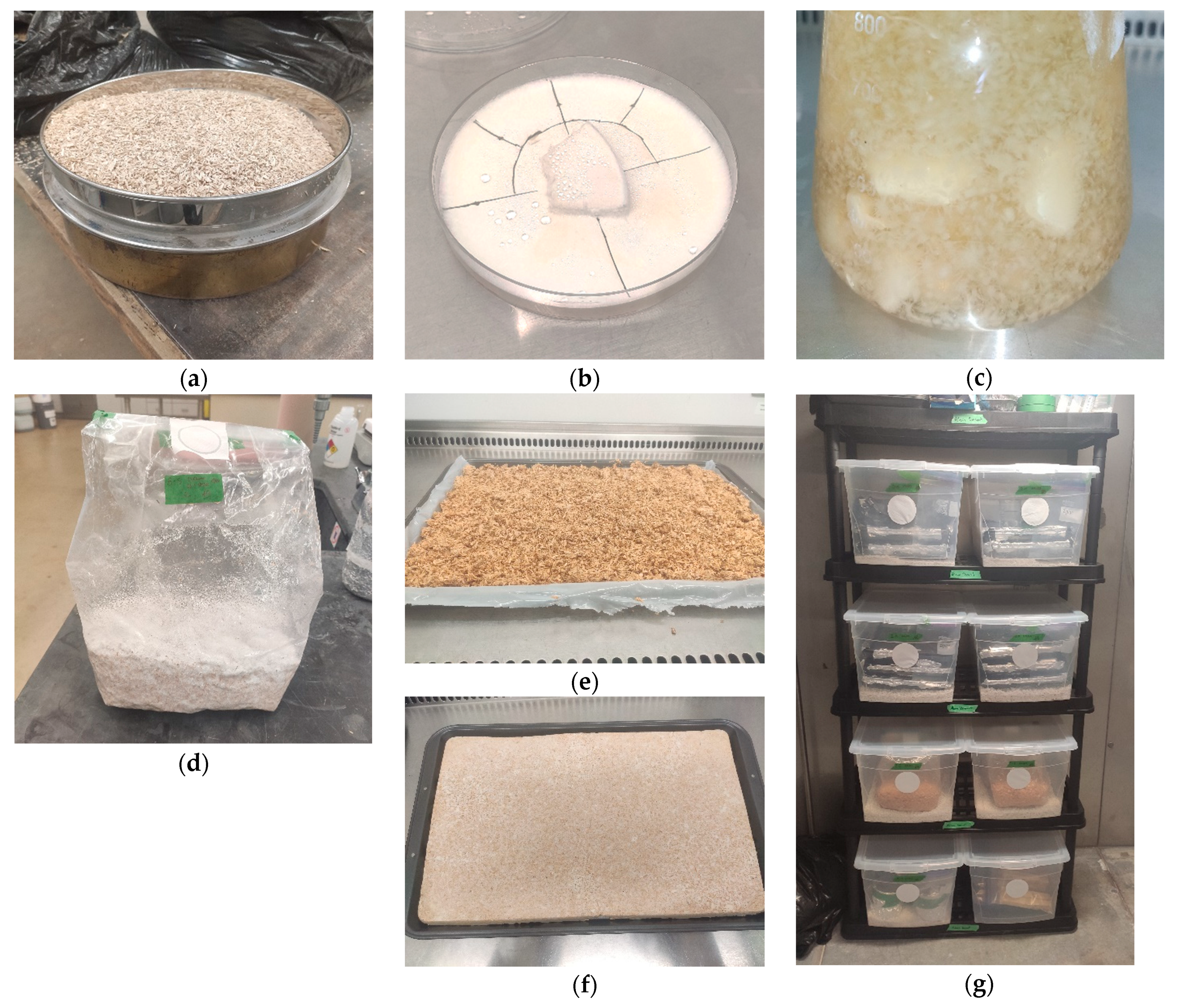
The fungal strain used in this study was Ganoderma lucidum (GL) (Figure 2b), possessing code Biop_F152 provided by Biopterre (401 1re rue Poiré, La Pocatière, QC, Canada).
Residual hemp hurds, sourced from DuChanvre (150 rue London, Sherbrooke, QC, Canada), were mechanically processed to obtain particles smaller than 10 mm. To optimize the aeration within the composite, the material was then sifted to remove hurds larger and smaller than 5 and 2.5 mm, respectively (Figure 2a).
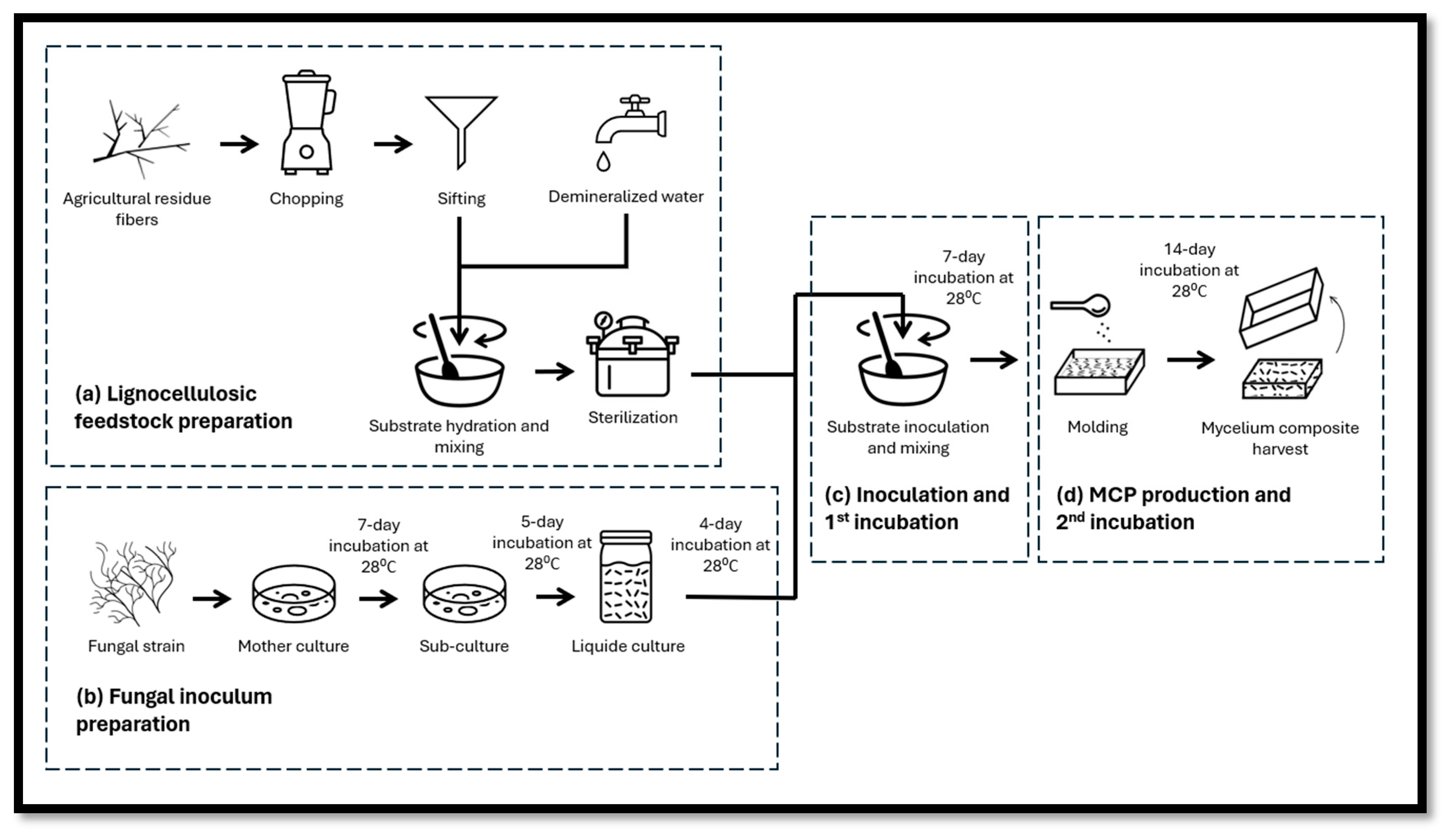
The filtered hemp was portioned into 150 g batches and placed in polypropylene grow bags with 0.2 μm breathing filters. These batches were then moistened to 58% of their total weight using 210 g of YM200 medium, which contained yeast extract, malt extract, dextrose, and peptone in proportions of 3, 3, 10, and 5 g per liter of demineralized water. The mixture was hand-mixed to ensure homogenization before being sterilized in an autoclave at 121 °C and 15 psi for 20 min. After cooling to room temperature, the sterilized mixture served as the substrate for mycelium growth (Figure 3a).

2.1.2. Fungal Inoculum Preparation

Sterile 100 mm agar Petri dishes were prepared by autoclaving a solution of 39 g of potato dextrose agar (PDA) powder dissolved in 1 L of demineralized water. Under a laminar flow hood, the sterile PDA was poured into Petri dishes and left to cool and solidify at room temperature. Still under sterile conditions, a mother culture was established by inoculating a PDA plate with a Ø1 cm agar plug containing the purchased GL strain. This culture was then incubated for seven days in a closed growth container lined with humidified perlite at 28 °C in complete darkness.
After incubation, one-eighth of the outer 2 cm section of the fully colonized mother culture PDA plate was used to inoculate a new sterile PDA plate called the sub-culture. One sub-culture was prepared for each 150 g substrate bag, then incubated under the same conditions as the mother culture for five days (Figure 2b). To initiate the final fungal growth stage, the mycelium from the sub-cultures was transferred into a YM200 liquid nutrient broth, forming the inoculum.
For this process, 200 mL portions of YM200 broth were placed in 500 mL Erlenmeyer flasks, autoclaved, and left to cool to room temperature. Under a laminar flow hood, each flask was inoculated with half of the outer 2 cm section of a fully colonized sub-culture PDA plate. The flasks were sealed with sponge plugs and placed on an orbital shaker at 150 rpm to aerate the inoculum. At 28 °C in complete darkness, the mycelium reached maximum biomass growth within four days (Figure 3b). If contamination occurs, visible mold or bacterial infection signs are present during incubation. All uncontaminated inoculums were then transferred into a 2 L beaker for homogenization (Figure 2c).

2.1.3. Inoculation and 1st Incubation Phase

Under sterile conditions, the substrate was inoculated with 90 mL of inoculum, representing 20% of its total weight and bringing the moisture content to 66% w/w. The inoculated substrate was placed in an incubation container with humidified perlite and a 0.2 μm breathing filter for seven days (Figure 2g and Figure 3c). As the mycelium begins binding the substrate, it grows more densely on the surface (Figure 3d). To ensure even mycelium distribution, the mixture in the grow bags was broken up and hand-mixed every two days.

2.1.4. Mold Preparation

The molds consisted of 45 × 28 cm steel baking sheets, each pierced twice at the handles to accommodate screws for securing and compressing the mycelium composite during growth. The molds were designed to accommodate 150 g of substrate, producing a material thickness of 12 mm. An identical baking sheet served as the mold cover, ensuring adequate compression.

2.1.5. Mycelium Composite Panel Production and 2nd Incubation Phase

Still under the laminar flow hood, the broken-down mixture was evenly distributed into molds lined with plastic film (Figure 2e), with each mold containing the contents of one grow bag. A second baking sheet was placed on top and secured with screws, compressing the mixture to a thickness of approximately 12 mm. The molds were then placed in an incubation container for 14 days (Figure 2f and Figure 3d).

2.2. Growth Parameters for Interface Adhesion

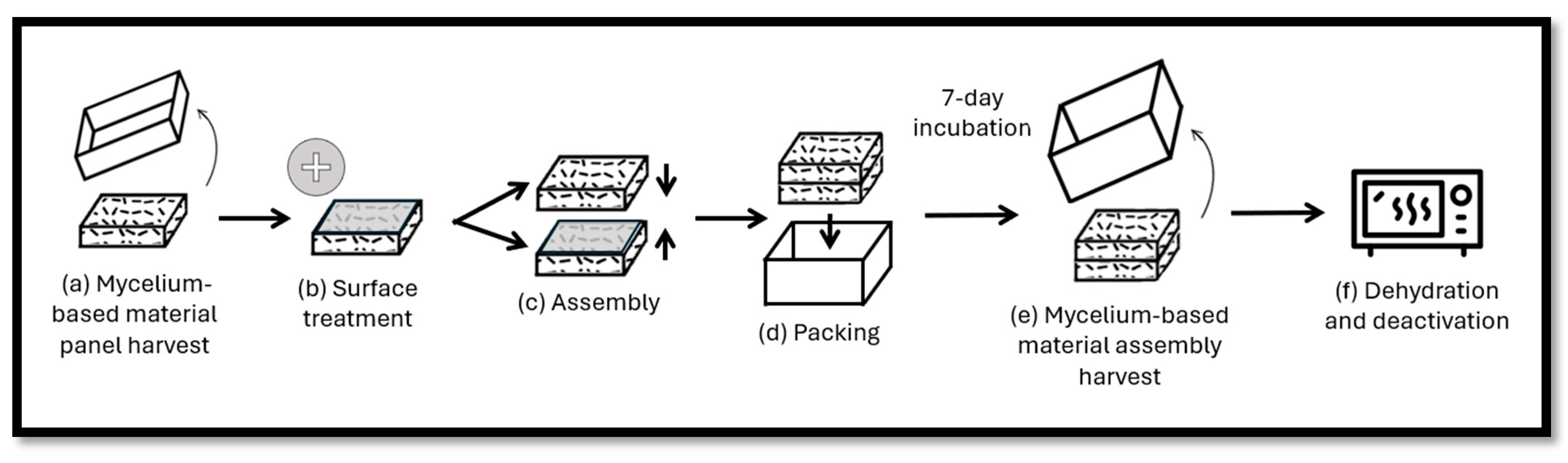
After MCP harvest (Figure 4a), each surface treatment was applied directly to a pair of MCPs under a laminar flow hood (Figure 4b). The treated MCPs were then covered, left to oxygenate for one hour, and assembled before being compressed to a thickness of 25 mm within their molds, fastened with screws (Figure 4c,d). The assembled composites were incubated for additional seven days under the same environmental conditions as the previous incubation phase, resulting in the harvest of the MCPA (Figure 4e). Each assembly set consisted of three identical replicates. Finally, the growth process was completed by deactivating and dehydrating the composites in an oven, as detailed in Section 2.3 (Figure 4f). The following sections describe the surface treatment for each growth parameter tested.

2.2.1. Single- and Double-Layer References

Two sample types were produced to determine the material’s reference mechanical properties. The first was a 30 × 30 cm2 square, 25 mm thick single-layer MCP, fabricated using conventional molding. The second was a two-layer 45 × 28 cm2 rectangular and 25 mm thick MCP assembly. This assembly was formed by unmolding two 12.5 mm-thick MCPs and allowing them to oxygenate for one hour before stacking, compressing to 25 mm, and securing them within the mold.

2.2.2. Hydration

Each MCP of the pair was deposited into its respective mold with 200 mL of demineralized water for one hour, soaking half of its thickness, allowing oxygenation and demineralized water absorption of the mycelium and substrate hemp hurds. The two MCPs were then layered on top of each other with the treated surface being the joined interface and then compressed and secured within the mold. The leftover quantity of demineralized water was then weighed for water absorption assessment.

2.2.3. Aeration

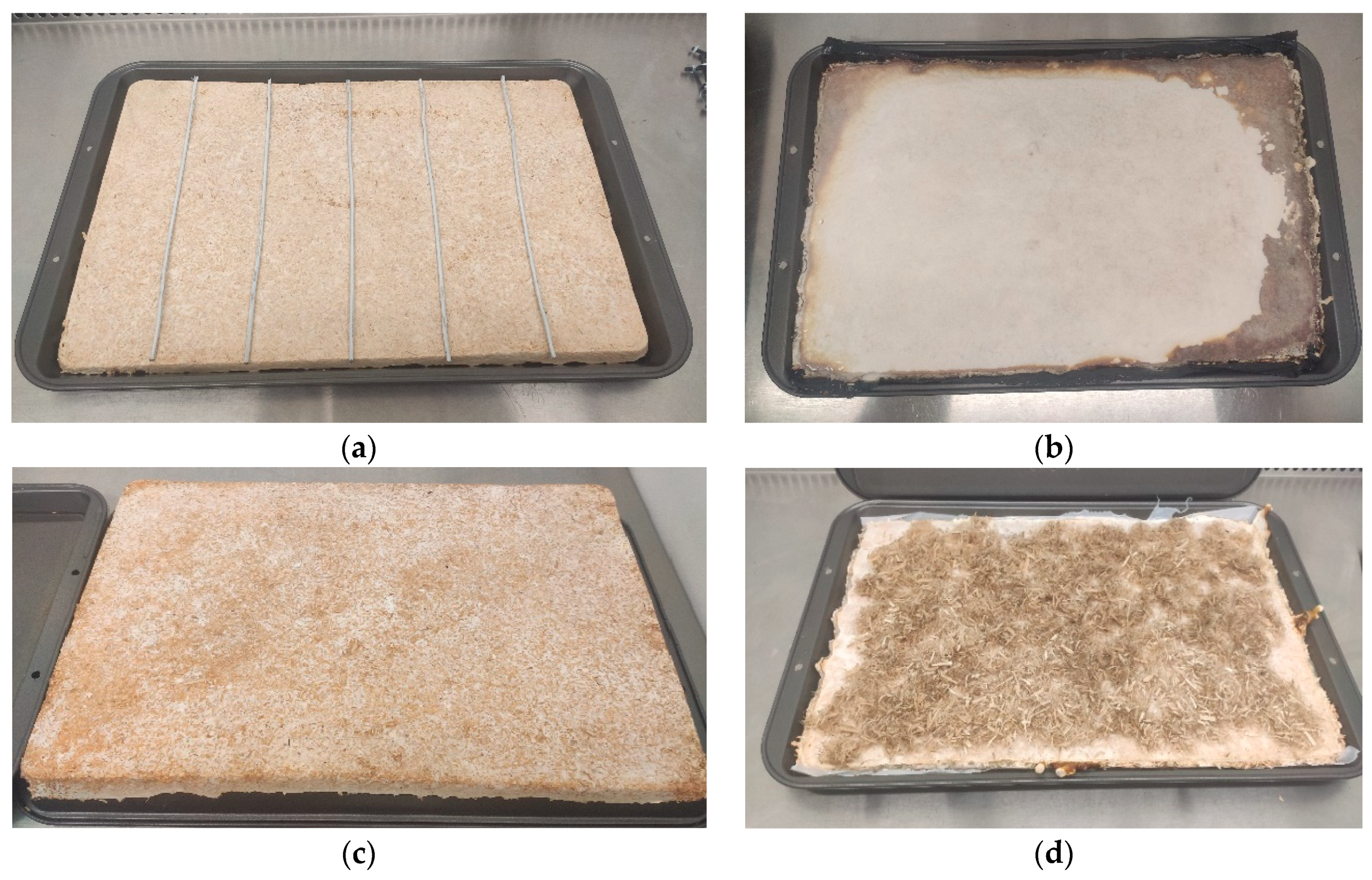
A series of five 28 mm long plastic-covered steel rods is placed on one of the MCPs in parallel with the shortest side of the panel, providing a spacing of about 2 mm for gas exchange and better aeration (Figure 5a). After one hour of oxygenation, the two MCPs are layered on top of each other and then compressed and secured within the mold.
Figure 5. Overview of MCP surface treatment and composition (a) AR, (b) MS, (c) DP, and (d) FB (see Table 1 for the labels’ definitions).
Jcs 10 00038 g005
Table 1. Overview of sample surface treatment and composition.
LabelSurface Treatment NameSurface Treatment SummaryLayers
SRefSingle-layer reference-Single
DRefDouble-layer reference-Double
HYHydration1 h of soaking in 200 mL of demineralized water for each MCP before assemblyDouble
ARAeration2 mm spacing between the two MCPs during assemblyDouble
MSMycelium skinAir pocket on top of each MCP for the last week of the second incubation phaseDouble
DPMycelium doping1 h of soaking in 200 mL of YM200 for each MCP before assemblyDouble
FBFibers50 g of damp, sterile hemp fibers between layersDouble

2.2.4. Mycelium Skin

Seven days into the second incubation phase, the mold was opened, and the MCPs were allowed to oxygenate for one hour before being placed back into their respective molds. This time, however, the mold cover was flipped upside down, creating a gap for gas accumulation above the MCPs. The goal was for mycelium respiration to fill this air pocket with CO2, enhancing skin formation on the top surface of the MCPs (Figure 5b). After seven more days, the two MCPs were stacked with their top surfaces forming the joined interface, then compressed, and secured within the mold.

2.2.5. Mycelium Doping

Each MCP of the pair was deposited into its respective mold with 200 mL of YM200 for one hour, soaking half its thickness, allowing oxygenation and YM200 absorption of the mycelium and substrate hemp hurds (Figure 5c). The two MCPs were then layered on top of each other, with the treated surface being the joined interface, and then compressed and secured within the mold. The leftover quantity of YM200 was then weighed for water absorption assessment. The objective was to stimulate mycelium growth at the interface by simple sugar inputs.

2.2.6. Fiber Reinforcement

A total of 50 g of damp and sterile hemp fibers were spread on one MCP and let to rest for one hour (Figure 5d). The two MCPs were then layered on top of each other with the treated surface being the joined interface, then compressed, and secured within the mold. This was an attempt to produce an enhanced composite with reinforced fibers at the interface of the composite. Hemp fibers were selected due to their similar chemical composition to hemp hurds, aiming not to destabilize the mycelium.

2.3. Preparation of Mycelium Composite Panel Assemblies (MCPAs) Samples

2.3.1. Drying and Deactivation

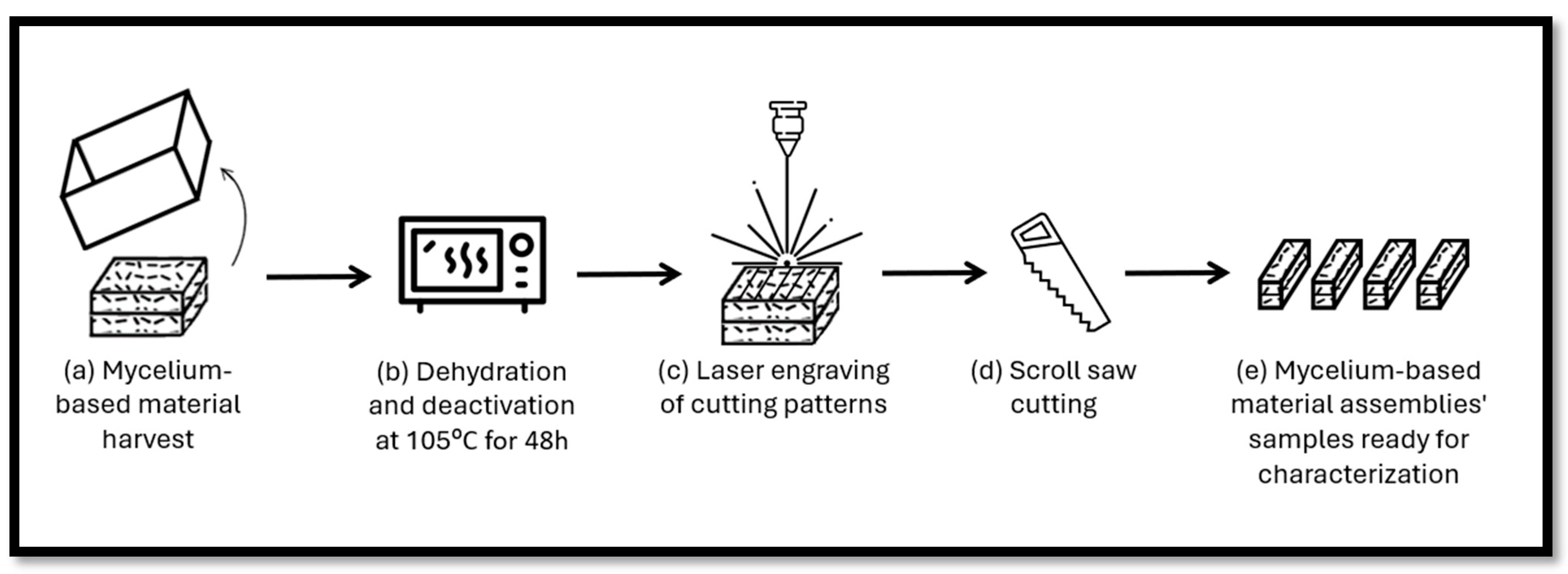
To terminate the growth of the mycelium, the mycelium composite assemblies were placed in an oven at 105 °C for 48 h to kill the fungus (Figure 6). This also results in the dehydration of MCPA, which was desired for adequate preservation and facilitated cutting.

2.3.2. Laser Engraving and Cutting

After material harvest and dehydration (Figure 6a,b), laser engraving was used to enhance cutting pattern precision. The MCPAs were placed in a laser-cutting machine, calibrated to 1% of the laser’s power (60 W) and 100% of its speed. A prolonged exposure time or higher power output would have combusted the assemblies. Engraving pattern files were uploaded into dedicated software and the MCPAs were engraved rapidly (Figure 6c). A scroll saw was then used to precisely cut the MCPAs into their characterization sample sizes (Figure 6d). The final dimensions for the three-point flexural test were 200 × 25 mm (length × width). For acoustic tests, the samples were circular, with a diameter of 100 mm (Figure 6e).

2.4. Composites Characterization

2.4.1. Three-Point Flexural Characterization

Mechanical behavior was determined using a Zwick Roell ProLine tensile machine (Kennesaw, GA, USA) at ambient temperature (25 °C and ~50% RH). The base supports had a separation distance of 140 mm, and tests were conducted with a steady displacement rate of 2% deformation per minute. The tests were stopped when strain values fell under 20 kPa and deformation values exceeded 12%.

2.4.2. Strain Energy Density

The exclusive rule of mycelium in the making of these composite materials is to bond the fiber particles together. It is hypothesized that a more prominent mycelium network should induce a more tightly sowed material. For determining total mycelium network growth and adhesion to the opposite MCP fibers, a post-treatment of the flexural test data was conducted to assess the absorbed deformation energy per unit of volume, referred to as strain energy density. It is obtained by calculating the area under the stress–strain curve of the flexural tests. Strain energy densities were calculated with a maximum deformation value of 12%.
U = i = 1 n 1 σ i + σ i + 1 2 × ε i + 1 ε i
where U is the strain energy density, σ i is the stress at the i -th point, ε i is the strain at the i -th point, and n the total number of data points.

3. Results and Discussion

3.1. Visual Inspections

3.1.1. Assessment of Mycelium Growth Within the Interior of Assembled Sets

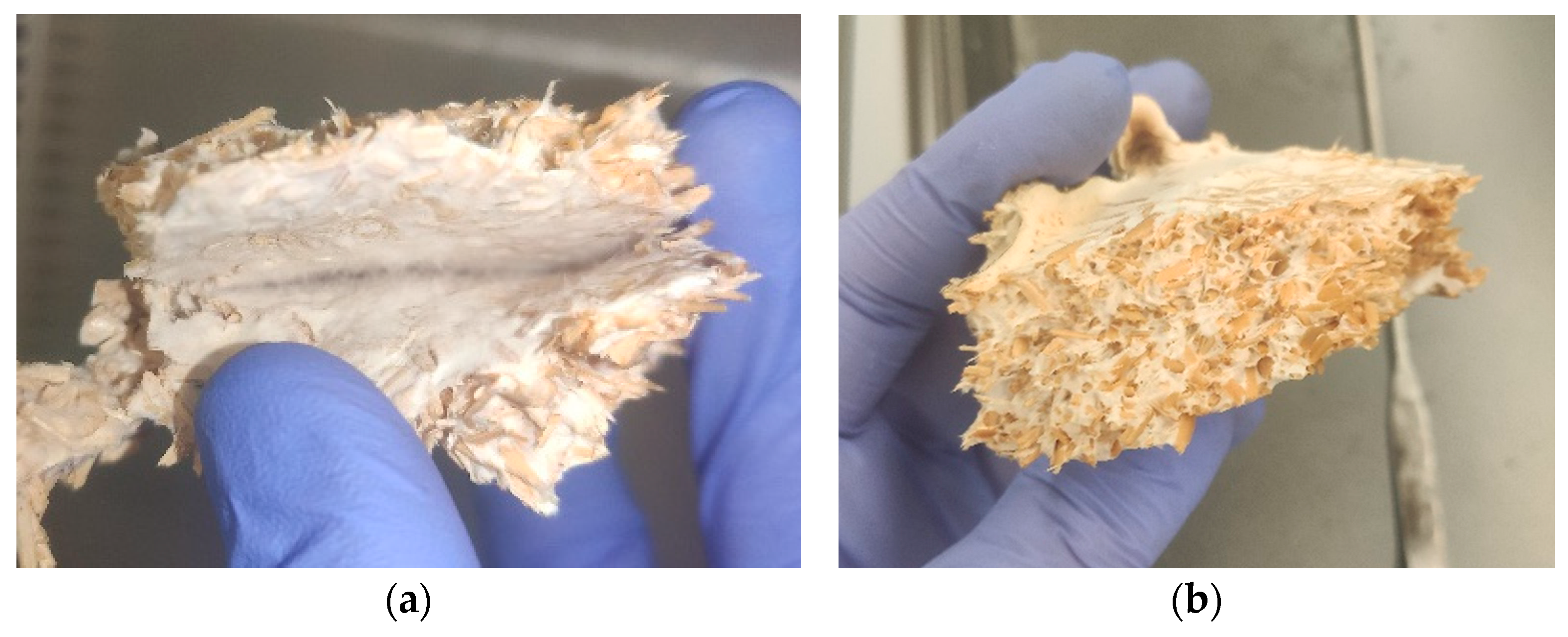
Cut-open analysis of all MCPA sets after their final incubation period revealed distinct mycelium growth patterns at the joined interfaces. Two behaviors were observed. The first one revealed a clearly defined mycelium interface that could be separated, allowing for the distinction between the initial two MCPs (Figure 7a and Figure 8(b)). This behavior was seen at varying degrees in the DRef, MS, AR, and FB sets, hinting that a more aerated interface promotes mycelium growth. Additionally, precultivated mycelium skin facilitated the formation of a distinct mycelium interface due to the high concentration of already established mycelium at the junction. In contrast, HY and DP sets showed a seamless merge, with no visible interface, making it impossible to differentiate the original MCPs (Figure 7b).
Furthermore, it has been observed that SRef exhibits much less mycelium filament density inside its single composite layer than the DRef, which can be explained by the layer thickness of the MCPs. Indeed, DRef had thinner thickness layers allowing deeper oxygenation and, accordingly, a better penetration of the mycelium within the substrate.

3.1.2. Mycelium Distribution Throughout a Given Panel

The mold design required air gaps to support healthy mycelium growth. Consequently, a 10 mm gap was provided around the perimeter during the initial molding incubation phase, and a 25 mm gap was maintained during the second incubation phase. These gaps facilitated gas exchange but also contributed to the dehydration of the hemp hurds over time. As a result, the extremities of each MCP developed a 5 mm perimeter strip of dried material, with minimal mycelium growth. Additionally, the manual distribution of the bulk mixture in the mold led to uneven hemp hurds placement, creating variations in thickness. Additionally, securing the molds at the handles led to a higher compression around the extremities of the MCP, as the center of the mold had less structural integrity and was able to slightly bend. This created a more compressed mycelium composite around the perimeter, leading to significant differences in its mechanical properties compared to the center region of the mold.

3.2. Mechanical Behavior Characterization

3.2.1. Distribution of Mechanical Properties Within a Panel

Three-point flexural tests were conducted on eight samples from each MCPA. Samples were collected 25 mm from the mold extremity, where mycelium distribution was highly heterogeneous. This heterogeneity is attributed to greater compression and higher oxygen availability at the mold edges, which likely created distinct growth conditions for the mycelium.
Flexural stiffness was not computed, as it strongly depends on the elastic region of the material. This region is influenced primarily by the exterior mycelium skin (see Section 3.2.3), which was unaffected by interfacial mycelium growth. Since the skin did not vary significantly between samples, it was not considered relevant for this study. However, it provided a reliable indicator of unintentional differences in growth conditions between central and edge regions of the MCPA.
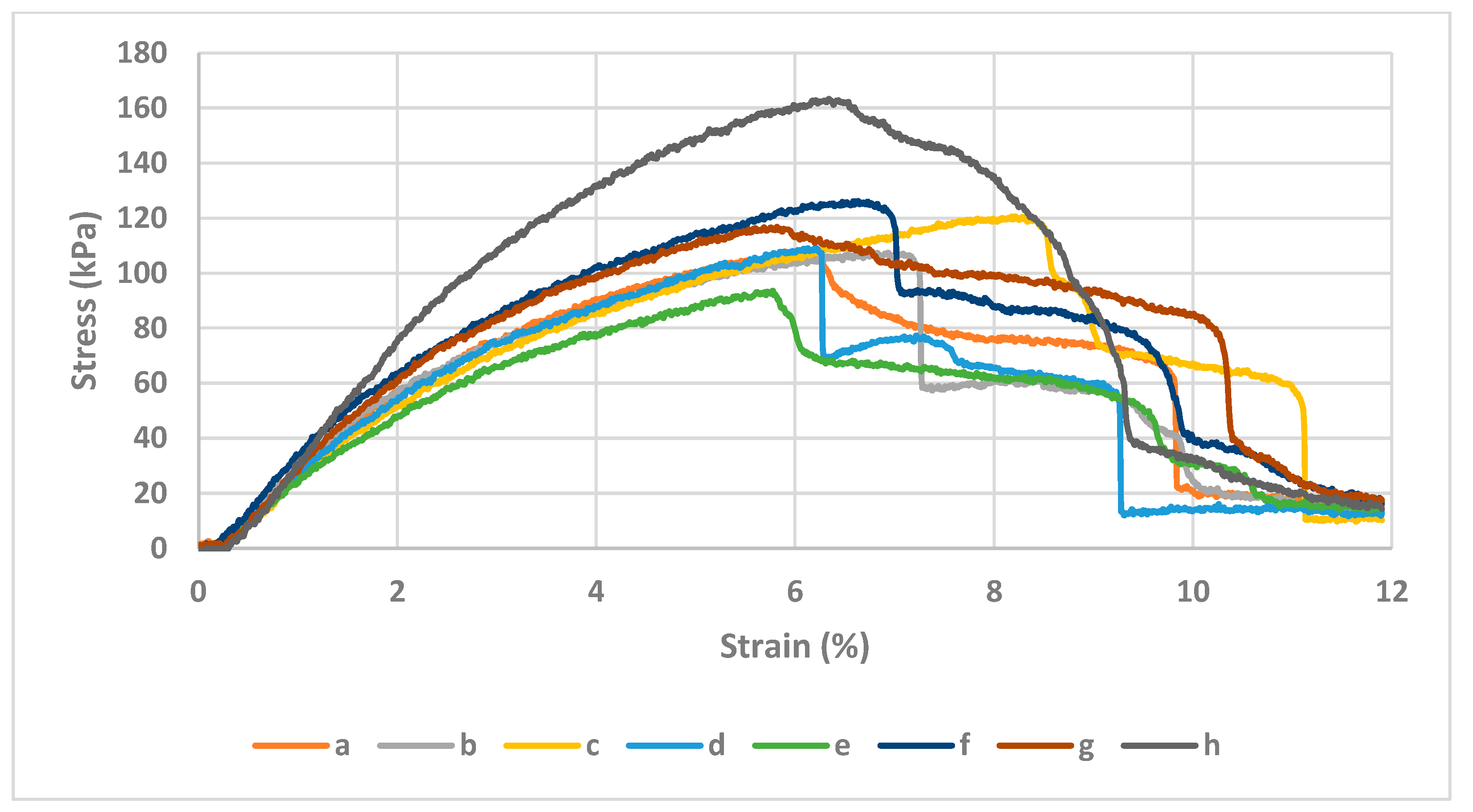
For instance, assembly HY-1 showed marked mechanical differences between panel extremities and central regions (Figure 9). The primary reason for the varied behavior in these samples is the heterogeneous distribution of mycelium within MCPA. Samples collected near the mold extremities (edges) experienced greater compression and higher oxygen availability during growth. These environmental differences created variations in how the mycelium developed between the central regions and the panel extremities (distinct growth conditions). The sudden drops observed in the stress–strain curves for samples d and f represent the brittle failure or internal fracturing of the material once it reaches its peak stress. Most central samples (like d and f) exhibited stress values generally ranging from 94 to 128 kPa. The sharp vertical drops indicate that these samples likely had a more uniform or standard internal structure that reached a clear breaking point, leading to a sudden loss of load-bearing capacity. In contrast, sample h located at the very edge of the panel (where edge effects extend up to 50 mm) behaves differently. It reaches a much higher peak stress (approximately 160 kPa) than the other samples (Figure 9). Unlike the sudden drops in d and f, sample h shows a more gradual decline after its peak. This result can likely be accounted for by a denser mycelium skin or higher compaction at the mold extremity providing more reinforcement, allowing the sample to resist total failure longer than the central samples.

3.2.2. Strain Energy Density Analysis

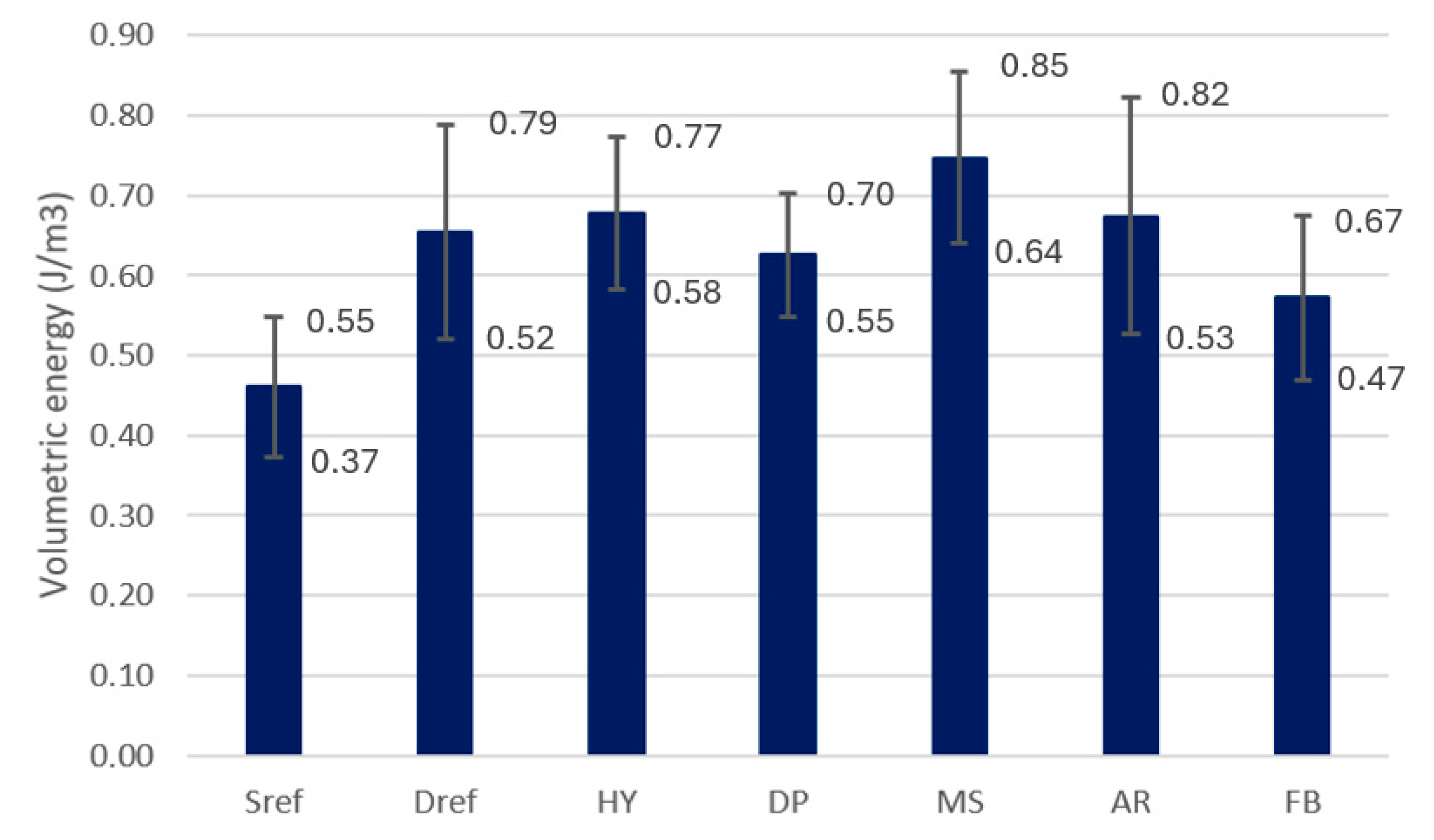
Strain energy density was evaluated to quantify the energy absorbed during deformation and failure, reflecting the strength of the MCP and MCPA through the entanglement, interaction, and concentration of mycelium filaments. Both linear deformation phase and failure phases were included in the calculation, since the mycelium interface reinforces the composite during failure. This approach highlights the contribution of the mycelium interface to failure resistance and distinguishes its effect compared to single-layer MCP. Tendencies shown in Figure 10 hint that all assembled sets seem to outperform the SRef set by an average of 42%. In comparison, the MS set had the tendency to exhibit larger strain energy density by 62% and 14%, as compared to SRef and DRef, respectively, hinting that precultivated surface mycelium skin on MCPs enhances the mechanical performance of the MCPA, as compared to mycelium skin-free MCPs.
Although the assembled sets performed similarly, a clear trend can be noticed, as the single panel (SRef) exhibited less energy density than all double-layer assemblies. This can be accounted for by a lower mycelium concentration inside the SRef set, as thicker panel layers may impede mycelium growth throughout the substrate. Additionally, Figure 10 illustrates a heterogeneous tendency of the MCPA triplicate mechanical properties across all given sets. The hemp hurds’ natural dimensional and chemical heterogeneity may have allowed for a random and unpredictable mycelium growth distribution.
Mycelium concentration is not the sole factor influencing mechanical behavior. Analyzing stress–strain graphs alongside growth conditions provides insights into the varying mechanical properties between assembled sets by hinting at the distribution of the mycelium network inside the composite panel (morphology of the mycelium filament network).

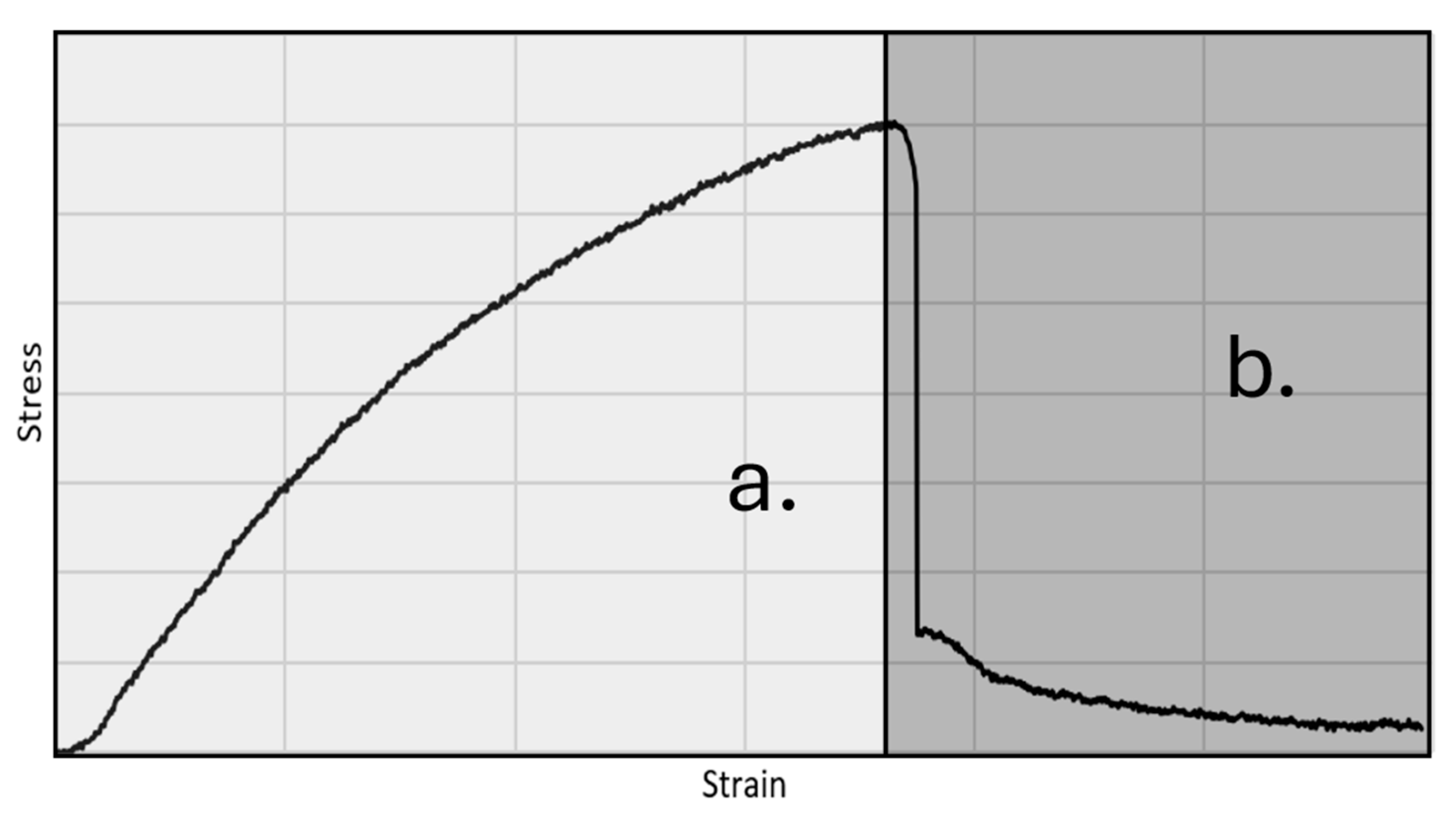
3.2.3. Single-Layer vs. Double-Layer References

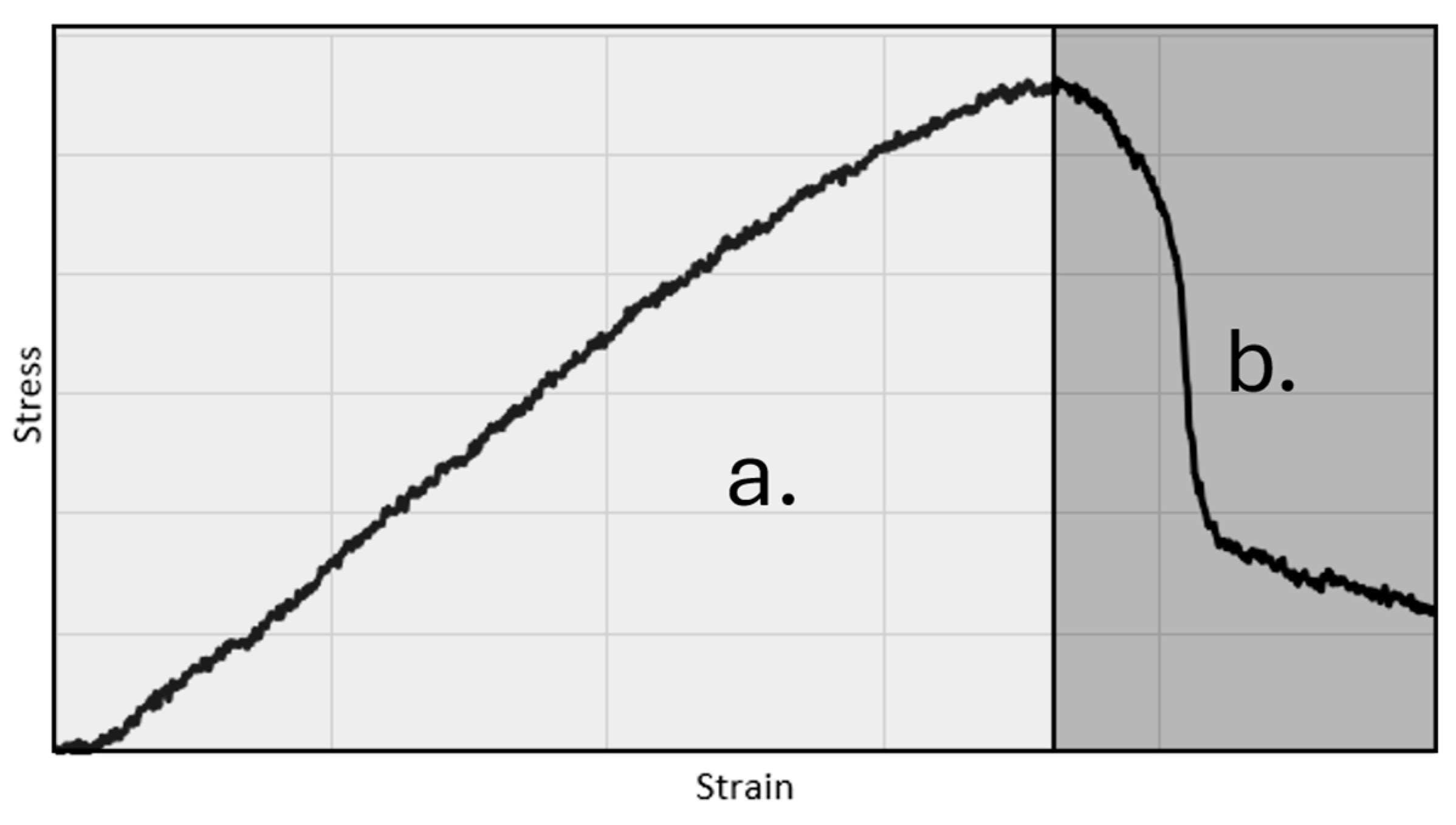
The primary difference between the two reference MCPAs lies in their rupture mechanisms. As shown in Figure 11, the single-layer MCP (SRef) exhibited a strain-stress curve with two stages, where the first one is characterized by an increase in the stress (Figure 11a), followed by a failure region characterized by a decrease in stress with deformation due to the rupture of the exterior mycelium skin tearing under the tensile load from flexural bending (Figure 11b). Since mycelium composites are less resistant to tensile stress than pure mycelium, the material underwent a clear rupture.
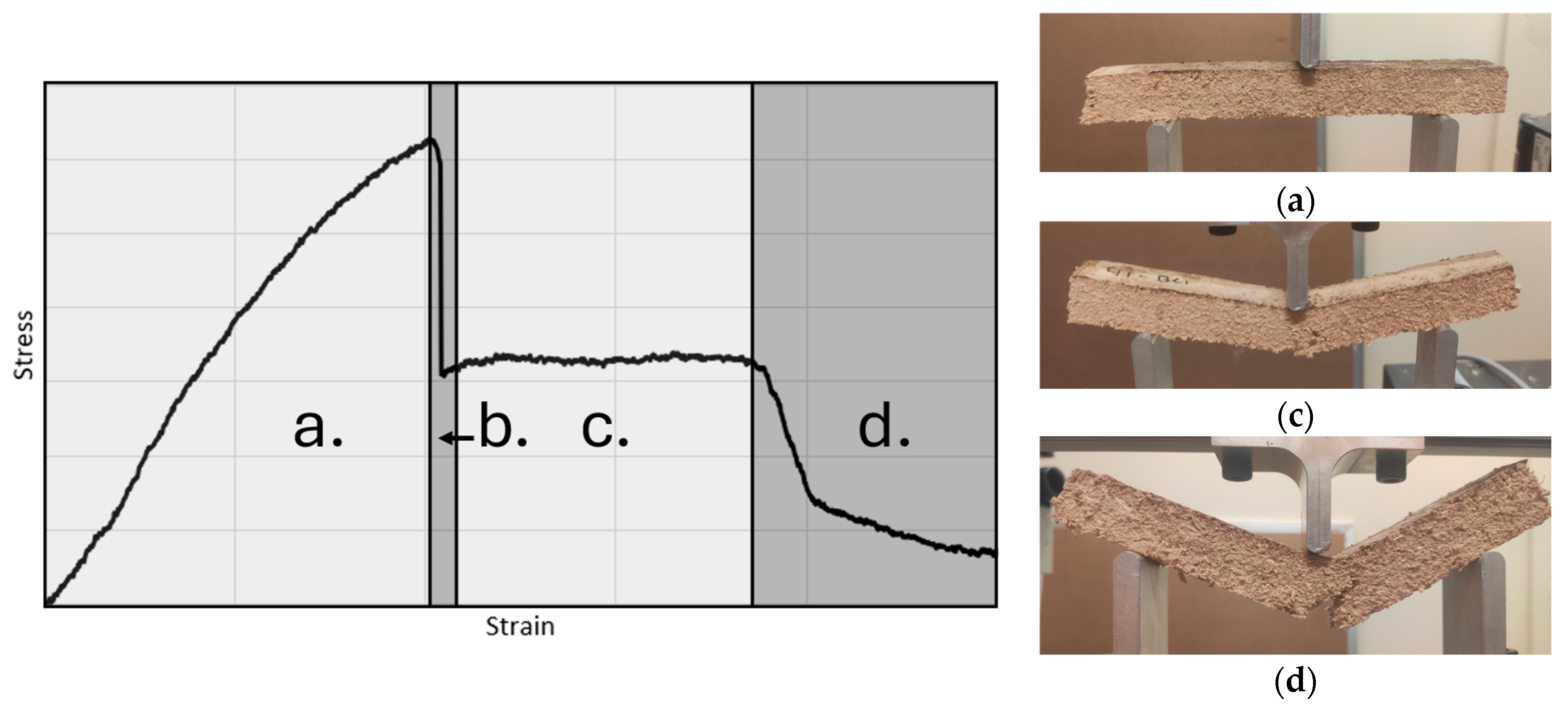
In contrast, the double-layer panels, illustrated in Figure 12, exhibited a stress–strain behavior with the following four stages: the classical stress–strain behavior with the increase in stress (Figure 12a), a sharp drop of stress (Figure 12b) due to the rupture of the lower filamentous mycelium skin layer, a plateau (Figure 12c) due to deformation of the core layer and the crack propagation parallel to the mycelium-rich interface, delaminating the two MCPs, and a failure region (Figure 12d) due to the rupture of the assembly.

3.2.4. Mechanical Behavior of Seamless Assembled Sets

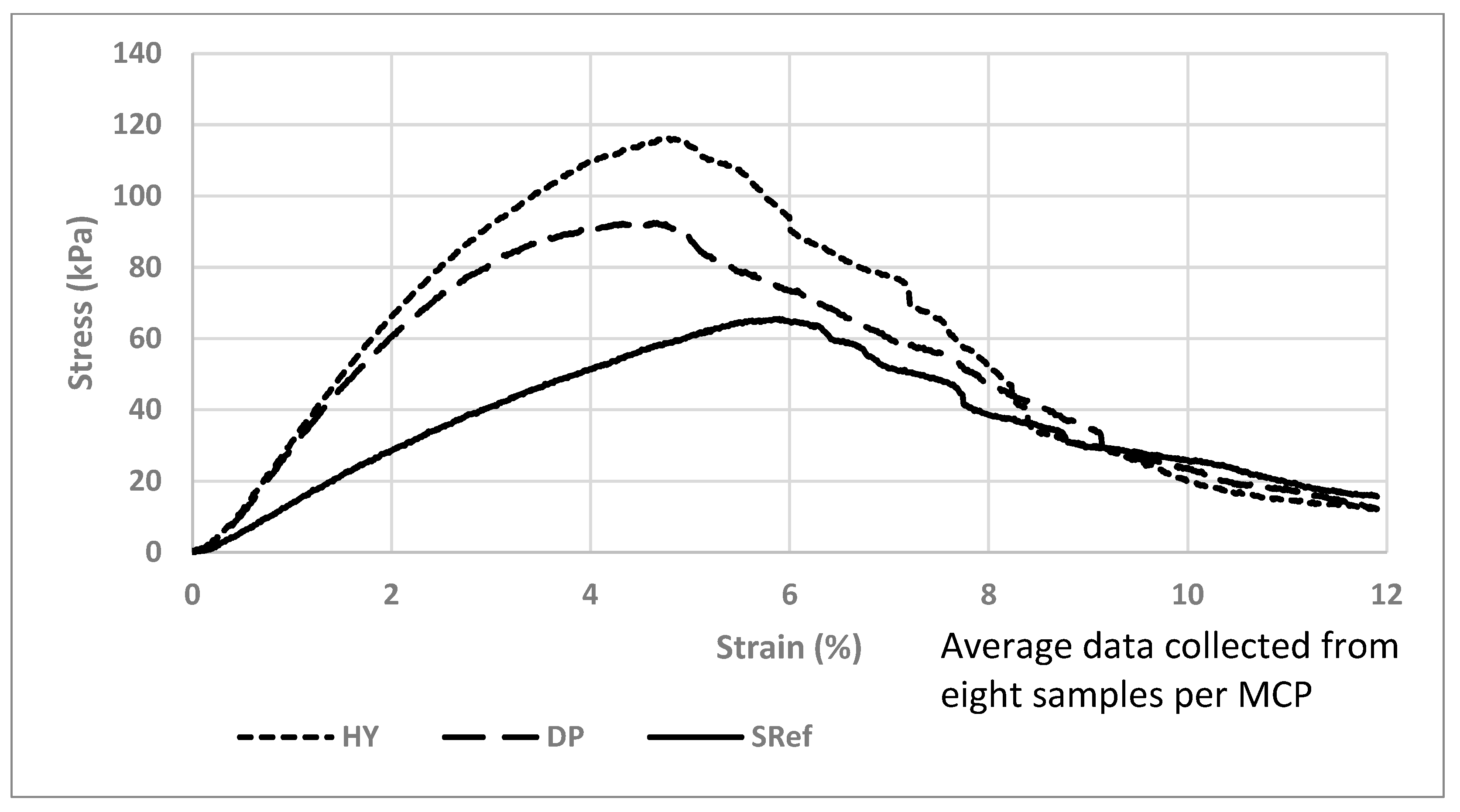
As previously described, some double-layer MCPAs experienced seamless fusion, resulting in failure behavior like the single-layer reference MCP (SRef). Figure 13 depicts flexural performance of the following three mycelium-composite particle assembly (MCPA) types: HY, DP, and SRef. All samples follow a similar initial trajectory, with stress increasing linearly with strain up to a peak, thereby exhibiting distinct elastic and peak regions. The double-layer sets (HY and DP) achieve significantly higher maximum stress or strength of 115 kPa and 92 kPa, respectively, compared to 65 kPa for the single-layer reference (SRef). Moreover, despite being double-layered, HY and DP exhibit a single-stage failure mechanism. This behavior is remarkably similar to the single-layer reference (SRef), indicating that the two panels in the double-layer sets functioned as a single, unified material. As on average, since each panel absorbed 55 g of water (or YM200) during one-hour soaking, it is assumed that this water intake facilitated mycelium growth and propagation toward the adjacent panel leading to the fusion of mycelium networks across both panels, creating a seamless double-layer MCPA. Consequently, the increased mycelium content of HY and DP from this process enabled the double-layer sets to achieve higher maximum stress in the three-point flexural test compared to SRef, as demonstrated in Figure 13.

3.2.5. Mechanical Behavior of Assemblies with a Distinct Mycelium Interface

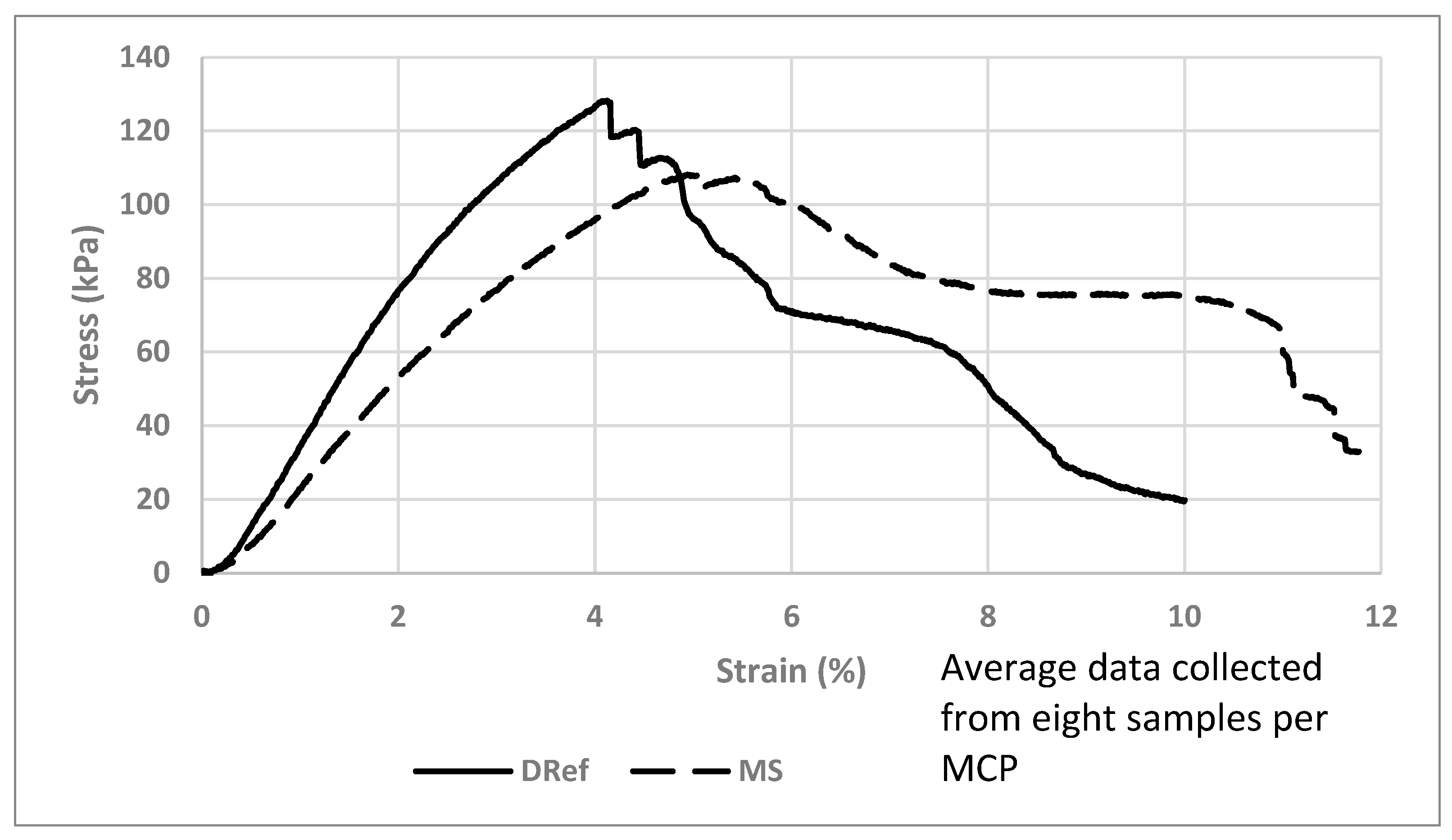
A thin mycelium layer at the interface of the double layer reference MCPA (DRef) sets has been shown to effectively strengthen and delay the failure of the assembly. To maximize this effect, a high concentration of mycelium skin was deliberately cultivated on the MS MCPs surface before assembly, resulting in a denser and opaque mycelium presence at the interface (Figure 5b). The fusion of these layers significantly improved stress resistance in the three-point flexural tests. Indeed, as shown in Figure 14, the MS set tends to exhibit a larger deformation range of core layer (stage 2) and delayed failure, contributing to a slightly higher strain energy density absorption (Figure 10). This second effort phase was not only longer but also more stress-resistant than its DRef counterpart. Specifically, the average maximum stress resisted by the DRef and MS mycelium interfaces was 68.8 kPa and 78.4 kPa, respectively. These findings indicate that a higher mycelium concentration at the interface enhances stress resistance and delays failure, ultimately leading to a mechanically stronger mycelium composite assembly.

3.2.6. Elastic-like Mechanical Behavior

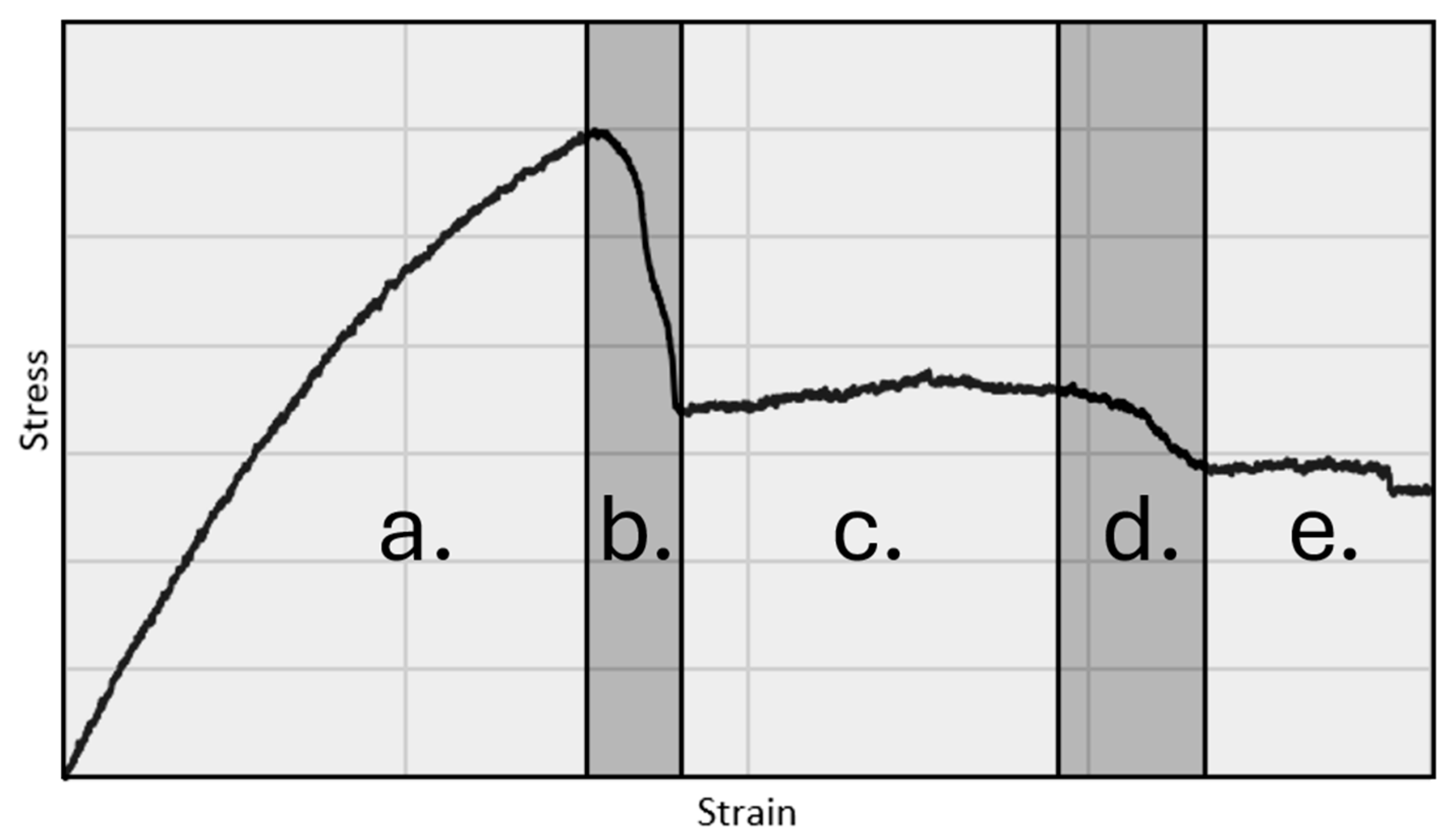
The creation of a fiber-reinforced MCPAs aimed to mimic the behavior of reinforced concrete by incorporating a different type of fiber for the mycelium growth. Thus, it was noticed that hydrated hemp fibers in the FB MCPA attracted the mycelium due to their moisture content. However, the mycelium failed to form a strong bond with the fiber matrix, likely due to differences in chemical composition. It could be accounted for that this led the mycelium to enter a latency phase, during which it analyzed its environment to synthesize the necessary enzymes. Consequently, mycelium growth into the hemp fibers at the interface was minimal. Despite this, the two MCPs merged into a single assembly, making it suitable for mechanical testing. As shown in Figure 15c, when the lower MCP ruptured, the hemp fibers functioned as reinforcing fibers, delaying the onset of stage 2 (core layer deformation) and the complete failure of both MCPs. The mixture of mycelium and hemp fibers was effective in prolonging the failure of the interface, as shown in Figure 15—when one of the interface parts failed, the other took the load and resisted until total interface failure. To further enhance this behavior, extending the second incubation phase would allow the mycelium more time to establish stronger bonds with the hemp fibers or any other organic fibers introduced at the interface.

3.2.7. Catastrophic Failure Mechanical Behavior

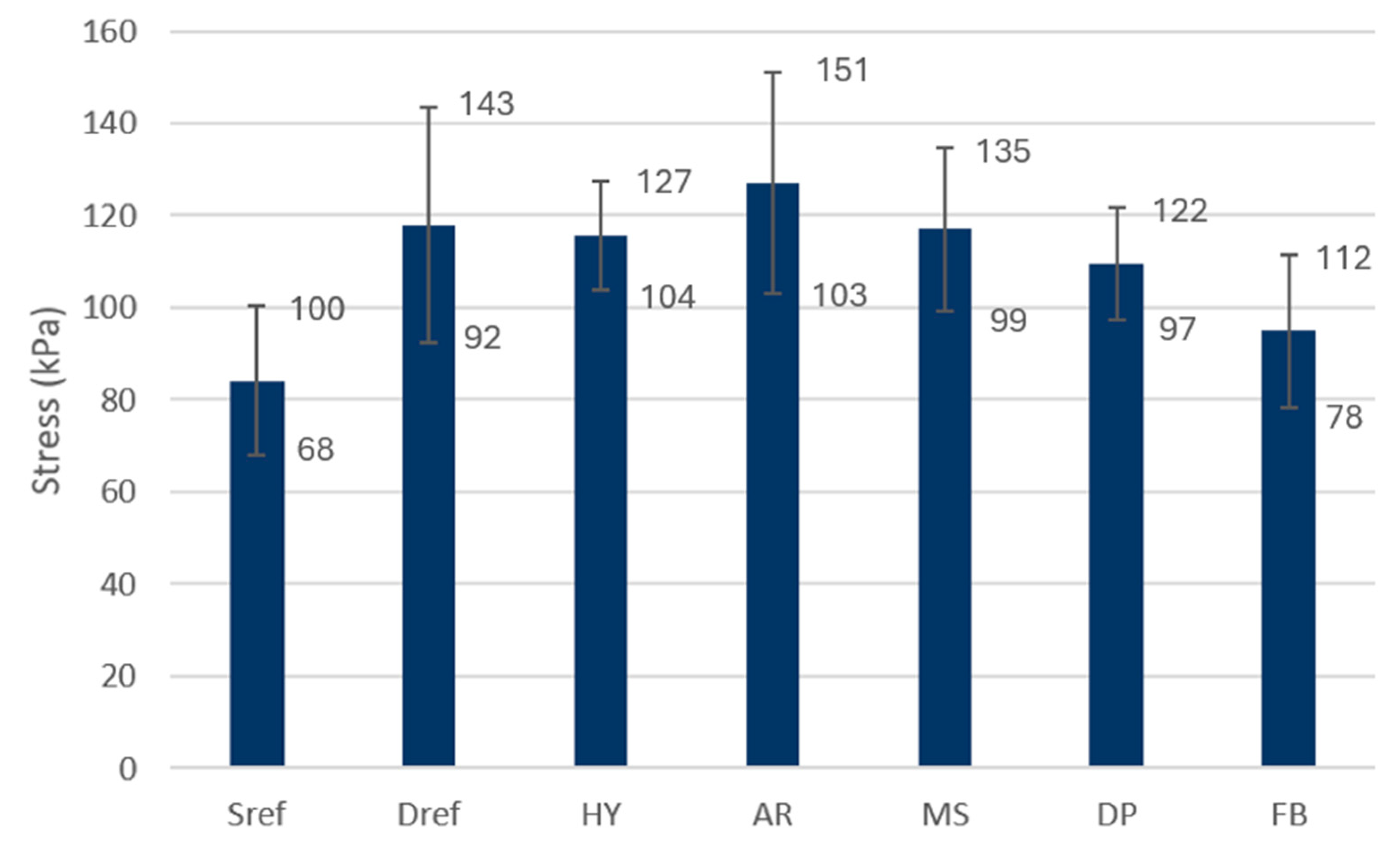
The AR sets exhibited catastrophic failure behavior, with no measurable core layer deformation and the presence of an abrupt failure (Figure 16b). This behavior may be attributed to enhanced gas exchange, which likely stimulated mycelium growth throughout the composite, rendering the interior as robust as the exterior mycelium skin. Therefore, when the exterior mycelium skin failed, the material failed altogether. As a result, higher maximum values of stress were reached for these AR sets. A maximum stress strength of 127 kPa was compared to 117 kPa with the DRef (Figure 17).

4. Conclusions

In this study, the novel-approach laminated MCPs demonstrated promising improvements in the fabrication method of such a composite and their mechanical performances. By cultivating mycelium directly on the surface of pre-assembled MCP (MS), and allowing these MCPs to fuse biologically, the proposed method reached a 62% increase in absorbed strain energy density compared to conventional single-layer composite SRef. The three-point flexural tests allowed us to examine the effect of assembly layout, mycelium growth, and mechanical strength. The results revealed significant variations in the mechanical behavior of assembled sets, with those incorporating a mycelium interface, such as DRef and MS, showing enhanced stress resistance and prolonged material failure. Comparatively, the seamless assemblies of SRef, DP and HY sets, had a single slow and steady material failure, which indicated a more homogeneous spread of the mycelium inside the composite assembly.
Working with self-grown materials presents inherent challenges, primarily due to the natural variability of lignocellulosic feedstocks. This heterogeneity affects critical growth factors such as water absorption and oxygen diffusion. While substrate homogenization offers a partial solution, these organic residues often resist strict standardization, reflecting the unpredictable nature of living fungal organisms. Consequently, we recommend the use of larger sample dimensions in future studies, as coarse fiber particles frequently exceed the limits of conventional micro-scale testing methods.
Despite moisture-driven growth inconsistencies and the fragility of certain assemblies, this study proposes mycelium-based composites as a viable alternative to virgin plastics, particularly for applications such as protective packaging (e.g., expanded polystyrene) and interior insulation panels. The significance of the multi-layer assembly method presented here lies in its ability to produce large-scale components through seamless biological fusion. By facilitating mycelium propagation across interface, as evidenced by the single-stage failure mechanisms observed, this approach enables the creation of robust, biodegradable alternatives that mitigate the environmental footprint of synthetic polymers.
Ultimately, leveraging fungi to bind agricultural waste into biodegradable products offers a promising pathway for low-to-semi-structural applications. However, exhaustive investigation into long-term durability, environmental degradation, and mechanical standardization remains essential before these materials can be reliably transitioned to widespread industrial use.

Author Contributions

Conceptualization, A.B.; methodology, M.-A.P. and A.B.; validation, A.B. and S.E.; formal analysis, A.B.; investigation, A.B.; resources, H.C., S.E., M.R. and F.-A.B.-S.; data curation, A.B.; writing—original draft preparation, A.B.; writing—review and editing, A.B., S.E., and O.R.; visualization, A.B.; supervision, S.E.; project administration, A.B. and S.E.; funding acquisition, A.B., S.E., and O.R. All authors have read and agreed to the published version of the manuscript.

Funding

This research was funded by MITACS ACCÉLÉRATION and 9492-9619 Québec Inc. (Projet Myco), grant number IT37794.

Institutional Review Board Statement

Not applicable.

Informed Consent Statement

Not applicable.

Data Availability Statement

Data available upon request.

Conflicts of Interest

The authors declare no conflicts of interest.

References

  1. ONU Programme pour L’environnement Tout ce Qu’il Faut Savoir Sur la Pollution Plastique. Available online: https://www.unep.org/fr/actualites-et-recits/recit/tout-ce-quil-faut-savoir-sur-la-pollution-plastique (accessed on 8 November 2024).
  2. Idris, S.N.; Amelia, T.S.M.; Bhubalan, K.; Lazim, A.M.M.; Zakwan, N.A.M.A.; Jamaluddin, M.I.; Santhanam, R.; Amirul, A.-A.A.; Vigneswari, S.; Ramakrishna, S. The degradation of single-use plastics and commercially viable bioplastics in the environment: A review. Environ. Res. 2023, 231, 115988. [Google Scholar] [CrossRef] [PubMed]
  3. Kannan, K.; Vimalkumar, K. A Review of Human Exposure to Microplastics and Insights Into Microplastics as Obesogens. Front. Endocrinol. 2021, 12, 724989. [Google Scholar] [CrossRef] [PubMed]
  4. Jarroux, N. Les biopolymères: Différentes familles, propriétés et applications. Innov. Technol. 2008, 1, AM3580. [Google Scholar] [CrossRef]
  5. Ghomi, E.R.; Khosravi, F.; Ardahaei, A.S.; Dai, Y.; Neisiany, R.E.; Foroughi, F.; Wu, M.; Das, O.; Ramakrishna, S. The Life Cycle Assessment for Polylactic Acid (PLA) to Make It a Low-Carbon Material. Polymers 2021, 13, 1854. [Google Scholar] [CrossRef] [PubMed]
  6. Luengo, J.M.; García, B.; Sandoval, A.; Naharro, G.; Olivera, E.R. Bioplastics from microorganisms. Curr. Opin. Microbiol. 2003, 6, 251–260. [Google Scholar] [CrossRef] [PubMed]
  7. Sharma, M.; Tellili, N.; Kacem, I.; Rouissi, T. Microbial Biopolymers: From Production to Environmental Applications—A Review. Appl. Sci. 2024, 14, 5081. [Google Scholar] [CrossRef]
  8. John, M.; Thomas, S. Biofibres and biocomposites. Carbohydr. Polym. 2008, 71, 343–364. [Google Scholar] [CrossRef]
  9. Vilaplana, F.; Strömberg, E.; Karlsson, S. Environmental and resource aspects of sustainable biocomposites. Polym. Degrad. Stab. 2010, 95, 2147–2161. [Google Scholar] [CrossRef]
  10. Elsacker, E.; Vandelook, S.; Brancart, J.; Peeters, E.; De Laet, L. Mechanical, physical and chemical characterisation of mycelium-based composites with different types of lignocellulosic substrates. PLoS ONE 2019, 14, e0213954. [Google Scholar] [CrossRef] [PubMed]
  11. Jones, M.; Bhat, T.; Wang, C.H.; Moinuddin, K.; John, S. Thermal degradation and fire reaction properties of mycelium composites. In Proceedings of the 21st International Conference on Composite Materials, Xi’an, China, 20–25 August 2017. [Google Scholar]
  12. Appels, F.V.W.; Camere, S.; Montalti, M.; Karana, E.; Jansen, K.M.B.; Dijksterhuis, J.; Krijgsheld, P.; Wösten, H.A.B. Fabrication factors influencing mechanical, moisture- and water-related properties of mycelium-based composites. Mater. Des. 2019, 161, 64–71. [Google Scholar] [CrossRef]
  13. Jones, M.; Mautner, A.; Luenco, S.; Bismarck, A.; John, S. Engineered mycelium composite construction materials from fungal biorefineries: A critical review. Mater. Des. 2020, 187, 108397. [Google Scholar] [CrossRef]
  14. Ross, P. Method for Producing Fungus Structures. U.S. Patent 9,410,116 B2, 9 August 2016. Available online: https://patents.google.com/patent/US9410116B2/en (accessed on 8 November 2024).
  15. Elsacker, E.; Søndergaard, A.; Van Wylick, A.; Peeters, E.; De Laet, L. Growing living and multifunctional mycelium composites for large-scale formwork applications using robotic abrasive wire-cutting. Constr. Build. Mater. 2021, 283, 122732. [Google Scholar] [CrossRef]
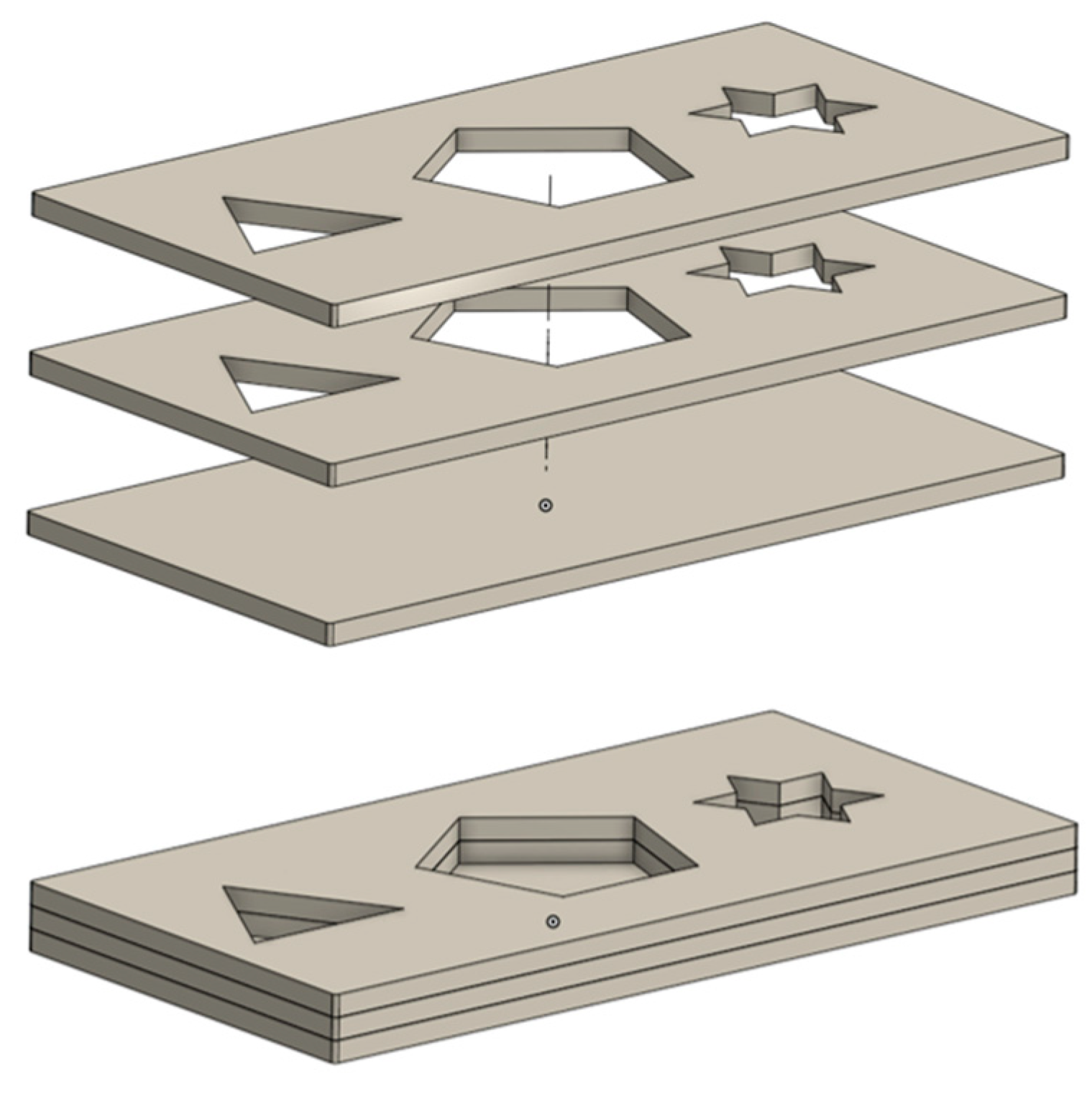
Figure 1. Exploded view of laser-cut mycelium composite fabrication method.
Jcs 10 00038 g001
Figure 2. (a) Sifted hemp hurds, (b) mature mycelium sub-culture, (c) mature liquid inoculum, (d) mycelium colonizing the hemp substrate in first incubation phase, (e) spreading broken-down substrate after the first incubation phase ready for molding, (f) MCP after 2nd incubation phase, and (g) incubation containers in tempered chamber.
Jcs 10 00038 g002
Figure 3. Fabrication process flow chart of a mycelium composite panel (MCP)—(a) lignocellulosic feedstock preparation, (b) fungal inoculum preparation, (c) inoculation and the 1st incubation phase, and (d) MCP production and 2nd incubation phase.
Jcs 10 00038 g003
Figure 4. Fabrication process flowchart for mycelium composite assembly and adhesion.
Jcs 10 00038 g004
Figure 6. Preparation of mycelium composites assemblies for characterization.
Jcs 10 00038 g006
Figure 7. Cut-open MCPA that hindered a mycelium interface and seamless fusions: (a) mycelium interface separation of two MCPs, (b) seamless merge of two MCPs.
Jcs 10 00038 g007
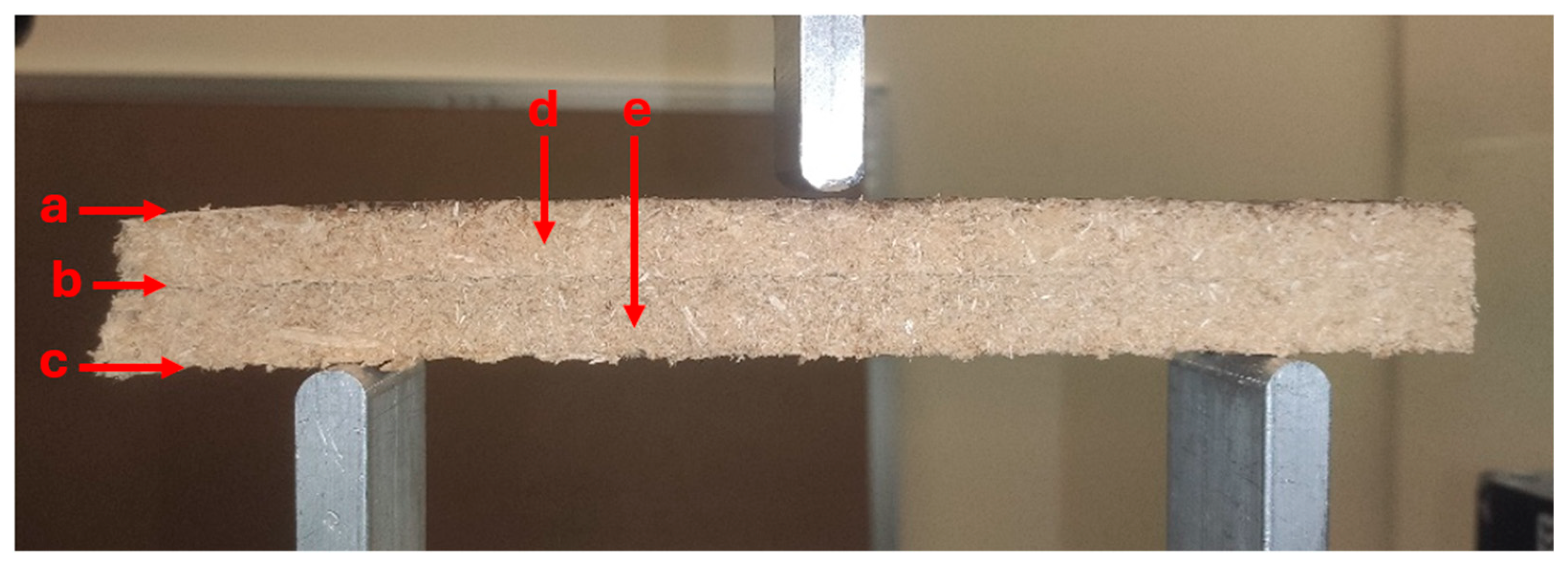
Figure 8. Labeling of MCPA samples’ constituent parts: (a) upper mycelium skin, (b) mycelium interface, (c) lower mycelium skin, (d) upper MCP, and (e) lower MCP.
Jcs 10 00038 g008
Figure 9. Stress–strain curves of all HY-1 (referring to HY-assembled panel number 1 out of 3) MPCA samples, (b to g) samples located at the center of the MCPA, (a and h) samples located at the extremity of the MCPA, demonstrating extremity behavior contamination.
Jcs 10 00038 g009
Figure 10. Strain energy density comparison of all MCPA depicted in Table 1 R3.
Jcs 10 00038 g010
Figure 11. Schematic representation of stress–strain curve of single-layer reference MCP (SRef), (a) classical stress–strain behavior region and (b) failure region.
Jcs 10 00038 g011
Figure 12. Schematic representation of stress–strain curve of double-layer reference MCPA (DRef), (a) classical stress–strain behavior, (b) lower mycelium skin rupture, (c) resistance of mycelium interface, and (d) mycelium interface rupture and remaining material failure.
Jcs 10 00038 g012
Figure 13. Stress–strain comparison of HY, DP, and SRef panels, demonstrating similar seamless behaviors of HY, DP compared to SRef true single panel.
Jcs 10 00038 g013
Figure 14. Stress–strain comparison of DRef and MS sets expressing interface failure behavior.
Jcs 10 00038 g014
Figure 15. Schematic representation of stress–strain curve of FB, (a) classical stress–strain behavior, (b) lower mycelium skin and lower MCP rupture, (c) mycelium and hemp fiber interface deformation, (d) failure of mycelium and hemp fiber interface, and (e) failure of second MCP.
Jcs 10 00038 g015
Figure 16. Schematic representation of stress–strain curve of AR, (a) classical stress–strain behavior and (b) abrupt failure region.
Jcs 10 00038 g016
Figure 17. Average max stress of all sets.
Jcs 10 00038 g017
Disclaimer/Publisher’s Note: The statements, opinions and data contained in all publications are solely those of the individual author(s) and contributor(s) and not of MDPI and/or the editor(s). MDPI and/or the editor(s) disclaim responsibility for any injury to people or property resulting from any ideas, methods, instructions or products referred to in the content.