1. Introduction
The accurate modeling of material failure behavior is crucial for the estimation of geotechnical stability for rock slopes, tunnels, and foundations. The Mohr–Coulomb criterion is commonly used to estimate the shear strength of a sample based on the normal stress because of its conceptual simplicity and ease of application in engineering practice. Two intrinsic parameters govern the Mohr–Coulomb criterion: cohesion (c) and internal friction angle (φ), which provide the correlation between shear strength (τ) and normal stress (σ) [
1,
2,
3,
4]. This formulation assumes homogeneous continuous media with planar failure surfaces an idealization that overlooks the inherent heterogeneity and discontinuity of natural rock masses. In reality, rock joints and faults exhibit complex surface topographies, whose geometric features critically influence load transfer, dilatancy, and shear resistance [
5,
6]. The omission of such microstructural characteristics in classical theory can lead to significant errors in strength prediction, motivating the need to enrich the failure criteria with quantifiable geometric descriptors [
7,
8]. The surface roughness plays a central role in this context. Natural fracture surfaces are rarely smooth; instead, they possess multiscale asperities that promote mechanical interlocking and volume expansion during shearing [
5]. To account for this, empirical indices, such as the Joint Roughness Coefficient (JRC), were introduced to adjust the strength estimates based on visual inspection of joint profiles [
7,
9,
10]. However, these methods suffer from subjectivity, poor reproducibility, and strong scale dependence, particularly when extrapolating from laboratory to field conditions [
9]. More fundamentally, they lack a mechanistic connection between geometry and the constitutive parameters governing failure, rendering their use largely qualitative and context-specific.
Although practitioners sometimes augment the Mohr–Coulomb model by inflating the apparent friction angle or coupling it with empirical dilation rules, the core parameters c and φ remain fixed material constants that are independent of the evolving state of the discontinuity. Physical evidence demonstrates that asperity degradation during shearing leads to surface smoothing and progressive strength loss, a dynamic process that cannot be accurately represented using static parameters. Existing empirical correlations, such as those based on the Joint Roughness Coefficient (JRC), fail to integrate the evolving geometric characteristics of joint surfaces into their failure criteria, representing a significant limitation in current geomechanical practices. The Fractal-Enhanced Mohr–Coulomb (FEMC) model presented herein directly addresses these shortcomings by integrating the fractal dimension Ds of rock joint surfaces into the constitutive law as a state variable governing both the cohesion and friction angle. By anchoring the strength parameters to an objective, quantifiable descriptor of surface geometry, the FEMC model captures the intrinsic relationship between surface morphology and mechanical behavior.
Fractal geometry is a promising alternative for this purpose. Fractal dimension (Ds) provides an objective, scale-invariant measure of surface complexity over a defined measurement range [
11,
12,
13,
14]. Numerous studies have established robust statistical relationships between Ds and the experimentally observed shear strength, confirming their physical relevance [
15,
16,
17]. Despite these correlations, Ds has consistently been used as an external regressor or classification index, never as an intrinsic variable within the failure criterion. This represents a critical missed opportunity: the absence of a state-dependent framework that directly links the evolving surface geometry to the constitutive law. Barton’s joint roughness coefficient (JRC)-joint wall compressive strength (JCS) criterion [
9], although historically influential, exemplifies these shortcomings. Its reliance on visual JRC estimation introduces subjectivity, and its scale sensitivity, where JRC may drop by 30–40% from laboratory (10 cm) to field (1 m+) scales [
5] limits predictive reliability. In contrast, fractal-based characterization bypasses visual judgment and anchor roughness in measurable topography. Nevertheless, even the most rigorous fractal analyses to date have stopped short of integrating Ds into the mathematical structure of the strength models. To ensure robustness in geometric quantification, dual-methodology box-counting [
18] and power spectral density analysis [
19,
20,
21,
22] are commonly employed. These complementary techniques, which are rooted in spatial occupancy and frequency-domain decomposition, enable the cross-validation of Ds estimates. When applied with careful preprocessing and consistent scaling ranges, they yield highly congruent results (e.g., R
2 = 0.98, mean deviation < 0.02), minimizing bias and enhancing confidence in geometric input [
13,
18,
23].
Building on these foundations, this study addresses a clear research drawback: the lack of a failure criterion in which the surface geometry actively governs the strength parameters through a physically consistent, dynamically evolving formulation. Therefore, this study proposes the Fractal-Enhanced Mohr–Coulomb (FEMC) model, which embeds the fractal dimension Ds directly into the constitutive law as a state variable that controls both cohesion and friction angle. Unlike prior approaches that treat roughness as a post hoc correction, FEMC establishes Ds as an integral component of the failure envelope, enabling the model to adapt to changes in surface morphology during shearing. The resulting framework retains the analytical tractability of the classical Mohr–Coulomb while overcoming its two key limitations: (1) the assumption of static strength parameters and (2) the neglect of geometric evolution. By unifying objective surface characterization with constitutive mechanics, this study provides a theoretically coherent and practically implementable pathway for a more accurate prediction of shear strength in rough rock discontinuities.
2. Methodology
This study employs a systematic approach to develop an enhanced Mohr–Coulomb failure criterion through direct integration of the surface fractal dimension [
14]. The resulting fractal dimension values were then used to formulate scale-dependent expressions for cohesion (
) and friction angle (
), which formed the basis of the proposed strength model.
2.1. Mathematical Description of Fractal Dimension (Ds)
Natural rock joint surfaces are inherently irregular and exhibit self-similar roughness across scales, meaning that their geometric complexity appears statistically similar whether observed at millimeter or centimeter resolutions. This multiscale property, known as fractality, cannot be captured by classical Euclidean descriptors, such as average asperity height or root-mean-square roughness, which depend strongly on the measurement scale and sampling resolution. To overcome this limitation, we adopted the 2D fractal dimension, a scale-invariant parameter derived from one-dimensional surface profiles (i.e., height versus distance along a scan line). The value of
quantifies how “space-filling” the profile is, with perfectly smooth (Euclidean) lines corresponding to
, whereas increasingly rough and convoluted profiles approach
. This approach is consistent with the standard practice in rock joint characterization, where profile-based fractal analysis is used to quantify the shear resistance [
5,
9,
24].
The box-counting method, a standard technique in fractal geometry for quantifying the surface roughness, was employed to calculate the fractal dimension. This method was originally formalized by Mandelbrot [
25] and was later comprehensively described by Crownover [
26]. The idea is to cover an object of irregular shape with smaller boxes (or grids) and count the number
of boxes required to cover the object as a function of the box size
. The relation can be described as:
where:
is the number of boxes;
is a constant depending on the shape;
is the fractal dimension of the object.
Taking the natural logarithm of both sides yields a linear relationship:
This equation mirrors the form of a straight line, where the slope corresponds to the fractal dimension (),
The fractal dimension was then computed as the negative slope of the line fitted to the experimental data points plotted in a log–log space.
2.2. Power Spectral Density Method: Frequency Domain Analysis
The power spectral density (PSD) [
19,
20,
22] analyzes the surface topography based on its spatial frequency content. Given a surface height function
, its Fourier transform yields PSD
, where
is the spatial frequency (wavenumber). For a fractal surface, the PSD follows a power-law decay in the frequency domain:
where A is a scaling constant related to the surface amplitude. Taking the logarithm of both sides converts Equation (4) into a linear form, as follows:
The slope
of the
versus
plot directly yields the fractal dimension:
The PSD method offers superior noise resistance compared to box counting, as frequency-domain analysis naturally filters high-frequency measurement artifacts. Both methods were applied in this study using cross-validation to ensure robustness.
2.3. Classical Mohr–Coulomb Theory
The classical Mohr–Coulomb failure criterion, widely used in geomechanics, expresses shear strength as a linear function of normal stress. The shear strength
at failure is defined as:
where:
is the effective cohesion;
is the effective normal stress on the failure plane;
where denotes the effective friction angle.
However, shear strength
treats cohesion and friction angle as constant material properties, ignoring their dependence on surface roughness and evolving geometry during shear. Under triaxial testing conditions, the failure criterion was expressed in terms of the major and minor principal stresses. We begin with the geometric relationship of the stress transformation. The radius of the Mohr circle at failure is
The center of the circle is located at
The failure plane makes an angle
with the major principal plane, where:
At failure, the Mohr circle is tangent to the failure envelope. The geometric condition requires the following:
Substituting the expressions for
and
:
Multiplying both sides by 2 and expanding:
Collecting terms with
and
:
Factoring and dividing (17) by
, we have
Compact the notation with
, defining the bearing capacity factor:
The classical Mohr–Coulomb criterion becomes
The term represents the amplification of the confining stress owing to friction, whereas represents the contribution of the cohesive strength. Both terms are assumed to be constant in the classical theory. We relax this assumption through fractal enhancement.
2.4. Fractal Enhancement of Mohr–Coulomb Theory
Rougher surfaces (higher Ds, closer to 2.0) exhibit greater geometric complexity, leading to enhanced interlocking, higher dilation, and increased peak shear strength, which is consistent with experimental trends [
15,
16,
17]. In the self-affine profile analysis, Ds ranges from 1.0 (perfectly smooth line) to 2.0 (space-filling curve); thus, a larger Ds indicates a greater roughness.
In this study, the classical strength parameters are not material constants, but rather functions of the measurable fractal dimension:
Based on experimental observation across multiple geological classes, the effective internal friction angle
exhibits approximately linear dependence on fractal dimension:
where:
: Reference friction angle at performable fractal dimension
: Sensitivity coefficient (units: degrees per unit )
: Reference fractal dimension, conventionally set at for perfectly smooth Euclidean surfaces; and
: Fractal dimensions of an actual material surface measured using box-counting or PSD methods.
Effective cohesion exhibits a more complex nonlinear dependence on surface roughness owing to the competing effects of aspect interlocking and contact area evolution.
where:
= intrinsic cohesion (kPa or MPa)
= roughness amplification factor.
= exponential decay rate.
Substituting the fractal-dependent strength parameters into the classical Mohr–Coulomb criterion (8) yields the following enhanced model:
In principal stress space, the modified criterion becomes
where the bearing capacity factor is fracture-dependent.
This formulation naturally captures the evolution of the field surface with microstructural roughness, enabling predictions of strength variation without empirical recalibration for each material type.
2.5. Fractional Calculus Framework
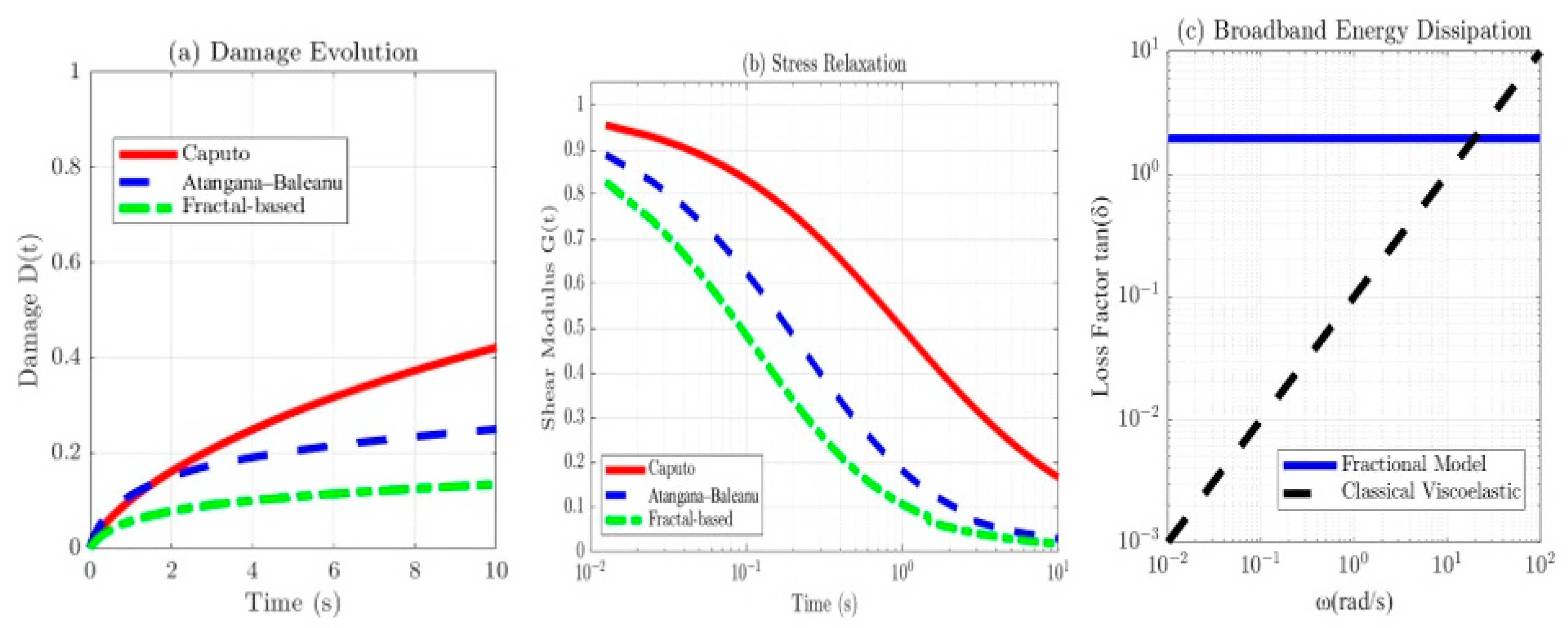
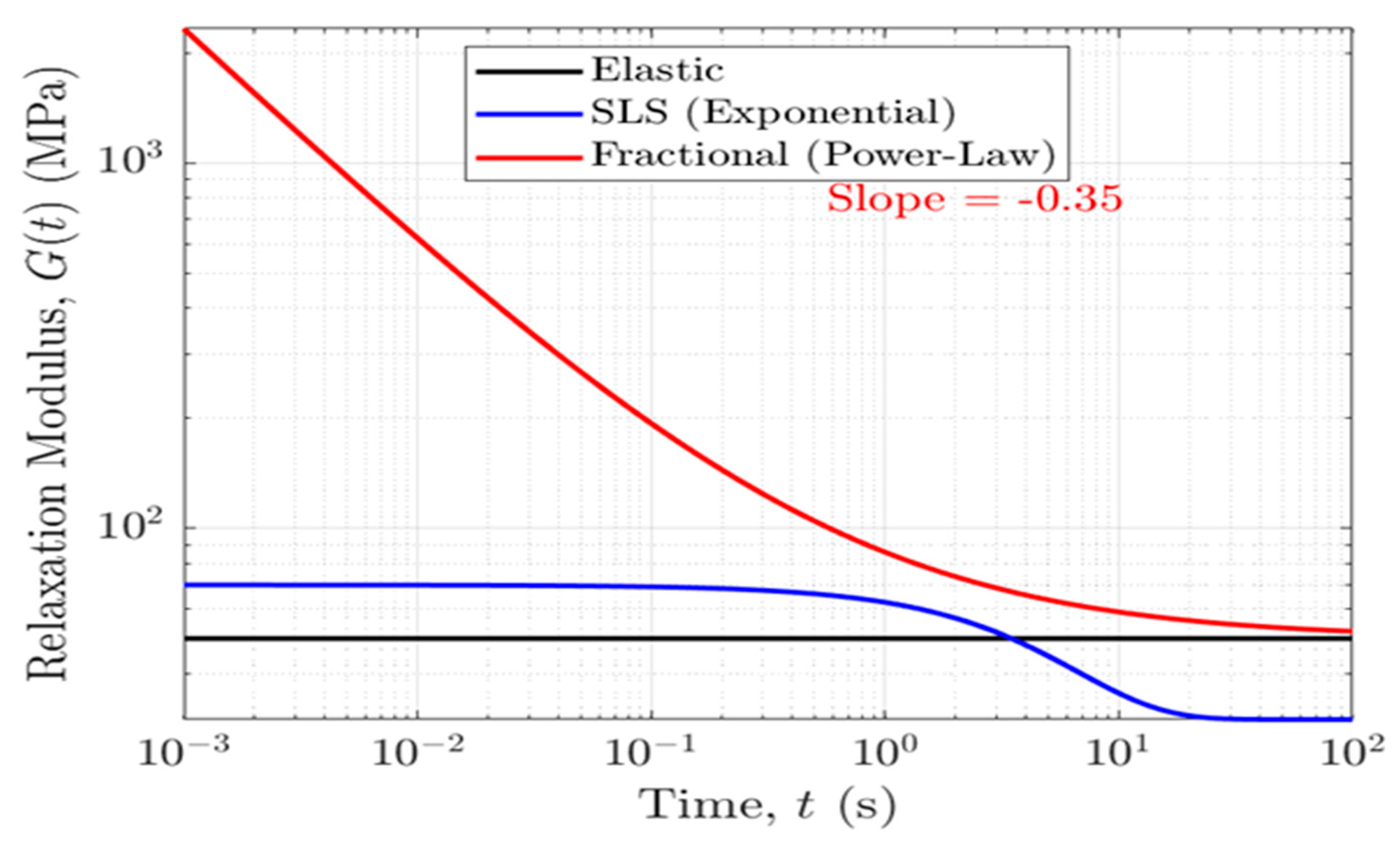
Classical integer-order differential equations assume instantaneous response and local behavior. However, geomaterials exhibit memory effects, nonlocal interactions, and power-law creep phenomena that are better described by fractional calculus. The Caputo fractional derivative of order
is defined as
where
is the gamma function. This operator is reduced to classical derivatives during
. The Atangana–Baleanu (AB) derivative in the Caputo sense [
27,
28] overcomes the singularity limitation of classical fractional operators.
where
is the normalization function satisfying:
, which ensures consistency with integer-order limits.
The function
is given by
The Laplace transform of the Caputo derivative is a powerful analytical tool:
For the AB derivative, the Laplace transform is
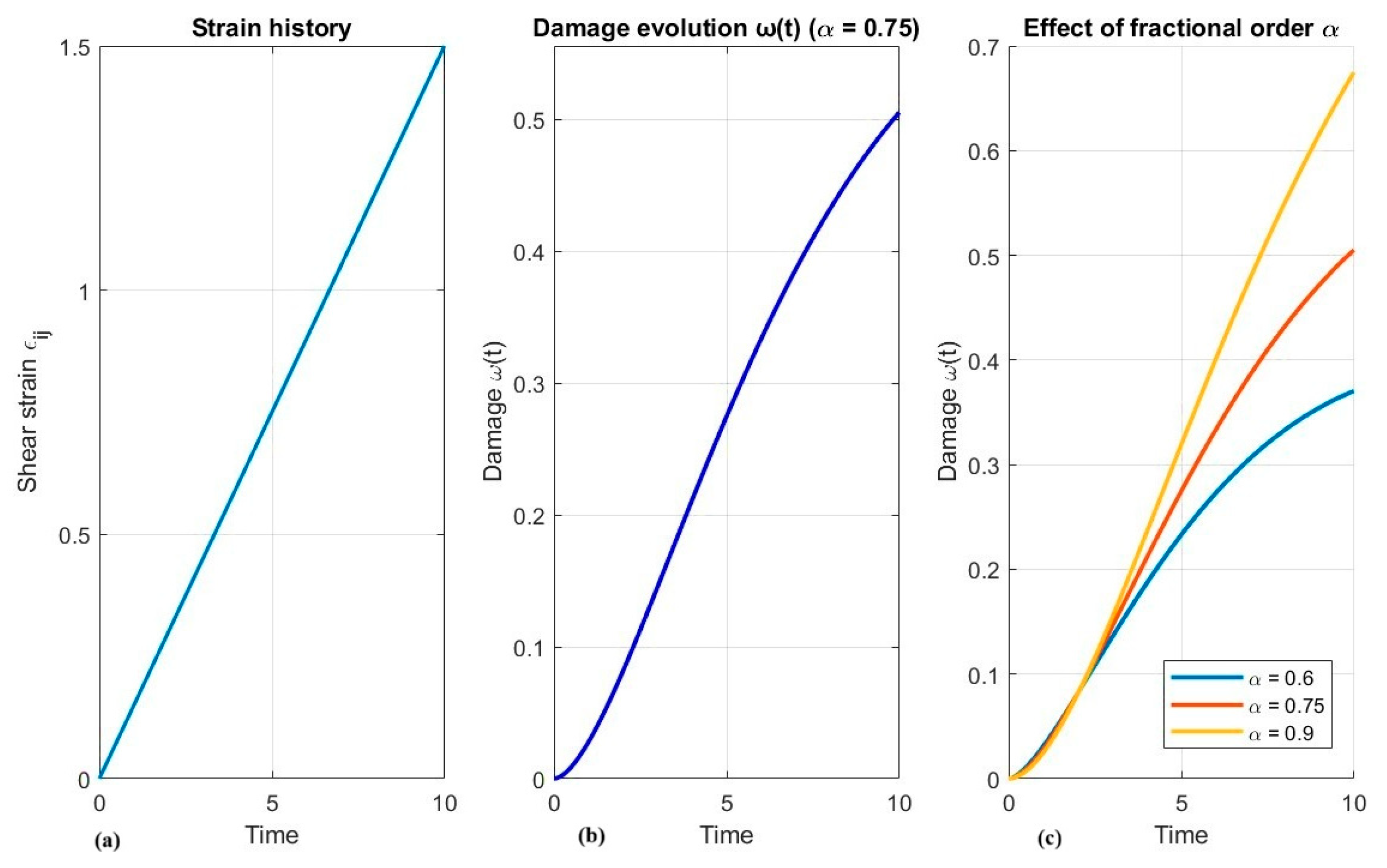
The fractal-enhanced Mohr–Coulomb model was formulated as a fractional-order stress evolution equation coupling fractal geometry with material memory as follows:
where:
= time-dependent stress;
= fractional order ;
= damping coefficient;
= coupling constants;
= strain history.
By applying the Laplace transform to the governing equation with zero initial conditions, we obtain the following general solution:
where
and
. Multiplying by
and rearranging the denominator terms:
Collect terms and solve for
:
Defining the characteristic polynomial:
The general solution in the Laplace domain becomes
In order to obtain the general solution in the time domain, we apply the inverse Laplace transform using the convolution theorem and Mittag–Leffler function [
29,
30] properties:
where the kernel function
is given by
and
2.6. Existence and Uniqueness via Banach Fixed-Point Theorem
The existence and uniqueness of the solution to the fractional constitutive equation is established (41) using the Banach fixed-point theorem [
31]. Consider the integral form derived from the Caputo fractional derivative:
where:
is the initial stress,
is the memory kernel,
is a nonlinear forcing term that is assumed to be continuous in and Lipschitz continuous in .
The memory kernel is given explicitly by
Let
denote the Banach space of continuous functions on
equipped with the supremum norm:
Define the solution operator
by
Assume that
is Lipschitz continuous in
with constant
, i.e.,
. For any
, we have
Taking the supremum over
, we obtain
Since
, we compute:
,
is the contraction mapping of
. This condition holds for sufficiently small
, specifically,
Theorem (existence and uniqueness): Under the above assumptions, operator admits a unique fixed-point such that . This fixed point is the unique continuous solution to the integral Equation (42), and hence to the fractional constitutive law (41) interpreted in the Caputo sense.
Proof sketch: Using the Banach fixed-point theorem, the iterative sequence
is defined as:
converges uniformly on
to the unique solution
. This completes the proof.
2.7. Lyapunov Stability Analysis
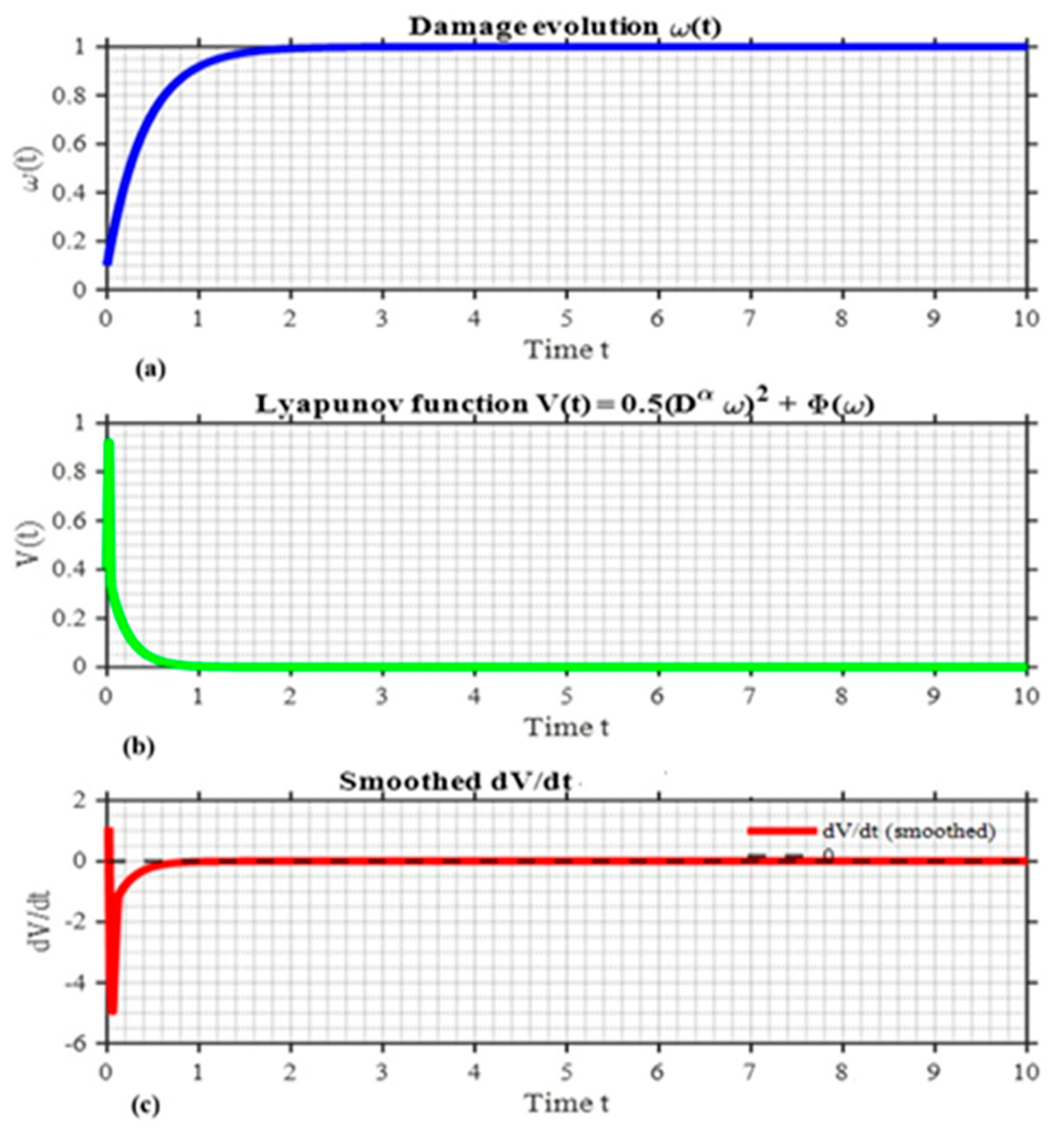
Define the Lyapunov functional:
Computation of the fractional derivative
Substituting the governing equation
For bounded loading and positive damping (
), we obtain
where:
. This implies an exponential-like decay in the fractional sense, which ensures stability.
Stability theorem: the solution
is Mittag–Leffler stable. There exists a constant
and
such that:
This fractional stability generalizes the exponential stability and is appropriate for systems with memory and nonlocal effects. The asymptotic convergence to a unique equilibrium state implies the existence of a global attractor in the stress–damage phase space, which represents the long-term shear resistance of the joint.
4. Discussion
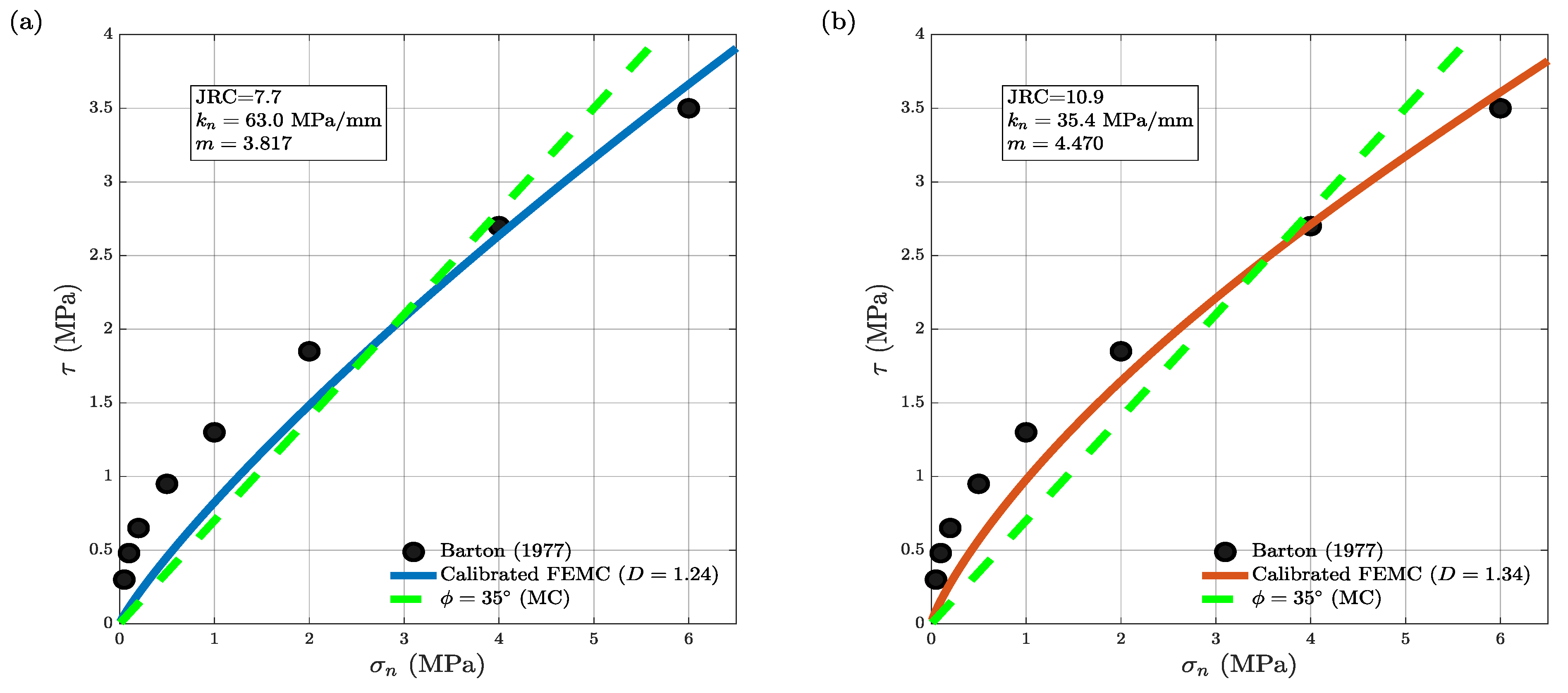
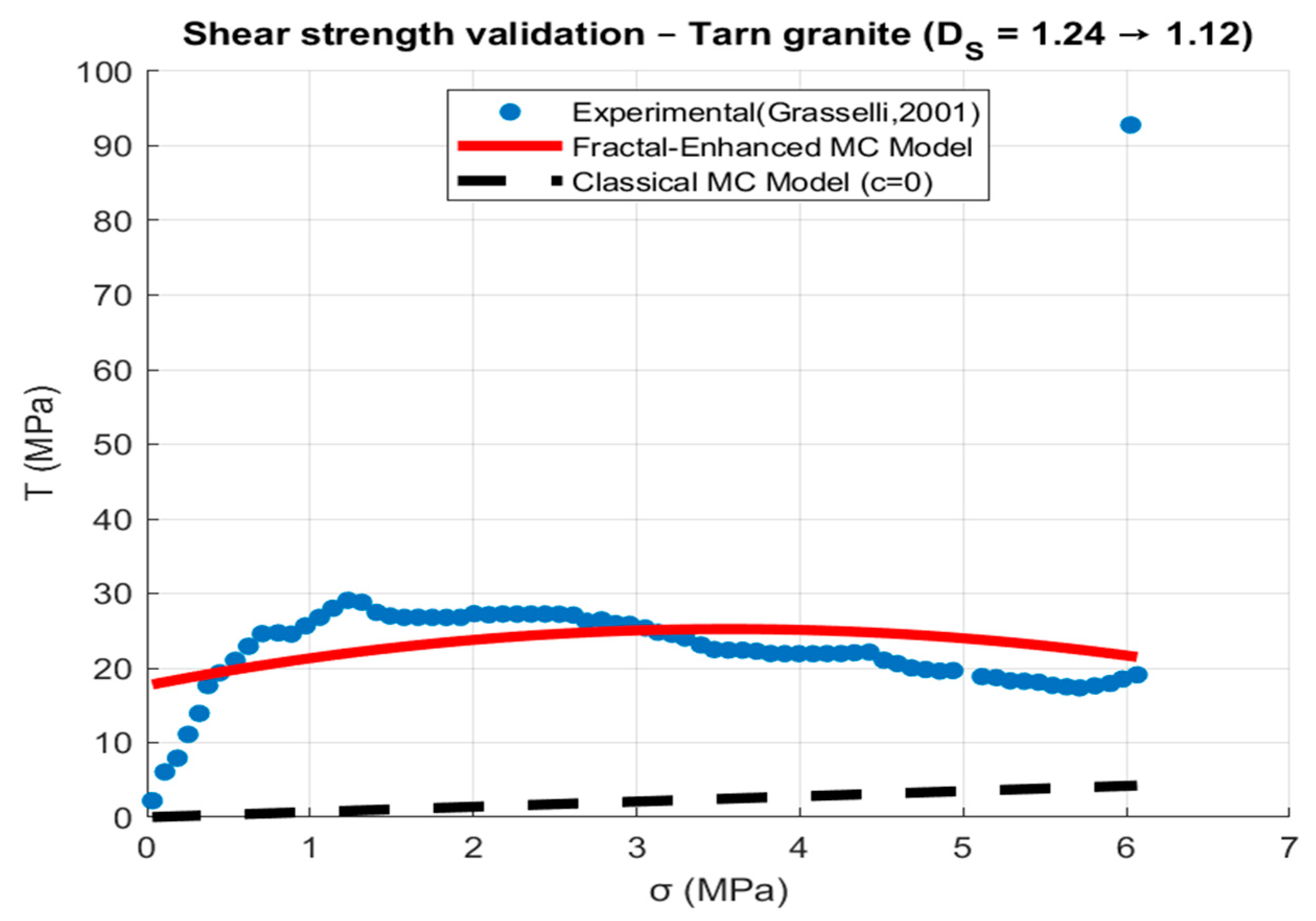
The Fractal-Enhanced Mohr–Coulomb (FEMC) model demonstrates that explicitly linking strength parameters to the surface fractal dimension Ds significantly improves the prediction of shear strength in rough rock joints, particularly in regimes where classical approaches fail. When validated against direct shear test data from Grasselli and Egger [
32] on Tarn granite discontinuities (σn = 0.03–6.0 MPa), the FEMC model achieved an R
2 = 0.89, with RMSE and MAE reduced by 36% and 38%, respectively, compared to the Barton–JRC model, and by over 65% relative to classical Mohr–Coulomb with fixed parameters (
Table 1). This quantitative improvement is not merely statistical; it arises from a physically grounded representation of how surface geometry governs the mechanical response of a joint, a principle long acknowledged in the rock mechanics literature [
5,
7,
35,
36,
37]. Classical Mohr–Coulomb theory assumes constant cohesion (c) and friction angle (φ), which renders it incapable of capturing the evolving mechanical behavior during shear, especially at low normal stresses, where asperity interlocking dominates. Similarly, while the Barton–Choubey criterion incorporates joint roughness via the Joint Roughness Coefficient (JRC), it treats the JRC as a static index, often assigned subjectively or through simplified visual comparison charts [
35], thereby neglecting the dynamic degradation of asperities during shearing.
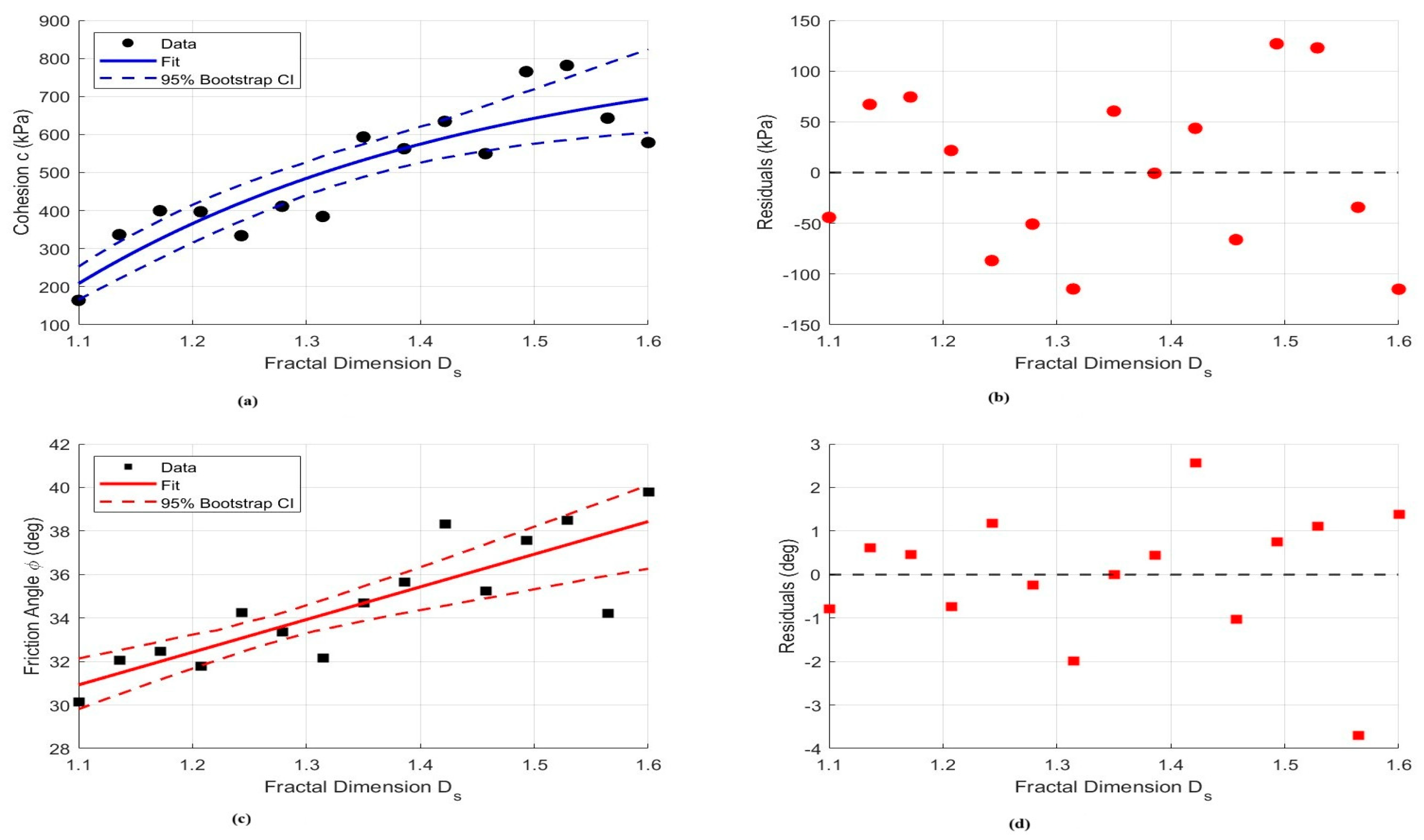
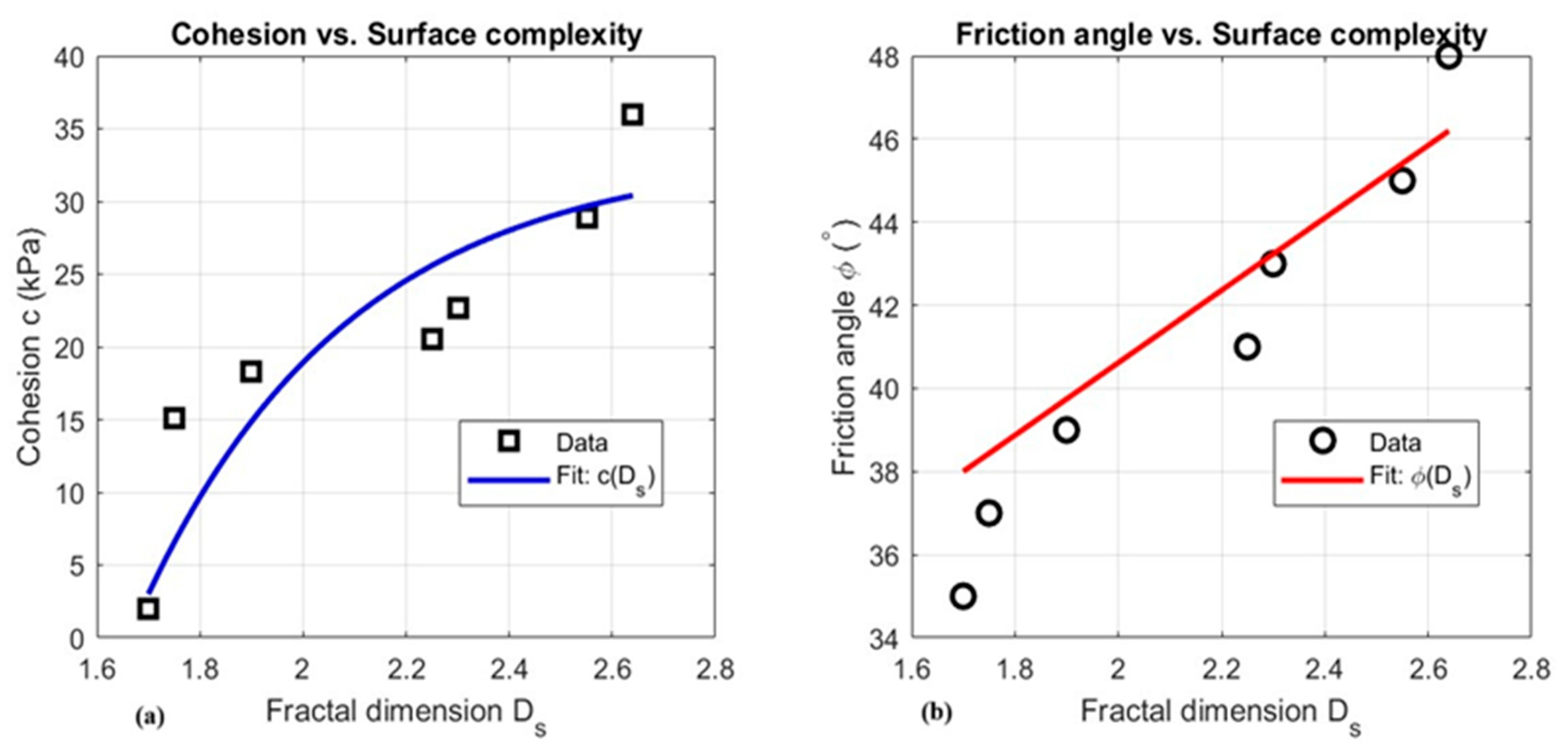
Critically, the FEMC model resolves a fundamental limitation shared by both classical Mohr–Coulomb and empirical JRC-based corrections: their treatment of cohesion and friction as static material constants. Although practitioners sometimes inflate φ to account for dilation, this remains an ad hoc adjustment disconnected from measurable geometry. In contrast, our calibrated relationships c(Ds) (exponential saturation) and φ(Ds) (near-linear) emerge directly from the interplay between asperity interlocking, contact area reduction, and the dilatancy. This mechanistic foundation is corroborated by residual analysis (
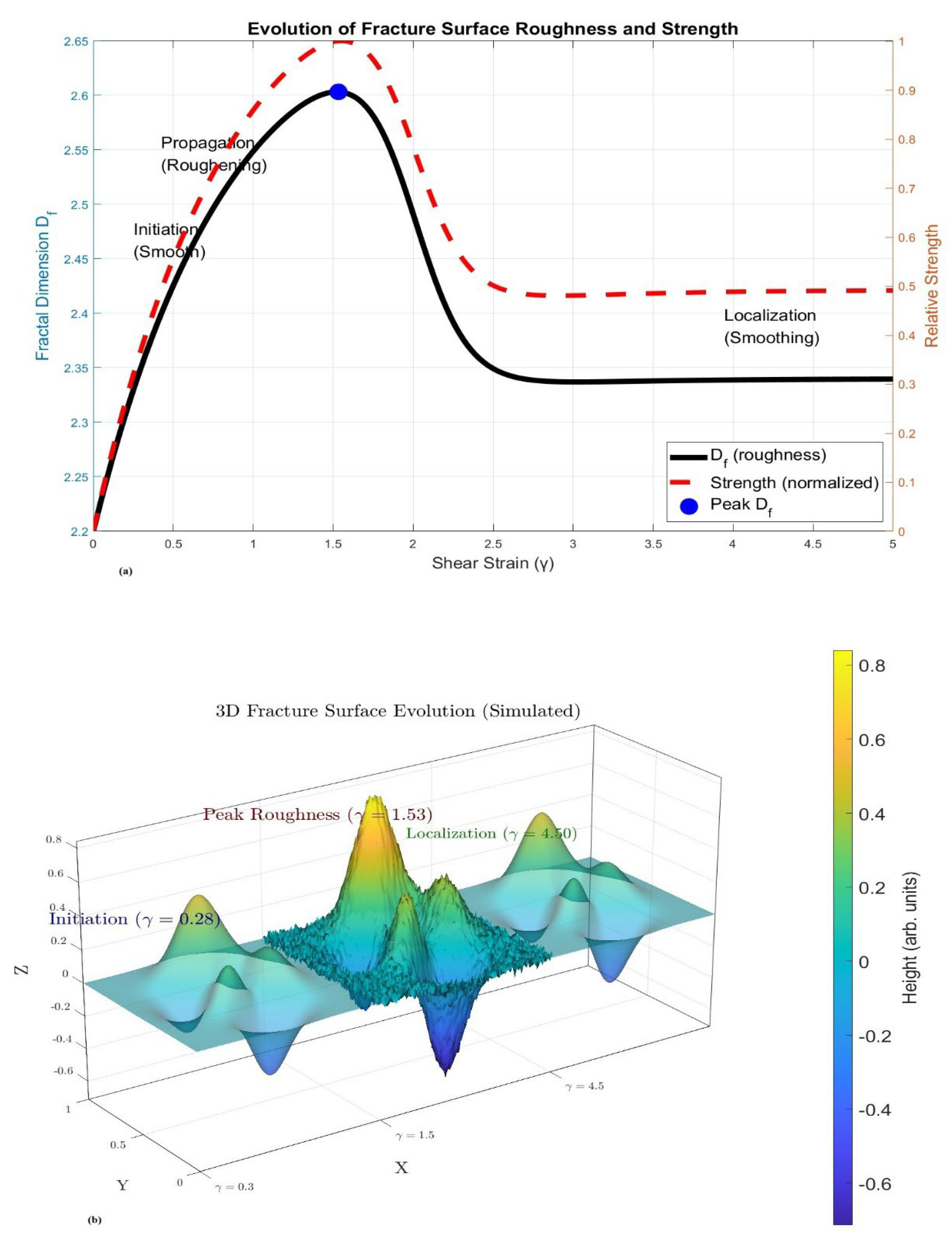
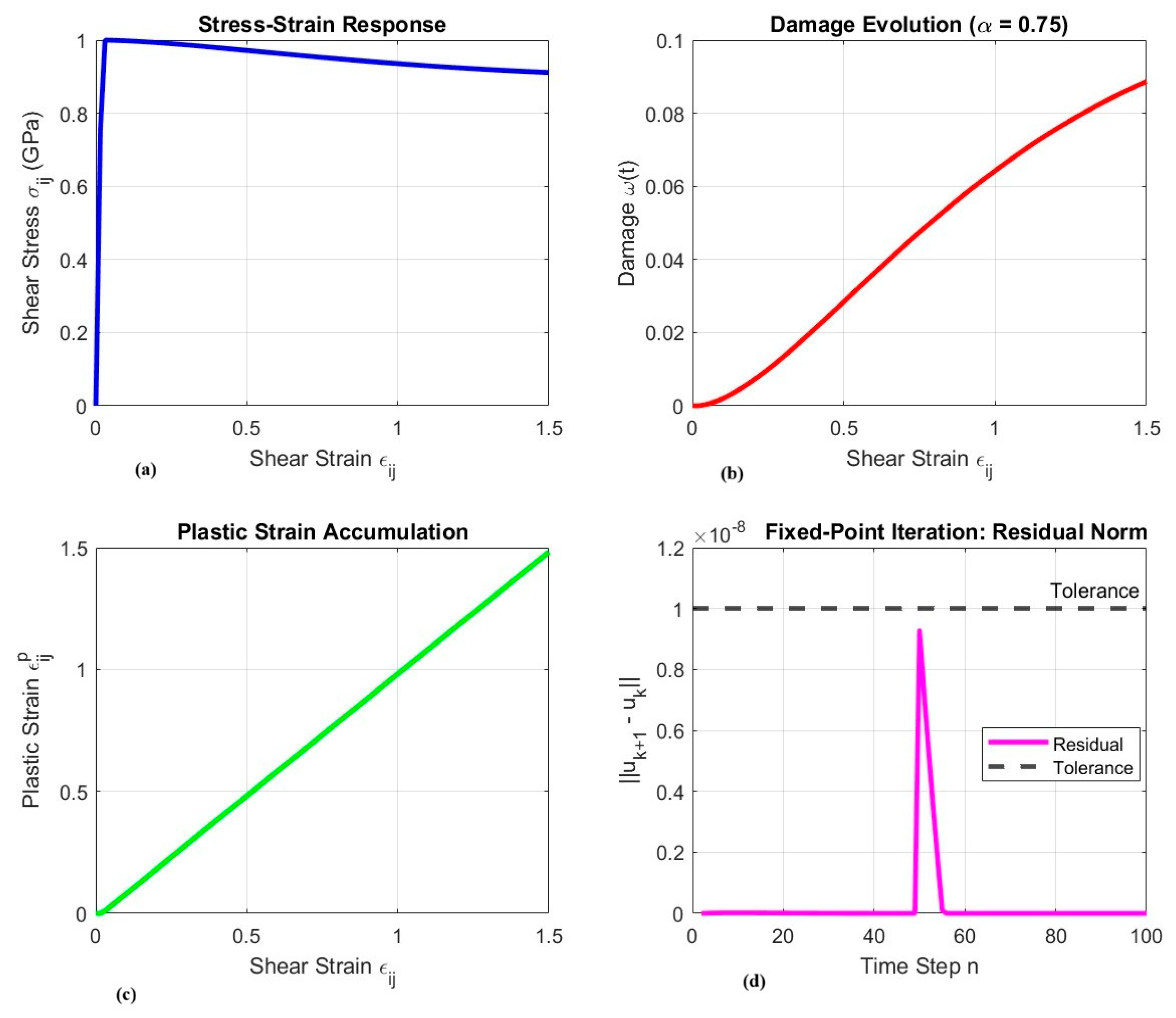
Figure 4b,d) and post-shear profilometry, showing that Ds degradation from 1.24 to 1.12 is a clear indication of asperity wear and surface smoothing during displacement. This dynamic coupling explains why the FEMC model accurately captures the pronounced non-linearity at low normal stresses (
Figure 2), where JRC-based models often overpredict strength owing to their linear extrapolation of φ [
37], and classical MC underpredicts due to its zero-cohesion assumption for unfilled joints. The results also advance beyond energy-based geometric criteria such as Grasselli’s apparent dip angle distribution [
32]. Although Grasselli’s method offers high accuracy by integrating the proportion of potential contact surfaces above a critical shear displacement, it requires full 3D surface reconstruction and directional scanning procedures that are time-consuming, computationally intensive, and often impractical in routine engineering assessments. The FEMC model achieves comparable fidelity using a single scalar Ds, which can be computed from 1D profiles via box-counting or power spectral density (PSD) methods. This makes it far more accessible for field and laboratory practices. Moreover, unlike visual JRC assignment, which suffers from inter-observer variability and poor reproducibility [
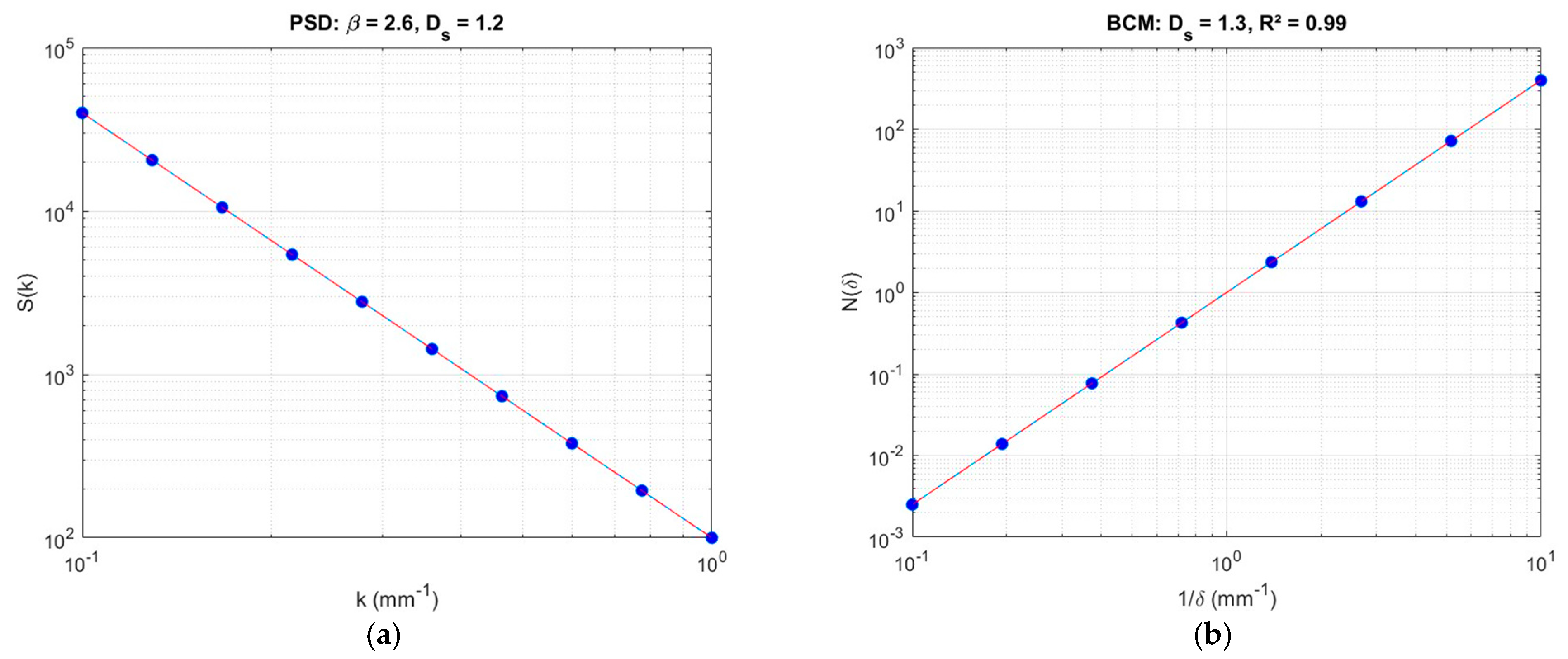
35], Ds provides an objective, algorithmic descriptor consistent across observers and scales within the self-affine range (R
2 = 0.98 between BCM and PSD; mean deviation = 0.018). This objectivity aligns with modern trends toward digital rock mechanics and automated surface characterization [
38].
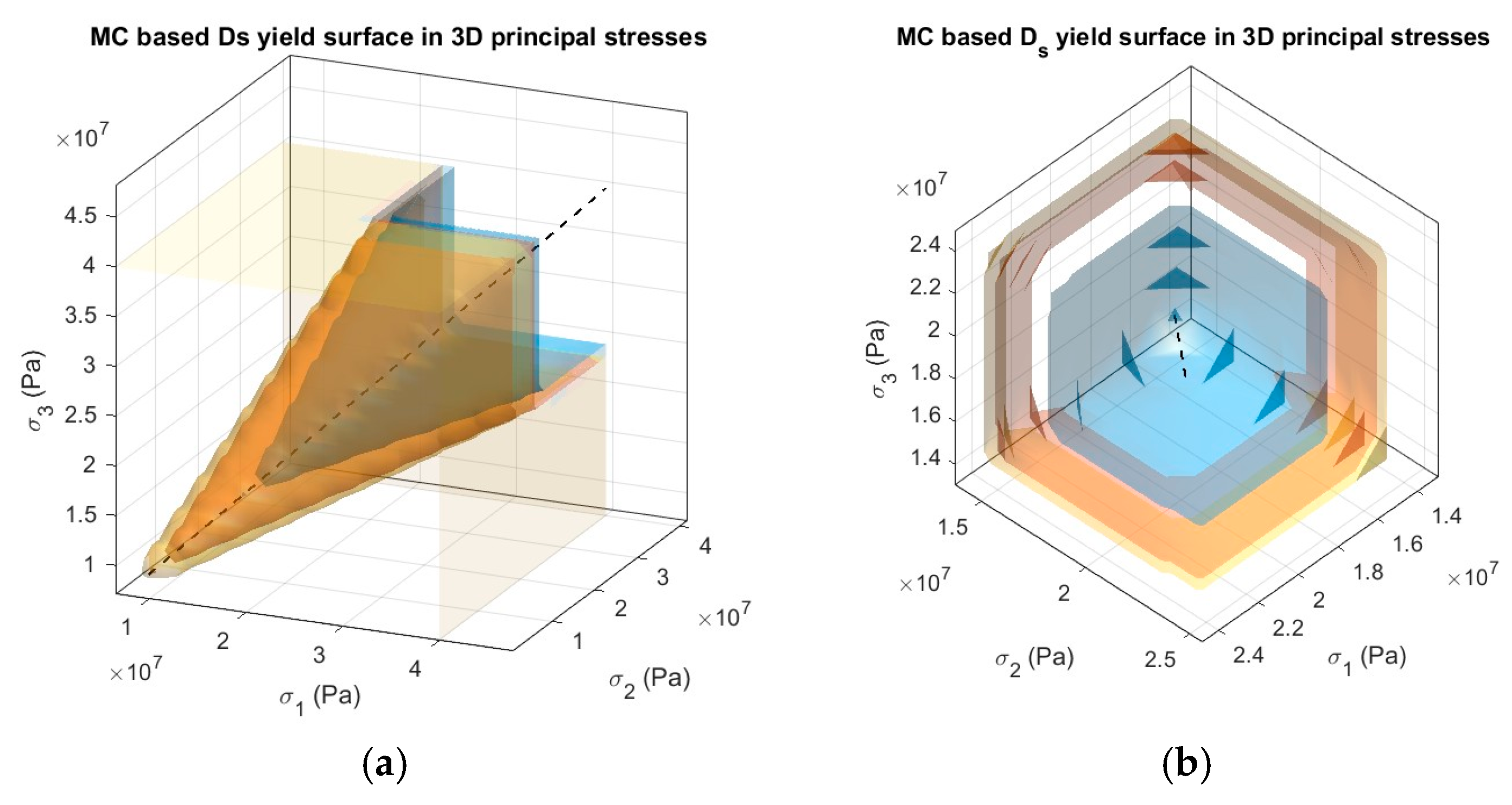
The expansion of the 3D yield surface with increasing Ds (
Figure 11) further illustrates how microscale roughness amplifies the macroscale strength without altering the underlying plasticity framework. This geometric strengthening of up to 40% in tensile capacity is consistent with micromechanical studies showing that the fracture energy increases with surface complexity [
39,
40]. Importantly, this effect cannot be replicated by simply increasing φ in the classical MC model, as this would unrealistically elevate the strength at all stress levels, including high confinement, where dilation is suppressed by normal stress. The FEMC model avoids this pitfall by decoupling the roughness effects into both c and φ, allowing for stress-dependent mobilization: at low σn, cohesion dominates owing to interlocking, and at high σn, friction prevails as asperities are crushed and sliding becomes planar. This dual-parameter dependence mirrors the findings of particle breakage theory, where size-dependent strength evolution is similarly governed by the competing mechanisms of fragmentation and reorganization [
41]. However, the current formulation has important constraints. First, validation was limited to dry, monotonic shear tests on granitic joints. The strong c(Ds) correlation may not hold for rocks in which cohesion is governed by cementation rather than interlocking, such as weak sandstones, tuffs, or clay-filled fractures, potentially reducing the predictive power. In such cases, chemical or diagenetic bonds may dominate over geometric interlocks, necessitating hybrid models that combine fractal descriptors with mineralogical or hydraulic inputs. Second, treating Ds as an isotropic scalar overlooks the directional roughness anisotropy, which significantly influences the shear strength of foliated, schistose, or tectonically aligned joints [
8,
42,
43].
Barton [
44] emphasized that shear strength is highly direction-dependent in natural faults, and later work by Ryokichi et al. [
45] confirmed that anisotropic asperity distributions result in asymmetric shear envelopes. Therefore, future iterations of FEMC should incorporate directional fractal dimensions or tensorial roughness metrics derived from 2D scans. Third, although Ds is more scale-invariant than JRC, it is not immune to the scaling effects. As noted by Barton [
46] and reaffirmed in [
5], shear stiffness and, by extension, roughness tend to decrease with increasing joint length owing to the statistical averaging of asperities. Laboratory-derived Ds values (typically at the decimeter scale) may thus require correction when extrapolated to field-scale discontinuities (meters to tens of meters). A multi-scale Ds(L) law, informed by hierarchical scanning campaigns across scales, can enhance transferability. Finally, the model excludes fluid–structure interactions, limiting its use in hydromechanical contexts, such as reservoir stimulation, slope instability during rainfall, or CO
2 sequestration. Pore pressure can reduce effective normal stress, alter contact mechanics, and even induce chemical weakening, all of which are absent in the current dry-friction framework. Future work should therefore: (i) validate the FEMC framework across diverse lithologies (e.g., shale, limestone, basalt) and under wet, cyclic, or rate-dependent loading; (ii) extend Ds to directional or tensorial forms to capture anisotropy, possibly leveraging Grasselli’s angular weighting scheme within a fractal context; (iii) develop multi-scale Ds(L) laws through coordinated lab–field scanning programs; and (iv) couple FEMC with aperture-dependent permeability models for coupled hydro-mechanical analyses, as suggested in fractional creep studies of coal [Fractional coal damage.pdf], where time-dependent damage and fluid flow are intrinsically linked to each other. Until these extensions are realized, the applications of the FEMC model should focus on high-value projects where high-resolution surface data justify the added rigor, such as nuclear waste repositories, deep underground tunnels, or critical slope stability assessments. In these contexts, the cost of laser scanning or photogrammetry is offset by the risk of failure, and the objectivity of Ds offers a defensible alternative to subjective JRC estimates. Moreover, the model’s compatibility with finite element codes through the evolution of c and fields mapped from scanned surfaces opens avenues for digital twin implementations in geotechnical monitoring. In conclusion, the FEMC model represents a meaningful step toward unifying geometric quantification and mechanical modeling in rock-joint analysis. By anchoring strength parameters in a measurable, scale-aware descriptor of surface complexity, it bridges a decades-old gap between empirical roughness indices and constitutive theories. Although not a universal solution, it offers a robust and extensible framework that honors both the physical reality of asperity interaction and the practical constraints of engineering practice.
5. Conclusions
This study presents the Fractal-Enhanced Mohr–Coulomb (FEMC) model, a novel failure criterion that integrates the fractal dimension Ds of rock joint surfaces directly into the constitutive law as a state variable governing both cohesion and friction angle. By anchoring strength parameters to an objective, quantifiable descriptor of surface geometry, FEMC addresses two fundamental shortcomings of classical approaches: the assumption of static material properties and the neglect of the evolving surface morphology during shearing. The fractal dimension Ds was computed using dual, cross-validated box-counting and power spectral density analysis methods to ensure robustness and minimize measurement bias. The resulting functional relationships c(Ds) and φ(Ds) are formulated to reflect physical expectations, such as diminishing returns in strength enhancement at higher roughness levels, and are shown to reproduce experimentally observed shear strength trends across varying normal stresses. Crucially, because Ds can evolve during shearing as surface asperities degrade and roughness diminishes, the FEMC framework inherently captures progressive strength loss, a behavior that is not representable in conventional criteria that treat strength parameters as fixed.
This approach aligns with the modern understanding of joint mechanics, recognizing that shear resistance is governed not only by overall roughness but also by directional features such as apparent dip. While the current implementation employs a scalar Ds, it provides a foundation for the future incorporation of anisotropic geometric descriptors. Moreover, by treating the surface geometry as an active, evolving state variable, the model conceptually bridges empirical joint models and continuum damage frameworks, although it is formulated for quasi-static conditions without time-dependent effects. It should be noted that the present formulation and validation are based on controlled laboratory conditions and may not yet account for complexities encountered in natural settings, including mechanical anisotropy, diverse lithologies, fluid pressure, or long-term degradation processes. Thus, the FEMC model represents a meaningful step toward physically grounded, geometry-informed constitutive laws for rock discontinuities. It preserves the structural simplicity of the Mohr–Coulomb framework while embedding measurable surface complexity into its core, offering a more objective, reproducible, and mechanistically interpretable basis for predicting shear strength in rough rock joints.