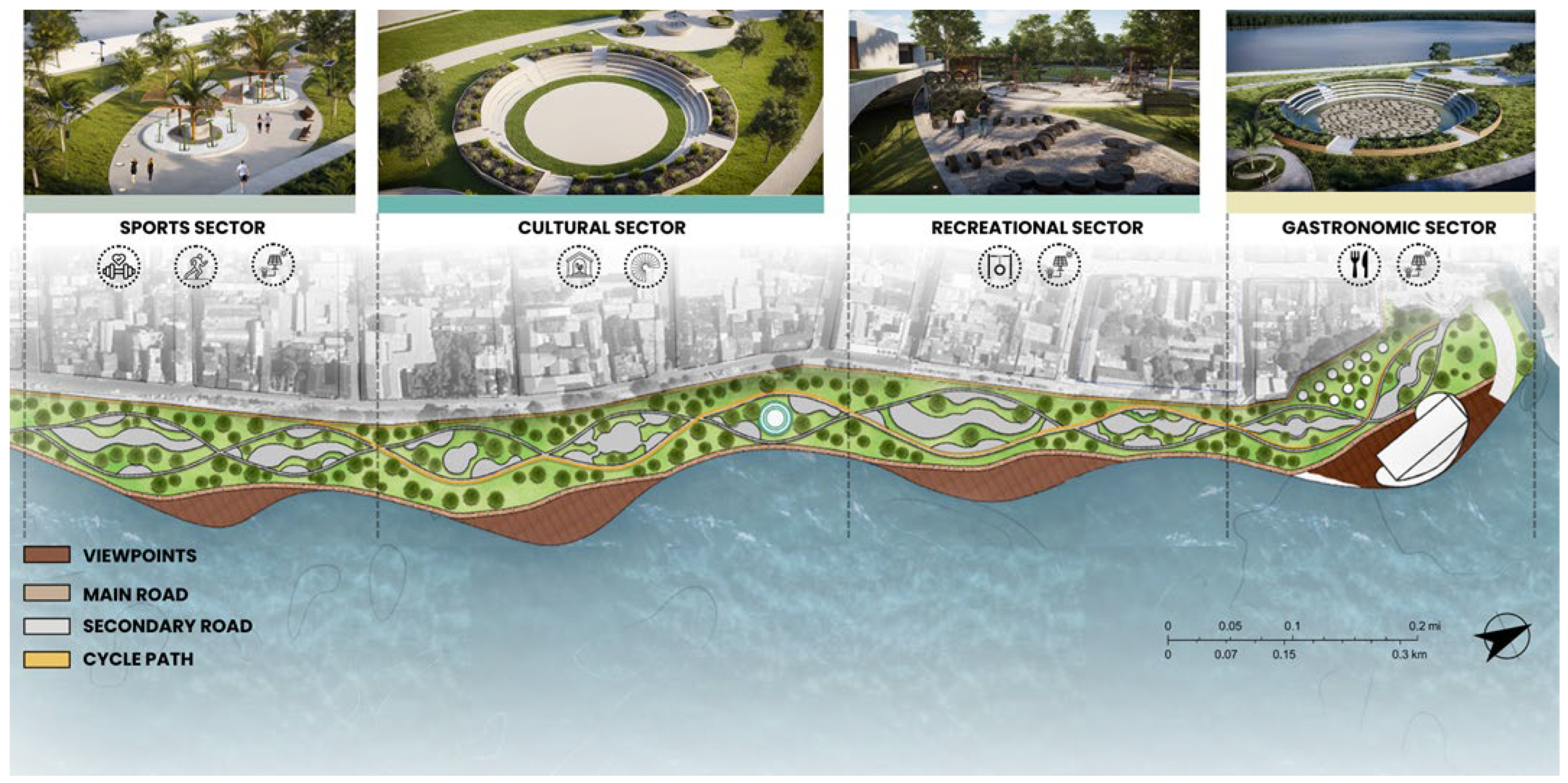
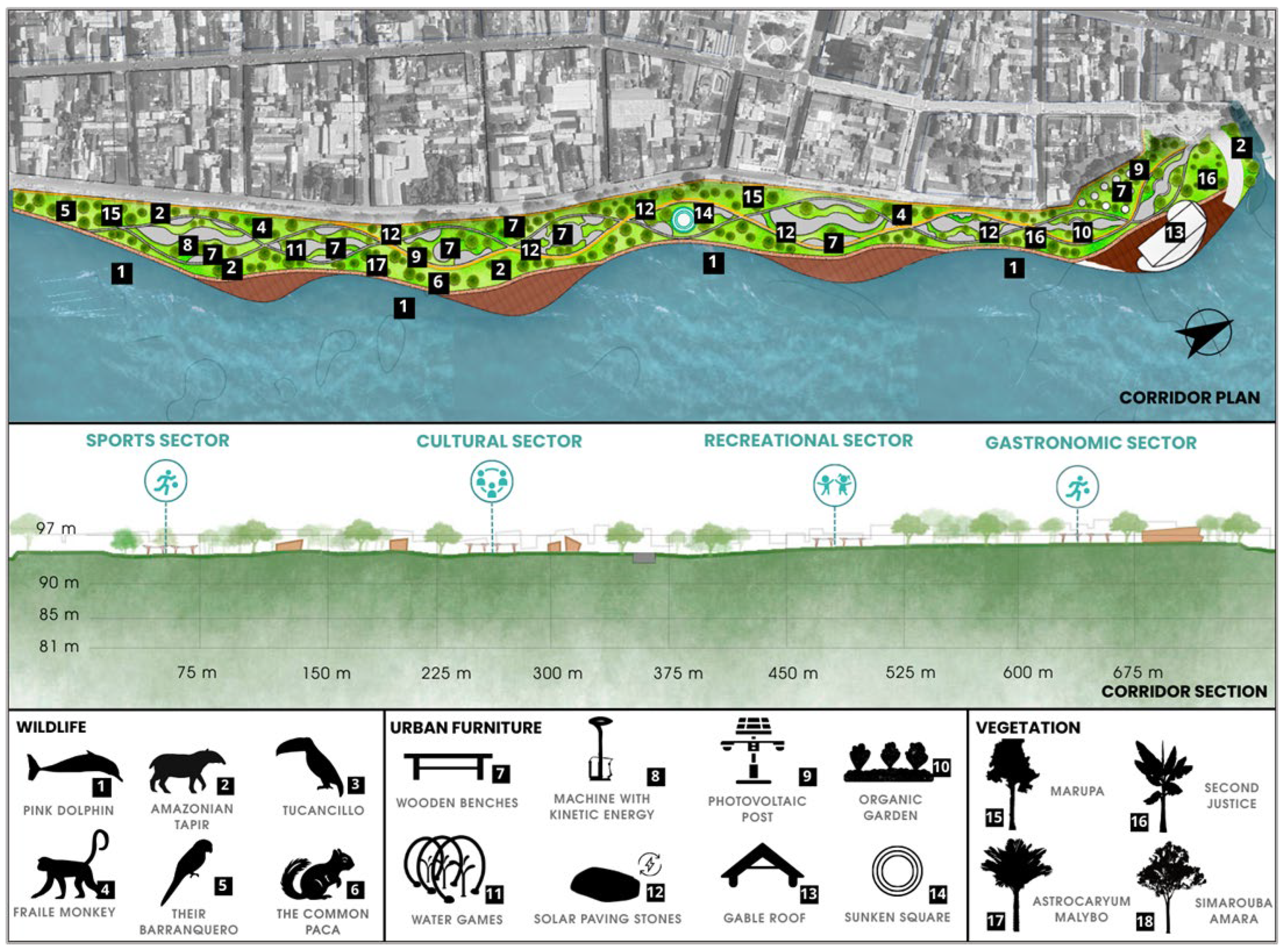
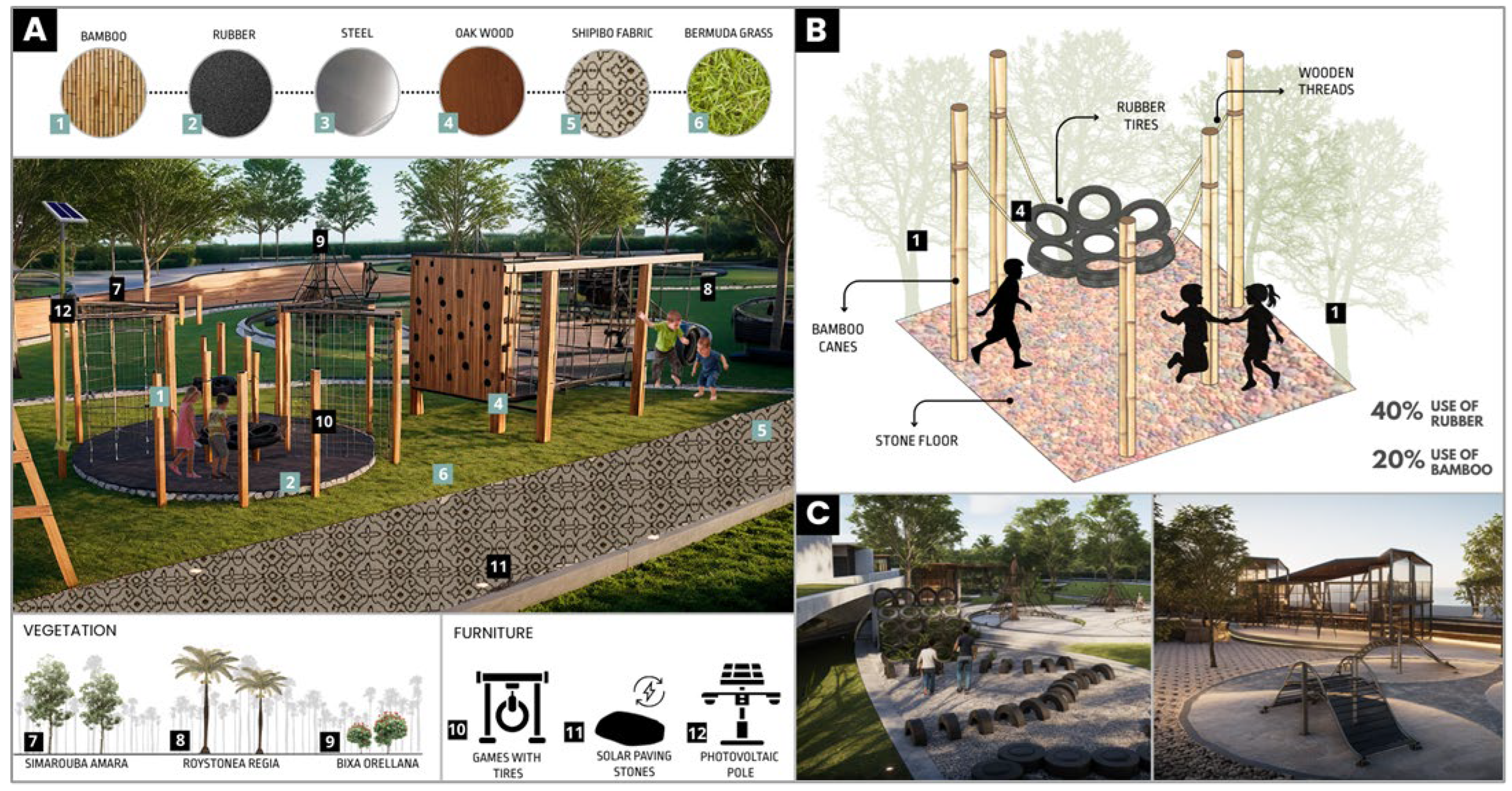
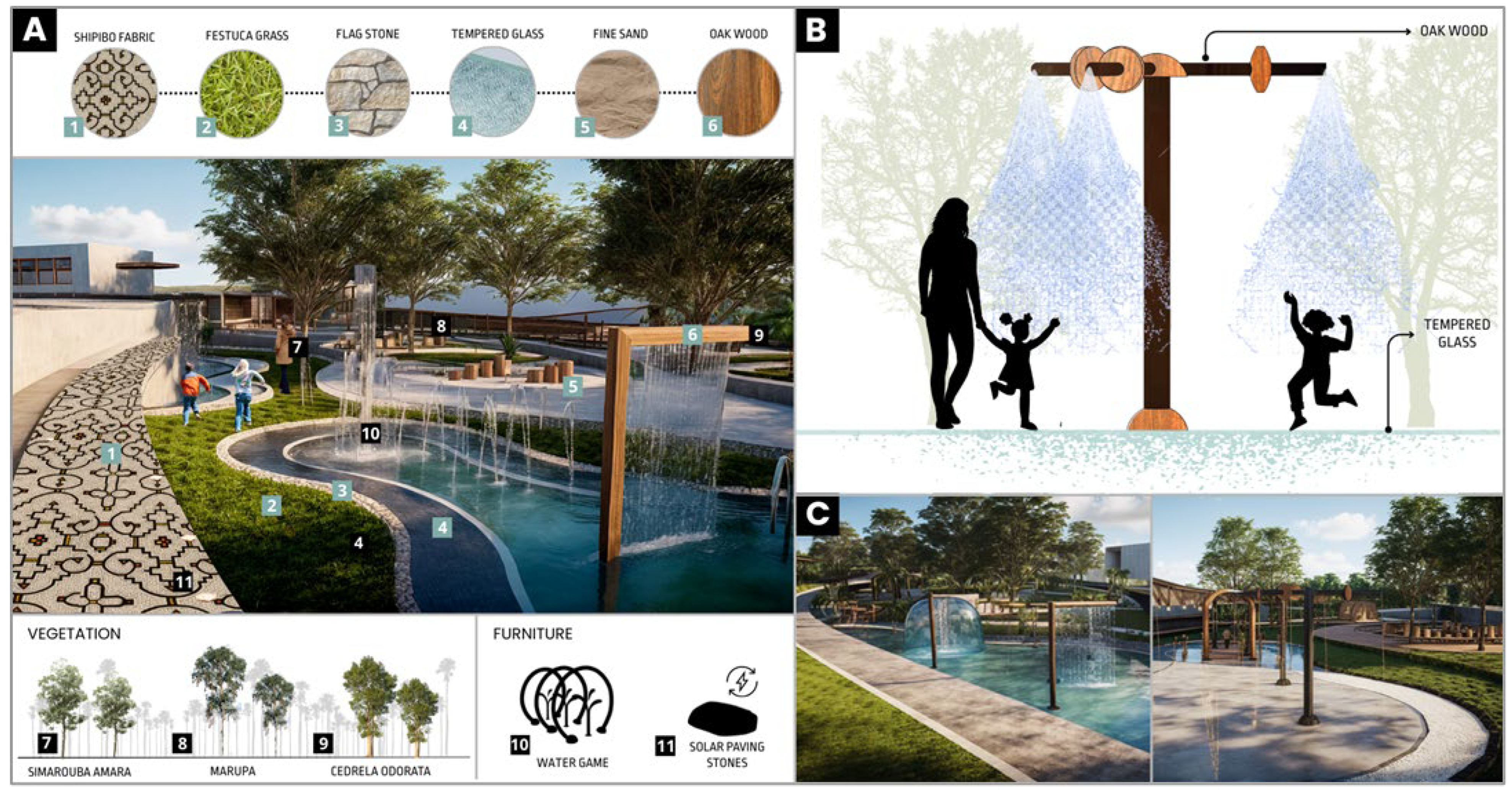
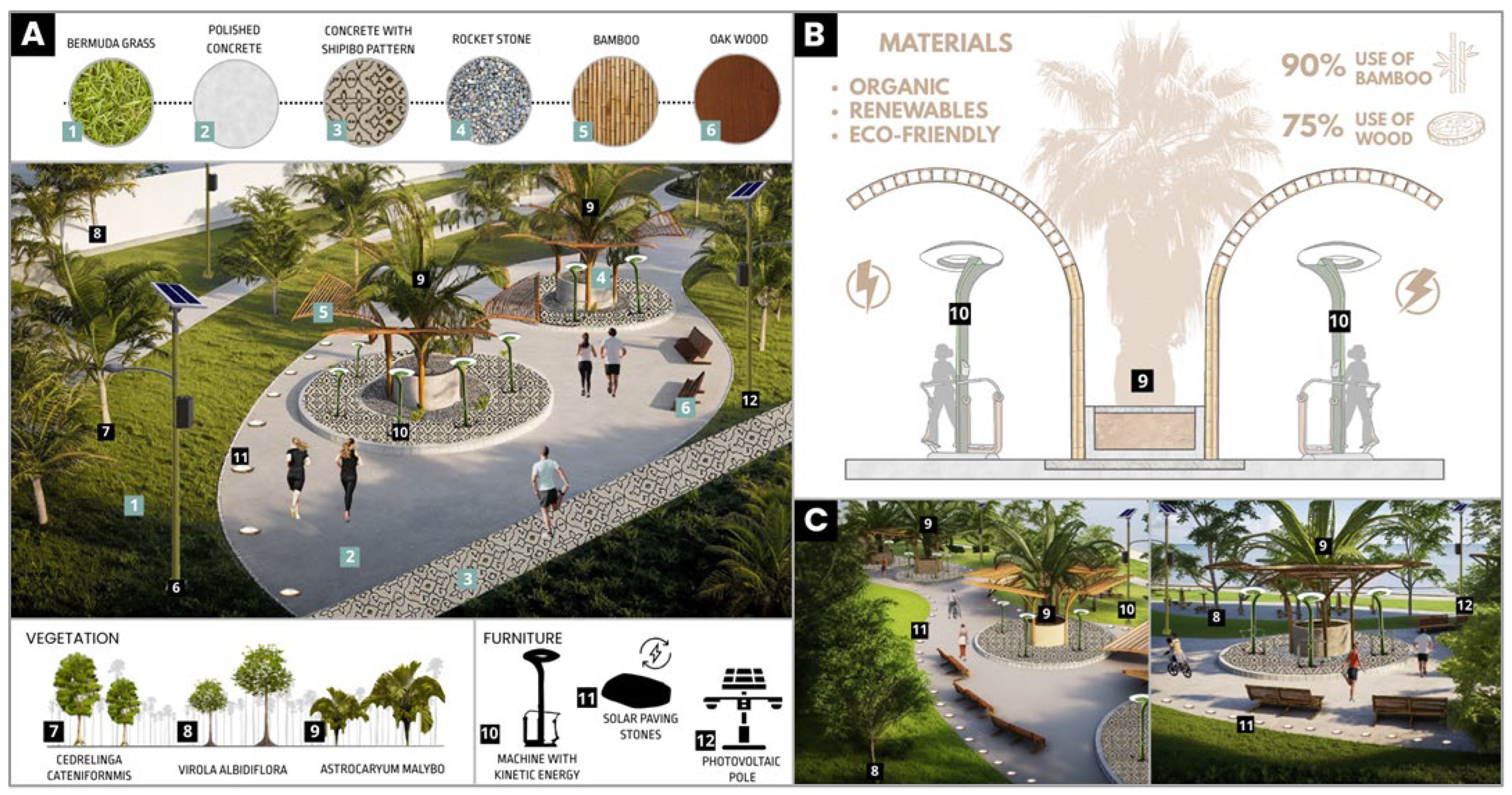
The architectural spaces proposed in the project are structures of construction systems designed to adapt to Iquitos’ tropical climate and optimize resources such as water, energy, and vegetation. Each space in the project presents an architectural configuration that combines lightweight infrastructure, local materials, and bioclimatic solutions that guarantee comfort and sustainability appropriate for each use. Thus, each sector integrates morphology, materiality, and spatiality based on climatic, environmental, and cultural conditions.
4.7.2. Cultural Sector
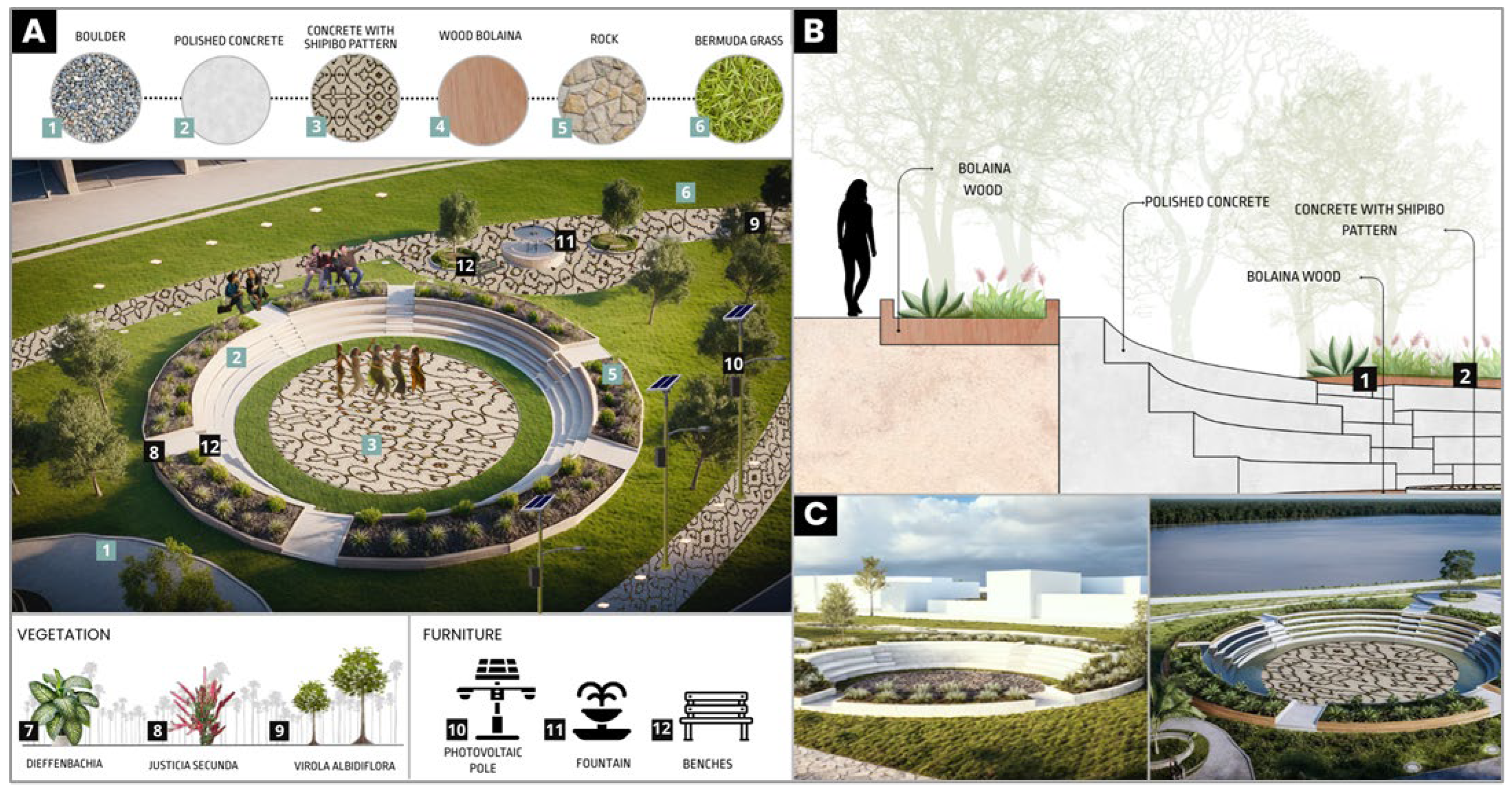
Conceived as a circular public space for gathering and cultural expression, this plaza can be used as an open-air auditorium for cultural activities, artistic performances, talks, or screenings.
Its design features concentric descending stands toward a central area paved with concrete decorated with Shipibo patterns, evoking Amazonian identity, as shown in
Figure 17A. As stated in [
76], “Cultural spaces must be rooted in the biocultural memory of peoples, integrating nature and ancestral knowledge.” The environment is complemented by Bermuda grass and native flora, along with urban furniture that includes benches, photovoltaic posts, and ornamental fountains. The materiality combines polished concrete, stone, bolaina wood, and vegetation, seeking climate resistance and esthetic harmony with the natural surroundings, linked to SDG 12 (Responsible Consumption and Production). Pedestrian access, integrated with stone and wooden paths, allows for comfortable and direct circulation as seen in
Figure 17B. The section of the sunken plaza reveals the stepped form of the descending stands in polished concrete that lead to the central space, also covered in concrete. Around the plaza, a garden with ornamental vegetation (
Dieffenbachia and
Justicia secunda) is contained by a small bolaina wood wall as seen in
Figure 17C. The plaza also incorporates a rainwater harvesting system, linked to SDG 6, used for irrigation and non-potable services, reducing potable water consumption and promoting efficient water management.
- 2.
Rainwater Harvesting System
In the city of Iquitos, located in the Amazon region of Peru, pluviometric conditions are characterized by abundant and well-distributed rainfall throughout the year, with an average annual precipitation of approximately 2600 mm and frequent intense rainfall events associated with tropical convective systems, particularly during the wet season [
77,
78]. This rainfall regime generates high volumes of surface runoff in impervious urban areas, making rainwater harvesting a technically viable and environmentally appropriate strategy for the sustainable management of water resources in urban public spaces [
79].
Within this context, the storage capacity of the rainwater harvesting system is determined based on the runoff generated over the impervious surface of the sunken plaza during a representative rainfall event for the city of Iquitos, using local pluviometric data and widely accepted standard criteria of urban hydrology [
79,
80]. The runoff volume is estimated using the following basic hydrological expression:
where V represents the runoff volume (m
3), P is the effective precipitation (m), A is the catchment area (m
2), and C is the runoff coefficient.
According to data from the National Meteorology and Hydrology Service of Peru (SENAMHI), the city of Iquitos records monthly precipitation values exceeding 250–300 mm during the wettest months, as well as high-intensity events associated with tropical convective storms [
77,
78]. For the system design, a representative intense daily rainfall event is adopted, with an effective precipitation of 50 mm (0.05 m) over a 24 h period. This value is considered conservative and recurrent for the city and is commonly used in urban drainage studies for humid tropical climates [
78].
The catchment surface corresponds to the sunken plaza, whose effective impervious area is approximately 900 m
2, as obtained from the architectural modeling of the project. Given that this is a paved urban surface, a runoff coefficient (C) of 0.80 is adopted, as recommended for rigid pavements [
79,
80].
It substitutes the following values:
Considering minor system losses, spatial variability of precipitation, and an operational safety margin, this value can be rounded to a range of 35–40 m3 to ensure adequate performance under intense rainfall events.
This storage volume allows the retention of excess runoff generated during frequent high-intensity rainfall events and ensures water availability for non-potable uses, such as irrigation of green areas and toilet flushing, during periods of lower precipitation. Previous studies on rainwater harvesting systems in tropical climates confirm that storage volumes within this range are appropriate for medium-scale public infrastructure, as they balance hydraulic efficiency, implementation costs, and maintenance requirements [
81,
82].
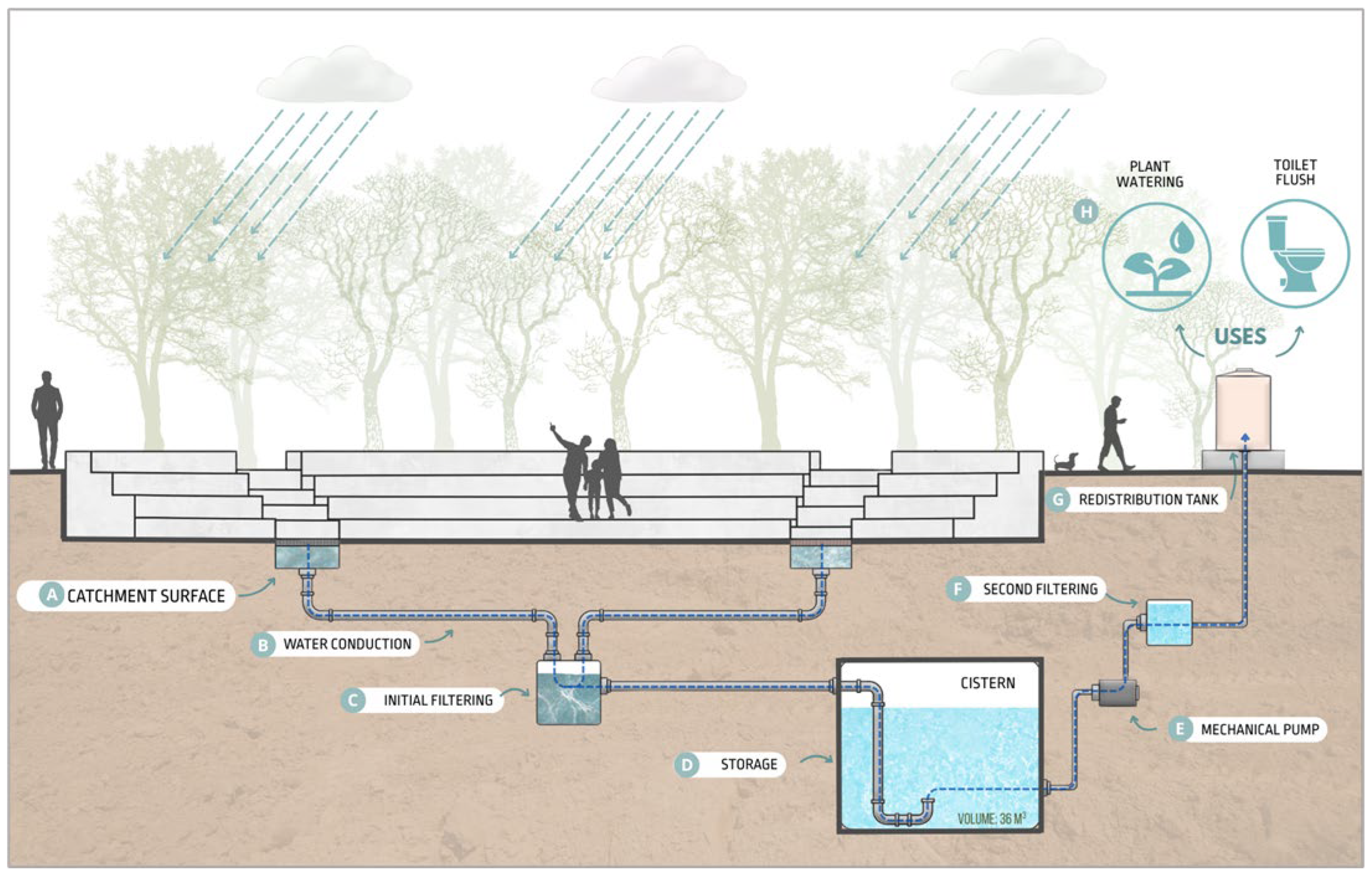
Regarding system operation, rainwater is collected at the lower surface of the sunken plaza through drainage grates (
Figure 18A) and subsequently conveyed through underground PVC pipes (
Figure 18B), sized to transport flows associated with intense rainfall without generating hydraulic overpressure. The flow then passes through a primary filtration system (
Figure 18C) that retains coarse solids and reduces sediment loads. Storage takes place in a waterproofed cistern (
Figure 18D), from which the water is pumped mechanically (
Figure 18E) to a secondary filtration stage (
Figure 18F).
Finally, the treated water is conveyed to a redistribution tank (
Figure 18G) and used for irrigation of green areas and for toilet flushing in sports facilities (
Figure 18H). This system reduces potable water consumption and simultaneously mitigates the impacts of extreme rainfall events by decreasing direct surface runoff into the urban drainage system.
- 3.
Amazonian Plant Nursery
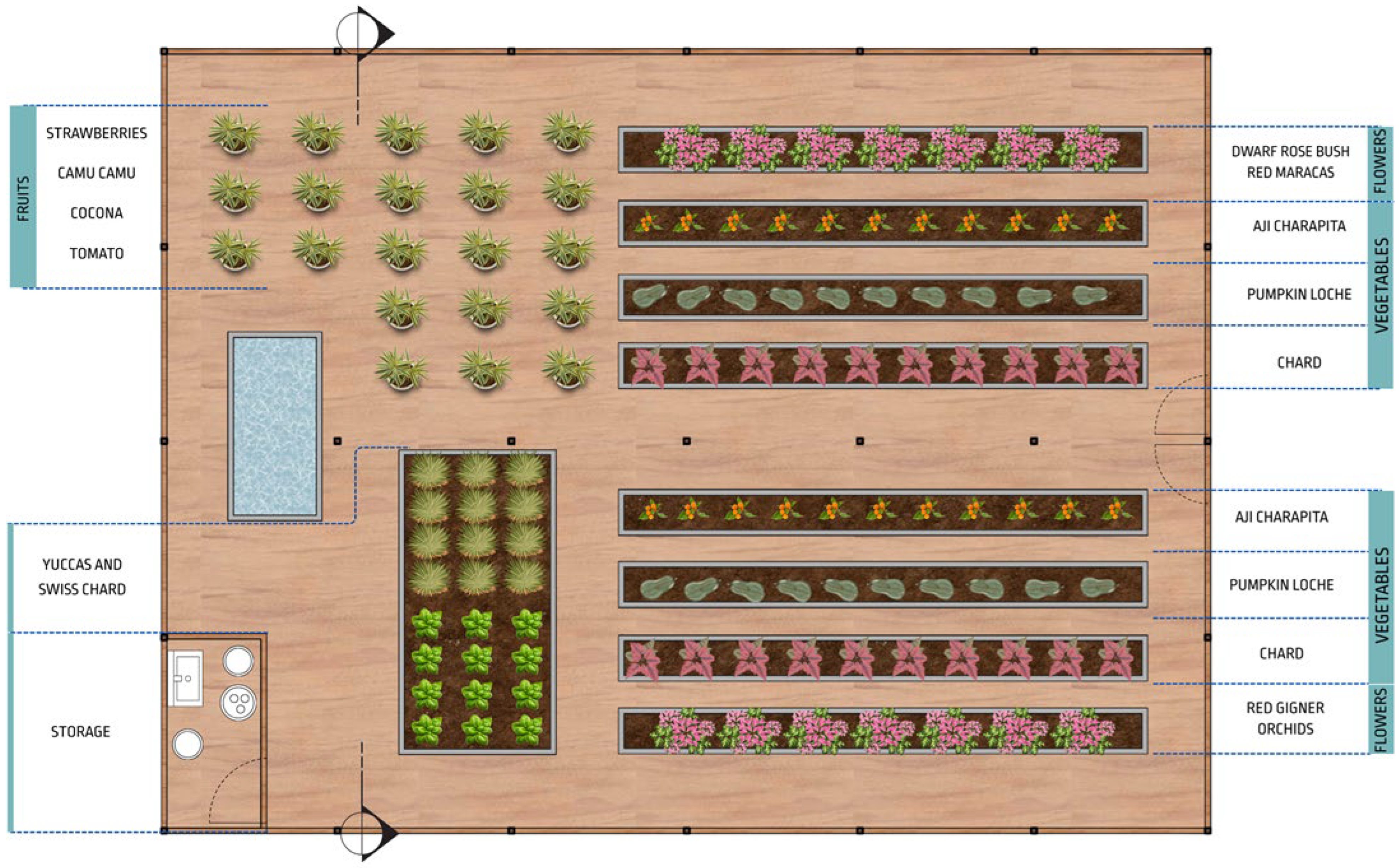
The Amazonian Plant Nursery was analyzed as a productive ecological infrastructure oriented toward environmental restoration, ecological connectivity, and environmental education. The nursery integrates fruit, horticultural, and ornamental species characteristic of Amazonian agroecological systems, including camu camu (
Myrciaria dubia), cocona (
Solanum sessiliflorum), tomato (
Solanum lycopersicum), cassava (
Manihot esculenta), ají charapita (
Capsicum frutescens), loche squash (
Cucurbita moschata), and Swiss chard (
Beta vulgaris var.
cicla), as well as ornamental and flowering species such as dwarf rose (
Rosa spp.), Amazonian orchids, red ginger (
Alpinia purpurata), and red shrimp plant (
Justicia brandegeeana). This plant selection responds to the criteria of climatic adaptability, nutritional value, contribution to urban biodiversity, and educational function, all of which are widely documented for humid tropical contexts, this distribution can be observed in
Figure 19 and
Figure 20 [
83].
From an environmental performance perspective, the analysis of the nursery also considers the efficient management of water and energy resources as integral components of its operation. In terms of water use, biofiltration systems and irrigation using recycled water derived from rainwater harvesting are incorporated, thereby reducing dependence on potable water for vegetation maintenance. The reuse of harvested and treated rainwater for irrigation is a practice supported by the literature on integrated water resources management, circular economy, and urban green infrastructure, particularly in regions with high annual precipitation such as the Amazon [
84,
85].
Complementarily, an analysis of the nursery’s energy demand was conducted in order to evaluate the potential for supply through photovoltaic solar energy. Under the solar radiation conditions available in the city of Iquitos, photovoltaic systems applied to agricultural infrastructure and urban nurseries can fully or partially meet operational electricity demand, contributing to reduced dependence on the conventional power grid and to the mitigation of emissions associated with fossil fuel-based energy consumption [
86].
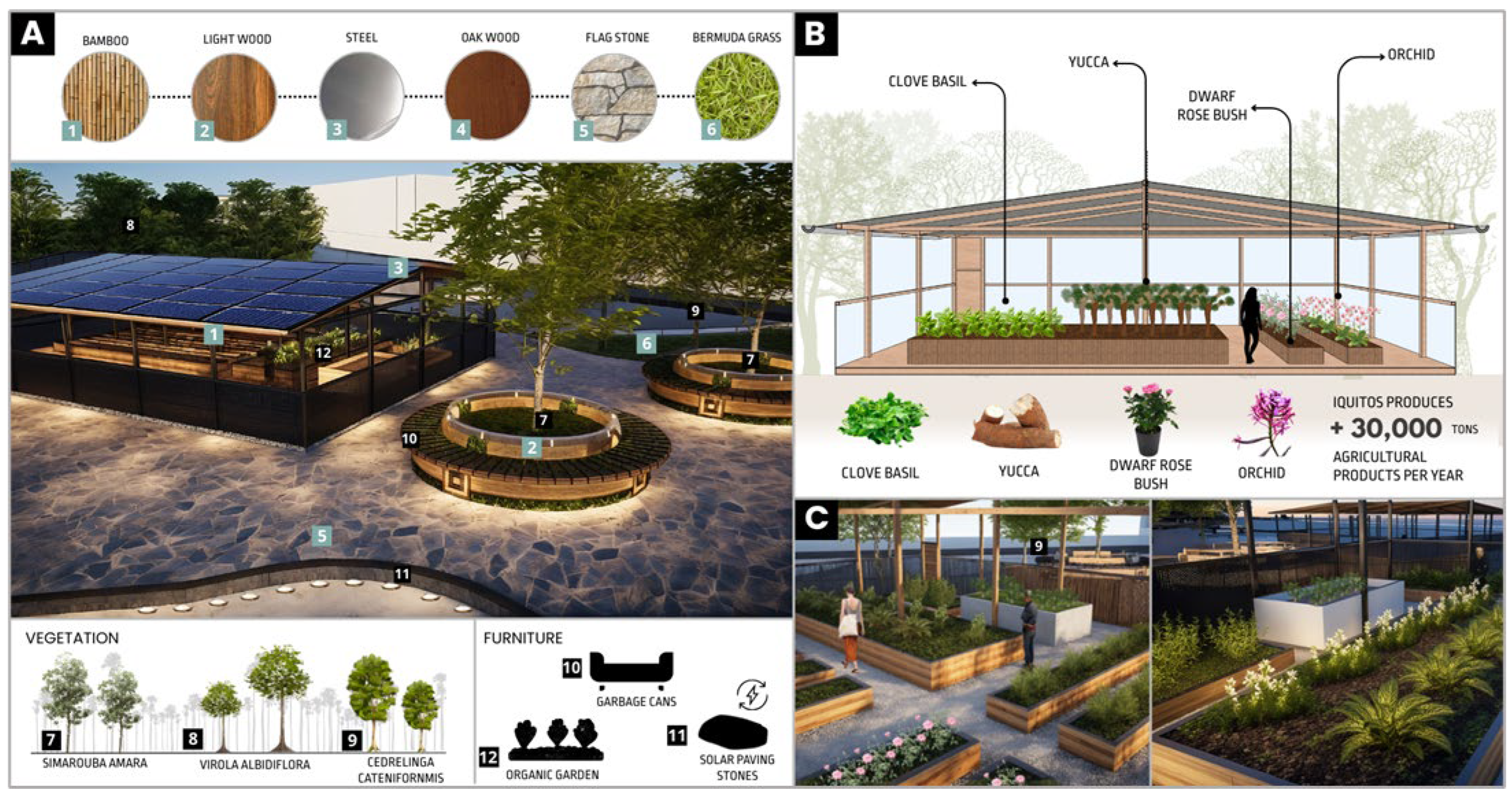
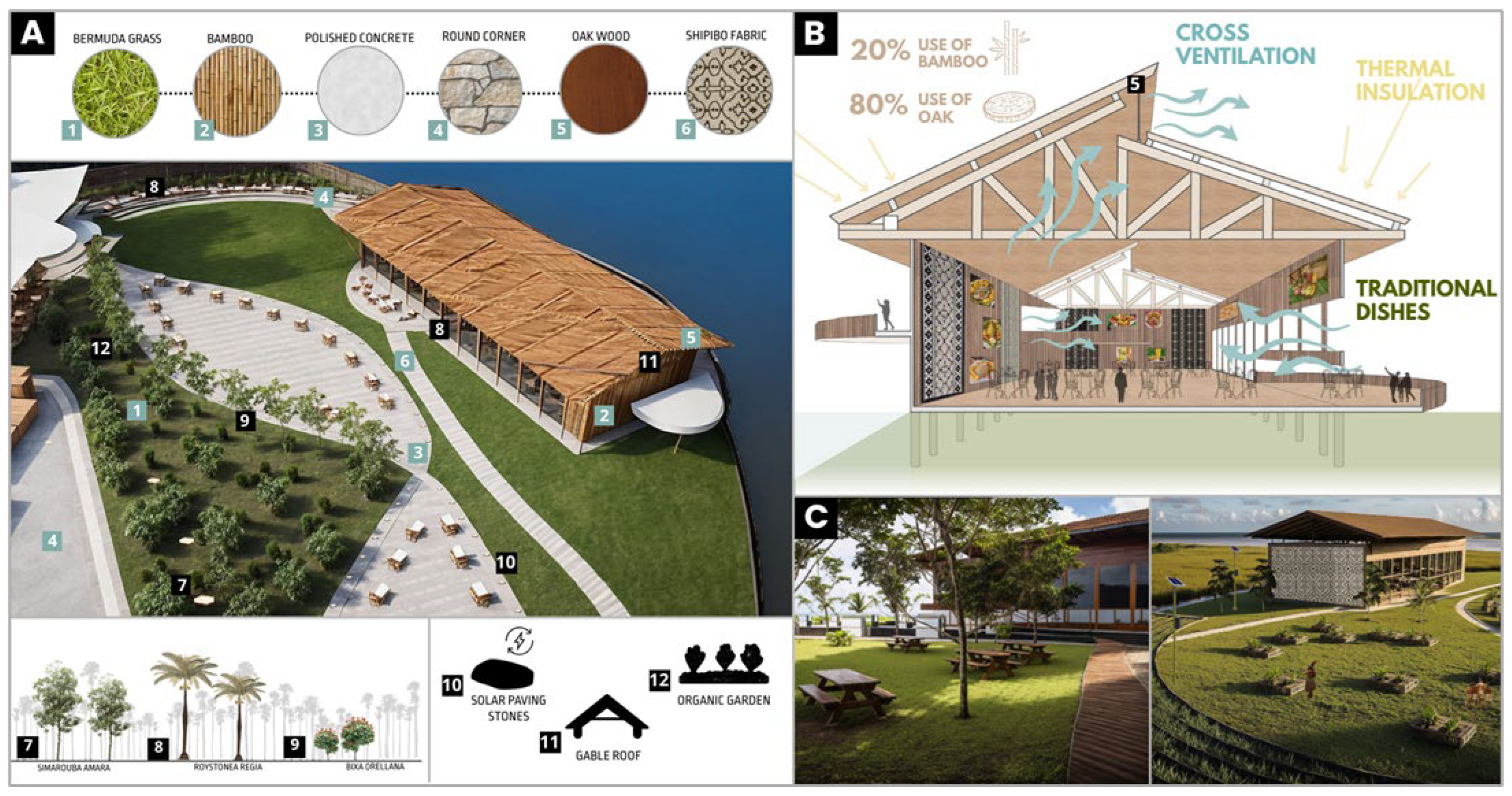
In addition, the nursery’s architectural and landscape configuration integrates climate-responsive materials such as bamboo, wood, steel, flagstone, and Bermuda grass, reinforcing its ecological identity, as shown in
Figure 19A. Its sectional organization defines the relationship between cultivation areas and circulation paths while incorporating species such as clove basil, yucca, dwarf rose bush, and orchid, as represented in
Figure 19B. The use of raised planting beds, organic gardens, and solar paving stones strengthens its environmental performance and educational function, as shown in
Figure 19C.
Table 3 presents the technical characteristics of the 370 Wp Amerisolar monocrystalline PERC solar panel used in the lighting system. This data will be used to calculate the demand for energy in the plant nursery.
Furthermore, the maximum electrical demand has been calculated considering the lighting system, as shown in
Table 4. In this case, a total of lighting, emergency lights, and normal outlets was evaluated, resulting in a total installed power of 4418 W and a maximum demand of 4191.2 W (4.19 kW).
On the other hand,
Table 5 presents the total electricity demand in the organic garden. A 30-day-per-month operation with 15 h of daily use has been considered to ensure optimal functionality of the facilities. Under these conditions, the total power demand is 4191.2 W (4.1912 kW), resulting in a monthly energy consumption of 1886.04 kWh and an annual energy demand of 22,632.48 kWh.
Table 6 presents the solar panel production at the nursery, considering a daily solar radiation of 5.0 kWh/m
2/day and an efficiency of 19.00%. With a 0.37 kW panel, the generation is 1072.8 kWh per month and 12,873.7 kWh per year. These values far exceed the demand established in
Table 5, guaranteeing not only the energy supply for the camp areas but also a surplus that can be utilized within the system, reinforcing the project’s efficiency and sustainability.
The calculation is based on a unit power of 0.08 kW per panel, with an average daily solar radiation of 5.0 kWh/m2/day and an efficiency of 19%, considering the installation of 55 modules in continuous operation for 30 days per month. Under these conditions, a monthly production of 13,200 Wh and an annual production of 15,840 Wh are estimated. These values allow us to gauge the contribution of the photovoltaic system to the sustainable and efficient energy supply for use of spaces.
Finally,
Table 7 presents the comparison between energy demand and energy supply in the nursery. The results indicate that the supplied energy slightly exceeds the energy required, demonstrating the system’s efficiency and reliability in meeting the operational energy needs of the facility.
The estimation of photovoltaic generation was developed from a comparative approach between the projected energy demand and the potential production capacity of the system, considering the solar irradiance levels of the local context. This method contemplates the application of an adjustment factor that allows the behavior of the system to be represented more realistically under real operating conditions, incorporating losses derived from factors such as ambient temperature, the accumulation of dust on the modules, electrical losses in the wiring, inverter inefficiencies and the progressive degradation of the components over time.
In accordance with the recommendations of the International Renewable Energy Agency (IRENA) and the photovoltaic system design guidelines of the National Renewable Energy Laboratory (NREL), a 20% safety margin was applied to the energy balance, in order to ensure the reliability of the system against seasonal variations in irradiance and the gradual reduction in the efficiency of the modules. This adjustment was made after the base energy production had been calculated.
Under this procedure, the estimated annual energy consumption per installation was 47,940.48 kWh/year; after the application of the 20% safety margin, the adjusted value reached 57,528.58 kWh/year.
4.7.4. Gastronomic Sector
This sector includes spaces designed to highlight the gastronomic and cultural richness of Iquitos and to promote local chefs. Recreational and public spaces are also integrated. We incorporated a picnic area, where the community can gather to share breakfast, lunch, or dinner. A gastronomic fair features stalls selling a variety of local dishes, desserts, beverages, and other specialties. In addition, a bio-garden is included, cultivating the ingredients that will be used in the grand viewpoint restaurant “Tambo Yaku”, the landmark of this sector. The name was chosen as a fusion of the words “Tambo” (meaning inn or lodge) and “Yaku” (meaning water in Quechua). Together, “Tambo Yaku” translates as “Water Lodge.”
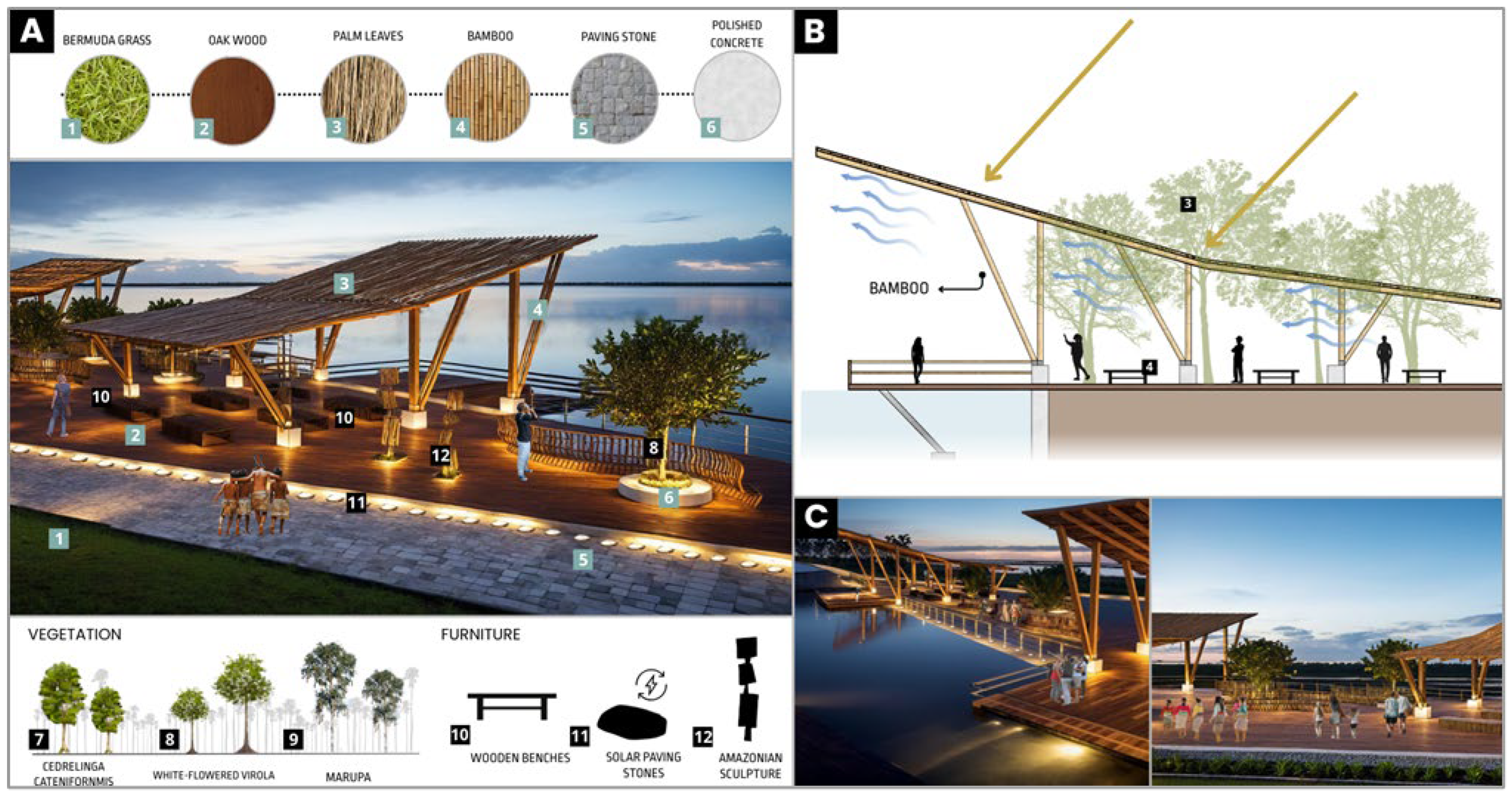
This elevated space facing the Itaya River functions as an emblematic gastronomic point and panoramic viewpoint, enhancing the value of water resources as both a natural landscape and a tourist attraction, as seen in the
Figure 22A. It is built on stilts or a raised platform, using materials such as oak wood for finishes, due to its durability and resistance [
89], and bamboo for external structures, given its high strength and low environmental impact as represented in
Figure 22B [
91]. Both are local and sustainable materials. The restaurant will include outdoor terraces, an Amazonian cocktail bar, spaces for live music, and access to a public sunset-viewing area, integrating culture, architecture, and nature as seen in
Figure 22C. In terms of strategies and their alignment with the Sustainable Development Goals (SDGs), the project emphasizes the revaluation of local plants (SDG 13). These plants enhance biodiversity, reduce environmental impact, and create a natural and shaded environment, strengthening the link between physical well-being and environmental care. Among the species selected for the picnic area is Marupa (
Simarouba amara), which can grow up to 35 m high [
92], providing natural shade. Its sweet fruit is also used to prepare beverages in the restaurant. The Royal Palm (
Roystonea regia) adds ornamental value, enhancing the appeal of the gastronomic sector and contributing to climate regulation [
93]. In addition, Achiote (
Bixa orellana), a small shrub, is traditionally used in the production of food, pharmaceutical, and cosmetic dyes [
94]. Its fruit is also incorporated in the restaurant and in the local production of natural ingredients. Thus, the landscape and cultural design of the restaurant promote sustainable integration and the responsible use of Amazonian biodiversity.
4.7.5. Yorao Ibobo Viewpoint
“Yorao Ibobo,” which in the Shipibo–Konibo language means “Lookout of the Spirit of the River,” symbolizes the spiritual and cultural connection between the Itaya River, the Amazonian landscape, and ancestral Indigenous knowledge. Rather than functioning solely as a viewpoint, these lookouts serve as spaces for contemplation and respect toward water, biodiversity, and the fluvial environment, integrating Indigenous cosmology into the design of the green corridor.
These elements are replicated along different sections of the corridor to maintain a continuous relationship with the river, providing reflective pauses and panoramic views that reinforce the bond between human experience and the natural environment. The use of wood as the primary construction material aligns with sustainability principles and supports the local economy (SDG 11), while bioclimatic roofs and shading structures enhance thermal comfort and climate adaptation in Iquitos’ tropical conditions (SDG 13). In addition, these spaces promote physical and mental well-being (SDG 3) and encourage the appreciation of local flora and fauna, strengthening environmental education and conservation of Amazonian ecosystems (SDG 15).
The wood used for structures is bamboo which can capture up to approximately 40 tons of CO
2 per hectare per year. Also, bamboo is one of the fastest growing plant materials in the world, with harvest cycles between 3 and 5 years, which allows its continuous use without degrading the forest resource or requiring intensive replanting as represented in
Figure 23A [
91]. From a constructive point of view, bamboo has a high strength-to-weight ratio and flexible structural behavior, which is advantageous in areas exposed to constant humidity and ground movements; these conditions also degrade the material faster but through proper preservative treatments, the shelf life of bamboo can be extended up to 15 or even 20 years [
95].
On the other hand, oak, in terms of durability, can maintain its structural integrity for several decades in tropical exteriors if protection treatments are applied and adequate ventilation is guaranteed as seen in
Figure 23B [
96]. In riparian contexts such as that of the Itaya River, the use of oak wood offers additional advantages by visually and environmentally integrating with the Amazonian landscape as seen in
Figure 23C [
96] and when it comes from certified sources of responsible forest management, its use promotes sustainable practices and contributes to the reduction in illegal logging in the Amazon [
97].




 ,
,