
Article

Local Mucosal Toxicity and Inflammatory Responses in the Gallbladder of Cyprinus carpio Exposed to Benzo[a]pyrene: A Transcriptomic and Histological Study

1
College of Animal Science and Technology, Northeast Agricultural University, Harbin 150030, China
2
Heilongjiang River Fisheries Research Institute, Chinese Academy of Fishery Sciences, Harbin 150070, China
3
School of Environment, Harbin Institute of Technology, Harbin 150006, China
*
Authors to whom correspondence should be addressed.
These authors contributed equally to this work.
Fishes 2026, 11(3), 140; https://doi.org/10.3390/fishes11030140
Submission received: 28 January 2026 / Revised: 22 February 2026 / Accepted: 23 February 2026 / Published: 26 February 2026
(This article belongs to the Special Issue The Impact of Contamination on Fishes)

Abstract

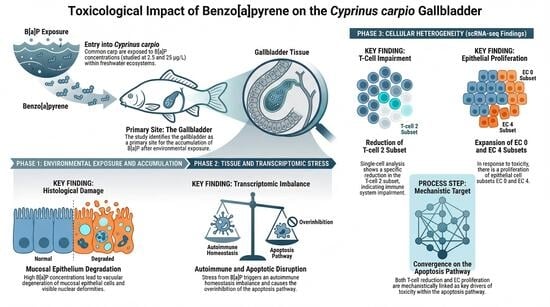
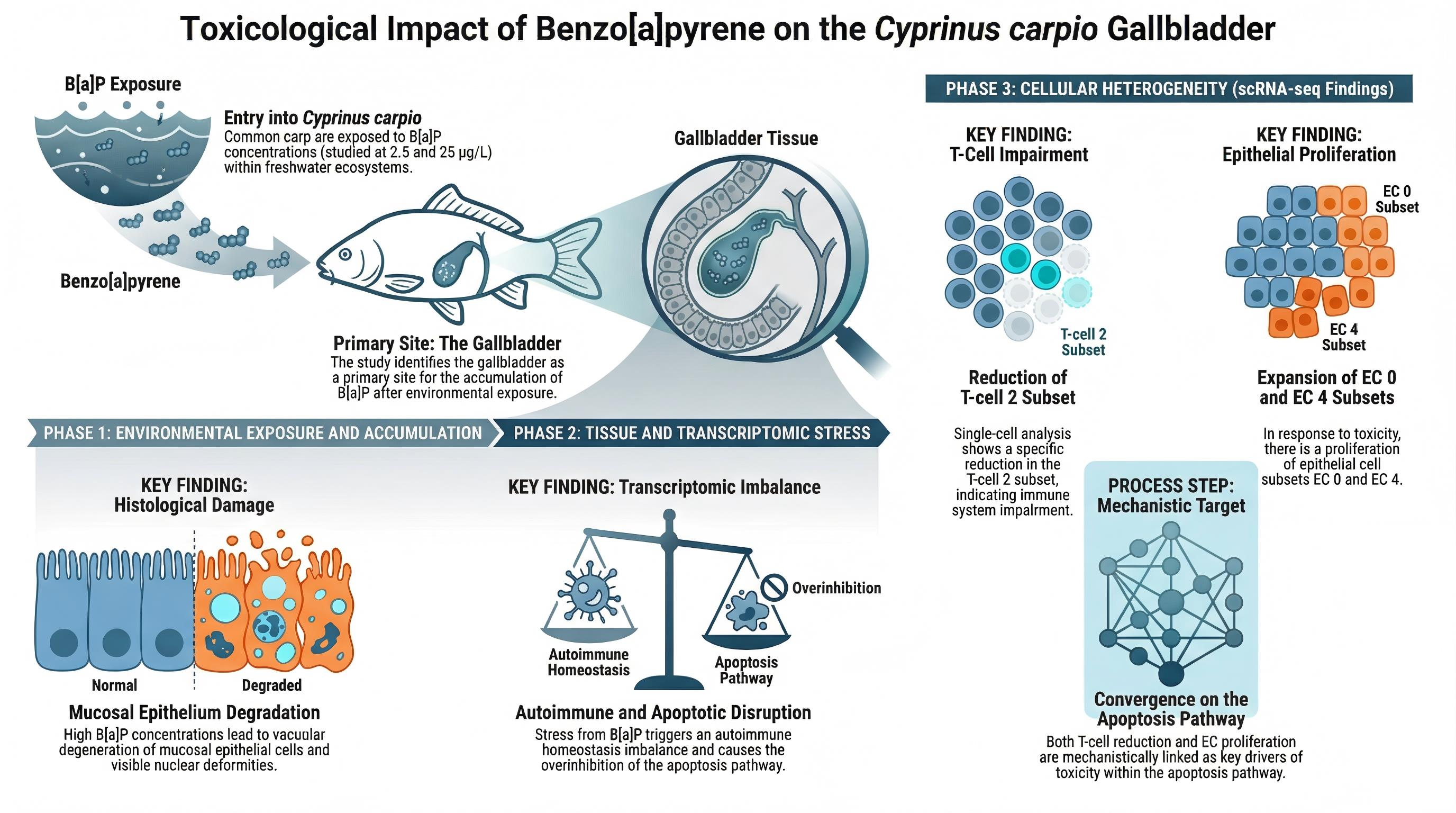
Benzo(a)pyrene (B[a]P) is a pervasive freshwater pollutant, yet its toxicity to the fish gallbladder remains poorly understood. This study investigated the toxicological impacts of 2.5 and 25 μg/L B[a]P on common carp (Cyprinus carpio) using histological, transcriptomic, and single-cell RNA sequencing (scRNA-seq) analyses. Results showed that the gallbladder is a primary site for B[a]P accumulation. High B[a]P concentrations caused vacuolar degeneration of mucosal epithelial cells and nuclear deformities. Transcriptomic analysis revealed that B[a]P stress triggered autoimmune homeostasis imbalance and overinhibited apoptosis. scRNA-seq identified cellular heterogeneity changes, specifically T-cell impairment and epithelial cell (EC) proliferation. Mechanistically, T-cell reduction was linked to the T-cell 2 subset, while EC proliferation involved EC 0 and EC 4 subsets, all participating in the apoptosis pathway. These findings demonstrate that the apoptosis pathway is a key target of B[a]P toxicity in the gallbladder. This work provides a cellular-level framework for assessing environmental polycyclic aromatic hydrocarbon (PAH) risks in aquaculture.
Key Contribution: This study identifies the gallbladder as the primary organ for benzo[a]pyrene accumulation in common carp and demonstrates, through integrated single-cell and transcriptomic analyses, that dose-dependent inhibition of the apoptosis pathway underlies T-cell loss and epithelial cell expansion, providing quantitative cellular indicators for PAH risk assessment in aquaculture.

Graphical Abstract

1. Introduction

Environmental pollution has become a global issue, especially the pollution of the water environment, which poses a serious threat to the health of the water ecosystem. Heavy metals and organic chemicals can be bio-enriched through the food web in aquatic environments, which threatens the life and health of aquatic animals, terrestrial vertebrates, and humans [1,2]. Thereby, polycyclic aromatic hydrocarbons (PAHs) present prominent bio-enrichment characteristics in various water environments [3]. Contaminated aquatic feed and aquatic plants contain a variety of PAHs, and aquatic animals indirectly ingest a large amount of PAHs during the feeding process, resulting in inestimable physiological harm due to continuous enrichment of the biological chain [4]. With the rapid development of the aquatic industry, the ecological harm caused by PAHs has attracted the attention of the international community. In recent years, researchers in China, Europe, North America, and other developed countries and regions have gradually begun to study the distribution characteristics and pollution sources of PAHs in the surface sediments of estuaries, bays, coastal zones, and inland lakes, and research on the consumption of aquatic organisms and freshwater fish has also gradually begun [5,6,7]. As a typical representative of PAHs, benzo[a]pyrene (B[a]P) is one of the most important environmental pollutants of the studied PAHs, which is often used to evaluate the toxic effects of chemical pollutants [8]. B[a]P, originating from both natural and artificial sources, is widely found in the aquaculture environment. Natural sources primarily include forest fires and volcanic eruptions, whereas artificial (anthropogenic) sources—which are the predominant contributors—mainly stem from industrial emissions, vehicular exhaust, and the incomplete combustion of fossil fuels [5,6,7,9]. It is worth noting that B[a]P concentrations in natural aquatic environments vary significantly depending on the pollution source. In heavily polluted industrial areas or sewage discharge zones, B[a]P levels can reach up to 1.21 μg/L [5]. While the regulatory limit for B[a]P in drinking water is typically set at 0.2 μg/L by agencies such as the USEPA, aquatic organisms in polluted regions often face much higher exposure pressures. Therefore, in this study, we selected 2.5 μg/L to simulate a realistic environmental pollution scenario and 25 μg/L to investigate the mechanisms of acute toxicological stress. However, there are few studies on the toxicity of B[a]P to freshwater fish, most of which focus on the determination of some specific toxicological parameters of fish [10,11,12], and a lack of comprehensive, systematic, and in-depth studies.
For blue food, omnivorous cyprinids containing grass carp (Ctenopharyngodon idellus), common carp (Cyprinus carpio), Carassius spp., and Wuchang bream (Megalobrama amblycephala) are inescapable freshwater fish. In terms of world production of major aquaculture species in 2020, the production proportion of the above four fish species accounted for 27.6 percent [13]. Hence, the above four fish have become an important research object in the toxicology of water environment pollutants [14,15], also including B[a]P toxicity [12], suggesting that their health can be regarded as an indicator of the balance in the water ecosystem. Due to the common properties of stomachless fish, hepatopancreas and intestines are often chosen as target organs for toxicological studies. A study on crucian carp (Carassius auratus) indicated that foregut villi width and hindgut layer thickness were significantly increased after exposure to Pb [16,17]. It has been reported that the intestine of common carp accumulates ZnO nanoparticles to a greater extent than the liver [17]. Previous studies have predominantly evaluated the roles of the liver and intestine in toxicological studies from the perspective of immune properties [16,17], often overlooking the fact that the gallbladder is also an integral component of the digestive system. With a focus on the digestive system, studies in recent years on the function of the gallbladder under environmental stress have been stagnant in comparison to hepatopancreas and intestines. In some Asian countries, fish gallbladder is used as a part of traditional medicine with the function of improving fatigue, arthritis, and erectile dysfunction. However, related studies have proved that acute kidney injury following gallbladder consumption of Java barb (Barbonymus gonionotus) [18] and Indian carp (Labeo rohita) [19] appeared in several Asian countries. Similarly, it was reported that the whole gallbladders of eels (Anguilla anguilla), crucian carp (Carassius carassius), and catfish captured in the Natural Reserve of Camargue could significantly accumulate PAHs, including phenanthrene, naphthalene, fluorene, fluoranthene, pyrene, and chrysene [4]. Henceforth, for the sustainable development of blue food, research on the toxic immunity mechanism of the gallbladder of fish (especially omnivorous cyprinids) needs to be conducted. But what we must realize is that an additional challenge to broadening our understanding of the gallbladder metabolic mechanism on environmental exposure is the lack of related fish models, so this motivates us to use advanced technology to carry out relevant research at the molecular, cellular, and other basic levels.
With the continuous iteration of technology, the approaches to understanding the mechanisms of tissue development are increasing. Single-cell sequencing technology (scRNA-seq) is a powerful molecular biology tool for resolving gene expression patterns of individual cells in tissues, organs, or entire organisms. The emergence of this technology fills an important gap in the traditional sequencing technology, that is, the inability to resolve the heterogeneity of cell populations [20]. At present, the application of scRNA-seq in the study of non-model fish except zebra fish [21] is increasing, involving Nile tilapia (Oreochromis niloticus) [22], rainbow trout (Oncorhynchus mykiss) [23], and Atlantic salmon (Salmo salar L.) [24]. The current scRNA-seq is mainly applied to the growth and development of aquatic animals [25], immune regulation [23,26], and the construction of relevant cell maps to provide a theoretical basis for genetic breeding and disease prevention and control of aquatic animals by analyzing the changes in gene molecules in cells of different tissues. The application status and advantages of scRNA-seq have provided a solid technical foundation for researchers to deeply understand the immune mechanism of gallbladder toxicity.
Combined with the above research results, this study took common carp as representative of the toxic effect of B[a]P on omnivorous cyprinids. Common carp was ranked the top fourth in the world production of major aquaculture species [13], and it is also a typical omnivorous cyprinid. To comprehensively investigate the effects of B[a]P stress on tissue morphology, metabolic regulation, and cellular heterogeneity, this study employed a combined approach utilizing GC/MS, histological analysis, transcriptomics, and scRNA-seq. Study findings will contribute to deepening the understanding of the functional role of the gallbladder in environmental stress, finding molecular-level markers, providing early warning signals for indicating the status of organic pollutants represented by B[a]P in the water environment to contribute comprehensive and profound insights for aquaculture practices and environmental sustainability.

2. Materials and Methods

2.1. Common Carp and Chemical Treatment

Common carp (Cyprinus carpio) with a mean weight of 50.0 ± 10.0 g (standard length: 15.0 ± 2.0 cm; age: 12 months) were obtained from the Hulan Experimental Station of the Heilongjiang Fisheries Research Institute (Harbin, China). Prior to the experiment, the fish were acclimatized for two weeks in 200 L tanks containing aerated freshwater at 26 ± 2 °C. During the experiment, the dissolved oxygen was maintained at 6.5 ± 0.5 mg/L, pH at 7.4 ± 0.2, and water hardness at 120 ± 10 mg/L (as CaCO3). A photoperiod of 12 h light: 12 h dark was maintained. The maintenance and disposal of common carp were in compliance with the guidelines for the care and use of laboratory animals of the Heilongjiang River Fisheries Research Institute (CAFS). This experimental work was approved by the Committee for the Welfare and Ethics of Laboratory Animals of Heilongjiang River Fisheries Research Institute (CAFS).
B[a]P (CAS: 620-92-8) was obtained in the form of a product with a purity level of 99% from Tokyo Chemical Industry (Tokyo, Japan). Common carp were exposed to two concentrations of B[a]P including 2.5 μg/L (Low Dose, DL) and 25 μg/L (High Dose, DH) for a period of 15 days. Each group was assigned three replicate tanks (200 L each). A total of 30 fish were assigned to each group, with 10 individuals randomly distributed into each replicate tank. The experimental common carp were fed twice a day (at 9:00 and 17:00) with a commercial diet containing 320 g/kg of crude protein (Tong Wei Co., Ltd., Chengdu, China). The B[a]P, dissolved in deionized water to a stock solution (100 mg/L), was supplemented to two aquaria to make a final measured B[a]P concentration of 2.5 and 25 μg/L in the water environment. To maintain the B[a]P concentration and water quality, a semi-static renewal method was employed. Approximately 50% of the water in each tank was siphoned out daily to remove feces and uneaten food and was immediately replaced with fresh aerated water containing the corresponding concentration of B[a]P.

2.2. Gallbladder Collection

Following a 15-day B[a]P exposure period, common carp were subjected to euthanasia by means of tricaine mesylate (MS-222; Sigma-Aldrich, St. Louis, MO, USA) [27]. Following euthanasia, the body surface of the fish was blotted dry with paper towels. The hepatopancreas, gallbladders, and intestines were then carefully removed for the purpose of determining B[a]P content (6 common carp from each treatment). In addition, the obtained gallbladders were used for the purpose of analyzing the histological form (6 common carp from each treatment), implementing transcriptome sequencing (3 common carp from each treatment), and scRNA-seq (3 common carp from each treatment). The sample sizes (n = 6 for physiological/histological assays and n = 3 for omics analyses) were selected to balance statistical power with ethical considerations (3Rs) and practical feasibility, following standard protocols in aquatic toxicology.

2.3. B[a]P Content Determination by Gas Chromatography and Mass Spectrometry (GC/MS)

Samples from three individual gallbladders were pooled into a single composite sample and subsequently pretreated according to the method described by Li [28]. The amount of B[a]P in the samples was quantified by the ARF-20A fluorescence detector (Shimadzu, Kyoto, Japan). In regard to the mobile phase, the volume ratio of acetonitrile and water was set as 88:12 with a 1 mL/min flow rate, the column temperature was kept at 35 °C, and the injection volume was 20 μL. Fluorescence detection was performed with excitation and emission wavelengths set at 384 nm and 406 nm, respectively.

2.4. Gallbladder Histology

The histopathological characteristics of gallbladder from 3 common carp from each treatment were detected by hematoxylin and eosin (H&E) staining. The gallbladder samples were immediately fixed in 4% paraformaldehyde phosphate buffer (Sigma-Aldrich, St. Louis, MO, USA) for 24 h. Following dehydration, the samples were embedded in paraffin and then sliced into 5-micrometer-thick sections with a microtome. These sections were stained using the standard H&E staining procedure to facilitate histological observations. The sections were imaged using a light microscope (Leica MD 2000B, Wetzlar, Germany) at a magnification of 400×.
The gallbladder ultrastructure from the other 3 common carp from each treatment was tested. Fresh tissue samples were fixed in 2.5% glutaraldehyde for 4 h and embedded in epoxy resin. The ultrathin sections, 70 nm, were made by a Leica EM UC7 ultrathin microtome (Leica, Wetzlar, Germany). Double staining was conducted using 2% uranyl acetate and lead citrate. The JEOL JEM-1400Plus transmission electron microscope (JEOL, Tokyo, Japan) and Gatan Orius SC1000 CCD camera (Gatan, Pleasanton, CA, USA) were, respectively, applied to observe and acquire the gallbladder sub-microstructure.

2.5. Gallbladder Transcriptome Sequencing

RNA extraction and quality assessment were performed according to the method described by Fan et al. [29]. Sequencing services were provided by Shanghai Novelbrain Biomedical Technology Co., Ltd. (Shanghai, China), utilizing the NEBNext® Ultra™ RNA Library Prep Kit (New England Biolabs, Ipswich, MA, USA) and the Illumina NovaSeq 6000 platform (Illumina, San Diego, CA, USA). Adapter reads and low-quality reads were removed from the resulting raw reads. High-quality clean reads were aligned with the common carp reference genome (Accession Number: GCF_018340385.1), and the mapped gene model annotation file (https://www.ncbi.nlm.nih.gov/genome/?term=Cyprinus_carpio, accessed on 20 January 2026) using FastQC version 0.11.9. R package DESeq2 version 1.38.3 was applied to analyze differential expression analysis. Genes with log2 fold change ≥ 1 and p.adjust < 0.05 were considered significantly differentially expressed between control and treatment group samples. The Kyoto Encyclopedia of Genes and Genomes (KEGG) enrichment analysis was conducted on differential expression genes (DEGs).

2.6. scRNA-Seq of Gallbladder

Single-cell isolation: the gallbladders from 3 common carp per aquarium were combined to form one sample. Gallbladder samples were rinsed with phosphate-buffered saline (PBS) and dissociated using dispase at 37 °C for 3 min, after which digestion was terminated by adding 100 μL of serum. The resulting cell suspension was sequentially filtered through 70 μm and 40 μm cell strainers, centrifuged at 4 °C, and washed twice with ice-cold HBSS containing 1% BSA to eliminate debris.
scRNA-seq and bioinformatics analysis: 10× single-cell RNA sequencing for common carp gallbladders was performed by Shanghai Novelbrain Biomedical Technology Co., Ltd., Shanghai, China. The process covered gene expression matrices and a t-distributed stochastic neighbor embedding (t-SNE) plot. A GRCz11 zebrafish transcriptome (Ensembl) was used as the reference. Downstream analysis of cell-type identification and DEGs was conducted using Loupe Cell Browser 3.0.0 (10× Genomics, Pleasanton, CA, USA). Cell cluster annotations were assigned based on the known cell type, tissue expression patterns (https://zfin.org, accessed on 20 January 2026), and/or specific marker genes. Our dataset was juxtaposed against KEGG. Enrichment of a KEGG term was determined according to an adjusted p-value ≤ 0.05.
Pseudotime trajectory analysis: A monocle was selected for the pseudotime trajectory analysis of the gallbladder cell population, involved in the ECs and T-cell clusters. Essentially, the monocle was used to reduce the dimensionality and order the cells, which were visualized by the trajectory in the reduced dimensional space. It was then utilized to identify the DEGs between groups of cells, with key genes identified by a false discovery rate (FDR) < 1 × 10⁻⁵. Additionally, genes with similar expression trends were grouped, sharing common biological functions and regulators. Monocle’s BEAM was employed to analyze branch-dependent gene expression.

3. Results

3.1. Comparison of B[a]P Contents in Hepatopancreas, Gallbladder, and Intestine

The concentrations of the detected B[a]P in the three tissues of hepatopancreas, gallbladder, and intestine from three B[a]P exposure treatments varied considerably (Table 1). Both in DL and DH treatments, the gallbladder was the major tissue for B[a]P accumulation. Among three tissues in three treatments, DH treatment possessed the highest B[a]P content without exception. In view of B[a]P content percentage gain from DL to DH treatment, the gallbladder showed a maximum accumulation percentage of 136.42% among three tissues.
The comparison suggested that the gallbladder of common carp could be the main tissue of B[a]P accumulation in terms of the digestive system. Therefore, this study selected the gallbladder as the major tissue to explore the B[a]P toxic effect.

3.2. Histopathological Verification of Gallbladder Damage After B[a]P Exposure

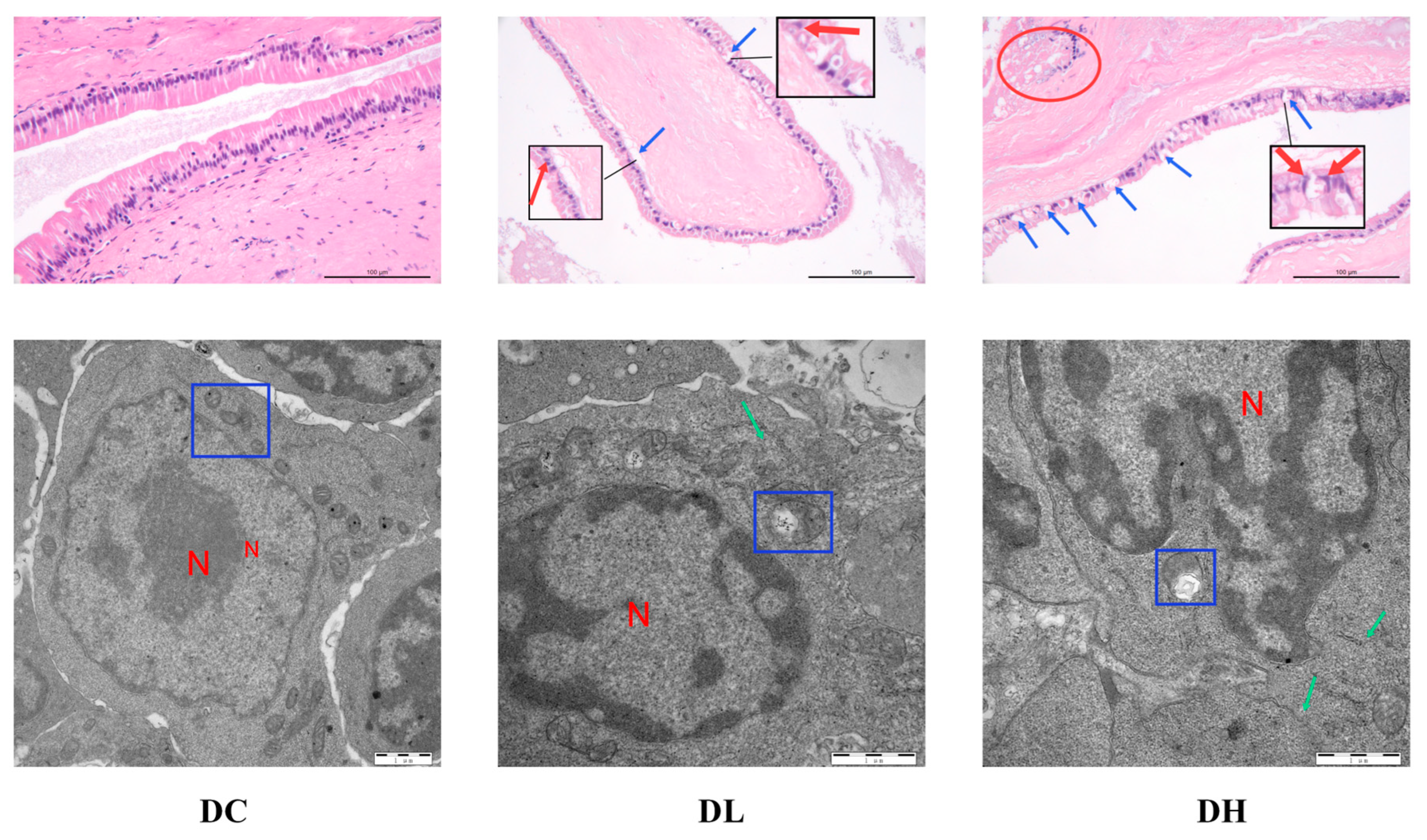
In the B[a]P-exposed groups (DL and DH), distinct pathological alterations were observed. Light microscopy (Figure 1, top row) revealed vacuolar degeneration of mucosal epithelial cells, along with nuclear hypertrophy and hyperchromasia. Changes in the density and distribution of nuclear chromatin were evident, accompanied by significant nuclear deformation.
Under TEM observation (Figure 1, bottom row), the control group displayed normal mitochondrial cristae. However, in the DL treatment group, numerous incompletely dissolved vesicular structures containing granular material were observed in the cytoplasm (indicated by green arrows). Morphometric analysis confirmed that the nuclear size and the number of vesicular structures were significantly increased in the treatment groups compared to the control (p < 0.05), validating the histopathological impact of B[a]P exposure.

3.3. B[a]P Exposure Altered Transcriptomic Expression Profile and Associated Biological Functions of Gallbladder

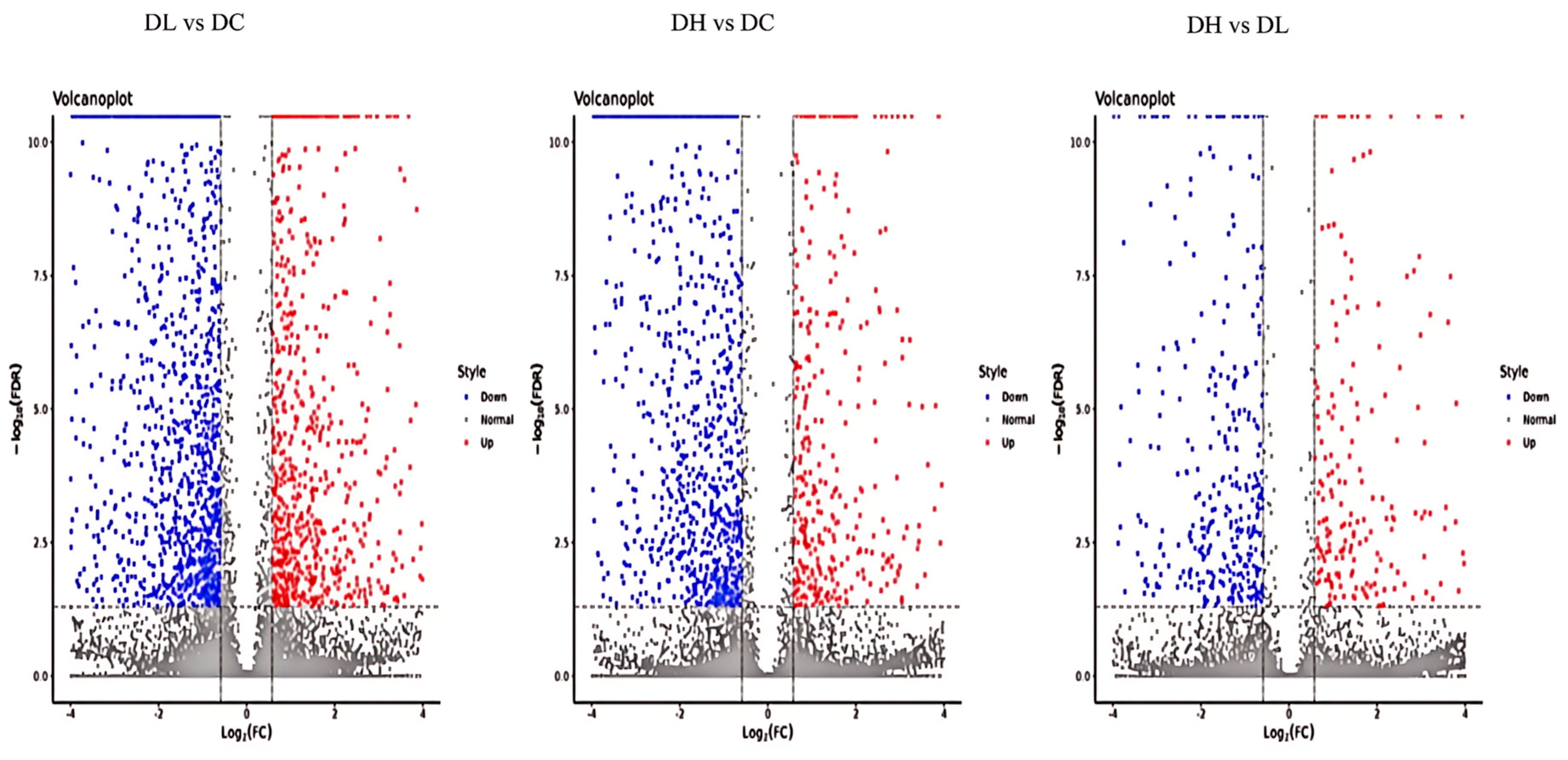
The discrepant quantity of gene transcripts in gallbladder among the control, DL, and DH treatments is shown in Table 2 (|log2 fold change| ≥ 1, adjusted p value < 0.05). Volcano plots illustrate the distribution of the DEGs (Figure 2). For DL vs. DC, a total of 2600 DEGs were identified, including 924 upregulated and 1676 downregulated genes, whereas 1662 DEGs were identified under DH vs. DC (Figure 2), including 451 upregulated and 1211 downregulated genes. Additionally, we also identified 287 upregulated and 447 downregulated genes based on the DH treatment against the DL treatment.
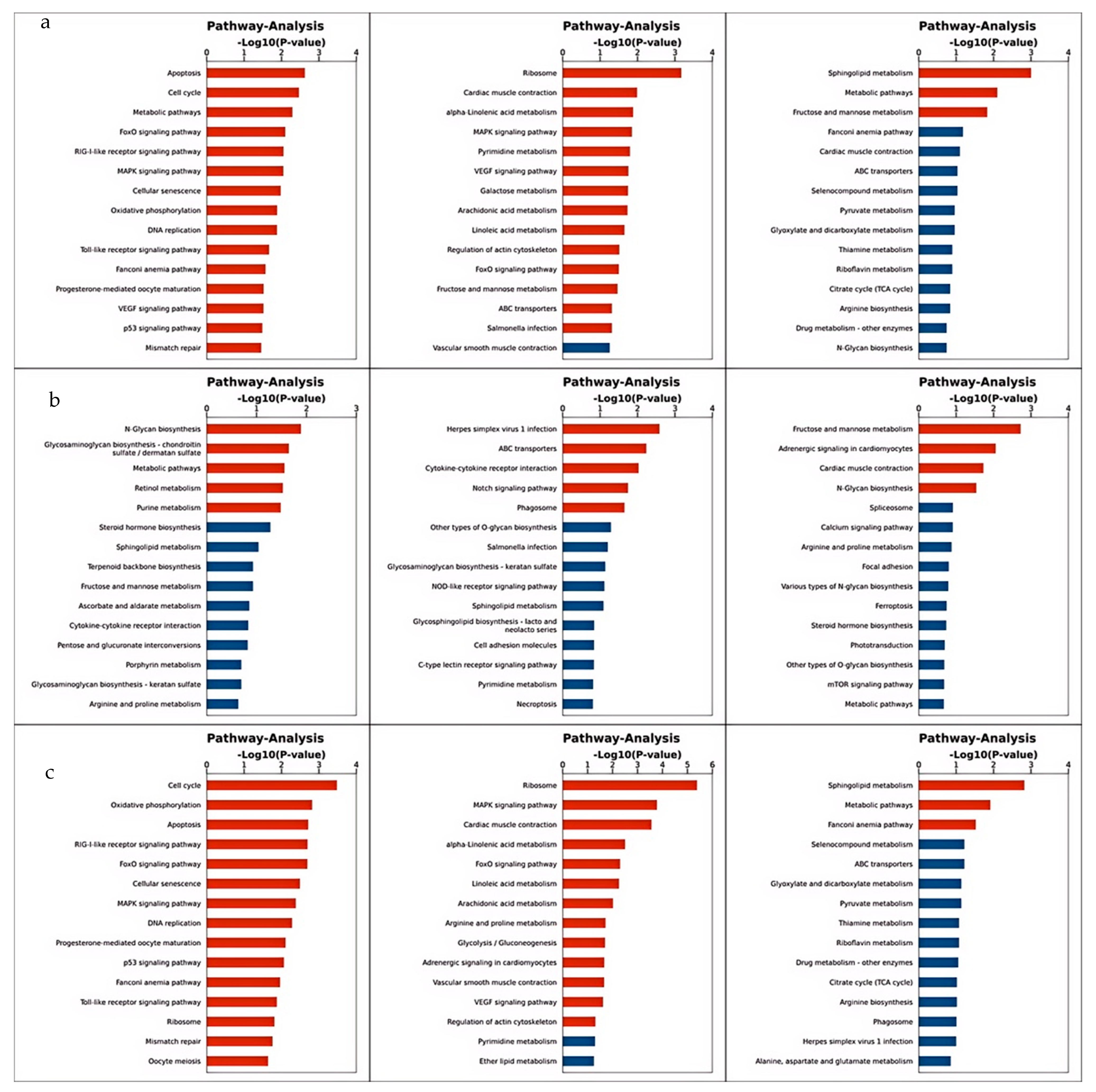
To explore the regulatory functional mechanisms in response to B[a]P exposure, KEGG analysis of DEGs was carried out. As shown in Figure 3, apoptosis, cell cycle, metabolic pathways, ribosome, cardiac muscle contraction, alpha-Linolenic acid metabolism, sphingolipid metabolism, and fructose and mannose metabolism were the main enriched pathways among the three comparisons. According to the results of KEGG pathway enrichment analysis, 2600 exclusive DEGs (DL vs. DC) were enriched into nine major pathways, which were divided into five significantly upregulated pathways (Herpes simplex virus 1 infection, ABC transporter, cytokine–cytokine receptor interaction, Notch signal pathway, and phagosome) and four main downregulated pathways (ribosome, MAPK signal pathway, cardiac muscle contraction, and alpha-Linolenic acid metabolism) (Figure 3). The KEGG enrichment analysis of 1662 exclusive DEGs in DH and DC comparison was performed to obtain nine major pathways, which were divided into five significantly upregulated pathways (N-Glycan biosynthesis, Glycosaminoglycan biosynthesis, metabolic pathways, retinol metabolism, and purine metabolism) and four main downregulated pathways (cell cycle, oxidative phosphorylation, apoptosis, and RIG receptor signal pathway) (Figure 3). In total, 734 exclusive DEGs in DH and DL comparison were enriched into seven major pathways, which were divided into four significantly upregulated pathways (fructose and mannose metabolism, adrenergic signal in cardiomyocytes, cardiac muscle contraction, N-Glycan biosynthesis) and three significantly downregulated pathways (sphingolipid metabolism, metabolic pathways, and Fanconi anemia pathway) (Figure 3). Notably, comparative analysis highlighted the significant downregulation of several key pathways. Specifically, alpha-Linolenic acid metabolism was suppressed in the DL vs. DC comparison, while apoptosis and the RIG-I-like receptor signaling pathway were downregulated in the DH vs. DC comparison. Additionally, sphingolipid metabolism showed decreased activity in the DH vs. DL comparison. In addition, another issue of concern was that upregulated pathways focused on carbohydrate metabolism, such as N-Glycan biosynthesis and Glycosaminoglycan biosynthesis in the DH group vs. DC group comparison and fructose and mannose metabolism in the DH group vs. DL group comparison.

3.4. Single-Cell Transcriptomic Profiling of the Cyprinus carpio Gallbladder Under B[a]P Stress

3.4.1. Identification of Gallbladder Cell Populations via scRNA-Seq

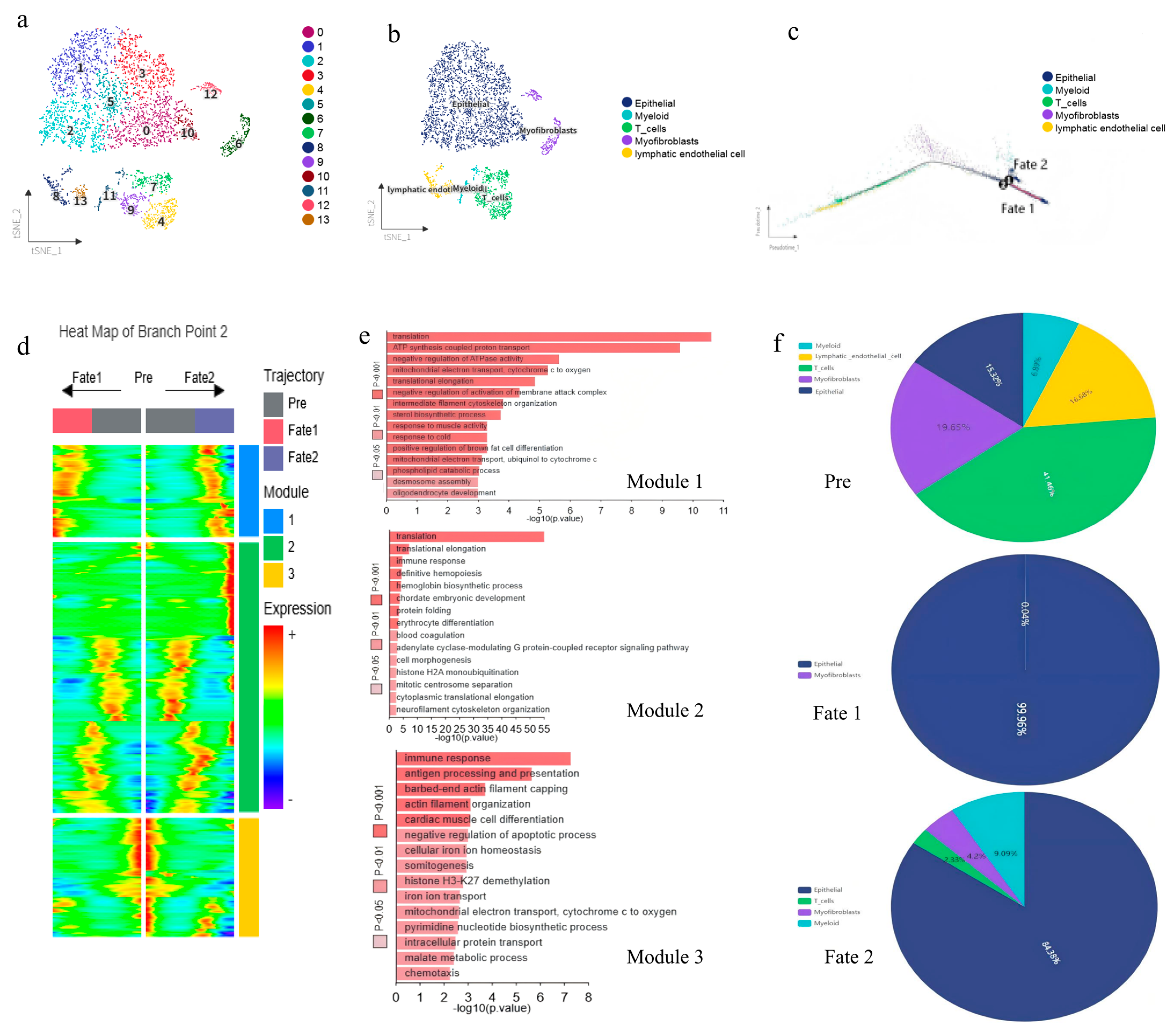
Following quality control, a total of 5670 cells were retained for analysis, with a median of approximately 4939 genes detected per cell. The distribution of cells across groups was 2080 for DC, 1938 for DL, and 1652 for DH. The detected cells were divided into 14 clusters depending on an unsupervised cluster detection algorithm (SEURAT) (Figure 4a). These clusters exhibit significant differences at the transcriptome level, strongly suggesting that they may represent distinct cell subpopulations or biological states.
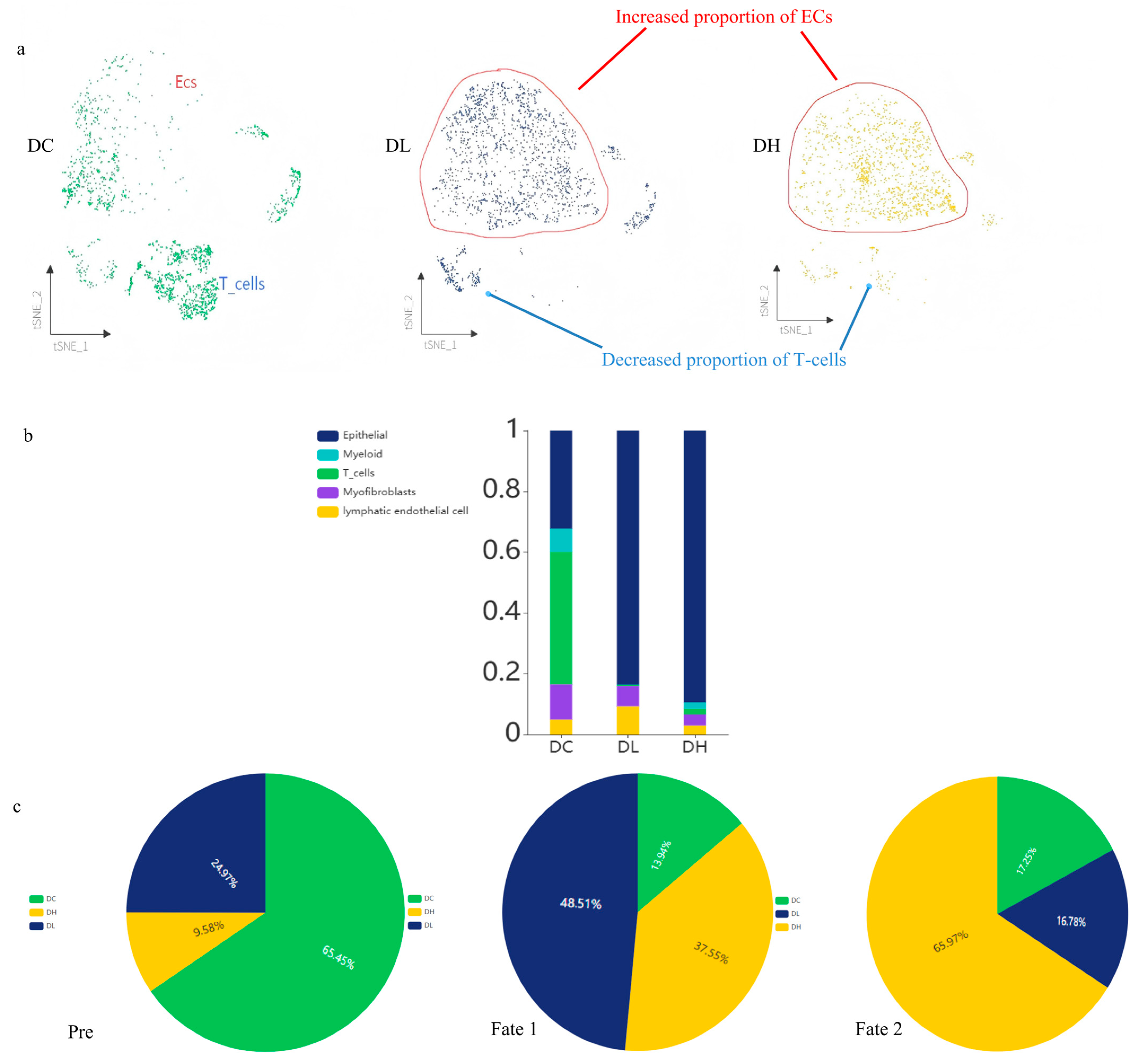
Through a comprehensive analysis of the existing literature and database of cell marker genes, we successfully named and classified 14 different gallbladder cell clusters. This process involves multiple levels of data analysis and validation, including but not limited to gene expression profiling, application of clustering algorithms, and comparison with existing studies. After a series of careful comparison and verification steps, as shown in Figure 3, we finally succeeded in dividing these cell clusters into five distinct cell types. They are epithelial cells, myeloid cells, T cells, myofibroblasts and lymphatic endothelial cells. Each cell type has its own unique gene expression pattern and functional properties, which provides a strong basis for further investigation of the molecular mechanism of gallbladder disease.
Further pseudotiming results (Figure 4c) showed that the gallbladder cells contained three trajectories. Pre-trajectory mainly contained T cells, myofibroblasts, and lymphatic endothelial cells and covered mitochondrial electron transport function, ATP synthesis coupled with proton transport function, and immune response function. Fate 1 trajectory contained all epithelial, mainly including translation function and red blood cell differentiation, and Fate 2 trajectory included epithelial cells and myeloid cells, mainly containing translation function, differentiation function, and immune response (Figure 4d–f).

3.4.2. B[a]P Exposure Alters Gallbladder Cellular Composition and Developmental Trajectories

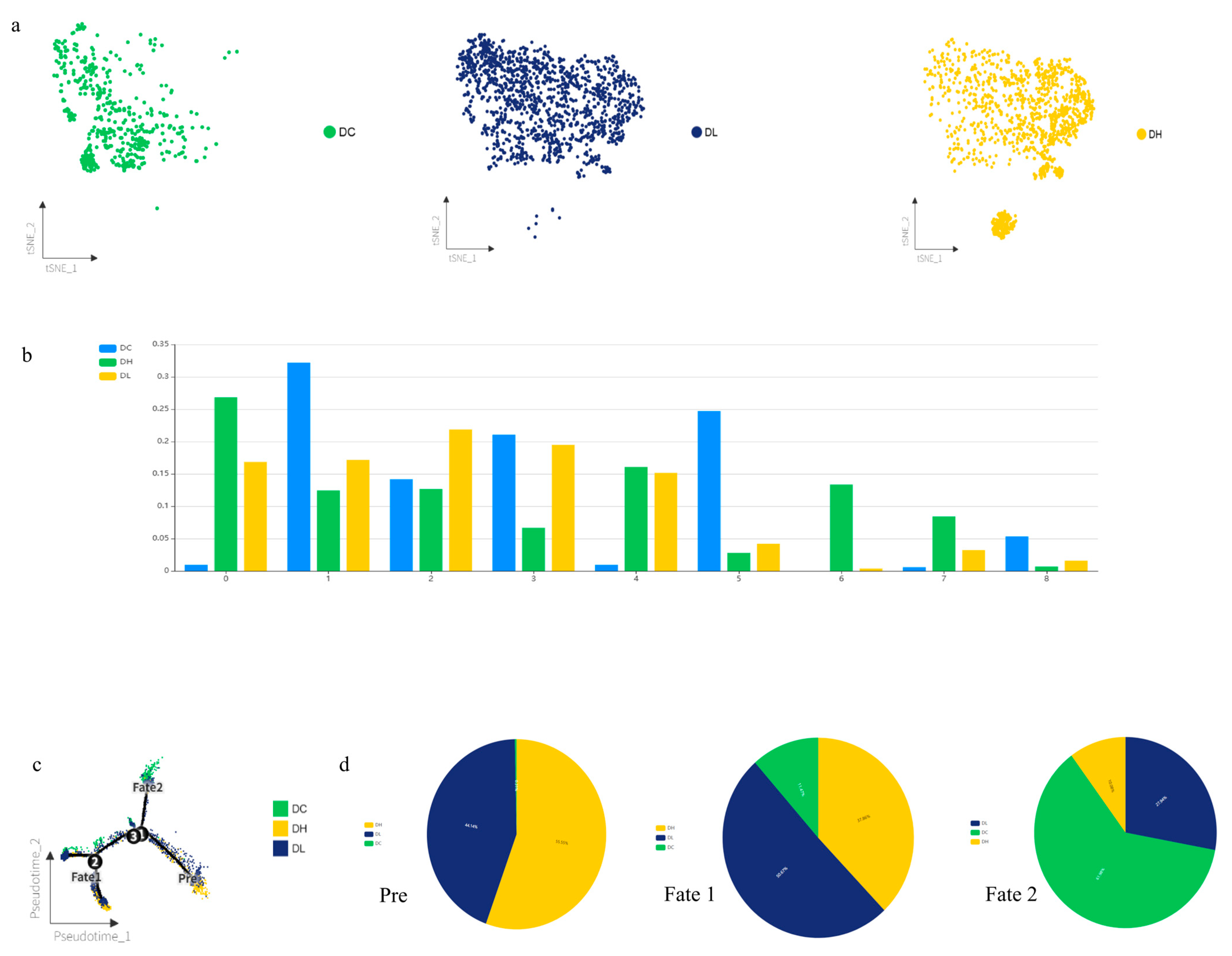
The proportions of distinct cell clusters exhibited significant variations across different treatment groups (Figure 5). Specifically, the percentage of ECs in the common carp gallbladder increased substantially following B[a]P exposure (in both DH and DL groups), while T cells displayed a declining trend. Regarding pseudotime trajectories, DC group cells were primarily associated with the initial “Pre” state. In contrast, cells from the DL group were predominantly distributed along the “Fate 1” branch, whereas those from the DH group shifted toward the “Fate 2” trajectory.

3.4.3. Analysis of Cellular Heterogeneity and Pseudotime Lineage in Gallbladder Epithelial Cells (ECs) Under B[a]P Stress

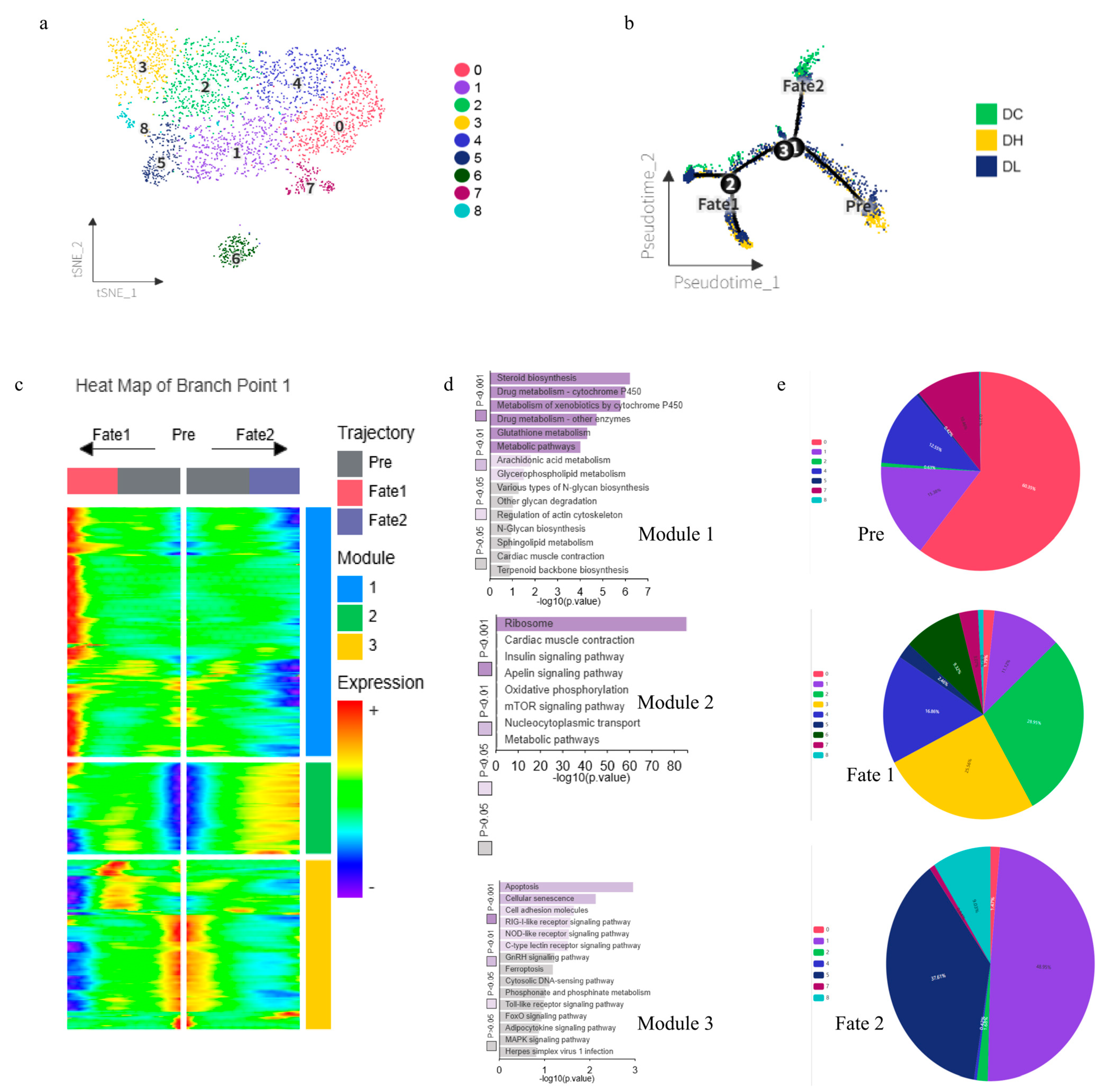
To further explore the epithelial cell (EC) populations, all gallbladder ECs were integrated and re-clustered, resulting in nine distinct subclusters (Figure 6). Pseudotime trajectory analysis was subsequently performed to elucidate the differentiation lineages of these cells. The results indicated that the ECs progressed along three distinct differentiation fates. The initial “Pre” state was primarily composed of EC clusters 0, 1, and 4, which were predominantly associated with immune-related functions, particularly the apoptosis pathway. In contrast, Fate 1 was characterized by a high proportion of EC0, followed by EC3 and EC4, with its differentiation process being closely linked to lipid metabolism. Meanwhile, Fate 2 was distinctly associated with cell development-related functions and consisted mainly of EC clusters 1, 5, and 8.
Figure 7 illustrates the shifts in gallbladder epithelial cell (EC) heterogeneity following B[a]P exposure. As shown in Figure 7a,b, the proportions of clusters EC1, EC3, EC5, EC6, and EC8 decreased significantly after B[a]P treatment, whereas EC0, EC4, and EC7 exhibited an opposite, upward trend. Regarding the pseudotime trajectories, epithelial cells in the DL and DH groups were primarily concentrated along the Fate 1 and “Pre” states, respectively, while those in the control (DC) group were mainly distributed within the Fate 2 trajectory.

3.4.4. Characterization of T-Cell Heterogeneity and Pseudotime Lineages in the Gallbladder Following B[a]P Exposure

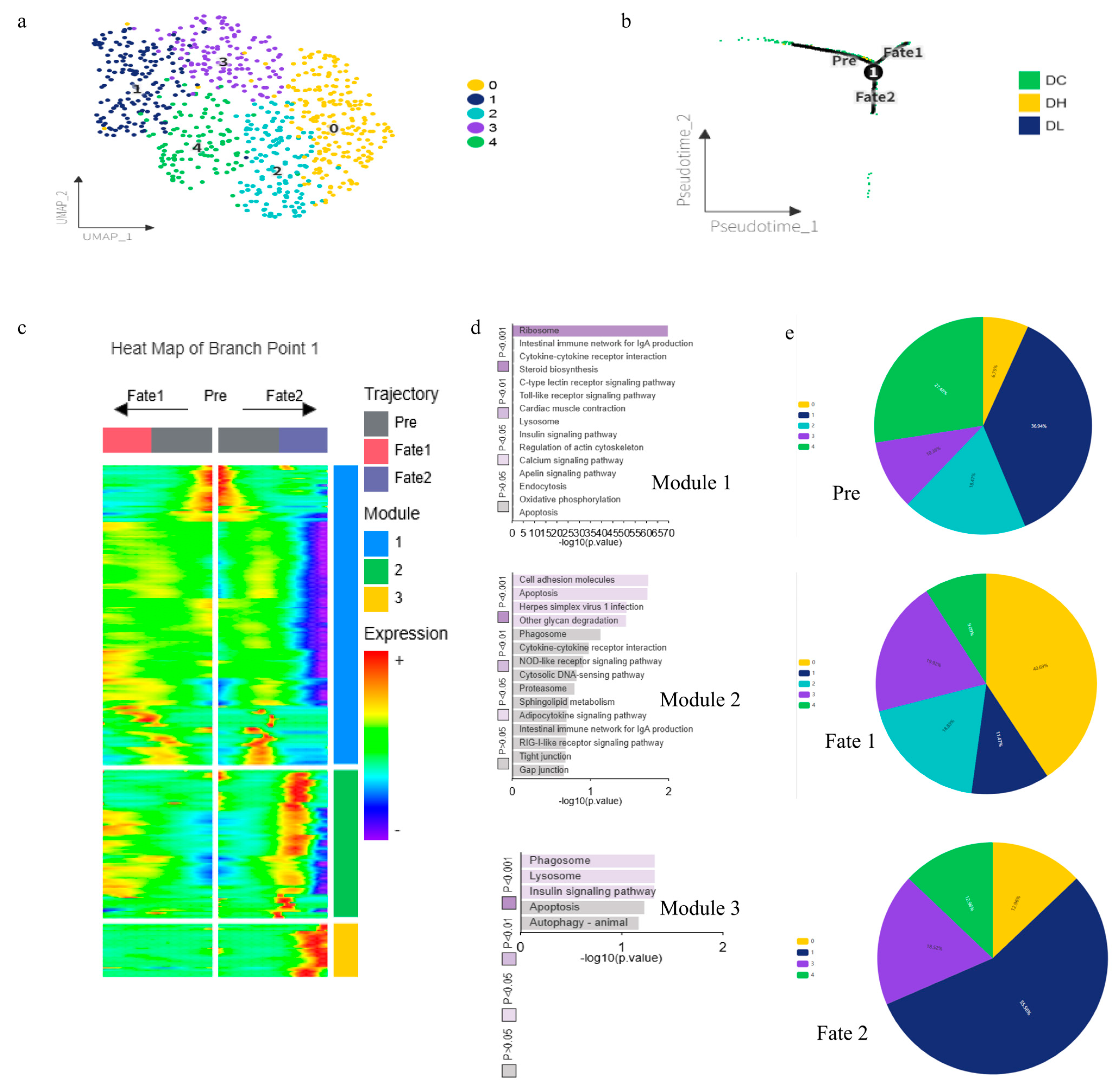
As illustrated in Figure 8, the re-clustering of gallbladder T cells resolved into eight distinct subsets. Subsequently, we performed pseudotime trajectory analysis to map the developmental lineages, identifying three primary differentiation fates. The results indicated that the “Pre” state, primarily comprising T-cell clusters 1, 2, and 4, was functionally associated with protein translation and the ribosome pathway. Fate 1, dominated by clusters 0, 2, and 3, was predominantly linked to immune-related processes, specifically the apoptosis pathway. Finally, Fate 2 involved clusters 0, 1, 3, and 4, which were primarily engaged in immune functions, including the phagosome, lysosome, and insulin signaling pathways.
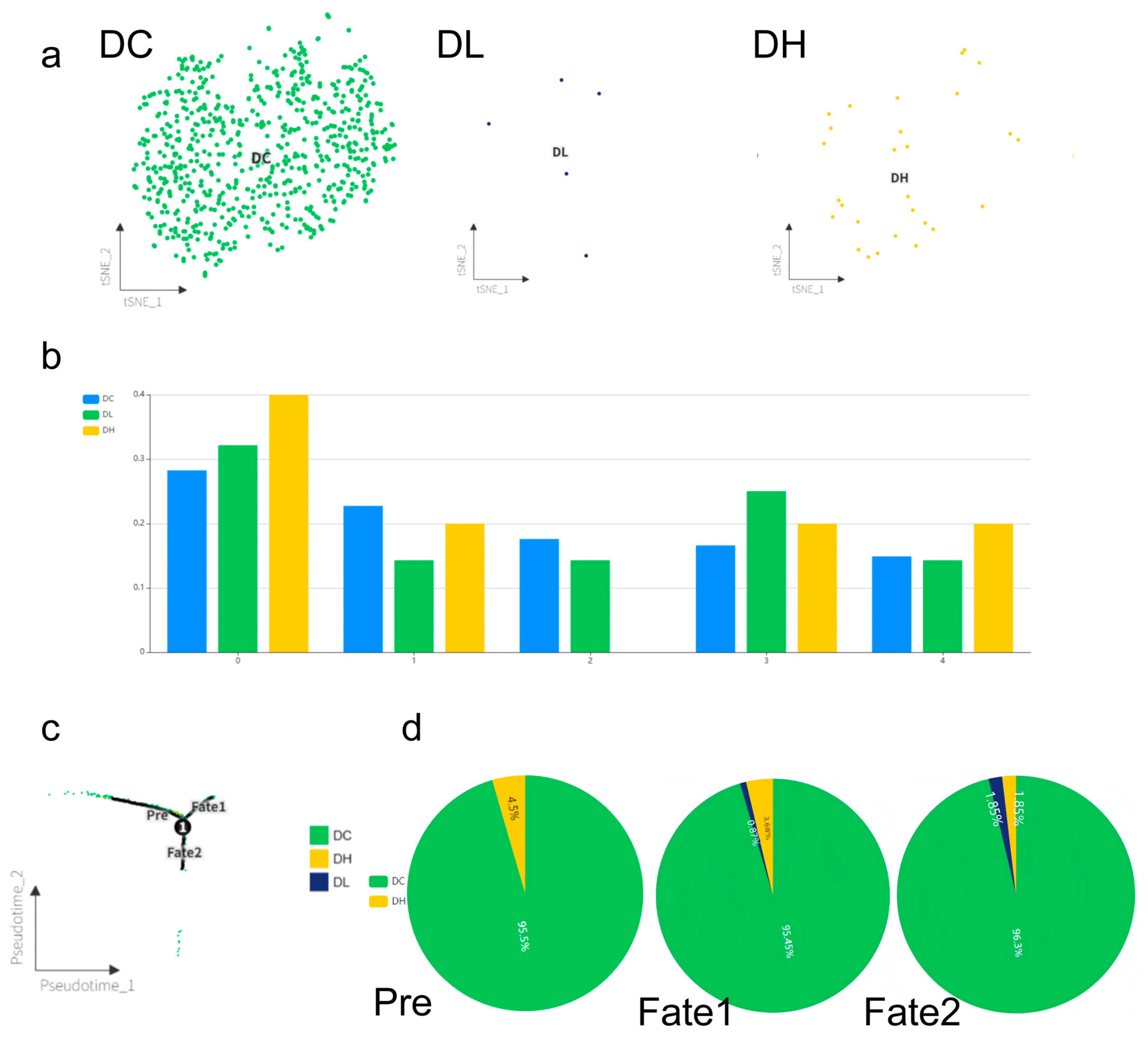
As illustrated in Figure 9, B[a]P exposure induced distinct shifts in the heterogeneity of gallbladder T cells in common carp. Quantitative analysis in Figure 9a,b reveals that the proportions of T-cell subsets 0, 1, and 4 were significantly elevated following B[a]P treatment. Notably, the T-cell 2 subset was entirely absent in the DH group, suggesting a high sensitivity of this specific population to high-dose B[a]P exposure. In view of the pseudotiming trajectories, DC treatment occupied three trajectories rather than B[a]P exposure treatments. In comparison to DL treatment, DH treatment strengthened the pseudotiming trajectories of Pre and Fate 1.

4. Discussion

The gallbladder is infrequently used in the study of fish toxicology. However, early studies have hinted at the gallbladder’s potential role in responding to environmental and dietary stress [4,30]. Cockell and Bettger (1993) reported that the arsenic levels in gallbladder tissue serve as a sensitive marker for recent exposure to dietary disodium arsenate heptahydrate [30]. Pointet and Milliet (2000) pointed out that gallbladder and liver contamination levels could serve as indicators of PAH exposure in aquatic environments, particularly in the 2 to 3 days prior to capture [4]. Thus, these findings should imply a plausibility or possibility to explore the role of the fish gallbladder in environmental stress study. Yet no definitive associations between fish gallbladder and a certain environmental factor have been established thus far. Given this, the authors took the association between common carp gallbladder and B[a]P as a breakthrough to satisfy the urgent need for mechanistic studies on fish gallbladder, which constituted the primary focus of this paper.
The data presented herein substantiate our primary hypothesis regarding the gallbladder’s role in B[a]P exposure, making these findings particularly timely. We initially evaluated the B[a]P accumulation amount in the three main parts (hepatopancreas, gallbladder, and intestine) of the common carp digestive system after B[a]P exposure. To our surprise, B[a]P accumulation in the gallbladder was orders of magnitude higher than in the hepatopancreas and intestine, irrespective of the concentration of B[a]P exposure. This suggests that the gallbladder acts as a primary site for continuous high-concentration exposure to environmental B[a]P metabolites in common carp, rather than just a passive storage organ. This result could update the previous views that liver or hepatopancreas and intestine in fish bear the main responsibility for mitigating environmental stress [31,32,33]. This may first be related to the external structure of the gallbladder. Given that the gallbladder is largely embedded within the liver and connected via the cystic and hepatic ducts to form the bile duct, it is likely exposed to elevated concentrations of B[a]P through the hepatobiliary excretory pathway over extended periods. This anatomical structure dictates that the main function of the gallbladder is to store bile secreted by the liver. Accompanied by the study on aquatic animals as a support [34], we theoretically hypothesized that this physiological role of the gallbladder may inadvertently lead to the aberrant accumulation of PAHs like B[a]P in gallbladder tissues over prolonged exposure. Concurrently, we observed a dose-dependent elevation of the accumulation amount in the gallbladder due to an increased concentration of B[a]P exposure, further substantiating our hypothesis.
The accumulation of B[a]P in the gallbladder could transmit subsequent histopathological effects. In our research, the tissue microstructure and ultrastructure of the common carp gallbladder are first observed. The control group exhibited that the gallbladder slices showed an intact tissue structure: complete cellular structure, intact mucosal layer, and muscular layer. Similar to the study of Zhang et al. [35], the gallbladder of the Myxocyprinus asiaticus wall consisted of a mucous layer, a muscle layer, and a serous layer. As anticipated, exposure to high concentrations of B[a]P induced a series of notable alterations, including vacuolar degeneration in mucosal epithelial cells and nuclear deformities with disordered arrangement. Subsequent ultrastructure observations hinted that both high and low concentrations of B[a]P would cause abnormal tissue morphology. This aberrant tissue morphology mainly manifested as numerous autophagic vacuoles or swollen mitochondria containing granular debris in the cytoplasm. These likely represent incompletely degraded organelles, signaling a severe cellular stress response and impaired turnover mechanism in aquatic animals [36]. Rather than acting as simple storage for toxins, the presence of these vesicles containing granular debris suggests impaired autophagic degradation and mitochondrial damage, reflecting a saturation of the cell’s self-protection mechanisms [37]. Nonetheless, the origin of the vesicles needs further confirmation. Later information on the transcriptome analysis helps to further comprehend the molecular processes involved in the cellular stress response and the eventual failure of defense mechanisms of gallbladder cells under B[a]P exposure.
Unlike well-studied organs such as the hepatopancreas, intestine, gill, head kidney, or spleen, the gallbladder lacks a clearly defined functional role in managing environmental stress. Hence, the functional uncertainty can be solved by transcriptomic techniques. In our study, we discovered that the mechanisms of gallbladder response to different concentrations of B[a]P stress exhibited differences based on the comparative transcriptomic analysis. Coping with the low concentration of B[a]P stress, the gallbladder could positively activate the Notch signal pathway and phagosome, which are closely associated with autoimmunity [15,38]. However, these coping mechanisms are not without risks. Of relative importance, the low concentration of B[a]P stress downregulated the enrichment level of alpha-Linolenic acid metabolism, which hinted that B[a]P stress altered the lipid metabolism [39]. Alpha-Linolenic acid can be derived to synthesize eicosapentaenoic acid (EPA), acting as a precursor of eicosanoids, which could regulate immunity and strengthen the adaptation of organisms to environmental stress [40]. Consequently, the cellular homeostasis of the gallbladder epithelium appeared to be overwhelmed by the continuous exposure to high concentrations of B[a]P, manifested as the suppression of oxidative phosphorylation [41] and cell survival pathways (apoptosis and RIG-I receptor signaling) [42,43], indicating metabolic collapse rather than an active immune response. The trickiest of the three is the apoptosis pathway. Under normal circumstances, apoptosis for fish can eliminate excessive or abnormal cells in their own tissue, preventing immune cells from attacking their own normal cells. Furthermore, the transcriptomic downregulation of apoptosis pathways suggests a disruption in normal cell turnover. This potential inhibition of programmed cell death may hinder the elimination of severely damaged cells, thereby exacerbating tissue injury under B[a]P stress [42]. Similar to other environmental pollutants such as arsenic [44] and tartrazine [45], this might be a crucial pointcut to understand the toxic effect of B[a]P on the gallbladder, at which the high concentration of B[a]P stress resulted in the autoimmune homeostasis imbalance of the common carp gallbladder, thereby triggering overinhibition of apoptosis. In addition, concerns were necessarily raised that enrichment upregulation of N-Glycan biosynthesis in the gallbladder was observed after a high concentration of B[a]P stress, which might enhance protein stability, intercellular signaling, and cell adhesion functions to reduce stress injury [46]. This could be the self-protection mechanism of the common carp gallbladder cells dealing with B[a]P exposure.
To deepen our comprehension of the B[a]P toxic reaction in common carp, this study is the first to characterize the cellular atlas of the gallbladder under B[a]P stress using scRNA-seq. Our results revealed that gallbladder cell composition was subjected to remodeling with increased B[a]P stress and emerging heterogeneity of gallbladder cells. The major remodeling events occurred as T-cell impairment and ECs proliferation, in contrast to our previous study on the common carp intestine under B[a]P exposure [16]. In this study, the high concentration of B[a]P stress markedly resulted in an apparent reduction in T cells, thereby weakening the functions of mitochondrial electron transport, ATP synthesis coupled with proton transport, and immune response. The attenuation of mitochondrial electron transport function and ATP synthesis, coupled with proton transport function, jointly bore out the enrichment downregulation of oxidative phosphorylation [41]. Yet, the diminished immune response may be attributed to the absence of the T-cell 2 subset involved in the apoptosis pathway, providing a crucial clue as to why B[a]P induces apoptosis overinhibition in the gallbladder [47]. At the basal condition, the epithelial cells were more so in a rest state and less active in proliferation [48]. Consequently, B[a]P-induced epithelial cell proliferation emerged as another significant remodeling event in the gallbladder under B[a]P stress. This observation aligns with findings on murine gallbladders undergoing cholesterol gallstone formation [49]. Herein, the amounts of the Epithelial_cell 0 and Epithelial_cell 4 subsets were markedly elevated, which was responsible for immune function, especially participating in the apoptosis pathway. Unexpectedly, the remodeling of epithelial cells might exert a compensatory effect on the suppressed apoptosis, attributable to the absence of the T-cell 2 subset, although this effect appears limited. In light of these findings, it is important to consider the fate of these cells. PAHs have been shown to have subacute effects that may accumulate over years and contribute to chronic disease development [50]. This raises questions about the long-term consequences of B[a]P exposure on gallbladder cells and whether these changes are reversible or lead to permanent damage. Integrating these findings with our transcriptomic data, the hypothesis should be established that balancing cellular apoptosis between ECs and T cells in the gallbladder of common carp could be a critical factor in enhancing resistance to B[a]P exposure. Given the ubiquity and persistence of PAHs, particularly B[a]P, in the environment, understanding these mechanisms is not only crucial for the health of aquatic species but also has broader ecological and public health implications.
Limitations: We acknowledge that the gallbladder is not a primary immune organ. Future studies are planned to investigate the systemic immune response in the spleen and kidney to provide a comprehensive understanding of B[a]P toxicity.

5. Conclusions

The present study provides the first comprehensive characterization of the toxicological impacts of B[a]P stress on the gallbladder of Cyprinus carpio. Results indicated that B[a]P exposure led to an abnormal tissue microstructure and ultrastructure in the common carp gallbladder, and the severity of these pathological changes appeared to increase with the exposure concentration. Transcriptomic analysis revealed that the high concentration of B[a]P stress resulted in the autoimmune homeostasis imbalance of the common carp gallbladder, thereby triggering the overinhibition of apoptosis. ScRNA-seq findings presented heterogeneity of gallbladder cells during B[a]P stress and identified major events in the gallbladder cell composition, including T-cell impairment and EC proliferation. Based on both transcriptomic and single-cell RNA sequencing findings, the apoptosis pathway emerged as the primary target of B[a]P toxicity. Taken as a whole, while this study does not fully elucidate all the molecular mechanisms underlying the common carp’s response to B[a]P stress, it offers new insights into the gallbladder’s potential role in coping with environmental stressors and serves as a valuable reference for risk assessments related to environmental PAH pollutants.

Author Contributions

W.K.: Writing—original draft. M.W.: Writing—review and editing. H.F.: Conceptualization, Methodology. J.Z.: Data curation, Software. M.L.: Data curation. T.L.: Data curation. Y.S.: Data curation. L.L.: Investigation. J.L.: Software. R.E.: Formal analysis. Q.H.: Funding acquisition. X.G.: Project administration, Supervision. All authors have read and agreed to the published version of the manuscript.

Funding

This research was funded by the Heilongjiang Postdoctoral Fund, grant number LBH-Z24310.

Institutional Review Board Statement

This study of laboratory animal ethics was approved by the Laboratory Animal Welfare Ethics Committee, Northeastern Agricultural University. Approval number: NESUEC202502116. Approval date: 2 November 2025.

Data Availability Statement

The original contributions presented in this study are included in the article. Further inquiries can be directed to the corresponding authors.

Conflicts of Interest

The authors declare no conflicts of interest.

Abbreviations

The following abbreviations are used in this manuscript:
B[a]PBenzo(a)pyrene
ScRNA-seqSingle-cell RNA sequencing
EC/ECsEpithelial cell(s)
PAH/PAHsPolycyclic aromatic hydrocarbons
FAOFood and Agriculture Organization
GC/MSGas chromatography–mass spectrometry
CAFSChinese Academy of Fishery Sciences
DLLow-dose treatment (2.5 μg/L)
DHHigh-dose treatment (25 μg/L)
DCControl treatment/group
MS-222Tricaine mesylate
H&EHematoxylin and eosin
CCDCharge-coupled device
KEGGKyoto Encyclopedia of Genes and Genomes
DEGsDifferentially expressed genes
HBSSHank’s Balanced Salt Solution
BSABovine Serum Albumin
t-SNEt-distributed stochastic neighbor embedding
FDRFalse discovery rate
BEAMBranch-dependent expression analysis modeling
ABCATP-binding cassette
MAPKMitogen-activated protein kinase
RIGRetinoic acid-inducible gene
EPAEicosapentaenoic acid

References

  1. El-Amier, Y.A.; Bonanomi, G.; Al-Rowaily, S.L.; Abd-ElGawad, A.M. Ecological Risk Assessment of Heavy Metals along Three Main Drains in Nile Delta and Potential Phytoremediation by Macrophyte Plants. Plants 2020, 9, 910. [Google Scholar] [CrossRef]
  2. Giri, A.; Bharti, V.K.; Kalia, S.; Arora, A.; Balaje, S.S.; Chaurasia, O.P. A Review on Water Quality and Dairy Cattle Health: A Special Emphasis on High-Altitude Region. Appl. Water Sci. 2020, 10, 79. [Google Scholar] [CrossRef]
  3. Van Der Oost, R.; Beyer, J.; Vermeulen, N.P.E. Fish Bioaccumulation and Biomarkers in Environmental Risk Assessment: A Review. Environ. Toxicol. Pharmacol. 2003, 13, 57–149. [Google Scholar] [CrossRef] [PubMed]
  4. Pointet, K.; Milliet, A. PAHs Analysis of fish Whole Gall Bladders and Livers from the Natural Reserve of Camargue by GC/MS. Chemosphere 2000, 40, 293–299. [Google Scholar] [CrossRef] [PubMed]
  5. Wang, X.D.; Zang, S.Y.; Zhang, Y.H.; Wang, F.; Yang, X.; Zuo, Y.L. Pollution Characteristics and Ecological Risk Assessment of PAHs in Water and Fishes from Daqing Lakes. Huan Jing Ke Xue = Huanjing Kexue 2015, 36, 4291–4301. [Google Scholar]
  6. Lu, Z.; Tian, W.; Zhang, S.; Chu, M.; Zhao, J.; Liu, B.; Yang, K.; Cao, H.; Chen, Z. Spatiotemporal Variability of PAHs and Their Derivatives in Sediments of the Laizhou Bay in the Eastern China: Occurrence, Source, and Ecological Risk Assessment. J. Hazard. Mater. 2023, 460, 132351. [Google Scholar] [CrossRef]
  7. Wang, H.; Huang, X.; Kuang, Z.; Zheng, X.; Zhao, M.; Yang, J.; Huang, H.; Fan, Z. Source Apportionment and Human Health Risk of PAHs Accumulated in Edible Marine Organisms: A Perspective of “Source-Organism-Human”. J. Hazard. Mater. 2023, 453, 131372. [Google Scholar] [CrossRef]
  8. Karami, A.; Christianus, A.; Ishak, Z.; Shamsuddin, Z.H.; Masoumian, M.; Courtenay, S.C. Use of Intestinal Pseudomonas Aeruginosa in Fish to Detect the Environmental Pollutant Benzo[a]Pyrene. J. Hazard. Mater. 2012, 215–216, 108–114. [Google Scholar] [CrossRef]
  9. Williams, R.; Hubberstey, A.V. Benzo(a)Pyrene Exposure Causes Adaptive Changes in P53 and CYP1A Gene Expression in Brown Bullhead (Ameiurus nebulosus). Aquat. Toxicol. 2014, 156, 201–210. [Google Scholar] [CrossRef]
  10. Hoffmann, J.; Oris, J. Altered Gene Expression: A Mechanism for Reproductive Toxicity in Zebrafish Exposed to Benzo[a]Pyrene. Aquat. Toxicol. 2006, 78, 332–340. [Google Scholar] [CrossRef]
  11. Wang, Y.; Wang, S.; Lu, J. Impact of Benzo(a) pyrene on DNA Damage and Antioxidative Activities in Liver of Sebastiscus marmoratus. Carcinog. Teratog. Mutagen. 2009, 21, 276–279. [Google Scholar]
  12. Chen, J.; Cao, J.; He, X.; Guo, W.; Gao, R.; Luo, Y. Effects of Benzopyrene on the Capacity of Antioxidases, Non-specific Immunity and Organization Structure in Liver and Kidney of Carp (Cyprinus carpio). J. Nucl. Agric. Sci. 2019, 33, 623–630. [Google Scholar]
  13. Food and Agriculture Organization—FAO. Encyclopedia of Digital Agricultural Technologies; Springer International Publishing: Cham, Switzerland, 2023; p. 541. [Google Scholar]
  14. Zhang, W.; Zhang, X.; Tian, Y.; Zhu, Y.; Tong, Y.; Li, Y.; Wang, X. Risk Assessment of Total Mercury and Methylmercury in Aquatic Products from Offshore Farms in China. J. Hazard. Mater. 2018, 354, 198–205. [Google Scholar] [CrossRef]
  15. Zhang, Y.; Hu, J.; Yan, K.; Yuan, F.; Li, Y.; Zhang, M.; Li, Y.; Huang, X.; Tang, J.; Wang, D.; et al. Immune Response of Silver Pomfret (Pampus argenteus) to Photobacterium damselae Subsp. Damselae: Virulence Factors Might Induce Immune Escape by Damaging Phagosome. Aquaculture 2024, 578, 740014. [Google Scholar] [CrossRef]
  16. Hao, Q.; Wang, P.; Qin, D.; Chen, Z.; Li, C.; Huang, L.; Wu, S.; Yang, J. Exposure to Benzo(a)Pyrene Interfered with Cell Composition and Immune Ability of Common Carp (Cyprinus carpio) Intestine through Inducing Cell Heterogeneous Responses. Aquaculture 2024, 579, 740229. [Google Scholar] [CrossRef]
  17. Chupani, L.; Niksirat, H.; Velíšek, J.; Stará, A.; Hradilová, Š.; Kolařík, J.; Panáček, A.; Zusková, E. Chronic Dietary Toxicity of Zinc Oxide Nanoparticles in Common Carp (Cyprinus carpio L.): Tissue Accumulation and Physiological Responses. Ecotoxicol. Environ. Saf. 2018, 147, 110–116. [Google Scholar] [CrossRef] [PubMed]
  18. Rudiansyah, M.; Lubis, L.; Bandiara, R.; Supriyadi, R.; Gondodiputro, R.S.; Roesli, R.M.A.; Rachmadi, D. Java Barb Fish Gallbladder–Induced Acute Kidney Injury and Ischemic Acute Hepatic Failure. Kidney Int. Rep. 2020, 5, 751–753. [Google Scholar] [CrossRef]
  19. Patnaik, R.; Kar, S.S.; Ray, R.; Mahapatro, S. Indian Carp (Labeo rohita) Gall Bladder Poisoning-Report of Four Cases in a Single Family. Indian J. Pediatr. 2011, 78, 749–752. [Google Scholar] [CrossRef]
  20. Shapiro, E.; Biezuner, T.; Linnarsson, S. Single-Cell Sequencing-Based Technologies Will Revolutionize Whole-Organism Science. Nat. Rev. Genet. 2013, 14, 618–630. [Google Scholar] [CrossRef]
  21. Cosacak, M.I.; Bhattarai, P.; Reinhardt, S.; Petzold, A.; Dahl, A.; Zhang, Y.; Kizil, C. Single-Cell Transcriptomics Analyses of Neural Stem Cell Heterogeneity and Contextual Plasticity in a Zebrafish Brain Model of Amyloid Toxicity. Cell Rep. 2019, 27, 1307–1318.e3. [Google Scholar] [CrossRef]
  22. Wu, L.; Gao, A.; Li, L.; Chen, J.; Li, J.; Ye, J. A Single-Cell Transcriptome Profiling of Anterior Kidney Leukocytes from Nile Tilapia (Oreochromis niloticus). Front. Immunol. 2021, 12, 783196. [Google Scholar] [CrossRef]
  23. Perdiguero, P.; Morel, E.; Tafalla, C. Diversity of Rainbow Trout Blood B Cells Revealed by Single Cell RNA Sequencing. Biology 2021, 10, 511. [Google Scholar] [CrossRef] [PubMed]
  24. Taylor, R.S.; Ruiz Daniels, R.; Dobie, R.; Naseer, S.; Clark, T.C.; Henderson, N.C.; Boudinot, P.; Martin, S.A.M.; Macqueen, D.J. Single Cell Transcriptomics of Atlantic Salmon (Salmo salar L.) Liver Reveals Cellular Heterogeneity and Immunological Responses to Challenge by Aeromonas Salmonicida. Front. Immunol. 2022, 13, 984799. [Google Scholar] [CrossRef]
  25. Liu, X.; Li, W.; Yang, Y.; Chen, K.; Li, Y.; Zhu, X.; Ye, H.; Xu, H. Transcriptome Profiling of the Ovarian Cells at the Single-Cell Resolution in Adult Asian Seabass. Front. Cell Dev. Biol. 2021, 9, 647892. [Google Scholar] [CrossRef]
  26. Niu, J.; Huang, Y.; Liu, X.; Zhang, Z.; Tang, J.; Wang, B.; Lu, Y.; Cai, J.; Jian, J. Single-Cell RNA-Seq Reveals Different Subsets of Non-Specific Cytotoxic Cells in Teleost. Genomics 2020, 112, 5170–5179. [Google Scholar] [CrossRef]
  27. Zhang, Z.; Liu, D.; Ding, H.; Jiang, Z. Effects of MS-222 and Clove Oil on Blood Biochemical Parameters and Immune indices of Koi Carp Cyprinus carpio. Fish. Sci. Kexue 2015, 34, 71–76. [Google Scholar] [CrossRef]
  28. Li, Z.; Yan, L.; Junaid, M.; Chen, X.; Liao, H.; Gao, D.; Wang, Q.; Zhang, Y.; Wang, J. Impacts of Polystyrene Nanoplastics at the Environmentally Relevant and Sub-Lethal Concentrations on the Oxidative Stress, Immune Responses, and Gut Microbiota to Grass Carp (Ctenopharyngodon idella). J. Hazard. Mater. 2023, 441, 129995. [Google Scholar] [CrossRef]
  29. Fan, Z.; Wang, L.; Li, C.; Wu, D.; Li, J.; Zhang, H.; Xiong, S.; Miao, L.; Ge, X.; Li, Z. Integration of microRNA and mRNA Analyses Depicts the Potential Roles of Momordica Charantia Saponin Administration in Insulin Resistance of Juvenile Common Carp (Cyprinus carpio) Fed with a High-Starch Diet. Front. Mol. Biosci. 2023, 10, 1054949. [Google Scholar] [CrossRef]
  30. Cockell, K.A.; Bettger, W.J. Investigations of the Gallbladder Pathology Associated with Dietary Exposure to Disodium Arsenate Heptahydrate in Juvenile Rainbow Trout (Oncorhynchus mykiss). Toxicology 1993, 77, 233–248. [Google Scholar] [CrossRef]
  31. Fu, D.; Hu, Y.; Chu, P.; Wang, T.; Chu, M.; Shi, Y.; Yin, S.; Zhu, Y.; Wang, Y.; Guo, Z. Histopathological and Calreticulin Changes in the Liver and Gill of Takifugu Fasciatus Demonstrate the Effects of Copper Nanoparticle and Copper Sulphate Exposure. Aquac. Rep. 2021, 20, 100662. [Google Scholar] [CrossRef]
  32. Yu, Y.; Tong, B.; Liu, Y.; Liu, H.; Yu, H. Bioaccumulation, Histopathological and Apoptotic Effects of Waterborne Cadmium in the Intestine of Crucian Carp Carassius Auratus Gibelio. Aquac. Rep. 2021, 20, 100669. [Google Scholar] [CrossRef]
  33. Yan, Z.; Deng, Z.; Zhang, J.; Liang, Z.; Xu, C. Environmental Copper on Growth Performance, Lipid Metabolism, Hepatopancreas and Spleen Histology of Gift Tilapia (Oreochromisniloticus). Acta Hydrobiol. Sin. 2022, 46, 1631–1641. [Google Scholar] [CrossRef]
  34. Stimmelmayr, R.; Ylitalo, G.M.; Sheffield, G.; Beckmen, K.B.; Burek-Huntington, K.A.; Metcalf, V.; Rowles, T. Oil Fouling in Three Subsistence-Harvested Ringed (Phoca hispida) and Spotted Seals (Phoca largha) from the Bering Strait Region, Alaska: Polycyclic Aromatic Hydrocarbon Bile and Tissue Levels and Pathological Findings. Mar. Pollut. Bull. 2018, 130, 311–323. [Google Scholar] [CrossRef] [PubMed]
  35. Zhang, C. Microstructures of the Liver and the Gall Bladder of My Xocy Prinus Asiaticus. J. Southwest Univ. (Nat. Sci. Ed.) 2007, 29, 134–139. [Google Scholar] [CrossRef]
  36. Huang, J.; Li, L.; Jiang, T.; Xie, L.; Zhang, R. Mantle Tissue in the Pearl Oyster Pinctada Fucata Secretes Immune Components via Vesicle Transportation. Fish Shellfish Immunol. 2022, 121, 116–123. [Google Scholar] [CrossRef] [PubMed]
  37. Oliver, C.; Coronado, J.L.; Martínez, D.; Kashulin-Bekkelund, A.; Lagos, L.X.; Ciani, E.; Sanhueza-Oyarzún, C.; Mancilla-Nova, A.; Enríquez, R.; Winther-Larsen, H.C.; et al. Outer Membrane Vesicles from Piscirickettsia Salmonis Induce the Expression of Inflammatory Genes and Production of IgM in Atlantic Salmon Salmo Salar. Fish Shellfish Immunol. 2023, 139, 108887. [Google Scholar] [CrossRef]
  38. Chen, C.; Song, J.; Pu, Q.; Liu, X.; Yan, J.; Wang, X.; Wang, H.; Qian, Q. Azithromycin Induces Neurotoxicity in Zebrafish by Interfering with the VEGF/Notch Signaling Pathway. Sci. Total Environ. 2023, 903, 166505. [Google Scholar] [CrossRef]
  39. Hu, T.; Pan, Z.; Yu, Q.; Mo, X.; Song, N.; Yan, M.; Zouboulis, C.C.; Xia, L.; Ju, Q. Benzo(a)Pyrene Induces Interleukin (IL)-6 Production and Reduces Lipid Synthesis in Human SZ95 Sebocytes via the Aryl Hydrocarbon Receptor Signaling Pathway. Environ. Toxicol. Pharmacol. 2016, 43, 54–60. [Google Scholar] [CrossRef]
  40. Rowley, A.F.; Morgan, E.L.; Taylor, G.W.; Oriol Sunyer, J.; Holland, J.W.; Vogan, C.L.; Secombes, C.J. Interaction between Eicosanoids and the Complement System in Salmonid Fish. Dev. Comp. Immunol. 2012, 36, 1–9. [Google Scholar] [CrossRef]
  41. Jin, A.-H.; Qian, Y.-F.; Ren, J.; Wang, J.-G.; Qiao, F.; Zhang, M.-L.; Du, Z.-Y.; Luo, Y. PDK Inhibition Promotes Glucose Utilization, Reduces Hepatic Lipid Deposition, and Improves Oxidative Stress in Largemouth Bass (Micropterus salmoides) by Increasing Pyruvate Oxidative Phosphorylation. Fish Shellfish Immunol. 2023, 140, 108969. [Google Scholar] [CrossRef]
  42. AnvariFar, H.; Amirkolaie, A.K.; Jalali, A.M.; Miandare, H.K.; Sayed, A.H.; Üçüncü, S.İ.; Ouraji, H.; Ceci, M.; Romano, N. Environmental Pollution and Toxic Substances: Cellular Apoptosis as a Key Parameter in a Sensible Model like Fish. Aquat. Toxicol. 2018, 204, 144–159. [Google Scholar] [CrossRef] [PubMed]
  43. Chang, M.X. The Negative Regulation of Retinoic Acid-Inducible Gene I (RIG-I)-like Receptors (RLRs) Signaling Pathway in Fish. Dev. Comp. Immunol. 2021, 119, 104038. [Google Scholar] [CrossRef]
  44. Roy, S.; Bhattacharya, S. Arsenic-Induced Histopathology and Synthesis of Stress Proteins in Liver and Kidney of Channa Punctatus. Ecotoxicol. Environ. Saf. 2006, 65, 218–229. [Google Scholar] [CrossRef]
  45. Haridevamuthu, B.; Murugan, R.; Seenivasan, B.; Meenatchi, R.; Pachaiappan, R.; Almutairi, B.O.; Arokiyaraj, S.; Arockiaraj, J. Synthetic Azo-Dye, Tartrazine Induces Neurodevelopmental Toxicity via Mitochondria-Mediated Apoptosis in Zebrafish Embryos. J. Hazard. Mater. 2024, 461, 132524. [Google Scholar] [CrossRef]
  46. Wu, Y.; Lu, Y.; Huang, Y.; Lin, H.; Chen, G.; Chen, Y.; Li, Z. Glycosylation Reduces the Allergenicity of Turbot (Scophthalmus maximus) Parvalbumin by Regulating Digestibility, Cellular Mediators Release and Th1/Th2 Immunobalance. Food Chem. 2022, 382, 132574. [Google Scholar] [CrossRef]
  47. Yuan, Y.; Hua, L.; Zhou, J.; Liu, D.; Ouyang, F.; Chen, X.; Long, S.; Huang, Y.; Liu, X.; Zheng, J.; et al. The Effect of Artesunate to Reverse CLP-Induced Sepsis Immunosuppression Mice with Secondary Infection Is Tightly Related to Reducing the Apoptosis of T Cells via Decreasing the Inhibiting Receptors and Activating MAPK/ERK Pathway. Int. Immunopharmacol. 2023, 124, 110917. [Google Scholar] [CrossRef]
  48. Peterson, L.W.; Artis, D. Intestinal Epithelial Cells: Regulators of Barrier Function and Immune Homeostasis. Nat. Rev. Immunol. 2014, 14, 141–153. [Google Scholar] [CrossRef]
  49. Liang, J.; Shao, W.; Liu, Q.; Lu, Q.; Gu, A.; Jiang, Z. Single Cell RNA-Sequencing Reveals a Murine Gallbladder Cell Transcriptome Atlas During the Process of Cholesterol Gallstone Formation. Front. Cell Dev. Biol. 2021, 9, 714271. [Google Scholar] [CrossRef] [PubMed]
  50. Lu, X.; Lin, Y.; Qiu, X.; Liu, J.; Zhu, T.; Araujo, J.A.; Zhang, J.; Zhu, Y. Metabolomic Changes after Subacute Exposure to Polycyclic Aromatic Hydrocarbons: A Natural Experiment among Healthy Travelers from Los Angeles to Beijing. Environ. Sci. Technol. 2021, 55, 5097–5105. [Google Scholar] [CrossRef] [PubMed]
Figure 1. Histopathological and ultrastructural alterations in the gallbladder of Cyprinus carpio under B[a]P exposure. (Top row) Light microscopy images (H&E staining) displaying the tissue architecture. Blue arrows indicate vacuolar degeneration of mucosal epithelial cells. In the high-magnification inset, Red arrows indicate nuclear deformities, characterized by irregular shape and disordered arrangement. (Bottom row) Transmission electron microscopy (TEM) images showing ultrastructural pathology. Green arrows point to numerous intracytoplasmic vesicular structures containing granular electron-dense material (likely incompletely degraded organelles or autophagic vacuoles). The blue boxes highlight the mitochondrial ultrastructure, displaying normal mitochondria with intact cristae in the control group (DC), contrasted with mitochondrial vacuolar degeneration in the treatment groups (DL and DH). The area within the red circle demonstrates submucosal edema, characterized by loosened connective tissue and widened interstitial spaces due to inflammatory exudation. Abbreviations: DC, control group (0 μg/L); DL, low-dose group (2.5 μg/L); DH, high-dose group (25 μg/L). N, nucleus.
Fishes 11 00140 g001
Figure 2. Volcano plot showing distribution of DEGs for DL vs. DC, DH vs. DC, and DH vs. DL in sequence.
Fishes 11 00140 g002
Figure 3. KEGG pathway enrichment analysis of differentially expressed genes (DEGs) across treatment groups. Panels display the top enriched pathways for the (a) DH vs. DC, (b) DL vs. DC, and (c) DH vs. DL comparisons. The color gradient of the bars corresponds to the adjusted p-value, while the bar length represents the number of genes enriched in each pathway. The color gradient represents the adjusted p-value, with red indicating higher significance (lower p-value) and blue indicating lower significance. The bar length represents the number of genes enriched in each pathway. Abbreviations: KEGG, Kyoto Encyclopedia of Genes and Genomes; DEGs, differentially expressed genes; DC, control group; DL, low-dose group; DH, high-dose group.
Fishes 11 00140 g003
Figure 4. (a,b) Visualization of identified cell populations using t-distributed stochastic neighbor embedding (t-SNE). The plots delineate distinct cell clusters based on global gene expression patterns. (c) Nine main differentiation trajectories of epithelial cell subpopulations. (d) Variation in pseudotime of the biological process to which the genes are mainly enriched. (e) Functional enrichment analysis of genes exhibiting pseudotime-dependent expression dynamics. (f) Distribution of the five cell types across the three predicted trajectory fates. Note: The gray line in panel (c) is a background reference line.
Fishes 11 00140 g004
Figure 5. Dynamics of gallbladder cell composition in common carp under B[a]P stress. (a) t-SNE plots of single-cell transcriptomes from DC, DL, and DH groups, with colors representing distinct cell-type clusters. (b) Comparison of cell-type proportions between control (DC) and B[a]P-exposed groups (DL and DH). (c) Percentage distribution of cells across the three identified trajectory fates (Pre, Fate 1, and Fate 2) for each experimental group.
Fishes 11 00140 g005
Figure 6. Re-clustering analysis and developmental trajectories of gallbladder epithelial cells (ECs). (a) t-SNE visualization of nine EC subclusters identified across all treatment groups. (b) Three primary differentiation trajectories of the EC subpopulations as determined by pseudotime analysis. (c) Dynamic changes in biological processes and enriched functional pathways along the pseudotime axis. (d) Genes as a function of pseudotime mainly enriched in the pathway process. (e) The proportion of 9 subpopulations in 3 trajectory fates. The black line in panel (b) indicates the inferred cell trajectory.
Fishes 11 00140 g006
Figure 7. Variations in the cellular heterogeneity of gallbladder ECs following B[a]P exposure. (a) Relative proportions of the nine EC subclusters across different experimental groups. (b) Distributional frequencies of six key EC subpopulations within each developmental state across the three treatment groups. (c) 3 main differentiation trajectories of ECs subpopulations. (d) The proportion of 3 trajectory fates in different groups. The black line in subfigure (c) indicates the inferred cell differentiation trajectory.
Fishes 11 00140 g007
Figure 8. Re-clustering analysis and developmental landscape of gallbladder T cells. (a) t-SNE visualization of T-cell subclusters integrated from all treatment groups. (b) Three primary differentiation trajectories of T-cell subpopulations as determined by pseudotime modeling. (c,d) Dynamic changes in biological processes and KEGG pathways enriched along the pseudotime axis. (e) Distributional frequency of T-cell subclusters within the three predicted differentiation fates. The black line in subfigure (b) indicates the inferred cell differentiation trajectory.
Fishes 11 00140 g008
Figure 9. Variations in the cellular heterogeneity of gallbladder T cells following B[a]P exposure. (a) Relative proportions of the five T-cell subclusters across the different experimental groups. (b) Distributional frequencies of the five T-cell subpopulations within each developmental state across the three treatment groups. (c) 3 main differentiation trajectories of T-cell subpopulations. (d) The proportions of 3 trajectory fates in different groups. In subfigure (c), the black line indicates the inferred cell differentiation trajectory.
Fishes 11 00140 g009
Table 1. B[a]P content (μg/kg) of hepatopancreas, gallbladder, and intestine in all treatments.
TissuesDCDLDHPercentage Gain from DL to DH
Hepatopancreas0.0042.4346.8310.37%
Gallbladder0.003784.728947.90136.42%
Intestine0.0064.68100.2655.01%
Note: DC, control group; DL, low-dose group; DH, high-dose group.
Table 2. Summary statistics of differentially expressed genes (DEGs) in the gallbladder of Cyprinus carpio. Abbreviations: DEGs, differentially expressed genes; DC, control group; DL, low-dose group; DH, high-dose group.
Upregulated Gene CountDownregulated Gene CountTotal
DL vs. DC92416762600
DH vs. DC45112111662
DH vs. DL287447734
Total166233344996
Disclaimer/Publisher’s Note: The statements, opinions and data contained in all publications are solely those of the individual author(s) and contributor(s) and not of MDPI and/or the editor(s). MDPI and/or the editor(s) disclaim responsibility for any injury to people or property resulting from any ideas, methods, instructions or products referred to in the content.