Article

Numerical Calculation and Analysis of Water Dump Distribution Out of the Belly Tanks of Firefighting Helicopters


1
State Key Laboratory of Disaster Prevention and Reduction for Power Grid Transmission and Distribution Equipment, Changsha 410029, China
2
School of Electrical & Information Engineering, Changsha University of Science & Technology, Changsha 410205, China
3
School of Aeronautical Science and Engineering, Beijing University of Aeronautics and Astronautics, Beijing 100190, China
*
Author to whom correspondence should be addressed.
Safety 2022, 8(4), 69; https://doi.org/10.3390/safety8040069
Submission received: 25 February 2022 / Revised: 14 May 2022 / Accepted: 28 May 2022 / Published: 3 October 2022

Abstract

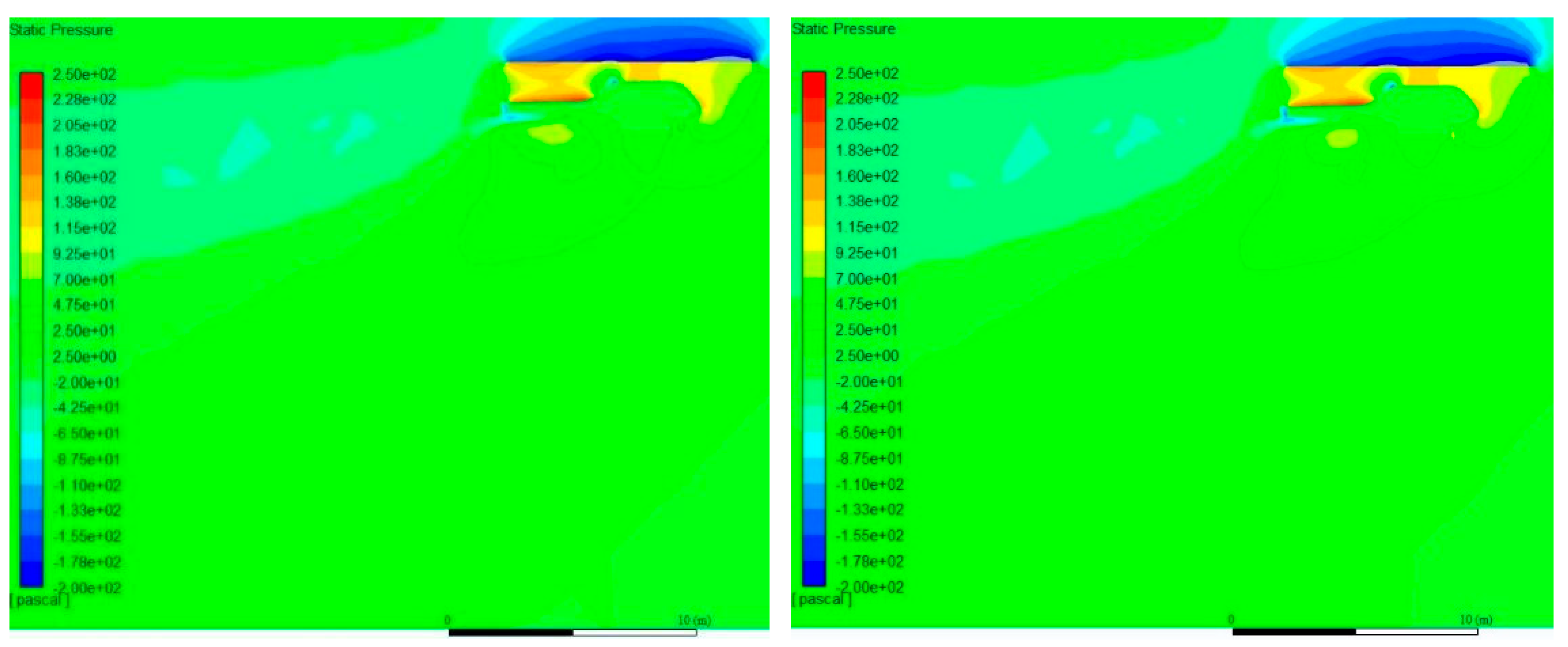
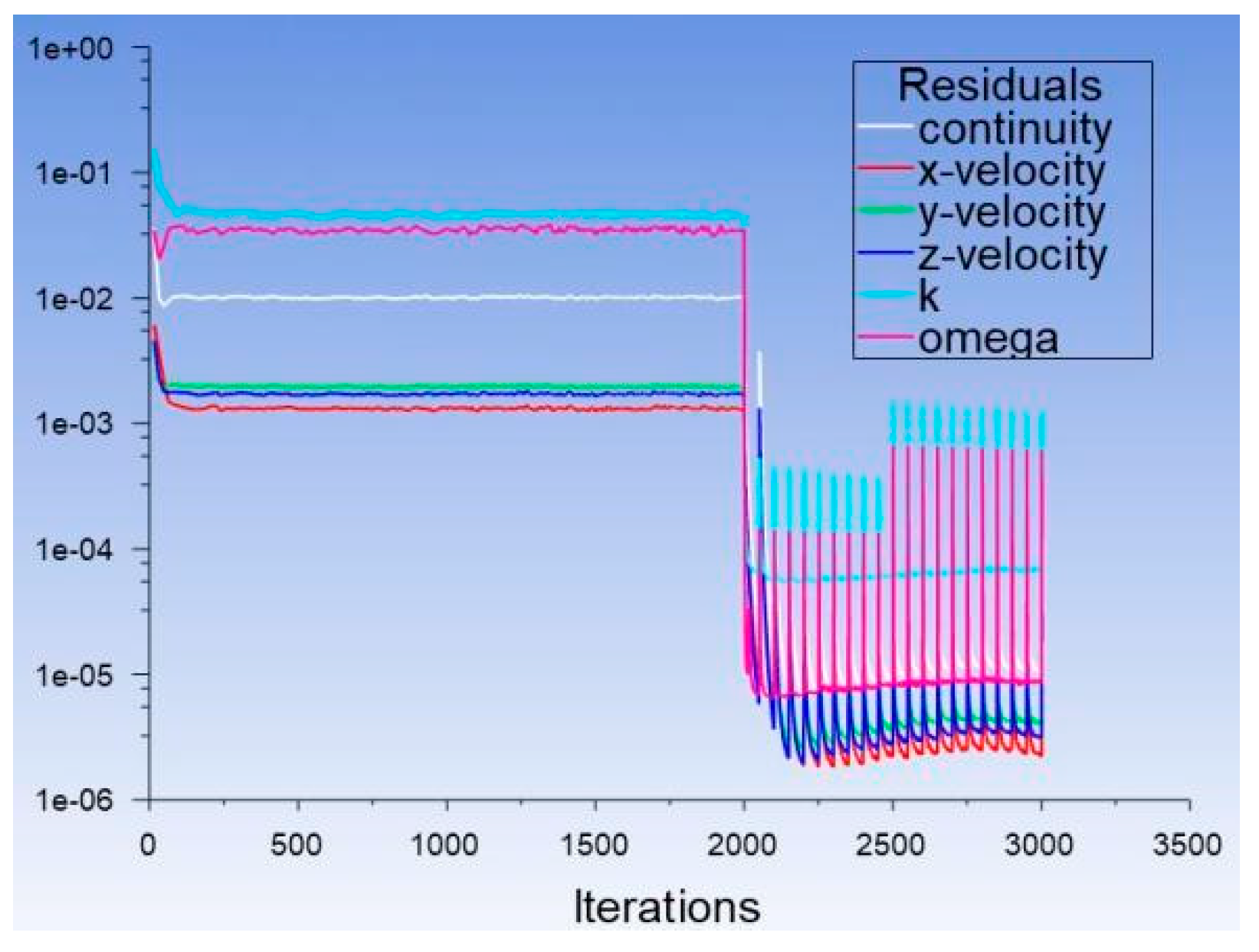
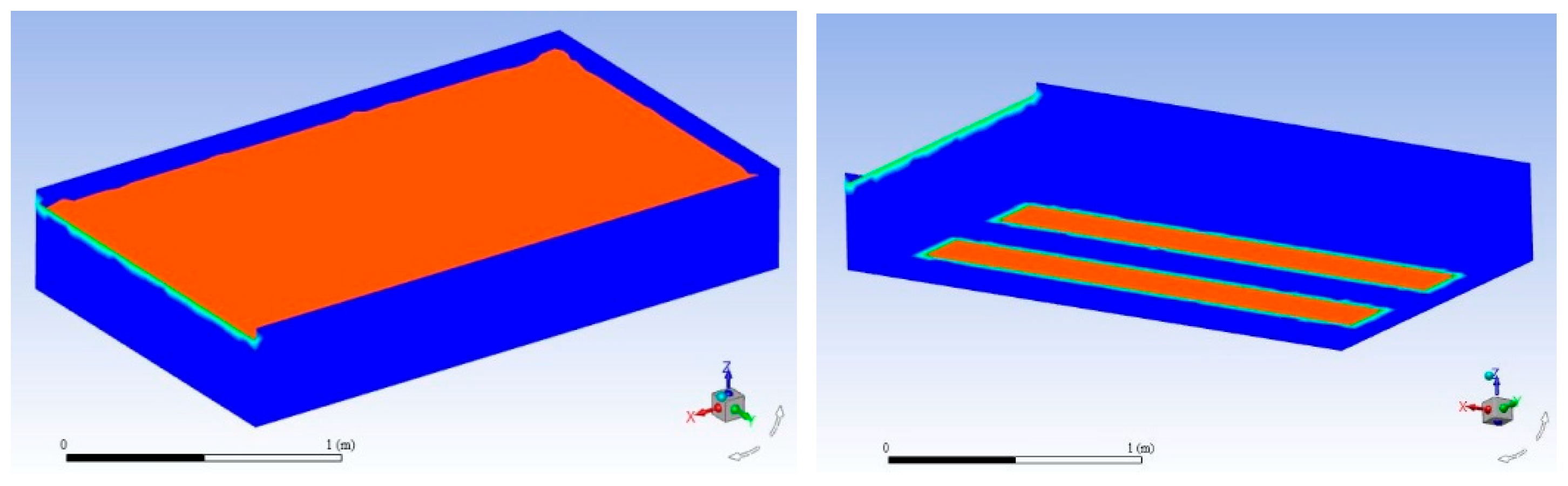
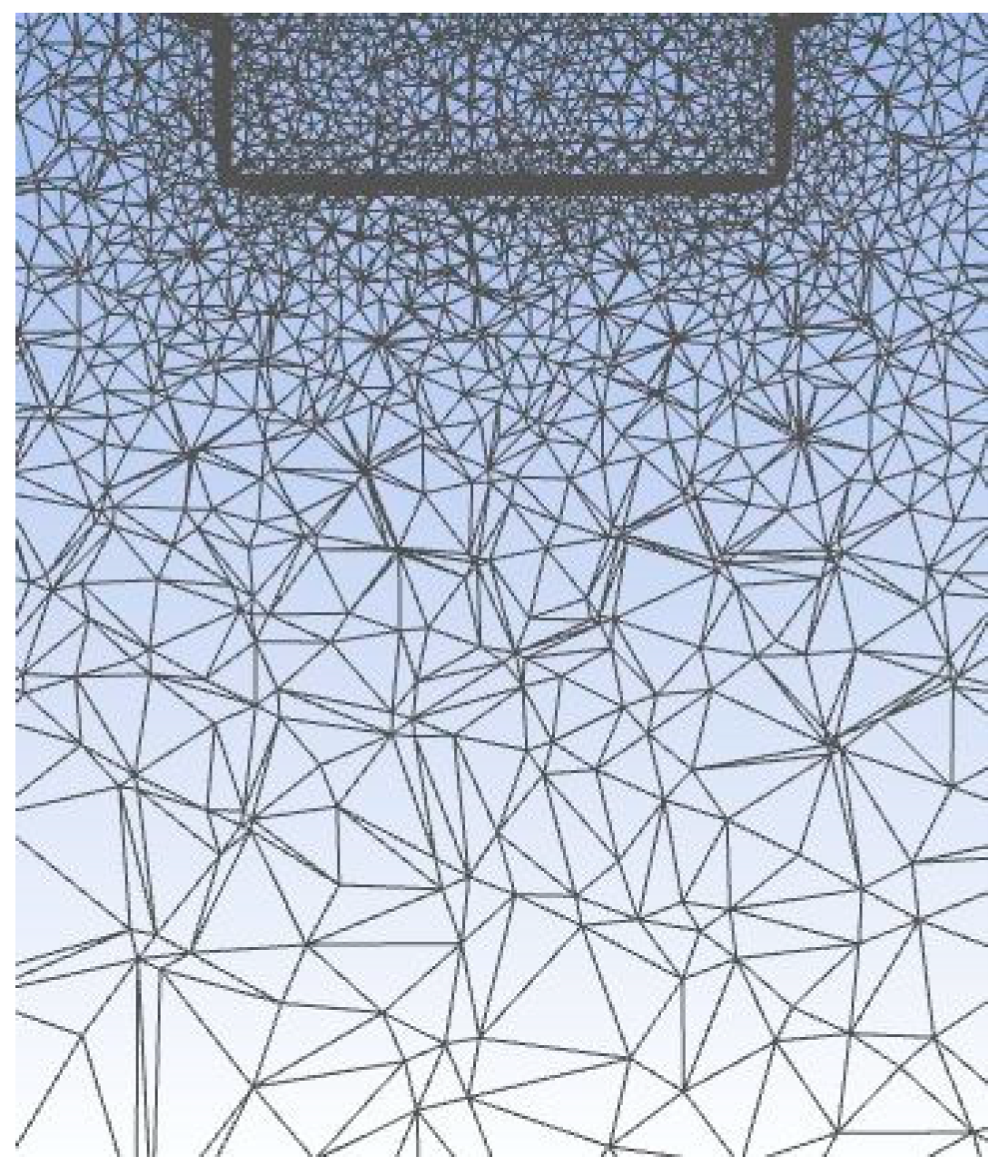
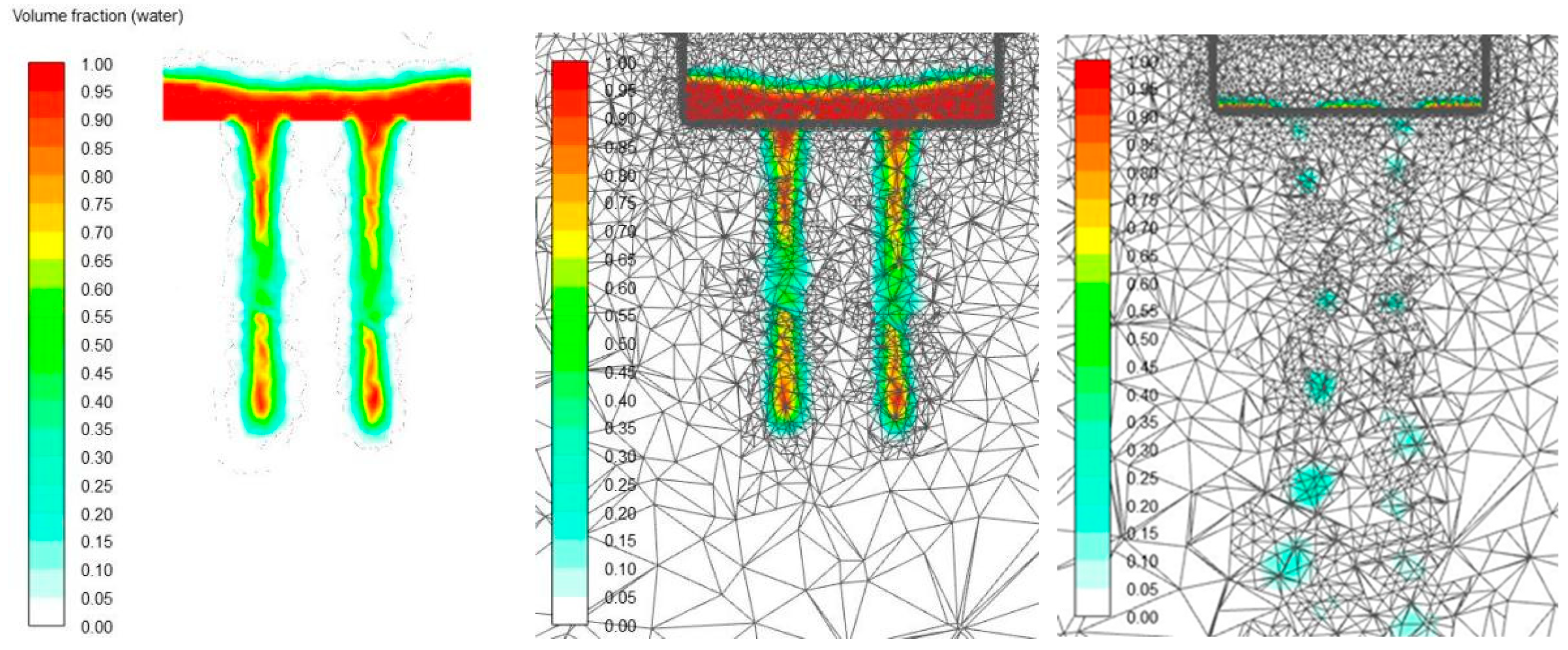
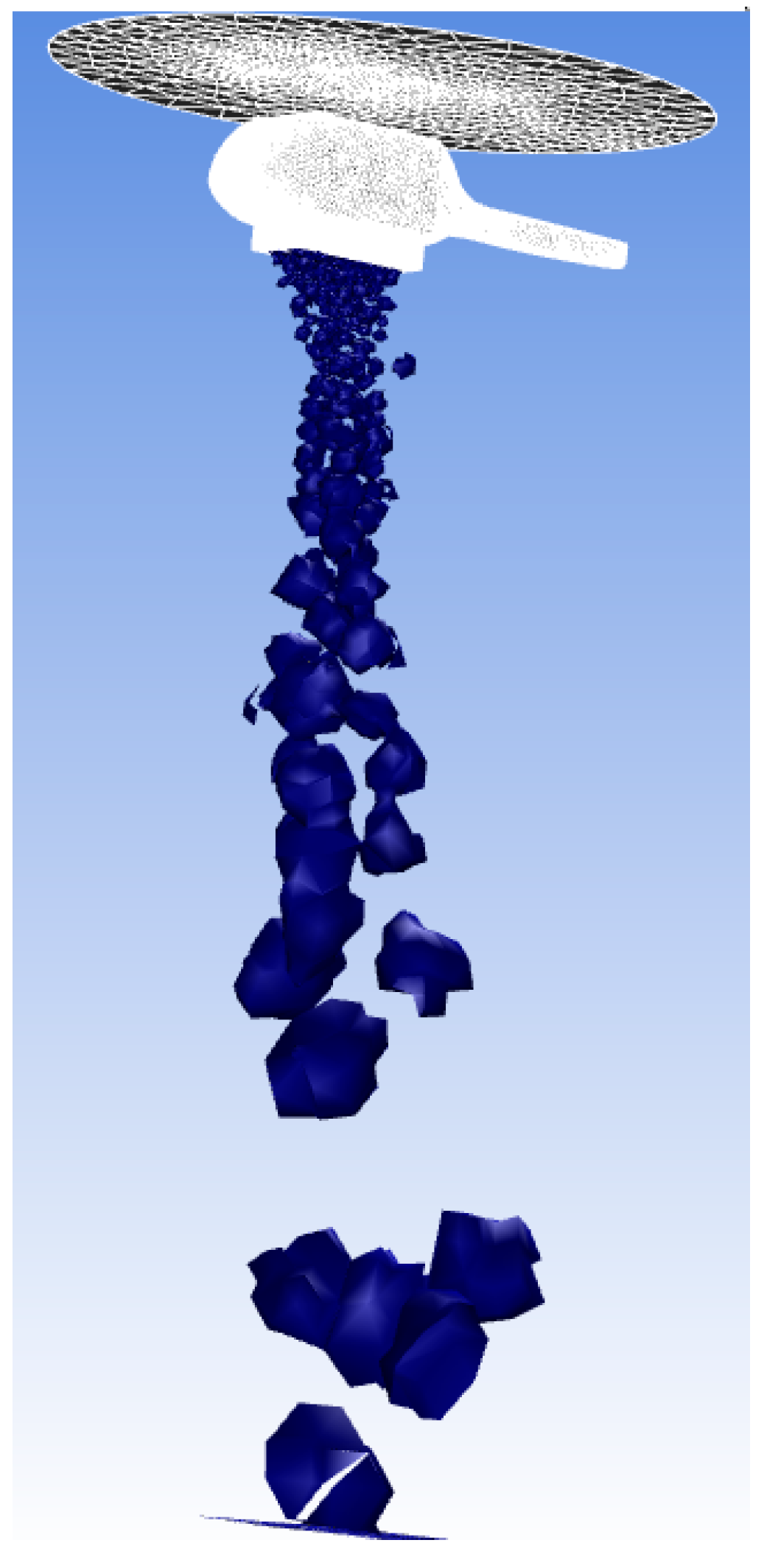
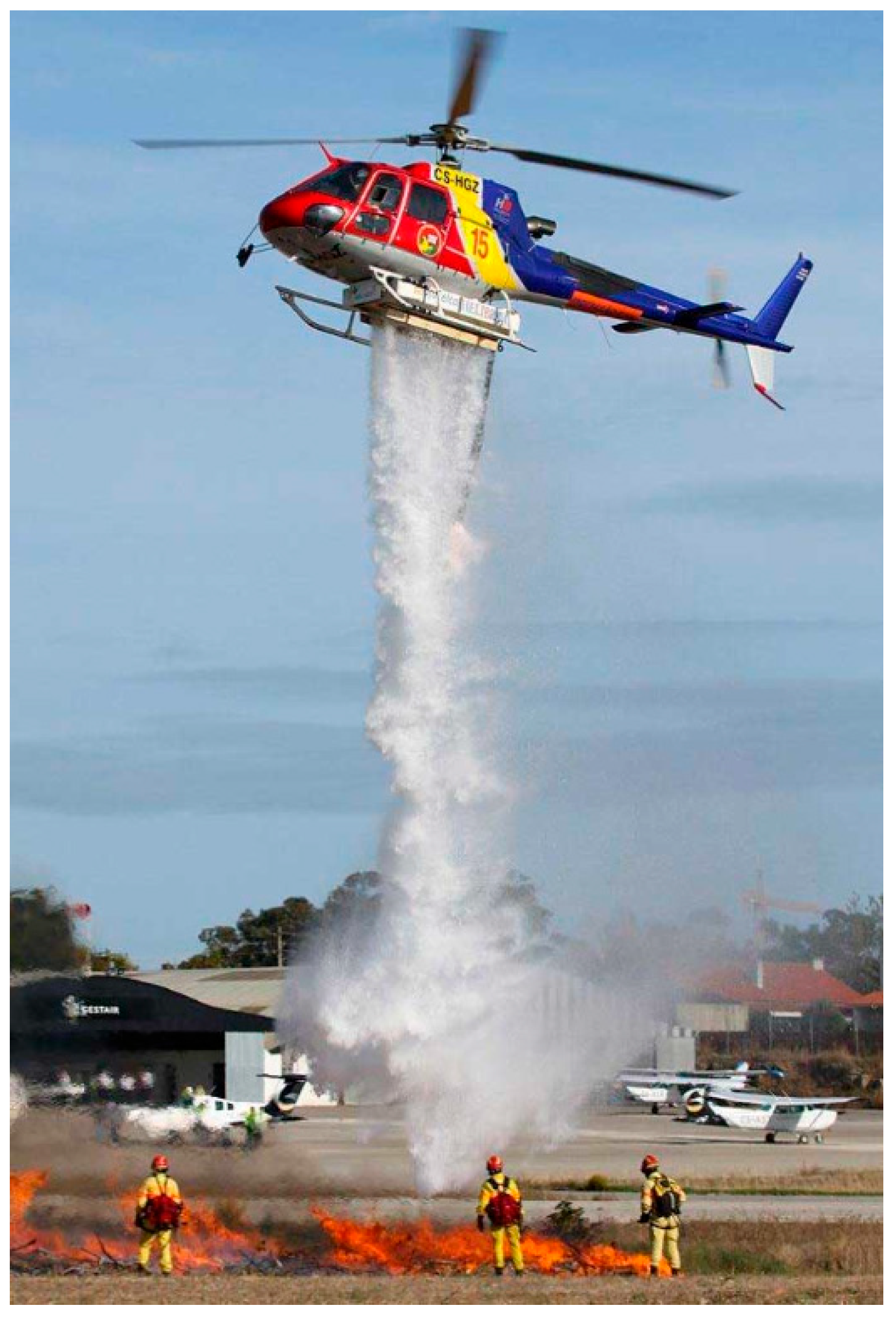
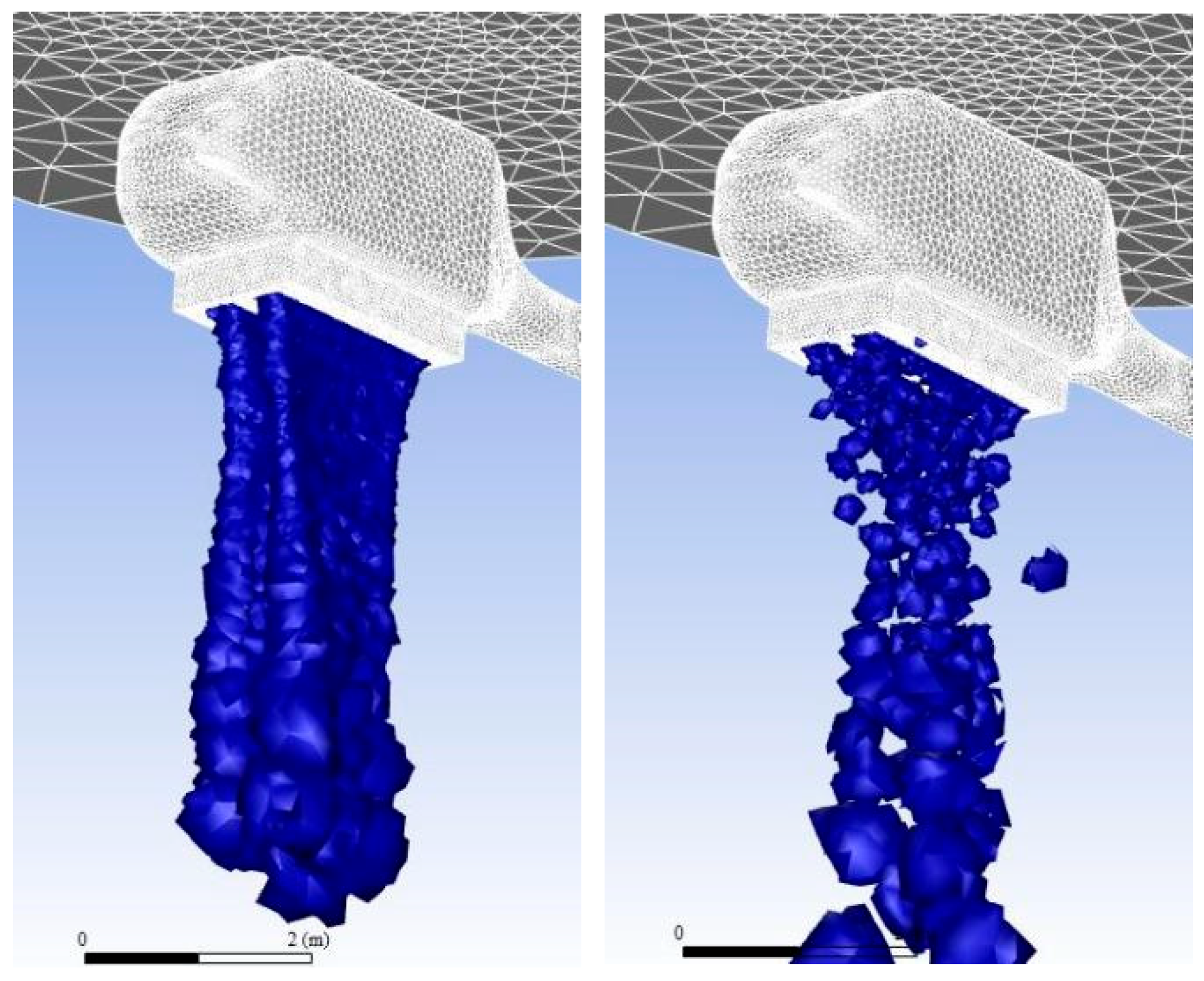
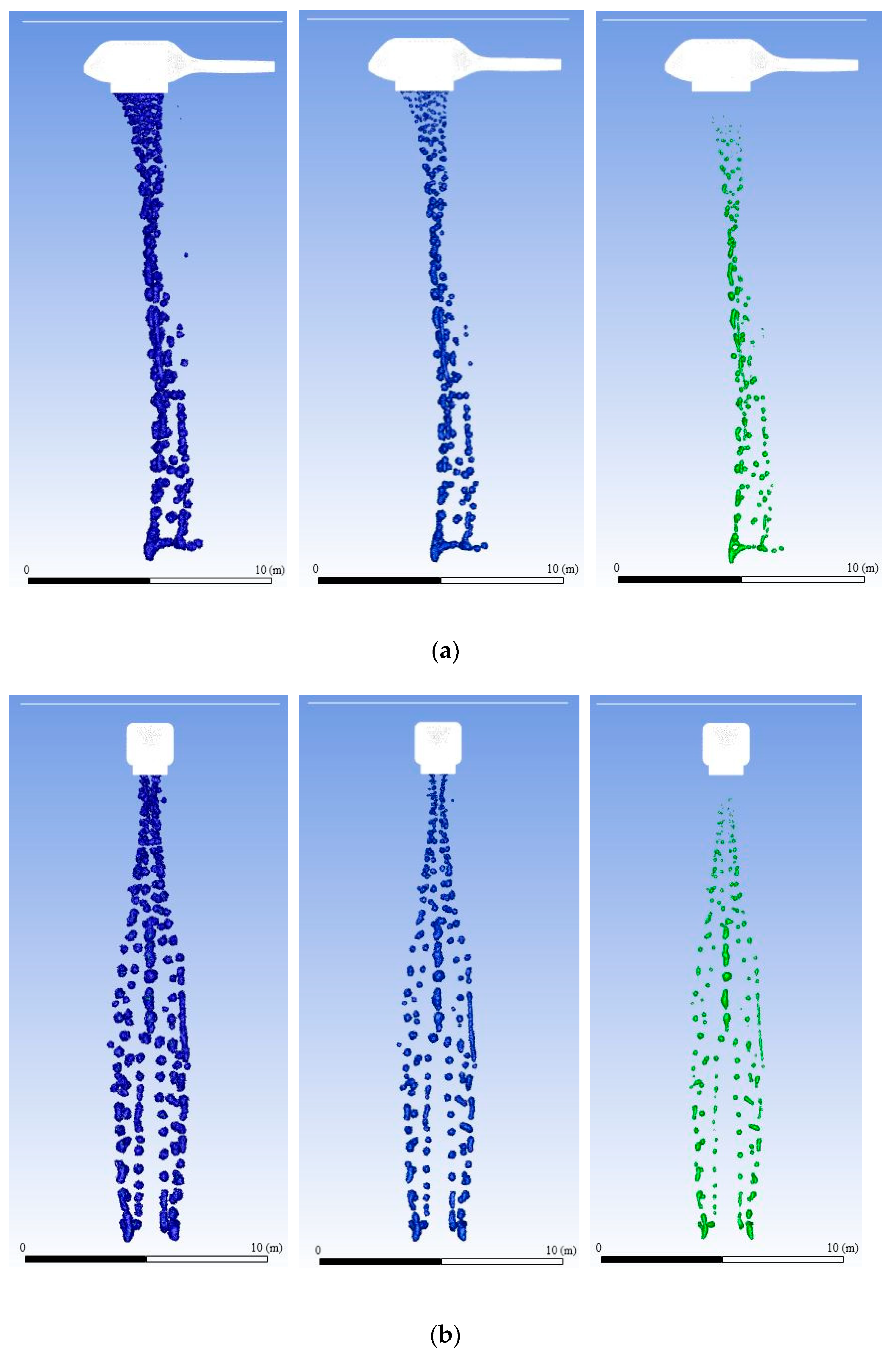
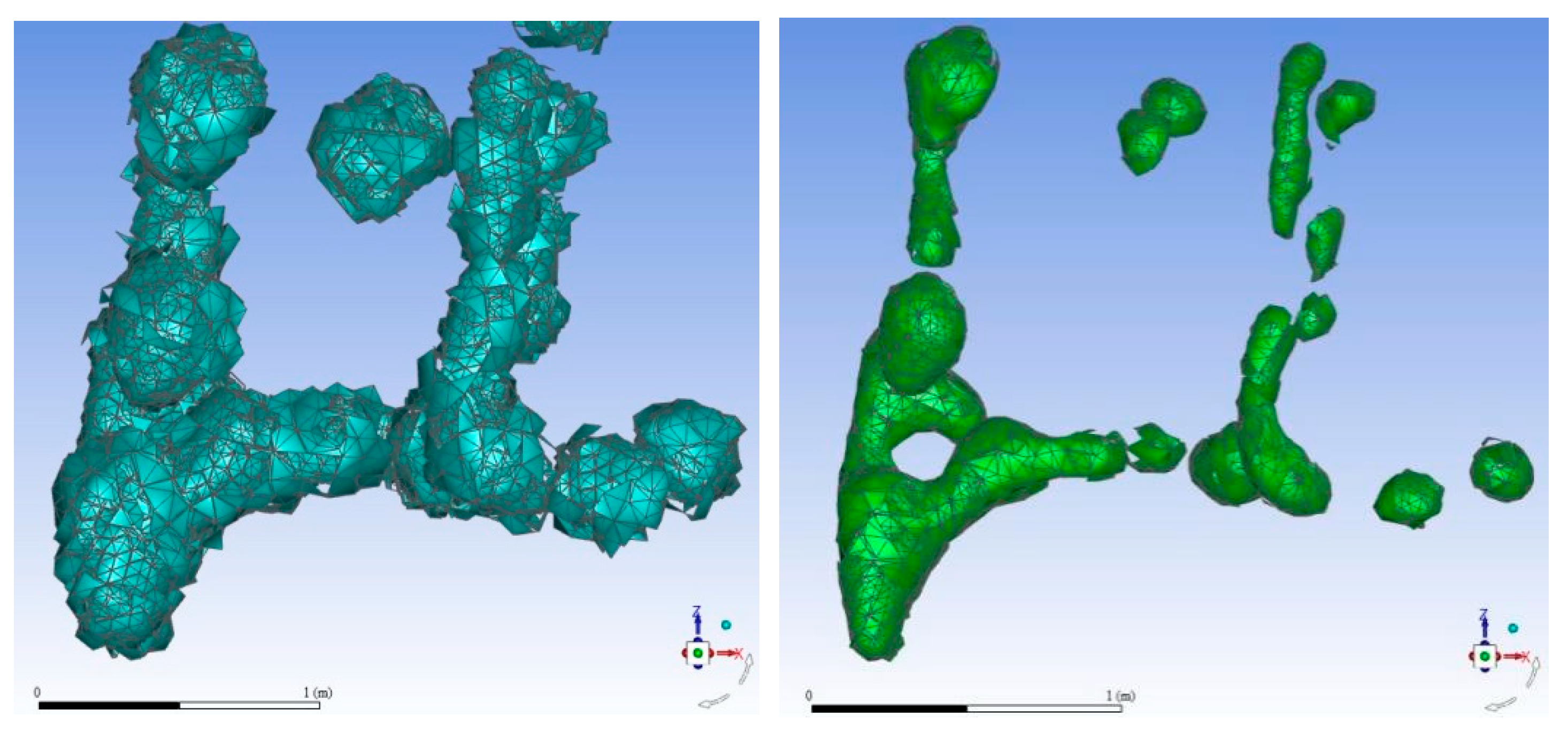
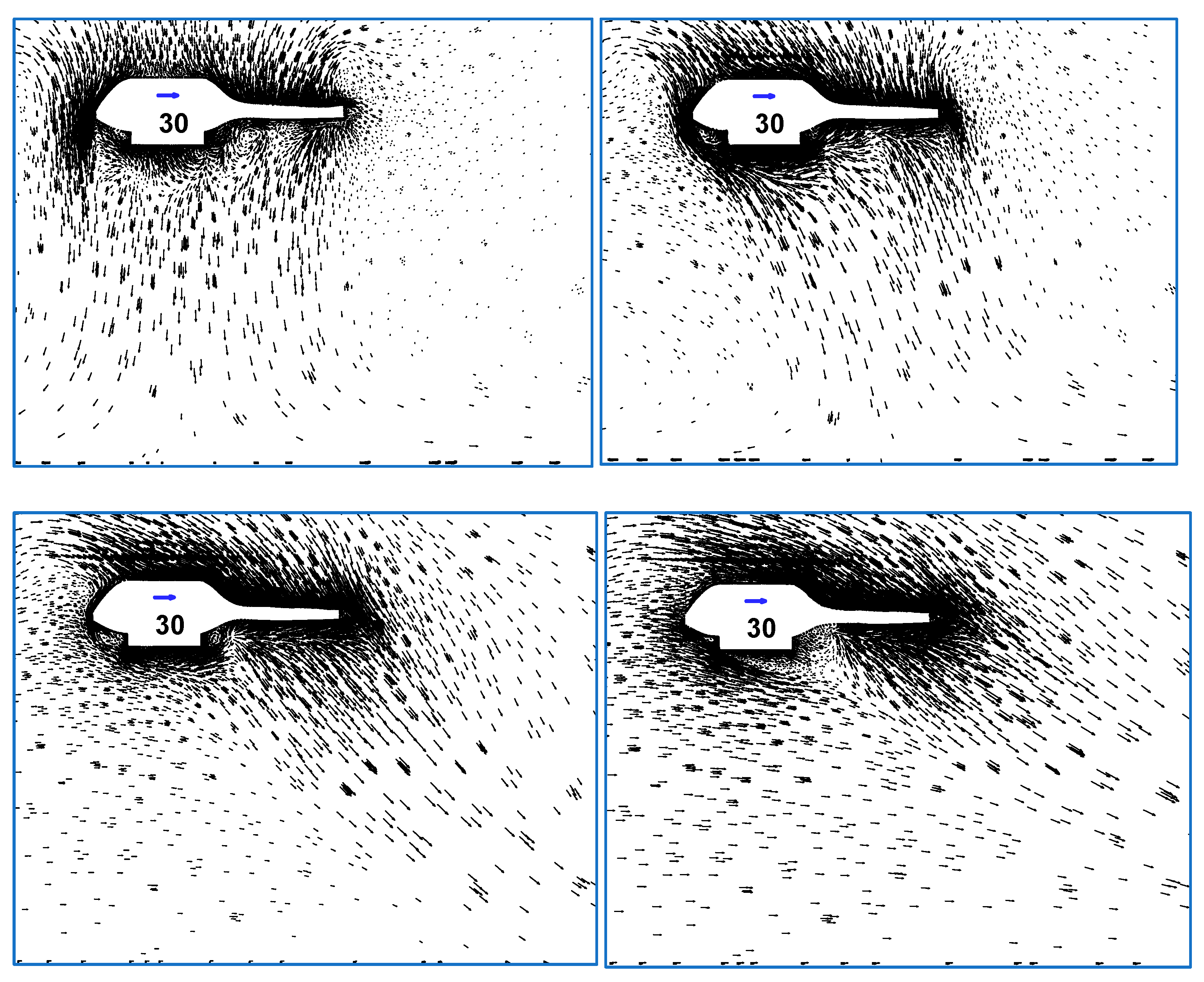
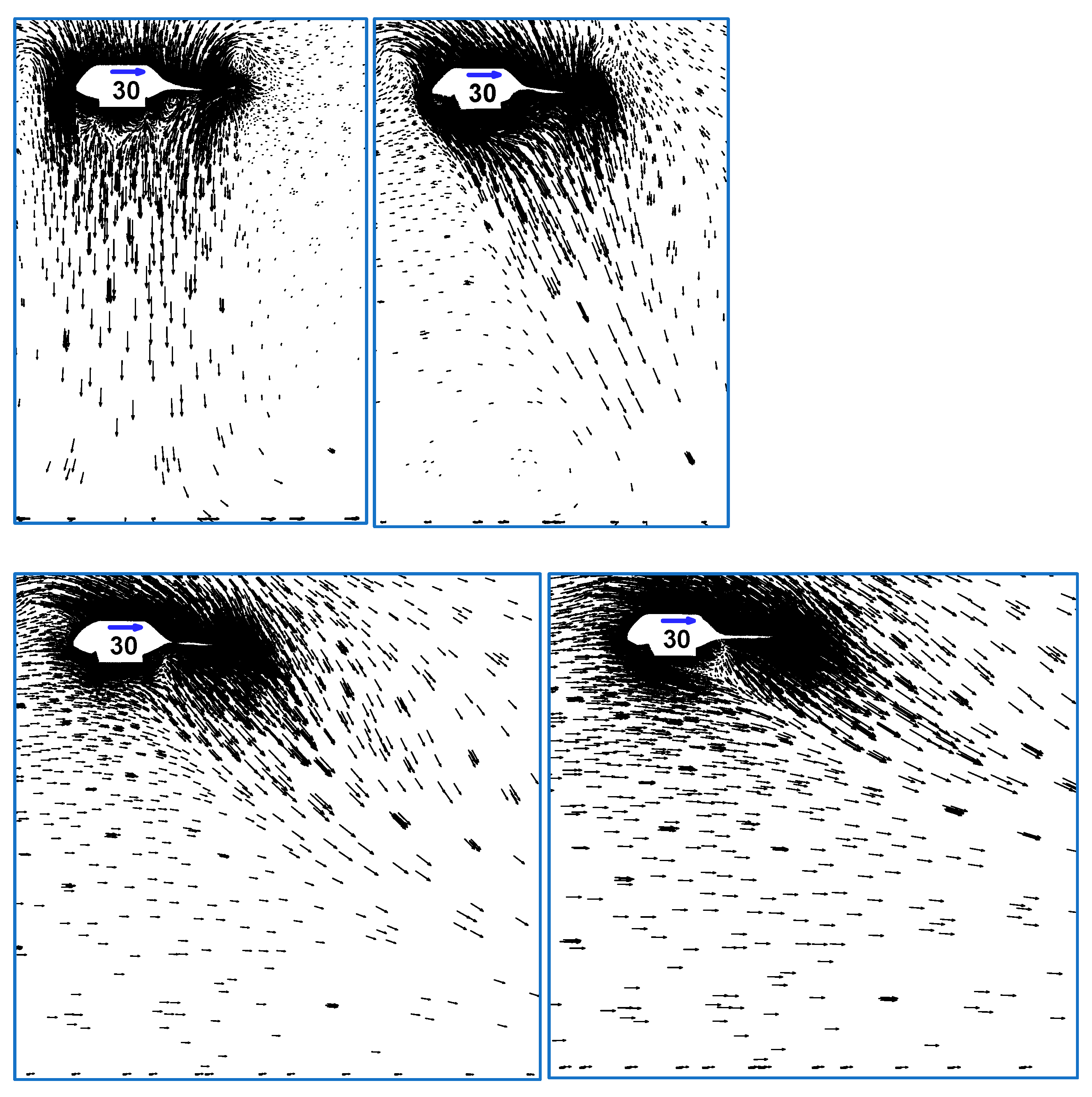
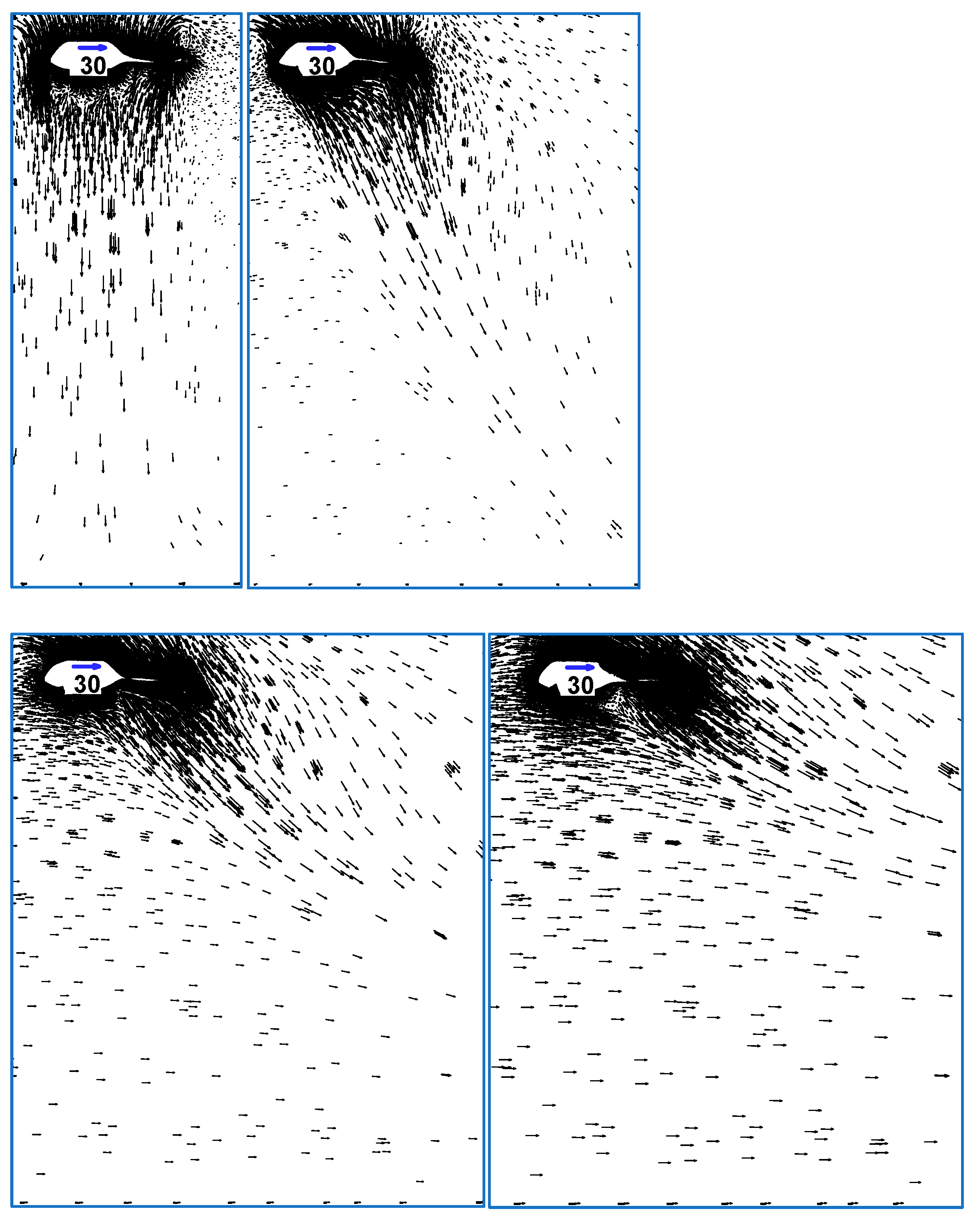
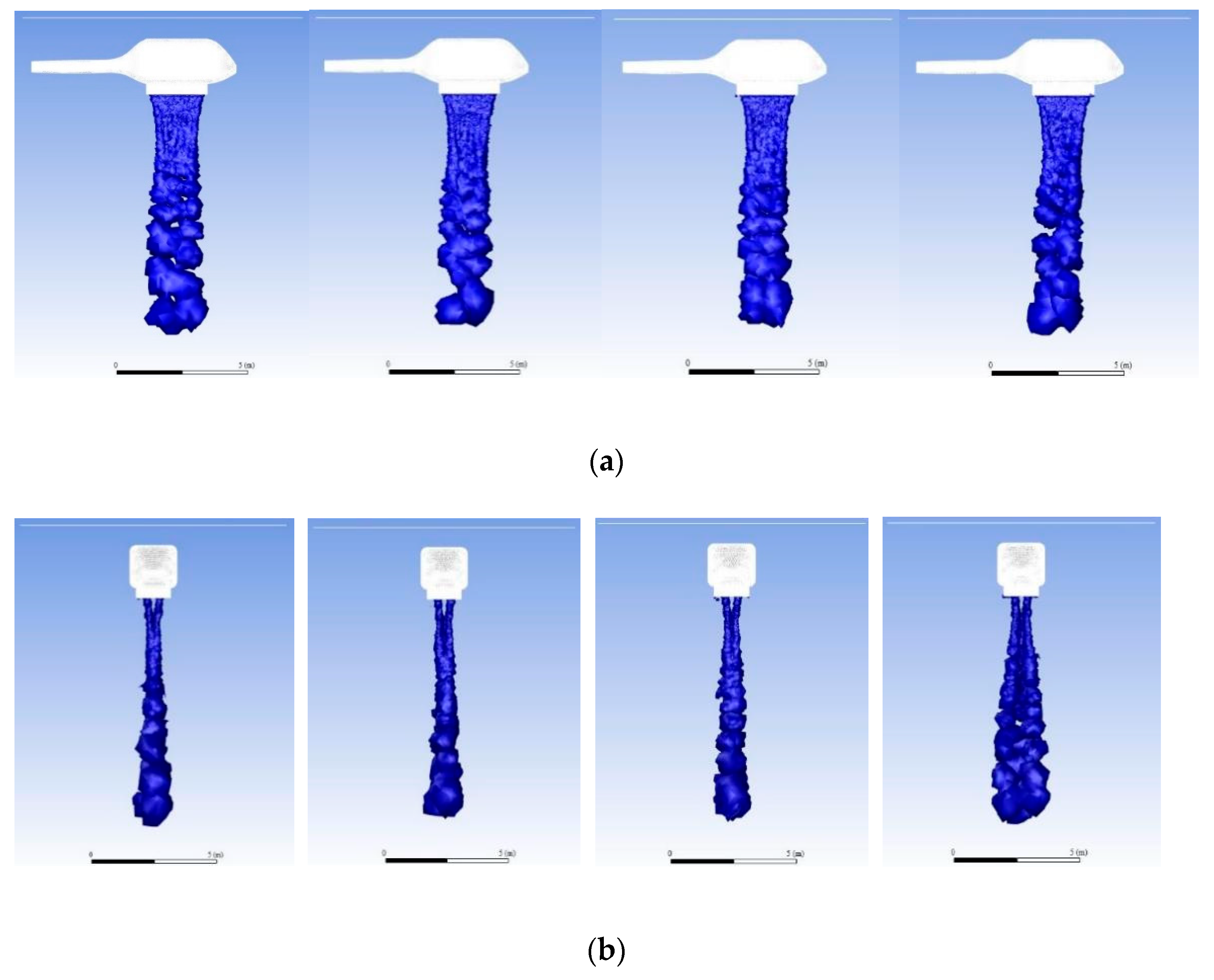
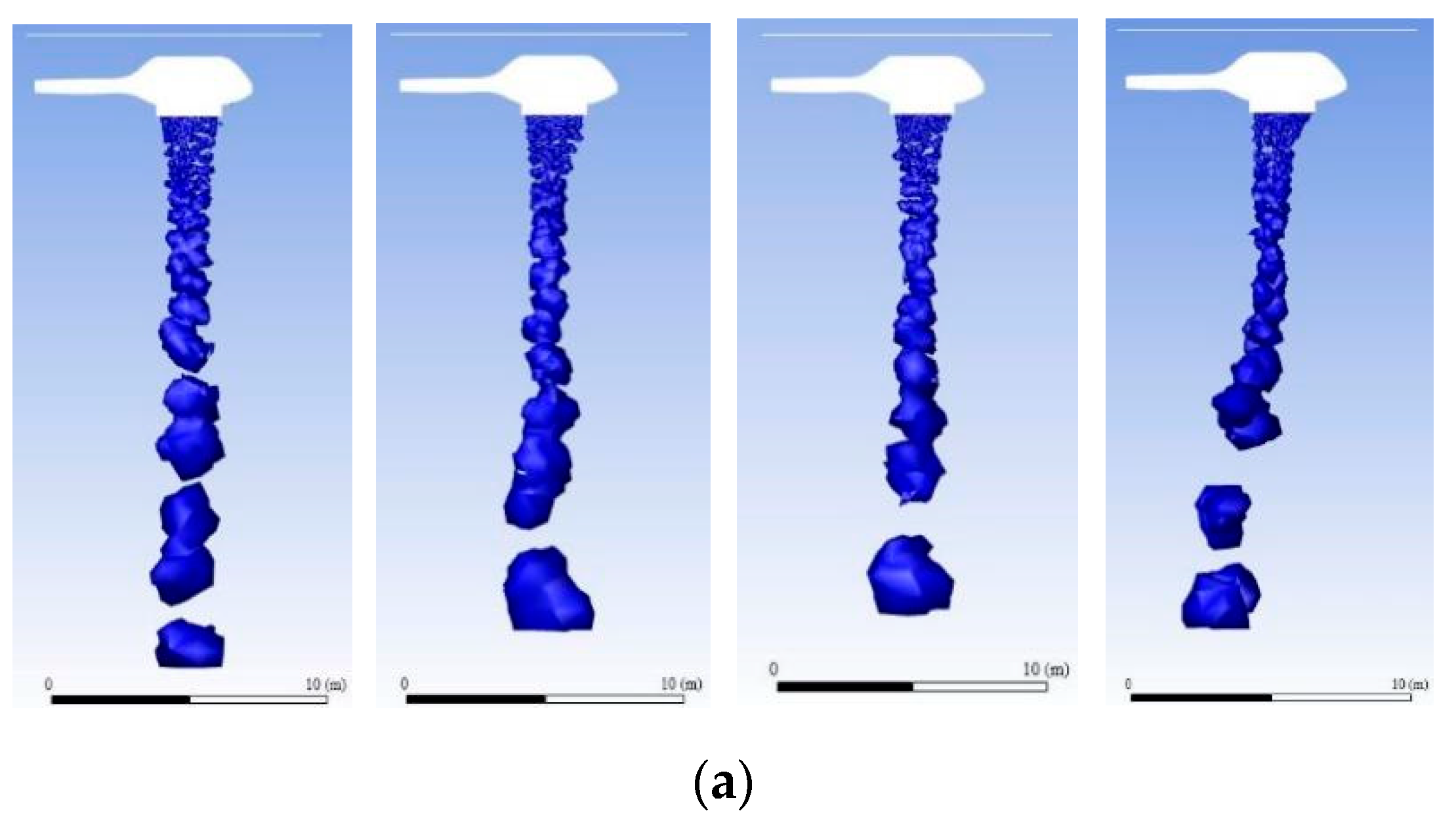
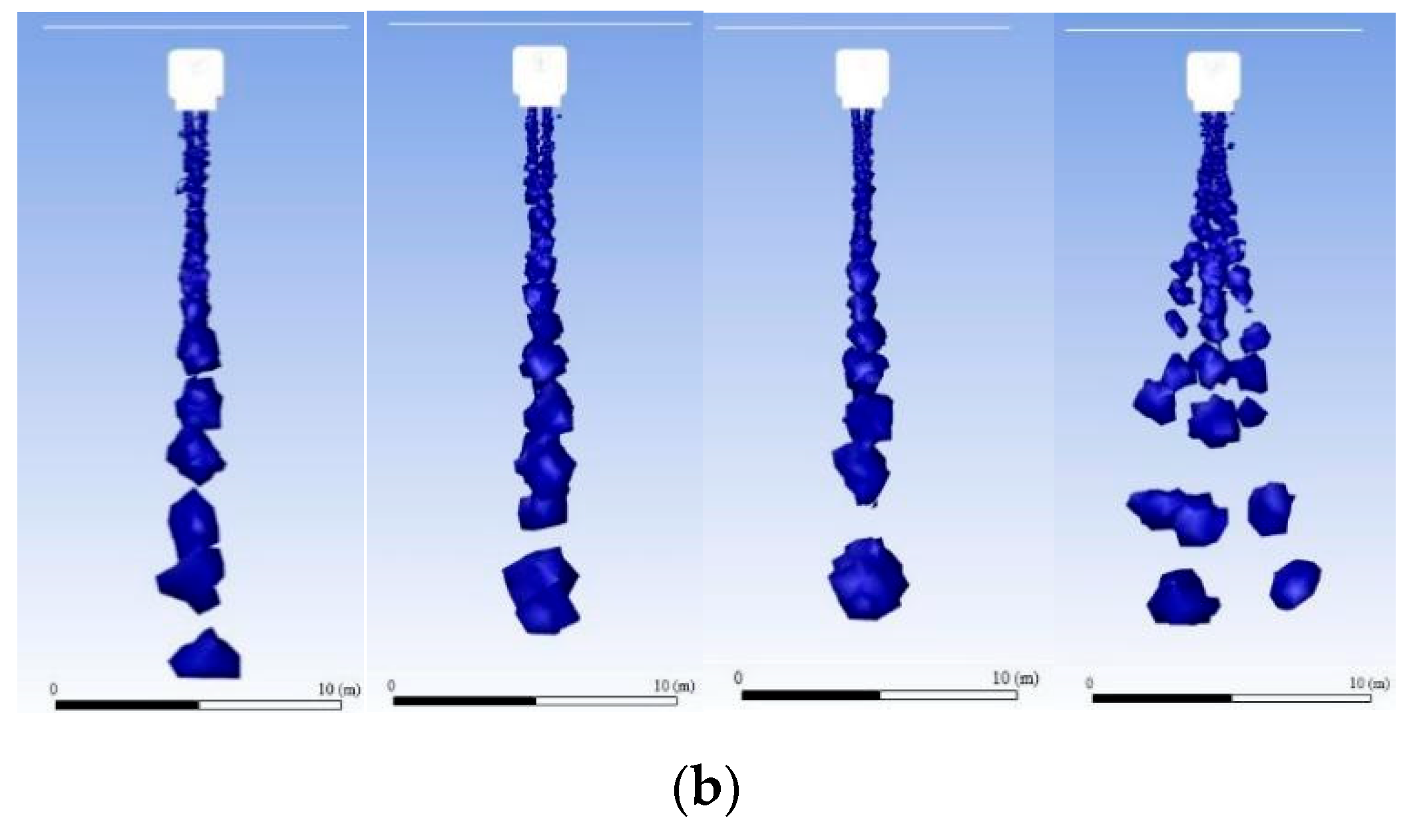
Helicopters are more and more widely used for water dumping in fire extinguishing operations nowadays. Increasing attention is being paid to improving helicopter firefighting efficiency. Water distribution onto the ground from the helicopter tank is a key reference target to evaluate firefighting efficiency. Numerical simulations and calculations were carried out concerning water dumping out of the belly tank of a helicopter using the VOF (Volume of Fluent Model) model and mesh adaptation in ANSYS Fluent, and the effects of two parameters, the height of the tank above the ground and the wind speed, on the wake flow and water distribution were discussed. The results showed that for forward flight, the higher the forward flight speed, the less the average water depth on the ground. Similar results were obtained for flight height. The average water depth was one order of magnitude less than in the cases of the corresponding hovering helicopter for a given wind speed. As for hovering flight, the higher the wind speed, the less the average water depth on the ground. The simulation results were basically consistent with the conclusions of water dump tests of fire-fighting equipment carried by helicopters. For example, when the helicopter flew at a forward flight speed of 15 m/s and the tank bottom was 30 m above the ground, the area covered by the dumped water would be 337.5 m2, and the average water depth accumulated per square meter would be 0.3 cm. This result was close to the 0.34 cm obtained under Hayden Biggs’s test condition with a forward flight speed of 70 km/h and a height above the ground of 24 m.
Keywords: helicopter; tank; water dump; wind speed; numerical calculation helicopter; tank; water dump; wind speed; numerical calculation