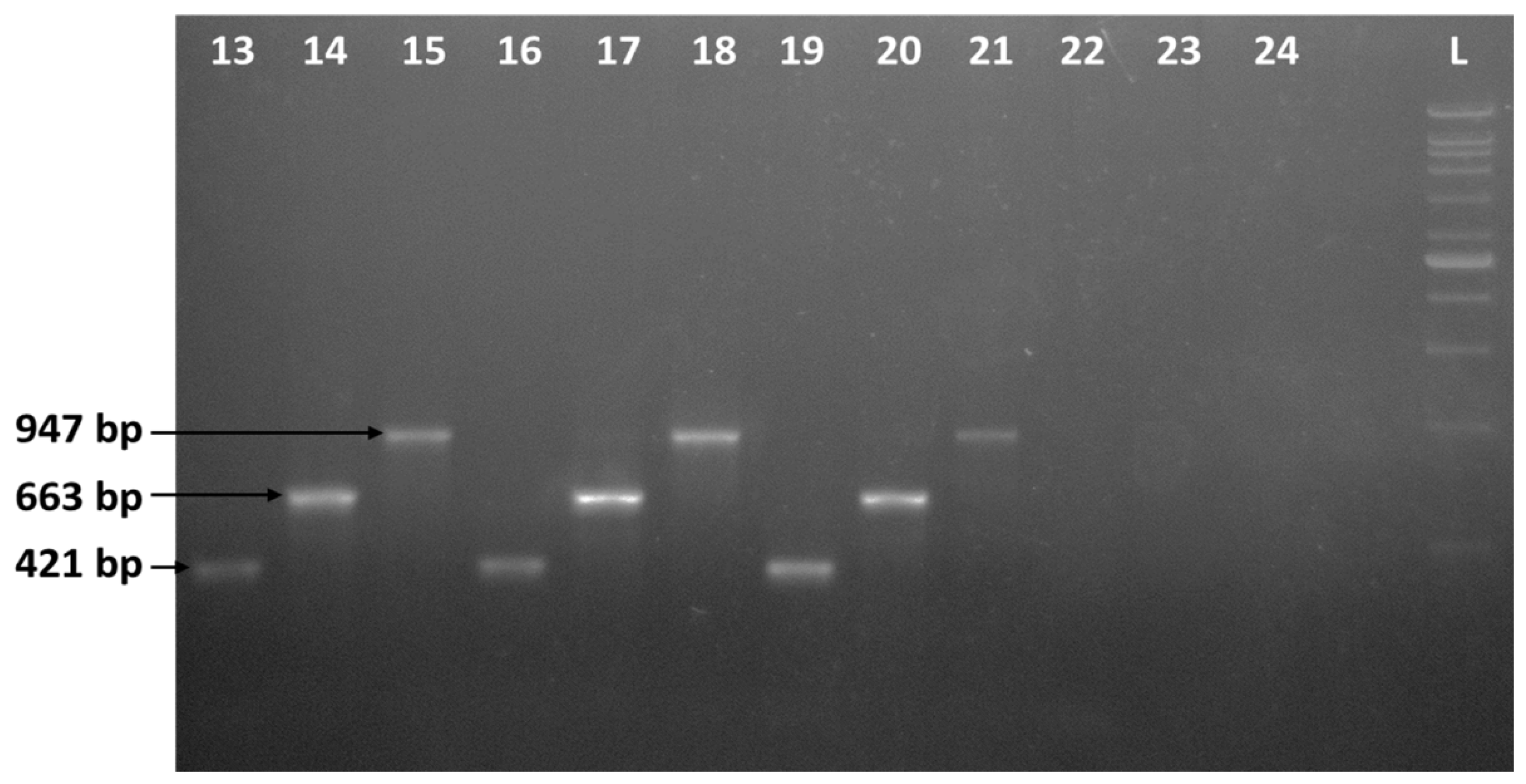
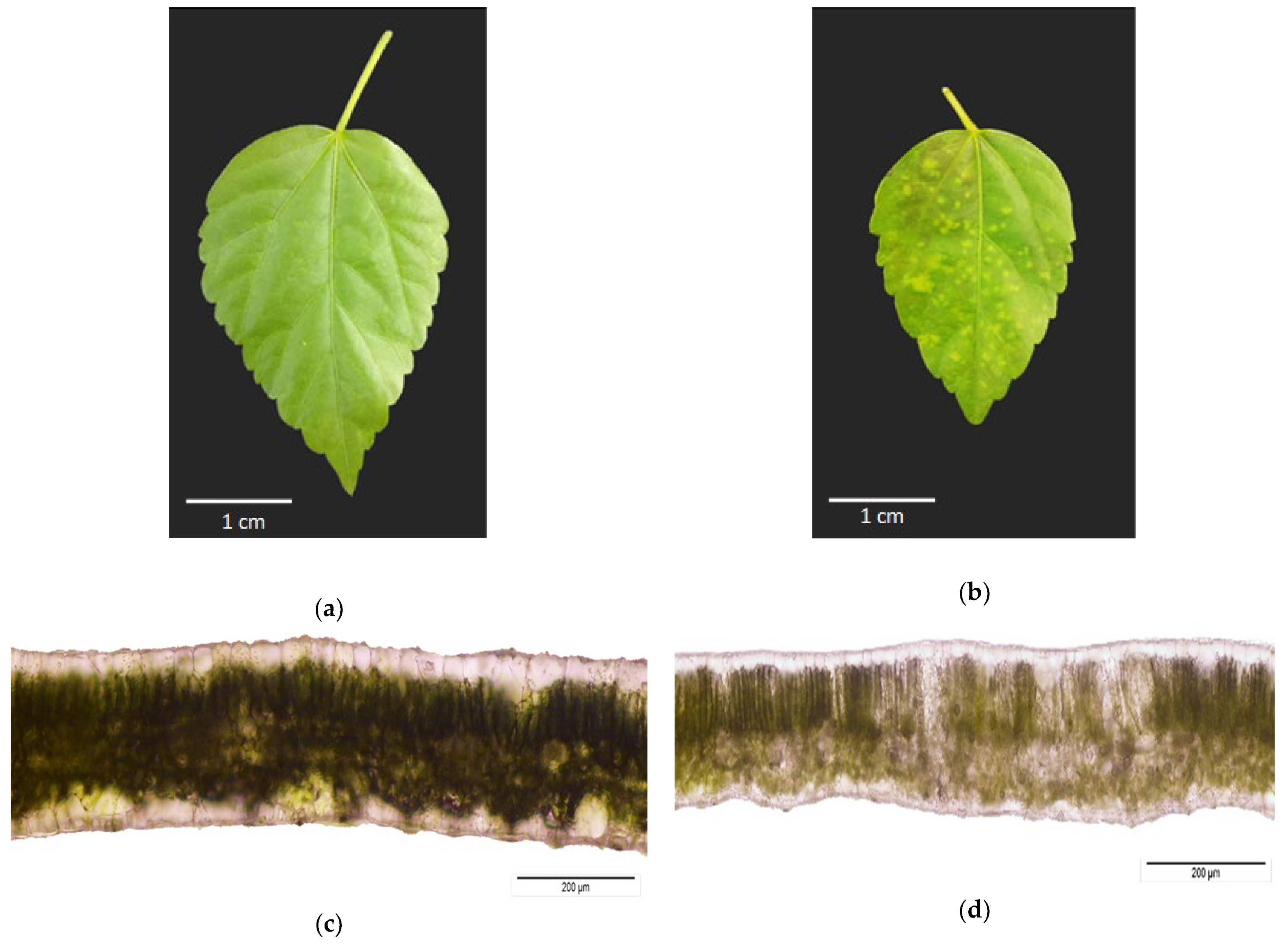
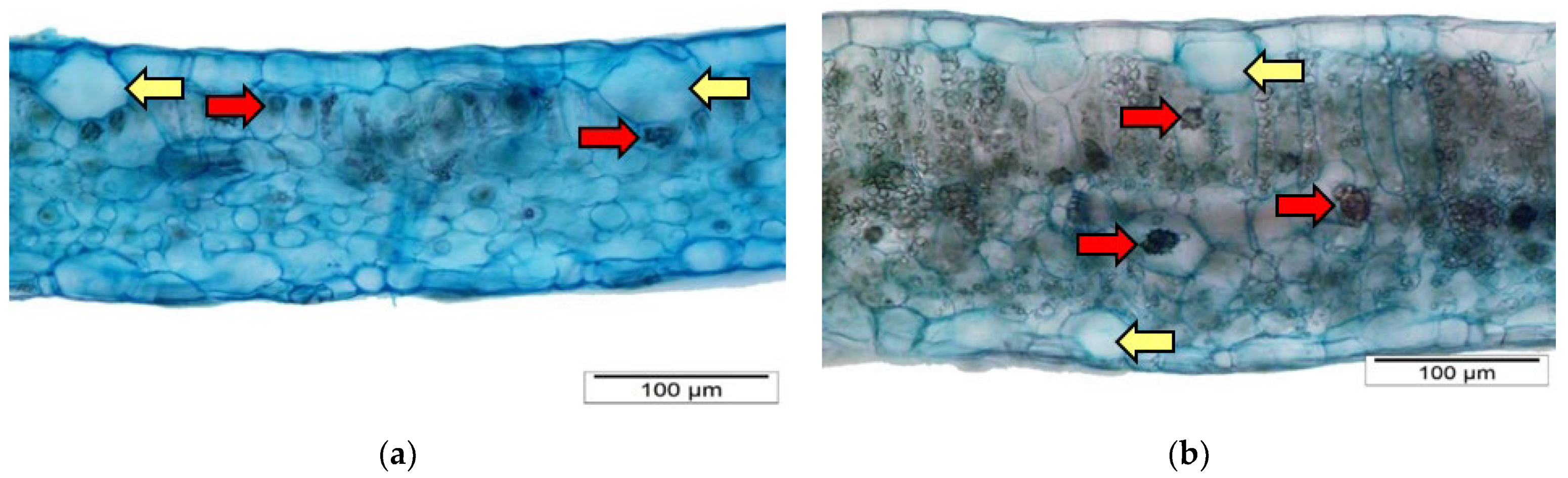
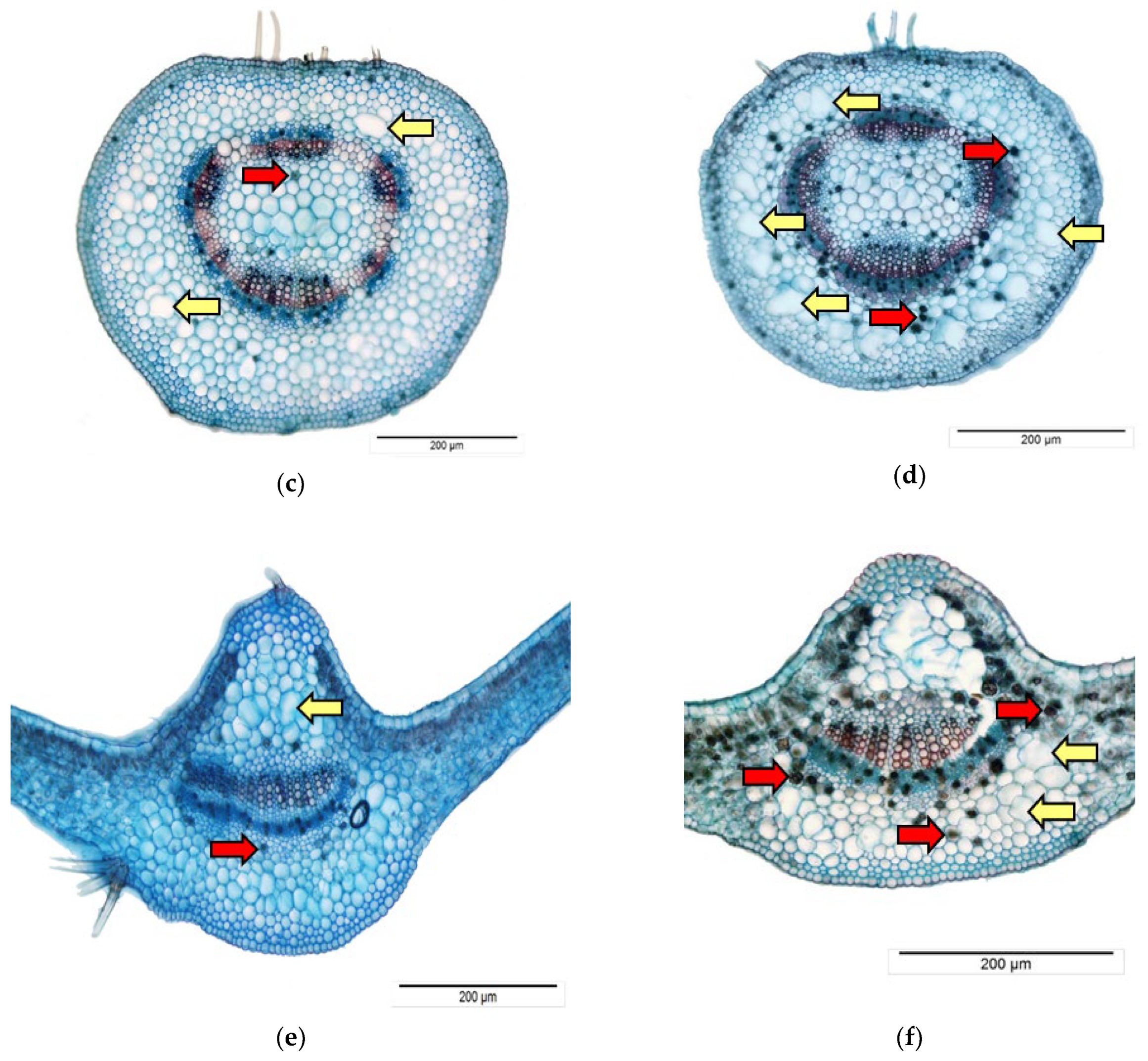
The Complete Genome Sequence, Molecular Detection, and Anatomical Analysis of Hibiscus Chlorotic Ringspot Virus Infecting Hibiscus rosa-sinensis in Peninsular Malaysia

 , ,
, , 
 , , , and
 Abstract
Share and Cite
Yusop, M.S.M.; Lanisa, N.; Talip, N.; Mat Saad, M.F.; Abas, A.; Sarian, M.N.; Hamezah, H.S.; Harun, S.; Bunawan, H. The Complete Genome Sequence, Molecular Detection, and Anatomical Analysis of Hibiscus Chlorotic Ringspot Virus Infecting Hibiscus rosa-sinensis in Peninsular Malaysia. Horticulturae 2023, 9, 569. https://doi.org/10.3390/horticulturae9050569
Yusop MSM, Lanisa N, Talip N, Mat Saad MF, Abas A, Sarian MN, Hamezah HS, Harun S, Bunawan H. The Complete Genome Sequence, Molecular Detection, and Anatomical Analysis of Hibiscus Chlorotic Ringspot Virus Infecting Hibiscus rosa-sinensis in Peninsular Malaysia. Horticulturae. 2023; 9(5):569. https://doi.org/10.3390/horticulturae9050569
Chicago/Turabian StyleYusop, Mohd Shakir Mohamad, Normawati Lanisa, Noraini Talip, Mohd Faiz Mat Saad, Azlan Abas, Murni Nazira Sarian, Hamizah Shahirah Hamezah, Sarahani Harun, and Hamidun Bunawan. 2023. "The Complete Genome Sequence, Molecular Detection, and Anatomical Analysis of Hibiscus Chlorotic Ringspot Virus Infecting Hibiscus rosa-sinensis in Peninsular Malaysia" Horticulturae 9, no. 5: 569. https://doi.org/10.3390/horticulturae9050569
APA StyleYusop, M. S. M., Lanisa, N., Talip, N., Mat Saad, M. F., Abas, A., Sarian, M. N., Hamezah, H. S., Harun, S., & Bunawan, H. (2023). The Complete Genome Sequence, Molecular Detection, and Anatomical Analysis of Hibiscus Chlorotic Ringspot Virus Infecting Hibiscus rosa-sinensis in Peninsular Malaysia. Horticulturae, 9(5), 569. https://doi.org/10.3390/horticulturae9050569