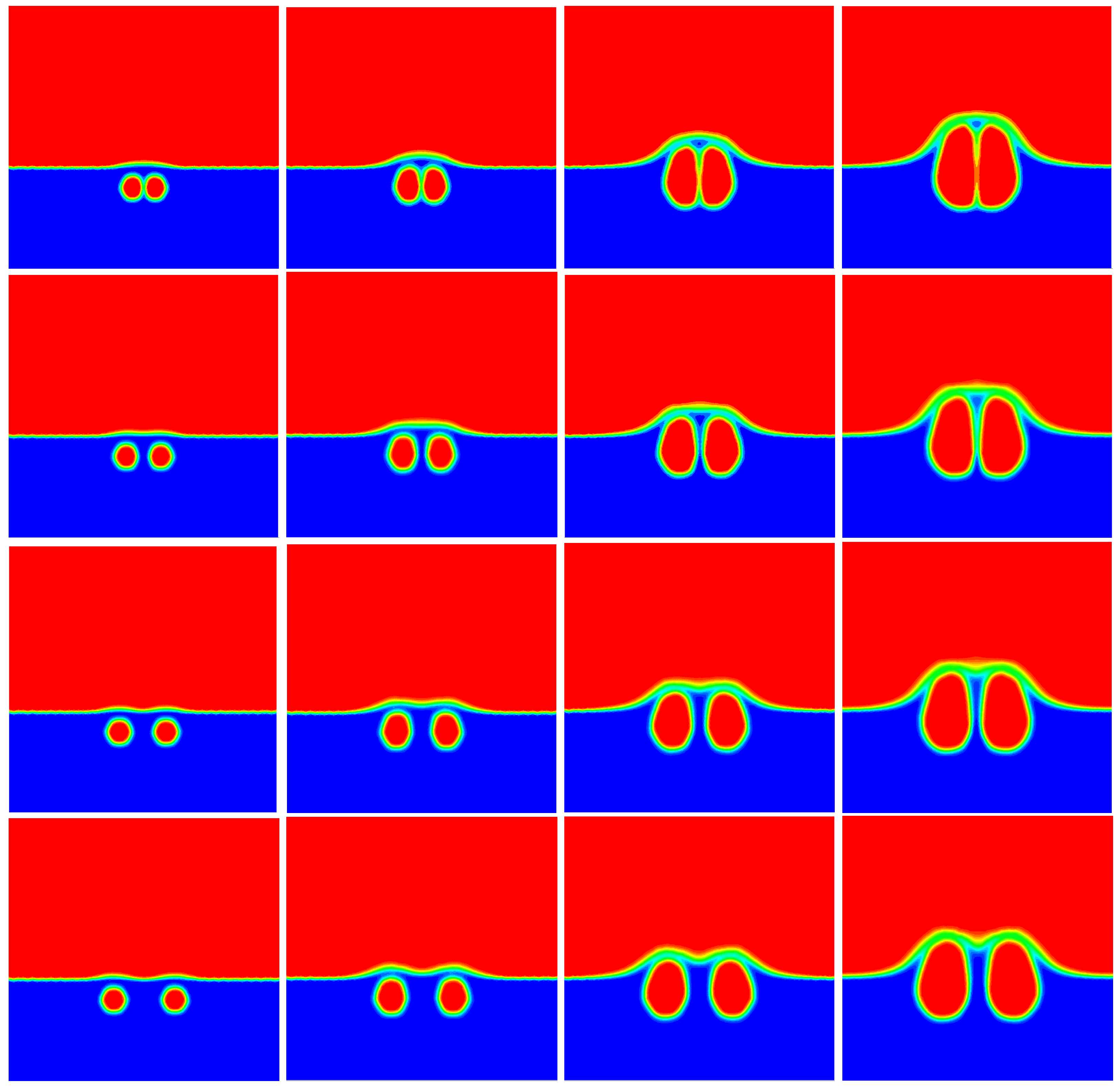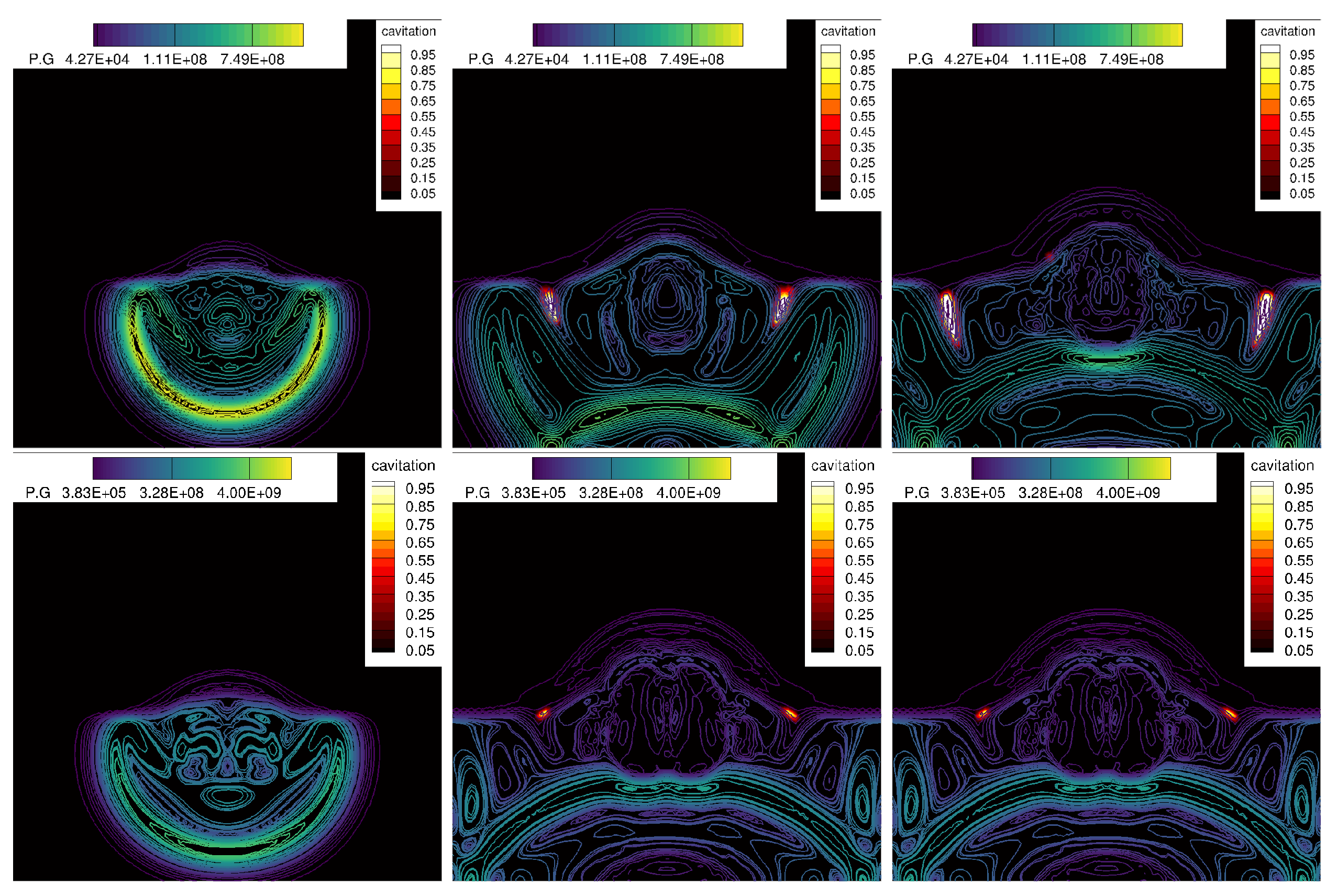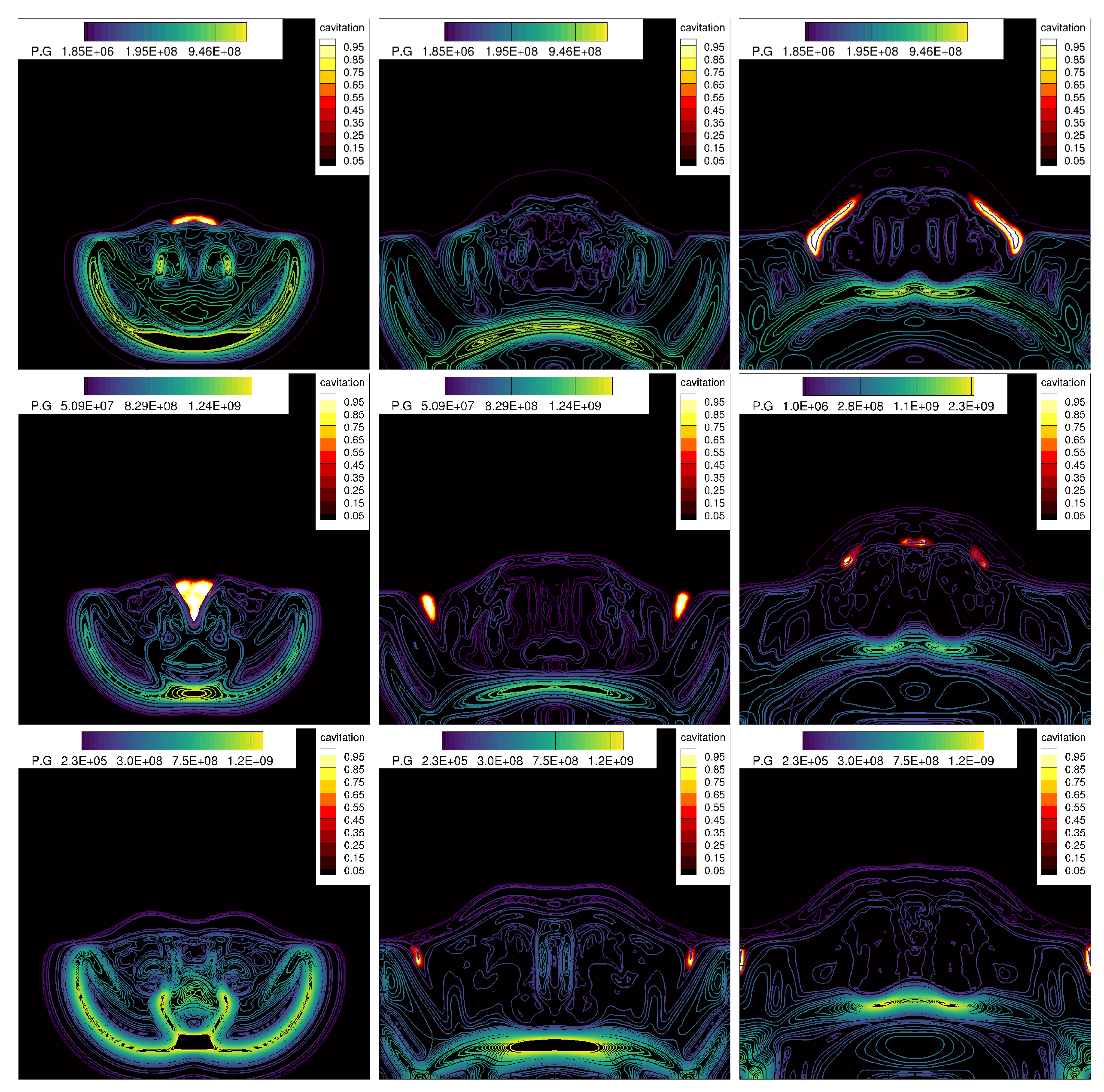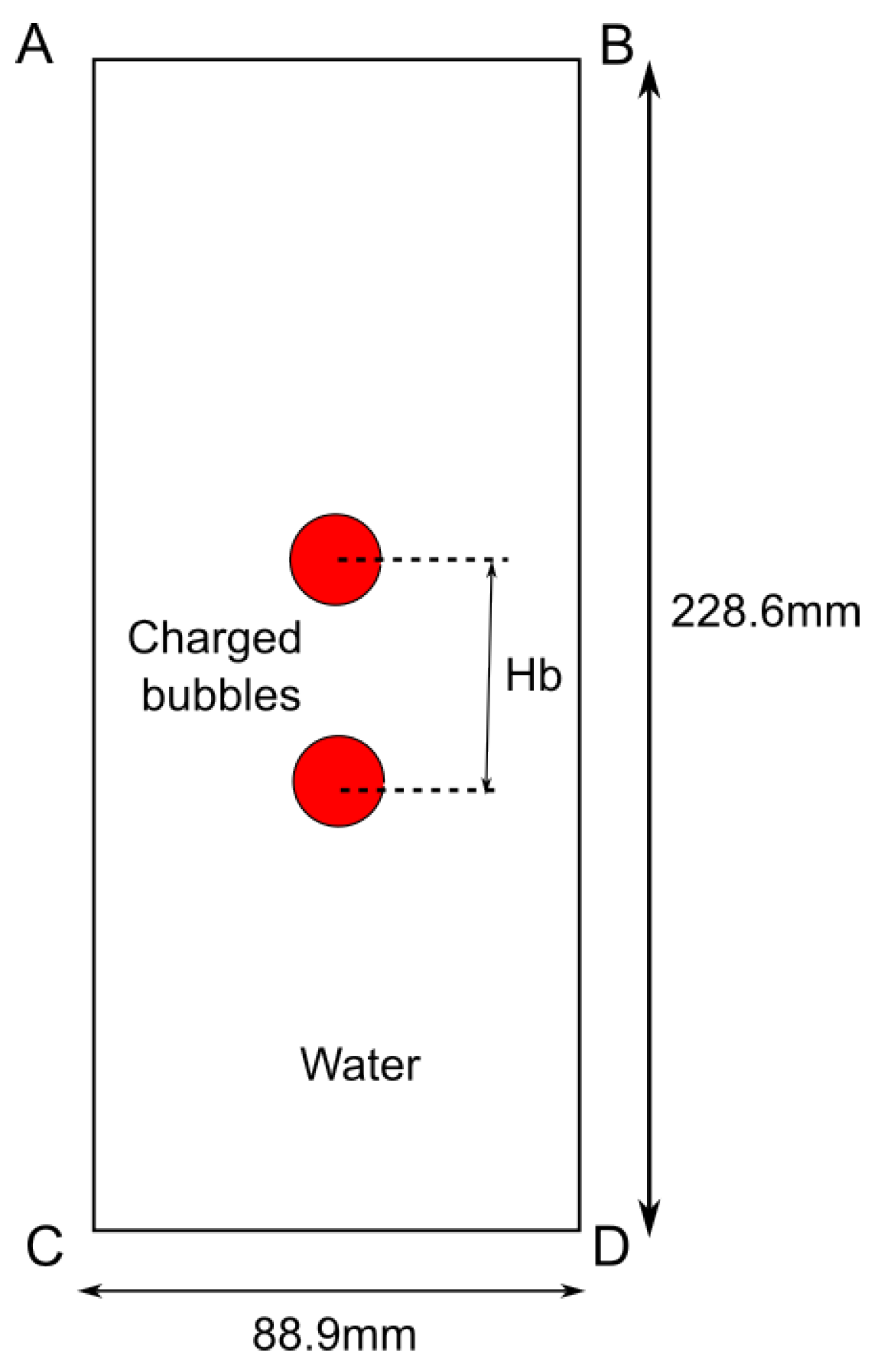

Application of Central-Weighted Essentially Non-Oscillatory Finite-Volume Interface-Capturing Schemes for Modeling Cavitation Induced by an Underwater Explosion


Abstract
Share and Cite
Adebayo, E.M.; Tsoutsanis, P.; Jenkins, K.W. Application of Central-Weighted Essentially Non-Oscillatory Finite-Volume Interface-Capturing Schemes for Modeling Cavitation Induced by an Underwater Explosion. Fluids 2024, 9, 33. https://doi.org/10.3390/fluids9020033
Adebayo EM, Tsoutsanis P, Jenkins KW. Application of Central-Weighted Essentially Non-Oscillatory Finite-Volume Interface-Capturing Schemes for Modeling Cavitation Induced by an Underwater Explosion. Fluids. 2024; 9(2):33. https://doi.org/10.3390/fluids9020033
Chicago/Turabian StyleAdebayo, Ebenezer Mayowa, Panagiotis Tsoutsanis, and Karl W. Jenkins. 2024. "Application of Central-Weighted Essentially Non-Oscillatory Finite-Volume Interface-Capturing Schemes for Modeling Cavitation Induced by an Underwater Explosion" Fluids 9, no. 2: 33. https://doi.org/10.3390/fluids9020033
APA StyleAdebayo, E. M., Tsoutsanis, P., & Jenkins, K. W. (2024). Application of Central-Weighted Essentially Non-Oscillatory Finite-Volume Interface-Capturing Schemes for Modeling Cavitation Induced by an Underwater Explosion. Fluids, 9(2), 33. https://doi.org/10.3390/fluids9020033