
Article

Non-Periodic Reconstruction from Sub-Sampled Velocity Measurement Data Based on Data-Fusion Compressed Sensing

1
School of Aeronautics and Astronautics, Shanghai Jiao Tong University, Shanghai 200240, China
2
Commercial Aircraft Corporation of China, Ltd., Shanghai 200126, China
3
China Nuclear Power Technology Research Institute Co., Ltd., Shanghai 200241, China
4
School of Mechanical Engineering, Shanghai Jiao Tong University, Shanghai 200240, China
*
Author to whom correspondence should be addressed.
Fluids 2025, 10(8), 192; https://doi.org/10.3390/fluids10080192

Submission received: 12 April 2025 / Revised: 30 June 2025 / Accepted: 24 July 2025 / Published: 26 July 2025
(This article belongs to the Section Mathematical and Computational Fluid Mechanics)

Abstract

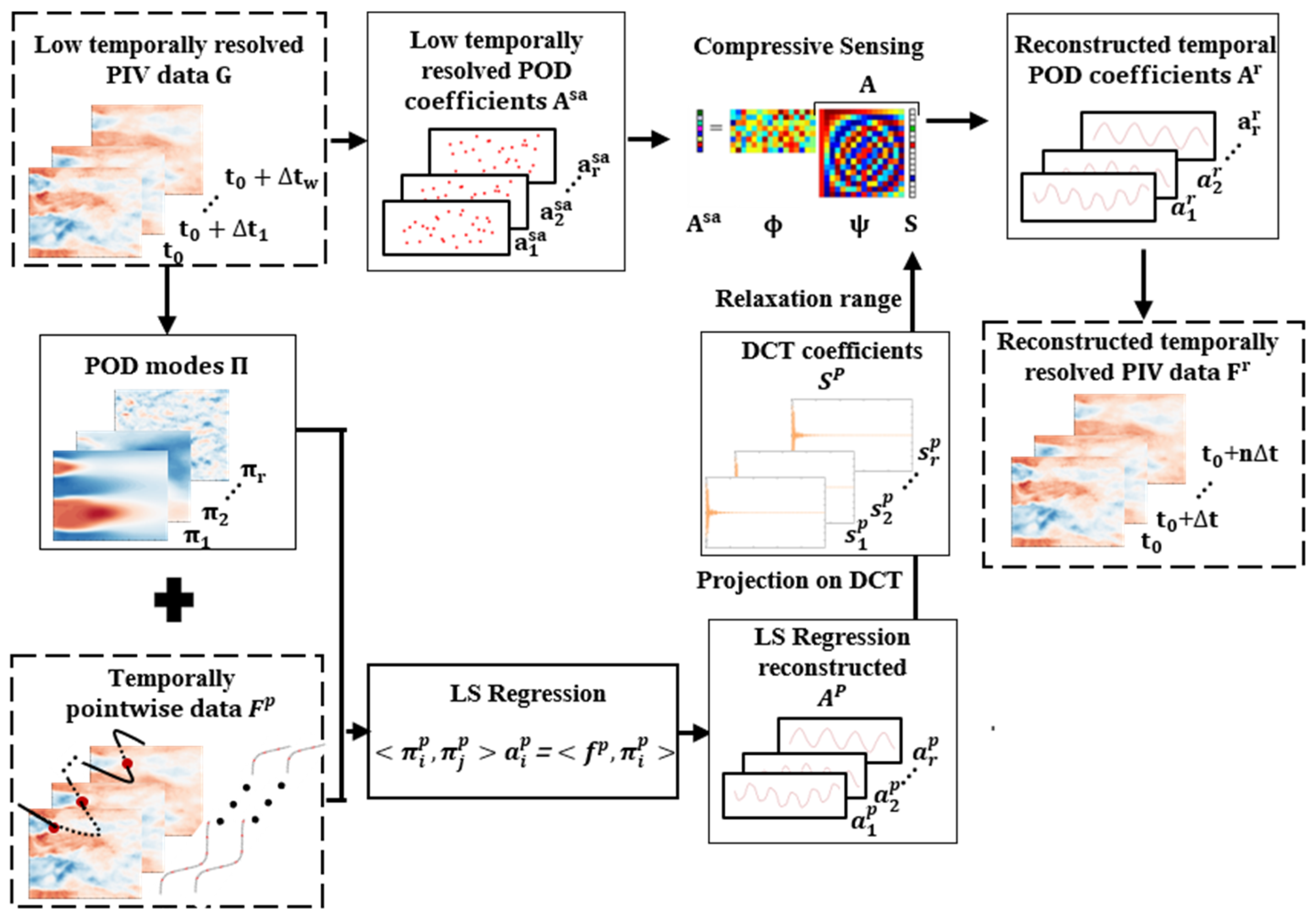
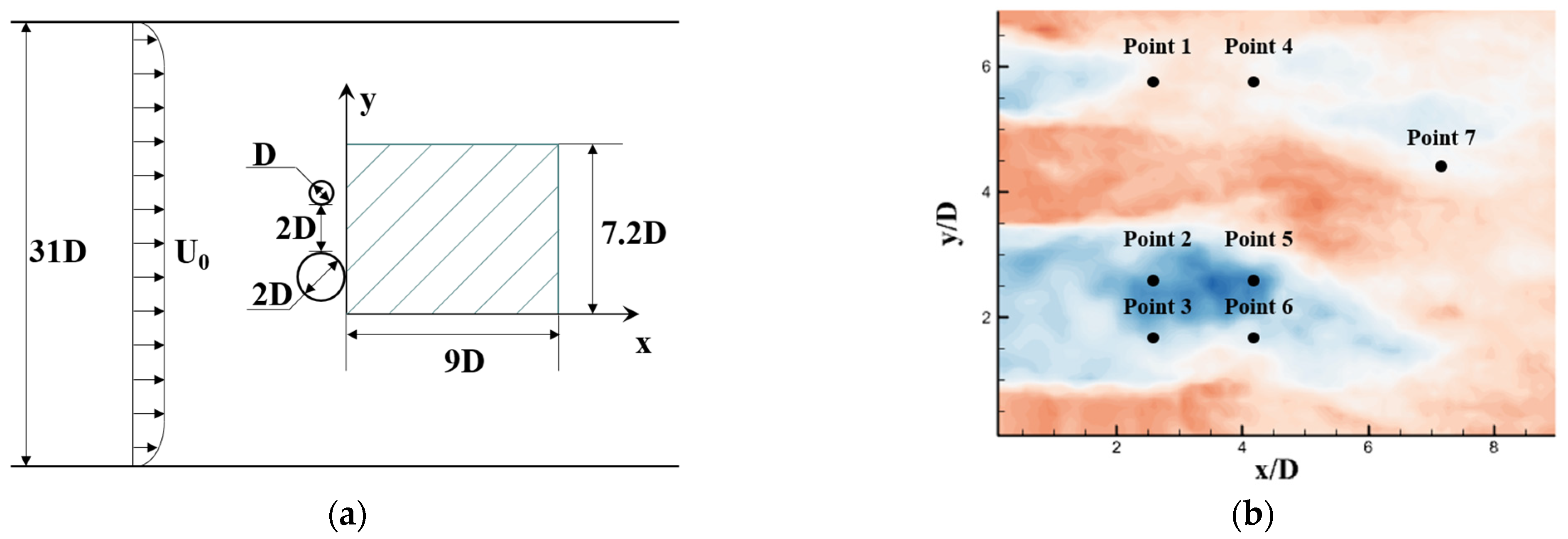
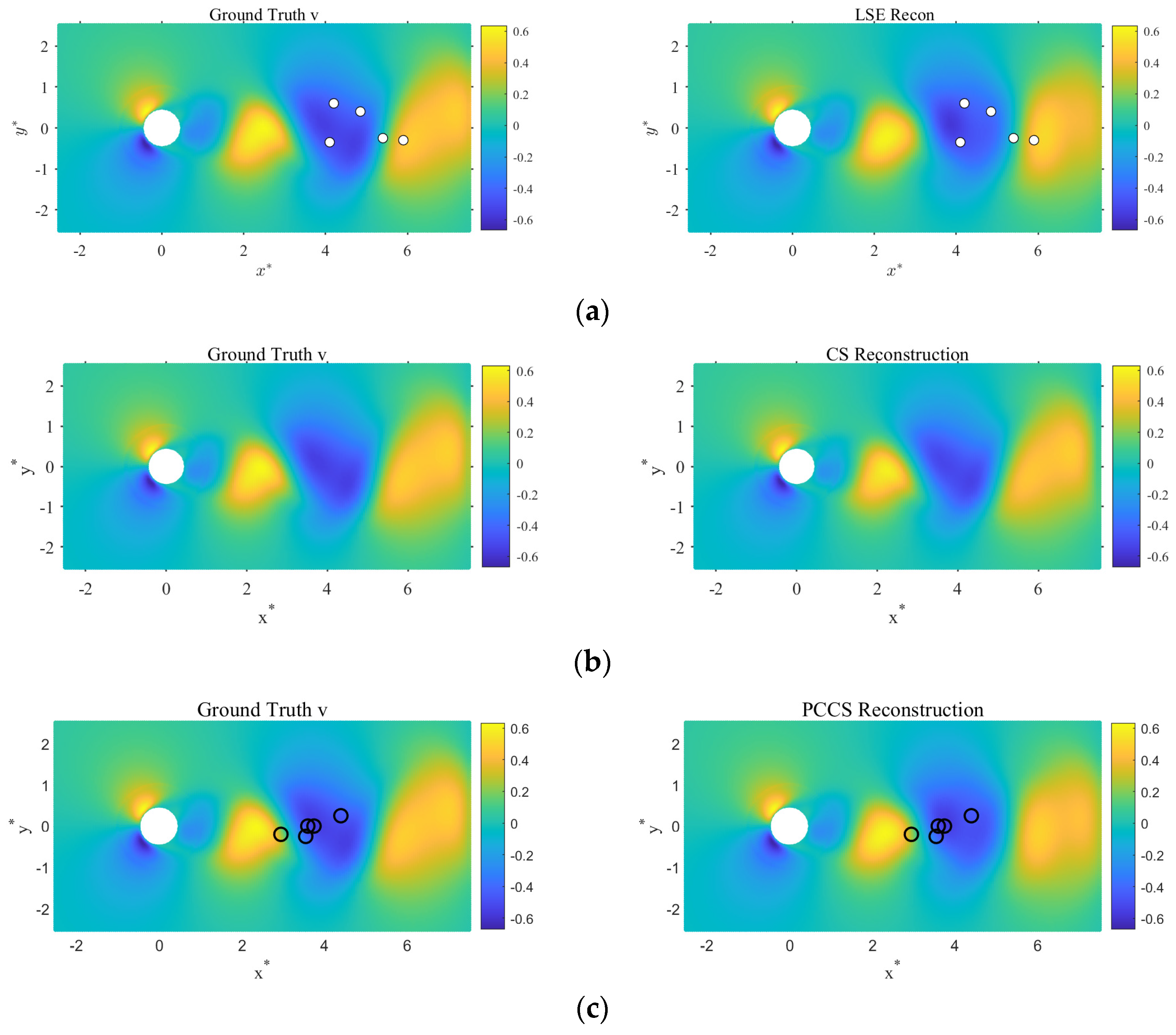
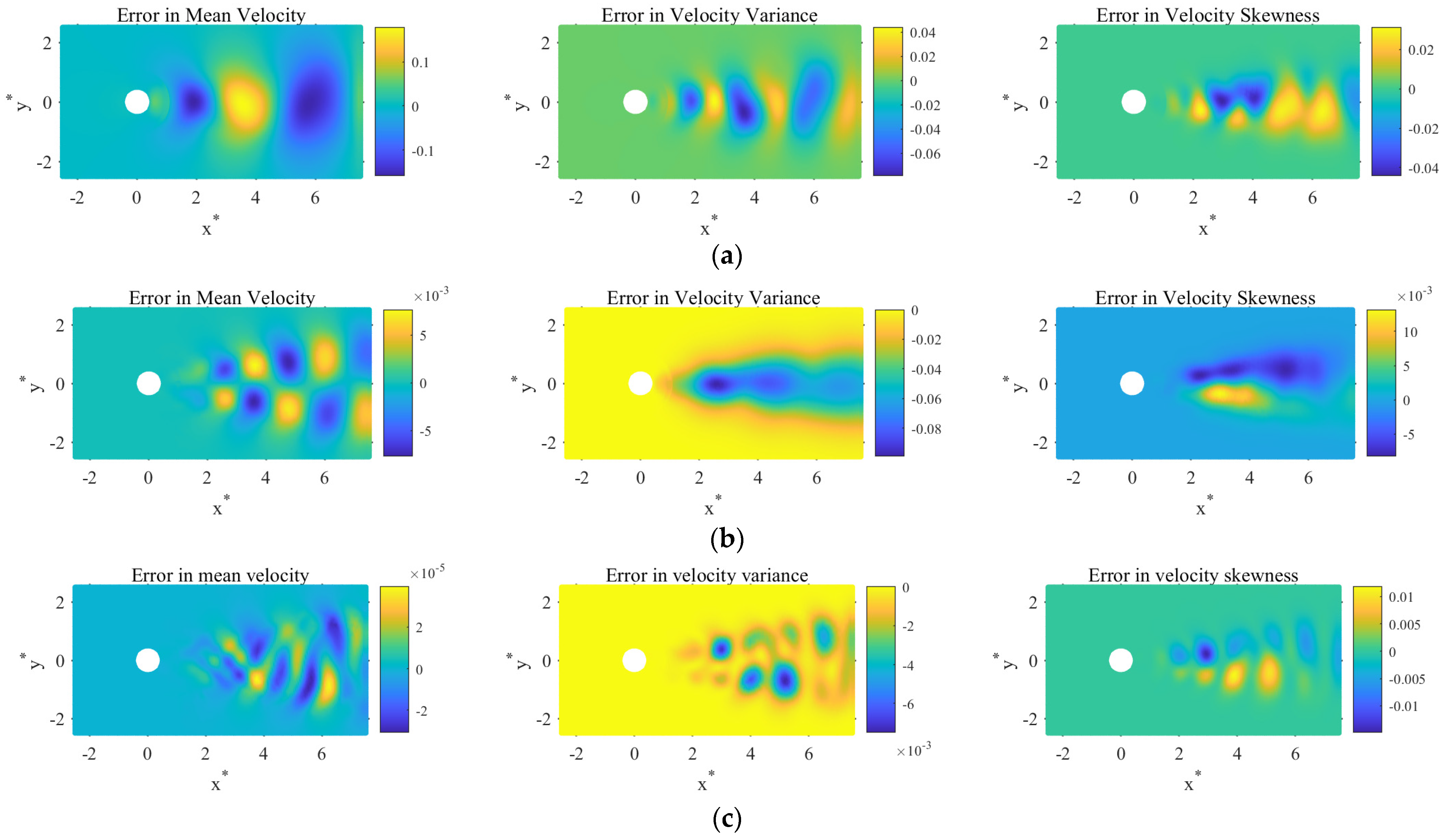
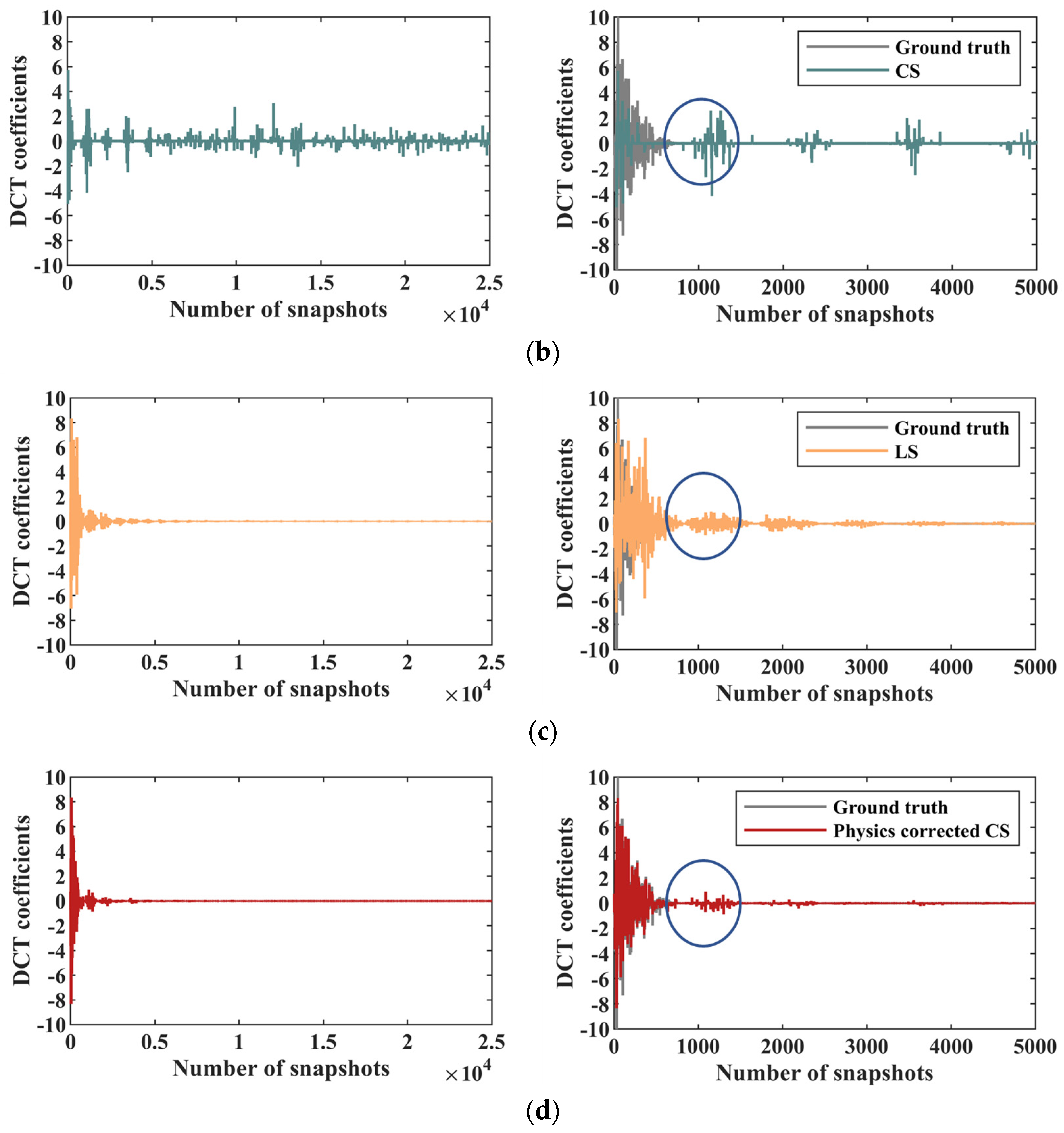
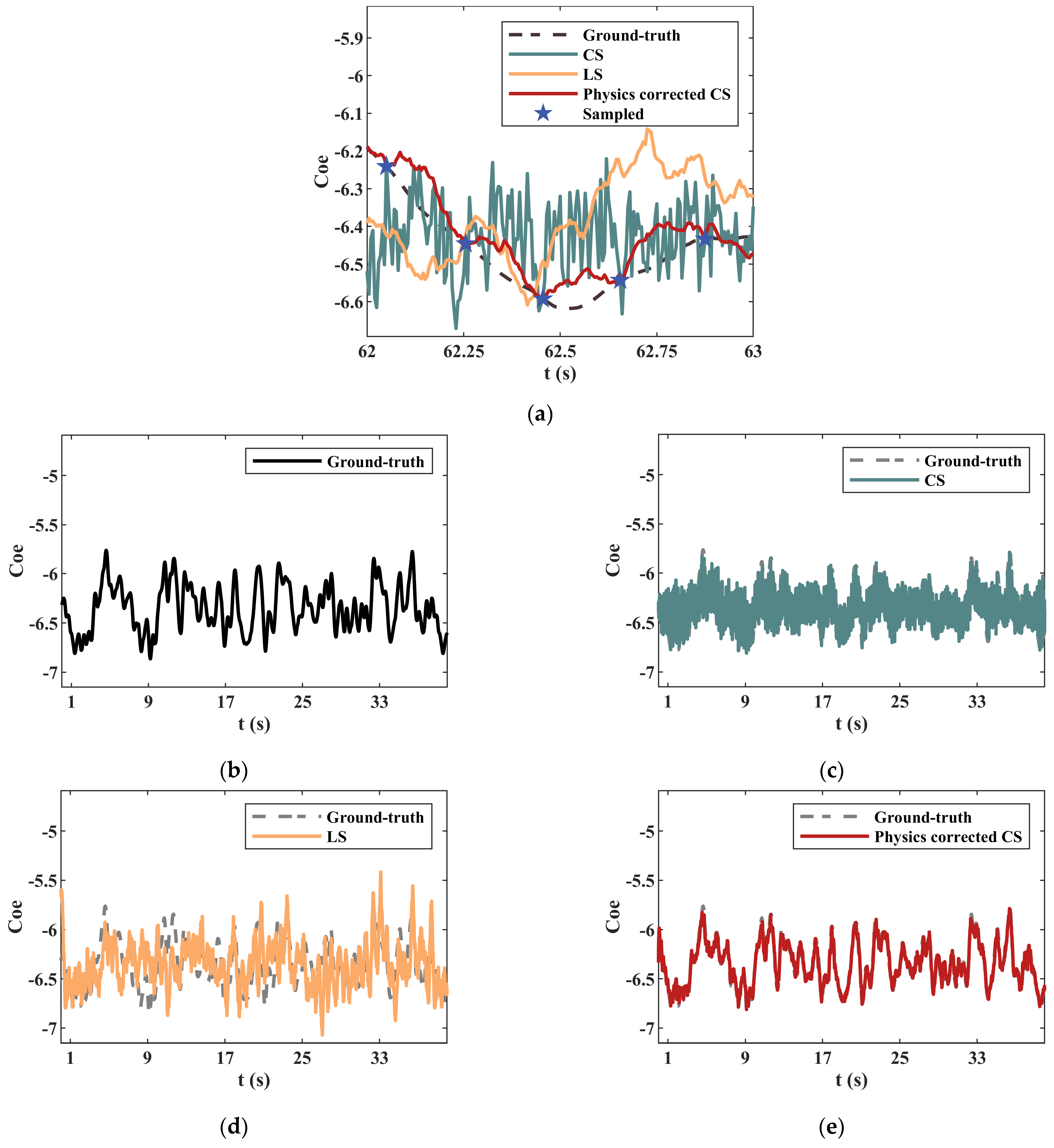
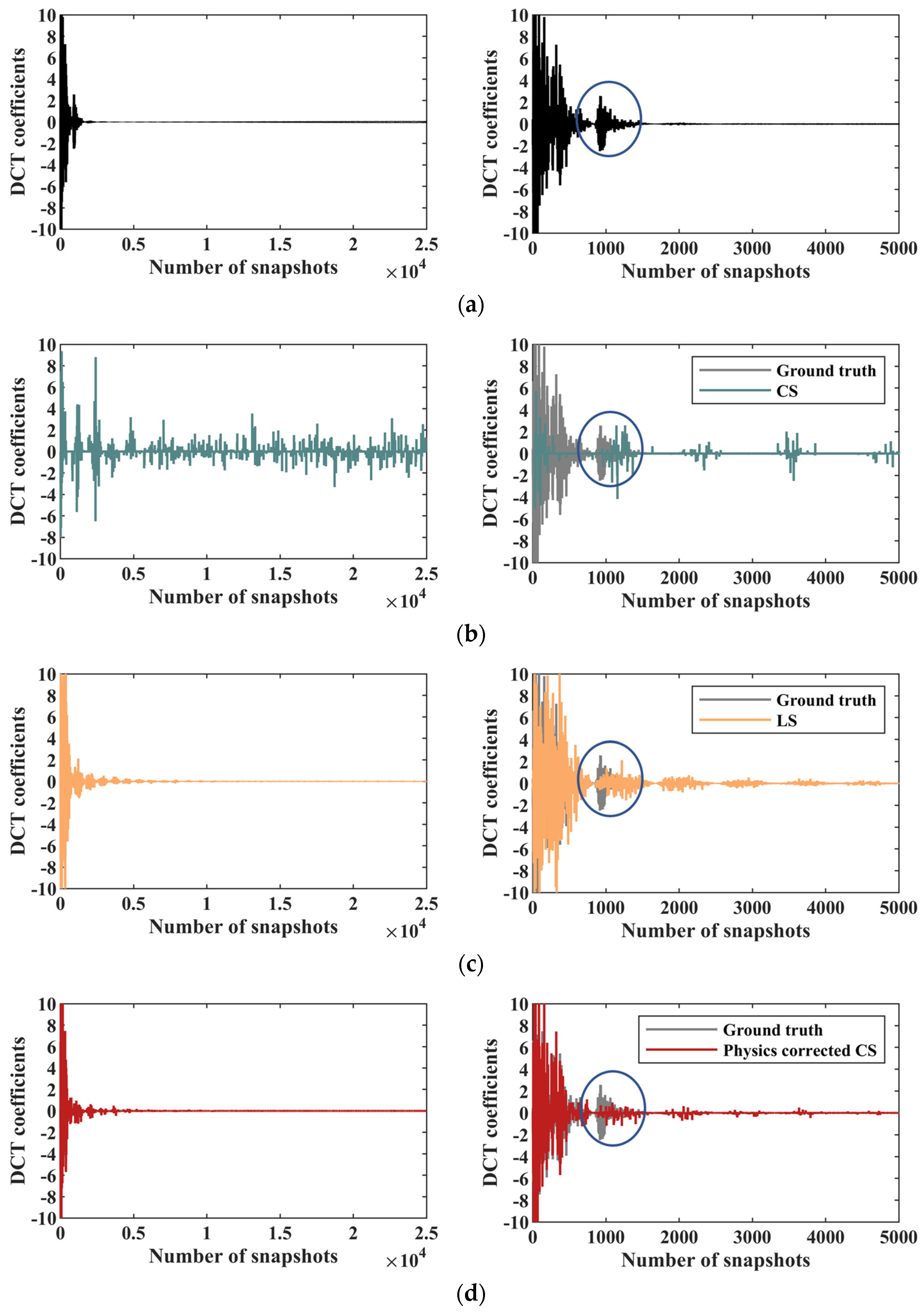
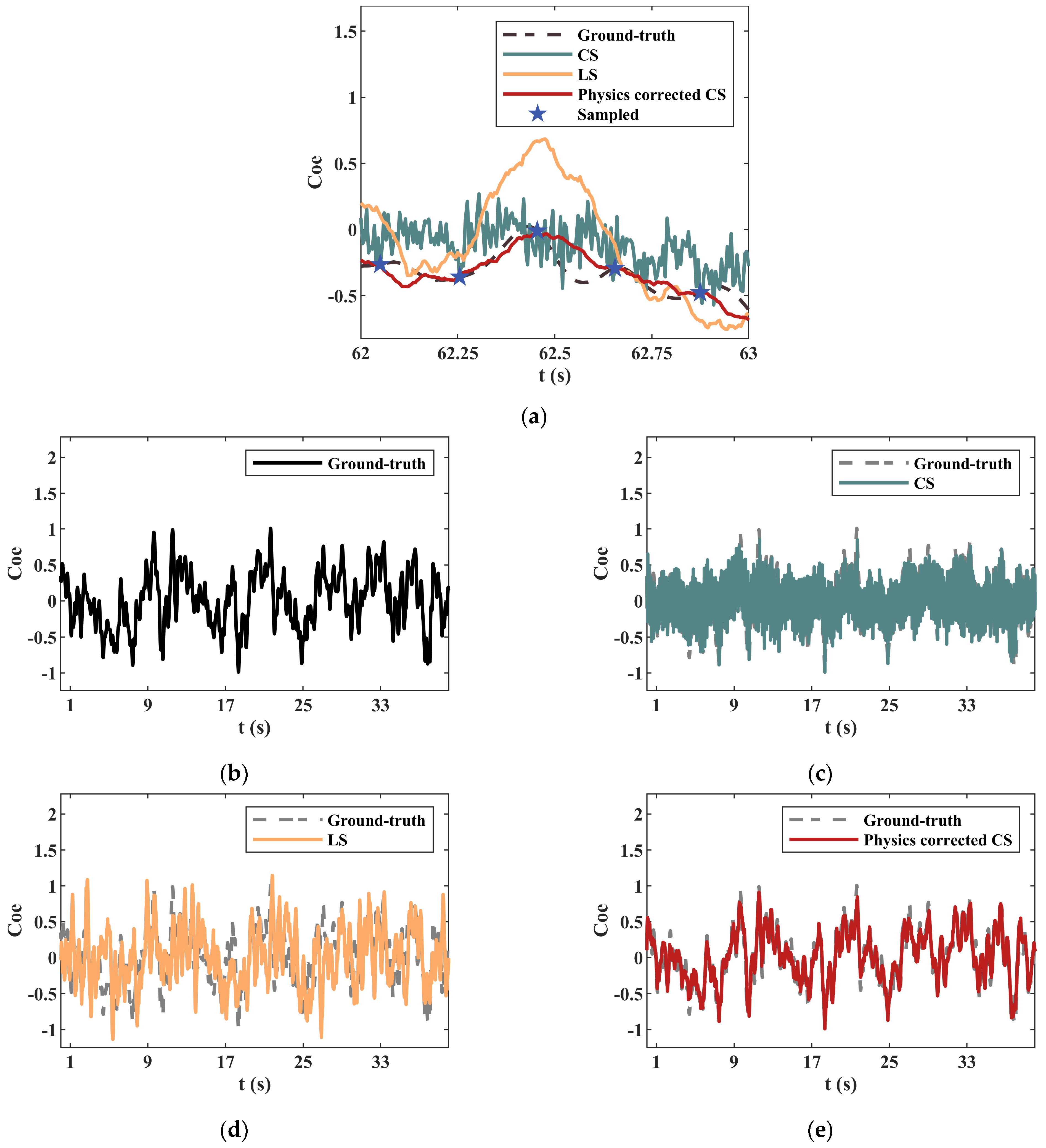
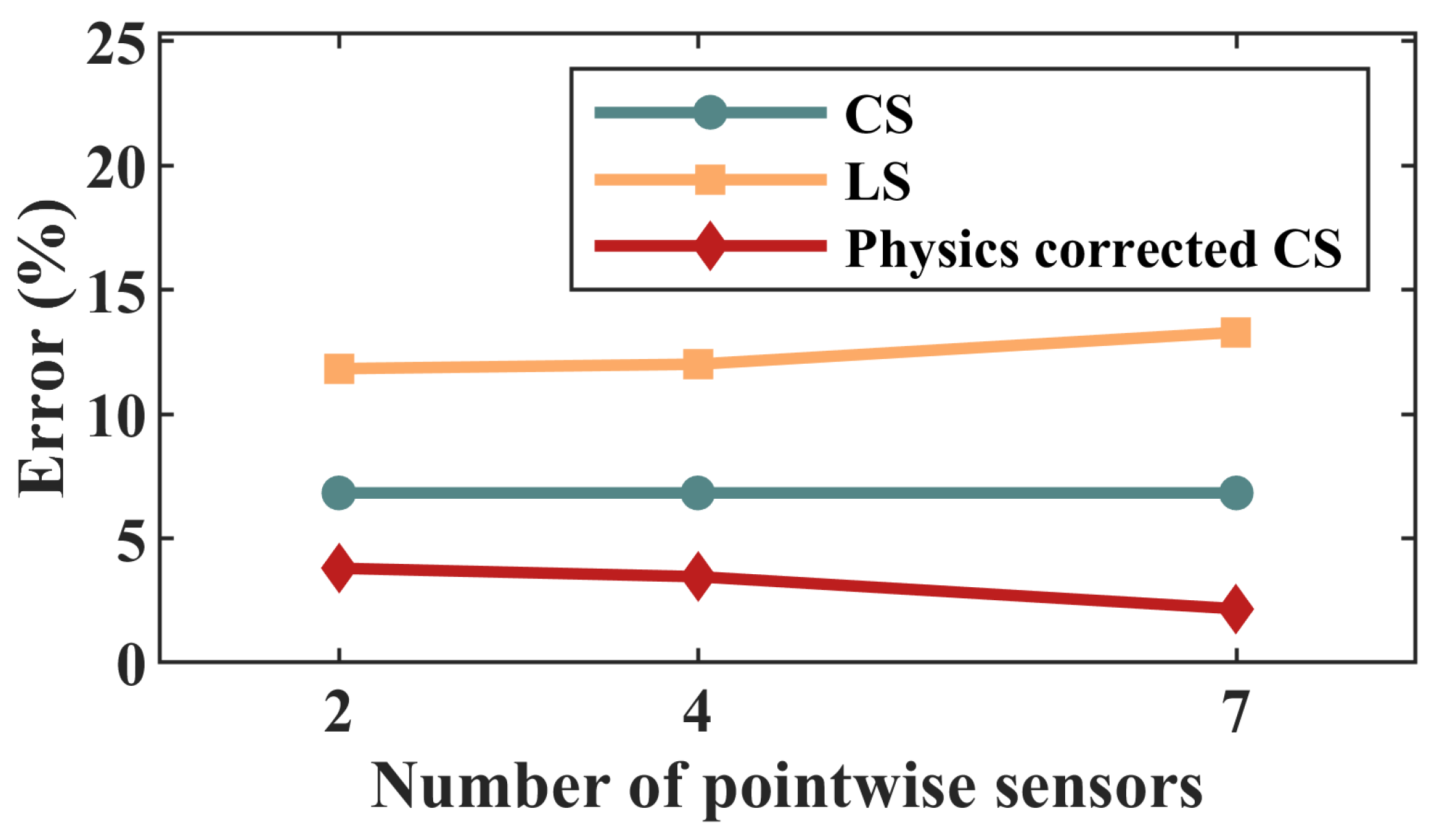
Compressive sensing (CS) is capable of resolving high frequencies from subsampled data. However, it is challenging to apply CS in non-periodic flow fields with multiple frequencies. This study introduces a novel data fusion CS approach aimed at reconstructing temporally resolved flow fields from subsampled particle image velocimetry (PIV) data, integrating constraints derived from a limited number of high-frequency pointwise measurements. The approach combines measurements from particle image velocimetry (PIV), which have high spatial resolution but low temporal resolution, and a few pointwise probes, which have high temporal resolution but low spatial resolution. In the proposed method, proper orthogonal decomposition (POD) is conducted first to the PIV data, thus acquiring spatial modes and low-temporally resolved coefficients. To reconstruct the non-periodic and multiple-frequency coefficients from the PIV data, the traditional CS yields strong high-frequency noise. In this regard, the coefficients obtained from the pointwise measurements using least square (LS) regression can serve as a reciprocal space to suppress the high-frequency noise in the CS reconstruction. Using relaxation factors, the results from LS regression apply the upper and lower boundaries for the CS. By fusing the pointwise measurement and PIV data, the reconstruction performance can be significantly improved. To verify the performance, non-periodic and multiple frequency flow fields in the wake of two cylinders with different diameters are used. Compared to the ground truth, CS and LS reconstruction give an error of about 7% and 13%, respectively. On the other hand, the data fusion CS only has an error of about 2%. The dependency of this method on the number of pointwise probes is also examined.
Keywords: compressed sensing; reconstruction; PIV compressed sensing; reconstruction; PIV