Article

Hydrocolloids from the Mushroom Auricularia heimuer: Composition and Properties

1
Good Feeling Products GmbH, 41468 Neuss, Germany
2
Department of Carbohydrates and Cereals, Faculty of Food and Biochemical Technology, University of Chemistry and Technology, 16628 Prague, Czech Republic
3
Competence Center for Applied Mycology and Environmental Studies, Niederrhein University of Applied Sciences, 41065 Moenchengladbach, Germany
*
Author to whom correspondence should be addressed.
J. Fungi 2023, 9(6), 681; https://doi.org/10.3390/jof9060681
Submission received: 11 May 2023 / Revised: 14 June 2023 / Accepted: 15 June 2023 / Published: 16 June 2023
(This article belongs to the Special Issue Current and Future Research Trends on Medicinal Mushrooms)

Abstract

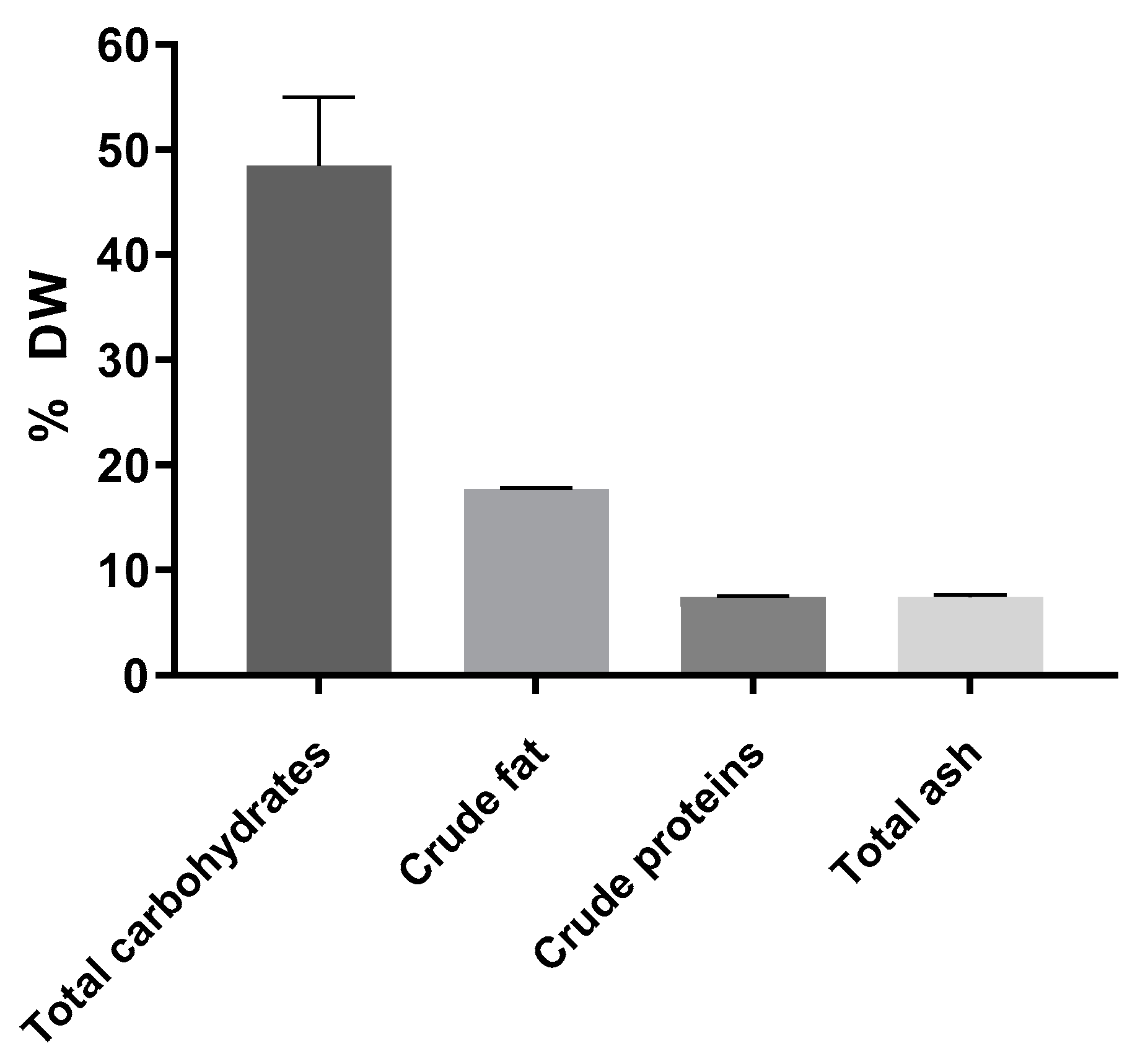
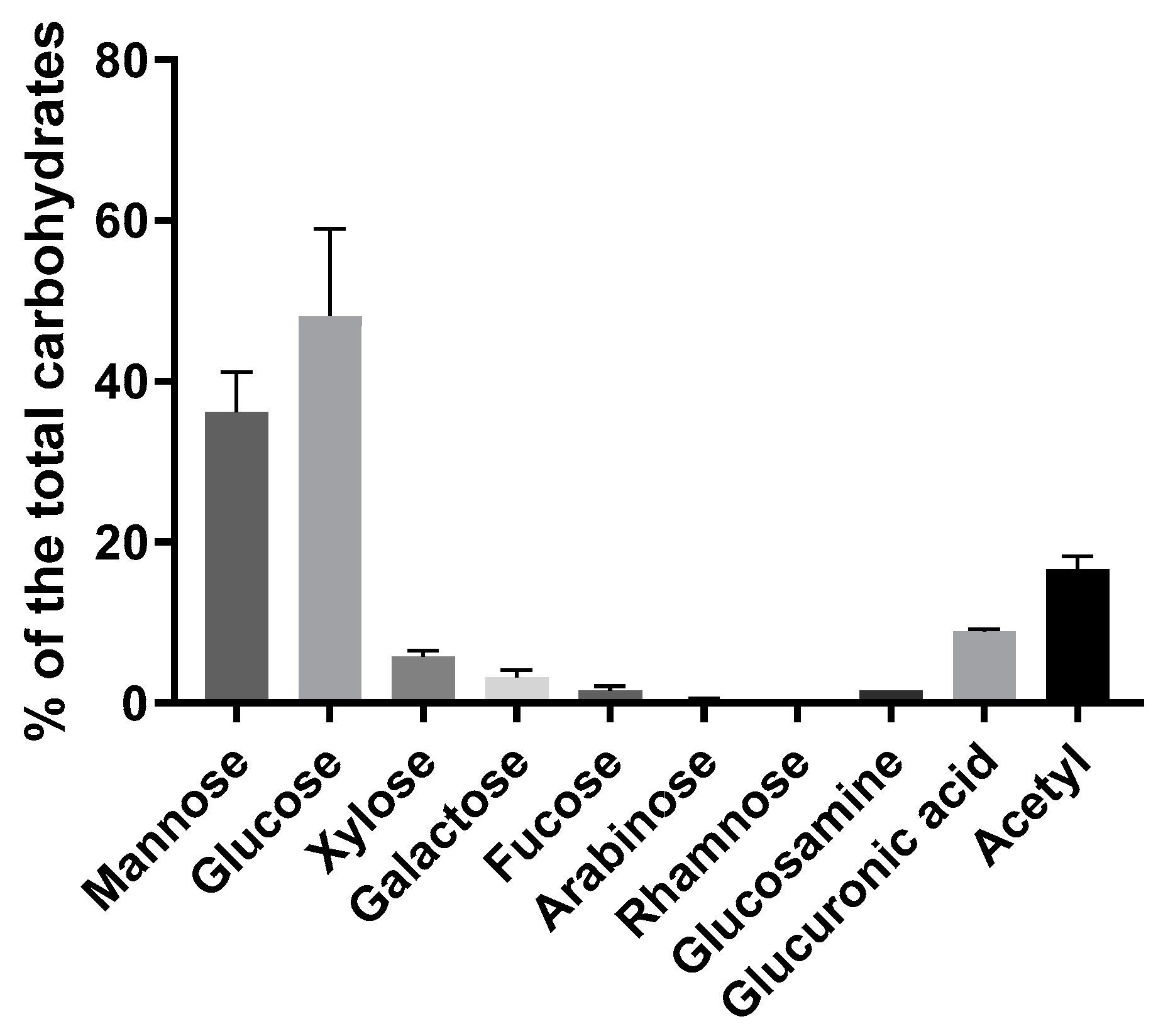
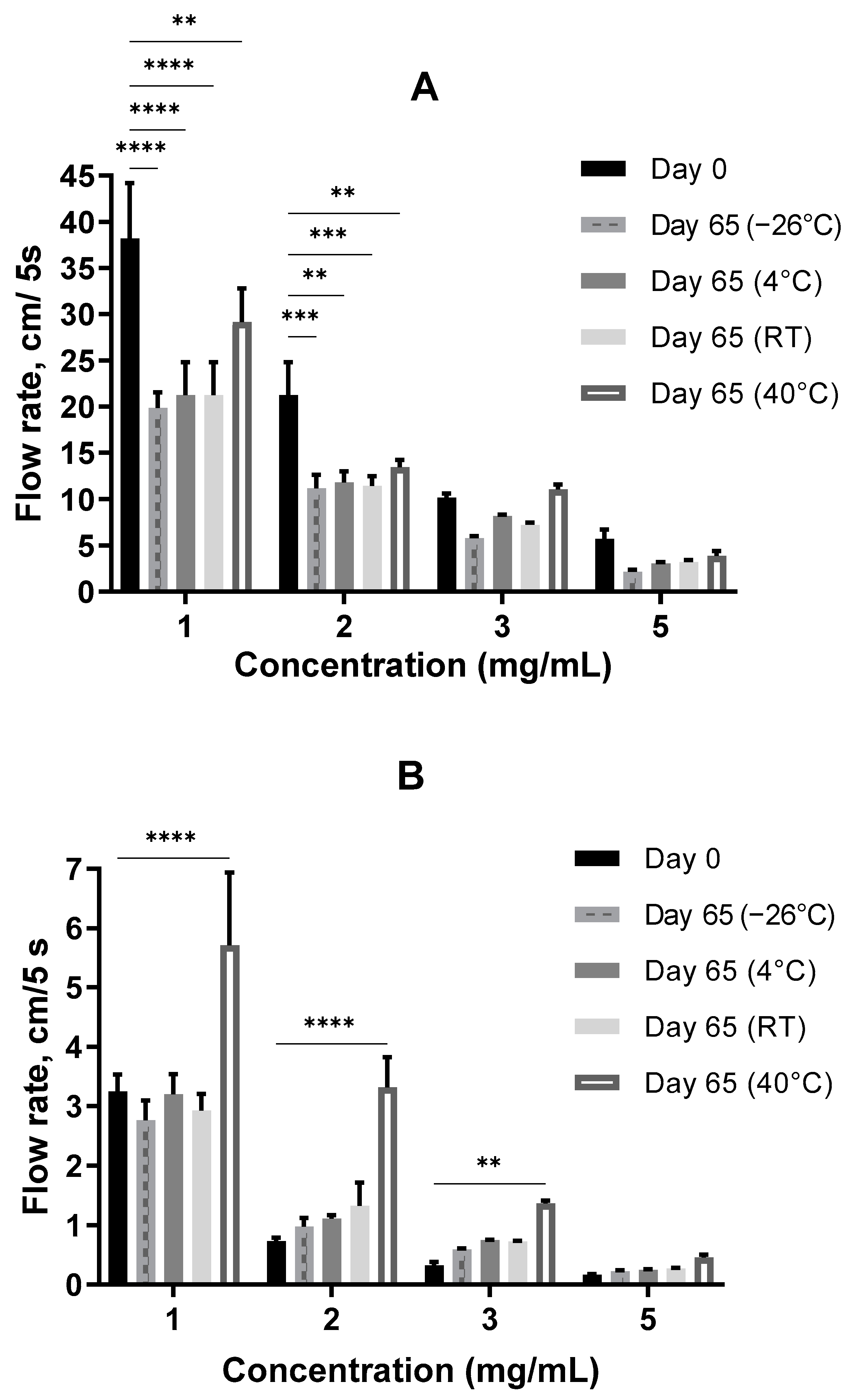
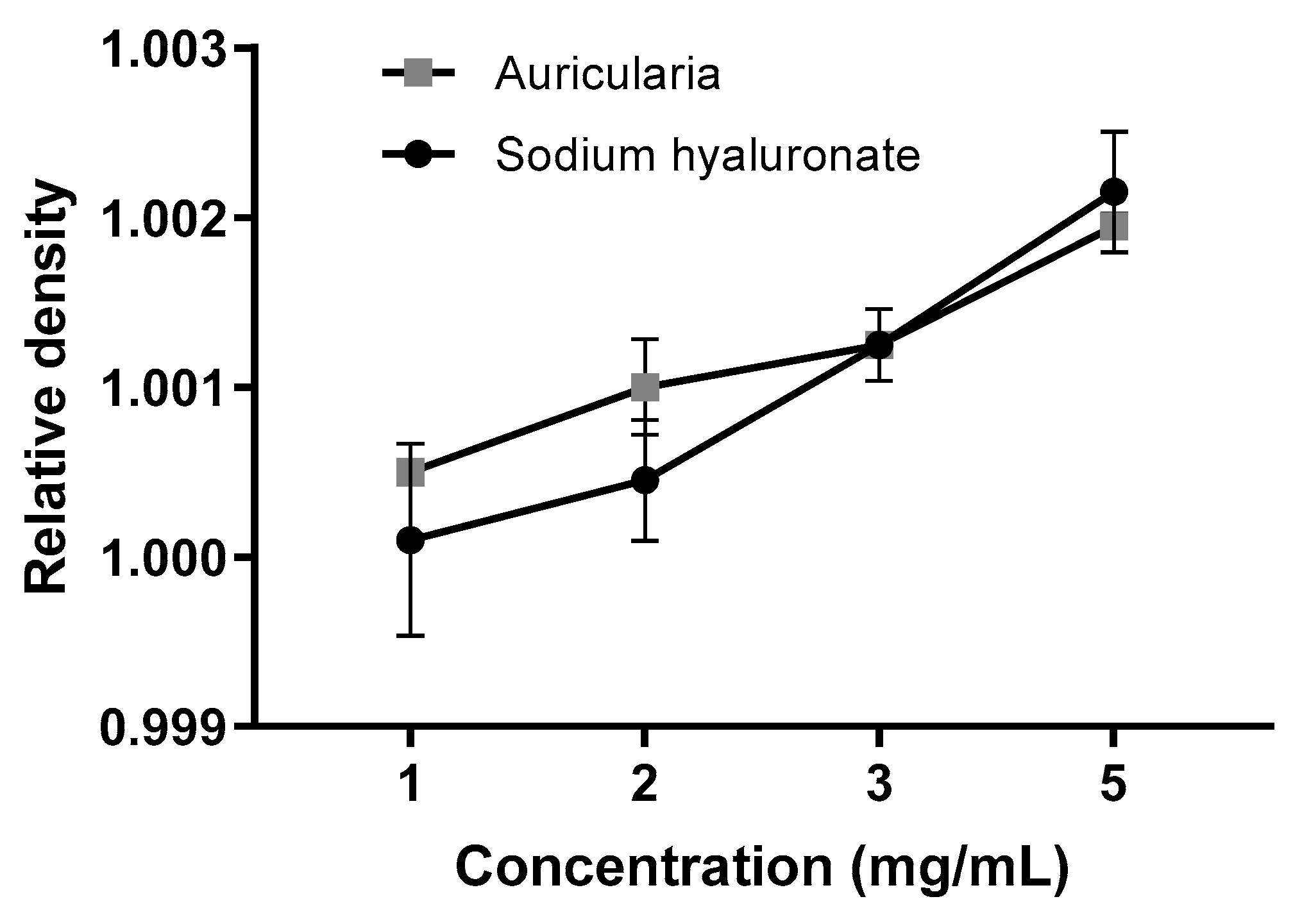
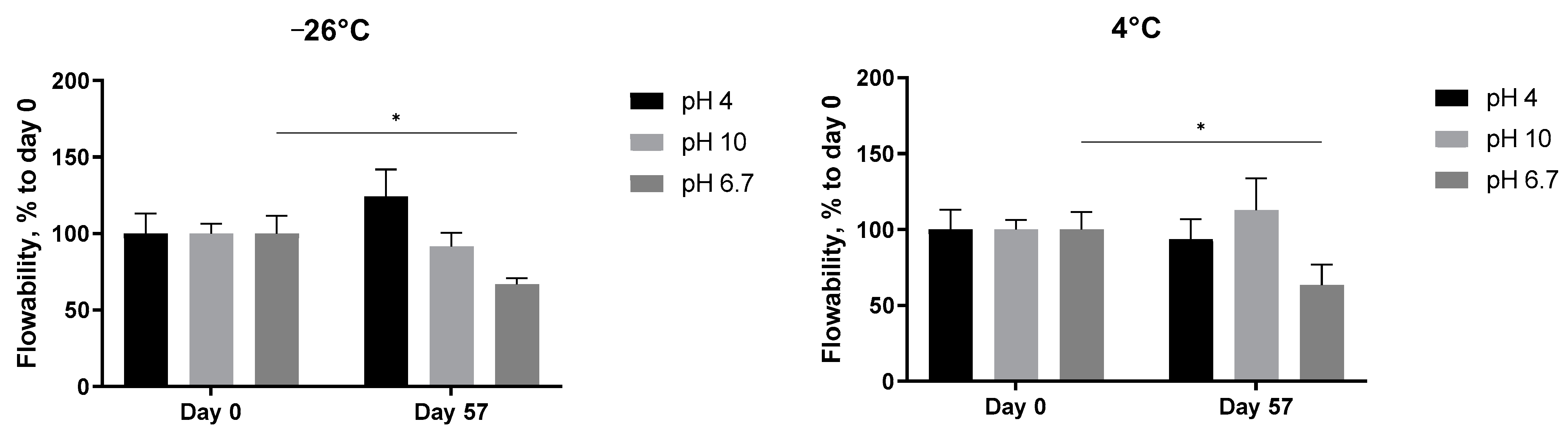
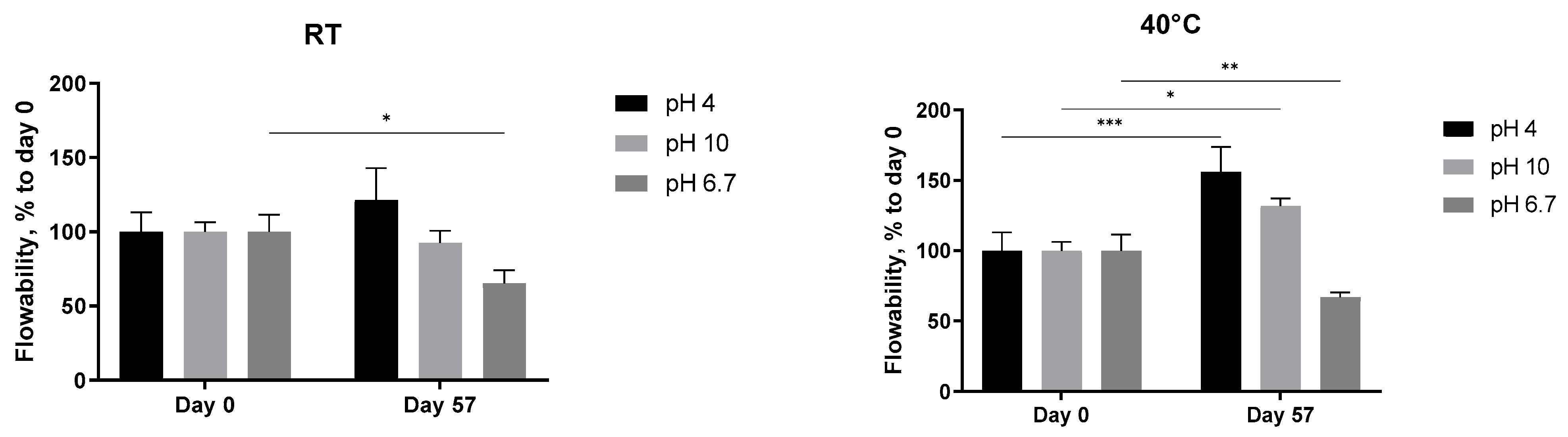
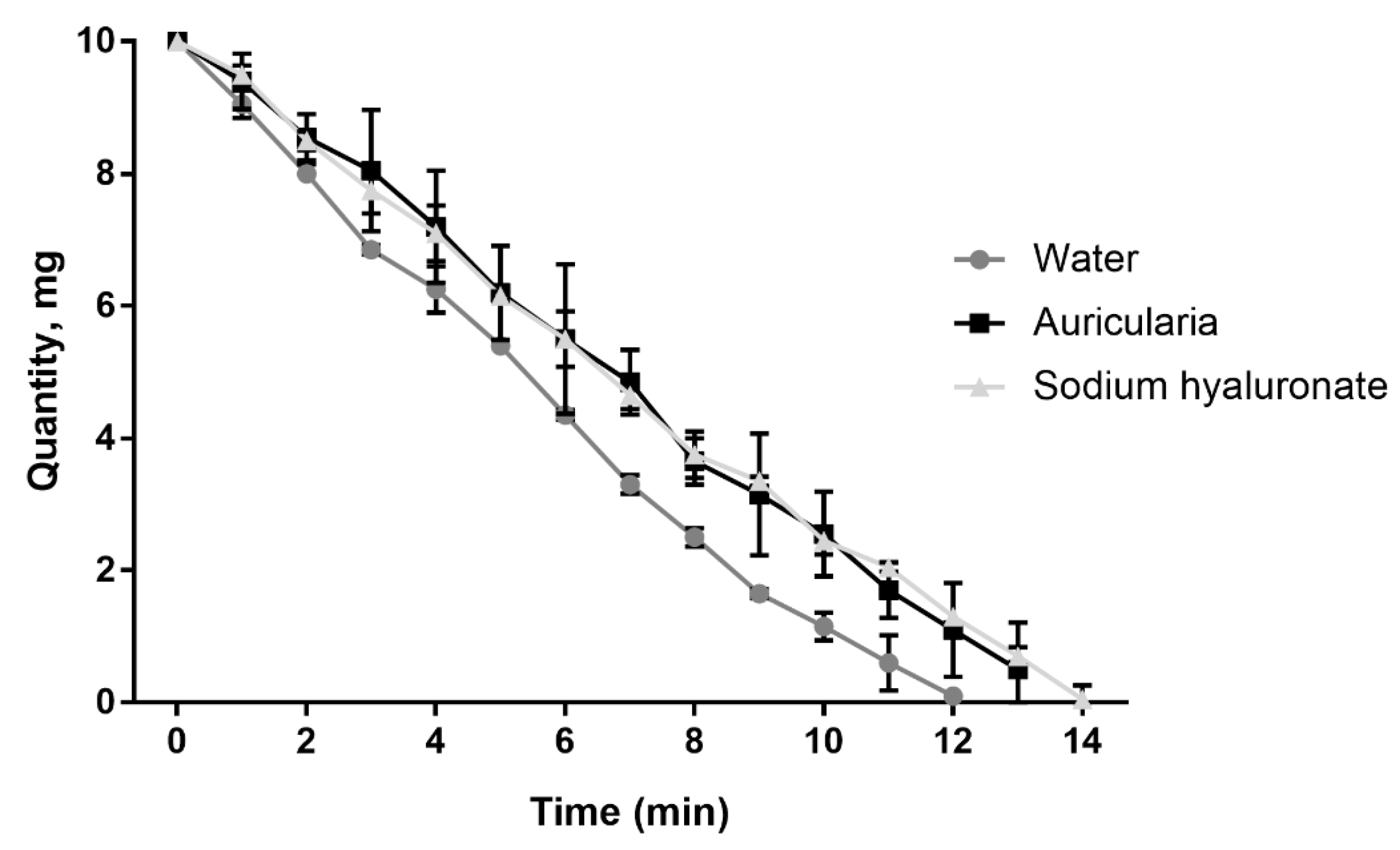
The ear- to shell-shaped fruiting bodies of the genus Auricularia are widely used as food and in traditional medicinal remedies. This study was primarily focused on the composition, properties and potential use of the gel-forming extract from Auricularia heimuer. The dried extract contained 50% soluble homo- and heteropolysaccharides, which were mainly composed of mannose and glucose, acetyl residues, glucuronic acid and a small amount of xylose, galactose, glucosamine, fucose, arabinose and rhamnose. The minerals observed in the extract included approximately 70% potassium followed by calcium. Among the fatty and amino acids, 60% unsaturated fatty acids and 35% essential amino acids could be calculated. At both acidic (pH 4) and alkaline (pH 10) conditions, the thickness of the 5 mg/mL extract did not change in a temperature range from −24 °C to room temperature, but decreased statistically significantly after storage at elevated temperature. At neutral pH, the studied extract demonstrated good thermal and storage stability, as well as a moisture retention capacity comparable to the high molecular weight sodium hyaluronate, a well-known moisturizer. Hydrocolloids that can be sustainably produced from Auricularia fruiting bodies offer great application potential in the food and cosmetic industries.
Keywords: Auricularia heimuer; extract; hydrocolloids; polysaccharides; composition; stability; moisture retention; sustainable production Auricularia heimuer; extract; hydrocolloids; polysaccharides; composition; stability; moisture retention; sustainable production