Mycofilters and the Effectiveness of Mycofiltration in the Removal of Contaminants in Water—A Systematic Review

Abstract
1. Introduction
- Main question: What is the effectiveness of mycofiltration for removing contaminants from water and other aqueous solutions?
- Secondary question: What contaminants are removed by mycofiltration?
- Components of the question:
- Population: Any water bodies and/or aqueous solutions contaminated with organic, inorganic, and microbial pollutants.
- Intervention: The use of saprophytic mycelia in the mycofiltration technology to filter out contaminants in water.
- Comparator: Control with no intervention (i.e., no biological filter).
- Outcome: Types and levels of contaminants removed in mycofiltered water.
2. Materials and Methods
2.1. Deviations from the Protocol
2.2. Article Search
2.3. Article Screening and Study Eligibility Criteria
2.3.1. Screening Process
2.3.2. Eligibility Criteria
2.3.3. Study Validity Assessment
2.4. Data Extraction and Coding Strategy
2.5. Review Synthesis
2.6. Potential Effect Modifiers
3. Results
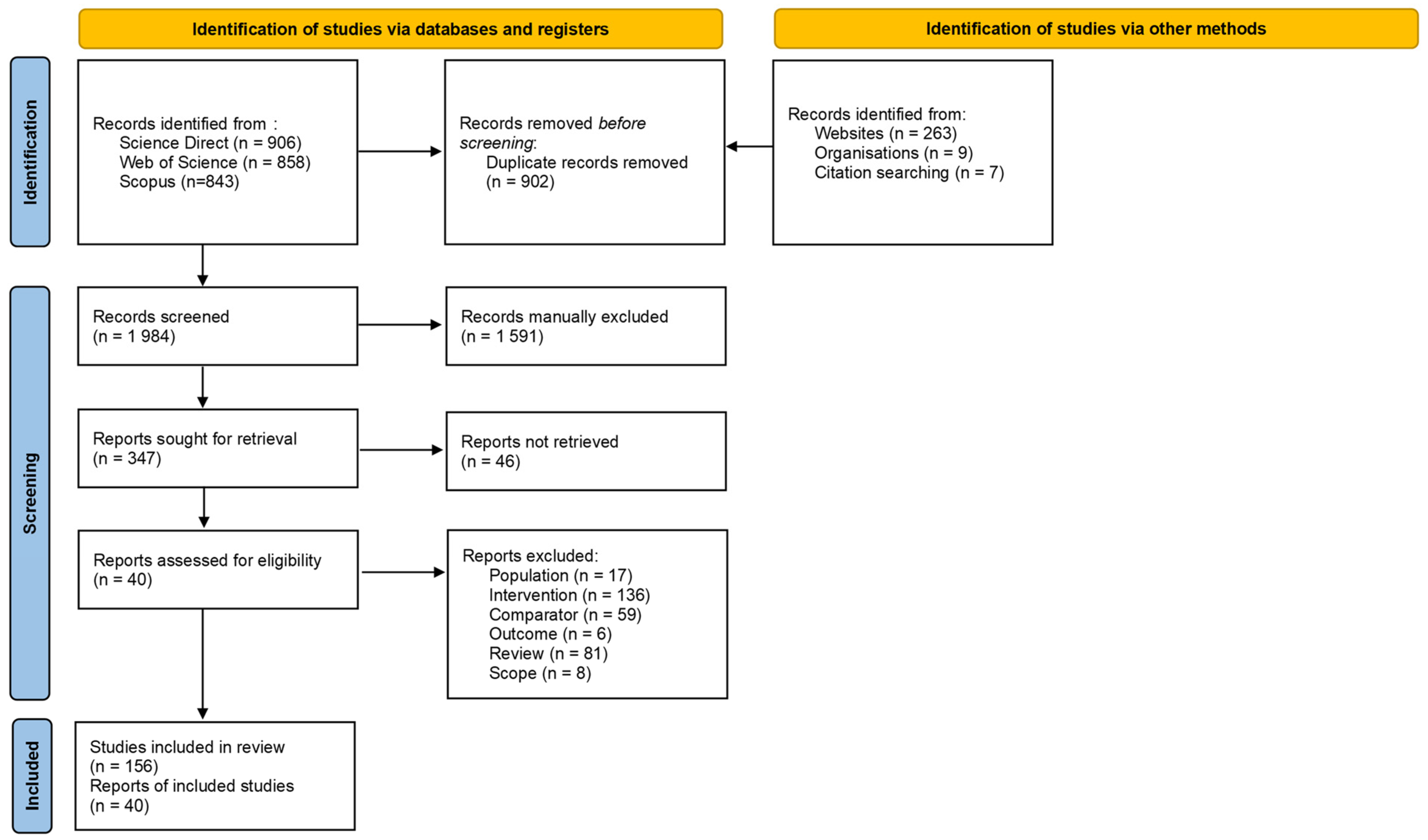
3.1. Literature Search and Screening
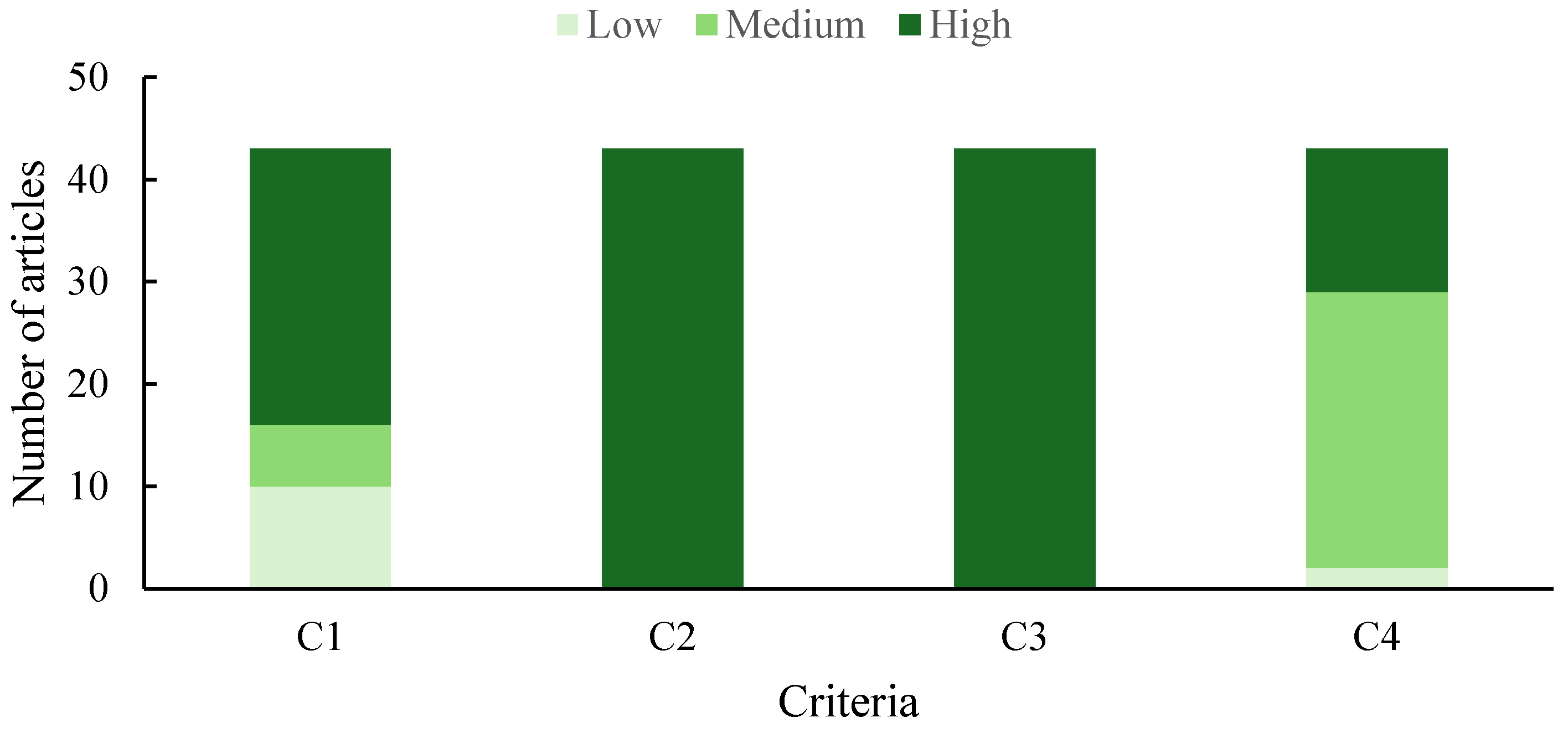
3.2. Study Validity Assessment
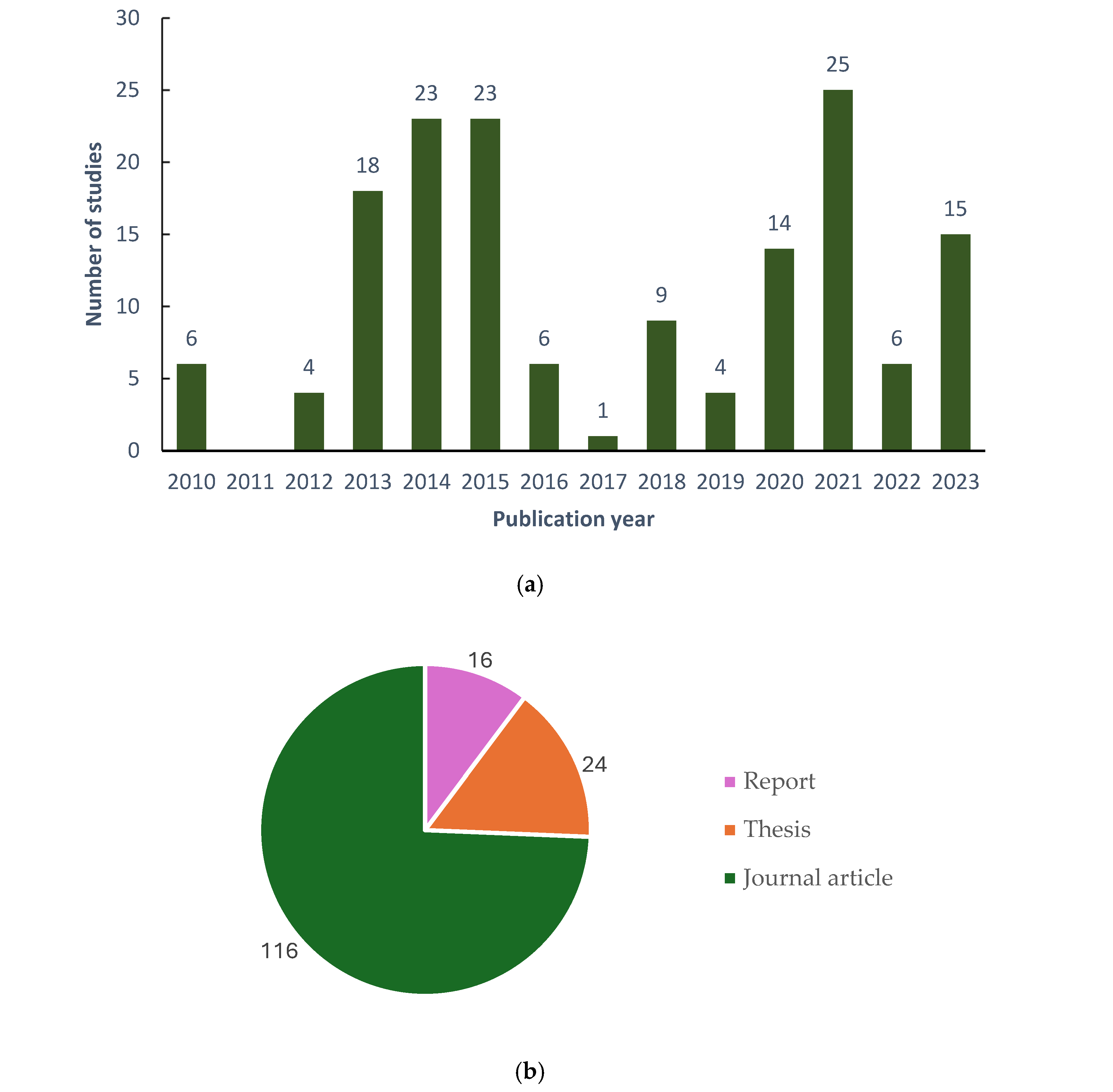
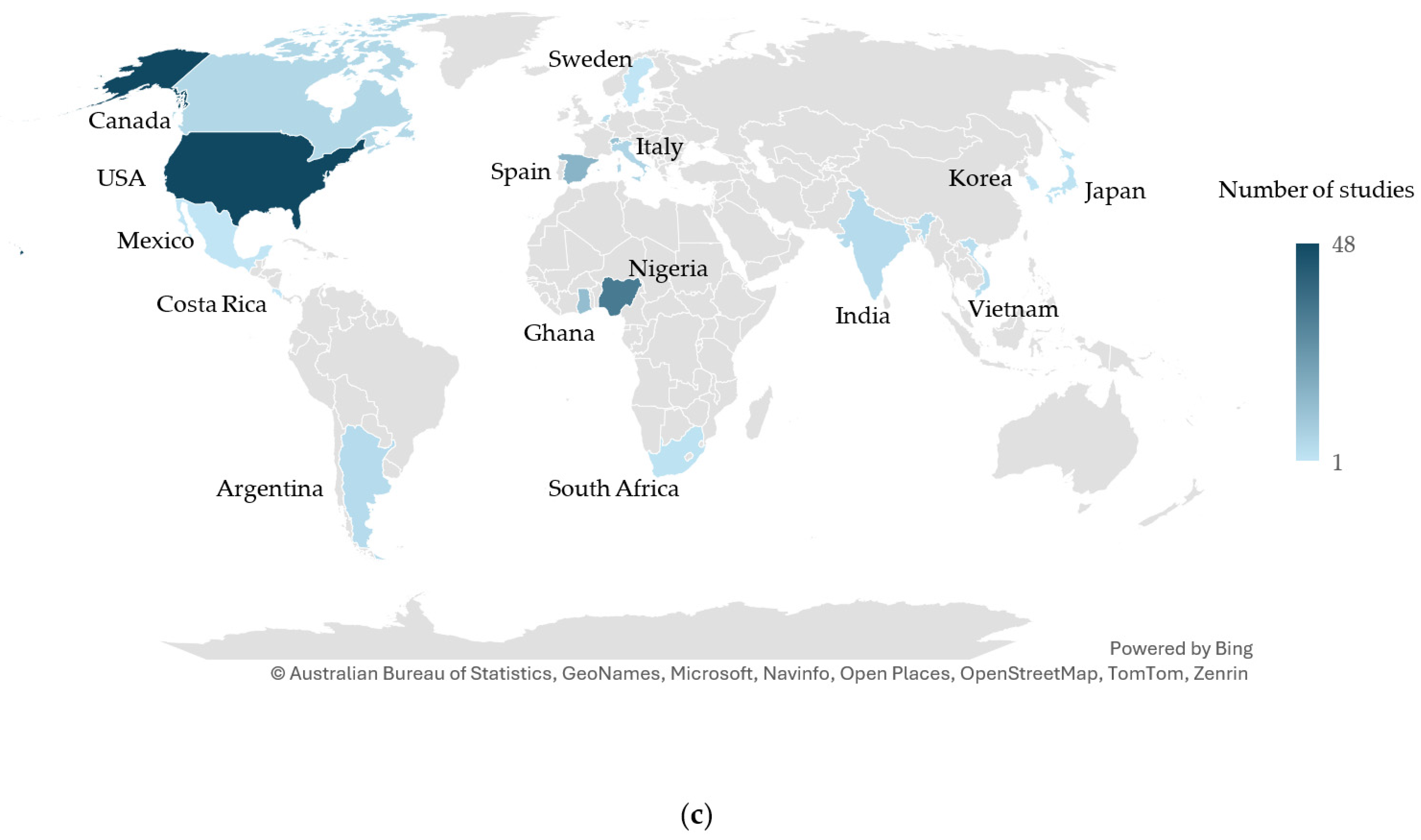
3.3. Sources and Distribution of Mycofiltration Studies (Descriptive Statistics)
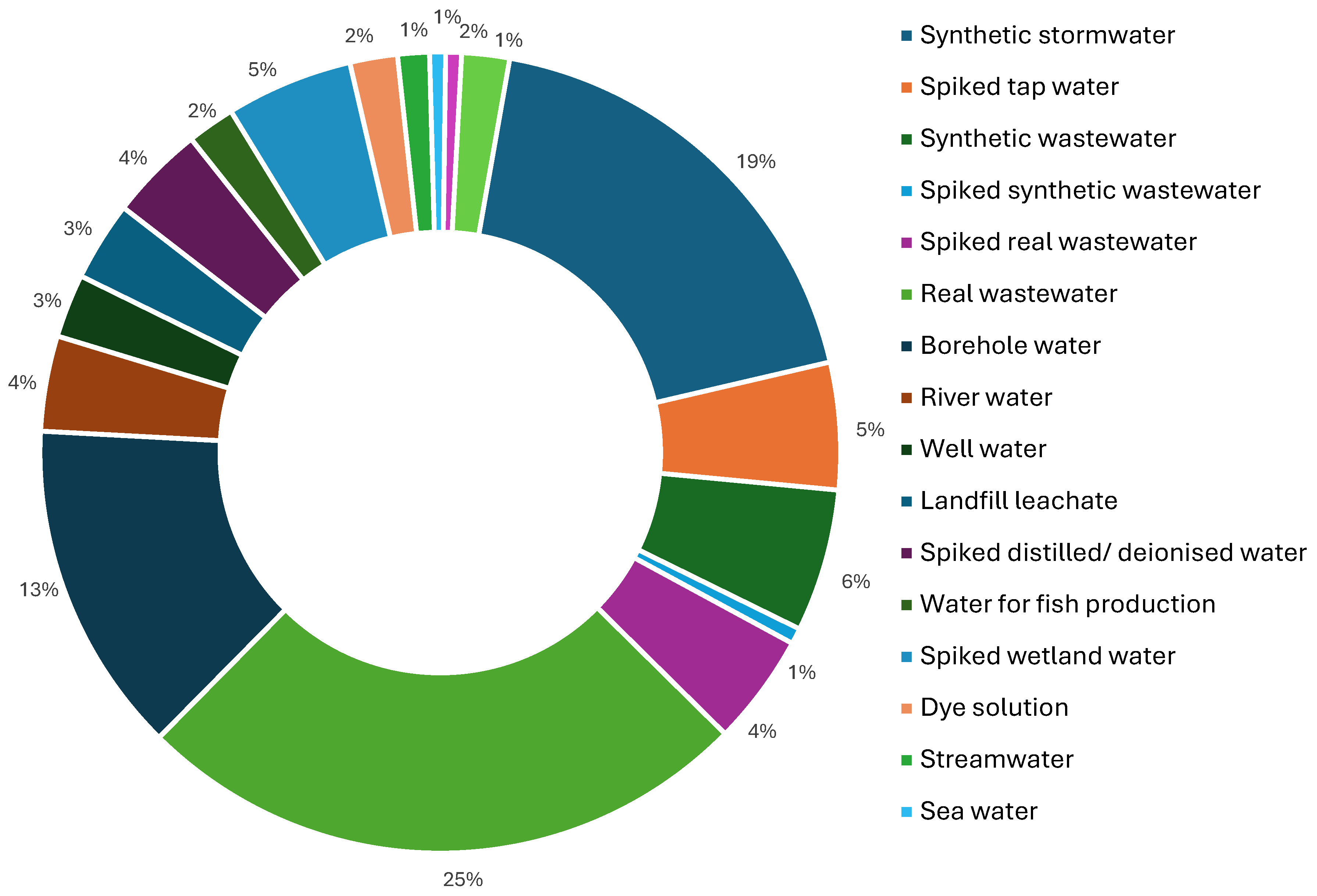
3.4. Water Sources Used in Mycofiltration
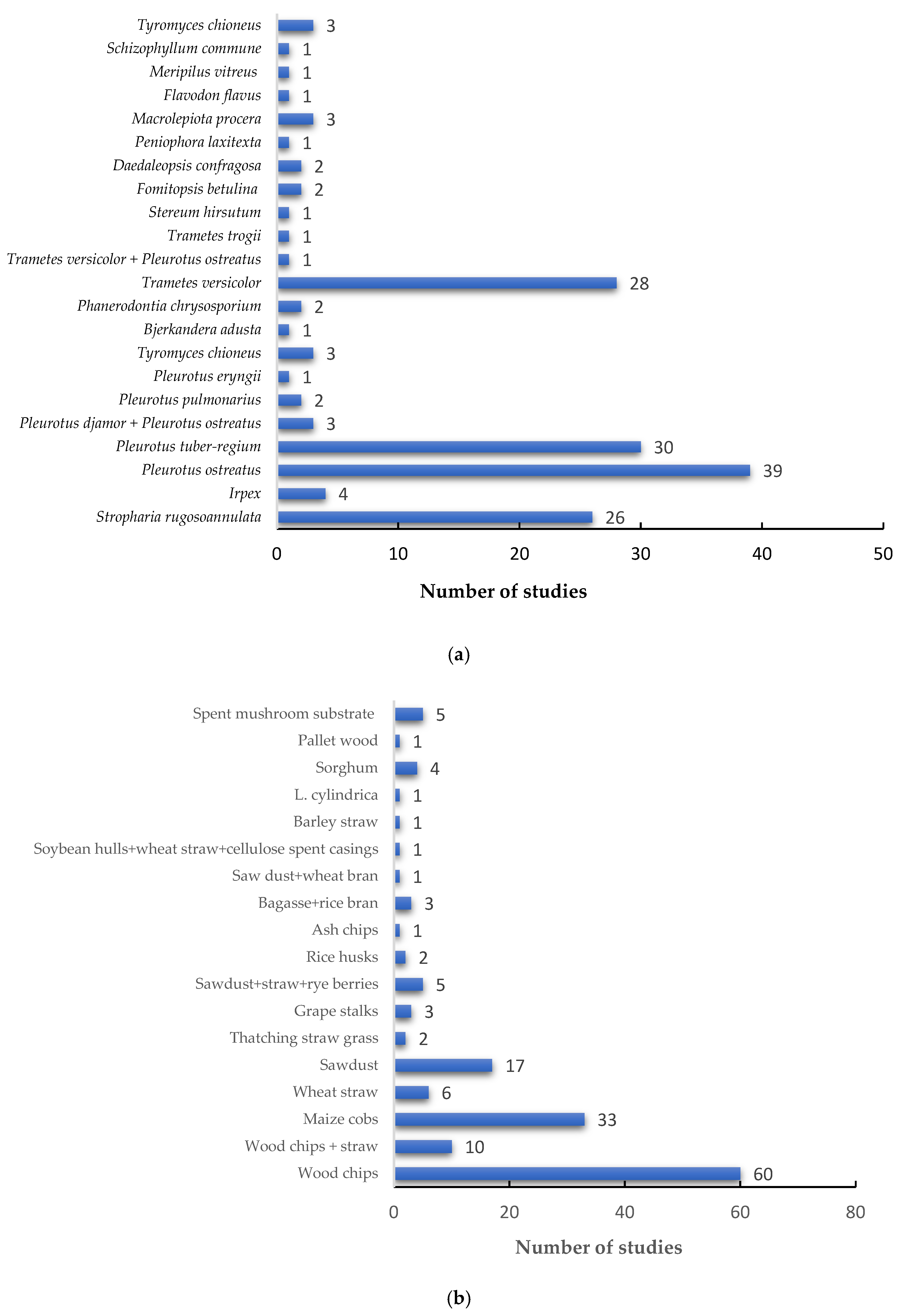
3.5. Fungal Species Employed in the Mycofiltration Intervention
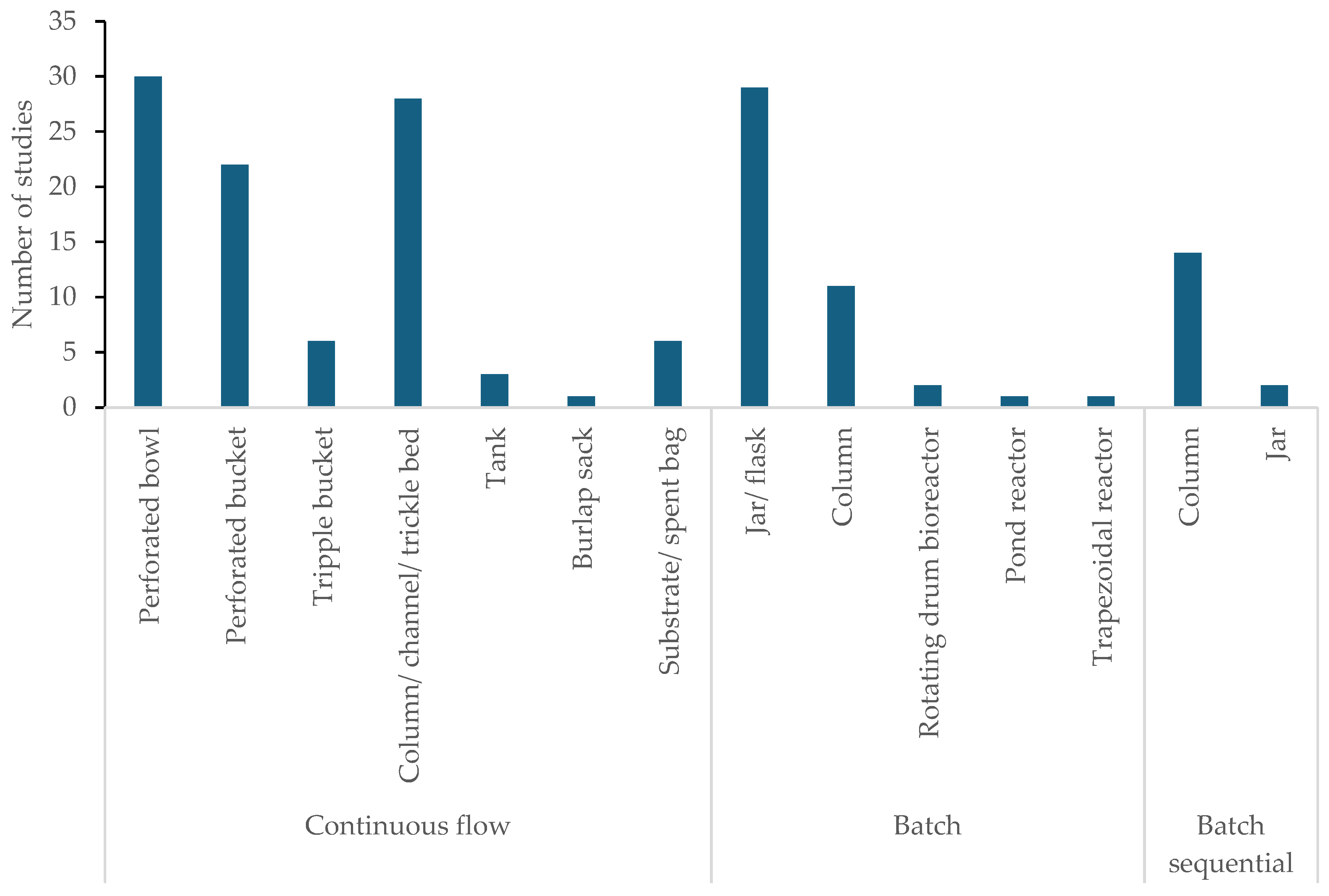
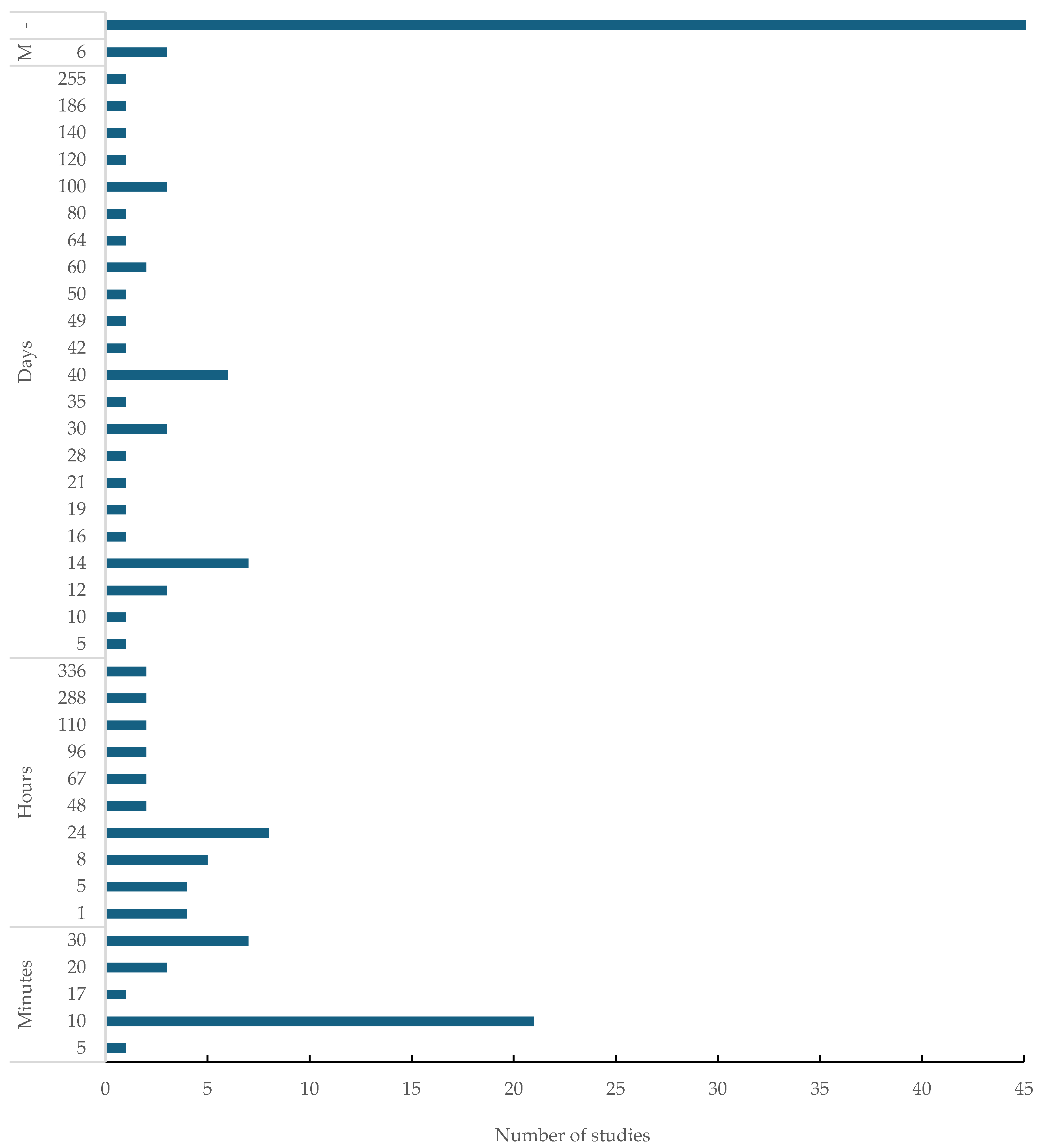
3.6. Mycofilter Design, Set-Up, and Mycofiltration Duration
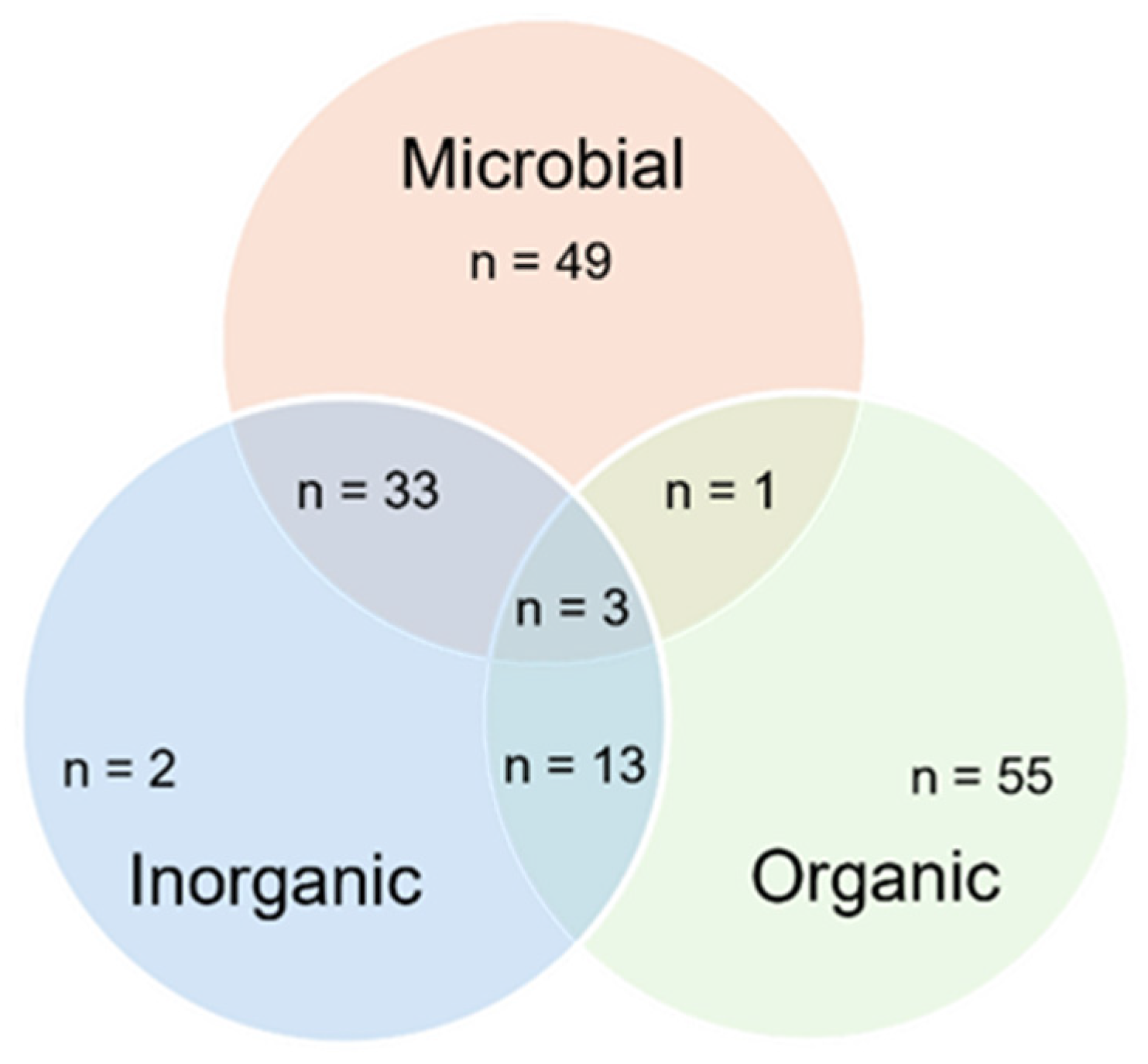
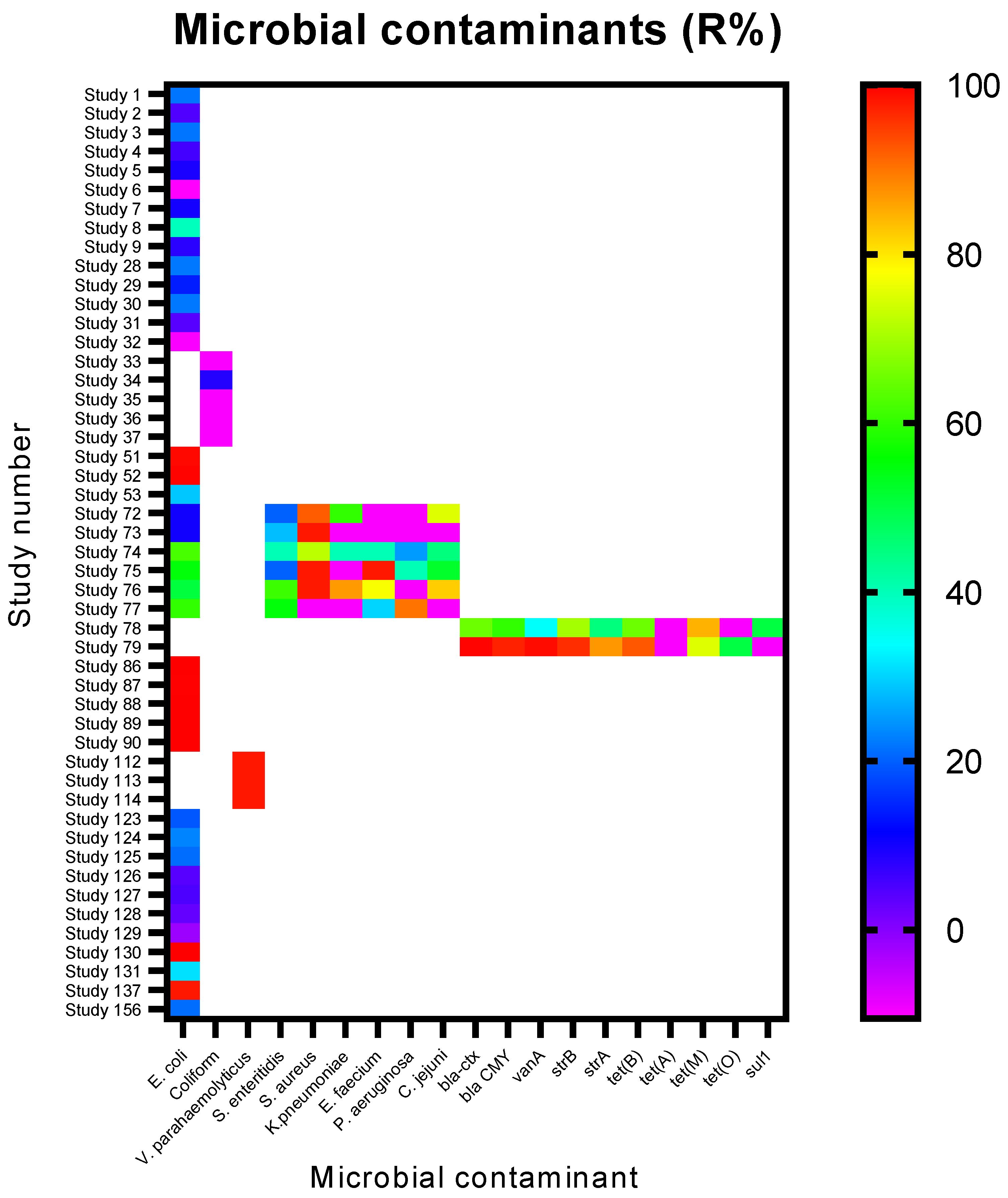
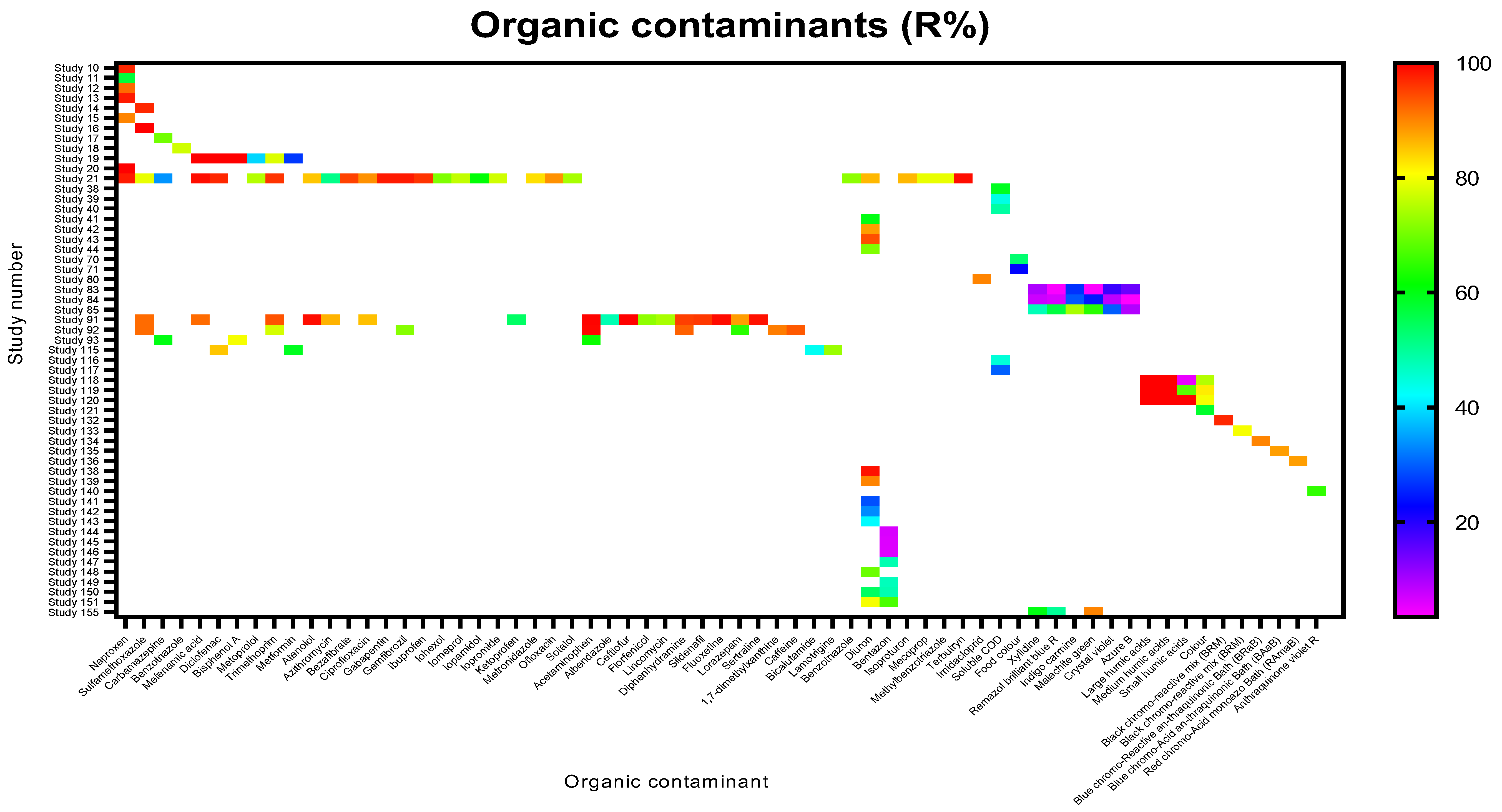
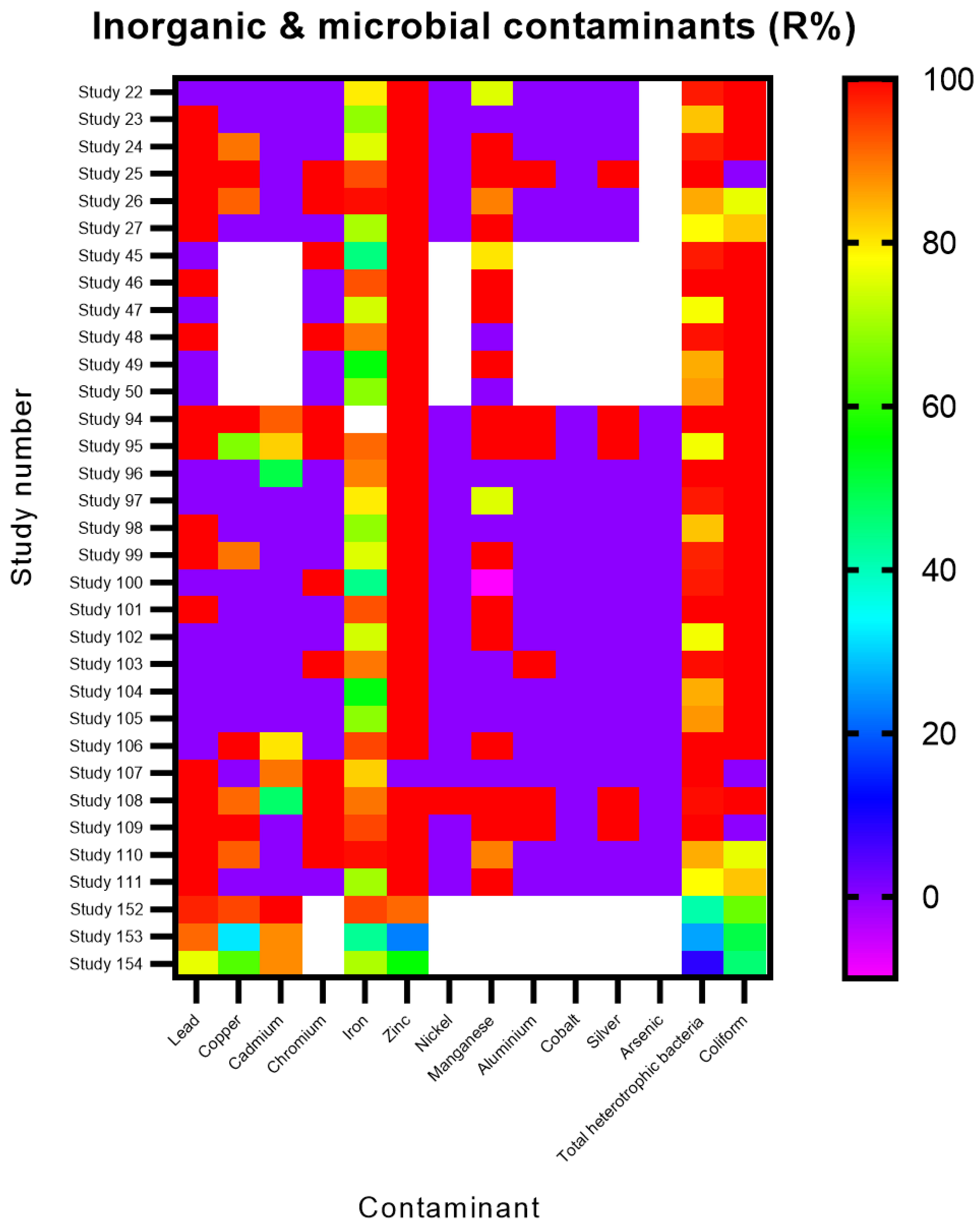
3.7. Contaminants Subjected to Removal by Mycofiltration & Removal Efficiencies
4. Discussion
5. Conclusions
5.1. Implications for Policy/Management
5.2. Implications for Research
Supplementary Materials
Author Contributions
Funding
Institutional Review Board Statement
Informed Consent Statement
Data Availability Statement
Acknowledgments
Conflicts of Interest
References
- Akpaj, E.; Olorunfemi, D. Mycofiltration effectiveness in bioremediation of contaminated drinking water sources. Ife J. Sci. 2014, 16, 533–543. [Google Scholar]
- Olorunfemi, D.; Uzakah, R.; Ofomata, R.; Okoruwa, C. Evaluation of toxicity and bioremediation of contaminated drinking water sources in Delta State, Nigeria. J. Adv. Biol. Biotechnol. 2020, 23, 8–16. [Google Scholar] [CrossRef]
- Edokpayi, J.; Odiyo, J.; Msagati, T.; Popoola, E. Removal efficiency of faecal indicator organisms, nutrients and heavy metals from a peri-urban wastewater treatment plant in Thohoyandou, Limpopo province, South Africa. Int. J. Environ. Res. Public Health 2015, 12, 7300. [Google Scholar] [CrossRef]
- Khatri, N.; Tyagi, S. Influences of natural and anthropogenic factors on surface and groundwater quality in rural and urban areas. Front. Life Sci. 2014, 8, 23–39. [Google Scholar] [CrossRef]
- Tormo-Budowski, R.; Cambronero-Heinrichs, J.C.; Durán, J.E.; Masis-Mora, M.; Ramírez-Morales, D.; Quirós-Fournier, J.P.; Rodríguez-Rodríguez, C.E. Removal of pharmaceuticals and ecotoxicological changes in wastewater using Trametes versicolor: A comparison of fungal stirred tank and trickle-bed bioreactors. Chem. Eng. J. 2021, 410, 14. [Google Scholar] [CrossRef]
- Sankaran, S.; Khanal, S.K.; Jasti, N.; Jin, B.; Pometto, A.L.; Van Leeuwen, J.H. Use of filamentous fungi for wastewater treatment and production of high value fungal byproducts: A review. Crit. Rev. Environ. Sci. Technol. 2010, 40, 400–449. [Google Scholar] [CrossRef]
- Amobonye, A.; Aruwa, C.E.; Aransiola, S.; Omame, J.; Alabi, T.D.; Lalung, J. The potential of fungi in the bioremediation of pharmaceutically active compounds: A comprehensive review. Front. Microbiol. 2023, 14, 1207792. [Google Scholar] [CrossRef]
- Bishnoi, N.R.; Nagpal, G. Fungus—An alternative for bioremediation of heavy metal containing wastewater: A review. J. Sci. Ind. Res. 2005, 64, 93–100. [Google Scholar]
- Kulshreshtha, S.; Mathur, N.; Bhatnagar, P. Mushroom as a product and their role in mycoremediation. AMB Express 2014, 4, 29. [Google Scholar] [CrossRef]
- Singh, H. Mycoremediation: Fungal Bioremediation; John Wiley & Sons Inc: Hoboken, NJ, USA, 2006. [Google Scholar]
- Arregui, L.; Ayala, M.; Gómez-Gil, X.; Gutiérrez-Soto, G.; Hernández-Luna, C.E.; de los Santos, M.H.; Levin, L.; Rojo-Domínguez, A.; Romero-Martínez, D.; Saparrat, M.C.N.; et al. Laccases: Structure, function, and potential application in water bioremediation. Microb. Cell Fact. 2019, 18, 33. [Google Scholar] [CrossRef]
- Xu, W.; Jian, H.; Liu, Y.; Zeng, G.; Li, X.; Gu, Y.; Tan, X. Removal of Chromium (VI) from aqueous solution using mycelial pellets of Penicillium simplicissimum impregnated with powdered biochar. Bioremediat. J. 2015, 19, 259–268. [Google Scholar] [CrossRef]
- Stamets, P. Mycelium Running: How Mushrooms Can Help Save the World; Potter/TenSpeed/Harmony: New York, NY, USA, 2005. [Google Scholar]
- Taylor, A.; Flatt, A.; Beutel, M.; Wolff, M.; Brownson, K.; Stamets, P. Removal of Escherichia coli from synthetic stormwater using mycofiltration. Ecol. Eng. 2015, 78, 79–86. [Google Scholar] [CrossRef]
- Davis, L.J. Examining Mycofiltration Efficacy in a First Order Stream. Master’s Thesis, Georgia State University, Atlanta, GA, USA, 2021. [Google Scholar]
- Osarenotor, O.; Essandoh, H.M.K.; Aighewi, I.T. Removal of pollutants by mycelium-colonized sawdust. Water Pract. Technol. 2021, 16, 1036–1047. [Google Scholar] [CrossRef]
- Pini, A.K.; Geddes, P. Fungi Are Capable of Mycoremediation of River Water Contaminated by E. coli. Water Air Soil. Pollut. 2020, 231, 83. [Google Scholar] [CrossRef]
- Culleré, A.C. Treatment of Micropollutants in Municipal Wastewater: Study of a Sequential Batch Biofilter. Master’s Thesis, Universitat de Vic, Vic, Spain, 2014. [Google Scholar]
- Olorunfemi, D.; Efechuku, U.; Esuana, J. Toxicological evaluation of drinking water sources in some rural communities in southern nigeria after mycofiltration treatment. Pol. J. Environ. Stud. 2015, 24, 1205–1212. [Google Scholar] [CrossRef]
- Pullin, A.S.; Frampton, G.K.; Livoreil, B.; Petrokofsky, G.; Edelstein, K.E. Collaboration for Environmental Evidence. Guidelines and Standards for Evidence Synthesis in Environmental Management. Version 5.0. 2018. Available online: www.environmentalevidence.org/information-for-authors (accessed on 26 October 2021).
- Mnkandla, S.M.; Otomo, P.V. Effectiveness of mycofiltration for removal of contaminants from water: A systematic review protocol. Environ. Evid. 2021, 10, 17. [Google Scholar] [CrossRef]
- Konno, K.; Livoreil, B.; Pullin, A. Collaboration for Environmental Evidence Critical Appraisal Tool Version 0.1 (Prototype); Collaboration for Environmental Evidence: Bangor, UK, 2020. [Google Scholar]
- IndexFungorum. Published on the Internet, The Royal Botanic Gardens, Kew. Available online: http://www.indexfungorum.org (accessed on 27 April 2026).
- Llorca, M.; Castellet-Rovira, F.; Farré, M.-J.; Jaén-Gil, A.; Martínez-Alonso, M.; Rodríguez-Mozaz, S.; Sarrà, M.; Barceló, D. Fungal biodegradation of the N-nitrosodimethylamine precursors venlafaxine and O-desmethylvenlafaxine in water. Environ. Pollut. 2019, 246, 346–356. [Google Scholar] [CrossRef] [PubMed]
- Ortiz-Monsalve, S.; Valente, P.; Poll, E.; Jaramillo-García, V.; Pegas Henriques, J.A.; Gutterres, M. Biodecolourization and biodetoxification of dye-containing wastewaters from leather dyeing by the native fungal strain Trametes villosa SCS-10. Biochem. Eng. J. 2019, 141, 19–28. [Google Scholar] [CrossRef]
- Vaidya, V.; Carota, E.; Calonzi, D.; Petruccioli, M.; D’Annibale, A. Production of lignin-modifying enzymes by Trametes ochracea on high-molecular weight fraction of olive mill wastewater, a byproduct of olive oil biorefinery. New Biotechnol. 2019, 50, 44–51. [Google Scholar] [CrossRef]
- Wang, J.; Xie, Y.; Hou, J.; Zhou, X.; Chen, J.; Yao, C.; Zhang, Y.; Li, Y. Biodegradation of bisphenol A by alginate immobilized Phanerochaete chrysosporium beads: Continuous cyclic treatment and degradation pathway analysis. Biochem. Eng. J. 2022, 177, 108212. [Google Scholar] [CrossRef]
- Barałkiewicz, D.; Chudzińska, M.; Szpakowska, B.; Świerk, D.; Gołdyn, R.; Dondajewska, R. Storm water contamination and its effect on the quality of urban surface waters. Environ. Monit. Assess. 2014, 186, 6789–6803. [Google Scholar] [CrossRef]
- Potreck, A.; Tränckner, J. Stormwater Pollution of Non-Urban Areas—A Review. Water 2025, 17, 1704. [Google Scholar] [CrossRef]
- Hultberg, M.; Ahrens, L.; Golovko, O. Use of lignocellulosic substrate colonized by oyster mushroom (Pleurotus ostreatus) for removal of organic micropollutants from water. J. Environ. Manag. 2020, 272, 6. [Google Scholar] [CrossRef] [PubMed]
- Sen, K.; Llewellyn, M.; Taheri, B.; Turner, R.J.; Berglund, T.; Maloney, K. Mechanism of fungal remediation of wetland water: Stropharia rugosoannulata as promising fungal species for the development of biofilters to remove clinically important pathogenic and antibiotic resistant bacteria in contaminated water. Front. Microbiol. 2023, 14, 1234586. [Google Scholar] [CrossRef]
- Margot, J. Micropollutant Removal from Municipal Wastewater: From Conventional Treatments to Advanced Biological Processes; EPFL: Lausanne, Switzerland, 2015. [Google Scholar]
- Nowicki, S.; deLaurent, Z.R.; de Villiers, E.P.; Githinji, G.; Charles, K.J. The utility of Escherichia coli as a contamination indicator for rural drinking water: Evidence from whole genome sequencing. PLoS ONE 2021, 16, e0245910. [Google Scholar] [CrossRef]
- Stamets, P.; Beutel, M.; Taylor, A.; Flatt, A.; Wolff, M.; Brownson, K. Comprehensive Assessment of Mycofiltration Biotechnology to Remove Pathogens from Urban Stormwater; Fungi Perfecti, LLC: Olympia, WA, USA, 2013. [Google Scholar]
- Rogers, T. Experimental Evaluation of Mycoremediation of Escherichia coli Bacteria in Solution Using Pleurotus ostreatus; Evergreen State College: Olympia, WA, USA, 2012. [Google Scholar]
- Flatt, A. Removal of Escherichia coli from Stormwater Using Mycofiltration. Master’s Thesis, Wshington State University, Pullman, WA, USA, 2013. [Google Scholar]
- Martinez, S.E. E. coli Removal by Pleurotus ostreatus Mycofilter in Simulated Wet Environmental Pond. Master’s Thesis, The University of New Mexico, Albuquerque, NM, USA, 2016. [Google Scholar]
- Umstead, R.B. Development of Fungal Bioreactors for Water Related Treatment and Disinfection Applications. Master’s Thesis, Virginia Polytechnic Institute and State University, Blacksburg, VA, USA, 2016. [Google Scholar]
- Vu, N.N.; Ngoc, P.V.K.; Hoa, P.T. Antibacterial activity of three wild wood-decaying fungi in southern Vietnam toward Vibrio parahaemolyticus bacterium in aquaculture wastewater. Vietnam J. Biotechnol. 2016, 14, 705–712. [Google Scholar] [CrossRef]
- Levin, L.; Diorio, L.; Grassi, E.; Forchiassin, F. Grape stalks as substrate for white rot fungi, lignocellulolytic enzyme production and dye decolorization. Rev. Argent. Microbiol. 2012, 44, 105–112. [Google Scholar]
- García-Vara, M.; Hu, K.; Postigo, C.; Olmo, L.; Caminal, G.; Sarrà, M.; López de Alda, M. Remediation of bentazone contaminated water by Trametes versicolor: Characterization, identification of transformation products, and implementation in a trickle-bed reactor under non-sterile conditions. J. Hazard. Mater. 2021, 409, 124476. [Google Scholar] [CrossRef]
- Islam, M.; Wai, A.; Hausner, G.; Yuan, Q. Effect of lignocellulosic enzymes on the treatment of mature landfill leachate. J. Environ. Manag. 2019, 233, 400–409. [Google Scholar] [CrossRef] [PubMed]
- Islam, M.; Yuan, Q.Y. Fungal treatment of mature landfill leachate utilizing woodchips and wheat-straw as co-substrates. Biodegradation 2020, 31, 109–122. [Google Scholar] [CrossRef] [PubMed]
- Beltrán-Flores, E.; Pla-Ferriol, M.; Martínez-Alonso, M.; Gaju, N.; Blánquez, P.; Sarrà, M. Fungal bioremediation of agricultural wastewater in a long-term treatment: Biomass stabilization by immobilization strategy. J. Hazard. Mater. 2022, 439, 129614. [Google Scholar] [CrossRef]
- Beltrán-Flores, E.; Sarrà, M.; Blánquez, P. Pesticide bioremediation by Trametes versicolor: Application in a fixed-bed reactor, sorption contribution and bioregeneration. Sci. Total Environ. 2021, 794, 148386. [Google Scholar] [CrossRef]
- Beltrán-Flores, E.; Torán, J.; Caminal, G.; Blánquez, P.; Sarrà, M. The removal of diuron from agricultural wastewaters by Trametes versicolor immobilized on pinewood in simple channel reactors. Sci. Total Environ. 2020, 728, 138414. [Google Scholar] [CrossRef]
- Hu, K.; Torán, J.; López-García, E.; Barbieri, M.V.; Postigo, C.; de Alda, M.L.; Caminal, G.; Sarrà, M.; Blánquez, P. Fungal bioremediation of diuron-contaminated waters: Evaluation of its degradation and the effect of amendable factors on its removal in a trickle-bed reactor under non-sterile conditions. Sci. Total Environ. 2020, 743, 140628. [Google Scholar] [CrossRef]
- Chandra, D.; Mishra, A.; Trakroo, M.D.; Chauhan, R.S.; Mishra, S.K. Impact of mycofiltration on water quality. Environ. Qual. Manag. 2022, 31, 253–266. [Google Scholar] [CrossRef]
- Weaver, L.M.; Alexander, N.L.; Cubeta, M.A.; Knappe, D.R.; Aziz, T.N. Degradation of imidacloprid by Phanerodontia chrysosporium on wood chips for stormwater treatment. Environ. Sci. 2023, 9, 3333–3343. [Google Scholar] [CrossRef]
- Kim, J.J.; Hong, J.K.; Schlosser, D.; Lee, T.K. Continuous operation of fungal wheel reactor based on solid-state fermentation for the removal of pharmaceutical and personal care products. J. Environ. Manag. 2023, 331, 8. [Google Scholar] [CrossRef] [PubMed]
- Zahmatkesh, M.; Spanjers, H.; van Lier, J.B. A novel approach for application of white rot fungi in wastewater treatment under non-sterile conditions: Immobilization of fungi on sorghum. Environ. Technol. 2018, 39, 2030–2040. [Google Scholar] [CrossRef] [PubMed]
- Torán, J.; Blánquez, P.; Caminal, G. Comparison between several reactors with Trametes versicolor immobilized on lignocellulosic support for the continuous treatments of hospital wastewater. Bioresour. Technol. 2017, 243, 966–974. [Google Scholar] [CrossRef]
- Gregorio, S.D.; Balestri, F.; Basile, M.; Matteini, V.; Gini, F.; Giansanti, S.; Tozzi, M.G.; Basosi, R.; Lorenzi, R. Sustainable discoloration of textile chromo-baths by spent mushroom substrate from the industrial cultivation of Pleurotus ostreatus. J. Environ. Prot. 2010, 1, 85–94. [Google Scholar] [CrossRef]
- Mori, T.; Sudo, S.; Kawagishi, H.; Hirai, H. Biodegradation of diuron in artificially contaminated water and seawater by wood colonized with the white-rot fungus Trametes versicolor. J. Wood Sci. 2018, 64, 690–696. [Google Scholar] [CrossRef]
- Agrawal, K.; Verma, P. Column bioreactor of immobilized Stropharia sp. ITCC 8422 on natural biomass support of L. cylindrica for biodegradation of anthraquinone violet R. Bioresour. Technol. Rep. 2019, 8, 100345. [Google Scholar] [CrossRef]
- Majul, L.; Wirth, S.; Levin, L. High dye removal capacity of Peniophora laxitexta immobilized in a combined support based on polyurethane foam and lignocellulosic substrates. Environ. Technol. 2022, 43, 684–695. [Google Scholar] [CrossRef]
- Hu, K.D.; Barbieri, M.V.; López-García, E.; Postigo, C.; de Alda, M.L.; Caminal, G.; Sarrà, M. Fungal degradation of selected medium to highly polar pesticides by Trametes versicolor: Kinetics, biodegradation pathways, and ecotoxicity of treated waters. Anal. Bioanal. Chem. 2022, 414, 439–449. [Google Scholar] [CrossRef] [PubMed]
- Hu, K.D.; Sarrà, M.; Caminal, G. Comparison between two reactors using Trametes versicolor for agricultural wastewater treatment under non-sterile condition in sequencing batch mode. J. Environ. Manag. 2021, 293, 7. [Google Scholar] [CrossRef]
- Mnkandla, S.M.; Voua Otomo, P. Fixed bed mycofilter column optimization and performance evaluation through the removal of a food coloring agent from an aqueous solution. Bioremediat. J. 2023, 28, 368–377. [Google Scholar] [CrossRef]
- Rodakiewicz-Nowak, J.; Kasture, S.M.; Dudek, B.; Haber, J. Effect of various water-miscible solvents on enzymatic activity of fungal laccases. J. Mol. Catal. B Enzym. 2000, 11, 1–11. [Google Scholar] [CrossRef]
- Sharma, N.; Leung, I.K.H. Novel Thermophilic Bacterial Laccase for the Degradation of Aromatic Organic Pollutants. Front. Chem. 2021, 9, 711345. [Google Scholar] [CrossRef] [PubMed]
- Titilawo, M.; Adeyemi, F.; Ajani, T.; Ogunlana, E.; Titilawo, Y. Evaluation of fungal permeated lignocellulosic filter for remediation of water pollutants. Afr. J. Pure Appl. Sci. 2023, 4, 35–43. [Google Scholar] [CrossRef]
- Rhee, Y.J.; Hillier, S.; Pendlowski, H.; Gadd, G.M. Fungal transformation of metallic lead to pyromorphite in liquid medium. Chemosphere 2014, 113, 17–21. [Google Scholar] [CrossRef]
- Xia, S.; Song, Z.; Jeyakumar, P.; Shaheen, S.M.; Rinklebe, J.; Ok, Y.S.; Bolan, N.; Wang, H. A critical review on bioremediation technologies for Cr(VI)-contaminated soils and wastewater. Crit. Rev. Environ. Sci. Technol. 2019, 49, 1027–1078. [Google Scholar] [CrossRef]



| Criterion | Checklist Question | Low Validity | Medium Validity | High Validity |
|---|---|---|---|---|
| Study design | Was there a sufficient number of replicates? | Fewer than two replicates | Two replicates | Three or more replicates |
| Risk of performance bias | Was there a clear link between hypothesis and measured outcomes? | No link between hypothesis and measured outcomes | Clear enough link between hypothesis and measured outcomes | Clear link between hypothesis and measured outcomes |
| Risk of reporting bias | Was the reported effect estimate based on selected measurements of the outcome? | Effect estimate was based on some of the measured outcomes (subgroup of <50% of all measured outcomes) | Effect estimate was based on some of the measured outcomes (subgroup of 50% of all measured outcomes) | Effect estimate was based on all of the measured outcomes |
| Was there clarity of measured outcomes before vs. after intervention (i.e., no missing data)? | Measured outcomes before vs. after not adequately stated | Measured outcomes before vs. after clear enough | Measured outcomes before vs. after clearly and adequately stated | |
| Risk of analysis bias | Was there sufficient description of statistical analysis and results? | No clear/appropriate description of statistical analysis or results | Clear enough description of statistical analysis and results | Clear and appropriate description of statistical analysis and results |
| Code | Variable | Description |
|---|---|---|
| Bibliographic information | Author | Only last name of the first author, and et. al., for the other colleagues. |
| Publication year | Year the paper was published. | |
| Title | Full title of the paper. | |
| Source of publication | Nature of the publication, e.g., journal article, report, etc. | |
| Study location | Country | The country where the study was conducted. |
| Study site | Field/laboratory | If the study was based in the field or laboratory. |
| Seasonality | Season | The season(s) in which the study was carried out, e.g., summer, winter, etc. |
| Water source | Sample nature | Nature of the water sample subjected to filtration, e.g., river water, stormwater, effluent, etc. |
| Fungal species | Species name | Fungal species employed in the filtration study, e.g., P. ostreatus. |
| Substrate employed | Substrate | Nature of the substrate used to create mycofilter, e.g., wheat straw. |
| Types of contaminants removed | Organic contaminants | Specific organic contaminants reported, e.g., pesticides. |
| Inorganic contaminants | Specific inorganic contaminants reported, e.g., heavy metals. | |
| Microbial contaminants | Specific bacterial contaminants reported, e.g., E. coli. | |
| Contaminant limit of detection | Lowest concentration of the contaminant that could be reliably detected. | |
| Mycofiltration process duration | Time period | The total period of time the mycofiltration process ran from start to finish (minutes, hours, days, etc.). |
| Flow rate | Flow rate used for continuous flow experiments. | |
| Mycofilter unit design and set-up | Design | Experimental design, stating if it was a single- or double-unit filter, etc. |
| Mass | Weight of mycofilter in grams and/kilograms | |
| Set-up | Stating the nature of the set-up, whether it was a continuous flow or a batch system. | |
| Reported levels of contaminants pre- and post-mycofiltration | Contaminant levels pre-mycofiltration | Concentrations/levels expressed in the units as reported in the study. |
| Contaminant levels post-mycofiltration | Concentrations/levels expressed in the units as reported in the study. | |
| Comparator | Control | Nature of the study/experiment control, i.e., no fungal filter. |
Disclaimer/Publisher’s Note: The statements, opinions and data contained in all publications are solely those of the individual author(s) and contributor(s) and not of MDPI and/or the editor(s). MDPI and/or the editor(s) disclaim responsibility for any injury to people or property resulting from any ideas, methods, instructions or products referred to in the content. |
© 2026 by the authors. Licensee MDPI, Basel, Switzerland. This article is an open access article distributed under the terms and conditions of the Creative Commons Attribution (CC BY) license.
Share and Cite
Mnkandla, S.M.; Voua Otomo, P. Mycofilters and the Effectiveness of Mycofiltration in the Removal of Contaminants in Water—A Systematic Review. J. Fungi 2026, 12, 376. https://doi.org/10.3390/jof12050376
Mnkandla SM, Voua Otomo P. Mycofilters and the Effectiveness of Mycofiltration in the Removal of Contaminants in Water—A Systematic Review. Journal of Fungi. 2026; 12(5):376. https://doi.org/10.3390/jof12050376
Chicago/Turabian StyleMnkandla, Sanele Michelle, and Patricks Voua Otomo. 2026. "Mycofilters and the Effectiveness of Mycofiltration in the Removal of Contaminants in Water—A Systematic Review" Journal of Fungi 12, no. 5: 376. https://doi.org/10.3390/jof12050376
APA StyleMnkandla, S. M., & Voua Otomo, P. (2026). Mycofilters and the Effectiveness of Mycofiltration in the Removal of Contaminants in Water—A Systematic Review. Journal of Fungi, 12(5), 376. https://doi.org/10.3390/jof12050376