
Synbiotic-IgY Therapy Modulates the Mucosal Microbiome and Inflammatory Indices in Dogs with Chronic Inflammatory Enteropathy: A Randomized, Double-Blind, Placebo-Controlled Study
by
 , , , , , ,
Dipak Kumar Sahoo
1,* ,
,
Karin Allenspach
1,
Jonathan P. Mochel
2 ,
,
Valerie Parker
3,
Adam Joseph Rudinsky
3,
Jenessa A. Winston
3,
Agnes Bourgois-Mochel
1,
Mark Ackermann
4,
Romy M. Heilmann
5 ,
,
Gabor Köller
6,
Lingnan Yuan
2,
Tracey Stewart
7,
Shannon Morgan
1,
Kaitlyn R Scheunemann
1,
Chelsea A. Iennarella-Servantez
2,
Vojtech Gabriel
2 ,
,
Christopher Zdyrski
2,
Rachel Pilla
8 ,
,
Jan S Suchodolski
8 and 
Albert E. Jergens
1,* 1
Department of Veterinary Clinical Sciences, College of Veterinary Medicine, Iowa State University, Ames, IA 50011, USA
2
Department of Biomedical Sciences, College of Veterinary Medicine, Iowa State University, Ames, IA 50011, USA
3
Department of Veterinary Clinical Sciences, College of Veterinary Medicine, The Ohio State University, Columbus, OH 43210, USA
4
National Animal Disease Center USDA, ARS, Ames, IA 50010, USA
5
Department for Small Animals, Veterinary Teaching Hospital, College of Veterinary Medicine, University of Leipzig, DE-04103 Leipzig, SN, Germany
6
Department for Large Animals, University of Leipzig, DE-04103 Leipzig, SN, Germany
7
Roy J. Carver High Resolution Microscopy Facility, Iowa State University, Ames, IA 50011, USA
8
Gastrointestinal Laboratory, School of Veterinary Medicine and Biomedical Sciences, Texas A&M University, College Station, TX 77843, USA
*
Authors to whom correspondence should be addressed.
Vet. Sci. 2023, 10(1), 25; https://doi.org/10.3390/vetsci10010025
Submission received: 6 December 2022
/
Revised: 26 December 2022
/
Accepted: 27 December 2022
/
Published: 30 December 2022
(This article belongs to the Special Issue Digestive Diseases of Dogs and Cats)
Simple Summary
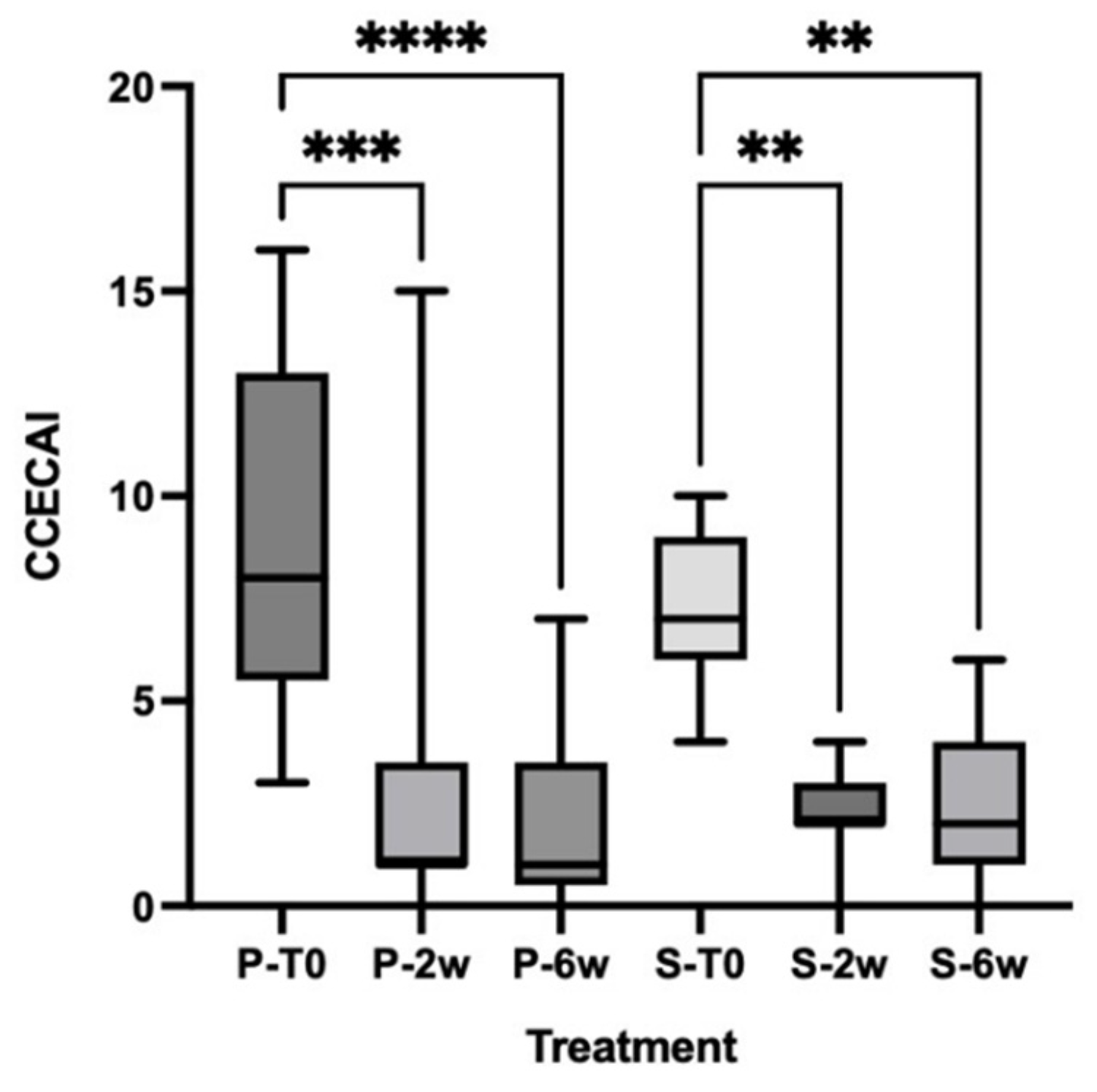
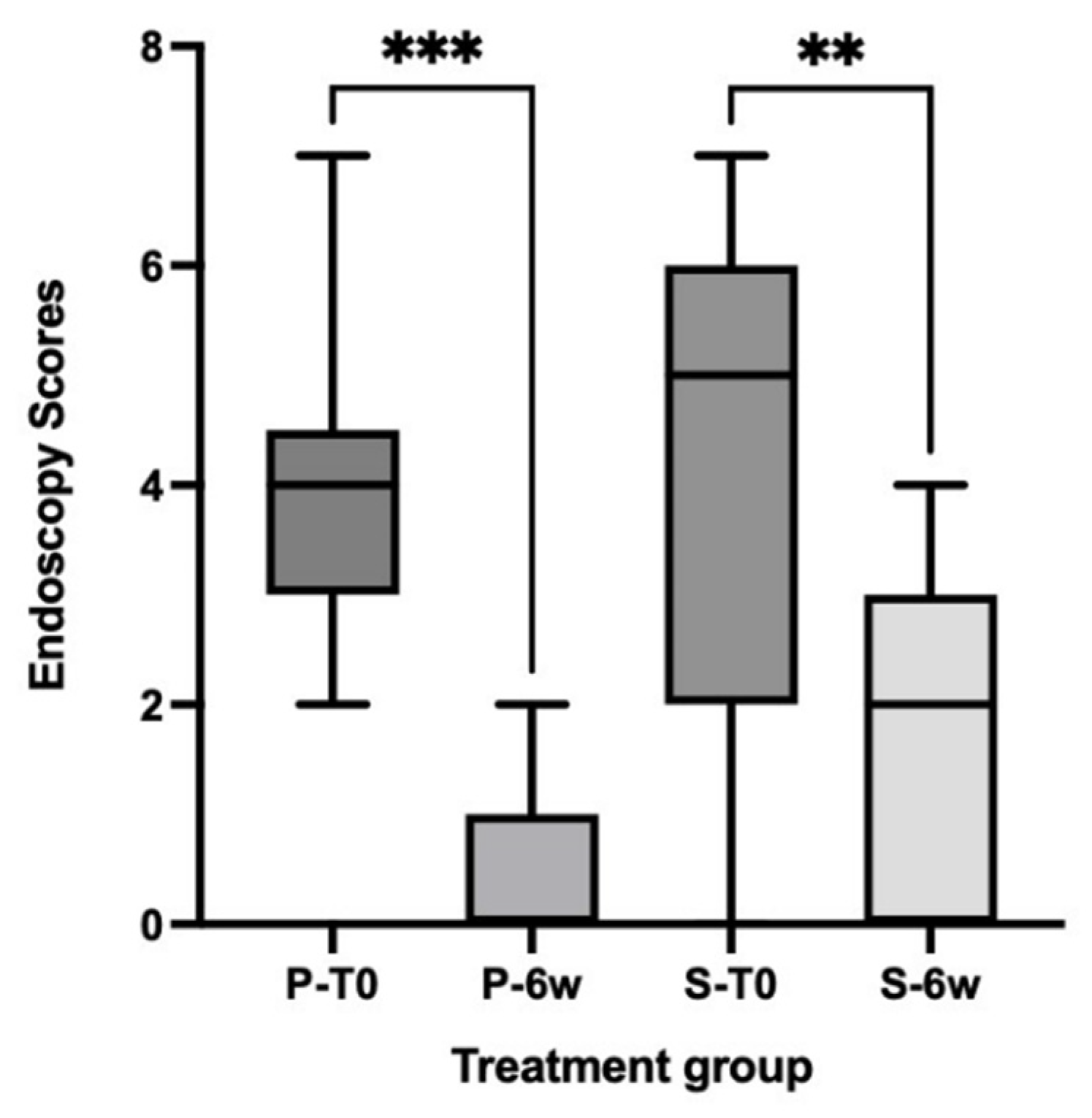
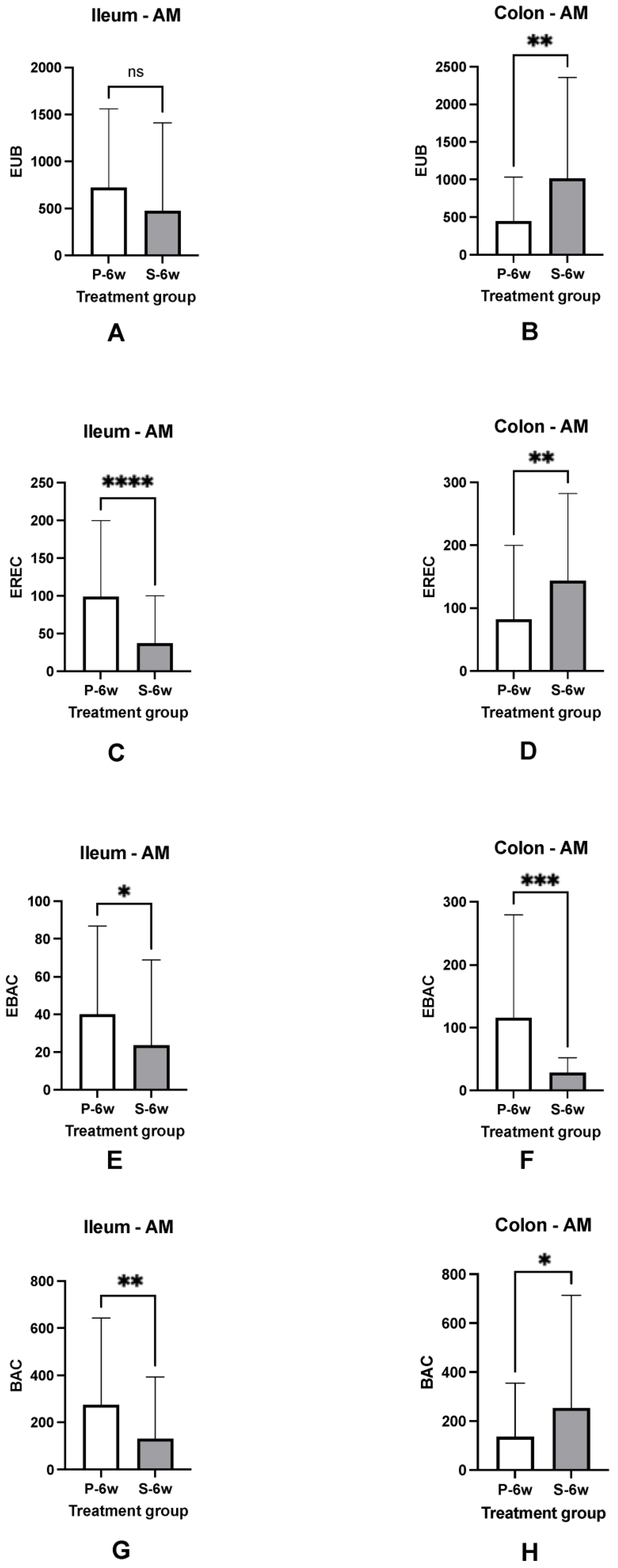
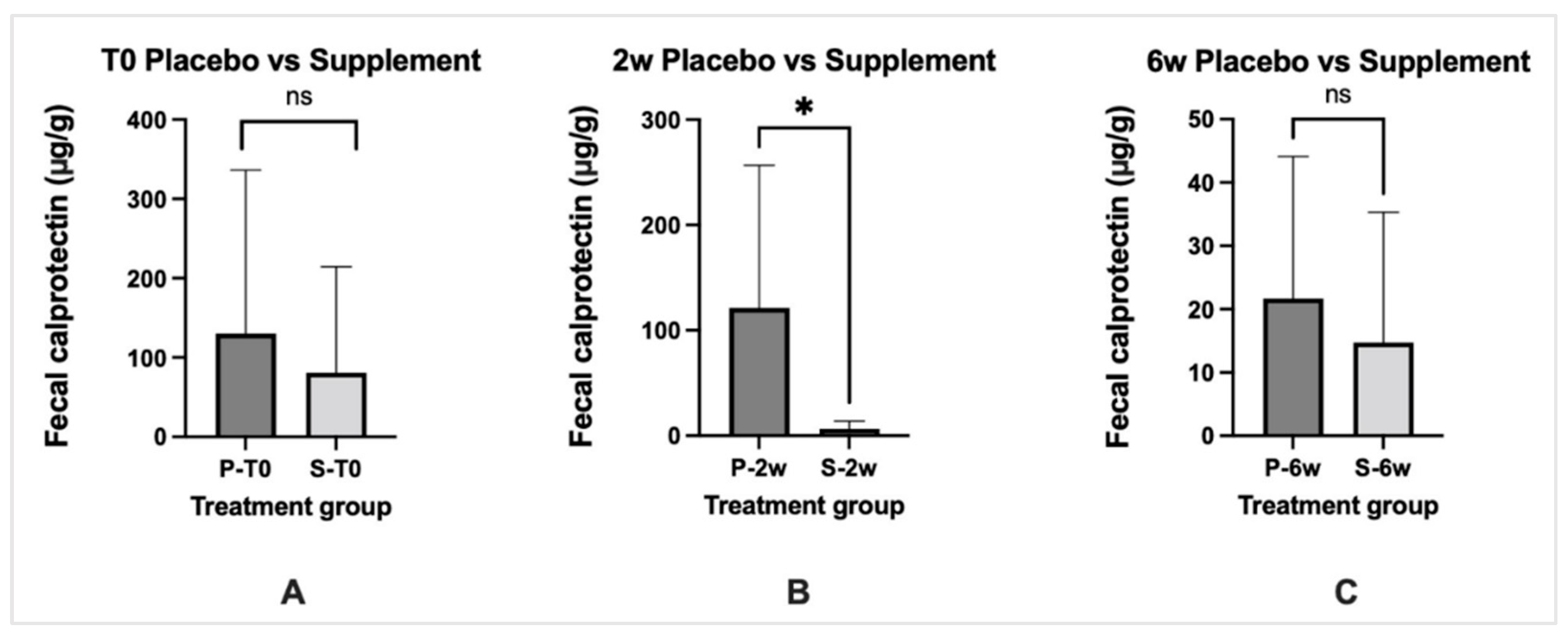
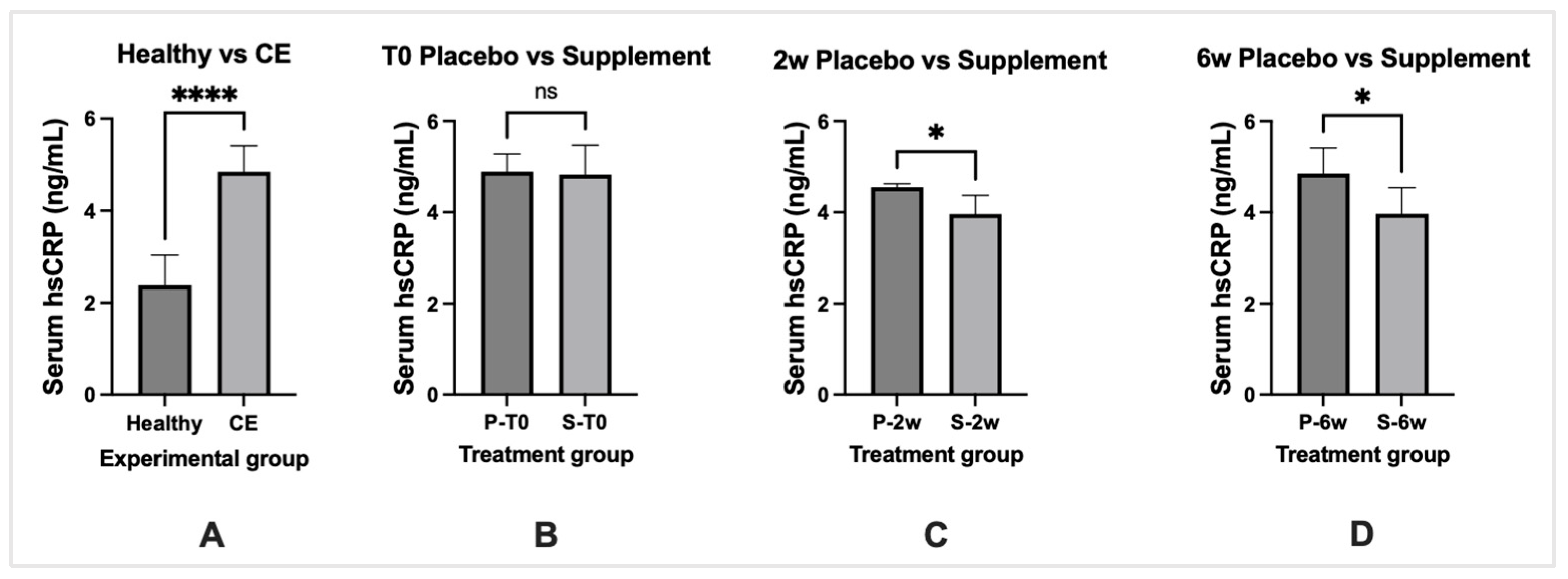
Chronic inflammatory enteropathy (CE) is a common cause for persistent or intermittent diarrhea and intestinal inflammation in dogs. Since there is evidence that imbalances in intestinal bacteria (dysbiosis) are associated with mucosal inflammation, probiotics, prebiotics, or a combination of the two (synbiotics) may reduce intestinal inflammation and decrease severity of dysbiosis. The goal of this study was to investigate the effects of dietary supplement synbiotic-IgY on clinical signs, inflammatory indices, and the mucosal microbiota in the dogs with CE. Twenty dogs with CE completed a prospective randomized clinical trial and were administered a hydrolyzed diet with the dietary supplement (synbiotic-IgY) or placebo (hydrolyzed diet) continuously for 6 weeks. At trial completion, results indicated that clinical disease activity and endoscopic scores decreased in both groups. Compared to dogs who were fed placebo, dogs administered supplement exhibited decreased levels of inflammatory markers fecal calprotectin and high-sensitivity C-reactive protein (hs-CRP) two weeks post-treatment, decreased levels of hs-CRP two- and six-weeks post-treatment, increased numbers of mucosal Clostridia and Bacteroides and decreased numbers of Enterobacteriaceae in colon biopsies at the completion of the trial. Results suggest that hydrolyzed diet and supplement effect favorable changes to host responses and the mucosal microbiota in dogs with CE.
Abstract
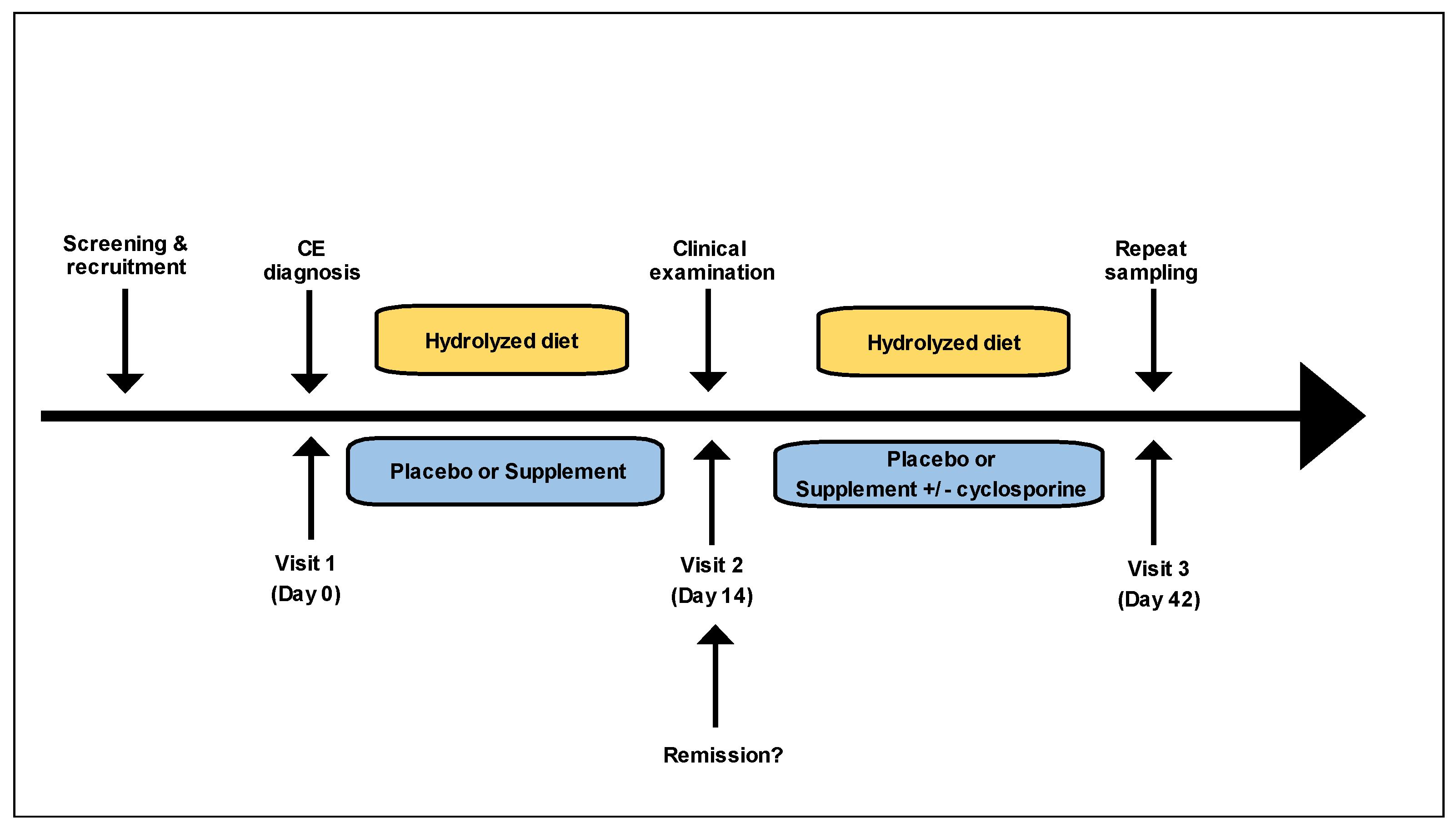
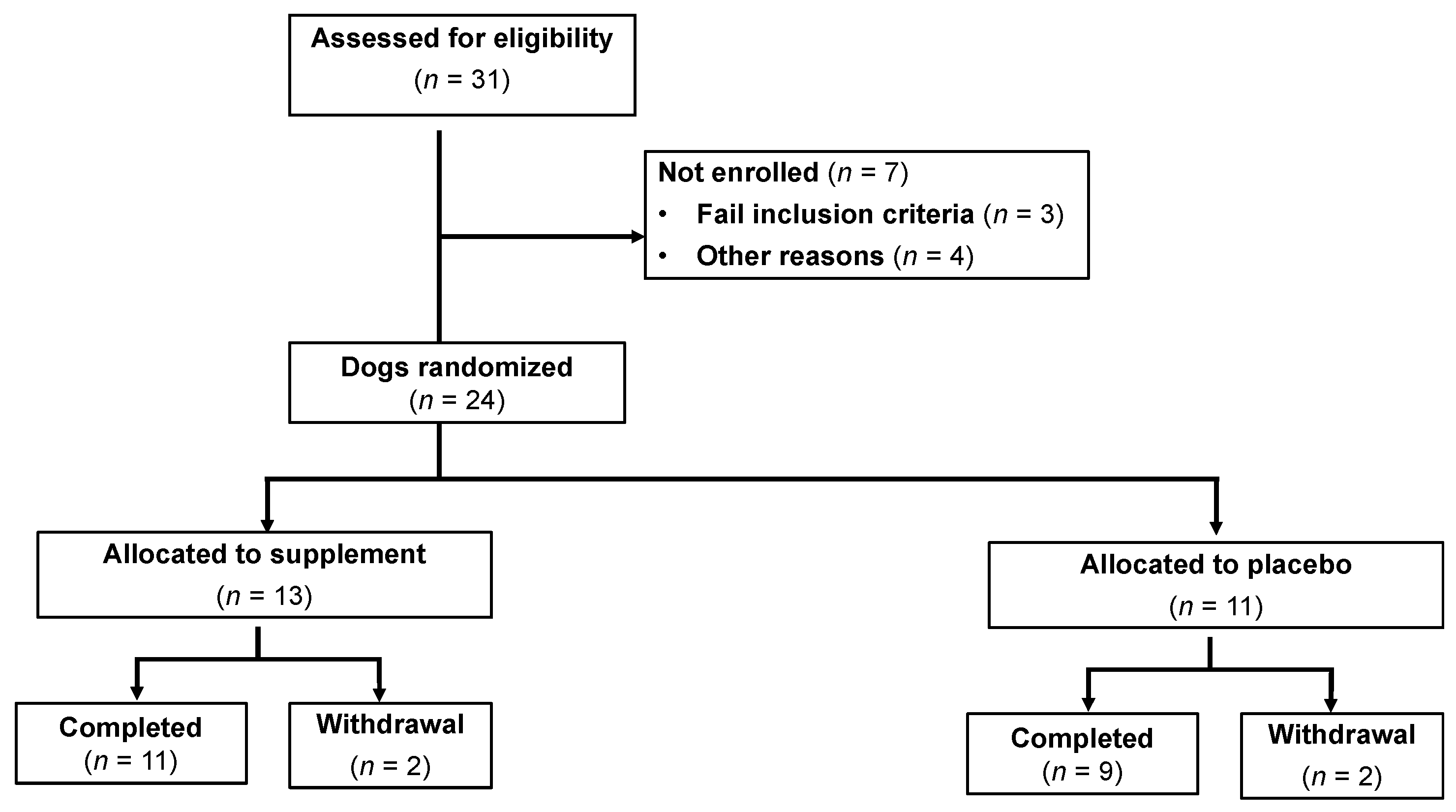
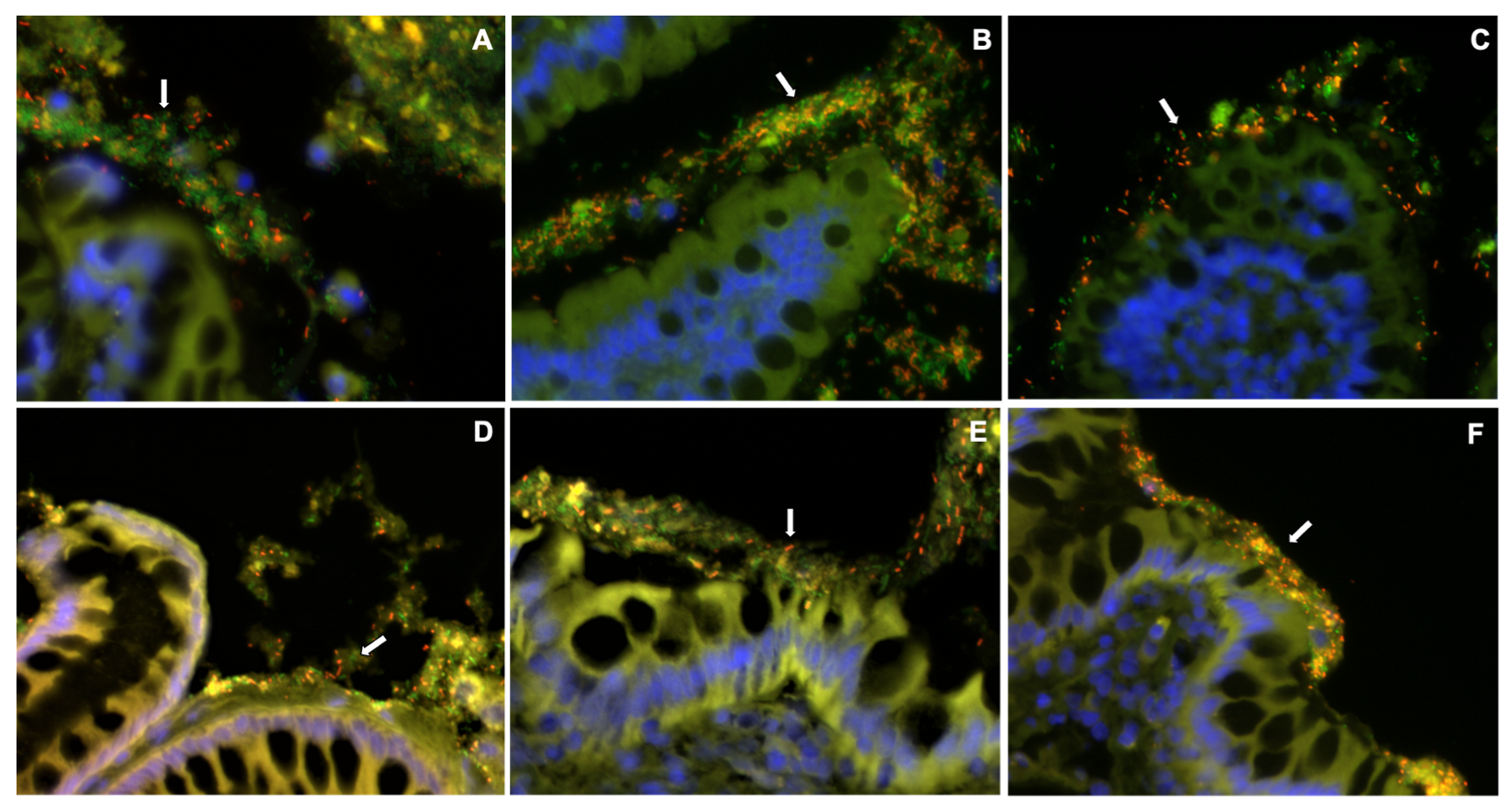
Chronic inflammatory enteropathy (CE) is a common cause of persistent gastrointestinal signs and intestinal inflammation in dogs. Since evidence links dysbiosis to mucosal inflammation, probiotics, prebiotics, or their combination (synbiotics) may reduce intestinal inflammation and ameliorate dysbiosis in affected dogs. This study’s aim was to investigate the effects of the synbiotic-IgY supplement on clinical signs, inflammatory indices, and mucosal microbiota in dogs with CE. Dogs with CE were enrolled in a randomized prospective trial. Twenty-four client-owned dogs were fed a hydrolyzed diet and administered supplement or placebo (diet) for 6 weeks. Dogs were evaluated at diagnosis and 2- and 6-week post-treatment. Outcome measures included clinical activity, endoscopic and histologic scores, inflammatory markers (fecal calprotectin, C-reactive protein), and composition of the mucosal microbiota via FISH. Eleven supplement- and nine placebo-treated dogs completed the trial. After 6 weeks of therapy, clinical activity and endoscopic scores decreased in both groups. Compared to placebo-treated dogs, dogs administered supplement showed decreased calprotectin at 2-week post-treatment, decreased CRP at 2- and 6-week post-treatment increased mucosal Clostridia and Bacteroides and decreased Enterobacteriaceae in colonic biopsies at trial completion. Results suggest a beneficial effect of diet and supplements on host responses and mucosal microbiota in dogs with CE.