Article

Leachates of Calcium-Rich Phases from Attapulgite Clay as a Sustainable Calcium Source for Microbially Induced Carbonate Precipitation: Enhanced Biomineralization and Arsenic Immobilization

1
Gansu Nonferrous Engineering Survey Design and Research Institute, Lanzhou 730000, China
2
College of Earth and Environmental Sciences, Lanzhou University, Lanzhou 730000, China
*
Author to whom correspondence should be addressed.
Toxics 2026, 14(8), 678; https://doi.org/10.3390/toxics14080678

Submission received: 30 June 2026 / Revised: 27 July 2026 / Accepted: 29 July 2026 / Published: 31 July 2026
(This article belongs to the Special Issue Soil Heavy Metal Pollution and Remediation)

Abstract

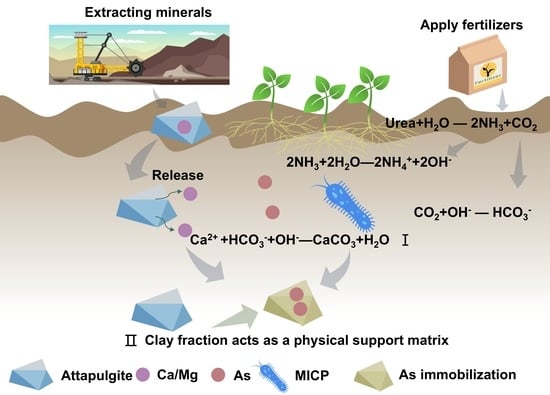
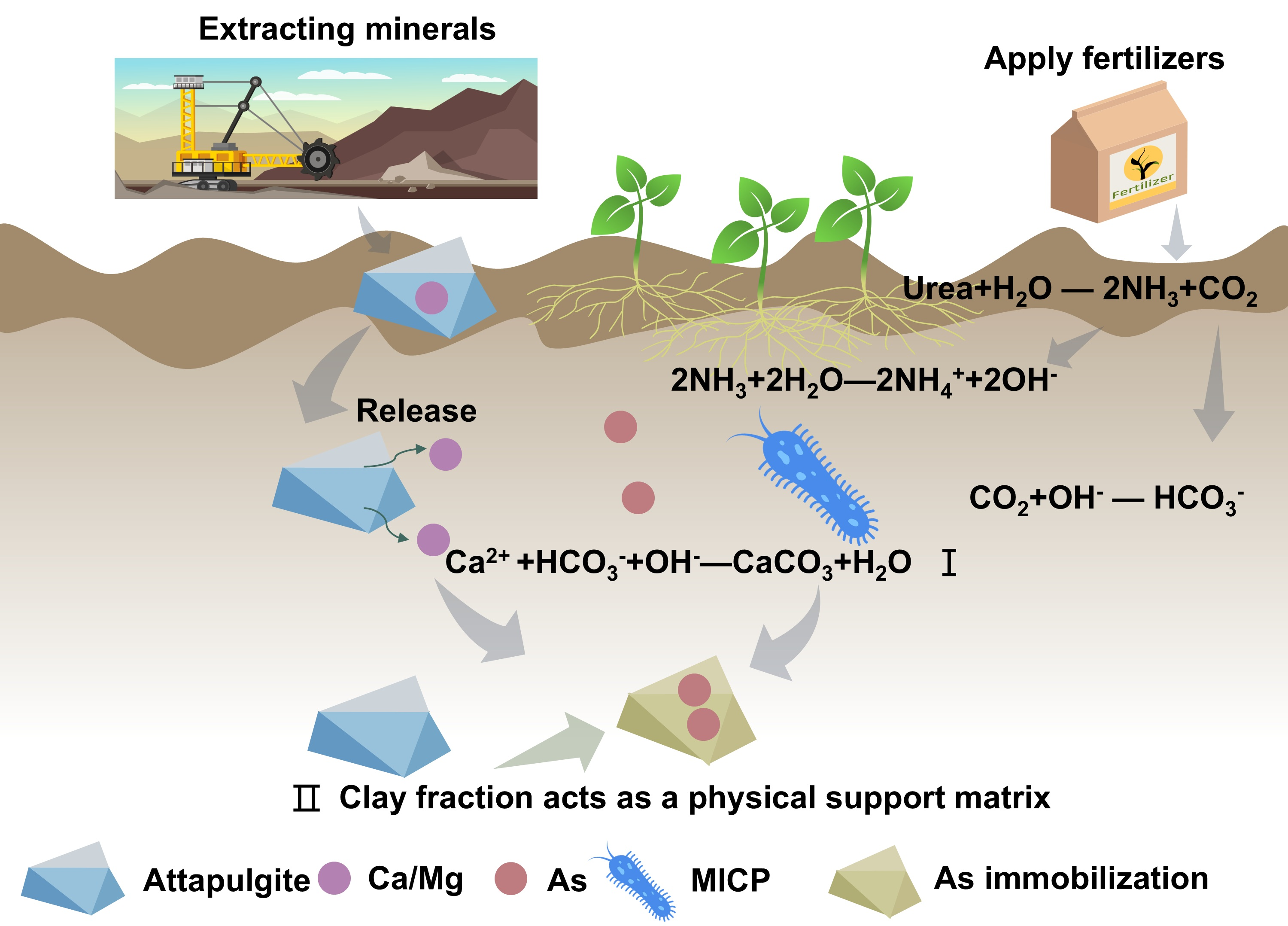
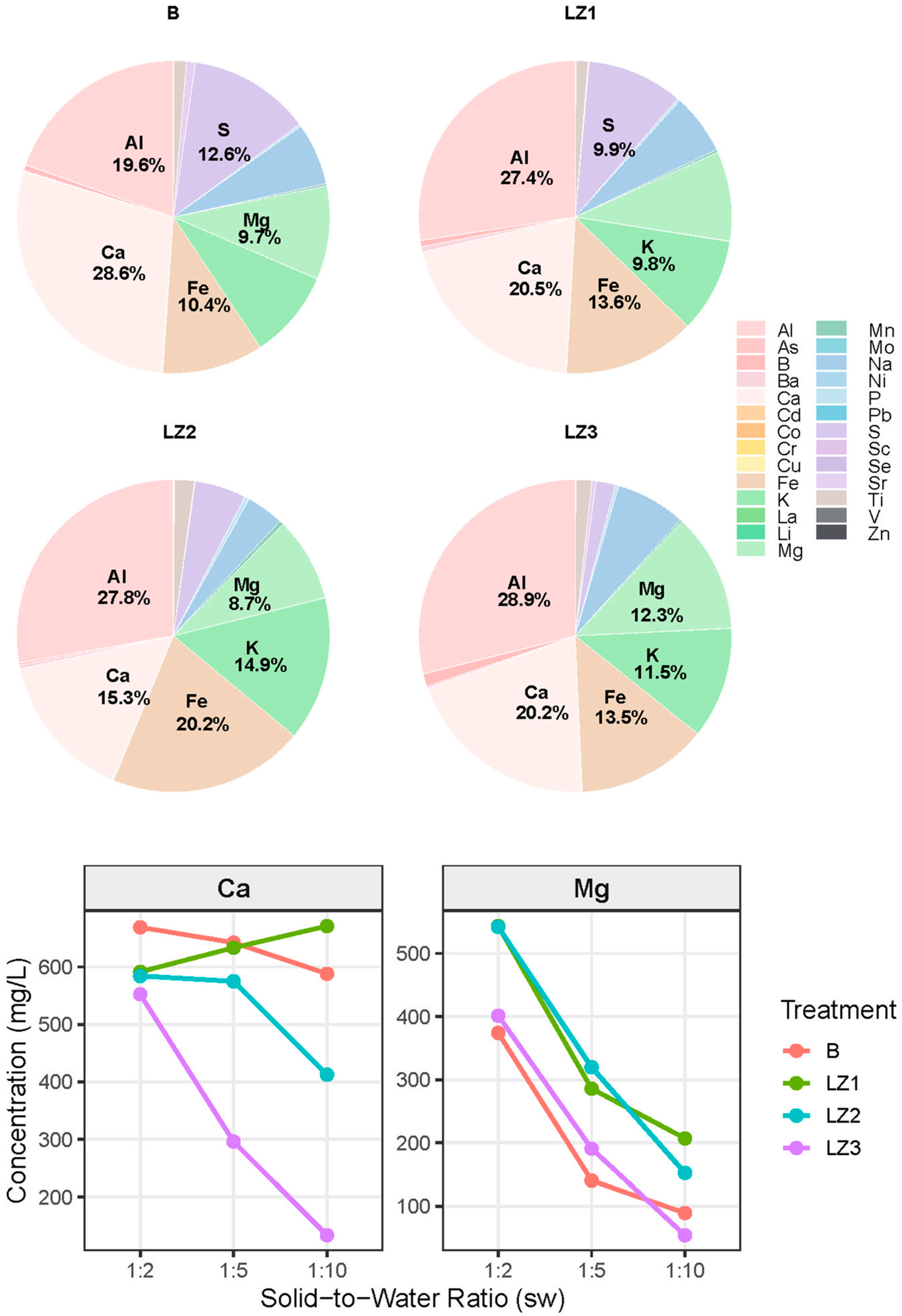
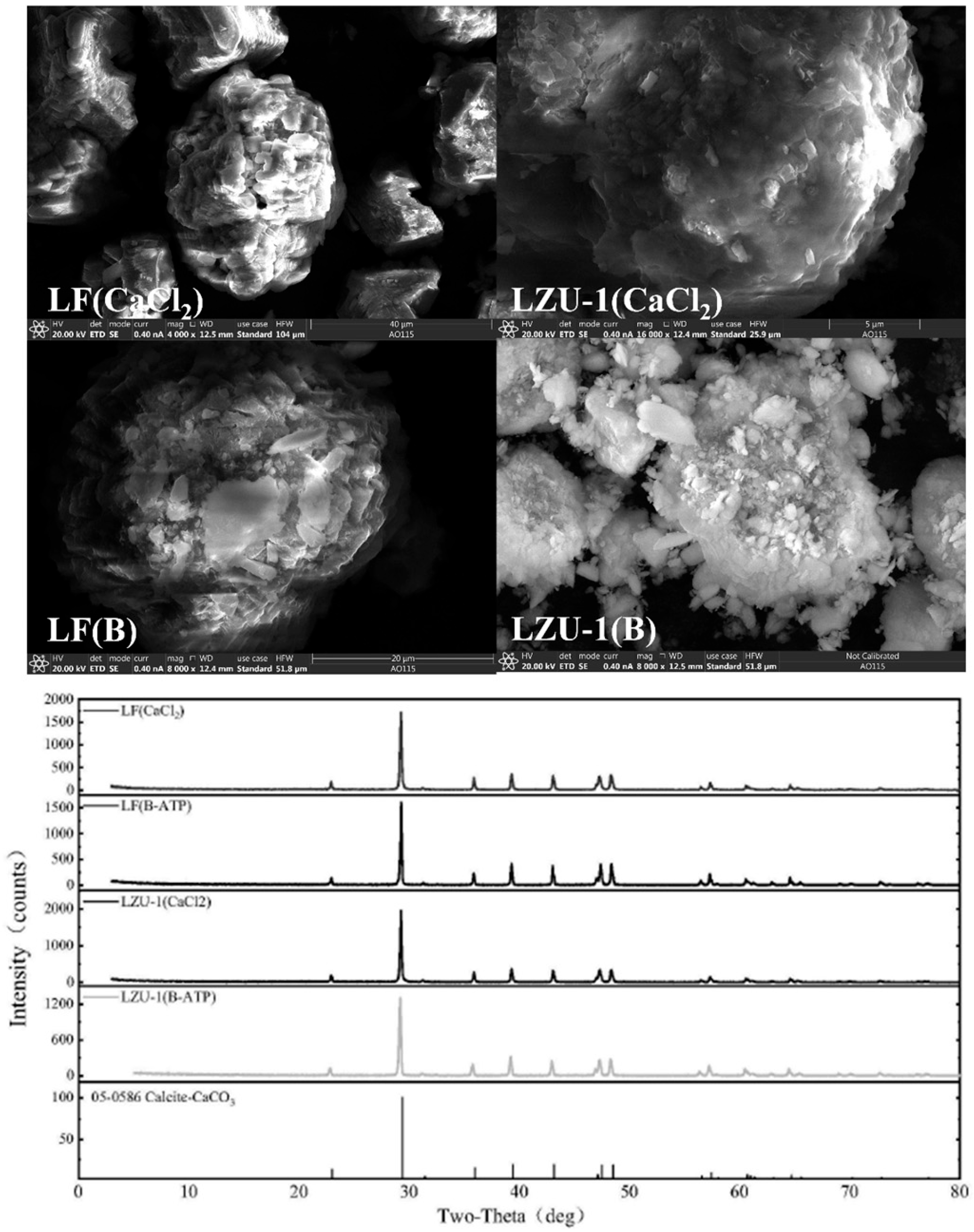
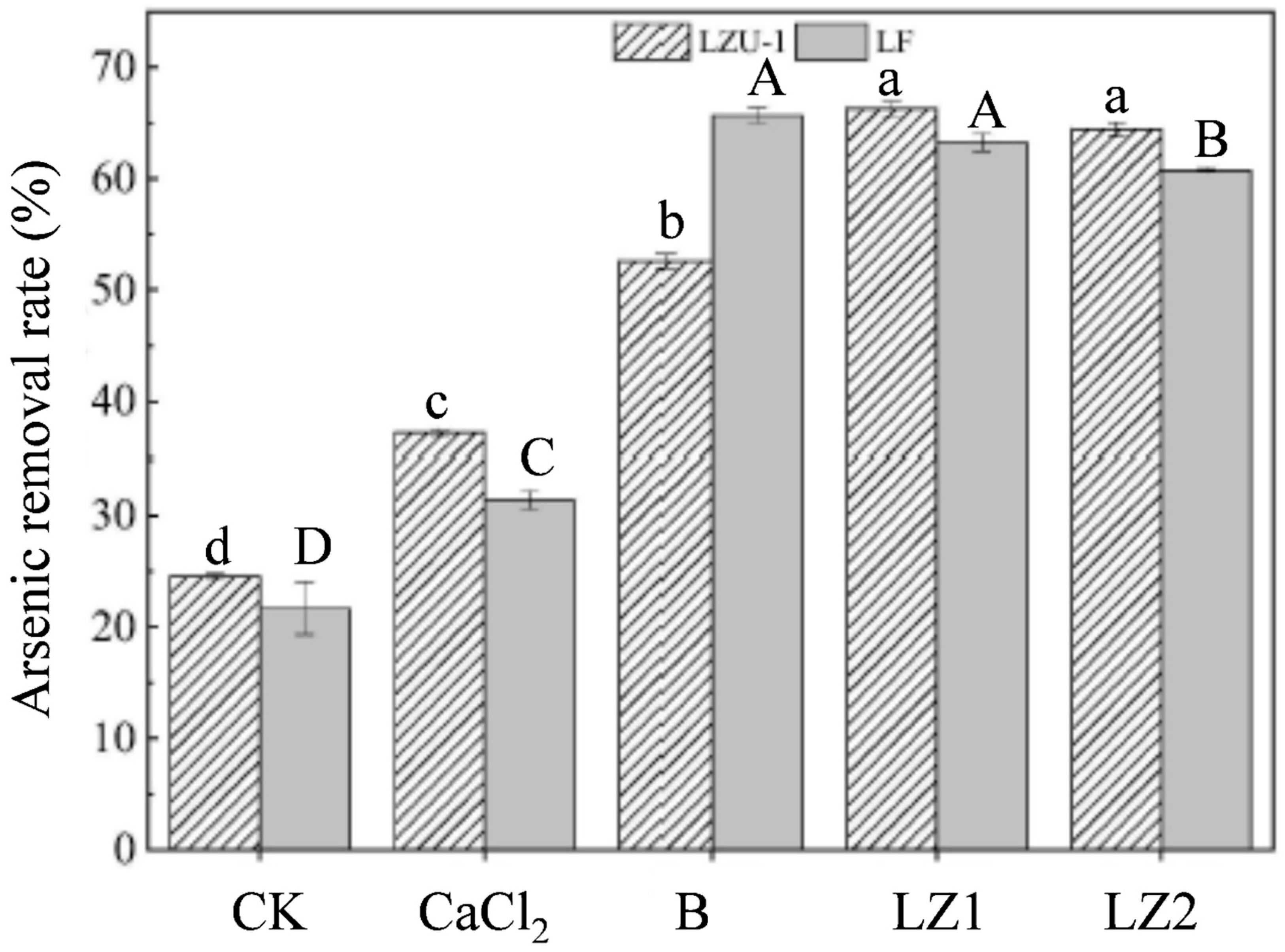
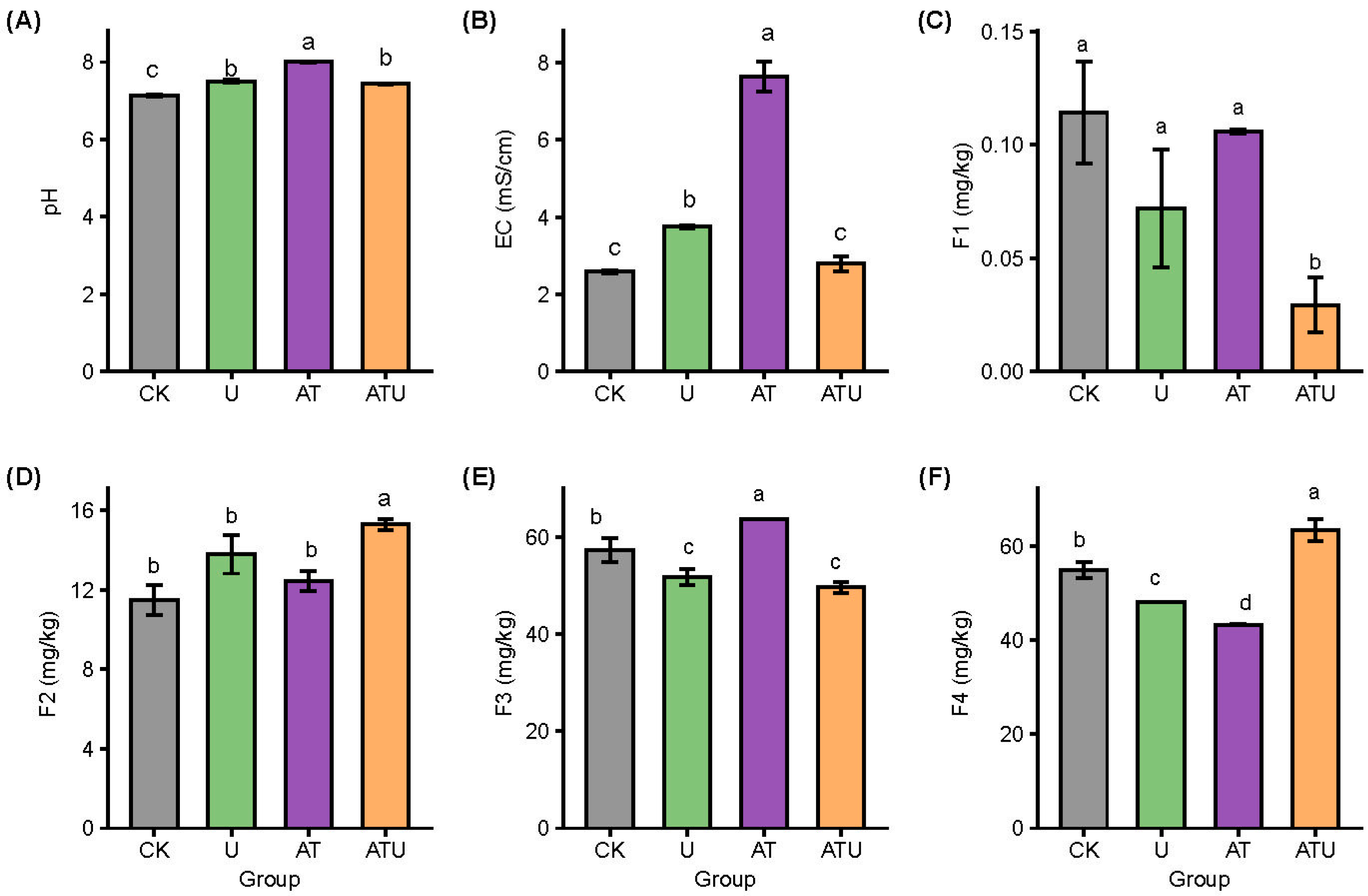
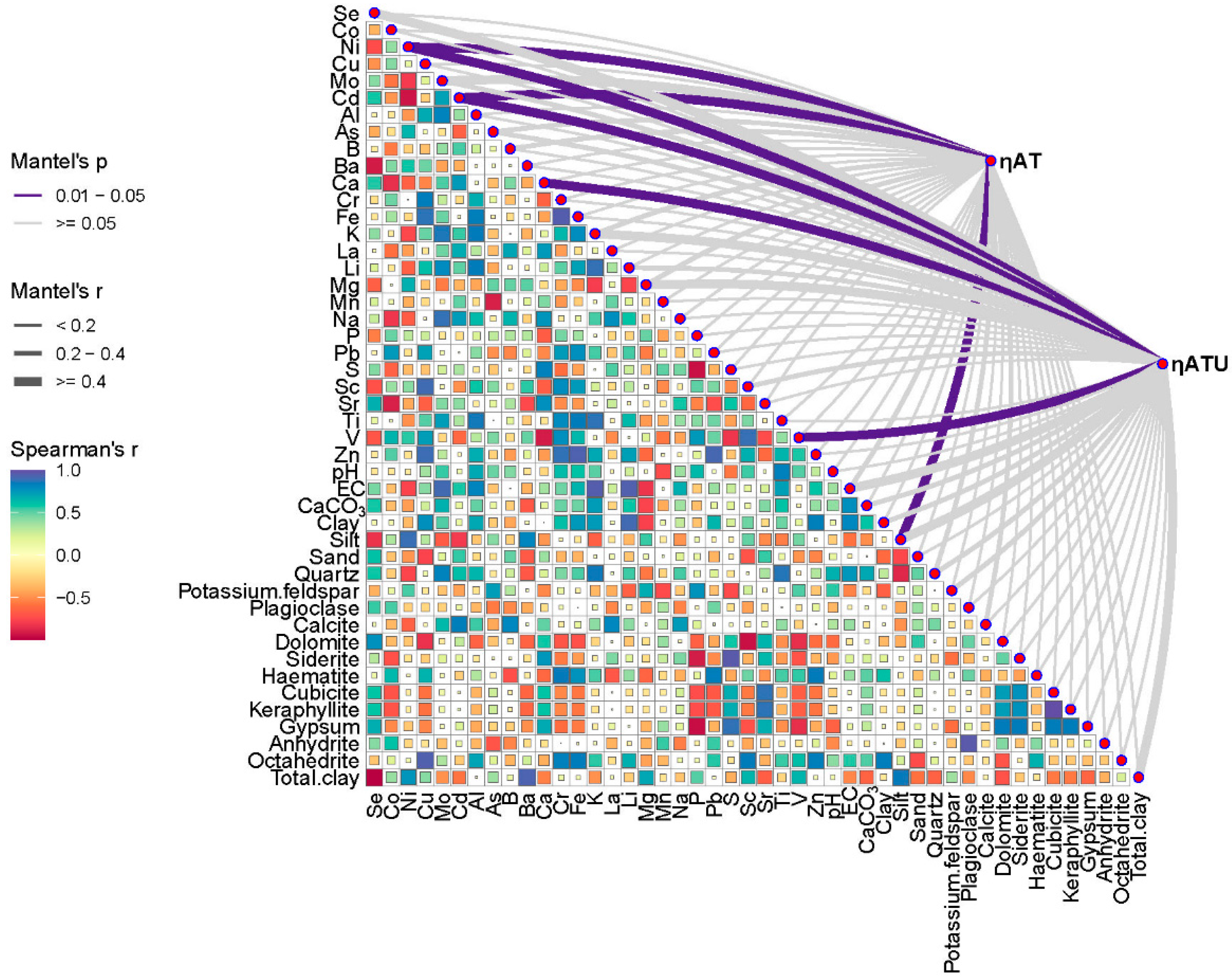
Microbially induced calcium carbonate precipitation (MICP) is a promising biotechnology for environmental remediation; however, the high cost of conventional chemical-grade calcium sources limits its large-scale scalability. This study evaluated the feasibility of utilizing an aqueous extract of natural attapulgite clay as a sustainable, low-cost calcium source for MICP-mediated arsenic (As) immobilization in both aqueous and soil systems. Among the tested minerals, Baiyin attapulgite (group B) exhibited the highest calcium content (62,808.94 mg kg−1) and minimal toxic metal impurities, providing a favorable chemical matrix for biomineralization. At an optimal solid-to-liquid ratio of 1:10, Lysinibacillus fusiformis LF and Enterococcus LZU-1 successfully induced calcite precipitation driven by the attapulgite extract. In batch aqueous remediation experiments (20 days), the attapulgite extract significantly enhanced As removal efficiency compared to the controls; As removal rates peaked at 66.4% for strain LZU-1 (with LZ1 extract) and 65.8% for strain LF (with group B extract), drastically outperforming the standard CaCl2 groups (31.2–37.3%) and blank controls (21.8–24.5%). Concurrently, soil incubation experiments (30 days) demonstrated that the combined application of attapulgite and MICP bacteria reduced the highly bioavailable exchangeable As fraction from 0.115 to approximately 0.03 mg kg−1, while effectively driving its transformation into more stable carbonate-bound and organic-bound fractions without causing secondary soil salinization. Morphological and mechanistic analyses revealed that, compared to the well-defined euhedral crystals in the CaCl2 control, the precipitates mediated by the clay extract exhibited distinctly irregular, defect-rich rhombohedral structures. This structural disruption was governed by the natural matrix effect of attapulgite, which simultaneously supplied dissolved Ca2+ and provided an abundance of fine clay fragments, calcite micro-grains, and associated amorphous Fe/Al/Mn-bearing phases. These constituents acted as physical scaffolding and heterogeneous nucleation sites that became embedded in the growing CaCO3 lattice, driving the formation of highly reactive, defect-rich clay-calcite-arsenic composite precipitates that efficiently encapsulated arsenate. Mantel analysis further revealed that the remediation efficiency was significantly correlated with key environmental variables including Ni, V, Ca. These findings highlight the dual-system potential of natural attapulgite as an inexpensive, eco-friendly calcium alternative for sustainable MICP-based remediation of As-contaminated water and agricultural soils.
Keywords: microbial induced carbonate precipitation (MICP); attapulgite; calcium source; biomineralization; arsenic immobilization; soil remediation microbial induced carbonate precipitation (MICP); attapulgite; calcium source; biomineralization; arsenic immobilization; soil remediation
Graphical Abstract