Article

Complexation with Polysaccharides Enhances the Stability of Isolated Anthocyanins

Department of Food Science, Purdue University, 745 Agriculture Mall Drive, West Lafayette, IN 47907, USA
*
Author to whom correspondence should be addressed.
These authors contributed equally to this work.
Foods 2023, 12(9), 1846; https://doi.org/10.3390/foods12091846
Submission received: 2 March 2023 / Revised: 18 April 2023 / Accepted: 26 April 2023 / Published: 29 April 2023
(This article belongs to the Section Food Physics and (Bio)Chemistry)

Abstract

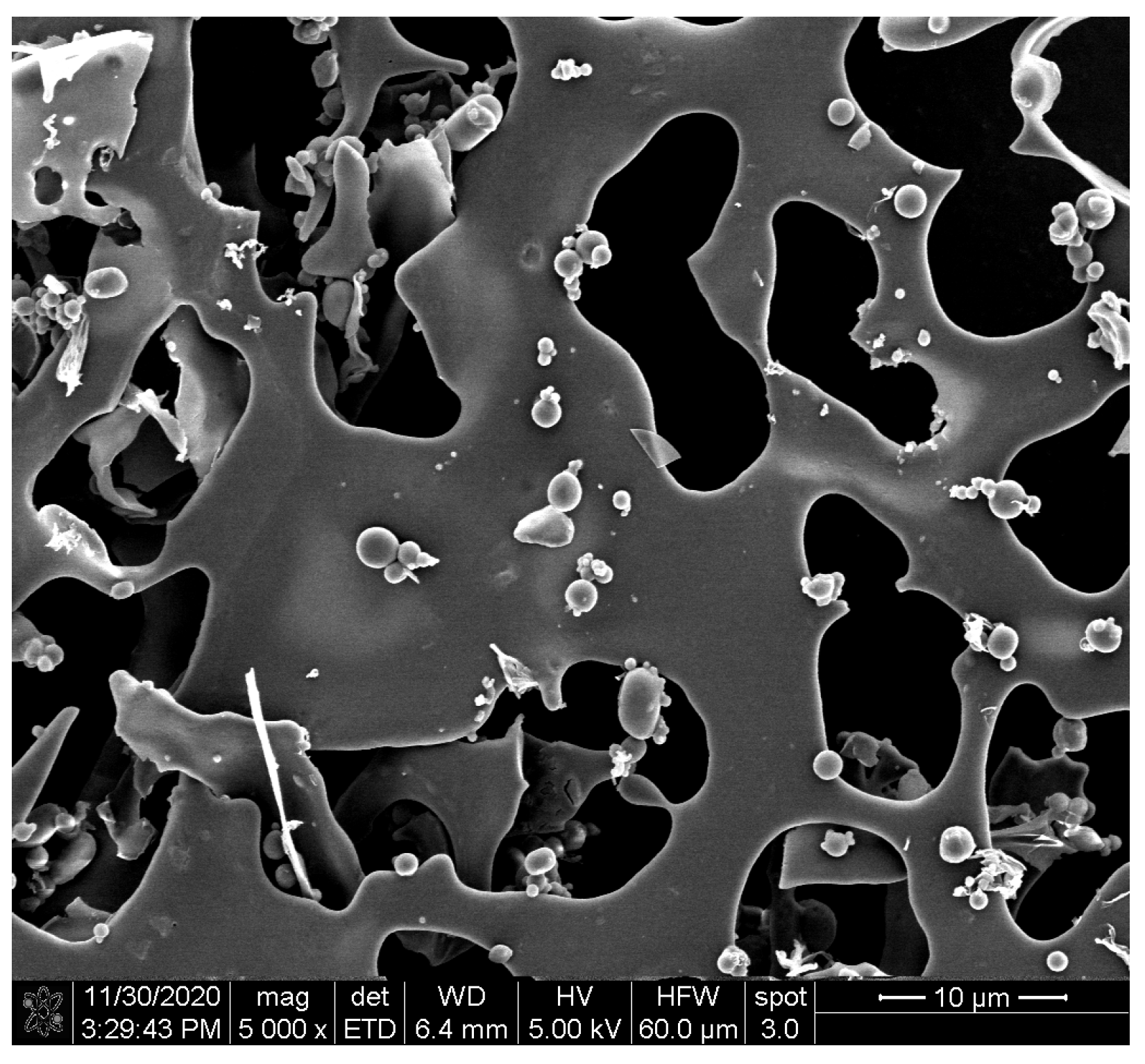
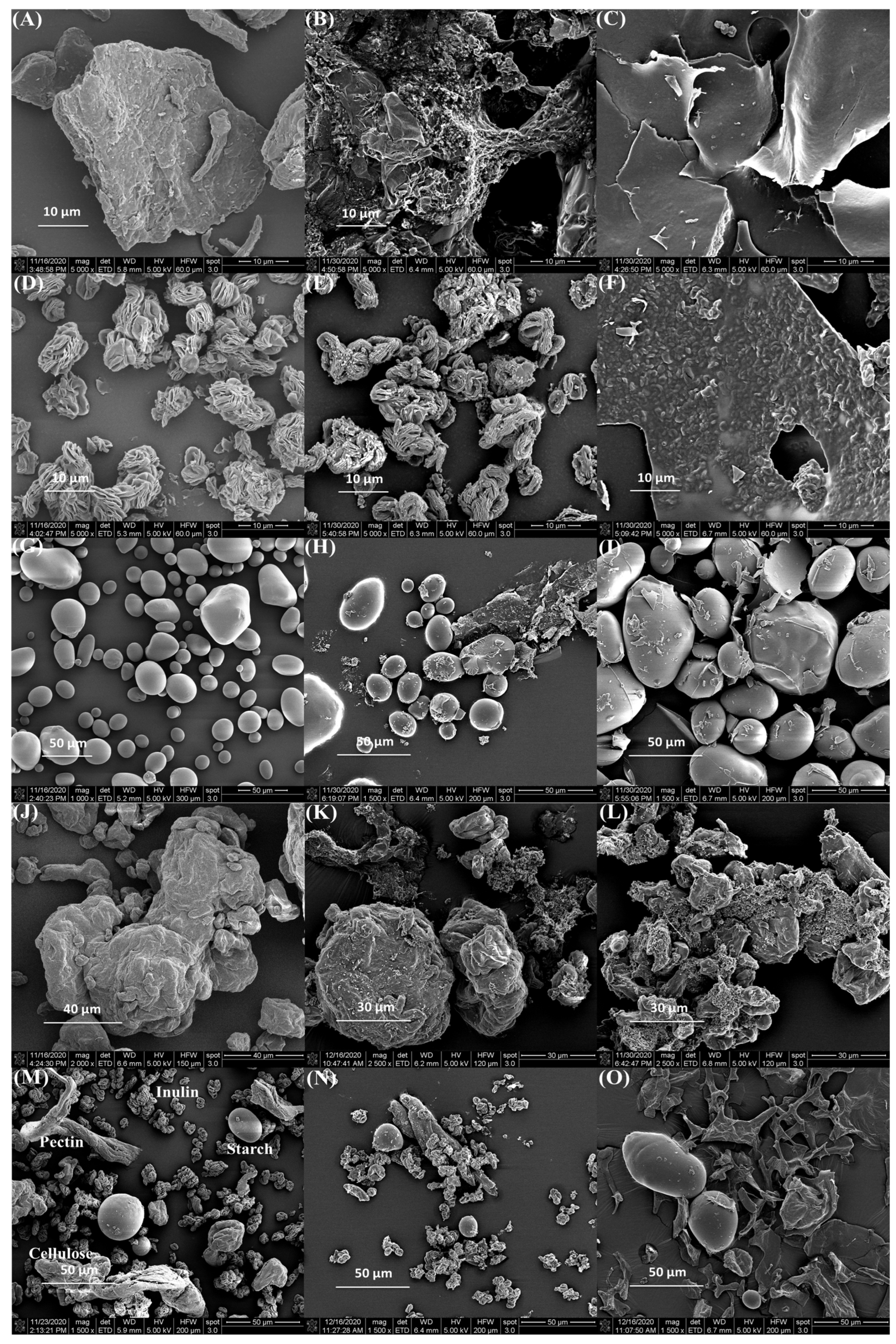
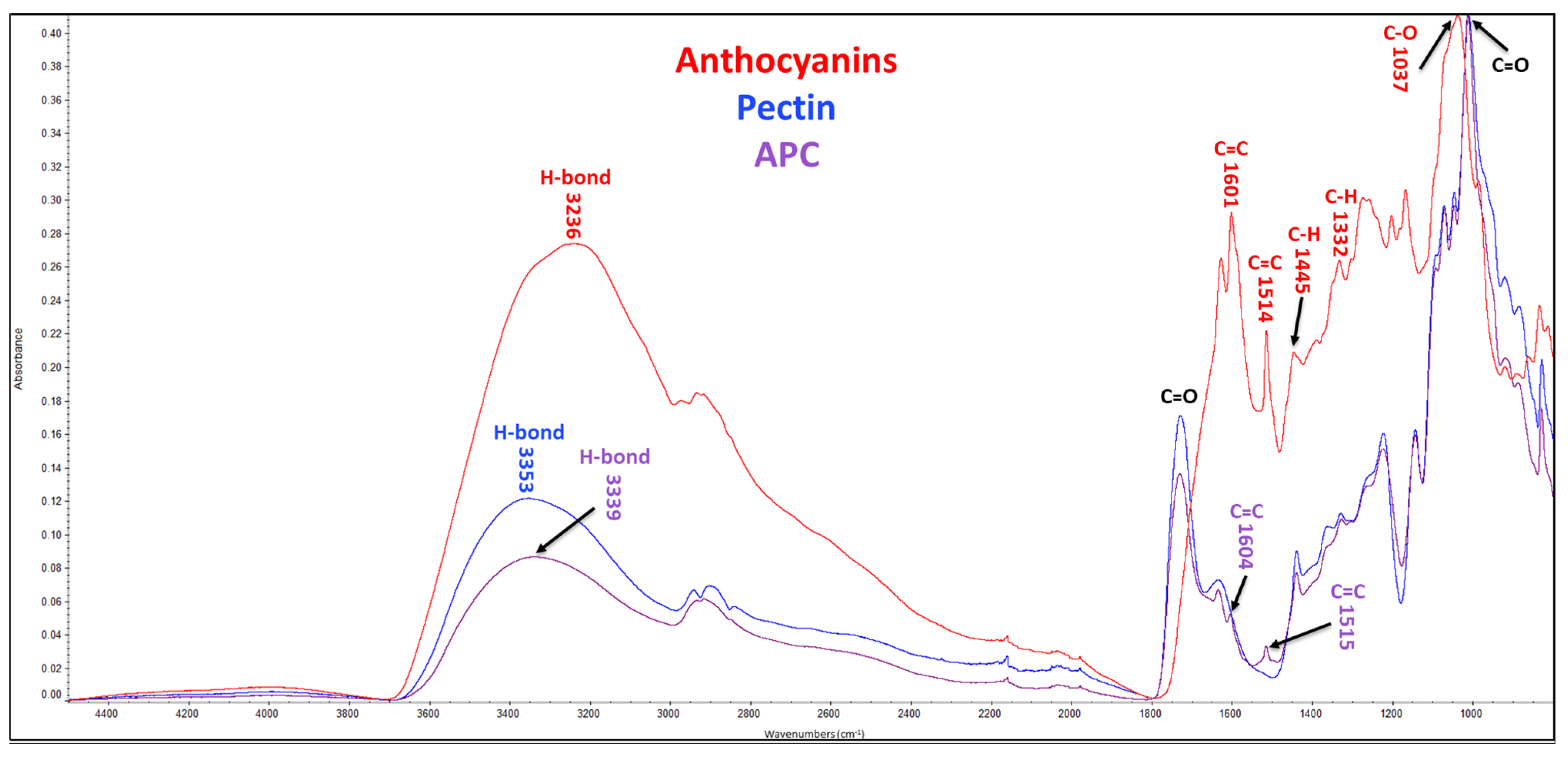
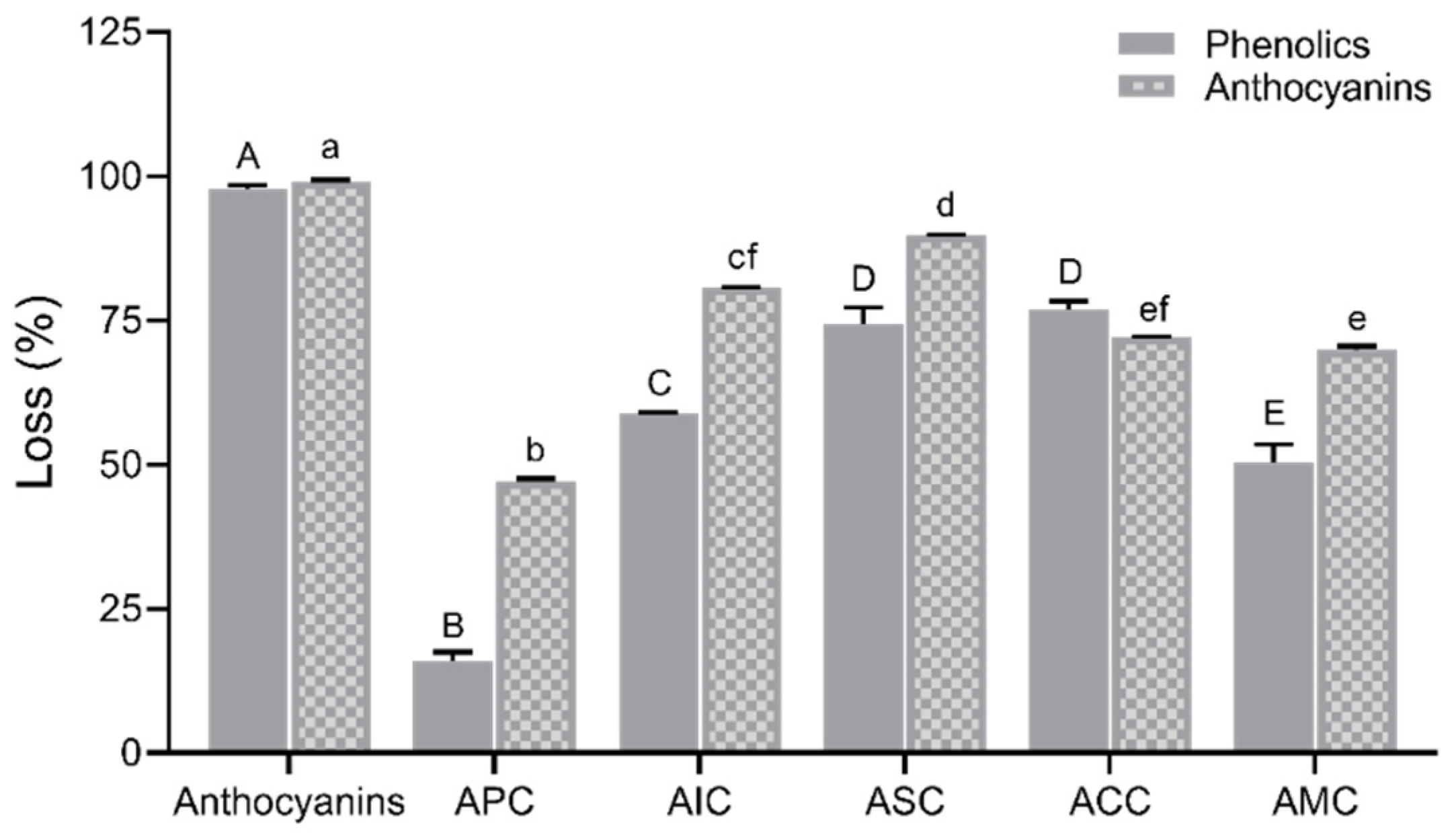
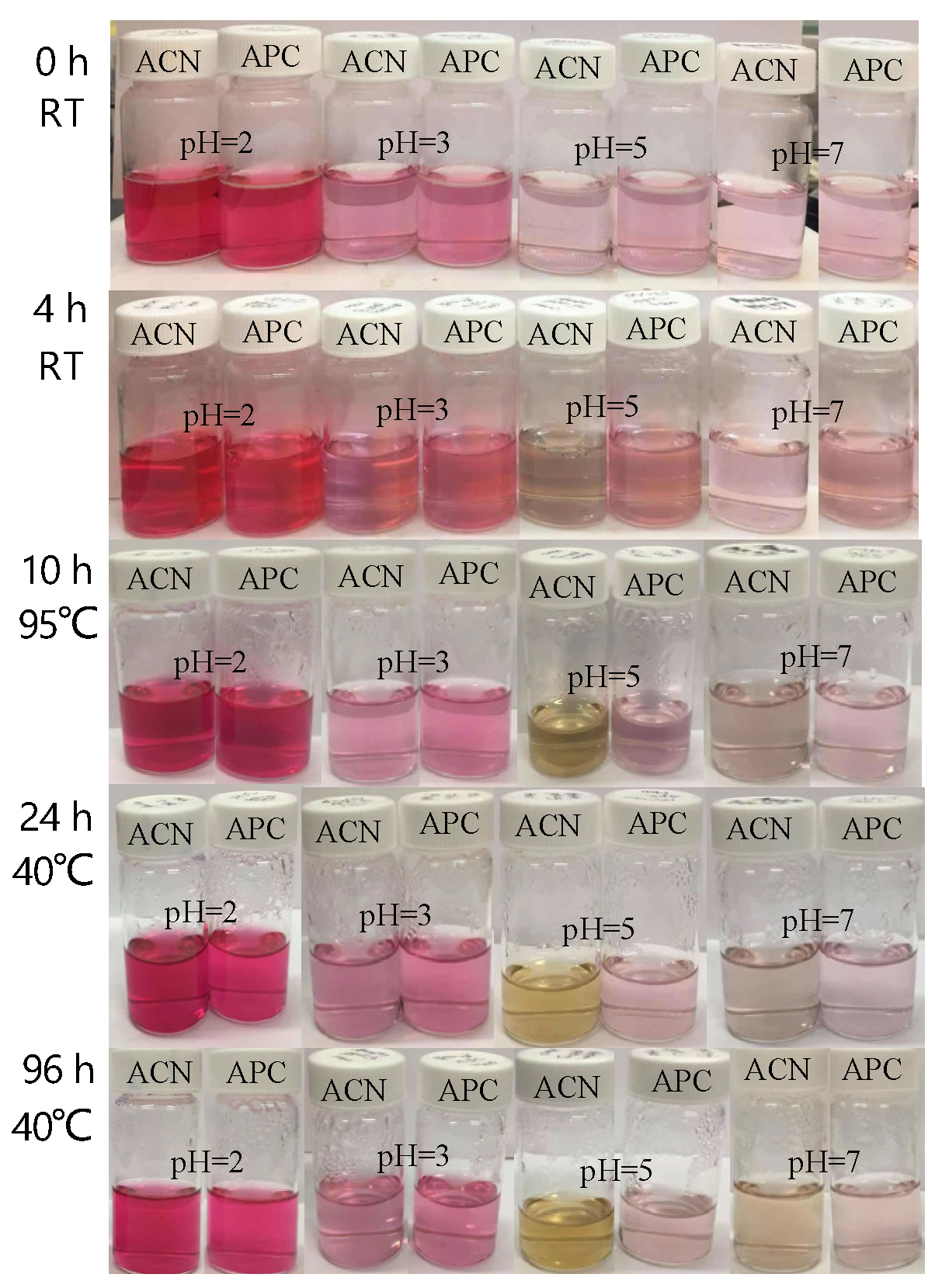
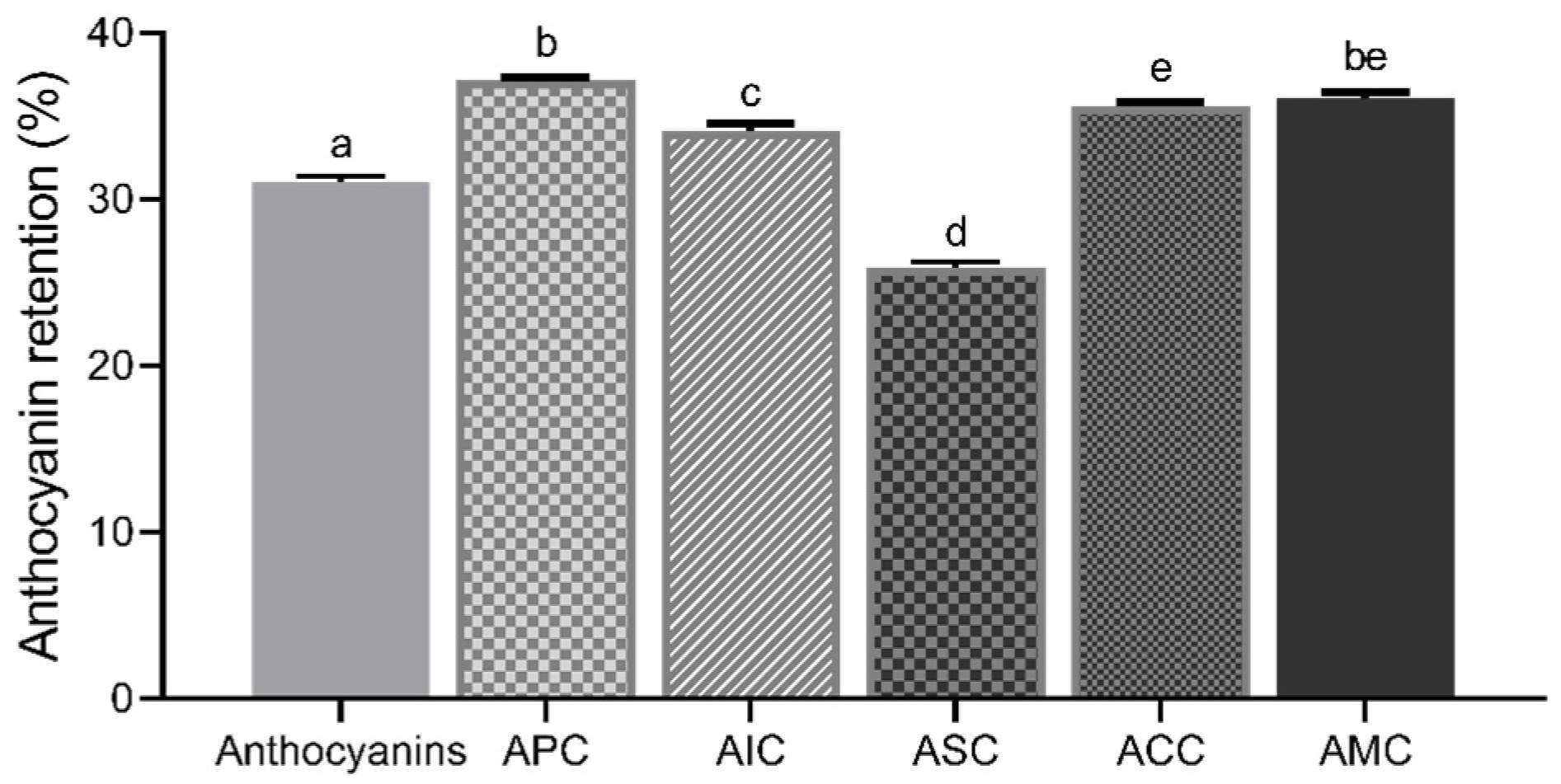
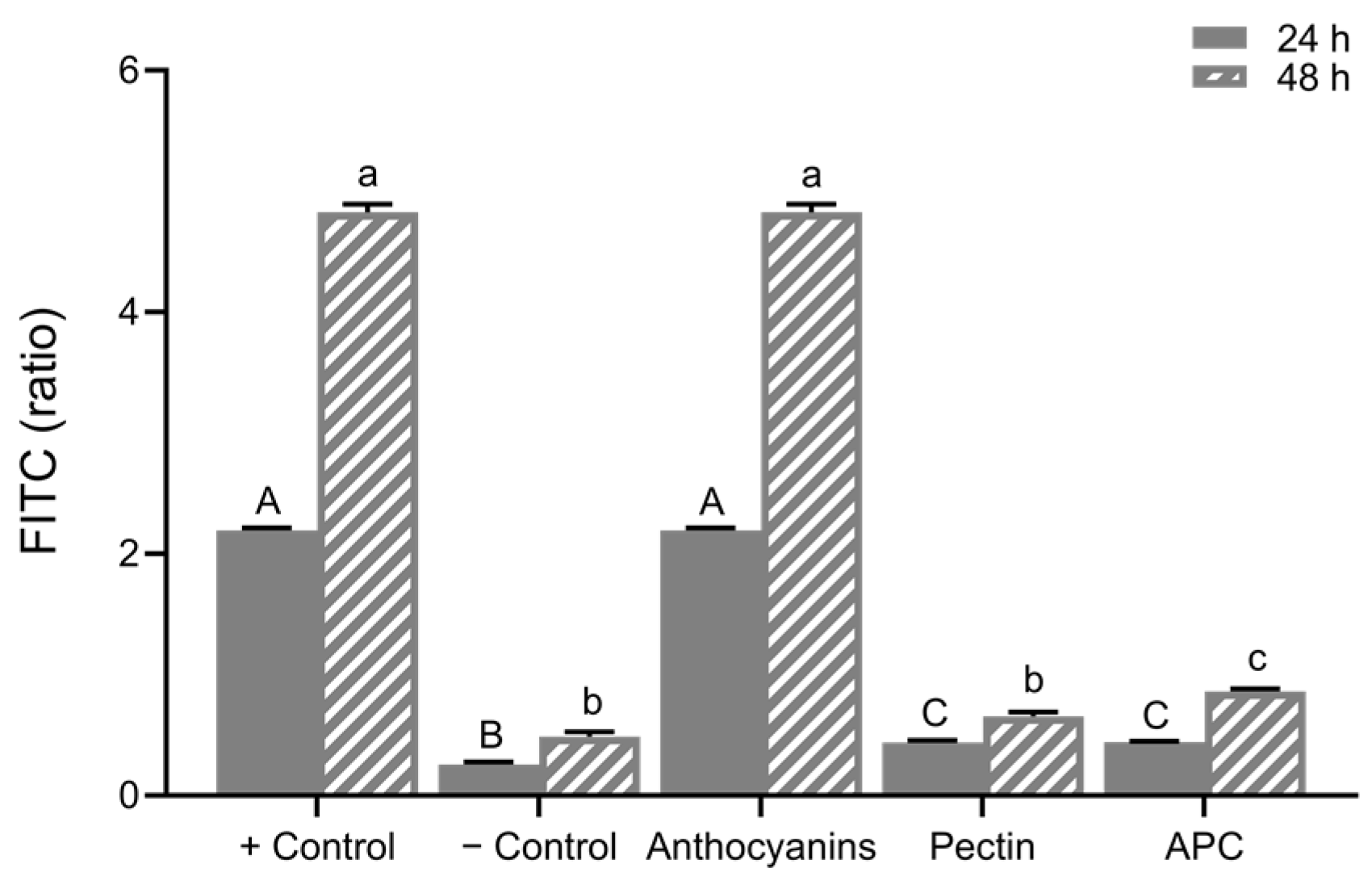
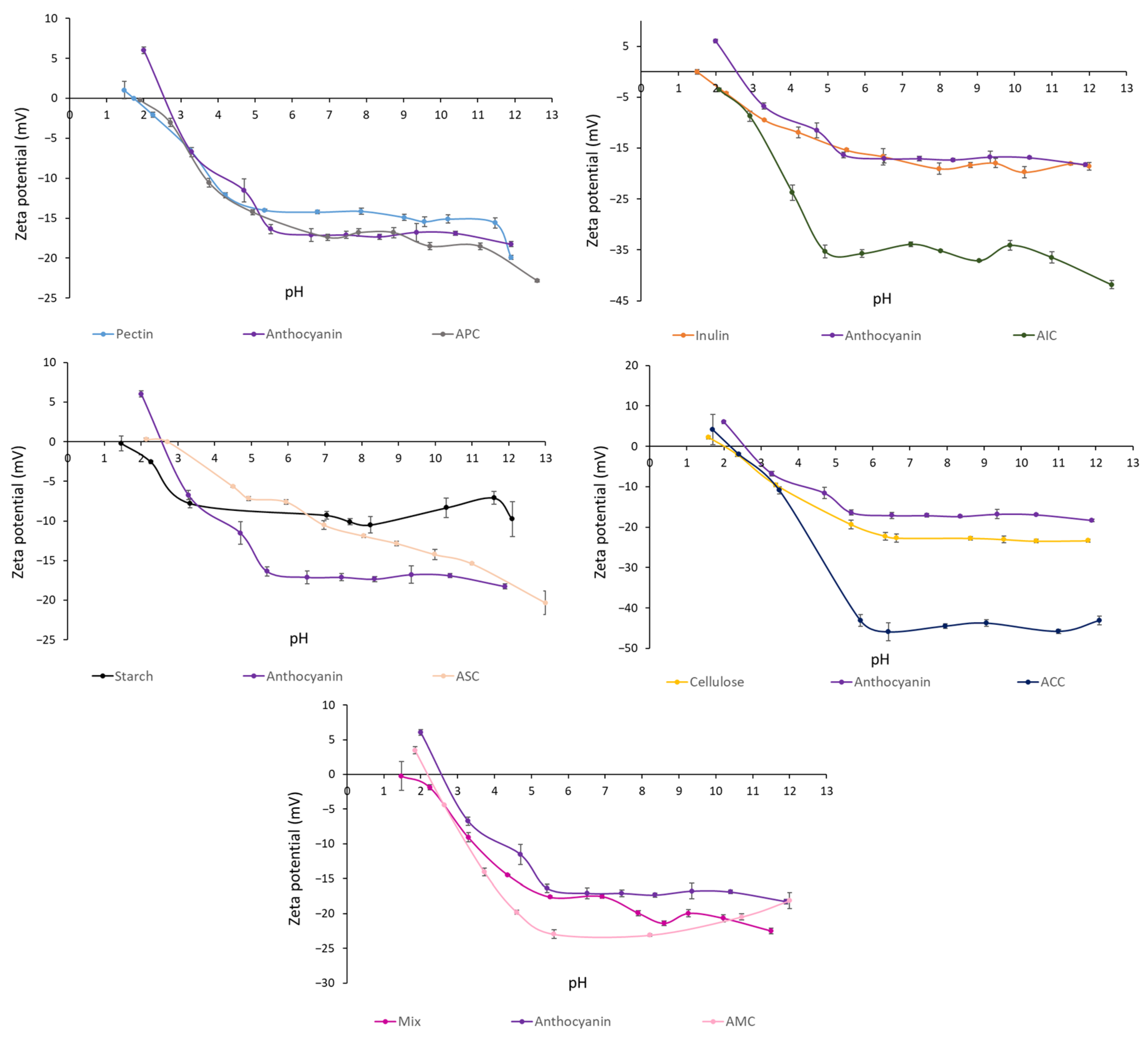
Isolated anthocyanins have limited colonic bioavailability due to their instability as free forms. Thus, many methods have been fabricated to increase the stability of anthocyanins. Complexation, encapsulation, and co-pigmentation with other pigments, proteins, metal ions, and carbohydrates have been reported to improve the stability and bioavailability of anthocyanins. In this study, anthocyanins extracted from purple potatoes were complexed with four different polysaccharides and their mixture. The anthocyanin–polysaccharide complexes were characterized using a zeta potential analyzer, particle size analyzer, scanning electron microscopy, and Fourier-transform infrared spectroscopy. Complexes were subjected to simulated digestion for assessing the stability of anthocyanins. Furthermore, complexes were subjected to different pH conditions and incubated at high temperatures to monitor color changes. A Caco-2 cell monolayer was used to evaluate the colonic concentrations of anthocyanins. In addition, the bioactivity of complexes was assessed using LPS-treated Caco-2 cell monolayer. Results show that pectin had the best complexation capacity with anthocyanins. The surface morphology of the anthocyanin–pectin complex (APC) was changed after complexation. APC was more resistant to the simulated upper gastrointestinal digestion, and high pH and temperature conditions for a longer duration. Furthermore, APC restored the lipopolysaccharide (LPS)-induced high cell permeability compared to isolated anthocyanins. In conclusion, complexation with pectin increased the stability and colonic bioavailability and the activity of anthocyanins.
Keywords: anthocyanins; polysaccharides; complexation; stability anthocyanins; polysaccharides; complexation; stability