Article

Use of Wild Edible Plants: Can They Meet the Dietary and Nutritional Needs of Indigenous Communities in Central India
1
Department of Rural Technology, Guru Ghasidas Central University, Bilaspur 495 001, India
2
College of Agriculture, Indira Gandhi Agricultural University, Katghora-Korba 495 445, India
3
Department of Environmental Science, Indira Gandhi National Tribal University, Amarkantak 484 887, India
4
Estonian University of Life Sciences, Fr. R. Kreutzwaldi 1a, 51006 Tartu, Estonia
5
College of Forestry, VCSG Uttarakhand University of Horticulture & Forestry, Ranichauri 249 199, India
6
School of Hydrology and Water Resources, Nanjing University of Information Science and Technology, Nanjing 210044, China
*
Authors to whom correspondence should be addressed.
Foods 2021, 10(7), 1453; https://doi.org/10.3390/foods10071453
Submission received: 15 April 2021 / Revised: 17 June 2021 / Accepted: 19 June 2021 / Published: 23 June 2021
(This article belongs to the Section Food Nutrition)

Abstract

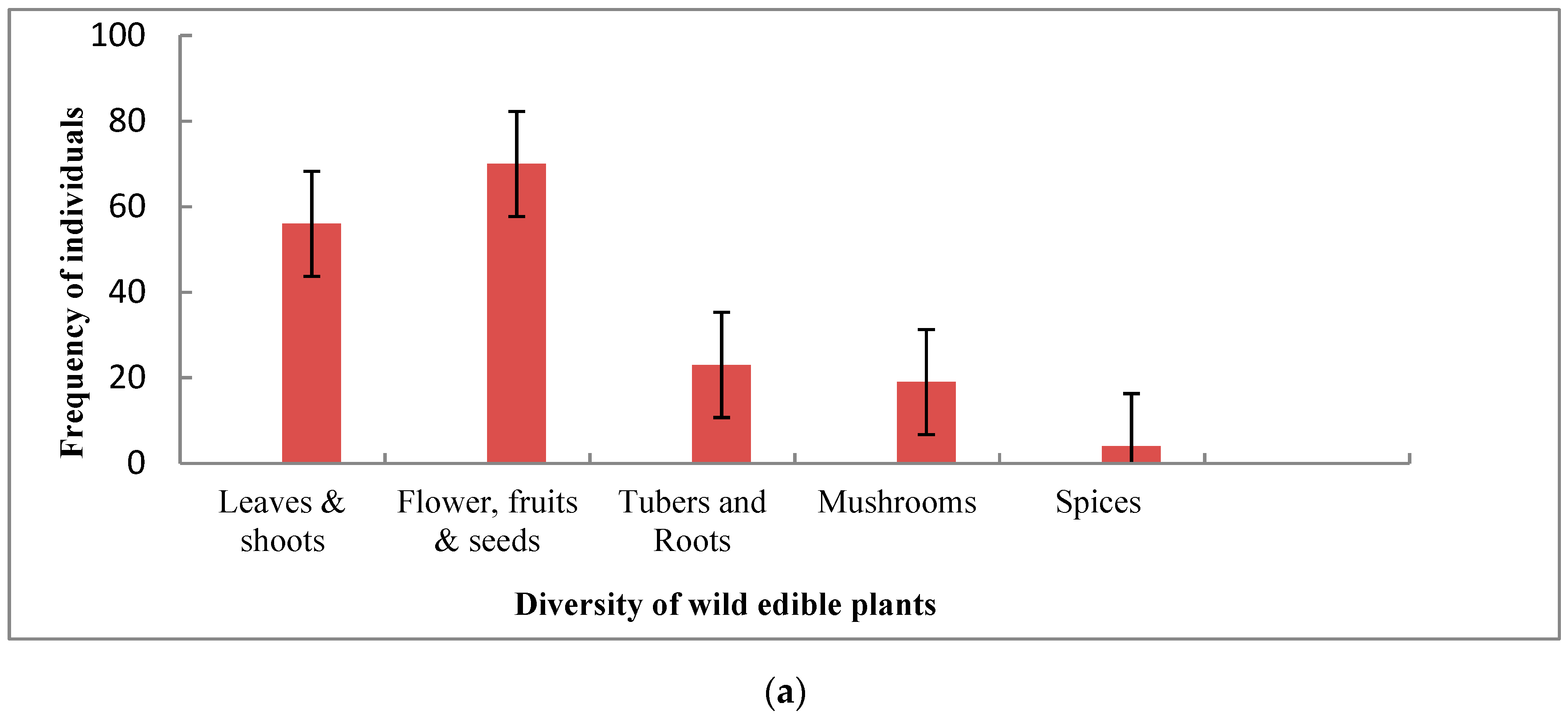
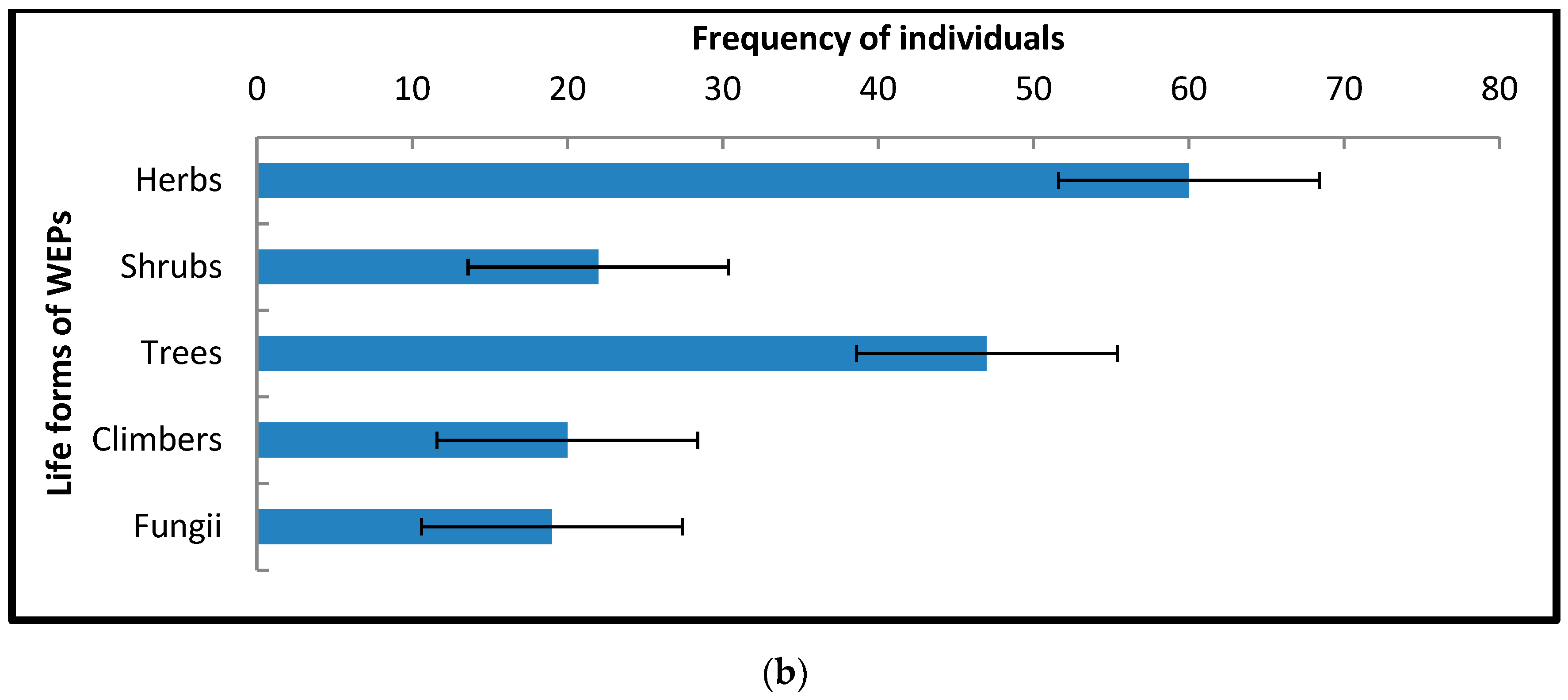
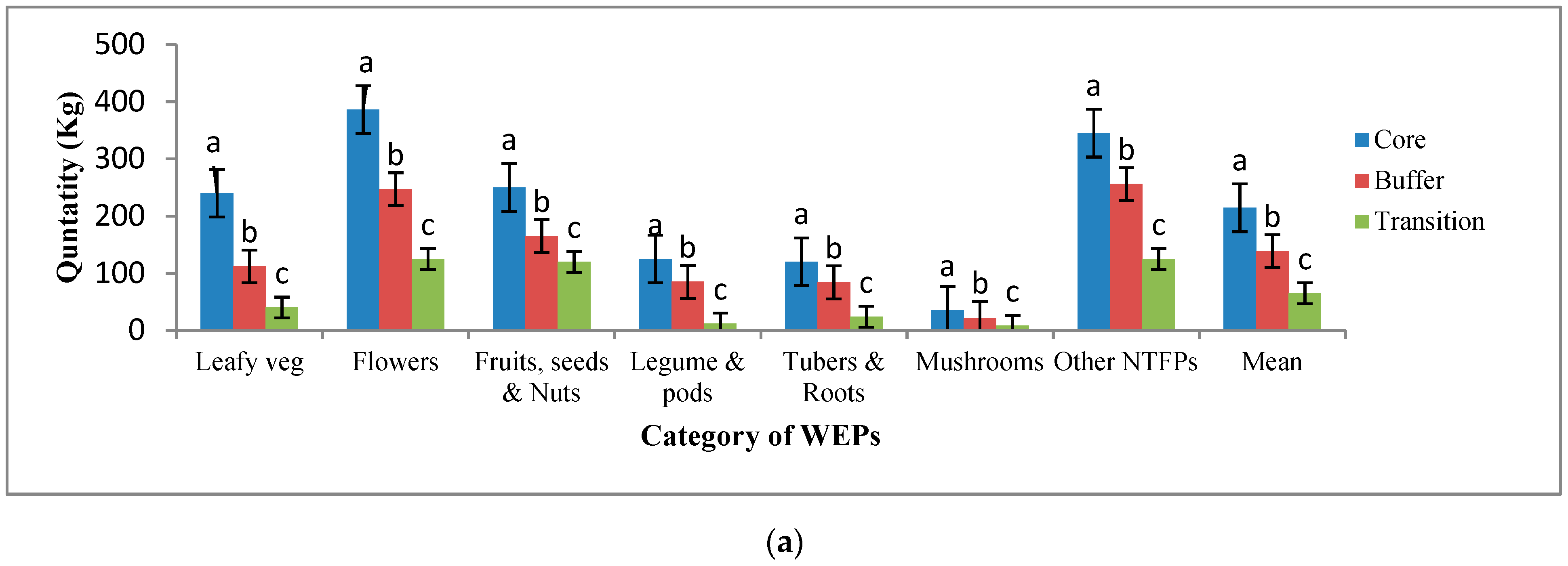
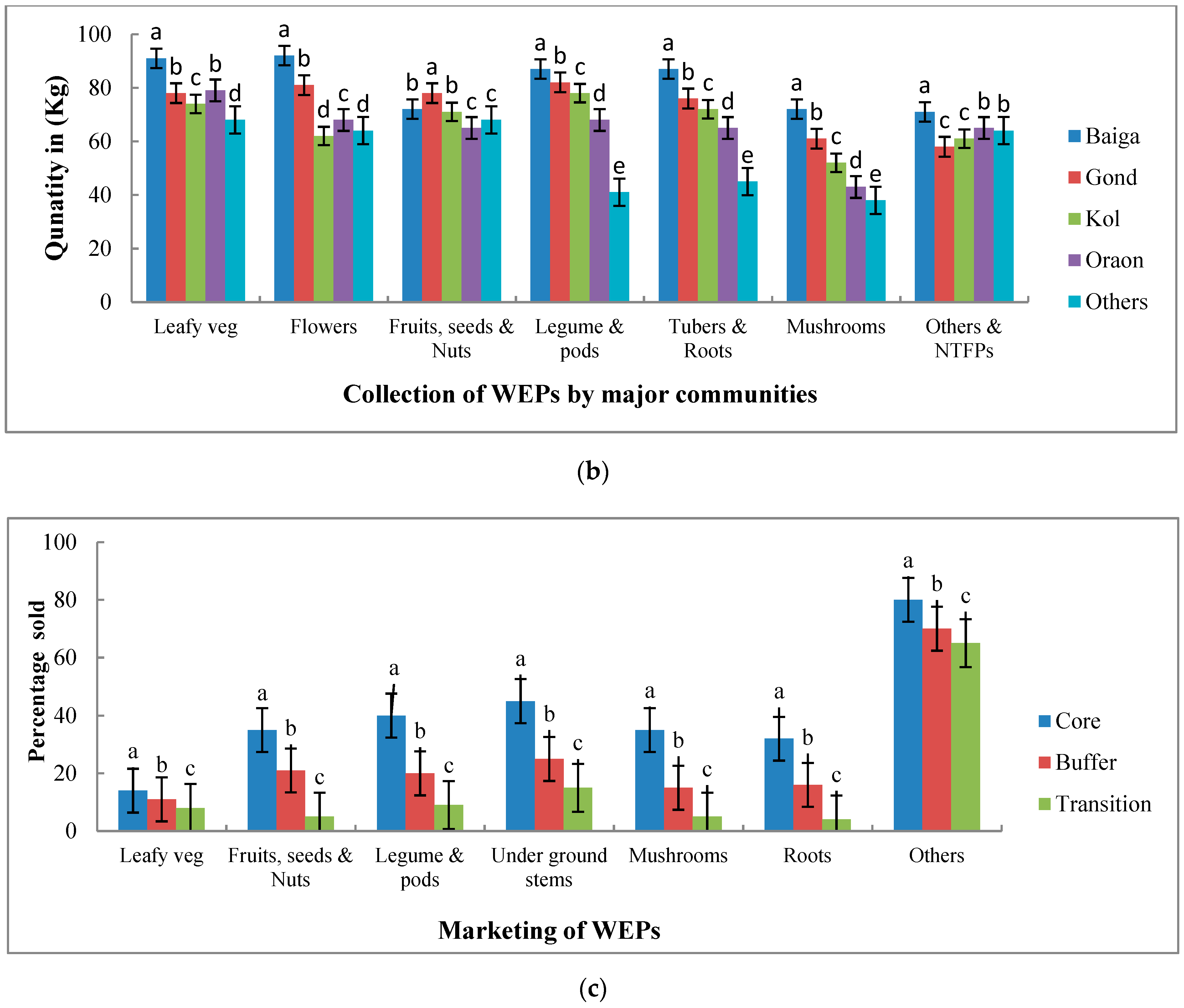
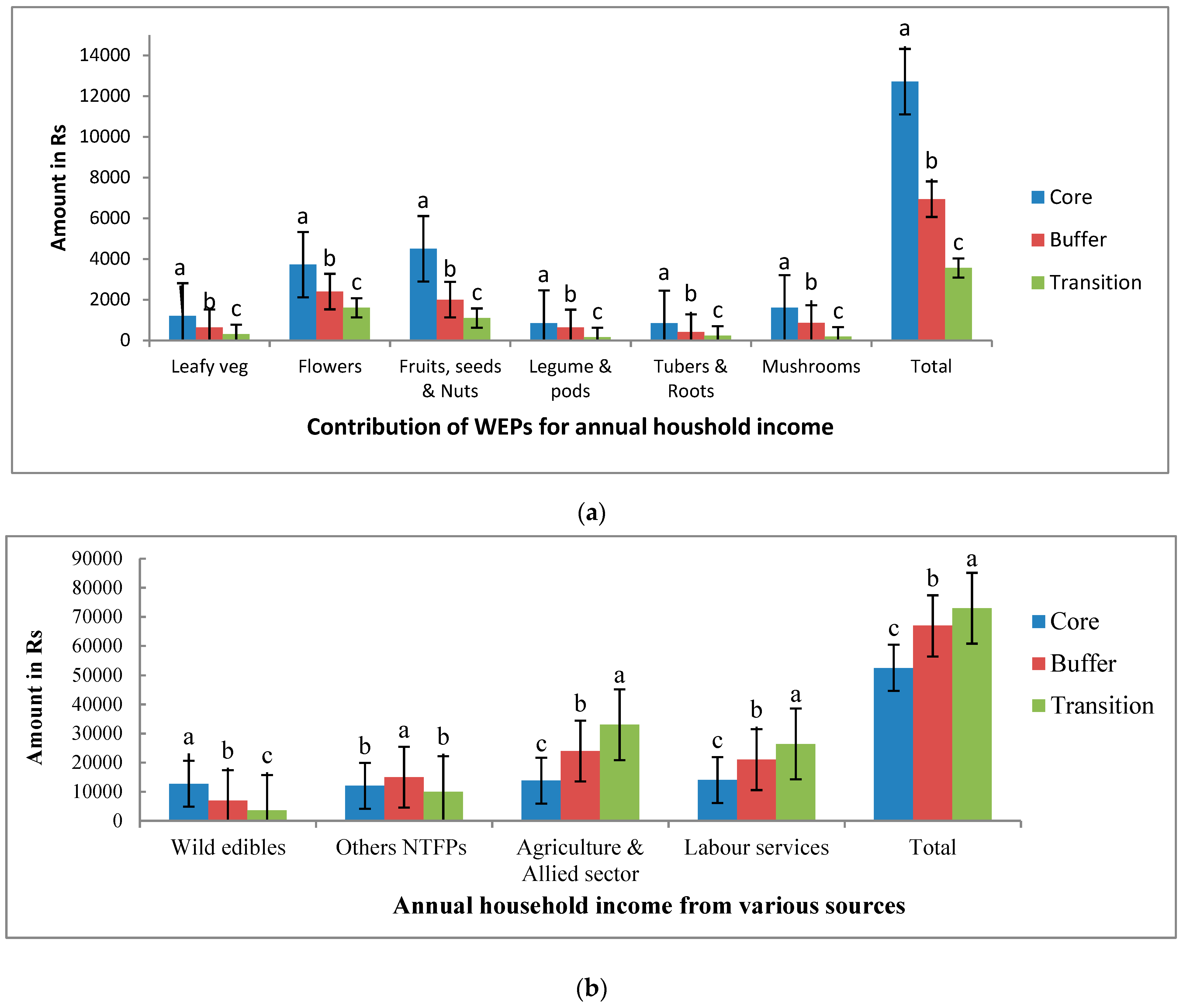
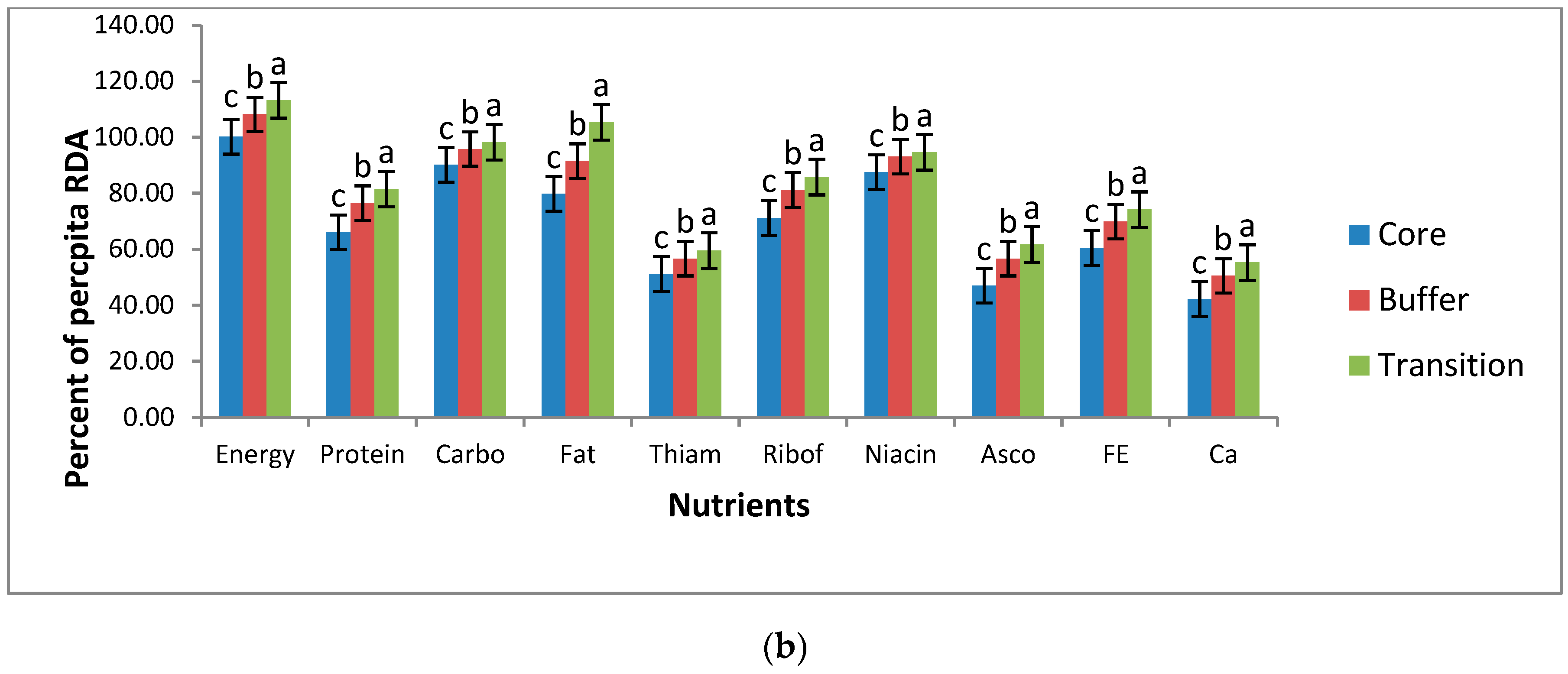
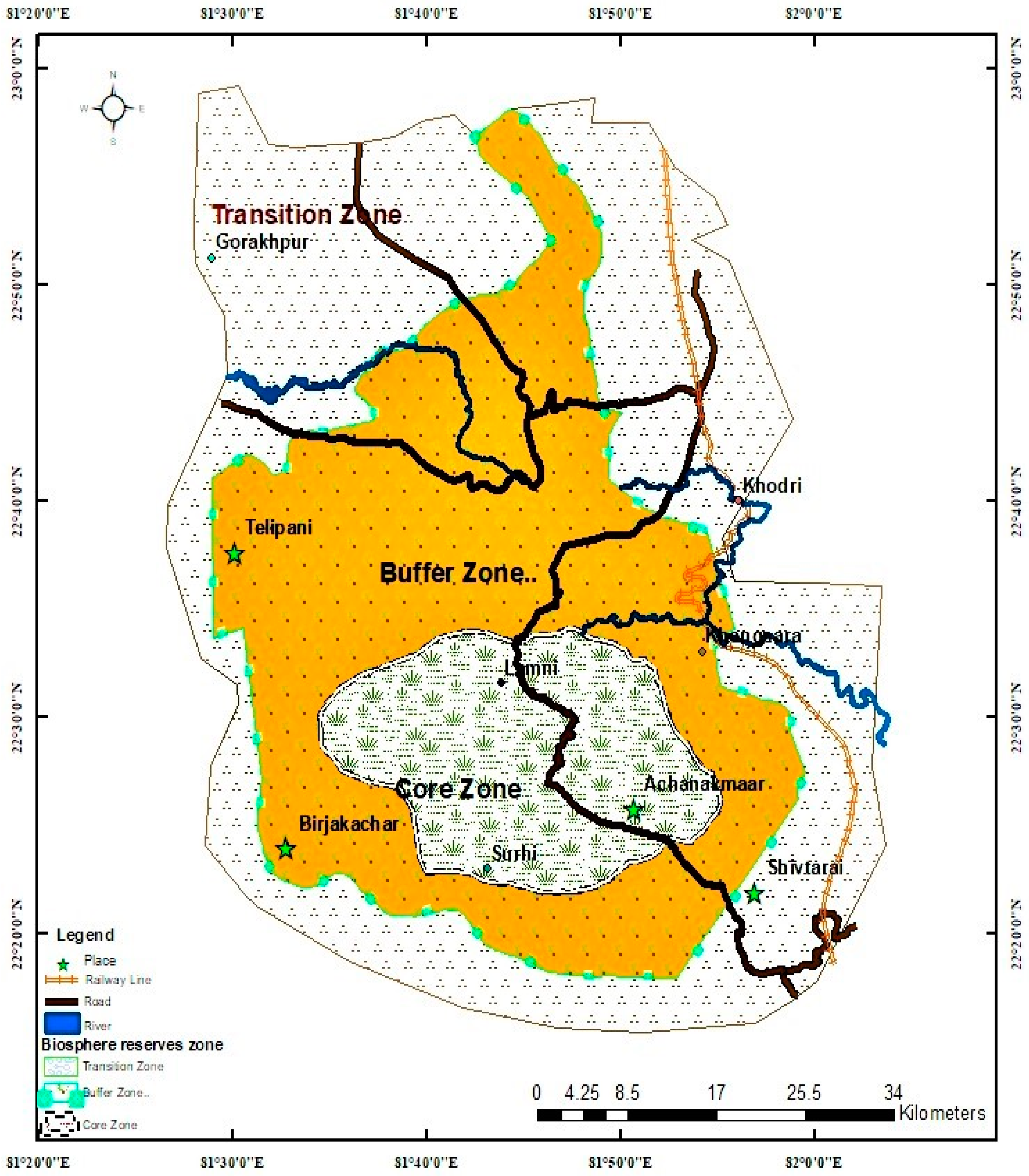
Despite significant evidence base on quantifying ecosystem services, the role of biodiversity in supporting such services in diversified landscapes, and how indigenous communities exploit, utilize and manage plant resources in a biocultural regime, remains understudied. This study examines the role of wild edible plants (WEPs) in meeting the food, nutrition and household income of indigenous communities under the biodiversity rich landscape of the Achanakmaar-Amarkantak Biosphere Reserve (AABR—22°15′ to 22°58′ N latitudes and 81°25′ to 82°5′ East longitudes) of Central India. Results revealed remarkable differences among Baiga, Gond, Kol, and Oraon ethnic communities and also location (core, buffer and transition) effect on utilization pattern of wild edibles. A sum total of 172 WEPs comprising 60 vegetables, 70 fruits, seeds and nuts, 23 underground tubers and 19 mushrooms were collected, consumed, and surplus were marketed by the communities. On average, the number of wild edibles collected annually by households were in the following quantities: 40–240 kg leafy vegetables, 125–386 kg flowers, 120–250 kg fruits, 12–125 kg legumes, 24–120 kg tubers, 5–35 kg mushrooms. Among ethnic groups, the Baiga primitive community utilized 70–90% followed by Gonds (58–81%), Kols (52–78%), Oraons (43–79%), and other communities (38–68%) in different zones. WEPs have contributed to 5–24% (Rs 3559- 12,710) of household income, which was highest in the core zone and lowest in the transition zone. It was observed that WEPs were complemented the diets rather than being a substitute for staple foods. They supplied only 3.7–8.3% of energy and 1.1–4.9% protein requirements; however, they significantly supplemented ascorbic acid, thiamine, calcium, and iron by 38.1–73%, 13.7–35.4%, 17.2–29.1%, 2.6–13.5%, respectively. Significantly higher quantities of nutrients were supplemented in the core zone compared to other zones. WEPs were currently underutilized (less intake) especially in buffer and transition zones, complementing the staple foods and partially supplementing the essential macro- and micro-nutrients. However, these have the potential to fulfill the dietary needs and ensure balanced nutrition, if consumed in recommended portions and sizes. The paper discusses policy implications that ensure coherence and coordination of local indigenous communities for conservation and sustainable utilization of WEPs of AABR, Central India.
Keywords: biodiversity; food security; ecosystem services; Sustainable Development Goals (SDG); wild edible plants biodiversity; food security; ecosystem services; Sustainable Development Goals (SDG); wild edible plants