Skip Content
You are currently on the new version of our website. Access the old version .
InorganicsInorganics
  • Article
  • Open Access

14 December 2025

Influence of Counterions and Cyclopentadienyl Substituents on the Catalytic Activity of Ferrocenium Cations in Propargylic Substitution Reactions


and
Department of Chemistry and Biochemistry, University of Missouri-St. Louis, One University Boulevard, St. Louis, MO 63121, USA
*
Author to whom correspondence should be addressed.
This article belongs to the Section Organometallic Chemistry

Abstract

Ferrocenium catalysis is a growing field of research. This study investigates the catalytic activity of different ferrocenium salts in propargylic substitution reactions to afford propargylic ethers. Four different ferrocenium catalysts were employed in the title reaction, which was monitored over time. The rate of the disappearance of the starting material can be fitted to a first order rate law and observed rate constants were determined. The catalyzed propargylic substitution reactions display a moderate but discernible dependence on the ferrocenium counterion. The lack of an induction period for the reaction indicates that the ferrocenium cation itself is catalytically active, and not just a decomposition product thereof, which would result in an induction period. The presence of a carboxylic acid substituent on one of the cyclopentadienyl rings enhances catalytic activity. The Meyer–Schuster rearrangement of the propargylic alcohol to the corresponding conjugated enone played only a minor role in the ferrocenium-catalyzed reactions. Catalyst decomposition moderately retards the reaction but does not suppress product formation, as demonstrated by experiments with aged FcBF4. In contrast, the presence of TEMPO as a radical scavenger completely inhibits product formation, while not causing detectable catalyst decomposition at room temperature. In turn, FeCl3 catalyzes both the propargylic substitution and the Meyer–Schuster rearrangement equally and decomposes the catalysis product over time. These findings reinforce the notion that strong Lewis acids readily promote the rearrangement of propargylic alcohols and that Lewis acidity plays a crucial role in finding a balance between the substitution reactions of propargylic alcohols and their rearrangement to unsaturated aldehydes.

1. Introduction

Iron catalysis has emerged over the past two decades as a compelling alternative to other transition metal catalysts, e.g., based on palladium or ruthenium [1,2,3]. Iron is valued for its low cost, high natural abundance, low toxicity, and environmental compatibility, and is steadily gaining ground in mainstream catalysis [4,5,6]. Its use is in accordance with the principles of Green Chemistry [5,7] with the prospect of being adopted in industrial applications [8].
In most cases, iron is employed either in the form of simple salts, such as FeCl2 [9], FeCl3 [10], Fe(OTf)2 [11], or Fe(OTf)3 [12], or as coordination complexes with open or readily accessible coordination sites [13,14]. Notable applications of complexes include their use in polymerization [13,15], cross-coupling [16,17,18,19], cycloaddition [20], and oxidation reactions [21,22]. However, many iron(III) salts, such as FeCl3, are sensitive to moisture, and the synthesis of certain iron complexes can involve lengthy procedures. Research for tunable, easily accessible iron-containing platforms is ongoing.
The structure of ferrocene was elucidated in 1952 [23,24], and since then, both ferrocene and its corresponding ferrocenium cations have been extensively studied across diverse areas of chemistry [25], including electrochemistry [26], nonlinear optics [27,28], biological activity [29,30,31], materials science [32], and as platforms for ligands for transition metals [33,34,35,36]. Ferrocene itself, and especially ferrocenium cations (or derivatives thereof) have lately also increasingly been employed in catalysis [37,38]. The ferrocenium cation is easily accessible from ferrocene or its derivatives by oxidation, using oxidants such as FeCl3 [39], silver triflate [40], or p-benzoquinone [41]. Ferrocenium cations are benchtop-stable, and some of its salts are commercially available. Although increasingly utilized in catalysis, mechanistic investigations are scarce, presumably in part due to the paramagnetic nature of Fe(III) salts, making NMR investigations difficult.
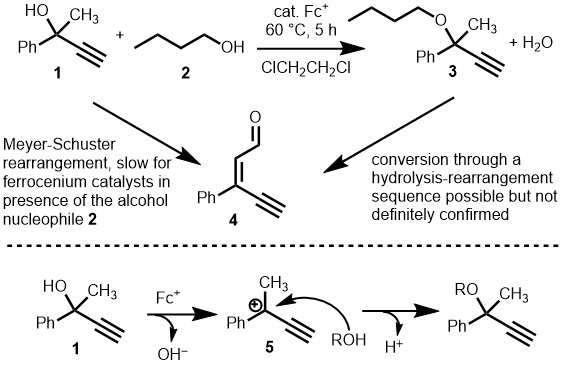
Propargylic alcohols (such as 1 in Scheme 1) are important starting materials in the synthesis of complex organic molecules [42,43]. They feature an alcohol and alkyne unit in close proximity, allowing for further functionalization. The substitution of the OH group in propargylic alcohols is insofar of interest, as propargylic alcohols are easily accessible; however, the OH group is a poor leaving group and propargylic alcohols must be activated for substitution. Several catalysis systems have been suggested for the propargylic substitution reactions of propargylic alcohols [44]; however, iron-based catalyst systems for the reaction are still scarce [45,46].
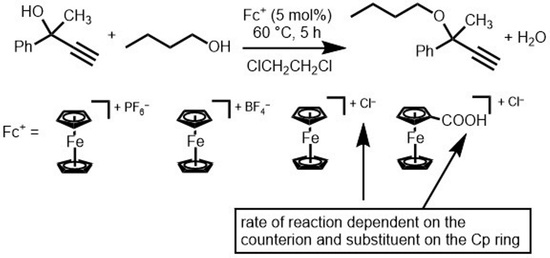
Scheme 1. Reaction landscape for propargylic alcohols and mechanistic picture.
During our long-term interest in the catalytic activity of propargylic alcohols, we discovered that the ferrocenium cation catalyzes the substitution of the OH group in propargylic alcohols (such as 1) by alcohol nucleophiles (such as 2) to afford propargylic ethers 3 (Scheme 1) [45,46]. Certain propargylic ethers display biological activity [47]. We assume an ionic mechanism and that the ferrocenium cation serves as a Lewis acid, albeit we have not performed in-depth catalytic studies. The Meyer–Schuster rearrangement of propargylic alcohol 1 to the α,β-unsaturated aldehyde 4 (Scheme 1) is a reaction in its own right [42,48]; however, in the context of propargylic substitution reactions, it is a yield-diminishing side reaction. Mechanistically, we propose that the propargylic substitution reaction proceeds through the carbocation intermediate 5 (Scheme 1, bottom). This is supported by the observation that electron-donating substituents, or those that stabilize the positive charge on the central carbon atom in 5, accelerate the reaction [45]. Further mechanistic insights were obtained in this study with a radical scavenger experiment, and a radical mechanism cannot be excluded.
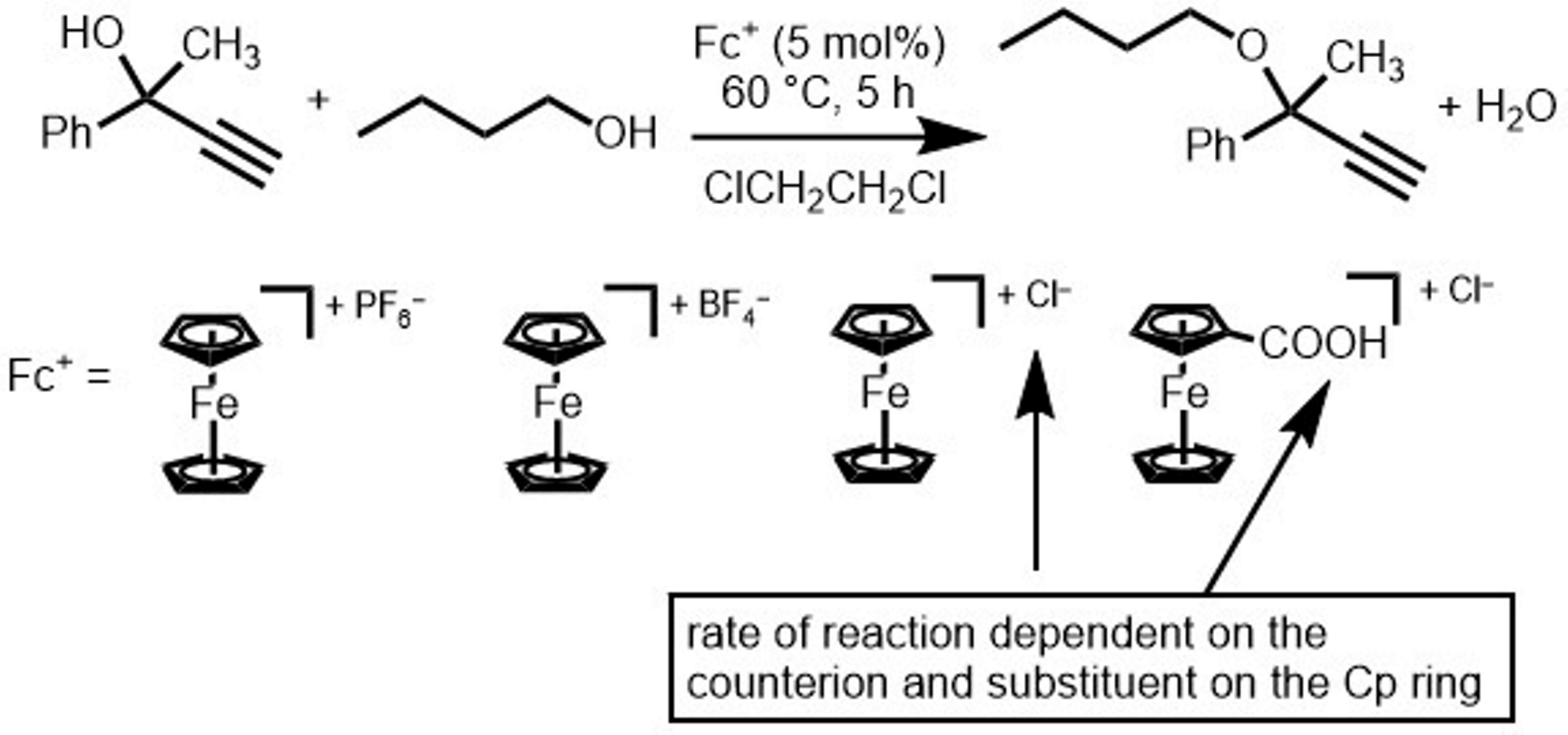
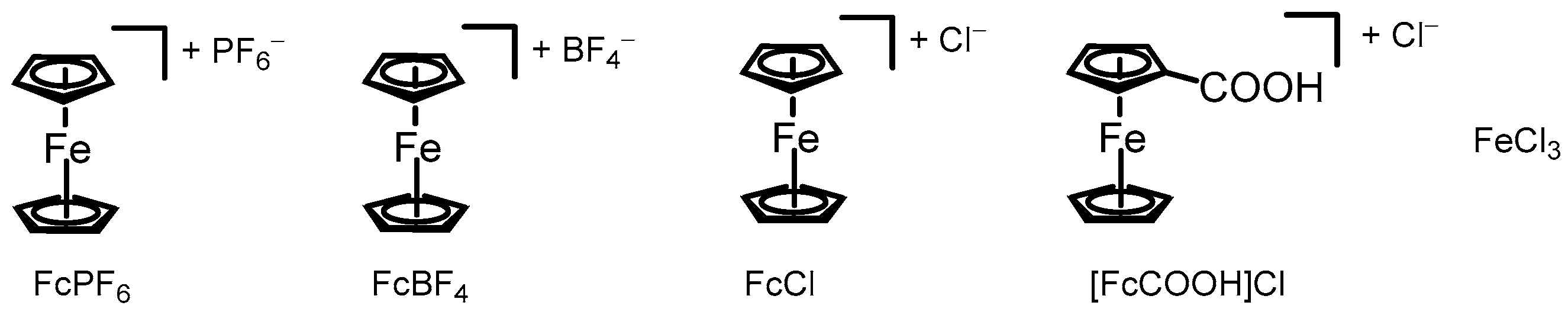
Building on our previous findings [45,46,49], this study aimed to investigate how the counterion of the ferrocenium cation and the presence of a substituent on the cyclopentadienyl (Cp) ring influence both catalytic activity and the tendency to promote the Meyer–Schuster rearrangement. It has been described before that the counterion can have an influence on catalytic activity [50,51,52]. To this end, we monitored the model propargylic substitution reaction in Scheme 1 over time and determined the rate constants for starting material consumption, using ferrocenium cations with different counterions as well as a ferrocenium salt containing a Cp-ring substituent (Figure 1). We were also interested in comparing the catalytic activity of FeCl3 with that of the ferrocenium cations. As outlined below, we found that ferrocenium-catalyzed propargylic substitution reactions exhibit a ferrocene-substituent and counterion dependence of the ferrocenium catalyst. FeCl3 displayed markedly different catalytic behavior, showing substantial activity toward the Meyer–Schuster rearrangement as well. A radical scavenger experiment was performed, establishing that a radical mechanism cannot be excluded.
Figure 1. Catalysts investigated in this study and their abbreviations.

2. Results and Discussion

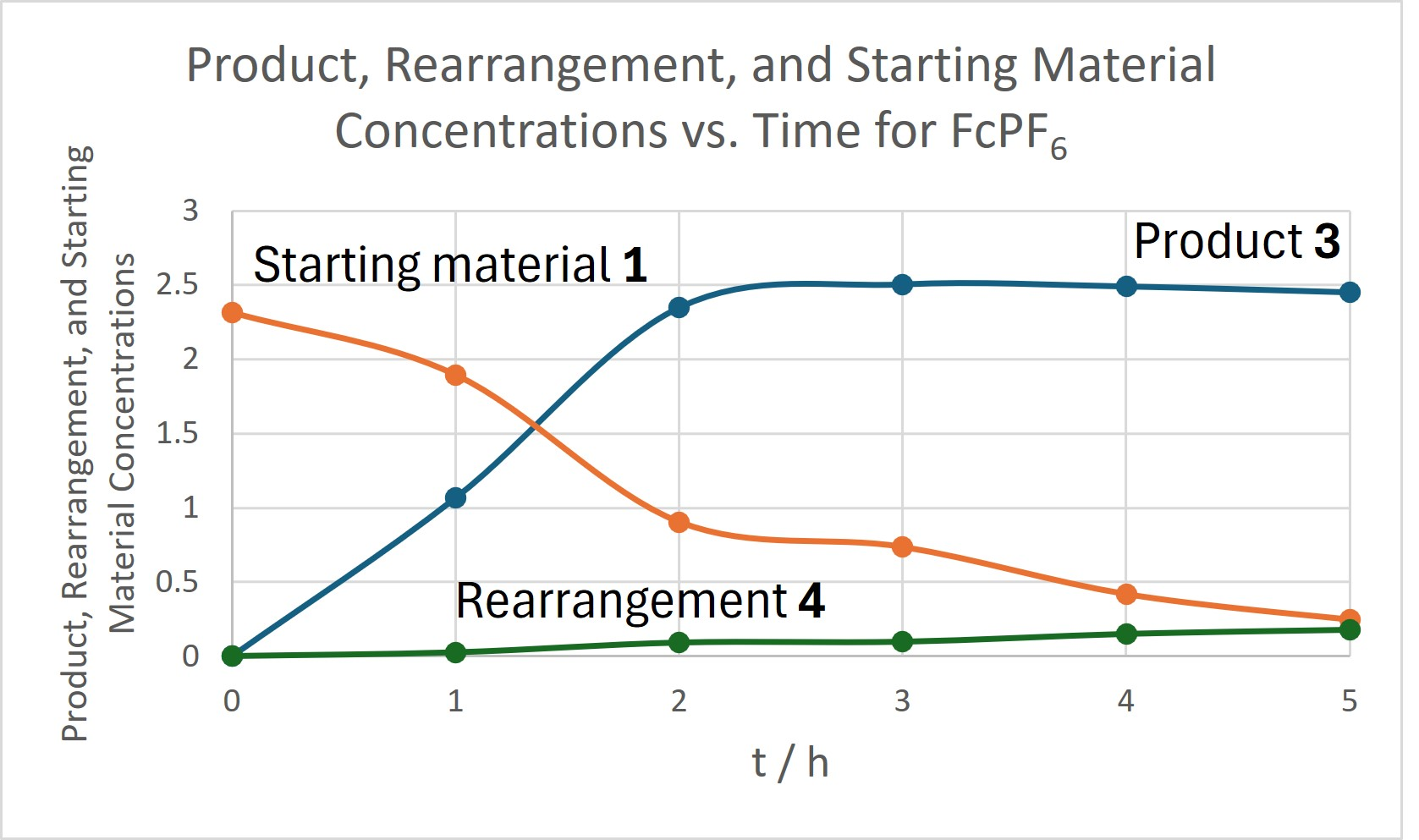
As a ferrocenium-catalyzed model reaction, we chose the etherification of propargylic alcohol 1 with butanol (2) to afford the propargylic ether product 3 (Scheme 1). The reaction, which we originally developed in CH2Cl2 as the solvent [45,46], was carried out in ClCH2CH2Cl, since a recent ban in the United States restricts most commercial uses of CH2Cl2. We found that ClCH2CH2Cl is a good replacement solvent. We performed the model reaction under strictly identical conditions at 60 °C, and it was followed over time by gas chromatography (GC) vs. an internal standard (Figure 2). The average of two or three runs was used for analysis and data presentation. Other very minor side products, which could not be identified, were also detected. Figure 2 shows, exemplified for catalyst FcPF6, the profile we observed for all ferrocenium catalysts with respect to the consumption of the starting material 1 and the formation of the product 3. The starting material 1 was consumed after at most 5 h, and the product 3 formed over time. The Meyer–Schuster rearrangement to side product 4 took place concomitantly, but at a much lower rate. The graphs for the other ferrocenium catalysts can be found in the Supplementary Materials. The rate constants of the starting material consumption and the Meyer–Schuster product formation were also determined (vide infra).
Figure 2. Formation of the substitution product 3 and the Meyer–Schuster rearrangement product 4 over time for the FcPF6 catalyst, average of three runs.
The data indicate that the ferrocenium cation is most probably catalytically active in the substitution reaction, as product formation proceeds without an induction period. It is known, though, that ferrocenium cations are not very stable in solution [49]. It cannot be ruled out that part of the catalytic activity must be attributed to the decomposition products of the ferrocenium cation or the counterion (vide infra). In contrast, the Meyer–Schuster rearrangement proceeds very slowly (Figure 2). As the reaction proceeds and substrate 1 is consumed, the formation of rearrangement product 4 is not slowed, suggesting that product 3 can also undergo hydrolysis to yield the Meyer–Schuster rearrangement product 4. Overall, however, the Meyer–Schuster rearrangement appears to play only a minor role in the catalytic behavior of the ferrocenium cation. We corroborated this finding also by 1H NMR of some of the filtered reaction mixtures, which showed only minimal amounts of the rearrangement product 4 (see 1H NMR spectrum in the Supplementary Materials). However, in the absence of an alcohol nucleophile, FcBF4 catalyzes the rearrangement [53]. This stands in sharp contrast to the behavior of FeCl3, a strong Lewis acid, which we found efficiently catalyzes the Meyer–Schuster rearrangement even in the presence of an alcohol nucleophile (vide infra).
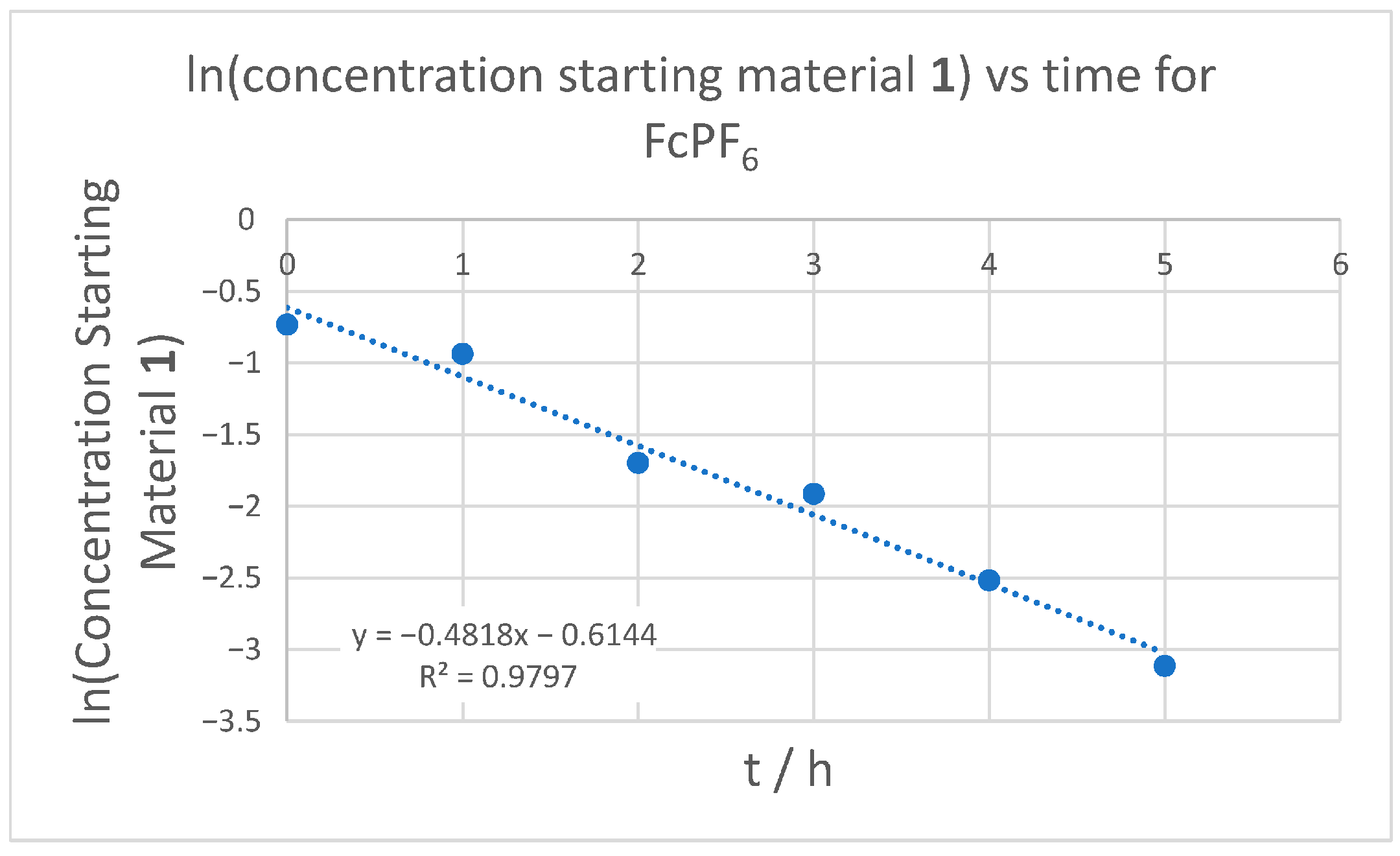
The consumption of the starting material 1 and formation of the Meyer–Schuster product 4 were plotted against time for each catalyst, exemplified in Figure 3 for the catalyst FcPF6 for the consumption of the starting material 1 (plots for the other ferrocenium catalysts can be found in the Supplementary Materials). For the consumption of the starting material, concentrations were determined by using a calibration curve. For the Meyer–Schuster rearrangement product 4, of which no authentic sample was available, concentrations were derived from the GC signal intensities normalized to the internal standard. Best linear fits were obtained from plots of ln(concentration) versus time, consistent with a (pseudo)-first order rate law. In contrast, plots of product concentration versus time failed to yield satisfactory linear correlations under any rate law assumption, likely because the competing Meyer–Schuster rearrangement complicates the kinetics of product formation. The results for the different ferrocenium salts are summarized in Table 1.
Figure 3. Plot of ln(concentration starting material 1) vs. time for FcPF6, average of three runs.
Table 1. Observed rate constants for the different catalysts.
As can be seen, the catalytic activity exhibits some moderate counterion influence. FcPF6 shows a lower observed rate constant (kobs) of 0.48 ± 0.03 h−1 compared to FcBF4 and FcCl, which show similar observed rate constants of 0.67 ± 0.04 h−1 and 0.65 ± 0.08 h−1, respectively. It appears that FcPF6 with the largest counterion exhibits the lowest reaction rate. This seems counterintuitive. We are assuming an ionic SN1 type mechanism for the reaction (Scheme 1). Larger counteranions tend to not form strong ion pairs with either the cationic catalyst or cationic intermediates, accelerating the reaction time. However, other effects, like solubility, catalyst stability, or hydrogen bonds, may also explain the differences in reactivity.
The material [FcCOOH]Cl was obtained by the oxidation of FcCOOH with SO2Cl2, as has been described before for the oxidation of ferrocene [54], and was characterized by IR and UV–vis. The carboxylic acid unit in the cationic [FcCOOH]Cl exhibits two relatively sharp peaks around 3400 cm−1 compared to the neutral FcCOOH, which exhibits a very broad stretch ranging from 2400 to 3200 cm−1, as is usual for carboxylic acids. The cationic [FcCOOH]+ may prevent dimerization, which is a common cause for the broad lines of carboxylic acids in their IR spectra. In the UV spectra, for the starting material FcCOOH, an intense band at 420 nm was observed, which is common for neutral ferrocene species. Upon oxidation, this band disappeared, and a new band appeared at 620 nm, which is diagnostic for cationic Fe(III) ferrocenium species [55].
The ferrocenium complex [FcCOOH]Cl was subsequently employed in the same propargylic substitution reactions as the other ferrocenium catalysts. It performed the best in the series, with an observed rate constant of 2.75 ± 0.03 h−1, which is more than four times the rate constant of the other three catalysts. With [FcCOOH]Cl as the catalyst, the starting material 1 was consumed after 3 h. At the same time, the complex has a low tendency to catalyze the Meyer–Schuster rearrangement, with an observed rate constant of 0.16 ± 0.02 h−1, which is of the same order of magnitude as for FcBF4 and FcCl. The enhanced reactivity of [FcCOOH]Cl may be connected to the electron-withdrawing carboxylic acid group on one of the two cyclopendadienyl rings of the ferrocenium cation. It may make the ferrocenium cation more Lewis acidic. To what extent the carboxylic acid group contributes to the enhanced catalytic activity cannot be resolved at this point. However, it is not the carboxylic acid or its proton alone that catalyzes the reaction, because the neutral FcCOOH barely shows catalytic activity. A cooperative effect cannot be excluded, though. In order to verify the catalytic activity of [FcCOOH]Cl in the title reaction, a catalysis experiment was performed with that catalyst, and the product was isolated in 64% yield (Scheme 2).
Scheme 2. Catalytic reaction between propargylic alcohol 1 and butanol (2) to afford the product 3 with [FcCOOH]Cl as the catalyst.
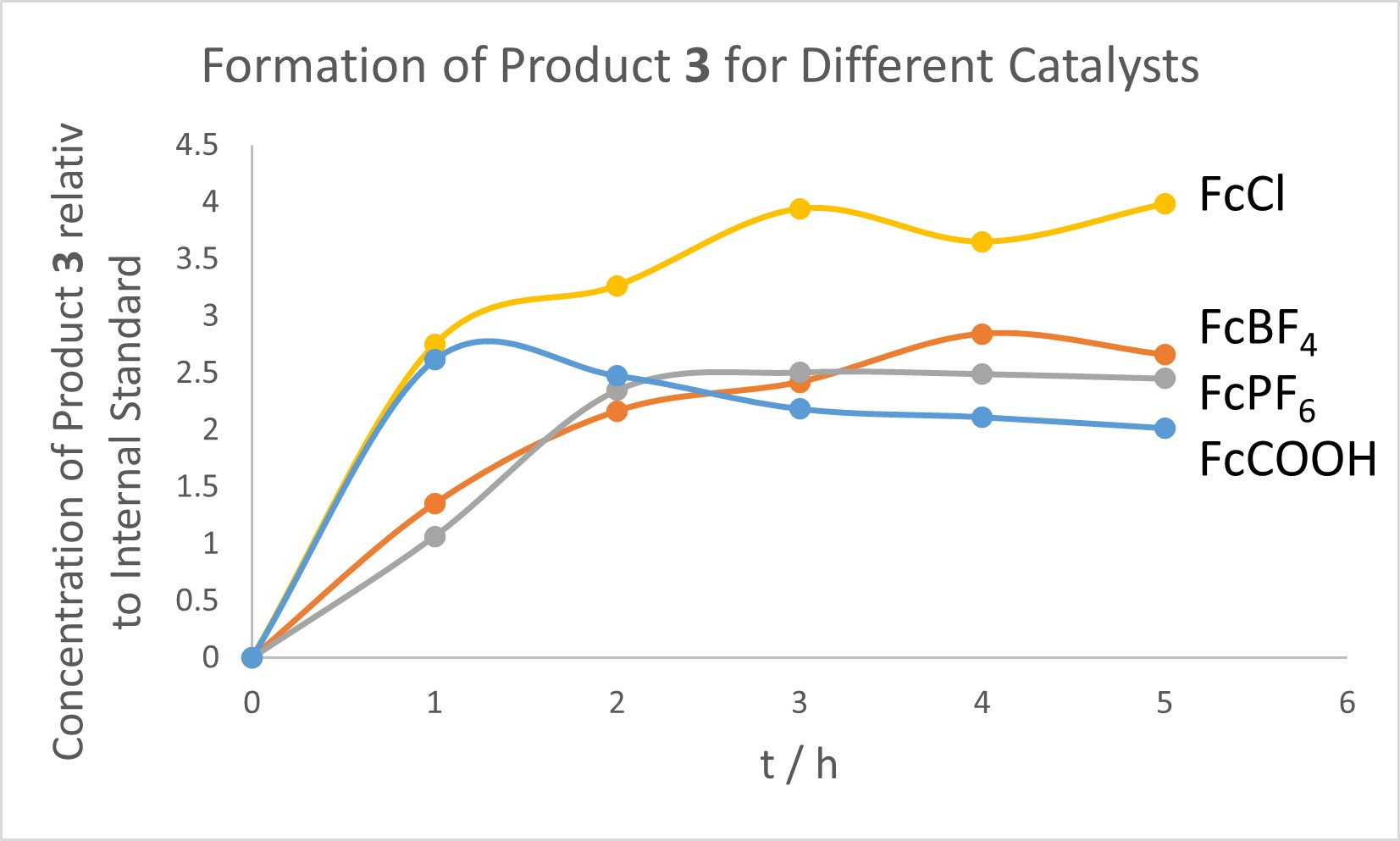
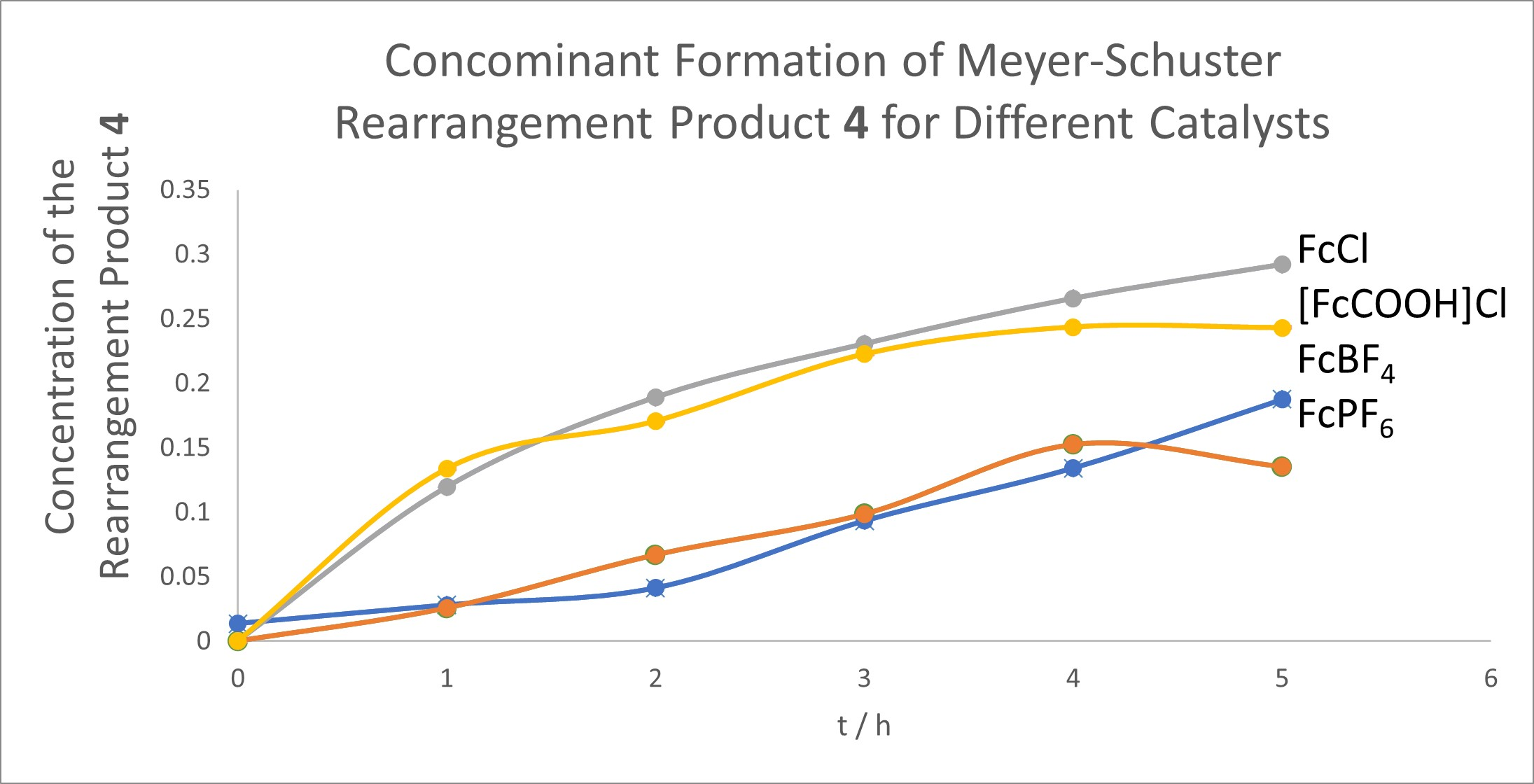
Still, the data in Table 1 also indicate that the reaction landscape of the reaction is complex and are in part contradictory, as can be seen in Figure 4 and Figure 5. Figure 4 shows the formation of product 3 and Figure 5 shows the formation of the Meyer–Schuster rearrangement product 4 over time for the different catalysts. The rate constants for the disappearance of the starting material are higher than for the formation of the Meyer–Schuster rearrangement in Table 1, as expected, but not by much. It cannot be excluded that the Meyer–Schuster rearrangement proceeds through a different rate law, utilizes a different catalytically active species, and may also work with the product 3 as starting material. Still, as can be seen in Figure 4, FcCl accumulates the highest amount of product in solution during the reaction, and so does [FcCOOH]Cl initially, reflecting their larger rate constants for the disappearance of the starting material 1 compared to the other catalysts. However, the amount of product is declining for [FcCOOH]Cl over time below the levels of all other catalysts, which could indicate that the catalyst also catalyzes the formation of the Meyer–Schuster rearrangement of product 3 to afford 4 by hydrolysis. It also cannot be excluded that the [FcCOOH]Cl decomposes the product 3 to a species that cannot be detected by GC, further complicating rate laws and the determination of rate constants.
Figure 4. Formation of the substitution product 3 over time for different catalysts, average of three runs.
Figure 5. Formation of the Meyer–Schuster rearrangement product 4 over time for different catalysts, average of three runs.
In turn, catalysts FcCl and [FcCOOH]Cl form higher amounts of the Meyer–Schuster rearrangement product 4 (Figure 5), despite the lower observed rate constants for the formation of 4 compared to the other catalysts. It appears that the catalysts FcBF4 and FcPF6 form the rearrangement product 4 slower, and with an induction period, whereas the catalysts FcCl and [FcCOOH]Cl form it faster and without an induction period. It is well established in battery research that BF4 and PF6 can undergo decomposition, potentially producing HF [56,57]. The induction period observed in Figure 5 for the two catalysts bearing these counterions may therefore indicate that their decomposition products, like HF, themselves are catalytically active. The larger observed rate constant for the consumption of the starting material with the catalysts FcCl and [FcCOOH]Cl may be related to the fact that they also concomitantly produce the Meyer–Schuster rearrangement products, and a conversion of the product 3 to the rearrangement product 4 may also occur over time. Still, the different catalysts have a different propensity to produce the Meyer–Schuster rearrangement product 4. As mentioned before, the reactions may also produce side products that are not detectable by GC, such as oligomers or polymers, which could influence the overall amount of product formed during the reaction.
Further mechanistic studies were conducted to better understand the reaction pathway. To assess whether catalyst decomposition contributes under the reaction conditions, a sample of the FcBF4 catalyst was first heated in ClCH2CH2Cl at 60 °C for 90 min prior to substrate addition. The reaction progress was then monitored by GC under the same conditions used for the other experiments. A noticeable decrease in the initial rate of product formation was observed (see graph in the Supplementary Material). However, after 5 h the overall product concentration was only marginally lower than that obtained with the fresh catalyst, indicating that the “aged” material retains substantial catalytic activity.
Although we propose an ionic reaction pathway, we sought to probe the possible involvement of radical intermediates by conducting the catalytic reaction under the conditions shown in Table 1 for FcBF4 in the presence of 20 mol% TEMPO ((2,2,6,6-tetramethylpiperidin-1-yl)oxyl) as a radical scavenger. Under these conditions, product formation was almost completely suppressed. However, radical scavengers may also simply deactivate the catalyst itself. Upon the addition of TEMPO to a solution of FcBF4, the characteristic absorbance at 620 nm persisted at room temperature (see UV–vis spectra in the Supplementary Information). It remains possible that the reaction proceeds through an ionic pathway under the actual reaction conditions (60 °C and in the presence of the substrates). Further experiments are needed to establish a mechanism for the reaction. Nevertheless, the possible involvement of radical species in the reaction cannot be excluded.
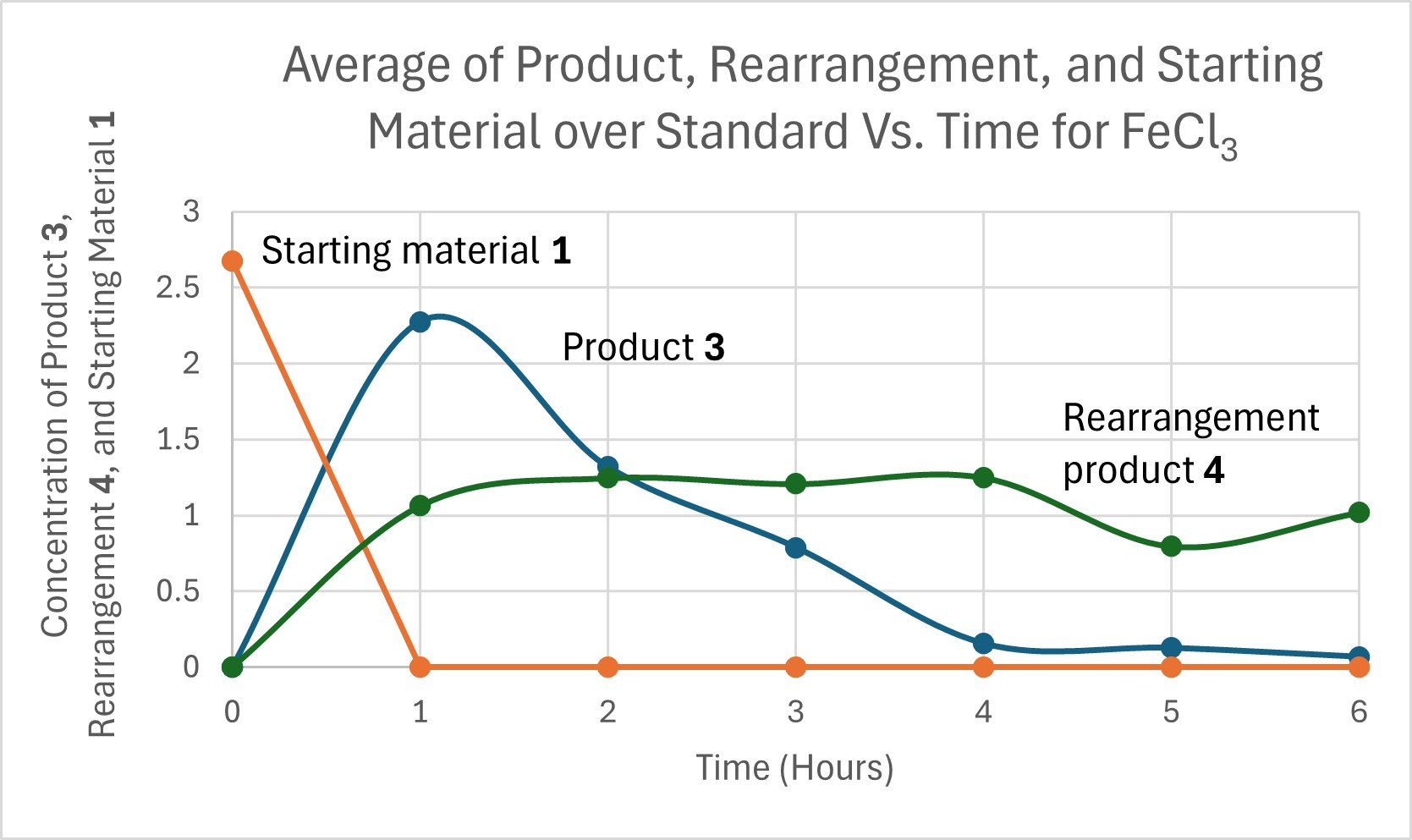
We also were interested in determining how FeCl3 behaves in the propargylic substitution reactions. It is known that Fe(III) salts catalyze the etherification of simple alcohols [58] and the Meyer–Schuster rearrangement [59]. When we employed it as the catalyst for the same model reaction under identical conditions, the propargylic starting material 1 was consumed after only one hour of reaction time (Figure 6). Although the substitution product 3 was formed, a significant portion of the reaction mixture after one hour consisted of the Meyer–Schuster rearrangement product 4, in contrast to the results obtained with the ferrocenium catalysts. Moreover, over time, the substitution product 3 gradually disappeared from the reaction mixture, while the Meyer–Schuster rearrangement product 4 persisted at a nearly constant level. It seems that the strong Lewis acid FeCl3 has a much stronger tendency to catalyze the Meyer–Schuster rearrangement compared to the ferrocenium catalysts in this study, which are less Lewis acidic. FeCl3 may also form HCl in solution through the reaction with the butanol nucleophile, and Brønsted acids such as sulfuric acid are also catalytically active in the Meyer–Schuster rearrangement [60]. The observed decrease in product 3 over time, with the Meyer–Schuster product 4 remaining largely unchanged, suggests that 3 undergoes decomposition to species that are either undetectable by GC analysis or removed during sample preparation by filtration, such as oligomeric or polymeric material. These findings are consistent with the FeCl3-catalyzed propargylic substitution reactions reported in the literature, which employed primarily internal alkynes lacking an acidic ≡C-H proton and employed stronger N-nucleophiles [61] or the alcohol nucleophile in an excess [62]. Under such conditions, the Meyer–Schuster rearrangement may be slowed.
Figure 6. Formation of the substitution product 3 and the Meyer–Schuster rearrangement product 4 over time for FeCl3 as the catalyst, average of two runs.
The Meyer–Schuster rearrangement is known to be catalyzed by a wide variety of Lewis acids [48]. In this study, the ferrocenium cation itself exhibits only limited ability to promote the rearrangement when participating in propargylic substitution reactions. Nonetheless, the rearrangement product is detected, albeit at a much lower rate, for the ferrocenium catalysts compared to FeCl3. It appears that for the ferrocenium-catalyzed title reaction, there is an interplay between the observed rate constant for the consumption of the starting material 1, the propensity of the catalyst to produce the Meyer–Schuster rearrangement product 4, and the acidity of the catalyst. The more Lewis and Brønsted acid catalysts [FcCOOH]Cl and FeCl3 seem to be more active in the consumption of the starting material, but they also produce a higher amount of the Meyer–Schuster rearrangement product. An optimum catalyst appears to be on the fine line of not being too acidic, but acidic enough to produce the carbocation intermediate that most likely forms during the catalytic cycle.

3. Experimental Section

General: Commercial 2-phenylbut-3-yn-2-ol (1), n-butanol, ferrocenium hexafluorophosphate (FcPF6), ferrocenium tetrafluoroborate (FcBF4), dodecane, TEMPO, ClCH2CH2Cl (all Sigma-Aldrich, St. Louis, MO, USA), and silica gel 60 (70–230 mesh, SiliCycle, Québec City, QC, Canada) were used as received. FcCl was synthesized according to the literature [54]. The CH2ClCH2Cl solvent (Sigma-Aldrich, St. Louis, MO, USA) was filtered through silica gel prior to use. The NMR spectra were obtained at room temperature on a Bruker Avance 300 MHz instrument (Bruker, Billerica, MA, USA) and referenced a residual solvent signal. IR spectra were recorded on a Thermo Nicolet 670 FTIR (Thermo Nicolet, Waltham, MA, USA). UV–vis spectra were recorded on a 528 microLAB FASTspec instrument (microLAB, Bozeman, MT, USA). GC measurements were performed on a HP 5890 instrument (Hewlett-Packard, Palo Alto, CA, USA).
Synthesis of [FcCOOH]Cl: Ferrocene carboxylic acid (FcCOOH, 0.500 g, 2.17 mmol) was dissolved in CH2Cl2 (3 mL). SO2Cl2 (0.6 g, 4.4 mmol) was added to the solution, and a dark blue precipitated formed. The precipitate was filtered off, washed with diethyl ether, and dried under high vacuum to afford [FcCOOH]Cl as a dark blue powder, (0.350 g, 1.32 mmol, 61%). IR (ATR, neat): ṽ = 3525 (s), 3487 (s), 3117 (w), 1635 (s) cm−1; UV–vis (acetone): λmax (ε) = 616 nm (213 M−1 cm−1).
GC experiments: 2-phenylbut-3-yn-2-ol (0.700 g, 4.79 mmol), 1-butanol (0.532 g, 7.19 mmol), the ferrocenium catalyst (0.24 mmol, 5 mol%), and dodecane as an internal standard (0.230 g, 1.350 mmol) were combined in ClCH2CH2Cl (10 mL). The solution was partitioned into three vials that were kept at 60 °C in a heating block. After the specified time, an aliquot of the reaction mixture was filtered through a short pad of silica gel; the pad was rinsed with CH2Cl2 (0.7 mL), and a GC was subsequently recorded. In the GC analysis, signal intensities were normalized to the internal standard to obtain concentrations, and the corresponding data were used for the plots in the Figures and for the determination of the rate constants of the Meyer–Schuster rearrangements. For the determination of the observed rate constants of the starting material 1, a calibration curve to determine concentrations was utilized. The average of three runs was utilized for data analysis. Data analysis was performed using Excel for Microsoft 365. Experiments with FeCl3 as the catalyst were performed under identical conditions.
Radical scavenger experiments: 2-phenylbut-3-yn-2-ol (0.700 g, 4.79 mmol), 1-butanol (0.532 g, 7.19 mmol), FcBF4 (0.065 g, 0.24 mmol, 5 mol%), and dodecane as an internal standard (0.230 g, 1.350 mmol) were combined in ClCH2CH2Cl (10 mL) and TEMPO ((2,2,6,6-tetramethylpiperidin-1-yl)oxyl, 0.150 g, 0.96 mmol) was added. The solution was partitioned into three vials that were kept at 60 °C in a heating block. After the specified time, an aliquot of the reaction mixture was filtered through a short pad of silica gel; the pad was rinsed with CH2Cl2 (0.7 mL), and a GC was subsequently recorded. No product peak was detected in the reaction mixture within four hours reaction time. UV–vis experiment: A 1 mmol solution of FcBF4 in CH2Cl2 was prepared, and a UV–vis spectrum was recorded. TEMPO (2 equivalents) were added, and UV–vis spectra were recorded. The diagnostic absorbance for ferrocenium cations at 620 nm persisted for at least 90 min; spectra are provided in the Supplementary Material.
Experiment with “aged” FcBF4: An experiment with FcBF4 was conducted under the same conditions as the other catalytic runs, with the sole difference that the catalyst was preheated in ClCH2CH2Cl at 60 °C for 90 min prior to substrate addition. The corresponding GC trace is provided in the Supplementary Material.
Preparative synthesis of propargylic ether3: In a screwcap pressure vial, 2-phenylbut-3-yn-2-ol (0.100 g, 0.685 mmol) was dissolved in ClCH2CH2Cl (1.5 mL). n-Butanol (0.076 g, 1.03 mmol) and [FcCOOH]Cl (0.011 g, 0.042 mmol) were added, and the sealed vial was heated at 60 °C for 2 h. The reaction mixture was filtered through a short pad of silica gel, and the pad was rinsed with CH2Cl2 (4 mL) to obtain the product as an orange-colored oil (0.088 g, 0.435 mmol, 64%). The 1H NMR and IR data matched values in the literature [46].

4. Conclusions

Overall, we determined that ferrocenium-catalyzed propargylic substitution reactions display a moderate but discernible dependence on the counterion. The lack of an induction period for the reaction indicates that the ferrocenium cation itself is catalytically active, and not just a decomposition product thereof. The rate of the disappearance of the starting material can be fitted to a first order rate law, suggesting that the rate-determining step is the formation of a carbocation intermediate. Notably, the presence of a carboxylic acid substituent on one of the cyclopentadienyl rings significantly enhances catalytic activity. Aged FcBF4 showed slightly lower catalytic activity, and the presence of a radical scavenger suppressed the reaction. FeCl3 catalyzes both the propargylic substitution and the Meyer–Schuster rearrangement equally. Furthermore, the FeCl3 catalyst decomposes the catalysis product over time. These findings reinforce the notion that strong Lewis acids readily promote the rearrangement of propargylic alcohols and that Lewis acidity plays a crucial role in finding a balance between the substitution reactions of propargylic alcohols and their rearrangement to unsaturated aldehydes.

Supplementary Materials

The following supporting information can be downloaded at https://www.mdpi.com/article/10.3390/inorganics13120407/s1, Supplementary materials to this article (kinetic plots for all entries in Table 1, UV–vis and IR spectra of the catalyst [FcCOOH]Cl, 1H NMR spectra of a crude reaction mixture, 1H NMR and IR spectra of catalysis product 3 synthesized in Scheme 2, UV–vis spectra of the radical scavenger experiment, and the GC trace of the experiment with the aged FcBF4 catalyst).

Author Contributions

Conceptualization, E.B.B.; Methodology, E.B.B.; Formal analysis, E.B.B.; Investigation, A.B.W.; Data curation, A.B.W.; Writing—original draft, E.B.B.; Writing—review & editing, A.B.W.; Supervision, E.B.B. All authors have read and agreed to the published version of the manuscript.

Funding

The support of this research by funds from the Banavali Green and Sustainable Chemistry Fund in Arts and Science at the University of Missouri—Saint Louis is gratefully acknowledged.

Institutional Review Board Statement

Not applicable.

Data Availability Statement

The original contributions presented in this study are included in the article/Supplementary Material. Further inquiries can be directed to the corresponding author.

Conflicts of Interest

The authors declare no conflict of interest.

References

  1. Casnati, A.; Lanzi, M.; Cera, G. Recent advances in asymmetric iron catalysis. Molecules 2020, 25, 3889. [Google Scholar] [CrossRef]
  2. Bauer, I.; Knölker, H.-J. Iron catalysis in organic synthesis. Chem. Rev. 2015, 115, 3170–3387. [Google Scholar] [CrossRef]
  3. Bauer, E.B. (Ed.) Iron Catalysis II; Springer: New York, NY, USA, 2015. [Google Scholar]
  4. Bauer, E.B. (Ed.) Iron Catalysis: Historic Overview and Current Trends. In Iron Catalysis II; Topics in Organometallic Chemistry; Springer: Cham, Germany, 2015; Volume 50, pp. 1–18. [Google Scholar]
  5. Bisz, E.; Szostak, M. Iron-Catalyzed C–O Bond Activation: Opportunity for Sustainable Catalysis. ChemSusChem 2017, 10, 3964–3981. [Google Scholar] [CrossRef]
  6. Rana, S.; Biswas, J.P.; Paul, S.; Paik, A.; Maiti, D. Organic synthesis with the most abundant transition metal–iron: From rust to multitasking catalysts. Chem. Soc. Rev. 2021, 50, 243–472. [Google Scholar] [CrossRef]
  7. Anastas, P.; Eghbali, N. Green chemistry: Principles and practice. Chem. Soc. Rev. 2010, 39, 301–312. [Google Scholar] [CrossRef]
  8. Piontek, A.; Bisz, E.; Szostak, M. Iron-catalyzed cross-couplings in the synthesis of pharmaceuticals: In pursuit of sustainability. Angew. Chem. Int. Ed. 2018, 57, 11116–11128. [Google Scholar] [CrossRef] [PubMed]
  9. Ding, X.-H.; Li, H.; Cui, Z.; Yu, C.-H.; Xu, W.-Y.; Qiao, E.-J.; Jin, W.-B.; Lyu, X.; Miao, C.-B.; Yang, H.-T. Iron-Catalyzed Double Annulation of O-Acyl Oximes with Fumaronitrile for the Synthesis of 4-Cyano-7-azaindoles. Org. Lett. 2025, 27, 6157–6162. [Google Scholar] [CrossRef]
  10. Lee, H.; He, T.; Cook, S.P. Iron-catalyzed, directed benzylic borylation. Org. Lett. 2023, 25, 1–4. [Google Scholar] [CrossRef]
  11. Lu, H.; Zhou, C.; Wang, Z.; Kato, T.; Liu, Y.; Maruoka, K. Fe-Catalyzed Three-Component Coupling Reaction of α, β, γ, δ-Unsaturated Carbonyl Compounds and Conjugate Dienes with Alkylsilyl Peroxides and Nucleophiles. J. Org. Chem. 2022, 87, 8824–8834. [Google Scholar] [CrossRef] [PubMed]
  12. Sun, J.-T.; Li, X.; Zhang, Y.; Liu, X.-L.; Wei, B.G. Fe(OTf)3-Catalyzed Diastereoselective Synthesis of α-Aminophosphonates via Phosphorylation of N,O-Acetals. J. Org. Chem. 2025, 90, 12371–12384. [Google Scholar] [CrossRef] [PubMed]
  13. Emayavaramban, B.; Chakraborty, P.; Dahiya, P.; Sundararaju, B. Iron-Catalyzed α-Methylation of Ketones Using Methanol as the C1 Source under Photoirradiation. Org. Lett. 2022, 24, 6219–6223. [Google Scholar] [CrossRef]
  14. Hashmi, O.H.; Champouret, Y.; Visseaux, M. Highly active iminopyridyl iron-based catalysts for the polymerization of isoprene. Molecules 2019, 24, 3024. [Google Scholar] [CrossRef] [PubMed]
  15. Burcher, B.; Breuil, P.A.R.; Magna, L.; Olivier-Bourbigou, H. Iron-catalyzed oligomerization and polymerization Reactions. In Iron Catalysis II; Springer International Publishing: Cham, Germany, 2015; pp. 217–257. [Google Scholar]
  16. Mills, L.R. Iron-Catalyzed Kumada Arylation of Aliphatic Alcohol-Derived Electrophiles via Sulfonate-to-Halide Substitution. Organometallics 2025, 44, 858–865. [Google Scholar] [CrossRef]
  17. Diao, H.; Chen, Y.; Liu, F. Iron-Catalyzed Cross-Dehydrogenative Coupling. Molecules 2025, 30, 250. [Google Scholar] [CrossRef]
  18. Sears, J.D.; Neate, P.G.N.; Neidig, M.L. Intermediates and Mechanism in Iron-Catalyzed Cross-Coupling. J. Am. Chem. Soc. 2018, 140, 11872–11883. [Google Scholar] [CrossRef]
  19. Fürstner, A. Iron Catalyzed C–C-Bond Formation: From Canonical Cross Coupling to a Quest for New Reactivity. Bull. Chem. Soc. Jpn. 2021, 94, 666–677. [Google Scholar] [CrossRef]
  20. Wang, C.X.; Wan, B.S. Recent advances in the iron-catalyzed cycloaddition reactions. Chin. Sci. Bull. 2012, 57, 2338–2351. [Google Scholar] [CrossRef]
  21. Olivo, G.; Cussó, O.; Costas, M. Biologically inspired C–H and C=C oxidations with hydrogen peroxide catalyzed by iron coordination complexes. Chem. Asian J. 2016, 11, 3148–3158. [Google Scholar] [CrossRef]
  22. Bauer, E.B. Recent advances in iron catalyzed oxidation reactions of organic compounds. Isr. J. Chem. 2017, 57, 1131–1150. [Google Scholar] [CrossRef]
  23. Štěpnička, P. Forever young: The first seventy years of ferrocene. Dalton Trans. 2017, 51, 8085–8102. [Google Scholar] [CrossRef] [PubMed]
  24. Wilkinson, G.; Rosenblum, M.; Whiting, M.C.; Woodward, R.B. The structure of iron bis-cyclopentadienyl. J. Am. Chem. Soc. 1952, 74, 2125–2126. [Google Scholar] [CrossRef]
  25. Rauf, U.; Shabir, G.; Bukhari, S.; Albericio, F.; Saeed, A. Contemporary developments in ferrocene chemistry: Physical, chemical, biological and industrial aspects. Molecules 2023, 28, 5765. [Google Scholar] [CrossRef]
  26. Connelly, N.G.; Geiger, W.E. Chemical redox agents for organometallic chemistry. Chem. Rev. 1996, 96, 877–910. [Google Scholar] [CrossRef]
  27. Limosani, F.; Tessore, F.; Di Carlo, G.; Forni, A.; Tagliatesta, P. Nonlinear optical properties of porphyrin, fullerene and ferrocene hybrid materials. Materials 2021, 14, 4404. [Google Scholar] [CrossRef]
  28. Kaur, S.; Kaur, M.; Kaur, P.; Clays, K.; Singh, K. Ferrocene chromophores continue to inspire. Fine-tuning and switching of the second-order nonlinear optical response. Coord. Chem. Rev. 2017, 343, 185–219. [Google Scholar] [CrossRef]
  29. Larik, F.A.; Saeed, A.; Fattah, T.A.; Muqadar, U.; Channar, P.A. Recent advances in the synthesis, biological activities and various applications of ferrocene derivatives. Appl. Organomet. Chem. 2017, 31, 3664. [Google Scholar] [CrossRef]
  30. Cybulski, M.; Michalak, O.; Buchowicz, W.; Mazur, M. Ansa–Ferrocene Derivatives as Potential Therapeutics. Molecules 2024, 29, 4903. [Google Scholar] [CrossRef]
  31. Ludwig, B.S.; Correia, J.D.; Kühn, F.E. Ferrocene derivatives as anti-infective agents. Coord. Chem. Rev. 2019, 396, 22–48. [Google Scholar] [CrossRef]
  32. Khan, A.; Wang, L.; Yu, H.; Haroon, M.; Ullah, R.S.; Nazir, A.; Elshaarani, T.; Usman, M.; Fahad, S.; Haq, F. Research advances in the synthesis and applications of ferrocene-based electro and photo responsive materials. Appl. Organomet. Chem. 2018, 32, 4575. [Google Scholar] [CrossRef]
  33. Young, D.J.; Chien, S.W.; Hor, T.A. 1,1’-Bis(diphenylphosphino)ferrocene in functional molecular materials. Dalton Trans. 2012, 41, 12655–12665. [Google Scholar] [CrossRef]
  34. Miner, N.E.; Nataro, C. Hydroamination and carboxylative cyclization reactions catalyzed by of gold(I) compounds with 1,1′-bis(phosphino)metallocene ligands. J. Organomet. Chem. 2022, 963, 22283. [Google Scholar] [CrossRef]
  35. Leiby, I.S.; Parparcén, V.; Ding, N.; Kunz, K.J.; Wolfarth, S.A.; Stevens, J.E.; Nataro, C. Cleavage of [Pd2 (PP)2(μ-Cl)2][BArF24]2 (PP = Bis (phosphino) ferrocene, BArF24 = Tetrakis (3,5-bis (trifluoromethyl) phenyl) borate) with Monodentate Phosphines. Molecules 2024, 29, 2047. [Google Scholar] [CrossRef]
  36. Weigand, S.; Sünkel, K. 2-Pyridylmetallocenes, Part IX. Sulphur-Substituted 2-Pyridylferrocene: Synthesis and Reactivity towards Pt(II) and Hg(II). Molecules 2024, 29, 4884. [Google Scholar] [CrossRef] [PubMed]
  37. Toma, Š.; Šebesta, R. Applications of ferrocenium salts in organic synthesis. Synthesis 2015, 47, 1683–1695. [Google Scholar] [CrossRef]
  38. Bauer, E.B. Recent catalytic applications of ferrocene and ferrocenium cations in the syntheses of organic compounds. Molecules 2024, 29, 5544. [Google Scholar] [CrossRef]
  39. Bakke, A.A.; Jolly, W.L.; Pinsky, B.L.; Smart, J.C. Unusual Charge Distributions in Some Bis(fulvalene)dimetal complexes As Revealed by X-ray Photoelectron Spectroscopy. Inorg. Chem. 1979, 18, 1343–1345. [Google Scholar] [CrossRef]
  40. Curley, J.J.; Bergman, R.G.; Tilley, T.D. Preparation and physical properties of early-late heterobimetallic compounds featuring Ir–M bonds (M = Ti, Zr, Hf). Dalton Trans. 2012, 41, 192–200. [Google Scholar] [CrossRef]
  41. Bradley, S.; Camm, K.D.; Liu, X.; McGowan, P.C.; Mumtaz, R.; Oughton, K.A.; Podesta, T.J.; Thornton-Pett, M. Synthesis and Structural Studies of 1,1′-Bis-Amino-Functionalized Ferrocenes, Ferrocene Salts, and Ferrocenium Salts. Inorg. Chem. 2002, 41, 715–726. [Google Scholar] [CrossRef] [PubMed]
  42. Bauer, E.B. Transition metal catalyzed functionalization of propargylic alcohols and their derivatives. Synthesis 2012, 44, 1131–1151. [Google Scholar] [CrossRef]
  43. Ayers, B.J.; Chan, P.W.H. Harnessing the versatile reactivity of propargyl alcohols and their derivatives for sustainable complex molecule synthesis. Synlett 2015, 26, 1305–1339. [Google Scholar] [CrossRef]
  44. Roy, R.; Saha, S. Scope and advances in the catalytic propargylic substitution reaction. RSC Adv. 2018, 8, 31129–31193. [Google Scholar] [CrossRef] [PubMed]
  45. Talasila, D.S.; Queensen, M.J.; Barnes-Flaspoler, M.; Jurkowski, K.; Stephenson, E.; Rabus, J.M.; Bauer, E.B. Ferrocenium Cations as Catalysts for the Etherification of Cyclopropyl-Substituted Propargylic Alcohols: Ene-yne Formation and Mechanistic Insights. Eur. J. Org. Chem. 2019, 7348–7358. [Google Scholar] [CrossRef]
  46. Queensen, M.Q.; Rabus, J.M.; Bauer, E.B.J. Ferrocenium Hexafluorophosphate as an Inexpensive, Mild Catalyst for the Etherification of Propargylic Alcohols. Mol. Cat. A Chem. 2015, 407, 221–229. [Google Scholar] [CrossRef]
  47. Hunyadi, A.; Martins, A.; Danko, B.; Chuang, D.W.; Trouillas, P.; Chang, F.R.; Wu, Y.C.; Falkay, G. Discovery of the first non-planar flavonoid that can strongly inhibit xanthine oxidase: Protoapigenone 1′-O-propargyl ether. Tetrahedron Lett. 2013, 54, 6529–6532. [Google Scholar] [CrossRef]
  48. Roy, D.; Tharra, P.; Baire, B. Intercepted Meyer–Schuster rearrangements in organic synthesis. Asian J. Org. Chem. 2018, 7, 1015–1032. [Google Scholar] [CrossRef]
  49. Jurkowski, K.; Bauer, E.B. Ferrocenium Ions as Catalysts: Decomposition Studies and Counteranion Influence on Catalytic Activity. Synthesis 2021, 53, 2007–2014. [Google Scholar]
  50. Schießl, J.; Schulmeister, J.; Doppiu, A.; Wörner, E.; Rudolph, M.; Karch, R.; Hashmi, A.S.K. An Industrial Perspective on Counter Anions in Gold Catalysis: Underestimated with Respect to “Ligand Effects”. Adv. Synth. Catal. 2018, 360, 2493–2502. [Google Scholar] [CrossRef]
  51. Jia, M.; Bandini, M. Counterion Effects in Homogeneous Gold Catalysis. ACS Catal. 2015, 5, 1638–1652. [Google Scholar] [CrossRef]
  52. Lu, Z.; Li, T.; Mudshinge, S.R.; Xu, B.; Hammond, G.B. Optimization of Catalysts and Conditions in Gold(I) Catalysis-Counterion and Additive Effects. Chem. Rev. 2021, 121, 8452–8477. [Google Scholar] [CrossRef]
  53. Bauer, E.B. Kinetic study of iron (III)-catalyzed reactions via near-IR spectroscopy. Discov. Catal. 2025, 2, 4. [Google Scholar] [CrossRef]
  54. Adams, J.J.; Arulsamy, N.; Sullivan, B.P.; Roddick, D.M.; Neuberger, A.; Schmehl, R.H. Homoleptic tris-diphosphine Re(I) and Re(II) complexes and Re(II) photophysics and photochemistry. Inorg. Chem. 2015, 54, 11136–11149. [Google Scholar] [CrossRef]
  55. Watanabe, M.; Sato, K.; Motoyama, I.; Sano, H. Mössbauer Studies of Bridged Ferrocenophane Derivative’s Polyiodides. Chem. Lett. 1983, 12, 1775–1778. [Google Scholar] [CrossRef]
  56. Kraft, V.; Weber, W.; Grützke, M.; Winter, M.; Nowak, S. Study of decomposition products by gas chromatography-mass spectrometry and ion chromatography-electrospray ionization-mass spectrometry in thermally decomposed lithium hexafluorophosphate-based lithium ion battery electrolytes. RSC Adv. 2015, 5, 80150–80157. [Google Scholar] [CrossRef]
  57. Spotte-Smith, E.W.C.; Petrocelli, T.B.; Patel, H.D.; Blau, S.M.; Persson, K.A. Elementary decomposition mechanisms of lithium hexafluorophosphate in battery electrolytes and interphases. ACS Energy Lett. 2022, 8, 347–355. [Google Scholar] [CrossRef]
  58. Sahoo, P.K.; Gawali, S.S.; Gunanathan, C. Iron-catalyzed selective etherification and transetherification reactions using alcohols. ACS Omega 2018, 3, 124–136. [Google Scholar] [CrossRef] [PubMed]
  59. Ríos-Lombardía, N.; Cicco, L.; Yamamoto, K.; Hernández-Fernández, J.A.; Morís, F.; Capriati, V.; García-Álvarez, J.; González-Sabín, J. Deep eutectic solvent-catalyzed Meyer–Schuster rearrangement of propargylic alcohols under mild and bench reaction conditions. Chem. Commun. 2020, 56, 15165–15168. [Google Scholar] [CrossRef] [PubMed]
  60. Teral, Y.; Roubaud, G.; Aubert, C.; Faure, R.; Campredon, M. Synthesis and NMR Spectroscopic Characterization of Some Fluoro-2H-1-Benzopyran Derivatives. Aust. J. Chem. 2005, 58, 517–521. [Google Scholar] [CrossRef]
  61. Liu, X.T.; Ding, Z.C.; Ju, L.C.; Tang, Z.N.; Wu, F.; Zhan, Z.P. Iron(III) chloride catalyzed nucleophilic substitution of tertiary propargylic alcohols and synthesis of Iodo-3H-pyrazoles. Synlett 2017, 28, 620–624. [Google Scholar] [CrossRef]
  62. Zhan, Z.P.; Yu, J.L.; Liu, H.J.; Cui, Y.Y.; Yang, R.F.; Yang, W.Z.; Li, J.P. A general and efficient FeCl3-catalyzed nucleophilic substitution of propargylic alcohols. J. Org. Chem. 2006, 71, 8298–8301. [Google Scholar] [CrossRef]
Disclaimer/Publisher’s Note: The statements, opinions and data contained in all publications are solely those of the individual author(s) and contributor(s) and not of MDPI and/or the editor(s). MDPI and/or the editor(s) disclaim responsibility for any injury to people or property resulting from any ideas, methods, instructions or products referred to in the content.

Article Metrics

Citations

Article Access Statistics

Multiple requests from the same IP address are counted as one view.