Article

Towards Microbial Food Safety of Sprouts: Photodynamic Decontamination of Seeds


1
Laboratory of Photodynamic Inactivation of Microorganisms, Department of Biosciences and Medical Biology, Paris Lodron University of Salzburg, Hellbrunnerstr. 34, 5020 Salzburg, Austria
2
Suncor AgroScience, 2489 North Sheridan Way, Mississauga, ON L5K1A8, Canada
*
Author to whom correspondence should be addressed.
Photonics 2023, 10(3), 239; https://doi.org/10.3390/photonics10030239

Submission received: 30 January 2023 / Revised: 16 February 2023 / Accepted: 18 February 2023 / Published: 22 February 2023

Abstract

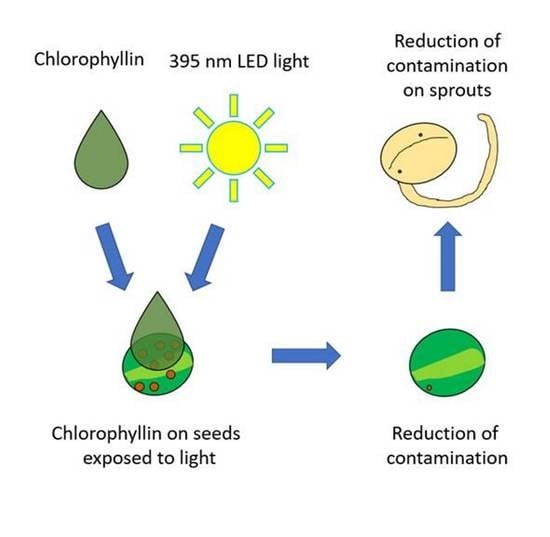
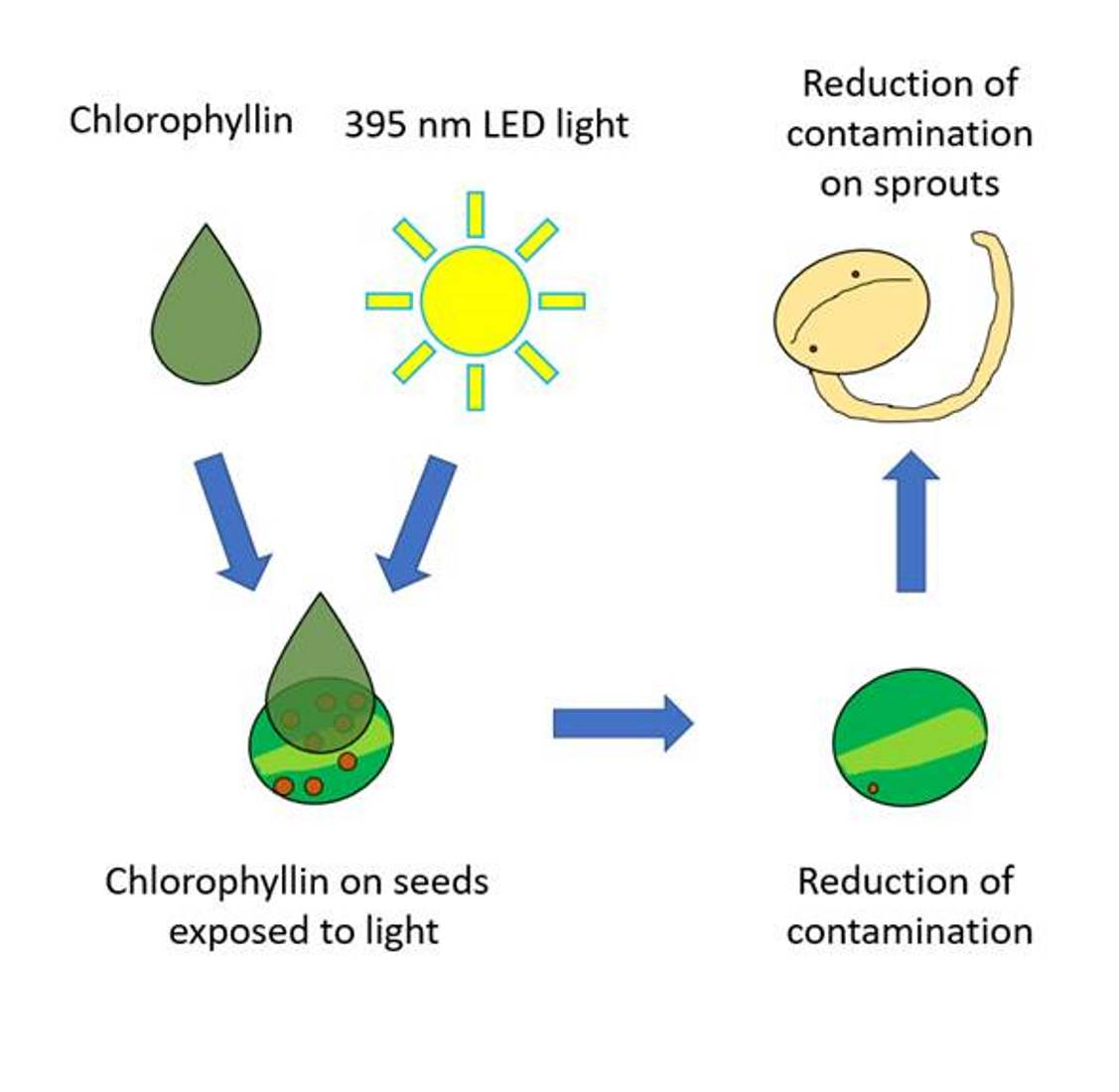
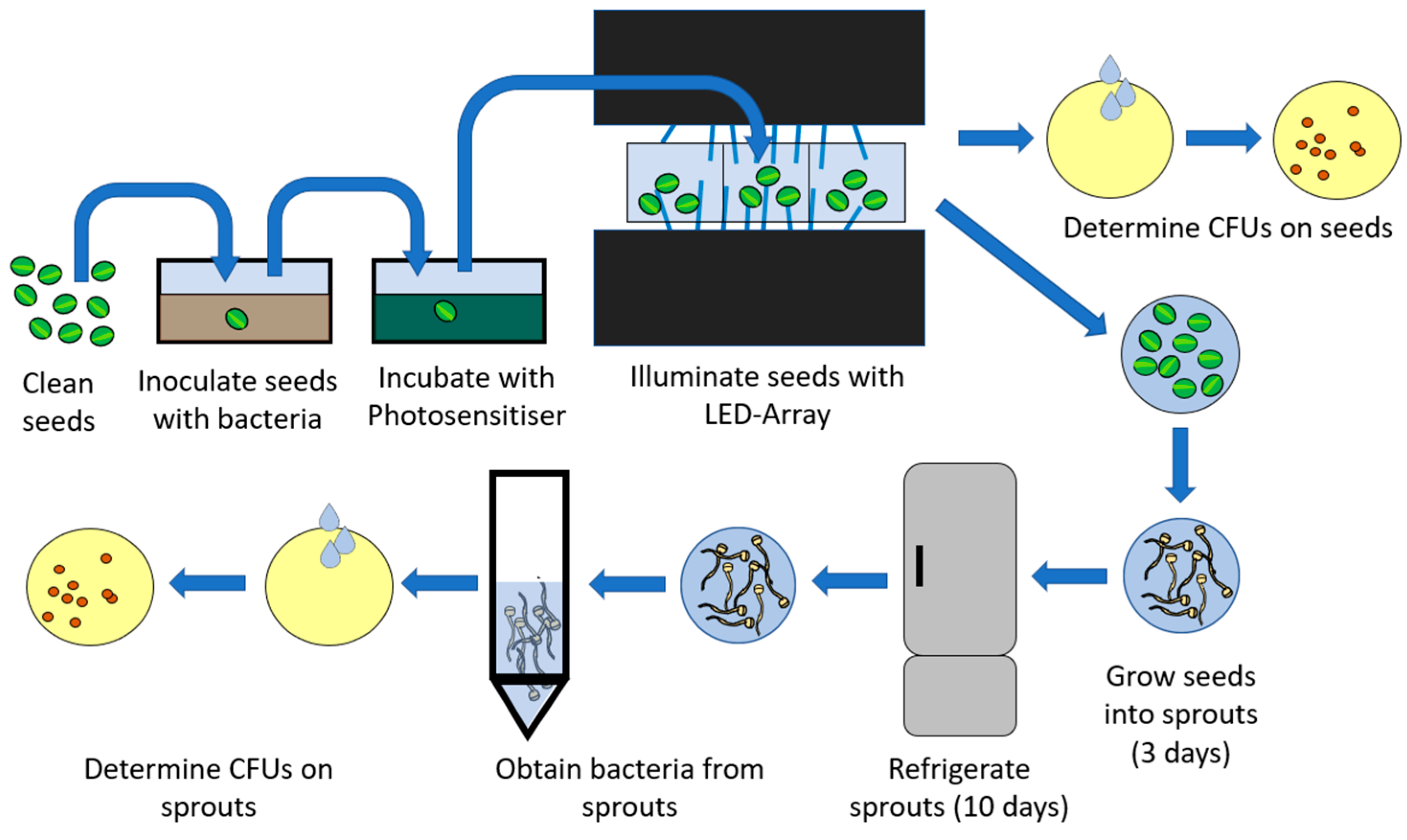
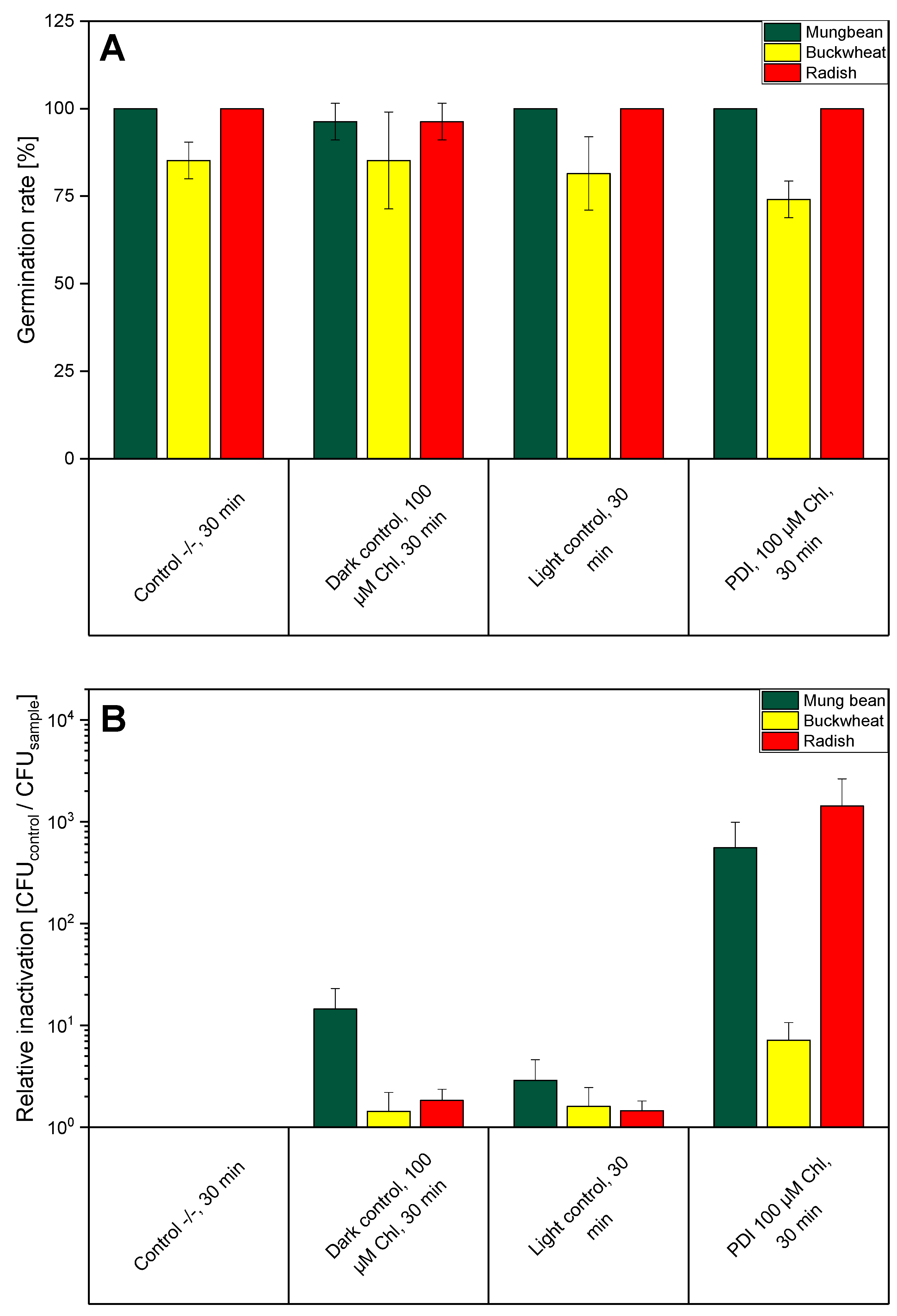
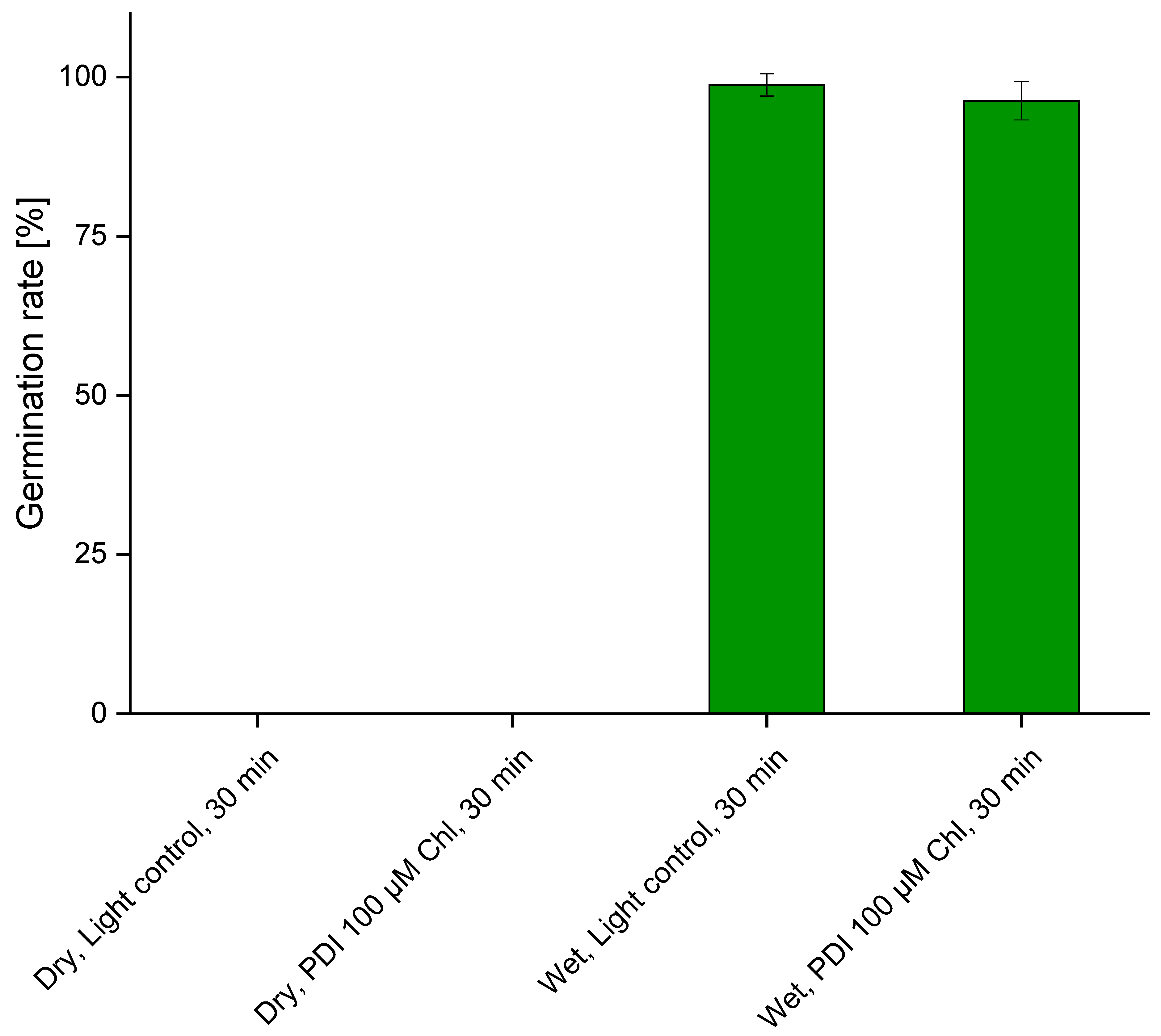
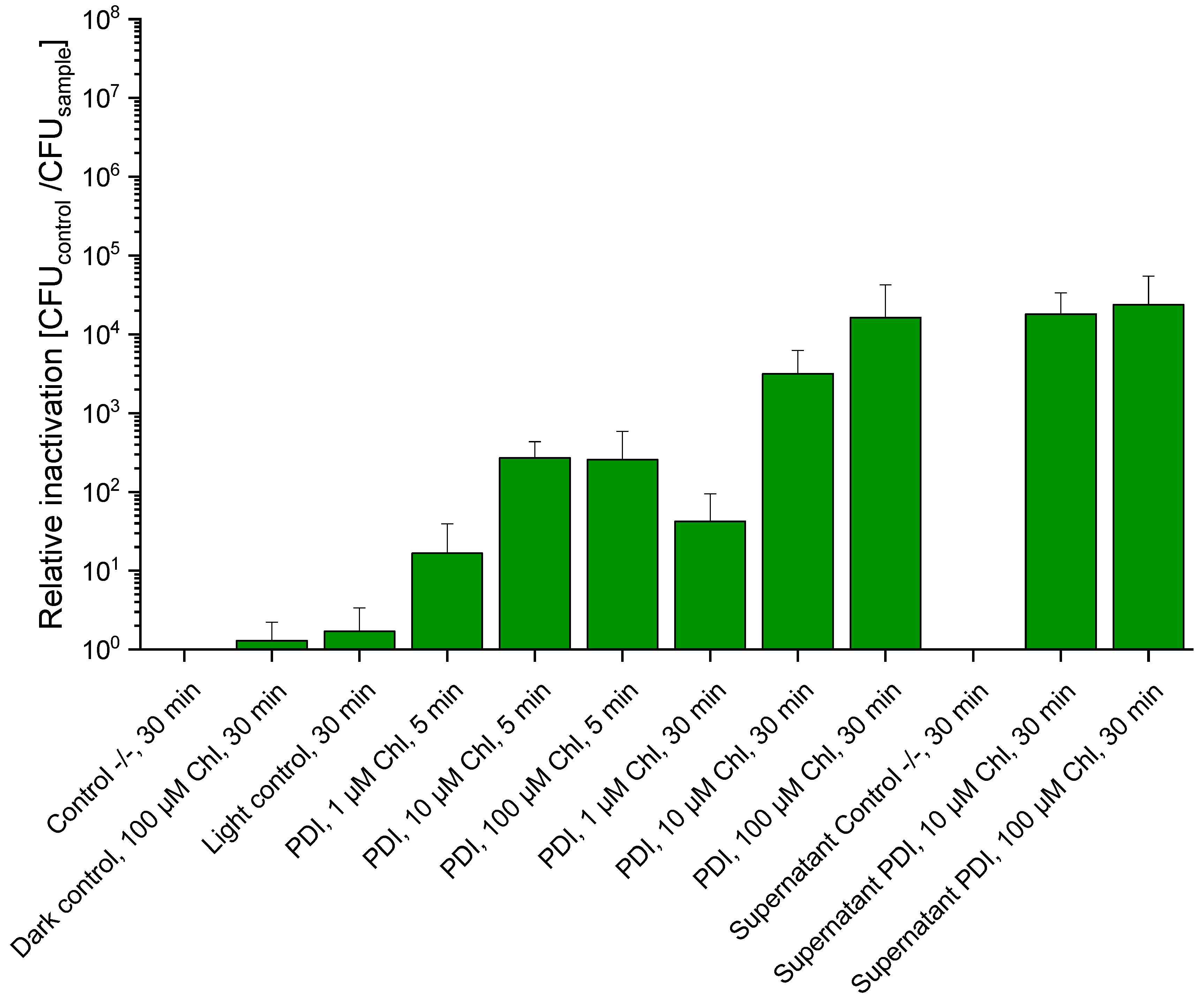
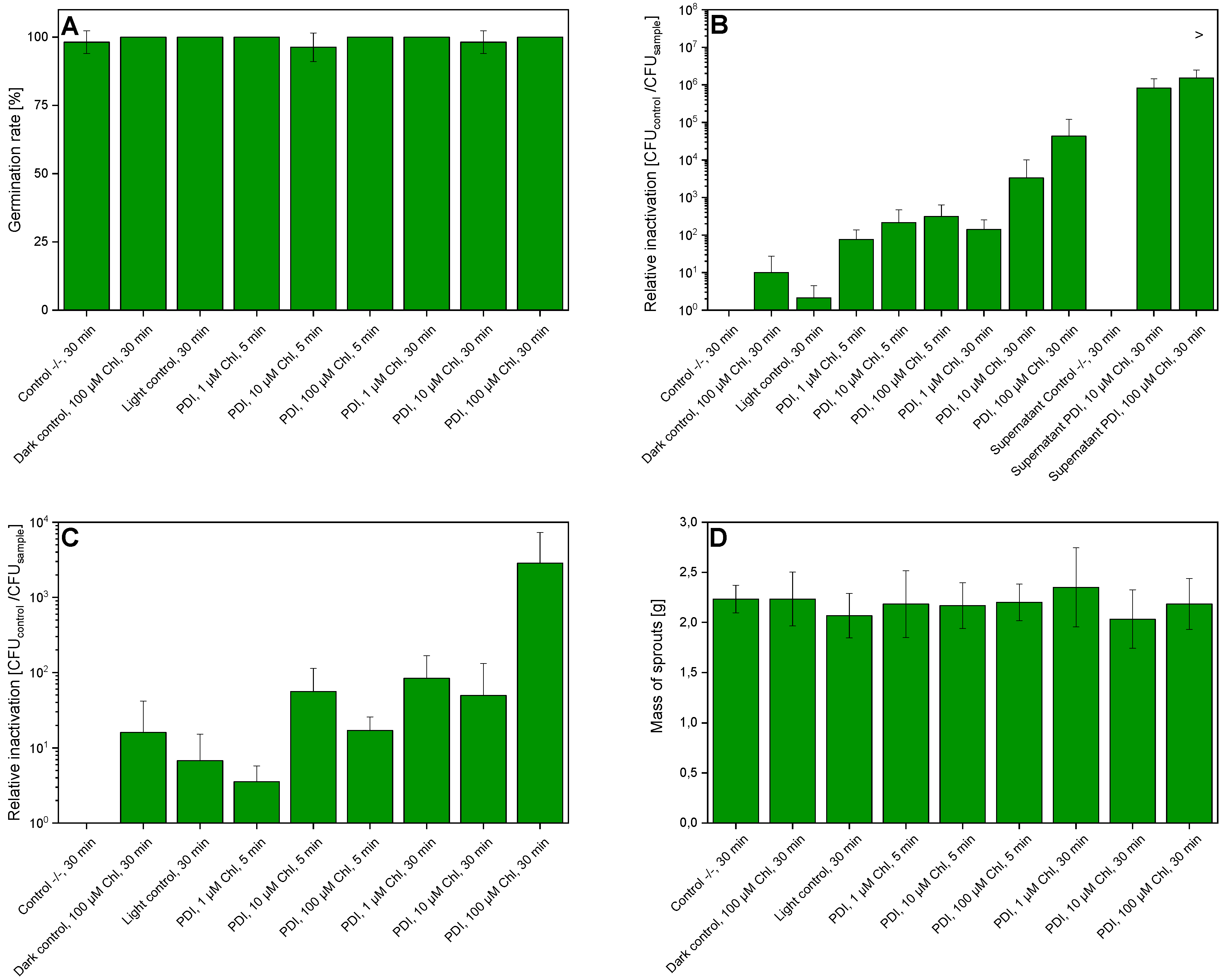
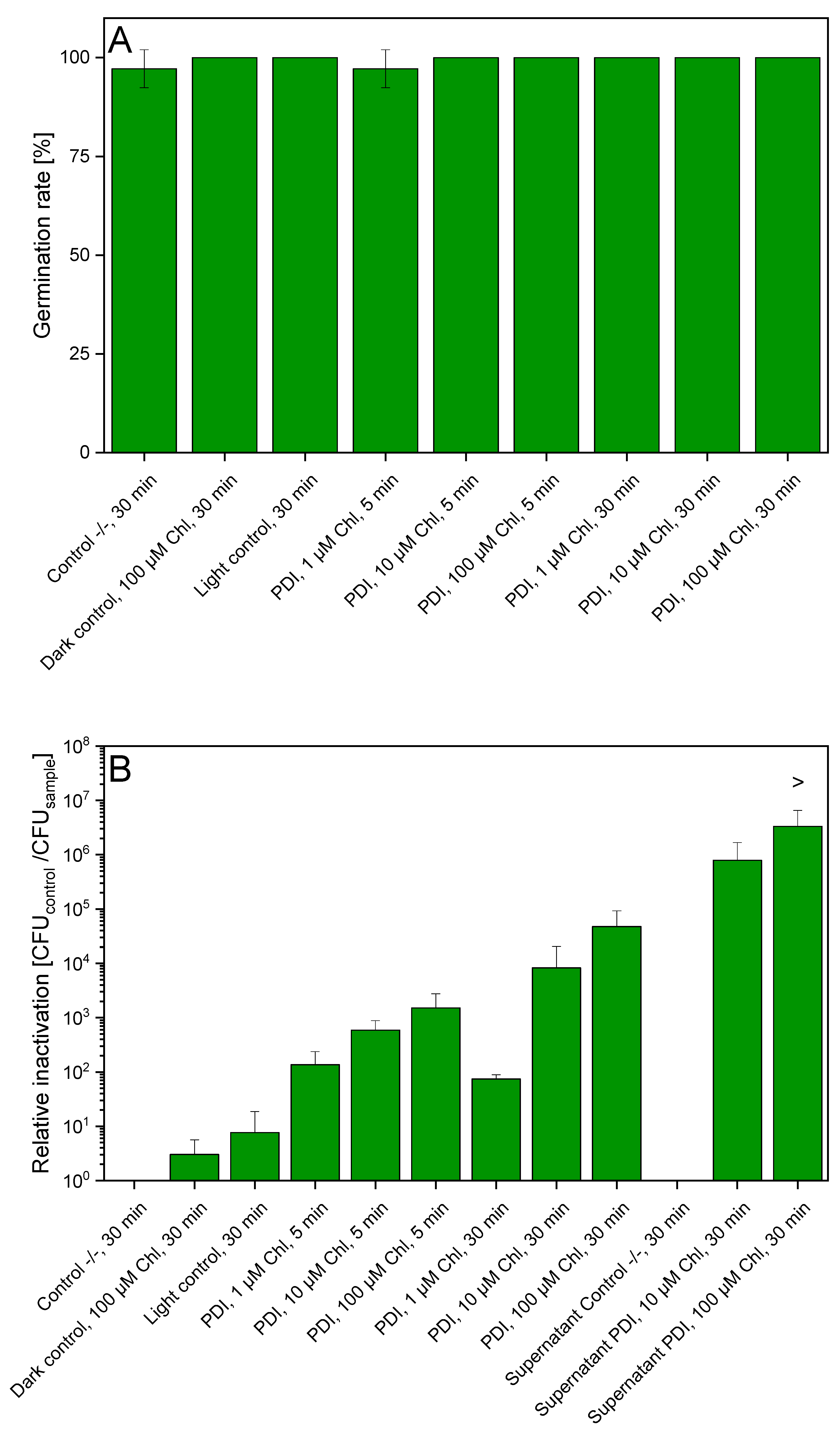
The climate crisis is one of the biggest challenges for humanity in the 21st century. Production and consumption of meat contributes to global warming by causing emissions of climate-relevant gases. Freshly grown sprouts are part of an alternative, as they are less polluting but still a nutritious food. However, warm humid sprouting conditions may cause pathogenic microorganisms to thrive. Decontamination methods for raw sprouts are therefore relevant. Photodynamic Inactivation (PDI) is a novel approach that uses photoactivatable molecules (photosensitisers, PS) and visible or near-infrared light to produce reactive oxygen species (ROS). These ROS kill microorganisms by oxidative processes. Here, we test the application of PDI based on sodium-magnesium-chlorophyllin (Chl, approved as food additive E140) for photo-decontamination of mung bean, radish, and buckwheat seeds. Seeds were contaminated with Listeria innocua, serving as a model system for Listeria monocytogenes, subjected to PDI using an LED array with 395 nm and tested for remaining bacterial contamination by CFU counting. PDI based on 100 µM Chl reduces the bacterial load of mung bean and radish seeds by 99.9% (radiant exposure 56.4 J/cm2 and 28.2 J/cm2, respectively), and of buckwheat seeds by <90% reduction after illumination with 28.2 J/cm2. Neither weight nor the germination rates of seeds are affected by PDI. Interestingly, the effect of PDI on seeds is partially maintained on stored sprouts after germination: The bacterial load on mung bean sprouts is reduced by more than 99.9% after phototreatment of seeds with 100 µM Chl and illumination at 56.4 J/cm2. In conclusion, we suggest PDI based on Chl as an effective and biocompatible method for the decontamination of seeds and sprouts for human consumption from Listeria.
Keywords: photodynamic inactivation; seeds; sprouts; chlorophyllin; Listeria innocua; shelf life; decontamination; food photodynamic inactivation; seeds; sprouts; chlorophyllin; Listeria innocua; shelf life; decontamination; food
Graphical Abstract