Rotor–Stator Configuration in Gas-Inducing Reactors: Effects of Blade Number and Thickness on Gas Holdup



Abstract
1. Introduction
2. Materials and Methods
2.1. Geometry
2.2. CFD Model Details
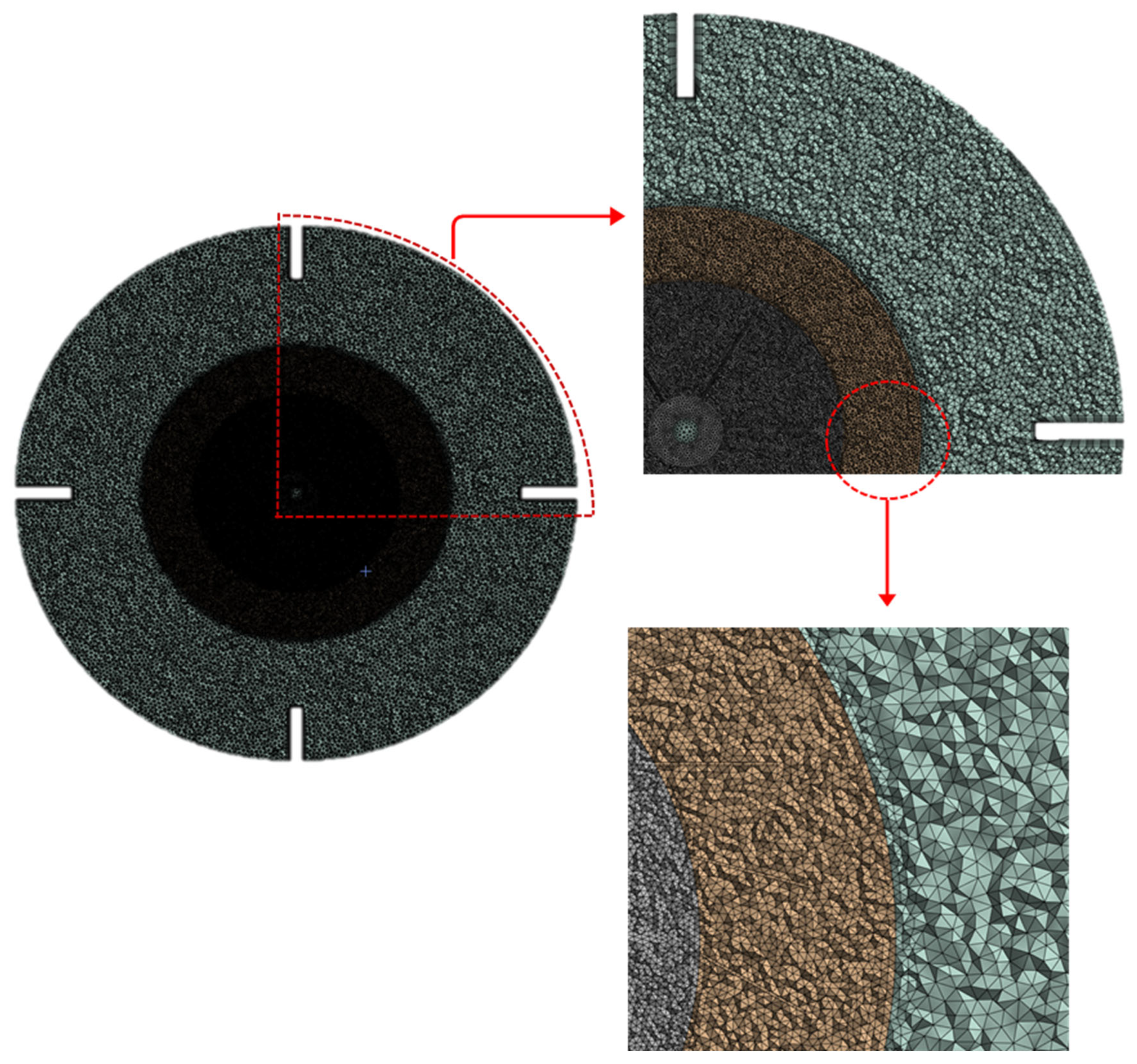
2.3. Meshing
2.4. Grid Size Independence
2.5. Gas Holdup Correlation
3. Results
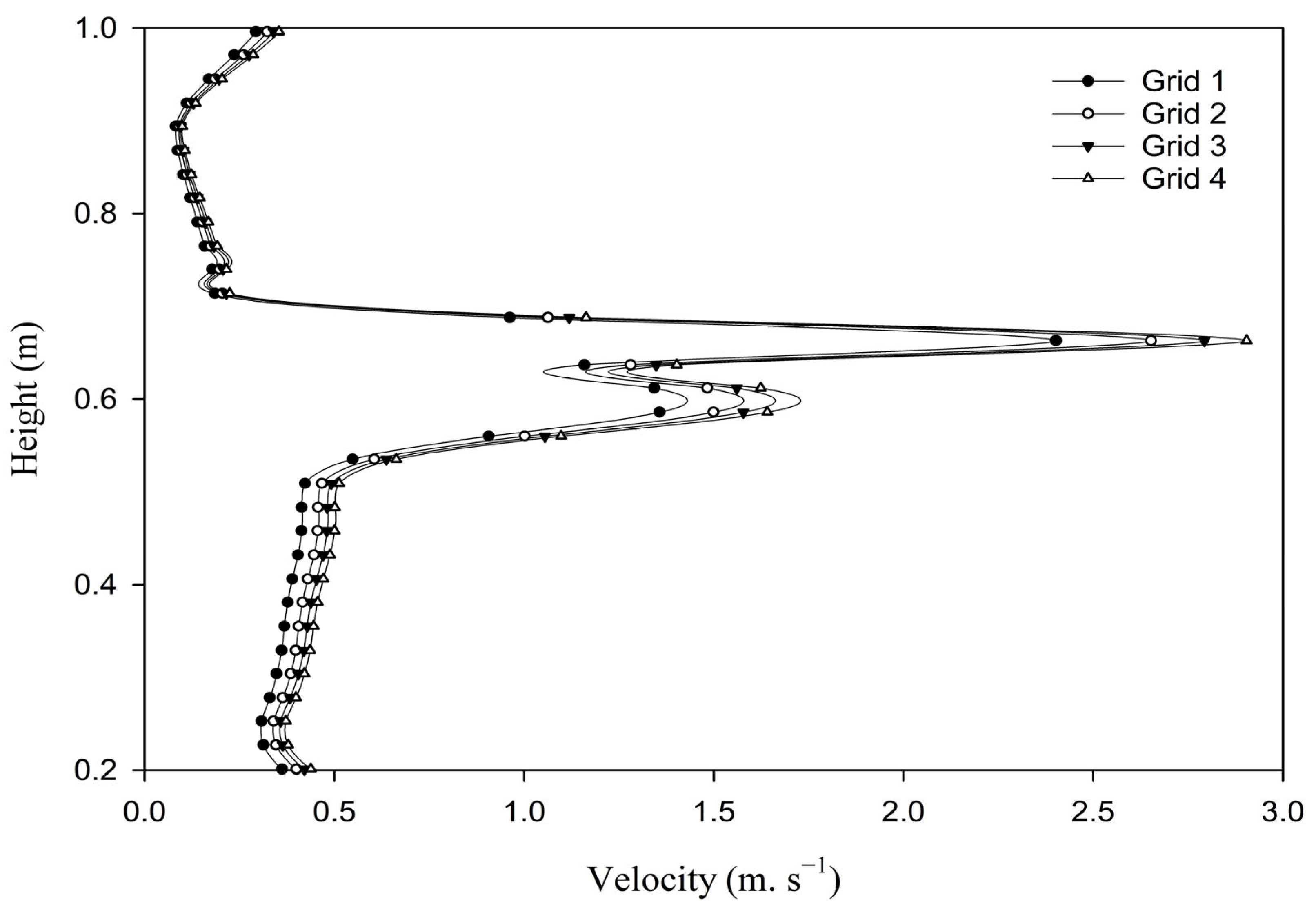
3.1. Assessment of the Mesh Independence
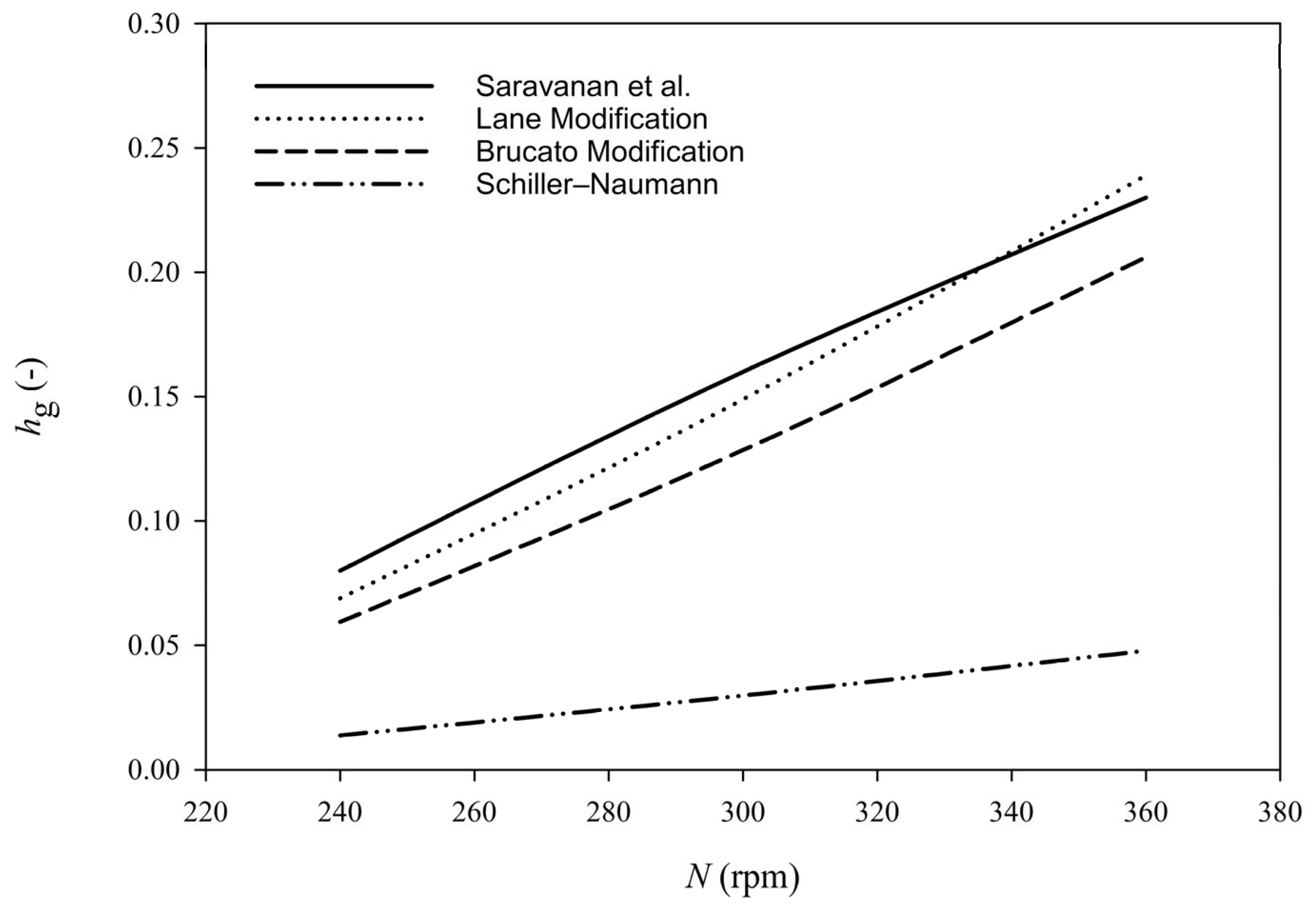
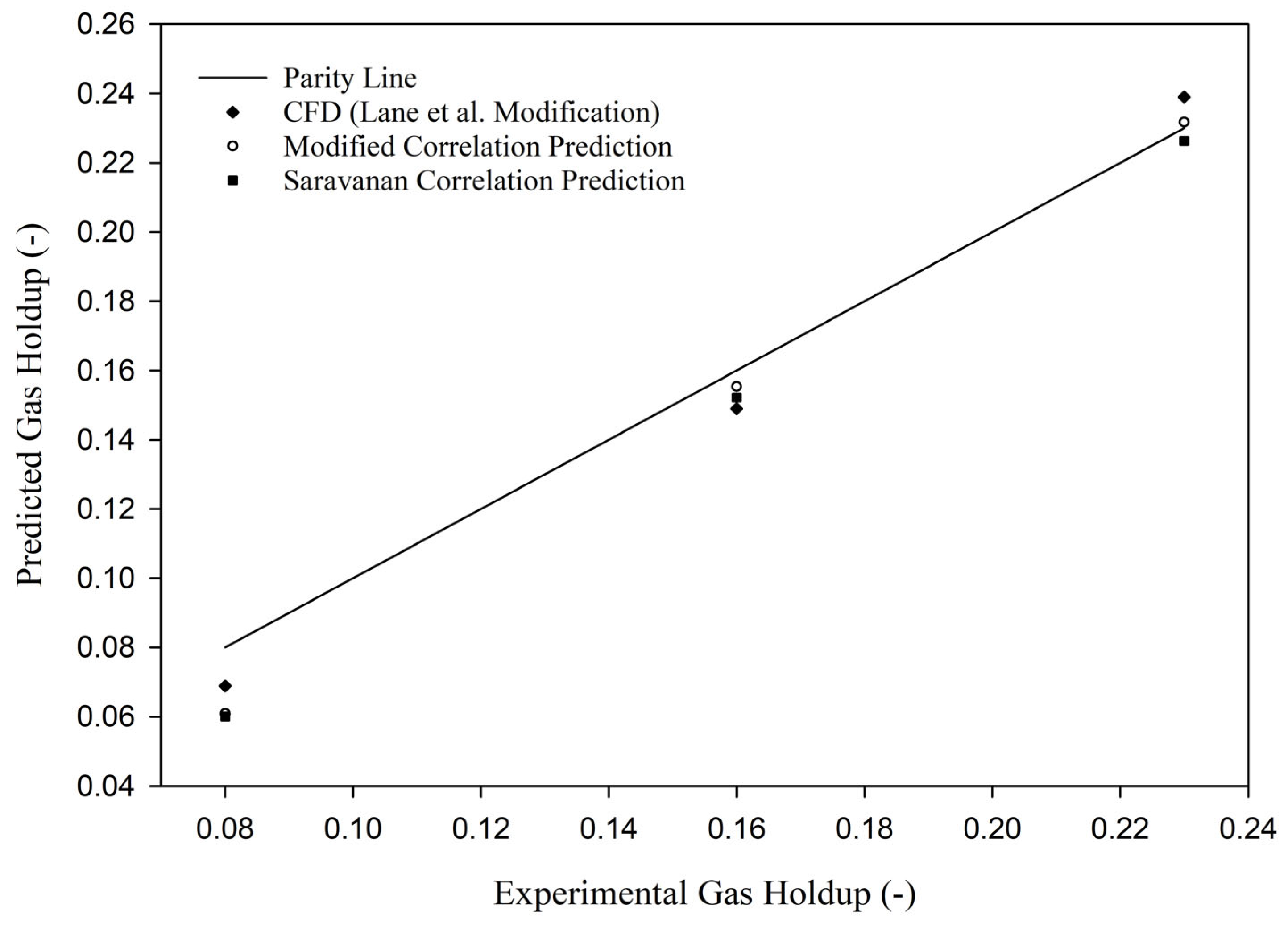
3.2. Model Validation
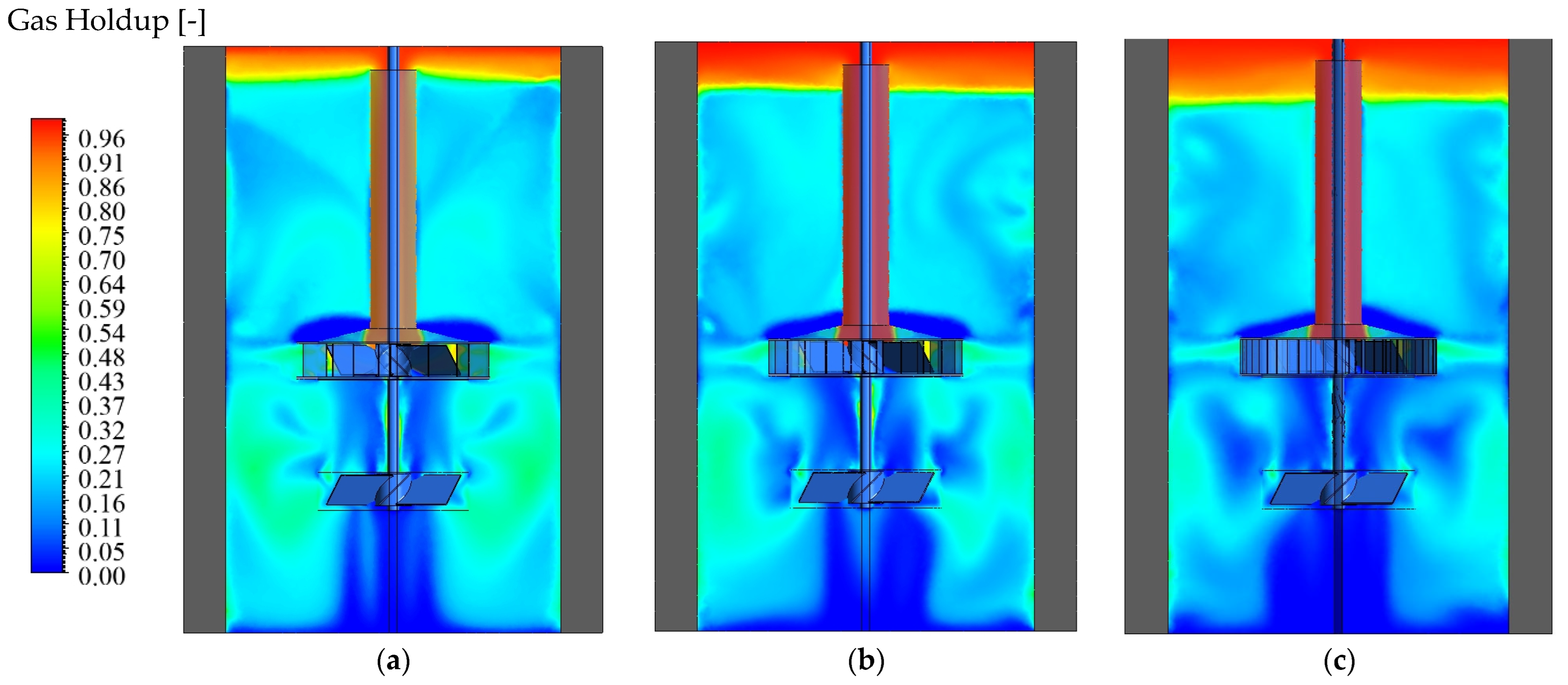
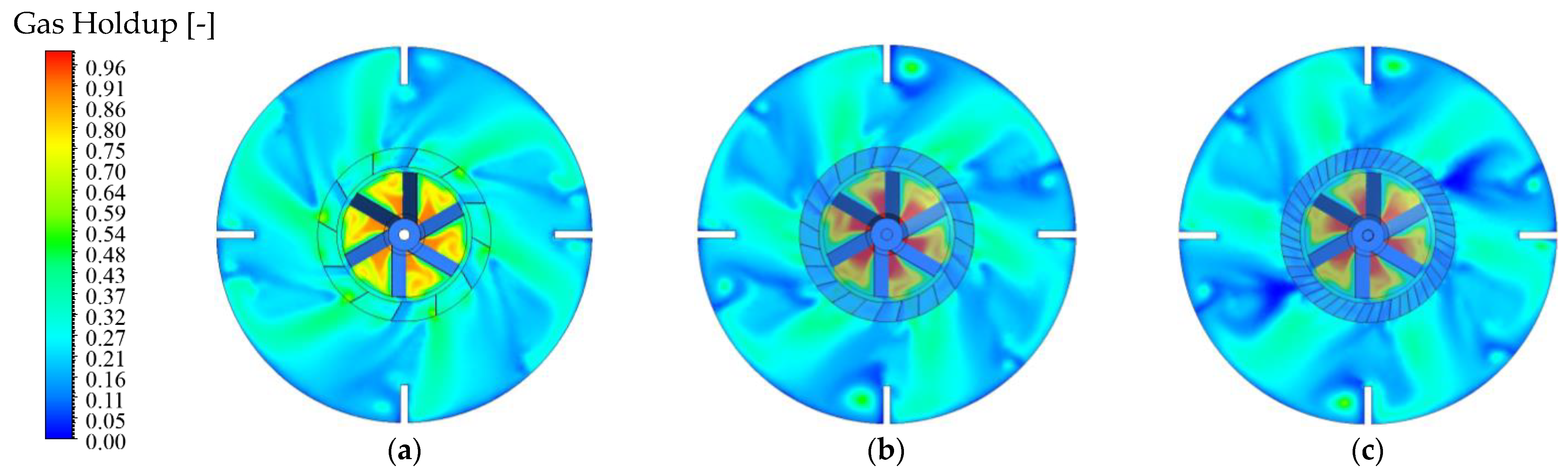
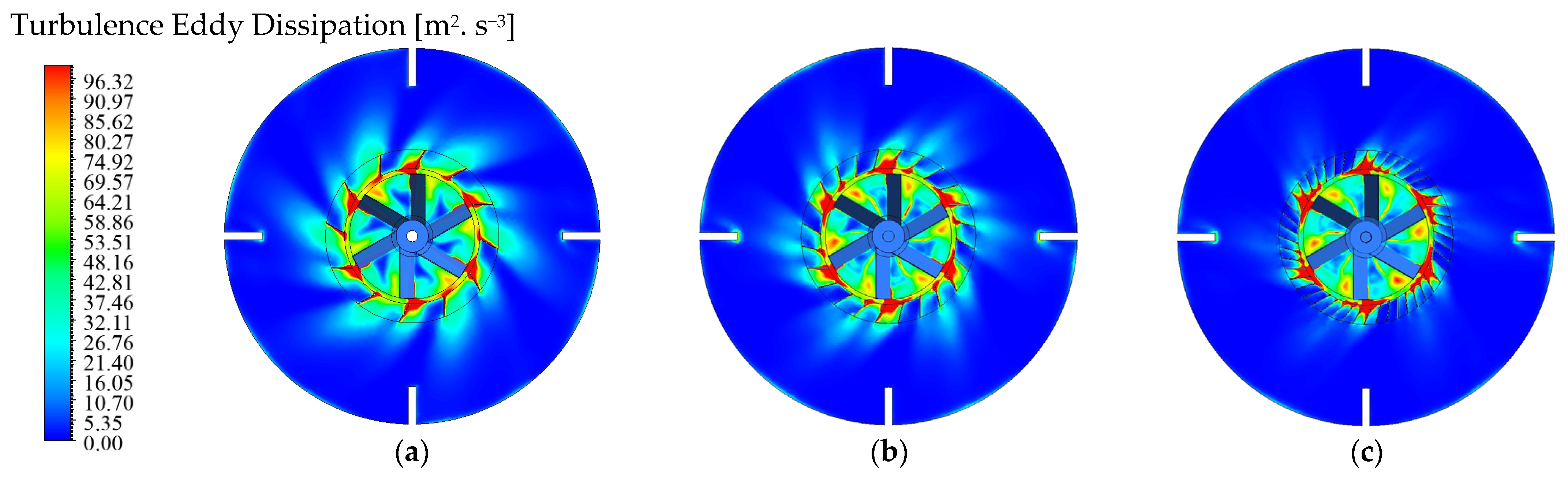
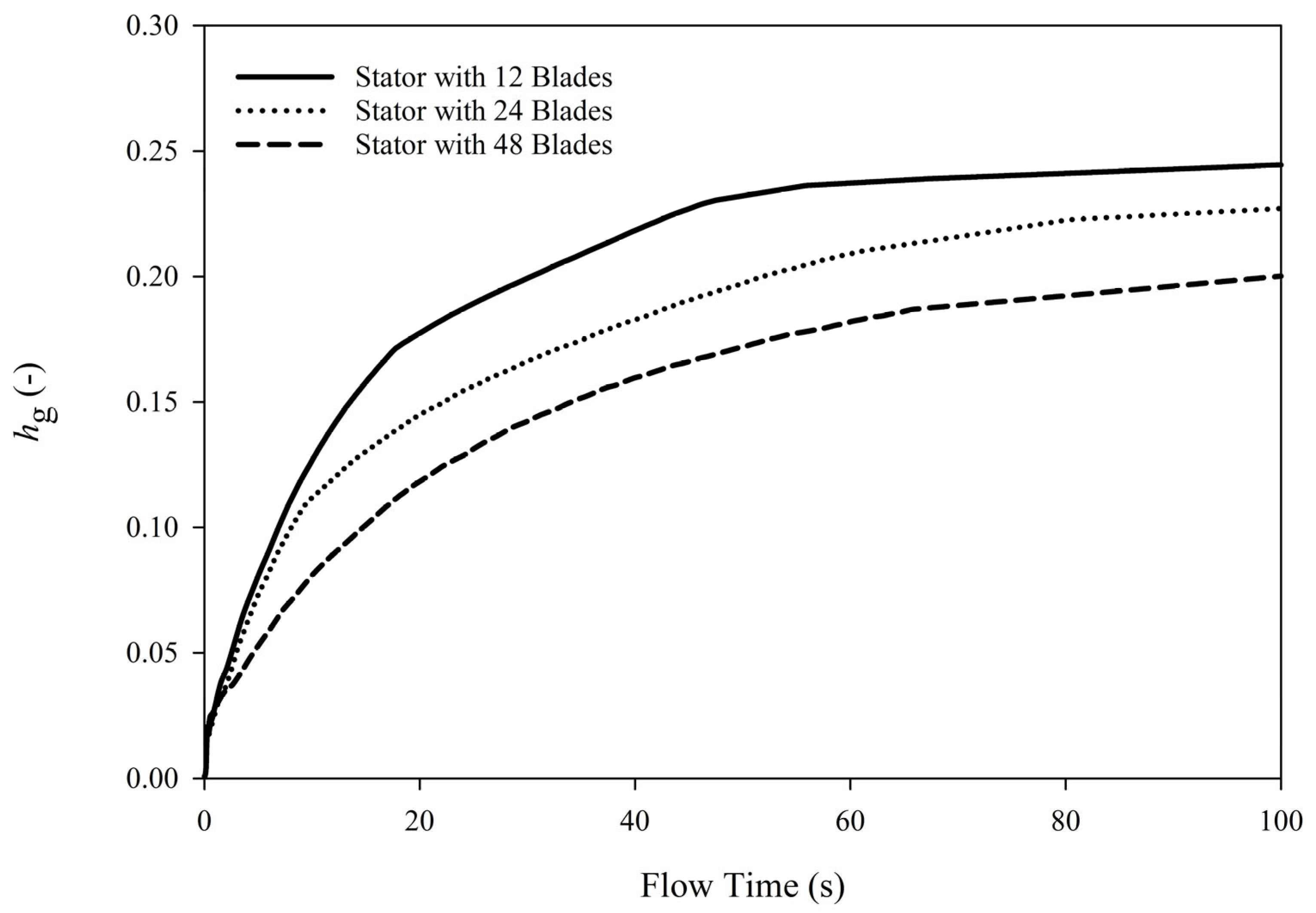
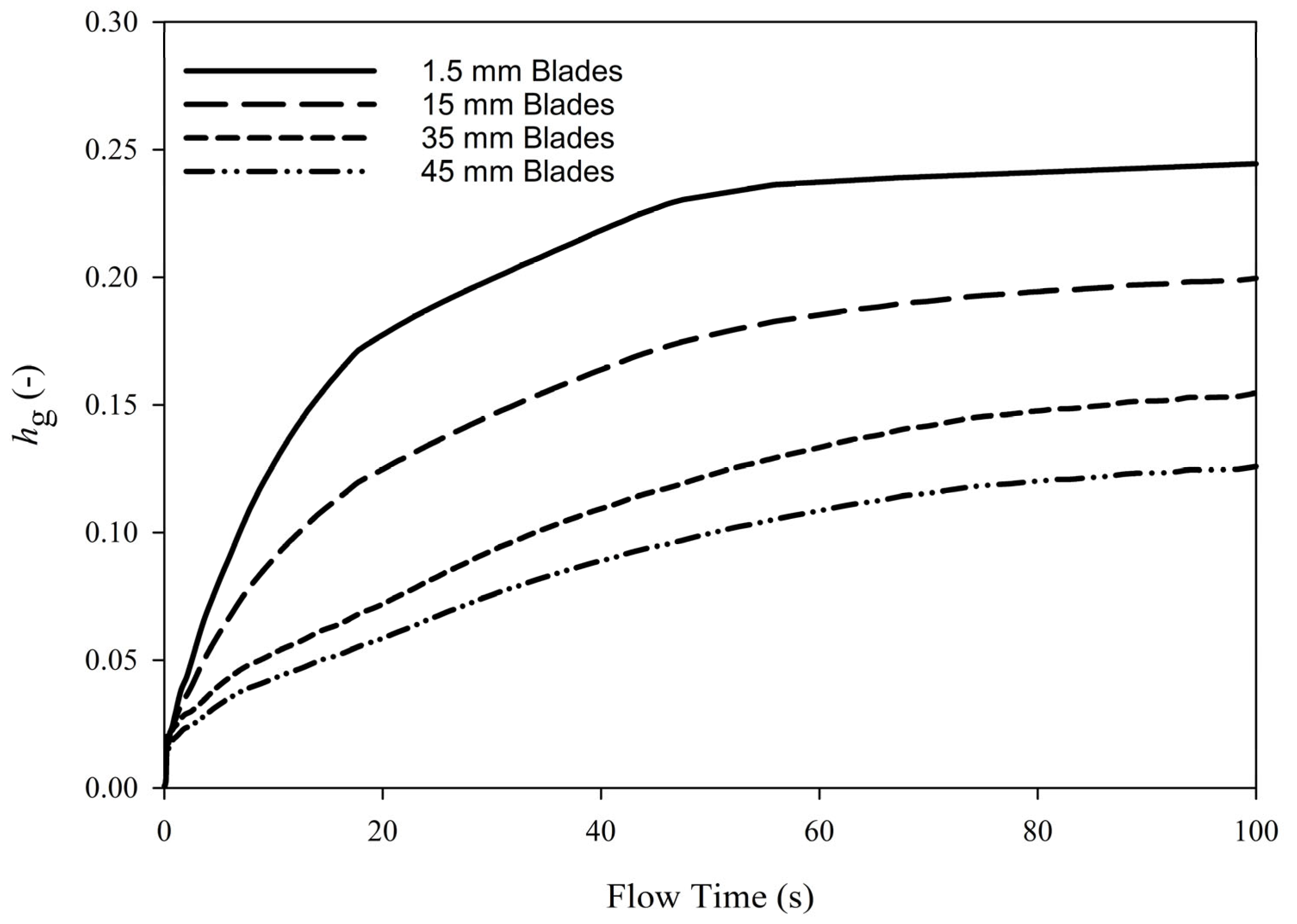
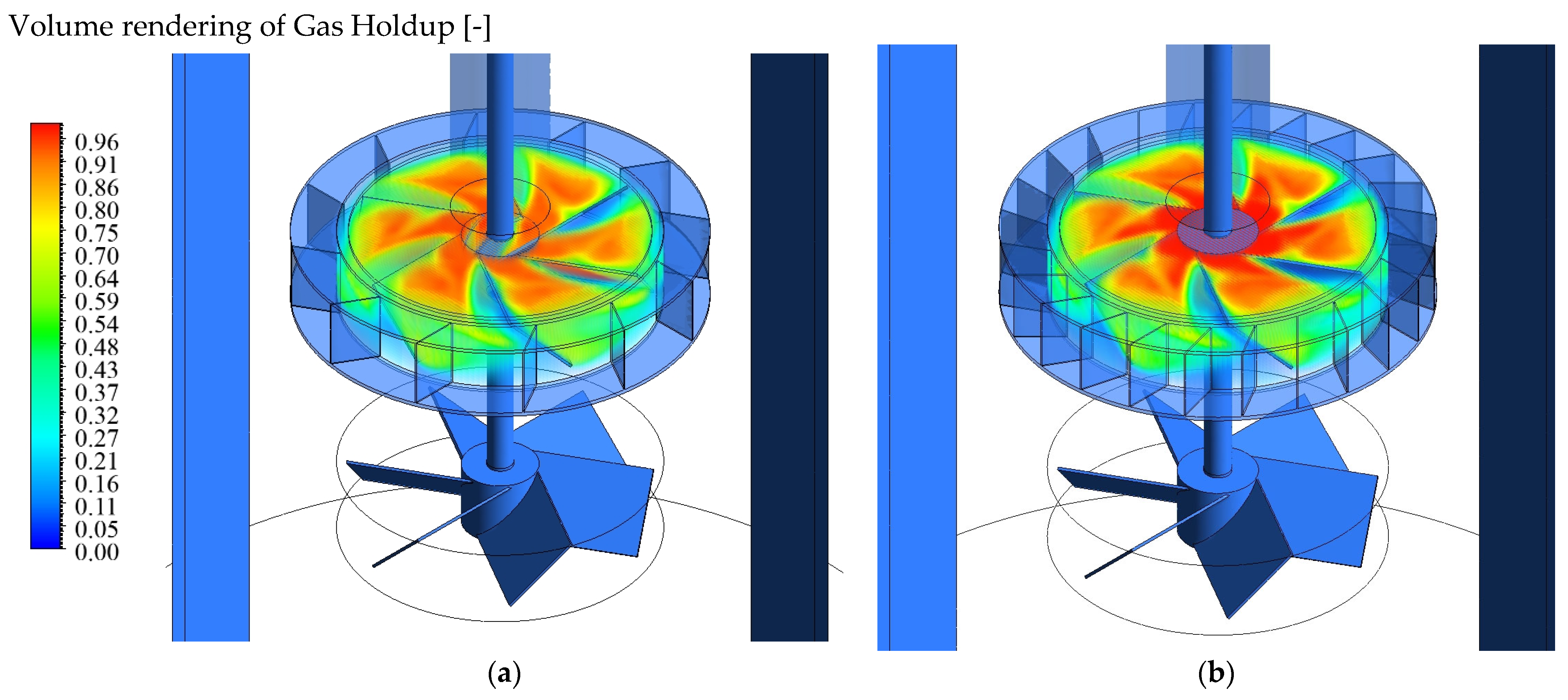
3.3. Impact of Blade Thickness and Number of Blades
3.4. Derivation of Gas Holdup Correlation
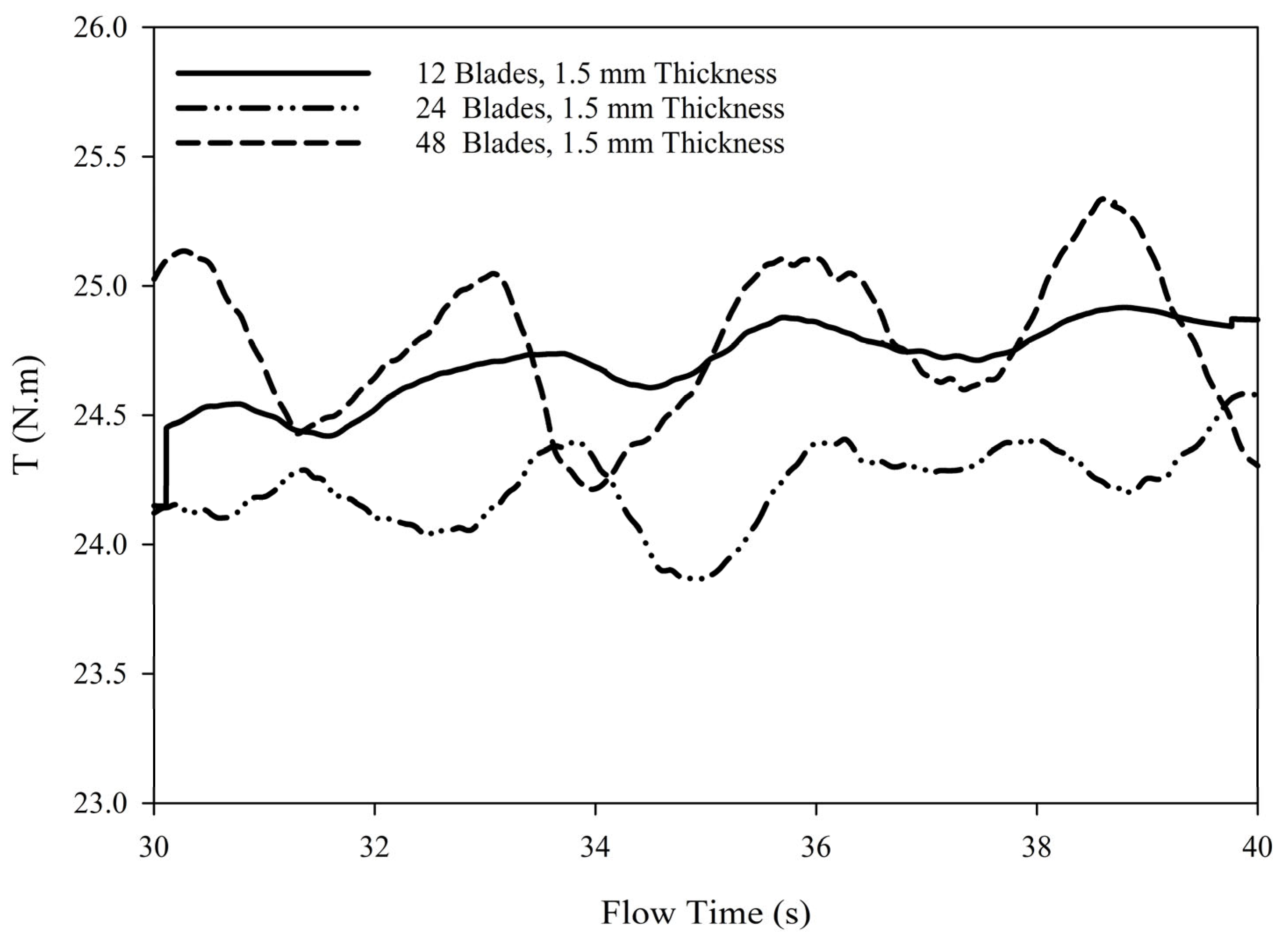
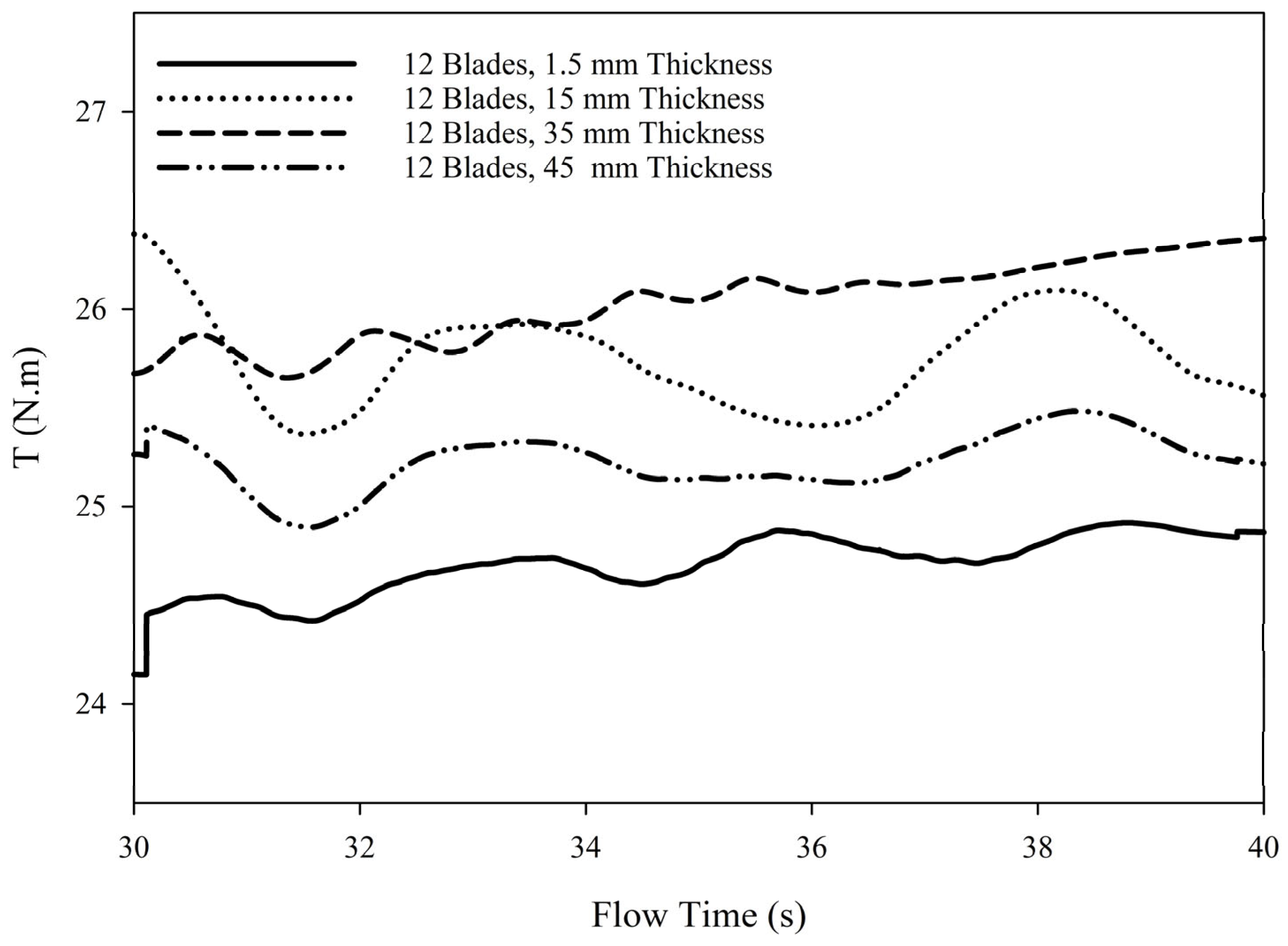
3.5. Torque Fluctuations
4. Conclusions
Author Contributions
Funding
Data Availability Statement
Conflicts of Interest
Abbreviations
| CFD | Computational Fluid Dynamics |
| DEM | Discrete Element Method |
| GIR | Gas-Inducing Reactor |
| HSM | High-Shear Mixer |
| RSM | Rotor–Stator Mixer |
| MRF | Moving Reference Frame |
| PBTD | Pitched Blade Turbine Downflow |
| PBTU | Pitched Blade Turbine Upflow |
| UDF | User-Defined Function |
| GCI | Grid Convergence Index |
| SST | Shear Stress Transport |
| PIV | Particle Image Velocimetry |
| Greek Symbols: | |
| ρi | Density of phase i [kg·m−3] |
| μi | Laminar viscosity of phase i [Pa·s] |
| μt,i | Turbulent viscosity of phase i [Pa·s] |
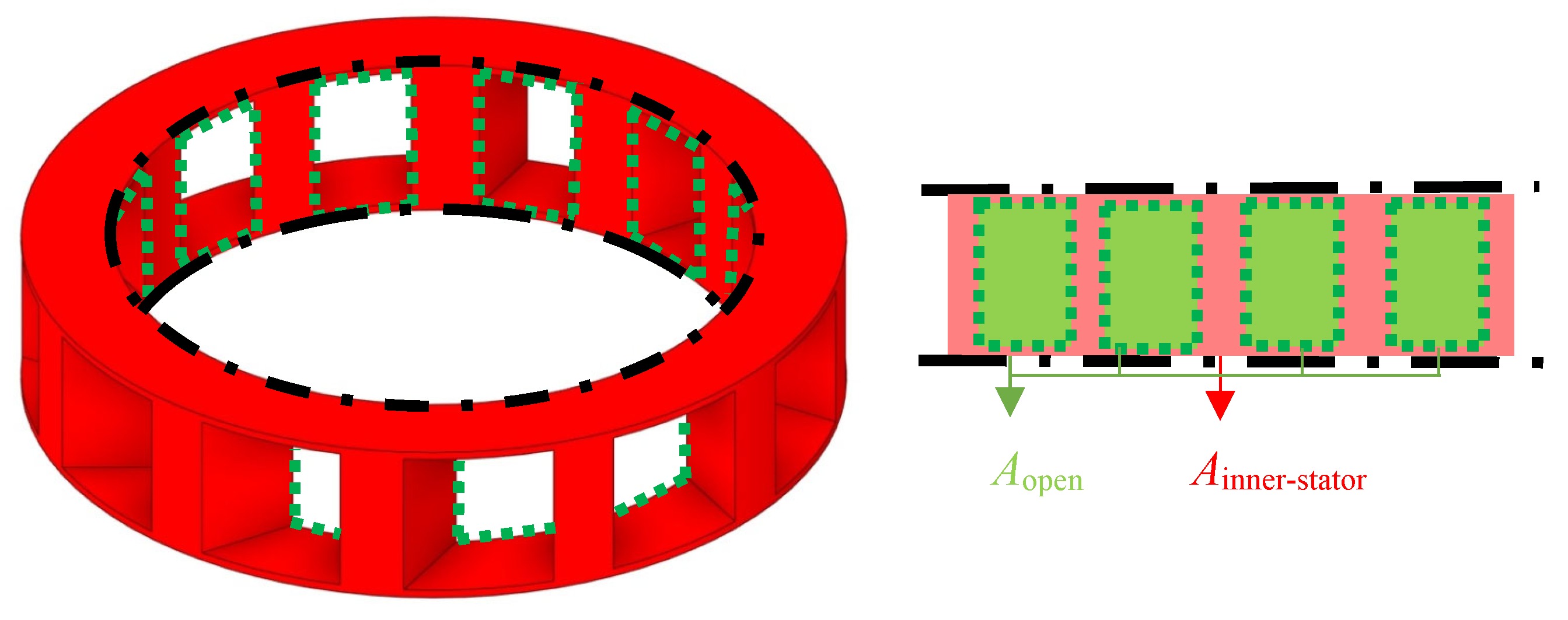
| ϕA | Stator open-area fraction [-] |
| λi | Bulk viscosity [Pa·s] |
| ε | Turbulent kinetic energy dissipation rate [m2·s−3] |
| τeff | Effective Reynolds stress tensor [Pa] |
| English Symbols: | |
| Aopen | Total open area of stator slots [m2] |
| Ainner-stator | Inner cylindrical surface area of stator [m2] |
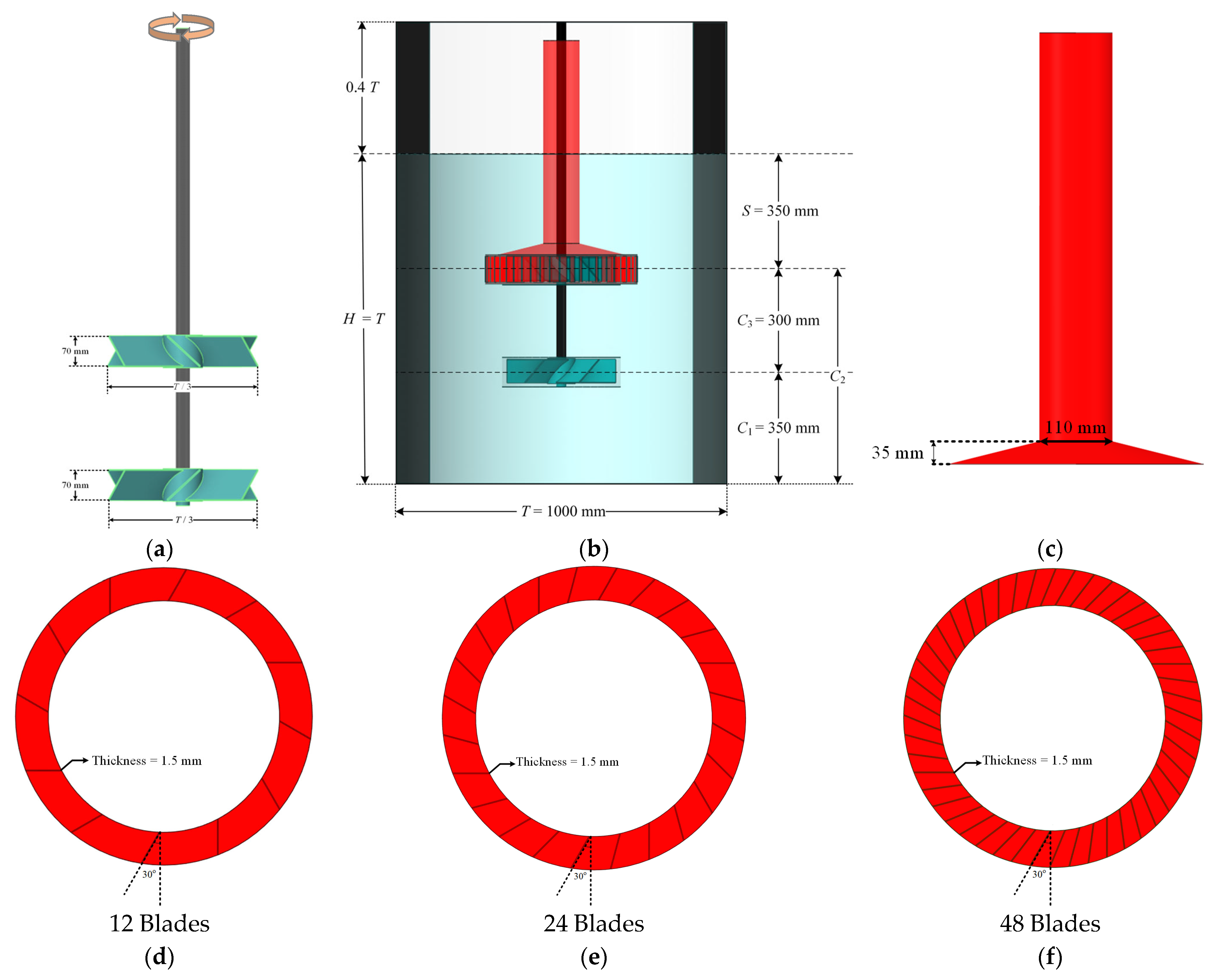
| C1 | Clearance between lower impeller and tank bottom [m] |
| C3 | Spacing between two impellers [m] |
| CD | Drag coefficient [-] |
| D | Impeller diameter [m] |
| db | Bubble diameter [m] |
| f | General monitored variable [-] |
| g | Gravitational acceleration [m·s−2] |
| h | Characteristic mesh size [m] |
| hg | Gas holdup [-] |
| hi | Volume fraction of phase i [-] |
| N | Impeller rotational speed [s−1] |
| P | Power [W] |
| Qg | Gas flow rate [m3·s−1] |
| Reb | Bubble Reynolds number [-] |
| S | Submergence depth of upper impeller [m] |
| T | Tank diameter [m] |
| ui | Velocity of phase i [m·s−1] |
References
- Abyaneh, E.Z.; Ein-Mozaffari, F.; Lohi, A. Critical Review of Gas–Liquid Mixing Using Gas-Inducing Impellers: Modeling, CFD Simulation, and ANN Applications. Ind. Eng. Chem. Res. 2024, 63, 15325–15350. [Google Scholar] [CrossRef] [Scilit]
- Adrian, R.J. Particle-imaging techniques for experimental fluid mechanics. Annu. Rev. Fluid Mech. 1991, 23, 261–304. [Google Scholar] [CrossRef]
- Atiemo-Obeng, V.A.; Calabrese, R.V. Rotor–stator mixing devices. In Handbook of Industrial Mixing: Science and Practice; John Wiley & Sons, Inc.: Hoboken, NJ, USA, 2003; pp. 479–505. [Google Scholar]
- Mortensen, H.H.; Calabrese, R.V.; Innings, F.; Rosendahl, L. Characteristics of batch rotor–stator mixer performance elucidated by shaft torque and angle resolved PIV measurements. Can. J. Chem. Eng. 2011, 89, 1076–1095. [Google Scholar] [CrossRef] [Scilit]
- Knight, P.; Instone, T.; Pearson, J.; Hounslow, M. An investigation into the kinetics of liquid distribution and growth in high shear mixer agglomeration. Powder Technol. 1998, 97, 246–257. [Google Scholar] [CrossRef] [Scilit]
- Vashisth, V.; Kumar, V. Effect of stator geometries on flow fields and mixing performance for viscous fluids. Chem. Eng. Chem. Eng. Process.-Process Intensif. 2022, 180, 108595. [Google Scholar] [CrossRef] [Scilit]
- Vashisth, V.; Nigam, K.; Kumar, V. Design and development of high shear mixers: Fundamentals, applications and recent progress. Chem. Eng. Sci. 2021, 232, 116296. [Google Scholar] [CrossRef] [Scilit]
- Zhang, J.; Xu, S.; Li, W. High shear mixers: A review of typical applications and studies on power draw, flow pattern, energy dissipation and transfer properties. Chem. Eng. Process.-Process Intensif. 2012, 57–58, 25–41. [Google Scholar] [CrossRef] [Scilit]
- Utomo, A.; Baker, M.; Pacek, A. The effect of stator geometry on the flow pattern and energy dissipation rate in a rotor–stator mixer. Chem. Eng. Res. Des. 2009, 87, 533–542. [Google Scholar] [CrossRef] [Scilit]
- Mortensen, H.H.; Innings, F.; Håkansson, A. The effect of stator design on flowrate and velocity fields in a rotor-stator mixer—An experimental investigation. Chem. Eng. Res. Des. 2017, 121, 245–254. [Google Scholar] [CrossRef] [Scilit]
- Mortensen, H.H.; Arlov, D.; Innings, F.; Håkansson, A. A validation of commonly used CFD methods applied to rotor stator mixers using PIV measurements of fluid velocity and turbulence. Chem. Eng. Sci. 2018, 177, 340–353. [Google Scholar] [CrossRef] [Scilit]
- Santos-Moreau, V.; Lopes, J.C.B.; Fonte, C.P. Estimation of kla values in bench-scale stirred tank reactors with self-inducing impeller by multiphase CFD simulations. Chem. Eng. Technol. 2019, 42, 1545–1554. [Google Scholar] [CrossRef] [Scilit]
- Saravanan, K.; Joshi, J.B. Fractional gas hold-up in gas inducing type of mechanically agitated contactors. Can. J. Chem. Eng. 1996, 74, 16–30. [Google Scholar] [CrossRef] [Scilit]
- Raidoo, A.; Rao, K.R.; Sawant, S.; Joshi, J. Improvements in gas inducing impeller design. Chem. Eng. Commun. 1987, 54, 241–264. [Google Scholar] [CrossRef] [Scilit]
- Zundelevich, Y. Power consumption and gas capacity of self-inducting turbo aerators. AIChE J. 1979, 25, 763–773. [Google Scholar] [CrossRef] [Scilit]
- ANSYS Inc. ANSYS Fluent User’s Guide; ANSYS Inc.: Canonsburg, PA, USA, 2023. [Google Scholar]
- Li, L.; Chen, N.; Xiang, K.; Xiang, B. CFD simulation of hydrodynamics characteristics in a tank stirred by a hollow self-inducing impeller. Can. J. Chem. Eng. 2018, 96, 1837–1848. [Google Scholar] [CrossRef] [Scilit]
- Murthy, B.; Kasundra, R.; Joshi, J. Hollow self-inducing impellers for gas–liquid–solid dispersion: Experimental and computational study. Chem. Eng. J. 2008, 141, 332–345. [Google Scholar] [CrossRef] [Scilit]
- Zhang, Y.; Zhang, Z.; Wei, C.; Wang, H. Critical impeller speeds for a gas-inducing stirring tank loaded with solid particles. Chin. J. Chem. Eng. 2018, 26, 1423–1429. [Google Scholar] [CrossRef] [Scilit]
- Scargiali, F.; D’orazio, A.; Grisafi, F.; Brucato, A. Modelling and simulation of gas–liquid hydrodynamics in mechanically stirred tanks. Chem. Eng. Res. Des. 2007, 85, 637–646. [Google Scholar] [CrossRef] [Scilit]
- Ranjbari, P.; Ebrahimi, M.; Ein-Mozaffari, F.; Upreti, S.; Lohi, A. A critical review of the coupled CFD-DEM method for the simulation of two-phase liquid-solid systems. Powder Technol. 2025, 454, 120677. [Google Scholar] [CrossRef] [Scilit]
- Ranjbari, P.; Ein-Mozaffari, F.; Upreti, S. Analysis of hydrodynamic forces on solid particles in mixing tanks using coupled CFD–DEM method: Influence of impeller pumping direction and speed on mixing dynamics. Powder Technol. 2025, 468, 121609. [Google Scholar] [CrossRef] [Scilit]
- Ranjbari, P.; Emamzadeh, M. A semi-empirical correlation for stratified two-phase flow friction factors. Nucl. Eng. Des. 2022, 402, 112055. [Google Scholar] [CrossRef] [Scilit]
- Ranjbari, P.; Emamzadeh, M.; Mohseni, A. Numerical analysis of particle injection effect on gas-liquid two-phase flow in horizontal pipelines using coupled MPPIC-VOF method. Adv. Powder Technol. 2023, 34, 104235. [Google Scholar] [CrossRef] [Scilit]
- Abyaneh, E.Z.; Zarghami, R.; Krühne, U.; Grundtvig, I.P.R.; Ramin, P.; Mostoufi, N. Mixing assessment of an industrial anaerobic digestion reactor using CFD. Renew. Energy 2022, 192, 537–549. [Google Scholar] [CrossRef] [Scilit]
- Zamani Abyaneh, E.; Heidary, M.H.; Rafaatinia, M.; Rostami, A.D.; Yazdian, F.; Rasekh, B.; Mostoufi, N. Experimental Investigation and Modeling of Denitrification of Water in a Column Bioreactor Using Immobilized Microorganisms on Modified Zeolite. J. Chem. Pet. Eng. 2024, 58, 165–187. [Google Scholar]
- Fonte, C.P.; Pinho, B.S.; Santos-Moreau, V.; Lopes, J.C.B. Prediction of the Induced Gas Flow Rate from a Self-Inducing Impeller with CFD. Chem. Eng. Technol. 2014, 37, 571–579. [Google Scholar] [CrossRef] [Scilit]
- Brucato, A.; Grisafi, F.; Montante, G. Particle drag coefficients in turbulent fluids. Chem. Eng. Sci. 1998, 53, 3295–3314. [Google Scholar] [CrossRef] [Scilit]
- Lane, G.; Schwarz, M.; Evans, G. Comparison of CFD methods for modelling of stirred tanks. In Proceedings of the 10th European Conference on Mixing, Delft, The Netherlands, 2–5 July 2000; Elsevier: Amsterdam, The Netherlands, 2000. [Google Scholar]
- PPinelli, D.; Nocentini, M.; Magelli, F. Solids distribution in stirred slurry reactors: Influence of some mixer configurations and limits to the applicability of a simple model for predictions. Chem. Eng. Commun. 2001, 188, 91–107. [Google Scholar] [CrossRef] [Scilit]
- Håkansson, A.; Andersson, R.; Mortensen, H.-H.; Innings, F. Experimental investigations of turbulent fragmenting stresses in a rotor-stator mixer. Part 2. Probability distributions of instantaneous stresses. Chem. Eng. Sci. 2017, 171, 638–649. [Google Scholar] [CrossRef] [Scilit]
- Håkansson, A.; Mortensen, H.H.; Andersson, R.; Innings, F. Experimental investigations of turbulent fragmenting stresses in a rotor-stator mixer. Part 1. Estimation of turbulent stresses and comparison to breakup visualizations. Chem. Eng. Sci. 2017, 171, 625–637. [Google Scholar] [CrossRef] [Scilit]
- Dapelo, D.; Alberini, F.; Bridgeman, J. Euler-Lagrange CFD modelling of unconfined gas mixing in anaerobic digestion. Water Res. 2015, 85, 497–511. [Google Scholar] [CrossRef] [Scilit] [PubMed]
- Roache, P.J. Verification of codes and calculations. AIAA J. 1998, 36, 696–702. [Google Scholar] [CrossRef] [Scilit]
- Celik, I.B.; Ghia, U.; Roache, P.J.; Freitas, C.J. Procedure for estimation and reporting of uncertainty due to discretization in CFD applications. J. Fluids Eng.-Trans. ASME 2008, 130, 078001. [Google Scholar]
- Abyaneh, E.Z.; Ein-Mozaffari, F.; Lohi, A. Investigating gas dispersion and solid suspension in a coaxial stirred tank containing non-Newtonian fluids using coupled tomography and pressure measurements. Powder Technol. 2025, 467, 121606. [Google Scholar] [CrossRef] [Scilit]
- Sharifi, F.; Behzadfar, E.; Ein-Mozaffari, F. Investigating the power consumption for the intensification of gas dispersion in a dual coaxial mixer containing yield-pseudoplastic fluids. Chem. Eng. Process.-Process Intensif. 2023, 191, 109461. [Google Scholar] [CrossRef] [Scilit]




| Overall Holdup (-) | Stator Zone Dissipation Rate [m2. s−3] | |
|---|---|---|
| Grid 1 | 0.212 | 58.055 |
| Grid 2 | 0.221 | 59.378 |
| Grid 3 | 0.239 | 60.265 |
| Grid 4 | 0.247 | 61.054 |
| P1 | 8.3 | 5.35 |
| P2 | 4.65 | 2.12 |
| GCI 1 32 | 0.087 | 0.0160 |
| GCI 1 21 | 0.050 | 0.027 |
| GCI 2 43 | 0.051 | 0.020 |
| GCI 2 32 | 0.081 | 0.015 |
| Asymp 1 | 1.234 | 2.644 |
| Asymp 2 | 1.105 | 0.940 |
Disclaimer/Publisher’s Note: The statements, opinions and data contained in all publications are solely those of the individual author(s) and contributor(s) and not of MDPI and/or the editor(s). MDPI and/or the editor(s) disclaim responsibility for any injury to people or property resulting from any ideas, methods, instructions or products referred to in the content. |
© 2026 by the authors. Licensee MDPI, Basel, Switzerland. This article is an open access article distributed under the terms and conditions of the Creative Commons Attribution (CC BY) license.
Share and Cite
Zamani Abyaneh, E.; Ein-Mozaffari, F.; Lohi, A. Rotor–Stator Configuration in Gas-Inducing Reactors: Effects of Blade Number and Thickness on Gas Holdup. Processes 2026, 14, 354. https://doi.org/10.3390/pr14020354
Zamani Abyaneh E, Ein-Mozaffari F, Lohi A. Rotor–Stator Configuration in Gas-Inducing Reactors: Effects of Blade Number and Thickness on Gas Holdup. Processes. 2026; 14(2):354. https://doi.org/10.3390/pr14020354
Chicago/Turabian StyleZamani Abyaneh, Ehsan, Farhad Ein-Mozaffari, and Ali Lohi. 2026. "Rotor–Stator Configuration in Gas-Inducing Reactors: Effects of Blade Number and Thickness on Gas Holdup" Processes 14, no. 2: 354. https://doi.org/10.3390/pr14020354
APA StyleZamani Abyaneh, E., Ein-Mozaffari, F., & Lohi, A. (2026). Rotor–Stator Configuration in Gas-Inducing Reactors: Effects of Blade Number and Thickness on Gas Holdup. Processes, 14(2), 354. https://doi.org/10.3390/pr14020354