Article

Operational Flexibility Assessment of Distributed Reserve Resources Considering Meteorological Uncertainty: Based on an End-to-End Integrated Learning Approach

1
Guangdong Power Grid Co., Ltd., China Southern Power Grid, Guangzhou 510080, China
2
State Key Laboratory of Power Transmission Equipment Technology, Chongqing University, Chongqing 400044, China
*
Authors to whom correspondence should be addressed.
Processes 2025, 13(12), 3870; https://doi.org/10.3390/pr13123870
Submission received: 21 October 2025 / Revised: 18 November 2025 / Accepted: 26 November 2025 / Published: 1 December 2025
(This article belongs to the Special Issue Modeling, Optimization, and Control of Distributed Energy Systems)

Abstract

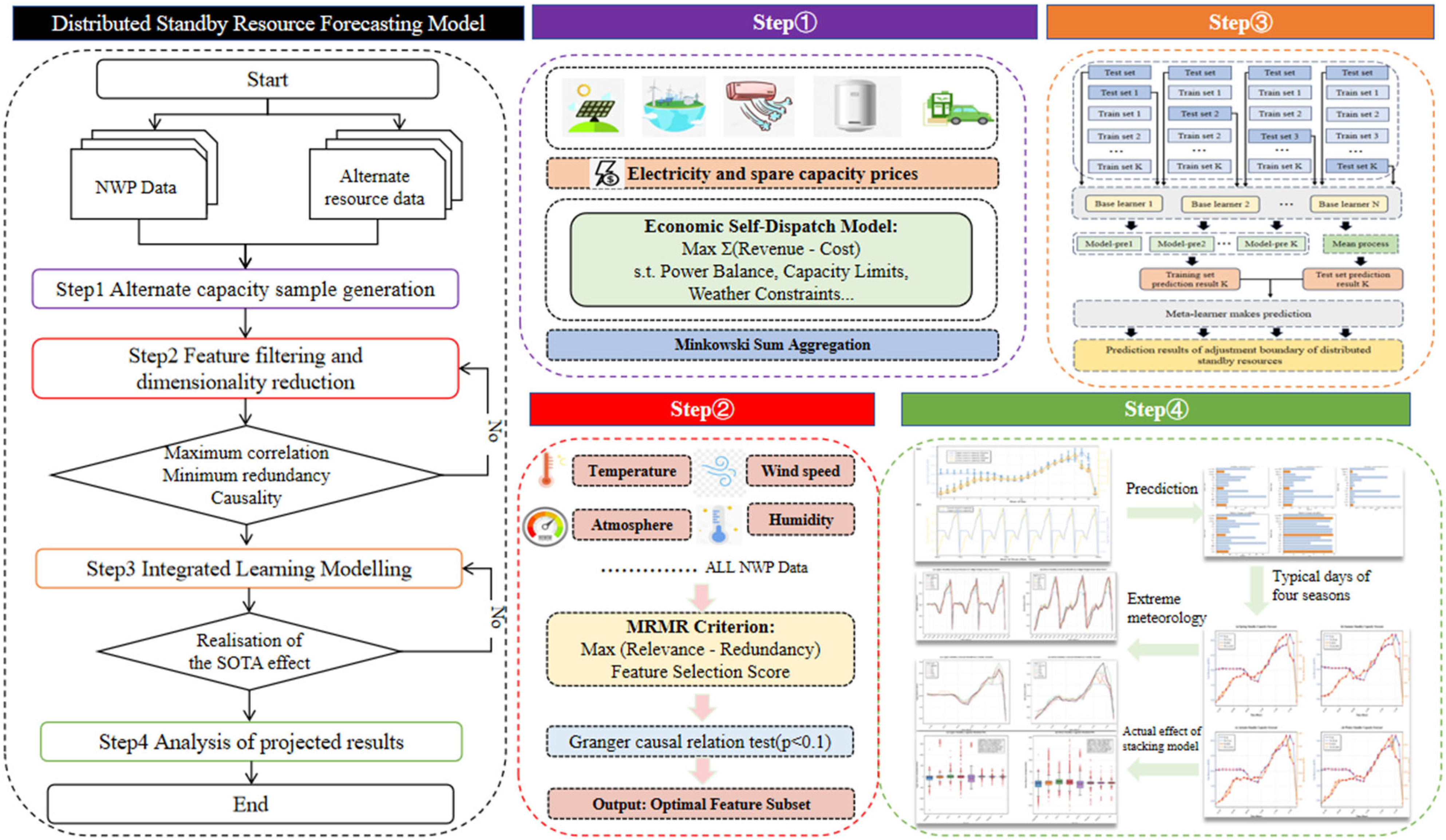
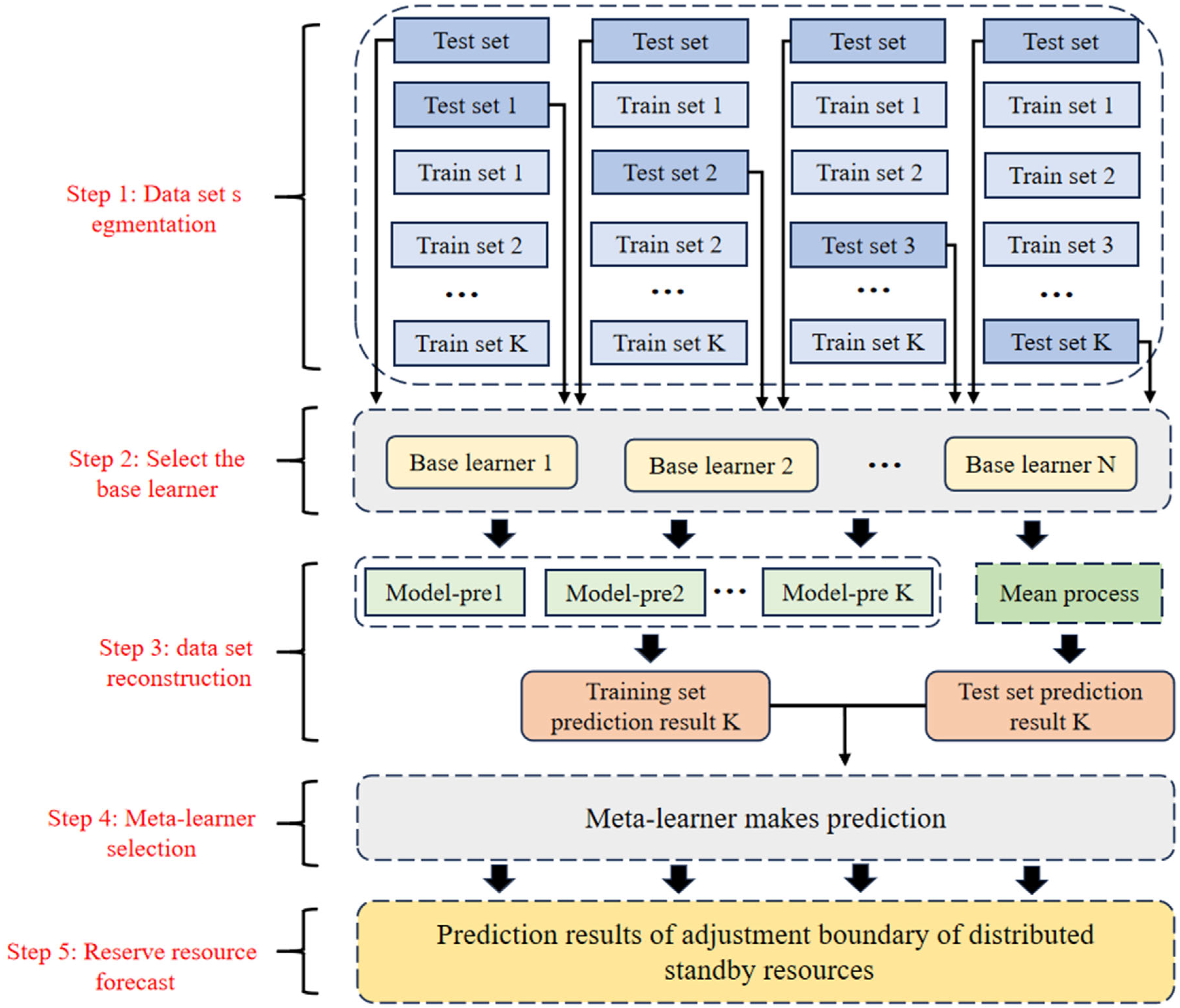
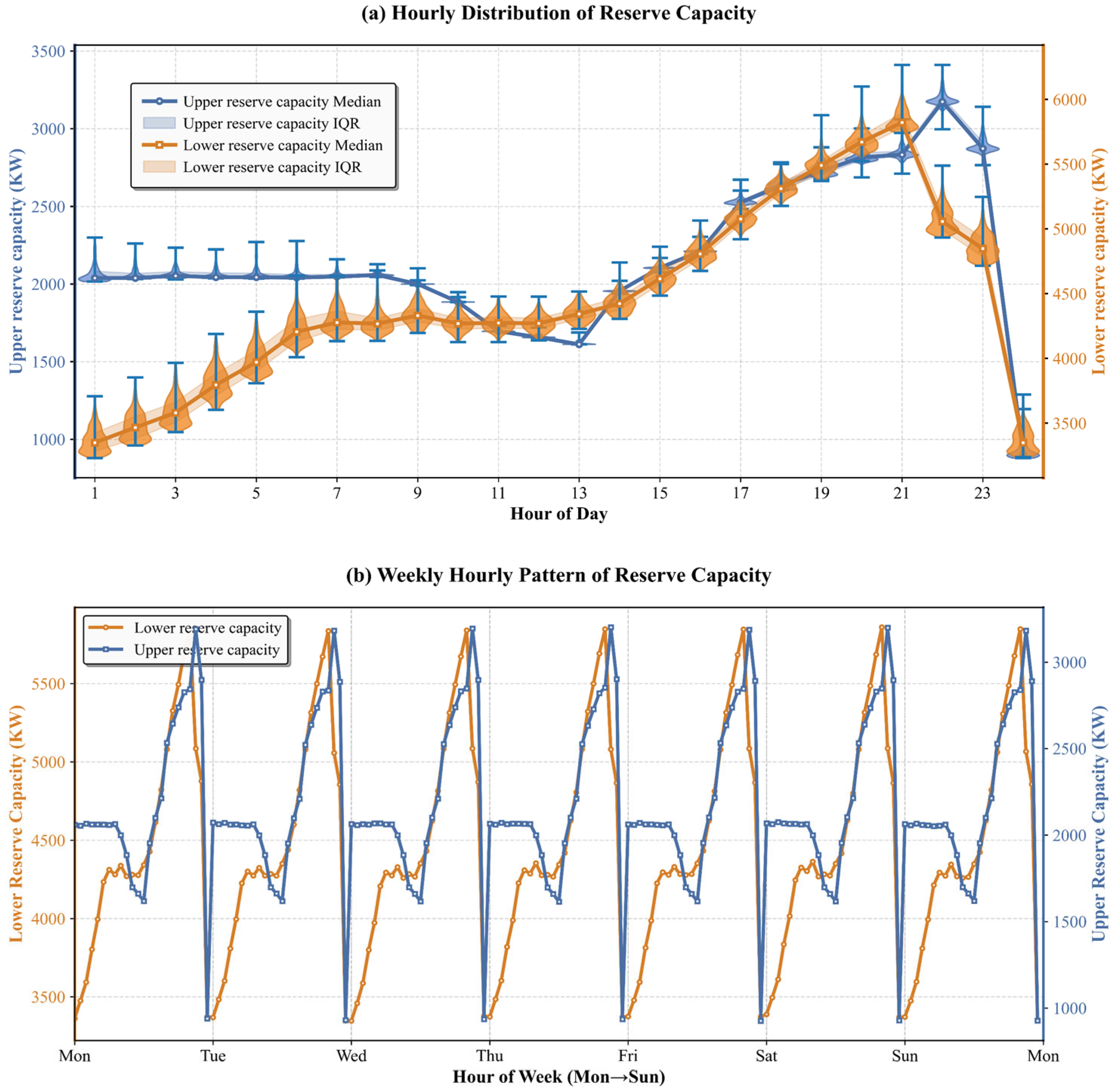
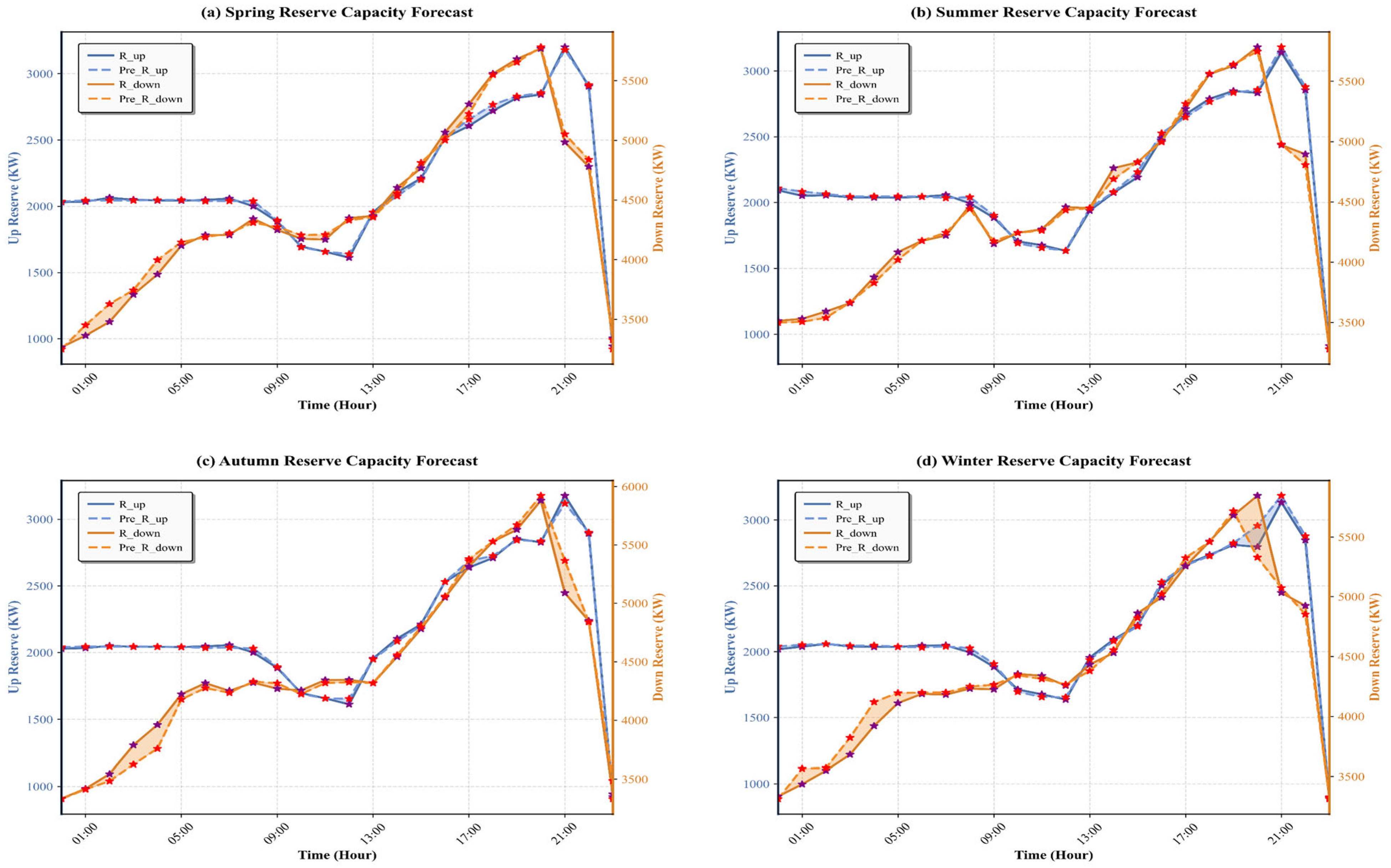
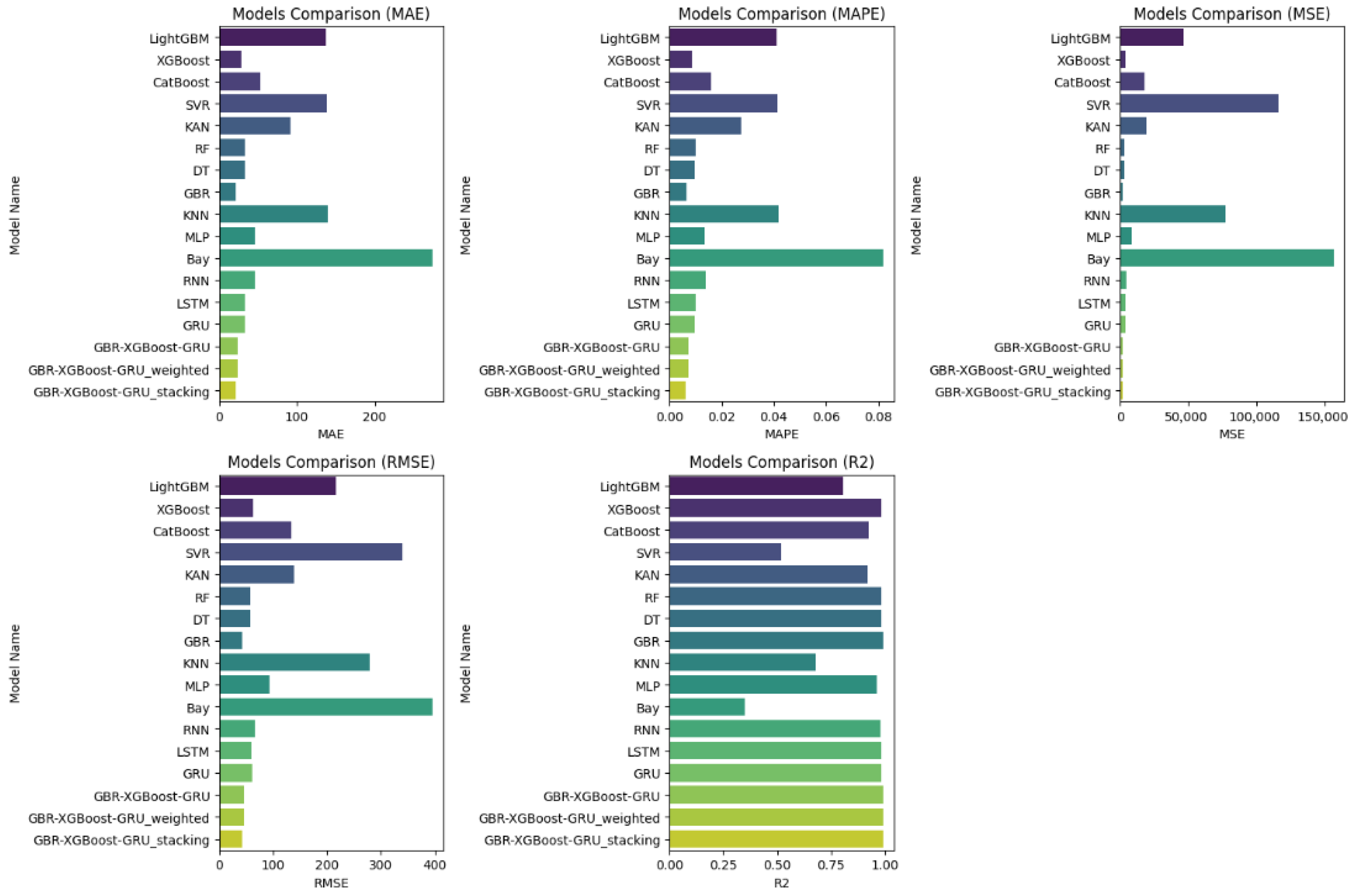
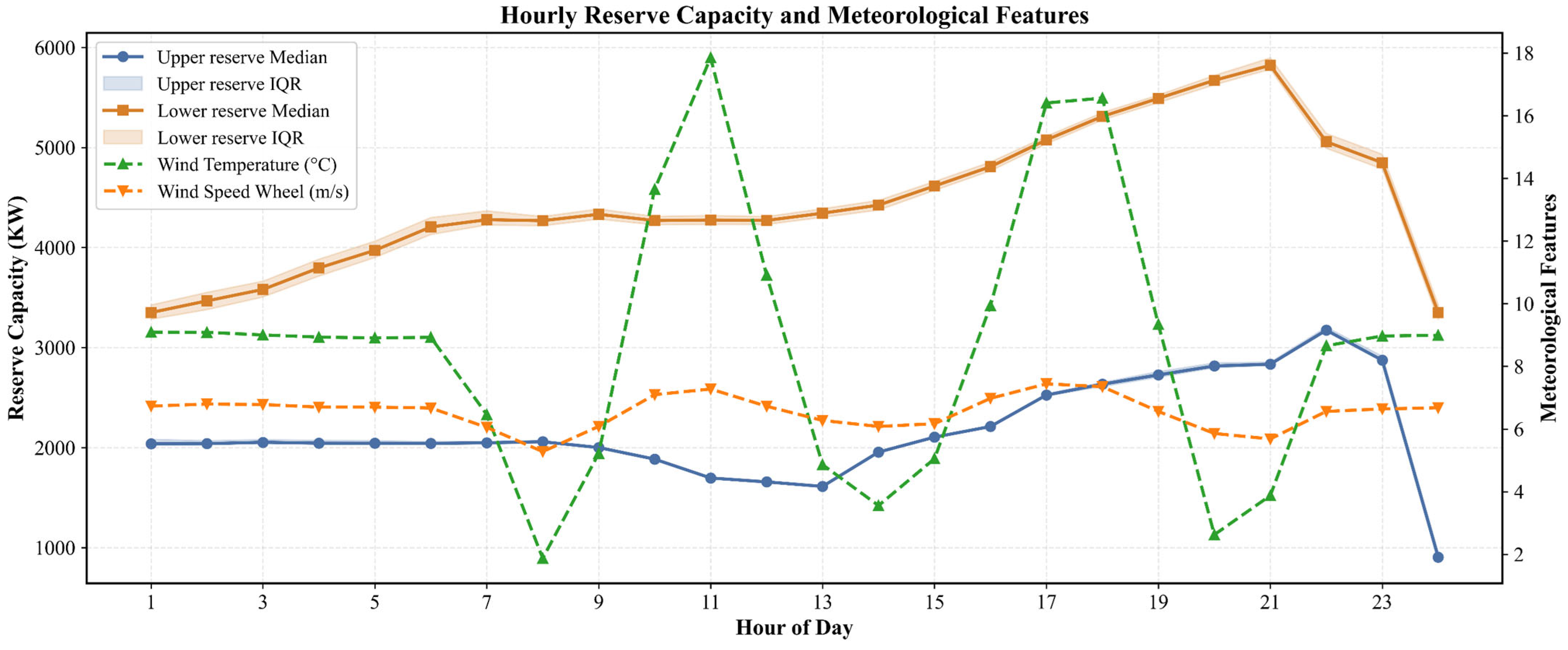
In the context of the rapid development of renewable energy and frequent extreme weather, accurate evaluation of the backup operation flexibility of multiple distributed resources is a prerequisite for improving the resilience of power systems. However, it is difficult to consider the detailed model of each distributed resource and evaluate its regulation ability in the operation of power systems because of the small number of distributed resources. Therefore, this paper first quantifies the capacity boundaries of distributed reserve resources on the power generation, load, and energy storage sides under different meteorological conditions through economic self-dispatching optimization and Minkowski aggregation methods. Subsequently, the maximum correlation–minimum redundancy (mRMR) principle and Granger causality test are combined to reduce the dimensionality of high-dimensional meteorological features. Finally, the stacking ensemble learning method is introduced to build an end-to-end modelling framework from multi-source weather input to reserve capability prediction. The results show that (1) the reserve capacity of multivariate distributed resources has significant intra-day and intra-day periodicity and seasonal differences; (2) the mRMR algorithm considering the Granger causality test can capture the correlation and causality between high-dimensional meteorological features and reserve capabilities, and the obtained features are more explanatory; (3) the average R2 of the stacking model in both upper-reserve and lower-reserve predictions reaches 0.994. In terms of computational efficiency, the training time of the proposed model is 130.85 s for upper-reserve prediction and 133.71 s for lower-reserve prediction, which is significantly lower than that of conventional hybrid models while maintaining stable performance under extreme meteorological conditions such as high temperatures and strong winds; (4) compared with integration methods such as simple averaging and error weighting, the stacking integration strategy proposed in this paper remains stable in the mean and variance of prediction results, verifying its comprehensive advantages in structural design and performance integration.
Keywords: meteorological uncertainties; distributed reserve resource; flexibility assessment; integrated learning meteorological uncertainties; distributed reserve resource; flexibility assessment; integrated learning