Gut Microbiome Responses to Nutritional and Lifestyle Interventions in Pediatric Obesity: A Systematic Review Toward Precision Nutrition

 ,
,  , , ,
, , ,  , ,
, , 
Highlights
- Nutritional and lifestyle interventions in pediatric obesity were associated with measurable but heterogeneous changes in gut microbiota diversity, composition, and predicted function.
- Fiber-rich diets, prebiotic, probiotic, synbiotic, and postbiotic supplementation, calorie restriction, and physical activity were linked to taxon-specific microbial shifts, including changes in beneficial taxa such as Bifidobacterium, Faecalibacterium, Blautia, and Akkermansia muciniphila.
- Gut microbiome modulation may represent a promising adjunctive strategy in pediatric obesity management, but current evidence does not support its use as a stand-alone therapeutic target.
- Methodologically standardized trials are needed to determine whether microbiome changes directly contribute to clinically meaningful metabolic and anthropometric improvements.
Abstract
1. Introduction
2. Materials and Methods
2.1. Protocol Registration and Reporting
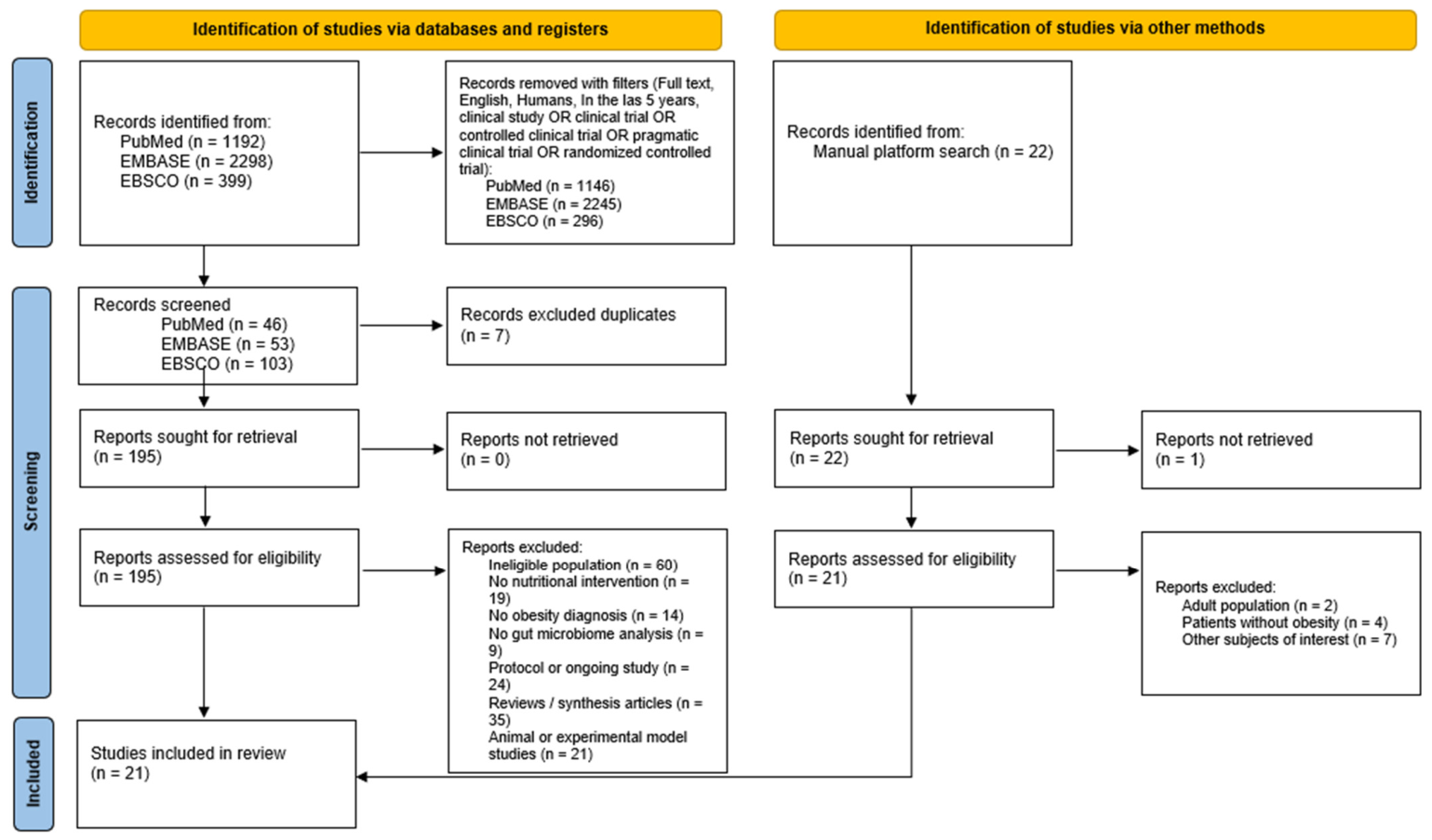
2.2. Search and Selection Process
2.3. Data Extraction
2.4. Risk-of-Bias Assessment
3. Results
3.1. Prebiotic Interventions
3.2. Synbiotic Interventions
3.3. Probiotic Interventions
3.4. Postbiotic Interventions

| Author; Year; Country | Study Design | Population (Age, Diagnosis) | Type of Intervention | Duration of the Intervention | Main Results | Microbiome Analysis Method | Comments |
|---|---|---|---|---|---|---|---|
| Chen et al., 2022 [32]; China | RCT (double blind, placebo-controlled clinical trial) | n = 56, Children 6–12 years with overweight and obesity | Probiotic supplementation (Lactobacillus salivarius AP-32, L. rhamnosus bv-77, and Bifidobacterium animalis CP-9), plus standardized diet and exercise guidance vs. placebo | 12 weeks | ↑ Bifidobacterium, ↑ Lactobacillus, partial correction of obesity-associated dysbiosis; probiotic group showed greater reductions in body weight and BMI, with improvements in lipid profile (↓ total cholesterol, ↓ LDL, ↑ HDL) and increased adiponectin levels | 16S rRNA gene sequencing (Illumina); functional prediction using PICRUSt | Lifestyle intervention applied to both groups limits attribution of effects solely to probiotics |
| Solito et al., 2021 [33]; Italy | RCT (double-blind, placebo-controlled cross-over trial) | n = 101 Children and adolescents 6–18 years with obesity and insulin resistance | Probiotic supplementation with Bifidobacterium breve BR03 and B632 (2 × 10⁹ colony-forming units (CFU)/day) + standardized Mediterranean diet and physical activity | 8 weeks (first phase analyzed due to carry-over effect) | Probiotics improved insulin sensitivity compared to placebo; modest additional effects on waist circumference and fasting insulin; no major changes in inflammatory markers | qPCR quantification of selected bacterial groups; fecal SCFA profiling by gas chromatography and mass spectrometry | Metabolic benefits exceed anthropometric effects; microbiota functionality rather than composition may present modifications; cross-over design limited by carry-over effect |
| Verma et al., 2021 [34]; USA | RCT (double blind, placebo-controlled pilot trial) | n = 15 (probiotic n = 8 vs. placebo n = 7), adolescents 13–19 years old with severe obesity | Multi-strain probiotic supplementation (Visbiome®, containing Lactobacillus, Bifidobacterium, and Pediococcus strains; 2 sachets/day) vs. isocaloric placebo; no concurrent dietary or physical activity intervention allowed | 12 weeks | No significant changes were observed in alpha diversity or beta diversity at either genus or phylum level. The Firmicutes/Bacteroides ratio showed a quantitative decrease in the prebiotic group; no significant between-group differences were observed for insulin, HOMA-IR, body weight, BMI, BMI z-score or fecal calprotectin | Shotgun metagenomic sequencing (Illumina NextSeq 500) | Pilot study with very small sample size and high participant loss rate; limited statistical power for microbiome outcomes; effects on gut microbiota were modest and not statistically significant; clinical metabolic outcomes were secondary endpoints |
| Author; Year; Country | Study Design | Population (Age, Diagnosis) | Type of Intervention | Duration of the Intervention | Main Results | Microbiome Analysis Method | Comments |
|---|---|---|---|---|---|---|---|
| Coppola et al., 2022 [35]; Italy | RCT (quadruple-blind, placebo-controlled clinical trial) | n = 54 Children 5–17 years with obesity | Oral sodium butyrate (20 mg/kg/day) as adjunct to standard lifestyle care (Mediterranean diet and physical activity) | 6 months | A higher rate of clinically meaningful improvement in BMI (≥0.25 SD) in butyrate group vs. placebo (96% vs. 56%); improvements in waist circumference, insulin resistance, ghrelin, IL-6; microbiome baseline signatures predicted metabolic response | Shotgun metagenomic sequencing; taxonomic and functional profiling (MetaPhIan); microbiome–metabolic analysis | Strong evidence for microbiome-targeted nutritional intervention; effects likely mediated by microbial metabolites; limited sample size and adherence issues noted |
3.5. Dietary and Combined Lifestyle Interventions
3.6. Physical Activity
| Author; Year; Country | Study Design | Population (Age, Diagnosis) | Type of Intervention | Duration of the Intervention | Main Results | Microbiome Analysis Method | Comments |
|---|---|---|---|---|---|---|---|
| Cho KY et al., 2021 [36]; South Korea | Prospective longitudinal lifestyle pre–post intervention study | n = 36, Children and adolescents 7–18 years with obesity | Individualized lifestyle modification program including nutritional counseling + physical activity | 8 weeks | 19 individuals gained fat mass; 17 individuals lost fat mass; In children who lost weight: ↑ Firmicutes, ↓ Bacteroidetes. There were changes also in microbiome function. Children with fat loss showed significant changes in gut microbiota composition, reduced richness, and altered predicted metabolic pathways. Children who gained weight showed opposite changes. | 16S rRNA gene sequencing (Illumina MiSeq) | Non-randomized design without control group; heterogeneous intervention; provides mechanistic insight into microbiota dynamics associated with lifestyle-induced weight change |
| Zhou M et al., 2024 [37]; China | Prospective before–after dietary intervention study with control group | n = 30 children with obesity vs. n = 40 healthy children; Children school-aged 6–12 years | Personalized calorie-restricted diet (balanced energy-restricted diet with increased dietary fiber, moderate protein, and controlled fat intake) | 12 weeks | Significant decrease in weight, BMI, BMI-z score, body fat percentage; favorable microbiome changes: ↑ beneficial bacteria (e.g., Bifidobacterium, Lactobacillus), ↓ Bacteroides and ↑ Megamonas microbial diversity; positive correlation between microbiome changes and metabolic parameters | 16S rRNA gene sequencing (Illumina NovaSeq) | Single-arm pre–post design without randomized obese control group; dietary intake self-reported; lifestyle counseling provided concurrently; microbiome changes are associative |
| Peng LJ et al., 2024 [38]; China | Prospective before–after combined dietary and exercise intervention (DEI) | n = 86 children with obesity, of whom 39 underwent intervention vs. n = 107 healthy controls; children 6–12 years | Diet + exercise for weight loss: calorie-restricted, high-fiber balanced diet (1300–1500 kcal/day) plus supervised aerobic exercise (~4 h/day, 6 days/week) | 6 weeks | DEI group resulted in significant weight loss and improvement in dysbiosis. Alpha diversity indices increased significantly after intervention. Gut microbiota composition shifted at the individual level, with ↑ abundance of Akkermansia muciniphila, Rikenellaceae, and Enterobacteriaceae, and ↓ Sutterella and Alcaligenaceae | 16S rRNA sequencing (Illumina MiSeq) | Non-randomized, single-arm intervention; short intervention duration; intensive camp-based lifestyle program limits generalizability; microbiome changes are associative rather than causal |
| Morán-Ramos et al., 2022 [40]; Mexico | Pilot intervention study, no control | n = 6; Children 11–14 years with obesity | Multidimensional lifestyle intervention: hypocaloric individualized diet + nutritional recommendations + physical activity | 6 weeks | ↓ Waist circumference after the intervention, while BMI, BMI z-score, body fat percentage, and metabolic parameters remained unchanged; overall gut microbiota composition and alpha diversity did not change; the reduction in waist circumference was significantly associated with an ↑ Odoribacter abundance | 16S rRNA gene sequencing (Illumina MiSeq) | Very small sample size, single-arm design without obese control group, short intervention duration; findings are exploratory and associative, limited generalizability |
| Huang et al., 2020 [39]; China | Prospective before–after lifestyle intervention study | n = 24; adolescents 9–16 years with obesity | Combined lifestyle intervention: Hypocaloric diet (~60% carbohydrates, 20% protein, 20% fat) + intensive endurance and strength exercise program (~5 h/day, 6 days/week) | 6 weeks | Significant decrease in weight, BMI, body fat mass, waist-to-hip ratio; significant improvements in central hemodynamic parameters (↓ AIx75, ↓ resting heart rate); gut microbiota analysis showed decreased Firmicutes/Bacteroidetes ratio, increased alpha diversity, ↓ abundances of Lactobacillales, Streptococcaceae, Veillonella, and ↑ abundances of Lentisphaeria, Christensenellaceae, Butyricimonas, Victivallis; microbiota changes were significantly correlated with hemodynamic, anthropometric, and metabolic parameters | 16S rRNA sequencing (Illumina MiSeq) | Non-randomized, single-arm design without obese control group; highly intensive camp-based intervention limits generalizability; short intervention duration; microbiome findings are associative and hypothesis-generating |
| Lee et al., 2023 [41]; South Korea | Non-randomized clinical trial with before–after lifestyle intervention and responder analysis | n = 17 responders; n = 19 non-respondrs; n = 22 normal-weight children included as reference group | Individualized multidisciplinary lifestyle intervention including dietary modification, physical activity counseling, and behavioral monitoring supervised by pediatric clinicians, dietitians, and exercise specialists | 8 weeks | ↓ Bacteroides and changes in Firmicutes/Bacteroides balance in post-intervention responders; significant reductions in BMI, total body fat percentage, whereas non-responders showed increases in body weight and BMI; baseline metabolomic analysis showed elevated branched-chain amino acids, purine metabolism markers, and altered bile acid profiles in obese participants | 16S rRNA gene sequencing (Illumina MiSeq) | Multi-omics exploratory study with small sample size and short intervention duration; absence of randomization limits causal inference; microbiome results partially derived from previously published dataset using the same cohort; strong mechanistic insight but limited external generalizability |
| Cohen et al., 2023 [42]; USA | RCT (secondary multi-omics analysis) | n = 40, adolescent boys aged 11–16 years with biopsy-proven NAFLD, with overweight or obesity | Provision of a low free-sugar diet (<3% of total energy intake from free sugars) compared with habitual diet | 8 weeks | Microbiome analysis showed increased richness at the phylum level and taxon-specific ↑ in Ruminococcus bromii and Phascolarctobacterium, although no microbiome findings remained significant after multiple testing correction; the low free-sugar diet resulted in a significant reduction in hepatic fat compared with usual diet | 16S rRNA sequencing (Illumina MiSeq) | Microbiome results derived from small sub-sample; study designed primarily to evaluate hepatic fat reduction rather than microbiome modulation; homogeneous male-only cohort limits generalizability; exploratory multi-omics findings require validation |
| Aqeel et al., 2025 [43]; USA | RCT (pilot trial) | n = 33 (intervention n = 17), children aged 6–11 years with obesity | Intensive health behavior and lifestyle treatment in both groups; intervention arm additionally received dietitian-guided grocery food provisioning, promoting a high-fiber, plant-focused, low-dairy dietary pattern | 4-week intervention with follow-up at 8 weeks | No significant changes were observed in body weight, food insecurity status, or gut microbiome diversity; some beneficial microbiome taxa trends were described but did not reach statistical significance; the intervention significantly improved diet quality compared with usual care, with increased intake of whole grains and fiber and reduced dairy consumption | 16S rRNA (Illumina MiniSeq) | Study primarily evaluated feasibility and dietary behavior modification rather than weight reduction or microbiome modulation |
| Author; Year; Country | Study Design | Population (Age, Diagnosis) | Type of Intervention | Duration of the Intervention | Main Results | Microbiome Analysis Method | Comments |
|---|---|---|---|---|---|---|---|
| Quiroga et al., 2020 [44], Spain | RCT (exercise intervention) | n = 39 children 7–12 years old with obesity vs. n = 14 healthy controls | Strength and endurance combined training program (2–3 sessions/week; ~45 min/session); no caloric restriction, standardized healthy lifestyle advice | 12 weeks | ↓ Proteobacteria phylum and Gammaproteobacteria class ↑ Blautia, Dialister, and Roseburia, shifting the microbiota toward a pattern observed in healthy children; exercise significantly downregulated obesity-associated inflammatory signaling pathways, including reduced NLRP3 inflammasome, CASP-1, and osteopontin expression | 16S rRNA sequencing (Illumina MiSeq) | No dietary intervention or caloric restriction; modest anthropometric effects; demonstrates microbiome and inflammatory benefits of exercise independent of adiposity change |
| Morgado et al., 2023 [45]; Portugal | non-RCT | n = 15, Children 7–10 years with overweight or obesity | Recreational football (2 sessions/week; 60 min/session) alone (Football Group) or combined with structured nutrition (Nutrition and Football Group) | 12 weeks | ↓ Bifidobacterium genera across all participants; ↓ Roseburia in the Football Group; no significant changes in alpha diversity and body weight; significant within-group reductions were reported for BMI, BMI z-score, and waist-to-height ratio in both groups | 16S rRNA sequencing (Illumina MiSeq) | Small sample size; absence of randomization; no normal-weight control group; microbiome changes were limited |
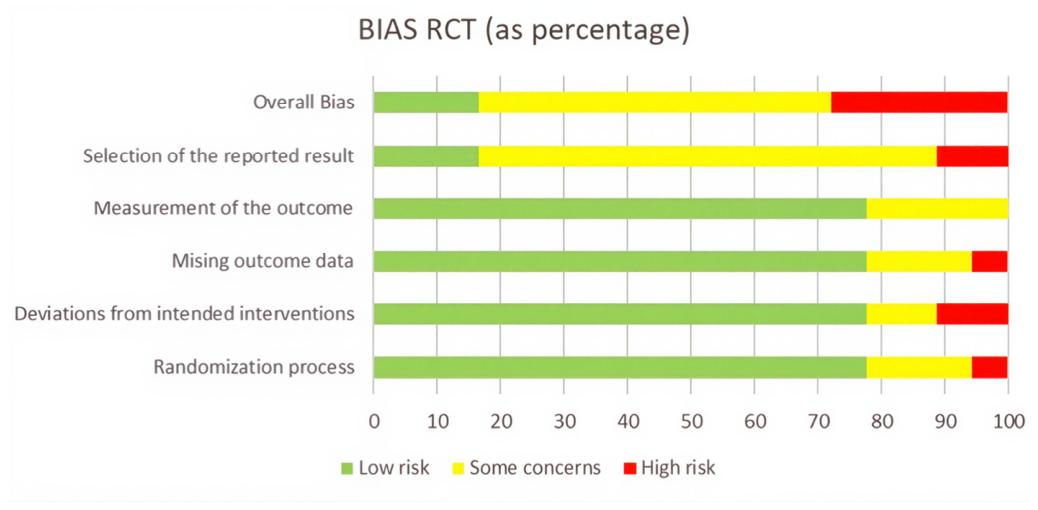
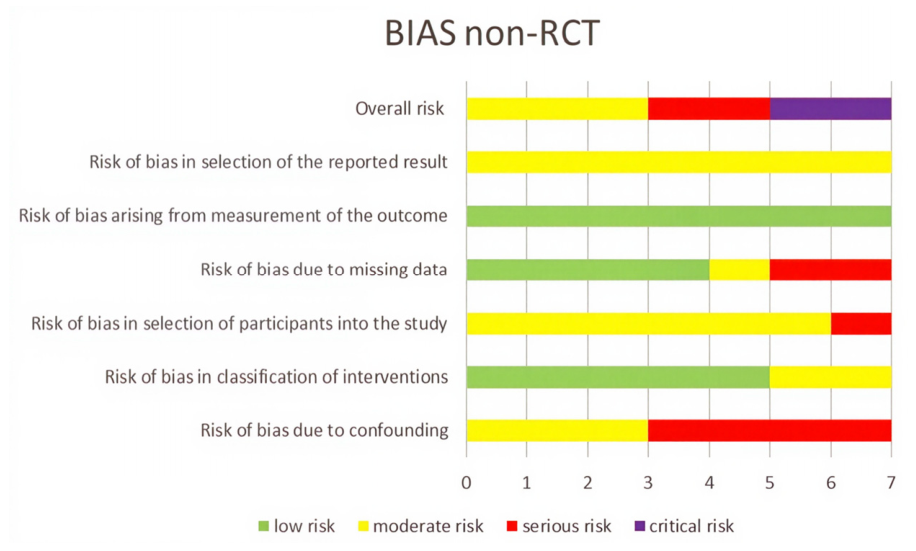
3.7. Risk-of-Bias Assessment Results
4. Discussion
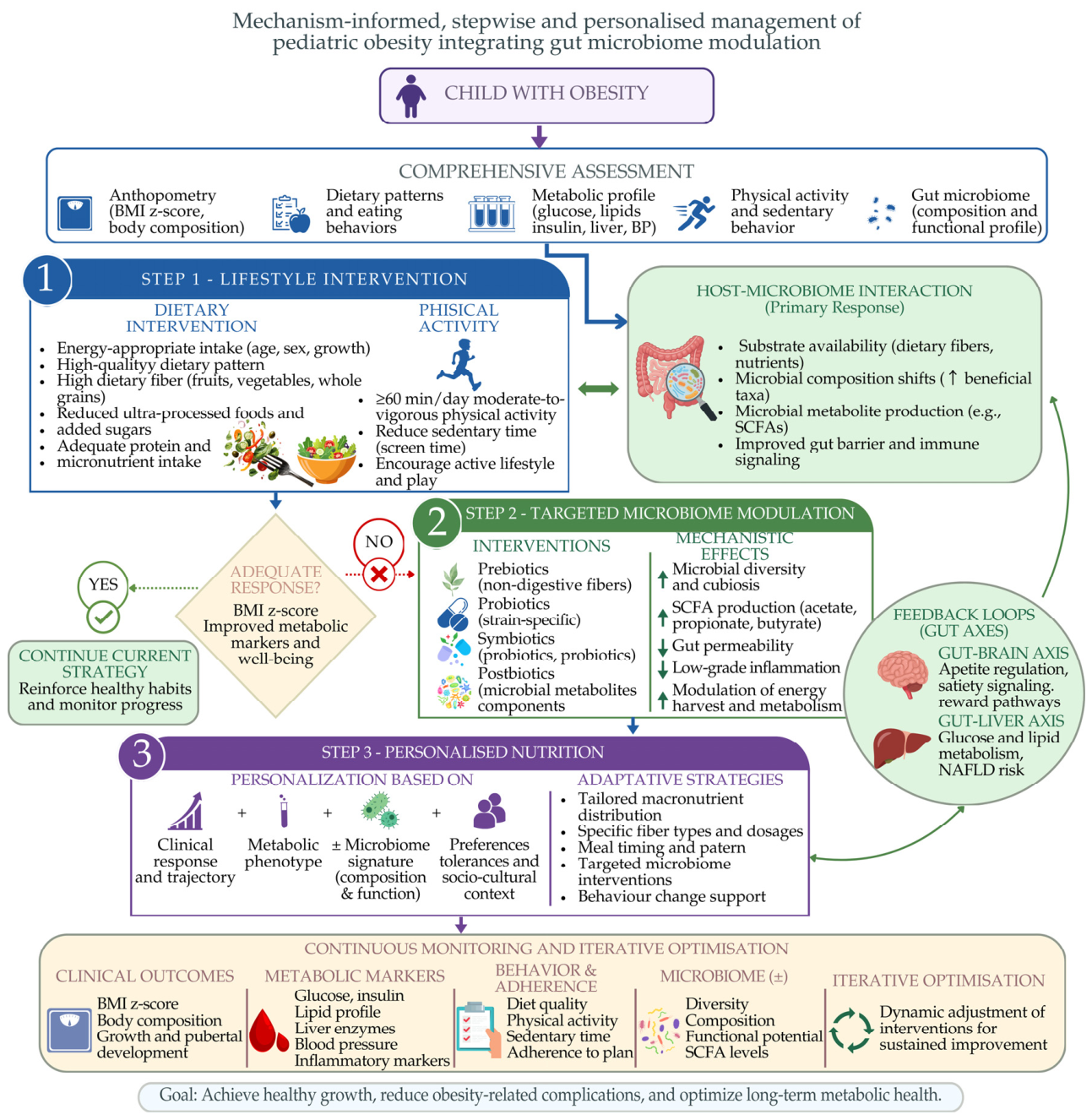
Perspectives
5. Conclusions
Author Contributions
Funding
Institutional Review Board Statement
Informed Consent Statement
Data Availability Statement
Conflicts of Interest
Abbreviations
| A-CRD | Adjusted calorie-restricted diet |
| AIx | Augmentation index |
| ALT | Alanine aminotransferase |
| BC | Body composition |
| BMI | Body mass index |
| DEI | Diet and exercise intervention |
| PICRUSt | Phylogenetic Investigation of Communities by Reconstruction of Unobserved States |
| PRISMA | Preferred Reporting Items for Systematic Review and Meta-Analysis |
| RCT | Randomized controlled trial |
| rRNA | Ribosomal RNA |
| SCFA | Short-chain fatty acids |
| SNP | Single-nucleotide polymorphisms |
| SD | standard deviation |
| WHR | Waist-to-hip-ratio |
| qPCR | Quantitative real-time polymerase chain reaction |
References
- World Health Organization. Obesity and Overweight. Available online: https://www.who.int/news-room/fact-sheets/detail/obesity-and-overweight (accessed on 1 December 2025).
- NCD Risk Factor Collaboration (NCD-RisC). Worldwide Trends in Underweight and Obesity from 1990 to 2022: A Pooled Analysis of 3663 Population-Representative Studies with 222 Million Children, Adolescents, and Adults. Lancet 2024, 403, 1027–1050. [Google Scholar] [CrossRef] [Scilit] [PubMed]
- The Lancet Editorial. The Lancet Childhood Obesity: A Global Health Crisis. Lancet 2025, 406, 1193. [Google Scholar] [CrossRef] [Scilit] [PubMed]
- GBD 2021 Adolescent BMI Collaborators. Global, Regional, and National Prevalence of Child and Adolescent Overweight and Obesity, 1990–2021, with Forecasts to 2050: A Forecasting Study for the Global Burden of Disease Study 2021. Lancet 2025, 405, 785–812. [Google Scholar] [CrossRef] [Scilit] [PubMed]
- Putri, R.R. The Evolving Landscape of Pediatric Obesity and Metabolic Dysfunction-Associated Steatotic Liver Disease. Front. Pediatr. 2025, 13, 1675713. [Google Scholar] [CrossRef] [Scilit] [PubMed]
- Tung, J.Y.L.; Poon, G.W.K.; Du, J.; Wong, K.K.Y. Obesity in Children and Adolescents: Overview of the Diagnosis and Management. Chronic Dis. Transl. Med. 2023, 9, 122–133. [Google Scholar] [CrossRef] [Scilit] [PubMed]
- Wąsacz, M.; Sarzyńska, I.; Ochojska, D.; Błajda, J.; Bartkowska, O.; Brydak, K.; Stańczyk, S.; Bator, M.; Kopańska, M. Psychosocial Consequences of Excess Weight and the Importance of Physical Activity in Combating Obesity in Children and Adolescents: A Pilot Study. Nutrients 2025, 17, 1690. [Google Scholar] [CrossRef] [Scilit] [PubMed]
- Ryder, J.R.; Jacobs, D.R., Jr.; Sinaiko, A.R.; Kornblum, A.P.; Steinberger, J. Longitudinal Changes in Weight Status from Childhood and Adolescence to Adulthood. J. Pediatr. 2019, 214, 187–192.e2. [Google Scholar] [CrossRef] [Scilit] [PubMed]
- Marcus, C.; Danielsson, P.; Hagman, E. Pediatric Obesity-Long-Term Consequences and Effect of Weight Loss. J. Intern. Med. 2022, 292, 870–891. [Google Scholar] [CrossRef] [Scilit] [PubMed]
- Ramírez-Vélez, R.; Correa-Bautista, J.E.; González-Ruíz, K.; Vivas, A.; Triana-Reina, H.R.; Martínez-Torres, J.; Prieto-Benavides, D.H.; Carrillo, H.A.; Ramos-Sepúlveda, J.A.; Villa-González, E.; et al. Body Adiposity Index Performance in Estimating Body Fat Percentage in Colombian College Students: Findings from the FUPRECOL-Adults Study. Nutrients 2017, 9, 40. [Google Scholar] [CrossRef] [Scilit] [PubMed]
- Styne, D.M.; Arslanian, S.A.; Connor, E.L.; Farooqi, I.S.; Murad, M.H.; Silverstein, J.H.; Yanovski, J.A. Pediatric Obesity-Assessment, Treatment, and Prevention: An Endocrine Society Clinical Practice Guideline. J. Clin. Endocrinol. Metab. 2017, 102, 709–757. [Google Scholar] [CrossRef] [Scilit] [PubMed]
- Kahan, S.; Manson, J.E. Obesity Treatment, beyond the Guidelines: Practical Suggestions for Clinical Practice. JAMA 2019, 321, 1349–1350. [Google Scholar] [CrossRef] [Scilit] [PubMed]
- Crovesy, L.; Masterson, D.; Rosado, E.L. Profile of the Gut Microbiota of Adults with Obesity: A Systematic Review. Eur. J. Clin. Nutr. 2020, 74, 1251–1262. [Google Scholar] [CrossRef] [Scilit] [PubMed]
- Le Chatelier, E.; Nielsen, T.; Qin, J.; Prifti, E.; Hildebrand, F.; Falony, G.; Almeida, M.; Arumugam, M.; Batto, J.-M.; Kennedy, S.; et al. Richness of Human Gut Microbiome Correlates with Metabolic Markers. Nature 2013, 500, 541–546. [Google Scholar] [CrossRef] [Scilit] [PubMed]
- Visuthranukul, C.; Sriswasdi, S.; Tepaamorndech, S.; Joyjinda, Y.; Saengpanit, P.; Kwanbunbumpen, T.; Panichsillaphakit, E.; Uaariyapanichkul, J.; Chomtho, S. Association of Human Intestinal Microbiota with Lifestyle Activity, Adiposity, and Metabolic Profiles in Thai Children with Obesity. J. Nutr. Metab. 2022, 2022, 3029582. [Google Scholar] [CrossRef] [Scilit] [PubMed]
- Nirmalkar, K.; Murugesan, S.; Pizano-Zárate, M.L.; Villalobos-Flores, L.E.; García-González, C.; Morales-Hernández, R.M.; Nuñez-Hernández, J.A.; Hernández-Quiroz, F.; Romero-Figueroa, M.d.S.; Hernández-Guerrero, C.; et al. Gut Microbiota and Endothelial Dysfunction Markers in Obese Mexican Children and Adolescents. Nutrients 2018, 10, 2009. [Google Scholar] [CrossRef] [Scilit] [PubMed]
- Shin, S.; Cho, K.Y. Altered Gut Microbiota and Shift in Bacteroidetes between Young Obese and Normal-Weight Korean Children: A Cross-Sectional Observational Study. BioMed Res. Int. 2020, 2020, 6587136. [Google Scholar] [CrossRef] [Scilit] [PubMed]
- Bindels, L.B.; Delzenne, N.M.; Cani, P.D.; Walter, J. Towards a More Comprehensive Concept for Prebiotics. Nat. Rev. Gastroenterol. Hepatol. 2015, 12, 303–310. [Google Scholar] [CrossRef] [Scilit] [PubMed]
- Luo, Y.; Li, M.; Luo, D.; Tang, B. Gut Microbiota: An Important Participant in Childhood Obesity. Adv. Nutr. 2025, 16, 100362. [Google Scholar] [CrossRef] [Scilit] [PubMed]
- Borgo, F.; Verduci, E.; Riva, A.; Lassandro, C.; Riva, E.; Morace, G.; Borghi, E. Relative Abundance in Bacterial and Fungal Gut Microbes in Obese Children: A Case Control Study. Child. Obes. 2017, 13, 78–84. [Google Scholar] [CrossRef] [Scilit] [PubMed]
- Bervoets, L.; Van Hoorenbeeck, K.; Kortleven, I.; Van Noten, C.; Hens, N.; Vael, C.; Goossens, H.; Desager, K.N.; Vankerckhoven, V. Differences in Gut Microbiota Composition between Obese and Lean Children: A Cross-Sectional Study. Gut Pathog. 2013, 5, 10. [Google Scholar] [CrossRef] [Scilit] [PubMed]
- Riva, A.; Borgo, F.; Lassandro, C.; Verduci, E.; Morace, G.; Borghi, E.; Berry, D. Pediatric Obesity Is Associated with an Altered Gut Microbiota and Discordant Shifts in Firmicutes Populations. Environ. Microbiol. 2017, 19, 95–105. [Google Scholar] [CrossRef] [Scilit] [PubMed]
- Scheepers, L.E.J.M.; Penders, J.; Mbakwa, C.A.; Thijs, C.; Mommers, M.; Arts, I.C.W. The Intestinal Microbiota Composition and Weight Development in Children: The KOALA Birth Cohort Study. Int. J. Obes. 2015, 39, 16–25. [Google Scholar] [CrossRef] [Scilit]
- Page, M.J.; McKenzie, J.E.; Bossuyt, P.M.; Boutron, I.; Hoffmann, T.C.; Mulrow, C.D.; Shamseer, L.; Tetzlaff, J.M.; Akl, E.A.; Brennan, S.E.; et al. The PRISMA 2020 Statement: An Updated Guideline for Reporting Systematic Reviews. BMJ 2021, 372, n71. [Google Scholar] [CrossRef] [Scilit] [PubMed]
- Andriyas, T.; Sriswasdi, S.; Tansawat, R.; Uaariyapanichkul, J.; Chomtho, S.; Visuthranukul, C. Inulin Supplementation Modulates Gut Microbiota Derived Metabolites Related to Brain Function in Children with Obesity. Sci. Rep. 2025, 15, 34843. [Google Scholar] [CrossRef] [Scilit] [PubMed]
- Panichsillaphakit, E.; Visuthranukul, C.; Chongpison, Y.; Chuaypen, N.; Kwanbunbumpen, T.; Uaariyapanichkul, J.; Chomtho, S. The Effects of Inulin Supplementation on Eating Behaviours in Children and Adolescents with Obesity: A Randomized Double-Blinded Placebo-Controlled Study. Nutr. Metab. 2025, 22, 97. [Google Scholar] [CrossRef] [Scilit] [PubMed]
- Aksornkitti, V.; Visuthranukul, C.; Leelahavanichkul, A.; Joyjinda, Y.; Sriswasdi, S. Gut Microbiome Enterotypes and Temporal Variations during a Six-Month Inulin-Supplemented Weight Loss Randomized Controlled Trial in Thai Children with Obesity. Comput. Struct. Biotechnol. J. 2025, 27, 5007–5019. [Google Scholar] [CrossRef] [Scilit] [PubMed]
- Fatahi, S.; Sohouli, M.H.; Vahidshahi, K.; Rohani, P.; Safa, M.; Salehi, M.; Găman, M.-A.; Shidfar, F. Changes in Gut Microbiota Following Supplementation with Chitosan in Adolescents with Overweight or Obesity: A Randomized, Double-Blind Clinical Trial. Diabetol. Metab. Syndr. 2025, 17, 120. [Google Scholar] [CrossRef] [Scilit] [PubMed]
- Visuthranukul, C.; Sriswasdi, S.; Tepaamorndech, S.; Chamni, S.; Leelahavanichkul, A.; Joyjinda, Y.; Aksornkitti, V.; Chomtho, S. Enhancing Gut Microbiota and Microbial Function with Inulin Supplementation in Children with Obesity. Int. J. Obes. 2024, 48, 1696–1704. [Google Scholar] [CrossRef] [Scilit] [PubMed]
- Kilic Yildirim, G.; Dinleyici, M.; Vandenplas, Y.; Dinleyici, E.C. Effects of Synbiotic Supplementation on Intestinal Microbiota Composition in Children and Adolescents with Exogenous Obesity: (Probesity-2 Trial). Gut Pathog. 2023, 15, 36. [Google Scholar] [CrossRef] [Scilit] [PubMed]
- Martinez-Martinez, M.U.; Vázquez-Maldonado, D.; Ratering, S.; Godínez-Hernández, C.; Ortiz-Basurto, R.I.; Soria-Guerra, R.E.; Schneider, B.; Juárez-Flores, B.I.; Portales-Pérez, D.P.; Schnell, S.; et al. Fructans from Agave Enhance Probiotic Yoghurt by Modulating Gut Microbiota on Children with Overweight or Obesity. Food Biosci. 2022, 46, 101516. [Google Scholar] [CrossRef] [Scilit]
- Chen, A.-C.; Fang, T.-J.; Ho, H.-H.; Chen, J.-F.; Kuo, Y.-W.; Huang, Y.-Y.; Tsai, S.-Y.; Wu, S.-F.; Lin, H.-C.; Yeh, Y.-T. A Multi-Strain Probiotic Blend Reshaped Obesity-Related Gut Dysbiosis and Improved Lipid Metabolism in Obese Children. Front. Nutr. 2022, 9, 922993. [Google Scholar] [CrossRef] [Scilit] [PubMed]
- Solito, A.; Bozzi Cionci, N.; Calgaro, M.; Caputo, M.; Vannini, L.; Hasballa, I.; Archero, F.; Giglione, E.; Ricotti, R.; Walker, G.E.; et al. Supplementation with Bifidobacterium Breve BR03 and B632 Strains Improved Insulin Sensitivity in Children and Adolescents with Obesity in a Cross-over, Randomized Double-Blind Placebo-Controlled Trial. Clin. Nutr. 2021, 40, 4585–4594. [Google Scholar] [CrossRef] [Scilit] [PubMed]
- Verma, A.; Nelson, M.T.; DePaolo, W.R.; Hampe, C.; Roth, C.L. A Randomized Double-Blind Placebo Controlled Pilot Study of Probiotics in Adolescents with Severe Obesity. J. Diabetes Metab. Disord. 2021, 20, 1289–1300. [Google Scholar] [CrossRef] [Scilit] [PubMed]
- Coppola, S.; Nocerino, R.; Paparo, L.; Bedogni, G.; Calignano, A.; Di Scala, C.; de Giovanni di Santa Severina, A.F.; De Filippis, F.; Ercolini, D.; Berni Canani, R. Therapeutic Effects of Butyrate on Pediatric Obesity: A Randomized Clinical Trial. JAMA Netw. Open 2022, 5, e2244912. [Google Scholar] [CrossRef] [Scilit] [PubMed]
- Cho, K.Y. Lifestyle Modifications Result in Alterations in the Gut Microbiota in Obese Children. BMC Microbiol. 2021, 21, 10. [Google Scholar] [CrossRef] [Scilit] [PubMed]
- Zhou, M.; Peng, C.; Miao, Z.; Wang, K.; Zhou, H.; Li, Y.; Xiao, G.; Wu, X. Improved Diet-Based Nutritional Interventions Can Improve Childhood Obesity with the Synergistic Regulation of Gut Microbiota. Benef. Microbes 2024, 15, 495–513. [Google Scholar] [CrossRef] [Scilit] [PubMed]
- Peng, L.-J.; Chen, Y.-P.; Qu, F.; Zhong, Y.; Jiang, Z.-S. Correlation of Gut Microbiota with Children Obesity and Weight Loss. Indian J. Microbiol. 2024, 64, 82–91. [Google Scholar] [CrossRef] [Scilit] [PubMed]
- Huang, J.; Liao, J.; Fang, Y.; Deng, H.; Yin, H.; Shen, B.; Hu, M. Six-Week Exercise Training with Dietary Restriction Improves Central Hemodynamics Associated with Altered Gut Microbiota in Adolescents with Obesity. Front. Endocrinol. 2020, 11, 569085. [Google Scholar] [CrossRef] [Scilit] [PubMed]
- Morán-Ramos, S.; Siliceo-Bernardi, M.T.; Villalpando-Carrión, S.; Canizales-Quinteros, S.; Frigolet, M.E.; Gutiérrez-Aguilar, R. Gut Microbiota Composition after a Dietary and Physical Activity Intervention: A Pilot Study in Mexican Children with Obesity. Bol. Med. Hosp. Infant. Mex. 2022, 79, 318–325. [Google Scholar] [CrossRef] [Scilit] [PubMed]
- Lee, Y.; Cho, J.-Y.; Cho, K.Y. Serum, Urine, and Fecal Metabolome Alterations in the Gut Microbiota in Response to Lifestyle Interventions in Pediatric Obesity: A Non-Randomized Clinical Trial. Nutrients 2023, 15, 2184. [Google Scholar] [CrossRef] [Scilit] [PubMed]
- Cohen, C.C.; Huneault, H.; Accardi, C.J.; Jones, D.P.; Liu, K.; Maner-Smith, K.M.; Song, M.; Welsh, J.A.; Ugalde-Nicalo, P.A.; Schwimmer, J.B.; et al. Metabolome × Microbiome Changes Associated with a Diet-Induced Reduction in Hepatic Fat among Adolescent Boys. Metabolites 2023, 13, 401. [Google Scholar] [CrossRef] [Scilit] [PubMed]
- Aqeel, A.; Kay, M.C.; Zeng, J.; Petrone, B.L.; Yang, C.; Truong, T.; Brown, C.B.; Jiang, S.; Carrion, V.M.; Bryant, S.; et al. Grocery Intervention and DNA-Based Assessment to Improve Diet Quality in Pediatric Obesity: A Pilot Randomized Controlled Study. Obesity 2025, 33, 331–345. [Google Scholar] [CrossRef] [Scilit] [PubMed]
- Quiroga, R.; Nistal, E.; Estébanez, B.; Porras, D.; Juárez-Fernández, M.; Martínez-Flórez, S.; García-Mediavilla, M.V.; de Paz, J.A.; González-Gallego, J.; Sánchez-Campos, S.; et al. Exercise Training Modulates the Gut Microbiota Profile and Impairs Inflammatory Signaling Pathways in Obese Children. Exp. Mol. Med. 2020, 52, 1048–1061. [Google Scholar] [CrossRef] [Scilit] [PubMed]
- Morgado, M.C.; Sousa, M.; Marques, C.; Coelho, A.B.; Costa, J.A.; Seabra, A. Effects of Physical Activity and Nutrition Education on the Gut Microbiota in Overweight and Obese Children. Children 2023, 10, 1242. [Google Scholar] [CrossRef] [Scilit] [PubMed]
- Morgado, M.C.; Sousa, M.; Coelho, A.B.; Costa, J.A.; Seabra, A. Exploring Gut Microbiota and the Influence of Physical Activity Interventions on Overweight and Obese Children and Adolescents: A Systematic Review. Healthcare 2023, 11, 2459. [Google Scholar] [CrossRef] [Scilit] [PubMed]
- Sterne, J.A.C.; Savović, J.; Page, M.J.; Elbers, R.G.; Blencowe, N.S.; Boutron, I.; Cates, C.J.; Cheng, H.-Y.; Corbett, M.S.; Eldridge, S.M.; et al. RoB 2: A Revised Tool for Assessing Risk of Bias in Randomised Trials. BMJ 2019, 366, l4898. [Google Scholar] [CrossRef] [Scilit] [PubMed]
- Sterne, J.A.; Hernán, M.A.; Reeves, B.C.; Savović, J.; Berkman, N.D.; Viswanathan, M.; Henry, D.; Altman, D.G.; Ansari, M.T.; Boutron, I.; et al. ROBINS-I: A Tool for Assessing Risk of Bias in Non-Randomised Studies of Interventions. BMJ 2016, 355, i4919. [Google Scholar] [CrossRef] [Scilit] [PubMed]
- Chen, X.; Sun, H.; Jiang, F.; Shen, Y.; Li, X.; Hu, X.; Shen, X.; Wei, P. Alteration of the Gut Microbiota Associated with Childhood Obesity by 16S RRNA Gene Sequencing. PeerJ 2020, 8, e8317. [Google Scholar] [CrossRef] [Scilit] [PubMed]
- Chen, X.; Zhang, D.; Sun, H.; Jiang, F.; Shen, Y.; Wei, P.; Shen, X. Characterization of the Gut Microbiota in Chinese Children with Overweight and Obesity Using 16S RRNA Gene Sequencing. PeerJ 2021, 9, e11439. [Google Scholar] [CrossRef] [Scilit] [PubMed]
- Gao, X.; Jia, R.; Xie, L.; Kuang, L.; Feng, L.; Wan, C. A Study of the Correlation between Obesity and Intestinal Flora in School-Age Children. Sci. Rep. 2018, 8, 14511. [Google Scholar] [CrossRef] [Scilit] [PubMed]
- Da Silva, C.C.; Monteil, M.A.; Davis, E.M. Overweight and Obesity in Children Are Associated with an Abundance of Firmicutes and Reduction of Bifidobacterium in Their Gastrointestinal Microbiota. Child. Obes. 2020, 16, 204–210. [Google Scholar] [CrossRef] [Scilit] [PubMed]
- Golloso-Gubat, M.J.; Ducarmon, Q.R.; Tan, R.C.A.; Zwittink, R.D.; Kuijper, E.J.; Nacis, J.S.; Santos, N.L.C. Gut Microbiota and Dietary Intake of Normal-Weight and Overweight Filipino Children. Microorganisms 2020, 8, 1015. [Google Scholar] [CrossRef] [Scilit] [PubMed]
- López-Contreras, B.E.; Morán-Ramos, S.; Villarruel-Vázquez, R.; Macías-Kauffer, L.; Villamil-Ramírez, H.; León-Mimila, P.; Vega-Badillo, J.; Sánchez-Muñoz, F.; Llanos-Moreno, L.E.; Canizalez-Román, A.; et al. Composition of Gut Microbiota in Obese and Normal--weight Mexican School--age Children and Its Association with Metabolic Traits. Pediatr. Obes. 2018, 13, 381–388. [Google Scholar] [CrossRef] [Scilit] [PubMed]
- Murga-Garrido, S.M.; Orbe-Orihuela, Y.C.; Díaz-Benítez, C.E.; Castañeda-Márquez, A.C.; Cornejo-Granados, F.; Ochoa-Leyva, A.; Sanchez-Flores, A.; Cruz, M.; Burguete-García, A.I.; Lagunas-Martínez, A. Alterations of the Gut Microbiome Associated to Methane Metabolism in Mexican Children with Obesity. Children 2022, 9, 148. [Google Scholar] [CrossRef] [Scilit] [PubMed]
- Fragiadakis, G.K.; Wastyk, H.C.; Robinson, J.L.; Sonnenburg, E.D.; Sonnenburg, J.L.; Gardner, C.D. Long-Term Dietary Intervention Reveals Resilience of the Gut Microbiota despite Changes in Diet and Weight. Am. J. Clin. Nutr. 2020, 111, 1127–1136. [Google Scholar] [CrossRef] [Scilit] [PubMed]
- Ghodbane, I.; Boukhechem, S.; Bougherara, H.; Monnoye, M.; Oubira, I.; Lakhdara, N.; Gerard, P.; Dib, A.L. The Role of Plant-Derived Prebiotics in Obesity Management: Mechanisms, Efficacy, and Active Compounds. Biol. Life Sci. Forum 2025, 49, 13. [Google Scholar] [CrossRef] [Scilit]
- Smolinska, S.; Popescu, F.-D.; Zemelka-Wiacek, M. A Review of the Influence of Prebiotics, Probiotics, Synbiotics, and Postbiotics on the Human Gut Microbiome and Intestinal Integrity. J. Clin. Med. 2025, 14, 3673. [Google Scholar] [CrossRef] [Scilit] [PubMed]
- Nicolucci, A.C.; Hume, M.P.; Martínez, I.; Mayengbam, S.; Walter, J.; Reimer, R.A. Prebiotics Reduce Body Fat and Alter Intestinal Microbiota in Children Who Are Overweight or with Obesity. Gastroenterology 2017, 153, 711–722. [Google Scholar] [CrossRef] [Scilit] [PubMed]
- Ding, M.; Zhuang, J.; Chen, L.; Hu, D.; Wang, J. Efficacy and Safety of Probiotic/Synbiotic Supplementation for Overweight or Obese Children: A Systematic Review and Meta-Analysis of Randomized Controlled Trials. Pediatr. Res. 2025, 99, 1742–1756. [Google Scholar] [CrossRef] [Scilit] [PubMed]
- Jamar, G.; Santamarina, A.B.; Casagrande, B.P.; Estadella, D.; de Rosso, V.V.; Wagner, R.; Fagundes, M.B.; Pisani, L.P. Prebiotic Potencial of Juçara Berry on Changes in Gut Bacteria and Acetate of Individuals with Obesity. Eur. J. Nutr. 2020, 59, 3767–3778. [Google Scholar] [CrossRef] [Scilit] [PubMed]
- Perrone, P.; D’Angelo, S. Gut Microbiota Modulation through Mediterranean Diet Foods: Implications for Human Health. Nutrients 2025, 17, 948. [Google Scholar] [CrossRef] [Scilit] [PubMed]
- Leeuwendaal, N.K.; Stanton, C.; O’Toole, P.W.; Beresford, T.P. Fermented Foods, Health and the Gut Microbiome. Nutrients 2022, 14, 1527. [Google Scholar] [CrossRef] [Scilit] [PubMed]
- Sharifi-Rad, J.; Rodrigues, C.F.; Stojanović-Radić, Z.; Dimitrijević, M.; Aleksić, A.; Neffe-Skocińska, K.; Zielińska, D.; Kołożyn-Krajewska, D.; Salehi, B.; Milton Prabu, S.; et al. Probiotics: Versatile Bioactive Components in Promoting Human Health. Medicina 2020, 56, 433. [Google Scholar] [CrossRef] [Scilit] [PubMed]
- Borka Balas, R.; Meliț, L.E.; Lupu, A.; Lupu, V.V.; Mărginean, C.O. Prebiotics, Probiotics, and Synbiotics-A Research Hotspot for Pediatric Obesity. Microorganisms 2023, 11, 2651. [Google Scholar] [CrossRef] [Scilit] [PubMed]


| Author; Year; Country | Study Design | Population (Age, Diagnosis) | Type of Intervention | Duration of the Intervention | Main Results | Microbiome Analysis Method | Comments |
|---|---|---|---|---|---|---|---|
| Andriyas et al., 2025 [25]; Thailand | RCT (randomized controlled trial; double-blind, placebo-controlled trial) | n = 154 Children 7–15 years with obesity | Prebiotic inulin supplementation vs. Maltodextrin placebo vs. guidance on fiber intake; all received standard lifestyle counseling | 6 months | ↑ Gut–brain axis-related metabolites (putrescine, spermine, tyrosine); putrescine increased over time vs. placebo; metabolite changes correlated with gut microbiota composition, inflammatory markers, screen time, and satiety-related hormones | 16S rRNA sequencing (Illumina) for microbiota; amino acids and biogenic amines were investigated using liquid chromatography–mass spectrometry; short-chain fatty acid (SCFA) by high-performance liquid chromatography (HPLC) | Focuses on microbiota-derived metabolites rather than clinical outcomes; findings largely associative, no direct causal link to weight loss demonstrated |
| Panichsillaphakit E et al., 2025 [26]; Thailand | RCT (double-blind, placebo-controlled) | n = 156, Children and adolescents 7–15 years with obesity | Prebiotic inulin supplementation (13 g/day from Thai Jerusalem artichoke) vs. isocaloric maltodextrin placebo vs. dietary fiber advice; all groups received standardized dietary and lifestyle counseling | 6 months | Appetite modulation was noticed after inulin supplementation, significantly reduced emotional undereating compared with placebo; BMI z-score decreased in all groups without between-group differences | 16S rRNA gene sequencing (Illumina) | Qualitative and quantitative changes in the gut microbiome pre- and post-intervention are not described |
| Aksornkitti et al., 2025 [27]; Thailand | RCT | n = 143, children 7–15 years with obesity | Inulin supplementation vs. isocaloric dextrin placebo vs. structured dietary fiber advice | 6 months | ↓ Prevotella and Bacteroides, ↑ Firmicutes; most participants switched between multiple enterotypes over time, indicating high intra-individual variability; no consistent intervention-specific effect attributable solely to inulin supplementation was demonstrated | 16S rRNA gene amplicon sequencing (IlluminaMiSeq) | Study primarily addresses microbiome heterogeneity and temporal dynamics rather than clinical efficacy of inulin; microbiome outcomes are exploratory, with high variability during dietary interventions |
| Fatahi et al., 2025 [28]; Iran | RCT (double-blind, placebo-controlled clinical trial) | n = 61, adolescents 10–18 years with overweight or obesity | Chitosan supplementation (3 g/day) vs. maltodextrin placebo; both groups received standardized hypocaloric dietary advice and lifestyle counseling | 12 weeks | Chitosan supplementation resulted in ↓ Firmicutes and Firmicutes/Bacteroides ratio, ↑ Bacteroides and Akkermansia, a significant reduction in BMI z-score compared with placebo; no significant increase in Bifidobacterium and borderline increase in Lactobacillus | Quantitative real-time PCR (qPCR) for selected bacterial taxa (Firmicutes, Bacteroides, Akkermansia, Lactobacillus, Bifidobacterium) | Microbiome assessment limited to selected taxa using qPCR; concurrent lifestyle intervention limits attribution of effects solely to chitosan; functional microbial outcomes not assessed |
| Visuthranukul C et al., 2024 [29]; Thailand | RCT (double-blind, placebo-controlled trial) | n = 143 Children 7–15 years with obesity | Prebiotic inulin supplementation (extracted from Thai Jerusalem artichoke) vs. Maltodextrin placebo vs. counseling on fiber intake; all received standard lifestyle counseling | 6 months | ↑ Alpha diversity, ↑ Bifidobacterium, Blautia, Megasphaera and butyrate-producing bacteria (Agathobacter, Eubacterium coprostanoligenes, Subdoligranulum); changes in functional pathways (proteasome, riboflavin metabolism); correlated with clinical and metabolic parameters only in inulin group | 16S rRNA sequencing (Illumina) + functional inference via Phylogenetic Investigation of Communities by Reconstruction of Unobserved States 2 (PICRUSt2); fecal SCFA by HPLC | Clinical effects modest and mostly correlational |
| Author; Year; Country | Study Design | Population (Age, Diagnosis) | Type of Intervention | Duration of the Intervention | Main Results | Microbiome Analysis Method | Comments |
|---|---|---|---|---|---|---|---|
| Kilic Yildirim G et al., 2023 [30]; Turkey | RCT (double-blind, placebo-controlled clinical trial, single-center) | n = 54, children and adolescents 8–17 years with obesity | Synbiotic supplementation (Lactobacillus acidophilus, Lacticaseibacillus rhamnosus, Bifidobacterium bifidum, Bifidobacterium longum, Enterococcus faecium) + fructooligosaccharides (625 mg/day) vs. placebo; both groups received standardized hypocaloric diet and physical activity advice | 12 weeks | ↑ Dialister statistically significant for Prevotella, Oscillospira compared with baseline; ↑ Prevotella, Coprococcus, Lachnospiraceae (at genus level) and Prevotella copri, Coprococcus eutactus, Ruminococcus spp. (at species level) compared with baseline (mainly Eubacterium dolichum, Lactobacillus ruminis, Clostridium ramosum, Bulleidia moorei); synbiotic supplementation was associated with a greater reduction in BMI | 16S rRNA gene sequencing (Illumina NovaSeq) | All participants received concurrent diet and exercise counseling, limiting isolation of synbiotic effects; microbiota analysis focused on bacteria only (no fungi, viruses or SCFA quantification); compliance with lifestyle intervention was self-reported; short intervention duration |
| Martínez-Martínez et al., 2022 [31]; Mexico | RCT (double-blind, three-arm interventional trial) | n = 12 probiotic group, n = 13 synbiotic-inulin group, n = 13 synbiotic-Agave fructans group; children 6–10 years with overweight or obesity | Fermented milk containing Lactobacillus casei Shirota administered in all groups. Comparison between: (1) probiotic alone, (2) probiotic + inulin (synbiotic), and (3) probiotic + Agave salmiana fructans (synbiotic) | 6 weeks (intervention administered during school days only) | No significant differences in body weight or BMI were observed between groups. Synbiotic groups showed reductions in waist circumference and waist-to-height ratio. Microbiome analysis demonstrated significant differences in beta diversity between intervention groups. Genus-level changes included ↓ in Blautia and Holdemanella and ↑ in Intestinibacter and Faecalibacterium, with significant compositional shifts particularly in synbiotic formulations | 16S rRNA gene amplicon sequencing (Ion PGM platform) | All intervention arms contained probiotic yogurt; therefore, the study evaluates synbiotic formulations rather than isolated prebiotic effects; small sample size and short intervention duration limit statistical power and generalizability; inclusion of small number of healthy children may confound obesity-specific microbiome effects |
Disclaimer/Publisher’s Note: The statements, opinions and data contained in all publications are solely those of the individual author(s) and contributor(s) and not of MDPI and/or the editor(s). MDPI and/or the editor(s) disclaim responsibility for any injury to people or property resulting from any ideas, methods, instructions or products referred to in the content. |
© 2026 by the authors. Licensee MDPI, Basel, Switzerland. This article is an open access article distributed under the terms and conditions of the Creative Commons Attribution (CC BY) license.
Share and Cite
Margasoiu, I.; Pînzariu, A.C.; Manole, L.M.; Spoială, E.-L.; Păduraru, G.; Ghiga, G.; Popa, I.P.; Șerban, D.N.; Șerban, I.L.; Trandafir, L.M. Gut Microbiome Responses to Nutritional and Lifestyle Interventions in Pediatric Obesity: A Systematic Review Toward Precision Nutrition. Children 2026, 13, 828. https://doi.org/10.3390/children13060828
Margasoiu I, Pînzariu AC, Manole LM, Spoială E-L, Păduraru G, Ghiga G, Popa IP, Șerban DN, Șerban IL, Trandafir LM. Gut Microbiome Responses to Nutritional and Lifestyle Interventions in Pediatric Obesity: A Systematic Review Toward Precision Nutrition. Children. 2026; 13(6):828. https://doi.org/10.3390/children13060828
Chicago/Turabian StyleMargasoiu, Iuliana, Alin Constantin Pînzariu, Lorena Mihaela Manole, Elena-Lia Spoială, Gabriela Păduraru, Gabriela Ghiga, Irene Paula Popa, Dragomir Nicolae Șerban, Ionela Lăcrămioara Șerban, and Laura Mihaela Trandafir. 2026. "Gut Microbiome Responses to Nutritional and Lifestyle Interventions in Pediatric Obesity: A Systematic Review Toward Precision Nutrition" Children 13, no. 6: 828. https://doi.org/10.3390/children13060828
APA StyleMargasoiu, I., Pînzariu, A. C., Manole, L. M., Spoială, E.-L., Păduraru, G., Ghiga, G., Popa, I. P., Șerban, D. N., Șerban, I. L., & Trandafir, L. M. (2026). Gut Microbiome Responses to Nutritional and Lifestyle Interventions in Pediatric Obesity: A Systematic Review Toward Precision Nutrition. Children, 13(6), 828. https://doi.org/10.3390/children13060828