Article

To What Extent Can Artificial Intelligence Sustain Leadership Talents in Education? Voices of Educational Leaders and Experts


by
Houda Abdullha AL-Housni
1,*,
Fathi Abunaser
1,
Asma Mubarak Nasser Bani-Oraba
2 and
Rayya Abdullah Hamdoon Al Harthy
3
1
Department of Educational Foundation and Administration, College of Education, Sultan Qaboos University, P.O. Box 54, Muscat P.C. 123, Oman
2
Omani Studies Center, Sultan Qaboos University, P.O. Box 54, Muscat P.C. 123, Oman
3
School Principal, Ministry of Education, Sultanate of Oman, P.O. Box 3, Muscat P.C. 100, Oman
*
Author to whom correspondence should be addressed.
Educ. Sci. 2026, 16(4), 601; https://doi.org/10.3390/educsci16040601
Submission received: 21 January 2026 / Revised: 25 March 2026 / Accepted: 7 April 2026 / Published: 9 April 2026
(This article belongs to the Section Higher Education)

Abstract

This study examines the role of artificial intelligence (AI) technologies in identifying and sustaining leadership talent within the educational sector in Oman, addressing the increasing demand for evidence-based and innovative approaches to leadership development. A qualitative phenomenological research design was employed to explore how AI experts and educational leaders perceive, evaluate, and conceptualize AI-driven tools for leadership talent identification and sustainability. In-depth semi-structured interviews were conducted with 25 participants from three major Omani educational institutions. Data were analyzed using thematic analysis, allowing systematic identification of recurring patterns, conceptual relationships, and shared professional insights. The findings indicate that AI applications—including big data analytics, behavioral assessment tools, competency identification platforms, and predictive analytics—provide effective mechanisms for early detection and assessment of leadership potential. Furthermore, integrating AI into personalized professional development programs and continuous performance evaluation contributes to the long-term sustainability and strategic utilization of leadership talent. This study underscores the potential of AI to enhance strategic leadership planning within educational institutions. The results expand our empirical understanding of AI-driven leadership development and offer practical insights for implementing AI-informed strategies in Oman and the broader Gulf region.

1. Introduction

The sustainability of leadership talent—the capacity of educational institutions to continuously develop, retain, and deploy leaders who can respond effectively to current and future challenges—is vital in a rapidly evolving technological environment, as educational leaders face constant challenges in adapting to the rapid transformations taking place in the educational field. With the emergence of AI as a powerful tool to enhance efficiency and effectiveness, it has become imperative to integrate this technology into leadership development programs to ensure its continuity and success in the future.
According to García-Martínez et al. (2023), the use of AI in assessing and developing leaders has the potential to enhance the effectiveness of leadership development programs. However, despite these benefits, the use of AI in sustaining leadership talent presents a number of challenges that may affect its outcomes, such as ensuring the accuracy and reliability of AI-based assessments, maintaining the human element in leadership, and addressing traditional leaders’ resistance to change (Wilson, 2024). In addition, there are important issues to consider when using AI in sustaining leadership talent, including privacy and data security, as protecting the personal data of leaders and students remains a critical concern given the growing use of AI-based systems (Lodge et al., 2023).
To address these challenges and support the sustainability of leadership talent in the context of modern technological developments, integrated sustainability strategies must be adopted. According to Chang (2019), organizations that implement leadership talent sustainability strategies are better equipped to adapt to technological changes. These strategies include fostering continuous learning, encouraging self-development, building a culture of innovation and resilience, and promoting diversity and inclusion in leadership. Furthermore, as Anderson (2024) highlights, the competencies required of future leaders are expected to evolve significantly, emphasizing the need for a sustainable and forward-looking approach to leadership development.
In Oman, the sustainability of leadership talent is a critical priority, particularly given the rapid technological transformations affecting education, the economy, and innovation sectors. Ensuring long-term development, retention, and adaptability of leaders is essential to achieving the objectives of Oman Vision 2040, which emphasizes the expansion of the creative and technological economy (Al Balushi et al., 2024). Grounded in sustainable leadership theory, which highlights the importance of cultivating resilient and adaptable leaders, and digital transformation frameworks, which guide the strategic integration of technology to enhance performance and innovation (Karakose et al., 2024; Sirat et al., 2025), this study establishes a solid conceptual foundation for examining AI-supported strategies in leadership talent sustainability. Modern technologies, including advanced recruitment tools, digital training platforms, and technology-enhanced talent management systems, support leaders in bridging the gap between market needs and available human capital while fostering flexibility in managing resources (Alhabes, 2024; Almughairi et al., 2022; Al Balushi et al., 2024). Additionally, engagement with educational robotics and hands-on technology-based learning enhances critical thinking, problem-solving, and decision-making skills, equipping leaders and learners to respond effectively to future challenges (Ouyang & Xu, 2024). Collectively, these national, theoretical, and technological considerations underscore the necessity of AI-driven approaches to sustain leadership talent, ensuring that Omani organizations and educational institutions can navigate complex transformations while maintaining cultural and economic integrity.
In education, the use of technology is emerging as a key tool to stimulate critical and creative thinking in students. One of the most prominent applications of technology in this field is educational robotics, which contributes to enhancing students’ technological skills; however, there are challenges such as the lack of adequate training for teachers and available technical resources (Khalidi & Wreikat, 2013). Despite these challenges, it is important to promote the use of artificial intelligence and robotics in Omani education, which contributes to improving educational outcomes and developing the skills of gifted students.
Studies such as Jayyousi (2024) had also shown that managers in educational and industrial institutions need to develop skills such as strategic thinking, innovation, and rapid decision-making in changing work environments. In light of these challenges, AI is playing a key role in supporting decision-making processes by providing accurate data that helps managers make informed decisions. This indicates the importance of integrating modern technology into future leadership strategies to improve organizational performance and address future challenges.
In addition, AI plays an important role in improving gifted programs as AI technologies can help personalize education for gifted students, enhancing their abilities to innovate and achieve their full potential. In addition, the use of technology helps in the design of customized educational programs aimed at enhancing students’ critical and creative thinking, thus contributing to the development of future leaders (Nafi & Farani, 2021).
In tertiary education, some studies have emphasized the importance of talent management strategies, such as talent discovery and development, in fostering organizational creativity. These strategies are essential for promoting creativity within academic institutions, and are vital for achieving academic excellence and advancing scientific research; by developing a learning environment that encourages innovation, progress can be made in the fields of education and scientific research, contributing to the achievement of the Sustainable Development Goals in Oman (Almughairi et al., 2022).
Similarly, educational programs play a critical role in developing leadership skills among teachers in Omani public schools, enhancing their ability to lead classrooms effectively and make informed educational decisions. However, these programs often face challenges, including limited specialized training opportunities and insufficient coordination among educational institutions. To overcome these challenges, adopting innovative leadership development strategies is essential for improving educational performance and fostering sustainable leadership in Omani schools (Al Balushi et al., 2024).
Although prior research has examined various applications of artificial intelligence (AI) in education, there is limited empirical evidence on how AI supports the sustainability of leadership talent in educational institutions, particularly within the context of Oman. For example, Al Housni et al. (2025) explored employing AI to nurture gifted students in Omani higher education, confirming AI’s potential to foster talent and creative capacity in line with Oman Vision 2040 goals; however, this work is student-centered and does not address leadership sustainability or leaders’ perspectives on long-term AI integration. Further, comprehensive frameworks for AI in educational leadership (Sposato, 2025) demonstrate the breadth of AI applications—ranging from decision-making support and personalized learning to strategic planning—but also underscore that leadership research remains fragmented and largely conceptual, with little emphasis on building sustained leadership capabilities. Similarly, the systematic literature on AI in leadership highlights its promise for strategic, analytical, and decision-making enhancements but lacks empirical investigation into leaders’ lived experiences and sustainability outcomes.
Therefore, this study addresses the identified gaps by using a qualitative, expert-driven inquiry to explore how AI is perceived and employed by leaders and experts to sustain leadership talent in Omani educational institutions. This study contributes to theory by extending sustainability frameworks to include AI-enabled leadership development processes, and contributes to practice by providing context-specific insights for policymakers and educators seeking to align AI strategies with long-term leadership performance goals.
Integrating technology into leadership development is critical for sustaining leadership talent in Oman. Designing innovative, AI-supported strategies can enhance leadership performance and support sustainable development across educational, economic, and creative sectors. Consequently, collaboration between public and private institutions is essential to develop technology-based educational policies that ensure the sustainability of future leadership talent (Al Baluchi et al., 2018).
Thus, the following research questions guide this study:
What AI-driven tools and technologies do experts and leaders believe are most effective in detecting leadership talent in Omani educational institutions?
How can AI be employed to sustain leadership talent in educational institutions in Oman?
How can the effective use of AI be measured in the long-term sustainability of leadership talent in Omani educational institutions?

Operational Definitions of Key Constructs

Sustainability of leadership talent is the capacity of educational institutions to continuously develop, retain, and deploy leaders who can respond effectively to current and future challenges while maintaining long-term organizational performance (Sirat et al., 2025).
AI-driven tools are digital technologies that employ artificial intelligence to support leadership functions, including predictive analytics, strategic planning, decision-making, and personalized assessments (Sirat et al., 2025).
Digital leadership refers to the ability of leaders to strategically leverage digital technologies to enhance organizational performance, promote innovation, manage change effectively, and foster an adaptive institutional culture (Karakose et al., 2024).

2. Materials and Methods

2.1. Research Design

This study employs a qualitative phenomenological research design, as defined by Creswell and Poth (2018), to understand how AI experts and educational leaders perceive and make sense of the use of AI-driven tools for identifying and sustaining leadership talent within Omani educational institutions. Phenomenology is appropriate when the purpose of the research is to explore shared meanings and common understandings of a phenomenon as experienced by individuals who are directly involved in it, rather than to examine individual life stories or historical narratives.
The focus of this study is on capturing participants’ professional perceptions, evaluations, and interpretations of AI applications in leadership talent detection and sustainability. Accordingly, this study seeks to identify patterns across participants’ experiences and viewpoints to develop a coherent understanding of the phenomenon. This approach aligns with Creswell’s characterization of phenomenological research as emphasizing the essence of a phenomenon as experienced collectively by a group of individuals (Creswell & Poth, 2018).
The phenomenological design is well aligned with the study’s aims, as it enables in-depth exploration of how AI tools and technologies are understood, how they are perceived to be employed, and how their effectiveness is conceptualized in relation to long-term leadership talent sustainability. By focusing on shared professional experiences rather than individual biographies, this design ensures analytical depth, methodological rigor, and conceptual coherence.

2.2. Study Sample and Recruitment

Participants were recruited using purposive sampling, targeting AI experts and educational leaders with relevant knowledge and practical experience in leadership development and AI applications in education. Invitations were sent via institutional emails of the involved organizations, allowing sufficient time for informed consent. Data collection occurred between 6 May and 5 June 2024. The sample consisted of 25 participants, divided into two groups: AI experts (n = 12), who were actively working as AI specialists, with some also teaching AI courses and conducting workshops, ensuring both technical expertise and practical insight, and educational leaders (n = 13), representing leadership positions in Sultan Qaboos University, the Ministry of Education, and the Ministry of Higher Education, Scientific Research, and Innovation. Detailed demographics, roles, experience, and AI expertise are presented in Table 1.
Purposive sampling ensured participants could provide rich, relevant, and diverse insights, enhancing the validity and depth of the findings.

2.3. Data Collection

Data were collected through in-depth, semi-structured interviews, designed to explore participants’ perspectives on the role of AI in sustaining leadership talent. Each interview lasted approximately 45 min to 1 h, depending on the depth of responses, and was conducted either in person or via online platforms (e.g., Zoom or Google Meet), according to participants’ availability.
All interviews were conducted and transcribed by the research team, with verification for accuracy. All authors contributed significantly to the study’s design, data collection, analysis, and manuscript preparation, and take accountability for all aspects of the work. The full interview guide is available as Supplementary Material, ensuring transparency and replicability. Researchers engaged in bracketing before and during data collection, reflecting on prior assumptions regarding AI applications in leadership. This helped ensure that participants’ perspectives were captured authentically. Analysts’ positionality as educational researchers with experience in leadership and technology was explicitly acknowledged to maintain transparency and reduce interpretive bias.

2.4. Data Analysis and Coding Strategy

Data were analyzed using thematic analysis, following the systematic procedures outlined by Braun and Clarke (2006). Although thematic analysis was used, the coding and theme development were guided by phenomenological principles. The aim was to capture the essences of participants’ experiences with AI tools in leadership talent sustainability, focusing on shared meanings rather than individual life histories. Patterns identified across interviews reflect collective perceptions and professional interpretations, consistent with phenomenological inquiry (Creswell & Poth, 2018). This approach enabled the researchers to identify, analyze, and report patterns and themes within the qualitative interview data, ensuring that findings were rigorous, credible, and grounded in participants’ perspectives. The analysis included the following steps:
  • Translation and Verification:
    All interviews, originally conducted in Arabic, were translated into English. Translations were carefully verified to ensure fidelity to participants’ original meanings, maintaining accuracy and nuance.
  • Familiarization with the Data:
    Researchers read each transcript multiple times to immerse themselves in the data. Initial observations, key points, and potential patterns were noted to guide the coding process.
  • Initial Coding:
    Meaningful statements, phrases, and observations were highlighted and assigned descriptive codes. Codes were formulated to stay as close as possible to participants’ own words, capturing the essence of their responses. Related codes were grouped together to facilitate the development of higher-level categories.
  • Iterative Refinement and Codebook Development:
    Codes were reviewed repeatedly to clarify ambiguities, merge overlapping codes, and remove redundancies. A codebook was maintained throughout the process, documenting the following aspects:
    Code names and labels;
    Definitions of each code;
    Illustrative examples from the data;
    How each code contributed to emerging categories and themes.
    The codebook was updated iteratively as new codes emerged, ensuring systematic, transparent, and replicable analysis.
  • Formation of Categories and Emerging Themes:
    Related codes were clustered into categories representing broader patterns. Categories were examined to identify emerging themes, which reflected conceptual relationships and shared perspectives across participants.
  • Review and Finalization of Themes:
    All themes were reviewed against the full dataset to ensure consistency and coherence. Clear definitions and concise labels were assigned to each theme, providing an organized representation of the findings.
  • In this study, consensus was conceptualized as analytical convergence rather than numerical agreement. During theme development, patterns were considered consensual when similar interpretations, evaluations, or experiences were consistently expressed across multiple participant accounts throughout iterative coding and theme refinement. To enhance methodological rigor and minimize confirmation bias, the analysis explicitly incorporated divergent, ambivalent, and critical perspectives. Negative and contrasting cases were retained and analytically examined, informing both theme boundaries and interpretive depth. While the relative prominence of specific AI tools or approaches was considered by examining how widely they were discussed across participants, frequency was not treated as a proxy for analytical importance.
  • Confidentiality Measures:
    Pseudonyms were assigned to all participants to maintain privacy and confidentiality throughout the research process.

2.5. Reliability

Data reliability is an essential element of the research process as it is closely related to the analytical and methodological processes in the study. Researchers have identified several analytical and methodological methods, as well as specific safeguards and strategies to achieve accurate results (Denzin, 1989; Lincoln & Guba, 1985; Merriam, 1998; Mabry, 1998; Peshkin, 1988; Stake, 1995). This paper focuses on raw data validation, where the researchers provided interview transcripts to several participants, asking them to correct any errors or add more information that might improve the accuracy of the data, which helped improve the descriptive validity of the results. The participant review phase was carried out after objective analysis, where a copy of the initial interpretations of the results was sent to the participants, and their reactions were recorded. Participants’ review of the interview transcripts is vital because it contributes to improving the explanatory validity of the results, as it does not rely solely on the interpretations of researchers. It also ensures the authenticity and reliability of translations and interpretations and gives the researchers peace of mind that they did not make wrong assumptions about the intentions of the participants. Member checking and careful verification of translations contributed to the credibility and trustworthiness of the data, ensuring that interpretations accurately reflected participants’ lived experiences. This approach supports phenomenological rigor by validating that the identified themes reflect collective professional perceptions rather than researcher assumptions. Ensuring the reliability and trustworthiness of the data was a central consideration in this study. Beyond member checking, where participants reviewed interview transcripts and initial interpretations to correct errors and provide additional insights, several complementary strategies were employed. Triangulation across roles was conducted by including participants from diverse professional backgrounds—educational leaders, policymakers, and AI experts—which allowed cross-verification of perspectives and reduced the risk of bias stemming from any single group’s viewpoint.
To strengthen analytical rigor, negative case analysis was undertaken by actively identifying and examining cases that contradicted emerging patterns. This process helped refine interpretations and ensured that the final themes represented the full range of participants’ experiences. Additionally, peer debriefing was implemented, where colleagues with expertise in qualitative research independently reviewed coding, thematic analysis, and interpretations, providing critical feedback that enhanced accuracy and minimized subjective bias.
Evidence of data saturation was documented, as interviews were conducted and analyzed until no new themes or significant insights emerged, confirming that the dataset comprehensively captured the phenomenon under study. Finally, careful verification of translations was conducted to ensure fidelity and accuracy, particularly for nuanced expressions and professional terminology.
Together, these strategies contributed to the credibility, dependability, and confirmability of the findings, ensuring that the identified themes accurately reflect participants’ lived experiences and professional perceptions rather than researcher assumptions, thus supporting rigorous phenomenological analysis.

2.6. Methodological Limitations

This study’s findings were based on a qualitative phenomenological design with a purposive sample of 25 participants, which limits generalizability beyond the sampled institutions. While measures such as member checking, triangulation, and peer debriefing were employed to enhance credibility, the results remain interpretive. No quantitative measures were included to complement qualitative insights.
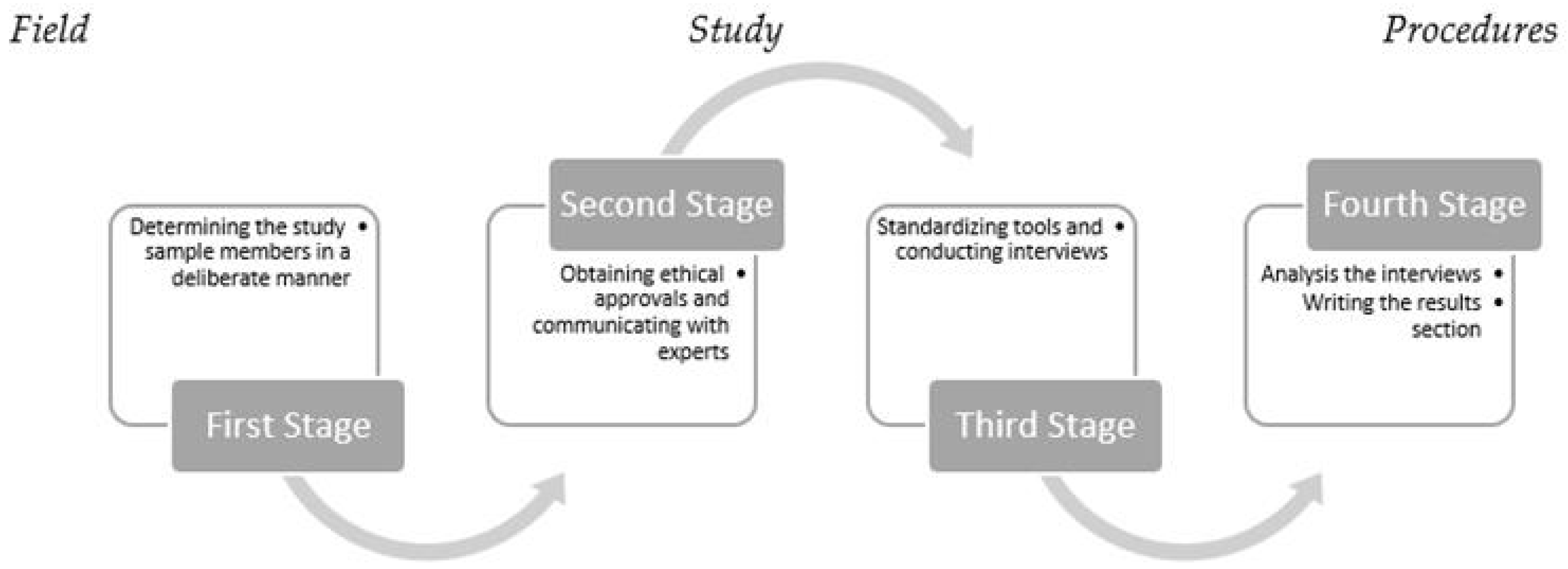
Figure 1 is a representation of the field study procedures.

3. Results

This section presents the findings from the in-depth interviews with AI experts and educational leaders, organized according to the three research questions:
Research Question 1: What AI-driven tools and technologies do experts and leaders perceive as most effective in identifying leadership talent in Omani educational institutions?
This subsection presents the participants’ views on the AI tools and technologies they consider most effective for detecting leadership talent in Omani educational institutions. The analysis of the interviews revealed several recurring themes that represent the strategic pillars of leadership assessment and forecasting. To provide a clear summary of these findings, Table 2 displays each identified theme, its definition, the number of participants referencing it, and representative quotes. Where relevant, counterexamples are included to highlight differing perspectives and ensure a comprehensive representation of participants’ views.
  • AI-driven Tools and Technologies Perceived as Most Effective in Identifying Leadership Talent
The results of qualitative interviews with educational experts and leaders revealed a clear consensus on the effectiveness of a set of AI-driven tools and technologies in enhancing the detection of promising leaders in the Omani educational environment. These tools have been categorized into five main categories, representing strategic pillars of leadership assessment and forecasting:
Big Data Analytics Tools
Twelve participants agreed that employing smart data analytics tools allows educators to benefit from the huge amount of data available on the performance of teachers and students, as these tools are used to analyze quantitative and qualitative indicators related to professional and leadership behavior, allowing early detection of leadership competencies. Participant 2 stated that educational institutions in the Sultanate have rich data about their employees, and artificial intelligence tools can be used to easily detect leadership talents “through their ability to process huge amounts of data related to professional and behavioral performance in educational institutions, such as academic achievement results, teacher evaluations, and participation rates in educational activities”. By analyzing this data, behavioral patterns are identified that indicate leadership skills such as decision-making, problem-solving, and motivating others.
AI-based Behavioral Assessment Tools
Eleven experts and leaders pointed out that AI-enhanced behavioral assessment tools are used to detect leadership talent by simulating hypothetical leadership situations that put individuals in scenarios that require making decisions under pressure or solving complex problems. These tools analyze an individual’s responses, thinking patterns, and interaction with challenges, allowing for the recognition of real leadership traits such as assertiveness, adaptation, emotional intelligence, and the ability to influence. These tools go beyond traditional theoretical assessments, providing a more accurate and realistic picture of latent leadership capabilities, which contributes to more accurate and objective development or nomination decisions. Participant 5 stated that “smart simulation tools show us how a candidate behaves in real situations, and this is more accurate than just looking at academic performance”.
Smart Talent Discovery Platforms
Nine respondents also highlighted the role of smart talent discovery platforms, which contribute to identifying leadership talent by analyzing CVs and career profiles using artificial intelligence techniques such as natural language processing (NLP). Participant 7 reported that these platforms deconstruct textual data to extract personality traits, behavioral skills, and leadership indicators such as initiative, teamwork, and influence. These tools also allow professional backgrounds to be linked to leadership success patterns, even when individuals do not hold managerial positions, and are an effective way to capture unseen leadership potential, helping educational institutions discover future leaders in a more accurate and holistic way.
Predictive Analytics Tools
Ten leaders and experts emphasized the importance of predictive tools based on intelligent algorithms to predict future leadership potential based on current performance. These tools are used to identify behavior patterns that reflect the ability to lead in the future, and Participant 3 commented that “predictive techniques allow us to know who will be a successful leader years later, by analyzing their current behaviors”.
AI-Powered Decision Support Systems
Eight participants pointed out that AI-powered decision-making support systems are heavily used to detect leadership talent within Omani educational institutions, as these systems rely on “analyzing huge amounts of data related to performance, behavior, and personality traits, using advanced machine learning algorithms. Through this analysis, the system can identify individuals who show strong indicators of leadership readiness, such as decision-making ability, influencing others, and strategic thinking,” according to Participant 9 (p. 4). Participant 6 explained that these systems are based on successful past leadership models to provide accurate and fair recommendations, which helps in selecting future leaders based on objective scientific criteria and contributes to reducing human bias and enhancing transparency in the recruitment process and leadership development.
Research Question 2: How can AI be employed to sustain leadership talent in educational institutions in Oman?
This subsection presents participants’ perspectives on strategies and approaches for employing AI to sustain leadership talent in Omani educational institutions. The qualitative analysis identified several recurring themes that illustrate key ways AI can support leadership development and sustainability. To illustrate these results clearly, Table 3 summarizes each theme, provides its definition, indicates the number of participants referencing it, and includes representative quotes. Counterexamples are included where applicable to highlight divergent perspectives and provide a comprehensive view of participants’ opinions.
Smart Decision Models
Participant 1 pointed to the importance of building models that feed into the decisions and ideas of leaders and called it “smart decision models.” According to Participant 1, the smart decision model is an essential tool in sustaining leadership talent in educational institutions, as it contributes significantly to improving strategic decision-making processes based on careful analysis of available data. This model relies on the use of artificial intelligence techniques and advanced analytics tools to objectively and accurately assess leadership performance, allowing the identification of outstanding leaders who demonstrate high potential for long-term growth and development. Through this analysis, leaders in educational institutions are able to make informed decisions to support these promising leaders by allocating specialized training programs targeted to develop their leadership skills.
Analysis of Personal and Professional Data of Leaders
According to the respondents, AI can analyze the personal and professional data of leaders to identify leaders who demonstrate growth and sustainability potential. As stated by Participant 9, “artificial intelligence can be employed to analyze the personal and professional data of leaders, which helps to identify leaders who demonstrate growth and sustainability potential, and then design customized training and development programs for them”.
Designing Customized Training Programs
Participant 5 pointed out the importance of designing customized training programs based on analytics. He stated that “algorithms can be developed using artificial intelligence to evaluate the performance of talented employees and identify those who have leadership traits through a complete analysis of each employee in terms of analyzing performance reports and direct supervisor evaluations, designing specialized training programs directed to each leadership talent to suit the type of talent, and automating these training programs”.
Simulation and Feedback Evaluation
Participant 5 also mentioned the role of simulation in leadership development: “Exploiting simulation tools in developing leadership scenarios for talents so that they are placed in them and evaluate their reactions and solutions to them”. This suggests that leadership skills can be improved by simulating real challenges and analyzing their reactions in multiple situations.
Institutional Impact Analysis and Assessment of Return on Investment (ROI)
Participant 5 also pointed to the need to develop tools to measure this impact and analyze the impact of leaders on the institution. This includes studying how leadership decisions affect various aspects of organizational performance, such as achieving strategic goals, increasing productivity, and improving work culture within the organization. Using AI, data related to leaders’ performance can be analyzed to determine the impact their decisions have on the organization. AI also helps assess return on investment (ROI) by comparing the costs spent on developing leadership skills with the results achieved, such as improving efficiency or increasing productivity. Leaders and strategic planners can determine whether their investments in leadership talent development have yielded the desired returns. Tools such as dashboards and advanced data analytics reports can be used to continuously monitor impact and provide feedback that helps improve performance and guide future decisions.
Research Question 3: How can the effective use of AI be measured in the long-term sustainability of leadership talent in Omani educational institutions?
This subsection presents participants’ perspectives on methods and indicators for assessing the long-term effectiveness of AI in sustaining leadership talent in Omani educational institutions. The qualitative analysis identified several recurring themes that illustrate the ways AI’s impact can be measured using a combination of quantitative, qualitative, institutional, and practical indicators. To illustrate these results clearly, Table 4 summarizes each theme, provides its definition, indicates the number of participants referencing it, and includes representative quotes. Counterexamples are included where applicable to capture any divergent perspectives and provide a comprehensive view of participants’ opinions.
The results of interviews with participants showed that the effectiveness of using artificial intelligence tools in improving the discovery and sustainability of leadership talent can be measured using a set of diverse indicators and tools, which combine a quantitative and qualitative approach. The majority of respondents stressed the importance of quantitative and qualitative indicators in assessing the extent of impact. For example, Participant 5 pointed to the need to use “quantitative, qualitative, institutional, professional development indicators, and return on investment in leadership,” which supports the trend towards building a comprehensive and integrated evaluation system.
There was also a clear trend among respondents towards tracking the actual performance of leaders after using artificial intelligence tools. Participant 9 stated that effectiveness can be measured by “following up the performance of leaders who have been discovered using artificial intelligence and comparing their professional development and contribution to achieving long-term strategic goals”, which was supported by Participant 8, who focused on “actual performance, achievements and high efficiency of the person” as a basic measure. Participant 14 considered that “evaluating the performance of leaders before and after the program” is a straightforward and clear criterion for assessing the success of the use of AI.
Participant 11 stressed the importance of “analyzing the institution’s performance and performance indicators” as an indirect measure of the effectiveness of leadership developed using artificial intelligence.
In this context, Participant 1 pointed to the need for “platforms supported by artificial intelligence tools programmed to analyze leaders’ responses and record their decisions,” which contributes to building a knowledge base through which progress can be followed and used in developing new leaders. Participant 2 stressed the importance of “measuring the satisfaction of beneficiaries of training programs designed with artificial intelligence tools,” which reflects the importance of combining quantitative data with personal perspectives.
In terms of long-term institutional evaluation, a number of respondents (such as Participant 3 and Participant 7) pointed to the importance of “keeping pace with technologies and making them an essential pillar of discovering, employing, and empowering talents” and “measuring results and indicators over time” to ensure continuity of development. Participant 6 also stressed the importance of “developing a future plan after each stage,” which indicates the role of cumulative evaluation in measuring long-term effectiveness.
Finally, some participants suggested field and practical means such as “the use of supervisory visit forms”, “measuring the performance of subordinates” (Participant 12), and “comparing the current situation of leadership before and after use” (Participant 16). These are straightforward tools that reflect the professional and behavioral improvement of leaders after employing artificial intelligence in their development.
Based on the above, it can be said that there is a consensus among the respondents on the importance of data-driven measurement and actual performance analysis, along with long-term institutional indicators, as an effective means of assessing the impact of artificial intelligence on the sustainability and discovery of leadership talent in organizations.

4. Discussion

The results of this study indicate a remarkable consensus between the views of educational leaders and experts in the Sultanate of Oman regarding the strategic role of artificial intelligence (AI) in discovering and sustaining leadership talent within Omani educational institutions. This consensus reflects a growing awareness within Omani educational circles of the importance of integrating AI technologies to improve assessment processes, leadership development, and evidence-based decision-making. These findings align with global trends in sustainable leadership and digital transformation, as highlighted by Hargreaves and Fink (2006) and Fullan (2020), who emphasize the role of modern technologies, including AI, in enhancing leadership effectiveness and sustainability through precise and actionable assessment tools.
Participants consistently reported the effectiveness of AI tools, such as predictive analytics and big data, in monitoring early leadership traits and guiding the development of tailored training programs. These insights are consistent with Davies (2009), who underscores the importance of integrating AI into sustainable leadership strategies. However, it is important to acknowledge that participants’ reports may reflect subjective perceptions shaped by institutional expectations or social desirability, which could influence the emphasis on AI effectiveness. By triangulating these reports with existing literature and using member checking, the study attempted to mitigate potential biases, although complete elimination is not possible. The use of behavioral assessment systems and big data analytics enables institutions to identify potential leaders and design programs that support sustainable leadership, ensuring adaptability to rapid changes in the educational environment.
The emphasis by participants on employing a scientific, data-driven approach to measuring the return on AI implementation (ROI) demonstrates strategic awareness aligned with a transformational leadership perspective. Feeding organizational impact into leadership training and decision-making supports institutional sustainability (Brick et al., 2010). Yet, interpretations of ROI data were filtered through the researchers’ analytic lens, which may have influenced the thematic framing and prioritization of findings. The suggested use of tools such as smart dashboards to monitor leadership decision outcomes aligns with evidence-based leadership models (Leithwood et al., 2008), reinforcing the role of AI in supporting impactful organizational decisions while highlighting the importance of critically examining data interpretation.
These findings also reflect the participants’ mature engagement with Omani educational realities, emphasizing their capacity to localize technological solutions in line with long-term human and educational development goals. Global technological transformations must be adapted to national contexts to achieve sustainable leadership outcomes, and these results confirm that Omani leaders are actively engaging in this process. This alignment with Oman Vision 2040 demonstrates how educational institutions adopt smart solutions to manage and develop human capital, including leadership talent. These developments underscore the necessity for flexible leadership styles capable of navigating change and fostering innovation—capabilities that traditional assessment tools cannot fully provide.
The integration of AI in Omani education also reflects initiatives by the Ministry of Education to establish AI mechanisms for innovative educational solutions. The Ministry’s development of a guide to AI practices demonstrates a commitment to smart assessment and evidence-based leadership (Ministry of Education, 2024). Similarly, the Ministry of Transport, Communications, and Information Technology has launched programs targeting AI and advanced technologies to enhance digital readiness across sectors, including education (Ministry of Transport, Communications and Information Technology, 2023). In higher education, Sultan Qaboos University emphasizes innovation and anticipatory problem-solving, ensuring leaders can leverage AI and emerging technologies in human capital development (Al-Shamsi, 2024). Participation in scientific events and international conferences further strengthens leaders’ understanding of AI applications in predicting leadership needs and designing sustainable development programs. Leaders recognize that AI facilitates advanced analysis of big data on leadership performance, enabling identification of promising leaders based on empirical indicators rather than traditional assessment methods. However, interpretation of performance metrics remains subject to researcher judgment, and findings should be understood within this context.
Methodological reflection: This study employed a qualitative phenomenological design with a purposive sample of 25 participants, which limits generalizability beyond the sampled institutions. Strategies such as member checking, triangulation, and peer debriefing were applied to enhance credibility, but results remain interpretive. Participants’ perspectives reflect personal experiences and potential biases, while researchers’ decisions during data analysis could have influenced thematic emphasis. By explicitly linking these reflections to findings—for instance, acknowledging that participants’ reports of AI effectiveness may be shaped by institutional expectations or by researcher interpretation of ROI metrics—the discussion integrates methodological considerations into the critical interpretation of results. The absence of complementary quantitative measures also limits generalizability, underscoring the need for caution when extrapolating findings to other educational contexts.
The study also revealed that Omani educational leaders are increasingly adopting AI as part of a strategy to improve educational quality and sustain leadership talent (Al-Hasani & Hussein, 2021). Digital transformation in Omani education includes smart technologies such as AI for data analysis, contributing to early detection of learner abilities and leadership potential. Studies such as Al-Shamsi (2024) confirm that digital transformation in higher education enhances strategic planning, improves decision-making efficiency, and bolsters global institutional reputation by automating planning processes. Participants highlighted that AI-supported systems provide actionable insights that shape professional development programs and refine leadership strategies, demonstrating alignment with global best practices while contextualizing solutions for Omani needs.
In sum, the findings underscore that the Sultanate of Oman is progressively integrating AI into sustainable leadership strategies, fostering an environment responsive to rapid technological and societal changes. AI tools facilitate systematic monitoring of leadership potential, support evidence-based decision-making, and enhance leaders’ capacity to innovate and drive organizational transformation. Importantly, by linking methodological reflections, participant bias, and researcher interpretation directly to findings, this discussion demonstrates transparent engagement with potential constraints, providing a robust and critically contextualized foundation for policy development, institutional planning, and future research. These findings highlight the strategic value of AI integration not only for leadership efficacy but also for achieving Oman Vision 2040 objectives, including building a knowledge-driven economy and a sustainable educational ecosystem capable of meeting future challenges.

5. Conclusions

This study examined the role of artificial intelligence technologies in detecting and sustaining leadership talent in Omani educational institutions, based on interviews with a group of experts and educational leaders. The results revealed a clear response from participants on the effectiveness of a range of AI-driven tools and technologies, including big data analytics tools, AI-enhanced behavioral assessment tools, smart competency discovery platforms, predictive analytics tools, and AI-powered decision-making support systems. Experts and leaders pointed out that these tools contribute significantly to improving the accuracy of the process of discovering leadership talents in educational institutions, which also enhances the effectiveness of educational and administrative processes.
The study also reviewed how to employ artificial intelligence in the sustainability of leadership talent by developing smart models to support strategic decision-making, analyzing personal and professional data of leaders, and designing customized training programs. The results showed that AI technologies can contribute to improving organizational strategies by directing investments in the development of future leaders based on accurate and objective analyses.
On the other hand, the study stressed the importance of measuring the effectiveness of the use of artificial intelligence in sustaining leadership talent by following up on the actual performance of leaders after applying technologies, using quantitative and qualitative indicators related to professional development, and the contribution of leaders to achieving the strategic objectives of the organization. Experts and leaders pointed out the need to use advanced analytics tools such as big data analysis, predictive artificial intelligence models, smart dashboards, and ROI assessment tools to ensure effective results in the long term. Therefore, this study is a preliminary step to understanding how AI can enhance the sustainability of leadership talent in educational institutions, opening the door for future applied research in this field.

5.1. Recommendations

Based on the results of the study, we propose the following recommendations, which can be used and applied in Omani educational institutions:
  • Create a comprehensive database of leadership talent that documents the leadership traits and performance of emerging leaders so that artificial intelligence can analyze them and discover leadership talents more accurately.
  • Use AI to stimulate participatory leadership by creating AI-based communication platforms that allow leaders to discuss common strategies and manage teams within their organizations.
  • Use AI to create realistic leadership simulations to provide interactive experiences around real situations that leaders are exposed to, such as crises, negotiation, and task distribution.

5.2. Proposals for Future Research

Based on the current findings, we propose the following research proposals to expand knowledge in this area, study the impact of these technologies on the development of academic leaders, and enhance the effectiveness of educational leadership in the long term:
  • Conduct a comparative study of the impact of artificial intelligence on the sustainability and development of educational leaders between government and private institutions, and the extent to which this reflects on organizational culture.
  • Conduct a study exploring the reality of employing AI-powered behavioral assessment tools to develop academic leadership skills in Omani educational institutions.
  • Ensure transparency and explainability in AI-based leadership assessment systems.
  • Assess Arabic-capable AI Systems in leadership contexts.
    Future research should investigate the effectiveness and limitations of Arabic-language AI tools, particularly in relation to natural language processing, cultural nuance, and contextual accuracy in leadership assessment processes.
  • Apply technology acceptance models (TAMs/UTAUT).
    Future studies could apply TAMs or UTAUT frameworks to systematically examine how educational leaders perceive the usefulness, ease of use, and behavioral intentions related to AI adoption in leadership talent development.

Supplementary Materials

The following supporting information can be downloaded at: https://www.mdpi.com/article/10.3390/educsci16040601/s1. The interview protocol used in this study has been uploaded to support transparency and replicability.

Author Contributions

H.A.A.-H.: conceptualized and designed the study. Contributing in data analysis. F.A.: contributed to collecting the data. Contributing in writing the discussion part. A.M.N.B.-O.: performed data analysis, drafted the manuscript, and prepared the figures. R.A.H.A.H.: critically reviewed and edited the manuscript. All authors have read and agreed to the published version of the manuscript.

Funding

This research received no external funding.

Institutional Review Board Statement

The study was conducted in accordance with the Declaration of Helsinki, and approved by the Research Ethics Committee in Sultan Qaboos University (protocol code REAAF/EDU/DEFA/2024/08 on 2 May 2024).

Informed Consent Statement

Written informed consent has been obtained from the patient(s) to publish this paper.

Data Availability Statement

The supporting data for the conclusions of this study are not publicly available due to privacy/ethical restrictions.

Conflicts of Interest

The authors declare no conflict of interest.

Abbreviations

The following abbreviations are used in this manuscript:
AIArtificial Intelligence
NLPNatural Language Process
ROIReturn on Investment
SQUSultan Qaboos University

References

  1. Al Baluchi, S., Salahuddin, N., & Ateeqi, I. (2018). A proposed strategy for the management of gifted care programs at the Ministry of Education in the Sultanate of Oman. Journal of the Faculty of Education, Al-Azhar University, 177(2), 403–473. [Google Scholar]
  2. Al Balushi, T., AlHarthy, A., & Al Housni, H. (2024). Exploring leadership talent management practices for female teachers in public schools in the Sultanate of Oman [Unpublished Master’s thesis, Sultan Qaboos University]. Available online: http://search.mandumah.com/Record/1560726 (accessed on 5 January 2025).
  3. Alhabes, S. (2024). 4 Challenges faced by Omani companies in recruiting talent and ways to overcome them effectively. Elevates. Available online: https://www.elevatus.io/ar/blog/%D8%AA%D8%AD%D8%AF%D9%8A%D8%A7%D8%AA-%D8%AA%D9%88%D8%B8%D9%8A%D9%81-%D8%A7%D9%84%D9%85%D9%88%D8%A7%D9%87%D8%A8-%D9%81%D9%8A-%D8%B9%D9%8F%D9%85%D8%A7%D9%86/ (accessed on 5 January 2025).
  4. Al-Hasani, S. H. S., & Hussein, N. A. (2021). A review of digital transformation of education in Oman. Journal of Business Management and Accounting, 11(2), 41–59. [Google Scholar] [CrossRef]
  5. Al Housni, H. A. M., Abunaser, F. M., & Bani Orab, A. M. (2025). A vision for leveraging artificial intelligence to nurture gifted students in higher education institutions. Educational Process: International Journal, 15, e2025099. [Google Scholar] [CrossRef]
  6. Almughairi, Y. M. S., Al-Omari, A. A., & Ismail, O. H. (2022). The role of talent management in achieving strategic entrepreneurship in public universities in the sultanate of Oman. International Journal of Educational and Psychological Studies, 11(4), 839–855. [Google Scholar] [CrossRef]
  7. Al-Shamsi, I. (2024). Empowering higher education through digital transformation and strategic planning for academic advancement. Emerging Science Journal, 8, 321–334. [Google Scholar] [CrossRef]
  8. Anderson, T., II. (2024). Vision conception: Detecting the need for change. In Visionary leadership: A guidebook for 21st century organizations and entrepreneurial teams (pp. 97–120). Springer Nature. [Google Scholar] [CrossRef]
  9. Braun, V., & Clarke, V. (2006). Using thematic analysis in psychology. Qualitative Research in Psychology, 3(2), 77–101. [Google Scholar] [CrossRef]
  10. Brick, A. S., Sebring, P. B., & Allensworth, E. (2010). Organizing schools for improvement. University of Chicago Press. [Google Scholar] [CrossRef]
  11. Chang, W. Y. (2019). A data envelopment analysis on the performance of using artificial intelligence-based environmental management systems in the convention and exhibition industry. Ekoloji Dergisi, (107), 3515. Available online: https://openurl.ebsco.com/EPDB%3Agcd%3A1%3A27346513/detailv2?sid=ebsco%3Aplink%3Acrawler&id=ebsco%3Agcd%3A136264998&crl=f&link_origin=www.google.com (accessed on 5 January 2025).
  12. Creswell, J. W., & Poth, C. N. (2018). Qualitative inquiry and research design: Choosing among five approaches (4th ed.). Sage. [Google Scholar]
  13. Davies, L. (2009). Educating against extremism: Towards a critical politicisation of young people. International Review of Education, 55, 183–203. [Google Scholar] [CrossRef]
  14. Denzin, N. K. (1989). The research act: A theoretical introduction to sociological methods (3rd ed.). Prentice-Hall. [Google Scholar]
  15. Fullan, M. (2020). The nature of leadership is changing. European Journal of Education, 55(2), 139–142. [Google Scholar] [CrossRef]
  16. García-Martínez, I., Fernández-Batanero, J. M., Fernández-Cerero, J., & León, S. P. (2023). Analysing the impact of artificial intelligence and computational sciences on student performance: Systematic review and meta-analysis. Journal of New Approaches in Educational Research, 12(1), 171–197. [Google Scholar] [CrossRef]
  17. Hargreaves, A., & Fink, D. (2006). Redistributed leadership for sustainable professional learning communities. Journal of School Leadership, 16(5), 550–565. [Google Scholar] [CrossRef]
  18. Jayyousi, S. (2024). Future leadership skills of vocational school principals and their relationship to the use of artificial intelligence techniques [Unpublished Doctoral dissertation, Al al-Bayt University]. Available online: http://repository.aaup.edu/jspui/handle/123456789/2118 (accessed on 5 January 2025).
  19. Karakose, T., Polat, H., Tülübaş, T., & Demirkol, M. (2024). A review of the conceptual structure and evolution of digital leadership research in education. Education Sciences, 14(11), 1166. [Google Scholar] [CrossRef]
  20. Khalidi, J., & Wreikat, M. (2013). The reality of the use of educational robots by IT teachers in the second cycle 5–10 of basic education in the Sultanate of Oman. Islamic University Journal of Educational and Psychological Studies, 21(2), 409–450. [Google Scholar]
  21. Leithwood, K., Harris, A., & Hopkins, D. (2008). Seven strong claims about successful school leadership. School Leadership and Management, 28(1), 27–42. [Google Scholar] [CrossRef]
  22. Lincoln, Y. S., & Guba, E. G. (1985). Naturalistic inquiry. SAGE Publications. [Google Scholar] [CrossRef]
  23. Lodge, J. M., Thompson, K., & Corrin, L. (2023). Mapping out a research agenda for generative artificial intelligence in tertiary education. Australasian Journal of Educational Technology, 39(1), 1–8. [Google Scholar] [CrossRef]
  24. Mabry, L. (1998). Case study methods. In A. J. Reynolds, & H. J. Walberg (Eds.), Advances in educational productivity (pp. 155–170). JAI Press. [Google Scholar]
  25. Merriam, S. B. (1998). Qualitative research and case study applications in education. Jossey-Bass. [Google Scholar]
  26. Ministry of Education. (2024). Guide to artificial intelligence practices in the educational process (pp. 1–52). Ministry of Education. Available online: https://home.moe.gov.om/library/174 (accessed on 5 January 2025).
  27. Ministry of Transport, Communications and Information Technology. (2023). Artificial intelligence executive program. Available online: https://www.mtcit.gov.om (accessed on 5 January 2025).
  28. Nafi, S., & Farani, L. (2021). The reality of using artificial intelligence techniques in enrichment programs in gifted centers in the Kingdom. Scientific Journal of King Faisal University–Humanities and Administrative Sciences, 22, 39–45. [Google Scholar]
  29. Ouyang, F., & Xu, W. (2024). The effects of educational robotics in STEM education: A multilevel meta-analysis. International Journal of STEM Education, 11, 7. [Google Scholar] [CrossRef]
  30. Peshkin, A. (1988). In search of subjectivity–One’s own. Educational Researcher, 17, 17–22. [Google Scholar] [CrossRef]
  31. Sirat, A. W., Hakimi, M., Himmat, B., & Enayat, W. (2025). Artificial intelligence in educational leadership: Strategic, analytical, interactive, and decision-making applications for the digital age. Jurnal Ilmiah Telsinas, 8(2), 210–224. [Google Scholar] [CrossRef]
  32. Sposato, M. (2025). Artificial intelligence in educational leadership: A comprehensive taxonomy and future directions. International Journal of Educational Technology in Higher Education, 22, 20. [Google Scholar] [CrossRef]
  33. Stake, R. E. (1995). The art of case study research. SAGE Publications. [Google Scholar]
  34. Wilson, S. E. (2024, September 8–10). Motivating learning in the face of generative artificial intelligence [Conference session]. ASEE Midwest Section Conference, Lawrence, KS, USA. 18260/1-2-1139-46357. [Google Scholar]
Figure 1. Field Study Procedures.
Education 16 00601 g001
Table 1. Participant demographics and institutional roles (N = 25).
GroupGenderAge (Years)InstitutionRole/PositionYears of ExperienceAI Domain ExpertisePrior AI Exposure
AI Experts6 F30–35Sultan Qaboos UniversityAI Specialist/Instructor5–10Machine Learning, Predictive AnalyticsTeaching, Workshops, Projects
6 M40–45Ministry of EducationAI Specialist/Consultant10–15Data Analytics, Decision SupportTraining Programs, System Development
Educational Leaders5 F35–40Sultan Qaboos UniversityDean/Department Head8–12Strategic Planning, Digital IntegrationParticipation in AI initiatives
4 M30–35Ministry of EducationDirector/Program Manager7–10Leadership Assessment, AI ToolsExposure to AI Tools in Schools
4 M40–45Ministry of Higher Education, Scientific Research, & InnovationDirector/Policy Advisor12–18Digital Leadership, AI IntegrationAI-driven Decision Making
Table 2. Theme table for Research Question 1.
ThemeDefinitionFrequency (Number of Participants)Representative Quotes (Including Counterexamples)
Big Data Analytics ToolsAI tools that analyze quantitative and qualitative data from employees’ and students’ performance to identify leadership competencies.12 (All AI experts + educational leaders referenced data-driven analysis)“AI tools can process huge amounts of data related to professional and behavioral performance… By analyzing this data, behavioral patterns are identified that indicate leadership skills such as decision-making, problem-solving, and motivating others.” (Participant 2)
AI-based Behavioral Assessment ToolsSimulation-based tools that evaluate individuals’ behavior in hypothetical leadership scenarios, capturing traits such as assertiveness, adaptability, and emotional intelligence.11“Smart simulation tools show us how a candidate behaves in real situations, and this is more accurate than just looking at academic performance.” (Participant 5)
Smart Talent Discovery PlatformsPlatforms using AI techniques (e.g., NLP) to analyze CVs, career profiles, and textual data to detect hidden leadership potential.9“These platforms deconstruct textual data to extract personality traits, behavioral skills, and leadership indicators such as initiative, teamwork, and influence… even when individuals do not hold managerial positions.” (Participant 7)
Predictive Analytics ToolsTools that predict future leadership potential by analyzing current performance patterns and behaviors.10“Predictive techniques allow us to know who will be a successful leader years later, by analyzing their current behaviors.” (Participant 3)
AI-Powered Decision Support SystemsSystems that provide recommendations for leadership selection and development based on historical performance and AI algorithms, reducing bias and enhancing transparency.8“The system can identify individuals who show strong indicators of leadership readiness, such as decision-making ability, influencing others, and strategic thinking.” (Participant 9) Counterexample: Participant 6 noted that AI-based recommendations should always be complemented by human judgment to avoid overreliance on algorithms.
Table 3. Theme table for Research Question 2: Employing AI to sustain leadership talent.
ThemeDefinitionFrequency (Out of 25 Participants)Representative Quotes (Including Counterexamples)
Smart Decision ModelsAI models that support leaders’ strategic decision-making by analyzing data on leadership performance and potential, enabling informed decisions to sustain leadership talent.7/25“An essential tool in sustaining leadership talent… allows the identification of outstanding leaders who demonstrate high potential for long-term growth and development.” (Participant 1)
Analysis of Personal and Professional Data of LeadersAI-driven analysis of leaders’ personal and professional records to identify growth potential and inform targeted development.6/25“Artificial intelligence can be employed to analyze the personal and professional data of leaders… and then design customized training and development programs for them.” (Participant 9)
Designing Customized Training ProgramsUsing AI to evaluate performance and automatically design tailored leadership training programs for individuals based on their strengths and growth areas.5/25“Algorithms can be developed in AI to evaluate performance, identify leadership traits, and design specialized training programs for each leadership talent.” (Participant 5)
Simulation and Feedback EvaluationSimulating real-world leadership challenges and analyzing participant responses to improve decision-making and leadership skills.4/25“Exploiting simulation tools in developing leadership scenarios… evaluate their reactions and solutions to them.” (Participant 5)
Institutional Impact Analysis and ROI AssessmentUsing AI to measure the organizational impact of leadership decisions and assess the return on investment from leadership development programs.3/25“AI also helps assess return on investment by comparing the costs spent on developing leadership skills with the results achieved, such as improving efficiency or increasing productivity.” (Participant 5)
Table 4. Theme table for Research Question 3: Measuring the effectiveness of AI in sustaining leadership talent.
ThemeDefinitionFrequency (Out of 25 Participants)Representative Quotes (Including Counterexamples)
Use of Quantitative and Qualitative IndicatorsEmploying a combination of numerical metrics and qualitative assessments to evaluate AI’s impact on leadership development.7/25“Need to use quantitative, qualitative, institutional, professional development indicators, and return on investment in leadership.” (Participant 5)
Tracking Leaders’ Performance Over TimeMonitoring actual performance, achievements, and contributions of leaders after employing AI tools.8/25“Following up the performance of leaders discovered using AI and comparing their professional development and contribution to achieving long-term strategic goals.” (Participant 9); “Evaluating the performance of leaders before and after the program.” (Participant 14)
Institutional Performance IndicatorsUsing organizational-level metrics to assess the broader impact of AI-developed leadership on institutional goals and efficiency.4/25“Analyzing the institution’s performance and performance indicators.” (Participant 11)
AI-Supported Platforms and Knowledge BasesUsing AI-enabled platforms to record leaders’ decisions, track progress, and build cumulative knowledge for leadership development.4/25“Platforms supported by AI tools programmed to analyze leaders’ responses and record their decisions… contributes to building a knowledge base.” (Participant 1)
Beneficiary Feedback and SatisfactionGathering perceptions and satisfaction levels from participants of AI-designed leadership programs to assess effectiveness.3/25“Measuring the satisfaction of beneficiaries of training programs designed with AI tools.” (Participant 2)
Long-Term Planning and Cumulative EvaluationIntegrating follow-up stages, technology updates, and ongoing measurement to ensure sustainability of leadership talent over time.3/25“Developing a future plan after each stage… measuring results and indicators over time.” (Participant 6, 3, 7)
Field and Practical Evaluation ToolsUsing direct observation, supervisory visits, and comparison of pre- and post-intervention performance as practical measures of AI effectiveness.3/25“Use of supervisory visit forms… measuring the performance of subordinates… comparing the current situation of leadership before and after use.” (Participants 12, 16)
Disclaimer/Publisher’s Note: The statements, opinions and data contained in all publications are solely those of the individual author(s) and contributor(s) and not of MDPI and/or the editor(s). MDPI and/or the editor(s) disclaim responsibility for any injury to people or property resulting from any ideas, methods, instructions or products referred to in the content.