Article

Evaluation of Strengths of Dual Vocational Educational Training in Andalusia (Spain): A Stake on the Future


by
María Teresa Pozo-Llorente
* and
María de Fátima Poza-Vilches
Department Methods of Research, Faculty of Education, University of Granada, 10871 Granada, Spain
*
Author to whom correspondence should be addressed.
Educ. Sci. 2020, 10(12), 392; https://doi.org/10.3390/educsci10120392

Submission received: 22 November 2020 / Revised: 15 December 2020 / Accepted: 17 December 2020 / Published: 19 December 2020
(This article belongs to the Special Issue International Vocational Education and Training)

Abstract

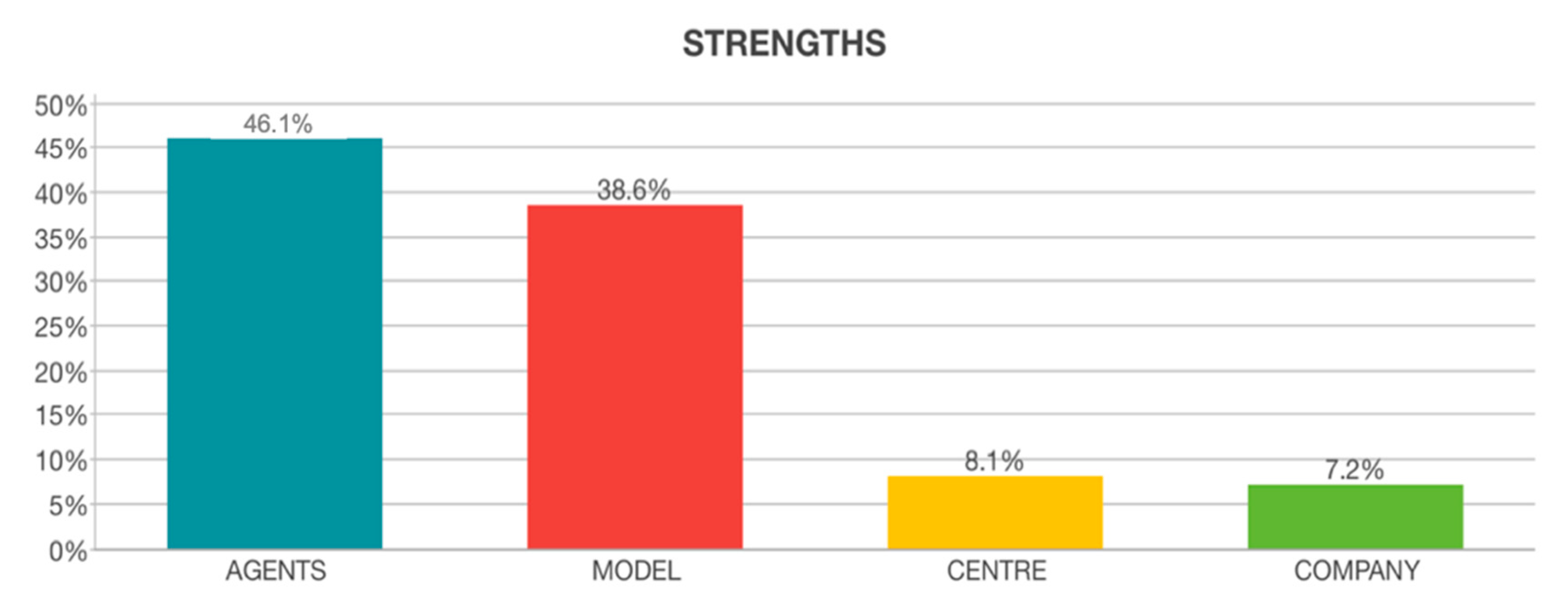
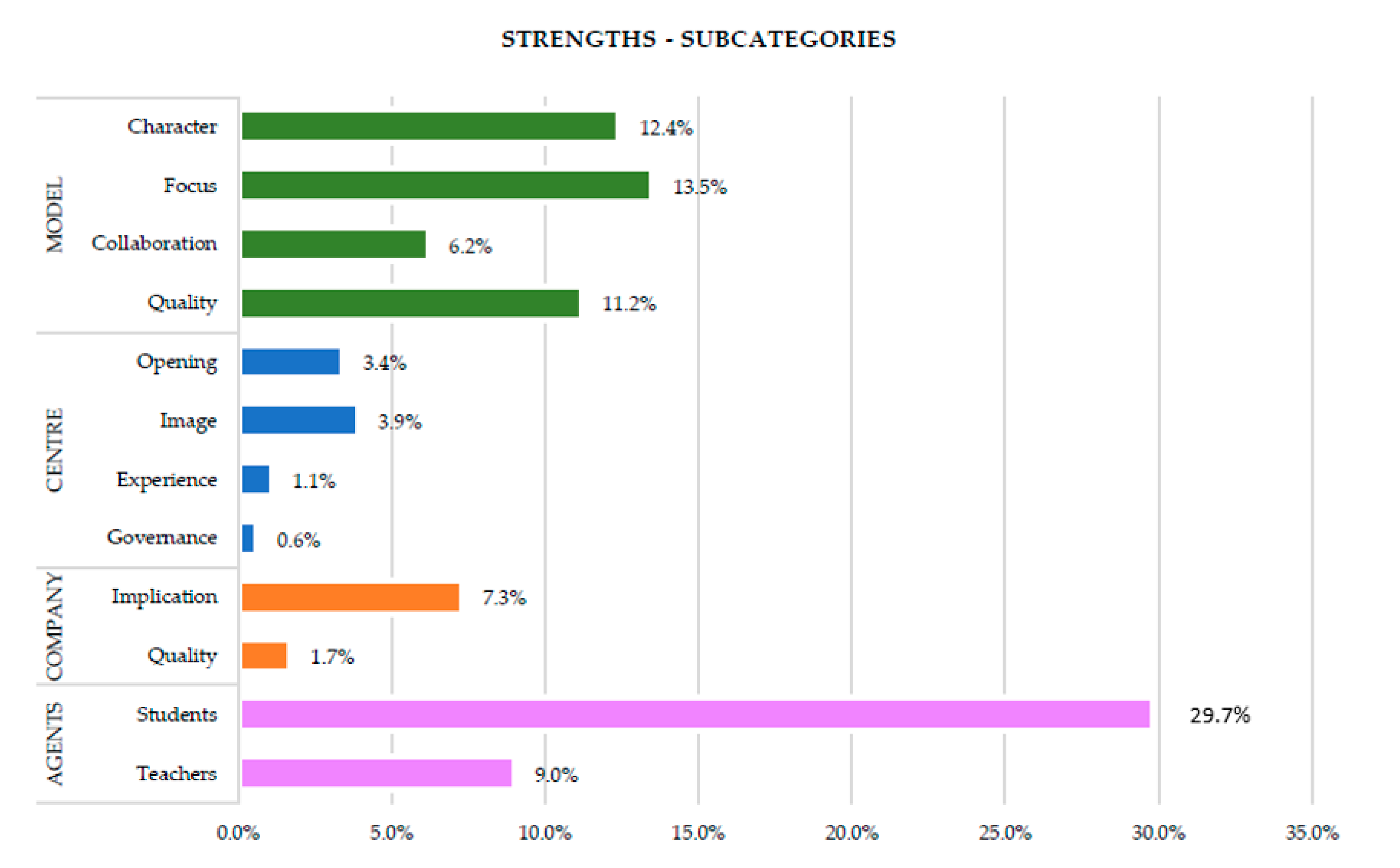
Dual Vocational Training was introduced in Spain in 2012 with the purpose to reinforce training based on employment requirements and to promote youth employment within the labour market. Since its implementation, there has been continuous growth of the presence of this modality across every Autonomous Community, with Andalusia being one of the latest regions to dualize the Vocational Educational Training (hereinafter VET) educational scheme. From the outset however, this modality has faced a number of obstacles that question its sustainability. Without losing sight of these obstacles, and with the purpose of providing arguments that justify the suitability of this model in Andalusia, this study aims to identify—from the unique perspective of three Andalusian educational institutions—the strengths of this modality and the opportunities that the Andalusian context offers. To this end, we have used the SWOT technique to analyse the opinion of a group of teachers regarding their thoughts on the Andalusian Dual VET system, from both an internal and external perspective. Workforce insertion and the quality of skills gained through training are some of the strengths that characterize this model, with the greatest opportunities derived from the needs of the Andalusian business and productive sectors. Based on the scenarios drawn, we have suggested a number of guidelines to capitalize on some of the identified strengths and take advantage of the opportunities observed.
Keywords: dual vocational educational training; evaluative research; strengths; opportunities dual vocational educational training; evaluative research; strengths; opportunities