Article

Dynamic Hypergraph Convolutional Networks for Hand Motion Gesture Sequence Recognition

1
School of Information and Intelligence, Xiangxi Vocational and Technical College for Nationalities, Xiangxi 416007, China
2
Fujian Provincial Key Laboratory of Big Data Mining and Applications, Fujian University of Technology, Fuzhou 350118, China
3
College of Computer and Cyber Security, Fujian Normal University, Fuzhou 350117, China
4
School of Transportation, Fujian University of Technology, Fuzhou 350118, China
*
Author to whom correspondence should be addressed.
Technologies 2025, 13(6), 257; https://doi.org/10.3390/technologies13060257

Submission received: 5 May 2025 / Revised: 6 June 2025 / Accepted: 17 June 2025 / Published: 19 June 2025

Abstract

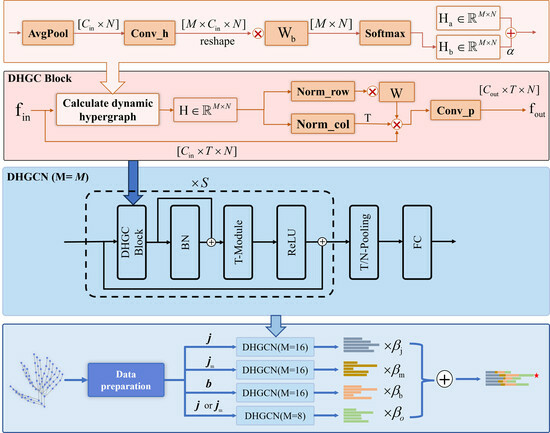
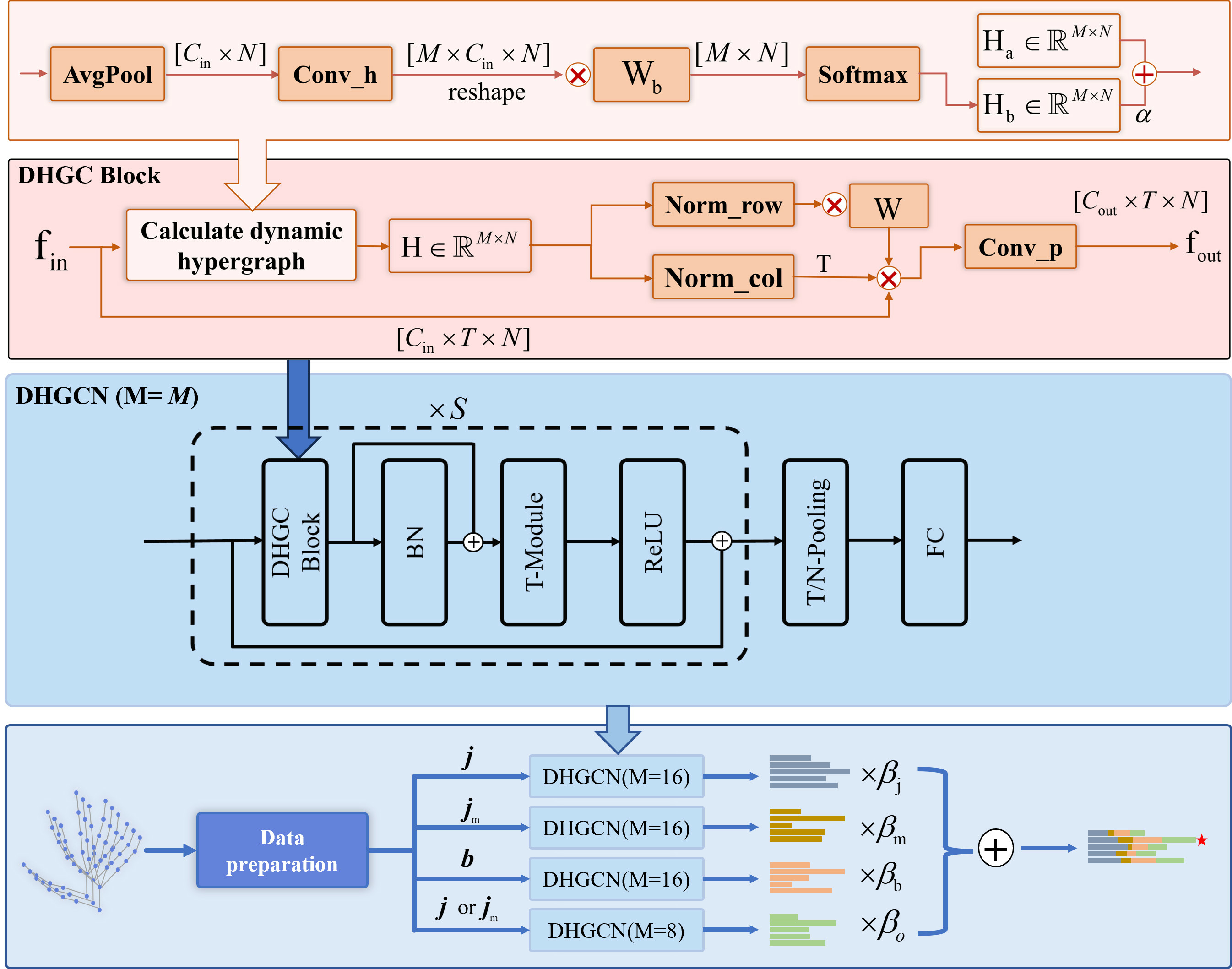
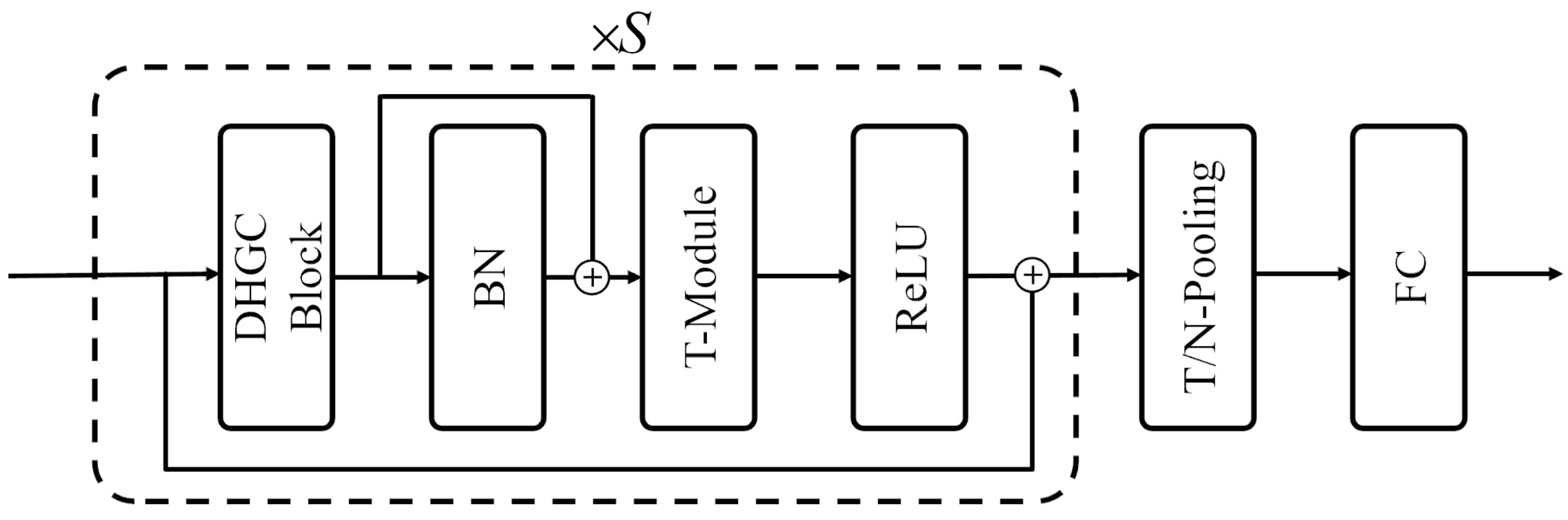
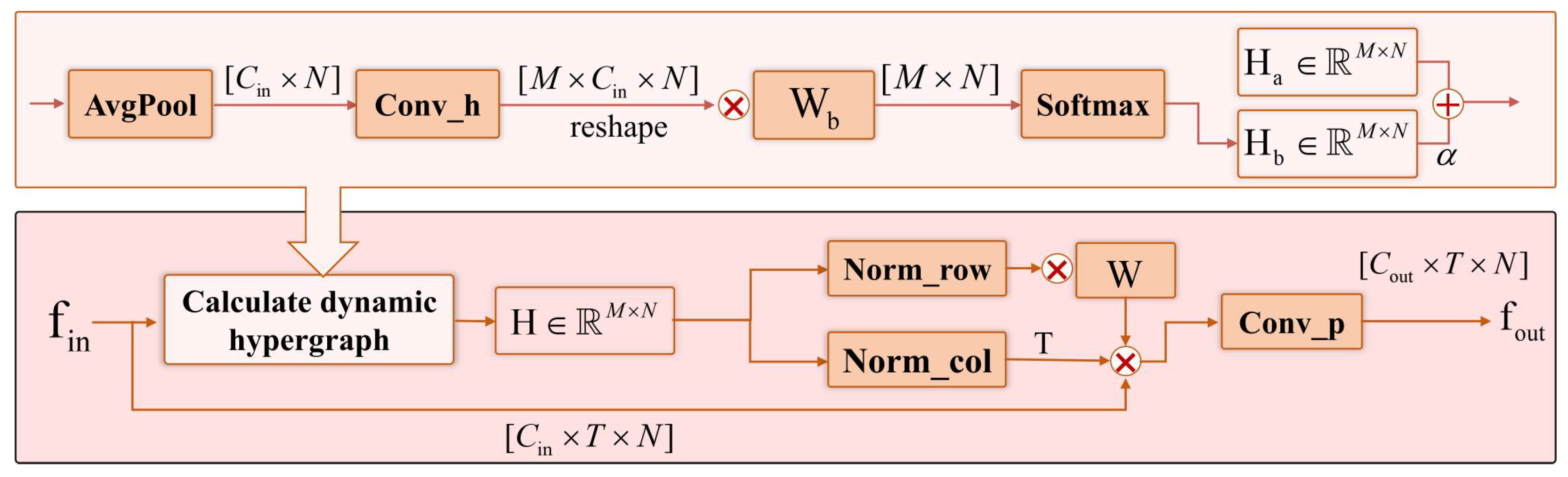
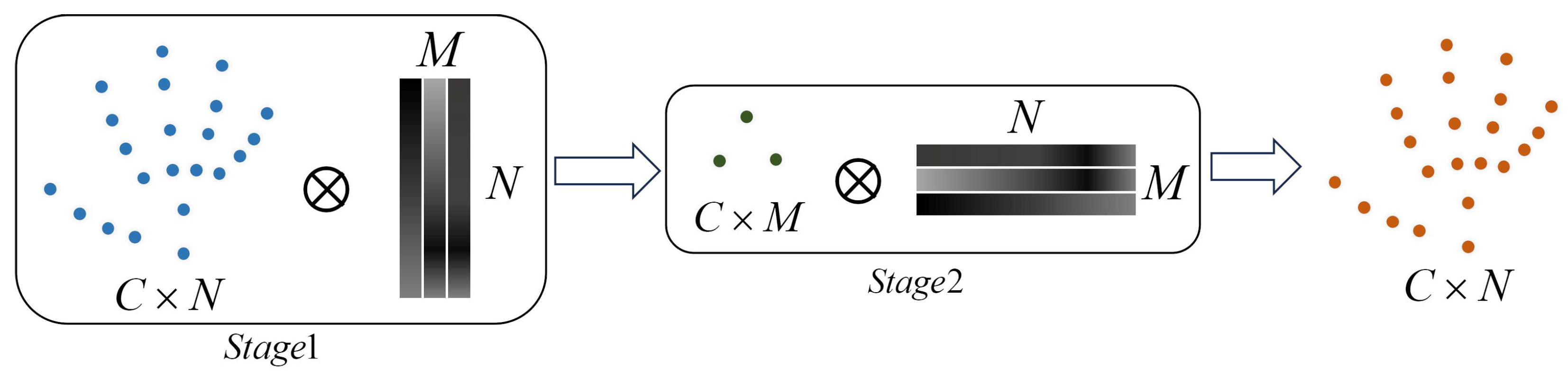
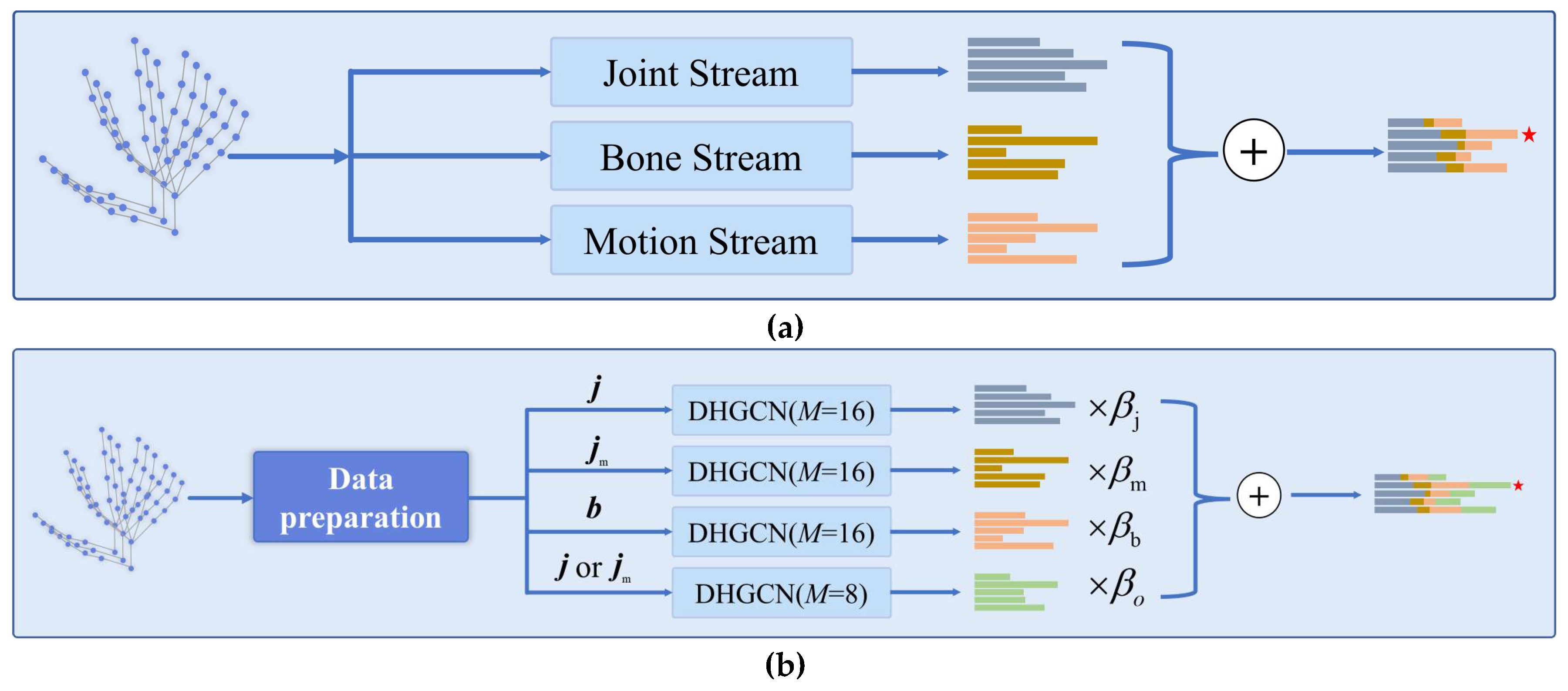
This paper introduces a novel approach to hand motion gesture recognition by integrating the Fourier transform with hypergraph convolutional networks (HGCNs). Traditional recognition methods often struggle to capture the complex spatiotemporal dynamics of hand gestures. HGCNs, which are capable of modeling intricate relationships among joints, are enhanced by Fourier transform to analyze gesture features in the frequency domain. A hypergraph is constructed to represent the interdependencies among hand joints, allowing for dynamic adjustments based on joint movements. Hypergraph convolution is applied to update node features, while the Fourier transform facilitates frequency-domain analysis. The T-Module, a multiscale temporal convolution module, aggregates features from multiple frames to capture gesture dynamics across different time scales. Experiments on the dynamic hypergraph (DHG14/28) and shape retrieval contest (SHREC’17) datasets demonstrate the effectiveness of the proposed method, achieving accuracies of 96.4% and 97.6%, respectively, and outperforming traditional gesture recognition algorithms. Ablation studies further validate the contributions of each component in enhancing recognition performance.
Keywords: hand gesture recognition; graph convolutional networks; hypergraph; Fourier transform hand gesture recognition; graph convolutional networks; hypergraph; Fourier transform
Graphical Abstract