


Abstract
The stage separation process, though often completed within one second, plays a critical role in determining the overall success and safety of the launch mission. The process of host stage separation is simulated to study the flow field evolution and the impact on the lower-stage. Overset mesh is utilized together with a novel adaptive mesh refinement sensor for the purpose of adapting to the relative motion. A third-order scheme is adopted in spatial discretization, and the simulation results fit well with the experiment data. The results show that the initial shockwave oscillated back and forth in the cavity of the lower-stage, leading to sustained oscillations in the forces of the lower-stage. Based on the monitor data, the force acting on the lower-stage exhibits five phases. Compared with former research, a longer interstage results in two more obvious oscillation phases. The pressure distribution on the forward dome of the lower-stage is also studied.
1. Introduction
Multistage rockets play a fundamental role in deep space exploration missions [1]. A multistage launch vehicle generally consists of two or more propulsion stages, each equipped with its own propellant supply, which are ignited sequentially and discarded upon propellant depletion. The jettisoning process of an expended stage is referred to as stage separation, representing one of the most critical phases in the flight of a multistage rocket [2]. During separation, aerodynamic effects on the vehicle continue to be substantial. Consequently, it is imperative to minimize the duration of the separation event in order to prevent excessive aerodynamic interference with the continuing upper-stage [3]. The hot separation technique, wherein the upper-stage motor is ignited to rapidly discard the spent lower-stage, effectively satisfies this requirement.
The stage separation process of hypersonic vehicles generally takes place in a high-altitude, high-speed environment, where complex aerodynamic interference phenomena occur between the vehicle and the booster during separation [4]. Flight tests, wind tunnel experiments and numerical simulations are three main approaches to investigate this kind of problem. Nevertheless, flight tests are not only cost-prohibitive but also entail considerable risks [5]. Wind tunnel experiments have become a more widely used method. Hohn O. M. [6] studied how the retrorocket injection pressure ratio and angle of attack affect the stage separation by conducting an experiment on a VEGA rocket in a hypersonic wind tunnel. Wang et al. [7,8] investigated the longitudinal stage separation process of a two-stage-to-orbit (TSTO) vehicle through a series of wind tunnel experiments. With the advancement of computer technology and numerical solution methods, numerical simulation has progressively emerged as an important research tool for investigating stage separation issues. Li et al. [3] conducted a CFD simulation together with flight mechanics on the rocket hot separation and explored the range of angles of attack allowing for safe separation.
When the engine of the upper-stage starts, the jet penetrates into the interstage and compresses the air, while the initial shockwave reflects repeatedly, resulting in a complex and ever-changing flow structure. The process shows similar characteristics to the resonance tube phenomenon, which has been studied for many years as a classic problem in fluid dynamics [9,10,11]. Gao [12] identified several key differences between tandem separation and resonance tube separation, including a continuously varying gap, a smaller length-to-diameter (L/D) ratio, a larger geometric scale, and a higher and more variable nozzle pressure ratio. Huang [13] investigated the initial flow field of tandem separation and elucidated the flow structure prior to the onset of relative motion. Toniolo [14] developed a constraint force equation (CFE) method to simulate the trajectory of a launch vehicle during the separation process.
To address the relative motion inherent in stage separation, various grid methods have been proposed, including grid regeneration [15] and the chimera method [16]. Chimera (overset) mesh technology is widely employed to handle boundary movement [17,18]. In this method, a multiple set of meshes is utilized, and the movement of the boundary is solved by moving the mesh. Qian et al. investigated the complex aerodynamic interference occurring in a novel conceptual takeoff approach using the chimera mesh method [19]. Because flow variables must be frequently interpolated between meshes, the chimera method typically incurs higher computational costs than alternative approaches. Nevertheless, Soni et al. developed a two-dimensional Euler solver incorporating an overset approach on a GPU framework, achieving a maximum speedup of approximately 27 times and thereby demonstrating the substantial potential of the overset method [20]. The flow field within the interstage region during separation is highly complex and exhibits dramatic variations. Owing to the numerous influencing factors involved and the fact that the underlying physical mechanisms remain insufficiently understood, accurate prediction of the separation process poses significant challenges [21]. Consequently, high-order numerical schemes should be adopted to achieve better resolution in simulating the stage separation.
High-order schemes have shown great potential in many areas of CFD simulation [22] and implementation. Combined with AMR (adaptive mesh refinement), high-order schemes can work better by guaranteeing the mesh’s quality [23]. Liu [24] simulated the separation process of a TSTO model using a second-order scheme and successfully revealed the aerodynamic interference during separation. Furthermore, Jameson [25] demonstrated the significant advantages of combining an AMR method in CFD with a high-order scheme and clarified the intrinsic relationship between the two. Cavallo et al. [26] proposed a novel mesh adaption sensor to predict the trajectory of the shroud cover separation. For some configurations of the carrier vehicle, the interstage separation involves a long-distance movement of the nozzle within the interstage section, resulting in a strong coupling between the flow field and motion; to study the flow inside the interstage, an AMR method is needed. However, research in this area is indeed scarce, and there is an urgent need for AMR methods that can be compatible with high-order schemes.
In this paper, a 3D-coupled CFD simulation together with rigid body motion is carried out for a multistage vehicle stage separation. The numerical method involved with the high-order scheme is verified by a set of experiment data. A novel AMR sensor is introduced to fit with the boundary movement. The flow structure inside the interstage is analyzed. In addition, the pressure distribution on the dome of the lower-stage is compared. Finally, the forces acting on the lower-stage and pressure at different points are investigated.
2. Configuration and Numerical Method
2.1. Geometry Configuration
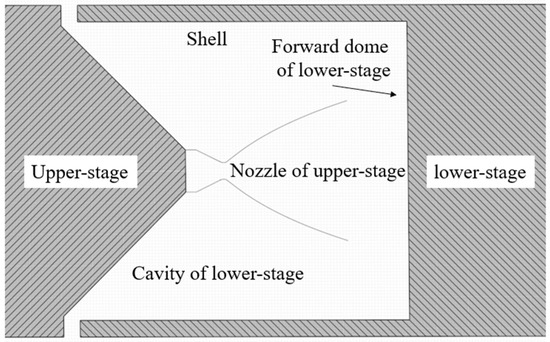
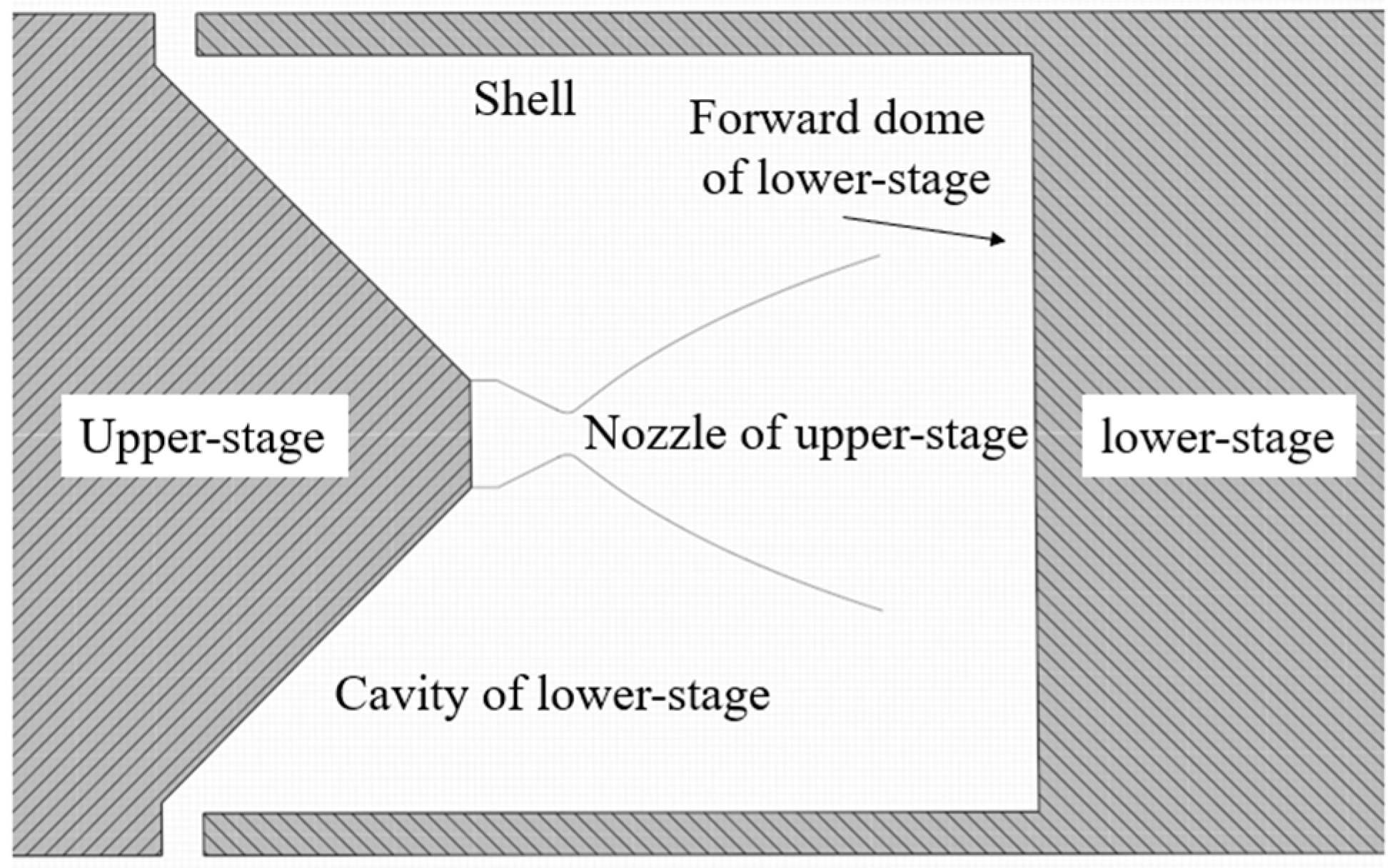
The launch vehicle used in this research is simplified to a symmetric model, and the thickness of the nozzle’s wall is neglected, as shown in Figure 1. The brake apparatus will start working once the separation process begins and provide a relatively backward velocity of 5 m/s to the lower-stage. The upper-stage engine then starts when the distance of the two stages reaches 0.05 D (D, diameter of the launch vehicle), and the parameters of the incoming flow are listed in Table 1.
Figure 1.
Configuration of interstage.
Table 1.
Incoming flow parameters.
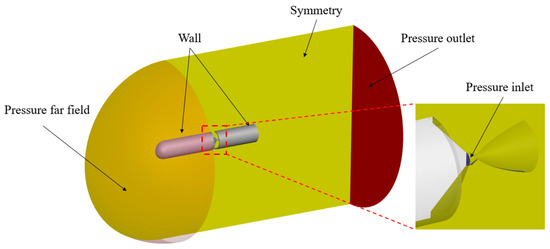
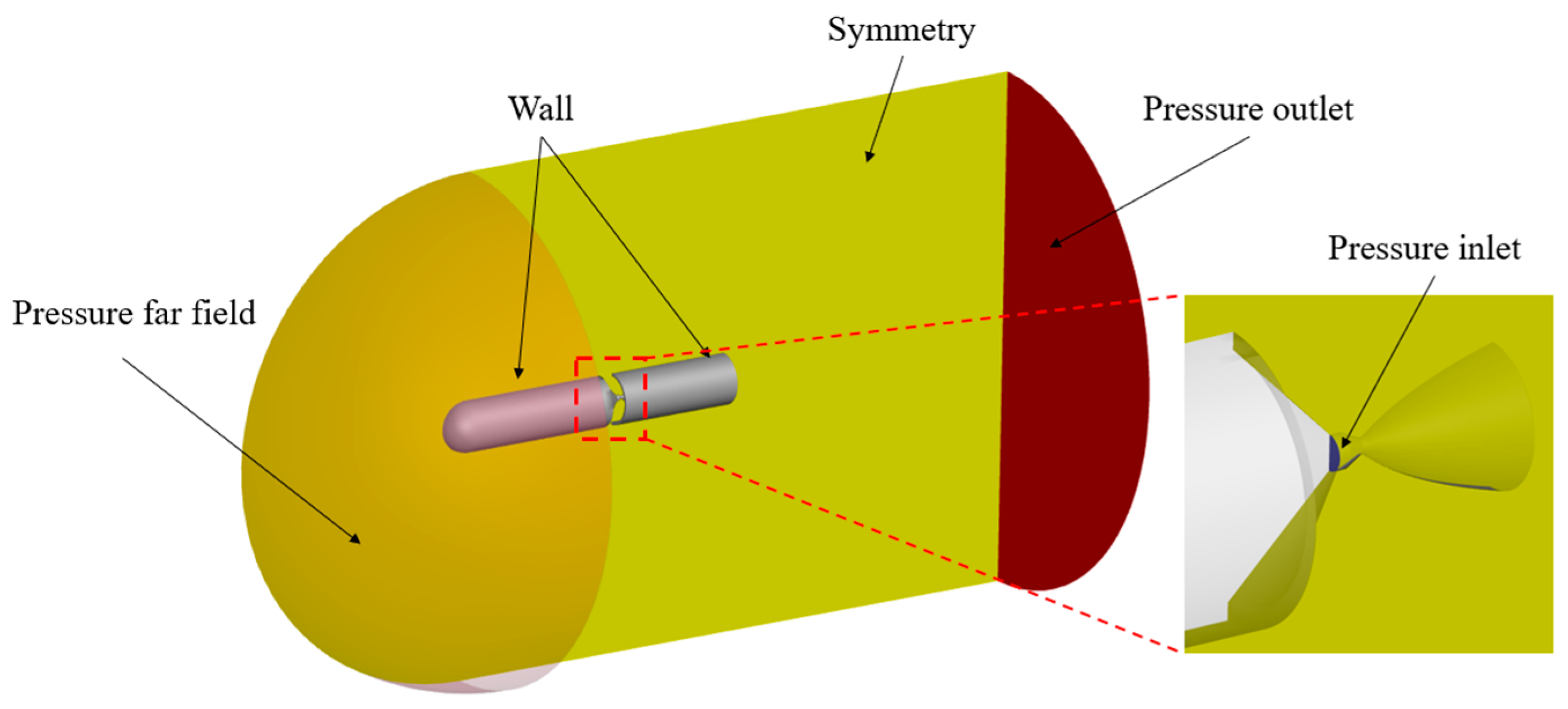
Figure 2 shows the boundary conditions and the computer field of simulation. Since the computational domain is symmetrical about the XY plane, both the Z-direction displacement and the roll, yaw angle are consistently zero throughout the calculation.
Figure 2.
Calculation domain and boundary conditions.
2.2. Mesh and Parameter Settings
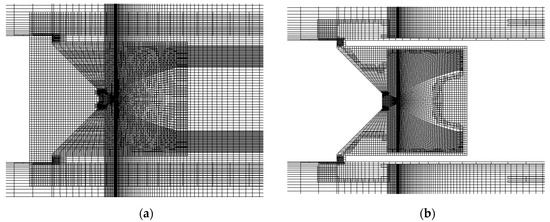
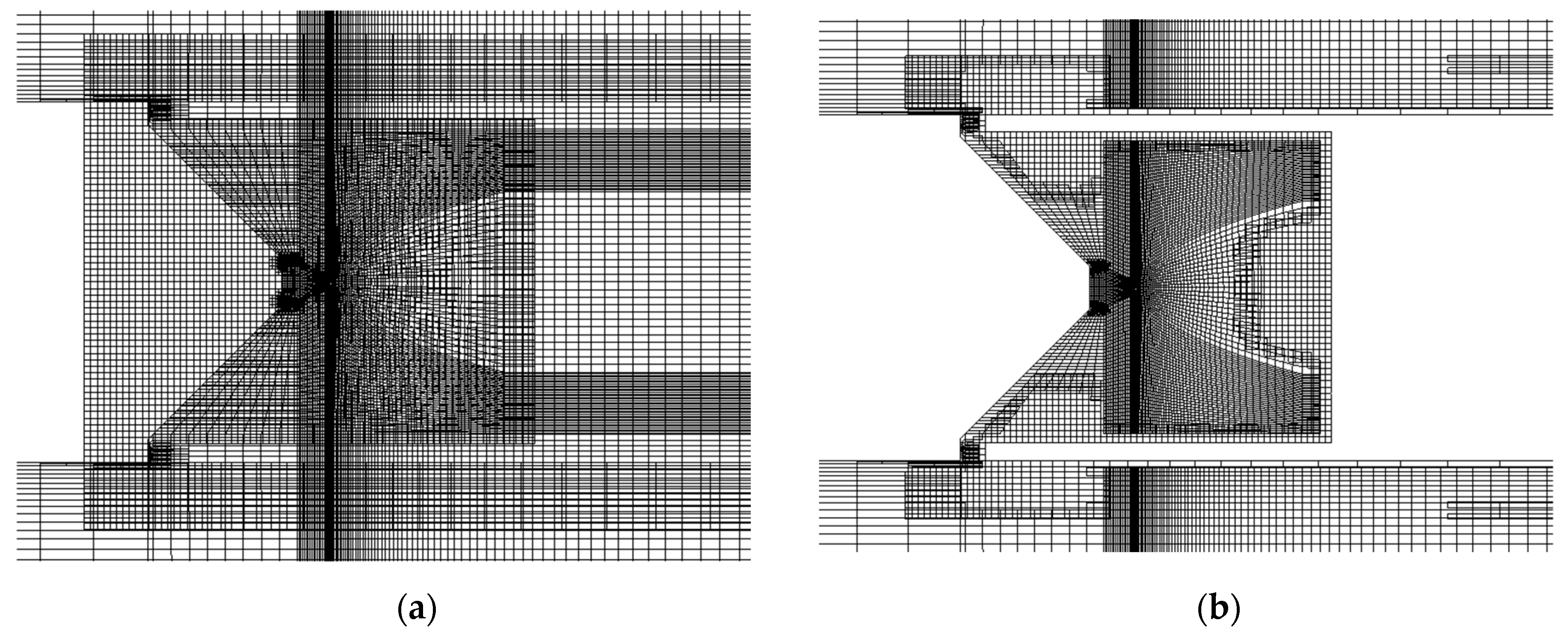
The stage separation simulation is performed using a chimera/overset grid framework, which couples the computation of the relative rigid-body motion between the two stages with the calculation of interstage aerodynamic interactions. As illustrated in Figure 3, a main grid representing the upper-stage overlaps with a sub-grid enclosing the lower-stage. Within the main grid, a hole is carved out in the region occupied by the lower-stage solid body, with the adjacent cells constituting the chimera boundary. Flow variables on the overset boundary of the sub-grid are obtained via tri-linear interpolation from donor cells in the main grid. Conversely, flow variables on the chimera boundary of the main grid are interpolated from donor cells in the sub-grid using the same tri-linear method [17,18]. At each time step, the rigid-body motion solver provides updated velocities and grid positions for the flow computation, while the aerodynamic solver returns the resulting forces and moments to the dynamic solver.
Figure 3.
Grid nearby interstage: (a) before overset; (b) after overset.
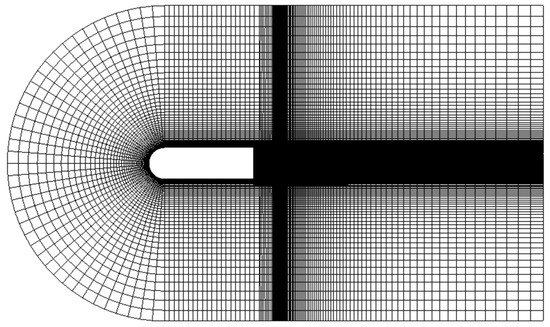
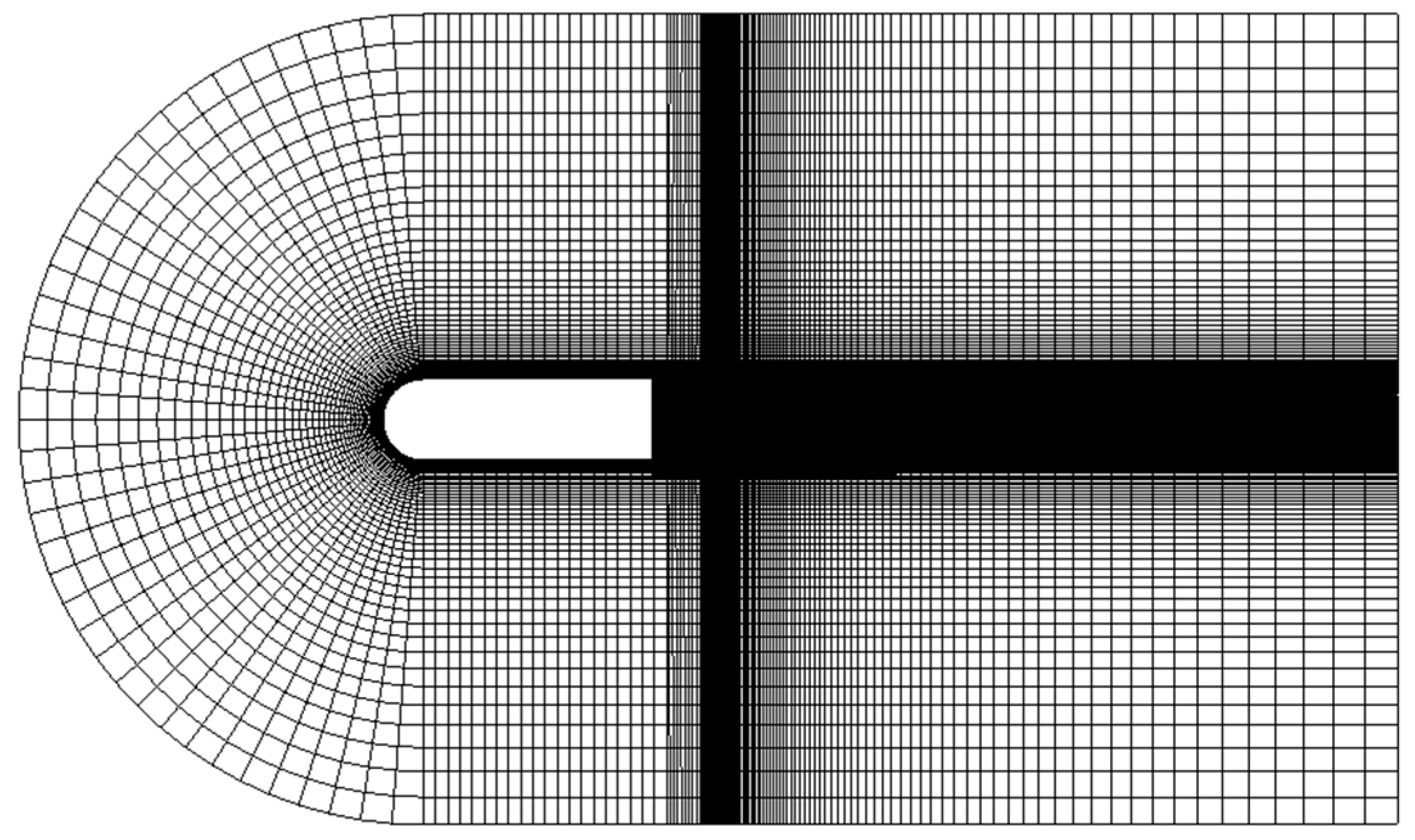
The equations of rigid-body motion are integrated by the second-order Runge–Kutta method at the end of every time step, and a fixed time step of 2 × 10⁻⁶ s is used. The background mesh consists of 6 × 10⁵ cells, and the component grid consists of 2 × 10⁵ cells, as shown in Figure 4. The CFD/6DOF equations’ convergence criterion in the iteration process is specified as 1 × 10⁻⁶ throughout the simulation.
Figure 4.
Grid of symmetry plane.
2.3. Flow Field Governing Equations and Numerical Scheme
The three-dimensional transient Navier–Stokes equations in conservative form are employed to simulate the flow field associated with the hot stage separation, which are given by:
where refers to the density; , , and refer to the velocity components in three directions, respectively; is the total energy, and stands for the source term vector. The ideal gas equation of state is employed to close the system of governing equations, as given by:
The gas flow of the upper-stage’s nozzle is assumed as a perfect gas, with a constant isobaric specific heat (Cp) of 2433 J/(kg·K) and constant specific heat ratio (γ) of 1.14; this assumption has proved to be practicable [27,28].
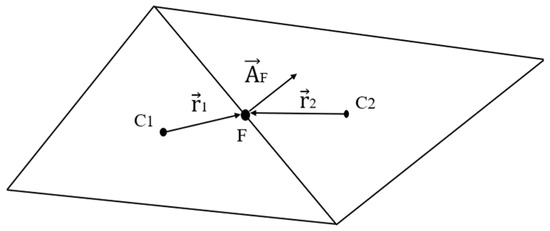
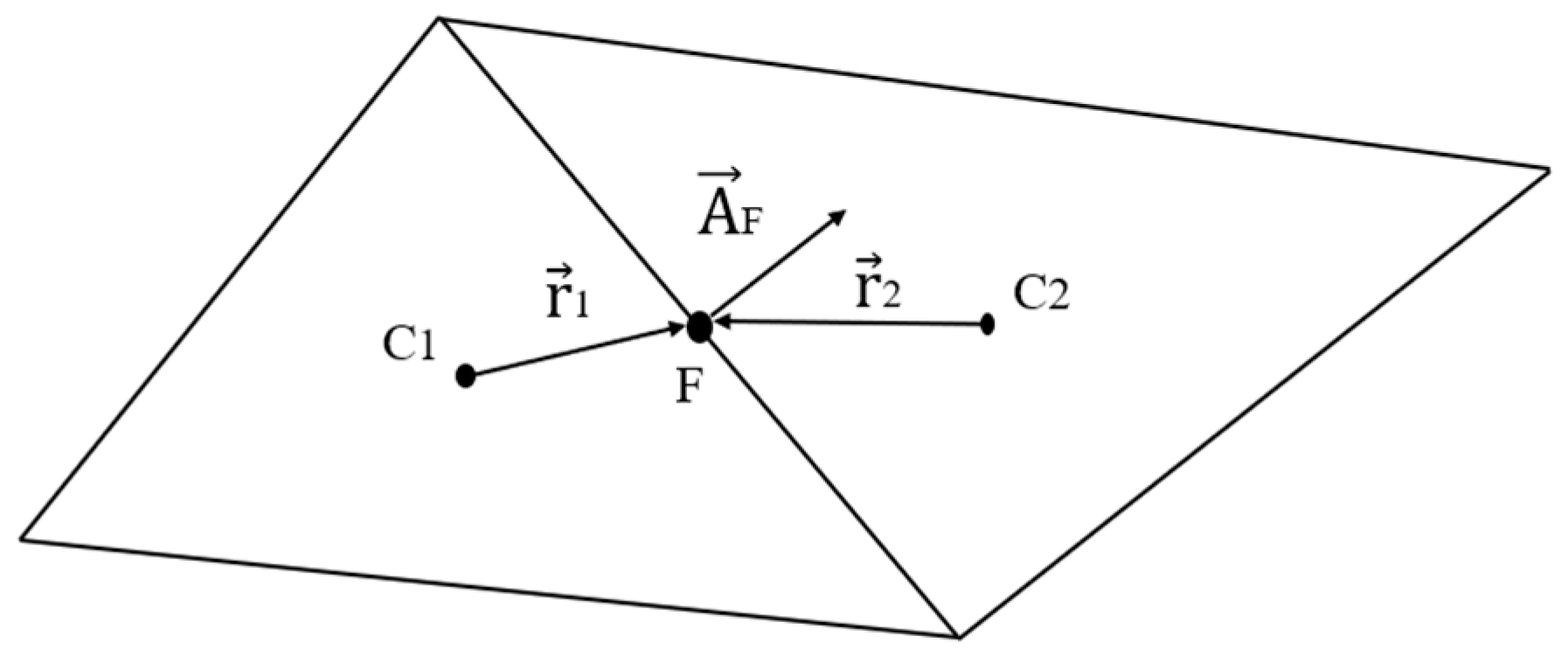
To achieve a higher resolution, the third-order MUSCL (Monotone Upstream-Centered Schemes for Conservation Laws) scheme is employed to discretize the flow variables. The corresponding cell diagram associated with the numerical scheme is presented in Figure 5.
Figure 5.
Diagram of cell with numerical scheme.
This third-order convection scheme was developed from the original MUSCL scheme [29]:
where the second-order upwind scheme is given by [30]:
For transient flow computation, a bounded second-order implicit time integration is used for temporal discretization, shown by:
The shear stress transport (SST) k-ω two equations turbulence model [31] is used to simulate the turbulence in the flow field; the turbulence kinetic energy k and the specific dissipation rate ω are obtained as follows:
where and are the corresponding equivalent diffusivity, and refer to the production terms, and refer to the dissipation terms, and means the cross-diffusion term.
2.4. Equations of Rigid-Body Motion
To simulate the motion of the lower-stage, a set of six-degree-of-freedom (six-DOF) equations was used, which accounts for aerodynamic forces as well as all other external forces and moments. Since the simulation is symmetric, one translational motion and two rotational motions are set to 0 throughout the simulation.
The translational motion of the center of gravity (CoG) is described by:
where refers to the velocity vector of the moving object’s CoG and refers to the force acting on the object, while the rotational motion is governed by:
in which L denotes the inertia tensor. The mass properties of the lower-stage are summarized in Table 2.
Table 2.
Mass characteristics of the lower-stage.
The moment vector is transformed from inertial coordinates by:
where the transformation matrix R is given by:
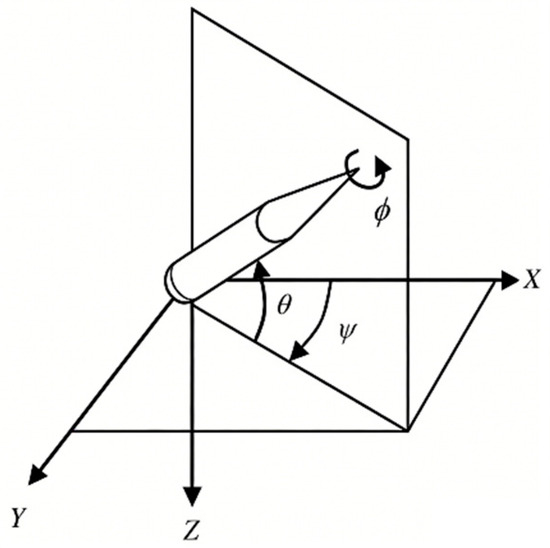
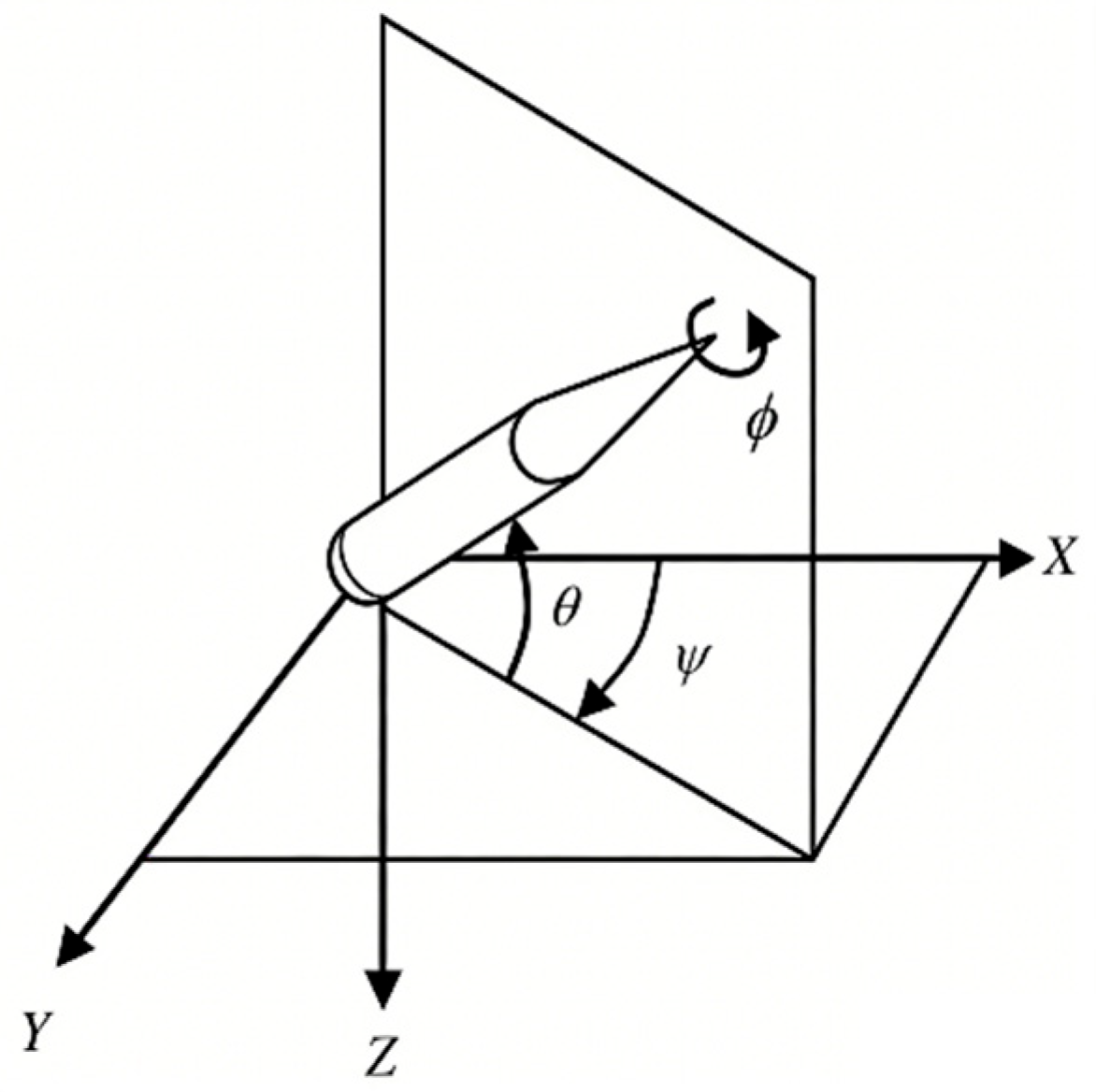
, , are the Euler angles, which represent roll, pitch, and yaw for a moving body.
The relationship between body-frame (with subscript B) and inertia frame (with subscript G) is shown in Figure 6; the six-DOF includes the location of projectile CoG (x, y, z) and three Euler angles (, , ).
Figure 6.
Six-degree-of-freedom schematic.
2.5. Deformation Technology
For the purpose of guiding the grid deformation to adapt to boundary motion, a novel AMR sensor is introduced to determine when and where in the flow field should be remeshed [32]. Conventionally, mesh adaptation sensors are based on flow field variables. For instance, to refine the mesh in regions containing shockwaves, a so-called shock indicator is defined as follows:
While this indicator is widely used and has proven effective [33], it focuses solely on flow variables and does not account for mesh quality. Consequently, traditional AMR methods may perform inadequately with high-order schemes, as their neglect of mesh quality leads to increased non-physical dissipation in such schemes.
A new complex sensor Cs is proposed, as shown in:
where Cs refers to the complex AMR sensor, C1 refers to the traditional shock indicator defined before, and C2 refers to the cell skewness, which is a traditional indicator that reflects mesh quality [34], given by:
where Amax refers to the largest angle of one cell, Amin refers to the smallest angle of one cell, and Ae means the angle for an equiangular cell 90° for a cube for example.
is defined by:
where stands for the volume of cell i. Likewise, , , … stand for the volume of cells surrounding cell i.
Factors used in the Cs are listed in Table 3. C1 > 2 is a widely accepted range to catch shock and other aerodynamic structures, while C2 should stay in [0, 0.7] to ensure stable computation [34], and C3 is set in [0, 0.1] to support the high-order scheme [23]. Based on these considerations and the associated computational workload, the AMR process is configured to maintain the Cs of every cell within the range of [1.3, 2.0] throughout the simulation, which means those cells whose Cs is out of this range will be marked and remeshed between two time steps.
Table 3.
Value of factors in Cs.
2.6. Validation of the Computational Approaches
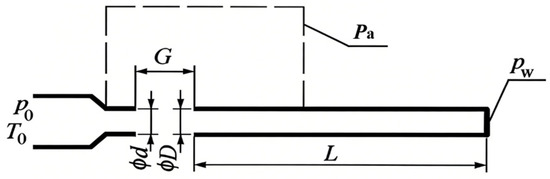
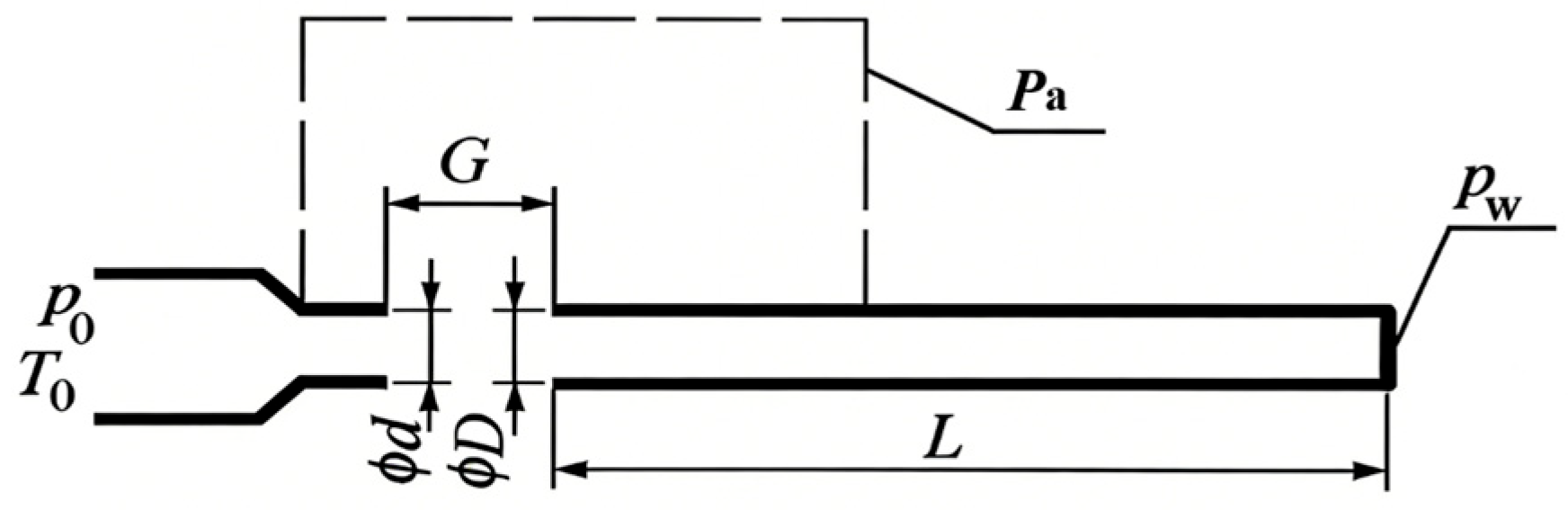
A numerical simulation was conducted using the above-mentioned methods for the resonance tube experiment reported by An et al. [35]. The geometric configuration is defined relative to the nozzle exit diameter d, which is 5 mm. The tube, with a length of 10d and a diameter equal to d, was positioned at a stand-off distance of 3d from the nozzle exit. The flow was characterized by a nozzle pressure ratio (NPR), P0/Pa, of 4.5, where P0 and Pa denote the jet stagnation pressure and the ambient back pressure, respectively.
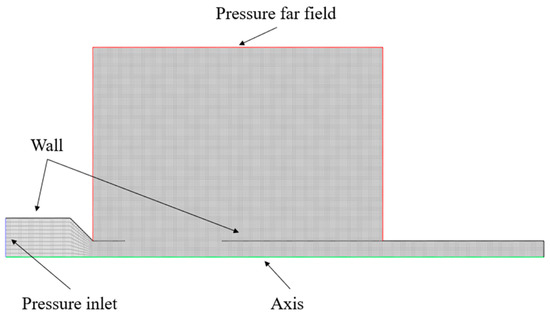
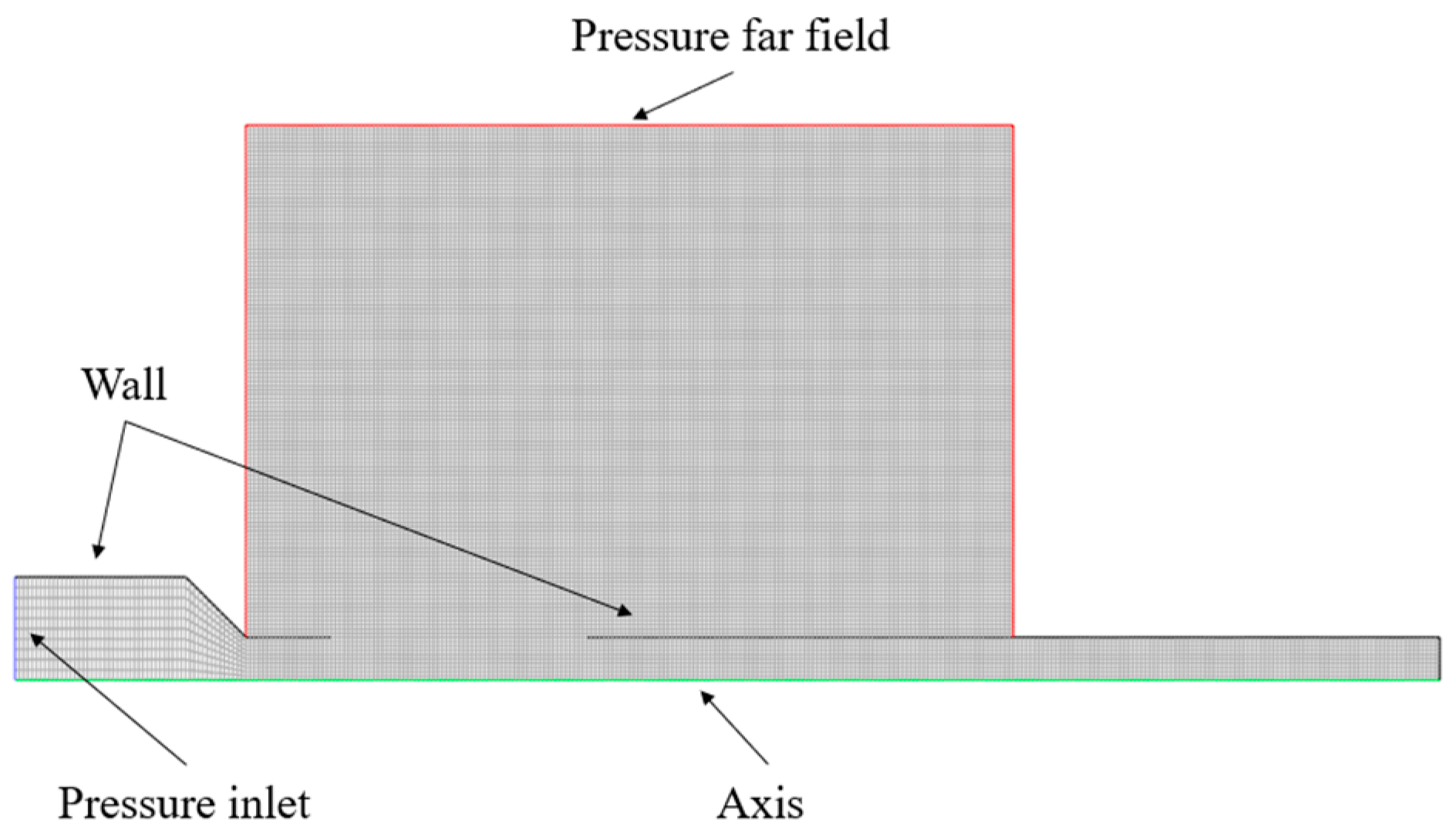
Figure 7 and Figure 8 show the diagrams of the validation experiment and corresponding flow field, respectively. It includes a nozzle and a resonant tube with a length of L. A pressure sensor is placed at the bottom of the tube, and the pressure curve at the bottom will be recorded during the experiment. Because of its axisymmetric characteristic, a 2D flow field is setup for simulation.
Figure 7.
Diagram of validation experiment.
Figure 8.
Flow field and boundary condition.
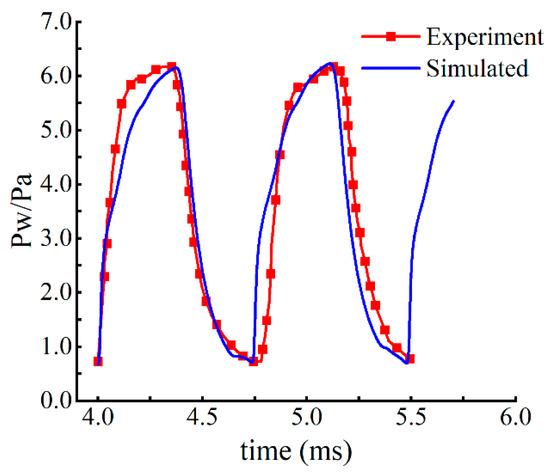
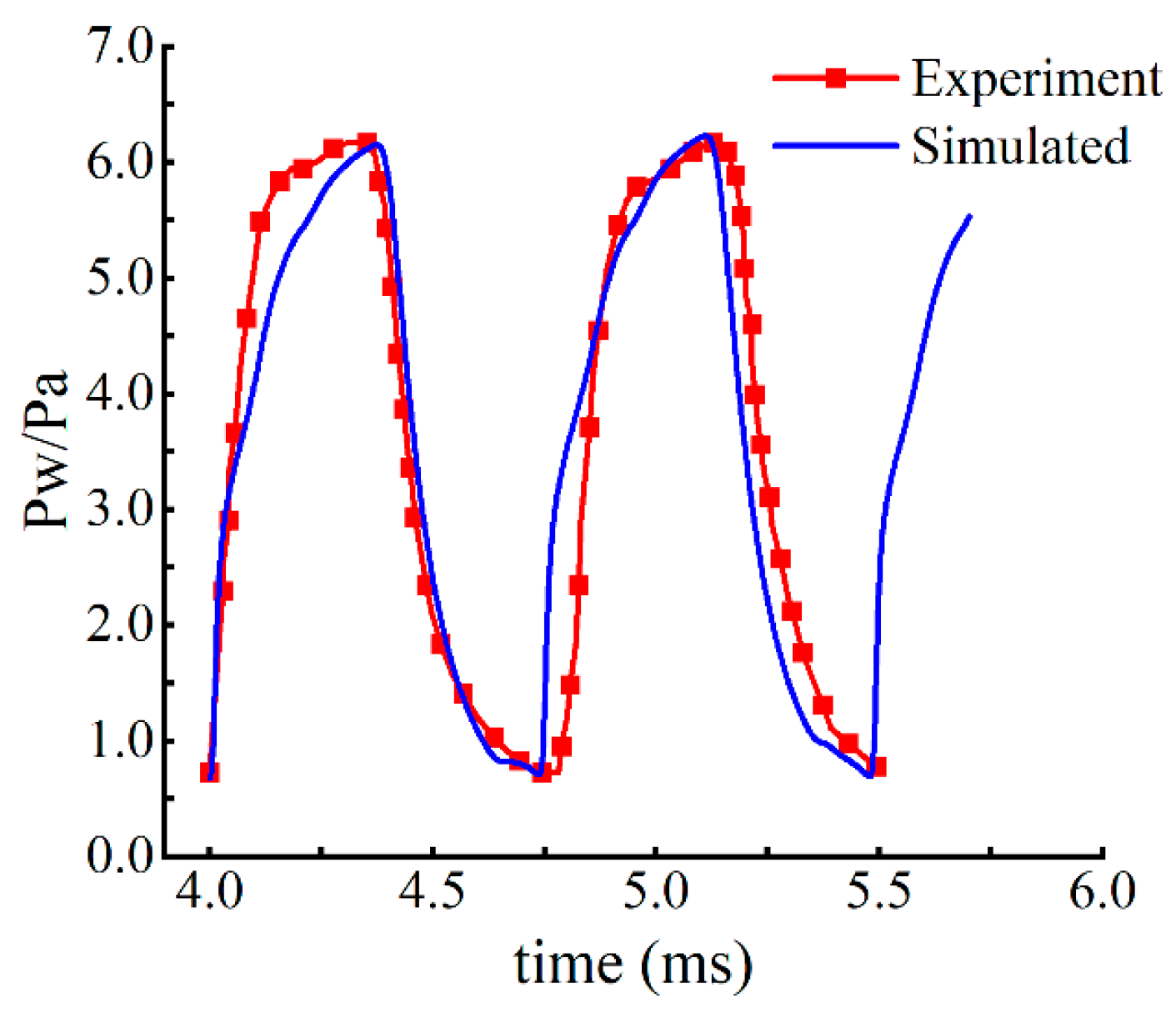
Figure 9 shows the good agreement of simulated and experimental results, so thus, it proved the present numerical method’s accuracy and practicality for the hot stage separation study [12].
Figure 9.
Comparison of pressure at end wall of resonance tube.
3. Results and Discussion
3.1. Motion and Forces Behavior
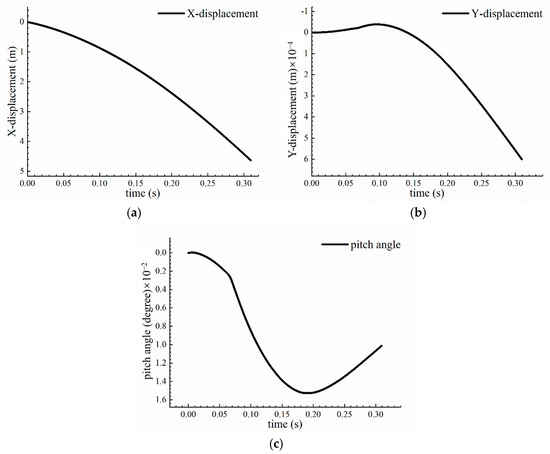
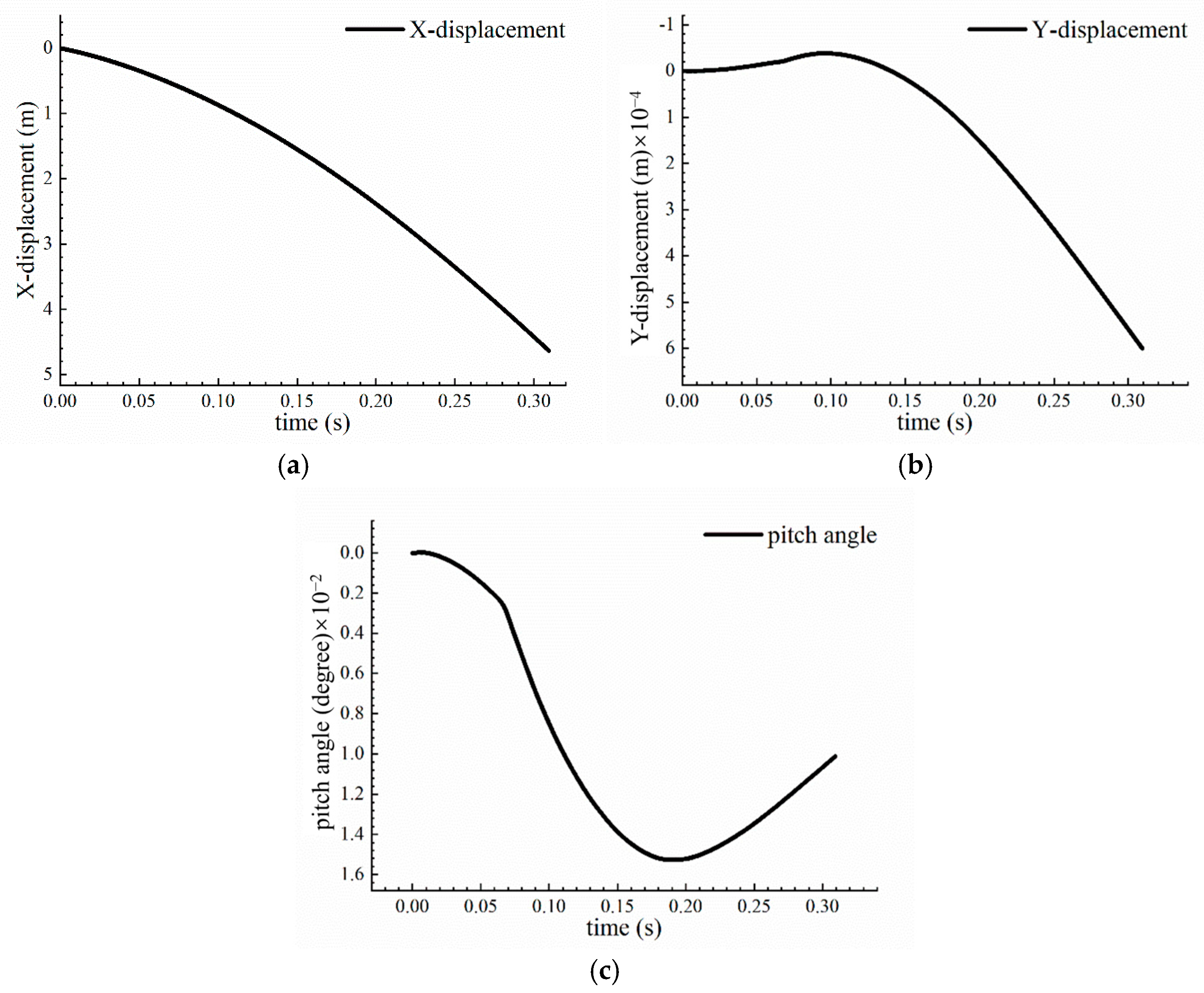
The separation process begins after the initial flow field is simulated correctly. The total pressure in the combustion chamber is assumed to be constant at 6 MPa, while the total temperature is maintained at a constant value of 3000 K. Figure 10 shows that the movements and pitch angle of the lower-stage vary with time. The lower-stage keeps moving backward with a slow increasing speed in the Y direction, and the lower-stage moves upward slightly and then keeps moving downwards. As for the pitch angle, the lower-stage first tends to move head-up and then head-down, both in a small scale. It can be concluded that stage separation with a long interstage will not significantly affect the lower-stage’s motion.
Figure 10.
Movement and altitude of lower-stage: (a) X-displacement; (b) Y-displacement; (c) pitch angle.
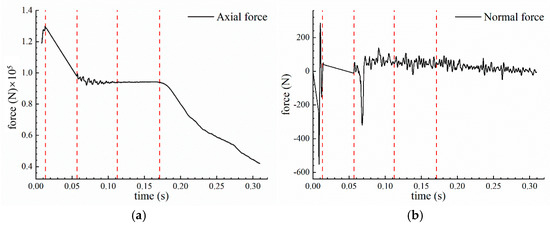
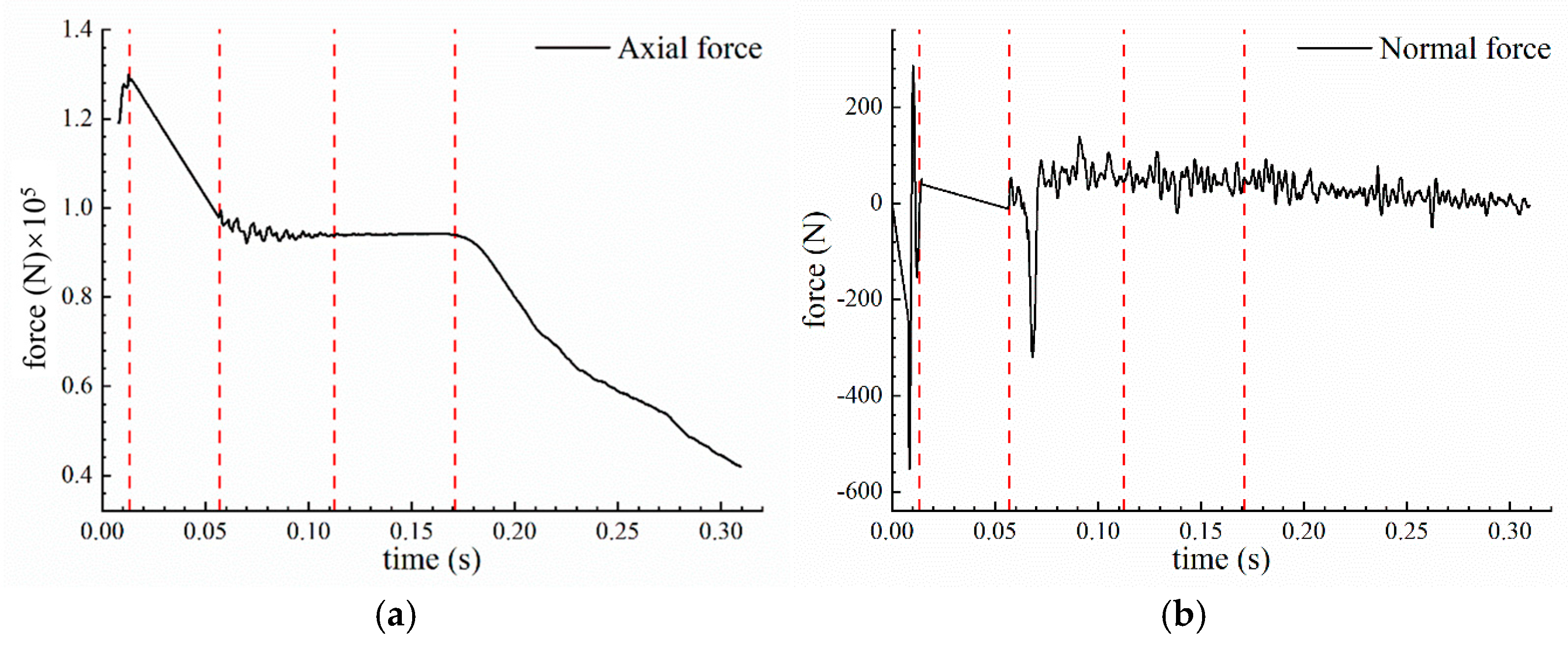
Figure 11 shows the history of force load on the lower-stage. Based on the evolution of axial force and normal force, the loading state of the lower-stage during separation can be categorized into five distinct phases. Phase 1 spans from ignition initiation to approximately 0.01328 s, during which the axial force reaches its peak value throughout the entire separation process under the influence of the initial shock wave, which is about 1.3 × 10⁵ N, while the normal force exhibits violent oscillations over a wide range, whose amplitude is about 800 N. Phase 2, from 0.01328 s to 0.0567 s, is characterized by an approximately linear decrease in both axial force and normal force. The axial force ends up at about 9.5 × 10⁴ N, while normal force reaches around 0 N. In Phase 3 (0.0567 s to 0.1124 s), the shock wave undergoes repeated reflections in the interstage, inducing slight oscillations in the axial force and intense oscillations in the normal force. Subsequently, during Phase 4, the axial force remains nearly constant; meanwhile, the normal force vibrates until approximately 0.171 s. Finally, in Phase 5 (after 0.171 s), the axial force gradually diminishes, and the lower-stage continues its rearward motion, eventually achieving complete separation from the upper-stage.
Figure 11.
History of lower-stage’s forces: (a) axial force; (b) normal force.
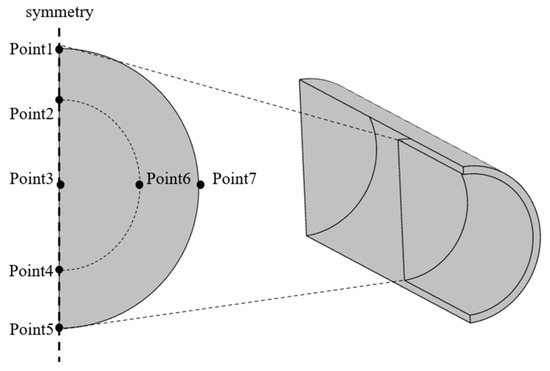
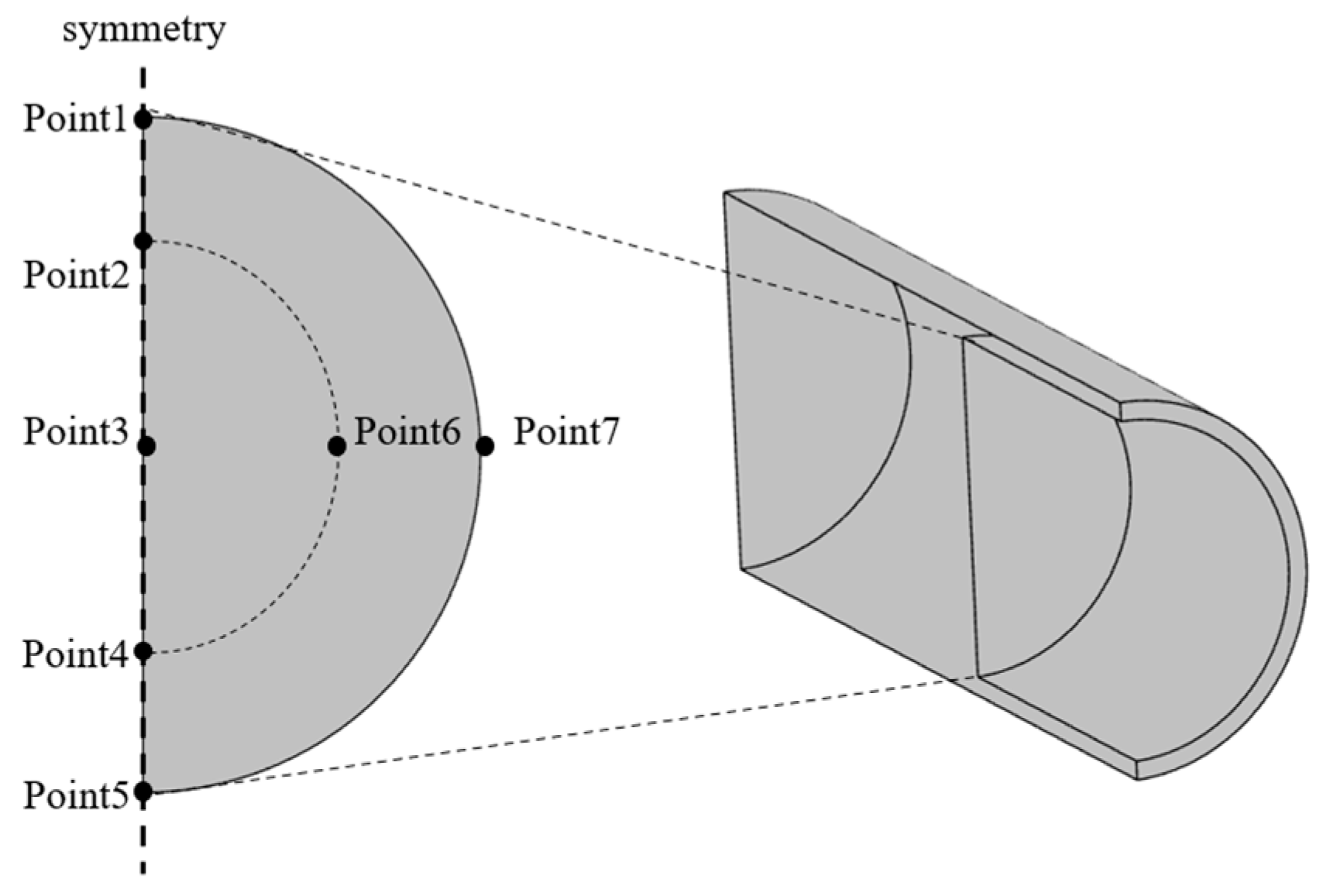
To study the pressure distribution inside the interstage, seven monitor points are set on the forward dome of the lower-stage, as shown in Figure 12. The points are evenly distributed on the symmetry plane and its vertical direction.
Figure 12.
Location of monitors on the forward dome of the lower-stage.
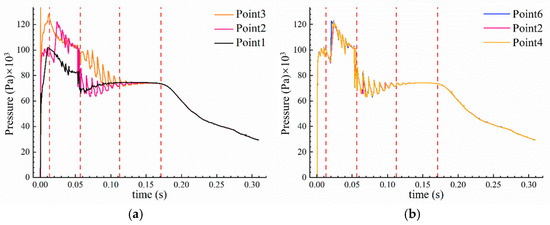
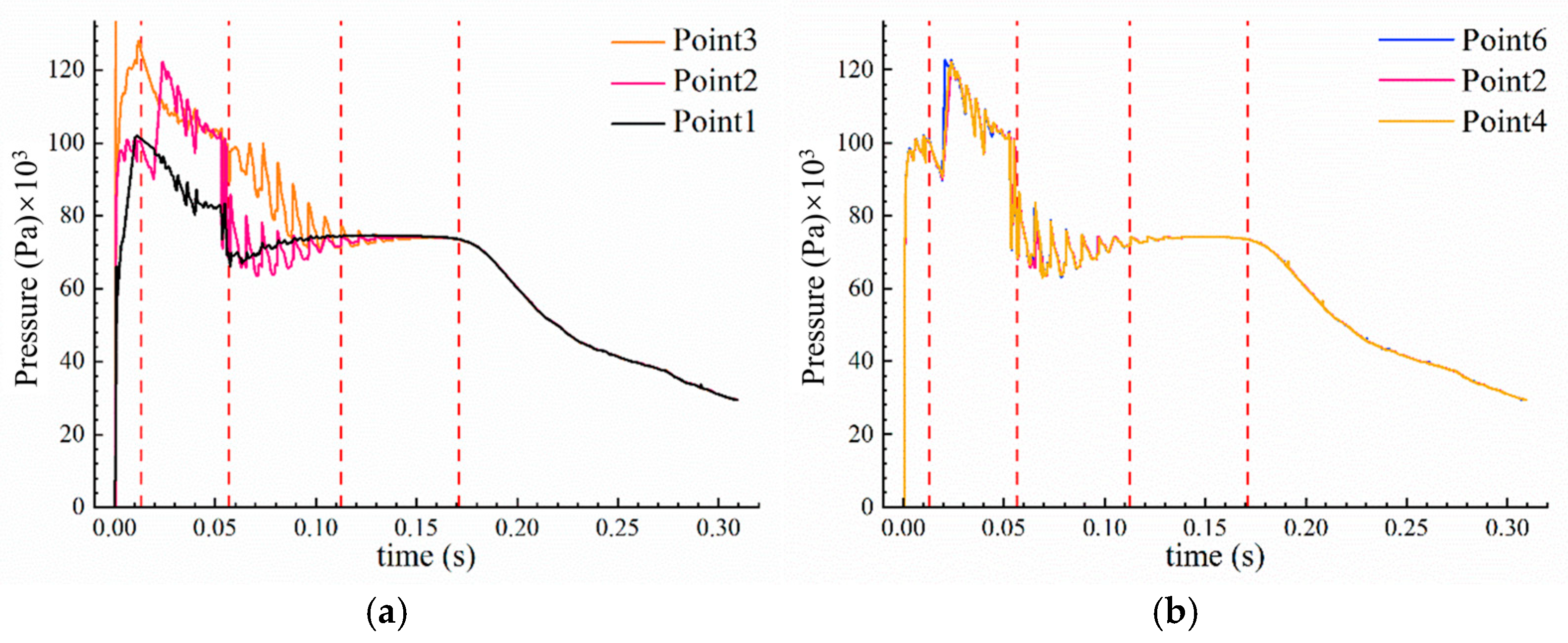
Figure 13 presents the pressure histories recorded at selected monitor points. As shown in Figure 13a, points 1, 2, and 3 are located along the same chord. Their pressure variations, particularly at the central point 3, are clearly demarcated by the five phases identified before. In Phase 1, the pressure rises rapidly under the influence of the initial shock wave and subsequently attains its peak value. Phase 2 is characterized by an oscillatory decay in pressure. During Phase 3, the amplitude of the pressure oscillations increases noticeably, whereas in Phase 4, the oscillations gradually subside. In Phase 5, the pressure begins to decrease steadily. Points 1 and 2, which are farther from the center, exhibit similar trends; however, the peak pressure at point 2 occurs later than that at point 3. Moreover, point 1, located near the corner, displays substantially smaller pressure fluctuations compared to points 2 and 3. It can be concluded that the initial shock wave mainly affects the center of the dome.
Figure 13.
History of pressure at monitor points: (a) points 1, 2, 3; (b) points 2, 4, 6.
Figure 13b illustrates the pressure evolution at points 2, 4, and 6, which lie on the same radius. The overall trends are consistent among these points, with only minor discrepancies in the timing of the extreme values. This slight variation reflects the asymmetry inherent in the propagation of the initial shock wave.
Compared with Gao’s research [12], whose model has a shorter interstage and moves faster, the pressure of the lower-stage’s dome shows two clear oscillation phases. The longer interstage leads to a longer period of fluctuation. It can be calculated from Figure 13 that the oscillation frequencies of the two gas resonance phases (Phase 2 and Phase 3, respectively) are f1 = 132.9 Hz and f2 = 143.6 Hz. Meanwhile, considering the approximate formula of the oscillation frequency in the resonance tube [10], f = c/4L, where c stands for the speed of sound and L is the length of the tube; the theoretical oscillation frequency comes to f = 212.5 Hz. Both the experiment [36] and numerical simulation [37] show that the actual frequency is lower than the theoretical value when dealing with a relatively short cavity, which is consistent with our results.
3.2. Flow Features Within the Interstage
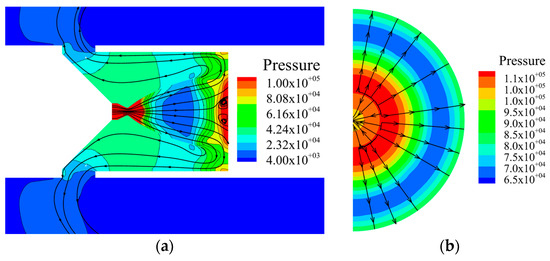
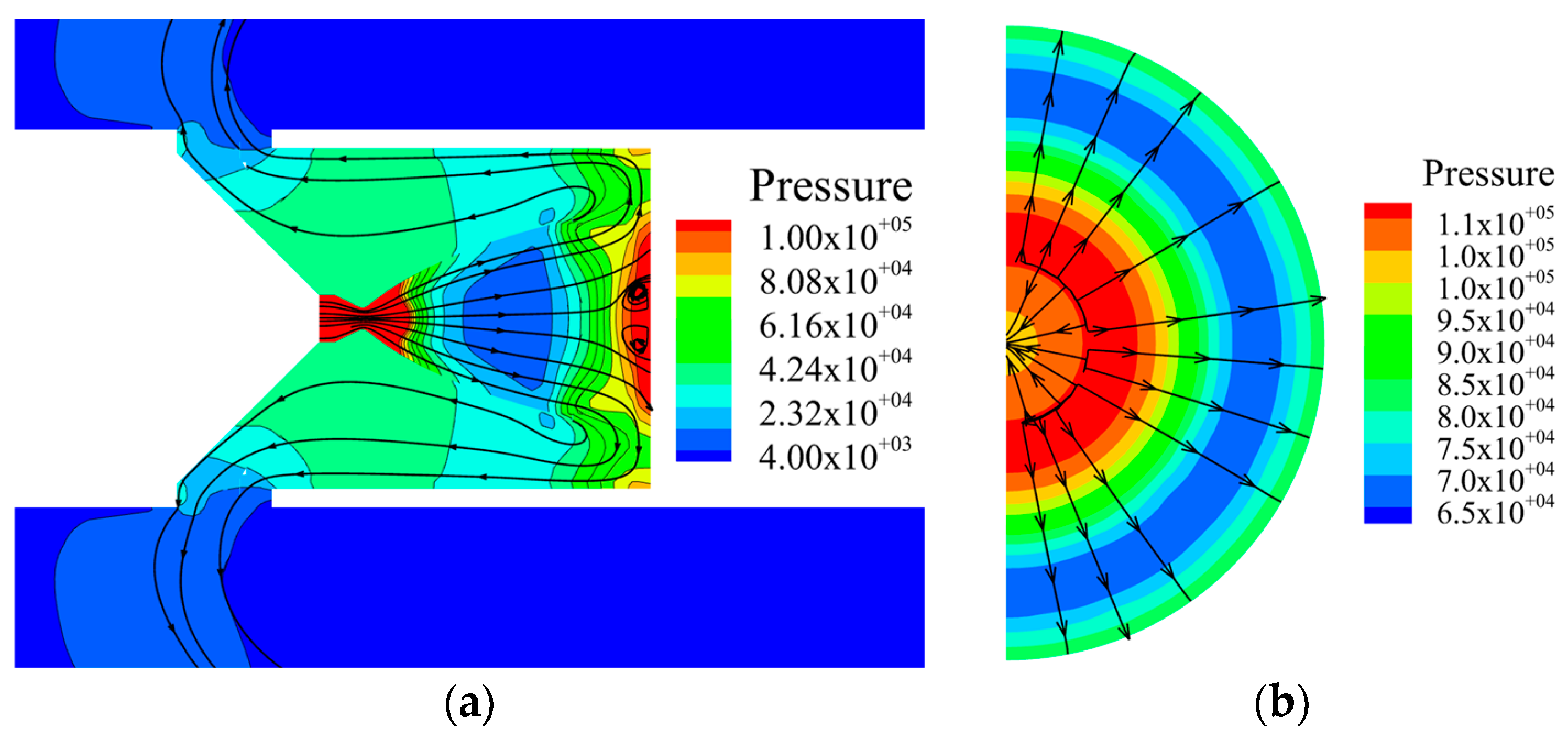
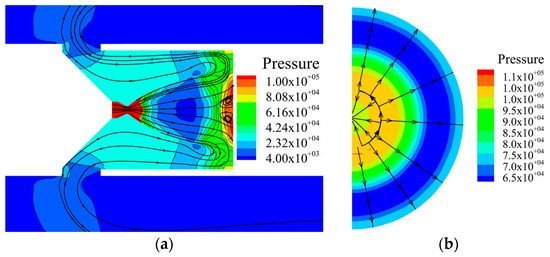
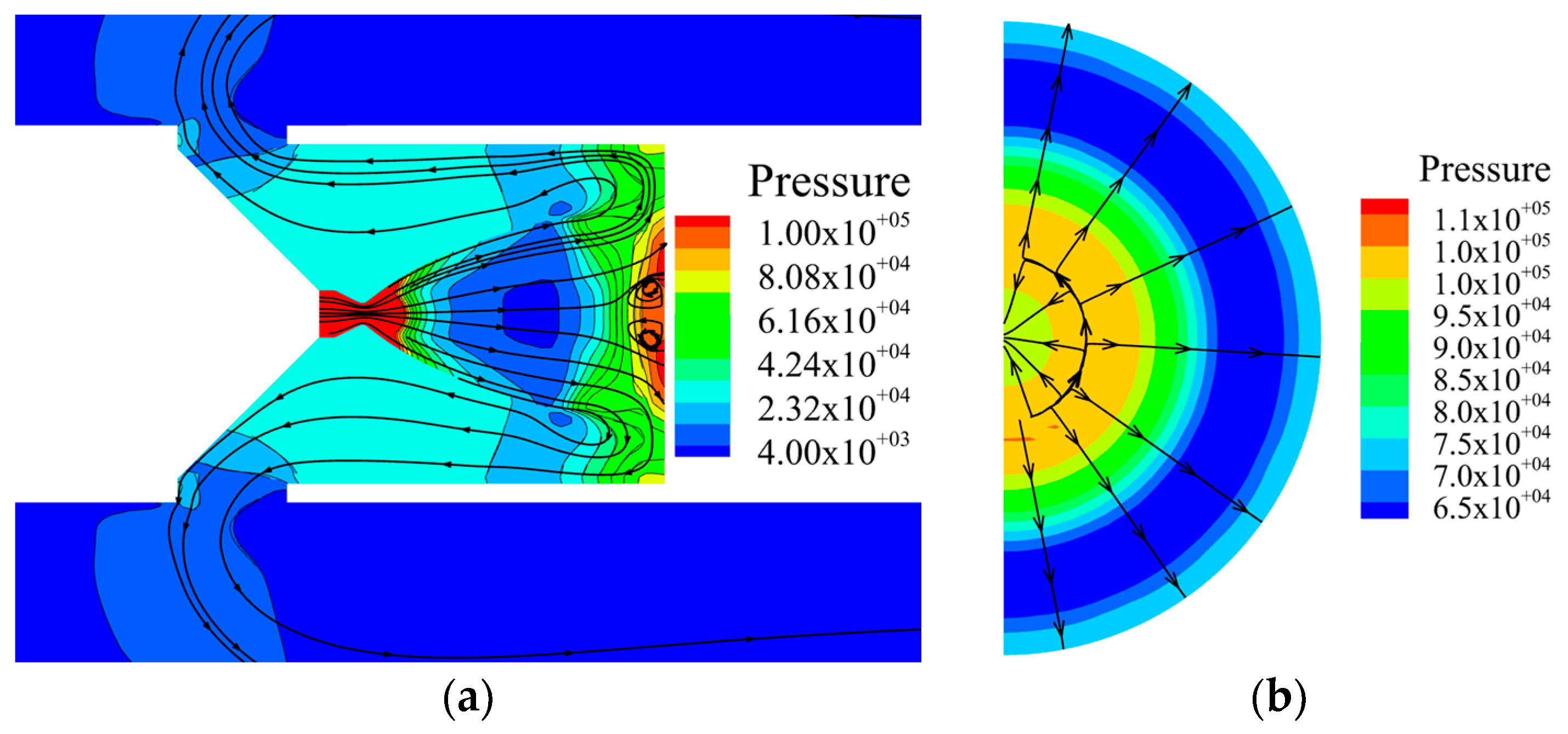
Figure 14 and Figure 15 show the flow structures at 0.0506 s and 0.0592 s, which are located at Phase 2 and Phase 3, respectively. It can be seen that the flow structure shows little differences inside the interstage. The streamline indicates that a circular vortex emerges and persists on the dome of the lower-stage, which causes the ring-shaped area of high pressure in Figure 14b. With the separation process going on, the reflection shock wave moves backward but weakens, causing the descending pressure at points 1 and 2.
Figure 14.
(a) Flow structure inside the interstage at 0.0506 s; (b) pressure distribution on the dome of the lower-stage at 0.0506 s.
Figure 15.
(a) Flow structure inside the interstage at 0.0592 s; (b) pressure distribution on the dome of the lower-stage at 0.0592 s.
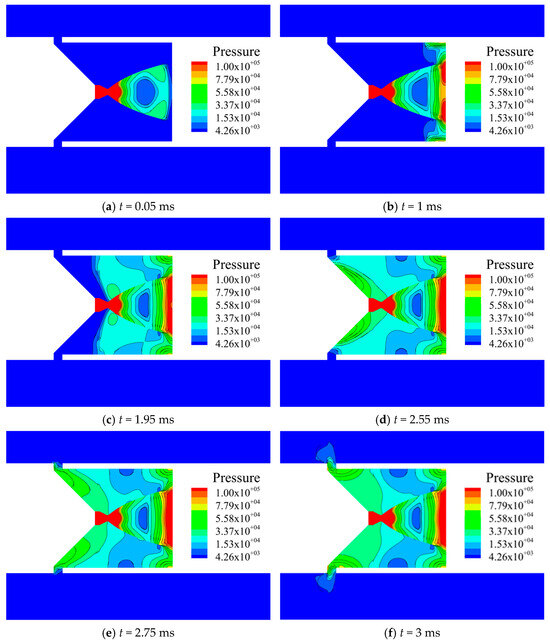
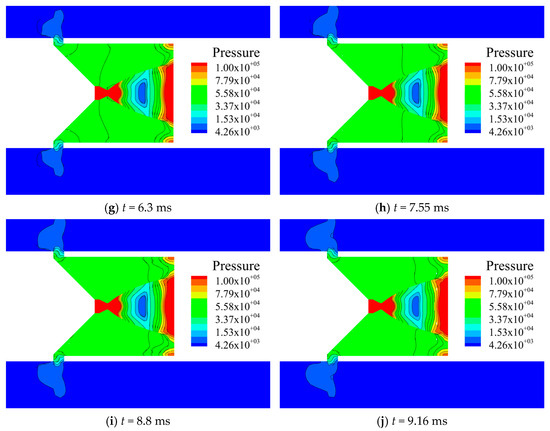
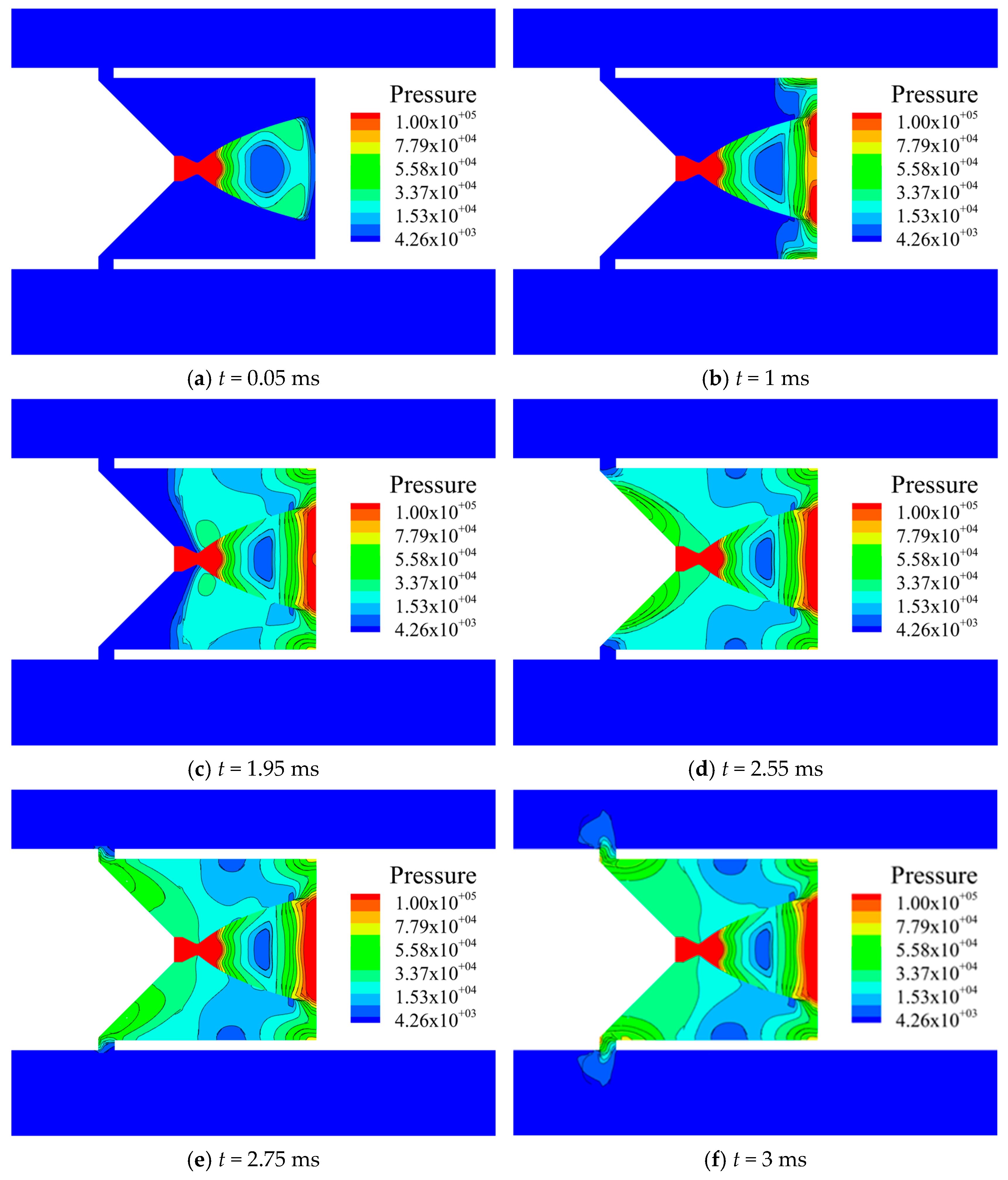
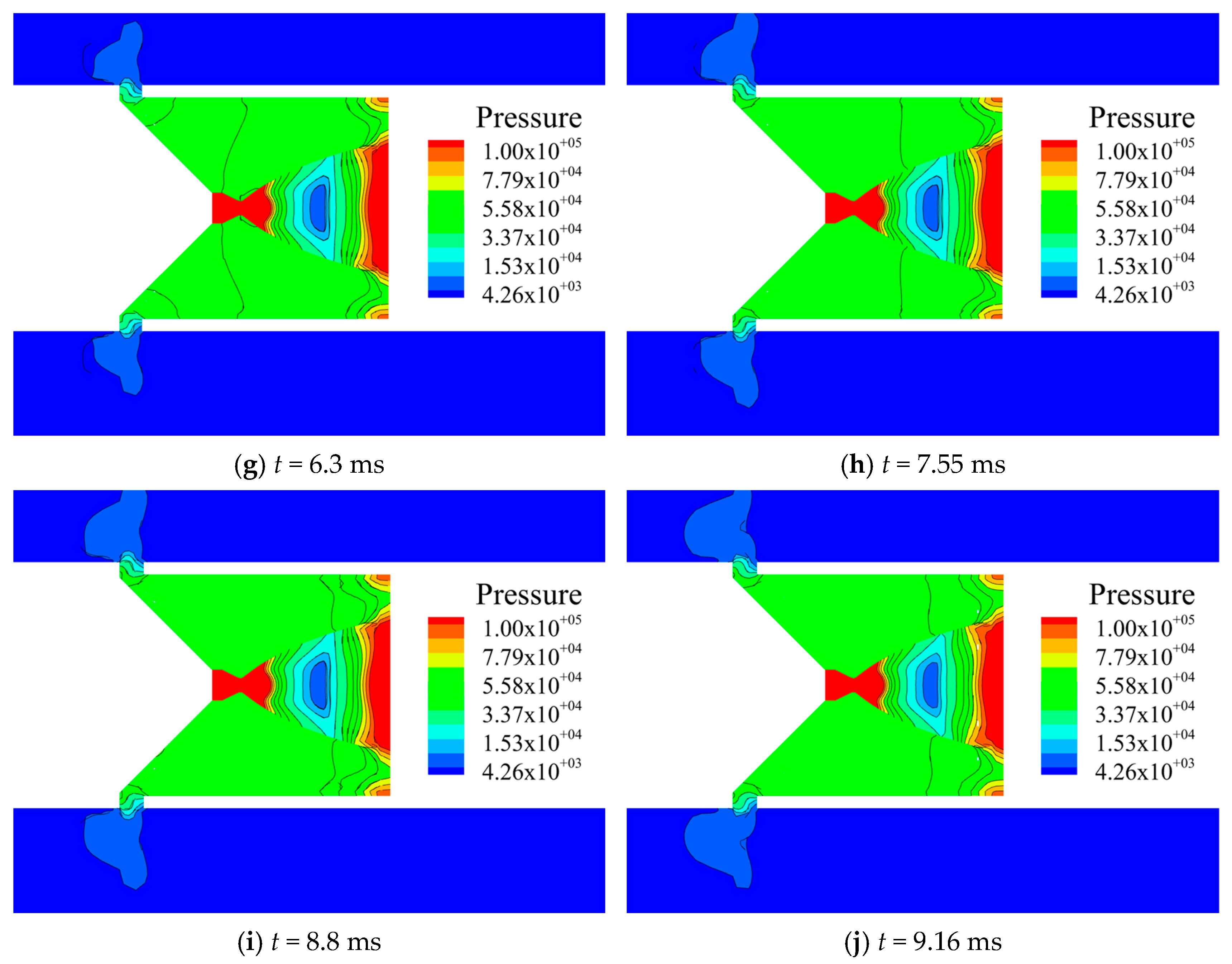
Figure 16 illustrates the pressure distribution on the symmetry plane of the interstage, which shows how the jet impinges in the interstage flow field and the evolution of the flow structure. Figure 16a shows the moment (0.05 ms after the engine start) that the initial shock wave just reaches the dome of the lower-stage, which will cause a sudden peak on the axial force of the lower-stage; after that, the shock wave spreads in the radial direction and reaches the corner of the lower-stage’s dome (Figure 16b); up to this point, the pressure distribution remains symmetrical around the axis. The reflection shock wave continues to move backward until it reaches the upper-stage’s bottom at 2.55 ms after the engine start (Figure 16c,d). Concurrently, a quasi-normal shock wave emerges in the gap of the interstage, while an expansion wave develops along the surface of the lower-stage. This expansion wave facilitates the expansion of the compressed gas into the ambient atmosphere (Figure 16f). The reflection wave keeps moving towards the dome and holds its position around the nozzle’s outlet (Figure 16i). Compared with former research [12], it can be observed that a longer interstage section leads to more frequent reflections of the shock wave within the region, thereby inducing a more pronounced oscillatory process. During the first reflection, a clear axial asymmetry is evident; however, this asymmetry gradually diminishes over the course of subsequent reflections.
Figure 16.
Flow field inside the interstage.
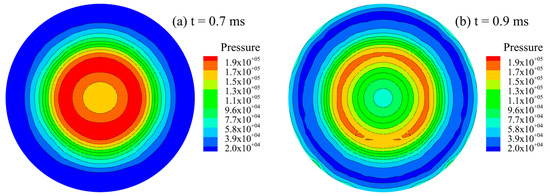
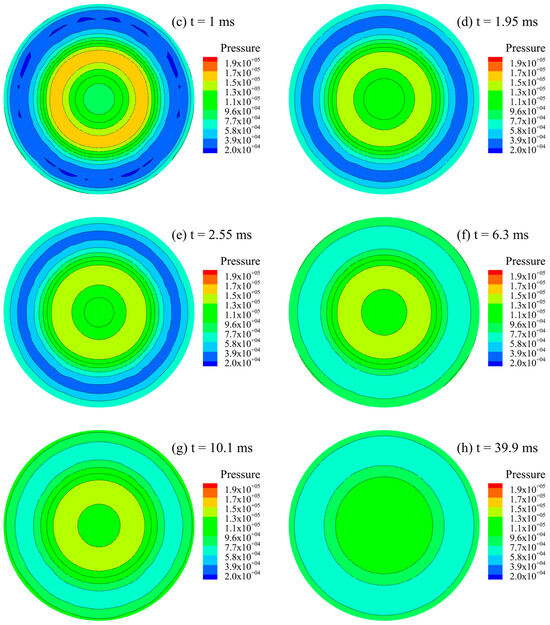
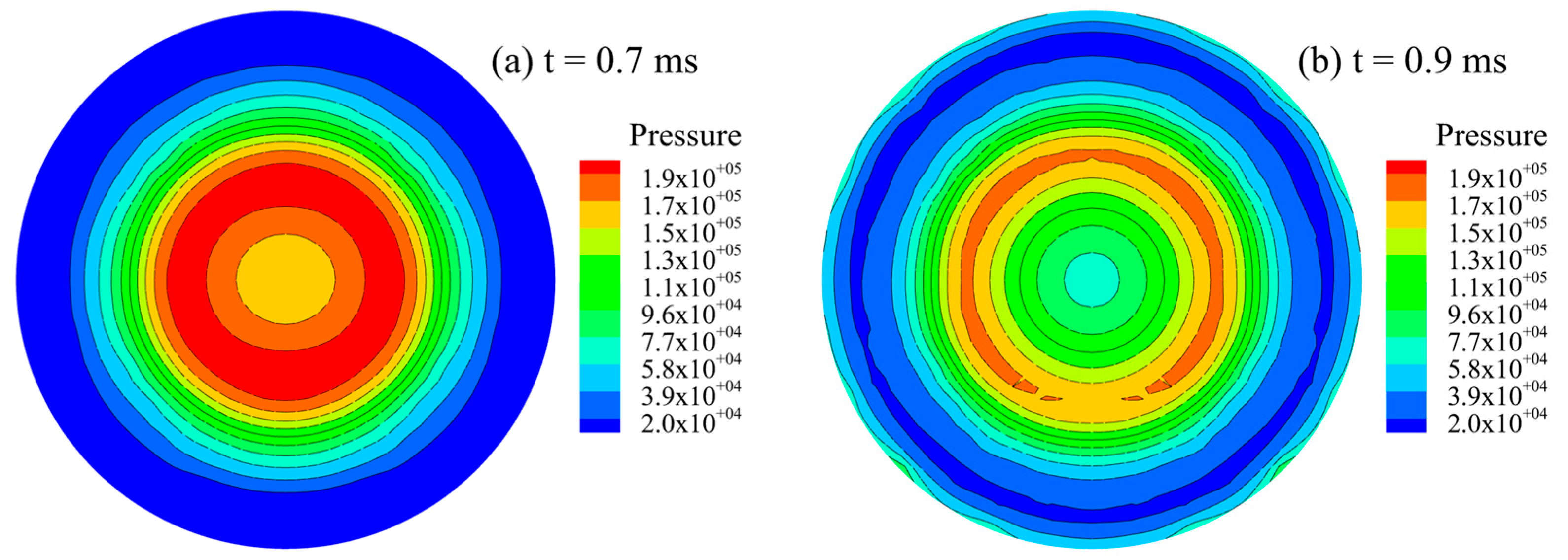
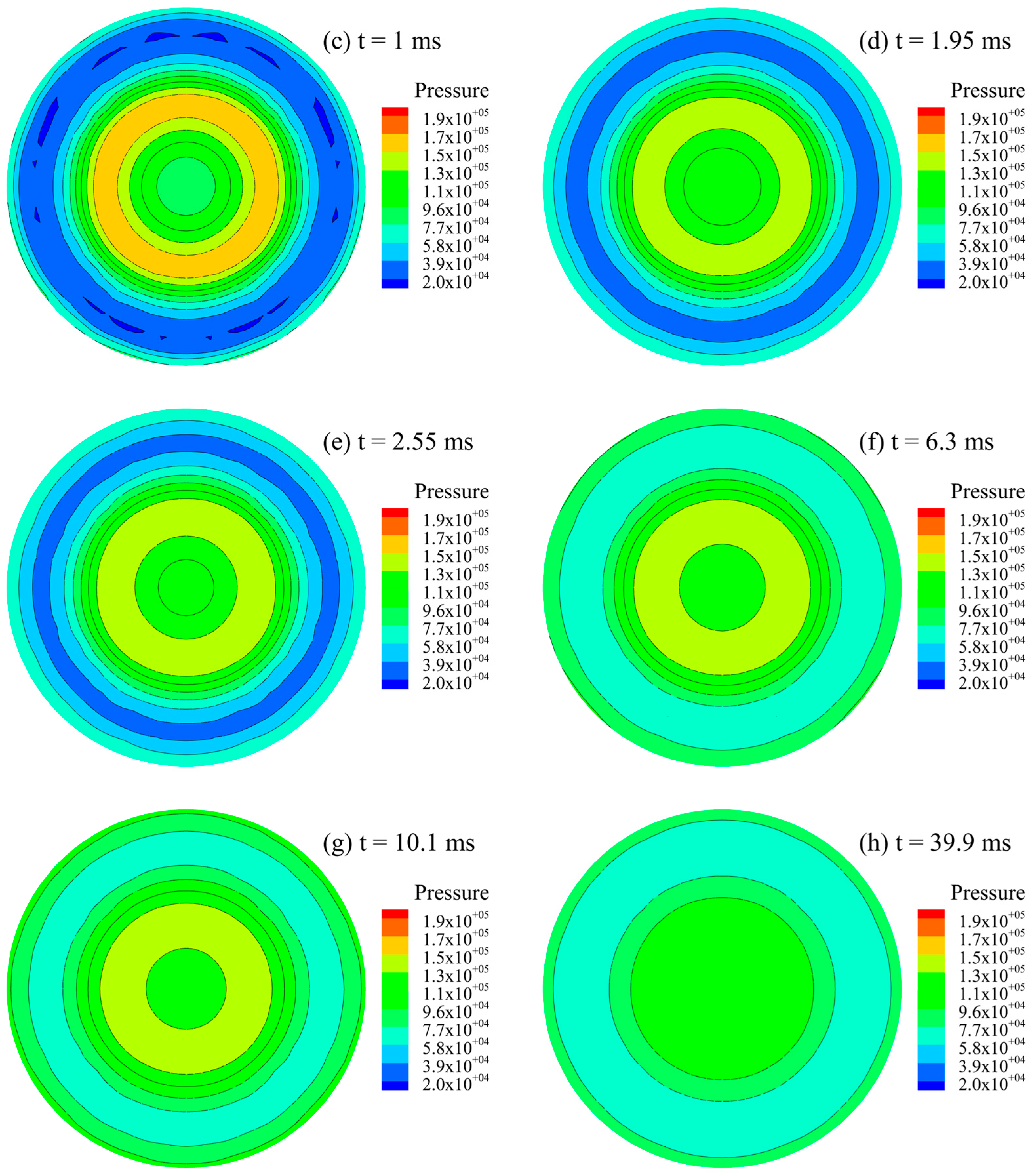
Figure 17 illustrates the pressure distribution on the forward dome; most of the time, the distribution shows perfect axial symmetry. At 0.7 ms after the engine start, a ring-shaped peak of pressure appears at the dome of the lower-stage due to the jet. When the time reaches to 0.9 ms, the jet begins to spread on the dome, and the pressure distribution becomes asymmetrical, the ring-shaped peak breaks at the downward location, and the area with higher pressure becomes smaller at the same time (Figure 17b). When the time comes to 1.95 ms, the shockwave moves forward after the reflection, so the dome’s pressure holds still. Figure 17f shows the moment that the induced shock wave moves towards the dome from the gap; the pressure increases at the dome and remains unchanged until 3.9.9 ms (Figure 17h), which is the time that the lower-stage moves backward.
Figure 17.
Pressure contribution of lower-stage’s forward dome.
4. Conclusions
A coupled simulation was conducted for the hot separation process of a multistage vehicle. The third-order MUSCL scheme was adopted together with a novel AMR sensor. The simulation method was verified, and the results showed that the initial shockwave reflected repeatedly inside the interstage. During the separation, the force that acted on the lower-stage together with the pressure of the monitor points on the dome exhibits five phases: the initial transient phase, the small-scale oscillation phase, the large-scale oscillation phase, the suspension phase and the decline phase. Meanwhile, the comparison between the measured oscillation frequency and the theoretical value are consistent with the previous studies. Compared with other research, a longer interstage will lead to an obvious difference in two oscillation phases. The pressure contribution shows little difference in the circumferential direction but significant changes in the radial direction throughout the separation process.
Author Contributions
Conceptualization, P.Y.; methodology, P.Y.; validation, P.Y. and Y.J.; formal analysis, P.Y.; investigation, P.Y.; resources, Y.J.; data curation, P.Y.; writing—original draft preparation, P.Y.; writing—review and editing, Y.J.; visualization, P.Y.; supervision, Y.J.; project administration, Y.J. All authors have read and agreed to the published version of the manuscript.
Funding
This research received no external funding.
Data Availability Statement
The data presented in this study are available on request from the corresponding author due to confidentiality and privacy concerns.
Conflicts of Interest
The authors declare no conflicts of interest.
References
- Li, Y.; Eggers, T.; Reimann, B. A Dynamics Study for the Hot Stage Separation of a Multistage Rocket with a Coupled CFD Flight Mechanics Approach. In Proceedings of the 18th AIAA/3AF International Space Planes and Hypersonic Systems and Technologies Conference, Tours, France, 24–28 September 2012. [Google Scholar]
- Guo, W.; Fu, J.; He, P.; Tian, S. Numerical Investigation of Stage Separation Control of Tandem Hypersonic Vehicles Based on Lateral Jet. Aerospace 2025, 12, 286. [Google Scholar] [CrossRef] [Scilit]
- Li, Y.; Reimann, B.; Eggers, T. Coupled Simulation of CFD-Flight-Mechanics with a Two-Species-Gas-Model for the Hot Rocket Staging. Acta Astronaut. 2016, 128, 44–61. [Google Scholar] [CrossRef] [Scilit]
- Xiang, G.; Wang, C.; Teng, H.; Jiang, Z. Shock/Shock Interactions between Bodies and Wings. Chin. J. Aeronaut. 2018, 31, 255–261. [Google Scholar] [CrossRef] [Scilit]
- Pinier, J.; Niskey, C. Ares I and Ares I-X Stage Separation Aerodynamic Testing. In Proceedings of the 49th AIAA Aerospace Sciences Meeting including the New Horizons Forum and Aerospace Exposition, Orlando, FL, USA, 4–7 January 2011. [Google Scholar]
- Hohn, O.M.; Gülhan, A. Impact of Retrorocket Plumes on Upper-Stage Aerothermodynamics During Stage Separation. J. Spacecr. Rocket. 2017, 54, 640–651. [Google Scholar] [CrossRef] [Scilit]
- Wang, Y.; Wang, Y.; Jiang, Z. Unsteady Interaction Mechanism of Transverse Stage Separation in Hypersonic Flow for a Two-Stage-to-Orbit Vehicle. Phys. Fluids 2023, 35, 056120. [Google Scholar] [CrossRef] [Scilit]
- Wang, Y.; Wang, Y.; Jiang, Z. Experimental Study of Longitudinal Stage Separation of Two-Body Configuration in Shock Tunnel. AIAA J. 2022, 60, 6940–6946. [Google Scholar] [CrossRef] [Scilit]
- Hartmann, J.; Trolle, B.A. New Acoustic Generator. J. Sci. Instrum. 1927, 4, 101–111. [Google Scholar] [CrossRef] [Scilit]
- Brocher, E.; Maresca, C.; Bournay, M.-H. Fluid Dynamics of the Resonance Tube. J. Fluid Mech. 1970, 43, 369–384. [Google Scholar] [CrossRef] [Scilit]
- Yu, N.; Cai, G.; Zhang, G. Gas dynamic resonance performance of coaxial injector. J. Beijing Univ. Aeronaut. Astronaut. 2010, 36, 82–86. [Google Scholar] [CrossRef]
- Gao, L.; Fu, S. Intermittent Gas Resonance in Stage Separation Flow Field of Multistage Rocket. Eng. Appl. Comput. Fluid Mech. 2012, 6, 163–172. [Google Scholar] [CrossRef] [Scilit]
- Huang, S.; Quan, X.; Guo, F.; Fu, S. Numerical Simulation of the Initial Stage Flowfields for the Stage Separation of the Multi-Stage Rocket. J. Propuls. Technol. 2007, 28, 113–117. [Google Scholar] [CrossRef]
- Toniolo, M.; Tartabini, P.; Pamadi, B.; Hotchko, N. Constraint Force Equation Methodology for Modeling Multi-Body Stage Separation Dynamics. In Proceedings of the 46th AIAA Aerospace Sciences Meeting and Exhibit, Reno, Nevada, 7–10 January 2008. [Google Scholar]
- Jia, J.; Fu, D.; He, Z.; Yang, J.; Hu, L. Hypersonic Aerodynamic Interference Investigation for a Two-Stage-to-Orbit Model. Acta Astronaut. 2020, 168, 138–145. [Google Scholar] [CrossRef] [Scilit]
- Zhang, S.; Zhao, X. Computational Studies of Stage Separation with An Unstructured Chimera Grid Method. In Proceedings of the 43rd AIAA/ASME/SAE/ASEE Joint Propulsion Conference & Exhibit, Cincinnati, OH, USA, 8–11 July 2007. [Google Scholar]
- Hua, R.; Zhao, C.; Ye, Z.; Jiang, Y. Effect of Elastic Deformation on the Trajectory of Aerial Separation. Aerosp. Sci. Technol. 2015, 45, 128–139. [Google Scholar] [CrossRef] [Scilit]
- Xiao, T.; Qin, N.; Luo, D.; Deng, S. Deformable Overset Grid for Multibody Unsteady Flow Simulation. AIAA J. 2016, 54, 2392–2406. [Google Scholar] [CrossRef] [Scilit]
- Qian, H.; Wang, W.; Jiang, Y.; Yan, P.; Cai, Y. Unsteady Separation Mechanism of Ground Horizontal-Sliding Takeoff System. Phys. Fluids 2024, 36, 107141. [Google Scholar] [CrossRef] [Scilit]
- Soni, K.; Chandar, D.D.J.; Sitaraman, J. Development of an Overset Grid Computational Fluid Dynamics Solver on Graphical Processing Units. Comput. Fluids 2012, 58, 1–14. [Google Scholar] [CrossRef] [Scilit]
- Li, J.; Chen, S.; Cai, F.; Yan, C. Numerical Investigation of Vented Plume into a Supersonic Flow in the Early Stage of Rocket Hot Separation. Aerosp. Sci. Technol. 2020, 107, 106249. [Google Scholar] [CrossRef] [Scilit]
- Hesthaven, J.S.; Warburton, T. Nodal High-Order Methods on Unstructured Grids. J. Comput. Phys. 2002, 181, 186–221. [Google Scholar] [CrossRef] [Scilit]
- Jameson, L. AMR vs. High Order Schemes. J. Sci. Comput. 2003, 18, 1–24. [Google Scholar] [CrossRef] [Scilit]
- Liu, Y.; Qian, Z.; Lu, W.; He, S. Numerical Investigation on the Safe Stage-Separation Mode for a TSTO Vehicle. Aerosp. Sci. Technol. 2020, 107, 106349. [Google Scholar] [CrossRef] [Scilit]
- Jameson, L. A Wavelet-Optimized, Very High Order Adaptive Grid and Order Numerical Method. SIAM J. Sci. Comput. 1998, 19, 1980–2013. [Google Scholar] [CrossRef] [Scilit]
- Cavallo, P.; Dash, S. Aerodynamics of Multi-Body Separation Using Adaptive Unstructured Grids. In Proceedings of the 18th Applied Aerodynamics Conference, Denver, CO, USA, 14–17 August 2000. [Google Scholar]
- Buning, P.G.; Wong, T.-C.; Dilley, A.D.; Pao, J.L. Computational Fluid Dynamics Prediction of Hyper-X Stage Separation Aerodynamics. J. Spacecr. Rocket. 2001, 38, 820–827. [Google Scholar] [CrossRef] [Scilit] [PubMed]
- Buning, P.; Gomez, R.; Scallion, W. CFD Approaches for Simulation of Wing-Body Stage Separation. In Proceedings of the 22nd Applied Aerodynamics Conference and Exhibit, Providence, Rhode Island, 16–19 August 2004. [Google Scholar]
- van Leer, B. Towards the Ultimate Conservative Difference Scheme. V. A Second-Order Sequel to Godunov’s Method. J. Comput. Phys. 1979, 32, 101–136. [Google Scholar] [CrossRef] [Scilit]
- Barth, T.; Jespersen, D. The Design and Application of Upwind Schemes on Unstructured Meshes. In Proceedings of the 27th Aerospace Sciences Meeting, Reno, NV, USA, 9–12 January 1989. [Google Scholar]
- Wilcox, D.C. Reassessment of the Scale-Determining Equation for Advanced Turbulence Models. AIAA J. 1988, 26, 1299–1310. [Google Scholar] [CrossRef] [Scilit]
- Rajora, V.; Aslam, T.; Chapman, W.W.; Meyer, C.; Son, S.F.; Scalo, C. A Block-Spectral Adaptive H-/p-Refinement Strategy for Shock-Dominated Problems. J. Comput. Phys. 2024, 514, 113255. [Google Scholar] [CrossRef] [Scilit]
- Alauzet, F.; Clerici, F.; Loseille, A.; Tarsia-Morisco, C.; Vanharen, J. Some Progress on CFD High Lift Prediction Using Metric-Based Anisotropic Mesh Adaptation. In Proceedings of the AIAA SCITECH 2022 Forum, San Diego, CA, USA, 3–7 January 2022. [Google Scholar]
- Sorgente, T.; Biasotti, S.; Manzini, G.; Spagnuolo, M. A Survey of Indicators for Mesh Quality Assessment. Comput. Graph. Forum 2023, 42, 461–483. [Google Scholar] [CrossRef] [Scilit]
- An, L.; Liang, G.; Tong, X. Numerical Investigation of Pressure Oscillation in Gas Dynamic Resonance Tube. J. Beijing Univ. Aeronaut. Astronaut. 2003, 29, 165–168. [Google Scholar]
- Raman, G.; Khanafseh, S.; Cain, A.B.; Kerschen, E. Development of High Bandwidth Powered Resonance Tube Actuators with Feedback Control. J. Sound. Vib. 2004, 269, 1031–1062. [Google Scholar] [CrossRef] [Scilit]
- Li, B.; Hu, G.; Zhou, Z. Numerical Simulation of Flow in Hartmann Resonance Tube and Flow in Ultrasonic Gas Atomizer. Appl. Math. Mech.-Engl. Ed. 2007, 28, 1415–1426. [Google Scholar] [CrossRef] [Scilit]

Disclaimer/Publisher’s Note: The statements, opinions and data contained in all publications are solely those of the individual author(s) and contributor(s) and not of MDPI and/or the editor(s). MDPI and/or the editor(s) disclaim responsibility for any injury to people or property resulting from any ideas, methods, instructions or products referred to in the content. |
© 2026 by the authors. Licensee MDPI, Basel, Switzerland. This article is an open access article distributed under the terms and conditions of the Creative Commons Attribution (CC BY) license.