
Article

Confidence-Based Fusion of AC-LSTM and Kalman Filter for Accurate Space Target Trajectory Prediction

1
Department of Optoelectronic Information, School of Aerospace, Nanjing University of Aeronautics and Astronautics, Nanjing 211106, China
2
Beijing Institute of Electronic System Engineering, Beijing 100854, China
*
Author to whom correspondence should be addressed.
Aerospace 2025, 12(4), 347; https://doi.org/10.3390/aerospace12040347

Submission received: 7 March 2025 / Revised: 13 April 2025 / Accepted: 14 April 2025 / Published: 16 April 2025
(This article belongs to the Special Issue Precise Orbit Determination of the Spacecraft)

Abstract

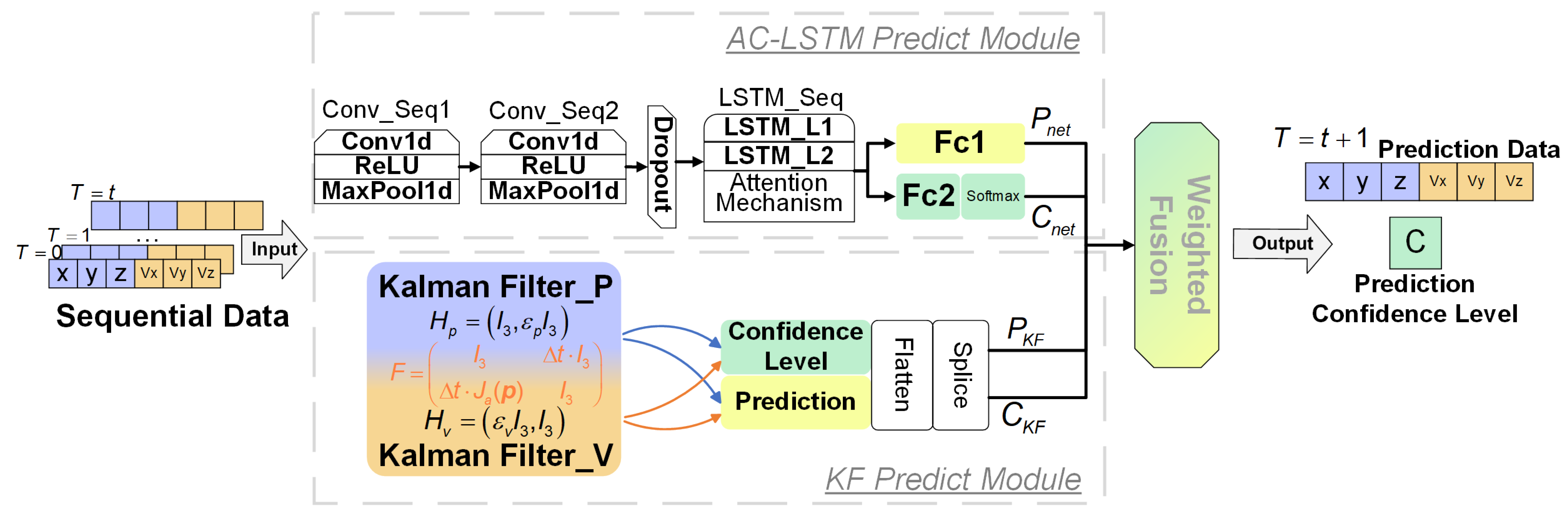
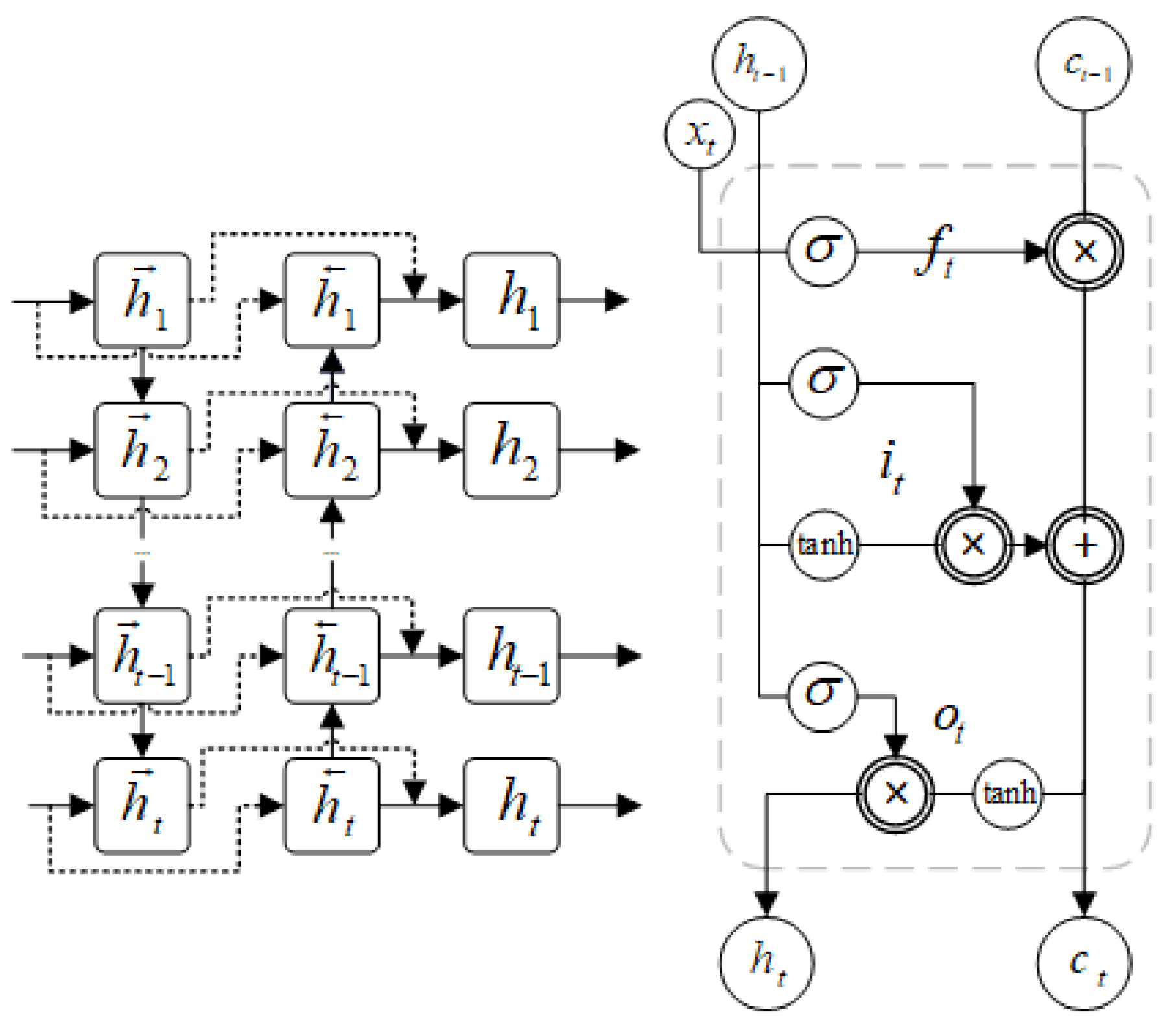
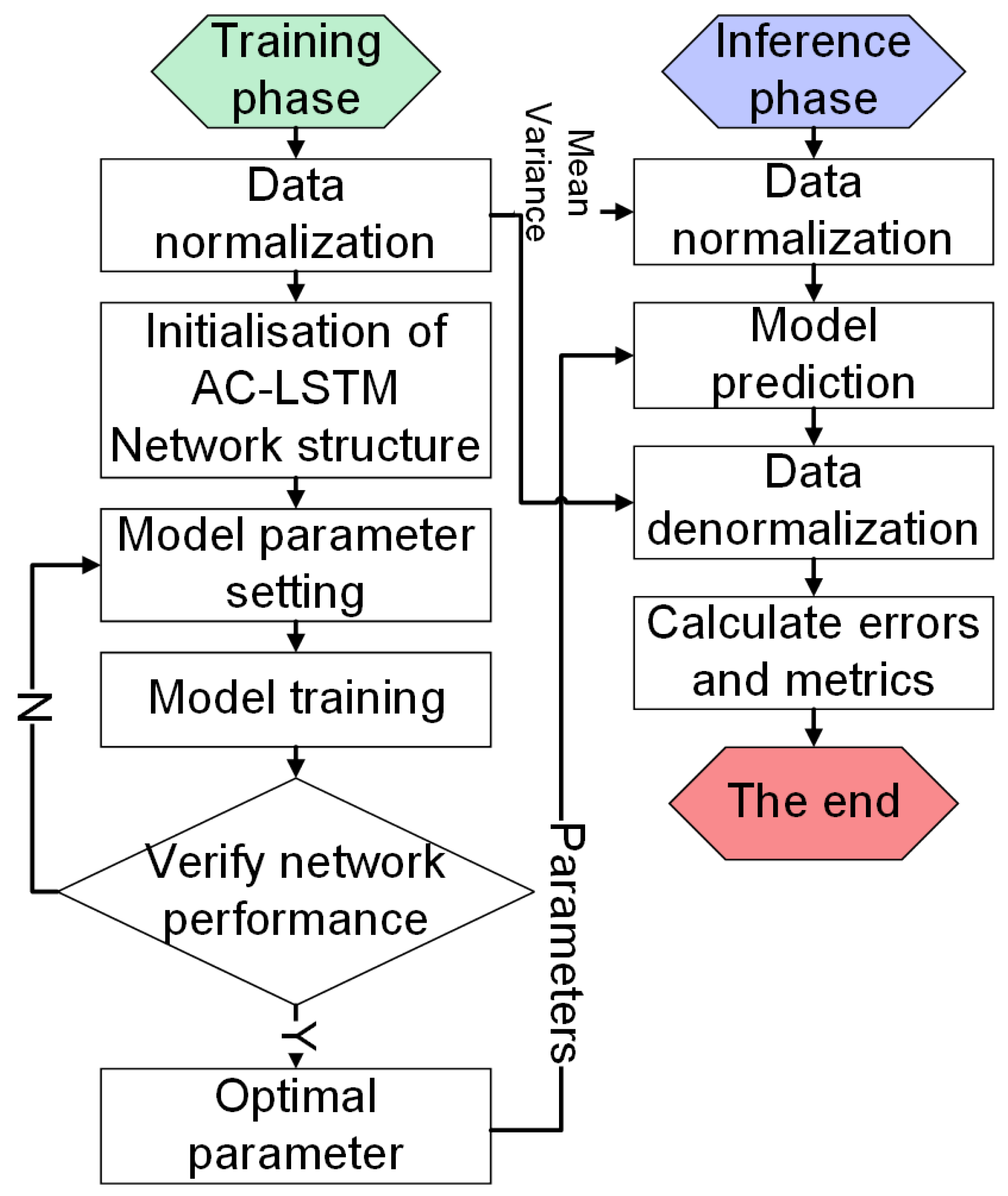
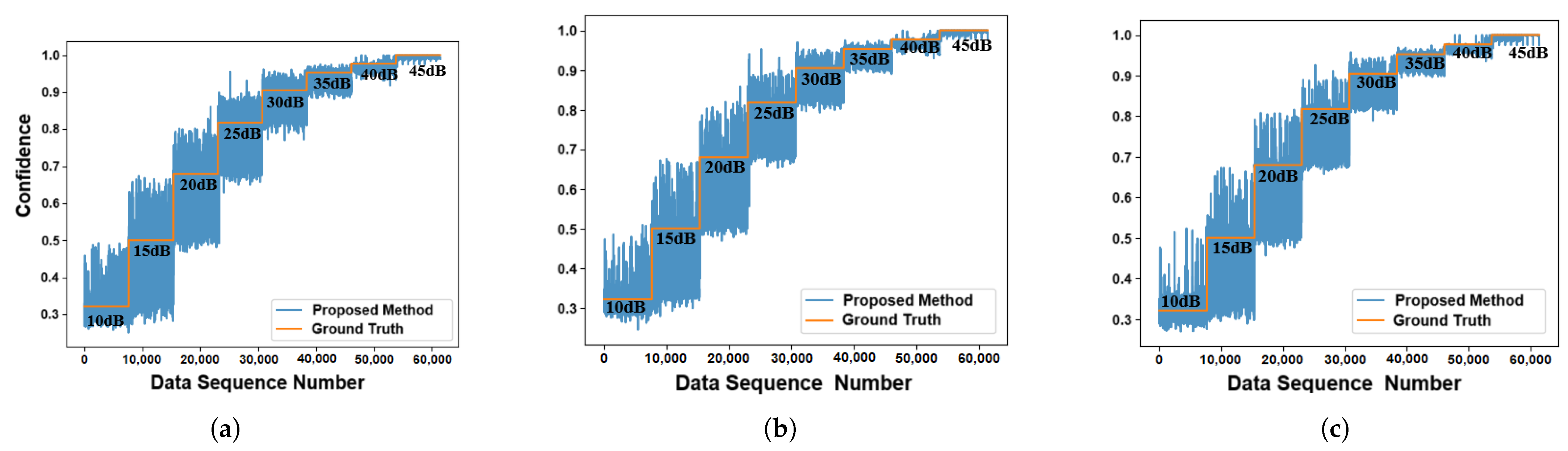
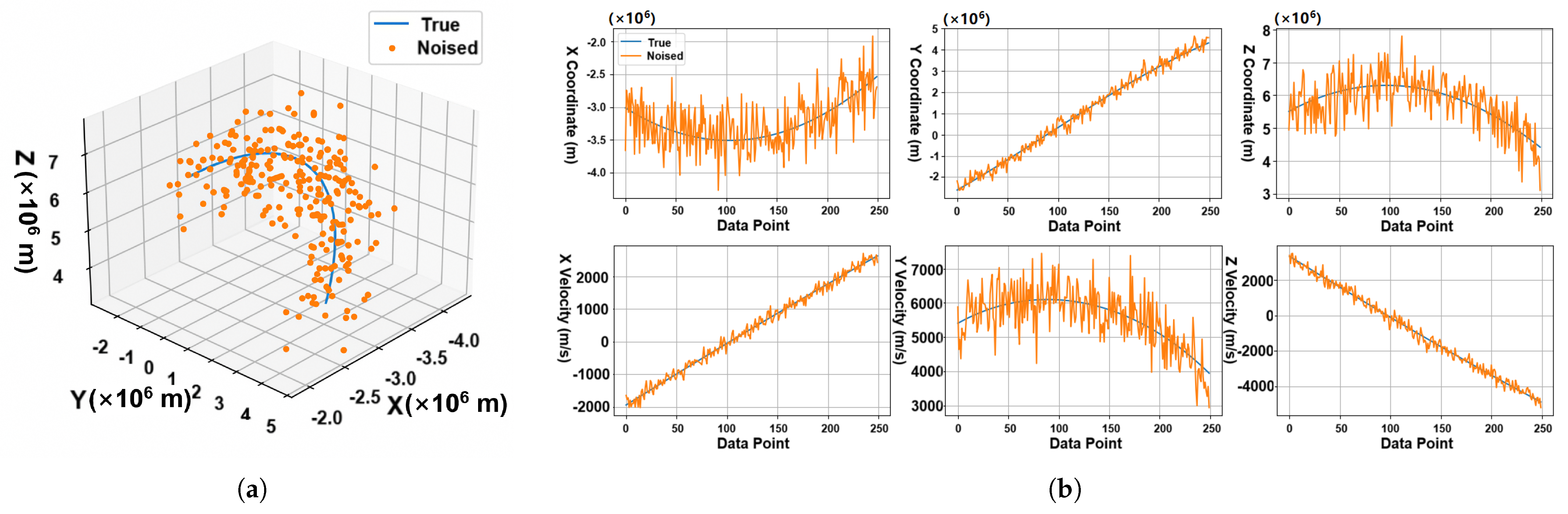
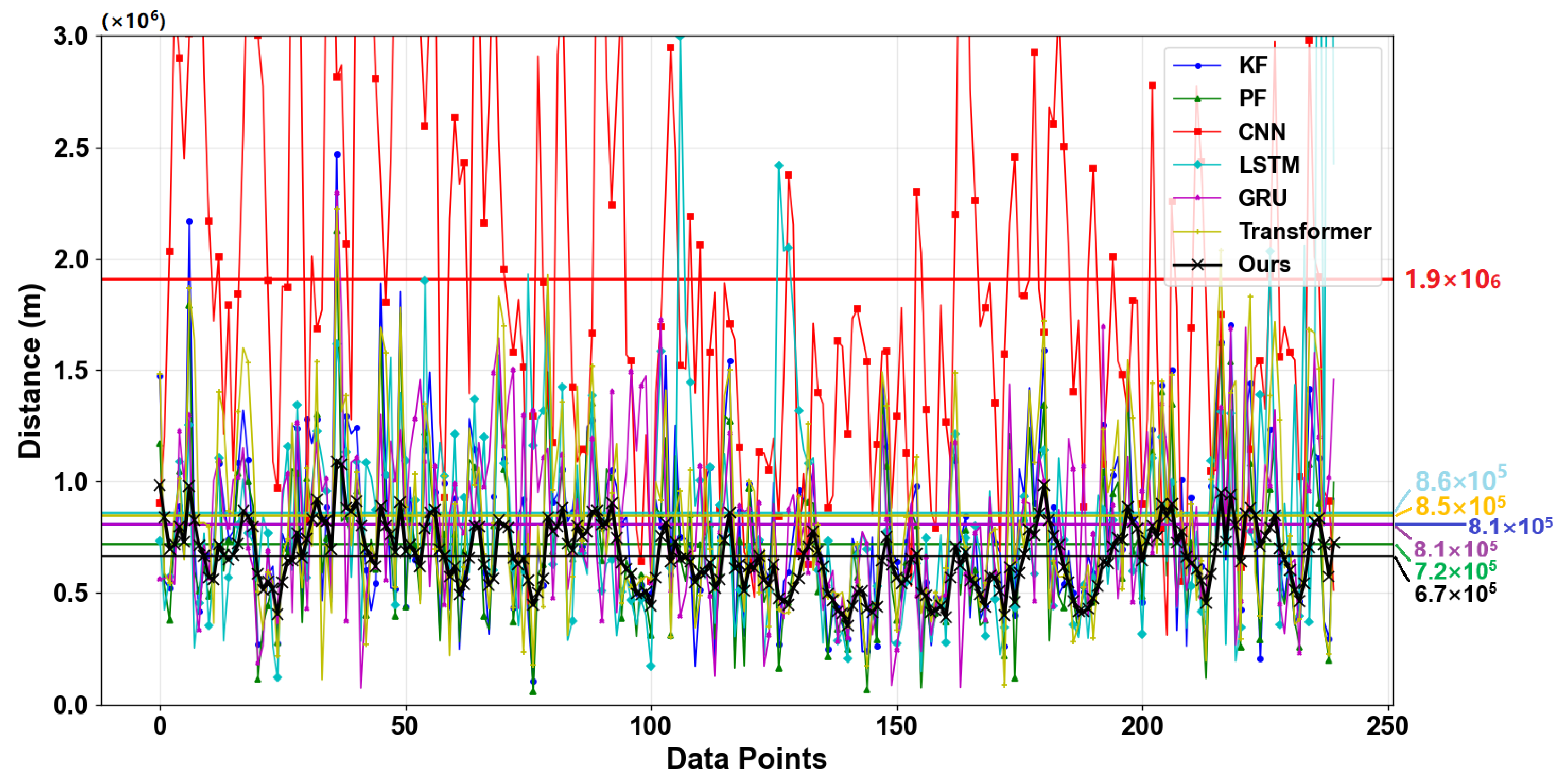
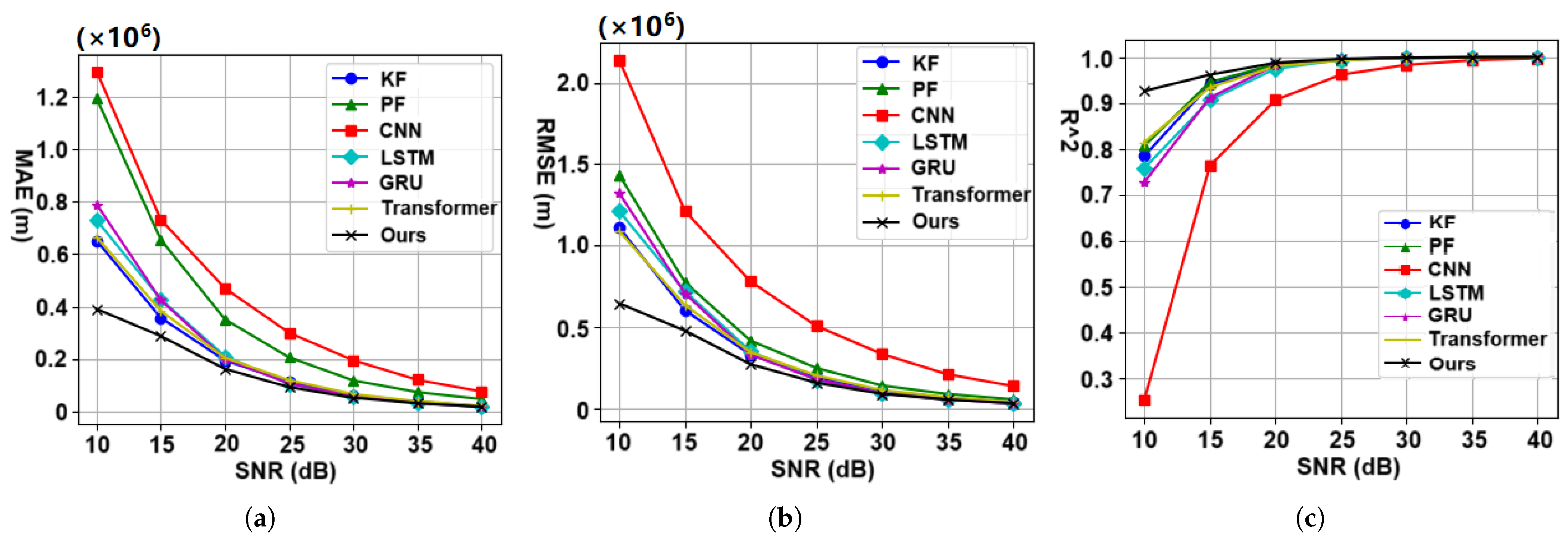
The accurate prediction of space target trajectories is critical for aerospace defense and space situational awareness, yet it remains challenging due to complex nonlinear dynamics, measurement noise, and environmental uncertainties. This study proposes a confidence-based dual-model fusion framework that separately processes linear and nonlinear trajectory components to enhance prediction accuracy and robustness. The Attention-Based Convolutional Long Short-Term Memory (AC-LSTM) network is designed to capture nonlinear motion patterns by leveraging temporal attention mechanisms and convolutional layers while also estimating confidence levels via a signal-to-noise ratio (SNR)-based multitask learning approach. In parallel, the Kalman Filter (KF) efficiently models quasi-linear motion components, dynamically estimating its confidence through real-time residual monitoring. A confidence-weighted fusion mechanism adaptively integrates the predictions from both models, significantly improving overall prediction performance. Experimental results on simulated radar-based noisy trajectory data demonstrate that the proposed method outperforms conventional algorithms, offering superior precision and robustness. This approach holds great potential for applications in pace situational awareness, orbital object tracking, and space trajectory prediction.
Keywords: neuralnetworks; space target; trajectory prediction; Kalman filters; radar data; confidence neuralnetworks; space target; trajectory prediction; Kalman filters; radar data; confidence