Article

Growing Season Air mass Equivalent Temperature (TE) in the East Central USA


1
Department of Geography and Environmental Sustainability, University of Oklahoma, Norman, OK 73071, USA
2
High Plains Regional Climate Center, School of Natural Resources, University of Nebraska-Lincoln, Lincoln, NE 68583, USA
3
Department of Earth, Environmental, and Atmospheric Sciences Western Kentucky University, Bowling Green, KY 42101, USA
4
Kentucky Climate Center, Western Kentucky University, Bowling Green, KY 42101, USA
*
Author to whom correspondence should be addressed.
Climate 2020, 8(9), 95; https://doi.org/10.3390/cli8090095
Submission received: 30 June 2020 / Revised: 12 August 2020 / Accepted: 13 August 2020 / Published: 19 August 2020
(This article belongs to the Section Climate and Environment)

Abstract

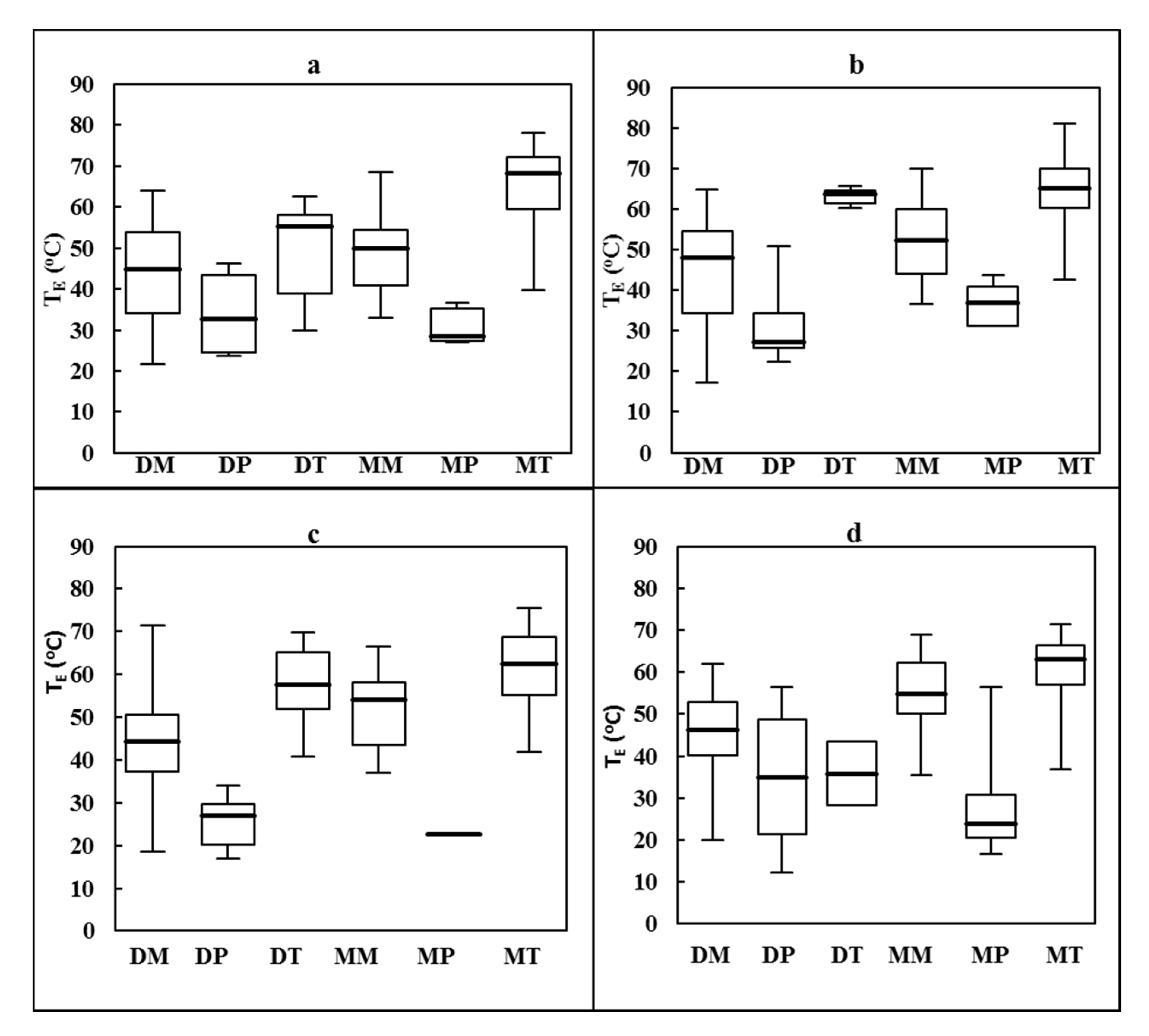
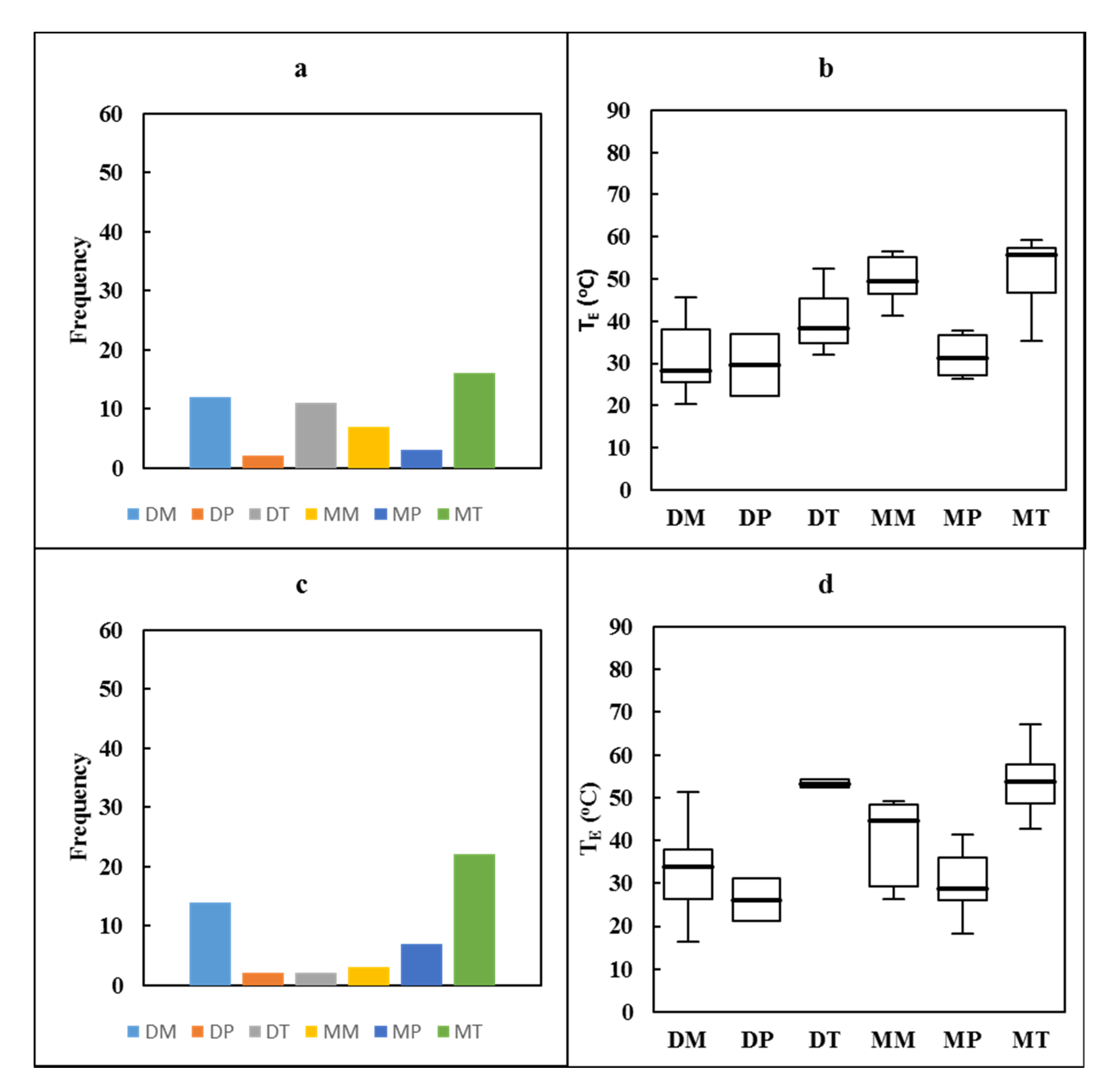
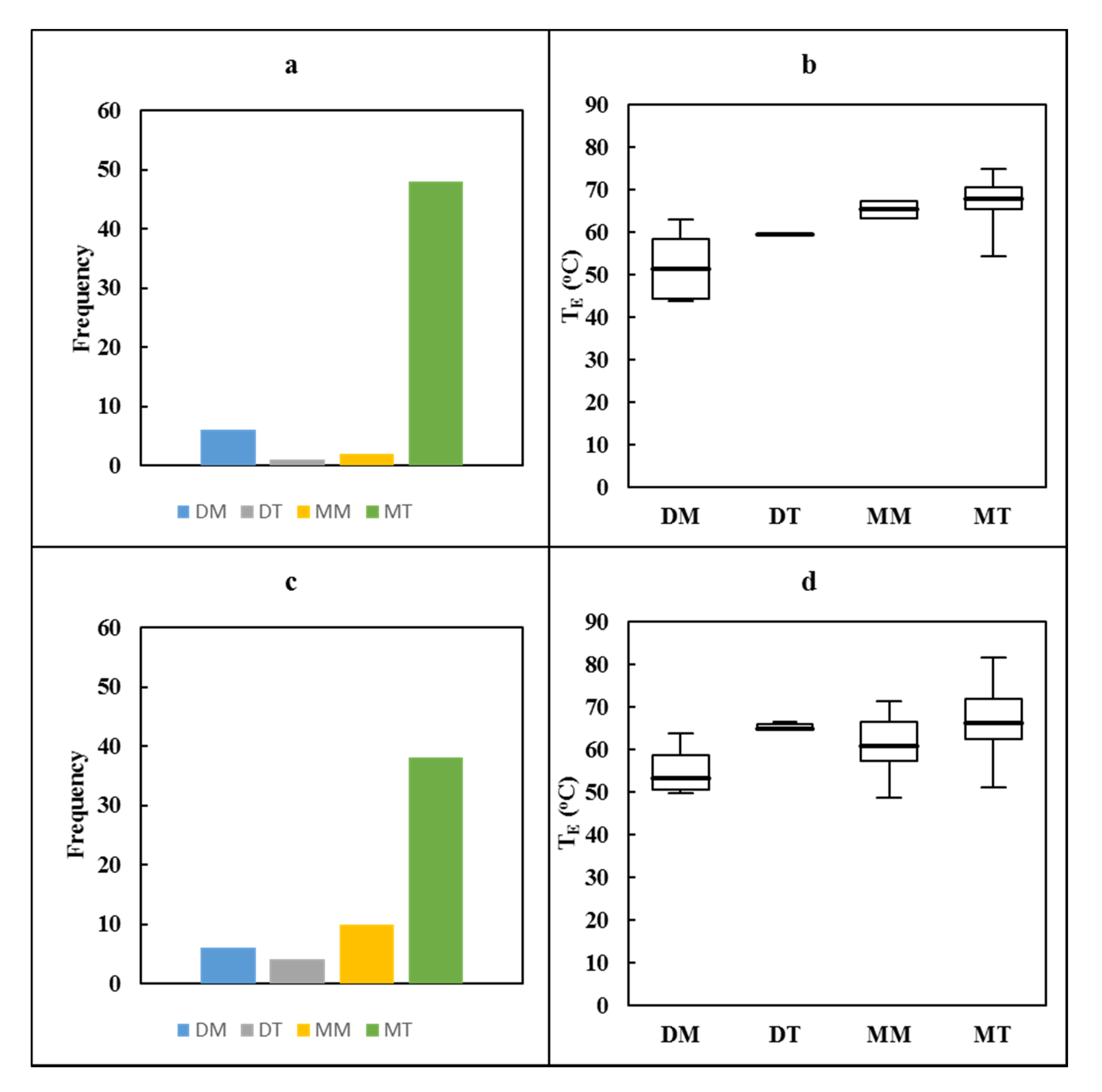
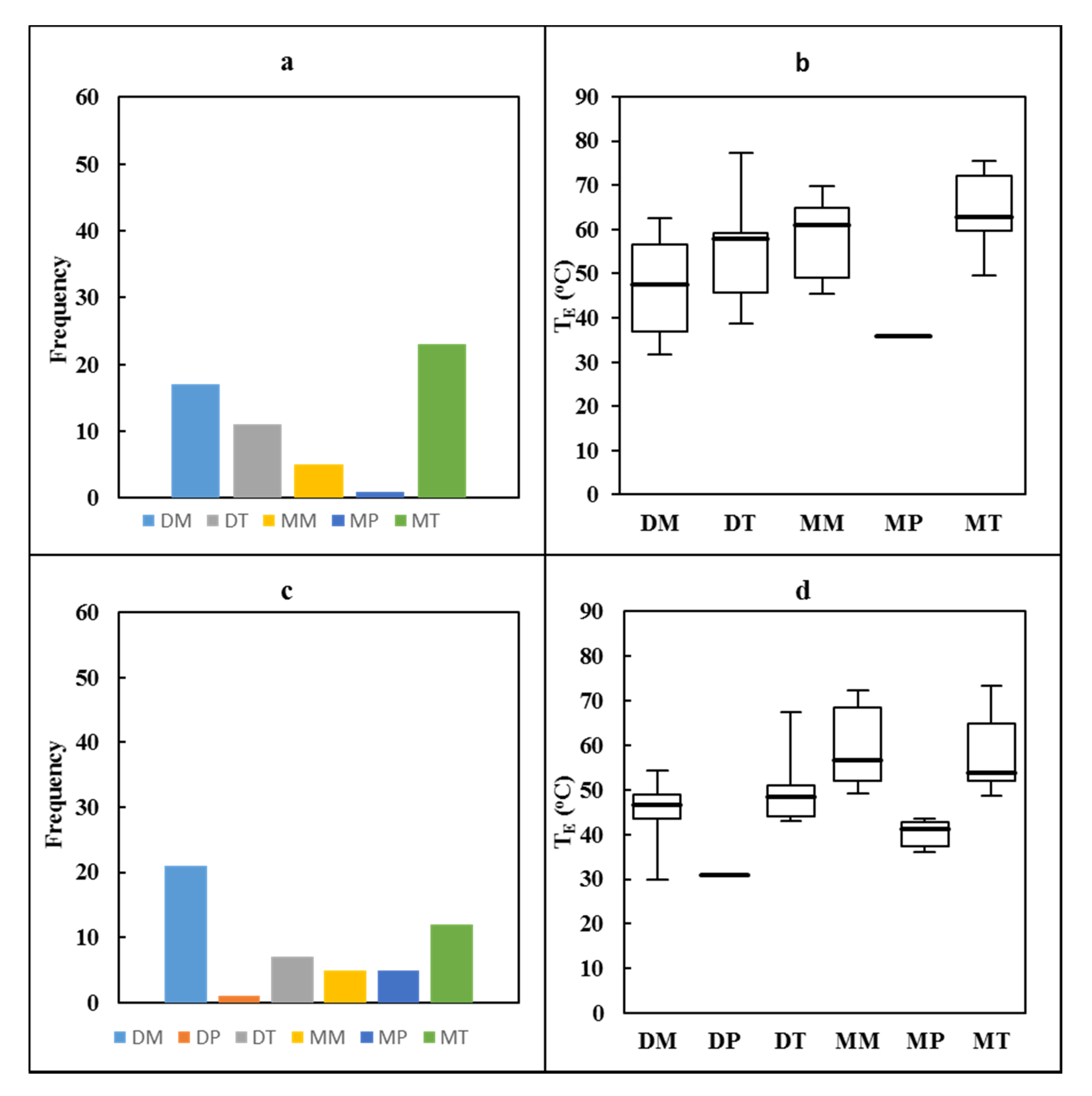
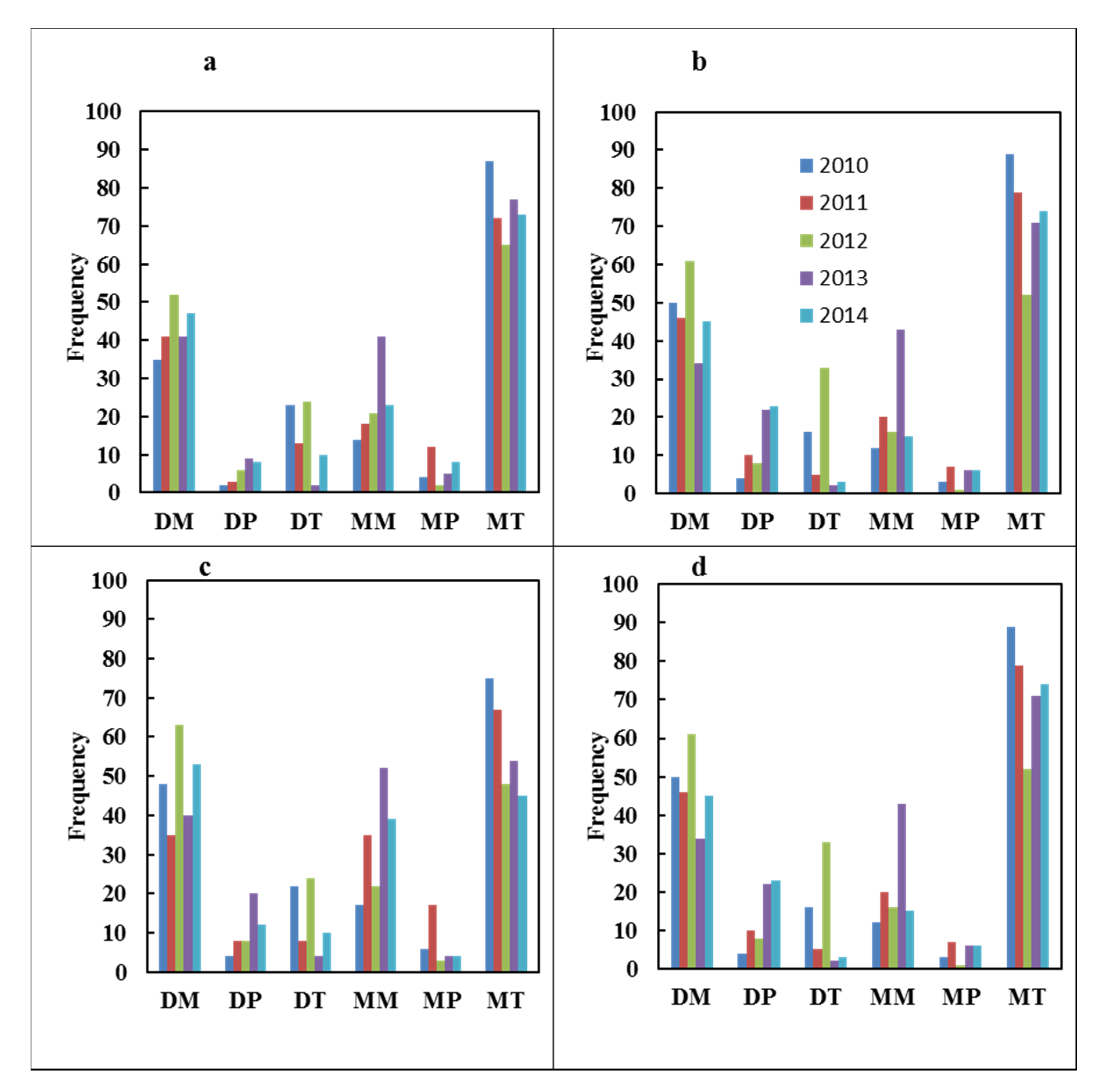
Equivalent temperature (TE), which incorporates both dry (surface air temperature, T) and moist heat content associated with atmospheric moisture, is a better indicator of overall atmospheric heat content compared to T alone. This paper investigates the impacts of different types of air masses on TE during the growing season (April–September). The study used data from the Kentucky Mesonet for this purpose. The growing season was divided into early (April–May), mid (June–July), and late (August–September). Analysis suggests that TE for moist tropical (MT) air mass was as high as 61 and 81 °C for the early and mid-growing season, respectively. Further analysis suggests that TE for different parts of the growing seasons were statistically significantly different from each other. In addition, TE for different air masses was also statistically significantly different from each other. The difference between TE and T (i.e. TE-T) is smaller under dry atmospheric conditions but larger under moist conditions. For example, in Barren County, the lowest difference (20–10 °C) was 10 °C. It was reported on 18 April 2010, a dry weather day. On the other hand, the highest difference for this site was 48 °C and was reported on 11 August 2010, a humid day.
Keywords: equivalent temperature; temperature; air mass equivalent temperature; temperature; air mass