
Article

Assessing Supply Equity of Community Sports and Fitness Facilities: A Case Study of Shijingshan District, Beijing

1
School of Architecture and Art, North China University of Technology, Beijing 100144, China
2
Beijing Hyrea Solidale Technology Co., Ltd., Beijing 100071, China
*
Author to whom correspondence should be addressed.
ISPRS Int. J. Geo-Inf. 2026, 15(3), 94; https://doi.org/10.3390/ijgi15030094
Submission received: 20 October 2025 / Revised: 3 February 2026 / Accepted: 21 February 2026 / Published: 25 February 2026

Abstract

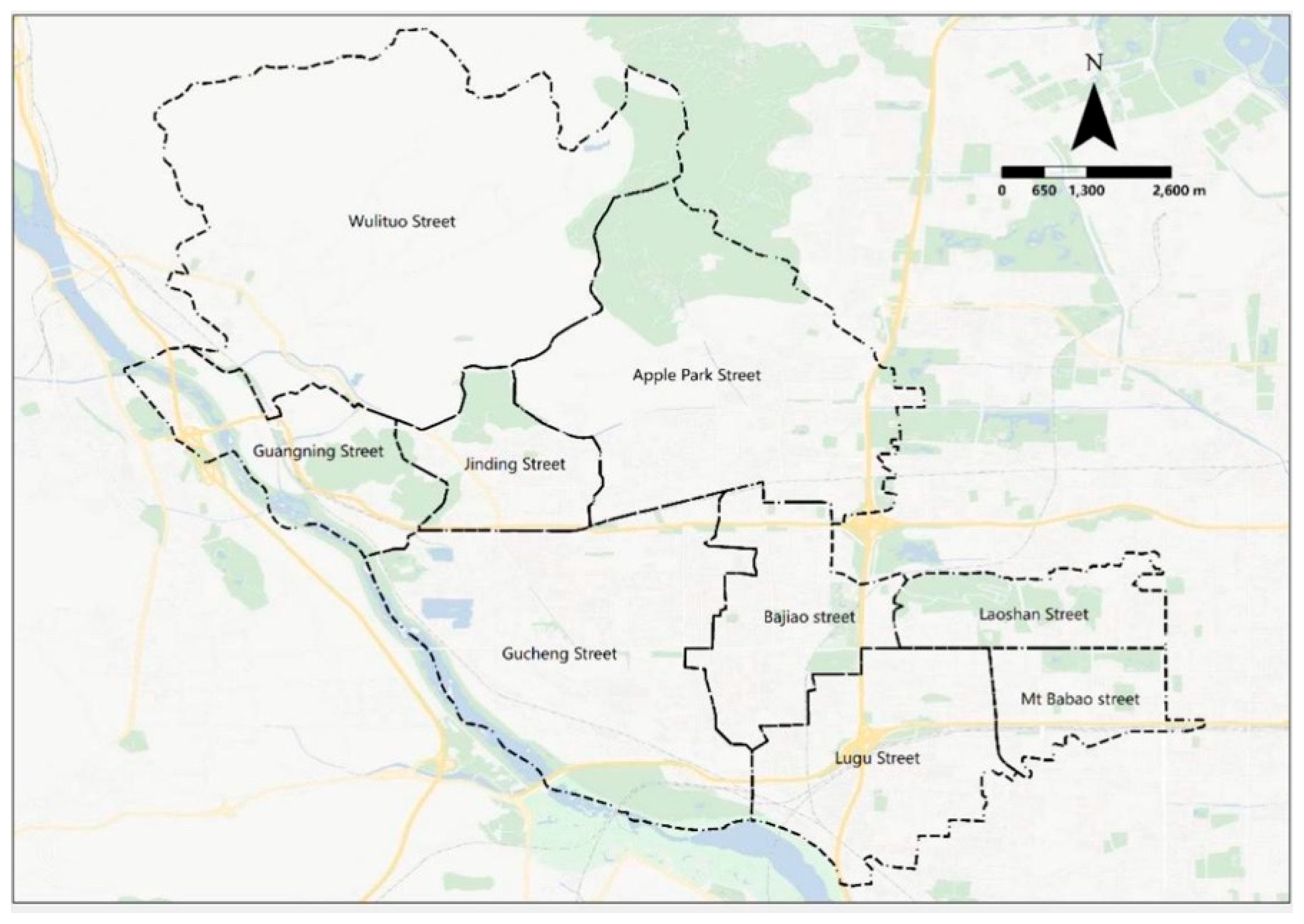
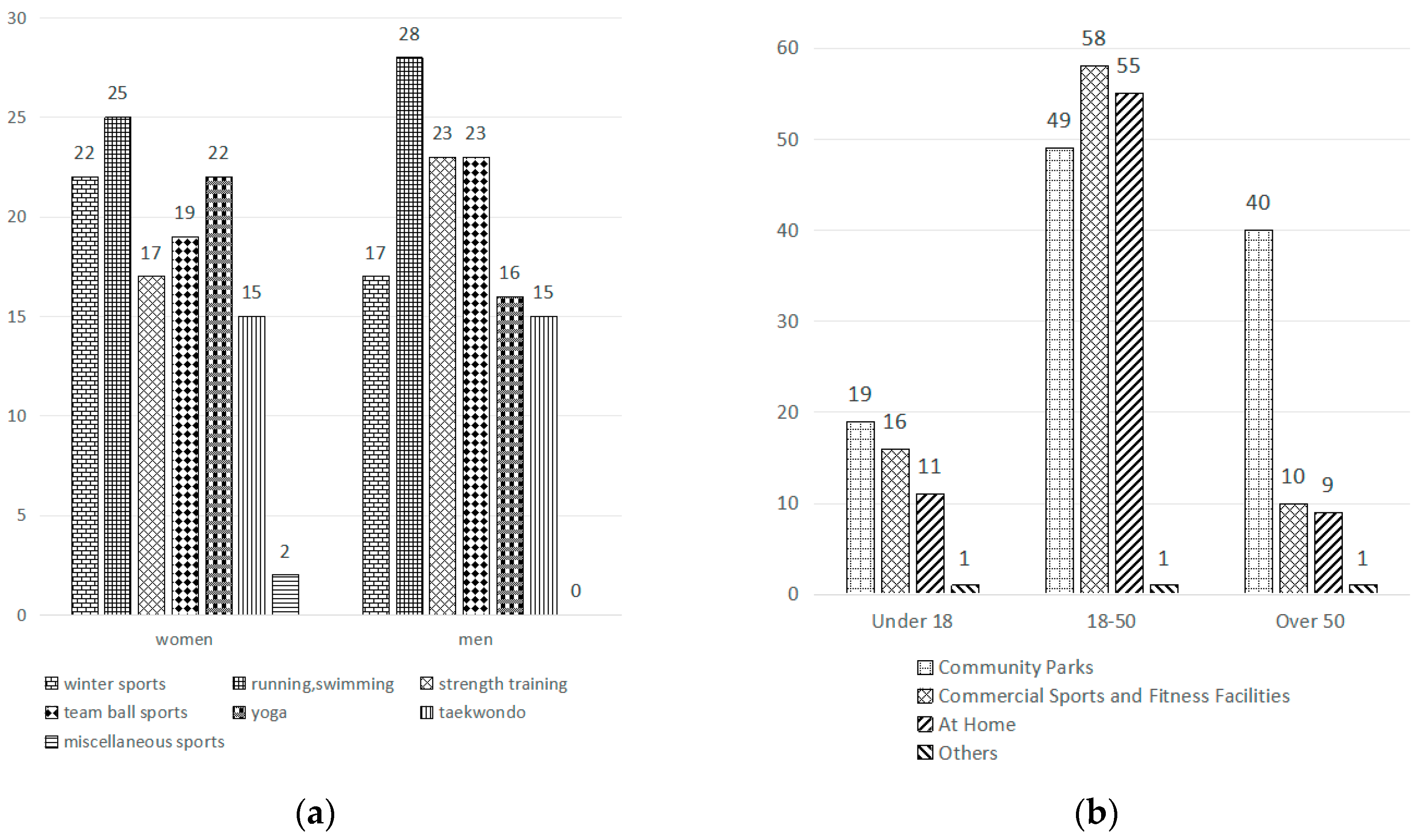
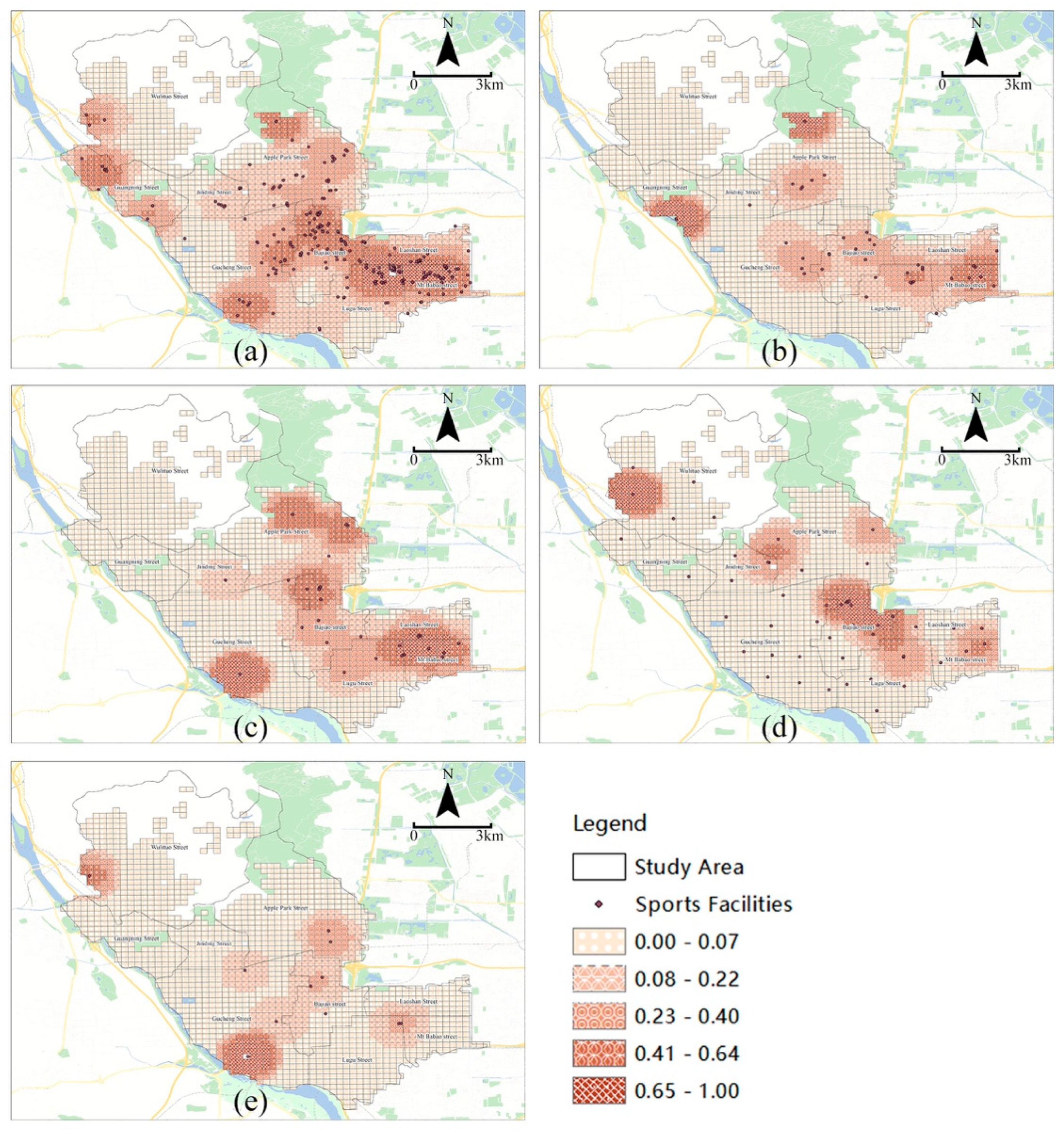
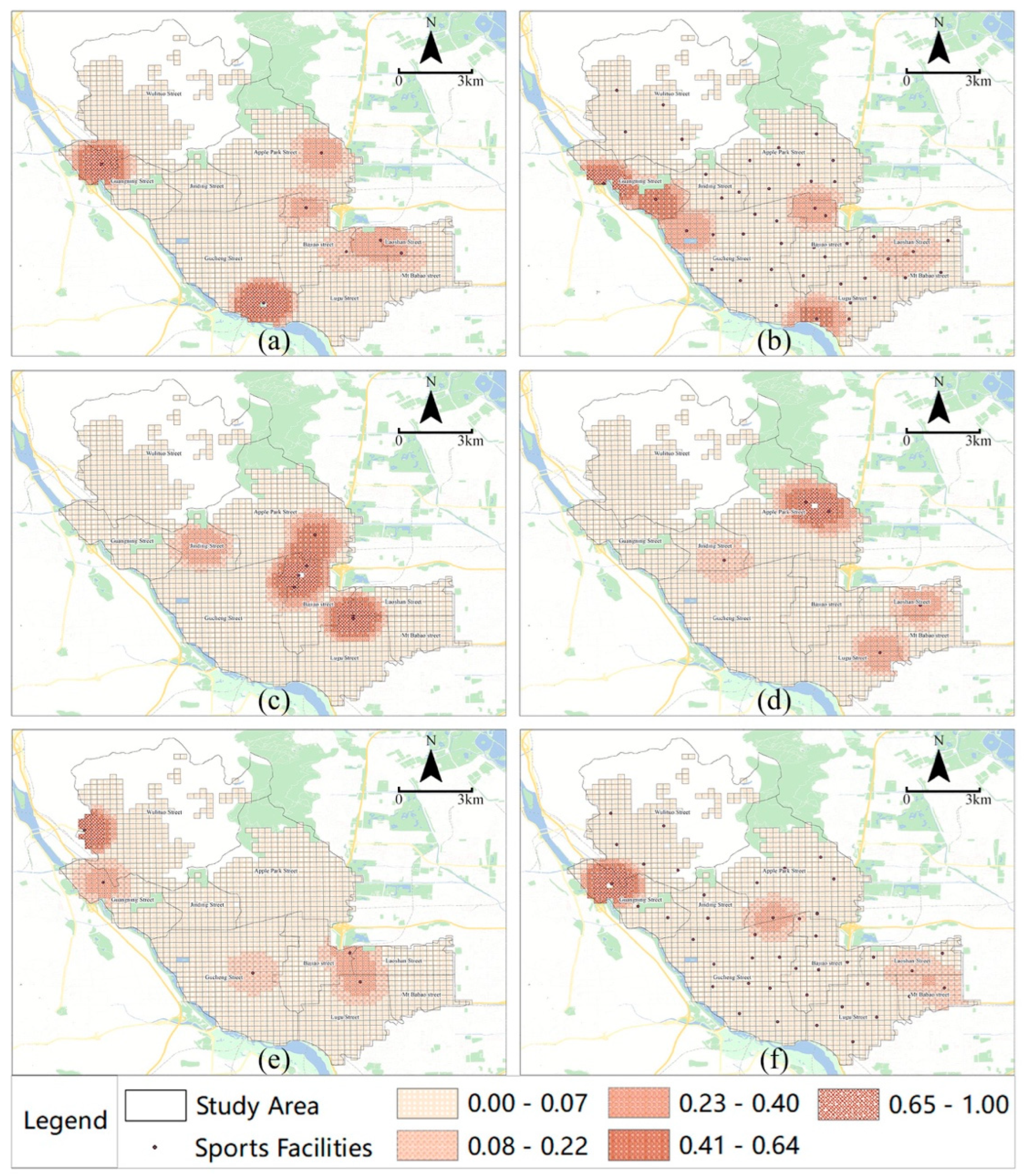
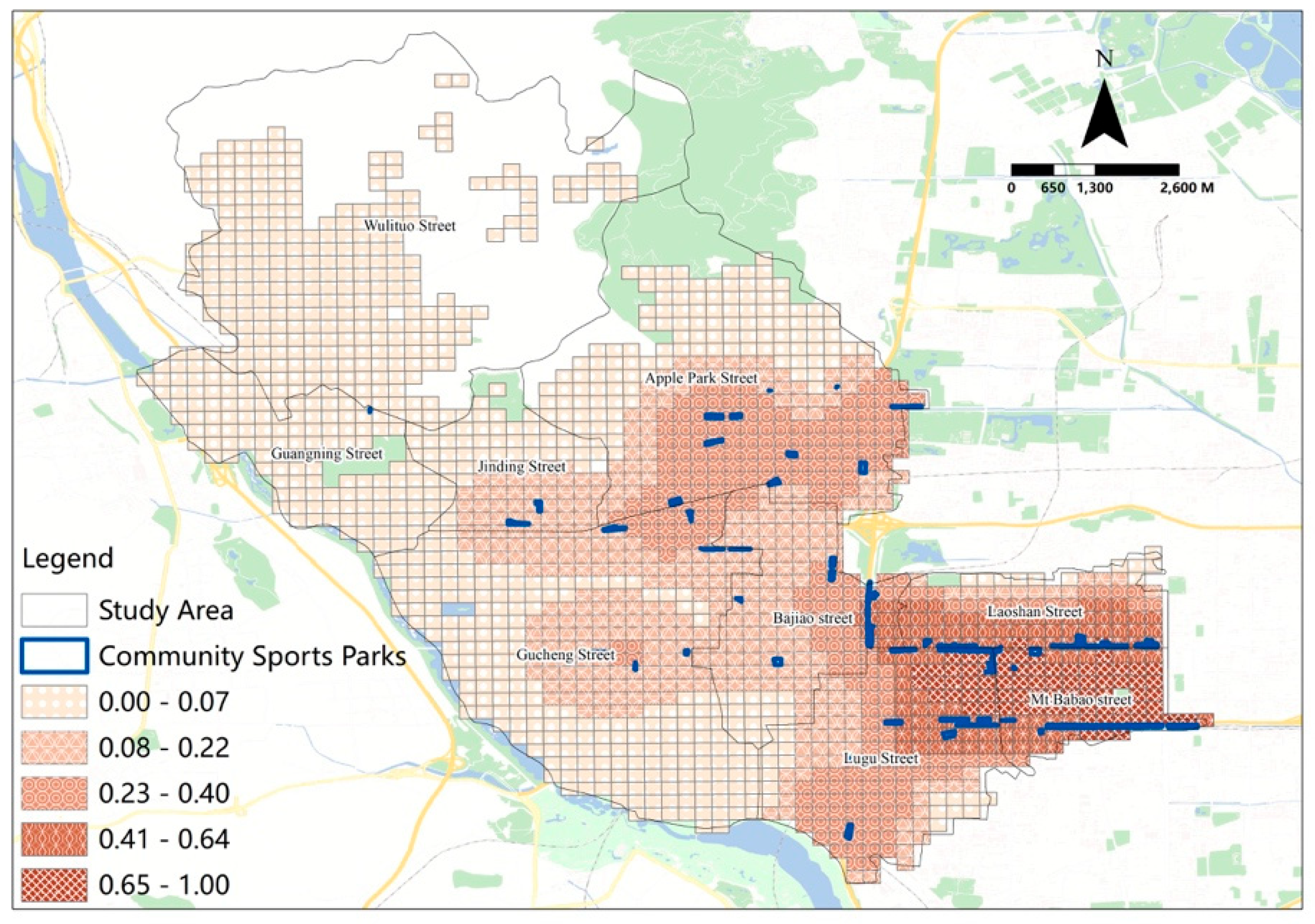
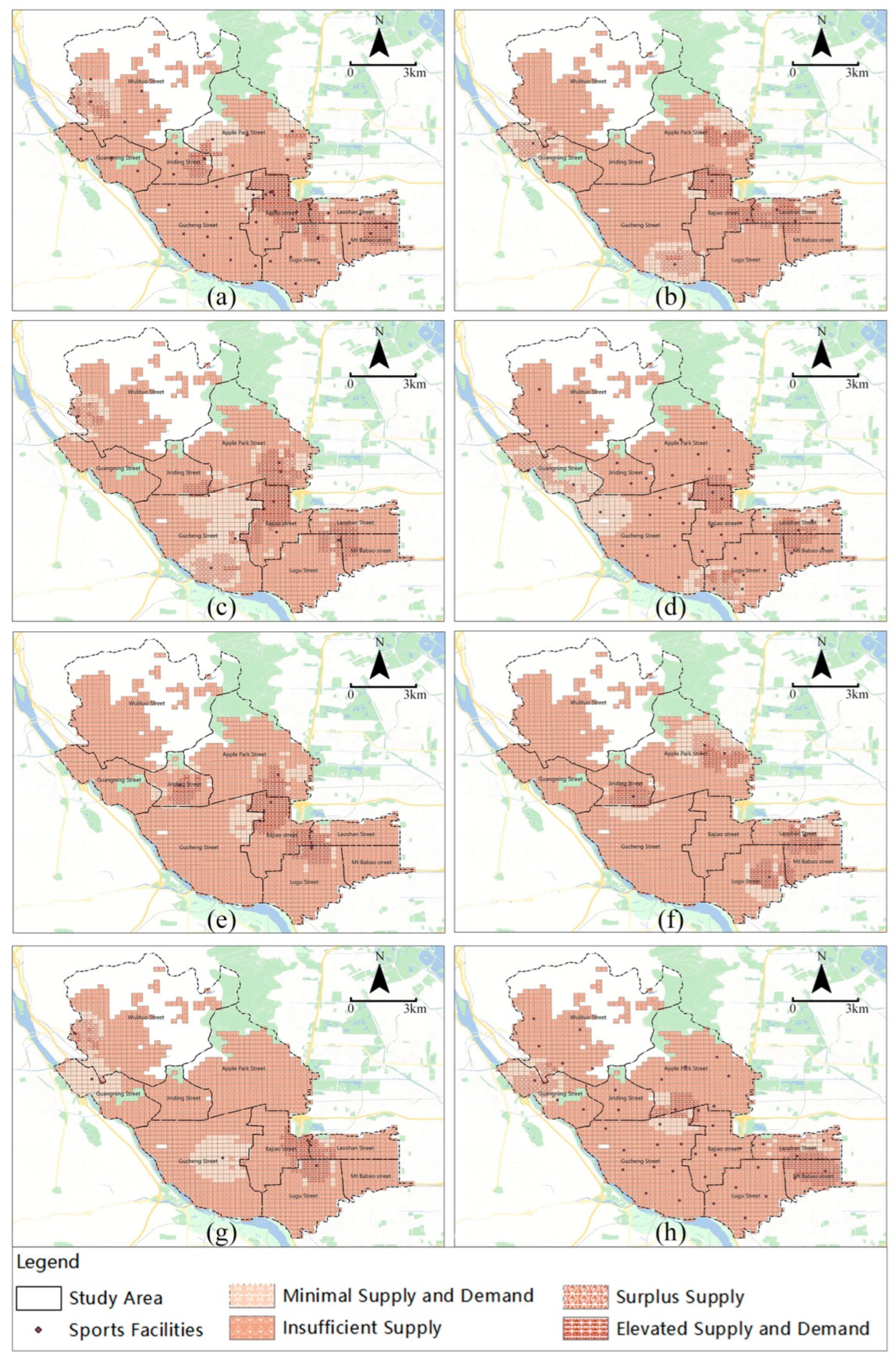
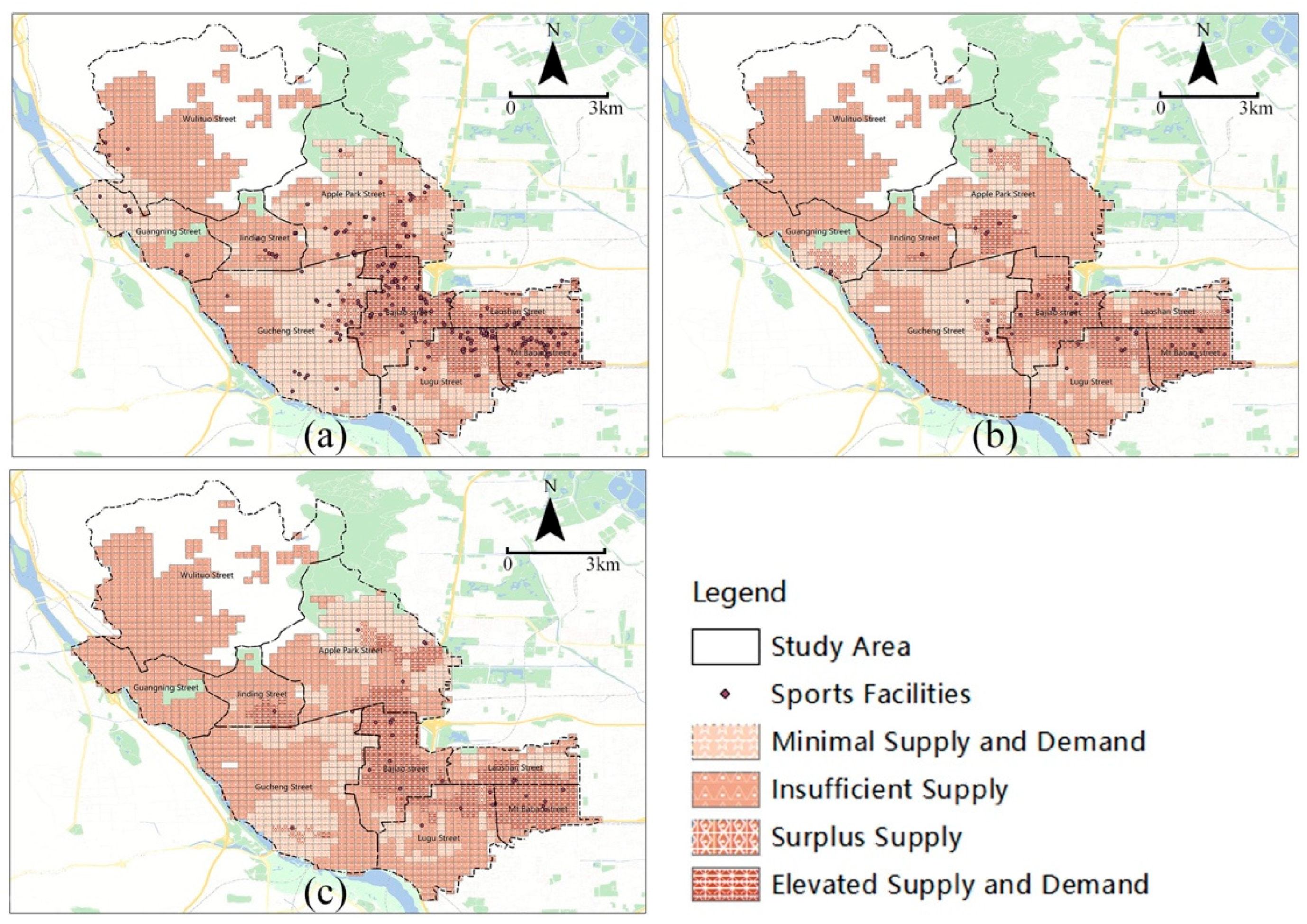
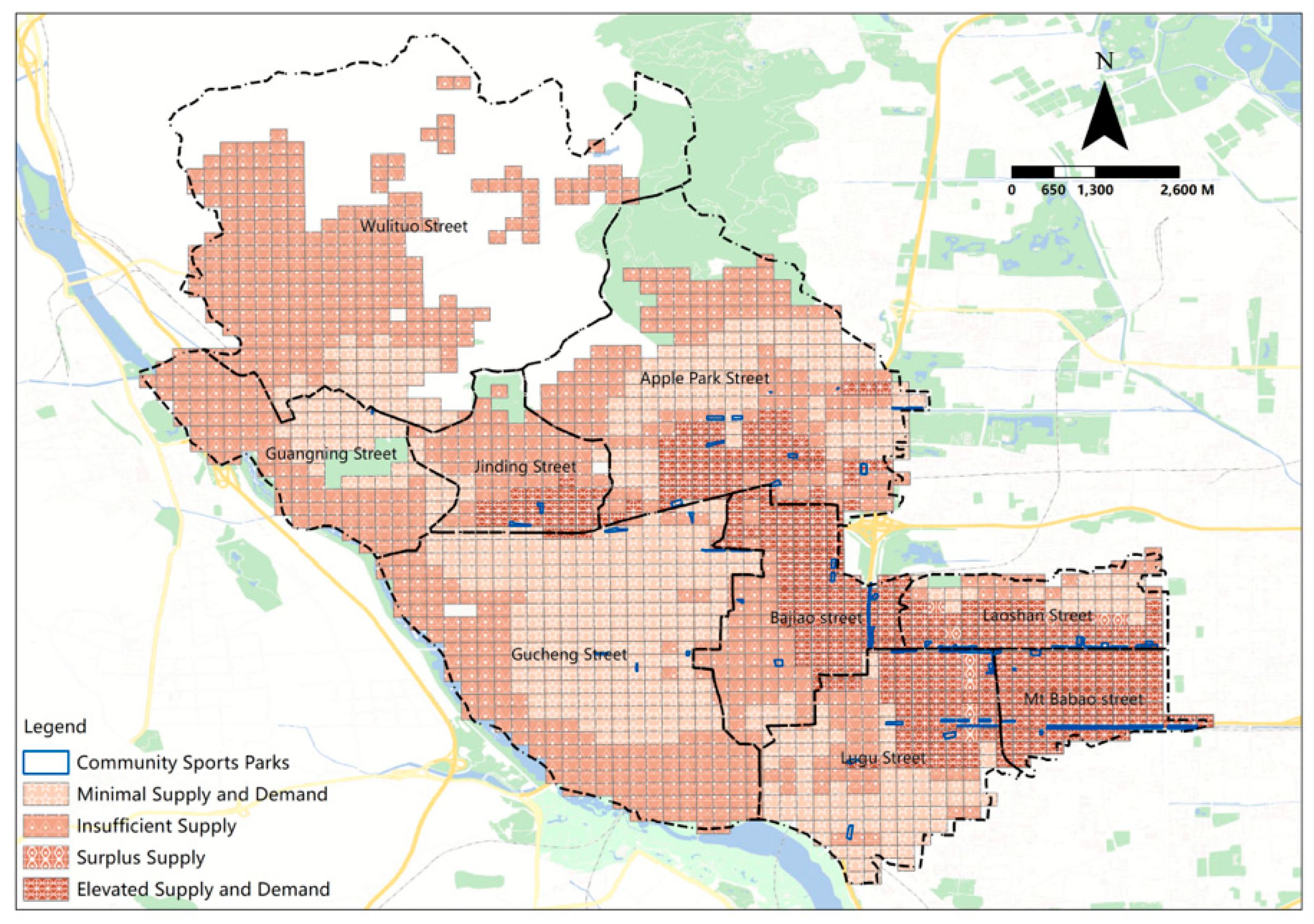
Developing a more equitable, efficient, and sustainable system of community sports and fitness facilities, while improving the accessibility and popularity of national fitness activities, is crucial to advancing the Healthy China Initiative. However, existing studies have limitations: insufficiently granular classification of community-level facilities, failure to account for how differences in facility types affect service equity, absence of integrated validation that combines objective quantification and subjective perception, and inattention to group differences. These gaps provide the motivation for this study. This study uses Shijingshan District, Beijing, as a case study, categorizing community sports and fitness facilities into two categories: for-profit commercial facilities and non-profit community sports parks. Employing GIS technology, Z-score standardization, and questionnaire surveys, an evaluation was conducted from three aspects: accessibility, supply–demand dynamics, and group perception. The results show that: (1) Facility accessibility exhibits significant spatial heterogeneity. Commercial facilities are densely clustered in core subdistricts, whereas community sports parks exhibit higher accessibility in the southern and eastern areas than in the northern and western areas, with inadequate coverage in peripheral areas; (2) most facilities are in short supply shortage, and the supply–demand imbalance is particularly pronounced in peripheral areas; and (3) regarding group equity, gender equity is outperforms age equity, and the supply–demand structure aligns closely with gender-specific preferences. This study argues that the spatial mismatch between facility distribution and resident demand, as well as imbalances in the supply of facility types, are the key factors undermining equity. It proposes optimization strategies, including augmenting facility supply in peripheral areas and coordinating the provision of commercial facilities and community sports parks.
Keywords: community sports and fitness facilities; accessibility; supply and demand dynamics community sports and fitness facilities; accessibility; supply and demand dynamics