
Article

EU Net-Zero Policy Achievement Assessment in Selected Members through Automated Forecasting Algorithms

1
International Business and Economics Department, Bucharest University of Economic Studies, 010374 Bucharest, Romania
2
Department of Management Information Systems, The Bucharest University of Economic Studies, 010374 Bucharest, Romania
*
Author to whom correspondence should be addressed.
ISPRS Int. J. Geo-Inf. 2022, 11(4), 232; https://doi.org/10.3390/ijgi11040232
Submission received: 12 February 2022 / Revised: 21 March 2022 / Accepted: 25 March 2022 / Published: 31 March 2022

Abstract

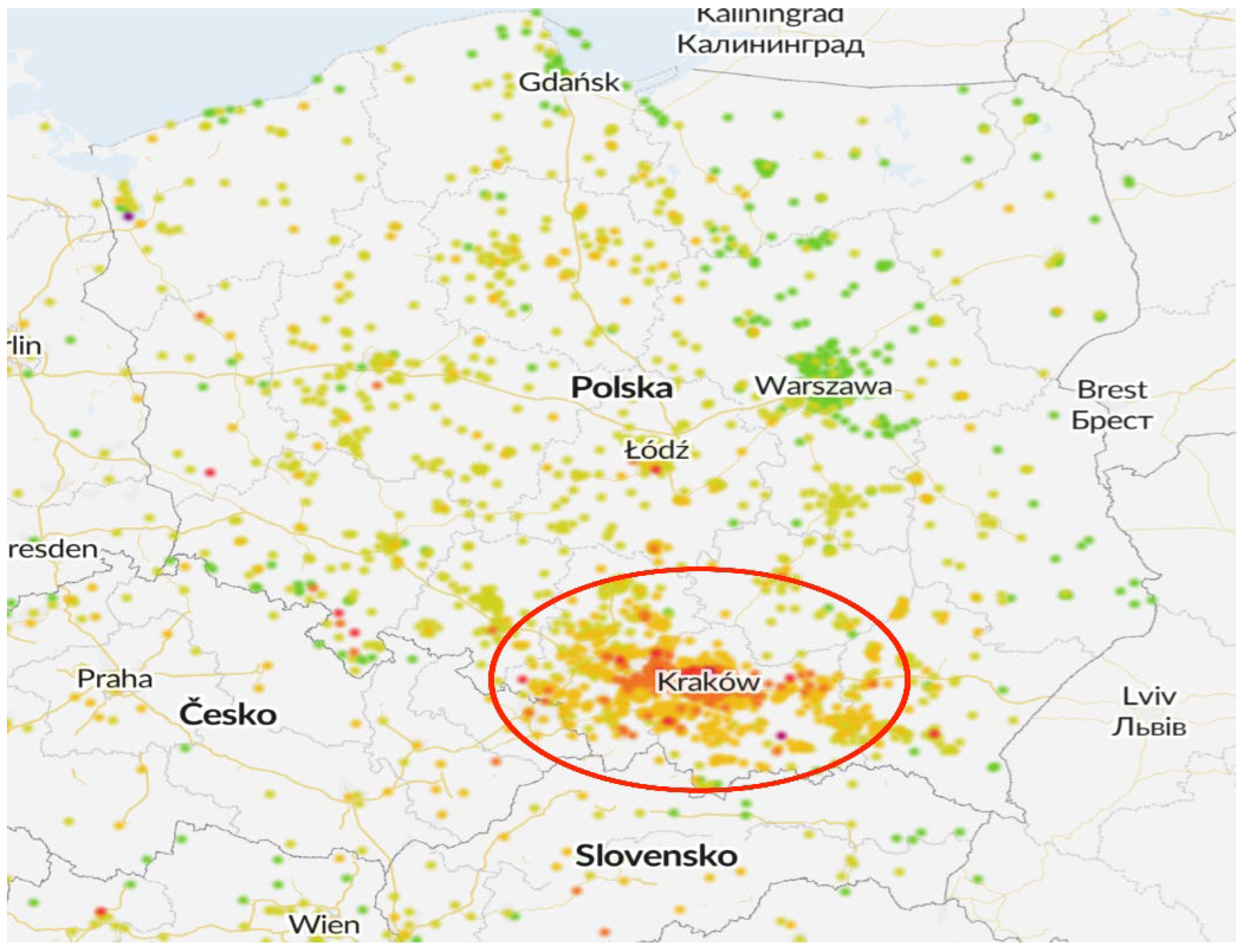
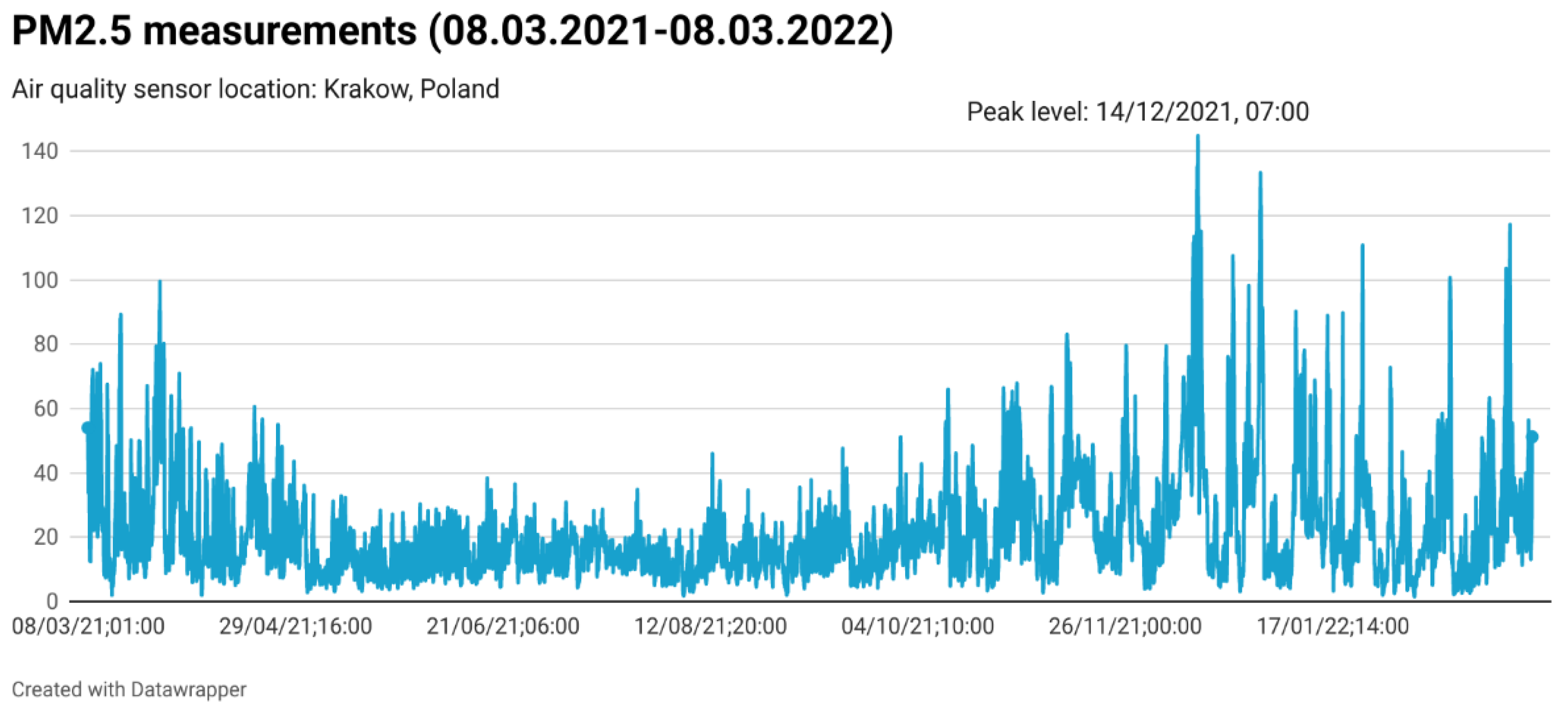
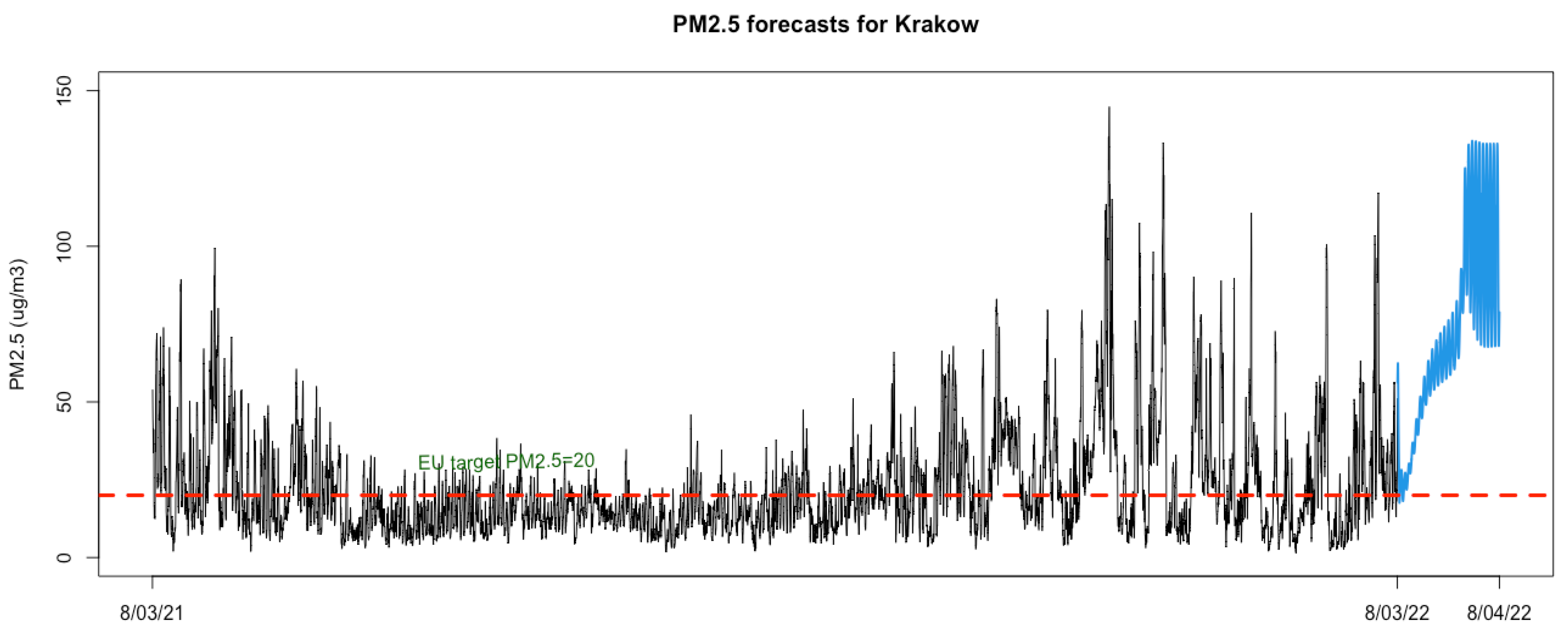
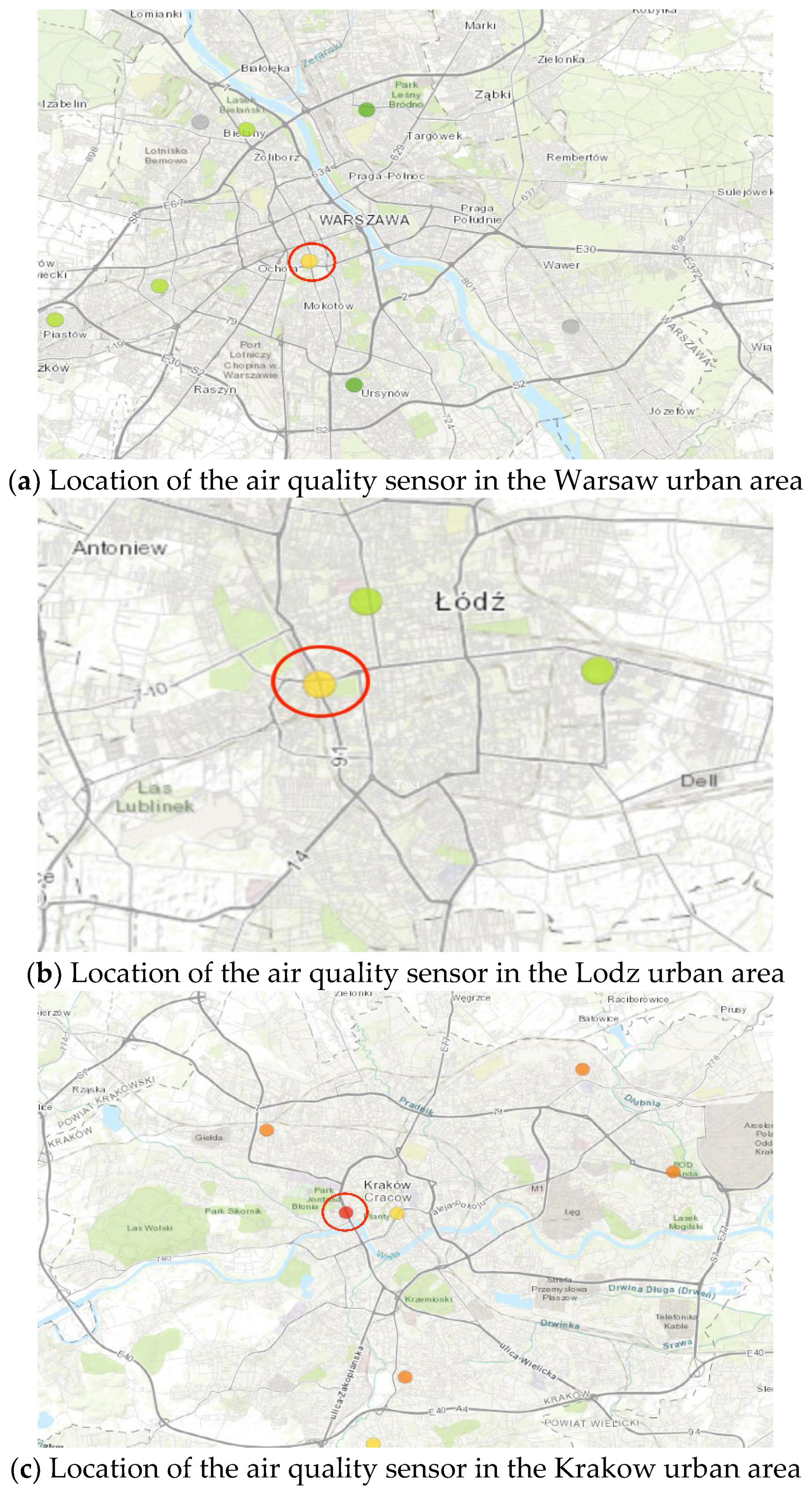
The European Union (EU) has positioned itself as a frontrunner in the worldwide battle against climate change and has set increasingly ambitious pollution mitigation targets for its members. The burden is heavier for the more vulnerable economies in Central and Eastern Europe (CEE), who must juggle meeting strict greenhouse gas emission (GHG) reduction goals, significant fossil-fuel reliance, and pressure to respond to current pandemic concerns that require an increasing share of limited public resources, while facing severe repercussions for non-compliance. Thus, the main goals of this research are: (i) to generate reliable aggregate GHG projections for CEE countries; (ii) to assess whether these economies are on track to meet their binding pollution reduction targets; (iii) to pin-point countries where more in-depth analysis using spatial inventories of GHGs at a finer resolution is further needed to uncover specific areas that should be targeted by additional measures; and (iv) to perform geo-spatial analysis for the most at-risk country, Poland. Seven statistical and machine-learning models are fitted through automated forecasting algorithms to predict the aggregate GHGs in nine CEE countries for the 2019–2050 horizon. Estimations show that CEE countries (except Romania and Bulgaria) will not meet the set pollution reduction targets for 2030 and will unanimously miss the 2050 carbon neutrality target without resorting to carbon credits or offsets. Austria and Slovenia are the least likely to meet the 2030 emissions reduction targets, whereas Poland (in absolute terms) and Slovenia (in relative terms) are the farthest from meeting the EU’s 2050 net-zero policy targets. The findings thus stress the need for additional measures that go beyond the status quo, particularly in Poland, Austria, and Slovenia. Geospatial analysis for Poland uncovers that Krakow is the city where pollution is the most concentrated with several air pollutants surpassing EU standards. Short-term projections of PM2.5 levels indicate that the air quality in Krakow will remain below EU and WHO standards, highlighting the urgency of policy interventions. Further geospatial data analysis can provide valuable insights into other geo-locations that require the most additional efforts, thereby, assisting in the achievement of EU climate goals with targeted measures and minimum socio-economic costs. The study concludes that statistical and geo-spatial data, and consequently research based on these data, complement and enhance each other. An integrated framework would consequently support sustainable development through bettering policy and decision-making processes.
Keywords: automated forecasting; GHG emissions; European Green Deal; neural network autoregression model (NNAR); statistical methods; aggregated data automated forecasting; GHG emissions; European Green Deal; neural network autoregression model (NNAR); statistical methods; aggregated data