
Article

Species- and Caste-Specific Gut Metabolomes in Fungus-Farming Termites
1
Section for Ecology and Evolution, Department of Biology, University of Copenhagen, Universitetsparken 15, 2100 Copenhagen, Denmark
2
Natural History Museum of Denmark, University of Copenhagen, Universitetsparken 15, 2100 Copenhagen, Denmark
3
Leibniz Institute for Natural Product Research and Infection Biology e.V., Hans-Knöll-Institute (HKI), Beutenbergstraße 11a, 07745 Jena, Germany
*
Authors to whom correspondence should be addressed.
Metabolites 2021, 11(12), 839; https://doi.org/10.3390/metabo11120839

Submission received: 29 September 2021 / Revised: 29 November 2021 / Accepted: 1 December 2021 / Published: 4 December 2021
(This article belongs to the Special Issue Metabolomics in Chemical Ecology)

Abstract

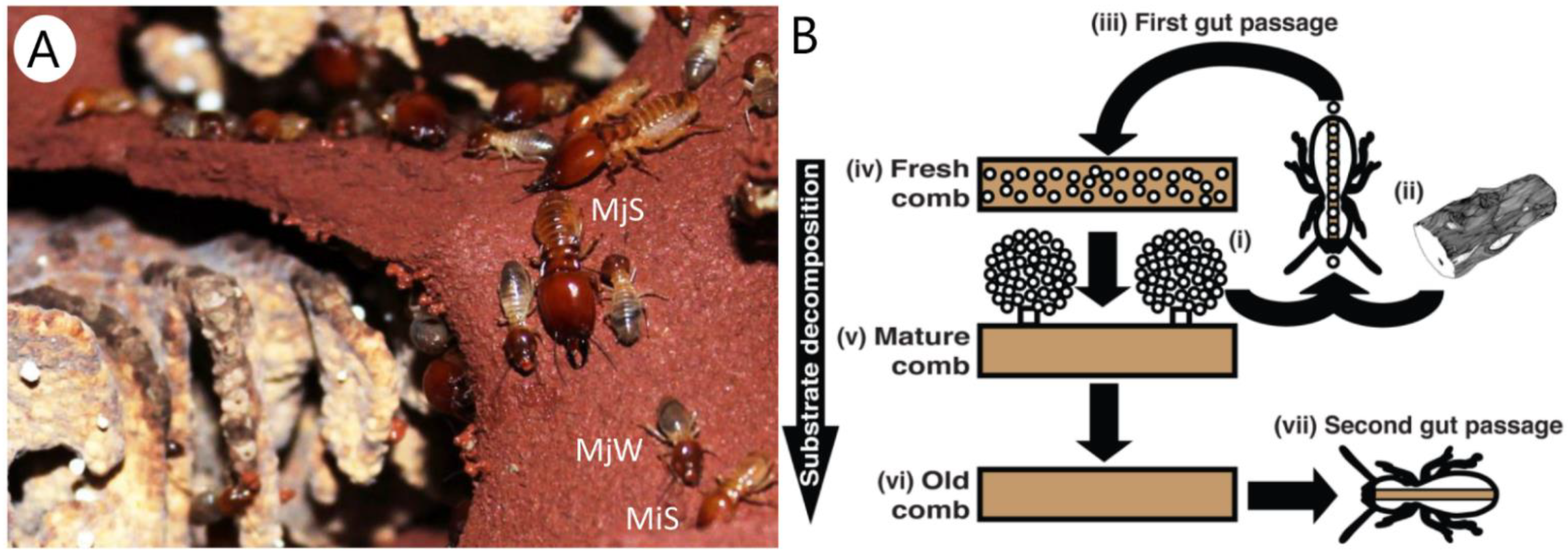
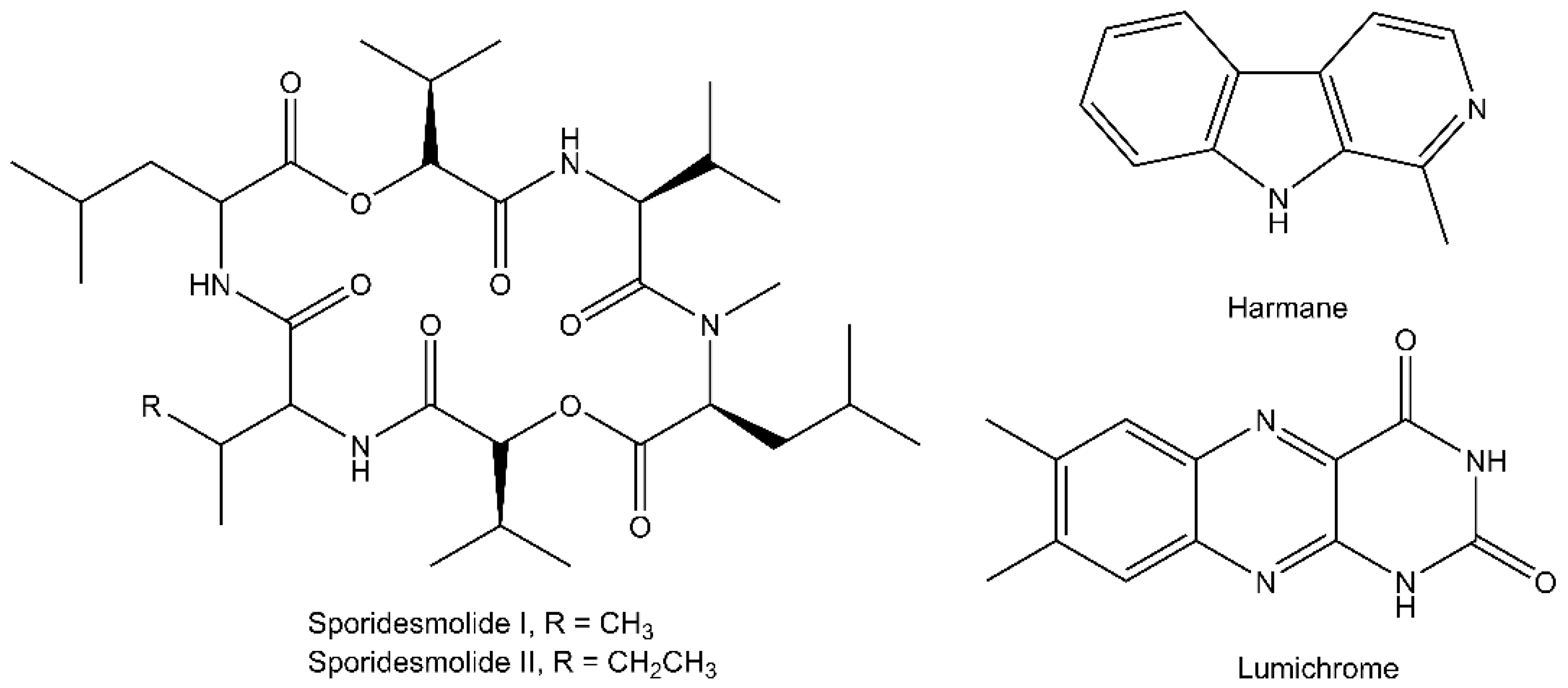
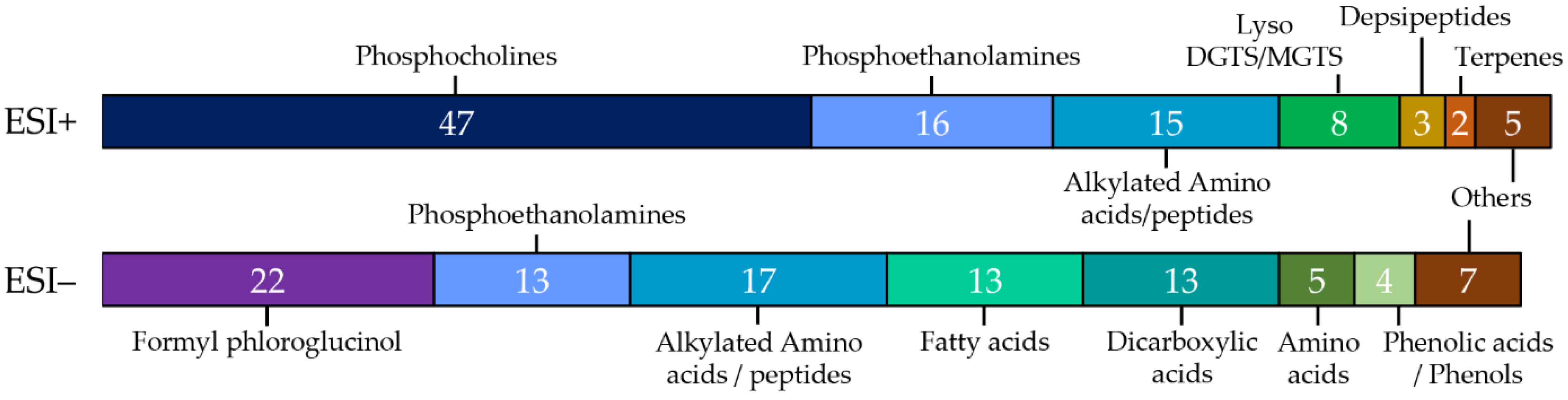
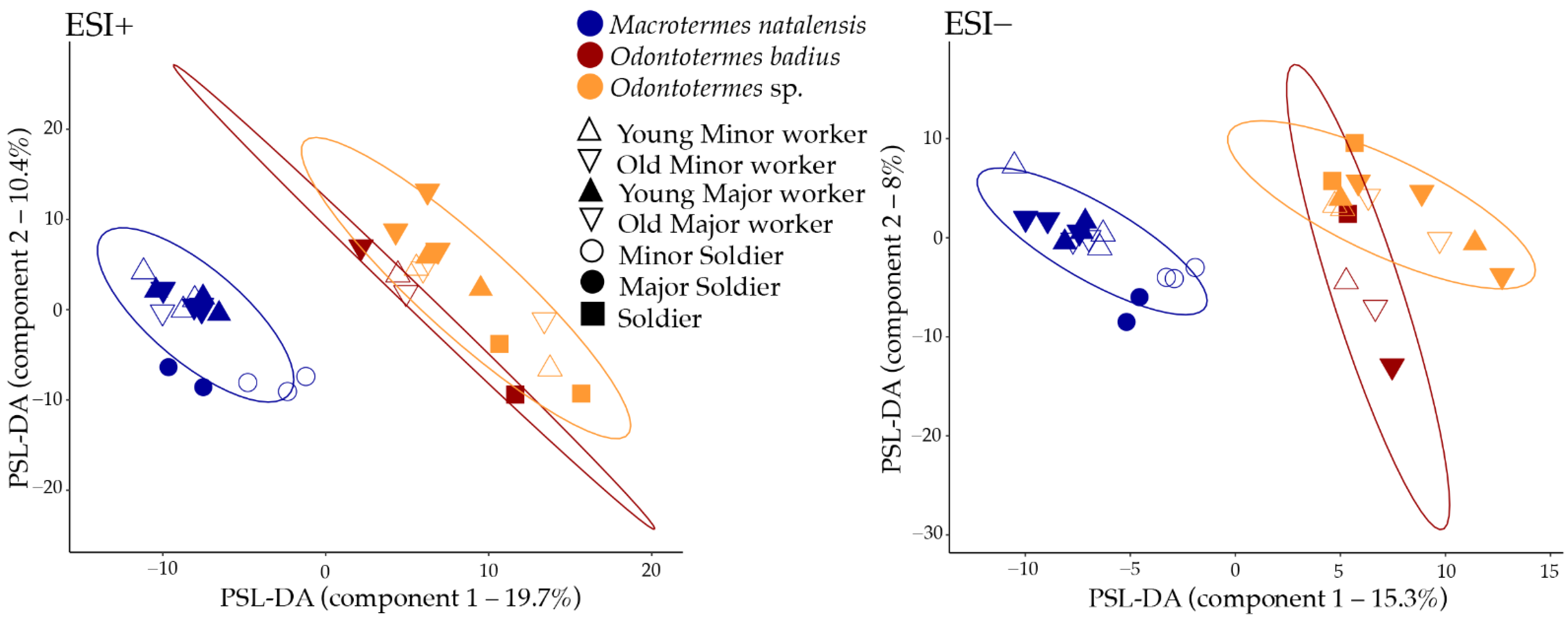
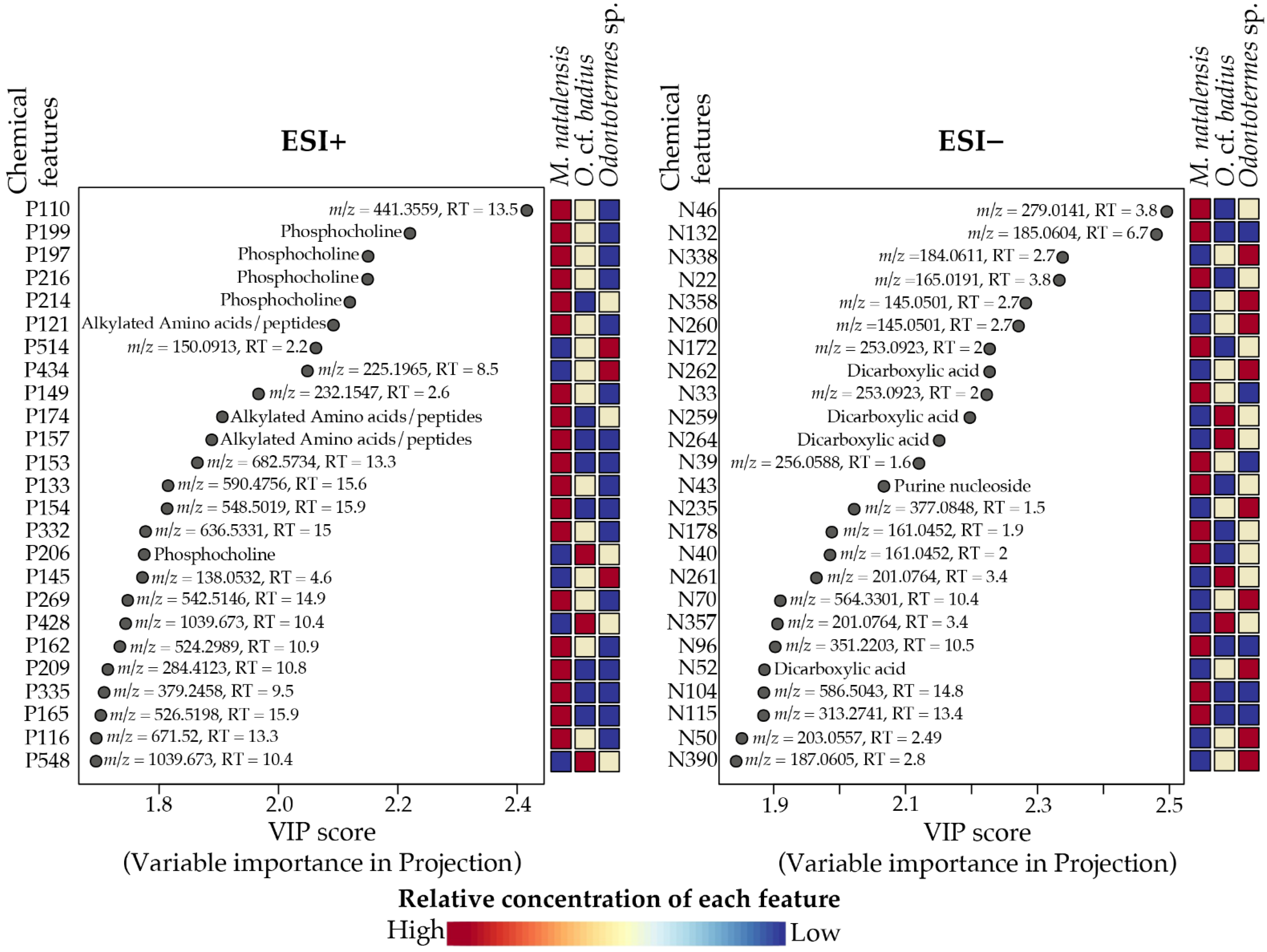
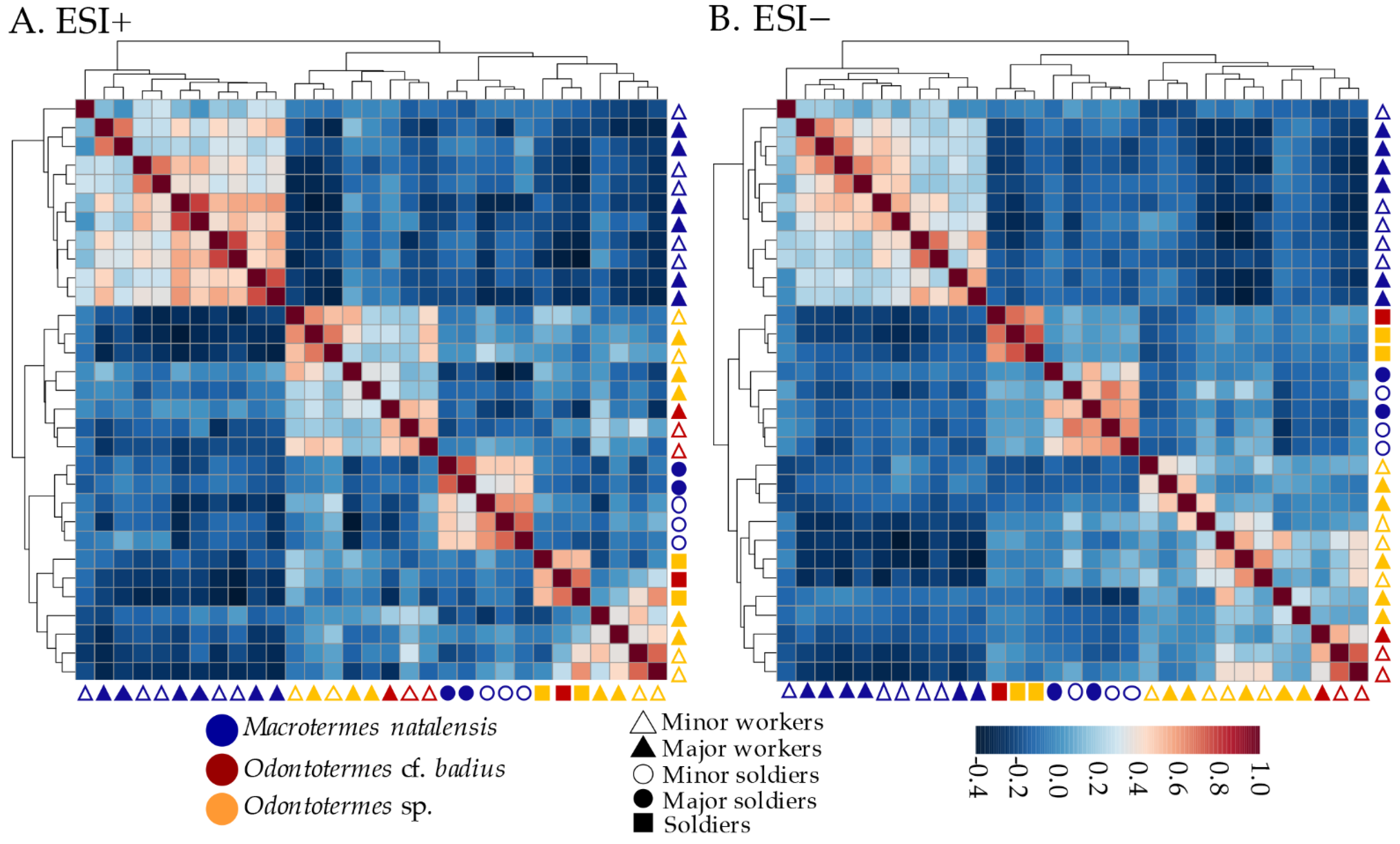
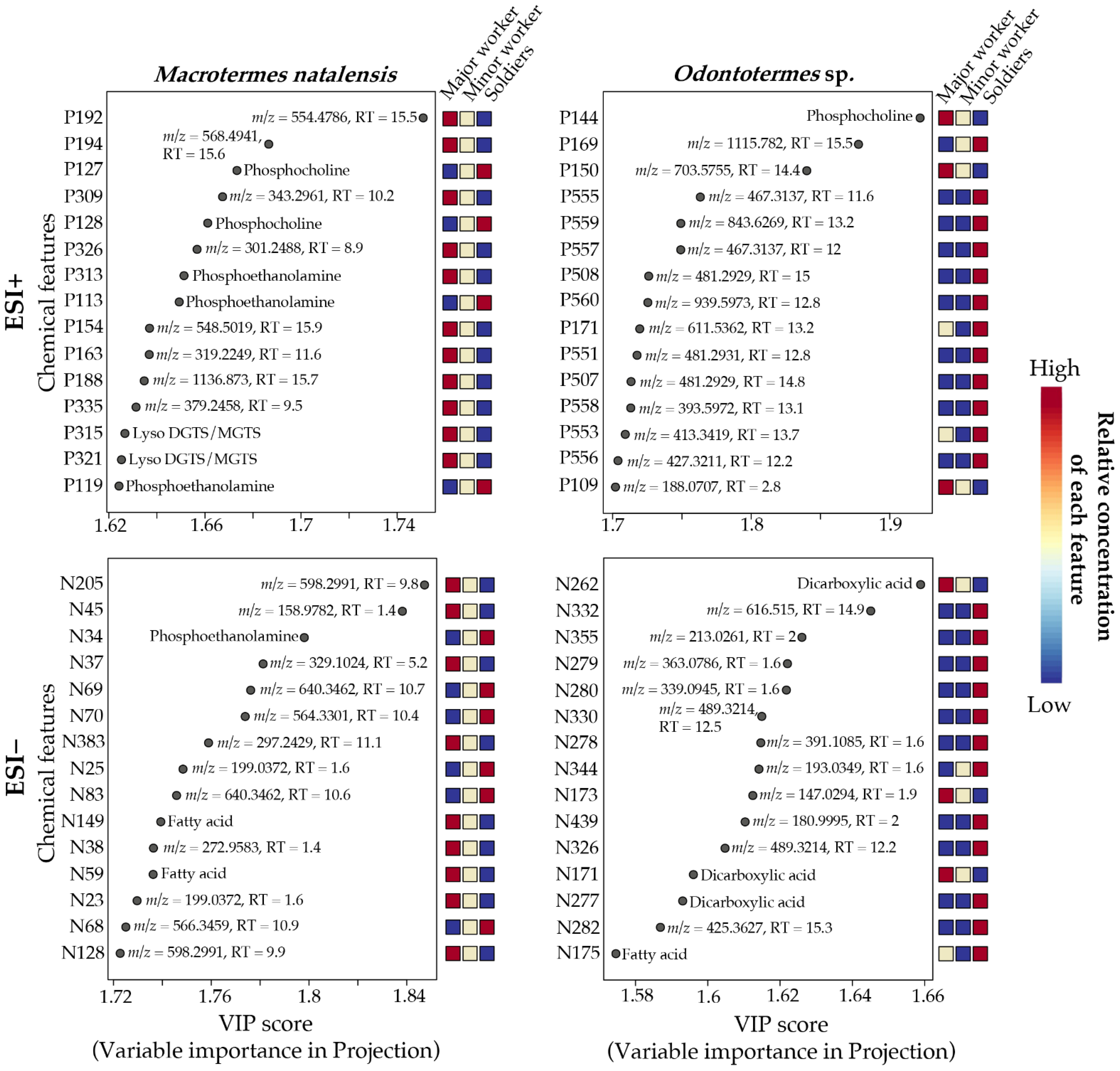
Fungus-farming termites host gut microbial communities that contribute to the pre-digestion of plant biomass for manuring the fungal mutualist, and potentially to the production of defensive compounds that suppress antagonists. Termite colonies are characterized by complex division of labor and differences in diet between termite size (minor and major) and morphological (worker and soldier) castes, and this extends to the composition of their gut microbial communities. We hypothesized that gut metabolomes should mirror these differences and tested this through untargeted LC-MS/MS analyses of three South African species of fungus-farming termites. We found distinct metabolomes between species and across castes, especially between soldiers and workers. Primary metabolites dominate the metabolomes and the high number of overlapping features with the mutualistic fungus and plant material show distinct impacts of diet and the environment. The identification of a few bioactive compounds of likely microbial origin underlines the potential for compound discovery among the many unannotated features. Our untargeted approach provides a first glimpse into the complex gut metabolomes and our dereplication suggests the presence of bioactive compounds with potential defensive roles to be targeted in future studies.
Keywords: GNPS; LC-MS; LC-MS/MS; Macrotermitinae; Macrotermes; Odontotermes; symbiosis; Termitomyces; metabolomics; gut; MolDiscovery GNPS; LC-MS; LC-MS/MS; Macrotermitinae; Macrotermes; Odontotermes; symbiosis; Termitomyces; metabolomics; gut; MolDiscovery